
Don Cicci
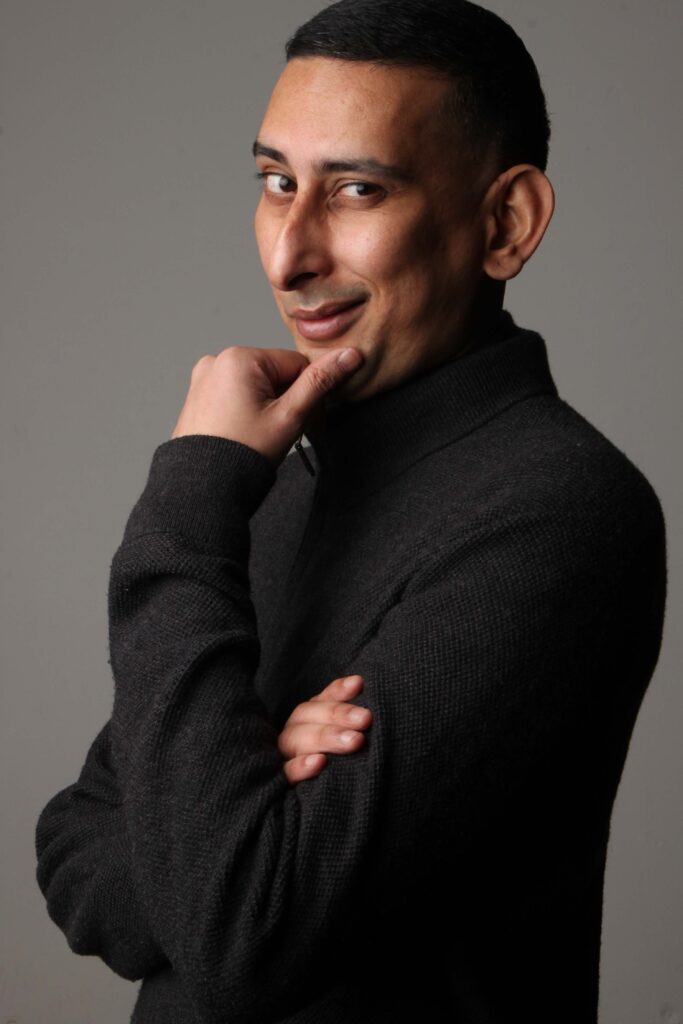
Don Cicci London-based producer Don Cicci takes us behind “Polpette,” exploring 1970s Italian compositions, boom bap aesthetics, sampling, cinematic storytelling, and the evolving creative vision shaping his distinctive sound. 1. “Polpette” blends classic boom bap aesthetics with the atmosphere of 1970s Italian compositions. What first drew you to that particular era and style of music, and how has it shaped your identity as a producer? Yes, it all draws back to experience and influences. From a young age, people around me made an impact and influenced me in listening to and watching general media. I was always influenced by certain film soundtracks, and to me, the 1970s were the era of beautiful composition and expression of tracks. In regards to my identity as a producer I think the craft itself is ever evolving and I am still learning because there is so much to look at when producing, 1970s style as you say is only another style I produce, where I am pretty diverse and open to creating alternative genres. 2. The instrumental of “Polpette” seems to balance cinematic beauty with a certain street-level grit. When you were creating the track, what kind of emotions, images, or atmosphere were you trying to capture? The whole track immersed in itself was an expression of combined things like beauty and tragedy, whilst the main element for me is the whole track is telling a story without lyrics and any listener can capture his or her story and perceive it through actual listening of the track, as to what he or she may think, or to add any emotions. That’s what makes this track unique. 3. Sampling is clearly an important part of your creative process. How do you approach finding the right samples, and what made the elements you sampled for “Polpette” feel like the perfect fit for the production? Sampling, not only for me but for many other producers, is a major game changer; finding the correct sample requires a good ear for music. For me, the quality and depth of a track and how it makes me feel in a way to want to express it to the listener, is important. 4. You describe “Polpette” as one of your most carefully crafted productions. Can you take us inside your programming and arrangement process and explain what went into building the beat from its initial idea to the finished track? To briefly say, the track was touching; therefore, I chopped it into 4 bars and 8 bars, then rearranged the track and programmed the beat and bassline according to the correct chord progression. The process is pretty straightforward but on point. 5. You created “Polpette” in your home-based studio in London. How does working in your own space influence your creativity, workflow, and willingness to experiment compared with working in a traditional studio environment? To me, working in a home environment is no different from working in a studio; it is pretty much the same, but working from my own space does save paying for resources in a studio, whereas in a studio you have more facilities to experiment and work on, but obviously there are more costs to that. I think it goes hand in hand. 6. You’ve said that “Polpette” could be one of the strongest boom bap productions you’ve made. Looking at the track now, what are you most proud of, and where do you see Don Cicci’s sound evolving from here? Polpette so far is definitely one of my favourite productions to date. I like to express positive pride in my work and accomplishments, which is not to be mistaken for arrogance or vanity, but rather knowing I put the work in, show up and trust in the process itself more than the results. As far as the sound evolving from here, we’ll have to wait and see; stay tuned in! LONDON LO-FI RECORDS
Endive
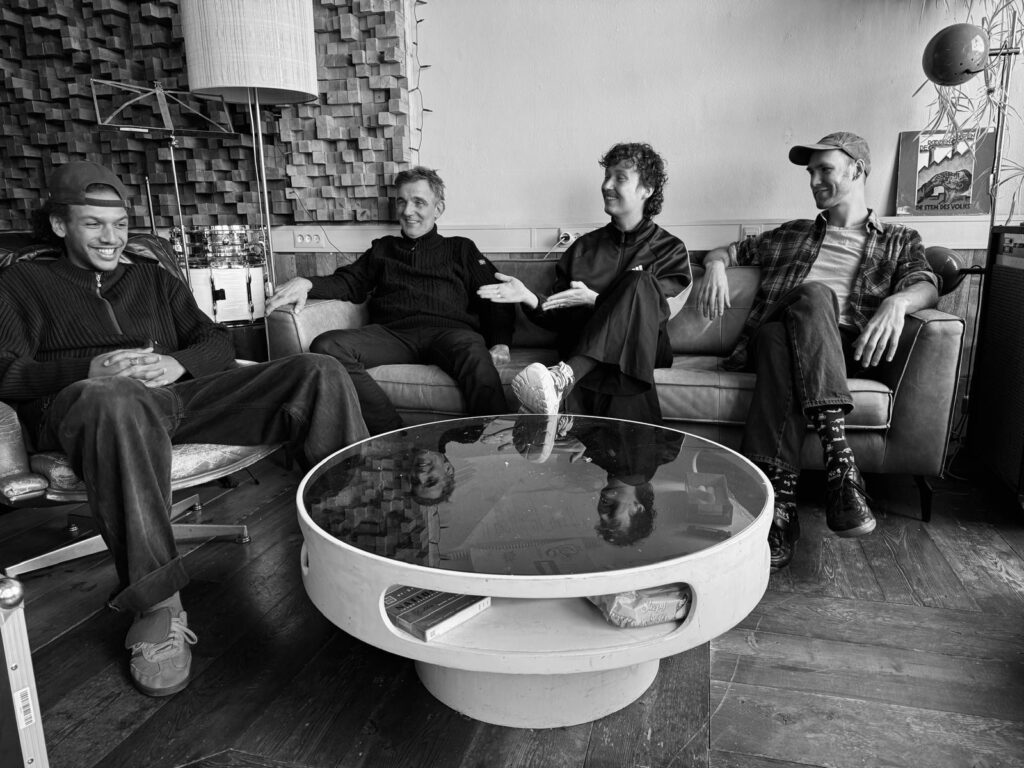
Endive We caught up with endive to discuss their debut EP headprint, exploring its emotional depth, creative process, diverse influences, cinematic atmosphere, and the journey behind their distinctive sound. 1. Congratulations on the release of headprint! Looking back on the journey from the first improvisations to the finished EP, what emotions stand out the most now that the record is out in the world? Warner: Mostly gratitude, and probably a little vulnerability. Some of the songs began as very private moments at the piano, so releasing them feels like letting go of something that lived with me for a long time. Marcel: And then they became something shared. What’s also special about endive is that we’re not only musical collaborators, but father-in-law and son-in-law, from different generations. We came into music through very different lives, so the project has always been an unexpected meeting of worlds. Warner and I developed the compositions together, sitting in the attic, talking and experimenting until an idea took shape. Seeing those private ideas eventually become a record with Sam and Andro, and now hearing people connect with it, is incredibly humbling. Warner: And somehow that whole journey makes the release feel bigger than just putting out a record. Something that started very privately between the two of us has become something we can share with other people. 2. Many of your songs begin as spontaneous piano improvisations. What is it about improvisation that allows you to discover ideas you might never find through a more structured writing process? Warner: Improvisation helps me bypass the part of my brain that wants to judge everything. I can simply react to what I’m hearing, and sometimes an unexpected harmony or melody takes me somewhere I wouldn’t have consciously gone. Marcel: That’s often where our collaboration starts. Warner brings the initial idea, and then we explore it together. Sometimes it stays close to the original, sometimes it becomes something completely different. Warner: The improvisation gives us the spark, but the writing becomes a conversation. 3. Your music beautifully blends dream pop, ambient pop, and art rock. How did those different influences naturally come together to shape endive’s distinctive sound? Warner: I think the contrast starts with our very different musical backgrounds. I grew up immersed in classical music and was trained at the conservatory, which made me very focused on harmony, melody and composition. Marcel: My background is much more eclectic. I’ve played and toured in bands across different genres and spent years running a record store, so I was constantly surrounded by different ways of approaching music. Warner: We’re also from different generations, so we didn’t grow up with the same musical culture. We naturally bring different perspectives into the writing. Marcel: That means we often hear the same idea differently. Warner might focus on a melody or chord progression, while I’ll hear something in the rhythm, texture or space around it. Warner: When we start responding to each other’s way of hearing an idea, it can develop into something neither of us would have found alone. I think that’s a big part of what gives endive its sound. 4. The EP explores themes such as love, longing, identity, self-discovery, and self-destruction. Were there any songs that were particularly challenging or emotionally demanding to write? Warner: Actually, that applies to quite a few songs on the EP, precisely because they all come from very personal experiences and feelings. Nightfall, for example, was one of the more difficult ones. It’s about addiction, wrong choices and destructive patterns that can be difficult to break. To unfold comes from a very different place: it’s about pursuing your dreams while also being afraid of rejection or failure. Marcel: I think that personal layer is important throughout the EP. You don’t necessarily need to know exactly what lies behind a song to recognize the feeling. Warner: Exactly. The challenge is always to be honest enough that the song comes from somewhere real, without explaining everything. I want there to be room for the listener to find their own experience in it. 5. Nature, dreams, and the passage of time are recurring elements throughout headprint. What draws you to these themes, and how do they help express emotions that words alone cannot? Warner: I’m drawn to things that are constantly changing and impossible to hold onto. Dreams disappear as soon as you wake up, nature is always transforming, and time changes the meaning of things without us being able to stop it. I think those qualities mirror the way emotions work. I’m also interested in the fact that an image can communicate something without explaining it. A landscape, a season or a particular moment in nature can carry a feeling that would become much more literal if I tried to describe it directly. Marcel: And that ambiguity leaves room for the listener. The same image can mean something completely different to different people. Warner: That’s important to us. We don’t want to give the listener a fixed interpretation. We want the songs to create a space where they can bring their own memories and experiences. 6. Critics have praised the cinematic quality of your music. When you’re writing and arranging a song, do you consciously imagine visual landscapes or stories, or does that atmosphere emerge naturally? Warner: It’s a combination. Much like in Impressionism, I try to connect certain sounds with images, feelings and movement. A particular harmony might evoke a colour or landscape, while a rhythm can create a sense of movement. I don’t think so much in terms of a specific story or scene, but more in associations and atmosphere. Marcel: And when we’re arranging, we think a lot about space: whether something feels close or distant, open or enclosed. That connects quite naturally with what Warner is trying to create through those associations. Warner: Ultimately, the cinematic quality comes from that combination of sound, image and feeling, without prescribing exactly what the listener should see. 7. Working with producer
Hal Neink
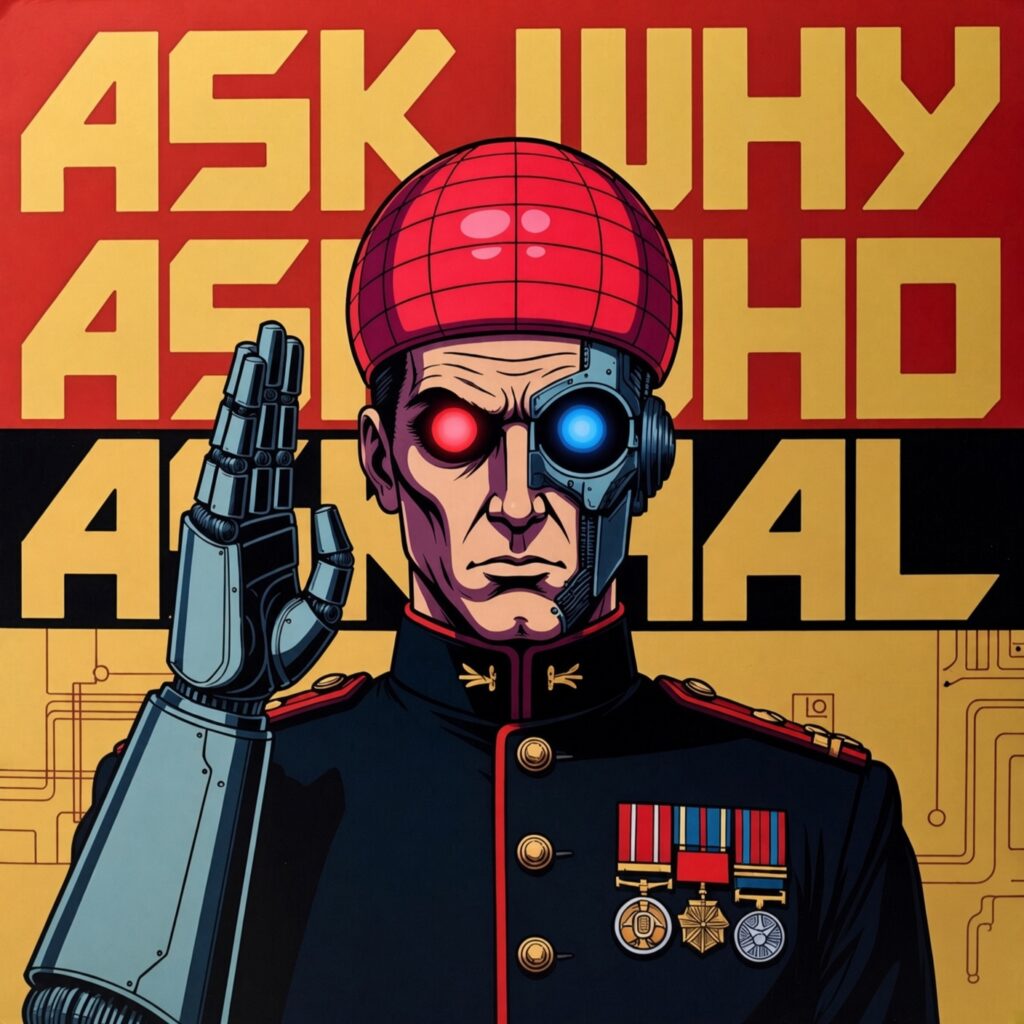
Hal Neink After two decades of private songwriting, Hal Neink steps into the spotlight, blending quirky influences, personal stories, social commentary, and heartfelt creativity. 1. “Ask Why, Ask Who, Ask Hal” is the result of a journey that began with you writing songs privately for around 20 years. What finally gave you the tools and confidence to bring those songs to life and share them with the world? I don’t think I’ve ever outgrew my teenage shyness, haha. In some ways, I’m still sitting in my dirty childhood bedroom scribbling lyrics into a cheap dollar-store journal. Using a persona like Hal lets me set aside the anxiety and focus on making the sounds and verses that I’ve had inside for a while. But really, the biggest push came from my friends Remy and Steve. We’d made content together for years, where I preferred to stay behind the scenes. We stared using Ai and Synthesizers to make funny songs for their podcasts and it awoken that young songwriter in me. Through their encouragement, I decided to let Hal out to the world. 2. You describe Devo, Dick Dale, and Iron Butterfly as key influences on the album. What do you love about each of these artists, and how did you combine such different musical worlds into the Hal Neink sound? The biggest visual influence was Devo. I love the over-the-top machine-satire and I think synth-pop blends well with everything, but especially the twangy sea sounds of Surf Rock. The first time I heard Miserlou, I was hooked. The Iron Butterfly influence is most prominent in my Road Trilogy: Cosmic Road, Road Unending, and End of the Road. Which is a story of a middle aged man discovering psychedelics late in life. I loved the combination of genres so much, I try to keep them in every song. I call it Nerd Pop, but I’m sure it has a better name out there. 3. As your debut album, “Ask Why, Ask Who, Ask Hal” represents a major milestone, even though you feel you have created stronger music since. Looking back, what does this first release mean to you today? I am very proud of “Ask Hal” because it was the first album I released publicly. Also, telling a consistent story like the Road trilogy is great too, hopefully it leads to a solid concept album in the future! I wasn’t sure if I’d ever release anything afterwards so I can definitely appreciate getting some of my music out. I don’t dislike Ask Hal at all, I was just saying there’s more to come! 🙂 4. Tracks such as “Projection” and “¼” take aim at what you describe as “terminally online hypocrites.” What inspired these songs, and how do you approach turning contemporary social observations and frustrations into music? It’s embarrassing to admit, but I got pretty invested in an online-beef between a couple of tiny personalities and it had all the makings of a good soap opera… But I’d really hate to give them more attention here. It’s like a conman arguing with a panhandler in an alley. Sure, we’re going to watch, but who else will care? As for social commentary, most of my songs are some sort of social commentary, even if I try to minimize it in the lyrics. I don’t want to preach or judge so harshly that I alienate anyone, especially since my own views are subject to change with time and evidence. 5. You are creating Hal Neink music not only as an artist but also as a single father, with the hope of eventually sharing your work with your daughter when she is older. How does that personal motivation influence the way you write and create? Mostly, I started using substantially less curse words! My oldest is a much better musician than I am and I hope to inspire her to put her own work out there one day. She has fairly severe ASD, but I want to show her how capable she really is by carving even a tiny path forward for her. 6. After spending so many years writing privately and now having your music reach listeners, what have you learned about yourself as an artist—and what can we expect next from Hal Neink? It’s still a little overwhelming! I’m really proud of it, but I don’t think I was in a place before now. It’s very strange in a lot of ways. In the past, I’ve had to stop myself and ask “Is this how Dave feels or is this what X-character feels?” but by being honest with myself and others about my own emotions, I’ve discovered that the difference rarely matters to the end product. Sometimes a song is my thoughts on a subject, sometimes it’s an alternative POV, sometimes it’s a caricature of either or both. It will be interpreted however the listener wants to hear it, and that’s OK! Art should have intent but once you give it to the world, everyone’s interpretation becomes how they enjoy it forever. And I think that’s really cool, if a little intimidating. https://www.instagram.com/halneink
Satoshi
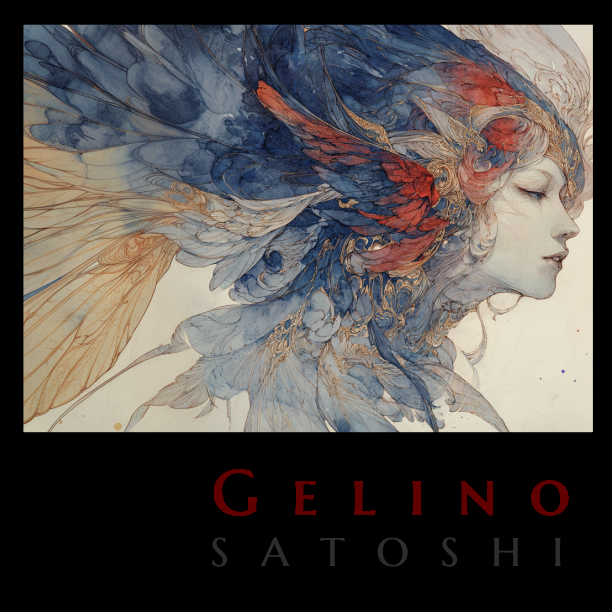
Satoshi Japanese composer and producer Satoshi | ECLESIAH discusses “Gelino,” a bold reinterpretation of traditional music, blending folk melody, ambient electronics, cinematic textures, and post-metal heaviness. 1. “Gelino” takes a traditional public-domain song and places it in a very different sonic environment. What first attracted you to this particular piece, and what made you want to reinterpret it rather than simply present it as a traditional cover? I came across the song by chance, but I was immediately captivated by the beauty of its melody. Knowing that it is a traditional song from the mountainous Caucasus region naturally brought to mind a sense of history, vast landscapes, and something deeply romantic, and I found that very appealing. I was also fascinated to learn that, despite its melancholy character, it has traditionally been sung at weddings. That contrast gave me a strong sense of the depth and sophistication of the musical culture of the region, including Georgia. One of the missions behind my music is to help introduce traditional songs and folk music from different parts of the world to a wider audience. There are already excellent traditional interpretations of many of these songs, so I felt that, as a musician working from a completely different cultural environment in Japan, my role was not simply to reproduce what already exists. Instead, I wanted to reinterpret the song through a new sonic language and create another path through which new listeners might discover it. 2. The track brings together folk melody, ambient electronics, experimental textures, post-rock dynamics and post-metal weight. How did you approach finding the right balance between these seemingly different musical worlds? My own music has always had two main axes: heaviness and melody. Because of that, the arrangement of “Gelino” did not really come from a conscious attempt to combine different genres. It felt more like a natural extension of my own musical language and instincts. At the same time, maintaining cohesion and avoiding excess was very important to me. Genre fusion can easily become a matter of forcing traditional melodies or instruments into the grammar of another style without any real necessity. I tried not to simply add elements for the sake of variety. Instead, I carefully considered whether each sound was genuinely necessary for the song, and whether it strengthened the music or gave it greater meaning. The goal was to blend only the elements that truly served the piece. 3. You describe “Gelino” as a spacious and cinematic reinterpretation while still preserving the character of the original melody. How did you decide which elements of the traditional source had to remain untouched and where you could take creative liberties? For me, the melody is the soul of a traditional song. From the beginning, I decided that I would leave the melody itself intact and reinterpret the piece through the backing arrangement, structure, and overall sonic environment. Of course, that was also because I was so strongly drawn to the original melody in the first place. For that reason, I allowed myself much more freedom with the accompaniment, structure, and arrangement, which, as listeners can hear, were changed quite boldly. The lyrics sit somewhere between those two approaches. As part of my aim to bring traditional songs to a wider audience, I generally adapt the original-language lyrics into English. However, I do not simply translate the literal meaning. I try to preserve the original imagery and emotional content as much as possible, while also making the English sound natural and ensuring that the words fit the original melody smoothly. I put a great deal of care into that process. 4. You handled the arrangement, instrumentation, sound design, production, mixing and mastering yourself. How did working across all these stages shape the final identity of the track, and was there a particular production element you found especially important? I think the direction of the piece was largely determined during the arrangement and sound design stages. The heavier section in the latter part of the track, in particular, is a completely new interpretation that does not exist in the original song. Because of that, the identity of the track was shaped not only by the arrangement itself, but also by decisions about texture, tone, and sound design. By contrast, I see production, mixing, and mastering as stages that support and clarify that artistic direction. Their role is not so much to create the concept, but to make sure that the intention already established in the arrangement and sound design is communicated as clearly and effectively as possible. If I had to identify one particularly important element, it would be the sound design of the heavier second half, because that is where the reinterpretation becomes most clearly distinct from the traditional source. 5. The vocal performance was created using ACE Studio’s AI singing technology. What possibilities does AI singing open up for your creative process, and how do you see it fitting alongside your own human work as a composer and producer? On a practical level, AI singing makes trial and error much easier. It allows me to move through the creative cycle much faster, so it has clear benefits in terms of production speed and cost. However, I do not see AI simply as a tool for efficiency. Creatively, I believe humans and AI can coexist through a division of roles, with each contributing something different and leading to better artistic results. For example, AI singing can be pushed in directions that are very different from natural human performance. You can reduce subtle pitch fluctuations to an extreme degree and create a voice that feels almost crystalline—very even, transparent, and precise. When voices like that are layered into a choir, they can produce a kind of beauty that is intentionally non-human. I informally call this kind of sound an “angelic voice,” although I am still experimenting with the idea. At the same time, human singing has qualities that are uniquely human: tiny fluctuations, warmth, physical presence, and emotional
The Mess:Age
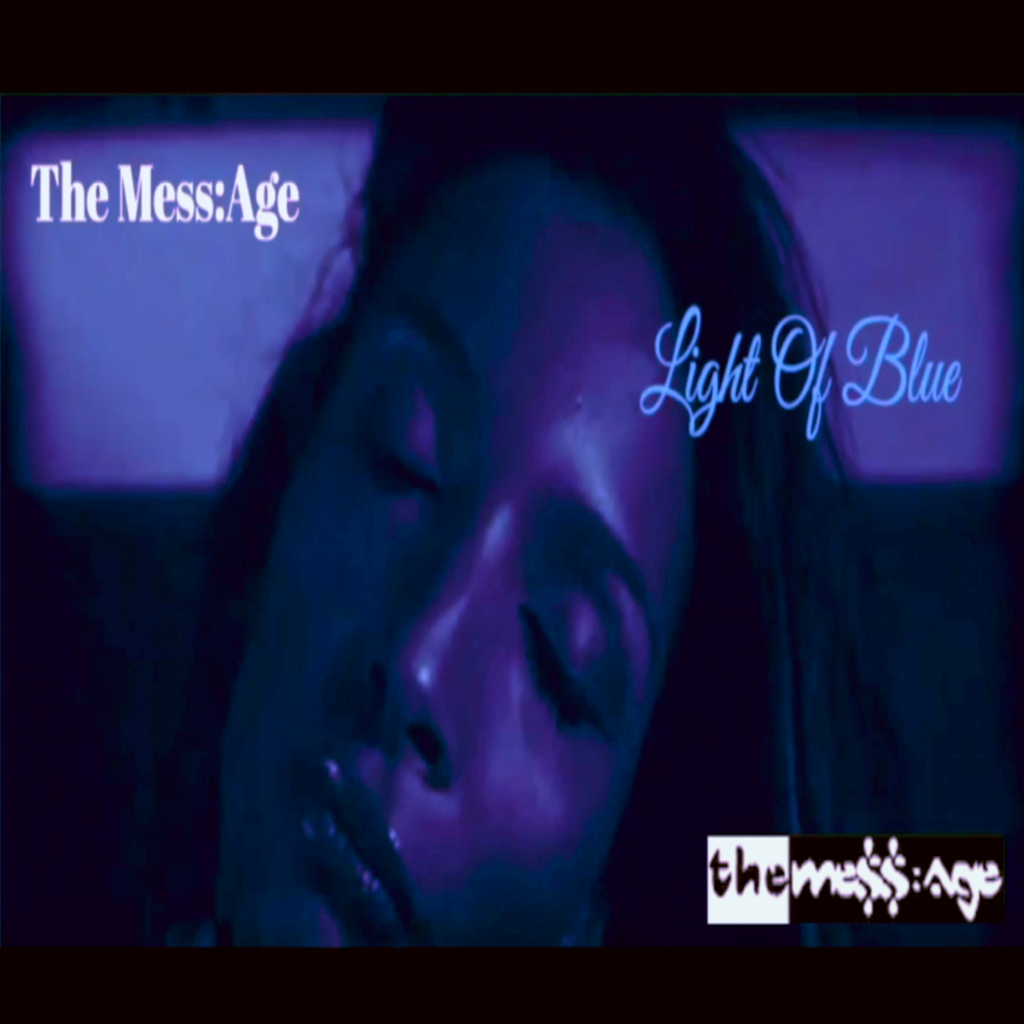
The Mess:Age The Mess:Age is a distinctive musical project blending powerful messages of awakening, unity, spirituality, and self-discovery. We explore the ideas, inspirations, and vision behind its evolving sound. 1. Your music is presented as more than entertainment, with a strong spiritual, philosophical, and rebellious message at its core. How would you describe the mission of The Mess:Age, and what do you hope listeners take away from your music? There are those in positions of power and seats of authority, who have sadly manipulated the masses over many years, and used music as a dividing weapon, therefore we aim to reverse this power-hungry attitude by bringing people from all nations together by uniting them in verse, giving them timeless tracks that will hopefully resinate within every fragment of their hearts, and leave an imprint upon their life’s journey and footsteps within the sand. 2. The track comes from your second album, *AGE OF MESS*, and combines a summer ocean/beach-style commercial pop-rock sound with much deeper themes. What inspired this particular contrast between an accessible musical atmosphere and the serious ideas explored in the lyrics? every single day for 25 years i would look up and shout LOOK, ”CHEM TRAIL’S” only to fall upon ignorance and deaf ears…until recently, as the whole world has finally awoken to those who like to play God. therefore the song came about as a way of trying to awaken the masses and get them to finally listen, and at the same time lift up their spirits with a good commercial positive summer vibe and “Enlighten” them with The light Of Blue. 3. You describe “God’s Ozone” frequency and the “Light of Blue” as important concepts behind the song. Could you explain what these ideas mean to you and how they connect with your message about positivity, awakening, and the human spirit? well you can blame the teaching’s of the Great Master Wilhelm Reich Orgone energy luminiferous Aether “GOD’S OZONE” that is within all living things, as those in power again, placed him in prison for his healing and free energy inventions, teachings and views, as they saw him and others like Nikola Tesla and Dr Royal Rife as threats to their power hungry psychopathic Racist and ignorant minds, for “THEY DENIED US THE STARS” and yes i have in fact written a song about ALL 3 of these suppressed genius inventors entitled just that.[ which will be Released upon The Mess:Age 3rd Album entitled SPEED OF LIGHT. 4. You have Emphasized that The Mess:Age has a sound that is difficult to compare with anyone else. What do you believe makes your music and artistic identity so distinctive, and how important is originality to your creative process? Firstly as a writer i am fearless, otherwise there would be no Artistic flow if one was to ever worry about offending regarding subject matter, therefore is it not a miracle that i speak unto you now? as again they lied to us about who we are as Hu-man beings within the Vibration and united-verse, therefore The Mess:Age music derives from “God Source” and my direct connection to Hymn. “pardon the pun” as The Mess:Age Vibration’s Song within itself becomes a Unique Immortal Expression, and unlike his-story they tried to erase, The Mess:Age Sound is Eternal. 5. The recording took place at Phoenix Production Studios in London, while you are now working on the third album, *Speed Of Light*, and the forthcoming fourth album, *ALIGNMENT*. How has your artistic vision evolved since *AGE OF MESS*, and what can listeners expect from these upcoming releases? seeking truth is a lonely journey, therefore i try my utmost as an Artist Voice and Messenger to try to point the fans “Children of The dawn” and those who are Awakening, in the right direction and pathway back to “GOD SOURCE AND EDEN.” 6. “Awaken Enlighten” has become a powerful phrase associated with The Mess:Age and your artistic journey. What does this message mean to you personally, and what would you like someone discovering The Mess:Age for the first time to understand about your music and its purpose? i would like them to open their ears eyes and hearts to look deeper to “Awaken and Enlighten” life’s gift given before them, to inspire and ignite their own creative spark, and in turn through positive thoughts manifest their dreams of destiny to become reality. “GOD SPOKE THE UNIVERSE”, OUR THOUGHTS ARE ENERGY THAT BECOMES MATERIALISTIC SURROUNDING MATTER , so i try my utmost to Enlighten The World and Manifest The Christ From Within. “Always Spread The Love”.. GOD BLESS Ziggy The Mess:Age. Home – The Message
Mary Strand
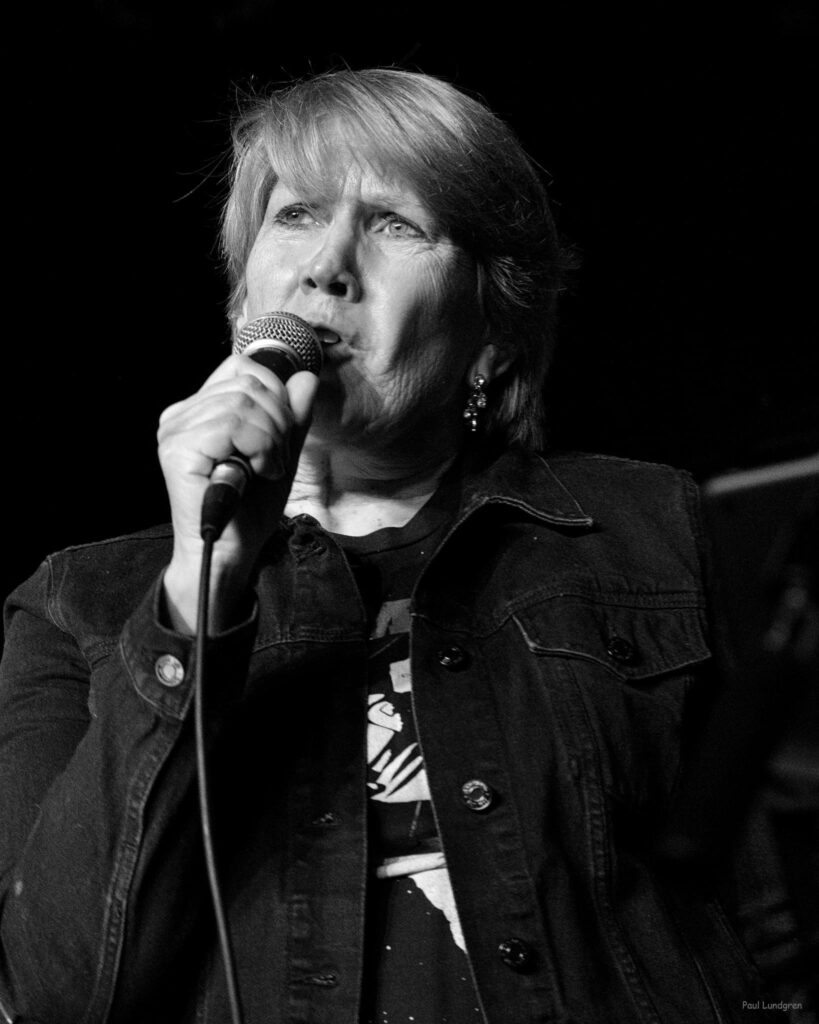
Mary Strand Minneapolis singer-songwriter Mary Strand discusses “Annunciation,” a powerful rock song born from grief, anger, faith, and hope, confronting gun violence while celebrating music’s power to inspire change. 1. “Annunciation” was written on the very morning you learned about the 2025 shooting at Annunciation Catholic Church, a place that was personally familiar to you. What went through your mind as you picked up your guitar that morning, and how did the song begin to take shape? I’m in a singer/songwriter challenge group, and I had actually planned to write a different song that morning for our weekly prompt. But the Annunciation news was everywhere as I sat down with my guitar, and I knew immediately that there was only one song I could write that day. I went to church at Annunciation when I was a kid growing up in south Minneapolis, so I could picture it vividly. It was heartbreaking. One photo posted online almost immediately, of a mom running barefoot in the street toward Annunciation, hit me particularly hard. I just instantly knew what I had to say and how to say it. It was about Annunciation, but it’s also about all of the senseless gun violence, especially violence against kids. I thought of Sandy Hook, of Columbine, of Parkland High. I was upset, angry, and deeply sad. I just put it all out there. 2. The song transforms grief and anger into a direct call for meaningful action against gun violence, particularly violence affecting children. What message did you most want listeners to take away from “Annunciation”? I wanted to remind listeners of ALL of the mass shootings involving kids, so I named several of them, especially the ones that personally hit me the hardest. I started with Annunciation, of course, but there are so many, and I wanted to write a song demanding that we make this a better world: especially for our children. I went hard against politicians in the song, but also voters: we have the power, collectively, to elect people who will do what’s right, but especially for our children. It’s ALL about the children. They’re our future and our hope for a better world. 3. The lyrics challenge the idea that “thoughts and prayers” alone are enough in the face of repeated tragedies. How did you approach expressing that frustration while still holding onto the sense of hope that runs through the song? I’m all for prayers (or however people feel called to express their beliefs), but I can’t stand the thought that people mindlessly say “thoughts and prayers” and then go on about their life. But I’ve lived my life hoping and working for a better future, and I care deeply about making this a better world. We can do this. And without that hope, we have nothing. So in my song, I call on people to quit relying on “thoughts and prayers” and start taking action, including by making good choices in the voting booth. 4. “Annunciation” carries the raw energy of punk, garage, and indie rock, with influences ranging from Joan Jett and The Pretenders to The Clash and Minnesota bands such as The Replacements. How did those influences shape the sound and emotional impact of the track? Those bands and others like them very much shape my sound. I love rock! (I love Joan Jett!) And I particularly love the intensity of punk rock, the freedom of garage rock, and of course the independence of indie rock. If I’m going to make a statement (and increasingly, I do that in my songs), I find it easiest when I’m expressing myself from a starting point of rock & roll. Even the strum I use when first writing a song shapes the sound and feeling of the track. On “Annunciation,” from the outset I played what I think of as my own classic vibe: a driving punk strum all the way. 5. You initially found it difficult to perform and record “Annunciation” without becoming emotional. What was that recording process like for you and Mary Strand & The Garage, and did the song evolve emotionally between writing it and finally recording it? I’m not usually one to cry, but I cried several times that first morning while writing “Annunciation.” The line, “Oh, Sandy Hook, Sandy Hook” is particularly tough for me: ALL those little kids who died. I truly can’t bear the thought of it. When I first played it for two of my bandmates, Ryan Smith and Mark Wade, before we ever recorded it, more tears were in my eyes. But the beauty (or sometimes not!) of recording is that you play and sing a song over and over until it’s right, and the repetition helped calm me down. And my band, Mary Strand & The Garage, started playing the song this past January, so we’ve now played it live several times. But it’s still always emotional to me, even though you’ll probably no longer see it on my face. It’s also one of a few songs of mine that always has a few audience members talking to me about it privately after a gig, because it touched them, too. That’s what it’s all about. 6. “Annunciation” is the first preview of your upcoming fourth album, while you also have a Christmas rock album planned for later this year. Looking ahead, what can listeners expect from this next chapter of your music, and how do you hope your songwriting can continue to make a positive difference? The Christmas rock album has five songs of mine, all festive and mildly gritty rockers in my signature style, and five songs that I wrote with five friends in my songwriter group, most of whom write what I’d call Americana. So those five songs are a blend of my rock and their Americana, which is a bit of a twist. We call that album “controlled chaos,” which I think is perfect. It’s Christmas, so it has to be festive, but not
Music of Synergia
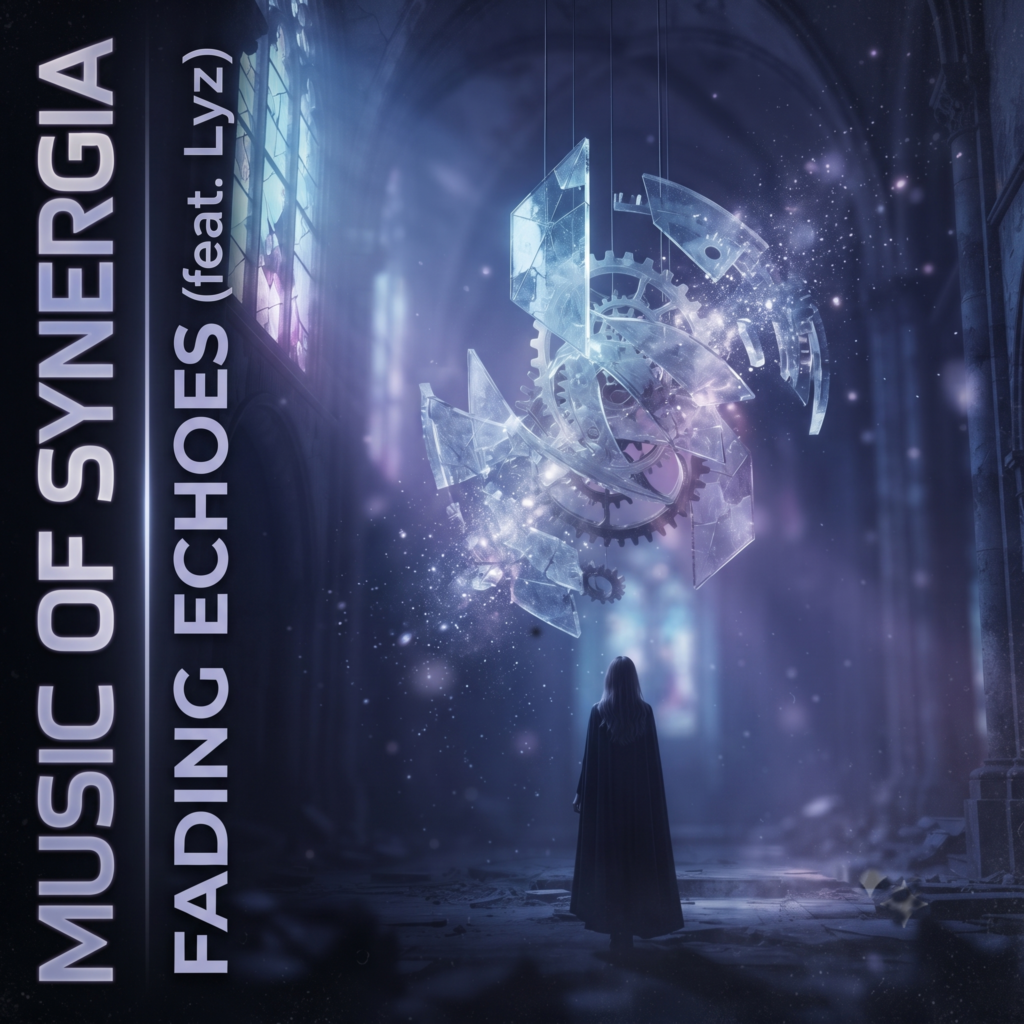
Music of Synergia Music of Synergia explores grief, sensitivity, artistic freedom and resistance to AI-driven superficiality. In this interview, the project discusses “Fading Echoes,” A.C.I., collaboration with Lyz, and what comes next. 1. “Fading Echoes” explores grief, fractured memory, loss and the ghosts that remain after something precious is gone. What personal or creative ideas shaped the emotional world and story behind the track? Creating “Fading Echoes” was a deeply reflective and emotional process. The song deals intimately with grief, pain, and the ghosts of memory. At its core, it is meant to serve as a pillar of support and a sanctuary for anyone who finds themselves within its melody. We live in such a fast-paced era where highly sensitive people—those who are often lost in their own thoughts, feeling everything intensely, and genuinely willing to look behind the glossy facades of modern life—tend to get left behind and overwhelmed. Sensitive individuals have to be incredibly careful not to lose themselves in the noise of social media and all those superficial distractions. So, shaping this track was about channeling all of that reality into sound. It serves as a warning against losing your true self, but ultimately, it is also designed to be a source of comfort, offering a resonant space to process loss and find your footing again. 2. Music of Synergia is a specialized side project through which you explore A.C.I. (Analog Core Industrial). How would you define A.C.I., and what makes its sound and aesthetics different from your work as Manufracture Music? A.C.I. (Analog Core Industrial) is my artistic protest against the irresponsible use of AI in general. I create my music strictly using authentic analog instruments, but my accompanying videos are intentionally made to be pure AI slop. Beyond that conceptual approach, musically, Music of Synergia differs completely in style from my work as Manufracture Music. While Manufracture Music covers a broader, heavier spectrum, Music of Synergia is much more cinematic, atmospheric, and leans toward trance elements, often paired with expressive female vocals. And just how necessary my wider protest is was proven to me by a recent experience: on heavily AI-driven platforms, you find EBM purists running around who condemn any use of AI whatsoever—and they do this on demonstrably AI-driven platforms! That is pure cynicism. These are often the exact same people who get manipulated by AI memes into making undemocratic voting choices because they completely fail to realize that AI has already been steering and controlling them for a long time. Those purists have attacked me plenty of times because I make AI videos and openly stand by it; they refuse to listen to my music simply because my videos are AI slop. Sometimes I wonder if the genre is actually called Electro Body Music or Electro Body Video! But that’s not even the point. Our world is so fast-paced and overflowing with AI, not just on social media, that most people only react to superficial stimuli anymore. That vulnerability makes them wide open to manipulation by AI and similar forces. Through my music, I want to draw attention to this—not just for my fans, but across all my projects, because it is a matter that is deeply important to me. 3. The track combines dark electronic textures, gothic atmosphere and cinematic elements with imagery of broken gears, glass and fading memories. How did you translate these visual and narrative ideas into the production and sound design? To be honest, the track is essentially full of stylistic contradictions, and I really struggle to overanalyze something like that in hindsight. I simply use my music and melodies to express feelings and messages. If you start analyzing things after the fact, you run the real risk that listeners won’t be able to find themselves in the music anymore. They end up being presented with an analytical concept that might not match up with their own personal feelings within the individual melodies. I just try to transmit a feeling, and I think I succeeded quite well at that. That being said, I still put a lot of deep thought into how I actually translate these narratives and translate the core concept into the music and sound design. It’s just that the technical process always serves the emotion, not the other way around. 4. Lyz’s vocal performance brings a particularly fragile yet intense quality to “Fading Echoes.” How did the collaboration develop, and what did you want her voice to contribute to the emotional story of the song? I have actually known Lyz for many years, but I only happened to hear her sing by chance one day. In that exact moment, the decision was instant: I knew I needed her voice for my music. She is the absolute perfect complement to the lyrics and the specific style of this project. Lyz has an incredibly clear and distinct vocal tone, a very confident presence, and she delivers the lyrics with profound emotion. That genuine depth is exactly what was needed to truly bring the emotional story of the track to life. 5. The project describes itself as a space for creative freedom, experimentation and ideas that exist between genres and emotions. How important is storytelling and world-building to Music of Synergia, and is there a larger lore developing around the project? The project describes itself as a space for creative freedom, experimentation and ideas that exist between genres and emotions. How important is storytelling and world-building to Music of Synergia, and is there a larger lore developing around the project? There isn’t some massive, elaborate background lore behind it. No matter which project it is—whether it’s Manufracture Music, Fortyfication*5, or Music of Synergia—my main goal is simply to express something real with my music, be it raw emotions, or negative and positive feelings. I believe that as a musician, you are always sending out a message, even if that concept is no longer really tangible for the masses in today’s incredibly fast-paced world. The music within
BEND
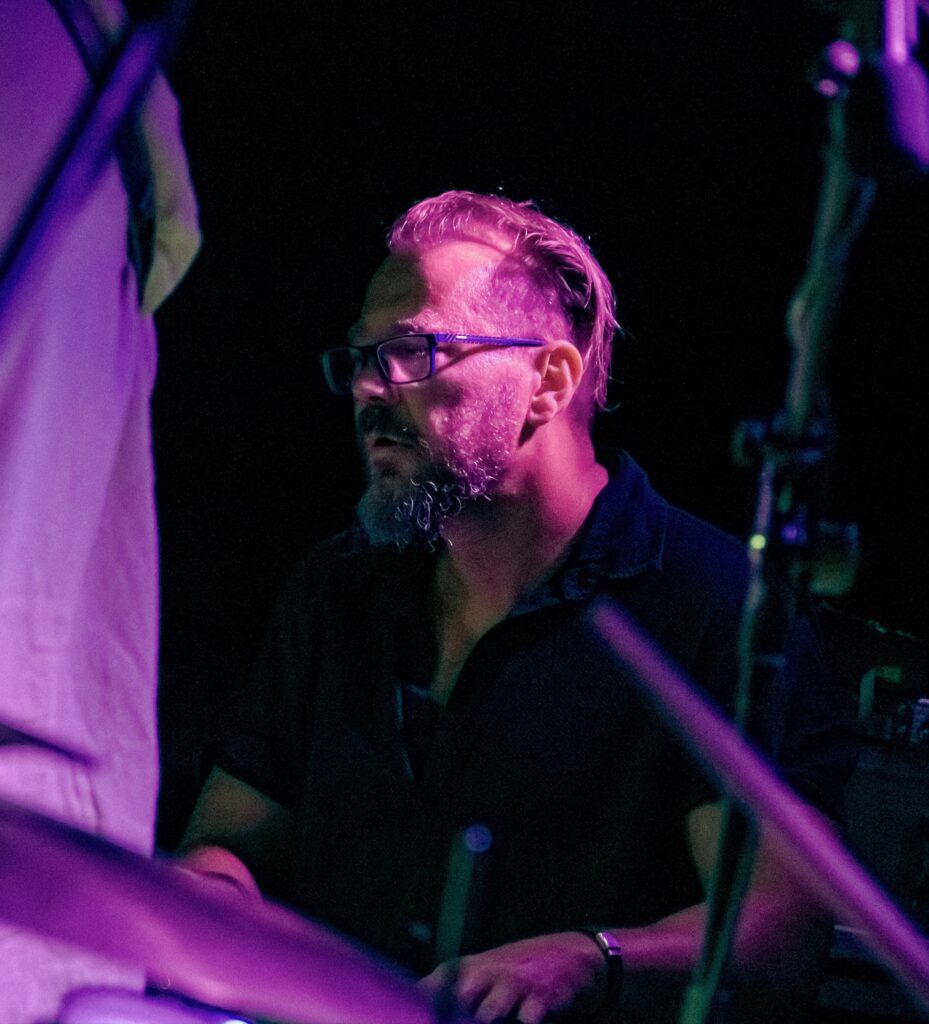
BEND Gábor Szunyogh discusses BEND, a deeply personal journey through genre, mood, improvisation and the piano, exploring how music can transform perception and reveal entirely new realities. 1. BEND explores the idea that we all “bend reality” through our own perceptions. When did you first realize that your personal way of seeing the world could become a source of musical inspiration? I think it was when I realized that the experiences we go through can be filtered through us as music in completely unexpected ways. After a moment of great happiness, you might write a sad song. A frustrating experience might somehow rearrange itself into perfect harmonies and become a peaceful piece of music. I began to notice that the usual musical stereotypes don’t always work. The world can reappear in your music as a completely different reality. Obviously, it is a world that follows different rules – and that is exactly why it is so interesting to explore. I think that idea is at the heart of BEND. 2. The album moves between jazz, blues, classical music, psychedelia, world music and cinematic sounds without settling into one genre. How do you decide which musical direction to follow when a new idea begins to emerge? That is one of the most fantastic things about music: freedom doesn’t only exist in choosing the notes, rhythms or harmonies. You are also free to choose the genre – or not to choose one at all. Playing alone on one instrument gives me enormous freedom in this respect. With Weekend Vikings, our jazz duo, there are already two of us, two instruments, a shared concept, and naturally we have to react to each other. With BEND, the field was completely open. But I should add that most of this happens instinctively. Sometimes you simply start composing in the musical language that seems right for the piece. And sometimes it happens the other way around: the style or genre itself becomes the starting point. You step into that framework and something new begins to emerge from it. The genre becomes the inspiration. 3. Several tracks create very different atmospheres, from the meditative Japanese Garden to the bluesy Greenrobe and the psychedelic Sunshards. What role does mood play in your composing process? It is probably the most important thing. And this is where the idea of “bending reality” comes back. We only really need to bend reality when we are in a state of mind that demands it – when, in a way, we have no choice. Mood creates that necessity. It tells you that something has to come out, but it doesn’t tell you what form it will take. A meditative piece, a blues, something psychedelic – you discover that while playing. So yes, mood is probably the strongest motivation behind my music. 4. As a pianist and composer with more than 25 years of experience, how has your relationship with the piano evolved, and what can you express through the instrument today that you could not express earlier in your career? Sometimes it is a little frightening how human my relationship with this instrument has become. At first, I actually looked down on the piano a little because I wanted to be a guitarist! That didn’t work out quite as well, and besides, I always thought pianists looked slightly awkward on stage – everybody else is moving around while the pianist just sits there somewhere at the side. Then I discovered that I could play almost anything on the keyboard. I realized how many different things I could express with it – and with a synthesizer, the possibilities became practically limitless. A major inspiration for me in this respect is Zsolt Kaltenecker, a brilliant Hungarian musician and composer. He showed me that on keyboards you can almost become a bass player or a guitarist as well. That was a revelation. Suddenly, entirely new worlds opened up. Over time, of course, your instrument becomes much more than an instrument. It becomes your companion, your refuge – and a gateway into that other, slightly bent reality. 5. The Night Comes, Gravels, Grado Blues and other pieces reveal different influences and approaches to harmony and improvisation. Are there particular composers, musicians or musical traditions that have had the strongest impact on your artistic language? Besides Zsolt Kaltenecker and many of the great jazz pianists, Pink Floyd and Led Zeppelin have probably had the strongest influence on me. But I also love The Cardigans, Nina Persson’s solo work and Jan Garbarek. It is a strange mixture, I know, but I think that is reflected in BEND as well. These influences don’t necessarily appear in an obvious way. They pass through me and become something else. Sometimes I even think I’m playing Nirvana on the piano. But perhaps that already belongs firmly in the category of bent reality. 6. Alongside your solo work, you perform with Weekend Vikings, an improvisation-driven keyboard-and-drums duo. How does creating music with another musician differ from the very personal, almost solitary creative world you explore on BEND, and what would you like listeners to discover next? My friend and musical partner Viktor Szathmáry and I see many aspects of the world in a very similar way, and our musical taste and energy are very close as well. But with Weekend Vikings, the compositions grow out of the interaction between the two of us – out of shared moods, reactions and improvisation. It is an incredibly exciting journey because neither of us can completely know where the other person will take the music. BEND is different. BEND is just me. And I wanted to show that world too. So right now, BEND is what I would most like listeners to discover. But please follow Weekend Vikings as well, because our second album is coming soon. In fact, there could hardly be a better moment to say this: today we finished the very last track in the rehearsal room. Gábor Szunyogh works Official: Facebook |
Melanie Georgiou
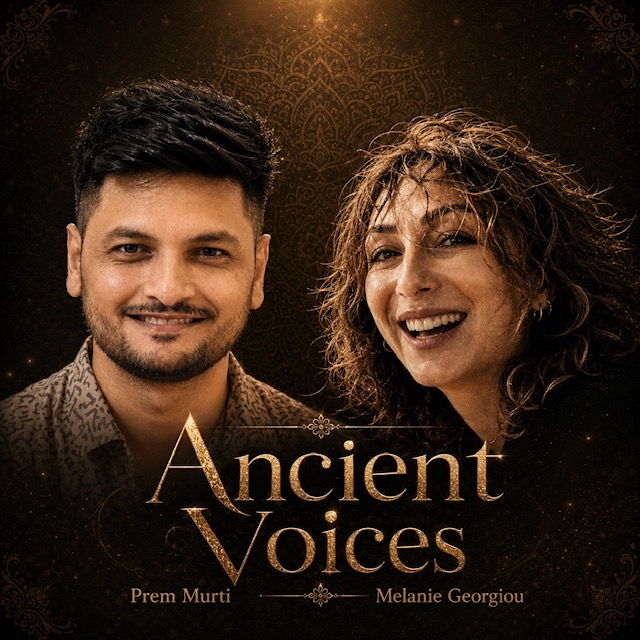
Melanie Georgiou Blending contemporary pop, EDM and Sanskrit chants, Melanie Georgiou’s Ancient Voices bridges cultures through music. She discusses collaboration, creativity, spirituality, and the unexpected possibilities of bringing different musical worlds together. 1. Ancient Voices brings together contemporary British pop and Sanskrit chants. What inspired you to explore this particular cultural and musical fusion, and what did you hope to express through the combination? I’ve always been interested in other musical worlds and wanted make a fusion of sounds. While my own musical background is rooted from classical to pop to EDM. 2. This is your first collaboration after years of writing and producing music independently. How did working with Prem Murti change your creative process, and what did you discover about your own artistry through that experience? Prem opened up a completely different creative space for me.I’m used to following my own instincts right through to the finished production. Collaborating meant being open to another artists perspective and develop something I might not of discovered on my own. 3. You and Prem created the song remotely between London and India, communicating through WhatsApp and exchanging files without ever meeting or even speaking directly. How did this unusual approach influence the development and final sound of Ancient Voices? Creating Ancient Voices remotely between London and India made the whole process quite unique. We’ve never met or spoke directly so the music was our way of communicating. We exchanged files and each new contribution became a response to what the other had created. 4. The track has a spiritual and meditative atmosphere while still retaining elements of contemporary pop. How did you balance these contrasting musical identities while making sure the song remained authentic to both you and Prem? The Sanskrit chants naturally bring a sense of depth and ancient energy while the contemporary elements give the track a connection to the modern world.I wanted to retain a meditative quality allowing our different musical backgrounds to become part of the beauty of the track. 5. Your statement that “when music and creativity bring people together, language and location become irrelevant” seems central to this project. What has this collaboration taught you about the power of music to connect people across cultures and geographical boundaries? Music gave us a common language enabling us to share an emotion and creative vision. 6. Ancient Voices marks what you hope will be the beginning of more international collaborations. Looking ahead, what kinds of artists, cultures, or musical worlds would you love to explore next? I’d love this to be the beginning of more international collaborations and creative journeys. I love the unexpected ideas that can come about from bringing different music genres together. https://www.instagram.com/melaniegeorgioumusic
Clara Quilichini
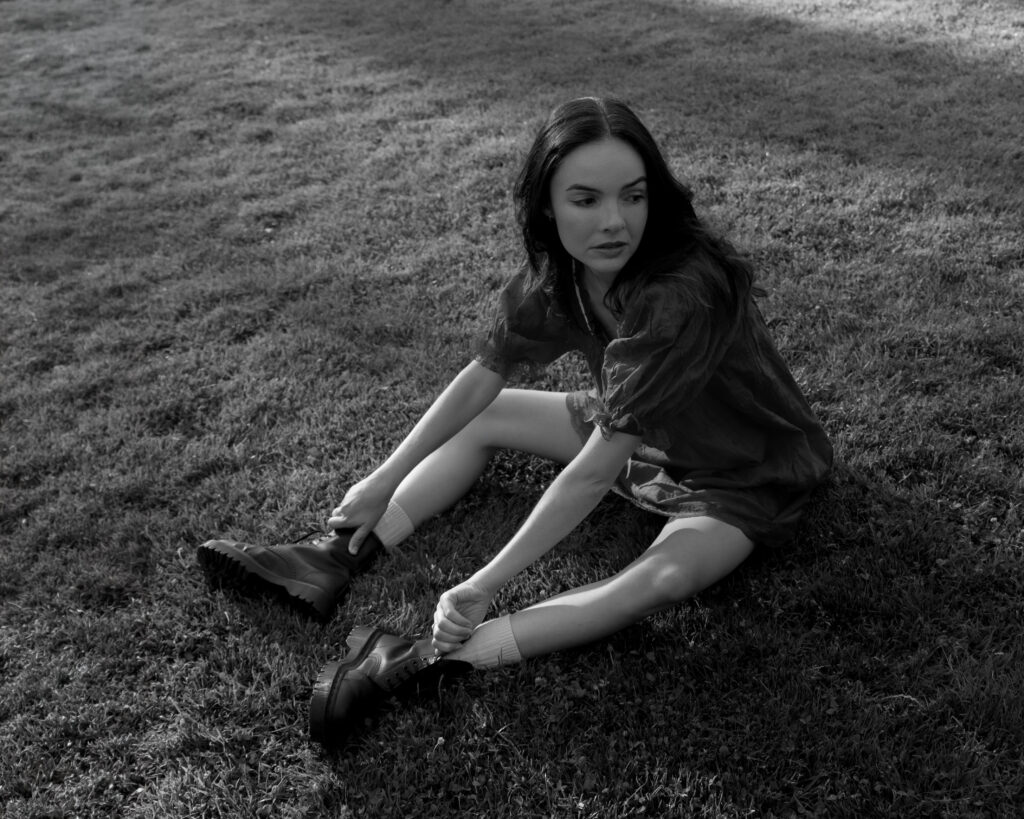
Clara Quilichini Clara Quilichini opens up about “Tiny Girl, Big Feelings,” exploring emotional intensity, vulnerability, sensitivity, and the deeply personal journey behind her upcoming debut album. 1. “Tiny Girl, Big Feelings” captures the experience of having an enormous emotional world inside a small human body. What personal moment or feeling first sparked the song? This song came from feeling a big emotional gap between me and someone else, and not knowing how to bridge it. Although we were dealing with the same situation, my overwhelming emotional wave was met with a calm ocean. It’s this specific contrast that I wanted to capture. 2. You wrote the song on the edge of your bed on a difficult day. How did transforming that vulnerable moment into music change the way you understood what you were feeling? Writing songs to me is kind of like taking a photo of a feeling. Putting words on paper helps me step outside of myself for a second and look at the picture from the outside. Stepping back from this particular situation helped me understand that maybe feeling things intensely didn’t mean I was doomed, but deeply alive, and caring a lot. 3. The song explores emotional mismatch in a relationship, particularly the frustration of needing words when a hug isn’t enough. How important was it for you to express that distinction honestly? This song isn’t about placing any blame, but rather about highlighting different ways we communicate, and how different our needs can sometimes be. The hug line refers to the five love languages, and to how at times we expect things that wouldn’t necessarily satisfy someone else’s needs. 4. Despite its themes of overthinking, dread, and emotional overwhelm, the song ultimately becomes a celebration of sensitivity and emotional complexity. When did you realize that these feelings could be a source of strength rather than something to hide? I think the first realization I came to was that many of my friends often felt that way, and yet I always see them as strong and brave. Sensitivity can be portrayed as a weakness, but on the contrary, I believe being sensitive means listening to the signals our emotional and nervous systems give us, guiding us towards what’s good for us. I strongly believe that being able to listen to and express our emotions is a beautiful strength, and that it should be celebrated. 5. The warm folk-pop production gives the song an intimate, comforting quality while the lyrics deal with heavier emotions. How did you approach balancing vulnerability with that sense of warmth and playfulness? When I write a song, I’m often in the middle of feeling all of the emotions, and as you now know, they are not tiny. That’s why I always like to come back to it later, from another point of view, when things are a little quieter. Working on the production with other artists allows me to do that even more, and to see my songs as pieces of art rather than as pieces of me. I wanted this song to feel like a hug for anyone who’s ever been told, or told themselves, that they feel too much. I aimed for it to be uplifting and to celebrate vulnerability; and the beautiful sonic quality brought by Stéphane Corbin -my arranger- and our band, gives the song the warm and comforting feeling I wanted to achieve. 6. “Tiny Girl, Big Feelings” is the second single from your debut album, arriving October 23rd. What can listeners expect from the album, and how does this song represent the larger emotional world you’ve created? « Tiny Girl, Big Feelings » could’ve been the title track of the album, because all of the songs on it came from an inner sensation I felt the need to externalize. So I guess you can expect giant feelings, but also some daydreaming, a touch of irony, lots of layered backing vocals, beautiful strings arrangements, and a whole lot of heart 🙂 https://www.instagram.com/claraquilichini/