
Hardy White

Hardy White Hardy White takes us behind “Alabama Girrl,” sharing the story, influences, faith, and life experiences shaping his unique blend of country, rock, R&B, soul, and hip-hop. 1. “Alabama Girrl” centers on a woman who leaves her old life behind and embraces a new identity, symbolized by her “new boots” and “new ZIP code.” What inspired you to tell this particular story, and when did you realize it could represent something much bigger than one person? The phrase Alabama Girrl came out of nowhere. I was just playing around with some of my vocal pedals, and nothing seemed to be working. I felt like I needed a strong country phrase, so I started singing, “I met her down in Alabama.” The melody felt strong, so I grabbed my guitar and started writing. As the story developed, I realized this wasn’t just about one woman. It became a story about leaving behind who you used to be and becoming somebody new. Sometimes life gives you a new pair of boots, a new ZIP code, and a whole new way of looking at yourself. 2. One of the most interesting aspects of the song is that the woman, rather than the narrator, is really the star of the story. Why was it important to you to let her transformation take center stage? Because her transformation is really what the song is about. I wanted Alabama Girrl to be about a woman who had the courage to change her life and become who she wanted to be. As a writer, sometimes a story comes out of you that you weren’t expecting. I didn’t set out to make myself the center of the song. The woman became the story, and I wanted to let her journey speak for itself. There’s something powerful about watching somebody leave an old life behind and step into a new one. That’s what made her the star of this song. 3. Your music brings together country storytelling with rock, R&B, soul and hip-hop influences. How do you approach combining these different styles, and what do you feel each genre brings to your sound? To understand my music, you have to understand where I come from. I was born and raised in West Dallas, Texas, in the ghetto. I spent time in East Texas, had a military background, eventually made my way to Iowa, raised my kids, and moved to the suburbs because I wanted something different for them. All of those experiences became part of my music. When I write, the most important thing to me is the groove. From there, all the different influences naturally come in—rock ’n’ roll, R&B, country storytelling, gospel and hip-hop. I grew up around a lot of different rhythms. I was in marching band, listened to drumlines, experienced breakdancing, Michael Jackson, R&B and hip-hop, and then there were my heavy rock ’n’ roll days. So I don’t really think about putting genres together. They’re already a part of me. Rock gives me the energy and the ability to connect with a big crowd. Country gives me the storytelling. R&B and hip-hop bring some of the coolest rhythms and sounds in music. And gospel, to me, is the glue. All of those pieces have shaped who I am as a musician. 4. You spent decades playing guitar, writing and performing while also working, raising a family and building a life outside the traditional music industry path. What finally made you decide that it was time to step forward and put your own music at the center? That damn COVID was a genius – it changed the way a lot of people looked at their lives. It certainly made me look at mine and ask myself what I really wanted to be doing. After our last kid finished college, my wife and I started thinking about what was next for us. My daughter, who I had performed with for about 10 years, wanted to have a child, and I was getting ready to go back and focus on my union job. I needed another 1,000 hours to get my pension. Then my beautiful wife looked at me and basically said, “Bullshit. Play music. You’re good at it.” She was right. I truly love music. It’s a part of my being, my soul—it’s everything to me. My wife has always believed in me and told me I had something to give to the world. So I prayed about it and asked God to help me use whatever He had given me to deliver His message. And here I am. I don’t believe I found music at this point in my life by accident. I believe it’s God’s timing. 5. You’ve mentioned that early reactions to “Alabama Girrl,” particularly from women and younger listeners, helped you see the character in a broader way. What have listeners told you about the song that surprised or moved you the most? Honestly, I don’t want to seem creepy, but I never expected this song to connect with girls from their teens all the way up through their parents and even their grandparents. I’ve had young women and their parents tell me they can’t wait to show me their dances to the song. They’re excited about going into ninth grade or high school, or even moving on to college. It’s been a really cool experience to see how they connect with the idea of starting a new chapter. But then to see a grandmother and her mother dancing to the song, putting their boots on and just loving what it says about a woman starting a new journey with a new attitude—that’s pretty damn sweet. That’s probably what has surprised me the most. I wrote a song about this woman and her new journey, and now I’m watching women of completely different generations make it their own. 6. Following “What Dem Cowboys Say” and the recent WCCO/CBS Minnesota exposure, you’re entering a new chapter with “Alabama Girrl.” What do
Alexis Lace
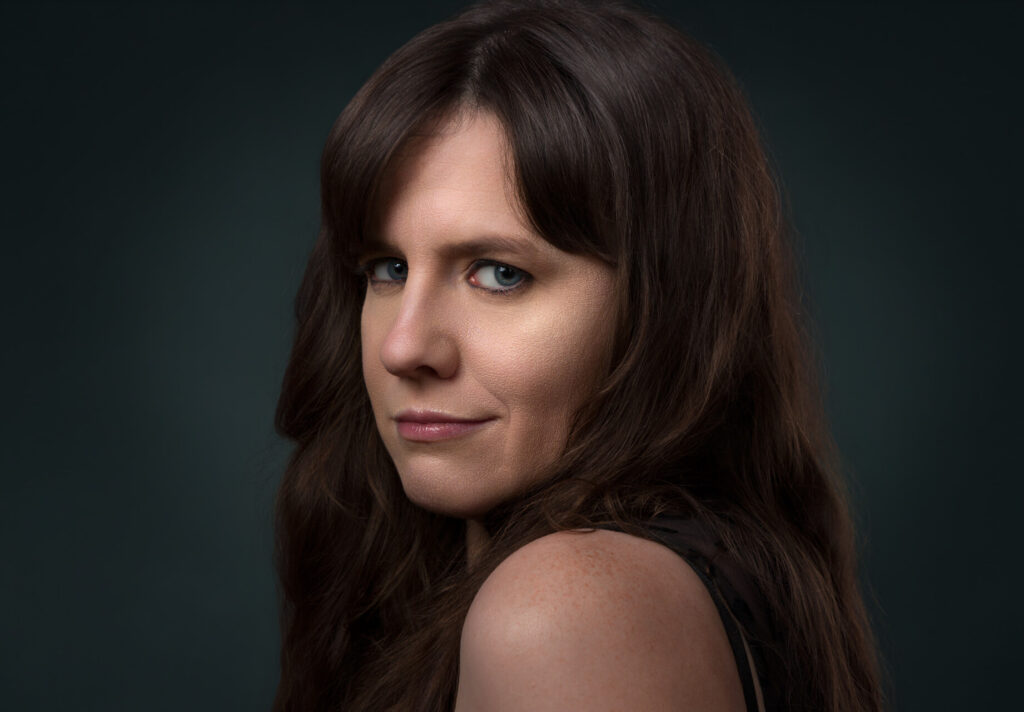
Alexis Lace Alexis Lace discusses embracing solitude, creative freedom, genre-blending, and the deeply personal journey behind “Ain’t Nothing Better” and her upcoming fifth album. 1. “Ain’t Nothing Better” celebrates loving your own company and embracing “me time.” What inspired you to turn your life as a proud homebody into a song, and what do you hope listeners take away from it? That was a bit of a random one. I wanted something a little light hearted, something that made me feel fuzzy inside. And pretty much nothing makes me as comfortable as spending time on my own! Especially if it’s in the comfort of my own bedroom. I never get bored and I love my own company. This is something I feel is not spoken about enough. We always glamorise being sociable, and never give solitude enough credit. As if being introverted isn’t as valid as being an extrovert. 2. The track blends the storytelling qualities of country with the smooth grooves of 90s R&B. What attracts you to these two seemingly different styles, and how did you bring them together in your own sound? Quite frankly, it happened very randomly! There are a lot of music genres I enjoy, and, as a producer, I sometimes struggle to pick one, so I found myself with a blend. My album will be sort of like that too. A blend of genres. 3. You wrote, recorded, produced, mixed, and mastered “Ain’t Nothing Better” entirely by yourself in your bedroom studio. What does having complete creative control mean to you, and what have you learned from handling every stage of the process? As an actor, I’ve never felt in control of my career. But control is something being a music producer gave me. Maybe I’m a bit of a control freak, but I love doing things my way, and only relying on myself. I find it very freeing. And it means I can always record and release whatever I want, whenever I want. This is now the fourth album I am self producing. I find it to be a lot of fun, but of course it is also a lot of work. I wouldn’t mind doing more collaborations in the near future! 4. There can be a lot of pressure to constantly socialize, go out, and be “doing something.” Was part of the song’s message about challenging those expectations and showing that being alone can be genuinely fulfilling? Yes, absolutely! Sometimes I go to social events and I tell people that I don’t and CANNOT do it every weekend and they seem genuinely perplexed. But yes, I am busy doing my own thing, I go crazy when I don’t get enough me time. Codependency makes me cringe, sorry. I do not need to be constantly in the company of others to be happy, and I know I’m not alone in this. I feel genuinely happy in my own element, and that certainly doesn’t mean I am depressed! 5. “Ain’t Nothing Better” is the first single from your upcoming fifth album. How does this song introduce the direction, themes, or atmosphere you’re exploring on the new album? To be honest, while my album will have a lot of retro R&B influences, not every song is going to be like that. As always, it will be very introspective, but it’s the first time I release a first single without being sure of the direction the album is taking. It will be a bit of a mix between my third album, “Unhinged”, and my fourth album, “Silver”. So basically, a lot of R&B, Electro, Trip-Hop, Trap etc. It will be less serious than my last album! 6. As an independent artist who has built such a self-sufficient creative process, what keeps you motivated to continue forging your own path, and what would you like to accomplish with this next chapter of your music? Honestly, my love for creating music is what keeps me going. I had actually planned to take a break, but I failed! I cannot stop creating, it’s who I am as a person. I hope that each album takes me one step closer to my goal, my goal being to be a full-time musician. Alexis Lace
GATAM
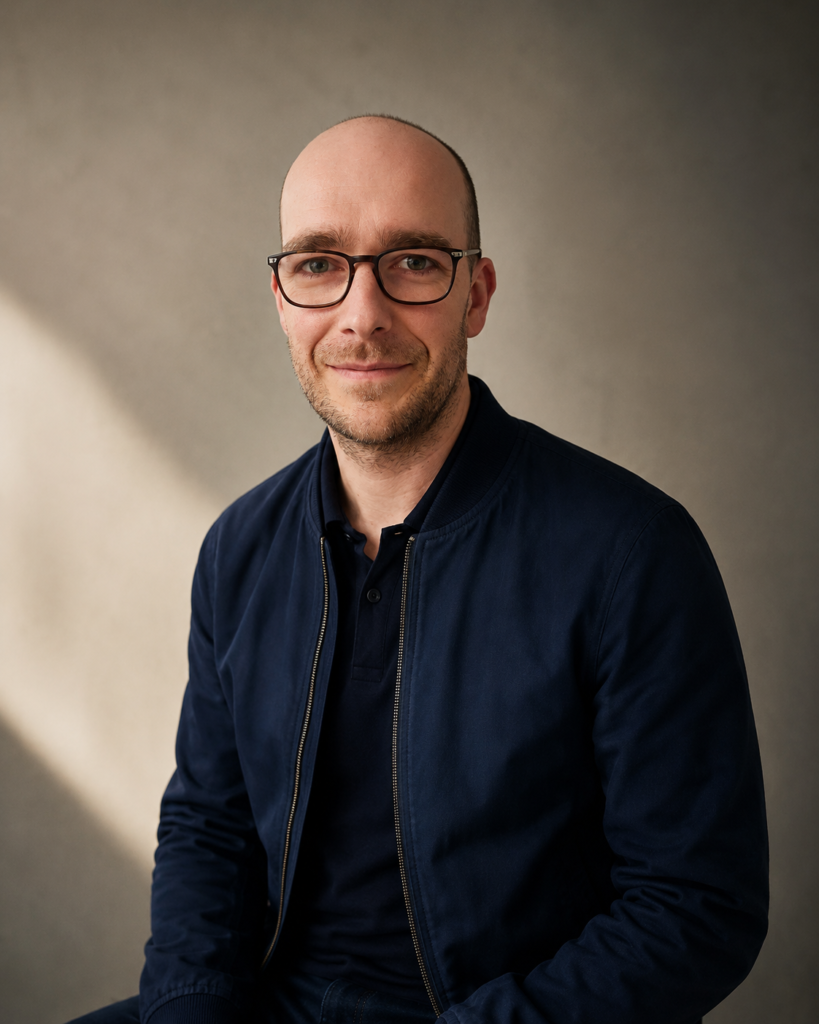
GATAM GATAM invites us into a cinematic world of dreamy indie pop, nostalgic synths, summer romance and heartfelt storytelling, sharing the inspiration, emotions and creative journey behind “Comme au cinéma.” 1. “Comme au cinéma” tells the story of a summer romance on the French Riviera, capturing the feeling of driving along the Mediterranean with the windows down. What inspired you to turn this particular feeling and setting into a song? I’ve always loved those scenes in films where everything seems to slow down — landscapes, faces and emotions passing by while music plays in the background. There’s something about those moments that makes you feel as if time has stopped and you’re simply living in the present. For me, summer romances have that same feeling. They represent freedom and carelessness, like a little parenthesis in your life where you can dream of being whoever you want to be, without being trapped in the role you’ve built for yourself. That’s really the feeling I wanted to capture with “Comme au cinéma”. 2. The track combines dreamy synths, shimmering guitars, and subtle ’80s influences with a modern indie-pop approach. How did you shape the song’s sound to create that nostalgic, cinematic atmosphere? I’m a dreamer at heart, and I think you can hear that in the music. Actually, the music came first and the story came afterwards. I created the atmosphere before I really knew what the song was going to be about, and it was that atmosphere that made me imagine a summer romance. I’m originally a pianist, so I naturally love synthesizers and tend to use them a lot. Maybe that’s where the ’80s feeling comes from. It wasn’t really something I consciously decided to recreate — it just emerged naturally from the sounds I’m drawn to. 3. You perform “Comme au cinéma” as a duet with your wife, bringing a very personal chemistry to the song. How did working together influence the writing, recording, and emotional character of the track? I usually write lyrics from images I have in my head, but also from things I’ve experienced. I really didn’t want the relationship in the song to feel fake, so having genuine emotion in the recording was very important to me. The second verse, for example, was recorded with my wife and me together in a single take. It made editing more difficult afterwards, but it worked so much better because it sounded like a real conversation between two people. Neither of us is a professional singer — although I really love her voice — so a big part of the song doesn’t come from vocal performance or technical perfection, but from emotion. We also had a lot of fun recording it. We tried deliberately cheesy versions, very serious ones, overly romantic ones… almost like acting out different versions of the scene in a theatre. In the end, finding the right emotion was much more important than finding the “perfect” take. 4. The song feels like a three-minute escape to the sea, sunshine, and a fleeting summer romance. What emotions or memories do you hope listeners experience when they hear it? That feeling of a summer romance: freedom, carelessness, suspended time. A moment when everyday problems seem to disappear for a while. I’d love the song to give people that slightly weightless feeling you sometimes get at sunset, when everything around you seems to slow down. You’re not really thinking about yesterday or tomorrow — you’re just there, living that moment. 5. You wrote, arranged, and produced “Comme au cinéma” independently. What have you learned from handling so many aspects of the creative process yourself, and how important is independence to your artistic identity? This is only the second track I’ve released, and doing almost everything yourself is honestly a marathon! But at a time when everything moves so fast, there’s also something incredibly satisfying about spending so much time building something from the ground up. There were probably a thousand moments when I wanted to give up, but also a thousand moments when the magic suddenly happened: a loop that unexpectedly sounds amazing, or a vocal take recorded between two fits of laughter that somehow ends up being the best one. I’ve also learned a lot about what happens after a song is finished. Releasing it doesn’t mean the work is over — suddenly there’s promotion, communication, playlists, social media… It sometimes makes me question what matters most to me: making the music, communicating around it, or writing the lyrics. Lyrics are actually something I care about enormously. I like them to feel raw and direct, so you immediately understand the emotion, while still leaving enough room for listeners to connect them to their own experiences. Once the song is out there, people naturally make it their own. 6. “Comme au cinéma” introduces listeners to your world of nostalgic indie pop and cinematic soundscapes. What can we expect from GATAM next, and are you planning to explore new sounds or themes in your upcoming music? Music has been part of my life for a very long time — it certainly didn’t begin with my first release as GATAM. I’m currently working on a new song about fatherhood, which has been a real upheaval in my life. It’s probably even more personal than “Comme au cinéma”, and it opens with the sound of my daughter’s heartbeat. I don’t necessarily think about changing styles or exploring a new sound just for the sake of it. I’d rather let each song grow from what I’m feeling and from the story I want to tell. And with this next one, I think I’m going somewhere even more intimate. https://www.instagram.com/mathieugatel
Jade Ell
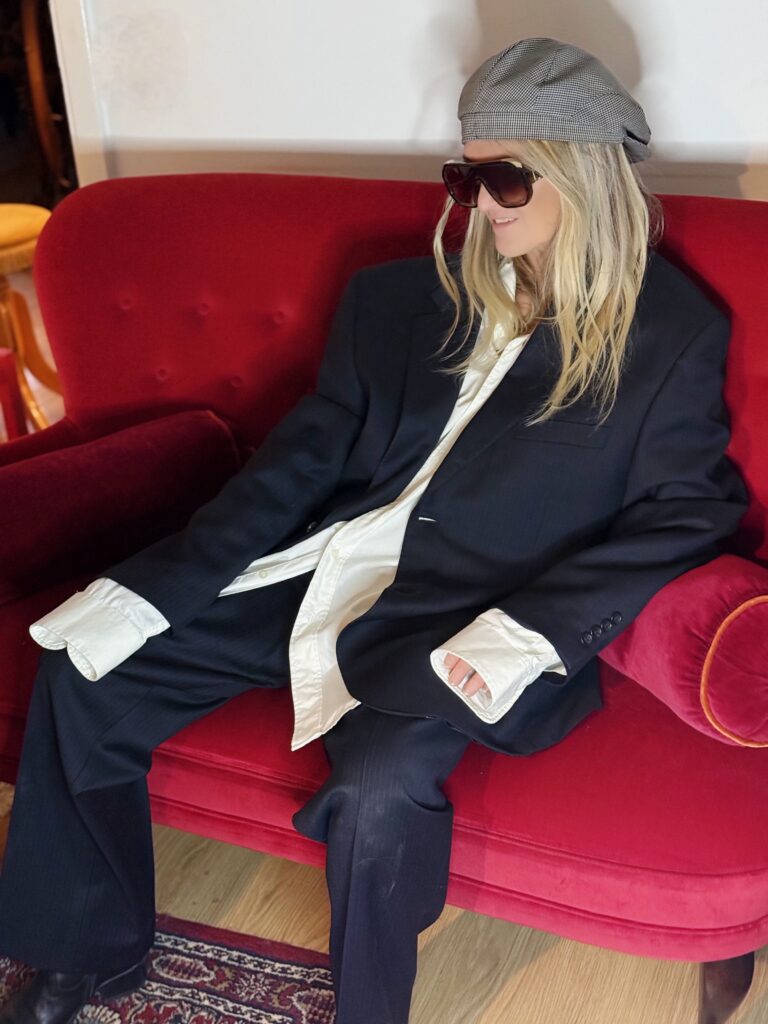
Jade Ell Jade Ell revisits her past with the re-release of Methods of a Hostage Negotiator, reflecting on songwriting, personal journeys, creative resilience, and the stories shaping her next musical chapter. 1. Methods of a Hostage Negotiator was originally released in 2005 alongside the Danish feature film Den Store Dag. Looking back more than two decades later, what does this album represent to you today, and what made you feel that now was the right time to bring it back? I wanted to make sure to bring back all the photos in the photo album – before continuing adding new ones.. This album was made at a very ’powerful’ time in my life – moving countries – traveling the world attending numerous writing camps – and also it implied my very first cut the that reached to Billboard #1.. My own album – didn’t get full focus – and because of various label reasons – it was taken down from the digital platsforms – so I wanted to bring it back. It’s part of my story as a writer and artist. It’s also cool to have added some unreleased songs – that were written during that time – that still carry messages that are just as current to this day. 2. You began the re-release journey by creating a new version of “Bittersweet Dreams,” a song about the complicated relationship with the music business. How has your perspective on that relationship changed since you first wrote the song, and does its message feel different to you today? Oh, the music business is still very much a bittersweet ride – with its ups and downs – that stir up the waves – that all creativity feed from in the end… Funny thing – I don’t know where we’d be without the striving and longing to ’make it’. (Whatever that means..) The secret is to maintain the energy and inspiration for creating – wanting to be in that ’zone’. 3. “Space Girl” opens the album with a reflective and somewhat melancholic mood. You describe it as being written for the little girl you want to take by the hand and encourage to keep dreaming. What inspired that idea, and what would you say to your younger self today? I still carry that little child very much inside of me…She has seen the world from different angles – and the longing to find herself – caused me to move abroad for a longer period of time – a way to almost ’invent myself again’. The luggage (read history) has had a complicated impact on my ’wheels’.. Dreaming has made it possible – where dreaming didn’t seem to be an option. 4. Piano and cello are central to the sound of “Space Girl,” with cellist Emeli Jeremias contributing to the recording. What attracted you to this combination of instruments, and how important is the emotional connection between musicians when creating a song like this? Me and Emeli have been touring Europe as a duo – and these venues always had grand – or an upright piano. So my songs found their sounds in an arrangement of piano&cello – and ’Space Girl’ was written during that time. 5. Your career has taken you from your own artist projects and live performances to songwriting for major international artists and dance projects, with songs reaching millions of listeners. How has working behind the scenes as a songwriter influenced the way you approach your own music? It always comes down to what you want the song to make you feel – and where in a set you can put it in… If a song works live – it will linger on – and people will easier relate to it. 6. With the re-release of Methods of a Hostage Negotiator looking back at your past, and Letters For Laura planned as a follow-up to Ellen – Mourning This Morning, you seem to be exploring different chapters of your personal history through music. What can listeners expect from this next chapter of Jade Ell? I sort of use the colors/instruments – the story requires.. As the story of Laura takes place in the beginning of 1900 – it makes sense to add banjo, mandolin – but still keep some modern touch – as it is through the perspective for today’s glasses…if that makes sense? As on my ’Ellen’ album – I will also include sounds of letters and things I have found in boxes – to add to the soundscape.. Jade Ell Official Website
Celeste Marie Wilson
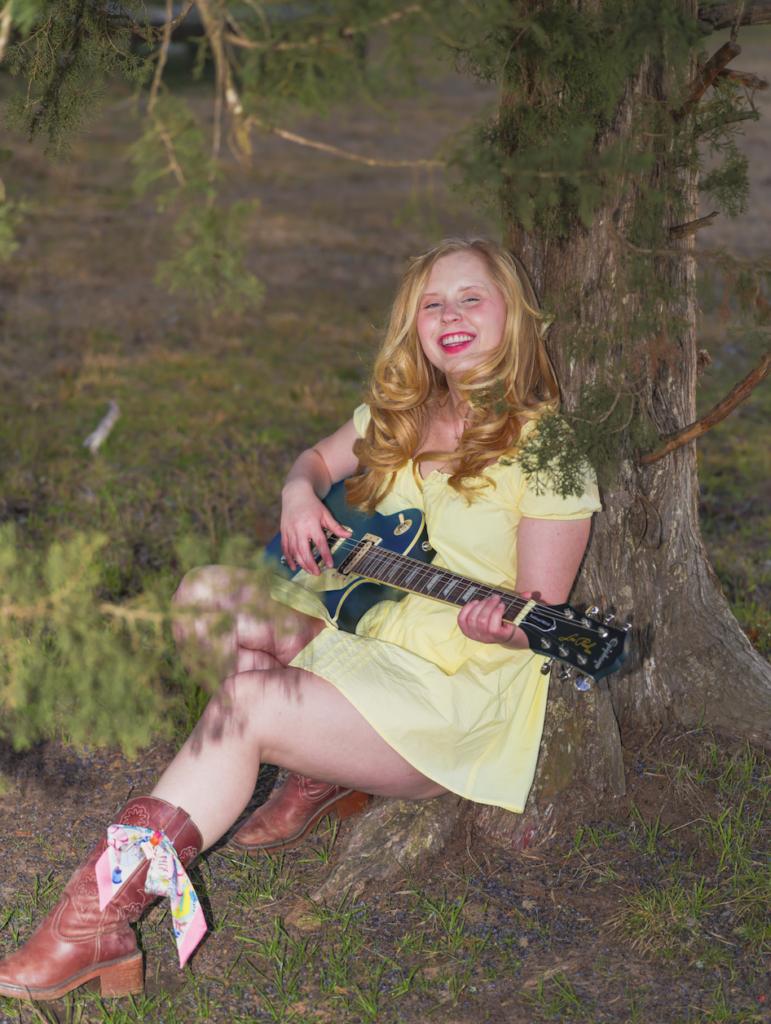
Celeste Marie Wilson Blending Country, Americana, rock-and-roll energy, and Southern charm, Celeste Marie Wilson turns everyday life into vivid stories. We talk Texas honky-tonks, contradictions, humor, songwriting, and creative ambitions. 1. Your music blends classic Country and Americana with modern influences, while your performances carry a rock-and-roll spirit and Southern charm. How would you describe the sound and identity you have developed as an artist? My sound identity is a reflection of my home. I grew up outside of Houston, and that city has every type of music you could wish for. I guess that since I grew up listening to a bit of everything, it became natural to fuse my favorite genres. 2. “Jesus, Tequila, and Whiskey” was inspired by a night at a local Texas honky-tonk and the contradictions you witnessed there. What was the specific moment or scene that made you think, “I have to write this song”? People were gambling in the far backroom, and we saw police officers come in. That’s when I told my friend, “I need to write about this.” 3. The song explores the gap between what people preach and how they actually live. How did you balance the sharp social commentary and humor with your genuine affection for the small-town community that inspired it? I love where I’m from and the people in my town, but I also say what I think. No town is perfect and sometimes we just need to laugh at it. 4. The track has been described as a modern-day “Harper Valley PTA.” What does storytelling mean to you as a songwriter, and how important is it for you to capture the personalities, contradictions, and realities of the people around you? Storytelling is the most important aspect of my job to me. I’ve been sharing stories since I was a child. It’s just how I see the world. Everyone has their own story, and when those stories end up in the same room, the song starts. 5. The music video takes viewers inside a lively honky-tonk before ending with the character confessing in a church booth and casually saying, “Alright, see you next Sunday.” What did you want the visual story to add to the message of the song? I want the visual story to convey the absurdity of the situation. 6. As you continue building your career and connecting with listeners around the world, what are you hoping to explore next—both creatively and personally—in your songwriting and music? I really hope to explore more storytelling, such as novels, poetry, and acting. I just love stories, and I want to share the in all sorts of media. Celeste Marie Wilson | Montgomery, Texas Singer Songwriter
The Elusives
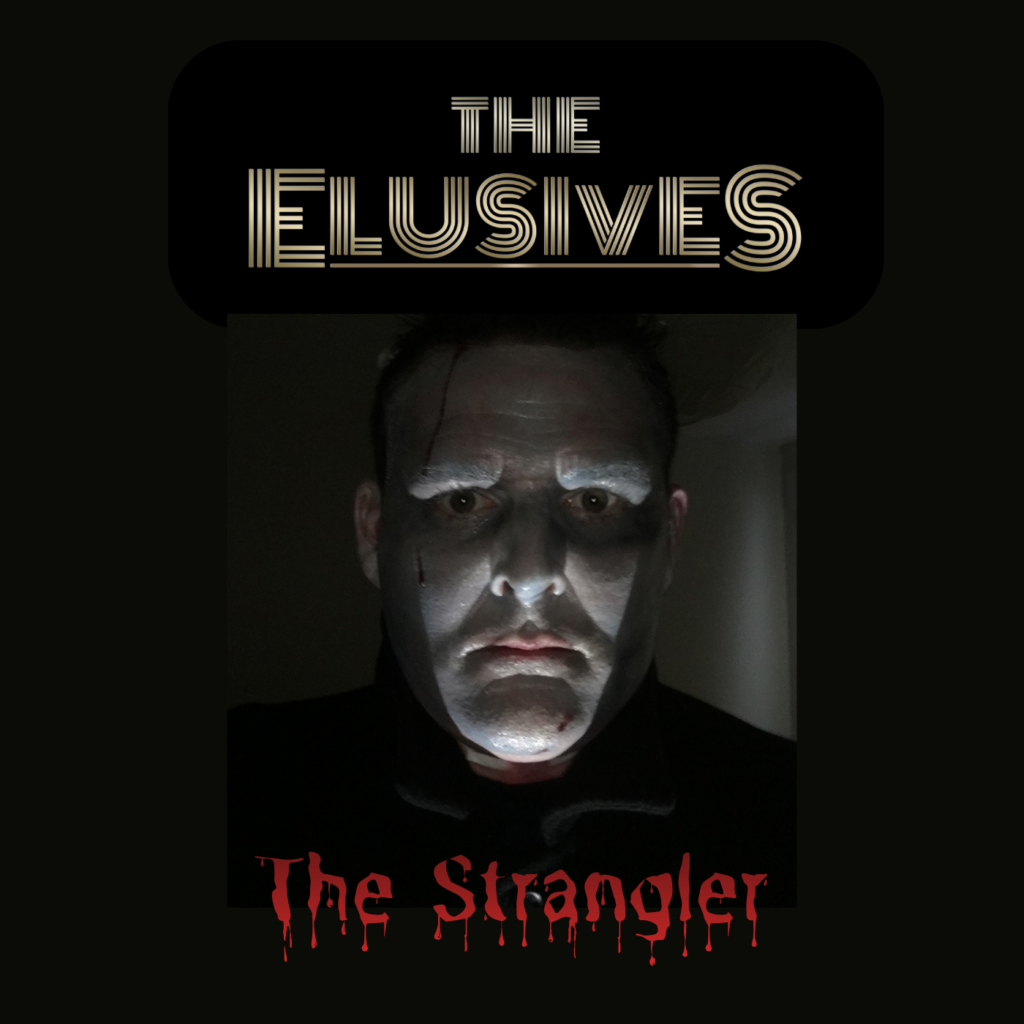
The Elusives The Elusives take listeners into the dark, seductive world of “The Strangler,” blending haunting storytelling, retro grooves, funk-driven bass, and atmospheric melodies into an unexpected musical experience. 1. “The Strangler” combines haunting romance, bass-driven funk, and the atmosphere of 1970s and 1980s dance halls. What inspired you to bring these seemingly contrasting elements together, and how did you develop the song’s distinctive sound? “The Strangler” created itself in a way, strange I know but, when I think back to the beginning of it, I remember Paul had a guitar riff, on acoustic and the trick was to find a melody to go with it. While fooling around with a keyboard I began to play 3 simple notes that sounded quite dark. That was to become the intro (that Paul eventually cleaned up and played a lot better than me on the recording). I made a suggestion that we should make this a Halloween song as it was probably coming close to Autum? Not long after Paul produced amazing music and structure with that funk driven bass line, added the cool guitars and full synth vibe before I lay down some drums. After that the idea was to slow it right back to “The Stranglers Pace” That little bit slower than your footsteps and closer to your heartbeat – in the deep night! 2. The story draws inspiration from the disturbing phenomenon of serial killers receiving fan mail and love letters from people fascinated by them. What interested you most about this unsettling relationship between fascination, fear, and romance? As I was working out the lyrics with Paul and The Strangler was being created, I realized the story was being told by the victim and not The Strangler. That inspired the female vocal to be brought to the front later on. We all new the inevitable, she was going to be strangled, that’s when I thought “dancing with a demon, kiss and tell” was her dark fantasy’s were aligned and she was only too happy that He was “taking hold of her life”. There was lots of Documentaries out around that time and I always found these women sending love letters and fan male was even more twisted than the serial killer! Would you agree? 3. You describe The Strangler as a fictional character built on an element of truth. How did you approach creating this character, and what did you want listeners to understand—or question—about him? I think all our songs tell a story in some form. We don’t usually write these darker characters. I think our song writing style can also leave enough space for the listener to “get it” or simply make their own meaning, its up to them to use their imagination any way they want. The listener might figure it out. The strangler could still be out there! Are you dancing with the demon on the dance floor right now?? On the other hand, they might get drunk, have fun, groove to it and chance a duet on some Karaoke night! 4. Musically, the track has a mellow party groove despite its dark subject matter. How important was that contrast between an inviting dance-floor sound and an unsettling story to the identity of the song? This might tie in slightly what I mentioned above. Firstly, Paul puts together some incredible music (most of which you can hear in the coming months with our new releases expected from Oct 9th). The Strangler was no different, this beautiful funk and ambient guitar work just needed something different, no screaming vocals, no raw distortion or hard pounded drums, just a haunting subtlety that lures you in. The Strangler does that! Secondly, eh, not sure on a secondly? no that’s it, just a firstly! 5. With its deep bass lines, late-night atmosphere, and Halloween-friendly energy, “The Strangler” feels designed to make people dance while simultaneously telling them to be careful who they dance with. What kind of reaction do you hope to create when listeners first hear it? I really hope people re-discover their minds ability to have an attention span longer than 30 seconds. No offense to anyone, but social media has really affected peoples exposure to musical works of art. These days its “scroll on by”. They’ll miss some great music and stories that are being written all over the world and I think that’s a big shame. Imagine never given stairway to heaven, comfortably numb, bohemian rhapsody, Freebird etc etc only 30 seconds? That’s what is happening right now. I find it sad. So if the listen for long enough to hear those brilliant romantic melody layers near they end, the music might make them feel something more. And that’s what we want our music to do, Make you feel something, anything!. 6. Looking beyond “The Strangler,” how would you describe the artistic identity you are building as a band, and are there more dark stories, characters, or unexpected themes you would like to explore in your future music? Our First single release from our upcoming album will be available on Oct 9th. The song is called Run Away into the night” to quote a recent Interview that Laura did regarding that upcoming release she summed it up very well.. “Theres a definite feeling of escapism, ‘leave it all behind us’ – A powerful feeling of sudden freedom, not wanting to be found but also excitement about being with the one who can sit with you in that space” It’s heavily 80’s inspired and a tip of the cap as to how I well I had it as a child of the 80’s. Run awa into the night has a story with characters, Dangerous Games (the next one after that) also has a story. Stories we can’t wait for you all to hear! It’s all about to happen! https://www.instagram.com/the_elusives_
Laji George
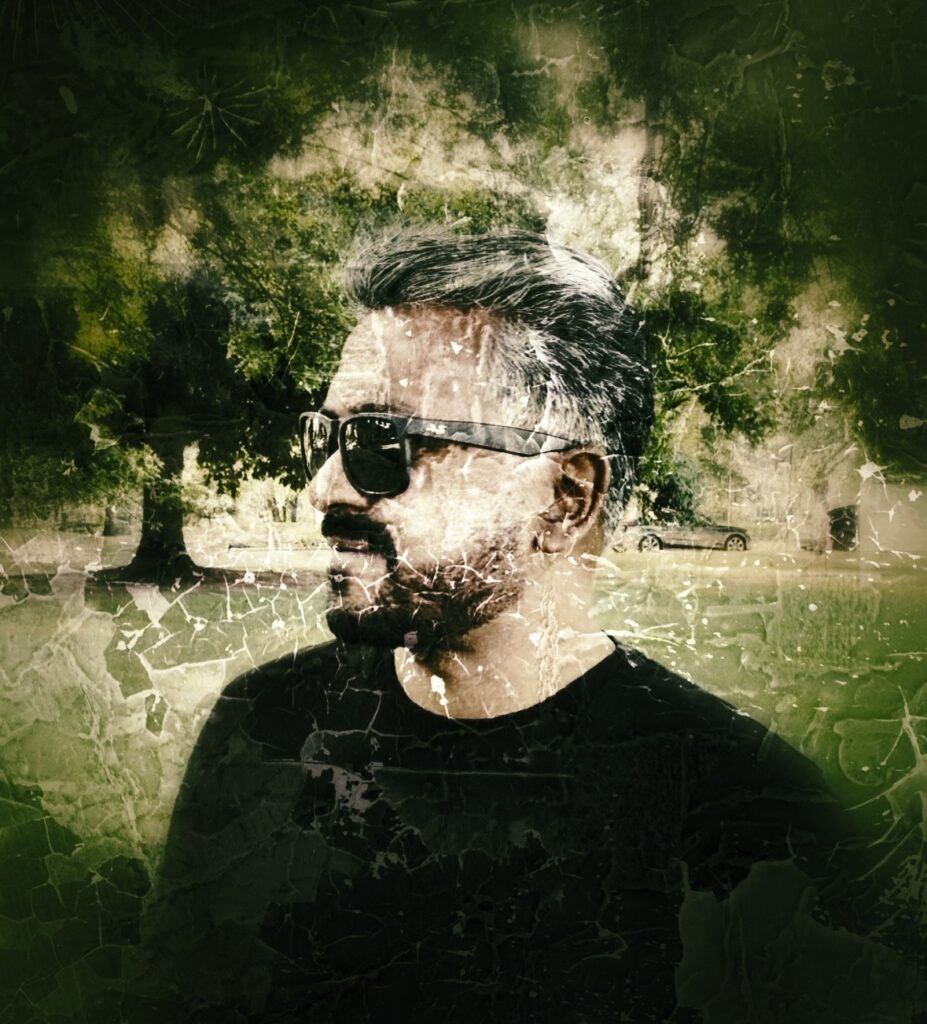
Laji George Laji George opens up about the real-life inspiration behind “Sittin’ Here Thinkin’,” blending grunge, folk, blues, and soul while exploring working-class resilience, storytelling, and his upcoming album Out of Line. 1. “Sittin’ Here Thinkin’” was inspired by your friendship with a Navy veteran and union pipefitter. What did you learn from that relationship and his everyday experience that you wanted to capture through the song? What I learned most from his life is that real strength isn’t about being loud or boastful; it’s about quiet endurance. Working as a welder, pipefitter, and serving in the Navy, his life was built on hard, honest work, physical sacrifice, and carrying heavy burdens without ever complaining. He lived with a level of humility, humor, and resilience that you only find in people who have truly been through the fires of life. Through “Sittin’ Here Thinkin’,” I wanted to capture that contemplative, unvarnished perspective—the quiet moments at the end of a long day or a long career when a person sits back with their thoughts, reflecting on life, love, loss, and time passing by. Musically, combining the grunge grit with folk storytelling, blues soul, and even an accordion was my way of honoring that everyday work-ethic story. It’s a tribute to the unsung working people and veterans who build the world around us, carry their stories silently, and keep pushing forward no matter what. 2. The track blends 90s grunge with folk, blues, and even accordion, while drawing from influences as varied as Eddie Vedder, Chris Cornell, Otis Redding, and Etta James. How did you approach bringing these different musical worlds together without losing the song’s emotional core? The key to blending those different musical worlds was putting the story and the raw emotion first, rather than trying to force a specific genre box. At its heart, whether you are listening to 90s grunge, old-school folk, Delta blues, or classic soul, every one of those genres comes from the exact same place: raw human vulnerability, truth, and emotional release. When you look at vocalists like Eddie Vedder and Chris Cornell, their power came from uninhibited passion and grit. But when you listen to soul icons like Otis Redding and Etta James, they brought that exact same fire and honesty, just with a different groove and phrasing. In “Sittin’ Here Thinkin’,” I approached the vocal delivery by leaning into that shared soul-and-grunge crossover—letting the rasp, dynamic shifts, and natural feel carry the weight of the lyrics without trying to over-polish the performance. Instrumentally, incorporating the accordion alongside grunge guitar textures and bluesy acoustic rhythms felt completely natural because we let each element serve the narrative. The accordion brings a dusty, folk-like nostalgia that grounds the song in a working-class atmosphere, while the grunge dynamics give it weight and teeth when the emotion peaks. By keeping the song’s story—that reflective, quiet moment of a working man looking back on life—as the absolute center of gravity, all these diverse musical elements fell into place as natural colors of the same picture, rather than competing sounds. 3. You’ve described “Sittin’ Here Thinkin’” as a song about the quiet reflection that comes after a hard day’s work. What does that moment of reflection mean to you personally, and how important is storytelling based on real-life experiences to your songwriting? For me personally, that moment of quiet reflection is where the noise of the world stops and real processing begins. In our day-to-day lives—whether you’re working a physically demanding trade or balancing endless responsibilities—we spend most of our waking hours moving forward on instinct, just pushing through the tasks in front of us. It’s only when the day is done, when you finally sit down in the quiet, that you actually feel the weight of everything you carry. It’s a space where gratitude, regret, memory, and hope all surface at once. Being able to sit with those thoughts without running from them is where real self-awareness and healing happen. Storytelling grounded in real-life experiences is the absolute foundation of my songwriting. I’ve never been interested in writing abstract fluff or clever fiction just to fill a verse; listeners see right through that. When a song is built on a real person, a real friendship, or an authentic struggle, it carries an undeniable weight and honesty that people feel instantly. Drawing from genuine human experiences—like the working-class resilience and quiet reflection behind “Sittin’ Here Thinkin’”—allows the song to transcend being just a track on a playlist. It becomes a mirror for the listener. At the end of the day, my goal as a songwriter is to take those deeply personal, specific real-life stories and turn them into a universal space where anyone, from any walk of life, can sit back, listen, and say, “I’ve felt that exact same way.” 4. You and producer Jonah Brockman recorded the song between your home studio and his studio, focusing on authentic energy rather than polished perfection. How does working in such an intimate environment affect the way you perform and make creative decisions? Working in such an intimate setup between my home studio and Jonah Brockman’s studio completely changes the psychological dynamic of recording. When you step into a massive, high-end commercial facility, there is an unavoidable ticking clock in the back of your mind. You feel the weight of the hourly rate, the pressure of expectations, and the temptation to over-analyze every single take until you’ve scrubbed away all the character in pursuit of perfection. By keeping the environment small, familiar, and strictly between Jonah and myself, all that artificial pressure disappears. I don’t have to put on a show or worry about sounding neat; I can completely let go and focus purely on emotional delivery. If a vocal take has a slight crack, a rough rasp, or an unpolished edge, but it carries genuine heart, we keep it. That intimate space gives us the freedom to chase the feeling of a performance rather than technical perfection. Creatively, it also
Connor Riesen
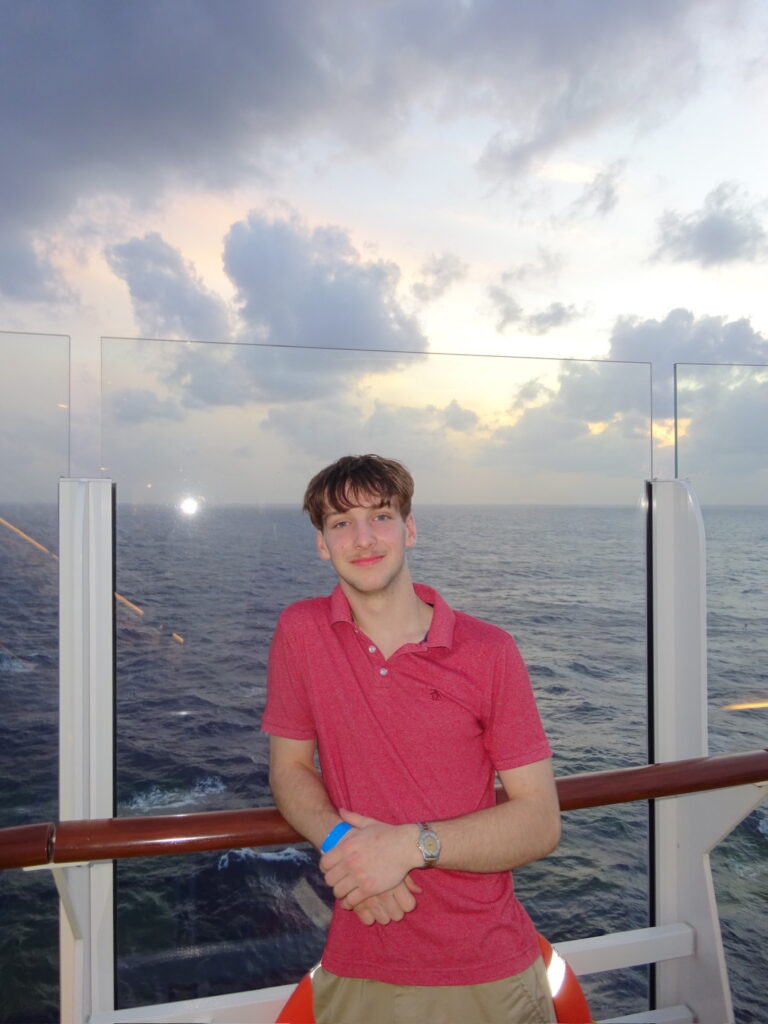
Connor Riesen From a playful love story to an intimate wedding performance, Connor Riesen discusses creativity, collaboration, jazz-pop fusion, and the experiences shaping his evolving identity as an artist. 1. “Everybody Falls in Love in Time” was inspired by a period when you and your co-writer were both struggling to find love. How did those personal experiences shape the song’s lyrics, message, and overall emotional atmosphere? I think honestly that it kind of was this funny thing that both of us shared, but it was a very true experience for both of us and it hit on a level that allowed Joel Rivera-Lizardo, my co-writer and actually main writer, to write such a fun and playful, yet deeply emotional song. My experiences added in, and I was able to make some subtle changes and whatnot, which eventually led to the end product! 2. You played all the instruments and handled the production on the track, while Lisandra Yero provided the vocals. What made Lisandra the right voice for this song, and how did you approach bringing her into the recording process? Well I would say the first thing that made me think to ask her to record this was when I was in my studio working on this track. I had just gotten the lyric and melody demo back, and I heard the vocal tone that I wanted, which was this rich and warm tone, very fit for jazz. It then hit me that Lisandra, who was dating my cousin at that time, had been singing for quite a while and had all the same tone that I was looking for. So probably the next day or something like that, I saw my cousin, David, and Lisandra and I brought up the idea of recording her vocals on the song, and the rest was history. Probably the next week, I setup a makeshift recording booth in my cousin’s bedroom, as it was the most acoustically treated room in the house, and we tracked all the vocals in one night. 3. This song holds a particularly special place in your story because it was Lisandra’s first-ever recorded performance—and you later performed it live at her wedding to your cousin. What did that moment mean to you, and did performing the song at their wedding change how you connected with it? I think it was definitely very exciting for all of us and also nerve-wracking when this song first came out, and then obviously as it did well and was well received, it was really awesome. I honestly did not expect to perform this song live, by myself at least, but one lost bet later, I ended up playing the piano and singing on this song for their reception. I was honestly terrified and thought I bombed it, but I also think it was a really cool and meaningful full-circle moment from that night in my cousin’s room recording the song, to performing it at their wedding. 4. The track combines a strong jazz influence with a catchy pop feel, creating something both sophisticated and easy to sing along to. How did you balance those two sides when arranging and producing the song? Honestly that’s not something I put much thought into until later in the production process. This song started out originally as a Bossa Nova song, and I was aiming to stick to the classic Bossa Nova sound and feel. Later on though I realized that it was quite bare-bones and so I started layering various instruments and filling in spaces in the mix, and before I knew it, it was this weird pop/jazz/bossanova/whatever else you want to call it song. I was really quite happy with how the two main styles blended though and I almost think of it like “Accessible Jazz” or something like that. Almost like an intro to jazz basics with the ear-candy of pop music. 5. Your musical journey has taken you from self-taught piano and French horn to digital production, jazz, collaborative albums, and your piano-focused Sabbath in C. How has each stage of your career influenced the composer and artist you are today? I would say that each stage of my career has contributed little easter eggs to all my latest work. It’s almost like a game of finding which things I took from previous works and albums because everything I’ve done in the past leads to where I am now and where I’m going in the future. I’ve learned so much about everything in the songwriting process. the recording process, and the production process, and I wouldn’t be where I am today without everything that came before. 6. Looking ahead, you continue to explore different genres and sounds. Are there particular musical directions, collaborations, or creative projects you are excited to explore next, and what would you like listeners to discover about Connor Riesen through your future work? I definitely have a few big things coming up in the near future which are quite exciting, and I’m hoping that some familiar names will return to my features soon, but only time will tell where I go from here exactly. If there is one thing though I would like people to discover about me through my future work, it’s that I am a true lover of music, many kinds, and I love what I do. If they can figure that out just through what I do on my future releases, then I’m very happy with where I will be at. Home | Connor Riesen Music
Hate At First Sight

Hate At First Sight Blending post-punk energy, industrial textures, melodic hooks, and synth-driven atmospheres, Hate At First Sight opens up about influences, creativity, resilience, and the deeply personal journey behind Familiar Mutations. 1. Hate At First Sight combines post-punk, alternative rock, hardcore, industrial, and synth-driven textures. How did you develop this particular blend of influences, and what makes these seemingly different styles work together for you? For me, I grew up listening to everything from the Cars, David Bowie, Peter Gabriel, etc with my parents. Over time, I found 80’s rock and what not First band that blew me away was the Pixies “Trompe le Monde”, the song “Letter to Memphis”. So the Pixies are a massive influence. At the same time, I’ve listened to everything from Helmet, old school punk, and currently love Durg Church and Turnstile. All of that kind of forms what I write. 2. The title Familiar Mutations suggests transformation while still holding onto something recognizable. What does the title mean to you, and how does it reflect the themes or emotions explored across the EP? Familiar Mutations as a title came about because I think anything I write has a feeling of being nostalgic, with my own twist. So the name fit. The EP in progress, Primal Directives, kind of has that same mindset. Go with what feels right, and what I would listen to. 3. You’ve mentioned influences ranging from Faith No More and Public Image Ltd to Ministry, Nine Inch Nails, and Drug Church. Which artists have had the biggest impact on your approach to songwriting, and what have you learned from them? Biggest influence by far is Frank Black. His way of taking words and making them into your own interpretation I thought was extremely clever. So I like to do the same. I’ll never say, this song means xyz. If you think it means something else? I’m cool with that. 4. There’s a strong balance between aggressive guitars, melodic hooks, bass lines, and 80s-inspired synth textures in your music. How do you approach arranging a song so that the different elements remain powerful without competing with each other? When I write a song, I think the battery first. I’ve played bass since 1997, so unlike most rock musicians, I like the bass and drums out front a bit more. People may not like it, but I find it more pleasing. The synth I bury more, as it’s for texture. My vocals I’m still learning. I never sang a song until 1 Hit, so it’s still a work in progress. I appreciate people actually listening, it means a lot. 5. Hate At First Sight has been receiving encouraging attention internationally, particularly in Latin American markets. How does it feel to see your music connecting with listeners so far from Reno, and has this response influenced your creative direction? I am blown away anyone listens to my music, much less overseas I was medically retired in 2014 from one job, so it affects me being able to be physically active like I was. I used to paint as well, but my vision has given me problems as well. So I’m channeling all of this into my music. The fact even one person enjoys it besides myself makes me happy. I plan on releasing monthly. I have a backlog of 90 songs I’ve written, so I look forward to continue to create. 6. As you continue developing Hate At First Sight, what would you like to explore next musically, and what do you hope listeners will discover about you through the project’s future releases? For future releases, I hope people see me continuing to push myself. I’m still learning as I go, and I do this while working 48 hour weeks and dealing with my own issues. But music has been my solace. Every song I write and put out there just kind of documents I’m still here, still trying. https://www.instagram.com/hateatfirstsightmusic
Milyam
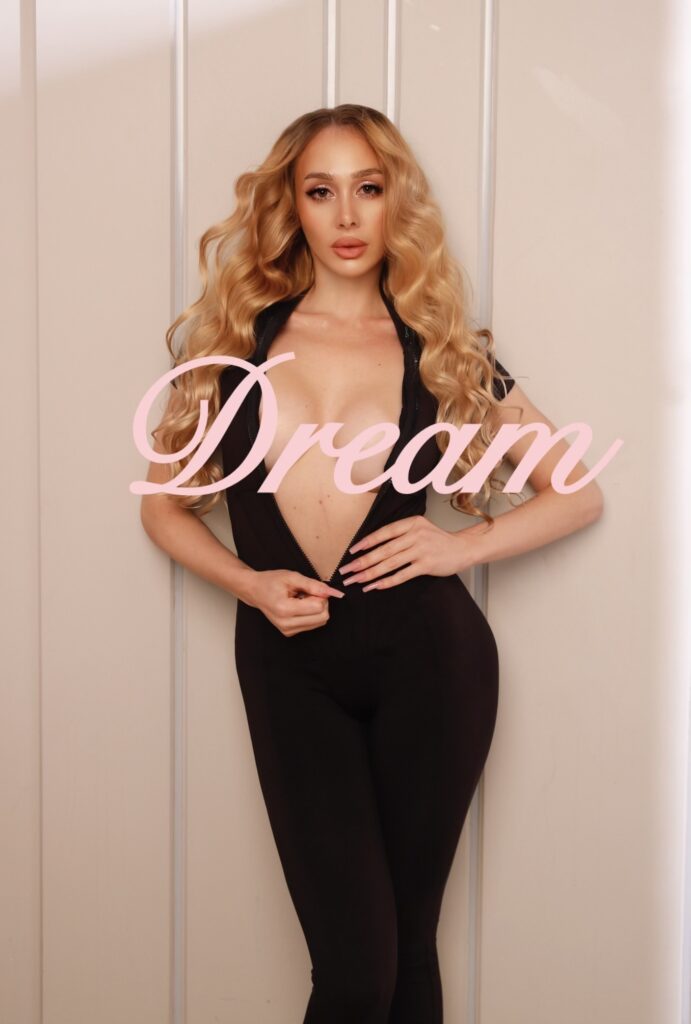
Milyam Milyam blends cinematic atmosphere, raw vulnerability, and minimalist Art Rap, creating an emotionally rich artistic world shaped by visual storytelling, creative independence, and an uncompromising vision. 1. “Dream” takes listeners into a dark, cinematic space between illusion and waking reality. What inspired the concept of the song, and what did you want listeners to feel as they entered that world? For me, emotion always comes first—it is the catalyst for the entire process. “Dream” was born from a need to explore that fragile space where memories and illusions blur. I wanted the listener to feel like they are stepping into an unfilmed movie of their own mind, where the subconscious is the only safe place to process raw, unspoken feelings. Ultimately, I hope “Dream” gives people the space to close an old chapter of their lives, let go of yesterday’s weight, and step into their next dawn with a lighter heart and absolute faith in their future. 2. Your music has been described as sitting between accessible commercial sounds and the introspective side of underground Art Rap. How do you balance experimentation and accessibility while staying true to your artistic identity? I don’t follow conventional expectations or fleeting trends. My absolute priority is conveying raw emotion exactly as it exists in my heart. That is where the balance comes from. This lets me hold on to a richly detailed cinematic aesthetic while staying entirely truthful to what I feel, creating something that feels timeless. MILYAM EMPIRE is founded on authentic values. Our focus is on high-end minimalism and uncompromising sincerity. 3. “Dream” has a notably minimalist yet emotionally powerful production. What role do restraint, atmosphere, and silence play in the way you build your sound? My minimalism is rooted in knowing exactly when to stop and intentionally stripping away any filler. The silence around the words is just as important as the lyrics themselves; it builds the tension and creates a safe, intimate space. The vocal delivery is the absolute center of this record. I had no desire to shout, because sometimes silence speaks the loudest. Every breath and every inflection becomes an instrument that channels my inner state. 4. Your artistic universe extends beyond music into visual storytelling, with MILYAM EMPIRE functioning as an independent creative project. How important is the visual side of your work in shaping the identity and story behind your music? For MILYAM EMPIRE, style and aesthetics are not just details—they are foundational. We are creating more than just music; we are building a world. The storyline and the imagery always come alive first. Every track acts as a scene from an unfilmed movie playing in the listener’s mind. MILYAM EMPIRE, which my mother and I built together, with her as its driving force, is rooted in absolute sincerity and a single, cohesive vision. Before the song even begins, I want the listener to understand that they are entering a meticulously crafted world where artistic freedom, elegance, and raw emotional vulnerability come first. 5. You have already achieved significant international attention, including more than 200 media features, an Unsigned Only 2026 Semi-Finalist position, and attention from the BBC Introducing 1Xtra programming team. How has this growing recognition affected your creative journey? My focus is always on what is inside: on my emotions and the pure act of creation. Recognition from global media means a lot to me, but I preserve the purity of my sound by remaining radically honest with myself. To see my unconventional, atmospheric music reach these platforms—with both “Intimacy” and “Dream” reviewed by the BBC Introducing team on 1Xtra, and “Intimacy” advancing as a Semi-Finalist in the R&B/Soul category of the Unsigned Only Music Awards—confirms for me that staying true to your own vision is worth every ounce of effort. It gives me immense strength to keep pushing boundaries internationally, knowing that we are on the right path. 6. You retain full ownership of your masters and publishing through MILYAM EMPIRE. What does creative independence mean to you, and where do you envision MILYAM taking your music and visual world next? Full independence is the foundation of MILYAM EMPIRE. Owning one hundred percent of my catalogue means we are not building a career — we are building a legacy. It gives us the freedom to create cinematic, atmospheric stories without shaping them to fit industry templates. For me, independence means the feeling arrives untouched. “Dream” is a crucial chapter in the ongoing book of MILYAM EMPIRE. My mother and I aim to expand this vision into a global movement, and a major goal is a full U.S. tour. This song reveals the depth of our world: a place where untamed artistic power meets unapologetic vulnerability. We are preparing to bring the cinematic world of MILYAM directly to the live stage. The foundation is set, and the MILYAM era is only beginning. https://www.instagram.com/iammilyam/