
Sienná
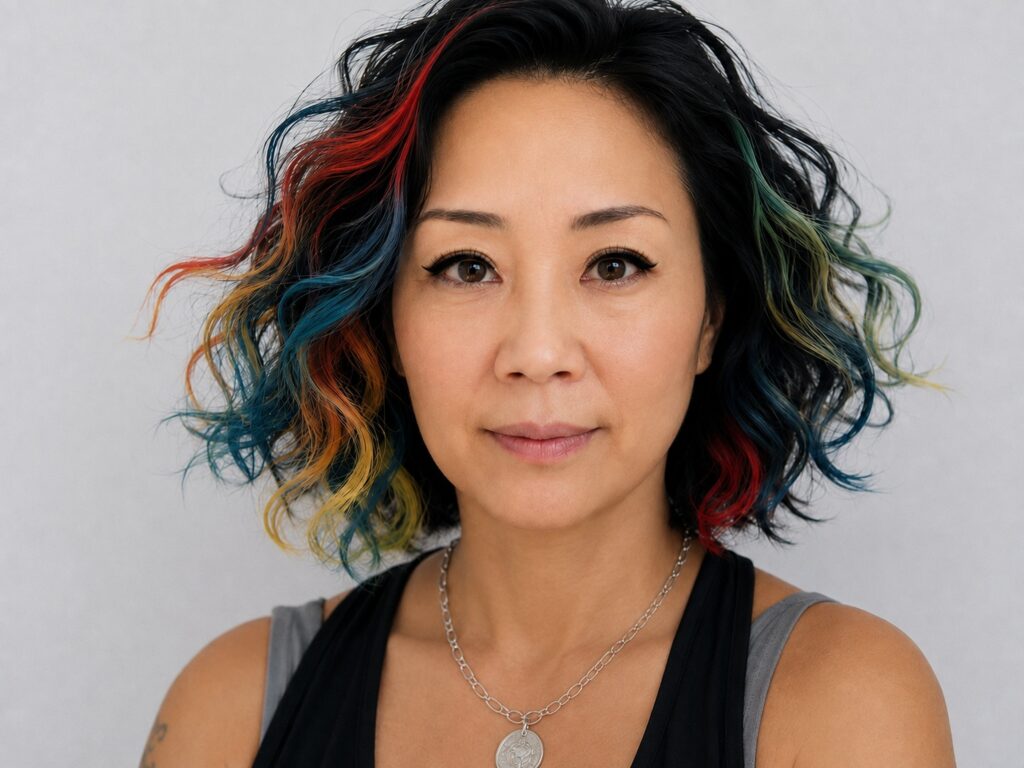
Sienná Kyoto-born, Oslo-based artist Sienná explores nature, identity, resilience, and human imperfection through EMA, an immersive electronic journey shaped by landscapes, emotion, and spontaneous creativity. 1. EMA is described as a collection of nine “image-to-sound syntheses” inspired by interconnectedness and messages from the natural world. How did the landscapes of Kibune Valley in Kyoto and Ischia Island influence the way these compositions took shape? Kibune valley and Ischia island are both places renowned for their unique connections to water. It was a true delight and somehow purifying to be there after a dizzying period of chronic busyness. Overtourism happens anywhere. Though, there you can still choose to be completely alone and get into zen state of mind for a good while, then you may experience the tsunami of ideas. If nothing in this life were a coincidence, we´re meant to visit every place we visit – but you’re more compatible with some particular places, like chemistry in a relationship. Kibune and Ischia were such déjà-vu places for me. I´m an ultra introverted person who´s constantly processing thoughts and ideas, but I experienced significantly more “input” from the external there, instead of circulating ideas back-and-forth inside my head. 2. You mentioned that you wanted to draw what you perceived in nature but ended up writing music instead. How do you translate a visual impression, atmosphere, or feeling into sound, and what role does spontaneity play in that process? I used to describe that I write a song like solving a musical puzzle where the final picture is completely unclear at the start. That´s still true, but I had much clearer vision in advance for this album, so it was slightly different this time. I don´t know how a painter starts to paint on a white canvas, but I assume the process is similar – like sketching, painting the background, building up, adding details and highlights – maybe even painting over earlier unsuccessful works, too? As an electronic music artist, I tend to spend much time to select correct sound textures to start with, and edit synthwave a lot is the first foundational phase. Then I build up with a compatible layer on it and another layer over it, eventually add details often by playing hardware synthesizers and piano. 3. EMA moves through cinematic, ambient, drum & bass, glitch, electronic, and Japanese traditional influences. What attracts you to crossing such different musical territories, and how do you decide when a piece has found its natural sonic direction? My music is electronic with no doubt. But I´ll be totally honest with you. I´m basically making music freely, without any rules or limitations for myself. What I´m focusing on, is what is correct or wrong within my egoistic premises. So, I have actually no idea why it turns out the way it does in the end. One thing that I´m sure, is that everything is correct for me at that point when I decide the track is finished and ready. Although I always find myself in an administrative situation later where I must describe my own music in some written words on press materials. That´s a real headache everytime, lol. 4. Your music embraces a non-linear approach and the concept of “perfect imperfection.” In an era increasingly shaped by AI-generated and digitally synthesized music, what does imperfection mean to you, and why is it important to preserve it? I´ve been involved in an AI-music project. Many AI-generated tracks sound actualy great, even better than I thought in many ways. Digitally synthesized western blues don´t really sound synthesized anymore. I´m sure that very soon, it will reach the point where AI-generated music start sounding completely human with nuances and all the complex instrumentation. But, the listeners will still be humans. I don´t believe AI can satisfy the entire audience. Because the goal isn´t a perfection in the art of music. Of course, I´m aiming at good songwriting and production everytime. It can help to successfully communicate my intentions, purposes and my passion. But first og all, I want my music to have my signature or recognizable characteristic features that only I can create. That´s probably my “perfect imperfection” in music. 5. The album’s lead single, “Be A Seeker, Believer,” focuses on resilience, self-belief, and restoring hope in a troubled world. What personal or artistic experience led you to these themes, and what do you hope listeners take away from the song? The life is wonderful right now, but I´ve spent so many troublesome years to arrive at this exact point in my life. I can say a lot about poor choices, regrets and unpleasant memories, but I know that those moments were stepping stones for my personal growth when I look back later. I cannot say “everything will be ok” to anyone, but I´m trying to remind instead that a harsh time is a crossroad moment. You make a decision that will shape your own destinations from there. The world will always stay sad and cruel, but still offer a beautiful thing to explore, too. I wanted to tell through the song that it´s ok to retreat and heal inside for a while, but it can help anchor your mind and offer a subtle relief if you can find a little moment of beauty outside when you´re moving through hard times. 6. As a Kyoto-born artist based in Oslo, your work naturally reflects an East-meets-West perspective. Looking back at your musical journey from Wa-Kei-Sei-Jyaku to EMA, how do you feel your identity and artistic philosophy have evolved, and where would you like to take your music next? I look like Japanese, act like Japanese that´s my core identity, but sometimes I act like a Norwegian even more than Norwegians themselves, haha. I feel this album EMA may show more blended side of myself from a borderless perspective without losing my roots. Songwriting locations may have influence the soundscapes, although Japanese pentatonic scales can be heard here and there throughout the whole album, too. Right
SCATTERCHILD
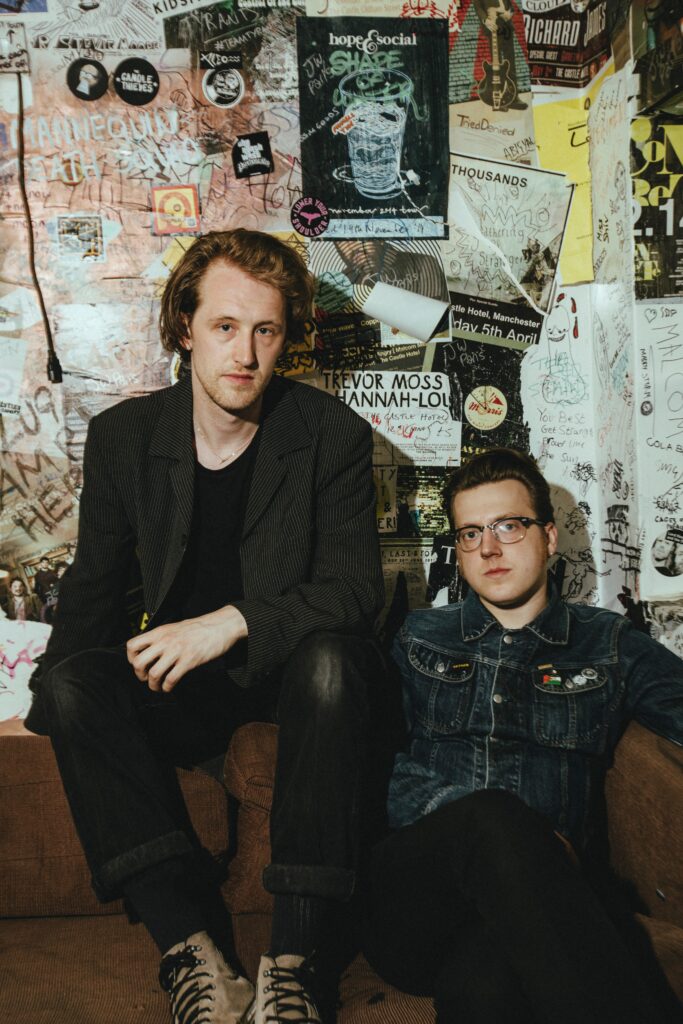
SCATTERCHILD SCATTERCHILD dive into loneliness, climate change, collaboration, cinematic soundscapes, daring visuals, and their evolving artistic world surrounding their upcoming album, Different Oceans Alone. 1. “New Ocean” explores isolation, loneliness, the desire for something better, and the human impact on climate change. What was the emotional starting point for the song, and how did these different themes come together? It’s a weird question for me to answer because with a lot of my songs, I tend to not know what they’re about until they’re finished. To be honest I kind of don’t think songs are about anything until they’re finished. I guess the metaphor of the ocean grew out of the theme of loneliness at the song’s core, being lost at sea. The climate change element fed into it because it’s a dominant, inevitable change that can only be stopped if humans pull their finger out, and we aren’t currently. I do remember being very fearful and uncertain of myself after a breakup when I started writing New Ocean. It was post-pandemic, I had been isolated in a new house-share for six months after; I basically had to go out and rediscover myself in the world, which was really daunting. So, I suppose you could say it’s a darker version of ‘there’s more fish in the sea’, in that sense. 2. Quentin Wylie of GETNER brings a strikingly raw and snarling vocal presence to the track, contrasting with your more restrained and introspective delivery. How did this collaboration come about, and what did Quentin bring to the song that you felt was missing? Well, he brought a raw and snarling vocal presence the song was missing! I do a lot of yelling but it’s ‘controlled’ yelling, I can’t do the gritty, Alex Turner-y via Joe Talbot thing Quentin does. I wanted that contrast, I wanted a dirtier vocal tone to cut through the washy arrangement, and to tie into that idea of identity and rediscovery. Quentin’s vocals let the lyrics convey a level of contained rage. A big thing I’ve been trying with writing is using voices the way rappers do, as instruments, and getting different vocal tones to convey different feelings is an idea I’m really interested and am exploring more currently. I’ve known Q for ten years. We both moved to Manchester at the same time for uni. We’ve always had each other’s back musically, he’s been an immense supporter of my work and GETNER are, by far, the best live band operating in the city right now. So tight, so much fun, absolutely authentic and absolutely lethal. Up the bais! 3. The song combines lush strings, propulsive drums, glitchy ocean samples and a strong art-rock groove, with a cinematic quality you’ve compared to a Bond theme. How did you approach building such a rich and dramatic sonic world around the song? Well, the whole thing started dead small, with just the guitar sample in the intro and those glitchy drums. I have very little recollection of how it all came together, it was one of those songs that just poured out fully formed in a wave of inspiration. We recorded the drums in Essex around the time we were finishing off An Everyday Landscape, so it was gestating for like, 3 years before we added Quentin, and of course the strings. It was Izzy’s (Isabel Williamson, of art-folk project St Cloud) idea to put a full string arrangement behind it. We basically wanted it to sound like a rippling, tide-torn ocean. She wrote an incredible arrangement with her on cello and Coraleigh Kelly-Edwards on violin. We actually recorded it at Izzy’s house, in her little homemade recording booth. So there’s stacks and stacks of tracks played by two people. My favorite part are the triplet stabs in the first chorus. But yeah, that’s what took it to that next level. I do think it would make a good bond theme! Maybe if Amazon ever gets round to casting the new guy we’ll give em a call… 4. SCATTERCHILD are known for ambitious and sometimes unsettling visuals. What was the creative concept behind the “New Ocean” music video, and how did you want its imagery to complement the themes and atmosphere of the track? The concept for SCATTERCHILD videos is always the same: “how much can we fuck Jay up before we start getting concerned for his wellbeing?” I’ve been out in blizzards, punched in the head, made to run a bleep test for 6 hours, and buried alive. Does anybody make me do these things? No. Why do I do these things? I don’t know. But it makes for damn good television. So obviously we had to throw me in the sea fully clothed. The basic premise was I try to drown myself and Quentin saves me. Quentin persuaded me to film it during the summer not the winter so that I wouldn’t get hypothermia, which I think is cowardice on his part quite frankly. So we shot it on Formby Beach in the summer and all got burnt to a crisp instead. Harry Proctor shot it and did a fantastic job on the edit. It’s a miracle we got anything done to be honest, because as soon as I got in the water, we realized that Quentin hadn’t brought a change of clothes so couldn’t get very wet. So then we couldn’t stop laughing because we realized that in the video, Quentin would supposedly be dragging a soaking wet dickhead out of the water without getting a drop on him. Also, apparently I can’t take direction very well because Harry kept yelling ‘via the dune’ at me when trudging through the sand, and I kept going the wrong way. Behind the scenes footage of ‘New Ocean’: https://www.instagram.com/p/DaK1POsDdCm/?img_index=1 We wanted savage waves to intercut with the bigger moments of the song, leaning into that cinematic quality. I always want our videos to be an extension of the song’s mood. That’s a really important part of the
Exzenya
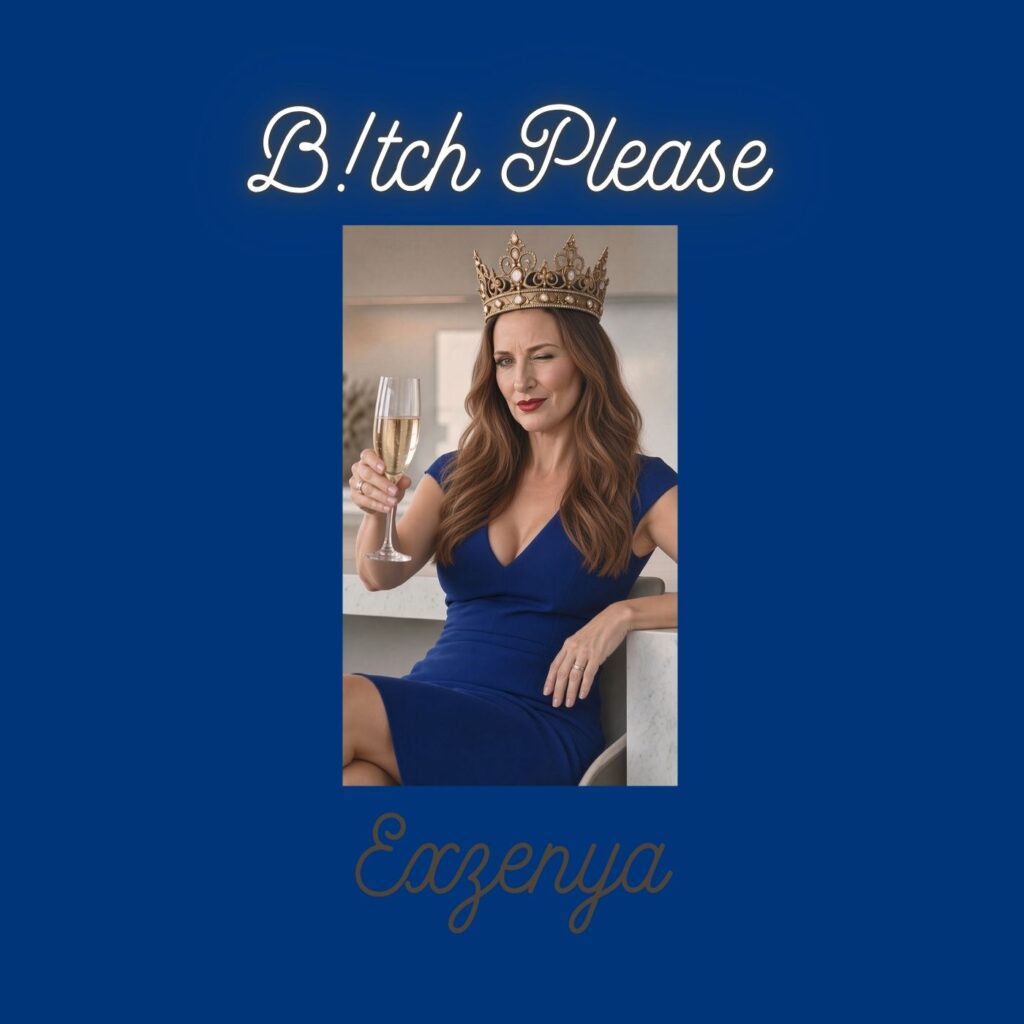
Exzenya Exzenya turns betrayal into liberation with “B!tch Please,” blending blues-driven roots rock, sharp humor, and unapologetic confidence. In this interview, she discusses songwriting, empowerment, musical evolution, and finding freedom. 1. “B!tch Please” turns a painful situation involving betrayal and infidelity into a story of relief and liberation. What inspired you to write the song, and when did you realize the story was really about being set free rather than being hurt? I wrote it from the second the door actually opens. Not the rumor. Not the fight. The look. A woman standing there who thought sleeping with a married man was an upgrade — house, ring, sugar-daddy fantasy, my life pulled on like a dress. That is a painful setup on paper. In the body it was different. Hurt is the first draft. Hurt is “how could you.” The song starts after that draft gets thrown out. I realized it was about being set free when I heard the trade clearly: she did not take my life. She took the man who was already going to leave. A roaming man. A sad, troubled man who does not follow through. Once you see that, the chest drops. Relief. Sass. Closure. “You thought you were taking my life. You set me free.” That is not a slogan I bolted on later. That is the moment the song became true. 2. The line “You thought you were taking my life. You set me free” captures the song’s attitude perfectly. What does that line mean to you personally, and how does it represent the character at the heart of the song? That line is aimed at the other woman. Not the husband. Her. She had the sugar-daddy fantasy because he talked her into it. He made her think he was something he is not — provider, future, altar, a life already built. So she looked at my life like it was available: my ring, my house, my home, my husband, my money. She thought she was taking all of it. She thought she was taking me out of the picture and stepping into the slot. What she got was him. Nothing else. That is the math the character sees when the door opens. I am still the one with the money. I still have the house. The ring did not move. The happily-ever-after he promised her never arrived, because he does not follow through. He is a sad, troubled man who roams. She inherited the fantasy’s leftover: a cheater, not a life. “You thought you were taking my life” is her delusion, the one he sold her. “You set me free” is what actually happened. She did not steal my world. She took the part of it that was already leaving. The woman in the song is not begging that other woman to understand her pain. She is telling her the receipt is wrong. You came for the estate. You left with the man. B!tch please. 3. Musically, you describe “B!tch Please” as roots rock with a blues backbone, live-band energy, and plenty of sass. What drew you toward this sound for this particular story? Because the story talks like blues and walks like rock. Blues already knows cheating, karma, the porch conversation after the fact. Roots rock — The Band, early Petty, Mellencamp, the modern cousins like Dorothy, Kaleo, Barns Courtney, ZZ Ward — keeps the dirt under American music: blues, country, folk, gospel in the chords even when it rocks. Mid-tempo. Room to breathe. Story first, production second. Live-band feel. Polished is fine. Plastic is not. This lyric would have sounded like a costume in glossy pop. It needed bass and lead vocal as the floor. Sass over sheen. A chorus you remember. That is roots rock with a blues mouth. The sound had to feel like a person in a room, not a preset announcing an “empowerment anthem.” 4. Your lyrics approach the situation with confidence and humor rather than simply focusing on heartbreak. How important was it for you to give the song a strong, unapologetic female perspective? It was the whole point. Heartbreak songs about infidelity usually hand the woman two jobs: suffer prettily or get even in a way that still orbits the man. I did not want either. I wanted her standing in her own life, looking at the other woman and the husband at the same time, and telling the truth without shrinking her voice to stay likable. “B!tch please” is a boundary. It is also accurate. You thought my house would become your home. You thought the ring would move. You should have thought twice. Confidence here is not toughness for the camera. It is a woman who has already done the math. Unapologetic means she does not apologize for keeping the money, the self, and the last word. 5. “B!tch Please” follows your satirical pop-R&B single “Drunk Texting,” while moving into a very different musical territory. What does this contrast tell us about Exzenya as an artist, and how do you decide which sound best fits a new song? It tells you I do not pick a lane and decorate it. The song picks the clothes. “Drunk Texting” came from a real Miami mess and wanted satire, pop, R&B, comedy-sketch timing. This one came from a door opening and wanted teeth. Same writer. Same rules: whatever genre the song requires – the story line and emotion speaks the lane. I decide by listening for what the story or emotion wants beneath it. A punchline may need bounce; a verdict may need guitar, space, and a live band. 6. If listeners take one feeling or message away from “B!tch Please” after hearing the final chorus, what would you like that feeling to be? Not revenge or hatred. Not “I hope he/she suffers.” The last chorus should feel like the room is getting bigger. You thought you were taking my life. You set me free. If someone has been living inside a betrayal and
Redesya
Redesya Italian duo Redesya open up about love, creativity, vulnerability, and growing into adulthood, discussing their new EP TendeRage, London experiences, and the personal stories behind their songs. 1. After eight years as life and writing partners, how has your relationship shaped the way you create music together, and what does Redesya allow each of you to express that you might not express alone? Our relationship affects, everything we do, especially music. Working together for eight years has built a level of trust where no idea feels too raw or awkward to throw into a project. Having this kind of connection means skipping the polite filters. Redesya serves as a safe container where vulnerability and chaos coexist without judgment. It provides a space to vent darker, messier thoughts or push boundaries that might feel too intimidating to explore individually. Let’s say that Redesya would be very different if we weren’t together and our relationship would be very different if we weren’t Redesya. 2. You describe TendeRage as “a warm hug that turns into a sudden slap in the face.” How did you arrive at this concept, and how did you balance the tenderness and rage that define the EP? The concept came from our personal experiences of early adulthood. Life starts feeling both soft and aggressive and you find yourself acting like a child all over again: It’s often a sudden transition between comfort and chaos. The contrast between gentle melodies and rough instrumentals mirrors that exact “hug then slap” sensation. 3. Your time in London seems to have played an important role in rediscovering yourselves as artists. What did stepping away from Italy and your usual routine teach you about your sound, your identity, and each other? When we left for London, it wasn’t just about taking our music abroad, we genuinely needed to break away from our routine back home, step out of our comfort zone, and test ourselves in a place where nobody knew who we were, and that was the most exciting thing about it: being nobodies. Performing our originals in intimate venues was the greatest and most rewarding thing we ever got to do. We found ourselves on tiny stages in front of rooms full of strangers, having to connect purely through our music. More than anything, stepping away from our usual lives brought the two of us closer. We rediscovered each other not just as bandmates, but as two people who have each other’s backs when everything around them is shifting. London gave us back to ourselves with a clearer, much more unfiltered sense of who we are. 4. The EP touches on anxiety, sexuality, fake friendships, self-confidence, and nostalgia. Was there a particular subject that felt especially difficult or vulnerable to turn into a song? Addressing personal anxiety felt the most vulnerable, since we’ve both suffered from it in two very different ways. Writing about external topics like fake friendships comes with a degree of defensive distance, but articulating something like anxiety requires thoughts that are usually hidden. Translating that into lyrics took a high level of transparency, so we’ve decided to do that ironically with “Liv”. 5. “Jessie” explores unexpected sexual self-discovery, while “Liv” embodies anxiety. How do you approach transforming such deeply personal or complicated emotions into stories that listeners can see themselves in? The approach relies on specific, relatable details rather than abstract generalizations. We chose to talk about these two topics using personification: Liv and Jessie are, in fact, two women embodying anxiety and sexuality, allowing the listener to picture them in their head while experiencing the songs. Framing specific details allows them to project their own experiences onto the narrative: For us it’s all about telling stories! 6. With TendeRage capturing the confusion of entering adulthood while still feeling like a lost child, what do you hope someone in their twenties—or anyone going through a period of change—takes away from the EP? The hope is that anyone navigating these phases feels seen rather than isolated. Entering adulthood does not come with a manual, and feeling lost, anxious, or angry is a completely valid part of the process. The EP is meant to be a reminder that you don’t need to have everything figured out to move forward and that sometimes not knowing how to act is the right way to act. https://www.instagram.com/redesya_
Rebekah Snyder
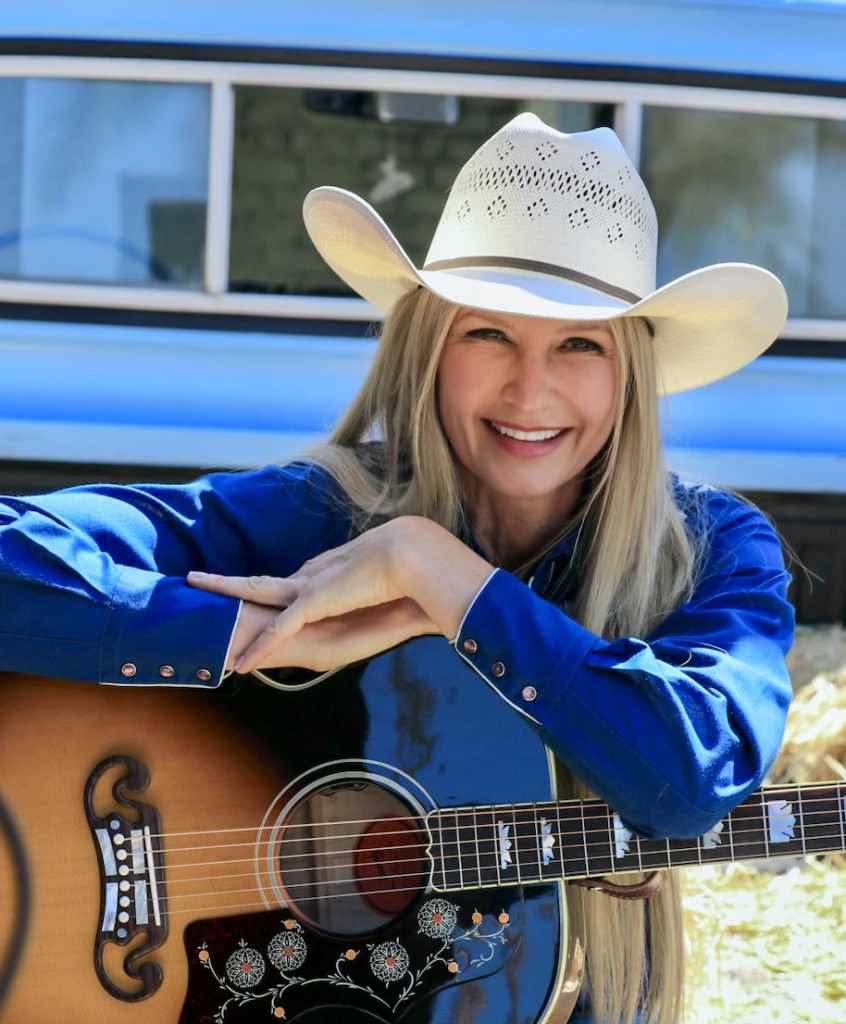
Rebekah Snyder Rebekah Snyder shares her journey through Appalachian storytelling, family, motherhood, resilience, and country music, revealing the personal experiences and influences behind her heartfelt songs and latest releases. 1. Your music is deeply rooted in Appalachian storytelling and your Western Pennsylvania upbringing. How did your family, hometown, and early musical experiences shape the songwriter you are today? I sing about my family history and values passed down to me. Songs like “America” and “War is Hell” explore higher truths learned directly from my grandfather, a World War II veteran. Motherhood and raising my children in my hometown heavily inspire my recent music. Tracks like “These Jeans” incorporate everyday details of parenting, homework, and life’s lessons. Similarly, my single “Small Town” grew out of a melody reflecting on day-to-day life and the choices I make for my kids. 2. You discovered artists like Linda Ronstadt, Fleetwood Mac, Jim Croce, and Don McLean through your mother’s guitar and your family’s record collection, while later drawing inspiration from Morgan Wallen and Tyler Childers. How have these different influences come together in your sound? Learning folk songs on my mom’s guitar as a teenager shaped my approach to country melodies and storytelling. Judy Collins’ “Someday Soon” directly inspired my songs “Like A Wild Horse” and “Maybe Next Time,” blending classic pedal steel vibes with modern themes. Meanwhile, modern country artists like Morgan Wallen prompted me to write “Lonely Cowboy” from a female perspective. Jim Croce and John Denver influenced my narrative instincts, seen in tracks like “The Fiddle Player Stays.” Coming from coal country, Tyler Childers’ music resonates deeply with me. His vivid setting of Appalachian life inspired lyrics in my upcoming releases about local heritage and military service. 3. After performing in all-female rock bands in New York and even touring with Steven Adler, you stepped away from music for nearly a decade. What did that period teach you about yourself, and what ultimately gave you the strength to reclaim your voice? Surviving a controlling and abusive relationship stripped away my fear and worry about what others think. Escaping that situation and getting my children to safety gave me the strength and independence to re-emerge as an artist. Having endured my lowest point, I now feel resilient and unfazed by self-doubt when writing music or performing. 4. “America” connects your personal family history with a broader message of resilience and unity. What inspired the song, and what did it mean to have your daughter portray the young version of you in the music video? Sharing the experience with my daughter encouraged me to re-enter music and make the “America” video. I wrote the song right after 9/11, channeling my grandfather’s World War II service and his belief in freedom. Having my daughter play a young version of me holding his photo was a meaningful way to honor his legacy and pass down those values. 5. Your upcoming album, Ready to Ride!, explores small-town life, motherhood, relationships, survival, and starting over. What can listeners expect from the album, and how does it represent where you are personally and artistically today? Instead of an album, I am releasing the songs as standalone singles so each story can stand on its own. Upcoming releases will touch on past relationships, themes of survival, and tribute songs for veterans like “War is Hell.” 6. The first single, “Don’t Ever Date a Yankee,” is a playful country duet with Adam Cunningham that explores rural and urban relationships from a rural perspective. What inspired the story behind the song, and what was it like bringing Adam into the track? The song originated from a past relationship with a guy from Louisiana whose father didn’t care for “Yankees.” I turned that experience into a humorous duet concept. I met Adam Cunningham by chance in a studio lobby in Nashville. After connecting with him, he agreed to feature on the track, delivering an incredible performance. Rebekah Snyder | Country Music Artist
Kent Olsson

Kent Olsson Kent Olsson complete The Art of Breaking Up trilogy with “Lipstick on the Exit Sign.” We discuss songwriting, collaboration, production, remote recording, and the freedom behind this stylish final chapter. 1. Lipstick on the Exit Sign completes The Art of Breaking Up trilogy, following Replay:me and Access Denied. What inspired you to tell this three-part story, and how did the emotional journey evolve from one song to the next? Kent: I don’t think I originally sat down and decided, “I’m going to write a trilogy about breaking up.” It grew into one. Replay:me was really about being trapped in that emotional loop where a relationship keeps restarting even though, somewhere inside, you already know how the story ends. There is still vulnerability in that song and still a desire to believe that maybe this time things will be different. With Access Denied, something changes. The door begins to close. There is more attitude, more self-respect and a clear sense of setting boundaries. The person in the song has stopped waiting for permission to move on. Then Lipstick on the Exit Sign became the natural final chapter. By that point there are no negotiations left and no need for another dramatic goodbye. She simply leaves – and does it with style. So emotionally the trilogy moves from repetition, through rejection, to freedom. I liked the idea that a breakup story didn’t have to end in sadness. It could end with a smile. 2. You’ve worked closely with Jolie across several releases, including the complete The Art of Breaking Up trilogy. From your perspective as songwriter and producer, what does Jolie bring to your songs, and how has your creative collaboration developed over time? Kent: What Jolie brings to my songs is a very distinct sense of character. She has a voice that can sound vulnerable and strong at the same time, and that combination is incredibly useful when the song is built around emotion, attitude and storytelling. When we first started working together, I was mainly looking for the right voice for the songs. But over time, the collaboration has developed into something much more specific. I now find myself writing with her voice, phrasing and personality in mind from a very early stage. That was especially true throughout The Art of Breaking Up trilogy. Each song needed a slightly different emotional angle, but Jolie gave them a clear identity and continuity. She has a natural way of making a lyric feel lived-in rather than simply performed. Our collaboration has also influenced the arrangements. I often leave parts of the production deliberately open until I hear her vocals, because her interpretation can suggest where the track needs more space, more energy or sometimes less of everything. When I heard Jolie, there was something in the character of her voice that immediately caught my attention. She has precision and control, but there is also personality in every phrase. That is extremely important to me. I don’t want a singer just to reproduce what I have written – I want the voice to become part of the storytelling. Since then, I’ve probably listened to her voice several hundreds of times in different recordings and different musical contexts, and I like to think I’ve developed a pretty good sense of where her vocal sweet spot is – not only in terms of range, but in terms of character, dynamics and where that particular quality in her voice really comes alive. That knowledge naturally influences the way I write and arrange for her. Once we had completed Replay:me, I realized that her voice had almost become the voice of the character in these songs. So, when Access Denied appeared, and later Lipstick on the Exit Sign, I naturally heard Jolie in my head while writing and producing them. The collaboration has also developed into something I value enormously: trust. I can build a fairly detailed production and still give Jolie complete freedom with interpretation, phrasing and expression. She understands the character of the songs, and very often she adds things I would never have thought of myself. That is when collaboration becomes much more interesting than simply hiring a vocalist. 3. The new track feels more confident and playful than its predecessors, with the central idea of leaving without looking back. What does “putting lipstick on the exit sign” mean to you personally, and what did you want listeners to take away from the song? Kent: For me, “putting lipstick on the exit sign” is a small act of rebellion. Instead of quietly disappearing through the door, she leaves a mark behind. Not because she wants to come back, and not because she needs revenge, but because she has finally taken ownership of the situation. There is humour and irony in it too, which I love using in lyrics. Serious emotions don’t always need serious language. Sometimes one slightly absurd or visual image can say much more. The lipstick mark basically says: “Yes, I was here. Yes, I’m leaving. And I’m perfectly fine with that.” I wanted the listener to feel that sense of release. Heartbreak can hurt, but there is also an incredible moment when you realize that you have stopped looking backwards. That moment can be powerful, liberating – and even fun. 4. Musically, the project combines polished pop songwriting with rock-edged energy, electronic textures, layered harmonies and cinematic production. How did you balance those elements while keeping Jolie’s natural vocal performance at the centre of the music? Kent: The voice always comes first for me. I can use a lot of elements in a production – guitars, electronic sounds, synths, percussion, vocal layers and cinematic textures – but they all have to serve the song and the person singing it. With Jolie especially, there is no reason to hide the voice behind production. Her vocal has so much character that the arrangement needs to create a world around it rather than compete with it. I often think quite visually when I arrange music.
Utopian Knights

Utopian Knights With over three decades of hip hop experience, Utopian Knights blends boom bap, sharp lyricism, social commentary, and artistic freedom. We explore the philosophy behind THE4EVANOW and beyond. 1. Utopian Knights draws from more than 30 years of boom bap, battle rap, B-boy lyricism, and underground hip hop. Looking back, what first pulled you into hip hop, and what has kept that passion alive for more than three decades? After so many years being a fan of Hip Hop, it’s hard to access the memory of what first pulled me into my appreciation of the genre. I can say that over the decades of its existence, Hip Hop as an artwork has been a mainstay in my life. Lyricism, creativity, the passing on of blues, jazz, funk and all other genres that form an artistic algamation has been a consistent inspiration to me. Inconsider myself a lover of the arts, and Hip hop definitely touches on all pillars of artistry. The same thing that draws me to the genre is the same thing that keeps the passion alive within me. As a creative, it’s second nature to embrace and interlopate the many influences and unearth new sounds or ideas to push further for myself and the artform as a whole. 2. You describe Utopian Knights as a movement built around “beats and rhymes,” with strong underground aesthetics and social commentary. What does the Utopian Knights philosophy represent to you, and what do you want listeners to discover beneath the surface of the music? The Utopian Knights presents a pathway to artistic and self-exploration. Of course, there are songs where it’s just strictly Hip Hop for the sake of it. But the messages of self-actualization, transcendence and social commentary is the crux that hardens back to my love of artists like BDP and Public Enemy. Having a lens that goes deeper than the surface is where I think the albums are cemented as pieces of art. The weight of cuts like “Superior Race” “The Conversation” and ” Drapetomania” makes those albums more than just rap albums. I want the audience to hear and connect as individuals and become inspired to make a change in their personal life, or the world. Or, if possible, those songs can play as affirmations to those who are looking to connect with a feeling that they haven’t been able to articulate. 3. Your music seems to exist somewhere between the past, present, and future of hip hop. How do you balance respect for the golden-era sound with your desire to keep evolving as an emcee and producer? I approach creating music as a painter approaches their craft. The tools stay they same but the artist grows and matures. I never leave behind the influences when creating something new. Also, I stay open to the ideas that may stray from what is the norm, because my work is not imitation. My work is 100% an artistic journey that I am free to explore musicality in anyway I chose with Hip Hop as my fundamental ground zero. 4. Battle rap and lyricism are important elements of your approach. In an era where hip hop can often be driven by trends and commercial formulas, what does real lyricism mean to you, and what makes an MC truly stand out? Real lyricism to me delves into the ability to intelligibly create rhymes that capture the listener. Enthrall them. Inspires them. But, art is subjective. And there are so many artists who connect to people in so many different ways. I tend to connect to the artists that have the ability to weave in and out of Hip Hops tropes. Definitive identities who leave a lasting impression by pushing the boundaries of what’s expected. 5. You are currently carrying Utopian Knights as a solitary movement, handling both the emcee and production sides. How has working independently shaped your creative process, and do you find being responsible for both sides of the music liberating or challenging? Working independently in this nature has been incredibly freeing because it allows me to fully delve into my creative spirit. I’ve worked with incredible producers on my past projects, and I wouldn’t trade those experiences for anything. With THE4EVANOW, I had the opportunity to fully dive into my identity as artist. No confines and an absolute freedom to explore the whims of my creativity are on full display. This was the mindset I started from so may years ago. It’s a blessing to be able to come back to it. 6. Looking at this latest release, what were you trying to express through the music, and how would you describe its atmosphere to someone who asks the impossible question: “What’s the mood?” Also, what does the future hold for Utopian Knights? THE4EVANOW is ultimately about the freedom to fall into what makes you “you”. It’s a homecoming album for me. I get to reconnect to my younger self and we get to go off and take the listener on that journey with us. It’s fun and funky and energetic and poignant. It’s all of these things and the can also be seen as none of them. The beauty is, i don’t give a f what anyone thinks because I’m now creating to appease an audience of one. Everybody else is invited, but the journey will have to be your own. The listener will have to connect to the “mood” themselves. This year, I’ve released two full length albums with Invincible Summer and THE4EVANOW. I’m looking to end this creative burst with a third full length album entitled “alien” which delves into self-exploration and the true toll it takes to continue moving towards a life of self-acceptance and transcendence. It’s darker and deeper and I think what’s been written so far will have a perfect juxtaposition to the celebratory feel of THE4EVANOW. https://www.instagram.com/utopianknightshiphop
TaniA Kyllikki
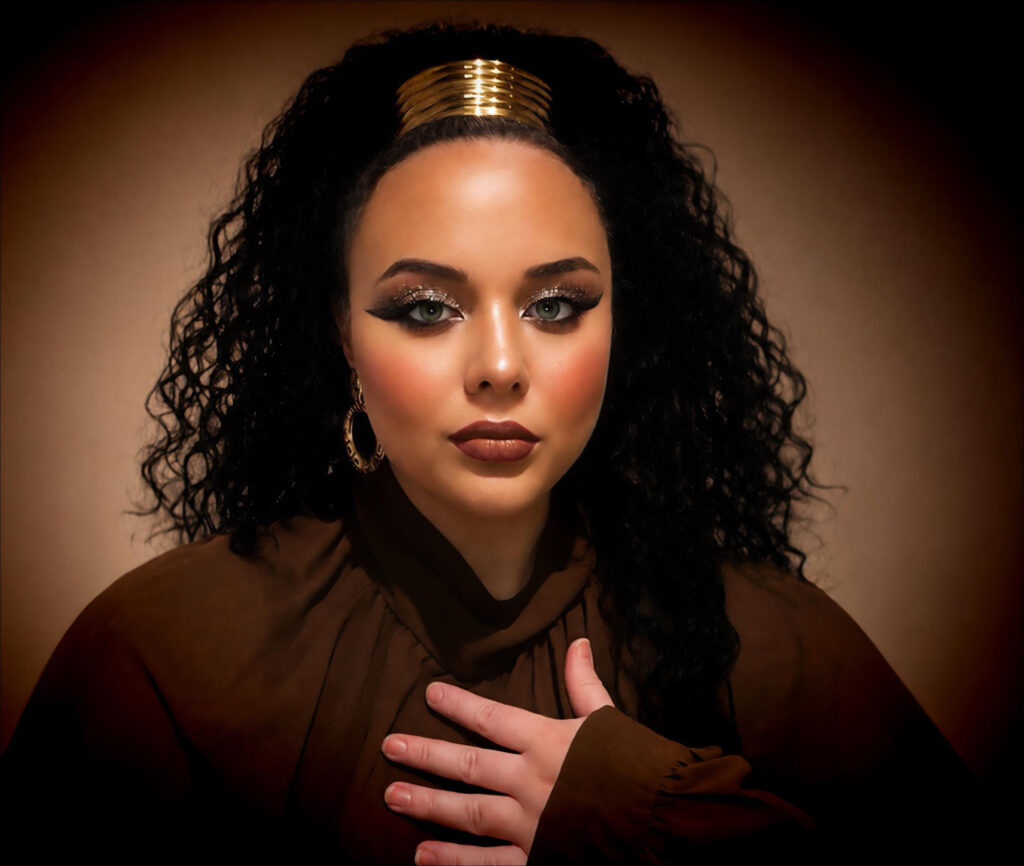
TaniA Kyllikki TaniA Kyllikki opens up about “HUMAN,” creative freedom, resilience, genre-bending music, and the deeply personal journey behind her forthcoming album FREE-SPIRITED. 1. “HUMAN” began with a Facebook post about the hostility and division you were witnessing online, which unexpectedly turned into a song. What was happening emotionally for you in that moment, and what made you realize those words needed to become music? As a deeply sensitive person, I absorb the energy of the world around me, sometimes to a fault. That day, looking at social media, the weight of the hostility and division online felt heavy on my chest. It felt like we were collective miles apart, treating each other like text on a screen instead of living, breathing souls with feelings. My Facebook post was just a raw, unfiltered cry from my heart, asking why we’ve become so quick to judge and so slow to love. When I read the words back, I realized they were already vibrating with a rhythm. Standard text can be read with a cold or defensive tone, but music? Music bypasses the ego entirely. I knew it had to be a song because when you wrap a message in a melody, it speaks directly to the soul. I wanted to channel that heavy energy I was feeling and transform it into something beautiful and healing that could pull people back together. 2. You and Rynellton created “HUMAN” in your bedroom, combining your gospel-soul vocal approach and five-octave range with his techno-house production. What was the creative conversation between you like when you first proposed such an unconventional combination, and when did you both realize it was actually working? My husband Rynellton (Garry D. Hairston) and I have this beautiful, unspoken musical language, but when the idea came up to merge my organic, gospel-soul vocal arrangements with his sharp, electronic techno-house production, it definitely sparked a fascinating conversation! It wasn’t about trying to be clever or gimmicky; it was about emotion. I told him, “I want this song to move people physically, like a heartbeat on a dancefloor, but I need the vocals to feel like a warm, comforting hug. The magic happened right there in our bedroom studio. When Rynellton, dropped those driving electronic beats and we began layering my vocal harmonies over them, something incredible happened. The coldness you sometimes associate with electronic music completely melted away. My soulful delivery gave the track a living, breathing pulse, and his production gave my voice a massive canvas to soar across. We just looked at each other and knew, we had captured a beautiful paradox, a new hybrid where two entirely different worlds became one. 3. The chorus asks, “What does it mean to be human? How can we live in harmony?” rather than giving the listener a direct answer. Why was it important to you to ask questions instead of turning the song into a straightforward statement or message? I think the last thing the world needs right now is another voice pointing a finger or acting like they have all the answers. The moment you make a definitive statement, you inadvertently create an “us versus them” dynamic. I didn’t want to preach; I wanted to connect us all globally in nothing but pure love and understanding of each other. By asking questions like, “What does it mean to be human?”, I’m inviting people from all walks of life to sit beside me in reflection. I want them to look into their own hearts and find their own answers. It’s an invitation to remember our shared vulnerability. When we ask questions together, we open up a dialogue rooted in empathy, and that is where true healing and harmony actually begin. 4. Your music has never stayed inside one genre, moving through soul, pop, R&B, hip-hop, funk and electronic sounds. What attracts you to crossing musical boundaries, and do you see genre as something artists should respect, or something they should feel free to completely ignore? Human emotions don’t live in a single box, so I’ve never understood why music should. My sensitivity means I experience life in vast, shifting colors, some days feel like a quiet, vulnerable R&B, Soul ballad, or a stunning classical piece, and other days I demand the fierce, triumphant energy of pop, funk, or electronic house. Crossing boundaries isn’t a conscious choice for me; it’s just me being authentic to whatever energy I am processing at the time. Then releasing that energy back into the world. I’ve stayed true to myself as an artist since day one and that won’t ever change. I think genres have beautiful, rich histories that we should appreciate, but they shouldn’t become cages for an artist either. Music is the language of the soul, and the soul doesn’t have borders. Artists should feel entirely free to step outside those lines. When we ignore traditional labels, we give ourselves permission to be fully human and fully honest. 5. Your independent creative journey has required extraordinary determination, including adapting your recording process around circumstances that make conventional studio work difficult. How has creating music under those conditions changed the way you approach your voice, songwriting and creativity? It’s a deeply humbling experience that has completely stripped away my ego and taught me the true meaning of resilience. When you are dealing with chronic health flare-ups, you simply don’t have the luxury of waiting for the “perfect” day or a pristine, high-tech studio environment. There are times I’ve had to track vocals from a place of intense physical weakness, right from my bed. So many individuals around the world suffer daily with chronic illnesses, and I know firsthand how heavily that takes a toll on a person’s mental and physical health. It is so easy to start feeling hopeless and defeated. My deepest hope and prayer for them is that when they see me pushing through my own health battles, they realise that they, too, can find a way to still live their dreams.
CAR287
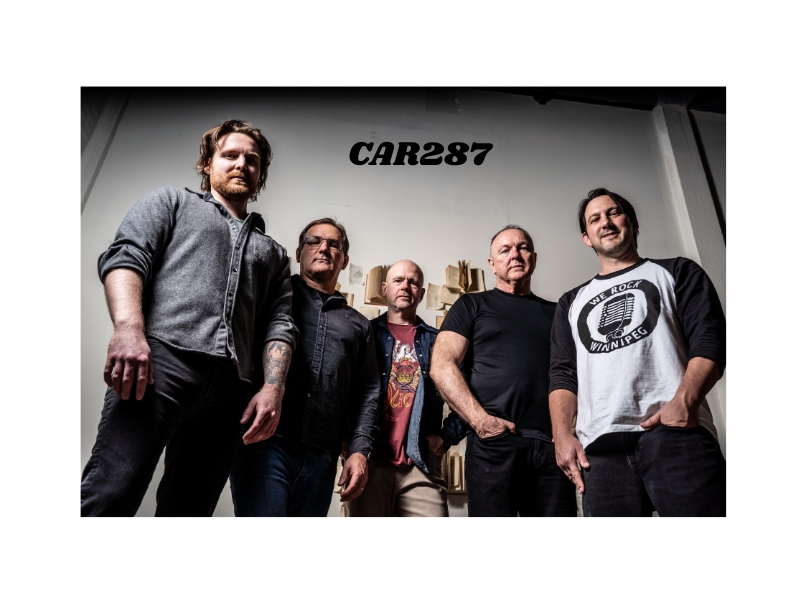
CAR287 Canadian rock band CAR287 return with fresh energy, honest songwriting, and their upbeat new single “End Of The Day,” offering a glimpse into their evolving sound. 1. After the success of your 2025 debut album Looking Through The Lens, you returned to the studio with new material. How has CAR287 evolved creatively and musically since the album, and what did you want to explore differently with the upcoming EP? Jay Yarmey (Lead Singer and Acoustic Guitar): I don’t feel we are setting out to do anything different with this next EP or the new album we are working on. Its real and genuine, if it keeps coming that way I have zero problem putting out album after album of that content. I am very proud of the first record too, hopefully we keep evolving as song writers and musicians and they get better naturally that way. Terrence Ferguson (Bass): I think that technically we have all become a little better at understanding recording, and the studio environment. Additionally, we have Robert, our keyboardist, who has added a different slant to the keys with the band that has changed our sound a bit. As with any band, we have become tighter through playing together a lot in live shows. If anything has improved our song development, it’s the fact that we battle test the songs live at many shows before we hit the recording studio. We can see and feel what works and what doesn’t when we are in front of a crowd presenting a song. 2. “End Of The Day” is described as an upbeat song about finding that special person who makes you feel complete. What inspired the song, and how did you turn that feeling into such an energetic and catchy track? Jay Yarmey (Lead Singer and Acoustic Guitar): Travis came up with the riff for this song. In the end I don’t think he envisioned it going the way it went into this poppy rock song. I got my hands on the riff and wrote the lyrics to that riff. It turned out to be what it turned out to be. I drew on..just real life and things that happened in my life at that time. I ended up having a gastric bypass surgery because I had a bit of a food addiction and I lost a lot of weight, got some skinny jeans cause that’s all that would fit at that point. Ended up getting a full sleeve tattoo… took some fun mundane lyrics like how you like your eggs or your favorite hockey team…when you find that person that is special and those are things you’re interested in. I think those are things I am into with my current relationship with my wife and I drew off personal experience and things I thought people could relate to. 3. The song features a memorable guitar hook, prominent keys, and a sing-along refrain that has already connected strongly with audiences live. How important was it for you to create a song that could bring people together and get them dancing and singing? Jay Yarmey (Lead Singer and Acoustic Guitar): The song wasn’t created to bring people together singing along, it came together really fast and we really enjoyed it – it was something that made us all feel good collectively. Its just a bonus that people can relate to it and they feel that they want to participate and sing, so that’s the cool thing about creating music, you never know how its going to hit with people. Travis Wog (Lead guitar): The guitar hook was originally written for a much different type of song. I had always liked the 2-chord guitar phrasing in the song “New Sensation” by INXS. I had messed with some different combinations and settled on the one you hear on the track. However, Terry and Jay hijacked what I imagined would have been a hard driving straight forward rock song and turned it into this very festive, upbeat track. So, the initial intention wasn’t to have it be this fun, inspiring love song, but once we committed to the new direction of the song, we set out to create a solid hook, specifically with the backing vocal Melody. Something’s the most memorable part of a song is a well-designed melody. 4. “End Of The Day” was recorded at CTRL Space Records, Winnipeg’s newest studio. What was the recording experience like, and did working in this new environment influence the sound or production of the single? Jay Yarmey (Lead Singer and Acoustic Guitar) : We worked with Derek Benjamin at CTRL Space (Control Space Records). We feel very comfortable with him, he did the first album when he was working at Private Ear Recording and we were really happy with how that turned out, so we thought we would go back with him, and we felt great in the space, it sounds good. Dereks able to offer ideas and suggestions and we are pretty open to seeing what we do like and what we don’t. It feels like a safe environment for us to create some music in, so I can’t see us straying from CTRL Space Records again because we feel so good about it there. And I hope and like to think he likes to work with us as well, we are all pretty easy-going people. Terrence Ferguson (Bass): CTRL Space is a new studio that is the rebirth of a legendary Winnipeg studio. In the 70’s it was Wayne Finucan Productions, then later Stereobus Recording. People who have recorded in that building include The Guess Who, Harlequin, The Osmonds, Sesame Street!!….and possibly the most famous tune recorded there…The Cat Came Back by Fred Penner! Derek Benjamin and Terrence Ruiz have revamped the space and modernized it. We are one of the first artists to get in there and record and it felt so good. The facility is amazing, but the recording is only as good as the people
Ali Lamb
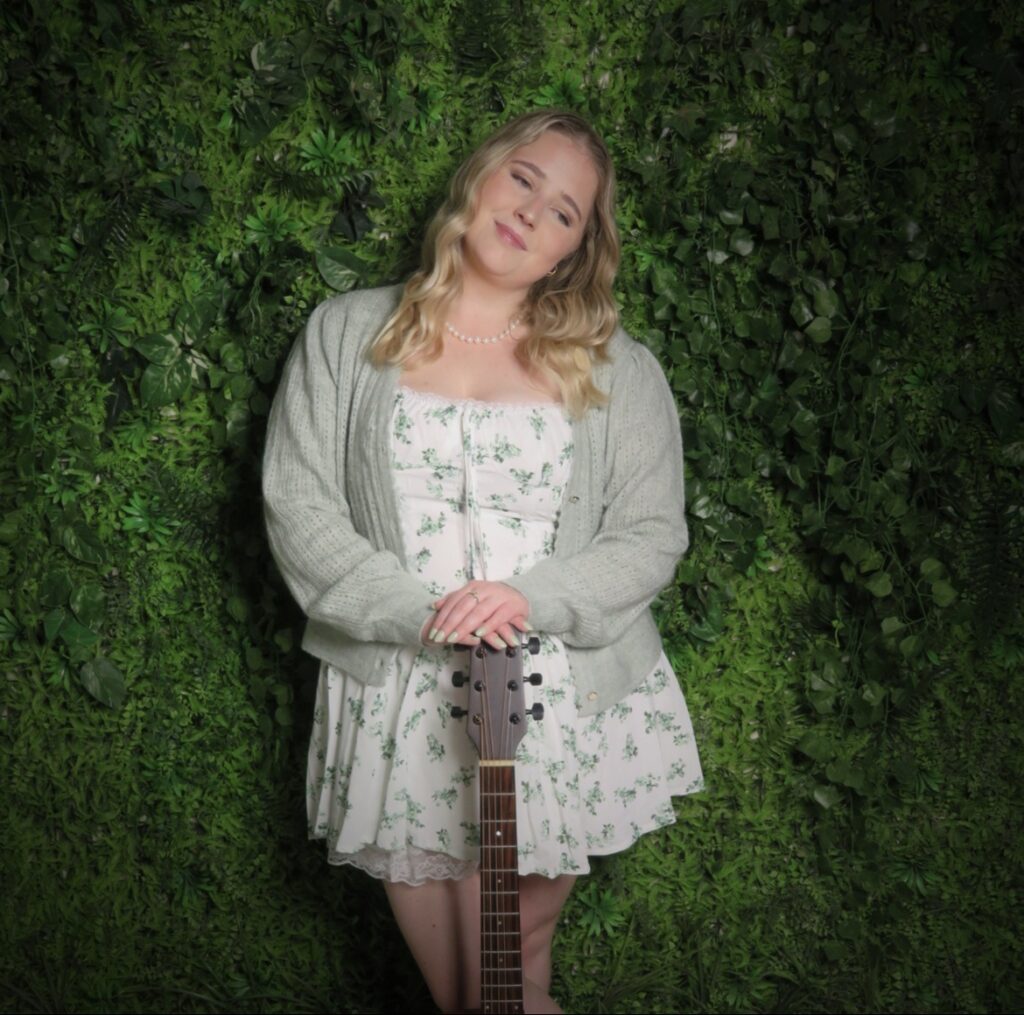
Ali Lamb Blending music, literature, romance and mental health, Ali Lamb opens the pages of Between the Lines, exploring six deeply personal chapters of love, heartbreak, fantasy and self-discovery. 1. Between the Lines is built around the idea of each song being its own chapter, exploring romance, anxiety, heartbreak and self-discovery. What inspired you to structure the EP this way, and what story do you feel connects all six tracks? I’ve always been a huge lover of books, so the idea of creating an EP where every song feels like its own chapter came really naturally to me. Each track is inspired by a different book or bookish theme, from Fourth Wing and A Court of Thorns and Roses, to The Truth About Love, Trouble in Love, Secrets in Love and even my own book, Finding My Breath. The final track is simply a love letter to romantasy. While the stories and emotions are all different, they’re connected by the things I love about books: romance, escapism, heartbreak, fantasy and discovering yourself along the way. 2. You describe your music as being inspired by both love and mental health, turning real-life experiences into songs that feel like pages from a diary. How do you approach transforming something deeply personal into music while still making it relatable to listeners? I think being honest is the most important part. I tend to write from very real experiences and emotions, but I love using books and storytelling as a way to explore those feelings from a slightly different perspective. That’s a big part of Between the Lines, taking something personal and pairing it with a character, story or bookish world that inspires me. The details might be specific to my life, but emotions like falling in love, heartbreak, anxiety and wanting to escape into another world are universal. I want people to hear a song and feel like they’ve found a little piece of their own story in it. 3. Songs like “Strawberry Matcha,” “Favourite Chapter,” “Finding My Breath,” and “Sour Grape” each seem to represent very different emotional moments. Was there a particular song on the EP that was especially challenging or meaningful for you to write? “Finding My Breath” was definitely the most meaningful and probably the hardest emotionally. It’s based on my own book of the same name and explores panic attacks and that feeling of being told you’re fine when internally you really aren’t. It was difficult to put those feelings into words, but writing the song became a way of processing something I’d struggled to explain. I love that it sits alongside much more escapist songs on the EP because it shows how different each chapter can be, from fantasy worlds and romance to something incredibly personal and real. 4. Your love of books clearly plays an important role in your creative identity. Are there particular authors, books, characters, or literary ideas that have influenced the way you write songs and tell stories? Absolutely. Books are probably the biggest creative influence behind Between the Lines. Each track comes from a different book or bookish idea. “Strawberry Matcha” draws from the romantasy worlds of Fourth Wing and A Court of Thorns and Roses, “Waiting” was inspired by The Truth About Love by Maisie Myers, and “Sour Grape” and “Favourite Chapter” draw inspiration from Bindi Kennedy’s Trouble in Love and Secrets in Love. “Finding My Breath” connects directly to my own book, and “Castle Walls” came purely from Mads and I sharing our love of romantasy. I love taking those worlds and ideas and turning them into something musical. 5. Between the Lines also features a collaboration with your best friend. How did that collaboration come about, and what did having someone close to you contribute to the song and the overall feeling of the EP? “Castle Walls” was a really natural collaboration because Mads and I co-wrote it from the beginning. We had lots of writing sessions together before taking it into the studio, and we naturally had a very similar vibe and melody in mind from the start. It was honestly just a lot of fun creating together. We both love books and romantasy, so we wanted to create our own little storyline and build a song around that world. Having someone who knows me so well made the process feel really easy and authentic, and I think that friendship comes through in the song. 6. As you close this particular chapter with Between the Lines, what have you discovered about yourself as an artist and as a person through making this EP—and what new chapter would you like to begin next? I think Between the Lines has taught me to trust myself more and not feel like everything has to be perfect before I put it out into the world. It’s probably the most honest representation of my personality as an artist so far because it brings together my love of music, books, romance, fantasy and mental health. I’ve also realized how much I love storytelling and creating little worlds around my songs. For the next chapter, I’d love to keep experimenting, keep growing as an artist and see where I can take that storytelling next. Ali Lamb Official: TikTok, Instagram, Facebook | Linktree