
Hamish
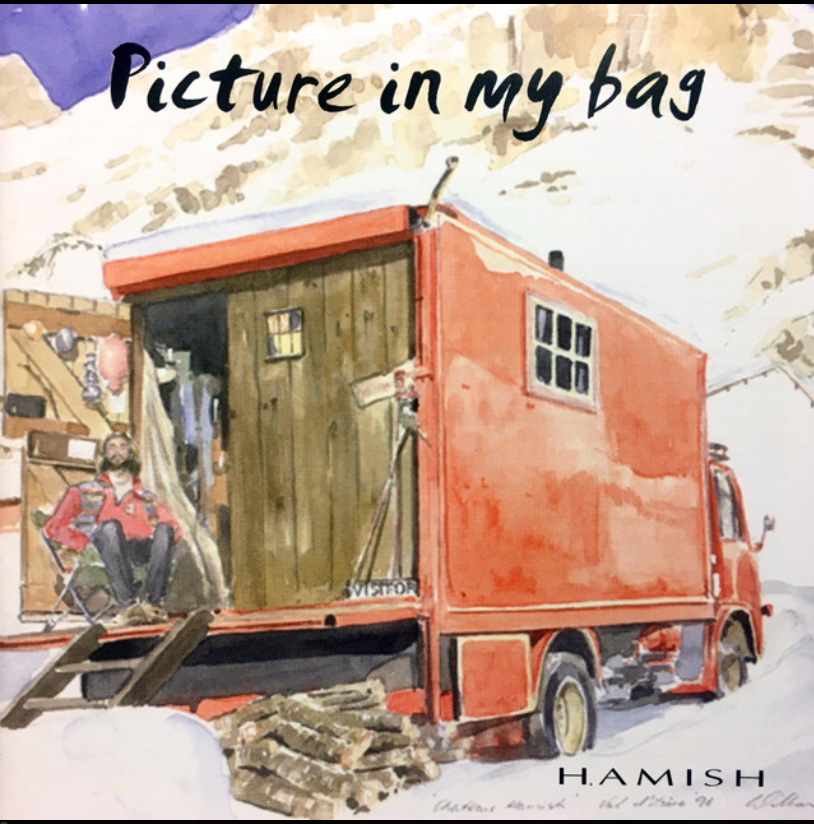
Hamish A 27-year musical journey, from a beloved 1999 song to a long-awaited new album, Hamish reflects on songwriting, travel, friendship, family, and the stories behind his music. 1. “Singing In My Soul” was originally recorded for your 1999 debut album Picture In My Bag. What does this song mean to you today, 27 years after its original release, and has your relationship with it changed over time? I originally wrote singing in my soul for my first wife. We are still very very good friends, and in the meantime, I have had quite a few other relationships… But all of them have been summed up by this song. People have asked me to sing it at their wedding, I which has been an honor. I think it stands the test of time. It was actually written before I was married, on a deck in New Zealand with a friend of mine, Adrian prior… After I returned home, he managed to make it into a bit of a hit in New Zealand, and it was used on a program sync. I’ve never got any royalties, because at that time I was not subscribed to PRS! 2. You recorded Picture In My Bag at the atmospheric Hatfield Court with producer Les Penning and a group of local musicians. What do you remember most vividly about those recording sessions, and how did that unusual environment influence the sound of the album? The place was a virtual ruin, with doves roosting in the kitchen. We set up the recording studio in the old, Oak paneled living room, and had an enormous wood-burning stove in the middle of the room. Crumpets ( an English delicacy) were shared around and Special Brew beer(famously brought from Denmark to England by Winston Churchill], greased the atmosphere. The wood-burning stove was bleeding carbon monoxide, and I think all these factors helped make the album what it is. A bunch of hippie kids who were visiting, can be heard on the track “let’s chop down the trees”, and anyone who was in the area came and listened into the sessions, and sometimes hit various percussion instruments. There was a Celtic, bohemian vibe to the whole place, and I think this comes out on the album. 3. Your musical influences range from Bob Dylan, Leonard Cohen and Joni Mitchell to David Bowie, Queen and Radiohead. How have these artists shaped your approach to songwriting, particularly your belief that a great song needs both strong songwriting and an unforgettable melody? Whenever I find myself singing round of fire, people asked me to play something memorable, and all these artists have song is it I can play… A really good song sticks in the mind and is easy to rouse a crowd with. I hear songs nowadays and know if they are ahead of the game. Rufus Wainwright is amazing and I think he is one of our greatest songwriters at the moment. Also, John Grant consistently delivers beautiful, melodies, and lyrics. 4. “Singing In My Soul” became a hit on the New Zealand folk charts and was later synced to a major television programme. What was it like experiencing that success while you were travelling with your guitar, and did you realize at the time how lasting the song would become? When singing in my soul became a hit in New Zealand, I was kind of unaware as my fellow songwriter had done all the work to get it famous. In those days I did not have Prs. [royalty collections] so I did not receive any money whatsoever. I did try afterwards, but by the time I got around to it, there was a three-year cap on going backwards in time. And now I am keen for people to hear it, and for it to have more of a spotlight, because I think it’s a good song and many people tell me the same. 5. After years of travelling, performing and playing the song at weddings and events, you’re now releasing new music after a 27-year gap. What finally inspired you to return to recording, and what can listeners expect from your upcoming album Significant Others? Since recording and releasing picture in my bag, I have been very busy having a family and working in the music industry in the UK. I founded a venue at Glastonbury Festival, called the Rabbit Hole for 16 years. I specialized in promoting young up-and-coming artists, and had some pretty big wins, like Bastille, for instance. Throughout this whole time, I have been writing songs and performing. In 2012 when my youngest son was born, I decided to start recording a second album… And it has taken me all this time to actually wrestle it into a fully completed piece of work. It was in tatters for several years, lost in a pile of cuttings and hard drives, but recently, a producer, Chris Oldfield(from Dreadzone) arrived at my house to live in my cabin and said “Why don’t we get this album out?” We have spent the last year pulling it all together and finally, I am happy to release it. We cobbled a studio together in the kitchen, with a borrowed microphone, an old piano, and a shaker made from a tin of rice, and we then collected a little bit of money for some good monitors. We had regular visits from my great friend and virtuoso guitarist, Andy dunn., who has tirelessly worked on this project with me for 16 years! We had regular visits from my great friend and virtuoso guitarist, Andy dunn., who has tirelessly worked on this project with me for 16 years! I hope that listeners to “Significant Others”, will enjoy it as much as I do. 6. You describe your current life in the Cotswolds, making music from your cottage deck with friends. How does your life today compare with the young songwriter who was hitch-hiking around the world with a guitar, and what still connects those
Toby S. Reeves
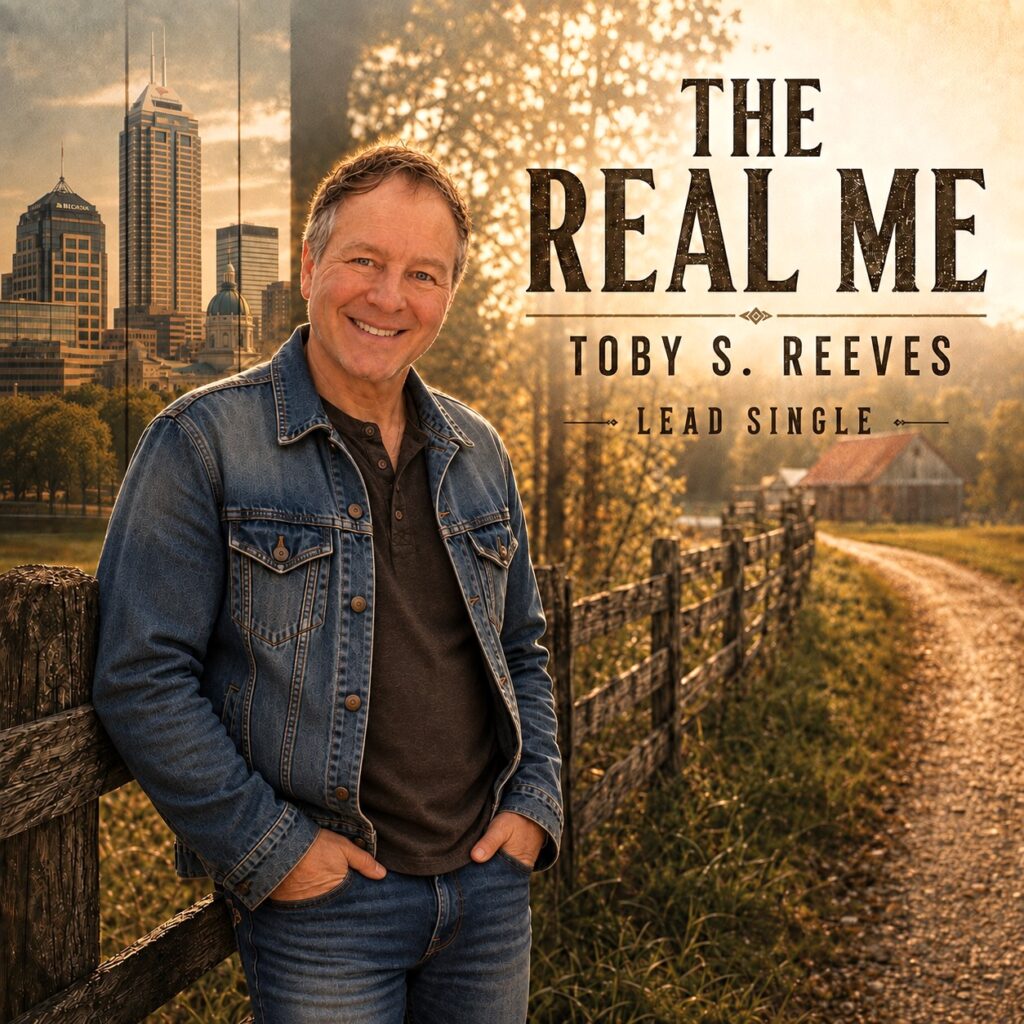
Toby S. Reeves Toby S. Reeves discusses “The Real Me,” exploring identity, family heritage, life’s changing roles, songwriting, and the personal experiences shaping his reflective Backroad Folk sound. 1. “The Real Me” is described as an autobiographical reflection on the roles and expectations we carry throughout life. What personal experiences inspired you to write this song, and when did you realize you had found its central message? I’ve spent more than three decades in business, building companies, leading teams, traveling, and talking about what comes next. The song’s images of hotel lights, glowing screens, and the suit and tie come from that part of my life. Alongside it, I’ve always carried my family’s history, my mother’s Kentucky roots, and my connection to music. For me, the central message comes into focus in the lines, “But my mama’s hills were humming / Underneath the suit and tie.” That captures the whole idea. Whatever roles I took on, those roots were still there. “The Real Me” is about recognizing how much of home you carry with you, even when you spend years looking toward the next destination. 2. Your music combines contemporary country, Americana, and what you call “Backroad Folk.” How would you describe the sound and musical identity you have developed over the years, and what makes this style feel authentically yours? I created Backroad Folk as a counter to modern country. I wanted simple, soulful acoustic music with personal stories and room to breathe. Picture friends sitting on the back porch in the evening after dinner, with fireflies lighting to the rhythm. That’s the atmosphere I’m trying to create. It shares roots with folk, Americana, and bluegrass, but it has a particular focus. Americana is a broad musical umbrella; Backroad Folk settles into the smaller stories of people, places, family, and memory. It draws on bluegrass’s acoustic character while taking a slower, more reflective approach. The instruments support the story, and the arrangement leaves room for you to feel it. That feels authentically mine because of my Indiana upbringing and Appalachian family heritage. Those roots give me both the musical foundation and the stories. Backroad Folk brings them together into something as familiar and welcoming as that evening on the porch. 3. You describe your music as having “Hoosier roots and Appalachian bones.” How have your Indiana upbringing, Appalachian heritage, and life experiences influenced the stories and musical atmosphere you create? I grew up in Columbus, Indiana, and I live in Noblesville now. Indiana gives me the places and everyday details I know firsthand: the roads, the towns, and the working lives that find their way into my songs. My mother’s family came from Rockcastle County, Kentucky, so my Appalachian connection comes through family and heritage. Music is part of that inheritance. My mother and aunt performed bluegrass as the Logston Sisters, and my father played electric guitar. Those influences are part of my own musical foundation. Then there are the experiences I’ve accumulated along the way: work, travel, family responsibilities, and starting new chapters. They give me different perspectives on belonging and change. “Hoosier roots and Appalachian bones” describes what I bring with me when I sit down to write. 4. The song explores the idea of discovering who we really are beneath the identities we build over time. Has writing “The Real Me” changed the way you look at your own journey, family, faith, or the different roles you have carried throughout your life? Writing it has helped me put those parts of my life into perspective. When you spend years focused on work and what comes next, it’s easy to let your professional identity take up most of the picture. This song gives me room to consider everything else that belongs there. Being a husband and a foster parent makes home something very immediate. It’s about showing up, caring for someone, and accepting responsibility through uncertainty. Looking at my journey through that lens changes what I consider meaningful. Faith belongs in that reflection, too, through gratitude, humility, and learning to live with unanswered questions. I can appreciate what each chapter has taught me while recognizing that there is more of my story still to write. 5. “The Real Me” is the title track and lead single from your upcoming album, which explores identity, memory, heritage, and the meaning of home. What can listeners expect from the album as a whole, and how does this song introduce the wider story you want to tell? The project has developed into a six-song EP, with “The Real Me” as its title track and lead single. The collection explores how people hold on to a sense of themselves as their lives and the world around them change. There’s reflection, but there’s also humor, energy, and warmth. “The Last Human Driver” looks at those questions through someone whose decades of experience matter, even as technology threatens to change his place in the world. “Room at the Table” brings the collection toward family and belonging. The title track opens that conversation in the most personal way. It asks what stays with us through all the jobs, expectations, changes, and miles. The other songs approach those themes through different stories, giving listeners several ways to find themselves in the music. 6. After more than three decades in business and a lifetime of experiences behind you, what does songwriting mean to you today? What do you hope listeners discover about themselves when they hear your music? Having my position eliminated during a company reorganization was part of what brought me back to music. After spending so much of my life building businesses and helping them grow, that change raised some very personal questions about work, identity, and what comes next. Those experiences helped shape songs like “Replaced.” Songwriting gave me a way to work through those questions and reconnect with something that had been part of me long before my career. It also gave me somewhere to put the family stories, memories, humor, and
Brenna Menz
Brenna Menz Brenna Menz opens up about Shattered Perspectives, turning a complicated relationship into an honest musical journey shaped by shifting emotions, diverse sounds, self-reflection, vulnerability, and personal growth. 1. Shattered Perspectives tells the story of a complicated, on-and-off relationship spanning more than two years. How did your perspective on that relationship change while you were living through it, and how did those changes shape the album’s overall story? They changed a lot. More times than I can count really. But while my perspectives did change throughout, it wasn’t always a solid line of movement. There was a lot of back and forth of changing perspective, then falling back into the same one, then gaining a new one, then going back to an old one. It was really quite the yoyo effect and it was only easy to keep track of by writing songs. Even then, when I was able to finally finish some of the songs, they would often end up becoming something a bit different than what I had originally planned when I started writing them. Those changes helped me write the album as more of a full but messy story, instead of just random specific instances or situations that occurred. 2. The album moves through a wide range of sounds, from electronic pop to folk and reggae influences. How did you decide which musical direction suited each chapter or emotion of the story? I didn’t really get to decide, or at least I didn’t really consciously decide. The ideas for the sonic sound of the songs usually came from other songs I was listening to at the time, and whatever melody I came up with for my lyrics influenced that as well. From there, I already kind of knew what general sound or genre I was aiming for but it didn’t always turn out sounding exactly what I had originally envisioned. And the writing process took so long that the different genres just sort of happened. In the same way that I tend to shift my moods and genres of music I listen to over time or throughout the year, I go through listening phases and that translated into my references and therefore into writing my own music. 3. You mentioned that some songs begin with nothing more than a melody and a few words, while others start with lyrics or a feeling before the music exists. Can you take us through your songwriting process and how an initial idea eventually becomes a finished song? My songwriting process usually starts with a thought or a lyrical line that pops into my head, either just the words or sometimes with the melody. Sometimes it keeps pouring out when it initially comes to me and at other times I have to kind of sit down and write about the concept more. I’ll think about what I want to say with the song and structure it from there. But all of the instrumental track and production usually come much later in my songwriting process with the help of my producer. 4. “I hope you miss me” is described as one of your most honest and emotionally direct songs, while “Break this Habit” turns the focus inward and examines your own flaws. What do these two songs reveal about the different perspectives you went through during the relationship? I think these two songs really showed how much I was able to grow and self-reflect both during and after the relationship. They are such opposing perspectives of mine, almost like two different parts of my personality, that it’s interesting to hear them on the same album. “Break this Habit” was of course more introspective of my habits early on in the relationship, and “I hope you miss me” was just my brutal honesty coming out after the relationship had come to one of its many endings. They’re both written incredibly honestly, just with a different feeling and perspective behind them. 5. You worked with two different producers whom you met through social media, while also recording some material in your own apartment and some at a studio in Issaquah. How did working with different producers and recording environments influence the sound of your debut album? To me, it ended up making the album sound a little disjointed and all over the place but I think it ended up working perfectly for the concept and story of the album as a whole. It allowed me to be really honest and less “polished” on certain songs, where others I felt were almost too structured or overthought by the end. So, I think it added the perfect blend of sound that I really ended up needing in order to show the changes of my perspectives over time. 6. “Cliff” closes the album with the idea that you never know what will happen unless you try. After putting such a personal story into your debut album, what have you learned about yourself as an artist—and what would you like listeners to take away from Shattered Perspectives? I think I have learned that as an artist, not all of the messy parts or parts that I don’t like about myself, or actually inherently bad. They make me uniquely who I am, and I’ve learned to embrace more of that. Both as a human and as an artist. I hope other people can find that acceptance of themselves and also find a voice that hears and understands what they’re going through. Whether that’s a year from now, or something they’ve dealt with in the past or they currently are dealing with, I hope this album can speak to them in the way I often need music to do for me when I’m struggling or hurting. Brenna Menz
Sergiy Bolotny
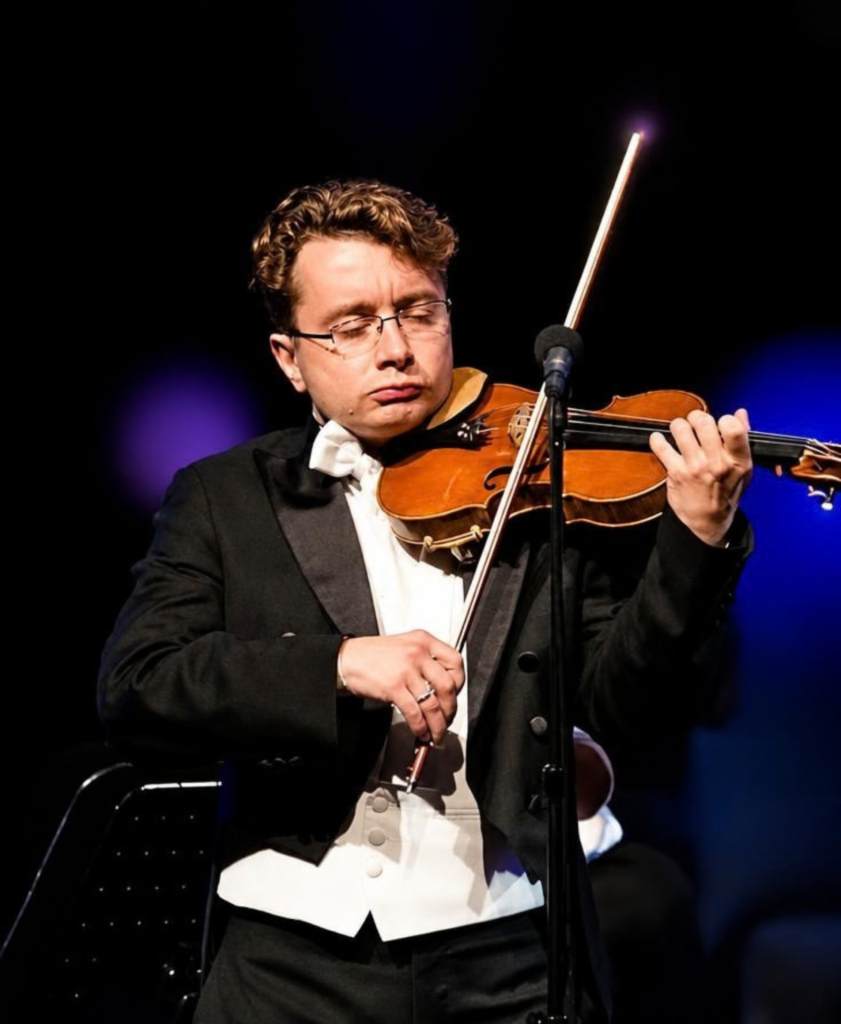
Sergiy Bolotny Violinist and composer Sergiy Bolotny explores Dutch musical heritage, Old-Viennese virtuosity, personal loss, and artistic authenticity in this intimate conversation surrounding his evocative Little Dutch Rhapsody No. 3. 1. Little Dutch Rhapsody No. 3 (“Capriccio Amsterdam”) draws inspiration from Pieter Goemans’ beloved “Aan de Amsterdamse grachten.” What attracted you to this particular melody, and what does it personally represent to you? I love this melody. It carries that typical European post-war spirit: “Life goes on, and everything will be okay”. That is truly the motto of the song. There were many songs written in that era, but “Aan de Amsterdamse grachten” became uniquely iconic because of its warm, energetic melody. Another reason is that Amsterdam is such a special city. The moment you arrive, you immediately feel the unique atmosphere of the canals. Just like Vienna has the “Blue Danube” and the Strauss waltzes, or Barcelona has Freddie Mercury’s anthem, Amsterdam has this song. And ultimately, I just want to interpret and express everything through my violin—like a true “Fiddler on the Roof”! 2. You transform this familiar Dutch theme through the tradition of Old-Viennese violin virtuosity, particularly the influence of Fritz Kreisler. How did Kreisler’s musical language shape your approach to the piece? Fritz Kreisler was a genius. Only he was able to capture that uniquely charming “light classical” salon style on the violin. In piano literature, composers like Chopin created incredible salon masterworks, but violin music before Kreisler was almost always strictly academic, heavy, and intensely serious—virtuosic concert pieces meant to impress. Kreisler invented an entirely new genre. After his Liebesleid, I feel there is little left to say in that exact violin-and-piano format—it is practically impossible to follow him literally without repeating what he perfected. However, I try to channel his warm spirit into my works for solo violin. And, of course, having lived and studied in Vienna for 14 years, that Old-Viennese musical dialect became an inseparable part of my artistic DNA. 3. The rhapsody combines lyrical cantabile playing, rubato, double-stop counterpoint and virtuosic variations. What were some of the biggest musical challenges in bringing all these elements together in a single solo violin work? To be honest, I wrote this entire piece in just two hours. It came during the most painful moment of my life: August 2021, back in Ukraine just before the war started, when both of my parents passed away. My mother died on August 4th, and my father on August 29th. Right after my father’s funeral, as I was packing to return to the Netherlands, I was sitting alone in my family home. Time felt like it had completely stopped. To find solace, I picked up my violin and started playing this sweet tune, “Aan de Amsterdamse grachten”. Suddenly, a deep feeling washed over me: I realized that the Netherlands has become my home now. The piece felt as if it was being dictated to me from above—perhaps by God, or by an inner voice. Because of that profound emotional flow, all the technical counterpoint, variations, and double stops came together completely naturally. 4. Your Little Dutch Rhapsodies explore Dutch regional culture and musical memory. How has living and working in Groningen influenced your perspective on Dutch heritage and inspired your compositions? Groningen is a fascinating, proud city with a distinct character, its own dialect, and its own anthem. The people here carry a deep pride in their roots, and that touched me from my very first days here. Every January, our Noord Nederlands Orkest plays a series of New Year concerts, and we always open each program with the “Grönnens Laid” (the anthem of Groningen). The moment we strike the first notes, the entire audience stands up and sings along at the top of their lungs together with the orchestra. It is an incredible, spine-tingling emotional moment every single year. That deep regional connection inspired my Little Dutch Rhapsody No. 4, which consists of variations on this very Groningen anthem. 5. You chose to record Capriccio Amsterdam acoustically, preserving natural room resonance rather than relying on heavy digital production. What do you want listeners to hear or feel in that more intimate and unvarnished sound? There are two main reasons for this choice. First, I compose continuously, practically every day, and I frequently refine my pieces. Booking a commercial studio and a team of engineers every time I write something new would be impractical and financially unsustainable. Recording in my own acoustic space gives me total artistic freedom: if inspiration strikes today, I can record immediately. Second, so many modern classical recordings have become overly edited, sterile, and artificial. You hear digital perfection, but you lose the human personality. In this recording, I am completely exposed and unvarnished—perhaps vulnerable, but it is 100% authentic Sergiy Bolotny. 6. With your work as a concert violinist, orchestral musician and composer, you move between several musical worlds. What would you like listeners to discover about you and your artistic identity through Little Dutch Rhapsody no.3? A musician’s life can be wonderfully colorful and diverse. In the morning, you rehearse a Mahler symphony in the orchestra; in the evening, you might play in a jazz café; late at night, you compose a solo violin piece; and the next morning, you are back in your concert tails. That constant motion—that kaleidoscope of moods and shifting colors—is the essence of Capriccio Amsterdam. I recently tested some of my pieces on SubmitHub to get raw, unfiltered feedback from other musicians. One reviewer wrote: “Your music is so weird… the mood keeps shifting constantly!” I laughed out loud—that is honestly the highest compliment! It is capricious, theatrical, and alive. That is who I am as a musician. Duo Bolotny-Sakuma | violin and piano duo
Aurealis
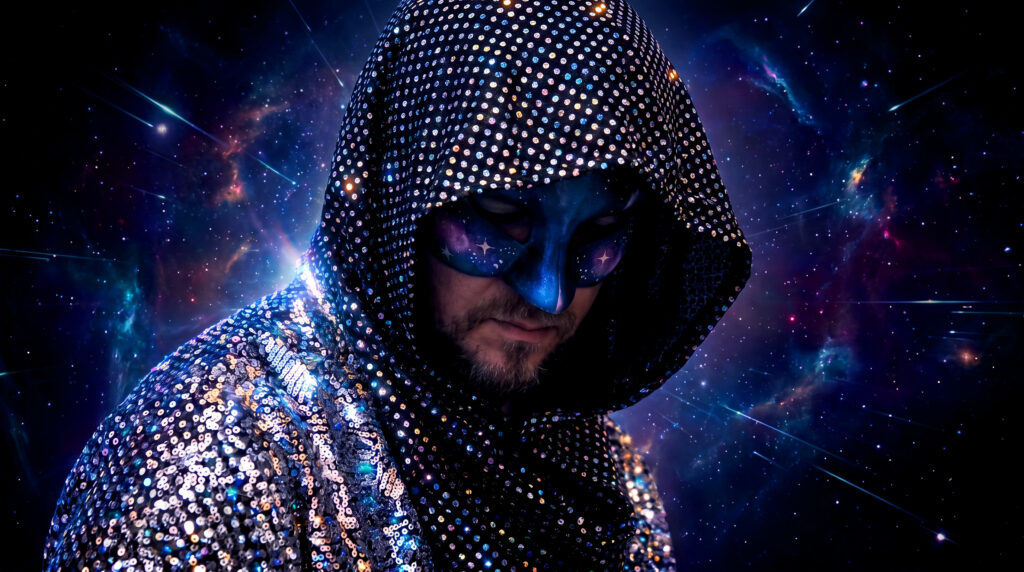
Aurealis Aurealis opens up about “Exquisite,” exploring attraction, restraint, inner conflict, and the creative process behind its immersive music and striking visual world. 1. “Exquisite” comes from a place of internal conflict. What was the emotional origin of the song, and how did you turn that feeling into music? “Exquisite” came from that tension between being drawn to someone and knowing that attraction doesn’t necessarily mean something should be acted on. I was interested in the space between thought and action, where your mind can become completely consumed by someone even while another part of you is trying to stay grounded and respect the boundaries that are already there. That conflict gave me the emotional center of the song. “Exquisite” was never going to be about simply wanting someone. I wanted it to capture the distraction, the imagined conversations, the loss of composure, and that almost ridiculous feeling of your mind circling the same person over and over again. The music needed to represent that tension, so even when the track becomes euphoric and expansive, there’s still restraint underneath it. 2. The song focuses on subtle human reactions like staring, looking away, losing composure, and imagining conversations. Why were those details important to you? That is a great question! Those little reactions were important because I think they are often where attraction feels the most real. It is not always some huge dramatic moment. Sometimes it is catching yourself staring a little too long, suddenly looking away, losing your train of thought, or replaying an imaginary conversation in your head that may never actually happen. I wanted “Exquisite” to live in those very human moments because they make the conflict more believable, and those are the kinds of moments I love to focus on when I’m writing songs. The attraction is powerful, but most of it is happening internally. You are trying to act completely normal while your mind is doing anything but that. I think there is something both funny and vulnerable about losing your composure over someone while still trying desperately not to show it. Those details helped me make the song feel intimate rather than simply dramatic. 3. The production features layered vocals, an increasingly euphoric refrain, and the repeated “mind” motif. How did you use those elements to balance the song’s tension with its sense of release? I wanted the structure of the song to mirror what is happening inside the narrator’s head. In the verses, he is still trying to remind himself that this is something he cannot act on, while also becoming more aware of how deeply the attraction is affecting him. There is a sense of restraint there, almost like he is trying to reason with himself. Then the pre-chorus and chorus shift into something more internal. They become the conversation he wants to have but cannot, an imagined exchange that only exists in his mind. That is where the production starts to open up, with more layered vocals, wider harmonies, and a much more euphoric feeling. The repeated “mind” motif became important because it reflects how a thought can loop when someone has completely taken over your attention. It also helps to establish that this is all taking place inside the narrator’s head. That needed to be very clear. By the time the chorus arrives, the music feels much freer than the narrator actually is. I liked that contrast, because emotionally he is letting everything out, but only inside his own mind. 4. “Exquisite” explores attraction, restraint, and boundaries, while much of the conflict happens internally. What interested you about writing from that space? I think there is something fascinating about the fact that our minds can go places our actions never do. You can feel something intensely, imagine conversations, wonder about possibilities, and still choose not to cross a boundary. But those feelings do not stop being real just because you decide not to act on them. That was one of the things I wanted “Exquisite” to explore. The narrator is not trying to deny what he feels, but he is also aware that feeling something and doing something are not the same thing. There is tension in holding both of those truths at once. I also liked the idea that restraint can be just as emotionally powerful as action. Sometimes the most complicated part of attraction is not what happens between two people, but everything that happens privately in one person’s mind while they are trying to remain grounded in the real world. 5. The video uses a black, white, and silver palette, mirrors, reflections, light, and two magnetic figures. How did that visual concept develop, and what did you want those images to symbolize? I wanted the video to feel like an extension of the narrator’s internal world rather than a literal retelling of the song. The black, white, and silver palette helped provide a very controlled visual language, something elegant and beautiful, but also a little unreal. It felt right for a song where so much of the emotion exists in thought rather than action. The mirrors and reflections became especially important because the song is full of self-awareness. The narrator is constantly watching himself react, questioning what he feels, trying to understand where the line is, and, of course, reminding himself that a line exists. Reflections provided a way to make that inner conflict visible. The two figures represent that push and pull in a more symbolic way. There is attraction, distance, temptation, restraint, and this constant sense of being drawn toward something while still holding back. Light became part of that language too, almost like attraction itself, something beautiful and impossible to ignore, even when you know you need to keep your footing. I didn’t want the video to simply explain the lyrics. I wanted it to create the feeling of being inside that tension. Hopefully it does. 6: Where does “Exquisite” sit within your artistic journey, and what do you hope listeners discover about
DEDCHIMP
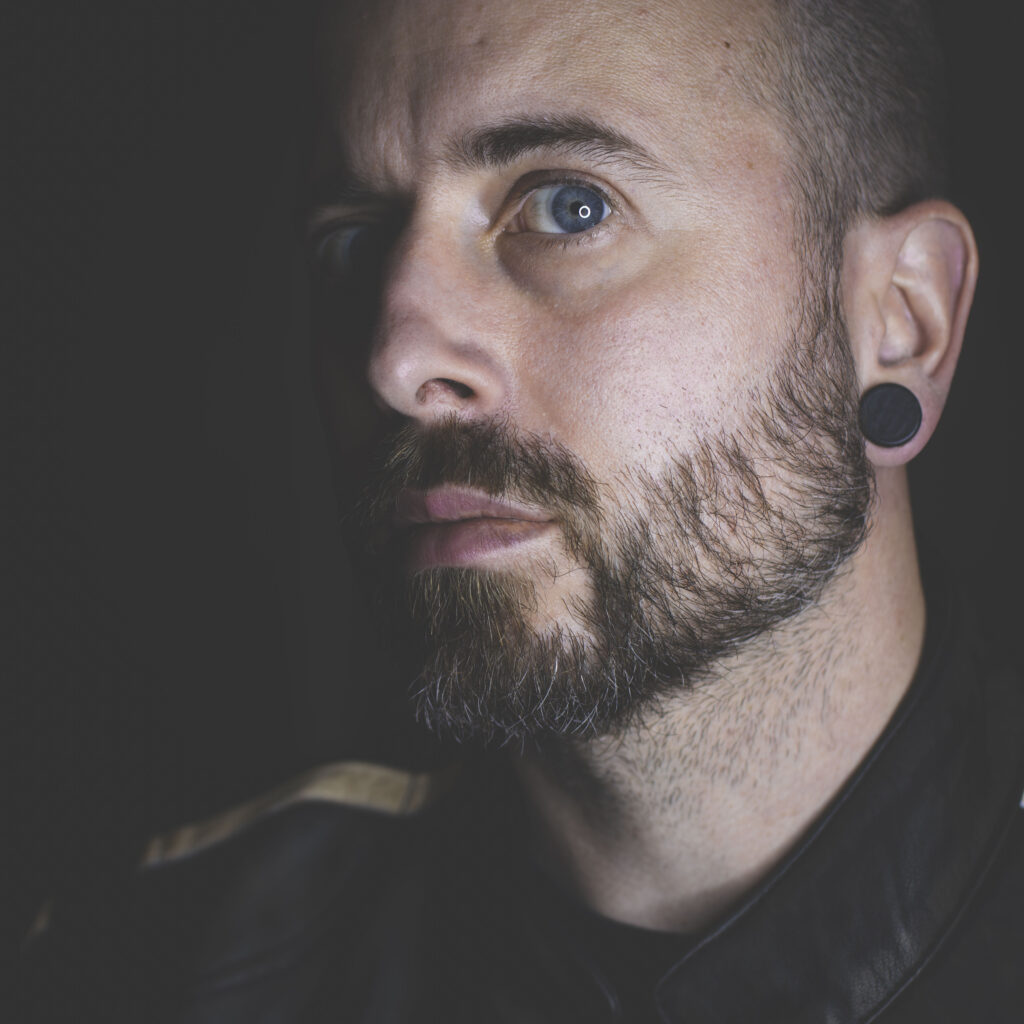
DEDCHIMP Blending industrial electronics, heavy guitars and dark atmospheres, DEDCHIMP confronts consumption, technology, power and human behavior. We discuss “DEVOUR,” creative freedom, influences, and the world behind the project. 1. “DEVOUR” explores humanity’s endless appetite for resources, technology, information, attention and even each other. What was the moment or feeling that first sparked the idea for the song? I’m not sure there was a single moment that sparked the idea for DEVOUR. More like a form of dread that has crept up over time. I think it’s hard to be part of the alternative music scene and not be aware of what’s going on in the world… I mean, that’s kind of the point, right? It’s protest music at its core. We’re not playing Ed Sheeran concerts. Like a lot of people of my generation, my interest in wider politics happened on 9/11. It’s almost like there was a world before the attacks, and a world afterwards. A lot has been done since that time to harbour a feeling of fear and one of the ways is by making us scared consumers. We consume, we devour and eventually we drain the well. Then whoever controls what’s left to eat, controls us. The concept and lyrics for DEVOUR actually came quite quickly and easily, but I think that’s because I’ve had years of thinking about what I would actually like to say. 2. You describe “DEVOUR” as a confession and acknowledge your own complicity in the cycle you’re observing. How important was it for you to include yourself in the subject rather than simply watching from the outside? I think it was important to start from a point of complicity because it’s the truth. I’ve spent my entire career chasing the life goals prescribed by society. Success is having a nice car, a big house and career status. I chased that for a long time, putting aside my passions to follow dreams that weren’t mine. I didn’t care about the big pop records I was working on. I didn’t care for the people I met in Hollywood. I wasn’t proud of it, I was just doing it because I thought that was what I was meant to do. But it wasn’t like I didn’t know what was going on. That whole time I followed that path I knew it wasn’t true to who I was. I was falling for the same old traps but I wasn’t courageous enough to step away from it for a long time. The music industry is tough enough. Choosing to work with independent artists at smaller studios when you’ve been surrounded by some of the most successful people in the industry is a tough thing to do out of principle. So I can’t exactly come from the point of view of being someone who figured this stuff out. It would be hypocritical. Instead, it’s worse than that. We’ve all kept our heads down from what’s going on around us and there is nothing left to do but watch the whole world burn. Perhaps it touches on some kind of existential nihilism, but I’m just creating a soundtrack for it. 3. Musically, DEDCHIMP brings together industrial electronics, heavy guitars, dark atmospheres and melody. How did you develop this particular sound, and what did you want listeners to feel when they first hear it? I’ve always loved records that create worlds. I’m a big fan of movie soundtracks, especially those that create huge soundscapes. Although my music isn’t cinematic, I want to be able to create an atmosphere that makes the listener feel like they’re stepping into some kind of world. It’s an uncomfortable world to sit in, but I think the subject matter is uncomfortable. At the same time, DEDCHIMP is a more visceral project. I didn’t really want it to be too musically clever. It’s aggressive and distorted because it comes from a place of despair. So I wanted to create the feeling of a band, without it being band music. I come from a background of playing guitar and have played and toured with a lot of bands. I didn’t want to do that. I put the synths at the forefront and treated them like guitars, with the actual guitars being a background element. As for being melodically driven, I think that’s just something I can’t escape. I’ve worked on a lot of pop records where melody is the most important factor. So that’s kind of been drilled into me. When I started writing DEDCHIMP songs I had thought they would be more aggressive and less melodic, but whenever I wrote anything like that, it felt like a pastiche of something else. Being more melodic felt more me. 4. After more than 20 years working behind the scenes as a producer and mixing engineer, you’ve now stepped into the spotlight with your own voice. What has been the biggest difference between helping other artists express themselves and creating music entirely on your own terms? In all honesty it’s terrifying. When I’m creating records with other artists, I’m helping them find their voice. I know my job is done when they’re happy with what we’ve managed to create. With my own music, I have no one telling me if anything is any good. It’s hard to be happy with your own creations, so claiming they’re done feels like you’re abandoning them. At the moment, I’m at the very start of my journey, so not many people outside of limited friends and family have heard what I’m doing. I don’t share my work a lot. It’s hard to take it seriously when they tell you something is good. However, I’m starting to get listeners whose only motivation to listen is because they want to. I am however enjoying the musical and lyrical freedom. Words are important to me, and the ability to express myself freely, writing about what I believe in and not just helping artists tell their story has been hugely liberating. 5. You mention
Josey Reinhardt
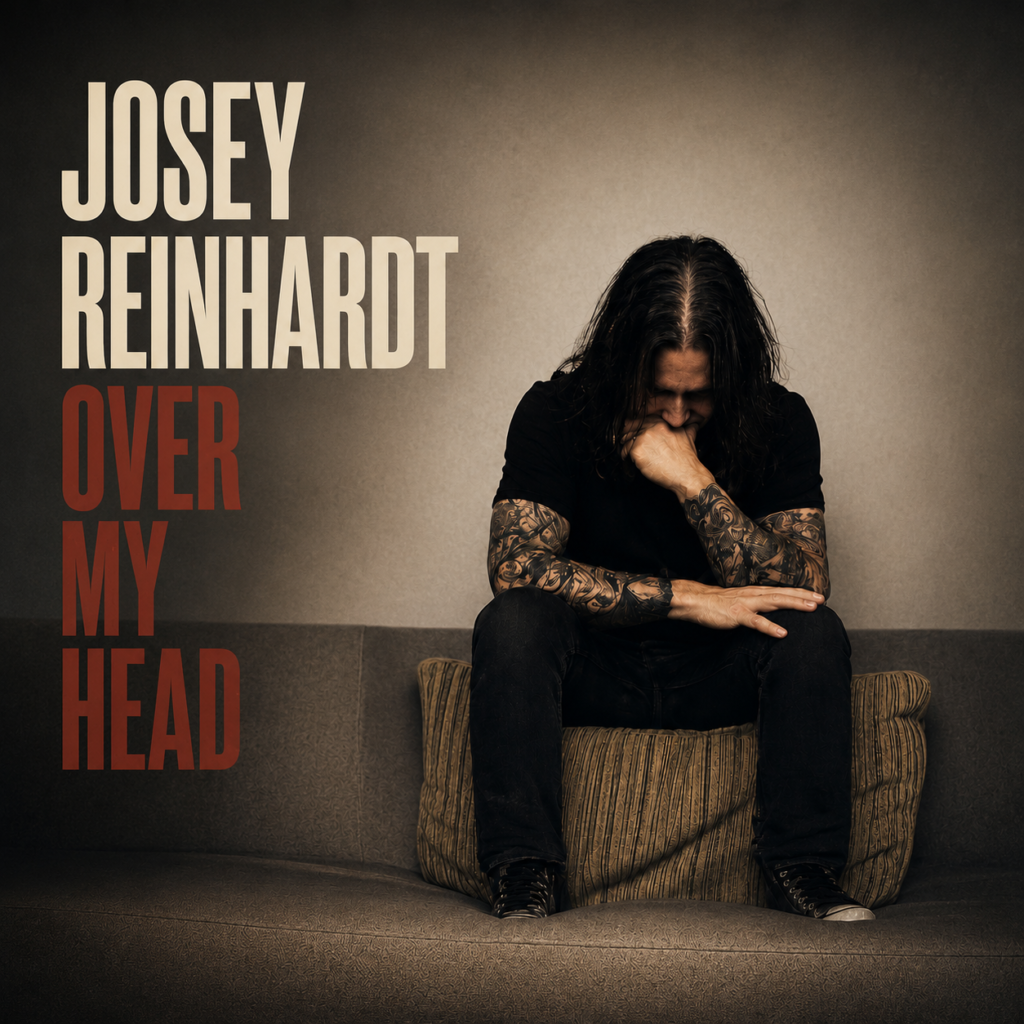
Josey Reinhardt In this interview, Nashville-based artist Josey Reinhardt discusses the emotional inspiration behind “Over My Head,” his musical influences, Nashville roots, European support, and plans for his upcoming releases. 1. “Over My Head” explores the feeling of being overwhelmed and trying to keep your head above water. What personal experience or emotion inspired the song, and how did that idea develop into the lyrics? As long as I can remember, I have always been an emotional and sensitive person. Always retreating and isolating. On so many occasions, my feelings of anxiety or depression have been so strong, that I felt powerless over these emotions. I was completely at the mercy of them. 2. The track blends indie rock and alternative rock with Americana textures and pedal steel. What drew you toward this particular combination of sounds, and how did you shape the arrangement to match the song’s emotional atmosphere? These sounds have always seemed natural to me. Growing up in rural North Georgia, country music was a constant. I have also always been a fan of British music. In particular, the style of writing and instrument tones. In the early 2000’s, my brother introduced me to the album, “So Much For The City” by the Irish band, The Thrills. I totally loved every aspect of that album. Especially the combination of Indie Pop and Country elements! 3. There is a spacious and organic quality to “Over My Head,” allowing the songwriting to remain at the center. When producing or recording a song, how important is it for you to leave room for the lyrics and emotions to breathe? At times, I wish I could be more aware of where I want the vocals and lyrics to go. When starting a song, I always start with the music with almost no idea of the lyrics. It starts with an acoustic guitar and goes from there. When I am tracking, I just throw everything at it and see what sticks! I eventually arrive at a work tape for the music and add vocals then. 4. As a Nashville-based independent artist, you naturally exist within a city with a deep songwriting and Americana tradition. How has Nashville influenced your musical identity, and is there anything about the city’s music culture that has particularly shaped your approach? I think it has shaped my approach a bit. I can call on friends for help and advice. It’s not everywhere that you have access to world class musicians. I certainly always sent songs to friends and family for feedback before releasing. With all of that said, I still track most of the instruments aside from drums. 5. “Over My Head” has already received independent radio support from outlets across the UK and Europe. What has it been like seeing a deeply personal song find listeners and radio support outside your home country? It has been so awesome to see the support from Europe! I really think it’s a good fit for my music. Naturally, I have been heavily influenced by English and Irish bands, but also Central European music. I am extremely grateful for the support in the UK and Europe. It’s quite an honor! 6. Looking ahead, what can listeners expect from Josey Reinhardt? Are you currently working on more singles, a larger project, or exploring any new musical directions? I am currently tracking the next single that should be coming out before the end of the year. I also have plans for a full album to be released mid 2027! Josey Reinhardt
Legends of the Seven Golden Vampires
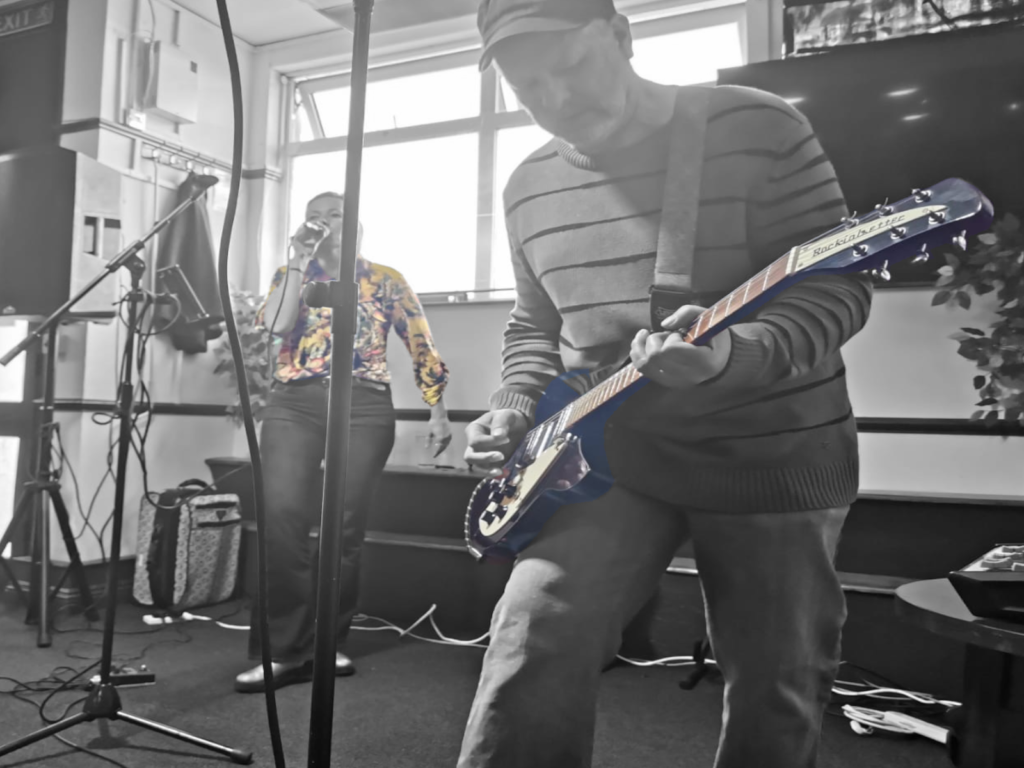
Legends of the Seven Golden Vampires Legends of the Seven Golden Vampires return with their new album The Pumphouse of Broken Dreams, embracing psychedelic pop, melodic songwriting, and a more cohesive sound shaped by vocalist Ilse Van Der Linden. 1. The Pumphouse of Broken Dreams follows your 2024 debut, Psychedelic Soul & Trash Vol.3, which was praised for its bold and eclectic mix of psychedelic rock, funk, trip-hop and electronic sounds. Looking back, what did you learn from making the first album that shaped the writing and recording of this new one? The first LP (and, in fact, the band as a whole) was spawned from the unexpected success of the single “Autumn Fall”, which was born out of wanting to produce a Northern Soul-type track. The whole LP was then assembled around songs with more retro styles; however, there wasn’t a common musical thread running through it, as we used various vocalists and just made tracks because we wanted to try out that style. It was more experimental in that sense. Adding Ilse (Van Der Linden) as a permanent vocalist has helped shape the new LP more coherently, and the songwriting leaned more toward making a whole LP than assembling tracks from a pool of individually produced songs. 2. You describe The Pumphouse of Broken Dreams as more stylistically coherent than your debut, while still drawing from very different influences such as Radiohead, Portishead, Orbital and Cyndi Lauper. How did you bring these seemingly different worlds together while developing the band’s own identity? There are certainly different styles at play on the new LP, but we would say that they all fit under the overall umbrella of ‘Psychedelic pop’. Whereas the first LP deliberately delved into retro styles, we made the new LP with a mind to make a whole LP that flowed in a way similar to some of the bands mentioned above did, whilst still not playing into musical stereotypes. The Cyndi Lauper influence came as a mistake; we were trying to make an ‘In My Life’ (The Beatles) type song and it came out sounding more like ‘Time After Time’ … but we’re happy with that. 3. Dutch vocalist Ilse Van Der Linden is an important addition to the band’s sound, bringing a more melodic dimension to your psychedelic pop songs. How did Ilse become involved with Legends of the Seven Golden Vampires, and what changed creatively once her voice became part of the band’s musical landscape? We wanted to start to take the first LP out live, so we advertised for a vocalist and managed to nab Ilse. We already had a pool of songs recorded for the new LP, but most of these were scrapped and new ones introduced to fit with Ilse’s unique vocal style and melodies. 4. The album has been two years in the making and features singles including “Come Home,” “Lost & Burnt,” “To Think, To Heal” and “BLEND.” Was there a particular song that opened the door to the album’s overall direction, and how did the record evolve from that starting point? Initially, the LP was due to be darker, more trip-hop, and Lost & Burnt was the first offering from that idea; however, when we realized what we had with Ilse, we changed track and went down a more melodic psych-pop sound. ”Come Home” was the first sign of this change in direction. 5. Your previous album achieved more than 150,000 digital streams, 7.4 million TikTok plays and airplay from BBC 6 Music, Radio X and Absolute Radio. How has that unexpected response affected the band—both creatively and in terms of your ambitions for The Pumphouse of Broken Dreams? What we’ve come to realize is that all the big numbers don’t really count for much. In fact, the constant work required to keep these numbers up becomes really exhausting and makes making the music less enjoyable. To this end, although the new LP will be released digitally, we are concentrating much more on the physical side of things, with vinyl and CD copies only available via record shops and undertaking an acoustic tour. Releasing songs just digitally can feel very empty, and then you spend most of your time hunched over a laptop chasing playlists. This time we want to get out there and go old school with the release, as to be honest, as a musician, it’s much more fun!! 6. The Pumphouse of Broken Dreams arrives on October 30, 2026, and you’ll be supporting it with an acoustic UK tour. What can listeners expect from these live performances, and what would you like people to discover about Legends of the Seven Golden Vampires after hearing the new album? It will be a stripped-down performance of the songs that can be done acoustically, on guitar and keyboard/piano. We have an LP launch at the LP Cafe Watford on 30/10/2026, but we plan to play everywhere and anywhere we can over October, which could mean that we pop up at an open mic near you! https://www.instagram.com/seven_golden_vampires/
The Lazz
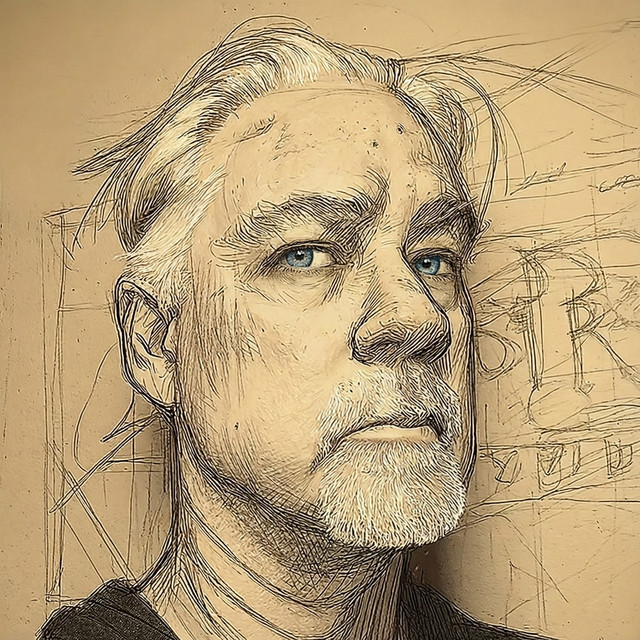
The Lazz The Lazz explores transformation, ego, technology, and human creativity through powerful metal and cinematic storytelling. We speak about “The Crown,” visual symbolism, AI, and the project’s evolving world. 1. “The Crown” opens Act IV: The Return and explores the idea that personal transformation can sometimes lead to ego inflation. What inspired you to explore this particular stage of the journey, and what does “the crown” represent to you personally? What interested me was the stage that usually gets skipped. A lot of stories about personal growth end at the breakthrough: you confront something difficult, change, become stronger, and that is treated as the resolution. But psychologically, that can create a new problem. Once you start identifying with being transformed, self-aware, or somehow “beyond” who you were, the ego can simply rebuild itself around that new identity. That is where “The Crown” begins. To me, the crown represents two things at once. On one side, it is earned sovereignty, the strength that comes from surviving something, understanding yourself better, and taking responsibility for who you are. On the other side, it can become a symbol of self-importance. The danger is when you stop seeing growth as an ongoing process and start wearing it as proof that you have arrived. Personally, that contradiction is what made the idea worth exploring. I do not see the crown as something evil that has to be destroyed. The real question is whether you can hold what you have learned without needing it to elevate you above other people. So the song is less about rejecting transformation and more about recognizing that even transformation can become another mask if you become too attached to it. 2. The Lazz combines groove metal, melodic metalcore, djent, thrash, and power metal into a sound that is both aggressive and cinematic. How do you approach balancing these different influences while keeping the project’s identity and the emotional purpose of each song intact? I usually do not think in terms of combining genres deliberately. I think more in terms of what the song needs emotionally and physically, then the different influences show up naturally through the way I write. The groove metal and djent side tends to give The Lazz its weight and rhythmic identity. I like riffs that feel physical and deliberate, especially when a song needs tension, power, or momentum. The melodic metalcore and power-metal influences give me room to open things up, bring in more melody, and create contrast so the heavier sections have more impact. Thrash tends to appear when the song needs urgency or aggression. The important thing is that none of those elements are there just because I like the style. They have to serve the idea of the song. If a section is heavy, melodic, fast, or atmospheric, there should be an emotional reason for it. What keeps the project sounding like The Lazz is probably the writing itself. The way I build riffs, harmonies, transitions, and arrangements comes from decades of playing guitar, so even when the influences shift, that musical fingerprint stays consistent. For me, the identity comes first. The genre labels are useful afterward for describing what people are hearing. 3. The accompanying video follows two protagonists who rise into positions of symbolic power before realizing they must relinquish their crowns. How did you translate the psychological themes of the song into the visual narrative, and why was it important for the video to tell this parallel story? I wanted the video to express the psychology through behavior and imagery rather than simply illustrate the lyrics. So the crowns, thrones, clothing, architecture, and the way each character is elevated visually all become part of the story of ego inflation. The two protagonists are important because they make the idea feel less like one person’s private mistake and more like a pattern. They come from different visual worlds and rise independently, but both eventually make the same error: they begin to treat what they have survived and learned as proof that they have reached some final state. That parallel structure also gave me a way to show that the crown itself is not the problem. Both characters have genuinely grown. What changes is their relationship to that growth. When they finally leave the crowns behind, it is not a rejection of everything they became. It is a rejection of the need to turn transformation into status. Visually, I wanted the audience to feel that shift without having it explained to them. The characters become more elevated, more ceremonial, and more removed from ordinary life as the video progresses, and then the ending becomes simpler and more human again. Having both journeys arrive at the same realization made that transition stronger. It suggests that the real victory is not becoming powerful enough to wear the crown, but becoming secure enough to no longer need it. 4. You describe The Lazz as a “Hybrid-Human” project, combining your human-performed guitar and bass with a modified generative engine for vocals, drums, effects, and other elements. How do you define the boundary between technology and human creativity in your music, and what role do you believe the artist must continue to play in that process? For me, the boundary is defined by authorship and intent. Technology can expand the palette, but it should not be the thing deciding what the music means or what makes it mine. The human side has to establish the identity first: the riffs, structure, arrangement, lyrics, emotional direction, and the choices that determine why a section exists. My guitar playing is especially important because that is where a lot of The Lazz’s musical fingerprint comes from. After more than forty years of playing, there are rhythmic habits, harmonies, phrasing choices, and ways I naturally construct songs that are very difficult to separate from who I am as a musician. I use generative technology more like an additional production resource. It can provide performances, textures, or possibilities that I could
Danny Lee
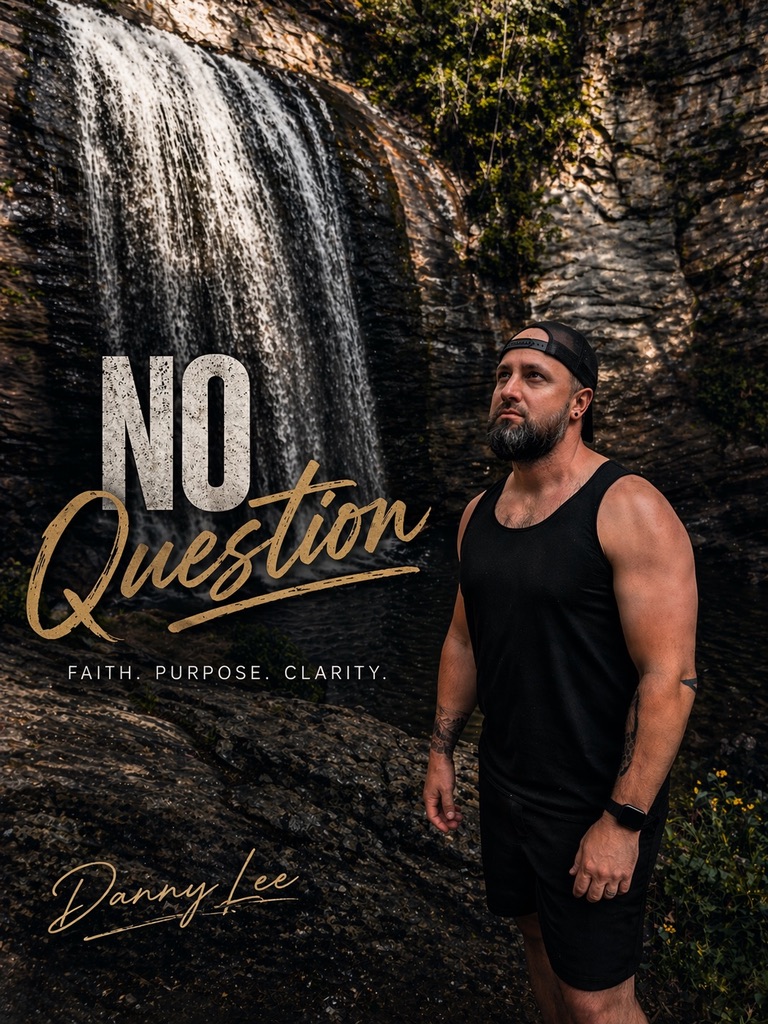
Danny Lee After 12 years as an electrician, Danny Lee found music becoming a deeper calling. In this interview, he discusses “No Question,” faith, purpose, uncertainty, and embracing a new path. 1. “No Question” was written during a major turning point, after around 12 years of education, training, and work as an electrician. What was happening in your life when you first realized that music was calling you toward a different path? After around 12 years in the trade, I realized it was changing me. I was surrounded by things that made me wonder who I’d have to become to stay. I had so much invested in that career, so admitting it wasn’t easy. At the same time, I felt God nudging me towards something else. Music started to feel less like a hobby and more like a calling. That’s exactly where “No Question” was born. 2. There is an interesting contrast between the song’s energetic alternative-rock guitars and the vulnerability of its lyrics. How did you approach creating music that could carry both the driving energy and the emotional weight of what you were experiencing? The energy in the guitars came from my ambition and excitement towards purpose. I’ve always felt the world through sound. I translate my life through music, and I don’t always have an explanation beyond knowing it’s a gift that was given from the divine. Sometimes that means the music explains what words can’t, and maybe that’s where the power of it lives through contrast. And to me, that’s the definition of true art! 3. Walking away from something you had invested so many years building must have brought a lot of uncertainty. Was there a particular moment when you knew you had to let go of the electrical career and pursue music? At that stage, I hadn’t walked away yet, but something was shifting. I could feel the disconnect growing between the person I was becoming and the person I wanted to be. Writing that song was me drawing that inner line and acknowledging it, but not yet crossing it. 4. Faith plays a central role in the story behind “No Question,” especially the belief that God had been present throughout your struggles and sacrifices. How has your faith influenced the way you understand this transition in your life and your purpose as an artist? My faith helped me see that the restlessness wasn’t random. It felt like God was present in that tension. It didn’t erase the cost or the confusion but it did give me a lens to trust my purpose even when I couldn’t see my whole path yet. 5. You describe the song as capturing the space between an old life ending and a new one not yet fully arriving. What did that uncertain period teach you about yourself that you might not have discovered otherwise? What that period taught me was that God’s light is already inside all of us. But sometimes it takes sitting with the unknown to grow your faith and learn to stand on God’s purpose for you. Those are the moments when decisions are made, faith grows, and true character is forged. 6. You hope to use your story and your music to help and heal others. As you begin this new chapter, what do you want listeners to take away from “No Question,” particularly those who may be struggling to leave behind a life that no longer feels right for them? If you’re feeling that pull or that discomfort, you don’t have to have it all figured out. “No Question” is me saying, you’re allowed to notice that nudge. You’re not alone in that messy middle, and you can take it one honest step at a time. I’m with you and we will build this together. Stand on purpose for your life. Visionredemptionrecords Official: TikTok, Instagram, Facebook | Linktree