
South Swell Syndicate

South Swell Syndicate Blending surf rock, reggae, and Southern California spirit, South Swell Syndicate turns a lifelong love of music and surfing into an inviting soundtrack for escape, connection, and summer adventures. 1. South Swell Syndicate brings together members connected to Tribal Seeds, Long Beach Dub Allstars, Rebelution, and 17th Street Recording Studio. How did the project come together, and what inspired you to create a collective built around surf rock, reggae, and the California sound? Hey there, thanks for reaching out! The project came together as a collaborative effort by myself and Lewis Richards, the owner/operator of 17th Street Recording Studio. All the musicians, minus Ian Foreman and Tim Cummins, were recommended by him after he heard the acoustic demos I brought in back in 2024. Honestly, it started off just being two songs I wanted to record for myself with some extra cash I had saved, but it snowballed into a whole musical project and eventually an album after how good those first two songs turned out. Two turned into four, then a year later when I had enough money, I brought in Ian and his buddy Tim on bass to complete nine more, but we didn’t finish the last one. The inspiration largely came from my love of surfing and reggae/rock music. Everything else was built around that organically. Since I was like fifteen, I always had a dream to make a record so I’m glad I finally was able to check it off my bucket list. 2. Your debut album, Go Where I Please, is described as an invitation to escape the hustle and bustle of everyday life and travel to a relaxing island paradise. What did you want listeners to feel as they experience the album from beginning to end? I wanted listeners to feel exactly what you just described; an escape from the everyday monotony of work life to a secluded paradise. I wanted to create a soundtrack for summer road-trips with friends, where you don’t want to skip any songs, playing the record on repeat. I also wanted to create music that would be featured in surf films and on playlists at beach town bar and grill restaurants. I always here Rebelution and Stick Figure when I go out to eat and I wanted to get in on that. 3. The album blends surf rock, reggae, and influences from different musical styles and generations. How do you approach combining these elements while still maintaining a recognizable South Swell Syndicate identity? Honestly, I have no idea because others have asked me the same question. It just comes out that way naturally. It’s in my DNA I guess. Everything starts off acoustic and vocals when I write and I intentionally leave space for other instruments like horns and guitar/keyboard licks without knowing what they will sound like. Then we just figure the rest out on the spot in the studio. I have a conductor like mindset so I know the feeling I want for a particular section of a song where I left space, but I usually don’t write out the melody of it beforehand because I want it to be a collaborative effort. Sometimes I know I want a particular instrument to play a part but don’t know what it will sound like until the musician plays it. Once it feels right, I know and I’m like “That’s it!” Luckily everyone on the record is pretty intuitive and super talented so it all fell together pretty naturally. 4. Positive and thoughtful lyrics are an important part of the Syndicate’s music. What subjects, experiences, or ideas inspired the songwriting on Go Where I Please, and how important is it for you to create music that leaves listeners with something meaningful? All my music is created with intention for people to resonate with the lyrics, because to me that is the most important part of song writing. I want my lyrics to make people feel something. Melody is the most important part of a song arguably, because it’s what people get hooked on first. It’s the part people remember above all else, but the lyrics connect you with a song, like it was written for you in a way. Good song lyrics validate feelings and emotions that maybe you have but can’t quite put in words yourself. At least that’s the way it is for me. All my lyrics are written about real life stuff that I’ve been through in one way or another. Some of my songs use creative license but most are from real life events that I’ve experienced or gone through. 5. California is clearly more than just a geographical location in your music—it seems to be part of the project’s identity and atmosphere. How has Southern California’s culture, lifestyle, coastline, and musical history shaped the sound of South Swell Syndicate? This was a running joke in the studio because the same thing has been said for the Red Hot Chili Peppers. They have a bunch of songs referencing “California” to the point where it becomes cliché. I almost left “California Sun” off the record for that very reason. I didn’t want to over use the theme. But the song turned out so good we couldn’t do that; especially after the Tribal Seeds boys added the horns. As mentioned earlier, I grew up in SoCal, so it’s in my DNA. It’s a melting pot of culture, food and style that blends together creating something unique and undeniable. Add great weather to the mix and it’s obvious why so many people are drawn here. Despite all the negatives like high taxes, political corruption, crime, pollution, etc., it has a lot to offer that most places can’t compete with, and all that bleeds through in my songwriting, even if I try to resist it. 6. With Go Where I Please now released, you have your sights set on becoming a staple of the California Roots touring circuit. What are your ambitions for South Swell
DownTown Mystic
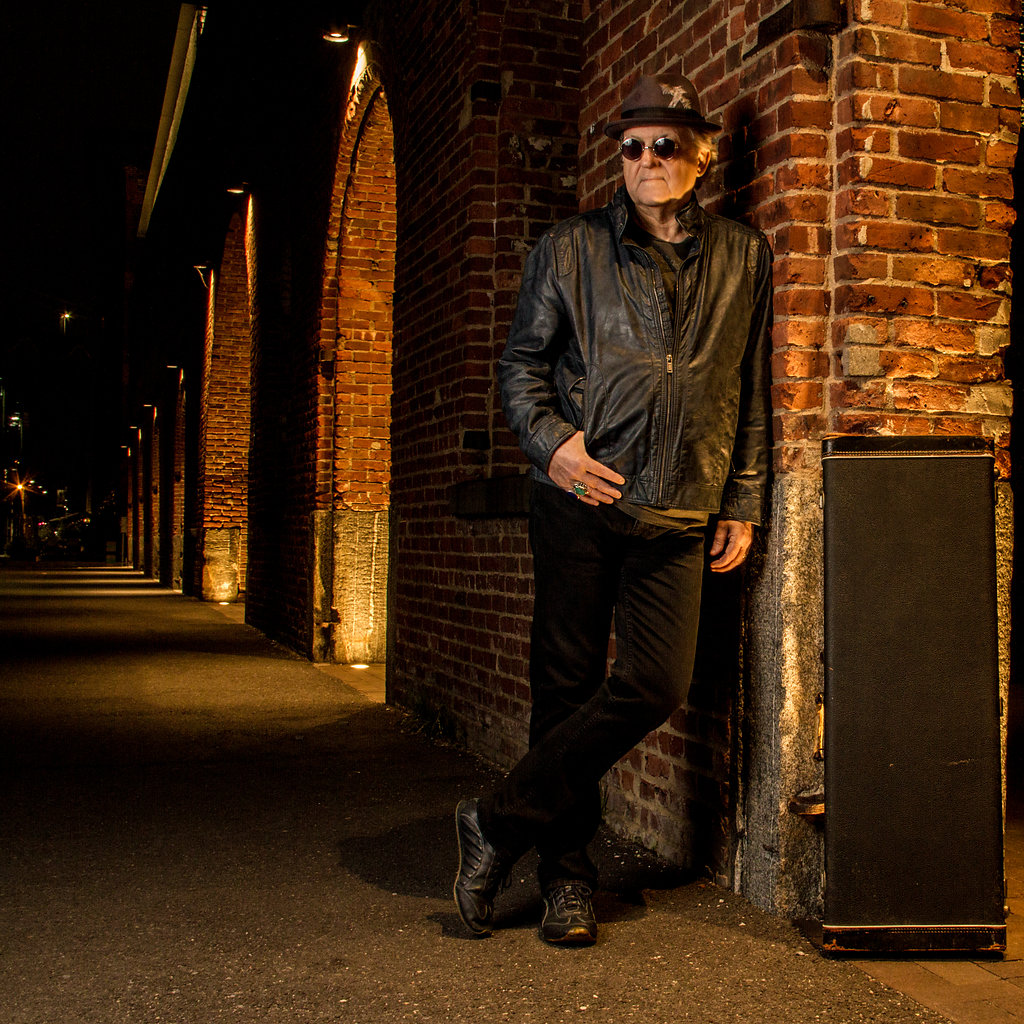
DownTown Mystic DownTown Mystic discusses the surprising evolution of “Maybe Love’s A Crime,” blending piano-led pop and classic rock’n’roll with seasoned musicians, organic production, and exciting plans ahead. 1. “Maybe Love’s A Crime” is described as a surprising departure from your previous releases. What inspired you to take this track in a different direction? At its core, Maybe Love’s A Crime is a pop song, but I still see it as rock’n’roll. I wanted to keep that old school vibe that I’m known for and to do that meant I would have to approach the production in a different way. Making the piano the focal point was different since I’m all about guitars. I think it helped that I heard Role Model’s first single from his new album with the piano out front. He’s a new pop artist getting a lot of attention with a track that has an old school rock vibe, which is going more in my direction. I saw it as a sign to bring the piano back. 2. The song features a fantastic shuffle groove suggested by bassist Paul Page, inspired by his work with Dion. What made that particular rhythm the perfect fit for the song? I worked on the song a number of times over the years with different shuffle grooves and I never felt like I had nailed one that I really liked. Not all shuffles are alike, and I knew Paul had worked with Dion, who had done some classics. At the session he suggested doing a Dion-like shuffle and it was exactly what the song needed. It’s all about “feel” when you’re playing a shuffle and you know when you get the right one. It also helps if you have a drummer who knows how to play a shuffle and Steve Holley is a master at it. His playing with brushes on the kit is a thing of beauty. 3. Jeff Levine delivers a standout piano performance, while Steve Holley and Paul Page recorded the rhythm section in one take. What was it like bringing such experienced musicians together for this track? It was great. There were a few songs in the session that needed the kind of experience that these guys bring with them. You don’t know it until they start playing their parts. On Maybe Love’s A Crime it was all about getting the right groove or feel for the track. Steve and Paul nailed it on the first take! I don’t think that’s ever happened before on one of my sessions. When Jeff came in, I had the feeling he would know what to play and kill it. And he did. LOL 4. As the writer and producer, how do you approach balancing the classic roots-rock influences of DownTown Mystic with your own modern sound and production style? Having written the songs is a big part because I’m also hearing the production in my head as I’m writing. A key part of production is the arrangement of the song, which is happening as I’m writing. It makes for a very organic process. 5. You’ve had a busy 2026 with Mystic Highway Road Trip and On E Street Remix, featuring Max Weinberg and Garry Tallent. How has this year shaped the direction of DownTown Mystic? I think it allowed me to finish a certain direction I’ve been going in rock-wise. It kind of came full circle going from On E Street to Road Trip. There’s a wider audience that is more familiar with my music now, and as an artist, I can continue to evolve. 6. With On E Street Remix – The Album scheduled for release on Black Friday, what can listeners expect from the upcoming album, and what else do you have planned for DownTown Mystic? The album will have the songs from the EP plus 6 new mixes—3 with vocals and 3 different TV mixes, that are in addition to the ones on the EP. Once again, I’m taking a cue from a number of the reviewers of the EP, like I did on Mystic Highway Road Trip. I’m starting the album with another version of a track that they picked as a standout on the EP, which was a surprise to me. I think it will be fun to hear. After that, I’ll start 2027 with a new single called “I Don’t Know” and I think it will surprise listeners. It will be released on my birthday. I should say on our birthdays because my co-writer Monte Farber shares the same birthday with me. If Monte’s name sounds familiar, it should, because he’s one of the top New Age gurus around. If you’re into Astrology or Tarot, he and his lovely wife, artist Amy Zerner have created some of the most mind-bending divination books and games out there. They created their own Tarot deck, which is amazing. How did I get together with Monte? “I Don’t Know”. Downtown Mystic | Vintage yet Modern
Troy Landon
Troy Landon Troy Landon explores hope, compassion, and human connection in “We’ll Leave the Light On,” sharing the story behind the song and his unique AI-assisted creative process. 1. “We’ll Leave the Light On” is built around the simple but powerful idea of letting someone know there is still a place for them to turn. What inspired you to write this song, and when did you realize that this message was at the heart of it? The idea for the song came to me from looking at everything going on around us and realizing how easy it is for people to feel as if they’re alone or that nobody cares anymore. We hear so much about what’s dividing people, but we don’t always hear about the people who are still helping each other every day. As I started writing, the idea of leaving a light on for someone just seemed to fit what I was trying to say. It’s such a simple thing, but it can mean that someone is waiting for you, there’s a place you can go, and you’re still welcome there. That’s when I realized that was really what the song was about. I wasn’t trying to solve somebody’s problems or tell them everything was going to be okay. Sometimes people just need to know somebody still cares enough to leave the light on. 2. You’ve been writing lyrics and working with music for more than 25 years. How has that experience shaped the way you approach songwriting today, particularly when you’re trying to capture an emotion as personal and human as the one behind this song? After writing for more than 25 years, one thing I’ve learned is that sometimes the simplest line can say more than something you’ve spent hours trying to make perfect. With “We’ll Leave the Light On,” I didn’t want it to sound like I was preaching. I wanted it to feel like one person talking to another. I’ve also learned over the years not to force something if it doesn’t feel right. Sometimes I’ll change a line, rewrite an entire section, or even start over if I have to. The words have to sound natural to me and fit the story I’m trying to tell. I think that’s probably one of the biggest things all those years of writing have taught me. 3. You describe yourself as very deliberate about tempo, key, instrumentation, vocal delivery, dynamics, and arrangement when building emotion. How did you use those elements specifically to make the music of “We’ll Leave the Light On” support the story without overpowering its message? When I started working on the music for “We’ll Leave the Light On,” one of the first things I knew was that I didn’t want the music to overpower the lyrics. The words and the message meant too much to me for that to happen. I wanted the music to enhance and complement what I was saying and help bring out the emotion that was already there. Before I really start building the music, I do quite a bit of research into things like tempo, mood, energy, and instrumentation. I’ll also spend time listening to different instruments and how they’re used to get a better idea of what could work for the song. For this one, I kept the tempo more relaxed because I wanted people to have time to hear the words and take them in. I went with a warmer, more traditional country sound using acoustic guitar, piano, and steel guitar because those instruments gave me the emotion I wanted without getting in the way of the lyrics. The vocal delivery was very important to this song. I wanted the verses to be more restrained and personal, almost like Troy is talking directly to you, and then let his voice become stronger when the chorus comes in. The song gradually builds along with him instead of giving you everything right from the beginning. Once everything starts coming together, I listen to how all those pieces are working with each other. If something is taking my attention away from the words, I’ll go back and change it. For me, the music should make you feel the words even more, not make you stop listening to them. 4. You mention that the production process can involve a lot of trial and error, with different generations, arrangements, and performances being tested until they match what you hear in your head. What is your creative process for knowing when a version of a song has finally captured the emotion you were looking for? For me, a lot of it comes down to what I’m feeling when I listen to it. I normally have an idea in my head of what I want the song to sound and feel like, and then I start working from there. A version can sound really good and still not be right for the song. That’s exactly what happened with “We’ll Leave the Light On.” It took well over 20 generations before I found what I was looking for because I just wasn’t feeling it. Some of those versions weren’t bad at all. They just weren’t giving me the emotional connection I wanted, so I kept working at it. One thing I really pay attention to is my own reaction. If a vocal comes in or the chorus hits and I suddenly get chills or goosebumps, I know I’m getting close. There have been times when a song has actually stopped me in my tracks because something hit exactly the way I wanted it to. That’s what I’m looking for. I know I’ve finally got it when I stop listening for what needs to be fixed and just start listening to the song. When I stop analyzing everything and I’m simply feeling what the song is saying, that’s usually when I know it’s there. 5. You’ve chosen to be completely transparent about using generative AI, with the track classified as AI-Assisted in
Paul Jarmer
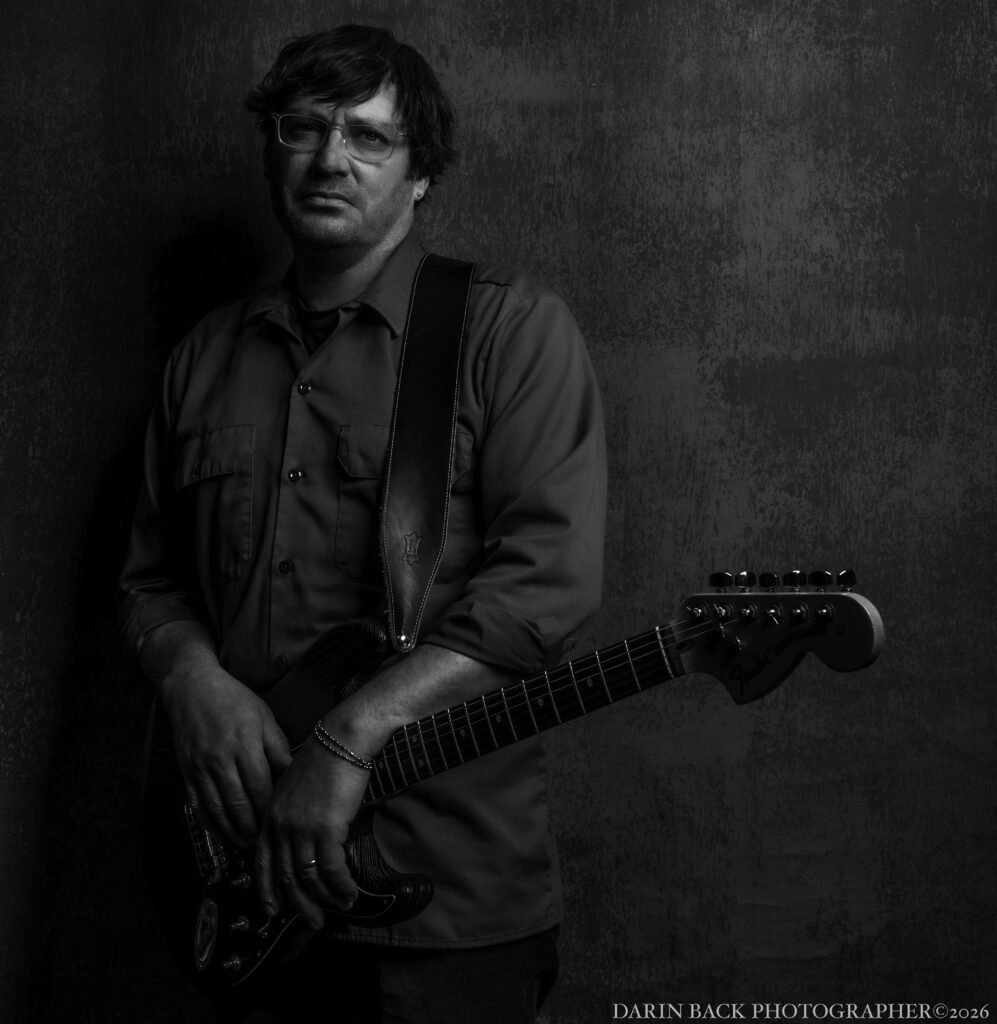
Paul Jarmer In this heartfelt interview, Paul Jarmer opens up about “Stay,” a deeply personal song shaped by love, loss, recovery, and the lasting bond with his mother. 1. “Stay” is deeply connected to the final chapter of your mother’s life. When did you first realize this experience needed to become a song, and what did songwriting allow you to express that ordinary conversation couldn’t? That’s the beauty of writing songs. How intense music can be when fit with lyrics and how intense lyrics can be when fit with music. 2. The line about finally getting sober and keeping the promise you made to your mother carries a lot of emotional weight. How did it feel to put that moment into words and music? I am incredibly proud of where I am and what I’ve overcome. Putting that moment into music kind of solidifies all of the work her and I did to get to this version of me. And the recording will outlast both of us, it’s a permanent tribute to her. 3. You’ve described a major shift in your songwriting, with lyrics now coming before the music. How has beginning with the words changed the way you create and the kinds of stories you’re willing to explore? I’ve got a lot to sing about so that kind of becomes the motivating factor for even writing a song. And I’m also a lot more forward about what and how I’m saying things. I’m not leaving a lot of room for misinterpretation. I used to find a cool guitar part and the rest of the song was built around that. When I start with lyrics and a message then that’s what directs the song. I still do work around cool guitar parts but sometimes you don’t want to get in the way of a message, so you gotta hang back for a moment. 4. Your return to music follows years of addiction, homelessness, recovery, therapy, and rebuilding your life. How has everything you experienced during that period changed the artist and songwriter you are today? I want to write about all of these experiences. Therefore, I’m a lot more focused on lyrics and getting these stories and emotions out. Its incredibly therapeutic to kind of let it go, to release it. Lyrics were kind of an afterthought in my older songs. They meant something to me, but were also kind of vague and I left a lot of room for interpretation. I am really proud of where I’ve landed musically and lyrically. I wouldn’t recommend the journey to get to this point, but here we are. 5. “Stay” was recorded at The Terrarium with Jason Orris and features drummer Noah Levy and upright bass. What did each musician bring to the song, and how did the recording process help shape its emotional atmosphere? I had a pretty decent demo of ’Stay’. When I demo songs it’s me initially playing all of the parts. The drum track is me sequencing midi drums, and the bass is me messing around with a big four-string guitar. I can play drums and I can play bass, but I am not a bass player, or a drummer. I am a guitar player and a singer, so from my demo I will keep some guitars and some vocal tracks, but I prefer a human bass player and a human drummer. Jason Orris suggested Noah Levy because he’d been recently working with him on some Brian Setzer project. Eric Maki, the bass player is from northern Minnesota where I’m currently living, so he was easy to find. Eric had a solid fretless bass part worked out from the demo version I sent him. We tracked Eric’s part at The Terrarium and Noah was the final element. I was not prepared for Noah and how much he could move the song. And he was the final instrument recorded on ‘Stay’. Noah brought it from a canned demo drum part to this living, breathing entity. It’s cliche but he and Eric brought the song to life. Rather, brought life into the song. 6. The song explores the universal feeling of wishing we had more time with someone we love. Looking back now, what do you hope listeners take away from “Stay” when they hear it? I think listeners can easily relate to “Stay”. I think we all have some “parent” or person that gave us so much of themselves and it’s impossible to return that time and effort within a lifetime. So when they’re gone it’s hard to not feel like you could’ve done more to acknowledge how important they were to you. No matter how prepared we think we are, it’s difficult to not feel some regret. To not feel an imbalance between what they gave and what you gave back. https://www.instagram.com/pauljarmer/
TJ Jones
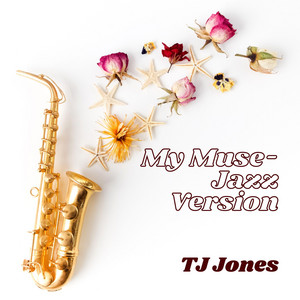
TJ Jones TJ Jones opens up about the inspiration behind “My Muse (Jazz Version),” the emotional power of silence and melody, genre exploration, authenticity, and what’s coming next. 1. My Muse (Jazz Version)” is described as a soulful tribute to someone who unlocked a different side of your creativity. Can you tell us about the inspiration behind the song and what made this particular muse so meaningful to you as an artist? My particular Muse inspired me with their enduring presence and unwavering support for my newly embarked-upon, aspiring songwriting career. They have been a catalyst for my own growth and for my ventures into multi-genre songwriting. They have helped me to believe that all things are possible, and I am capable of what I put my mind to do too. 2. The track combines silky saxophone lines, warm melodies, sophisticated grooves, and a romantic atmosphere. What drew you toward a jazz approach for “My Muse,” and how did you shape the musical arrangement to reflect the emotions behind the lyrics? Jazz was chosen as the vehicle to best display this song as it captures your attention without spelling everything out, has an old-school feel which makes it timeless and captivating and creates a sense of curiosity and/or intimacy. 3. You mentioned wanting the song to feel “like a conversation between two people without saying a word.” How important is the relationship between silence, melody, and emotion in your songwriting, and how did you translate that idea into this track? As a songwriter, it was vital to leave actual empty space after an important lyric to help it land properly. Silence became part of the meaning, whether contemplation, revelation, anticipation, hesitation, or longing. Melodies can say what lyrics cannot and make you want to move and groove. Letting the melodies rise and fall exposed the rhythmic vulnerability of instrumental phrases. 4. “My Muse (Jazz Version)” is your second jazz single and has already begun receiving radio attention. How does exploring jazz compare with your previous musical work, and do you see this direction becoming an important part of your artistic identity? Great question. Lyrics really guide the artistic interpretation of all my singles. I am a feeling type of person, and I must love the sensation, emotion, and melodic expression of what I am truly trying to convey. I have released multi-genre songs to date: pop, gospel, country, Lo-Fi, and jazz. With more to come 😊. Some songs fit multiple genre. In that case, I only need to decide which to release next. I do try to mix it up and not release the same genres back-to-back. Requests from friends and family members, who are my unofficial listening party members, are factored in as well. 5. Your music places a strong emphasis on authenticity and relatability and encourages people to express their feelings openly. How do you balance personal experiences and emotions with the desire to create songs that listeners can interpret through their own experiences? As an emerging songwriter, I only know how to write and release songs from an authentic place. A place of reflection, expression, fears, tears, triumph, transparency, and faith. I now realize that not all songs reach everyone, but it is my hope that they reach anyone who needs them. 6. With “My Muse (Jazz Version)” marking another chapter in your musical journey, what can listeners expect from TJ Jones next? Are there any upcoming singles, projects, collaborations, or new creative directions you can share with us? I have another jazz single which will be released in October 2026. My goal is to release monthly singles, including yet unreleased songs specifically written for the upcoming holidays. https://www.instagram.com/tj_jones1342
Johnny Pears
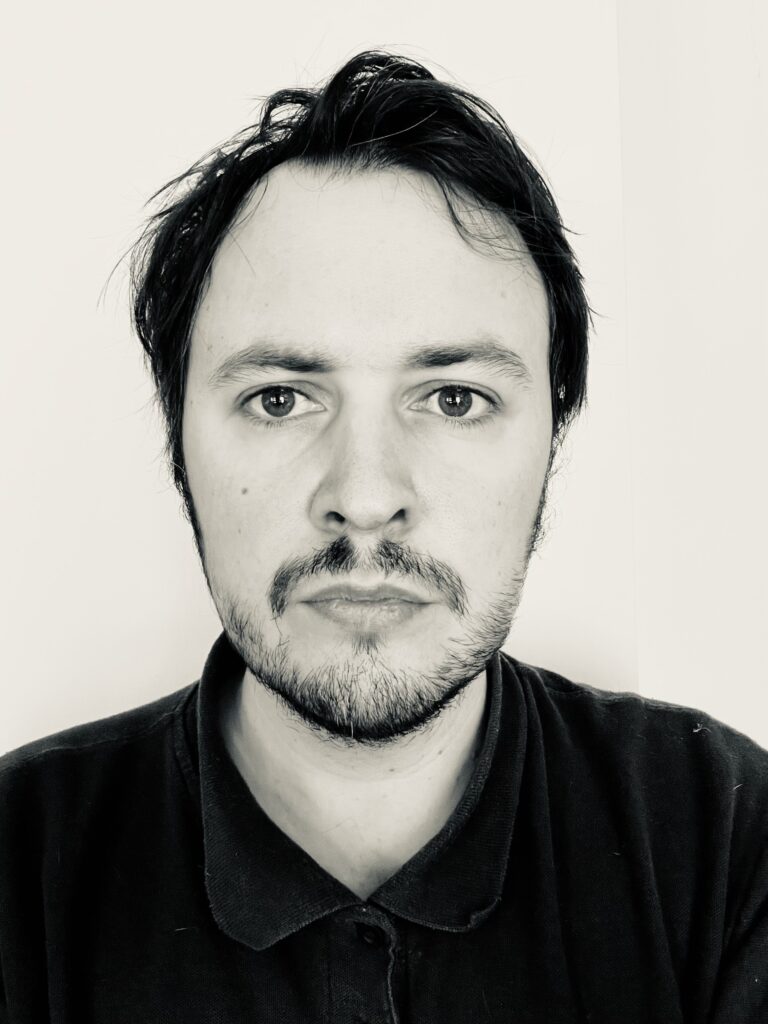
Johnny Pears From midnight voice notes to existential questions, Johnny Pears opens up about “Pin Cushion,” his spontaneous songwriting process, and the DIY journey shaping his evolving musical world. 1. Your songwriting process seems very spontaneous, with ideas arriving through midnight voice notes, scribbled lyrics, and unexpected guitar lines. When an idea first appears, what makes you recognize that it is worth developing into a song? The sensation is fleeting, but what makes me recognize I’m onto something is this peculiar kind of warm rush at the core. It’s hard to explain really and it’s exciting when words and melody just start emerging and you’re thinking ‘Where is this coming from?’ You feel like you’re channeling something. I guess it’s your subconscious coming into play and things just arriving, as and when they should. I cherish these moments because of the rare and transient nature of them and though you can bottle what they produce, you can’t bottle that initial sensation. It’s probably why I can’t and never will stop songwriting; even if nobody were to ever hear it and it just acted as a release valve for whatever bubbles up. 2. “Pin Cushion” explores existential questions, adversity, and the search for meaning. What was going through your mind when you first started writing the song, and how did those ideas shape its final form? The song came to me in 2024 after I’d spent Christmas and ten days in hospital the previous year feeling like a pin cushion – regular bloods, IV drips, all that stuff. I heard the phrase ‘a permanent cessation of consciousness’ on some show or film around the same time and it sparked a sudden dark, existential anxiety in me. I had to write it down. I’ve experienced severe mental health issues since my teens, so the sudden realization took me a little by surprise, having had innumerable panic attacks, where you think you’re going to lose consciousness, never for it to return again. I thought maybe I’d grown an immunity to all that stuff. I made a demo in 2024, and the chorus was kind of weird and insubstantial and two octaves up, so I couldn’t sing it anyway and it was all set aside because I didn’t quite know what the song was and it began to feel forced. It truly felt like unfinished business and so I returned to it this year. A bridge part to a chorus had been floating around for a while and then the chorus just came one day this summer, and it all fell into place. Without forcing it, it found its way back to what it was meant to be. A song about going through what was essentially an existential crisis and resting somewhere between accepting the reality of our predicament and still being able to wonder. 3. The title “Pin Cushion” works both literally, through your experiences with hospitals and medical procedures, and metaphorically, through the challenges life throws at us. How did these two sides of the concept come together? If you take the lyric ‘stick a pin in me’ then I guess I’m saying, ‘bring it on’ and inviting uncertainty. Life jabs you with all sorts and this happens both physically and emotionally and so the concept can be stretched from that literal feeling of being a pin cushion in a medical setting, to an analogy for the experiences you endure emotionally as adversity inevitably comes your way. It’s coming for us all in one form or other, so I’m trying to take this stance of radical acceptance and do a sort of dance with it: a dance with the inevitability of death and life’s difficulties, whilst not constantly asking ‘why’. I’m probably breaking grammatical and semantical rules, but that’s where the lyric ‘the why is in the rub’ comes into it. There’s nothing wrong with a curious mind but constantly asking ‘why’ can drive you to dark places and send you spiraling. Maybe the constant ‘why’ is part of the problem and if you don’t find balance, you’ll be forever trapped. Perhaps sometimes, we just need to accept the great mystery of life and accept that the ‘not knowing’ is also all part of our suffering and all part of something bigger. 4. You describe your music as a DIY sonic journey using software, physical instruments, and both punchy and harmonious vocals. How important is experimentation and unpredictability to the sound you are creating? I have the skeleton of the song before I start recording and I usually play it through over and over on an acoustic guitar, until it sounds tight and workable on that level. But the speed and the style and the whole soundscape of it comes largely from experimentation and unpredictability, so yeah, I would say that’s pretty important. I didn’t know how Pin Cushion would end up sounding, I just knew I wanted it sound to fuller and bigger the more I worked on it. The more you work on something, the more of an idea you get of what it can be and where it ought to go. It’s simultaneously daunting and exciting and I spend a lot of the time somewhere between ‘I’m onto something here!’ and ‘This is terrible! Why am I even doing this!’ There’s no magic formula, I just persevere and keep tweaking and layering until I have something that to me at least, sounds good enough to put out into the world. 5. “Pin Cushion” is part of your ongoing project Sounds from the Primordial Soup, which you are working towards developing into an album. What can you tell us about the bigger musical and conceptual world you are building through this project? I’m just staying true to the concept, which is, as the theory goes, we all come from this primordial soup which was the catalyst for life on earth as we experience it today and the reason, I’m able to answer these questions and you kindly ask them.
New Sunday
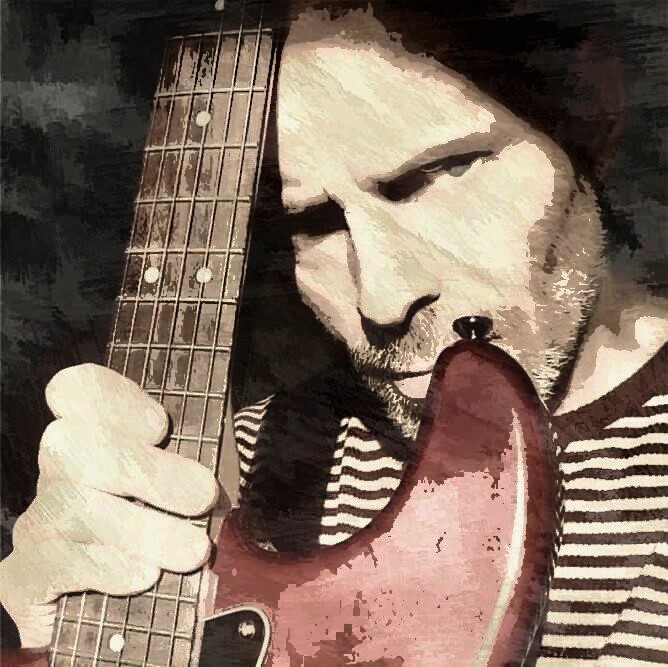
New Sunday Founded in 2026, New Sunday blends storytelling, indie folk-rock and personal songwriting. We spoke with Einar Askelsson about creativity, collaboration, recovery, and the project’s evolving sound. 1. New Sunday was founded in January 2026 by songwriter Einar Askelsson, with vocalist Elizabet “Lizzie” and producer Simon joining the project. How did this collaboration come together, and what does each member bring to the New Sunday sound? I had released a few singles under my name. I got this idea of creating a project with a band label. I thought it would have a better chance to get noticed. Maybe I´m wrong. When I wanted to release the first song, I looked for a vocalist and a producer and found LIzzie and Simon. So, I hired them. New Sunday is a studio band and maybe in the future I could use another vocalist and a producer. Who knows. The collaboration between me, Lizzie and Simon has been great. That´s why I hired the for the next songs. The reason for that I had the feeling together we would find the sound for New Sunday music. To answer what each member brings to New Sunday I must tell you about the process of releasing a new song. All my songs start with the lyrics. I have a bunch of poems I can use and create a story. All my songs are storytelling. I write the lyrics and the music. I usually do it on guitar. I usually create some piece of work that could lead to a song. I keep everything I create. Hookpad Theory is a website I found some years ago. For me with primitive recording equipment was a treasure to me. There you have a template to arrange your songs. You can also write song there and I´ve done that many times. Taken ideas from writing on my guitar and continuing to finish the song. What is great about Hookpad you have access to all instruments you need. They sound pretty good. But this not an AI site. There´s nothing automatic. To be able to use that template you must have at least basic knowledge in music theory. That´s what I´ve learned through the years. On the template you decide the key, the tempo, time signature and then you put in a chord progression for each part of the song. I use often Intro-verse-verse-pre-chorus-Chorus-Bridge-Chorus-Outro. When writing a song on guitar for example you get an idea for the melodies. What you must do so that template will work is put in all the notes in the melodies. Not easy. While doing that I go back and forth in rewriting some stuff and also the lyrics to fit fo the melody. This is a time-consuming work. When I´m done I can export an instrumental audio file fo the songs. That´s what I send to Lizzie to sing over. She has a full artistical freedom to have opinions how to interpret the melody for example. That doesn´t necessarily change the songs. She is a pro and does her best to sing in the mood of the song. When Lizzie is finished, we send all the stuff our magician Simon the producer. He can add instruments if necessary. He does the final arrangement and mixes the song. While he is working, we are in constant communication. Also, with Lizzie. All three of us have an option of what version we should release. That´s it. 2. “Here I Am Meant To Be” is your fourth single, following “Echoes In The Dark” and “The Empty Street.” What was the story or emotion that first inspired this particular song, and what did you want listeners to take away from it? What inspired this song is the same as the song you mentioned. Since I started the New Sunday project in January 2026, we have already found our sound. When I got sick of CPTSD I was desperate to find anything help me to attack the horrible pain from anxiety and panic attacks and emotional flashback. Meaning feeling the same pain from the trauma from childhood. I wrote a lot and one morning I saw I had written a poem and didn´t remember it. I had never written a poem in my life. So I started to use that format to express emotions in my mind into words. I want listeners to listen to the story. If so they´ll have a better understanding about the music. 3. Your songwriting process begins with lyrics and stories, often drawn from poems and personal experiences, before the music is built around them. How does starting with the lyrics influence the chords, melodies, and overall atmosphere of a New Sunday song? That´s a brilliant question. I´ve already told you a little about this in my answer t question one. While learning how to play the guitar and to write songs I used the poems I had written to inspire me. That´s why I have to have the words in front of me to be able to write the music. The lyrics are always a story. Not always straight forward. Often the words have double meaning. From the lyrics and the story, I have to visualize the story. When writing the music, I´m simply building a structure for the lyrics in chords and notes. Before New Sunday I used many chords in each song. Change the chords for the chorus, the pre chorus or a bridge. That´s not necessarily bad. I took it up from researching, for example, Paul McCartney songwriting. In his best songs he uses a lot of chords and you can hear the melody through the chords. He wrote totally different than John Lennon. It’s not easy to put a one label on the genre of New Sunday music. Indie Folk-Rock or Pop is maybe the umbrella. In the songs you can hear country, Latin etc. When writing the songs we have released, I tried to use as few chords as possible. They are all 4-6
Brannen
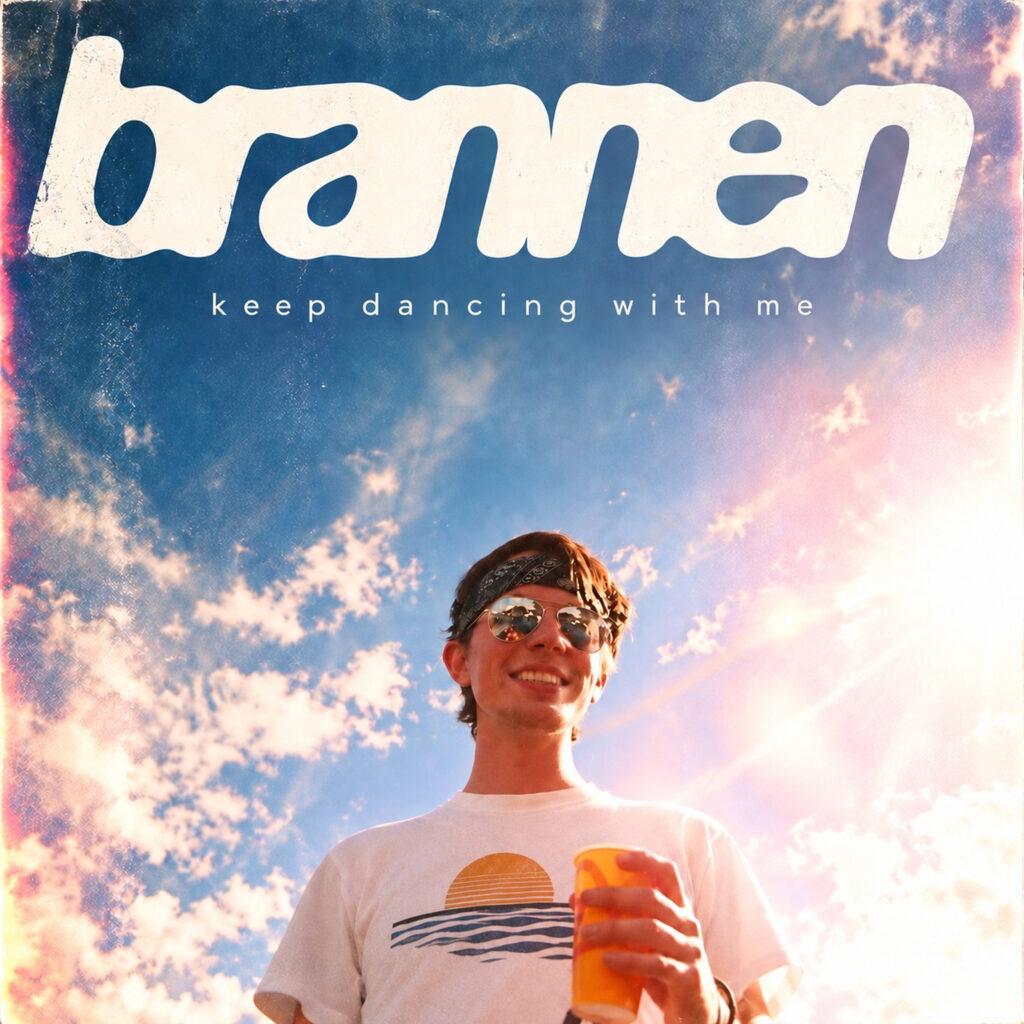
Brannen With over two decades in music, Brannen brings his drumming and production background into emotional electronic soundscapes. We discuss his journey, influences, “Keep Dancing With Me,” and creative vision. 1. You’ve spent more than 20 years in music, with a background as a drummer, live musician, and producer. How has that journey shaped the sound and identity you’re developing with Brannen? I think everything I’ve done in music has naturally led me to Brannen. I’ve spent more than 20 years playing music, including around 15 years playing in bands, and being a drummer has had a huge influence on how I approach production. I’m very conscious of rhythm, groove and how a track moves, but I’ve also always been drawn to the emotional side of music. Brannen gives me the freedom to bring all of those experiences together. I’m not trying to make music that simply fits into a particular genre. I want it to feel melodic, atmospheric and emotional, but still have enough movement and energy to work in a club. For me, Brannen is about creating music that can make you feel something while still making you want to move. 2. “Keep Dancing With Me” is built around the idea of living in the moment and holding onto meaningful experiences. What inspired that theme, and what does the song personally represent to you? The idea came from that feeling of wanting to hold onto a moment because you know it won’t last forever. Life moves incredibly quickly, and sometimes we’re so focused on what comes next that we forget to appreciate where we actually are. “Keep Dancing With Me” is really about that feeling of escaping everything for a moment and just being present with someone. It represents connection, freedom and those memories that stay with you long after the moment itself has passed. There’s also something quite personal about it for me. Music has always been an escape and a way of processing things, so the track became a reminder to myself as much as anything else: sometimes you just need to stop thinking, stop worrying about tomorrow and keep dancing. 3. The track combines warm melodies, atmospheric textures, deep grooves, and progressive-house elements. How did you approach balancing the emotional side of the song with its dancefloor energy? That balance was really important to me. I didn’t want the emotional elements to make it feel like a listening-only track, but I also didn’t want the groove to overpower the emotion. I approached it by giving the melodies and atmosphere plenty of space, while building the rhythm underneath them gradually. The groove gives the track its physical movement, while the chords, textures and vocals provide the emotional identity. I think the best electronic music can work on both levels. You can hear it through headphones and notice the little details, but you can also hear it in a club and simply feel the rhythm. That was definitely the goal with this track. 4. Your influences include artists such as Ben Böhmer, Marsh, Lane 8, and Yotto, while you’re aiming to create something distinctly your own. What elements of their music inspire you most, and how do you make sure your own identity comes through? What I love about those artists is their ability to create emotion without losing the groove. There’s a real sense of atmosphere, space and melody in their music, but it still feels like electronic dance music. I’m particularly inspired by the way they can take relatively simple musical ideas and turn them into something that feels huge and emotional through sound design, arrangement and production. At the same time, I don’t want Brannen to simply sound like a combination of my influences. Those artists are part of the inspiration, but my own background naturally changes how I approach music. Coming from a live music and drumming background, rhythm and movement are always going to be important to me. Ultimately, I’m trying to develop a sound where someone can hear a track and recognise that it feels like Brannen, rather than immediately thinking it sounds like someone else. 5. “Keep Dancing With Me” was recorded with sound engineer Brian Hurren and mixed and mastered by Jack Wiles at Moonshift Audio. What did each bring to the track, and were there any production choices that particularly helped shape its final atmosphere? Brian Hurren was hugely important in capturing the vocals. Having someone who understands how to get the right performance from a vocal makes a massive difference, because it’s not just about recording someone singing the notes correctly. It’s about capturing the emotion and character of the performance. Jack Wiles at Moonshift Audio then brought another level of clarity and depth to the finished production through the mixing and mastering process. I wanted the track to feel warm and immersive without losing the punch and energy needed for a dancefloor, and Jack really helped bring that balance together. One of the things I was particularly conscious of was space. I wanted the different elements to breathe rather than everything competing for attention. That helped create the atmosphere I was looking for and allowed the vocal and melodies to sit naturally within the groove. 6. Your music is designed to work both in a DJ environment and as an immersive headphone experience. Looking ahead, what would you like listeners to discover about the Brannen project as you continue developing your sound? I’d like people to discover that Brannen is ultimately about emotion and connection. I want the music to give people something different depending on where and how they hear it. In a club, I want it to make people move. On headphones, I want people to be able to disappear into it and discover details that they might not notice on a dancefloor. If someone hears one of my tracks and it reminds them of a person, a place or a particular moment in their own life, then I feel like I’ve achieved
DreamGood
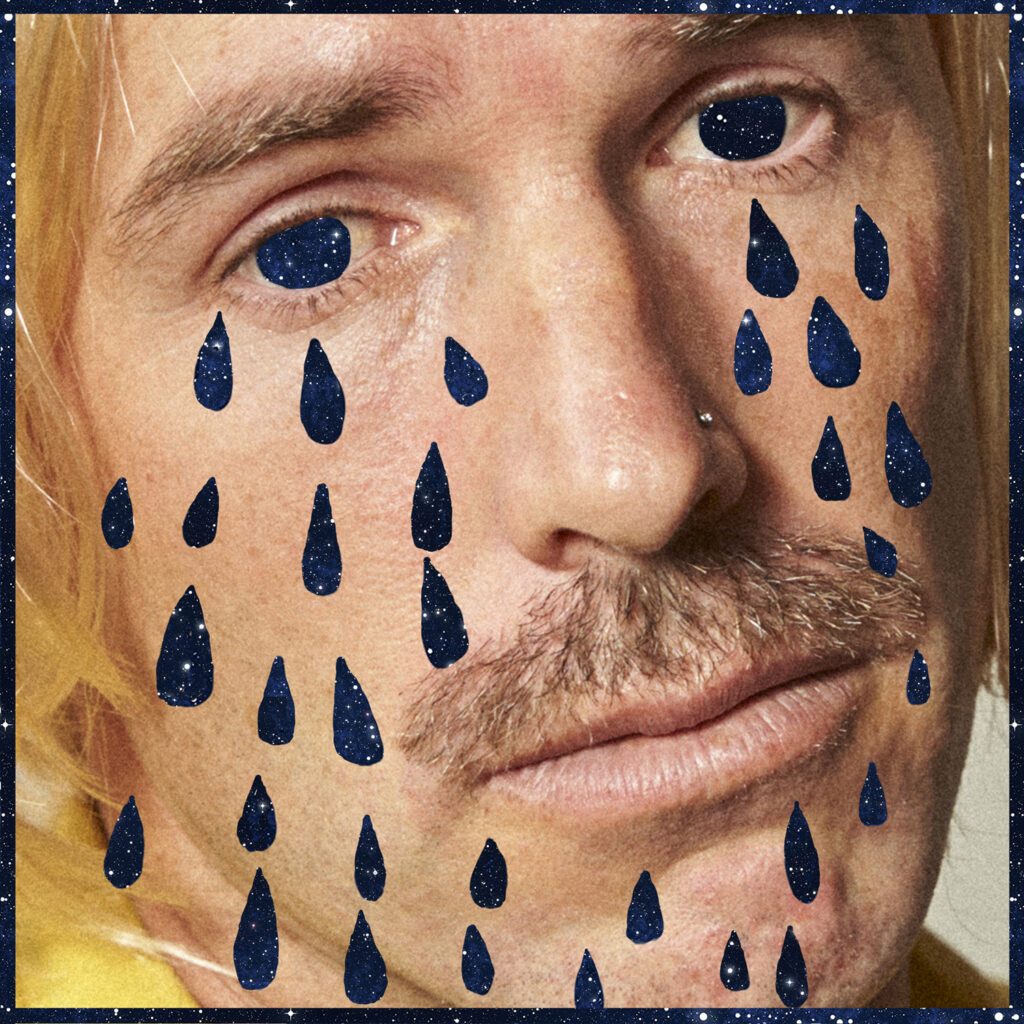
DreamGood DreamGood explore intuition, identity and uncertainty through genre-defying music, bringing pop, electronic experimentation and storytelling together in the strange, captivating world of Paris Novella. 1. “Lifeline” is described as a “soft-boy introvert’s anthem” about trusting your innate intuition. What inspired the song, and what does following your intuition mean to DreamGood? “Lifeline” is a song written from the perspective of Paris Novella, a fortune teller, in the moment they begin to believe in their gift, even if that gift sits outside what is conventionally “normal,” “accepted,” or even real. It’s a song that explores the threshold between intuition, imagination, and belief.Intuition is an intriguing aspect of consciousness which humans rely/use on more than we like to admit. Even when we tell ourselves we’re making purely rational decisions, we often aren’t. For DreamGood, we needed to suspend our disbelief—to follow the irrational and explore our own contradictions. 2. You describe “Lifeline” as a meeting point between Adele and Aphex Twin, while also referencing artists such as Perfume Genius, Four Tet, Belinda Carlisle and George Michael. How do these very different influences come together in your sound? It’s a little nonsensical, maybe even bombastic, to describe your music as a meeting point between Adele and Aphex Twin, but honestly, it’s difficult to describe the kind of music DreamGood are making. We jump around, taking influences from everywhere and nowhere, and we often end up in a genre-defying no man’s land.Personally, I’ve never listened to an album as much as I listened to Adele’s 25. Mitch adores Aphex Twin, and Glenn is obsessive about electric guitar. Those are very different musical worlds, but that collision is kind of the point. Lifeline is what happens when our musical tastes, obsessions and instincts collide. 3. Your forthcoming concept album, Paris Novella (Fortune Teller): All Predictions Act Like Curses, revolves around an eccentric fortune teller. Who is Paris Novella, and what made this character the perfect vehicle for exploring the album’s themes? There is no simple way to understand identity in our contemporary world. We all contain many different parts, and those parts can shift drastically depending on who or what we find ourselves in relation to. Paris Novella is no exception.They are both powerful and small, beautifully confident and cripplingly insecure. They can be an upfront bull in a china shop one moment, and a sweet, sexy, alluring summer breeze the next. They contain contradictions that shouldn’t necessarily make sense together, but somehow do.Paris became the perfect vehicle for the album because they allowed us to explore multiplicities – to inhabit parts of ourselves we didn’t even know existed, and to ask what happens when all of those different selves are given a voice. 4. The album seems to blur the boundaries between pop, electronic music, experimentation and storytelling. How did the character and narrative of Paris Novella influence the way you approached the music and production? Months before any songs officially started, Mitch was sketching and experimenting, searching for a musical language that would break the rules of our previous work. Albums like Ziggy Stardust, Drukqs and Fever Ray showed us how rule-breaking records can build their own sonic worlds. Mitch built microtonal scales, strange sounds from voice memos and drum sounds from hardware synths, and looked for ways to misuse plugins.As we delved into Paris Novella, his dreams, desires and ideas, the album’s extremes became clearer. Was the music a score in his mind, songs he’d written, a queer-pop musical, or fragments of his thoughts? That uncertainty gave us permission to move between catchy melodies, experimental production and deeply layered lyrics. Mitch mixed with a drum-and-bass mindset, drawing on Noisia and IMANU. Ultimately, Paris gave us a world to build rather than a set of rules to follow.Finally, to subtly emphasize the album’s extremes, we had each half mastered by a different engineer: Tim Pennells, who’s worked with Floating Points, and Morgan Stratton, who’s worked with Death Grips. Everything was then summed through the same gear at the end, so it still felt like one album, just mastered with two extremes in mind. 5. DreamGood have been creating music together since 2009. How has the dynamic between Mitchell Sloan, Joshua Heath and Glenn Heath evolved over the years, and what keeps the three of you creatively connected today? There have been huge shifts in DreamGood’s dynamics over the years. On our first album, we wrote entire songs on acoustic instruments, which were then composed out and transformed in the studio. Paris Novella, on the other hand, came from a completely different kind of songwriting process. Mitch would create sections of music, then we’d build mumble tracks to find a verse melody, which would lead to the chorus melody, with the lyrics often coming last. Many of the lyrics were completely improvised, in an almost stream-of-consciousness way.So the way we make music has changed, but the thing that keeps us connected is much simpler. We genuinely care about each other’s lives. We’ve known each other for a long time, and that relationship allows the music to keep changing without losing the sense that it belongs to the three of us. There is no one way for us to work. We’re all open to playing different roles within the band, and we all play multiple instruments. There are fewer rules and defined roles now than when we first began, which gives us a lot more freedom to follow wherever the music takes us. 6. With Paris Novella (Fortune Teller) on the horizon, what would you like listeners to discover when they step into DreamGood’s world for the first time—and what can they expect from the next chapter? We hope people can put aside their preconceived judgements and allow themselves to feel something. The album is strange in places, vulnerable in others, and hopefully gives people enough space to bring their own experiences to it. We don’t think music needs to be completely understood to be meaningful.As for the next chapter, we genuinely have
Magdi Aboul-Kheir
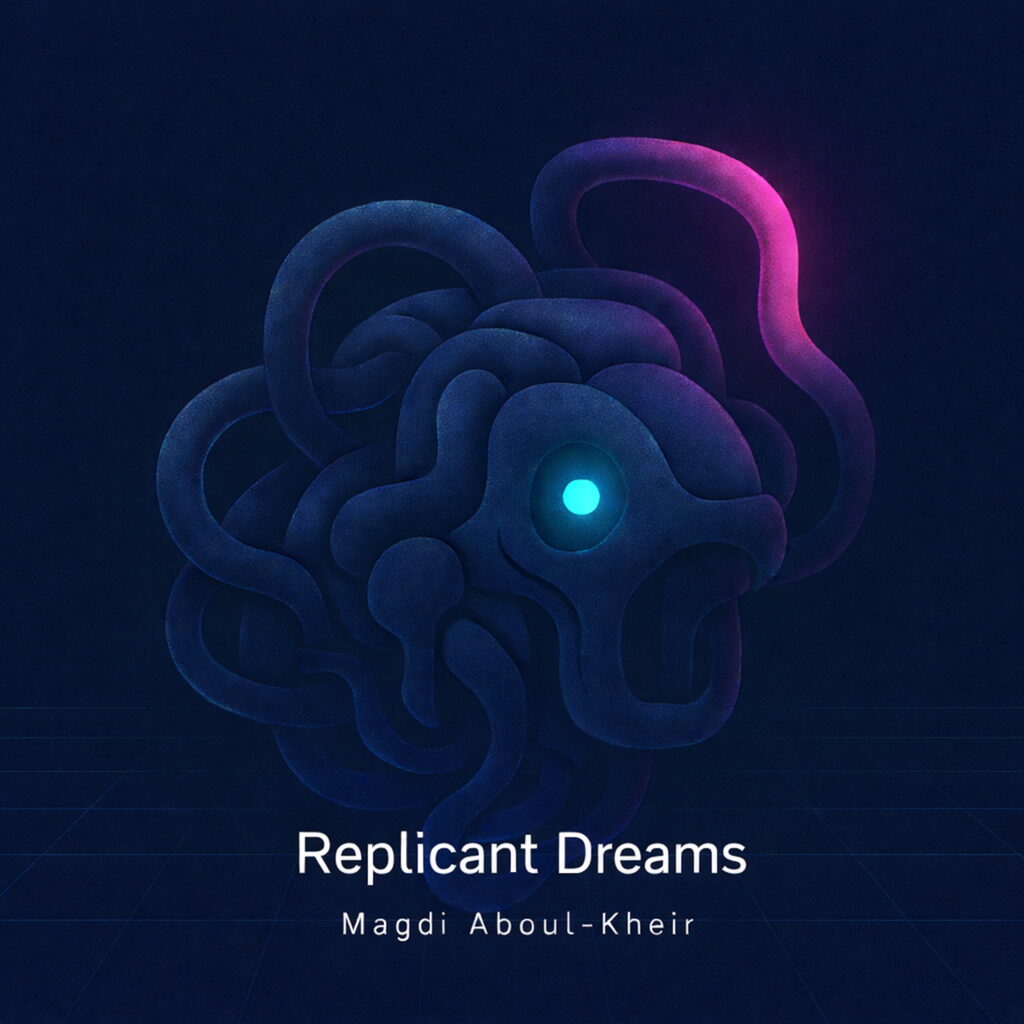
Magdi Aboul-Kheir With Replicant Dreams, Magdi Aboul-Kheir explores retro-futuristic worlds through synthwave, orchestral textures, and emotional melodies, creating a cinematic journey where 1980s science fiction meets contemporary musical imagination. 1. Replicant Dreams takes listeners on a journey through the science fiction of the 1980s. What is it about that era’s vision of the future that continues to inspire you creatively? These are visual and sonic worlds I grew up with, and they really spoke to me when I was young. Well, I guess, they still do 🙂 And of course, the stories, characters, and aesthetics of films like Blade Runner, Tron, and The Terminator have had a huge influence on pop culture. New films and series are still being made within these universes today. Many of these works have become iconic, and their soundtracks have been hugely influential in shaping the sound and aesthetic of their respective eras. Exploring them creatively without simply creating copies or homages is incredibly fun. What’s also interesting is that quite a few of those visions of the future have turned out to be surprisingly close to reality. In a way, we’re living in the “future” that was imagined back then. So for me, engaging with these worlds is about more than just nostalgia or retro aesthetics — there’s something about them that still feels very relevant today. 2. The album combines synthwave, orchestral elements, cinematic textures, and emotional melodies. How did you approach balancing these different sounds while keeping the album’s identity cohesive? As I said, the idea isn’t to simply revive something from the past or stop at a straightforward homage. I carry all of these influences from that era with me, but I’m making this music today — and I’m approaching it in whatever way feels right, expressive, powerful, and emotionally resonant to me now. I think it’s the interplay of all these different elements that gives the album its own identity. At least, that’s what I hope. 3. You describe Replicant Dreams as a spiritual sequel to Yesterday’s Future, but also as something more expansive and emotional. What changed in your musical approach between the two albums? To put it simply and in cinematic terms: this time, I used a bigger canvas. The music has more space to breathe, and especially through the more spacey elements, a new dimension has opened up. 4. Each of the nine tracks is described as opening up a world of its own. Did you have specific stories, images, films, or imaginary scenes in mind while composing these pieces? I’m a little reluctant to answer that question too specifically, because I want every listener to imagine their own worlds when listening to the music. In some cases, I think the starting points are quite obvious — but they are always just starting points. Sometimes it might be a particular image, an entire sequence, or simply the feeling I had while watching something. But sometimes it’s much more abstract and has more to do with an idea or an atmosphere than with a specific story or scene. Ultimately, I like the music to leave enough room for the listener’s own imagination. 5. Your background ranges from minimal and chamber music to ambient, jazz-influenced instrumentals and vintage electronics. How does being a pianist and composer across such different styles influence the way you write music? I hope my roots as a pianist don’t shape the music I write too much. When you’re writing for strings or winds, I don’t think you should have a keyboard in the back of your mind. What I really enjoy is finding the right musical form, the right musical language for whatever ideas, feelings, or thoughts I want to express. I find it enormously rewarding to move between different genres while still remaining true to myself. Because somehow, despite all the differences in style, all the music I write is connected. 6. Replicant Dreams mixes futuristic imagery with genuine human emotions such as romance, wonder, and nostalgia. What do you ultimately hope listeners feel or imagine when they reach the end of this sonic adventure? You just said it: romance, wonder, and nostalgia. But seriously, I like to think that every listener can go on a journey of their own with this music — wherever they want to go, and whenever they want to go there. It could be to another time, to distant worlds, or simply deep into their own inner world. If the music opens up that kind of space for someone, I couldn’t ask for more. Magdi Aboul-Kheir Official: Instagram, Facebook | Linktree