
Amy Jean
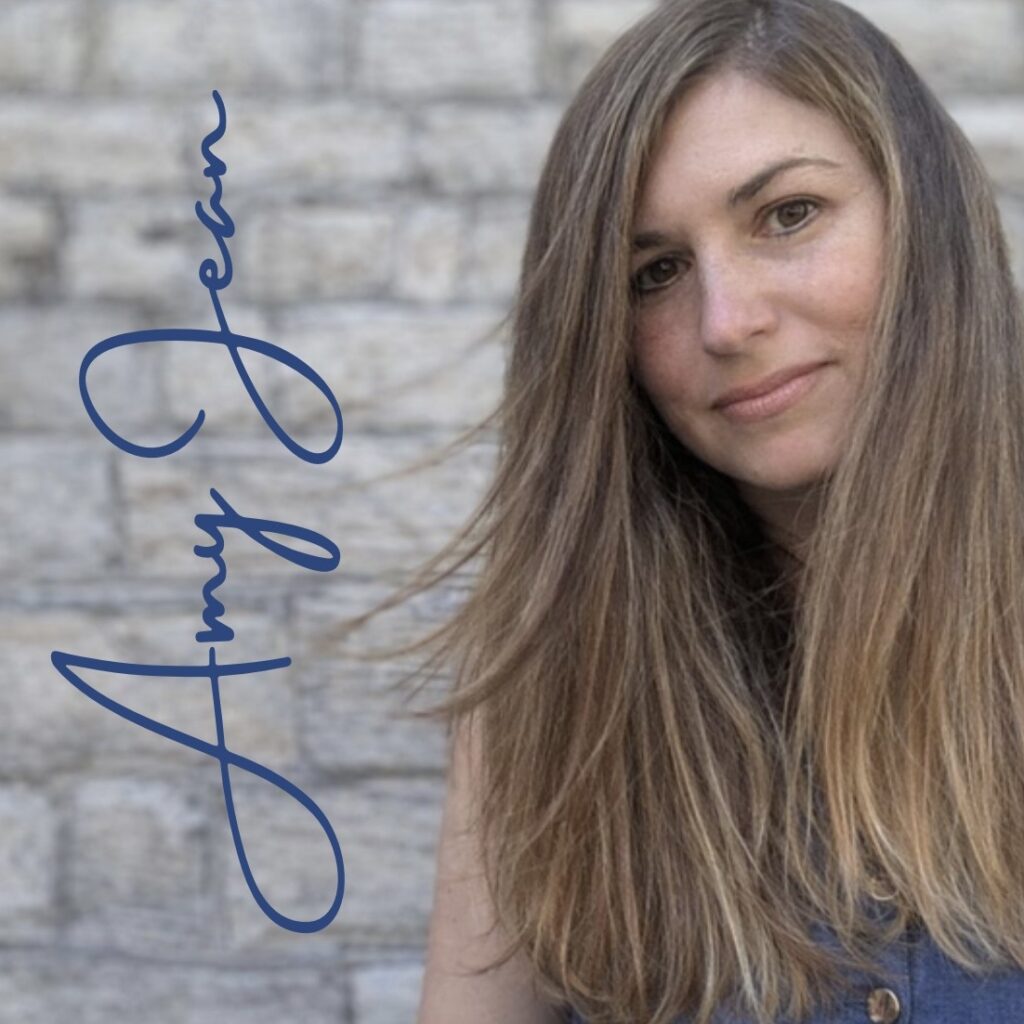
Amy Jean With Living Imperfection, Amy Jean embraces vulnerability, simplicity, and human connection, crafting intimate songs that explore personal experiences, social realities, and the meaningful spaces found between the notes. 1. Living Imperfection brings together acoustic guitar, piano, electric guitar, and violin while keeping the songwriting at its heart. How did you and Nicholas Russell develop the EP’s intimate yet textured sound? Nicholas Russell is an incredible musician and has such an amazing ear and intuition for music and leaving the right amount of space. I respect him a great deal and it was a so easy to trust him to help bring these songs to a new level. It helped that we have known each other for a while now and have a similar taste in music. It was such an enjoyable process to sit down and experiment with adding different instruments. I would describe a feeling and we would test it out. We would add and then often remove elements if they weren’t in service to the song. Most often, we found that less was more. I’m very grateful for this experience. 2. Many of these songs draw directly from your lived experiences and explore complex emotions. Was there a particular moment when you realized you wanted to be this open and vulnerable in your songwriting? I don’t think I ever questioned it, honestly. If you are not open and vulnerable then what really is the point? I first write for myself and if it resonates with someone else, that is the best that one can expect. But like all conversations in life, and a song is a conversation, the best ones are when people can share and be vulnerable. The first track on the EP is called “Bottled Feelings” and the main line in the song is “Have a cup of my life, and I’ll have a cup of your life”. It’s all about these conversations and a good intro to the EP – I’m literally inviting you to have a cup of my life; a piece of me in my songs. 3. “Divided in Union Station” addresses homelessness and addiction through the experience of passing through a busy city transit hub. What did you observe or feel that inspired you to turn that everyday experience into a song? A lot of the songs on this EP are about feeling unseen. I spent 16 years every week day commuting into Toronto through its main transit hub. And, like any central space, it is a microcosm of our world, at large. It is easy, when you are in a hurry to get somewhere, to not want to see people who may be asking for help. We actively try to avoid it. Lately, the divide between people who have and those who do not seems to be getting wider. It’s hard to unsee. So, I wrote about it. First as a poem and it slowly became a song. It doesn’t solve anything, but does provide an acknowledgment. 4. “Ode to Sunrise” uses the imagery of sunrise and sunset to explore gender inequality. What drew you to this metaphor, and what message did you hope listeners would take from the song? The first line of the song is “Sunrise lives at the end of my street”. Which is true, I wake up very early to go to the gym in the darkness and occasionally get glimpses of the sunrise at the end of the street. Every morning I would think how many people actively watch a sunrise? Usually, it is the sun that is waking us up. It seemed lonely compared to many people watching sunset, just due to the fact that we are awake. So, I gave sunrise and sunset genders and used them to describe gender inequality as it was a lived experience. But obviously, they don’t have genders and really the sunrise can perhaps be personified to symbolize anyone who works in the shadows and doesn’t get the credit they deserve. 5. You describe Living Imperfection as offering “space and simplicity” in a world filled with noise and distractions. What does creating that sense of breathing room mean to you as an artist? It is vital. Literally as a vocalist, I need room to breathe to make a song sound right. But I do believe there is so much more to music than the notes we play, but the spaces where we don’t play. I actually describe this importance in the last track of the EP called “Between the Notes” – “Can you hear me in the space between the notes?”. It is everything I am not saying but I’m still there. 6. You’ve performed at events including the February Folk Fest, Humber River Arts and Music Festival, and Hillside Festival. How have these live experiences and the songwriting communities in Toronto and Haliburton shaped the artist you are becoming, and what can listeners look forward to next? They have shaped me completely. It takes a village, as they say. But honestly, if you are only listening to top 40 music and going to concerts at big venues, music in general can feel very inaccessible – like you can’t be part of it. Music is for everyone. By getting out into my communities and making music with them, it helped to provide a space where I could make connections, mistakes, learn, rely and depend on others. But also, it was just fun- I’ve made great friends and gained mentors and sponsors for the future. Next up, I have a few local shows to look forward to collaborating with great musicians. Details can be found on my website iamjeanymusic.com and I’m continuing to write songs. This is only the beginning. Amy Jean
TJ Jones
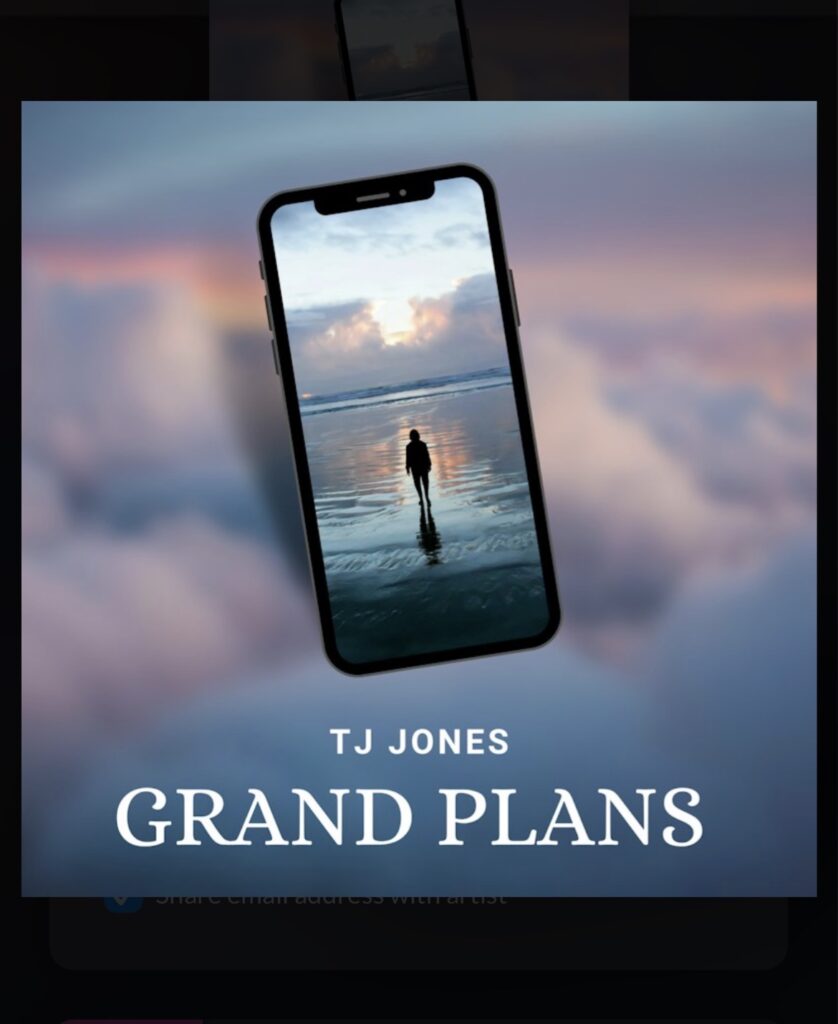
TJ Jones TJ Jones discusses faith, uncertainty, and divine timing, sharing the personal experiences behind “Grand Plans” and the hope, comfort, and reassurance he wishes to offer listeners. 1. “Grand Plans” carries a strong message about trusting God even when we cannot understand what He is doing. What inspired you to write this song, and was there a particular moment or experience that led to it? I was inspired to write the song when reflecting over my life experiences and choices and seeing God’s faithfulness, grace, and mercy in hindsight. Retrospectively understanding why certain things happened or did not happen, realizing that rejection was protection. Recognizing that my own plans were not always the best path, and that I was making decisions based on the information that I had at the time. And despite it all, God protected me and saved my life countless times. I am still here for a reason. To share and spread the good news to all generations that we can surrender control and trust God through seasons of disappointment, change, and uncertainty. 2. The song speaks about uncertainty, waiting, disappointment, and finding comfort in God’s plan. Why are these themes important for you to explore through your songwriting? These are themes I have experienced countless times in my life. As an emerging songwriter, this is a new endeavor, a new chapter in my life’s story. I have no clue what will become of it. I am enjoying it and am enthusiastic about it. I do believe that I am being inspired and led. So, we will see what happens 😊 3. You describe yourself as a songwriter whose musical expression varies, saying that “the lyrics guide the instrumentation and genre.” How did the lyrics and message of “Grand Plans” influence the musical direction and sound of the song? The lyrics, genre, and instrumentation really came from a deep place, from the recesses of my inner being. Sometimes there is tension between what we want as human beings and what we trust God to do. It is me trying to make sense of it all. “Grand Plans” gives a voice to difficult seasons, turns pain into worship, reminds others they are not alone, and celebrates God’s divine timing, planning, and faithfulness. 4. The message of “Grand Plans” can resonate with people at vastly different points in their faith journey. What do you hope someone who is going through a difficult or uncertain season feels when they hear the song? It is my hope and prayer that “Grand Plans” meets them right where they are, provides hope and reassurance, soothes their aching heart and worried mind, and offers a different perspective on wanting and waiting. 5. Authenticity is an important part of your approach to songwriting. How do you balance expressing your personal faith and experiences with creating songs that listeners can connect with through their own stories? This is my third gospel song penned and released. As I write multi-genre songs, I write as inspired and as per God’s Plan for my life. God put this song on my heart, and it is my hope to reach as many people as possible who need to hear this message and be comforted. 6. With “Grand Plans” now released, what would you like this song to be remembered for, and what can listeners expect next from TJ Jones? This is a wonderful question. It is my hope that this song will be remembered for reassurance, comfort, and direction. What is next for me, only God knows. And I am looking forward to sharing it. https://www.instagram.com/tj_jones1342
Fernando’s Eyes
Fernando’s Eyes Fernando’s Eyes discusses the creative freedom behind “Room On Fire,” its themes of moving forward, and the fresh musical direction shaping his upcoming album. 1. “Room On Fire” marks a more direct and forward-moving direction compared with the atmospheric character of Center Of Your World. What inspired this change in approach, and what did you want the song to communicate through its sound? When I wrote the song—I think it was actually one of the first ones for this next album—it felt very natural to break away from the formula I’d used when writing the more atmospheric and ethereal songs on the previous one. It was just something very personal; I simply felt that I wanted to be more direct with this idea. Both in terms of the instrumentation and the way I sing. The singing approache it’s something I’ve tried in certain songs with Principe Valiente before, but also something I did on the song “The Fire Of The Night” from the last album. It’s like a fresh start, and the lyrics are about looking straight ahead now, without brooding or fear. Or rather, you still have fears, but the courage lies in moving forward despite those fears, while retaining your discernment, doing your best, and just going for it. There’s a similar aspect to the use of the saxophone as well—it’s not something I’d tried before (and I’d actually looked down on it a bit; it can easily get too cheesy, in my opinion)—but I was working on different melodies with a synth where a saxophone might have fit instead. So I tried to make that happen and that’s when I got in touch with Lina, whose interpretation really made it just really great as I wanted. 2. The song is about leaving without looking back, presenting departure as a deliberate choice rather than an act of loss. What personal or emotional idea was at the heart of the lyrics, and how did you translate that feeling into the music? Moving on from old sorrows, romantic adventures that led nowhere, and being a little tired of going around thinking about those things. Or thinking about how I handled things, though I’m pretty happy with most of it. But, you know, stop dwelling on it all the time.. A bit of self-therapy, I suppose, and listening to the song over and over again during the process of writing it has a healing effect. But it’s something that doesn’t contain bitterness or hopelessness – quite the opposite. And not too many roundabout ways of explaining what I mean here and there, but just straight to the point and out with it. After all, it’s up to the listener to take it in their own way. Musically speaking, as I mention above, it also felt good to have a slightly harder and colder sound. But still danceable. 3. You produced the track yourself, combining programmed drums with live toms that you played personally. What did this contrast between machine-tight rhythms and a more physical human element bring to the song? Yeah, I produce all my songs by myself – but during the mixing process I have a great mixer and producer in Gothenburg just refining it all as well. Hans Olsson, one of the best guys in Sweden. I think the machine-like element symbolizes the “cold” aspect of just looking ahead, moving forward, and so on. In hindsight, I’ve actually thought a bit about the song “In Between Days” by The Cure, where Robert also sings, “Go on, go on, just walk away, go on, go on, your choice is made,” etc. So simple, yet it says so much. I drew a parallel in my own mind that I sang that to myself, at least. Fantastic song and band, of course. When I was writing the song at home with electronic drums, I felt that here and there it would probably benefit from acoustic drums as well—so I practiced those a bit and figured out where I wanted them, and then I recorded them in the same studio where the saxophone was also recorded. Anyway, I especially like the digital toms as well and the “whips” here and there; I’m really happy with that. Something I imagine Drab Majesty would have used as well, so they were probably in the back of my mind somewhere as inspiration. 4. The saxophone by Lina Langendorf adds a distinctive presence without becoming ornamental. What made you decide to bring saxophone into “Room On Fire,” and how did Lina’s contribution shape the final arrangement? Well, as already mentioned in the first question haha (sometimes I just have to get everything out right away), I was playing around with a synth sound and then thought a saxophone would fit perfectly instead. Despite the “risk” that it might come off as cheesy—since I’ve often thought that before with other artists. But this time I just wanted to take a chance; I’ll be directing a bit and demonstrating how I want it anyway, so Lina can do her best and, since she was okay with that way of working after sending her files back and forth, play more or less that way. After all, real saxophones have to be played like saxophones—it could risk sounding a bit stiff if they have to mimic a synth melody too precisely. The flutes on the song were something we improvised on the spot in the studio— (even these are very low in the mix now, but I didn’t want to expose them too much, just blending them in in the arrangement) and there are also a few flutes at the end of the song that I’d had in mind since before. But they are removed on the single version; they’ll be included on the album track, though—so we’ll see what the listeners thinks of it. 5. As the founder, vocalist, and primary songwriter of Principe Valiente, you have developed a sound across post-punk, darkwave, shoegaze, and dream pop.
Never Enough In Love
Never Enough In Love In this interview, Never Enough In Love explores the emotional journey behind “Made Love,” discussing vulnerability, love, songwriting, production, and the deeply personal story behind the debut EP. 1. “Made Love” is described as a deeply personal song about romantic connection, vulnerability, desire, and the search for something complete and lasting. What personal emotions or experiences inspired you to write this song? I wanted to write a song about people finding love which didn’t come easily to them. People can be very emotionally scarred by previous relationships and insecurities which makes it harder for them to trust others. Made Love is about people making their own kind of love which takes In to account their vulnerably and each member of the relationship understands each other’s needs. 2. The track begins with a very fragile, piano-led atmosphere before gradually expanding into something much more powerful. How did you envision that emotional journey when you were writing the song? The song begun as an instrumental and I knew that it had to build to a dramatic ending. Once I had started adding lyrics, I then knew the direction it should take. It had to be a journey from fragility to strength. 3. Your music seems to live between intimacy and cinematic depth. As both songwriter and producer, how do you approach turning a personal feeling or idea into a complete sonic world? It can take a long time for me to finish a song I will never release something unless I’m 100% happy with it. It has to be an equal measure of music, lyrics and production. I like to try and keep my productions modern but that can be hard when using traditional instruments like strings and piano. 4. The song ultimately reaches a euphoric, gospel-inspired finale, creating a striking contrast with its vulnerable opening. What drew you toward that particular ending, and what did you want listeners to feel when the song reaches its climax? I wanted the song to end on a positive note. I listen to a lot of gospel music and it always gives me a feeling if hope. I wanted to give the message that no matter how broken your situation might be, there is always hope and love in some form it may not be the perfect relationship but it’s your version of love. 5. You’ve received praise from artists including Alexis Taylor of Hot Chip, Seye Adelekan of Gorillaz/Damon Albarn, and violinist/composer Anna Phoebe. How has hearing those responses affected your confidence or perspective as you develop Never Enough In Love? The feedback really helped my confidence as these are people I admire. But I am my own worst critic so even when people tell me my music is great, I find it hard to accept the praise if I am not totally happy with it. 6. “Made Love” is the final song to be released from your debut EP. Looking back at the project as a whole, what has making this EP taught you about yourself as a songwriter and producer, and where do you see Never Enough In Love going next? It’s been ten years since I put out my previous EP and I found the whole process back then very unrewarding. This time around I realized I’m doing it for myself not to get any kind of fame or fortune. If people like it then that’s a massive bonus but in the end these songs are full of emotions, I need to get off my chest and releasing them has been a kind of therapy. I write a lot of music and it’s been great to select five songs that work well together and form a whole finished product. https://www.instagram.com/never_enough_in_love/
Afternoon Sister
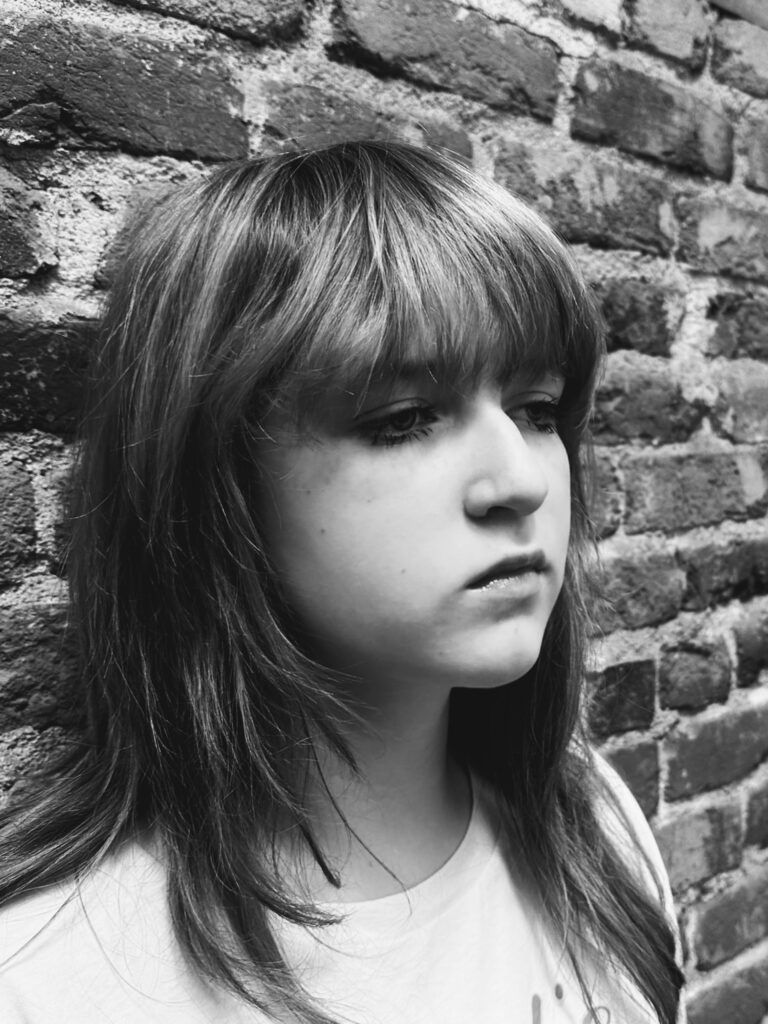
Afternoon Sister At just 14, Alice Ventura leads Afternoon Sister with a distinctive dream-pop vision, blending indie rock, airy vocals, and diverse influences into the captivating debut EP, Reset. 1. “Reset E.P.” moves between heavier guitar-driven songs and quieter, atmospheric moments. How did you develop the overall sound and mood of the EP? I wrote my first 5 songs back to back and somehow they all fit together nicely. There wasn’t any real strategy on how I wrote the songs. I just wrote them as I felt at the time. I wrote the songs over a span of a year and during that year there was a lot of sadness and anger, but also a lot of fun and lovely moments. I think the EP really captured that 2. “Ache” is planned as the first single. What inspired the song, and what made you feel it was the right track to introduce Afternoon Sister to new listeners? I wrote Ache during a trying part of my life. A lot of my friends seemed to turn on me. I had close friends that would gang up on me and snicker behind my back and it really broke my heart. I was simply calling out for help and trying not to forget biblical promises during that time.. To be honest, there was more Bandcamp activity with Ache than any other song on the EP. I thought that Night Drive would be a favorite, but we learned it wasn’t. It could be that tempo-wise it’s between the most upbeat song on the record and the most chill. I thought I would trust the data and stick with Ache. I didn’t pick it for any super deep reason. 3. Your music brings together indie rock and dream pop with influences ranging from Neil Young and Mazzy Star to Chromatics and Air. How do these different influences shape your songwriting without limiting your own identity? I stuck with pretty simple chords, throwing in a few jazz chords to spice it up. I had my drummer play as simple as he could with an occasional accent or two to make the songs interesting. I wanted an instrumental at the top like my favorite band Air usually does. I made sure my guitar player Ray laid down very simple solos that anybody can play (like Neil Young). Throughout the whole EP, I wanted a Ruth Radelet sound…natural, smooth and airy. Overall, I wanted to make sure my debut had a little bit of everything. Heavy rock, groove, a song in ¾ time, a vibey beach song and a happy break up song. You can’t get any more diverse than that! Reset E.P. de Afternoon Sister 4. Alice, you’re 14 and already writing original music and fronting a band. When did you first realize that songwriting was something you wanted to pursue, and what usually inspires you to write? I grew up as the odd-one-out when it came to music. I began listening to Henry Mancini pretty early and saw a Herb Alpert documentary on TV, which got me interested in trumpet. I even started taking trumpet lessons because I was fascinated with it. I then started to listen to a lot of the Beatles and the High Llamas and wanted to start playing guitar. What made me want to write songs was when I started listening to a dream-pop playlist on Amazon Music and I knew then I wanted to write my own songs. My Dad showed me GarageBand basics and I would soon lock myself in my room and start writing songs with my guitar and MIDI keyboard. Since I’m only 14 and I get bored easily, I use that time to practice guitar and write music. Some days it comes very easily, other days not so much. 5. The five songs on “Reset E.P.” each have their own character while still belonging to the same record. Was there a particular idea or feeling that connected all five songs during the writing and recording process? All the songs connect because of my style of singing…hushed vocals with multiple layers which is kind of like the glue of the EP. Each song varies in style which gives them character. Don’t Cross Yer Fingers is basically an Air Virgin Suicides-inspired song. Ache is that Neil Young/Chromatics-style rock song with a long Doves ending. Night Drive is basically an Ivy song in ¾ time. Reset is a chill, vocal-heavy song with a Marvin Gaye touch to it, and Goodbye is almost a Flaming Lips-inspired song. All distinct but somehow all fit together. No particular idea except to try and make a super cool EP 6. “Reset E.P.” arrives on November 1 through North Corona Records. What do you hope listeners discover about Afternoon Sister through this debut, and what would you like to explore next as a band? It’s not much deeper than hoping these songs are catchy enough to stick in the listener’s head and simple enough to not scare them away. My lyrics are very simple and relatable, and the music is nowhere near “math rock”. We have some ideas about how the next record might sound but we’ll see how Reset EP does as an introduction to Afternoon Sister. I’ve been listening to The Cardigans a lot lately, so maybe that’s the direction? Who knows… https://afternoonsister.bandcamp.com/
TJ Jones
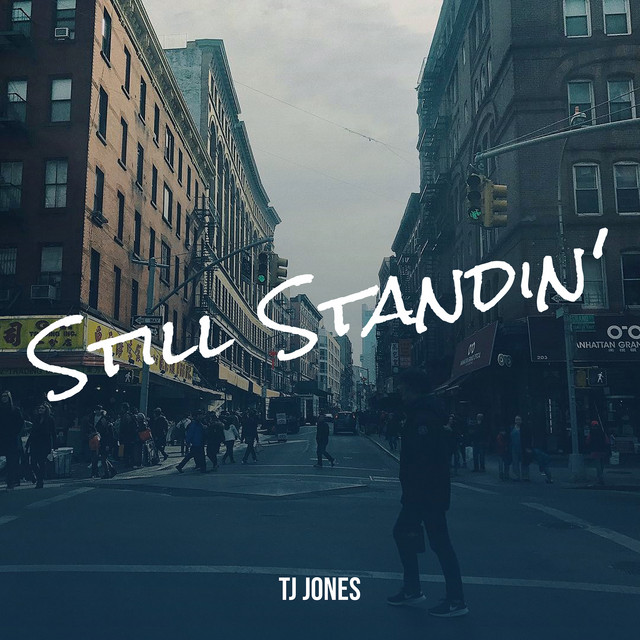
TJ Jones TJ Jones opens up about the inspiration behind “Still Standin’,” his journey through adversity, authentic songwriting, and his vision for creating heartfelt music that connects, inspires, and endures. 1. “Still Standin’” carries a strong message of resilience and determination. What inspired you to write this song, and what does it mean to you personally? Still Standin’ ignited my songwriting career. This was my first song written. I was inspired by the challenges a young man faced on his journey as a pro athlete. Despite many obstacles, he remained strong. Looking back on my own life, I reflected on tough times that, honestly, could have broken me. But somehow, I am still standing, too. I survived those trials so I could write this song. Still Standin’ tells a story of resilience and perseverance. This song is for anyone facing difficulties or obstacles in life yet still putting one foot in front of the other. This is a reminder that no matter what life throws at us, we can get through it together, standing strong, if not stronger. 2. The song blends Pop and Rap while combining melodic hooks with heartfelt storytelling. How did you develop the musical and lyrical style of “Still Standin’”? The song seemed to ask for both. Those two genres really complement one another well, through emotional lifts and storytelling. Pop delivers the melody and memorable vocal lines. While Rap provides rhythm, wordplay, and flow. 3. The message of the song is about overcoming adversity and continuing to move forward. Was there a particular life experience that influenced the lyrics? As there are no perfect people or ideal situations, I would say it is a culmination of life’s experiences. It is about maturation, separating what we can control from what we cannot, and seeking meaning in the situation. 4. “Still Standin’” is beginning to receive radio attention. What has it been like hearing your song reach new listeners, and what kind of reaction have you received so far? It is surreal hearing a song that I have written on the airways. It is gratifying that it is streamable as well. It is my hope that this song reaches the young man who inspired my songwriting career. 5. You describe your songwriting as being centered around resilience, growth, and authenticity. How important is it for you to draw from real-life experiences when creating music? I only know how to write from an authentic perspective: trials, tribulations, revelation, and victory. I believe transparency is key to connection and healing. 6. As you continue building your career as a songwriter, what are your goals for the next chapter, and what can listeners expect from TJ Jones in the future? My goals are to continue writing and releasing multi-genre songs written from the heart, one word, one verse at a time. Please stay tuned. https://www.instagram.com/tj_jones1342
Stellah Mwadilo

Stellah Mwadilo In this interview, Stellah Mwadilo discusses “Tumaini,” her musical roots, the power of hope, and her journey of transforming personal experiences into meaningful, encouraging music. 1. “Tumaini” means “Hope” in Swahili, and the release carries a powerful message about resilience and continuing through difficult moments. What personal experiences inspired you to create this collection, and what does hope mean to you today? “Tumaini” was inspired by different experiences in my life, including difficult moments and losses that have changed me deeply. Through these experiences, I learned that life does not always go the way we expect, but we can still choose to continue. For me, hope means believing that difficult moments are not the end of the story. It gives me the strength to keep moving forward, even when the way ahead is not clear. With “Tumaini”, I want to share that message with other people who may also be going through difficult times: don’t give up. 2. Your music brings together African and East African musical influences with contemporary sounds. Which musical traditions, artists, or cultural experiences have influenced your artistic identity the most? My musical identity is strongly influenced by my East African background and the music I grew up with. African rhythms, traditional percussion, gospel music, and the way African music brings people together have always been important to me. At the same time, living in Germany has exposed me to many different musical styles and contemporary sounds. I enjoy bringing these influences together rather than limiting myself to only one style. My goal is to create music that feels connected to my roots while also sounding natural and modern. 3. “Tumaini” features songs performed in both German and Swahili. How does moving between these two languages influence the way you express emotions, stories, and different sides of your identity through music? German and Swahili allow me to express different parts of myself. Swahili is a language that is very close to my cultural background, and it gives me a special emotional connection to certain stories and feelings. German, on the other hand, has become an important part of my life in Germany. Writing and singing in German allows me to express experiences in a way that connects directly with the environment in which I live today. For me, using both languages is a natural reflection of my journey. I don’t see them as separate worlds. They are both part of my story. 4. You describe “Tumaini” as a deeply personal release connected to your own journey. Was there a particular moment during the songwriting or recording process when you felt that you were turning a difficult experience into something positive? Yes. There were moments when writing and recording the songs felt almost like looking back at difficult chapters of my life and giving them a new meaning. One of the most important things for me was realizing that I could take experiences that had caused me pain and turn them into music that might encourage someone else. Instead of keeping those experiences only as memories, I could transform them into something creative and hopeful. That was very meaningful to me because music became not only a way to express myself, but also a way to encourage others. 5. As an independent emerging artist based in Germany, you are now introducing your music to a wider audience. What have been the biggest challenges and most rewarding moments of building your career independently so far? One of the biggest challenges is doing so many things independently. As an emerging artist, you are not only creating music. You also have to learn about releasing music, promotion, communication, social media, and how to reach listeners. It can sometimes feel overwhelming because there are many things to learn at the same time. But it has also taught me to become more confident and persistent. The most rewarding moments are when someone discovers my music and tells me that a song touched them or gave them encouragement. Knowing that something I created from my own experiences can reach another person is very special to me. 6. If someone discovers “Tumaini” during a difficult period in their life, what is the one feeling, thought, or message you hope they carry with them after listening to your music? I hope they feel that they are not alone and that they should not give up. Life can be difficult, and sometimes we may not immediately see a way forward. But I believe that difficult moments do not define the whole story of our lives. If someone listens to “Tumaini” and finishes the EP with even a little more strength, encouragement, or hope than they had before, then the music has achieved something meaningful. Tumaini means hope – and that is the message I want to leave with people: keep going, even when the journey is difficult. https://www.instagram.com/stellahmwadilo
Adriana Spuria
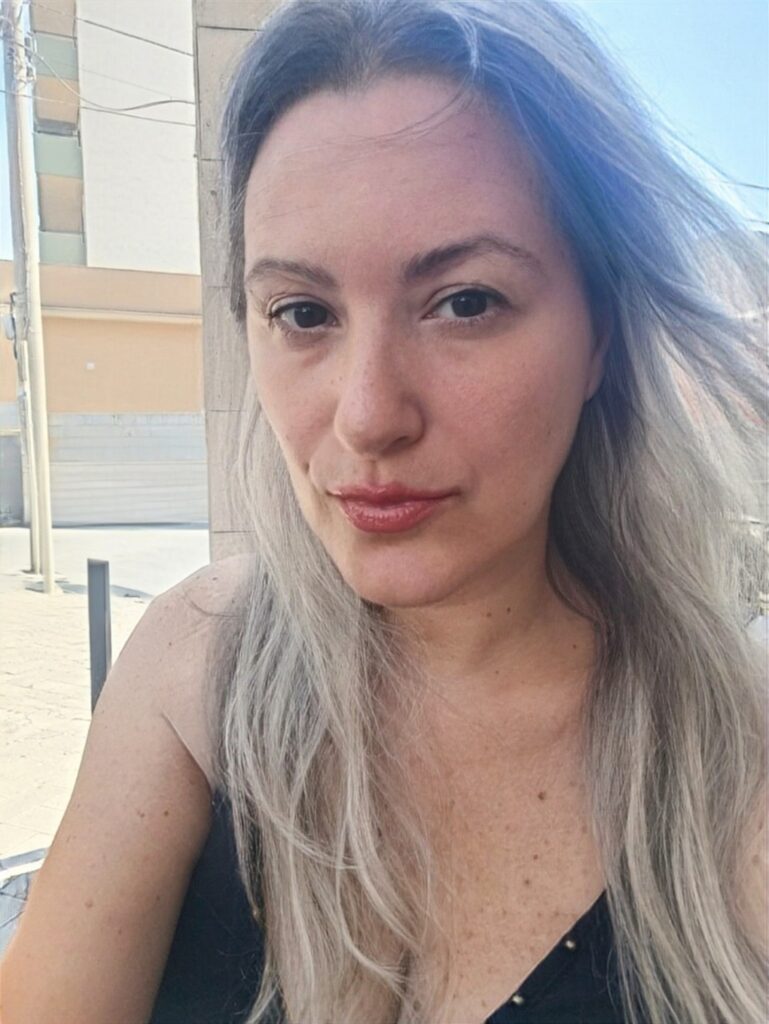
Adriana Spuria Adriana Spuria opens up about the autobiographical story behind “Fiore al veleno,” blending heartbreak, irony, theatricality, and contrasting musical worlds while revealing her deeply personal artistic vision. 1. “Fiore al veleno” explores seduction, disillusionment, and the painful realization that what seemed like love may have been an illusion. What inspired you to tell this particular story, and how personal is it for you? The song is autobiographical. It tells about an infatuation I experienced a few years ago with someone who had borderline personality traits and successfully i discovered made use of drugs. Fortunately, the story never actually began, but I had fallen very deeply for this person. 2. One of the song’s most distinctive elements is the way you combine emotional pain with irony and a theatrical approach. Why was it important for you to look at heartbreak with a touch of humor rather than treating it purely as a dramatic experience? The choice to bring out paradoxical tones, painted with subtle humor, wasn’t really a choice at all — it’s exactly what happened. It was an accumulation of tragic and hilarious strangeness all at once. When pain comes paired with absurdities, the ability to grasp the ironic side of it is a blessing, a gift. In that sense, I feel like a lucky woman. 3. The song exists in both a pop-reggae version and a swing-jazz lounge remix, creating two very different atmospheres around the same story. What did each arrangement allow you to express that the other version could not? Actually, “Fiore al veleno” was born as a swing guitar-and-vocal piece. At the beginning, I only wanted to go in that direction. I composed and wrote the song myself back in 2014, at a time when electro-swing was booming all over Europe. Then the phenomenon faded away within a couple of years, and the song started sounding a bit too old-school to me. So I made a shift from the ternary feel of swing to the syncopated binary division of reggae, which happens to be one of the most fascinating evolutions in twentieth-century popular music — a change that, in music history, marked the transition from Euro-American and jazz-based rhythms to African-derived polyrhythms filtered through the Caribbean. Then, this summer, I decided to produce both versions because I couldn’t give up on either one. In the end, they paint two aspects that absolutely belong to the context in which my story took place. For the swing version, I found a compromise closer to lounge swing-funk rather than electro-swing. 4. You describe the reggae version as having a nocturnal, almost Felliniesque atmosphere, enriched by Balkan, circus, and Mexican influences. How did these seemingly different musical colors come together during the creative process? The place, the context in which everything happened, was a pub frequented by very freaky and shady characters, but also by important directors and students from a famous Italian theater school. I developed this crush in a very smoky, dangerous, and creative environment at the same time — very Fellini, but also a bit like Dario Argento after a certain hour. I’d say that the reggae version, with those circus-band horns and Caribbean sounds, ironically describes that context perfectly, while the jazz version is closer to the inner movements I was experiencing at the time — a sort of surreal cabaret that speaks the language of the unconscious. 5. The two official videos also present completely different worlds: one sensual and contemporary, the other black-and-white, retro, theatrical, and inspired by old cinema and cabaret. How involved were you in developing these visual concepts, and what did you want audiences to feel when watching them? The visual concepts are mine — I made the videos myself. I never expect anything from the audience. I always focus on delivering a message that is sincere, honest, and coherent with who I am. 6. You have been writing, performing, and producing your own music for decades, from your early work to your albums and recent singles. Looking ahead to your upcoming album, what new side of Adriana Spuria would you like listeners to discover? But honestly, I haven’t really thought about that. I hope people love my music for what it is, with all its different facets, and me as an artist in the same way. https://www.facebook.com/ADRISPURIA/
BR33Z WORLD

BR33Z WORLD San Francisco-born, Oakland-raised artist BR33Z WORLD opens up about survival, resilience, personal experience, and the creative journey behind Black Heart and its upcoming trilogy. 1. You were born in San Francisco and raised in Oakland, and your journey into music has been shaped by everything you’ve lived through. What first drew you to music, and when did you realize that becoming an artist was part of your path? Music was around me from an early age, even before I really understood what being an artist meant. My mom’s cousins, Jackie and Johnny Villanueva, were like uncles to me, and they worked as equipment managers for Carlos Santana. I remember going to their house as a kid, seeing records on the walls and hearing stories about their experiences in the music business. Back then, I actually thought I wanted to be a manager because I was fascinated by that whole world. But there was another moment that really planted the seed for me as an artist. I’m the third born, so I was younger than my older sister, and I remember her listening to KMEL one day while a Tupac song was playing. I was in the back singing my own words over the music. She turned around and told me, “Those aren’t the lyrics.” I told her I knew I was making up my own song. She laughed and playfully told me I couldn’t rap, and I immediately said, “Watch, one day I’m going to be on the radio.” She probably didn’t realize it at the time, but that little moment gave me something to prove to myself and sparked something in me that never really went away. As I got older and went through more life, music became much deeper than just wanting to rap or be heard. I had real experiences, real pain and real stories to tell. That’s when I understood that being an artist wasn’t just something I wanted to do as a kid it had become part of who I was and how I expressed everything I had lived through. 2. How did surviving being shot and having to relearn how to walk and talk transform the way you see life and express yourself through music? That experience changed everything for me. When you go from living your normal life to having to relearn basic things like walking and talking, you stop taking things for granted. It gave me a completely different perspective on time, life and what really matters. There were moments where I had to rebuild myself physically and mentally, and that taught me a level of patience and resilience that I don’t think I would have understood otherwise. It also made me realize that tomorrow isn’t promised, so if there’s something I want to say or something I want to accomplish, I can’t keep waiting for the perfect time to do it. That carries directly into my music. I’m not just making songs because they sound good. A lot of what I write comes from things I’ve actually felt, witnessed or survived. Music became a place where I could take pain, anger, ambition, loyalty, loss and everything else I’ve carried and turn it into something. Surviving gave my music a different purpose because now I know what it means to literally get another opportunity at life. 3. How much of Black Heart comes from your personal experiences, and what did you want listeners to understand about your story? A lot of Black Heart comes from real emotions and real experiences. That doesn’t mean every single lyric should be taken like a page out of an autobiography, but the feelings behind the music are real. The pain is real. The loyalty is real. The ambition is real. The survival mentality is real. I’m San Francisco born, Oakland raised, but the Fillmoe made me. I’ve seen different sides of life, and all of those experiences became part of who I am and ultimately part of this album. What I wanted people to understand is that there’s more to my story than whatever they might see on the surface. Black Heart isn’t about pretending everything is perfect. It’s about what happens when you’ve been through things that could have broken you and you still keep moving. You can carry scars and still have ambition. You can experience betrayal and still believe in loyalty. You can come from darkness and still be building toward something bigger. That’s really the world of Black Heart. 4. What is the story behind “Can’t Run,” and how does it connect to the album? “Can’t Run” is really about reaching the point where you realize there are certain things you can’t keep running from. You can try to bury pain, ignore situations or act like certain experiences didn’t affect you, but eventually you have to deal with them. That’s why the song fits Black Heart so well. The album deals with survival, pain and the darker emotions that come with everything I’ve experienced, and “Can’t Run” puts you directly into that mental space. There’s strength in the record, but there’s vulnerability in it too. For me, being strong doesn’t mean pretending nothing affects you. Sometimes strength is being able to face what happened, live with it and keep moving anyway. That’s really what connects “Can’t Run” to the rest of the album. 5. Looking at yourself from the person you were before your survival story to the artist you are today, what do you feel has changed most about you personally and creatively? Has your approach to writing and making music evolved along with you? I’ve definitely changed. When I was younger, a lot of it was about wanting to rap, wanting people to hear me, and wanting to prove that I could do it. Now I’m much more intentional about what I create and what I want people to feel when they hear it. They say pain can make you great, and I don’t think I fully
The Theos Variant
The Theos Variant The Theos Variant invite listeners into a cinematic world of emotion, atmosphere, and evolving sound. We spoke with the band about Tales from Ataraxia, creativity, and their musical journey. 1. Tales from Ataraxia explores the idea of searching for stillness and peace through different experiences and emotions. What does “Ataraxia” mean to The Theos Variant, and how did this idea shape the atmosphere of the album? Ataraxia means a place of peace and contentment amid the chaos of the world. It is our task to find this place in even more turbulent times. I believe it is always with us in our minds. We just need the doorways/guideposts/Beacons to find them. 2. Each of the album’s 11 tracks tells its own story rather than forming a traditional concept album. How did you approach creating such different stories while still giving the record a cohesive identity? We already knew what theme we wanted the album to have based on two songs we released last year and the year before. We just kept coming up with new musical ideas and attempted to craft stories centered around that theme. 3. You ultimately decided to delay Tales from Ataraxia because the original mixes didn’t have the consistency you wanted. What specifically made you realize the album needed more work, and what did that decision teach you about trusting your creative instincts? Most of the tracks did not have the same balanced quality that two of our tracks had, and our wish was to have the consistency across the board for the album. This decision taught us to plan ahead for the next album. 4. Benedikt Hain and Thomas Krottenthaler of Outback Recordings played an important role in completing the album. How did working with them change or enhance the sound you had originally envisioned for Tales from Ataraxia? They made everything sound bigger and more epic. They quite literally manifested the world we envisioned in sound. We are extremely proud to put out there what they have mixed and mastered for us. 5. The album combines soaring vocals, cinematic guitars, atmospheric textures, modern rock songwriting, and contrasting heavier and melodic passages. How do you balance these different elements when writing a The Theos Variant song? It comes naturally for us. We basically just combine both of our musical tastes (what we enjoy listening to) and when we collaborate, you get the finished musical product. 6. Before the Nether arrives on September 18 with four tracks from the album, ahead of the full release on October 30. What would you like listeners to discover in this first glimpse, and what can they expect when they finally experience the complete Tales from Ataraxia journey? We would like listeners to discover different musical worlds that we have built for each track. We also want them to discover that our signature sound is constantly evolving, but always retains certain cinematic qualities we both enjoy. This EP is a taste of the expansive musical cinematic soundscapes that is the full album. Certain tracks from the full album will contrast quite alot from the EP and I for one am excited to see and hear the reactions. thetheosvariant Official: Instagram, Facebook | Linktree