
Witte
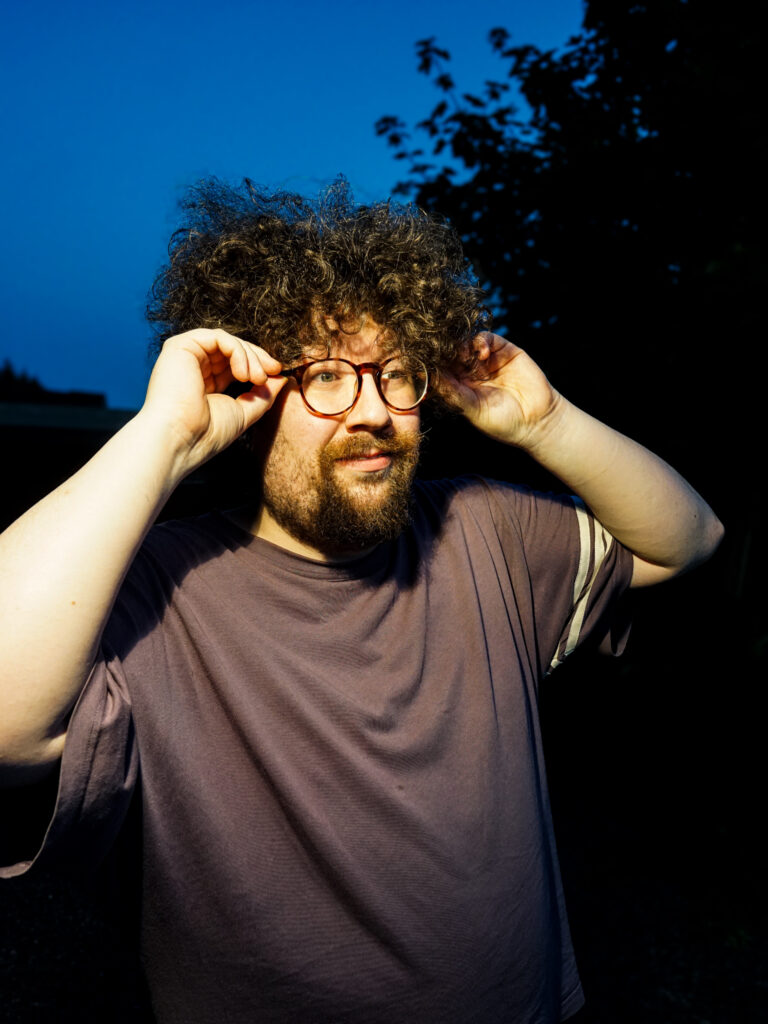
Witte In this interview, Witte explore the emotional depth of “Glas und Steine,” their unique creative space, evolving sound, visual identity, and plans for bringing their music to the live stage. 1. “Glas und Steine” captures the feeling of watching a relationship slowly fall apart while still holding on to hope. What inspired the story behind the song, and what does the title mean to you? In the song, you can hear the last thread that still holds two people together. One side is hoping that time will eventually take care of everything, and then, after a long silence, the other person suddenly gets back in touch. It brings up confusion, disappointment, a small spark of hope, and above all the question: “Why now, and not earlier? Why now, when everything was just about to be dead?” One of the images I had in mind was the first line of the second verse: “105,148,000 seconds is a long time not to get in touch, you know that?” I liked the idea of someone counting every single second so precisely. On the one hand, it shows how much they have been longing for this person. But then that longing turns into something almost accusatory. The counting wasn’t just about hope anymore. It had also become bitterness. I like it when people in songs are portrayed with several different facets. People are rarely just one thing. We can miss someone and be angry at them at the same time. We can still hope for something while already feeling disappointed. To me, that kind of contradiction is what makes a relationship feel real. 2. Witte was founded in your grandfather August Witte’s former electrical store, now the August-Witte-Haus. How does this unique place influence the atmosphere, songwriting and identity of the project? We have several different rooms there, and we have given each of them its own atmosphere. In the studio, we work on some songs directly at the computer, usually under blue light, with everything feeling a little more modern. In the rehearsal room, there are only orange lamps, some of them with old lampshades. That is where we often write songs directly at the piano. And when it is warm enough, we carry everything outside onto the big terrace and play under the stars. We often sit there afterwards and talk about the things that shaped us, especially our families. One of my grandfathers played accordion and harmonica, the other played trombone, and my great-grandfather played as well. Marvin used to be driven to every piano lesson by his grandfather. So when we both had temporarily lost sight of music a few years ago, and then eventually sat there together and founded Witte, it felt like a circle was closing. There was also a sense of responsibility, that somehow we should carry something forward. I hope they are proud of us. We are not international stars, and maybe we never will be. But I hope they are proud that we kept going and never completely gave up on music. For me, that is what this place represents. It is not just where we make music. It reminds us where we come from and why we are still doing this. 3. Your music combines melancholic synth textures, modern electronic production and intimate vocals. How do you, as producer and singer-songwriter, divide your creative roles when building a new song? Marvin plays pretty much anything that has keys. He can spend hours diving into synth libraries and shaping sounds until he finds exactly what he is looking for. He also has an incredible ear. He teaches ear training and, among other things, helps young musicians who are preparing to apply to music colleges. I have a strong feeling for song structures and the little things that make a song special. I tend to trust my instincts, and I often find myself singing one of Marv’s basslines back to him when I hear something in it that I want to develop further. Marv and I understand each other extremely well, and we trust each other. We have one simple rule: if one of us has an idea, we try it. Then we listen to it together and decide what we think. There is no need to defend an idea just because it was yours. If it works, it stays. If it does not, we move on. I have worked with many different musicians over the years, and that is something I really appreciate about working with Marv. There is a lot of trust, very little ego, and a genuine feeling that we are building the songs together. 4. Your debut EP “Ich war nur kurz draußen” explored memory, time and hindsight, while “Vögel” dealt with inner struggle and hope. How do you see “Glas und Steine” fitting into the emotional and artistic evolution of Witte? I think the three releases represent different stages of finding out what Witte actually is. “Ich war nur kurz draußen” was our way of feeling our way into the project. We were experimenting, finding our sound and figuring out which stories and emotions felt right for us to put into music. Looking back, it feels like a first step rather than a fully defined statement. “Vögel” was much more immediate and personal. There was an emotional conflict behind that song that we both needed to get out of our heads and into the world. Making the song was partly a way of dealing with that conflict and letting it go. “Glas und Steine” feels different to me. It probably comes closest to what we imagine Witte becoming in the future. The music, the production, the visual world and the way we tell a story all feel much more connected now. We are becoming more confident in leaving things open and allowing different emotions to exist at the same time. I also think we are becoming less interested in simply telling people what a song is about. We would
Monsieur Herr
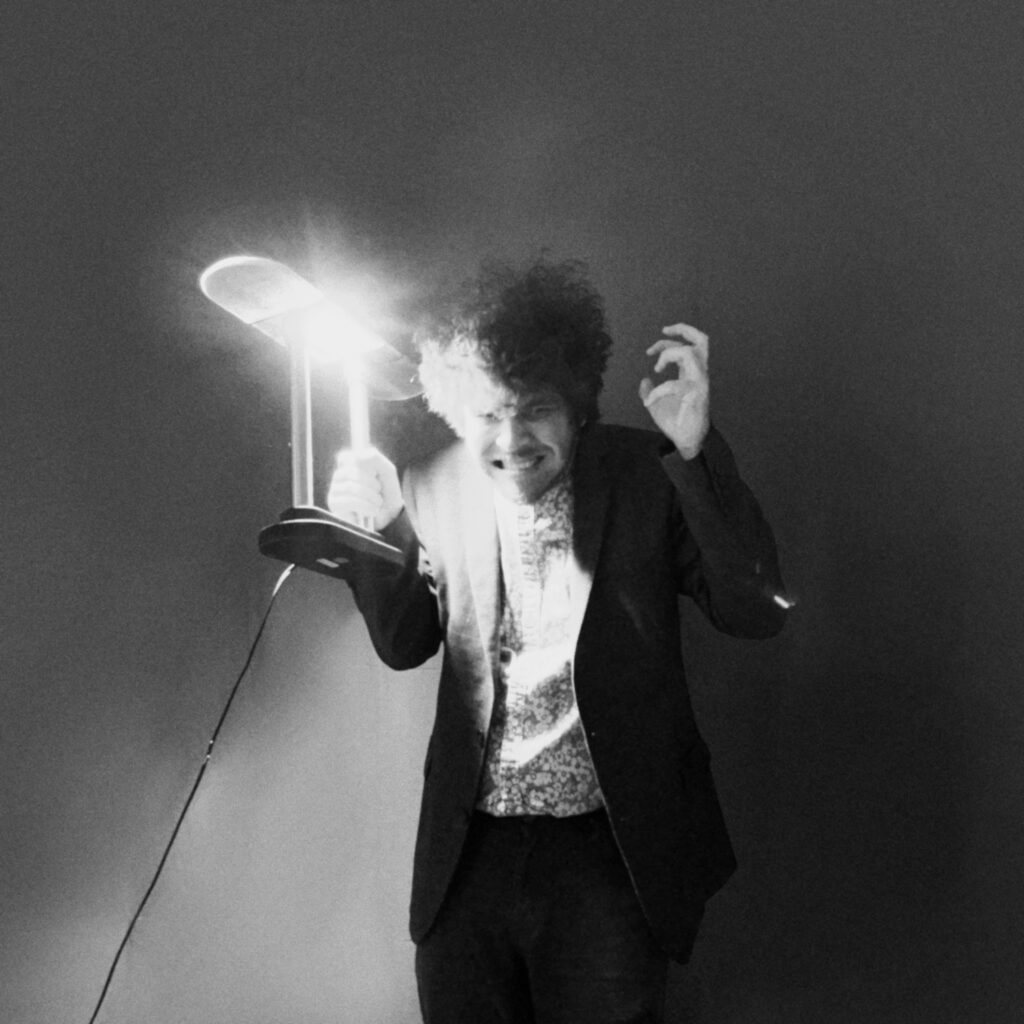
Monsieur Herr Monsieur Herr discusses The Distortion Years, artistic experimentation, irony, self-doubt, and the freedom to create without worrying about originality or convention. 1. The Distortion Years seems to embrace the idea of distortion—not only in sound, but also in structure, convention and even artistic expectations. What did you want to challenge or disrupt with this album? Well, “The Distortion Years” is admittedly a very weighty title. Very grandiose, very pretentious. The Monsieur Herr project on the whole is, really. There are only so many things you can do as one person, and inevitably you develop a lot of identifiable characteristics as a through-line, but ideally I would like to say I’m in the business of wanting to surprise or confound people. It’s all incredibly selfish and indulgent. I have a lot of admiration for people like Sparks and David Bowie, who continuously refresh and redefine themselves, and aren’t beholden to one particular style or point in time. It’s the avoidance of artistic stagnation. Personally, I have an issue where once I’ve been doing something for a while, that’s the perfect time to stop and do something else. I’m also just a chronic overworrier. 2. The album has a deliberately rough and abrasive character, while still allowing room for polish where you feel it belongs. How do you decide which elements of your music should remain raw and which should be refined? The album, more or less, sounds exactly the way I want it to sound. I do very much enjoy polish and more sophisticated-sounding stuff—Steely Dan and Prefab Sprout are some of my favorite bands, for example. But I also just love noise and abrasiveness. I think a lot of records nowadays are just kind of afraid of sounding weird or off-putting. Even “lo-fi” sounds professional. I like to think my strength in this regard is that I’m a really terrible, devil-may-care engineer. That’s not to say I don’t care about the way things sound, or that I don’t want my records to sound as good as they can, because I very certainly do. But these things are all subjective. There will be people who hear this record and not be able to get into it because the artistic choices and the way it’s produced just don’t agree with their own sensibilities. That’s fine. I figure the people who really like it will really, really like it. It doesn’t matter if it’s a single-digit number of people. I’ve gotten this far in and I don’t think I’ve actually answered the question. It just comes down to intuition. 3. Your lyrics move between absurdity, irony, self-consciousness and surprisingly personal reflections. How important is humor and self-deprecation to the way you explore more serious ideas? There’s a part of me that’s allergic to outright soul-bearing. That, and I don’t have any real interest in the sort of confessional, surface-level stuff that seems to be popular among songwriters nowadays. I like distance, I like abstraction, I like obfuscation. Basically, it amounts to the fact that I’m a pathological ironist and a huge coward. I’m also of the opinion that songs and subject matter don’t necessarily have to come from yourself, or from your own personal life. The fun thing about art is that you can just make up whatever you want, and the only boundaries are the arbitrary ones you construct around yourself. Maybe art is ontologically evil, because it’s all about lying. The Distortion Years de Monsieur Herr 4. “Nihilism Blusche” is described as autobiographical, particularly in its exploration of insecurity, cynicism and the thin line between detachment and simply being cruel. How personal was the process of writing that song? It’s more so drawing from personal experience as a baseline. A lot of the other lyrics in the song were intended to sort of undermine my own perspective a little, in a, “Oh, this guy thinks he’s so smart and has it all figured out, and he thinks he’s in a position to condescend?” sort of way. So I’m playing that aspect of it up a bit by calling myself “the CEO of This Sort of Thing, LLC.” and things like that, since I’m not so sure a lot of people who are teenagers want to be talked down to by schmucks in their 20s. At the same time, it is true that the teenage years are a very transitory period in a lot of people’s lives, and when you do get older, a lot of people ARE going to realize, you know, “Oh, okay. I could be kind of dumb when I was a teenager, and it sort of WAS because I was a teenager.” Nobody wants to be told that at the time, though. But the rest of the lyrics are pretty free-associative, for the most part. 5. The Distortion Years was recorded primarily between February and June 2026, with the title track originating from earlier sessions. How did the album evolve during that period, and did the final version become something different from what you initially imagined? There’s a world in which the title track of this album ended up on my last one, “Everything’s Great.” That album might be even more out-there than this one. I just didn’t have any good lyrics for it, and I thought, “Well, okay, I’ll just finish it later and put it on the next one.” Lo and behold. There was a point in time, very early on, where I wasn’t sure—well, I was sure I wanted to continue in the sonic vein of “Everything’s Great,” to make a more concise statement in that mode, but I didn’t know the specifics. There were some things I had written and ultimately scrapped that was more in line with the power pop-type stuff I’m sort of predisposed to tossing off, but it wasn’t doing it for me. I’ve made more than enough dodgy power pop. The stuff that replaced it, the more YMO-ish stuff like “Boogie Wonderland” and “My Halcyon Days”—that all
Ghost of Panama
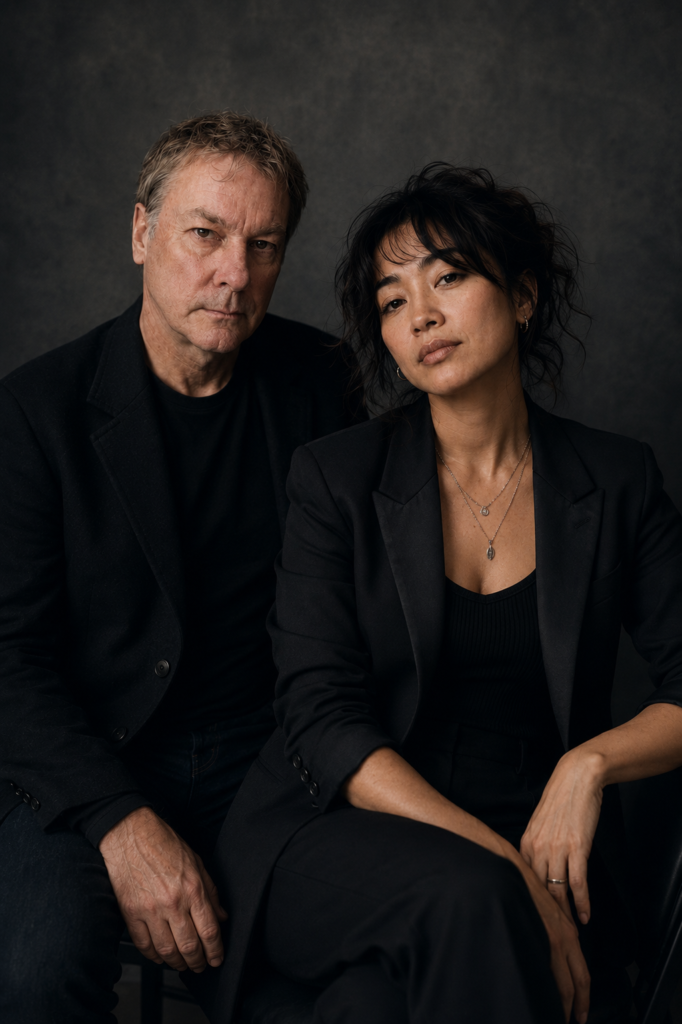
Ghost of Panama Ghost of Panama discuss reinventing Bob Dylan’s “Subterranean Homesick Blues,” creative independence, experimentation, and their plans for what comes next. 1. “Subterranean Homesick Blues” is a bold reimagining of one of Bob Dylan’s most iconic songs. What first attracted you to this particular track, and what did you want to bring to it that was uniquely Ghost of Panama? The interesting thing about “Subterranean Homesick Blues from a Bob Dylan perspective was that was from the time when he started to go electric. Cue shouts of “Judas” etc. It’s a sort of turning point. It was also for us. Previously, we’d only done cover versions as encores when we played live and we had one major criterion for a song to be good for us – essentially that people wouldn’t see it coming. When we decided to actually release some non-original songs post-“Last Food on Earth” we made a deal with ourselves – we’d stick with the “keep it unexpected” approach and also release a cover if, and only if, we could own it. We want people to think of anything we do as a Ghost of Panama song and should people then discover the original and like it (or even prefer it to our version) then that’s great and everyone’s happy. For example, and it’s very relevant today, we would never cover “Jolene” as it’s so iconic and it’s not clear what new we’d bring to it. We’re into experimentation and discovery not tributes. So, we decided that, while didn’t want to put anything original out over the summer, we’d try and get our heads around covers and licensing and all that stuff without prejudicing any of our original material. So, why “Subterranean Homesick Blues”? I think it’s a bridge for us. It’s a sort of early rap song. We tried to do something similar with a couple of songs on the “Before Records Began” EP. We tried to push what we could do with rap in a different context. In retrospect, it’s not clear that it really worked as well as we would have liked. In this way, we go back to the roots and try and start with a clean slate. 2. The original carries a strong counter-culture and anti-establishment spirit. How did you approach preserving that rebellious energy while completely transforming the musical identity of the song? That was easy. We rather consider ourselves as outsiders. We don’t want to play the music industry game. We’ve really just taken a position where we’ll just do what we want, do what is creative, do what is interesting and say what needs saying. This fits well with the original which is essentially saying “just listen to yourself and don’t buy into stuff from elsewhere”. It’s quite a powerful message which I think we were able to deliver in a really modern way without sacrificing any of Dylan’s attitude. 3. Your version sounds remarkably different from Dylan’s original. What were some of the key creative decisions you made in terms of arrangement, instrumentation, vocals, and overall atmosphere? That was easy. We just threw almost everything out except the bass line which we kept quite close to the original. We certainly didn’t want to do some sort of chugging blues song although we kept a small amount of harmonica. Then we homed in on the messages of not following leaders and disappointment in life’s outcomes which these days is leading to nasty populism in many parts of the world. Dylan’s original message remains very relevant today. We’ve always used a lot of voice samples. We found one from the BBC which is quite famous with a BBC weatherman dismissing the prospect of an impending hurricane. It fitted so well with Dylan’s original lyric. 4. You recorded the track in your home studio in West London. How did working in such an intimate and independent environment influence the recording process and the final sound? It’s sort of our safe space. I think that sense of safety allows us to experiment and take chances. If we were in a commercial studio with the clock running and some engineer sniggering at all our mistakes then we’d feel more inhibited. The environment is not necessarily ideal. It’s an odd-shaped room at the top of Keith’s house and the acoustics are not all they could be. However, we’ve learned to work around it these days. 5. After the critically acclaimed debut album The Last Food on Earth, you found yourselves deciding between taking a break and continuing your creative momentum. How did the idea of releasing a series of cover versions come about, and what does this project allow you to explore creatively? After “The Last Food on Earth”, it was clear that Keith was pretty well burned out at the time. The whole album was exhausting for both of us but he was carrying it in his head 24/7 and digging back into a lot of his experiences to write the material. However, we really wanted to keep things moving. We didn’t want to just say “here’s the album, thanks very much, see you next year”. We really want to be able to show a body of work, to show how good we are and to let people make their own decisions. We can point now to three EPs, one album and a bunch of singles so we’ve been around a bit. There is, though, so much more that we want to do and this was a way of opening up another front. 6. Ghost of Panama have shown a willingness to reinterpret established material in unexpected ways. Looking beyond “Subterranean Homesick Blues,” how important is experimentation and reinvention to the band’s artistic identity, and what can listeners expect from you next? Well. There’s a whole heap of stuff. Yes, we certainly love to experiment and push boundaries but we also love a good tune and a good time. I think we’ve used this summer period well to refine our
E J Ouellette
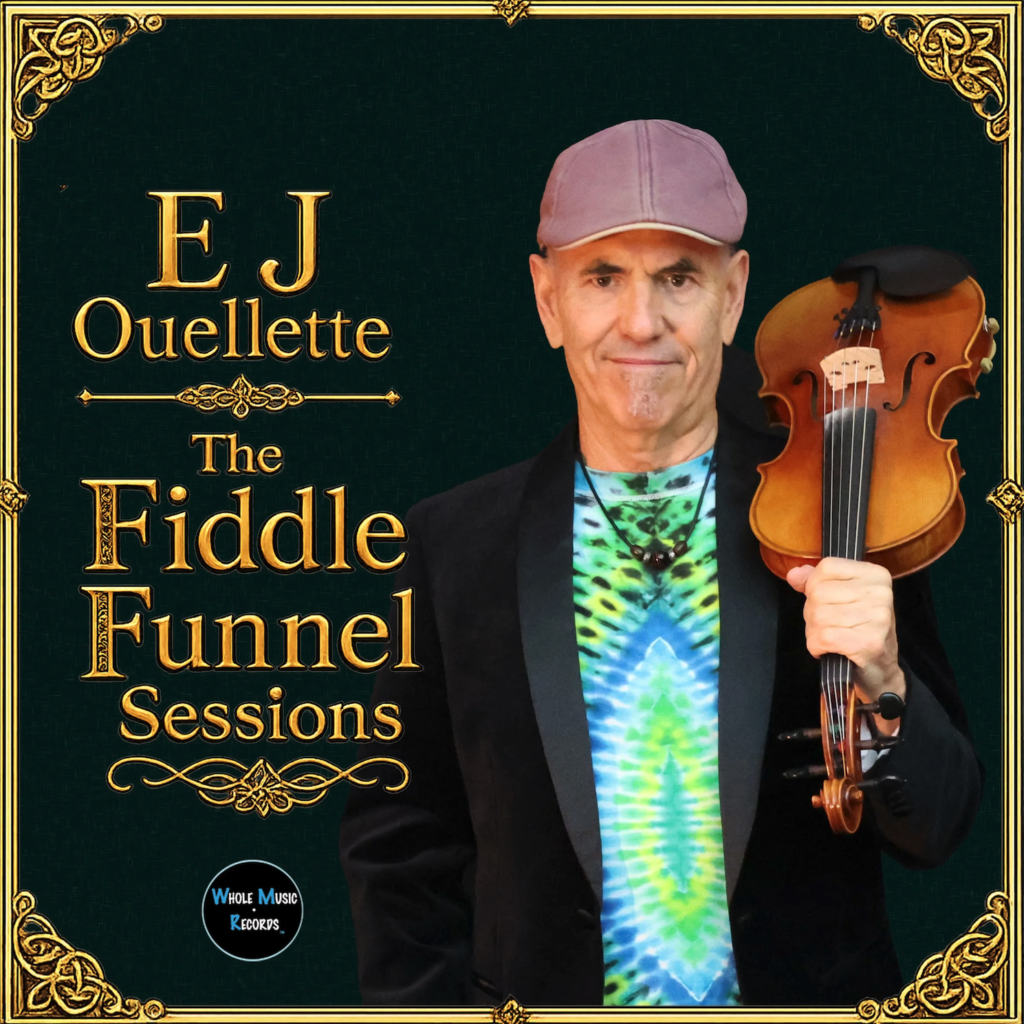
E J Ouellette In this interview, E J Ouellette discusses The Fiddle Funnel Sessions, his deep traditional roots, global musical journeys, creative collaborations, and the evolving voice of his fiddle. 1. The Fiddle Funnel Sessions brings together New England, Celtic, Acadian, Scottish, Irish, and French-Canadian influences while also introducing original compositions. How did you approach balancing these traditions with your own contemporary musical voice? Good question! I’m well versed in many styles of music. I have been an educator/producer for more than 4 decades. I love Trad Music most of all. It’s in my family tradition. I have a band, E J Ouellette & Crazy Maggy that I formed on return from West Africa is 2001. I toured with Malouma in the summer of 2001. I played AfroCelt music with 8 Pular drummers & artists throughout Mauritania. On my return I had a new plan. No boundaries! Being a multi- instrumentalist with a wide musical vision as a producer it comes natural to me. Have fiddle will travel. 2. The fiddle is at the heart of this project, but the album also features guitars, mandolin, banjo, organ, bass, piano, drums, saxophone, flutes, whistles, and percussion. How did you shape the arrangements to allow such a diverse group of instruments and musicians to work together organically? The instruments you mentioned above have always been apart of New England dance hall music. Being a resident of the north shore Massachusetts with a half hour drive to Boston not only did I play Irish music in the pubs, music halls and folk festivals I also performed in the rock & blues clubs, country bars and country dance halls, jazz venues & concert halls. I toured consistently north through New England into Canada. All the while being a CEO &studio musician, educator running my Music Company/Music Academy Whole Music Studios/Records™ www.wholemusic.com. Arranging music comes natural to me through my professional experience being a mult Instrumentalist among other things and I am surrounded by incredible collaborators. Every time I perform and record with a different instrument I become a different artist. I am always arranging music. The artists that join me are just as creative. Trad music speaks to me. I treat a trad fiddle tune like a concerto and sometimes a jam piece. Having Maestro Drummer Dave Mattacks as a friend and collaborator really adds to the mixed. https://en.wikipedia.org/wiki/Dave_Mattacks 3. You describe the album as an attempt to create “fiddle joy,” while emphasizing natural performances and musical communication rather than perfection. What did you want to capture emotionally and sonically during these recording sessions? Fiddle music is primarily dance music. It’s meant to levitate the spirit. Throughout the last 150 years here in New England there were dance halls everywhere in the Nor’east. I grew up around them and played Franco American & Irish dance halls. That’s what a fiddler does…lifts the spirit high with joy, dance and camaraderie. It also relieved those hardworking jobs in the factory mills and farms. 4. “Maggy in Majorca” reflects your musical journeys across Ireland, Scotland, Canada, West Africa, and America. How have these experiences and collaborations influenced the way you play, compose, and understand the fiddle as a musical instrument? “Maggy in Majorca” really reflects how I’ve come to understand the fiddle after a lifetime of traveling, performing, recording and collaborating with musicians from very different cultures. My foundation is in the fiddle traditions that came through Ireland, Scotland, Cape Breton, Quebec and New England, and you can hear that in my bowing, ornamentation and phrasing. But I’ve never believed the fiddle has to stay inside one musical box. Travel reinforced that for me. Whether I was playing traditional music in Ireland and Scotland, absorbing the Cape Breton and Acadian connections in Canada, or bringing my fiddle into completely different musical environments in West Africa, I learned that rhythm and melody can create a common language very quickly. One of the most profound examples was performing with Baaba Maal and playing my Celt-Acadian fiddle alongside African musicians. In Mauritania, I found myself playing with a group of Pulaar drummers—my Celtic fiddle language meeting West African rhythm in real time. Years later, I brought that same fiddle with me to perform with Baaba at the Zénith in Paris. Experiences like those changed the way I listen. They taught me not to abandon my musical identity when I enter another tradition, but to listen carefully and find where the traditions can meet. That philosophy is all through “Maggy in Majorca.” There are Celtic ornaments and fiddle language at its core, but there are also elements of improvisation, Mediterranean and flamenco colors, jazz sensibilities and the rhythmic freedom I’ve picked up through decades of collaboration. And Maggy is actually my fiddle—named after my band, Crazy Maggy. She has traveled with me, and I like to say that Maggy will go anywhere. That may be the biggest influence all these journeys have had on me as a composer and fiddler: I no longer think of the fiddle simply as an instrument belonging to one tradition. I think of it as a traveling voice. I can carry my New England, Celtic, Acadian and American musical roots with me, walk into another musical culture, listen, communicate, improvise—and hopefully find some common ground.GO Reviews 082526 “Maggy in Majorca” is a musical snapshot of that journey. 5. You personally composed, arranged, produced, engineered, mixed, and performed on much of the album. How did wearing so many different hats affect your creative decisions, and was it challenging to step back and listen to the project objectively? I’m getting more in depth here: Yes, I wore a lot of hats on this album— composer, arranger, producer, engineer, mixer and multi-instrumentalist—but that process is actually very natural for me. I’ve spent decades doing the same thing for other artists, helping take a piece of music from the initial idea through arranging, performance, recording and ultimately the finished master. So when I’m working on my own music, all
Arctic Wave
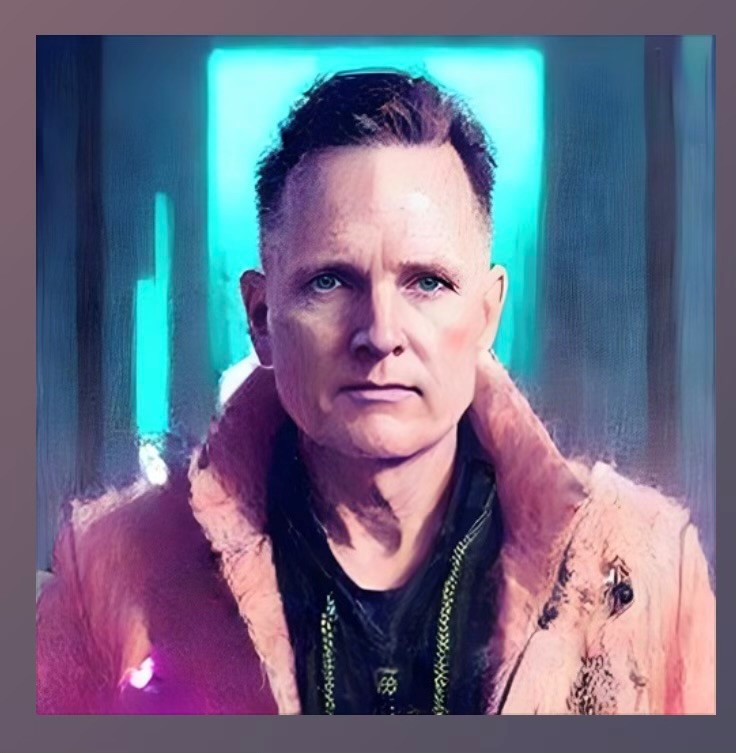
Arctic Wave Arctic Wave discusses the inspiration behind “Be Like That,” its message of individuality, musical influences, creative journey, and the genre-defying releases still to come. 1. “Be Like That” is filled with references to Post Malone’s music, yet it also carries a strong message about embracing individuality. How did you strike the balance between paying tribute to one of your biggest influences and creating something that feels uniquely Arctic Wave? I’m most impressed with Post’s versatility – and I wrote “Be Like That” before his country pivot. Since Post embodies individuality, the salute to Post and the individuality mantra are related, as Post is a musical pioneer with respect to his “all genres” approach. “You do you” is the theme, captured by Post’s genres, and, hopefully, “Be Like That,” also, in terms of lyrics and somewhat unconventional musicality. Sidebar, it doesn’t hurt that Post is a fellow Dallasite. 2. The chorus, “Everybody frontin’, but I just like where I’m at,” is a powerful statement about self-acceptance. Was there a particular moment in your life that inspired this message, and what do you hope listeners take away from it? In business and music, I’ve known people with unimaginable successes – people with lots of commas and lots of attention. Almost all exhibit unquenchable spirits, huge work ethics and groundedness, even humility. Yet the highest decibel levels usually emanate from those who are less accomplished and self-assured. I’ve had a fair share of crazy victories and crushing defeats and have learned to accept both – treating the former with humility and the latter as learning experiences. 3. Your personal journey—from overcoming significant life challenges to building successful businesses and supporting charitable causes—has clearly shaped your perspective. How have those experiences influenced your songwriting and the emotional honesty behind “Be Like That”? I’ve always played the keys but had never written a song until my 4-year-old daughter drew a very poignant picture after her mother and I divorced. Within a few months, I also experienced job loss, family/friends’ deaths, and a move. I became a songwriter because the first few “wrote themselves.” Surprisingly, when my life stabilized, the songwriting font didn’t stall. Originally, I thought my age might be detrimental but now appreciate that life’s lessons unfold over time and while “cold beer and hot sun and lots of girls” can work well as song subjects, life’s more complex topics – love, sobriety, society, mortality, etc. – are more easily addressed by someone with lived experience and longitudinal perspective – and I have plenty. 4. Musically, the single blends pop, rock, and melodic hip-hop into an uplifting anthem. What was the creative process like in the studio, and were there any unexpected ideas that helped define the song’s final sound? I remember this recording well, especially the distorted guitars and the responsive counter melodies. The pop/rock/hip-hop combo isn’t unusual for Arctic Wave as song types (plus funk and even gospel), but it was unusual to include them in the same song. This “blend” was the song’s central point – you can do anything. Post is probably the only person on the planet who could get Travis (another Texan) and Ozzy on the same tune. 5. Fans of Post Malone will enjoy discovering the many lyrical Easter eggs hidden throughout the track. Which references were your favorites to include, and did you intentionally leave a few subtle ones for listeners to uncover over time? I’ll mention one and leave one for the listener. Post is from Dallas … and lives some in Salt Lake … the line, “’Goodbyes’ is so great, Dallas or Salt Lake, “Saint-Tropez.” The “Dallas” shoutout references our shared hometown, and nods to “Texas Tea,” an underrated Post tune, IMO. 6. “Be Like That” is a celebration of authenticity, resilience, and finding confidence in your own path. As Arctic Wave continues to grow, what can fans expect from your future releases, and how do you hope your music continues to inspire people to embrace who they truly are? Living the theme, Arctic Wave will have more pop/rock/funk releases, along with a few quasi-country tunes, reggae and one gospel. We have ~20 unreleased songs. Expect some collabs that include a lauded horns player who led Prince’s section, an upcoming Jamaican rapper, and a vocal appearance by Bob Marley’s grandchild. As for inspiration, if the messages resonate and music hit home, we’ve succeeded. I’ve never been much for labels and pigeonholes. Daryl Hall and Michael MacDonald are among the 10 great soul singers, Eminem is one of the top 5 rappers, Jimi is still regarded as the greatest guitar hero and Beyonce’s “Cowboy Carter” won a Grammy for album of the year. As in life, business and sports, in music, the only relevant question is whether the music is good. The rest is irrelevant – race, gender, age, etc. Arctic Wave
Trude and Soldiers
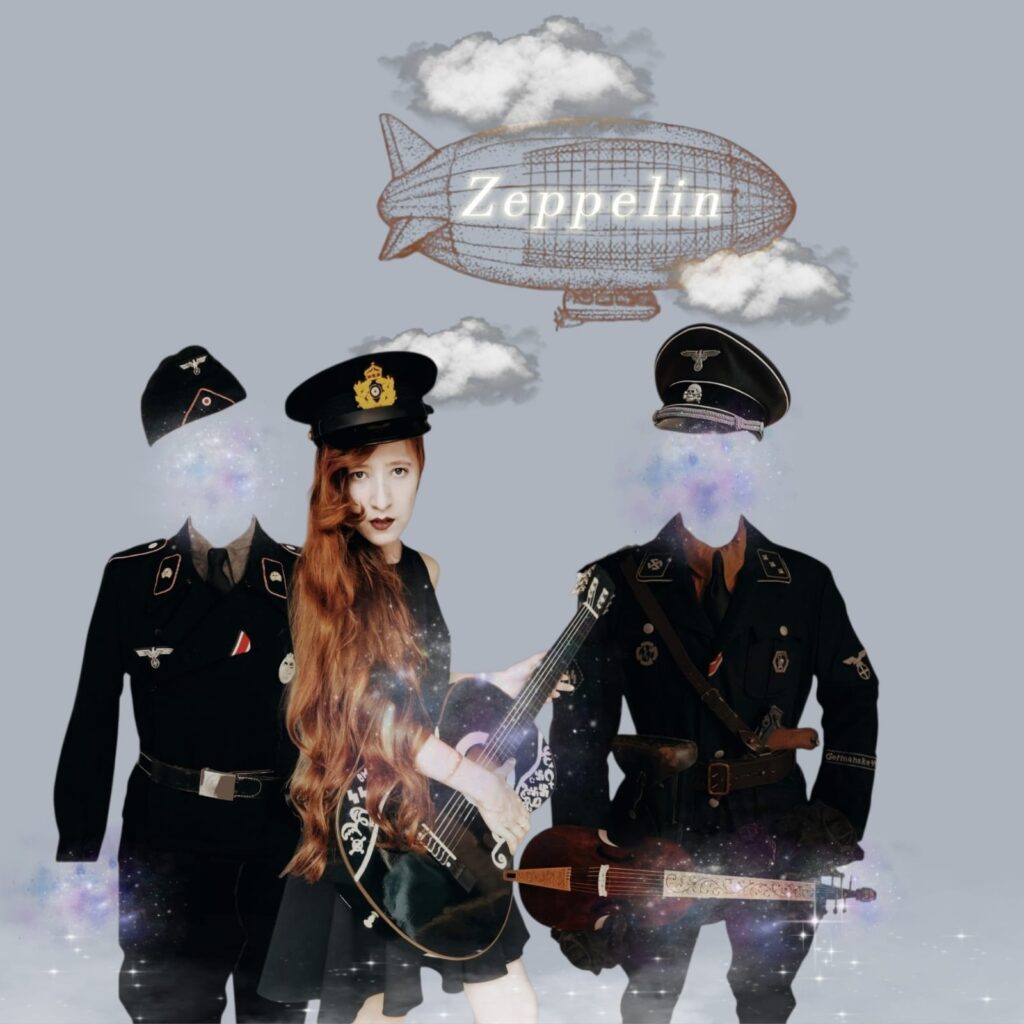
Trude and Soldiers Trude and Soldiers explore history, imagination, and theatrical storytelling in this fascinating interview, discussing “Zeppelin,” their circus roots, and their distinctive musical universe. 1. “Zeppelin” takes inspiration from Ferdinand von Zeppelin and the pioneering spirit of early aviation. What drew you to his story, and what does his dream represent within the world of Trude and Soldiers? First of all, I want to thank you for this interview. As for us—Zeppelin—we are drawn to that positive, innovative vibe of the past; it symbolizes the dreamer who brings an “impossible” idea to life through a tangible machine. Ferdinand von Zeppelin had to overcome economic, technical, and social hurdles to develop his airships; his early prototypes failed before the Zeppelin project achieved global recognition. This shows us that a massive, renowned project was once small and obscure—nothing more than a dream. A dreamer’s greatest ambition is to execute their ideas in a way that keeps their legacy alive for future generations. That is, without a doubt, what this song represents within the universe of Trude and Soldiers. 2. The song contrasts the creativity and ambition of the Zeppelin era with today’s technology-driven society. Why do you feel modernity can sometimes discourage originality and imagination? The modernity we experience today was achieved, in part, through the labour and perseverance of past generations who contributed to the future; a process unfolded to allow us to enjoy the present state of affairs. People continue to innovate and make history, aided by the technology at our disposal—following a logical evolutionary path combined with modern creative tools. However, we also believe that modernity can undermine the arduous creative process of many individuals; they may abandon their work after being wrongly persuaded that ease, speed, and sheer volume are superior to an artistic process rooted in time-consuming, rigorous, and technical production methods. This fosters the illusion of a “liquid,” unstable society where, if the technology and creative tools were removed, these individuals would be unable to create even the basics—simply because they bypassed the process of personal artistic evolution. 3. Your music combines historical, political, and military themes with poetic and psychological storytelling. How do you approach transforming difficult subjects such as war and Nazi-era history into music without losing their emotional and human complexity? Well, that is something we really enjoy doing naturally, but we believe that certain techniques—combined with a passion for history—lead us to musical territory. We have generally relied on philosophical verisimilitude to tell stories without losing that humanistic quality; I also think circus arts have taught us a great deal about this kind of immersion. 4. The lyrics move between English and German and introduce poetic figures such as Helio and his brother. Can you explain the symbolism behind these characters and how they contribute to the song’s surreal atmosphere? Helio’s brother was a pivotal figure in making it possible for the Zeppelins to fly and the magic to unfold; however, Helio stole the spotlight—as the U.S. favored him over his brother for reasons of strategic convenience against the Third Reich—yet both played noble roles in the musical poetry of the Zeppelin. The German word *Freund* can mean “friend” or “boyfriend” depending on the linguistic context, but here, the term gains resonance through the historical duality of two brothers vying for Trude’s affections using the charms of the periodic table. 5. Trude and Soldiers began performing in circus shows in Frankfurt in 2012 before expanding into the digital world in 2025. How did those circus beginnings shape the band’s theatrical identity and storytelling style? We believe that identity responds to the musical narrative in an active, intellectual, and cohesive manner. We also wish to thank the circus for the invaluable lessons of 2012; it was—and remains—a surreal experience. Circus arts provide a foundation that any artist should explore and immerse themselves in if they wish to shun amateurism. 6. With harmonica, flute, organ, synthesizers, guitar, clavichord, and extreme contrasts in the vocal delivery, “Zeppelin” has a very distinctive sonic world. How did you develop the musical atmosphere that makes the listener feel transported back to another era? We believe that all the producers—whom we call “soldiers”—working with us are responsible for creating that unique, period-evoking musical atmosphere. As for “Geist von Hans,” the producer behind this track, together with Gertrude, creates a dreamlike, timeless synesthesia for each sonic chapter of our group. Trude and Soldiers
OpCritical

OpCritical OpCritical discusses the inspiration behind “Parachute,” their activist approach to music, ambitious release plans, and their vision of creating fearless songs that inspire hope, freedom, justice, and change. 1. “Parachute” uses a powerful metaphor of survival and hope to represent freedom, justice, and happiness. What inspired this concept, and why did you feel it was the right message to share at this moment? One of OpCritical’s members is a parachutist, so he understood the concept of how a parachute can save someone when everything seems to be lost. We decided to put this into a song by combining the three universal needs, freedom, happiness, and justice. In today’s political environment, people no longer feel safe and secure, so we want this to be an anthem that can rally people to reclaim their human rights. 2. Your music openly addresses political and social issues, something many artists avoid. What motivated OpCritical to make activism and social awareness the foundation of the band’s identity? As Paul McCartney once said, “Do we really need another silly love song?” In the 60’s, music changed the world for the better. So we are trying to tap into people’s need to relate to music and lyrics that speak to them emotionally. 3. The music video tells a dramatic story where those driven by malice ultimately face the consequences of their own actions. What message did you hope viewers would take away from that visual narrative? We are big believers in karma–you reap what you sow. So our amazing film director came up with the idea that no matter how evil a plot is, there is always hope. 4. You have mentioned that “Parachute” speaks not only to individuals but also to entire societies facing oppression. How do you balance creating songs with universal meaning while reflecting real-world struggles without losing their emotional impact? We try to do both with each song. Make sure that the individual can feel it and its meaning, and see how it relates to countries and the world as a whole. 5. Releasing seven singles and videos in your first year is an incredibly ambitious pace. How has this rapid creative output shaped the band’s evolution, and what challenges have come with maintaining both quality and urgency? Yes, and we are just getting started. The thing slowing down releases is the videos because they take time to do right. We usually record the songs in a few takes, do some overdubs, and send them for mixing and mastering, which can be done in a week or so. But the videos take more time. We are on course to release 12 songs with vids this year, and want to double that next year. 6. OpCritical was formed in response to what you describe as the dangers facing today’s world, with plans to continue releasing music until those dangers are gone. Looking ahead, what do you hope your growing audience will remember most about the band’s mission and legacy? Well, we are already getting pressure to perform live, which we don’t want to do because then the music will become about us. But songs like Parachute are tailor-made for stadiums, so we may bite the bullet and go live at some point, especially if we get the right offer. But right now, we are happy in the studio. We want to be remembered for being fearless and making a difference. OpCritical We RockThe World – Opcritical Music
Syna Awel
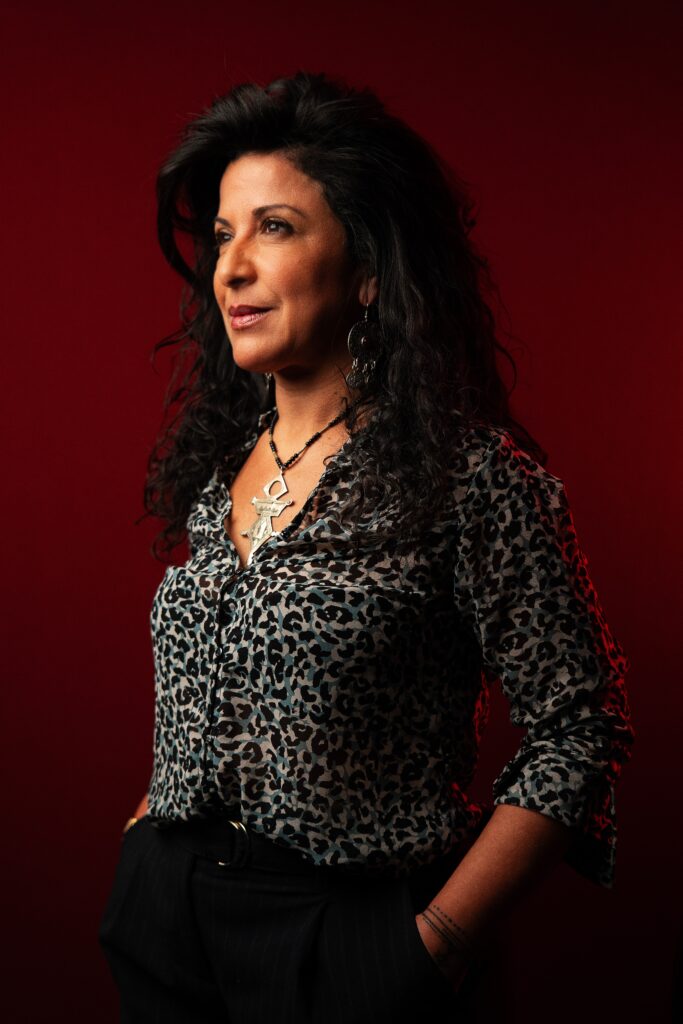
Syna Awel Syna Awel explores Amazigh heritage, identity, memory, and cultural transmission through an intimate acoustic session, blending ancestral traditions with contemporary music and a powerful message of connection. 1. Your new Live Acoustic Session brings together Amazigh culture, oral tradition, and contemporary world music. What inspired you to create this intimate performance, and what did you hope to communicate through it? It was my son Darys, a young filmmaker and musician, who suggested filming one of my acoustic lives. He was convinced that streaming audiences would love to discover the atmosphere of a concert from the inside. He especially loves the alternation between the moments when I speak between songs and the moments when I invite the audience to take part. For me, that intimate atmosphere brings me back to the summer nights in my father’s village, in Kabylie, when I was a child: the women would would open up to one another, tell stories, sing together, dance. Those memories marked me from early childhood, and through this live session, I feel like I’m carrying the torch forward. The acoustic format puts the story and the voice back at the center, stripped of any artifice, like a return to the very essence of Amazigh oral transmission: just a voice, an instrument, a shared story. What I wanted most of all was to share Amazigh culture through the lens of my Franco-Amazigh dual identity. My culture of origin, still far too little known, champions living together, freedom, knowledge, and rootedness as a source of strength. I also think of all the children of immigration like me, who carry a dual culture far from their origins. Our parents often preferred to anchor us in the host country, sometimes at the cost of the language, so we could better adapt to the codes of French society. For me, it had the opposite effect: for a long time I felt caught in between, a stranger to France as much as to the Kabyle people. It was only by placing both cultures on equal footing that I was finally able to root myself solidly, building bridges, and carrying the fight against racism and for women’s causes without ever being confrontational, and therefore more effective. I remain convinced that art is the best vehicle for spreading ideas of sharing and peace. 2. The session features songs such as “Isem-is Amazigh,” “Arioul,” and “Yemma Gouraya,” which are deeply connected to Amazigh heritage and memory. What do these songs personally represent to you? “Isem-is Amazigh,” I wrote to bring back to mind the values of the Amazigh people: freedom, knowledge, sharing, respect for our ancestors and their struggle. It’s their fight that allows us today to be free to become who we want to be. I also speak to the benefits of knowing one’s history in order to better find one’s place on one’s own life path. That’s what I call rootedness. “Arioul” tells the story of the donkey, an animal that’s everywhere in Kabyle society and has always had a place in my family home. Every summer I couldn’t wait to see it again. Among Kabyles, the donkey embodies courage, quiet labor, and resilience in the face of the harsh conditions of mountain life. In the West, by contrast, it symbolizes docility and ignorance, and sometimes, paradoxically, a form of spiritual wisdom. That gap made me want to point out how far our Western societies have drifted from that wisdom: without realizing it, we often behave like donkeys ourselves, following paths imposed on us (succeeding in school, for instance, even when we dream of a manual trade, getting married, having children, earning a lot of money, buying a house, having a dog, when what we might actually want is to travel and live without material abundance or belongings) and carrying burdens that aren’t our own. That conditioning pulls us away from who we truly are, from our deepest desires, from our own fulfillment. Yet we only have one life to learn who we are and move toward what makes us happy. And the verdict is there: unhappy people are more docile, more likely to follow negative leaders, fascists, all the way to war. This is, in fact, a form of political engagement all my own, in my own way because i despise politics as it’s practiced in our world today: a single law meant to apply to millions of people, never taking into account each person’s own subjectivity. “Yemma Gouraya,” finally, is a tribute to the beautiful values of Amazigh culture. In France, you often hear the exact opposite said about North Africans. In Kabylia, I saw the complete reverse, and this site captured it precisely: no one feared anyone else, there was no notion of “the stranger,” only sharing, spirituality, and nature (monkeys are everywhere there, and the site, at 670 meters of altitude, offers a sweeping, unobstructed view opening onto the Mediterranean and the wider world). It’s also a stronghold built over the tomb of a female saint, patron of the city : a small touch of feminism, tucked in there too. Each of these songs carries a different part of that family and collective memory, where the figures of my mother, my grandmother, and my ancestors matter deeply, especially that particular place held by women in Amazigh culture: the one who passes things on, and who, through that act of transmission, becomes rooted and strong herself, keeping our culture alive. 3. Compared with the studio versions, the acoustic arrangements leave much more space for your voice, silence, and improvisation. How did this stripped-back approach change the way you experienced and performed these songs? Silence isn’t emptiness. It’s a space to breathe that draws the audience closer to the intimacy of the live moment. In the acoustic version, every imperfection, every hesitation becomes audible and true. The voice has nothing left to hide behind, on the contrary, it’s carried by the sounds around it: the wind, the interactions of each person in the
Neil C. Young Trio
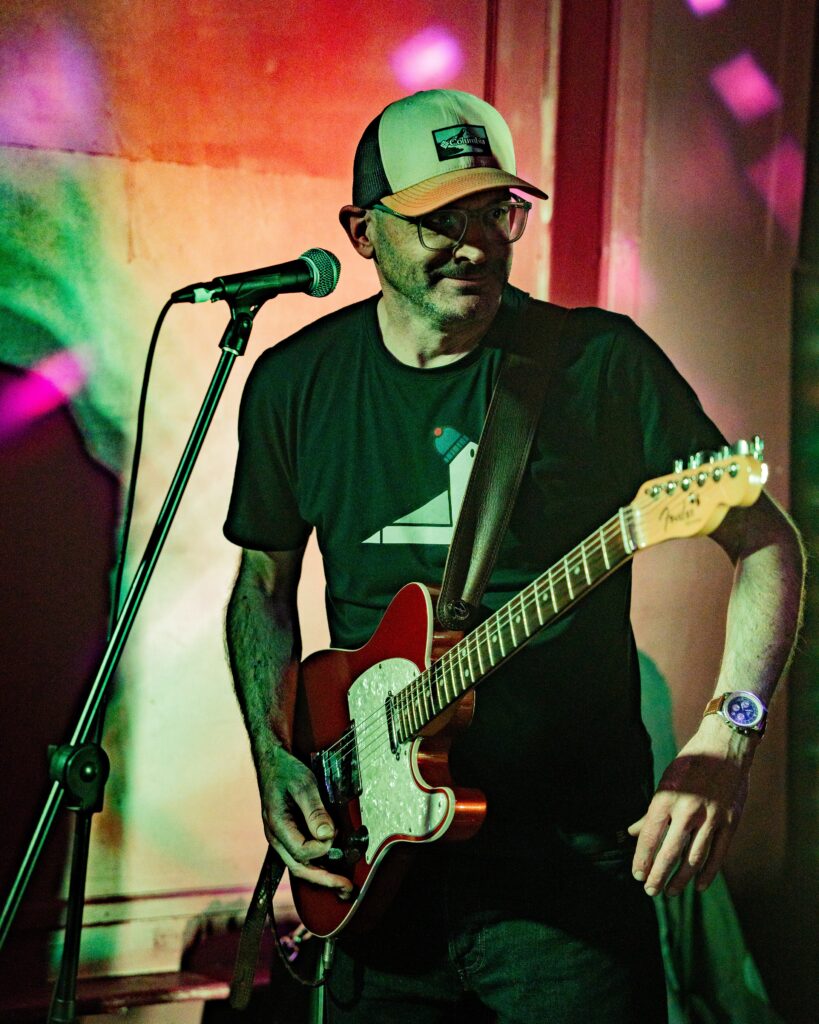
Neil C. Young Trio Neil C. Young Trio return with ReWorks Vol.3, transforming familiar songs through jazz fusion, post-rock, experimentation, and an ever-evolving approach to sound and arrangement. 1. ReWorks Vol.3 continues your long-running reimagining project, despite being the fourth instalment chronologically. What inspired you to keep developing this series, and how has the concept evolved from the earlier volumes? It was always going to be an ongoing project as there’s always a song that crops up that for some reason resonates with me to do something with. It was decided that this 3rd EP would be the final one of a collection of 3 through a conversation with Rob Marshall who did the artwork and came up with an idea of making the artwork reflect a collection which would also show where the trio are musically by the 3rd EP. This 3rd EP is a reflection of the live versions, long form and with the use of FX pedals to expand the trio’s sound and introducing a post-rock element to the already existing jazz-fusion set up. 2. The EP transforms songs by Action Bronson, Elvis Costello, and Madonna into heavy Jazz Fusion and Post-Rock pieces. What attracts you to taking such different source materials and completely dismantling their original structures? I think it’s a reflection of my musical upbringing and enjoying a wide musical landscape and then my enjoyment of composition and particularly arranging of material. Also, it ties in with my learning and playing jazz through the jazz standard repertoire, taking an existing song and then improvising with it, so I guess this project brings all the elements of my formative musical learnings together. On a more specific level, with some tracks it is about the challenge whereas some it’s more immediate. Crazy For You was purely as I heard the track again after many years and it was immediately a thought of ‘we’re doing this!’ It is similar to the Action Bronson track; it is such a cool track with that cool riff that runs along throughout that was calling out to me. The Elvis Costello song was the different one, I’ve known it only as a classic jazz ballad but this was a challenge to find a way in but there was and it has worked out, I believe anyways! 3. Your guitar approach combines bass, chords, and melody while working closely with doubled bass lines. How did you develop this unconventional instrumental architecture, and what does it allow the trio to achieve that a more traditional setup might not? It was developed through an earlier spell, pre-trio, where I was playing in a sax and guitar jazz duo and then as a solo guitarist at functions, where I was aiming to keep the 3 elements on the go in some form – the bass line, chords and then the melody over the top in its written form and then improvising with them. It was then through Covid and a solo guitar project called ‘Cactus Sessions’ that was (or is) for YouTube that that approach started to become something I thought that could be taken into the trio, and work on having a chunkier collective sound through doubled bass lines. It enables us to have a clarity to our sound and also to focus in on the unique melodic nature of the track being worked on which then creates a further uniqueness to that particular track, as well as holding us truer to the original melodic lines, it also enables us broaden the collective expressive potential through texture and form rather than than the more traditional harmonic and rhythmic elements. 4. Tracks like “Baby Blue,” “Almost Blue,” and “Crazy For You” each take a very different emotional direction. How did you decide what elements of the original songs to preserve and which ones to transform? The one consistent across all the ReWorks tracks is that the melodic element is to maintain the integrity of the melodic elements which then the other elements are worked from and are where the most transformative effects take place. Sometimes there’ll be a hook in the background somewhere that’ll catch the ear, which is the case with the Madonna track where the bass/guitar riff is a backing vocal part on the fade out at the end. The Action Bronson track is an example of a part or section that I want to use more than it was in its original form (the final brass section) which then has its own new twists and turns applied to create a larger outro. Then there is the new part creation from the harmonic elements as with Almost Blue, trying to imply the original harmony but through a single line or riff. I guess the overarching ethos is about maintaining the original lyrical message but placing or crafting it into or around new contexts. Each of the ReWorks tracks across the previous releases has the same approach but as each track is unique then the ReWorked elements are then uniquely transformed. 5. Your use of wet and dry signal paths, heavy effects, freeze techniques, and organ/synth emulation creates a particularly dense yet spacious sound. How important is technology and experimentation with equipment to the trio’s creative process? The creative process always starts with the musical elements rather than the technological or the pedal work that we use, they are added to expand away from the musical start point. If the musical structures are in place then the pedal choices and uses of them become easier to know when or what to apply to enhance the fundamental structures and overall experience. The introduction and use of tech/FX pedals wasn’t a planned decision, it has come about over time due to hearing something in the arrangement that then asked questions about is that possible and how? Which has then led to the introduction and expansion of both guitar and bass pedal boards, we were a straight ahead plug direct in the amp trio a while back
Scott Lowder
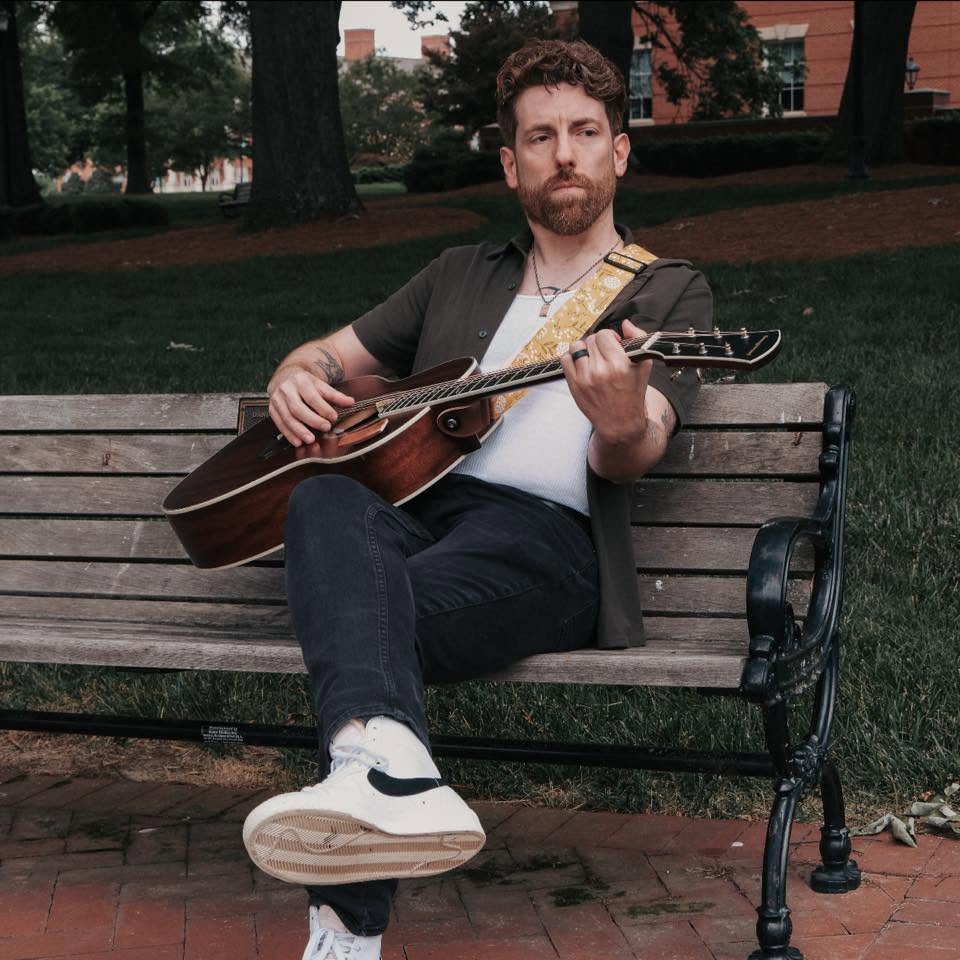
Scott Lowder After more than a decade, Scott Lowder brings “Ghost of You” to life, transforming personal loss, memory, and life experience into a heartfelt new chapter of honest songwriting. 1. “Ghost of You” began more than a decade ago following the tragic loss of a close friend. What inspired you to finally return to the song and give it the recording you always envisioned? I wrote “Ghost of You” shortly after losing one of my closest friends. At the time, writing it was really just a way to process everything I was feeling. I always believed it was one of the strongest songs I’d written, but life had other plans. Between raising a family, working full-time, and playing a lot of gigs covering other artist’s songs, recording my own music kept getting pushed further down the list. Now that my kids are older, I finally have the time to invest in something I’ve wanted to do for years. Going back to this song felt like the right place to begin because it represents such an important chapter of my life. I wanted to give it the recording I’d always heard in my head and finally let people hear it the way it was meant to sound. 2. The song focuses less on grief itself and more on how the presence of someone we’ve lost continues to shape our lives. How did your own experience influence the emotional message of the song? When someone passes away, the grief eventually changes. The sadness never completely disappears, but it becomes less about the loss itself and more about carrying that person with you. Years later, you still catch yourself wondering what they’d think about something or imagining how different life might have been if they were still here. That’s really what “Ghost of You” is about. It’s not meant to be a song about death as much as it is about memory, love, and the way certain people never really leave us. I think everyone has someone they still carry with them, and I hope listeners find their own story somewhere in the song. 3. Musically, “Ghost of You” blends alternative folk, Americana, and heartland rock, with influences such as Counting Crows, The Wallflowers, and Tom Petty. How did you approach creating the song’s warm and spacious sound? Those artists have always been some of my biggest influences because they know how to make songs feel both intimate and expansive at the same time. I wanted “Ghost of You” to have that same sense of space, where nothing feels rushed and every instrument has room to breathe. I leaned into organic acoustic guitars, textured electric parts, and a rhythm section that supports the emotion without getting in the way. Rather than chasing current production trends, I wanted the song to feel timeless. Hopefully it’s the kind of recording that still sounds just as honest ten years from now. 4. You spent years focusing on family life and performing hundreds of live shows while putting your original music on hold. How has returning to your own songwriting at this stage of life changed your perspective as an artist? I think I’m writing from a much more honest place now. When I was younger, I probably worried more about whether a song was cool enough or whether people would like it. Now I’m much more interested in telling the truth. Life gives you perspective. You experience loss, joy, raising kids, relationships, and everything in between. Those experiences naturally find their way into the songs. I don’t feel like I have anything to prove anymore. I just want to write music that connects with people because it’s genuine. 5. You’re now revisiting songs that have lived with you for 10–15 years alongside newly written material. What has it been like hearing these older songs again and discovering what they mean to you today? It’s been a really interesting experience because the songs haven’t changed, but I have. Some lyrics mean something completely different to me now than they did when I first wrote them. At the same time, I’ve realized that some songs have a way of growing with you. They capture a moment in your life, but years later they can take on entirely new meaning. Recording them now has almost felt like having a conversation with a younger version of myself. 6. “Ghost of You” marks the beginning of a new chapter as a solo artist. What can listeners expect from this new chapter, and what do you hope they take away from the music you’re preparing to share? I have a catalog of songs that I’ve written over the last 10 to 15 years that I’m finally bringing to life, along with new material that’s still being written today. The common thread through all of it is honest storytelling. I love writing songs that make people feel something or remind them of a season in their own lives. If someone listens to one of these songs and feels understood, remembers someone they love, or simply finds a connection they didn’t expect, then I’ve accomplished exactly what I hoped to do. Scott Lowder – Scott Lowder Music