
Sean MacLeod
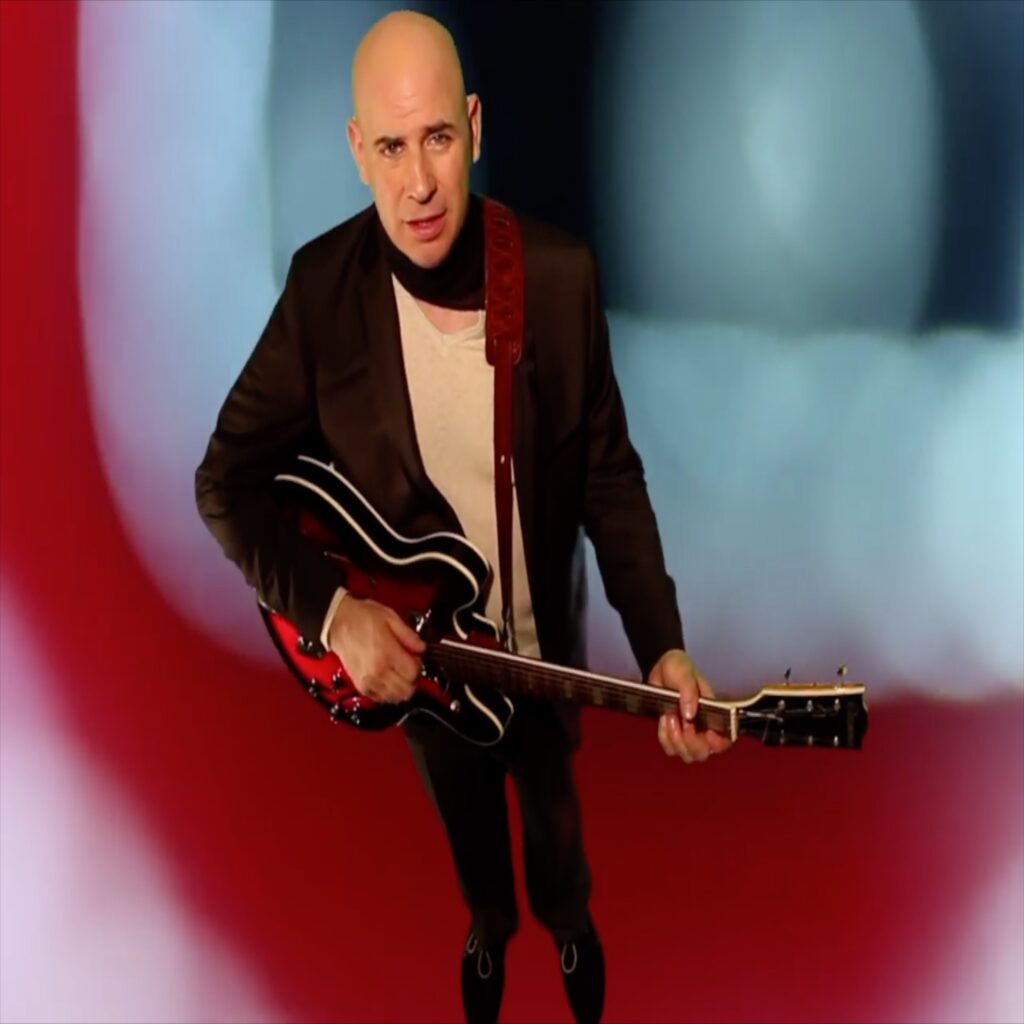
Sean MacLeod Sean MacLeod discusses his two latest albums, the influence of musical research, technology, individuality, and his ongoing journey between traditional songwriting and experimentation. 1. After completing your PhD in Musical Composition, you return with two albums, That’s When the Earth Becomes a Star and We Don’t See That We Don’t See. How did your academic work influence your songwriting and creative approach during this period? Anything you study is going to influence the things you do, in some way. But in terms of the songwriting it didn’t really influence it in a major way. I still try and write songs in a very traditional way – essentially from the heart and with a classic verse/chorus structure. My studies into micro-tonality and tuning really only added another dimension to that classic songwriting approach. It couldn’t really do much more than that because I have not really grasped micro tones enough to really work with them properly. I am still only at an experimental stage – so anything that they add to my songwriting is really only peripheral. 2. That’s When the Earth Becomes a Star blends indie pop, grunge, synth-pop, folk and contemporary classical influences, while also exploring microtonality. How did you balance these adventurous musical ideas with the accessibility of melodic songwriting? I suppose, as I said I am very steeped in a songwriting tradition that goes back , really to the fifties- Doo-Wop, Goffin and King and The Beatles and Motown and some American and Irish folk and thats were I see myself as a songwriter but trying to make those styles relevant today. I studied classical music and electronic music and I think they are good sources to draw from as classical music gives you a sense of form and structure while the electronic/avant-garde lets me explore things I wouldn’t normally think about doing. The main thing though is the song still needs to come from the heart and be relatable on that level 3. The album explores alienation, transformation and the search for spiritual meaning in a world increasingly shaped by technology, consumerism and digital culture. What personal or social observations inspired these themes? I think personally I feel more and more pushed into directions I don’t wish to go. I don’t want to deal with a robot in everything I do. I find computers to be very alienating- you can spend days just with a computer and not speak to a living person and I think people are getting more comfortable or accepting of this kind of culture and they more time they spend with computers and having access to whatever they want and whenever they want it can make the person less tolerable of others. And that possibly can have a cyclical effect. Possibly technology is taking away our ability to learn things or even want to learn things because maybe there is no need. Yes, some people might argue we have more ways of acquiring knowledge and that true but it very easy to let AI create a song rather than go through the struggle of creating one yourself. If you don’t like what AI has created you can just throw it away. If you don’t like what you yourself created you can feel inadequate and disappointed in yourself for not doing better. So I think technology is very seductive and very powerful. But the individual is too but they must go through the struggle. 4. Your lyrics question the effects of individualism and hyper-individualism on identity and community. What do you think music can offer people searching for connection in an increasingly digital and commercially driven world? Well ultimately music in any form is always something we can find solace in for a start. It gives us pleasure and can make us feel connected, which is important at a basic human level. 5. “Inside Out” is the third single from the album. What can you tell us about the story, inspiration and musical character of this song, and why did you choose it as a single? I chose it as a single because I thought it was a good song. I thought it was recorded well enough too. I also thought it said something worth saying: asking whether we really know who we are or are we just made to think that we should feel a certain way or be interested in certain things or say what we really think. I suppose the song is asking the question regarding social conditioning and mass conformity. The first line of the song “liquidation of the individual’ is from the social philosopher Adorno, who felt that a lot of contemporary music was more about social control than it was art. So that brings us back to the question about what can music offer because music is a very strong means of social control if it is used like that. 6. Looking ahead, how do you see your work evolving after this significant period of academic study and the release of these two contrasting albums? Are there new musical or artistic territories you are eager to explore? I have recorded two more albums one, called ‘Magic’ is for release in the new year and the other is just being finished off. Both albums are mostly in the same spirit as this album – When the Earth Becomes a Star- more traditional songwriting but I have also released a companion album to The Earth Becomes a Star called We Don’t See that We Don’t See – which is much more experimental and I would like to explore this side more – but this is not as easy to create for me as it requires a lot of experimentation and trying new things which don’t always work but hopefully i’ll produce more stuff like this in the coming year- we’ll see. seantmacleod Official Music – Listen to songs on Spotify, Bandcamp | Check for Videos on Linktree
Madeline Rosene
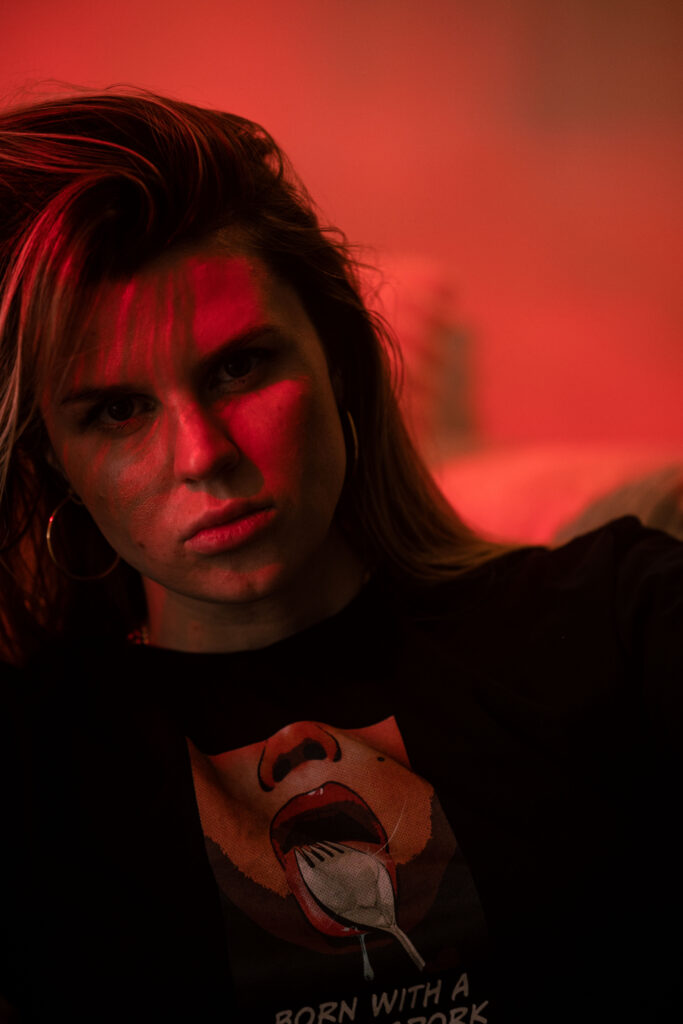
Madeline Rosene Madeline Rosene discusses her provocative new single, “I’ll Seduce God to Get Into Heaven,” exploring rebellion, humor, existentialism, evolving sound, and the creative freedom behind her unapologetic artistry. 1. Your new single, “I’ll Seduce God to Get Into Heaven,” is described as your most defiant and visceral track yet. What inspired the provocative title and the idea behind the song? I was thinking about how most people think of God as this human-like deity like Michelangelo’s The Creation of Adam, William Blake’s supernatural etching The Ancient of Days, or you know, even like Morgan Freeman. I’m assuming they see him that way because of the Bible saying God created man in his own image, but I think most theologists interpret that as not a physical resemblance but more of a shared capacity and dedication to love of creation and each other. Then I thought about how ridiculous it sort of is to think that God just looks like some guy (I mean if you believe there is a God). I guess I started taking “What if God Was One of Us?” just a touch further… and I sort of fell into creating this power-hungry, thirsty, cocky character who truly believes they can get away with anything (“I’m hot so God will let me pass the pearly gates!”) This character singing this song is of course part of who I am. Haven’t many of us had moments where we feel untouchable or at least moments when we want to feel that strong sense of entitlement and overconfidence that we see so many others display? This is a DEEPLY arrogant, vain and brash song and I encourage people to not take it too seriously. The song is a feeling. I don’t really believe I’m going to seduce God to get into heaven, especially since I don’t believe in God…so can you really blast me for blasphemy? 2. The song explores themes of rebellion, temptation, and giving in to your “inner wolf.” How do you balance humor, provocation, and deeper existential ideas in your songwriting? Rebellion and temptation make for great themes for rock songs. The fact is if you want to go religious with it— Christians would tell us we are all sinners, right? I just felt like maybe this was a particularly taboo and wild example of sin. Has anyone tried to tempt God sexually? As far as I know, not in the Bible, since he’s described as a non-physical entity. But I guess the idea and delusion that he’s even attainable adds to the absurdity even more and makes this character more ridiculous and brazen. Could a non-physical entity get turned on by its own creation? These are life’s deep questions that keep me awake at night. You can hate the character. You can hate me for dreaming it up. You can definitely hate the song. But gosh darn, if it’s not a sassy, assertive, insanely insolent tune, I don’t know what is. 3. At 135 BPM, the track has a noticeably faster, more indie-punk-driven energy than your previous work. What made you want to push your sound in this direction? I’m tempted to push my songs in whatever direction seems right for them. I think since I am a songwriter first and a singer second (songwriter/singer), I tend to want to figure out the best direction for the song, even if that means changing my sound completely. I don’t care if I never have a sound people recognize, as long as I have a few songs they like. 4. You worked with two-time Grammy-nominated producer and mix engineer Eric Emery, whose credits include Blink-182, Alice Cooper, and Yellowcard. What did he bring to the song, and how did the collaboration influence its final sound? Eric brought everything to this song (not going to lie). When Alec and I first made the demo, it sounded more like a musical number maybe! There were also a lot more lyrics since I tend to write much more than necessary. But Eric gave it its sound, culled the lame lyrics, added some of his own, we riffed on hook melodies and he truly let me be a rockstar through him. Also, Jake Dick on drums and Colin Cook on guitar are actually unbelievable. If I worship anything, it’s these guys’ talent. 5. Your previous albums, Raised on Porn and Everyday Existential Crisis, explored very personal and existential territory. How does this new single fit into the larger evolution of Madeline Rosene as an artist? I would say I don’t really have a plan (besides God’s 😉 It only fits in as far as the idea fit in my brain, and now since it’s been birthed, the world can judge me for it. 6. You regularly perform at iconic Los Angeles venues such as Hotel Café and the Viper Room. How does performing these songs live change your relationship with them, and what can fans expect from Madeline Rosene’s next chapter? I’m afraid performing this song live is going to make me hate it ‘cause it’s a tough one!! But if we can get it down, it will be a lot of fun to perform. Expect new songs coming out slowly because I don’t like slop! https://www.instagram.com/madelinerosene/
Frederick James
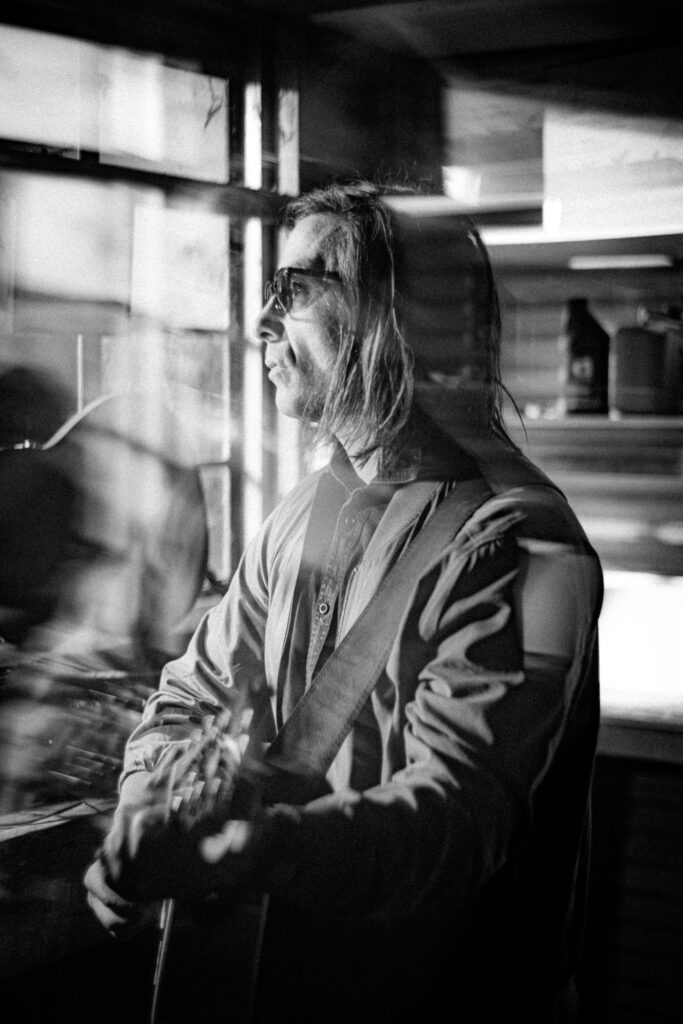
Frederick James With his debut EP Let Me Give You A Good Day, Frederick James transforms hardship, family, fatherhood and hope into honest songwriting, while sharing the creative journey behind his growing catalogue and future album. 1. Your debut EP, Let Me Give You A Good Day, explores hardship, healing, family, fatherhood and hope. What was the emotional journey behind bringing these four songs together as your first EP? The four songs weren’t originally written with an EP in mind. They came out of a pretty intense period of writing where I was trying to make sense of family, relationships and some difficult moments, but I didn’t want the record to feel bleak. There’s hope running through all four songs. Let Me Give You A Good Day felt like the right title because that’s ultimately where the EP lands for me. Life can be difficult, but there are still good days amongst it. 2. The lead single, Pound of Flesh, is about those moments when life feels like it has taken everything from you while still believing better days are ahead. What inspired the song, and what does hope mean to you personally? Pound of Flesh came from that feeling that life occasionally wants another piece of you when you don’t feel like you’ve got much left to give. But I didn’t want to write a song that just wallowed in that. I’ve always been interested in that tension between acknowledging that things can be shit and still believing they’re going to get better. Hope, to me, isn’t pretending everything’s fine. It’s believing that where you are today isn’t necessarily where you’re going to end up. 3. You wrote more than 300 songs, including over 230 in just six months. What triggered this incredible creative period in 2024, and how has writing so consistently changed the way you understand yourself as a songwriter? Something just opened up creatively in 2024. I’d spent a long time away from music and then suddenly I couldn’t stop writing. I wrote more than 230 songs in around six months, and I’m at about 350 songs now, which sounds slightly ridiculous when I say it out loud. Writing that much taught me not to treat every song like it had to be important. You write it, finish it, learn something from it and move onto the next one. Inevitably not all of them will be hits but buried amongst them are songs I don’t think I could have written if I hadn’t written the hundred before them. 4. You also performed more than 75 open mic sets throughout 2025. How did playing your songs live influence your songwriting, and did any particular song evolve significantly because of the audience’s reaction? The open mics were deliberate. I hadn’t performed properly for years, so rather than waiting until I felt “ready”, I decided the quickest way to learn was to get onstage constantly. I ended up doing more than 75 sets during 2025. It taught me fairly quickly which songs survive when it’s just me, an acoustic guitar and a room full of people who aren’t obliged to listen. That’s quite a brutal test of a song, but a useful one. It also made me much less precious about performing. You learn far more from doing it 75 times than thinking about doing it 75 times. 5. Your music draws inspiration from artists such as Noel Gallagher, Noah Kahan and Zach Bryan. What have you taken from each of these artists, and how do you make sure those influences become part of your own voice rather than simply sounding familiar? Noel Gallagher is probably the earliest influence of the three. I love the simplicity and confidence of the songwriting and his ability to write huge melodies without making them complicated. With Noah Kahan, it’s the conversational honesty and detail. Zach Bryan has that same willingness to leave some rough edges around things and let the story carry the song. I’m not consciously trying to combine those three when I write, though. Influences are probably most useful when you stop thinking about them. Eventually everything you’ve listened to gets mixed up with your own experiences and hopefully what comes out sounds like you. 6. You describe this EP as the first chapter of a much bigger catalogue, with a full-length album already taking shape. What can listeners expect from the next chapter of Frederick James, and what kind of artist do you hope to become as this journey develops? The EP is really the starting point. I actually start recording my debut album in two weeks, which is exciting and slightly terrifying in equal measure. That’s planned for next year, and between now and then I’m putting much more emphasis on the live side, proper shows, support slots and festivals. I don’t have some grand idea of the artist I’m supposed to become. I want to keep writing songs that feel honest, get better live and build an audience that genuinely cares about the music. If I can keep doing those things, I’m pretty happy to see where Frederick James ends up. https://www.instagram.com/frederickjames_music
_ophelioo
_ophelioo In this interview, _ophelioo discusses the creative world behind project_0, exploring House, Brazilian Funk, horror, mythology, visual storytelling, and the experimental spirit shaping their emerging artistic identity. 1. Your debut double single, “project_0,” brings together House and Brazilian Funk. What inspired you to combine these styles, and what did you want to explore through this fusion? House and Brazilian Funk are two of my all-time favorite genres and genres that I’ve had the most fun playing around with for years. Nothing in particular inspired me; I just knew that if I had to choose genres to showcase first, the two I personally adore would be the best fit. This release would show many things about me as a producer and artist, and what I want to share with the world. 2. Both “Intero” and “Mona Lisa” have strong grooves and catchy hooks, while also carrying a darker, cinematic atmosphere. How did you approach creating the sonic identity of the project? A lot of my thought process in creating the project, especially its identity, was that I had thought about doing something dark and specifically horror-themed since I started making music. I knew what I wanted to do, and I had so many ideas, but I didn’t know which one to start with. It wasn’t until this year, when I wanted to officially release my first project, that it all came to me in a flash. The best way I can describe it is that it was almost as if my subconscious mind already knew what I wanted to do before I could consciously decide. It was strangely natural: as I released the project, I shaped the identity and finally delivered the full product without hesitating or doubting its potential. 3. You began producing music in 2018 with GarageBand before moving to Logic Pro and experimenting with different genres. How has that journey shaped you as a producer and artist? My producing style and how I developed it came from creating remixes. Especially remixes of my favorite artists, which have changed over the last 8 years. When I started posting remixes online in 2024 to start my career somehow, by that point I knew the type of artistry I was going for, which was no specific sound at all. I was also very productive, focused, and dedicated to figuring myself out musically, and I realized I had a very experimental style; my craft is fluid, ever-changing, and out of the ordinary. 4. Your project is accompanied by a mysterious Tumblr storyline, black-and-white visuals, Saturnalia-inspired imagery, and cryptic aesthetics. What is the story behind this artistic universe, and how important is visual storytelling to _ophelioo? The only thing I can really say is that, as I mentioned, a lot of the creative ideas just popped into my brain, and I was like, “I am totally up for this, no doubt.” Visual storytelling like this is extremely important because it is what makes my craft unique to me. I don’t think I would be enjoying my career nearly as much if it wasn’t for creating things like this, and I’m just shocked and even frightened by the amount of creative flow I had throughout all this. 5. You’ve mentioned that you draw inspiration more from genres, atmospheres, and philosophical concepts than from individual artists. What ideas or themes are currently influencing your creativity? If we’re speaking in terms of music, I think experimentalism is a good way to describe it and one of the biggest things that has shaped my creativity, music-wise. In terms of my creativity, especially the visuals, horror is something I knew I wanted to make my craft out of because it’s so versatile. Another major influence on my creativity is mythology, specifically Hinduism. Since I was little Hinduism when speaking in terms of its art, the stories of the deities and the philosophy presented within the religion has probably been one of the most important things in my life that I knew I had to incorporate into my career somehow, while of course keeping it respectful considering most of the Hindu concepts presented in the storyline on Tumblr are scenes from devotional films used only metaphorically or give a picture of what some posts of the story might look like visually. 6. “project_0” is your first official solo project. Looking ahead, what can listeners expect from _ophelioo, and how do you see this first release shaping the next chapter of your artistic journey? As for now, my main focus is to expose myself to the world and share my craft and what I have to offer with project_0, which leads into the fact that the next chapter of my artistic journey is something I know but is a mystery for now to the readers, so they might have to keep expectations steady and stick around! INTERO
Grey & Purple Songbook
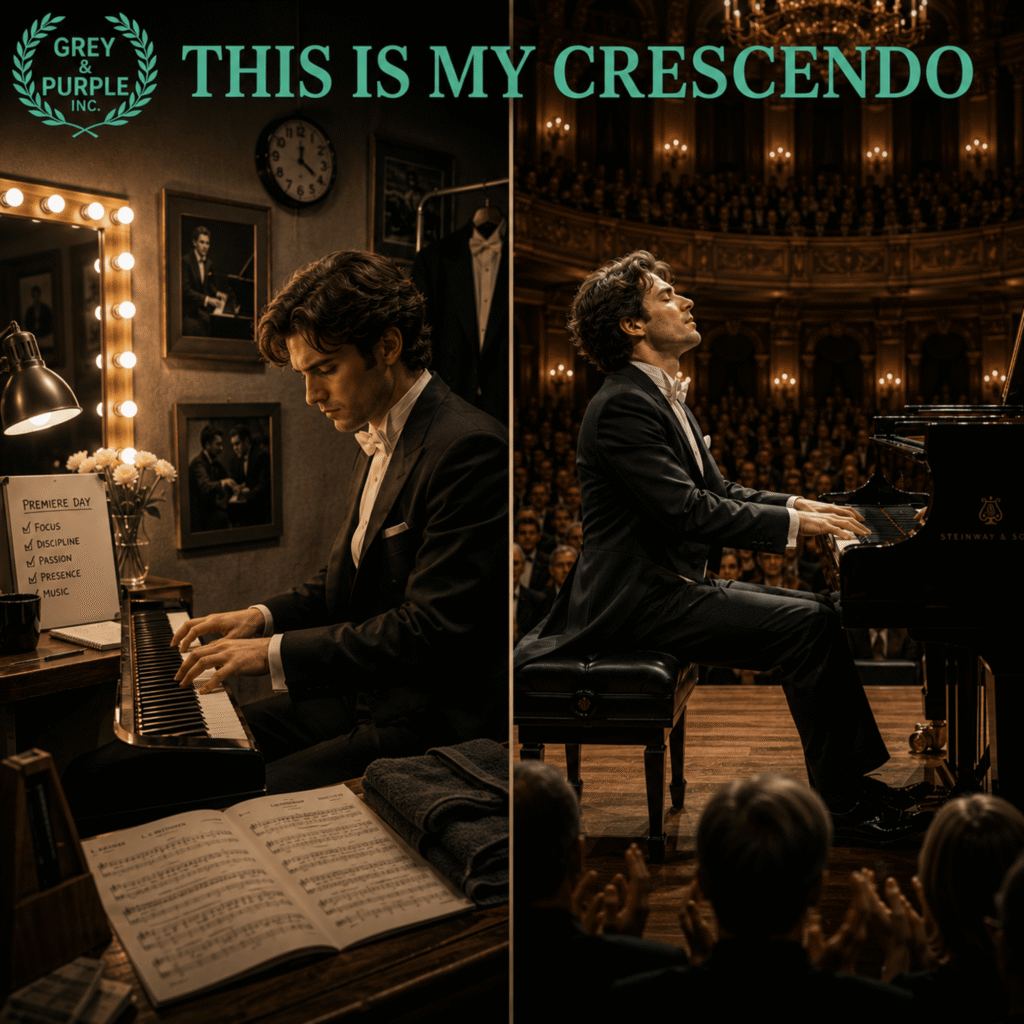
Grey & Purple Songbook Grey & Purple Songbook explores the psychology behind performance, transforming pressure, ambition, and human emotion into richly crafted musical narratives that connect deeply with listeners. 1. “This is My Crescendo” takes listeners inside the intense day of a concert pianist preparing for a premiere. What inspired you to explore this particular moment in a musician’s life, and why did you feel it was a story worth telling through music? We are a creative team that have a great interest in psychological process and the human nature and feelings. Quite many of our texts is about that theme, and I was recently on a musical concert and found myself reflecting on such a performer’s preparations — and, not least, the mental processes such an artist goes through before a major premiere. We thought that would fit very good in Our philosophy of writing about Things that we think matter and that interests us. 2. The song explores the transformation of nervousness and pressure into energy, concentration, and complete presence on stage. How did you approach capturing that psychological journey through the lyrics and music? We had to conduct some research into human mental processes under pressure and performance expectations to gain insight into what such a situation feels like. But a human life is often composed of numerous events and situations that yield experiences — and the associated thoughts and feelings — which many people would recognize, to a greater or lesser extent, from their own lives. So also With us. 3. Grey & Purple Songbook begins with brainstorming, themes, and written narratives before creating the musical landscape. How does this process influence the way your songs develop compared with a more traditional songwriting approach? For us on the creative team at G&P Songbook, writing has always—or at least for a long time—been our go-to method for expressing thoughts, emotions, and messages. Consequently, writing comes most naturally to us and serves as the best way to convey our messages and stories. We also love storytelling as a form of communication; it offers great freedom to choose a format tailored to the content. Furthermore, music is a passion for both of us, so conveying messages and themes through a musical narrative suits us perfectly and feels entirely natural. However, the message and lyrical themes are crucial, so the music is crafted to complement the text. In the case of “This is My Crescendo,” the goal was to convey the performing artist’s preparations, thoughts, and emotions leading up to the premiere, and the music was tailored to reflect this. 4. The line “This is my crescendo, my moment to ignite” captures the central idea of the song. What does that moment of becoming “one with the music” mean to you, both artistically and emotionally? It likely means different things to different people, but we believe there is a universal aspect to it: the sense of achieving an expected—or even desired—result. In this context, it involves both the feeling and the experience that the music and the performance are unfolding in a way that gives you a positive sense of how the music is being conveyed. Emotionally, this is closely linked to artistic success and the expectations you set for yourself as an artist: Did I manage to reach the goal I set before the premiere? 5. You describe “This is My Crescendo” as one of only two tracks exploring the pressure-filled world of concert pianistry. What fascinates you about classical performance and the mental and physical demands placed on musicians? These mental processes likely apply to any situation where individuals have trained and practiced to achieve specific goals and are set to perform before a large audience — whether in the arts, culture, politics, education, or sports. I believe that individuals and performers who have gone through this will recognize these processes, as well as the way nervousness and uncertainty eventually give way to a strong determination to “pull it off,” thereby combining willpower and ability in a powerful way. The scenario involving a classical pianist was simply a case that happened to present itself as relevant at that particular moment. 6. Looking beyond this single, what can listeners expect from Grey & Purple Songbook as you continue developing your combination of literary storytelling, musical composition, and emotionally focused narratives? Both of us in the creative team are very open to any theme or situation that presents an interesting and relevant starting point for lyrics to be set to music. We are currently focused on building our musical infrastructure and consolidating our music library—which comprises around 4,000 tracks, with approximately 1,000 already released—as well as making the music known and accessible to listeners. We have just started producing music videos for our songs, and we are also working on scripts and plans to publish a couple of novels through our record label, Grey & Purple Inc. Regarding the music, we plan to continue releasing tracks that hopefully engage both the mind and the heart; among other things, we intend to release several concept albums. We are also very happy to share that Grey & Purple Songbook has recently reached an important milestone. As of August 15, the project has surpassed 500,000 streams on SoundCloud and reached approximately 350,000–400,000 listeners. Musique | The Grey and Purple Songbook
Eileen Carey
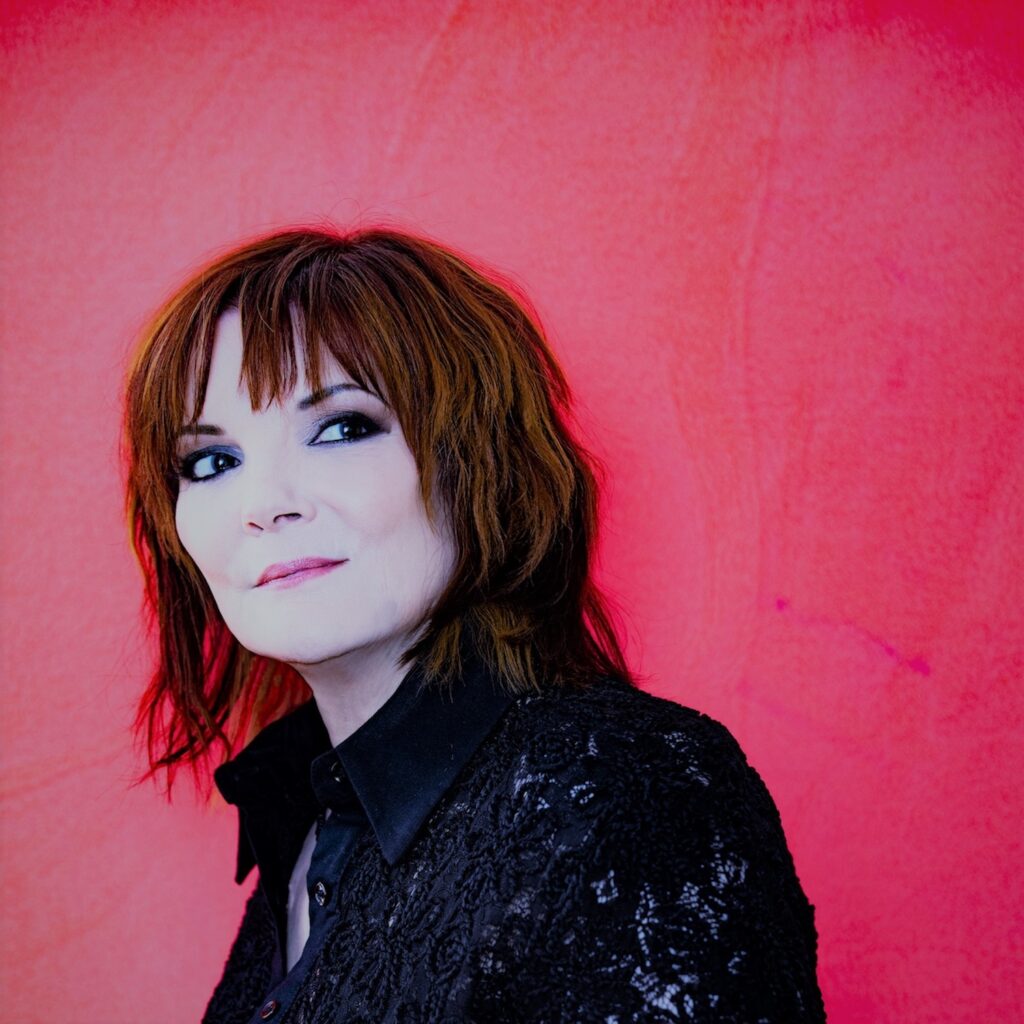
Eileen Carey Eileen Carey discusses her new single “This Is Where,” authentic West Coast Pop-Country songwriting, career lessons, inspiring music, creative ventures, and exciting plans for her next chapter. 1. Your new single, “This Is Where,” explores the idea that the end of a relationship can also mark the beginning of personal growth. What inspired you to write this song, and was it influenced by a personal experience or observations of others? Honestly, it started as a conversation, not a heartbreak. Lily Wilson and I sat down wanting to write the breakup song nobody writes: the one where nobody’s the villain. Two people who loved each other enough to admit they were headed different directions. I wanted a song that thanked somebody on the way out the door instead of throwing their stuff on the lawn. 2. Your music has often been described as “West Coast Pop-Country,” blending catchy melodies with heartfelt storytelling. How do you approach balancing commercial appeal with authentic, emotional songwriting? I don’t sit there doing math on it, trying to calculate hooks and choruses like I’m balancing a checkbook. I write what’s true to me first. If it happens to be catchy, great. But that’s just how my brain works. I’d rather be honest and hummable than calculated and forgettable. 3. You’ve shared the stage with legendary artists such as Don McLean, Rita Coolidge, Jefferson Starship, and The Motels. What are some of the most valuable lessons you’ve learned from performing alongside these iconic musicians? You learn something different from every single one of them. Watching how they command a room without ever looking like they’re trying. I take notes constantly, even now. Sharing a stage with people like that is basically a masterclass you don’t have to pay tuition for. 4. Your songs frequently carry themes of optimism, resilience, and empowerment. In today’s world, how important is it for you to create music that leaves listeners feeling hopeful and inspired? Enormously important. I think self-esteem gets treated like a bonus feature in songwriting when really it should be the whole engine. “Faith,” “Every Day,” “On The Rise,” now “This Is Where,” they all circle back to the same idea: you can go through something hard and still come out the other side standing up straight. I don’t feel it’s my job to hand people more darkness. The world’s got plenty of that already. 5. Beyond your music career, you’re also the founder of The Music Mom blog and a beauty ambassador for Joe Blasco Cosmetics. How have these creative ventures influenced your perspective as an artist and songwriter? They keep me honest. The Music Mom is me talking straight to other women juggling a creative life with real life. No filter, and no pretending it’s effortless. And working with Joe Blasco has me thinking hard about presentation, about showing up for people looking and feeling your best. Both remind me every day that being an artist isn’t only what comes out of my mouth on stage. It’s how I carry myself everywhere else, too. 6. With multiple chart-topping singles, numerous awards, and a growing international audience, what’s next for Eileen Carey? Can fans expect a new album, more singles, or perhaps some exciting collaborations in the near future? Lots! I’m heading back into the studio in Nashville this fall to record a batch of new songs. Can’t say more than that, you’ll have to wait and see. In the meantime, catch me live: Yachty by Nature at the Whisky A Go Go on August 22nd, the Kern County Fair main stage in late September, the Big Fresno Fair on the Craft Brew Stage October 13th, Betty’s Grill in Nashville in October, and I’m opening for the Fleetwood Mac tribute Mirage at The Canyon in Agoura Hills on October 16th. Then my Acoustic Trio is back at The Canyon opening for Danny Seraphine’s Chicago Legacy in November, and I close out the year at the Whisky opening for Bill Allen’s Cowboy Sweetheart on December 20th. Busy is good. Busy means people are still listening. Home – Eileen Carey music: country pop rock music & female artist songwriter with music CD’s available online.
C’batch
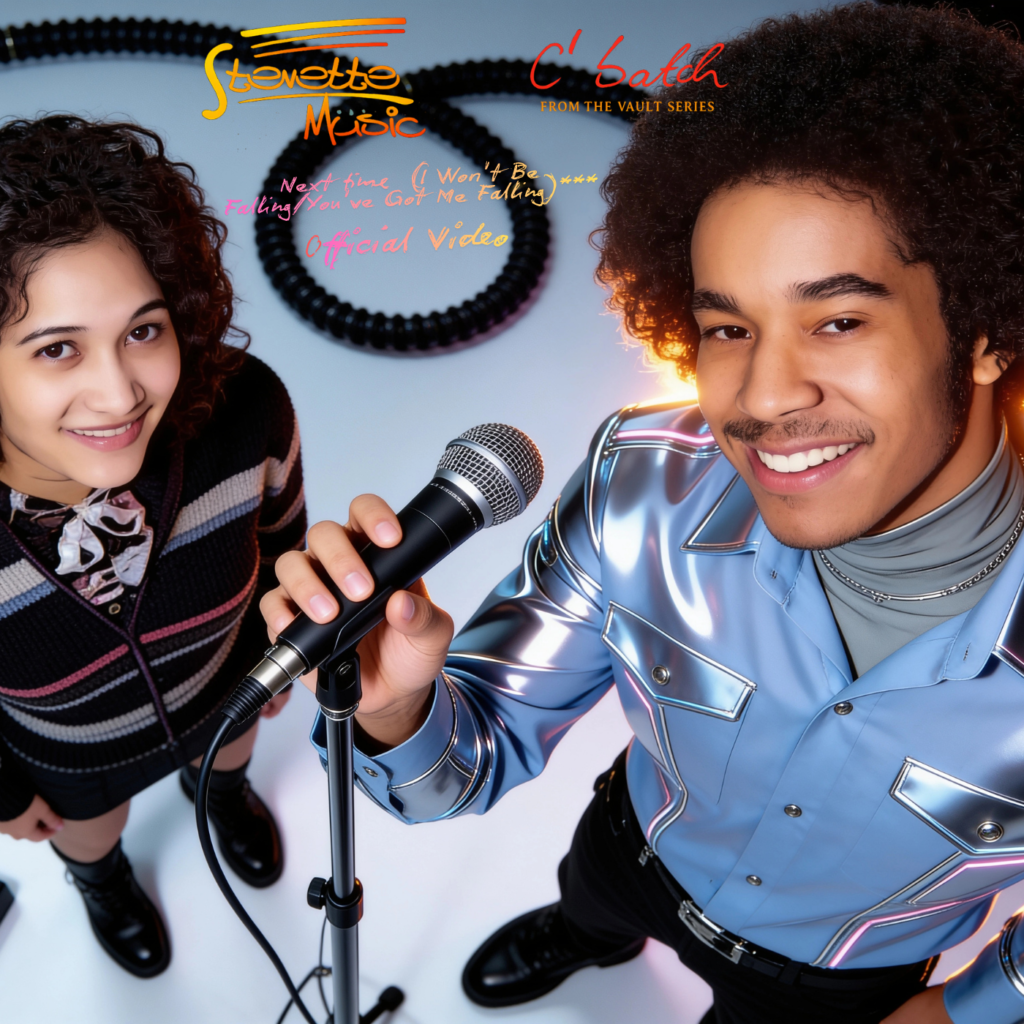
C’batch In this interview, C’batch takes us behind “Next Time,” exploring heartbreak, rediscovering love, the energetic remix, and the heartfelt story behind its accompanying animated video. 1. “Next Time (I Won’t Be Falling/You’ve Got Me Falling)” carries a powerful contrast between protecting yourself from heartbreak and unexpectedly falling in love again. What inspired this story, and how personal is it to you? The song began with the music rather than a specific story or personal experience. As the harmony and melody developed, certain phrases and ideas began to emerge naturally, including “Next Time” and “I Won’t Be Falling”. Those phrases eventually became the foundation for the lyrical concept. From there, I imagined a person who had been hurt before and was determined not to make the same mistake again. However, despite that determination, they find themselves drawn back into the same emotional situation. I liked the idea of that contradiction—the mind saying, “Don’t do this again,” while the heart is saying something completely different. The line, “But You’ve Got Me Falling In Love Again,” really captures that conflict. So, while the song deals with emotions that are very relatable, the story itself isn’t based on a particular personal relationship. It simply evolved from the music and the emotional situation that the music suggested to me. 2. The new remix transforms the original song into an energetic blend of soulful vocals, house rhythms, and electronic production. What made you want to revisit the song in this particular dance-oriented style? I think a lot of my music comes from a dance-oriented style, so quite naturally, the song lent itself perfectly to that approach. In fact, the original, unpublished version was already a moderate- to mid-tempo Soul/R&B dance composition. 3. There is an uplifting quality to the track despite its roots in heartbreak and healing. How did you balance the emotional depth of the lyrics with the joyful, feel-good energy of the remix? Well, I think the uplifting quality goes hand in hand with the ultimate resolution of the song, which, to some extent, can be interpreted as healing. “You’ve got me falling in love again,” despite whatever may have transpired earlier in the relationship, suggests that love has ultimately overcome the hurt. 4. When working on the remix, were there any specific sounds, artists, dance styles, or musical influences that helped shape the production and overall atmosphere? No, there weren’t any specific sounds, artists, dance styles, or musical influences that helped shape the production and overall atmosphere. As a matter of fact, the remix is essentially an alternate version of the song that I previously released earlier this year. I thought this version would work well and would be a better fit for the creation of the video we planned to release. 5. The song is described as a soundtrack for summer playlists, parties, road trips, and dance floors. What do you hope listeners feel or experience when they hear it in those settings? I just hope that listeners enjoy the track wherever and whenever they hear it, regardless of the venue or setting they find themselves in. 6. The official music video is also being released alongside the remix. What can you tell us about the visual concept, and how does it complement the story of finding joy and love after heartbreak? Again, to be clear, the song was not inspired by any personal relationship that I may have had. For the overall story and visual concept, I thought it would be nice to depict the idea that, even though there may be struggles or “hiccups” in a relationship, true love can ultimately conquer all. At the end of the animated video, you see two photos of an actual couple—my wife and I—who are represented in the video, once very young and now much older, but still very much in love and still together. Stevette Music, Inc.
Tuff Rhythm & dharkfunkh
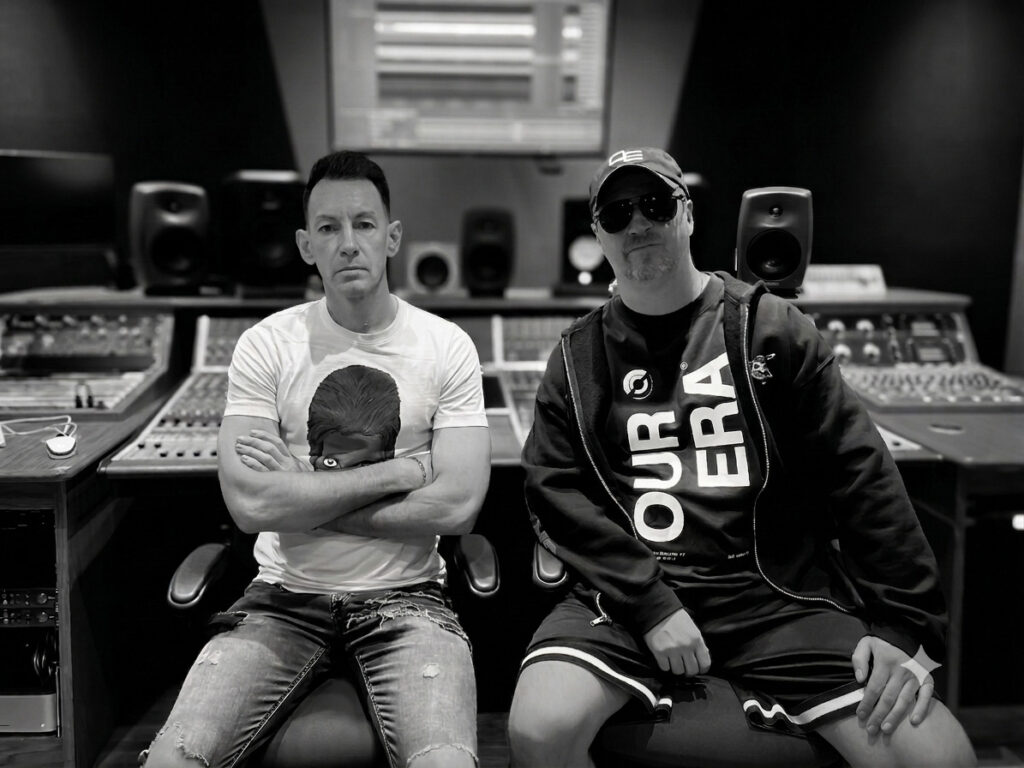
Tuff Rhythm & dharkfunkh Tuff Rhythm & dharkfunkh return with “Baby Tell Me,” a vibrant blend of house grooves, 80s synthwave nostalgia, and infectious vocals. We discuss its inspiration, production, chemistry, and future plans. 1.Congratulations on the release of Baby Tell Me! Following the success of The Drop, did you feel any pressure when creating this second release? Not really, we have worked together for many years on different projects and always have good strong ideas to get us started the rest just flows. 2.Baby Tell Me blends infectious house grooves with strong 80s-inspired synthwave elements. What inspired this particular sonic direction, and how did the track evolve during production? For myself I’m a big fan of 80s music and that synthwave sound and over the last few years there has been some great records especially, I Want Your Soul by Armand Van Helden and ‘Time to Move’ by Tony Romera. They both were a big inspiration. 3. The vocal hook is one of the song’s standout features and instantly memorable. How important was the vocal melody in shaping the identity of the track? The Vocal was the main starting point and we wrote the rest of the track around that. It has such a good hook we knew it would be easily recognizable and people would be singing along to it. The lyrics are also very relatable to a lot of people, so they connect with the song more. 4. Your chemistry as a duo seems stronger than ever on this release. How do your individual strengths complement each other when writing and producing music together? I’ve always been able to come up with strong ideas for the projects we work even way back when we made Hard House together. DF is very musically gifted so his music theory can be better than mine at times. His technical ability in the studio is insane and much quick at the fine tuning tasks I find frustrating and tedious. 5. The song captures a real sense of summer energy, nostalgia, and dancefloor euphoria. Were there any specific moments, places, or experiences that influenced the mood of Baby Tell Me? I’d say GTA Vice City, Miami Vice (The 80’s one) well Miami in the 80’s the song kinda takes you to that sun soaked, Neon lit Miami. 6. With Baby Tell Me already generating excitement among DJs and listeners, what are your goals for the rest of 2026, and can fans expect more new music from Tuff Rhythm & dharkfunkh soon? We are talking about a follow up and getting back in the studio on a regular basis like we used to. https://www.instagram.com/tuff_rhythm/
Disco Dreams

Disco Dreams With “OutLands,” Disco Dreams opens a new chapter of dreamy soundscapes, creative freedom, and heartfelt experimentation. We spoke with the artist about nature, inspiration, evolution, and the journey behind the upcoming album. 1. “OutLands” is the first single from your upcoming second studio album. What inspired the track, and what did you want listeners to feel when they first hear it? I think just being outside and nature inspired this track the most, walking through all the landscapes around. I was sick of being online all the time so I removed all my social media accounts until I was completely done with the album. And this one ended up fitting in the first spot the best I feel. 2. Your bio describes Disco Dreams as a project that blends nostalgic textures, modern electronic production, synthwave, synthpop, and dreamlike atmospheres. How would you describe the evolution of your sound from your first album to this new project? I definitely think my first album was just discovering the love of making music and was super lo fi, just pouring out my heart, kinda chaotic. After that album I studied and played with many different ways to make my sound design more professional. So I definitely feel like this one is a lot more cohesive and flows really well together from start to finish once the album finally does release towards the end of the year. 3. You mentioned spending the past year and a half refining your sound and building the resources needed to bring this album to life. What has that creative journey been like, and what did you learn about yourself as an artist along the way? The creative journey was definitely a long one. I refused to stop creating even on days I did not want to. I just felt a passion from within to pump out quality good hearted music to counter act the mundane work week and endless bad news spewing from all outlets. I guess I have learned as an artist to just truly make things that make myself happy. Even if the main music gatekeepers or algorithm thinks I’m too experimental, it doesn’t matter because even if just one fan has a good day from listening, it’s all worth the work. 4. There’s a strong sense of escapism and emotional exploration in your music, but you also emphasize creativity, peace, and love. How do these ideas influence the way you write and produce your music? Well with this single and album specifically I just made music that I felt from the bottom of my being sounded fun and amazing to listen to in any emotional state. I think in the future I will be trying to focus more on my lyrics and maybe more pop focused so more people can relate. Then they can go back and find my super adventure like psychedelic works like OutLands. 5. “GoodTime,” featured in your bio, is described as a fusion of driving basslines, dream-pop textures, memorable lyrics, and electronic dance influences. How do you balance the energy of the dance floor with the more introspective and emotional side of Disco Dreams? Well, I really enjoy listening to music of all genres that has a nice groove but also has a main vocal hook. Sometimes it’s incredibly frustrating because music gate keepers can’t really identify my genre, but I think songs that defy genres and create their own new vibe are definitely the most interesting. So even though people may not be able to exactly put a genre name on this album that’s okay, because I think it speaks for itself and doesn’t need a main genre. 6. With “OutLands” marking the beginning of this new chapter, what can listeners expect from the upcoming second album, and what would you ultimately like people to take away from the world you’re creating through Disco Dreams? You can expect a new single every month until the album release at the end of the year. As well as new self made music videos with the collaboration of super talented friends. Take away good vibes and spread that fun and love everywhere! 💜💜 Disco Dreams
D.D.R.
D.D.R. D.D.R. opens up about the heartfelt inspiration behind Never Forever, discussing personal experiences, storytelling, collaboration, classic rock influences, and the emotional journey that shaped this deeply relatable melodic rock anthem. 1. Never Forever explores the painful realization that promises of “forever” don’t always last. What inspired this song, and how much of its story comes from personal experience versus fiction? Never Forever explores the painful realization that promises of “forever” don’t always last. What inspired this song, and how much of its story comes from personal experience versus fiction? The song was inspired by my own experience with divorce, but I didn’t want to come at it from the angle of bitterness or blame. It moves through stages of surprise, disbelief, regret, understanding, and finally acceptance. Divorce is hard. But, a failed marriage doesn’t mean either of you are failures. 2. You describe your songwriting philosophy as “universal specificity.” Can you explain what that means to you, and how you strike the balance between telling your story while leaving room for listeners to find their own? You describe your songwriting philosophy as “universal specificity.” Can you explain what that means to you, and how you strike the balance between telling your story while leaving room for listeners to find their own? The idea is to use a specific example from my own personal experience that is relatable to a wide audience. Something like “saw you walking down the aisle,” for most people, might bring up memories of their own wedding day. For others it might remind them of a time when they met someone special at the grocery store or bumped into someone at a sporting event. It’s specific enough that the meaning is clear, but universal enough that listeners can find their own experience buried within it. 3. As both a songwriter and a novelist, you approach songs like scenes from a book. How does your background in fiction influence the way you build lyrics, characters, and emotions in your music? As both a songwriter and a novelist, you approach songs like scenes from a book. How does your background in fiction influence the way you build lyrics, characters, and emotions in your music? I think the biggest influence is that it makes me very conscious of the voice I’m writing in. When I write a novel, most of the time I’m writing from a limited third-person perspective, so that chapter of the story is being told from one character’s point of view. Keeping that consistency in a song is valuable because the narrative isn’t changing perspective, so the intent stays clear. It also allows me to build little narrative arcs within the songs. Even small progressions in each verse make each additional chorus land a little harder. That’s also a 1980s arena rock staple, building into a roaring finish. I don’t always write songs that way, but the novelist in me has become pretty good at recognizing which songs benefit from a bit of storytelling. 4. D.D.R. is a highly collaborative project, bringing together talented musicians and producers from around the world through Musiversal. What was the creative process behind Never Forever, and how did your collaborators help shape the final version? D.D.R. is a highly collaborative project, bringing together talented musicians and producers from around the world through Musiversal. What was the creative process behind Never Forever, and how did your collaborators help shape the final version? The collaborative part of the recording process is so much fun for me because I am in awe of these musicians I am lucky enough to work with. I don’t play any instruments myself, and my singing voice is akin to playing a game called “What Key is This?” with the settings set to shuffle. But, when I tell these guys the kind of sound I’m going for and explain what I’m hearing in my head, they’re remarkably good at recognizing where the finish line is and helping me get there. I don’t consider myself an authoritarian producer by any means. I’m very open to ideas and textures and sounds that maybe I hadn’t thought of, so that is where the collaboration becomes really exciting. For “Never Forever” specifically, when we recorded the keyboards, Felipe Rebeiro locked onto what Bruno Migliari was doing with the bass because it was cool enough for him to single it out. Then he was able to mirror that bass line to make an arrangement out of it with the keys that ended up giving the song that extra driving power underneath the guitars. Moments like that remind me why collaboration matters. Sometimes another musician hears possibilities in your song that you didn’t even know were there. 5. The song captures the spirit of classic melodic rock while sounding fresh and contemporary. Which artists or albums have had the biggest impact on your musical identity, and how do you keep those influences from becoming imitation? The song captures the spirit of classic melodic rock while sounding fresh and contemporary. Which artists or albums have had the biggest impact on your musical identity, and how do you keep those influences from becoming imitation? My biggest influences come from the 1980s. Jani Lane of Warrant, Bon Jovi, Def Leppard, and Whitesnake all had that melodic arena-rock sound that was huge and full of emotion to go along with the power. My goal has never been to recreate the 1980s. It’s more about paying homage to the way those songs were written and the sound that came with them, which I honestly miss. I like a lot of modern rock, but I miss the catchy guitar riffs and melodic solos that weren’t just there for flash but instead had something to say. And, I’m a little older than those guys were in the 80s when they were writing songs. I don’t think divorce was on their minds much back then. 😉 6. Never Forever feels like a song that many people can relate to in their