
Jade Ell

Jade Ell Acclaimed Swedish singer-songwriter and producer Jade Ell reflects on reviving a timeless song, navigating today’s music industry, and embracing her past while preparing an inspiring new creative chapter. 1. Bittersweet Dreams was originally written 20 years ago for the Danish film Den Store Dag, and you’ve now given it a fresh new life. What inspired you to revisit this song, and how has your perspective on its message changed over the years? Being a songwriter and artist – you are constantly faced with highs and lows – and since I’m working a lot with other artists for their projects as well – I so know of the struggles and recognize the doubts and the excitement waltzing hand in hand. ”Bittersweet Dreams – you better come clean – now You’ve gotta save tomorrow…” Alsoo, when I decided to re-release this album – this was the one song – that is totally delivering the same frustration – though we’re all working on another scene now- being up against AI as well in so many ways. 2. The song explores the complicated relationship between artists and the music business, balancing ambition with disappointment. Why do you think that theme is just as relevant today as it was when you first wrote it? As I mentioned earlier – we go through the same emotions – being super excited over songs – and we can never control the outcome. Nowadays we don’t even know if the nice comments are from real people…It’s more important than ever – to hold on to the genuine belief in what you do. The main thing in any artistry is to have strong faith – then people will believe in the words you say/sing. 3. This new version features Rhodes piano, omnichord, harmonies, handclaps, and Pauline Ramsby’s beautiful slide guitar. How did these new arrangements help capture the emotional atmosphere you wanted for the remake? I wanted to create an honest and emotional journey throughout the production – and these sounds are both nostalgia and ’new’ at the same time…I also wanted to make it as dynamic as possible – in order to really draw in the listener into the story. 4. You’re re-releasing Methods of a Hostage Negotiator alongside previously unreleased songs before introducing your next project, Letters For Laura. What does it mean to reconnect with this chapter of your career before moving forward? I sort of felt that some photos in my photo album were missing – and I wanted them in there – before continuing my story-telling – that in fact will go back even further – not when it comes to the actual songwriting (they’re complete new songs) – but they will reflect the hardships and dreams of my ancestors emigrating to the US at the beginning of the 20th century. 5. Your songwriting career has taken you from Billboard chart-topping Latin hits and Netflix placements to collaborations with artists across pop, electronic, and Nordic music. How have these diverse experiences shaped your own identity as a solo artist? I think for me, as a started out as an artist – I’ve always known what is ’my voice’ and my expression. When writing for others – it’s always about capturing what’s right for them – and in many cases the song itself is the artist. I’ve always liked the ’theatrical side’ – being able to express myself though different genres. And that enriches my way of arranging – when I go back to my own projects. 6. Looking ahead, 2026 promises new music, KISS covers, and the deeply personal Letters For Laura. What can listeners expect from this next creative chapter, and what story are you most excited to tell through these upcoming releases? Every album has its own vibe and reason why it exists. When I did my Ellen album – it was in connection when I had lost my biological parents and I found out so many things afterwards about their background and unheard dreams. ’Ellen’s the name of my grandmother on my biol. mother’s side – ’Laura’ was the name of my grandmother on my biol. father’s side. I have found letters and postcards – telling stories of the aunts and uncles having emigrated to Florida – and the contrast to the deep forest in Värmland(a region in Sweden) – was in itself such an inspiring starting point. I will use the accordion, add banjo and mandolin – to give a flavor of how the music scene was at that time. Still, I will always have a foot on the electronic pedals to my omnichord – and play my favorite piano sounds – which has always been my to go instrument. And just to set the scene: ”The words were few, but the distance they had traveled carried the weight of an ocean. She studied the postcard, its colors impossibly bright. The silhouettes of the palm trees were unlike anything she had ever seen. How’s the weather in Sweden? Did the harvest turn out all right?” https://jadeell.com/
Harmoni Zax
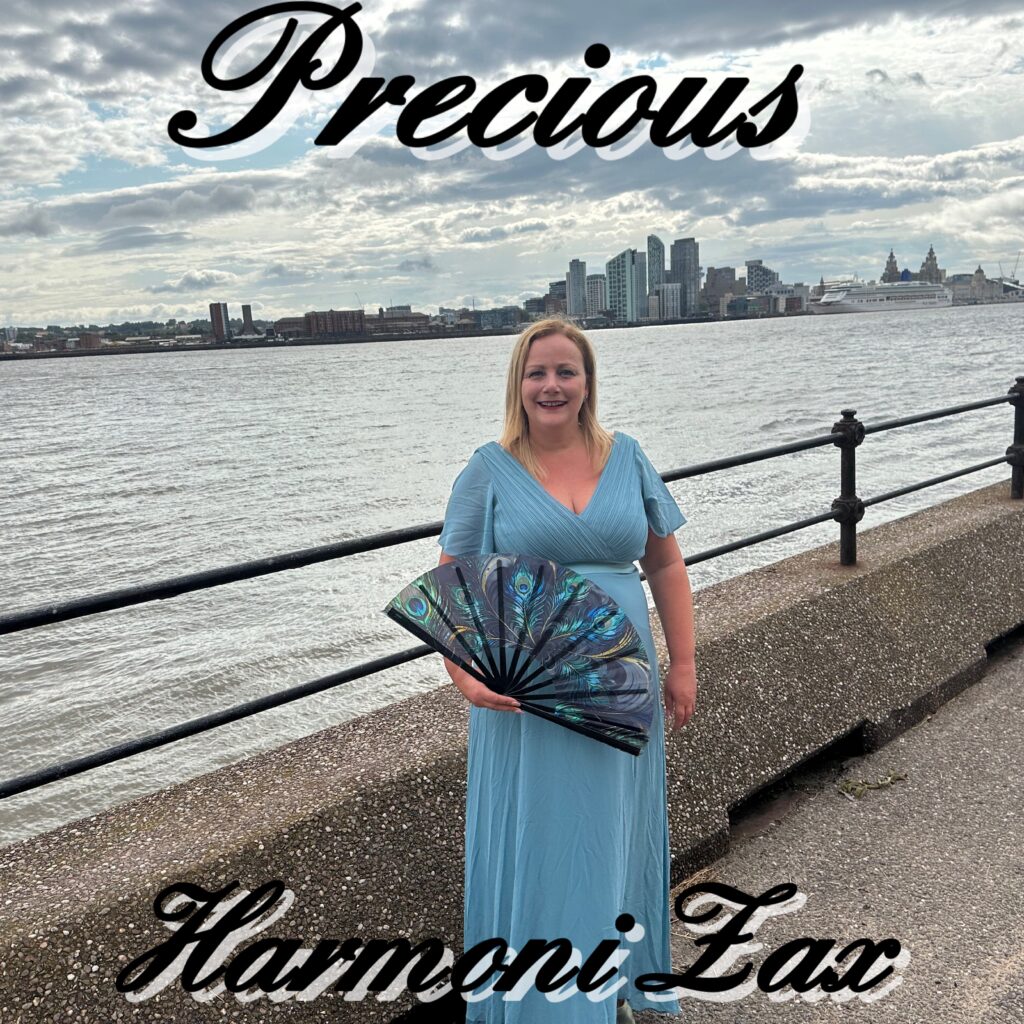
Harmoni Zax In this interview, Harmoni Zax reflects on the inspiration behind Precious, discussing love, faith, personal growth, songwriting, and the life experiences that continue to shape her heartfelt, uplifting music. 1. Your new single Precious began with a simple melody your partner sang before you completed the song. How did that spontaneous moment grow into such a personal and heartfelt love story? The tune came immediately so I was spurred on to write the lyrics which was honest words from the heart of our journey, love for each other and came easily. The love I feel for my partner and appreciation I feel for god came pouring out on the page. 2. Precious celebrates love while acknowledging faith as the force that brought you together. How important is spirituality in your songwriting, and how does it shape the messages you want listeners to take away? Spirituality is very important to me in my songwriting and I have 2 new songs to be released detailing the beautiful relationship you can have with god. That particular song is called – Oh so Beautiful My Pearl is the second song which details how god has helped me through the years. I would love it if listeners could take away the message that ‘God loves you and wants a relationship with you his child’, that’s a cue for another song! 3. Your music explores a wide range of themes, from mental health and philosophy to love and overcoming alcoholism. What draws you to write about such deeply human experiences, and how do you decide which stories become songs? What draws me to write about these experiences is mainly helping others, but it also brings healing to me too. I hope people may listen and identify and see there’s a way through this. The stories that become songs are the ones with clearest, boldest messages. 4. As a Liverpool Institute for Performing Arts-trained singer-songwriter, actress, and Creative Support Worker with Collective Encounters Theatre for Social Change, how have these different creative roles influenced your songwriting and performances? LIPA mainly taught me and influenced how I sometimes have different beats and backing in the background along with the lead vocals. I learnt a lot in LIPA and it inspired me greatly. Collective Encounters took me from a weary, fearful, unconfident person from dark experiences to a confident, flourishing artist who is now helping others through my songs and work. The acting helps me to genuinely put emotion into my songs and influences my performing of the songs. So overall they have shaped my journey magnificently. 5. You’ve been writing songs since the age of seven. Looking back, how has your songwriting evolved over the years, and what do you feel is the biggest difference between your earliest work and the artist you are today? My earlier songs were very simple and seen through the eyes of a child. They were part of my experience and journey and now my songs still have an element of simplicity but they are more detailed and carry messages to help, inspire and comfort people. 6. With Precious introducing listeners to this chapter of your journey, what are your hopes for the single, and what can fans expect from Harmoni Zax in the months ahead? My hopes for the single are that it finds its niche of listeners that identify with the song. In the months ahead, well this month actually! I have a new album out called ‘Another Door Opens’. I hope to keep writing, sharing and performing my songs thereafter. https://www.instagram.com/heidinolanrobinson
Cruel Ploy
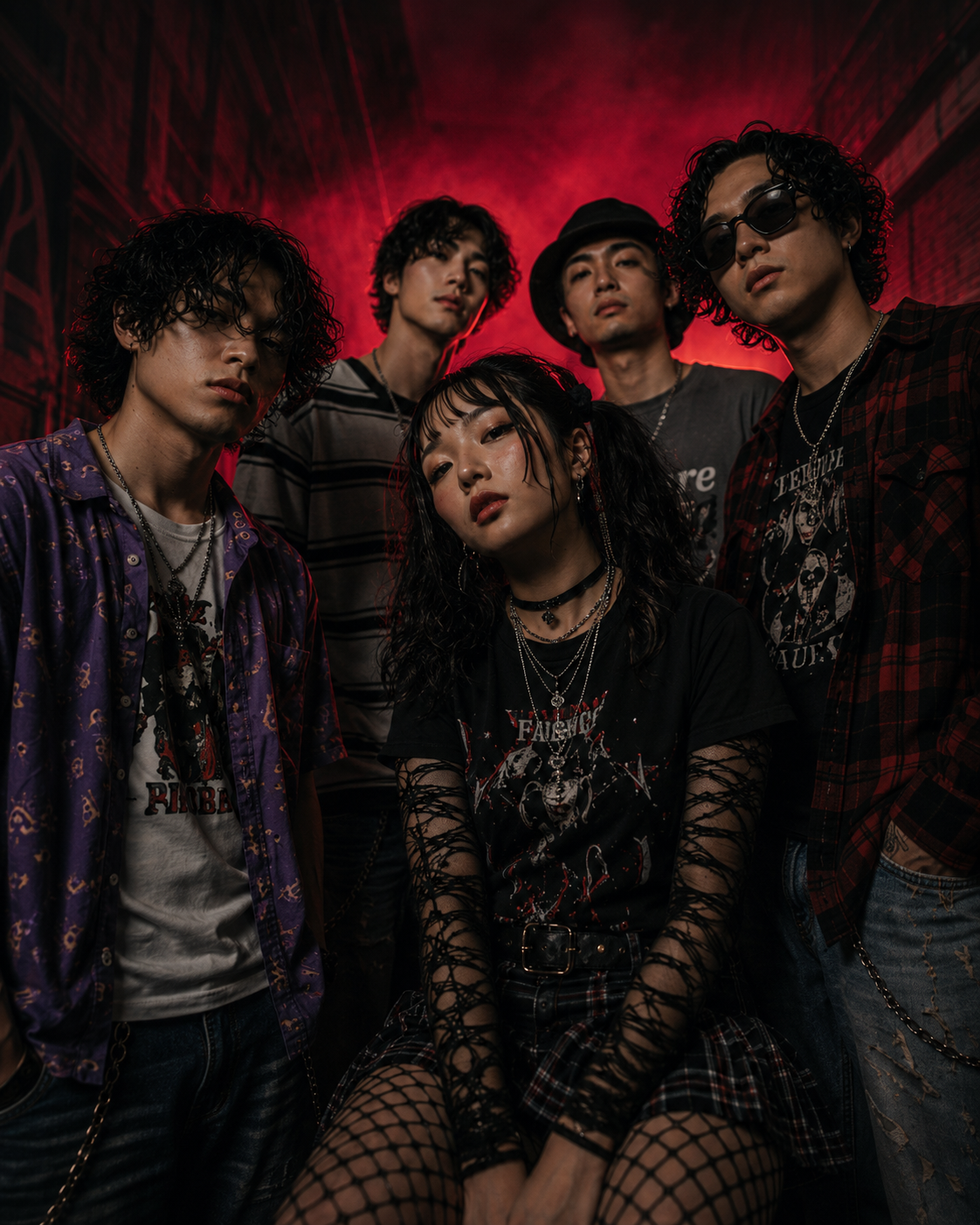
Cruel Ploy Cruel Ploy opens up about the inspiration behind Fear, discussing vulnerability, perfectionism, identity, and the courage to face life’s uncertainties while revealing the creative journey behind their emotionally resonant new EP. 1. Your new EP Fear explores anxiety, identity, perfectionism, and personal growth through five interconnected songs. What inspired you to build the release around the many different faces of fear, and why was this the right time to tell these stories? Skyler: I don’t think fear is just panic attacks or horror movies. Sometimes it’s staying quiet because you don’t want to disappoint someone. Sometimes it’s trying to be perfect because you think mistakes mean you’re not enough. Sometimes it’s pretending to be someone else because you’re convinced people won’t like the real version of you. Once we started writing, we realized every song was talking about a different face of the same thing. Pete: I think people also underestimate how much fear disguises itself. It’ll call itself responsibility, or perfectionism, or ‘being realistic.’ It’s really good at changing costumes. Tommy: So… fear is basically a really committed theater kid. (Everyone laughs.) Jay: Honestly… kind of. Skyler: That’s actually not a terrible way to describe it. Tommy: I’m putting that on a T-shirt. Jay: We’re not. (More laughter.) The Kevin: Fear rarely introduces itself honestly. 2. The title track, Fear, sets the emotional tone for the entire EP by confronting uncertainty and the habit of expecting the worst. How did writing this song shape the direction of the rest of the record? Skyler: That song gave us permission to stop trying to sound like we had everything figured out. Once we accepted that, every other song became more honest. Pete: It also forced us to ask a question every time we wrote something. The Interviewist: What question? Pete: ‘Are we writing what’s true, or what sounds poetic?’ Jay: A few lyrics disappeared because they sounded clever but didn’t actually mean anything. Tommy: We murdered some really beautiful nonsense. Skyler: And deservedly so. (Everyone nods.) The Kevin: The first song asked the question. The others lived inside it. 3. Songs like Faultless, The Disguise, and Learning Curve each examine different emotional struggles. Which track was the most challenging to write, and did any of them reveal something unexpected about yourselves as songwriters or individuals? Skyler: The Disguise was probably the hardest. Nobody likes admitting they’ve hidden parts of themselves. Writing that one felt uncomfortable, which usually means you’re getting somewhere. Pete: Faultless surprised me. Perfectionism gets praised all the time. People call you driven or disciplined. But underneath it can just be fear of failing. Jay: Learning Curve taught us something too. We kept wanting to end it with this huge triumphant moment… Tommy: …because we’re suckers for dramatic endings. Jay: …but life doesn’t always end that way. Sometimes growth is just… quieter. Tommy: I hate when Jay says something smarter than what I was about to say. Pete: Get used to it. (Everyone laughs.) 4. Musically, Fear blends alternative rock, indie, emo, and modern rock while intentionally leaving room for imperfections in the production. How important was it for the music itself to reflect the EP’s message that vulnerability is a strength rather than a flaw? Pete: We actually stopped ourselves from fixing every little thing. The Interviewist: That must’ve been difficult. Pete: I hated it. (Laughter.) Skyler: Pete would happily edit a snare drum until retirement. Pete: Correct. Jay: But we realized that some imperfections actually made the performances feel alive. Skyler: If we made a record about vulnerability and then polished every human moment out of it… we’d be lying. Tommy: Nobody has perfect days. Why should songs pretend they do? The Kevin: Perfect performances are remembered. Honest performances stay with you. 5. Cruel Ploy has earned a reputation for pairing emotionally honest songwriting with memorable melodies and cinematic concepts. How do you strike a balance between creating deeply personal music and making it relatable to listeners with very different life experiences? Skyler: The details belong to us. The emotions don’t. Pete: Everybody’s been scared. Everybody’s doubted themselves. Everybody’s worn some kind of mask. Jay: We’ve learned not to over-explain songs. Once they’re released, people finish writing them with their own experiences. Tommy: My favorite messages are the ones where someone completely misunderstood a lyric… Skyler: …and somehow understood it even better than we did. Pete: That happens surprisingly often. Tommy: It’s honestly kind of rude. (Everyone laughs.) The Kevin: A song becomes someone else’s the moment they need it. 6. With Fear now released, what do you hope listeners take away after hearing the EP from beginning to end, and how do you see this release influencing the next chapter of Cruel Ploy’s journey? Skyler: I hope people feel less alone. Not because we solved anything, but because maybe they realize someone else has been sitting with the same thoughts. Jay: If one person finishes the EP and decides to be a little kinder to themselves tomorrow than they were yesterday… that’s worth it. Pete: I also hope people realize we’re not interested in repeating ourselves. Every release should feel like another conversation. Tommy: And hopefully they come to a show. (Everyone laughs.) Pete: Tommy bringing us back to business. Tommy: Somebody’s gotta keep the lights on. Skyler: I think Fear is less about arriving somewhere and more about learning how to keep moving. (The room grows quiet for a moment.) The Kevin: Courage isn’t the absence of fear. It’s deciding your story is bigger than it. Cruel Ploy
Sdubsthereptillian

Sdubsthereptillian With DARK VAULT, Sdubsthereptillian explores resilience, spirituality, and personal transformation. In this interview, the veteran hip-hop artist discusses inspiration, creative evolution, and the fearless mindset driving his uncompromising vision. 1. “DARK VAULT” is described as a journey from darkness to light, with the vault symbolizing your heart. What personal experiences inspired this song, and what message do you hope listeners take away from it? My heart is built to take the biggest challenges in the dark industry hearts armored and not scared to take my place as a god i want my fans to love and understand I’m built for them to take this path into bliss. 2. Your creative process for this release includes what you call “soul transfer” during late-night visits to cemeteries. Can you explain what this experience means to you and how it influences your songwriting? Well, I go to connect in the spiritual realm take on other souls. 3. You’ve spent more than 31 years making music, from battle rap to earning industry recognition. How has your artistic vision evolved over the years, and what keeps you motivated to continue creating? I have found my sound and evolved my lyrical word play. I will keep going because I know I will be the best of the best someday. 4. You describe yourself as a “shape-shifter” who can adapt your flow to any beat. How do you approach experimenting with different styles while still maintaining your own unmistakable identity? I can mimic other styles as my own also takes place. 5. Growing up in Ypsilanti surrounded by hardship clearly shaped your perspective. In what ways have those life experiences influenced both your lyrics and the person you’ve become as an artist? Hard life gave no fear for anything including music. 6. With “DARK VAULT” marking another bold step in your career, what are your goals for the future, and what can fans expect from Sdubsthereptillian in the coming months? Well, im looking for a deal after 20,000 streams I already spoke with def jam. https://www.instagram.com/sdubsthereptillian/
Leopold Nunan

Leopold Nunan Leopold Nunan discusses the inspiration behind Ready to Go, exploring disco’s enduring spirit, creative independence, artistic community, and the power of joy, friendship, and music to bring people together. 1. Ready to Go feels like both a tribute to the golden age of disco and a celebration of modern pop. How did you find the balance between honoring those classic influences while creating something that feels fresh for 2026? I never wanted to recreate the past. The past already happened beautifully. I wanted to steal its courage. Disco wasn’t just a sound—it was a revolution. It was queer people, Black artists, immigrants, outsiders, all deciding that joy was an act of resistance. That’s what I borrowed. Not the costumes. Not the nostalgia. The spirit. Then we filtered all of that through today’s ears. Bigger drums. Cleaner production. More cinematic textures. It should feel like you’re driving into tomorrow while every ghost from Studio 54 is riding in the backseat. That’s the party I wanted to throw 2. The song is built around themes of joy, friendship, freedom, and living in the moment. In a music landscape often dominated by more introspective or melancholic songs, why was it important for you to release such an uplifting anthem now? Because joy deserves better PR. We’re surrounded by reasons to be afraid. Every headline asks us to shrink a little more. But dancing has always been humanity’s oldest way of saying, “We’re still here.” Ready to Go isn’t pretending life is easy. It’s saying life is difficult—and we’re dancing anyway. That feels revolutionary to me. I want people to call their best friend, get in the car, roll the windows down, and remember that happiness isn’t something you earn after surviving life. Sometimes it’s how you survive it. 3. Your vocal performances are bold, theatrical, and full of energy, recalling the spirit of classic disco icons. How did you approach the vocal arrangements, and what emotions were you hoping listeners would experience when singing along? I’ve never been interested in sounding perfect. I’m interested in sounding alive. I grew up loving singers who weren’t afraid to be dramatic, playful, vulnerable, glamorous… all in the same verse. I wanted every vocal layer to feel like another friend jumping onto the dance floor. By the end of the song, I don’t want people thinking about me. I want them shouting the chorus with strangers. If a song can make people forget themselves for three minutes and remember each other—that’s magic. 4. The music video combines fashion, sci-fi, and time travel into a vibrant visual journey. What inspired this creative concept, and how does it expand the story and message behind Ready to Go? I’ve always believed fashion is a time machine. One jacket can send you to 1978. One pair of sunglasses can take you to 2126. So we asked ourselves: what if two friends could literally travel through music history looking for the greatest dance floor ever created? That’s the adventure. The video is full of ridiculous glamour, beautiful chaos, impossible worlds, and a reminder that every generation thinks it invented fun. It didn’t. Joy has been traveling through time forever. We’re just adding another stop. 5. This project was written, produced, financed, and released entirely independently. What were the biggest challenges and rewards of maintaining complete creative control, and how has that independence shaped your artistic vision? The hardest part? Nobody is coming to rescue you. The best part? Nobody is coming to rescue you. Every frame, every costume, every rehearsal, every late-night edit happened because a small group of friends believed in an impossible idea. We all have day jobs. We all get tired. We all wondered if we were crazy. Maybe we are. But independence teaches you something very powerful. Permission is overrated. Sometimes the most beautiful things happen when you stop waiting for someone to choose you and start choosing yourself. 6. Leopold, your career has been dedicated not only to creating music but also to building artistic communities and championing independent voices. What continues to drive you after all these years? Hope. I’m still completely fascinated by what happens when artists find each other. Every concert is a tiny civilization. Every rehearsal is an act of faith. Every audience is a room full of strangers deciding to dream together for an hour. As an immigrant from Rio de Janeiro, I’ve learned that home isn’t always a place. Sometimes home is the people who clap when your song ends. If my work has any mission, it’s to build those rooms. To remind people that art isn’t a luxury. It’s how we recognize ourselves in one another. And as long as there are stories left to tell, songs left to sing, and dance floors left to discover… I’m ready to go. LEOPOLD NUNAN
Caden Stone

Caden Stone With his haunting blend of goth, post-punk, alternative rock, and industrial sounds, Caden Stone is forging a distinctive artistic identity. We spoke about How Cold You Have Become, creativity, and embracing individuality. 1. Your new single, How Cold You Have Become, blends goth, post-punk, alternative rock, and industrial influences into a dark, seductive anthem. What emotions and experiences inspired this song, and what story does it tell? I like to write about different perspectives of human nature, and this song explores a deeply depraved point of view. It’s about someone who’s completely consumed by control, someone who’s lost any sense of empathy. I wanted to step into the mind of a character and explore how terrifying that kind of emotional decay can be. It’s dark, seductive, and uncomfortable in all the ways I wanted it to be. 2. Growing up in a small Tennessee town where you often felt like an outsider seems to have shaped your artistic identity. How have those experiences influenced both your songwriting and the message you want listeners to take from your music? Growing up in a small town, it’s easy to feel like there’s only one way to dress, think, or live. I never really fit into that. Music was my freedom. It was a way for me to express myself and be completely honest without worrying if people understood it. That’s carried over into everything I create. I want my music to remind people that the things that make you different are often the things that make you who you are, and those are the things worth holding onto. 3. Your debut EP, Halogen Heart, has already connected with thousands of listeners and helped build a loyal following. Looking back, what have you learned from that release, and how has it influenced your evolution as an artist? Halogen Heart taught me to trust my instincts. It was my first time truly being alone as an artist, making the music I genuinely wanted to make. Seeing so many people connect with it was incredibly validating. I never want to make the same song twice, so looking back on that release has pushed me to become a better songwriter and storyteller. 4. How Cold You Have Become was produced by Jeremy Ferguson, known for his work with Cage the Elephant. What did he bring to the recording process, and how did his production help bring the song’s atmosphere to life? Jeremy has been a dream producer of mine for a while, so being able to work with him was truly a dream come true. He has an incredible ability to understand an artist’s vision and bring out what makes a song unique. He helped me create this cinematic atmosphere while still preserving the raw energy that made the song what it is. 5. The response to your teasers has been impressive, with fans eagerly asking for the song’s release before it even arrived. What does that kind of anticipation mean to you, and how do you balance fan expectations while staying true to your creative vision? This song was born in my bedroom, so the fact that it’s reached so many people and connected with them is still surreal to me. Seeing how many people were asking for it before it was even released is something I’ll never take for granted. At the same time, I don’t want to create music based on what people expect from me. I try to evolve with every release while staying honest about what inspires me. 6. Your music speaks directly to people who have never felt like they fit in. As your audience continues to grow, what message would you like to share with those outcasts who find comfort, confidence, and identity through your songs? I want people to know that they’re not alone. Not fitting in with the flock can make you believe there’s something wrong with you, but there’s nothing wrong about being yourself. If my music can make someone feel understood, accepted, or a little less alone, then I’ve done what I set out to do. Caden Stone Official: TikTok, Instagram, X, Facebook | Linktree
Grainville Train
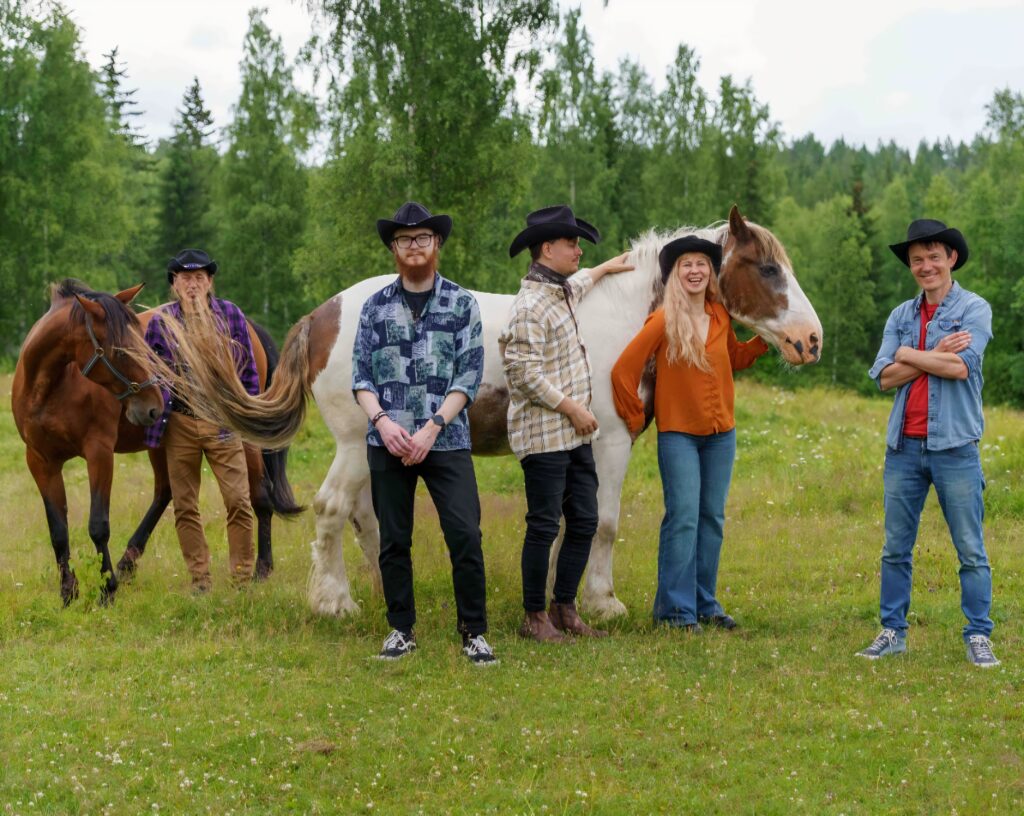
Grainville Train Finnish country rock outfit Grainville Train brings authentic rural spirit, heartfelt storytelling, and road-tested melodies to Cowboy Cadillac. Songwriter and band leader Esa Hautaniemi discusses inspiration, freedom, and the band’s upcoming debut album. 1. Cowboy Cadillac takes the classic cowboy image and gives it a modern twist by replacing the horse with an old, rusty car. What inspired this idea, and what does the “Cowboy Cadillac” symbolize to you? I live on a ranch myself and live the cowboy lifestyle surrounded by horses and various types of cars. I’ve done a lot of horse riding and driving carriages, but since you can’t go everywhere with a horse, an old hot rod is a great substitute. If there has to be a substitute for a horse, I’d much prefer an old rod like that. It doesn’t need to be shiny and beautiful—a vehicle that has seen some real life is what fits best out here in the countryside. To me, the Cowboy Cadillac symbolizes exactly this authenticity and rural freedom. 2. Your music blends modern country rock with strong storytelling and a guitar-driven sound. How do you strike the balance between honoring traditional country influences while creating something fresh and contemporary? Everything stems purely from real life and my own experiences. I’ve listened to a massive amount of music throughout my life, and music has always been strongly present in my daily routine. For me, songwriting isn’t something forced at all—everything happens very naturally and easily in its own time. Traditions and a fresh sound meet when you dress your own experiences into the modern day. 3. The song celebrates the idea that freedom and style come from attitude rather than expensive possessions. Why was this message important for you to share, especially in today’s world? Material things have never been important to me, and possessions do not bring happiness. True happiness is found in the everyday, small, ordinary things. Constantly acquiring new stuff is just not my thing. I prefer to give an old object a new lease on life by restoring it, and that same attitude is reflected in my values and my music. * 4. You’ve already earned international recognition through competitions like the Unsigned Only Music Awards and the International Songwriting Competition. How have these achievements influenced your confidence and the direction of your debut album? Not really at all. The songs for the upcoming album have been ready for a long time. It is, of course, really nice to receive recognition for the work done. 5. Cowboy Cadillac has the feel of the perfect road-trip anthem, connecting with truck drivers, bikers, and anyone who loves the open highway. What is it about life on the road that continues to inspire your songwriting? I’ve traveled a lot on the road with various types of vehicles, so it’s a very natural environment for me. You listen to a lot of music while traveling, and it always puts a smile on your face when a proper country rock track blasts from the radio. Freedom and music belong together, and they belong on the road. I’m a biker-spirited guy myself—I have a Harley in the garage and I’m a classic American car enthusiast. A song is truly successful if it manages to speak to other travelers on the road as well. 6. With your debut album arriving this autumn, what can listeners expect from the rest of the record? Will it continue the themes of freedom and storytelling found in New Hand to Hold and Cowboy Cadillac, or are there some surprises waiting along the way? All the songs on the album are very story-driven and melodic, but there will also be some genre surprises. This upcoming album will be a bit like a time travel through my life. The LP is not tied to just a single genre, but moves freely between different styles. https://www.instagram.com/grainville_train
Magdi Aboul-Kheir
Magdi Aboul-Kheir Composer Magdi Aboul-Kheir reflects on Yesterday’s Future, discussing 1980s nostalgia, cinematic electronic soundscapes, memorable melodies, and how the past continues to inspire fresh, forward-looking musical creativity 1. Yesterday’s Future captures the excitement of the future as it was imagined in the 1980s. What inspired you to explore that nostalgic vision, and what does that era represent to you creatively? First of all: because it’s a lot of fun! Looking back, I see the 1980s with a certain fondness and a smile. But when it comes to popular music, that decade was incredibly influential, and a lot of what emerged back then is still very much alive today. That’s especially true for electronic music. It was a time of experimentation, when artists developed a musical vocabulary that we still understand and use today. Back then, I listened to artists like Tangerine Dream, Kraftwerk, and Vangelis. Their music had a lasting influence on me and definitely shaped the way I think about electronic textures and patterns. There’s also something fascinating about stepping back into a past era and imagining how people at the time envisioned the future—what they thought our present day might look and sound like. It’s charming, sometimes amusing, but it can also be surprisingly thought-provoking. 2. The album blends vintage synthesizers, drum machines, soaring guitars, and cinematic string arrangements. How did you approach balancing these elements to create a sound that feels both retro and fresh? I wasn’t interested in simply recreating an old sound. The last thing I wanted was to make music that belongs in an ’80s synthesizer museum. Instead, I wanted to take elements from that era and use them in a contemporary way—mixing and matching them freely, with a sense of fun rather than strict authenticity. For me, it’s not about purism. It’s about taking a musical language that still resonates today and giving it a fresh context. 3. Across your discography, you’ve explored ambient music, orchestral works, piano compositions, and jazz-influenced instrumentals. How did your experiences in those different genres influence the writing and production of Yesterday’s Future? I love the variety that comes with writing music, and I often jump between genres in ways that might seem unexpected. After a quiet, minimalist piano piece, I might write a percussion-driven orchestral track that feels like it’s from an action film, followed by a spacious ambient composition. Because of that, the different styles naturally influence one another, even if it’s rarely a conscious process. One thing that always matters to me, regardless of genre, is finding melodies that are memorable and emotionally expressive. In the case of Yesterday’s Future, I really wanted to write a few unmistakable ’80s-style earworms. 4. Melody seems to be at the heart of your music regardless of style. When composing, do memorable melodies come naturally first, or do they emerge as you develop the overall atmosphere of a piece? Both things happen. Sometimes the melody is there right from the beginning—it becomes the starting point of the whole piece and feels so natural that it almost seems as if I simply discovered it and wrote it down. But sometimes a melody only gradually reveals itself during the writing process. It needs time to take shape, and I have to refine and polish it until it reaches the point where it feels right. 5. Yesterday’s Future follows Into the Retroverse and pushes its retro aesthetic even further. Did you discover anything new about yourself as a composer while expanding on this sonic universe? On the one hand, I became even more aware of how deeply we are shaped by the music of our youth and how strongly certain aesthetics become rooted in us. On the other hand, I realized that you can still approach all this material in a free, fresh, and creative way. You can play with it, reinterpret it, and discover new aspects within something that might already feel familiar. 6. With such a diverse catalog already released this year, what creative directions are you most excited to explore next, and what would you like listeners to take away from Yesterday’s Future after hearing it from beginning to end? I will continue to enjoy expressing myself through a wide range of genres. There will be another retro-electronic album with a sci-fi and space-inspired atmosphere, as well as an album of romantic chamber music. As for the people listening to Yesterday’s Future, I hope they experience the same thing I felt while creating it: having fun! Magdi Aboul-Kheir Official: Instagram, Facebook | Linktree
DONELLI A.I. ENSEMBLE
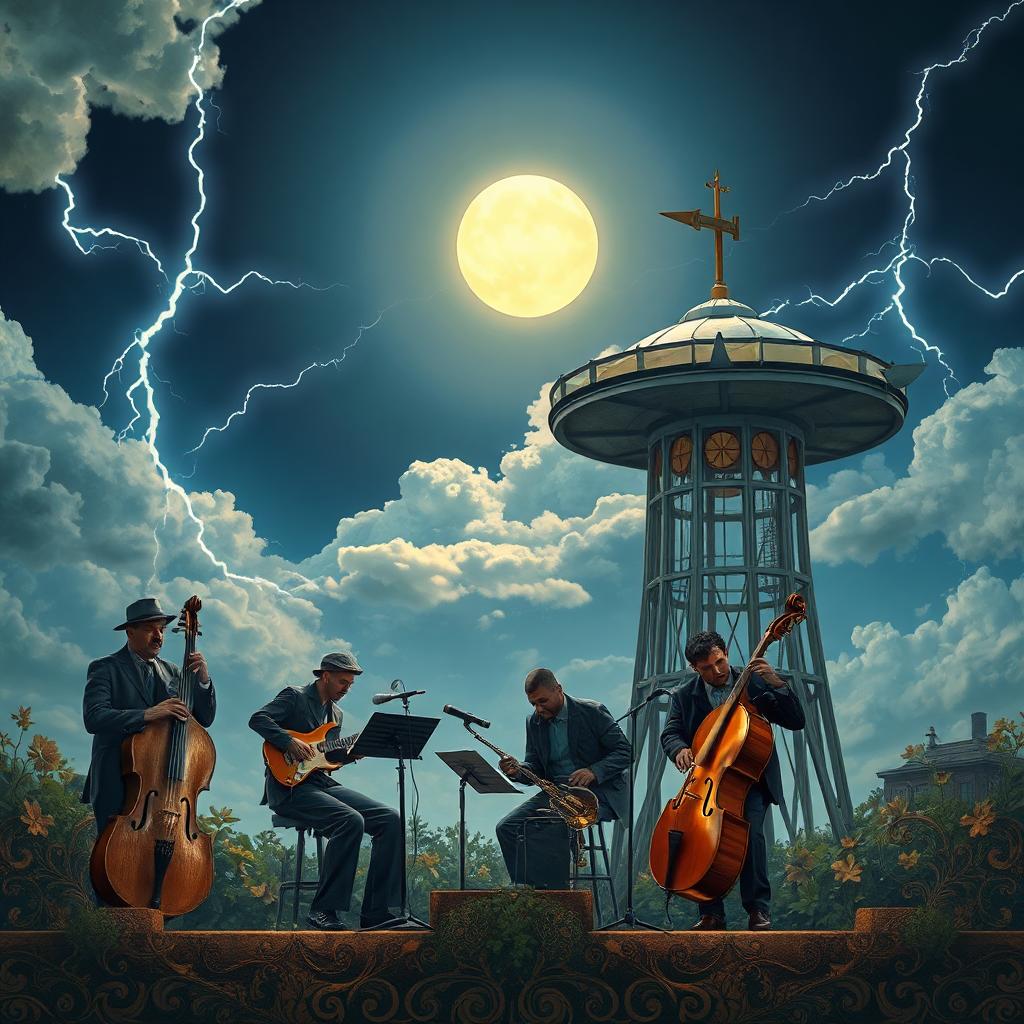
DONELLI A.I. ENSEMBLE In this interview, DONELLI A.I. ENSEMBLE discusses the inspiration behind Uncertain Weather Forecasts, exploring climate, history, artificial intelligence, and the creative fusion of jazz, progressive rock, and world music. 1. “Uncertain Weather Forecasts” reflects both the instability of today’s climate and the unpredictable changes shaping modern life. What inspired you to connect these two themes, and what message did you hope listeners would take away from the album? It’s the present moment, the one we’re living in. Time is accelerated, changes are rapid and unpredictable. Either you remain completely disoriented or you gain a new awareness, which can truly help change things for the better. 2. The album takes listeners on a journey through eighteen tracks, touching on both current realities and historical events that still resonate today. How did you decide which stories or moments to include and how they connect? History, unfortunately, repeats itself. The massacre of Native Americans, for example, has a strong symbolic value: it recalls other tragedies of oppressed and almost completely erased peoples, even in recent times. 3. Your music blends jazz, progressive rock, and world music into a single artistic vision. What attracts you to these genres, and how do they help you express the ideas behind this work? It’s the globality of music, which embraces world cultures, without genre barriers. 4. One of the most distinctive aspects of the album is the use of artificial intelligence to reshape human-composed music into new arrangements, while maintaining creative control in your hands. How did this collaborative process between human creativity and AI evolve during the project? It evolved primarily thanks to the use of workstations that allow complete control over what is reworked by AI, which can thus increasingly become an instrument of human creativity. In short, like all technologies, it depends on how you use it. It’s clear that if you simply write a prompt, the creative process is almost nonexistent. 5. With eighteen compositions, “Uncertain Weather Forecasts” offers a broad emotional and musical panorama. Were there any pieces that proved particularly challenging or personally meaningful during the creation? And why? They are the pieces that speak of war and the aspiration for peace, considering the times we are living in. I’m referring to “Capo Giuseppe” and “La guerra è finita.” Production-wise, a piece like “Borea,” with its effects, tempo changes, and sound quality control, was quite challenging. 6. Looking beyond this release, how do you see your creative approach evolving? Do you intend to continue exploring the balance between traditional composition, technological innovation, and intergeneric experimentation in your future works? Yes, of course, considering it’s a constantly evolving world. https://www.instagram.com/massimo.donelli/
Floyds Row
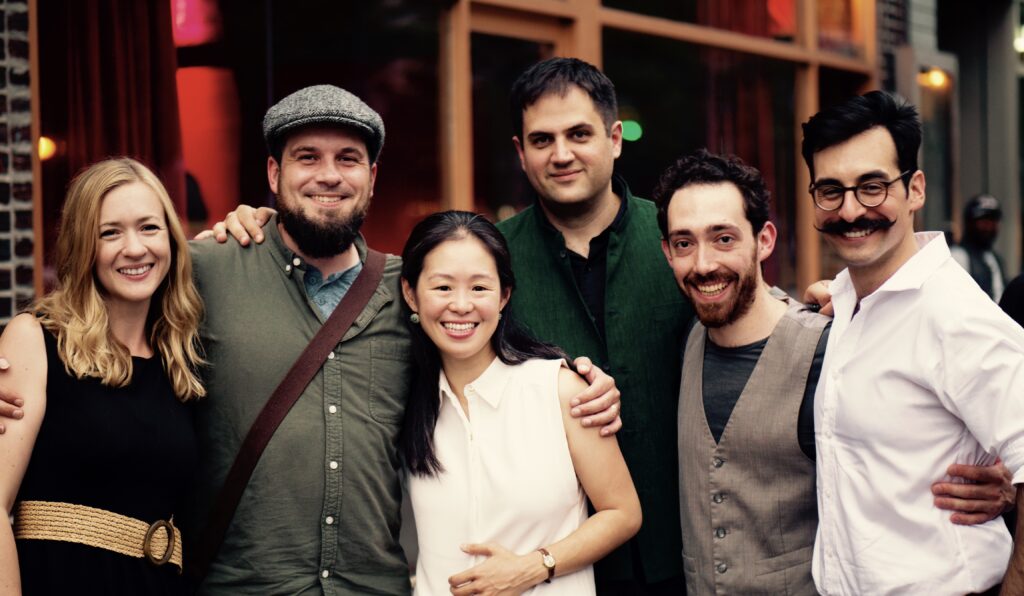
Floyds Row With The Carlisle Sessions, Floyds Row breathes new life into centuries-old melodies, blending tradition and innovation. We discuss the ensemble’s creative vision, collaborative spirit, and musical evolution. 1. Floyds Row brings together influences from early music, folk traditions, classical performance, newgrass, and world music. How did the vision for this unique musical collective first take shape, and what continues to inspire its artistic direction? Chris Ferebee: Floyds Row grew out of a series of gigs and a recording project that I did as part of my doctorate at St. Hilda’s College, Oxford. I’d been listening to bands like Bellowhead and Punch Brothers, and for years, I’d wanted to start an ensemble which similarly reimagined really old English traditional music (music I dearly love) with a kind of classical bend. I was in the midst of a multi-year, multi-gig plan to eventually produce this recording when it dawned on me. I had just heard and met Early Musician Andrew Arceci, and I was gearing up to do the first of two gigs with Northumbrian traditional musician Alistair Anderson at St. Hilda’s College when I realised that this could be the makings of that recording—this could be that ensemble. I then thought even more audaciously and wondered if I could ask traditional musician Hannah James to sing. Fortunately, not only did all of these amazing folks sign on, St. Hilda’s backed us all of the way and the result was The Oxford Sessions. Honestly, I think what drives Floyds Row is freedom. The tunes and stories we center on are indeed old, but to each of us, they’re just as vital as they ever were. So, there’s a marked freedom there; a freedom to bring our own individual approaches, from our own time and place, to this world-past. There’s no rules, no strict adherence to Historically Informed Performance, only that which a song ‘needs’ based on our individual, and collective, approach. 2. Your latest release has been described as treating centuries-old music as “raw material for something current” rather than aiming for strict historical authenticity. How do you balance respect for tradition with the freedom to reinterpret these works for modern audiences? George Lykogiannis: This is such a fascinating question; on one hand, we give a lot of thought to how we arrange these tunes and how we approach them. Yet on the other hand, we are all so versed in historical performance and the idiosyncrasies of our instrumentation, we trust our training to keep us on track. Any time we decide to do anything markedly outside of the realm of acceptable performance practice, we discuss it amongst the group and decide if it would add to the piece at all. Like any good dish, you can’t overdo the spices! 3. The ensemble features musicians with remarkably diverse backgrounds, from medieval and baroque performance to jazz, ethnomusicology, and Middle Eastern traditions. How do these different musical perspectives shape your creative process in rehearsals and recordings? George Lykogiannis: Because of our diverse backgrounds as musicians, we all bring interesting perspectives to the group as we build a piece and work to arrange it for the ensemble. The music we work from is generally very sparse- sometimes it looks like a lead sheet (one line of melody and chords) and sometimes parts are more fleshed out—but our music is always notated in an approximate way, giving the ensemble a lot of breathing room in how we arrange the piece. Generally, the music we are working with is very old, and we generally start with some faithful historic reading of the music (or as close to one with our instrumentation). But as we workshop ideas, we tend to lean into the fact that these tunes have been around forever because they are really good, catchy tunes; we trust ourselves and each other with our musicianship to strike the right balance between all of our backgrounds. Like a lot of ensemble work, it ultimately comes down to listening, trusting each other, and tastefully adding to the texture. 4. Many of your members are also educators, researchers, and scholars. How does your academic work influence the way you discover, arrange, and perform historical repertoire without making it feel like a museum piece? Andrew Arceci: Asako Takeuchi, Emily Noël, and I are Baroque specialists, but Floyds Row isn’t an early music ensemble; we’re a collective that explores historical material through a contemporary lens. We enjoy tracing a tune’s journey—how it traveled between lands, when lyrics were adapted, and how different cultures shaped the same piece. That research helps us understand its cultural context, but it’s just a starting point. Scholarship informs our artistic decisions, helping us make thoughtful choices about interpretation, arrangement, and ultimately, presentation. 5. Floyds Row grew out of collaborations at the University of Oxford before evolving into a recording and performing ensemble. Looking back, what have been the most rewarding moments in the group’s journey, and how has your sound developed since The Oxford Sessions? Chris Ferebee: Speaking for myself, the first moment was the morning after we’d finished the majority of the recording for The Oxford Sessions. Though we were dog tired and at a local coffee shop trying to caffeinate before doing the last few overdubs, there was an air of both relief (that we’d made it to the finish line), but also of excitement; there was a feeling that something special had been done. Another was at the final concert of the Winchendon Music Festival in 2018. It was a night where everything just musically and emotionally clicked; it was one of those fortuitous cosmic alignments between the audience, us as a band, and the anonymous composers lost beyond the veil. It was an amazing night. With Floyds Row being an intentional ‘collective’ of different musicians from all over the world, I think that the sound will continue developing from person to person, gig to gig, recording to recording. It’s one of the things that make this ensemble special;