
Cassy Judy
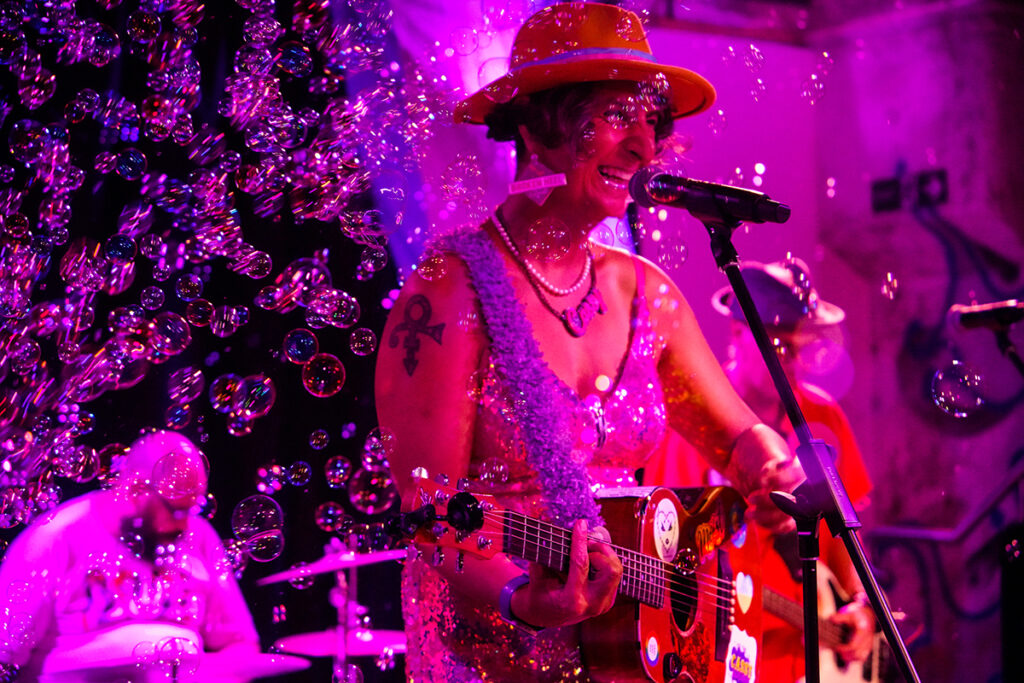
Cassy Judy In this interview, Cassy Judy reflects on the deeply personal journey behind “I’ve Come So Far Symphonic”, discussing identity, resilience, cinematic storytelling, and embracing authenticity through music, joy, and fearless self-expression. 1. “I’ve Come So Far Symphonic” is deeply rooted in your personal journey as a trans woman. What emotions came back to the surface while revisiting those experiences through this symphonic reimagining? Revisiting the song in a symphonic context felt like opening a time capsule, but with a lot more grace and perspective this time around. When you strip back the noise and elevate a song with orchestral arrangements, there’s nowhere to hide—the raw emotions of early transition, the fear, the isolation, and the eventual euphoria all come rushing back. But instead of feeling painful, hearing it with that grand, sweeping backdrop felt healing. It transformed those old struggles into a celebration of survival and strength. 2. The song balances intimate storytelling with huge, cinematic production. How did you and producer Derek Turner approach blending raw emotion with such a powerful symphonic sound? Derek is a genius at knowing when to build a wall of sound and when to let the music breathe. We sat down with the intention of making sure the production served the story, not the other way around. The key was keeping the vocal delivery intimate and upfront—almost like I’m sitting right next to the listener telling them my secret—while the orchestration swells around it to carry the weight of the story. Derek balanced those quiet, vulnerable moments with massive, cinematic swells so the emotional hits really land in your chest. 3. You’ve mentioned being inspired by Carlotta’s performance of “I’m Still Here” at the Broken Heel Festival. What impact did that moment have on your confidence as both an artist and a person? Watching Carlotta on stage at Broken Heel was a total lightning bolt moment for me. Here was an absolute legend, a trans trailblazer who has lived through so much history, standing up there in the desert with complete authority, vulnerability, and defiance singing “I’m Still Here.” It gave me full permission to own my space. As a trans artist, it showed me that our stories aren’t just valid—they are vital, powerful, and meant to be shared loudly. It gave me the fire in my belly to take my own stage without apology. 4. Your music often mixes humour, cheekiness, and inclusivity with serious themes about identity and resilience. Why is it important for you to keep that sense of joy alive in your work? Humour and joy are essential survival tools! Being trans or navigating identity isn’t just about hardship; it’s also full of absurdities, belly laughs, liberation, and immense fun. If we only focus on the struggle, we miss out on the beauty of living genuinely. Keeping a cheeky, humorous edge lets people in—it lowers their guards, creates connection, and makes the heavy stuff easier to process. Joy is a form of resistance, and I want my music to feel like a celebration, not a lecture. 5. “I’ve Come So Far Symphonic” feels like an anthem for anyone trying to become their authentic self. What message do you hope listeners take away after hearing the song? I hope anyone listening realizes that the journey to becoming yourself is worth every single bump in the road. It’s never too late to step into your truth, no matter how long it takes or how scary it looks at the start. I want people to walk away feeling like they’ve got a ally in their corner—that no matter where they are on their path, they aren’t alone, and there is light, pride, and peace waiting for them on the other side. 6. With “Southerly Buster” arriving in 2026 and your live performances gaining attention, how do you see your artistry evolving from here, both musically and personally? I feel like I’m stepping into a much bolder, more expansive era. Musically, working on Southerly Buster and experimenting with symphonic elements has opened up a whole new palette for me; I’m leaning harder into bigger arrangements, bolder storytelling, and pushing my vocal range. Personally, I’m just far more comfortable in my own skin. The live shows are becoming bigger party celebrations of community and identity, and moving forward, I just want to keep making music that hits deep, lifts people up, and refuses to sit quietly in the corner. Cassy Judy Musical Comedian Official: Instagram, X, Facebook | Linktree
Vera F. Kennedy
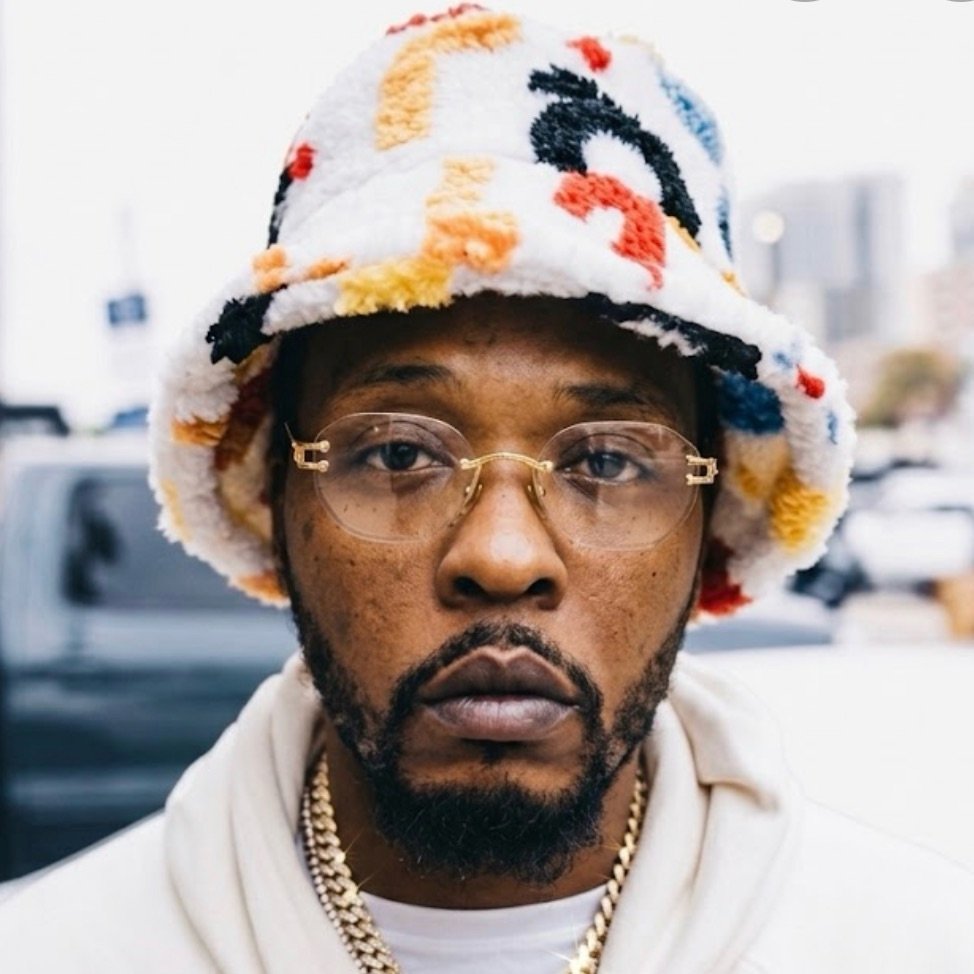
Vera F. Kennedy Rapper Vera F. Kennedy discusses the passion, discipline, and determination behind Nightmare Flows, sharing insights into lyrical authenticity, creative collaborations, musical influences, and what lies ahead in his growing career. 1. Nightmare Flows feels like a declaration of intent. What message were you hoping listeners would take away from this release? I wanted to channel that raw emotion bars …almost like I was making a statement… a stance I’m Here and beware. 2. You’ve mentioned drawing inspiration from legends like Jay-Z and Jadakiss. How have those artists shaped your approach to lyricism and storytelling over the years? The detail to the art. The vocabulary. How they string words together and it makes sense that’s the best part it’s not just words it’s means something. 3. The project reflects years of hard work, discipline, and patience. How did your daily routines and life experiences influence the energy and mindset behind the song? Life is marathon not a sprint. it’s not how start it’s how you finish. 4. You recorded Nightmare Flows at Lockjaw Studios in Allentown and worked with Ray X-Ray Martinez on the video. How did those collaborations help bring your vision to life? Those guys are great I tell them what I want and they make it. 5. In an era dominated by short-form viral content, you remain focused on traditional lyric-driven hip-hop. Why is it important for you to stay committed to that style? Quality last forever. That microwave rap is just that! 6. With upcoming performances in Allentown, New York, and Tampa, what’s next for Vera F Kennedy, and what can fans expect from you in the coming months? Aug 2nd Bassline in Chicago with Shawana from DTP and L streets. https://www.instagram.com/verafkennedy_
TIEBREAK
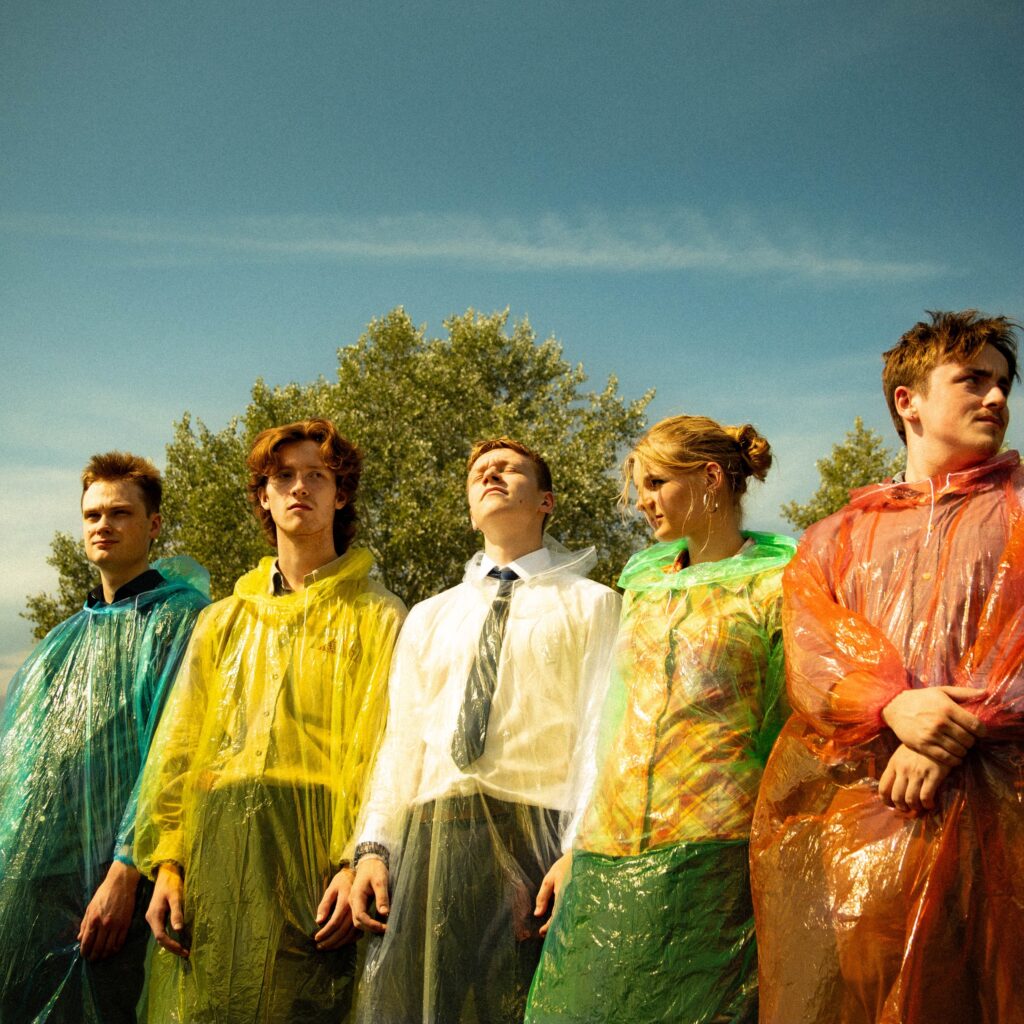
TIEBREAK Blending analogue warmth with heartfelt songwriting, UK indie band TIEBREAK embraces authenticity over perfection. In this interview, they discuss their debut album 16-23, crowdfunding, creative process, and future ambitions. 1. Your debut album 16-23 was recorded on analogue tape, a choice that stands out in today’s digital recording world. What drew you to that process, and how did it influence the sound and atmosphere of the record? We prefer the warmth of tape, and we wanted it to sound honest, tape picks up every little detail about the sound but it’s the genuine sound we made. We feel really bored of perfect quantised notes so we decided to go back to the OG methods! We also wanted it to sound as good as possible on vinyl. It’s a tough time for artists and venues right now but they are still making an effort to keep it rolling and it means a lot to so many people! 2. TIEBREAK is a self-managed band made up of friends from Northampton, Milton Keynes and Leighton Buzzard. How has that shared history shaped your songwriting, chemistry and the way you approach making music together? The locations themselves didn’t shape much, Milton Keynes is especially uninspiring, but the people within the places had a huge impact. Jack and James from MK college really helped us get our foot in the door when we were starting out and showed us how the music industry works. The hard working people at the local venues are really holding the scene up, the Crawfurd, MK11, The Lab, Bedford Esquires [and more!]. 3. You describe yourselves as “just a decent authentic local UK indie band” focused on making real music. What does authenticity mean to TIEBREAK, especially in an era dominated by social media trends and streaming algorithms? Our general viewpoint is that good music is made from a place of authenticity and honesty, being honest about the sounds you like and the rhythm that moves you. You can’t fake your way into connecting with people, especially not with art and music. You can fake it but then you’re just a salesman on stage. We would rather 10 people love us for what we actually make, sound like, and how we feel the music – Than connect with 100 who hear a reconstructed and quantised version of us with fake smiles and pretending to enjoy ourselves. So authenticity and honesty is a prerequisite to the music in my opinion. 4. The album combines your first three singles with brand-new material. Looking back at those earlier songs, how do they reflect your evolution as a band, and what can listeners expect from the newer tracks? The album has everything, we recorded all of the tracks in 2 sessions lasting 2 days each, meaning that no matter how we felt, we had to push through and record. You’ve got the excitement in there from us being at one of the nicest studios for the first time, as well as the lows and frustrations of having to squeeze it all in so little time. And because we recorded it to tape and 90% of it was live recording, you can really feel it in the songs, which is nice. 5. Your debut album was made possible through crowdfunding, showing that your supporters believed in the project from the beginning. What has that experience meant to you, and how has your growing fan community motivated the band? We are just really grateful for everyone who gave money towards the album, it really means a lot. We hope it means that they believe in us! 6. With 16-23 introducing TIEBREAK to a wider audience, what are your hopes for the months ahead? Are there plans for touring, new music, or other goals you’d love to achieve as the band continues to grow? We have a lot planned for the near future, we are organizing tours, starting with a lot more local-ish shows, writing new music, and loving the process of it. Tiebreak Official: TikTok, Instagram, Facebook, Threads | Linktree
Paul Louis Villani
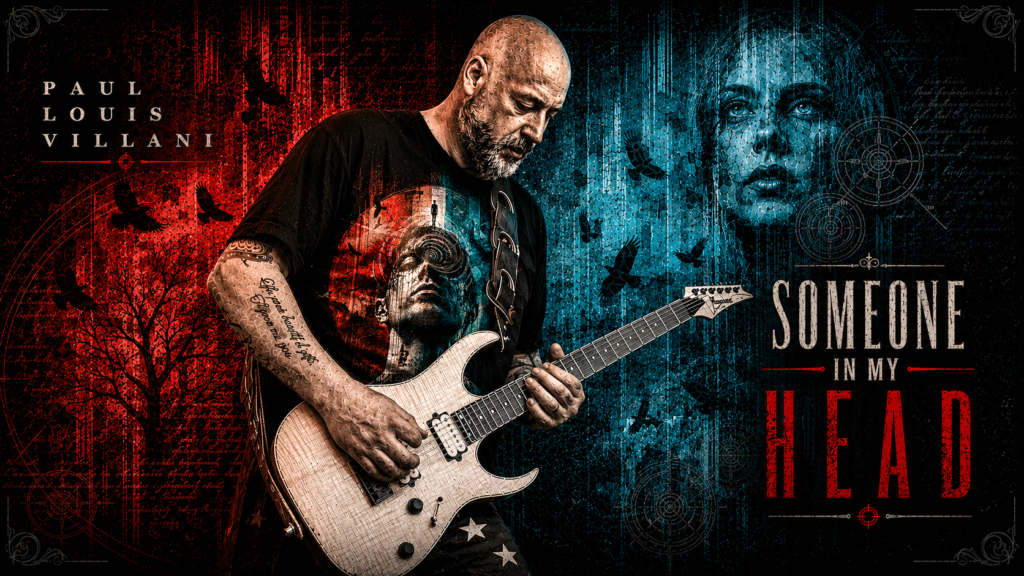
Paul Louis Villani Australian songwriter, producer, and multi-instrumentalist Paul Louis Villani opens up about mental resilience, emotional vulnerability, and the creative journey behind Someone in My Head and his forthcoming album Human Shaped Weather. 1. Someone in My Head explores the psychological noise we often hide from others. What personal experiences or emotions inspired you to write such an intimate and intense song? I’ve never really had an off switch. I’m a professional over-analyser, and most of the time there’s far more happening inside my head than the face I’m presenting to everybody else. This year brought some incredible highs, particularly through coaching children and watching them grow as young sports people, but it also brought some crushing lows. Rising debt, the cost of simply existing and a workplace that had become mentally draining. Meanwhile, I still had to be a husband, father, coach, employee and functioning human being. The song came from that strange place where you appear to be coping, but privately you’re trying not to drown or disappear. It isn’t really about a stranger living inside my head. It’s about the parts of me I keep hidden so the rest of me can continue turning up. I’m almost certain it’s that way for a lot of other people too. 2. The track combines distant guitars, industrial textures, synthetic percussion, and a vocal performance that feels both vulnerable and unsettling. How did you approach creating this cinematic and claustrophobic soundscape? I didn’t want it to sound like a band playing in a room. I wanted it to sound like the room was gradually closing around someone. The distant guitars provide an eerie substance, while the synthetic percussion creates that rigid, mechanical pulse, the sense that something keeps moving whether you’re ready for it or not. I kept adding fractured sounds and uncomfortable textures, but I was careful not to polish away the tension. The rough edges belong there. Vocally, I wanted it to sit somewhere between a confession and an unwanted intruder. At times it’s me speaking from inside the song; at other times it feels like the song is speaking back to me. I create alone, so I can follow an idea into some fairly strange places without anybody asking me to make it more normal. That freedom was important because this song was never meant to feel safe. 3. The repeated line, “I came from the dark / The dark came from me,” feels like the emotional core of the song. What does that lyric represent to you, and how did it evolve during the writing process? That line is the entire song folded into two sentences. “I came from the dark” suggests that this metaphoric darkness existed before me, that it was something I walked out of or something that happened to me. Then “the dark came from me” destroys that excuse. It admits that some of it now belongs to me. There are things done to us, and then there are the things that grow inside us as a result. As the song developed, the line became less about escaping darkness and more about recognising my relationship with it. I’m not celebrating it, but I’m no longer pretending it’s completely separate from who I am. It shaped me, and in some ways I’ve shaped it. That’s why the line repeats like a mantra. It isn’t looking for an answer. It’s forcing an admission. 4. You describe this single as your closing statement for 2026 after a year of emotional highs and unexpected lows. Looking back, how has this period changed you both personally and creatively? It taught me that you can be genuinely happy and absolutely exhausted within the same hour. One doesn’t cancel out the other. Coaching gave me some of the most rewarding and joyful moments of the year. At the same time, family pressures, financial strain and a mentally challenging workplace were slowly chewing away at me. I think I became less interested in performing resilience for other people. We tend to praise someone for being strong when what we really mean is that they’ve continued absorbing punishment without inconveniencing anybody. Creatively, it made me more direct. I’m less concerned about whether a song fits comfortably inside a genre or makes people feel comfortable. Genres are like jail cells anyway. I’m more interested in whether the music tells the truth. If that truth is ugly, unstable or difficult to listen to, then that’s what the song needs to be. 5. Your upcoming album, Human Shaped Weather, promises to explore themes of identity, resilience, pressure, and emotional instability. How does Someone in My Head introduce listeners to the larger story the album will tell? The title Human Shaped Weather comes from the idea that none of us are emotionally fixed or perfect, I really don’t think perfect exists. We’re systems of pressure, fluctuating temperatures, damage, memory and sudden change. Some days we’re clear. Other days something begins building inside us without warning. Someone in My Head is probably the moment that weather gets internal and personal. It introduces the album’s central questions: Who are you beneath all the roles you perform? How much pressure can a person carry before it changes their shape? Is resilience healing, or is it sometimes just another name for surviving damage? The album explores those ideas from different angles, but this song only opens the door as it will not actually appear on the album. It says that identity isn’t always singular or stable, and the person looking back from inside your own mind may not be the person you’ve been presenting to the world. 6. Having spent much of this year balancing creativity with all other Paul Louis Villani responsibilities, what lessons have you taken from all those different worlds, and what can fans look forward to as you prepare to release Human Shaped Weather in early 2027? For me, coaching strips away a lot of the stress and weight. I love that the kids
Michael Thomas Brown
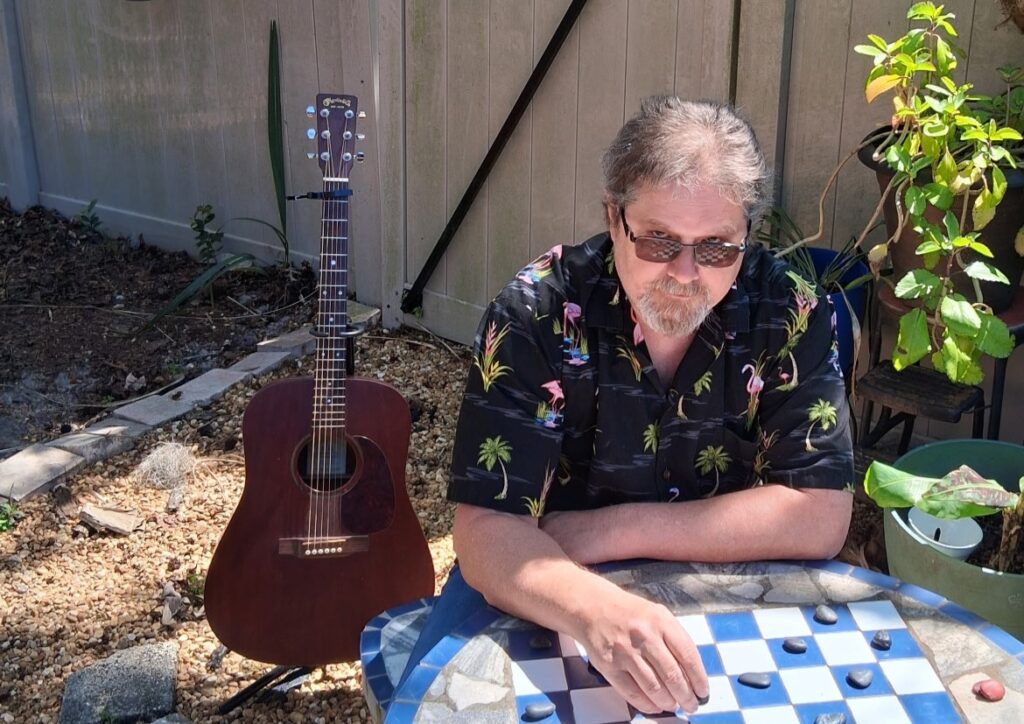
Michael Thomas Brown In this inspiring interview, Michael Thomas Brown shares how his battle with cancer shaped Outside, reflecting on resilience, creativity, hope, and the healing power of music and human connection. 1. “Outside” was written while you were recovering from surgery following a cancer diagnosis, making it an incredibly personal piece. How did creating this song help you process such a life-changing experience, and what emotions were the hardest to translate into music? In late 2022 I was diagnosed with Stage VI colorectal cancer, which had spread to my liver. I immediately began chemotherapy, and with that came insomnia. I’d find myself awake at 3 am, thinking and worrying about what the future might bring. That’s when I began writing lyrics, something I hadn’t done before. I was an instrumental guitarist, and I produced orchestral cues for sync licensing. These lyrics became “Dreams, Monsters, and the Universe”, a concept album I recorded in my makeshift studio in my spare bedroom. When I finished the album, I received word that chemo and radiation had worked, and I was cancer free. Cancer, being the spiteful bitch that it is, came back a few months later. That’s when I went through a series of surgeries to deal with the disease in a more primal way: with a knife. During recovery, I locked myself in my studio, mainly so our dangerously friendly dogs wouldn’t accidentally hurt me. Here, “Outside”, the follow-up to my concept album, was written and recorded (my friend John Shade provided drums and piano via internet file sharing). I was feeling isolated, lonely, and honestly, pretty stoned on prescription pain killers. It occurred to me that it wasn’t the four walls of my tiny room that had me trapped. It was the cumulative fear and anxiety of the last couple of years. There was no door I could simply open and step through to escape. I would need help. So, I imagined an alien, far away in the vastness of open space, who might suffer the same isolation I was feeling. “Outside” is a story of how we find each other, because sometimes, no matter how tough you are, you need help to get through the hard stuff. 2. The music video embraces a simple hand-drawn animation style on a dry erase board, standing in stark contrast to today’s AI-generated visuals. What inspired you to make that artistic statement, and why do you believe human imperfection carries a unique emotional power? We humans are unique on this planet. We survived not because we were the strongest, or that we were particularly suited to withstand our environment. We survived because we had this seemingly magical intellect that inspired us to construct shelter, to make fire, to plant crops. Our intellect gave us technology that let us survive, and live life the easy way compared to every other animal on the planet. If we were stripped of our technology and infrastructure, I don’t think most of us could survive. The easy way became our superpower, but it could also be our undoing. Now our technology allows us to create art the easy way. So, being human, that’s what we will do. We will let AI write our songs, make our videos, and design our album covers. In doing so, we lose the very essence of art and originality. We become fast food consumers instead of hunters. It is my opinion that any human made art, no matter how crudely drawn, sculpted or recorded, carries with it originality, heart, and emotion that no machine could ever duplicate. 3. Your upcoming concept album was born during your battle with Stage IV metastatic cancer and became a form of therapy. As the songs came together, did you find your perspective on life—and perhaps even on your illness—changing through the creative process? (NOTE: my album was released on Friday, February 13, 2026. “Outside” is the follow up, released on June 12th, 2026.) Yes. Before my surgeries, I had a 17% chance of living five years. When faced with that, I knew that if there was anything I wanted to do with my life that I hadn’t already done, now was the time. What I wanted to do was cherish every moment with my wife, and record the album. I guess it’s ego, but I wanted to leave behind a record (no pun intended) of my journey. The album was actually my wife’s idea. She encouraged me to sing, something I’d never really done before. So, yes, my perspective on life changed. The grand epiphany? Don’t put off the things that matter to you. Start today. Because tomorrow is not guaranteed. Post surgery, my odds of five-year survival have improved to 50/50. A coin toss. I guess that’s the best any of us can hope for. 4. Throughout your story, the idea of resilience is captured by Newton’s famous principle that every action has an equal and opposite reaction. How has that philosophy shaped both your songwriting and your outlook on the future? I’m a bit of a science nerd. You can hear it in a lot of my songs. “You’re Like the Sun”, for example, references the expanding universe, and the theoretical ‘big crunch’, when the universe collapses in on itself, resulting in another Big Bang. While many people find solace in religion, I find peace in an infinite universe that never fails to amaze, humble, and inspire. 5. Isolation, hope, fear, love, and mortality all seem to intertwine in your music. When listeners hear “Outside,” what conversations or feelings do you hope it sparks within them, especially for those facing their own personal struggles? We are all alone sometimes; isolated and lonely. Some of us find it difficult to open the door, step outside and find someone to talk to. We should recognize that in ourselves, and in the people we know and love. 6. Despite the challenges you’ve faced, your message remains remarkably optimistic, summed up by the belief that “the harder you
Cash Corleone
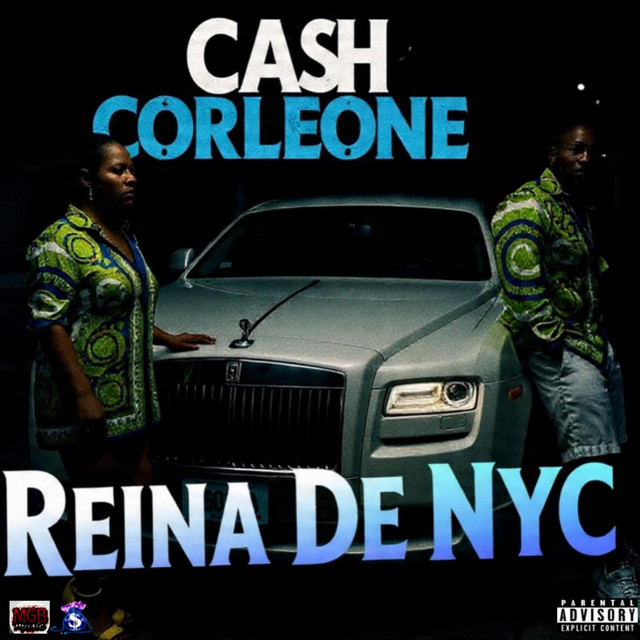
Cash Corleone Inspired by New York City’s vibrant spirit, Cash Corleone discusses the making of Reina De NYC, his evolving artistry, creative collaborations, and the passion driving his upcoming music and future projects. 1. Congratulations on the release of Reina De NYC! What inspired this song, and what story were you hoping to tell through its lyrics and atmosphere? Thank you i appreciate the congratulations it means a lot to me. The sound is inspired by NYC Uptown Vibes, I love to call this one a “NYC Love Story” lol it’s all about meeting a beautiful women and making her my Queen(wife), two people building a lifetime bond off meeting at a party one night in the New York City 2. Reina De NYC blends authentic New York hip-hop with melodic Latin influences. How did you approach merging these musical styles while keeping your signature sound intact? My approach was pretty simple honestly; I wanted to try a new sound musically but still remain myself lyrically. I feel like if I would’ve approached it any other way it would’ve lost the authentic feel that the song currently has. 3. You teamed up with MGB MUSIC for this release. What was the creative process like in the studio, and how did this collaboration help shape the final version of the track? S/O to MGB Music he produced the beat for this song. The creative process in the studio is basically weed, water, good vibes and a great engineer big S/O to my engineer G over at Explode Studios in Brooklyn. The final version came together suave once everything was recorded. 4. Your music often reflects the energy, culture, and realities of New York City. In what ways has the city influenced your songwriting and artistic identity over the years? The city has influenced my sound, songwriting and artistic identity in every single way my flow, my delivery, the slang I use, the stories behind so many of my songs. I grew up in Brooklyn on 90’s hip hop and r & b so I love to make music that reminds me of that style and sound because it’s favorite era of music 5. From tracks like We Live In Brooklyn Baby to Reina De NYC, your catalog continues to evolve. How do you feel you’ve grown as both a lyricist and performer since the beginning of your career? I feel I’ve grown tremendously as a lyricist since I first started recording. My writing and song making ability is something I’m extremely proud of, listening bac to my old music and hearing the development leaves me shocked at times. I have a passion for the art of hip hop music so getting better and wanting to be mentioned as one of the best was always my ultimate goal. 6. With this new single now reaching listeners around the world, what’s next for Cash Corleone? Can fans expect more collaborations, a larger project, or live performances in the near future. I actually have a few things in the works but I don’t wanna mention too much yet, in the immediate future I have a project titled “Dinner Served” with my brother Joe Carter which will be released in August 2026 and a Solo project titled “Baba Yaga” which is a reference from the John Wick movie series. Make sure you follow my IG page @corleone_mbk so stay up to date with updates, events and new music. https://www.instagram.com/Corleone_mbk
Nellie Feldmann
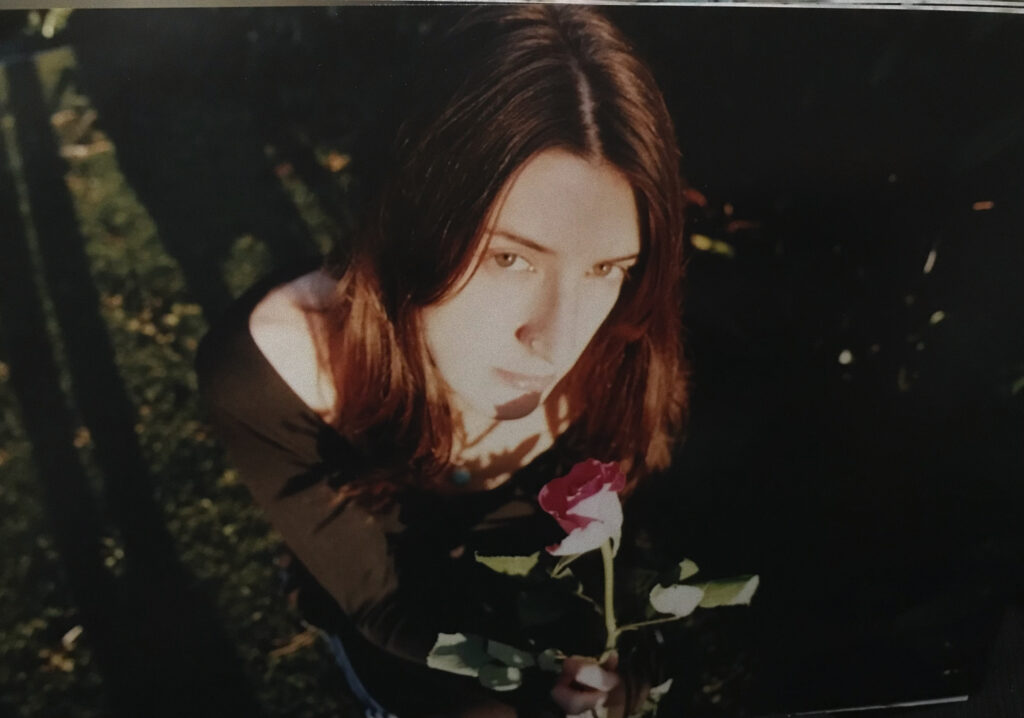
Nellie Feldmann Singer-songwriter Nellie Feldmann opens up about the personal inspiration behind “Turn Down My Shine,” discussing emotional healing, authentic songwriting, creative collaboration, and the exciting new chapter introduced by her upcoming EP. 1. “Turn Down My Shine” is a deeply personal song inspired by your experience with a narcissistic person. What was the emotional journey of turning those difficult memories into music? I remember feeling really small and powerless, it’s almost like it didn’t matter what I said because it felt like this person had already made their mind up about me, yet they didn’t really know me at all. I found it difficult to stand up for myself, there were so many things I wanted to say but didn’t feel I could or more importantly that they would even listen. I was talking about it with dad in the studio and I recounted a conversation with this person and how they’d said “you seem like you’ve lost your spark and appear subdued” The idea that someone can ‘dull’ your presence came into the session and that became “Turn Down My Shine”. 2. You’ve said that being “too quiet” has often been misunderstood. How has embracing your quieter nature shaped both your songwriting and your identity as an artist? People who know me well probably wouldn’t say I’m “too quiet”. I don’t necessarily open up to people unless I feel completely comfortable around them and I’m sure I’m not alone in this. I find it easier to express my emotions through songwriting than actually trying to explain to someone how I feel. For me, songwriting just makes it less scary because I have taken the time to process and craft these feelings into something that I genuinely love. 3. The lyrics capture manipulation, self-doubt, and ultimately the desire to reclaim your voice. What message do you hope listeners take away from the song, especially those who have experienced similar relationships? To be honest I still struggle to stand up for myself. It would be lovely for audiences to feel empowered by the song, but really, I’m just sharing my version of a difficult situation and hoping people can relate to it. 4. Your music blends acoustic indie songwriting with the intimate feel of bedroom pop. How did you approach the production of “Turn Down My Shine” with Tim Howarth to ensure the emotions remained authentic? Dad has always been the person I go to for literally everything and anything, he understands me in a way that no one else does. We are very similar, the way we think, the way we feel. We both struggle with anxiety; I have always been very open with him about my mental health. When we write and produce music together, I am in my happy place. Creating music in the comfort of my home makes me feel safe, which I think really helps my songwriting. ‘Turn down my shine’ came from an open and honest conversation, I remember Dad saying ‘tell me how you’re feeling’. The words just kind of started flowing and somehow, we had a new song. The production was just part of this authentic journey and went through serval different versions. 5. As the first single from your upcoming EP, how does “Turn Down My Shine” introduce the themes and musical direction of the full release? It doesn’t really. The EP is a collection of songs I wrote that are all individual expressions of various situations and relationships. We wanted to create a more upbeat song, I was playing around with a slightly more dynamic sound experimenting with my chest voice. The vocal range in this song was little out of my usual comfort zone. The first version of ‘turn down my shine’ was a little more relaxed, we realised the chorus needed to punch a lot more to highlight the frustration I was feeling at the time. 6. Looking ahead, what are your hopes for this new chapter of your career, and what can fans expect from you after the EP is released? I hope to continue building my audience, play at a different level of gigs and I am also currently working towards another EP/album. https://www.instagram.com/nelliefeldmannmusic/
Roxy Rawson
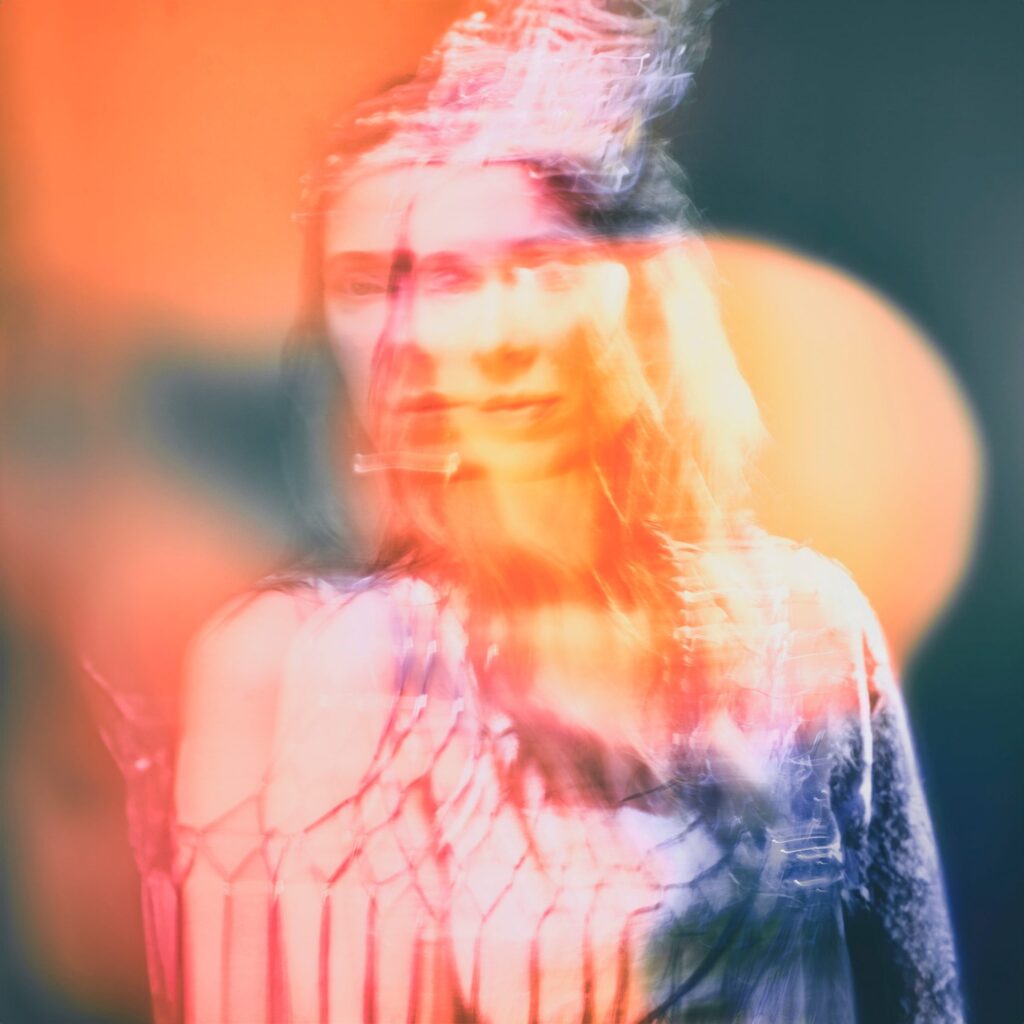
Roxy Rawson Singer-songwriter Roxy Rawson shares the story behind her evocative single “South Sudan,” exploring compassion, resilience, personal transformation, and how the track connects to her forthcoming album, Bright Star. 1. South Sudan is inspired by your experiences working in Sudan around 2010–2011. What moments or encounters from that time stayed with you most strongly and ultimately found their way into the song? There were so many sensory experiences that made a deep impact on me, such as the whole office stopping work to adhere to the call to prayer…attending a Sufi gathering at Sunset, seeing the point in Khartoum where the two Nile rivers meet, but most of all, the people I met made a big impact on me. As part of my work there at the time, we consulted with local communities about what they needed. People were so ready to pool resources and mobilise to help each other and their communities. This stood in stark contrast to the way the dictatorship at the time extracted Sudan’s resources for themselves, enriched themselves and did not care for Sudan’s population. If I remember correctly, there was only one medical centre serving a geographical area roughly the size of South East England. As a result, the maternal mortality rate was comparable to that of the UK in the early twentieth century. This song speaks to the depth of people’s care for each other and other, which is often invisible. Governments’ violent actions are much louder than the quiet daily commitment people have towards caring for each other and their communities. 2. You’ve described the track as being “about the opposite of dictatorship.” Can you expand on that idea and explain how themes of compassion, community, and care became the foundation of the song? In every given moment, each human being makes the choice with their free will to care or to harm others and themselves with their words and actions. And it’s the choice to care, that enables humanity to survive and thrive. If parents didn’t care for their children, if adults didn’t care for each other, if different generations within communities weren’t taken care of, the world would be a totally harsh place. Yes, violence persists. Dictatorship, narcissism and control govern much of politics. But there is this whole other level of existence, much quieter, that is enabling humanity to go on, for people to thrive and live. And it is woven through local communities in many places on the earth, that quietly do this vital work on the earth, add goodness to the earth and encode light into the collective consciousness. 3. The song blends symbolism with vivid imagery, portraying the land as something ancient, feminine, and alive. How did you approach translating these complex ideas into lyrics and music? When I write, I enter a state of flow, so I didn’t write this song with my cognitive mind. I guess I must have had that intention to somehow bring those elements together while I was writing it, but it was actually very instinctive in how it came together. Usually when I write, it comes from a kind of inner necessity; an awareness that I have arrived at that is calling for expression and the song that results, is like a description of this already formed idea that asked for expression. When I write the lyrics or music to any song when I’m in this state of necessity and flow, I feel all the lyrics as if I am embodying them, it’s a full experience. So I think I was giving voice to what I was embodying at the time I wrote it. 4. Musically, South Sudan feels both intimate and cinematic, combining live strings, subtle electronics, and your distinctive vocal style. What was the creative process like working with Jherek Bischoff to bring this soundscape to life? It was wonderful working with Jherek, because he instinctively understood the meaning in the songs and what they were asking for musically. I felt like he was able to listen and understand, and respond musically in a way that augmented further what the song wanted to communicate. He was able to sense when moments required intimacy and the moments that would respond well to broader orchestration. I remember feeling very inspired and excited during listening sessions with me after he’d worked on things. He was so respectful about checking in with me to ensure his arrangements felt like they were going in a direction I enjoyed. 5. After navigating a decade of chronic illness and personal transformation, has your relationship with songwriting changed? In what ways does South Sudan reflect the person and artist you are today? I guess after going through more intense experiences in life and the learning that comes from those portals, I imagine that my songwriting contains a different level of emotional processing as this is the case in my personal life. I’ve done a great deal of inner work to transmute pain and to uphold my spiritual worth in the face of intense health challenges, that seemed like they would hinder my whole life and I’d never recover from them. I’ve known a depth of physical pain that God willing most people will come to know in old age rather than mid life. But I am grateful for what I learnt from that experience. It has given me a new appreciation of health and youth. The ability to move, read, walk, do very simple things. I came to life again almost like a child in my late thirties. And I didn’t even know if I would ever recover, so it was such a gift. 6. Your forthcoming album Bright Star is described as a work rooted in transformation, resilience, and renewal. How does South Sudan fit into the wider story of the album, and what can listeners expect from the journey ahead? The last years have been a time of intense personal change. After getting through my health challenges, there was so much joy
Chelle
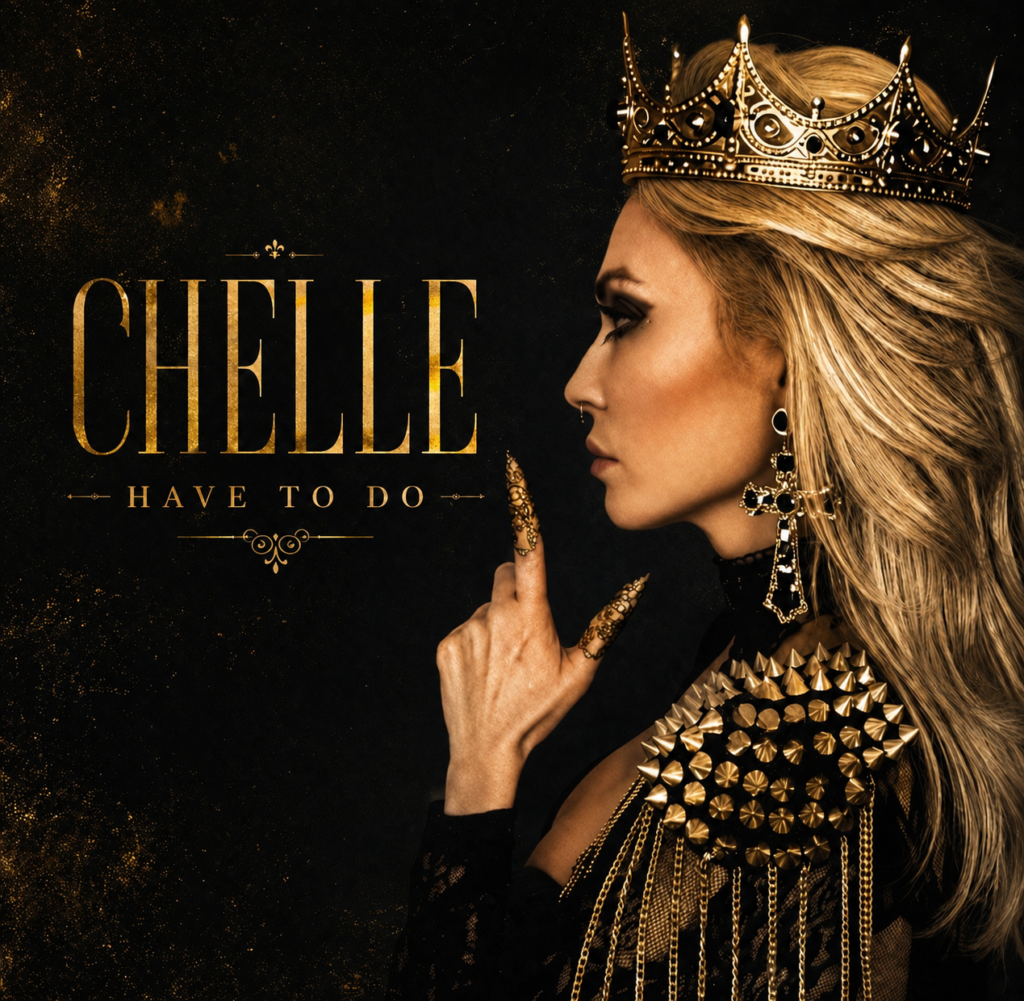
Chelle Irish singer-songwriter Chelle opens up about the inspiration behind her powerful new single “HAVE TO DO,” exploring dark pop, cinematic storytelling, creative evolution, and the fearless vision shaping her exciting new musical era. 1. “HAVE TO DO” feels like a bold step forward in your artistic journey. What inspired this song, and what personal message did you want to convey through its empowering lyrics? The song came from a place of watching someone’s life completely spiral. ‘HAVE TO DO’ was born out of observing someone get trapped in a deeply toxic situation—staying with someone purely out of convenience. The core message is about reclaiming your power, setting absolute boundaries, and stepping into your self-worth. It’s a harsh reminder that when someone trades real love for a self-destructive ‘have to do’ scenario, you don’t need to get dragged down into the mud with them. You put on your armor, keep your peace, and let them live with the consequences of their choices. 2. The track blends cinematic dark pop with driving 80s synth-pop influences. What drew you to this particular sonic direction, and how did you balance nostalgia with a fresh, modern sound? I’ve always loved contrast in music—pairing infectious, driving grooves with heavy, unapologetic lyrics. While my earlier releases leaned into warmer soul-pop and pop-fusion, with ‘HAVE TO DO’ I wanted something darker, sleeker, and more urgent. We were heavily drawn to that moody 80s synth-wave energy—relentless basslines, analog synth textures, and high-stakes rhythms—because it carries an immediate pulse. We balanced that nostalgic backbone by keeping the vocal production razor-sharp and modern, layering atmospheric vocal chops and cutting synth hooks over a tight, contemporary electronic mix. It gives the track a nostalgic heartbeat, but with a very modern, aggressive edge. 3. You recorded the single at Bluebird Studios with producer Declan Lonergan. How did working together shape the final version of “HAVE TO DO,” and were there any memorable moments during the recording process? Working with Declan at Bluebird Studios has been instrumental in shaping this entire new chapter of my sound. Declan is fantastic at balancing atmospheric, cinematic scope with raw vocal intimacy. He knows how to push me out of my comfort zone while keeping the soul of the performance intact. A really memorable moment in the studio was tracking the lead vocals for the hook. We kept pulling back on artificial polish because we wanted the delivery to sound biting, unbothered, and authentic. We left in those subtle breaths and raw vocal edges because that’s where the attitude lives. Declan’s ear for keeping things organic in a synth-heavy production made all the difference. 4. Your previous releases received impressive support from outlets like BBC Introducing, Hot Press, EARMILK, and Irish radio. How has that recognition influenced your confidence and expectations going into this new chapter? Having my music recognized by tastemakers like EARMILK, Hot Press, and hand-picked for BBC Introducing gave me an incredible seal of approval early on. When you’re an independent artist building everything from the ground up, that kind of support validates that your instinct and message are landing with people on a global level. Going into ‘HAVE TO DO,’ that backing gave me the freedom to be completely fearless. Instead of playing it safe, I felt empowered to lean harder into dark, assertive themes and bolder production choices. It raises the bar for what I expect of myself, but it also gives me massive confidence knowing there’s an audience ready for this grittier, darker pop sound. 5. The atmosphere of “HAVE TO DO” is both dark and energetic, almost like the soundtrack to a neo-noir film. How important is visual storytelling to your music, and do you already have a specific vision for how this song should be experienced beyond the audio? Visual storytelling is massive for me—I write and listen to music very cinematically. From the moment we started building the production, I pictured late-night highway drives, high tension, and a dark, moody landscape. That vision directly inspired the artwork: wearing a gold crown with spiked armor and heavy gothic jewelry. It represents the ‘regal dark-pop’ mood of the song—standing composed and unbothered while the chaos unfolds around you. Moving forward, I want every visual element, from live visuals to music videos, to reflect that same high-contrast aesthetic. 6. As one of Ireland’s most exciting independent artists, what goals have you set for yourself after the release of “HAVE TO DO,” and what can listeners look forward to from Chelle in the months ahead? My main goal right now is national and international expansion and relentlessly pushing my creative boundaries. Following ‘HAVE TO DO,’ I’m heading straight back into the studio to continue writing and recording new material that builds on this cinematic ‘noir-pop’ world. I have zero intention of playing it safe. Listeners can look forward to even bolder storytelling, heavier production choices, and a steady stream of music that expands this darker, more cohesive era. This release is really just setting the stage for what’s coming next. https://www.instagram.com/chellekersh
Remik Erikson

Remik Erikson Remik Erikson’s A Baker’s Dirty Dozen is a bold and deeply personal album that blends humor, poetry, storytelling, and self-discovery. In this interview, he reflects on creativity, independence, and embracing his artistic identity. 1. A Baker’s Dirty Dozen comes from what you’ve described as a personal mission to create an album entirely on your own terms. What was the driving vision behind the project, and what did “doing it your way” truly mean to you? I’ve been a “poet” and a “writer” and a “comedian” my entire life. Still it wasn’t until now and this album did I attempt to place all of those factions of myself in one direction and allow people to witness it. “We Bought A House” really released a lot of that focus and energy. While “Nacho” drove me in a more focused direction. And I felt free within a limited purpose and that felt amazing. 2. You said that after releasing “Nacho,” making this album became both a job and a mission, constantly testing yourself. What were some of the biggest creative or personal challenges you had to overcome during the process? Biggest challenge with the album was “Pie Me Down,” I think over 85 separate pies listed… it’s absurd. But I wanted to make it work, and couldn’t for the longest time. “Deviled Egg” was almost as easy as “Nacho” to write but it was a bit difficult trying to find its voice and sound and fit. That was until I really listened to the song and realized that the tone was and meant to be completely different from the rest. It was a one of a kind boiled egg that I at first tried to force conformity on. I was the problem. Logistically the album as a whole was difficult. In a perfect world I would of had a perfect daily meal plan. Instead I had to finale and fight inspiration and desire. Who wants “Balls O Meat” with their tossed salad for lunch? I assume not many but it was too early in the day for a “Smashburgah” and I wasn’t ready for the easier footlong option yet. 3. The title A Baker’s Dirty Dozen is both intriguing and memorable. What is the story behind the album’s name, and how does it reflect the music and themes listeners will discover throughout the record? I went through a few names first. Plus, my intention was only on an original dozen. I was EGGausted by nine. Then the beautiful “Deviled Egg” surprised me out of trying to work out Sticky Buns. I decided that a Baker’s Dozen it would be. And also, obviously a little Dirty. The name is deceiving. Some songs were baked, some boiled, some fried, some just mashed together. But they all have their own trail of dirt. 4. This album represents what you describe as something that is “really me.” In what ways do these songs reveal sides of yourself that listeners may not have heard in your previous releases? If you know me in person then you would be a little surprised but not too much. But as an “artist” I was really trying to be me and every ounce I could string myself together as. I mixed and mashed it up what I would never and, never had before through poetry, song, conversation, screenwriting or any of it before. And even when I wanted to say no to some that “worked.” I in this turn just tried to work more with it. Then again some personality still gets over mixed. Such as with “Toss Your Salad,” attempting to mix it as much as I could toss it and it still feels to me that I let the dressing go a little too much for the pun of it. But, then again it still worked exactly how ME wanted. 5. Creating an album independently often means wearing multiple hats as songwriter, performer, producer, and critic. How did you balance those roles while staying true to your original vision without overthinking the creative process? Luckily as an aspiring AI artist it was at times “easier.” But then again in all of it maybe not so. Artists do what we do because we are compelled. Moments strike us to try this, try that, do this, listen to that, attempt this. Eitherway it always works itself out over time. And the majority of all artists with love and talent or just love or even just desire and need, must still have it as a hobby. A Baker’s Dirty Dozen would most likely never have been an art form of mine if it wasn’t foe my son and my wife. Those two stars in my life aligned and created this path never fully taken for me to not just circle back to. But to actually step onto for once. Still, again for all arist and hobby lovers. You still work one or more other jobs, still families, still have to find resources and time and all of that is exhausting. Most of which you dont realize when locked in on love and love of the moment and purpose. But none of it ends. You just rest to rest and dive back in. 6. Now that A Baker’s Dirty Dozen is complete and out in the world, what do you hope listeners take away from the journey you’ve crafted, and how has finishing this album changed you as an artist? I hope they consider it art. I hope they realize that I have gone at all I do as an artist, for me in the moment, but for everyone else outside those moments. I hope that it can be enjoyed and respected on some levels with some people. I learned a lot about myself, my drive, and my focus through this album. All things being able to be blended together in ways I have not fully witnessed before. And personally, that was really nice. And truth of it all I am