
Cognitive Constellation Corps

Cognitive Constellation Corps Cognitive Constellation Corps explores the emotional space where technology, language, and humanity intersect. In this interview, the Brooke Tamsin Clevenger, discusses AI, creativity, communication, and the philosophical ideas behind Thank You for Your Feedback (i). 1. The title Thank You for Your Feedback (i) takes a phrase most people associate with automated systems and transforms it into something deeply emotional. What inspired you to explore the hidden emotional weight behind such everyday procedural language? Procedural language is designed to appear neutral, but we rarely encounter it neutrally. “Thank you for your feedback” might acknowledge us, dismiss us, close a conversation or leave us wondering whether anybody was listening at all. Repetition gives these phrases an emotional residue that their designers may never have intended. I became interested in what happens when we remain in dialogue with responsive systems for long enough that their language enters our private emotional vocabulary. The phrase began to sound less like administrative closure and more like an unresolved exchange: gratitude, evaluation, distance and intimacy all occupying the same few words. The album grew from that ambiguity. I wanted to recover warmth and human meaning from language that is usually treated as disposable. 2. Artificial intelligence played a role in shaping this album, but you describe it as a creative instrument rather than an autonomous creator. How did you balance AI-assisted experimentation with your own artistic vision to ensure the music remained unmistakably human? The process remained human-led throughout. AI-assisted elements became source material alongside synthesized sound, software instruments and other electronic processes. I selected, rejected, edited, arranged, layered, manipulated and mixed that material according to the emotional and conceptual direction of the album. The ability to generate something is not the same as deciding what belongs, what it means or when it has become music. I sometimes think of my mind as a ruby and AI as photonic energy. Lasing is a useful metaphor: energy passes through a particular material and feedback structure until coherence emerges. The light does not replace the ruby, and the ruby does not produce the beam in isolation. What matters is the specific interaction, selection and resonance. That metaphor is not a claim that the system possesses my intentions. It describes how unfamiliar material can stimulate and illuminate an established artistic practice while responsibility for the finished work remains mine. 3. Songs like Echo Chamber (i), Signal Received (i), and The Curve of Clarity (i) explore repetition, communication, and our relationship with responsive systems. What do you hope listeners discover about themselves through these recurring themes? I hope listeners notice that a feedback loop is never only external. We bring expectation, memory, fear, desire and self-image into every exchange. An echo may reveal the system surrounding us, but it can also reveal which parts of ourselves we continue to send back into it. A received signal is shaped by the person interpreting it. The songs do not prescribe a single conclusion. I would rather they create enough reflective space for someone to recognize their own patterns: what they repeat, what they hear selectively, what they mistake for certainty and what becomes clearer through sustained attention. Responsive systems can magnify confusion, but they can also function as mirrors. The important question is not simply whether the system responds, but what its response allows us to perceive. 4. Despite tackling complex philosophical ideas about technology, identity, and consciousness, the album feels warm, melodic, and accessible. Was making these concepts emotionally inviting an intentional artistic goal from the beginning? Yes. Accessibility was not an attempt to simplify the ideas; it was part of how I wanted to communicate them. A philosophical proposition can be intellectually interesting, but music allows it to become inhabitable. Melody, rhythm and warmth give the listener somewhere to stand while the more complex questions unfold around them. I did not want to answer technological anxiety with more coldness or alienation. The album searches for tenderness inside systems usually described as impersonal. If the songs are emotionally inviting, then listeners can approach the ideas through feeling before deciding what they think about them. That sequence matters to me. Curiosity often survives longer when it is welcomed rather than instructed. 5. You have been working with electronic and computer-based music systems since the mid-1990s. Looking back, how has your creative relationship with technology evolved, and what does this album represent in that ongoing journey? I began working with synthesized and computer-based music systems in the mid-1990s, so technology has never felt separate from my musical practice. What has changed is the degree of responsiveness. Earlier systems generally waited for precise instructions; newer systems can return variation, surprise and apparent interpretation. That changes the texture of the encounter, but it does not remove the artist’s responsibility. Across all of those technological generations, my work has still depended upon listening, selection, composition, arrangement, editing, mixing and judgement. I did not suddenly begin collaborating with machines when AI appeared—the instruments simply became capable of producing different kinds of material and reflection. *Thank You for Your Feedback (i)* represents a point where that long relationship became the explicit subject of the music. The tools, the dialogue and the questions about authorship, identity and response could finally occupy the same work. 6. Cognitive Constellation Corps is an expansive, interconnected artistic universe rather than a conventional band. For someone discovering your work through Thank You for Your Feedback (i), what would you like them to take away from this first encounter, and where should they explore next? I would like the first encounter to leave a sense of curiosity rather than obligation. Cognitive Constellation Corps is interconnected, but nobody needs to understand the entire structure before entering it. This album is one clear doorway: melodic, reflective and complete in itself, while carrying signals from a much wider body of music, writing, philosophy and visual work. If someone feels a resonance, I would suggest following the album into the wider Cognitive Constellation Corps catalogue
Bleach Dreamer
Bleach Dreamer Bleach Dreamer discusses the inspiration behind Girl’s Night, his creative process, artistic independence, collaboration with Niki Grossi, and how authenticity continues to shape his evolving sound and songwriting. 1. Girl’s Night blends dream pop, post-punk, darkwave, freestyle, and Hi-NRG influences into a cohesive sound. What inspired you to bring these different styles together, and how did you find the right balance between nostalgia and modern production? Bleach Dreamer: I don’t really think about blending genres or trying to balance nostalgia with modern production. I listen to a lot of different music, so all of those influences naturally find their way into what I do. The production is just my production style. I’m not chasing a particular era or sound. I’m just trying to make records that excite me and feel authentic. Whatever comes out is usually a reflection of everything I’ve absorbed over the years rather than a conscious attempt to combine different styles. 2. “Hold On” explores trust, vulnerability, and perseverance in relationships. What personal experiences or observations inspired the song, and what message do you hope listeners take away from it? Bleach Dreamer: Everything I write starts with a feeling more than a specific event. Sometimes it’s something I’ve lived through, sometimes it’s something I’ve observed, and sometimes it’s just the mood the music creates. I usually don’t sit down with a message in mind. I follow wherever the emotion takes me and let the lyrics reveal themselves over time. If listeners connect with it in their own way and find pieces of their own experiences in the song, that’s always more meaningful than telling them exactly what it’s supposed to mean. 3. The second track, “Hits Me Like a Thunder,” captures the excitement of an instant connection. How did you approach telling a different side of the same emotional journey across these two songs? Bleach Dreamer: There wasn’t really an approach. Niki and I recorded a batch of songs together, and these were simply the two that felt the strongest and belonged together. I usually write lyrics after the music is already taking shape. I spend a lot of time asking myself what the music is trying to say and what emotions it’s creating. The story reveals itself from there. We didn’t set out to tell two sides of the same journey—it just happened naturally because these songs felt right together musically and emotionally. 4. This release marks a close collaboration between Bleach Dreamer’s production and Niki Grossi’s vocal performances. How did the creative process unfold, and what did each of you bring to the project that made Girl’s Night unique? Bleach Dreamer: At the beginning we honestly didn’t know how we’d work together. Every collaboration is a bit of an unknown until you actually start making music. Once the first couple of mixes came together, though, we started getting really excited because we both loved what we were hearing. From that point on it became a lot of fun. I focused on the writing, production and building the overall sound, while Niki brought an incredible voice and personality to the songs. She’s an incredibly gifted vocalist, and hearing her bring these songs to life pushed me to keep raising the bar with every mix. 5. Bleach Dreamer, you handle the writing, production, mixing, and engineering of your music. How does having complete creative control shape your artistic vision, and what challenges come with wearing so many hats? Bleach Dreamer: Complete creative control wasn’t really the goal—it was the result. Early on I worked with some great engineers and producers, but I often struggled to communicate exactly what I wanted certain songs to sound like. Over time I realized the best way to get those sounds was to learn how to create them myself. Looking back, I’m glad it happened that way because it completely changed how I make music. Today, writing, recording, mixing and engineering all feel like part of the same creative process. I’m not thinking, “Now I’m the songwriter,” or “Now I’m the engineer.” It’s all just making the song into what I hear in my head. The downside is that you’re the only one making the decisions. There’s nobody to tell you when something’s finished or whether an idea is worth chasing. But I’ve grown to enjoy that responsibility. Every now and then I’ll disappear down a rabbit hole for hours trying one tiny idea, but that’s part of the fun. When the song is finished, I know every sound is there because it belongs there, and that’s incredibly satisfying. 6. With early radio support and growing recognition from music publications, Girl’s Night is already making an impact. Looking ahead, what are your goals for this release, and can fans expect more collaborations or a larger project in the near future? Bleach Dreamer: These days I have a pretty simple relationship with making music. I make whatever I want, whenever I want, with whoever I want. That’s one of the things I enjoy most about Bleach Dreamer—it gives me the freedom to follow wherever the songs lead and let each release become its own thing. Working with Niki was a great experience because there was a genuine chemistry once we got rolling, and I’m absolutely open to more collaborations in the future. You never know who’s going to come along or what kind of song might inspire the next project. That’s part of what keeps making music exciting for me. I don’t like putting limits on where it can go—and feel like I’ve only scratched the surface…. https://www.instagram.com/bleachdreamer
Ridge Banks
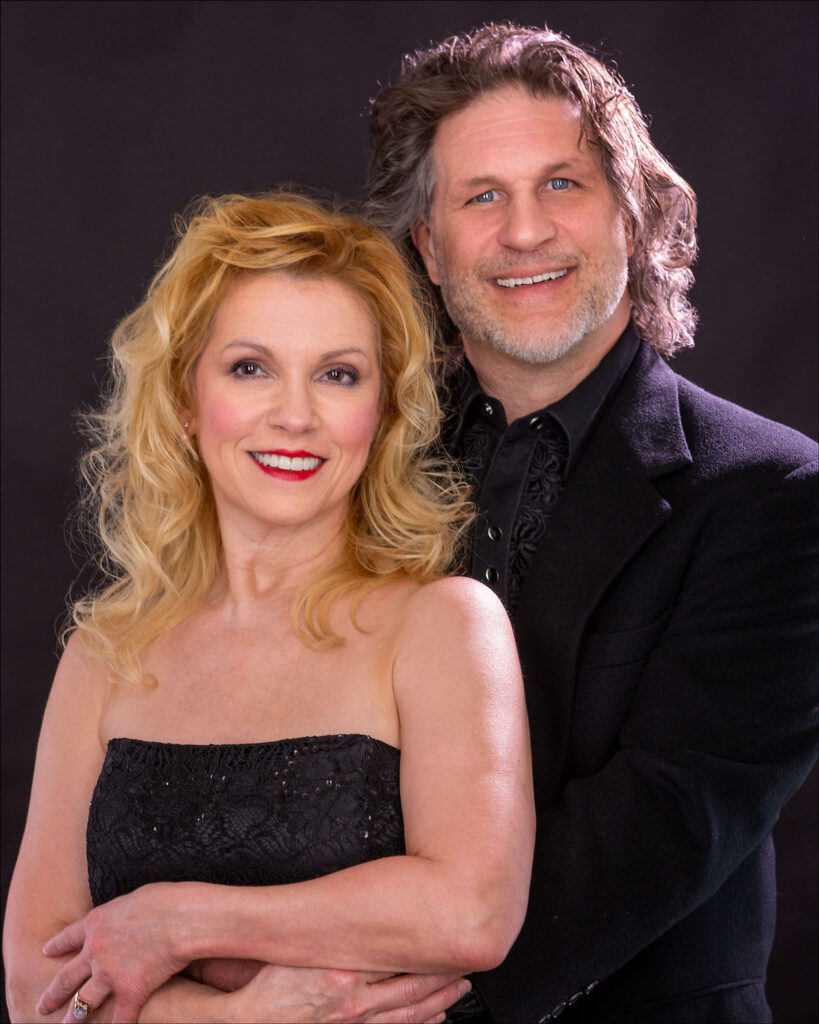
Ridge Banks In this interview, Ridge Banks reflects on the inspiration behind “Searching for Savannah,” discussing its emotional message, the power of faith, and music’s role in fostering compassion and awareness. 1. “Searching for Savannah” tackles a deeply emotional and sensitive subject. What first inspired you to tell this story through music, and why did you feel it was important to focus on the human side rather than the political debate? Organizations such as the Tim Tebow Foundation and True Justice, along with the film Sound of Freedom, have helped bring greater awareness to the devastating reality of child trafficking and inspired us to write this song. Regardless of political views, it’s difficult not to feel compassion for innocent children who become vulnerable during the immigration process to the United States. Tragically, some of these children are exploited by human traffickers. While the exact number of victims is impossible to determine, the scale of the problem is deeply alarming and is widely recognized as significant. Music has always had the power to connect with people on an emotional level. We hope this song honors the resilience of these children, raises awareness of their plight, and inspires compassion and action. 2. The song centers on the fictional character of Savannah and her mother’s search for her. How did you develop this narrative, and what emotions were you hoping listeners would experience through their journey? We chose to make the characters in this story fictional, allowing us to honor the experiences of so many families without telling any one person’s story. We loved the name Savanna, and it paired naturally with Atlanta in the lyrics. As we wrote, we tried to imagine what it would be like to walk in their shoes—to find the courage to face the fear, uncertainty, and unimaginable hardship of such a long and dangerous journey. The thought of losing a child along the way is almost beyond comprehension. Several friends have told us this song moved them to tears and thanked us for performing it. The desperation of leaving one heartbreaking situation only to face another is emotionally overwhelming. Our hope is that this song gives voice to that pain while reminding listeners of the humanity and dignity of those who endure it. 3. Bill, the original story idea came from you. Can you share how the concept evolved as you collaborated with Ridge and Cheri, and what each of you brought to the songwriting process? For weeks, I had been thinking about all the children I kept seeing on TV. When I was asked what I wanted to write about, I said, “The missing children.” Ridge began playing what would eventually become the chorus, while Cheri hummed the melody. By the end of the night, we had the song’s structure and the chorus lyrics built around the line, “Melt the hearts of those who do them harm.” 4. One of the song’s most powerful lines is, “Lord don’t forget the woman in Atlanta searching for Savannah.” Why was faith and prayer such an important element in conveying the song’s message? This song is as much a prayer as it is a call to awareness. The children who are lost, exploited, or separated from their families need every prayer, every act of compassion, and every helping hand we can offer. Our hope is that this song sparks compassion and inspires people to come together around what should be a shared human concern. Rather than focusing on blame, we hope it encourages meaningful action to help prevent these tragedies and protect vulnerable children. In moments of fear, grief, and desperation, many people turn to God for strength and hope. This song is rooted in that spirit of faith, compassion, and the belief that even in the darkest moments, love can inspire people to make a difference. 5. Writing about real-world humanitarian issues can be challenging. How did you balance raising awareness about migrant children separated from their families while ensuring the song remained personal and relatable? Every parent can relate to the fear of losing a child and the desire to give them a better life. While the song was inspired by a particular humanitarian crisis, its lyrics are universal enough to speak to the loss of any child. The gentle melodies and rich harmonies are meant to offer comfort, softening the weight of such a heartbreaking subject while honoring the love, hope, and grief at its core. 6. What do you hope listeners take away from “Searching for Savannah,” and how do you believe music can help foster compassion and understanding around issues that are often overlooked? Music has the power to heal. It can transcend language, race, culture, and political differences when it is used to promote peace, understanding, and compassion. My personal mission is to bring healing through writing, recording, and performing music on stages throughout Nashville—one song, one note, and one heart at a time. Music is a faithful companion in every season of life. It can motivate us, lift our spirits, comfort us in sorrow, or simply remind us that we are not alone. This song is meant to stir the heart, because some truths are painful and some stories are difficult to face. There are conversations that words alone cannot fully express. Melody and lyric have a unique way of reaching people, carrying messages of empathy and hope further than spoken words ever could. My hope is that this song opens hearts, encourages understanding, and reminds us of our shared humanity. Home | Ridge Banks Music
JT Catalano
JT Catalano Following the release of the deeply personal single “Felon Angels,” JT Catalano has earned growing recognition, with the song reaching No. 23 on Groover’s United States Singer/Songwriter/Folk Chart. In this interview, he reflects on the true story behind the song, its cinematic sound, and its powerful themes of resilience, justice, and humanity. 1. “Felon Angels” is based on a deeply personal experience that happened more than 20 years ago. What made now the right time to finally turn this story into a song? For most of those 20 years, I understood the experience mainly as something that had happened to me. I had been attacked by a group of people, mistaken for another man, arrested for gang assault, held on a $100,000 bond and left facing a possible seven-year sentence. My parents eventually put their house up as collateral to bring me home. Then the case hung over all of us for six months before the trial began. When the alleged victim never appeared in court, the charges were dropped. But time changed what I understood the story to be about. It stopped being only the story of a wrongful accusation. It became a story about environment, identity, addiction, sentencing, family sacrifice and the unexpected person who protected my future when I was already preparing to protect myself. Writing the full chapters for my book helped me finally see the entire chain of events instead of only the most traumatic pieces. A casual invitation led to a party. Someone else committed the assault. A woman searching for him decided I looked enough like the man she wanted. My friends eventually came clean. My parents risked their home. And inside county jail, a former champion boxer serving life became the person who made sure one more violent incident did not add another charge to my case. I had to live long enough to understand that the boxer was not a side character in a story about me. He was the heart of it. Once I began releasing music as JT Catalano, I knew I could not keep avoiding the experiences that had actually shaped me. “Felon Angels” came when I finally had enough distance to tell the story without making myself only the victim, him only the criminal or the system only a backdrop. Twenty years later, I could finally hear what the story was trying to become. 2. The song explores themes of wrongful accusation, addiction, punishment, and redemption. What was the biggest emotional challenge in revisiting these events while writing the lyrics? The hardest part was returning to the period when I could not offer my own family certainty. I remembered walking alone. I remembered a group rushing me. I remembered being kicked and hit from every direction while I fought the first person who reached me. I knew I had been attacked. But because I had blacked out earlier that night, I did not possess a complete film of every event. Then, while leaving the police station after the first arrest, I passed a man whose face had been brutally injured. Moments later, officers came running outside with their guns drawn, put me face-down in the gravel and rearrested me for gang assault. In county, with seven years hanging over me, the missing section of my memory started working against me. I began asking myself whether there was something my brain had erased. My father came to the jail, picked up the phone on the other side of the glass and asked me directly, “Did you do this?” The only honest answer I could give him was that I did not know what happened during the missing time, but I remembered being alone, being rushed and being beaten. He believed that I believed what I was saying—but he also knew that “I don’t remember” would not mean much to a judge. My parents ultimately put their house behind that $100,000 bond. Revisiting the story meant confronting what they were willing to risk for a son who could not hand them perfect certainty. The case then remained alive for six months. Even after I was physically home, my future was still sitting in a courtroom waiting to be decided. When the alleged victim failed to appear at trial, the charges were dropped—but six months of your family’s home and your own future hanging in the balance do not disappear just because the paperwork finally does. The emotional challenge was not admitting that I feared a fight. I did not. It was revisiting the powerlessness of knowing that the legal system, a missing piece of memory and somebody else’s accusation could decide whether I ever had a normal life again. 3. One of the most powerful elements of the story is the boxer who protected you in jail—the “felon angel.” What impact did that man have on your life, and what do you hope listeners take away from his story? He may have protected the entire course of my life. He was an older African American man who had once been a champion boxer—real titles and real wins. When boxing disappeared from his life, the healthy outlet disappeared with it. Addiction entered that empty space. Crack led to homelessness, arrests and strikes until he was serving life on a third-strike drug charge. There was another inmate on the block waiting to be transferred on eight life sentences. He had been staring at me every day and looking for a reason to turn that tension into violence. The boxer saw exactly what was developing. He explained that if the man pulled me into one of the barred cells and the door shut, I would have to fight for my survival. Then he told me: “Just keep your eyes where they are. I see enough for both of us.” That line explains the relationship better than anything I could invent. He was not treating me like I was helpless. He was letting me know that while I controlled my
Peter Manning Robinson
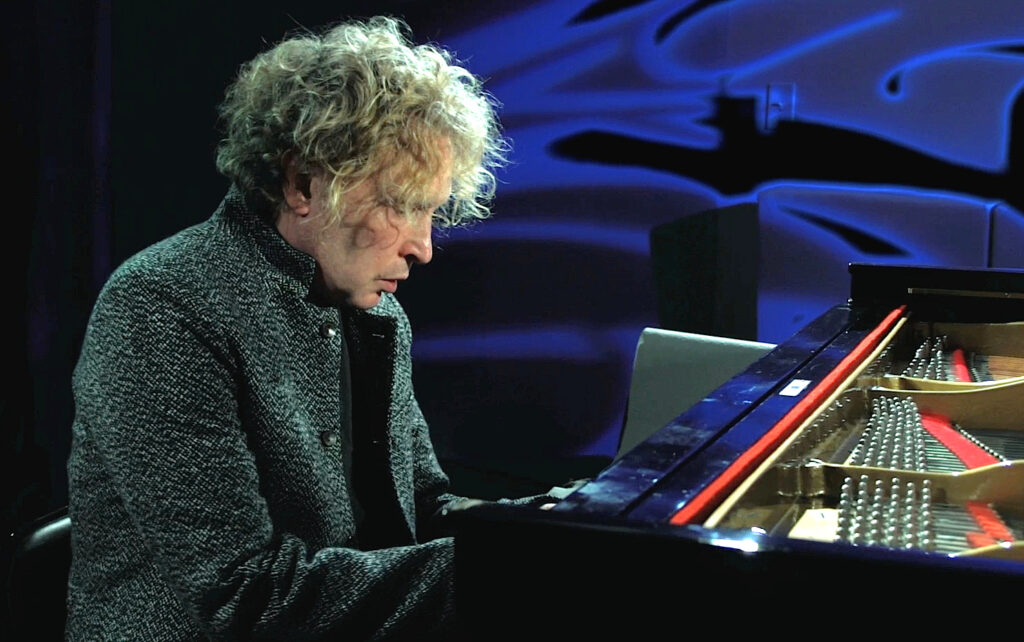
Peter Manning Robinson Visionary composer and pianist Peter Manning Robinson joins us to discuss Bent Out of Shape, overcoming adversity, reinventing musical expression, and the inspiring creative journey behind his upcoming album, Excursions. 1. Your latest single, Bent Out of Shape, was born from a period of personal struggle and reflection on world events. How did you transform those emotions into such an uplifting and joyful composition? One of the principles that I live my life by is to be grateful… no matter what. After such a tough few years…both for myself and the world at large…it was important to me that I expressed light and the joy of life. There is a concept: “that what you put your attention to becomes larger”. I wanted this composition to represent rebirth and the wonderful things that we all have. Klaus Hoch, my collaborator and the creator of the video, found a unique way of visualizing this in a playful and humorous way. 2. The music video for Bent Out of Shape, directed by Klaus Hoch, tells a surreal story of reconciliation and shared memories. How closely did the visual narrative align with your original vision for the music? Klaus and I have an interesting, and I believe unique way of working. I never discuss my ideas for the video with him and he never discusses my music with me before we start the creative process. I will send him three compositions. He picks the one that he most responds to. Then, without any initial discussion, he comes up with a script idea. If I like it, we might refine it a bit and then the process of actualizing occurs. 3. After being told you might never perform live again due to severe tendonitis, you completely reimagined your approach to piano playing. How did that challenging chapter shape the artist and innovator you are today? Although it is true that I was told I would never perform again, I never believed it. I always knew that I would find a way to play at peak performance. During this period of time, I created several different acoustic and electronic instruments to help record my music, even though I could only play for a couple of minutes at a time. After over 10 years, I met Professor Phil Cohen, head of the Leonardo Project in Montreal Canada. He told me that he could have me playing again, but I would have to unlearn everything that I knew about the piano. His sincerity touched my heart, which was not easy at that time of life for me. He taught me a way of playing similar to a martial artist…My energy now originates from my back and my core…the largest muscles pull the smaller muscles, and finally the fingers. Although it certainly took longer than six months, not only am I playing better than ever, but I learned about humility, being grateful, and new ways of expressing myself. I even learned that occasionally, I could have a life away from the piano! It was an invaluable lesson. 4. The invention of the Refractor Piano™ has become a defining part of your artistic identity. What inspired you to create this unique instrument, and how has it expanded your creative possibilities as a composer and performer? I have been creating Hybrid acoustic and electronic instrument at a very early age. I’ve always been searching for that elusive sound that has never been produced. I was regularly using synths and samplers in my musical vocabulary, However, as so many musicians and composers started utilizing them, I wanted to do something totally different. I decided to build a unique instrument around an acoustic piano that then was morphed into a hybrid beast with no synths, virtual instruments, overdubbing, or pre-recorded tracks. Slowly, the Refractor Piano™ was born. In science, refraction occurs when sound or light passes through a prism. The original sound is unaltered, but is morphed, or refracted on the other side. I have found that limiting my musical toolbox has actually expanded my creativity. I am certainly not the only person who has expressed this. Many artists, including Stravinsky, have spoken about it. 5. Your upcoming album Excursions explores themes of grief, heartbreak, resilience, and hope. Was there a particular piece on the album that proved especially emotional or challenging to complete, and why? I would not say that there is one particular piece that was more difficult or challenging. In fact, I was so emotionally invested in this journey that Klaus who co-produced the album and myself had a difficult time picking the pieces from so many candidates. The biggest challenge for me was not resorting to intricate passages, large crescendos, or rapid sections. I needed to utilize a slower, more melodic, and evocative approach. This allowed the emotionality to speak without any cleverness or showing off. 6. With a career spanning film, television, orchestral music, and groundbreaking live performances, what continues to inspire you to push creative boundaries, and what do you hope listeners take away from Excursions? You are very kind to say this.…thank you. For myself, I do not know any other way to exist. This is who I am and how I create. I never want to do anything other than create music that inspires people. I do not wish to mimic or duplicate anything that has been done before…including my own music! It is not a journey for everyone… But it is mine. I would never tell another person how to respond to my music. There is no “correct” emotion or reaction. However, I’m always gratified and touched by people who connect emotionally with something that I do, whether it is my music, or my personal journey. For myself, it is not about fame or money. It is about the communication with the great beyond and the inclusion of people who connect with this. Peter Manning Robinson
Tallulah Rendall
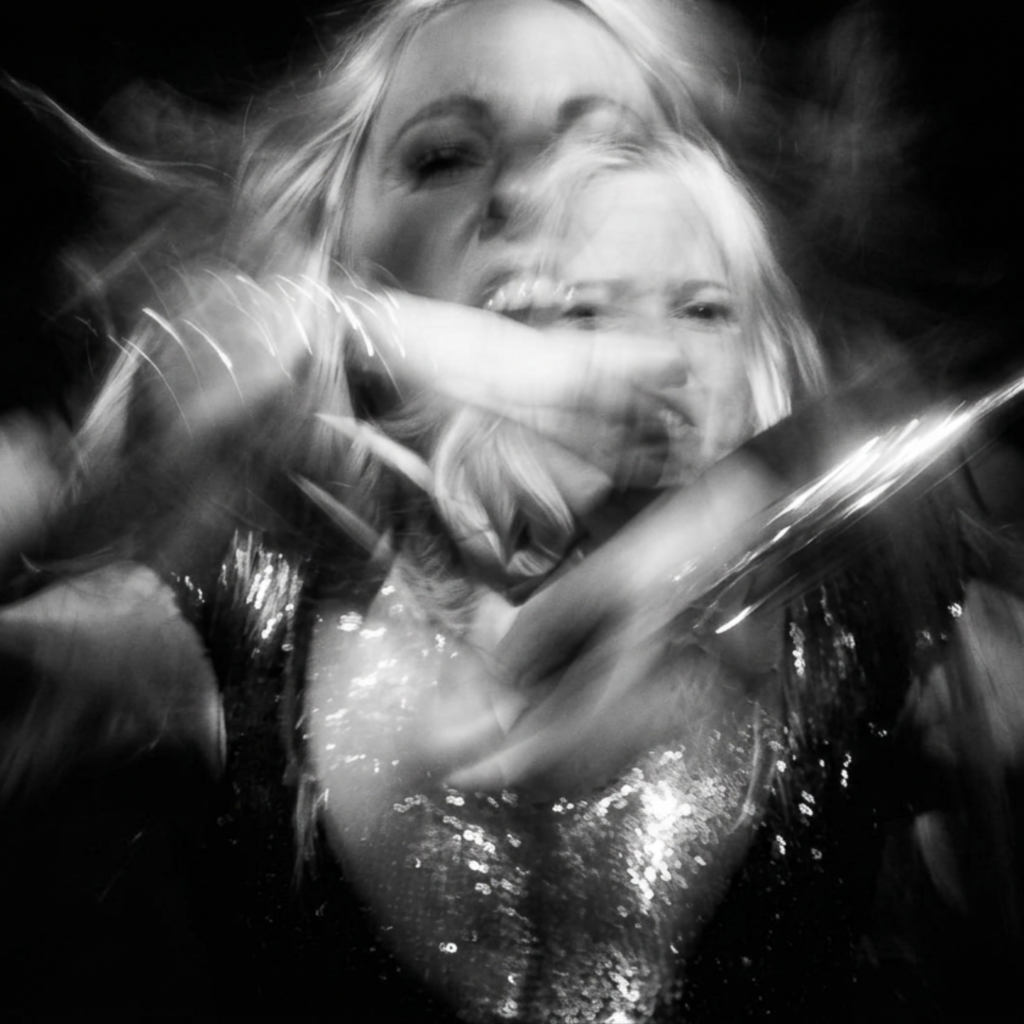
Tallulah Rendall With Only Human, Tallulah Rendall delivers her most intimate work yet. In this interview, she discusses Shame, emotional healing, female empowerment, and the creative journey behind her deeply personal new album. 1. Your new single “Shame” explores one of the most difficult emotions people experience. What inspired you to write this song, and how personal was the process of bringing it to life? “Shame” was written to support female empowerment, sovereignty and the journey of reclaiming your voice. Born from my own experience of allowing myself to be diminished and undermined, the song is intended as a reminder to know your worth and refuse to let others make you smaller. When I sing it at shows now, I feel a sense of defiance, but also of reclamation, a commitment to take greater care of myself, to truly listen to my body and heart when I sense that something is not right, and to stand by what I feel. I had an experience in which I trusted someone and greatly misjudged them, putting myself in harm’s way. My commitment now is never to ignore my intuition and, in doing so, to stand fully in my power. My hope is that others who hear this song will feel inspired to do the same. 2. Only Human is described as your most vulnerable and honest album to date. What was the biggest challenge in opening up so deeply through these songs? Knowing that other people would hear them! When I set aside time to write, the songs tumbled out as though they had been desperately waiting for the opportunity to be heard by me. It felt like a rite of passage. I was house-sitting for a friend with whom I had been running a Qi Gong and songwriting retreat in Devon. After the retreat, I spent ten days writing and I felt so settled in my body that I spontaneously decided to move to Devon, find musicians and create the album there. It all flowed seamlessly. I found a home the following week, and the musicians soon afterwards. I was very particular about the sonic landscape I wanted to create, so I spent many months working with Rowland O’ Connor to refine the song structures and explore the world I wanted them to inhabit. That felt more important to me than it had on any previous album. Perhaps because with all other albums there had been more of a band sound defining the record from that start. I wanted to create an epic record that was also sonically spaciousness that would allow the lyrics to soar, balanced by a power in the synths, cello, guitar, piano and drums that would draw the listener in. Inspired by Jon Hopkins’ album *Ritual*, I wanted to create a drum organism, a universe that felt completely unique. So, Sam Walker and I spent months recording all kinds of weird and wonderful sounds, building a living drum organism that blended with voice patterns I had created that we could merge sonically with other instruments to propel the songs forwards. 3. The album touches on themes such as mental health, resilience, belonging, and emotional healing. How have your experiences as a qigong teacher and sound therapist influenced your songwriting? Both my Qi Gong & Sound Therapy training completely transformed the way I create music. I first began practicing Qi Gong 15 years ago, but it was with my previous album, *Love Carries Me Home*, that I really began to notice a shift in my lyrical style. Now, with *Only Human*, I can truly feel the difference. There is a level of clarity in both the sonic and lyrical worlds of these songs that wasn’t present before. This is a little difficult to explain unless you practise Qi Gong, but my energy feels much more organised. I used to experience severe panic attacks and anxiety, and I really struggled to remain in my body. I would dissociate frequently, so when I listen to my older songs, I don’t hear the same emotional depth or clarity in the storytelling that these new songs possess. These practices have also supported an emotional maturity that has enabled me to write this album. I would be a very different person, perhaps not even alive, had I not found this path. Sound therapy has also deepened the way I listen and my understanding of how sound, vibration, silence and the voice can affect us emotionally and physically. It has encouraged me to create music that does more than tell a story; I want it to offer listeners a space in which they can feel, process and reconnect with themselves. This is why the album will be accompanied, as all my previous albums have been, by a hardback book containing its stories, images and lyrics. It will also include a QR code leading to an online portal I have built, where people can stream the music and access practices designed to support their mental and emotional wellbeing. These include Qi Gong videos, breathwork meditations and loving-kindness practices, as well as a podcast about music and mental health with the legendary Marc Marot, former Managing Director of Island Records, who has worked with extraordinary artists including PJ Harvey and Nine Inch Nails. 4. You’ve spoken about transforming pain into self-compassion. What message do you hope listeners take away from “Shame” and its powerful lyrics about self-worth and setting boundaries? I hope it inspires listeners to reflect on whether they are holding clear boundaries for themselves and, if not, to take the opportunity to change that. Shame can be an incredibly isolating emotion, triggering the belief that we are somehow personally at fault or not enough. At the same time, I believe it is important to take accountability for our actions and to learn from our experiences. This is where self-compassion comes in, not as a way of avoiding responsibility, but as part of the learning, growth and commitment to honour ourselves as we move
Teena
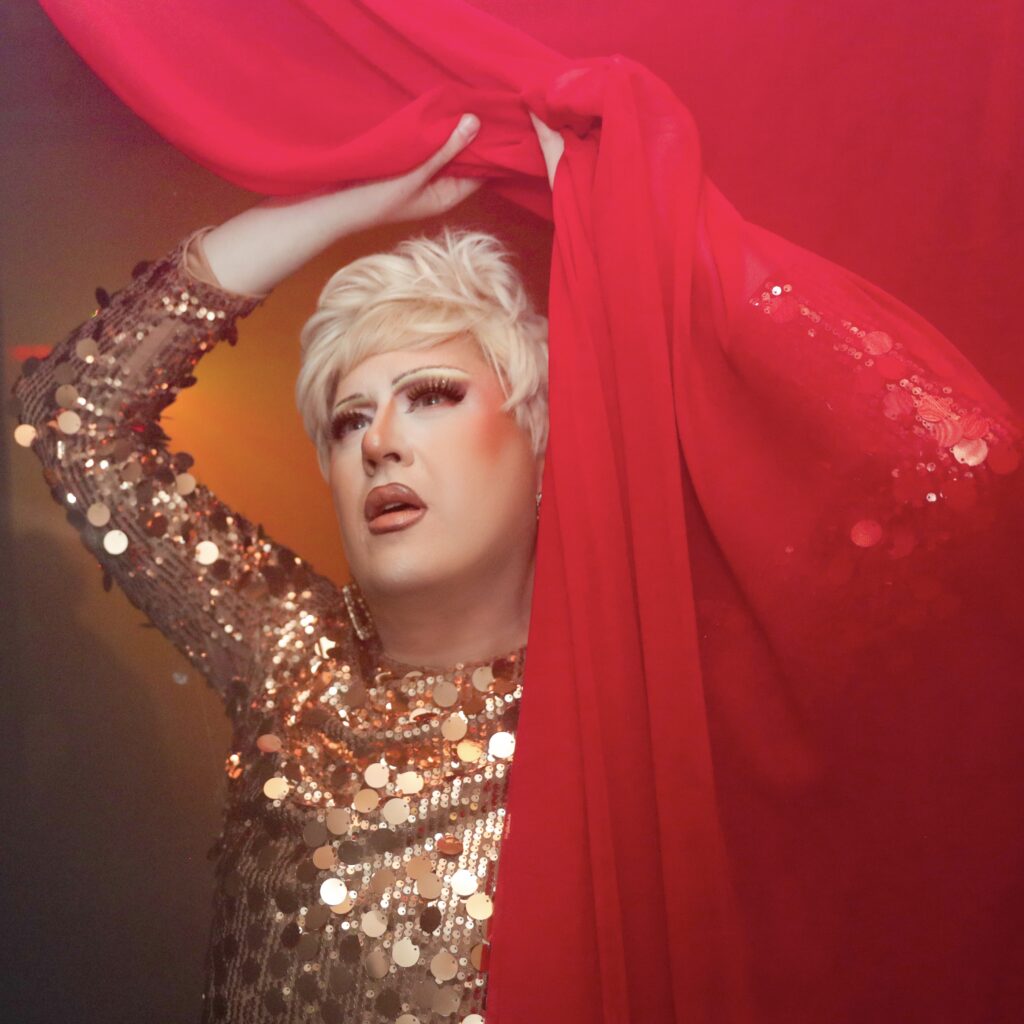
Teena Teena returns with a wonderfully eccentric new album that blends humor, multilingual storytelling, and surprising emotional depth. In this interview, the Liverpool drag sensation discusses music, identity, Edinburgh Fringe, and future ambitions. 1. Your new album combines comedy, heartfelt storytelling, and multiple languages. What inspired you to create such a diverse and personal collection of songs? People often think that a woman as famous as me has life so easily. But there is so many things I go through they can’t understand. For example, I sometimes feel sad. I also have to manage 10 property agents who look after my international property rentals. I wanted my 52nd album to represent where I am now. As a woman. In 2026. 2. “Sadnewyear” reflects your move from London to Liverpool and a fresh start in 2025. How did that life change influence both your music and your artistic identity as Teena? I always wanted sadnewyear to open the record as indeed it is one of the personal songs I have ever written. It has 4 tempo changes as well as 4 key changes – I am actually a musician. I have Grade 8 piano, guitar and theory. And I wanted to start acapella with no autotune to show that there is a serious artist underneath this glitter and famous persona. Interesting fact – I recorded that acapella immensely hungover as a retake as I messed up the original studio version. I still feel ill thinking about it, blame my pal Stealia Hearts from Leeds – she’s a fun night out! 3. “Soc la Teena” playfully addresses assumptions people make about you and celebrates your multilingual background. Why was it important to include this message on the album? With Sóc La Teena, I was just playing around in the studio, I produced a funky Spanish guitar riff and just sang over the top. The first lyrics are actually what remained on the record off the top of my head, potentially it was something from a previous life. I don’t think the message is really important. I speak Spanish and Catalan fluently, and because I have an English accent underneath, nobody over there thinks I can really speak it and it drives me crazy. The Spanish lyrics make as little sense as the English lyrics storytelling. I want to confuse everyone! 4. You’ve re-recorded “I’m Not Afraid,” a song that originally achieved significant success in 2009. How does this new version differ from the original, and what does the song mean to you today? Such a good question! I’m Not Afraid is a song I’ve always been really proud of and I wanted to bring it to the 2020s. I recorded the demo for it in the summer of 2008 in a rat infested flat in the South of Moscow about a 29 year old girl friend of mine called Natasha who one night told me that she was considering trying lesbianism as she couldn’t find a husband (100% true story). I might be a straight biological woman myself, but I lived such a queer open life in Moscow at that time, often going to parties and being as outrageous as I wanted. And for that record, I finished recording it in Odesa, Ukraine, wow you are getting me emotional. It was a different time, and it is so sad what has happened since not only for the war but what has happened to the LGBT community. And before you ask, I have asked my friend Mr Putin to stop the war but he won’t speak to me. I really can’t go into it, I don’t want another polonium poisoning. 5. Your upcoming Edinburgh Fringe show, Who’s The Daddy, revolves around Teena being pregnant with her 19th child and searching for the father. What can audiences expect from the show, and how closely is it connected to the album? Thanks for not calling me out on my immensely flat stomach during this album promotion. I know people are going to say that my pregnancy is a scam, yes, I’m Bored is very deeply personal, and that I’m using my pregnancy as an excuse to promote this record and Edinburgh Fringe show. I will be performing some of the songs in the show for sure. I am a storyteller. I love to tell stories. Stories that should be told. Have I told you the story about my sad new year before I moved to Liverpool? Sorry, next question. 6. Looking ahead, do you see Teena continuing to evolve beyond music and live performance, perhaps into the sitcom project you’ve mentioned, and what are your biggest goals for the character in the coming years? Well, I already have my new child’s boarding school confirmed so they will be shipped off in a few weeks to be seen when they turn 18, and I will look forward to getting on to my next projects. I moved to Liverpool to study acting. Yes, I am studying at Act Up North and I will finish next year. I really want to do the Teena sitcom. I wrote it during COVID, the six episode arc is ready to go but all I demand is that I write the theme tune. Or I might start an Only Fans. Or go into politics. One of these is actually in the works, I can’t say anymore. I’m sorry but this interview has gone on too long, I need to go. Do you have everything you need? Can you make sure you tell me people to stream my album, and follow me on Instagram? @sheisveryfamous. Ok, I’m going. Ta. Teena Official: TikTok, Instagram, Facebook, Twitter | Linktree
Tom Hartman
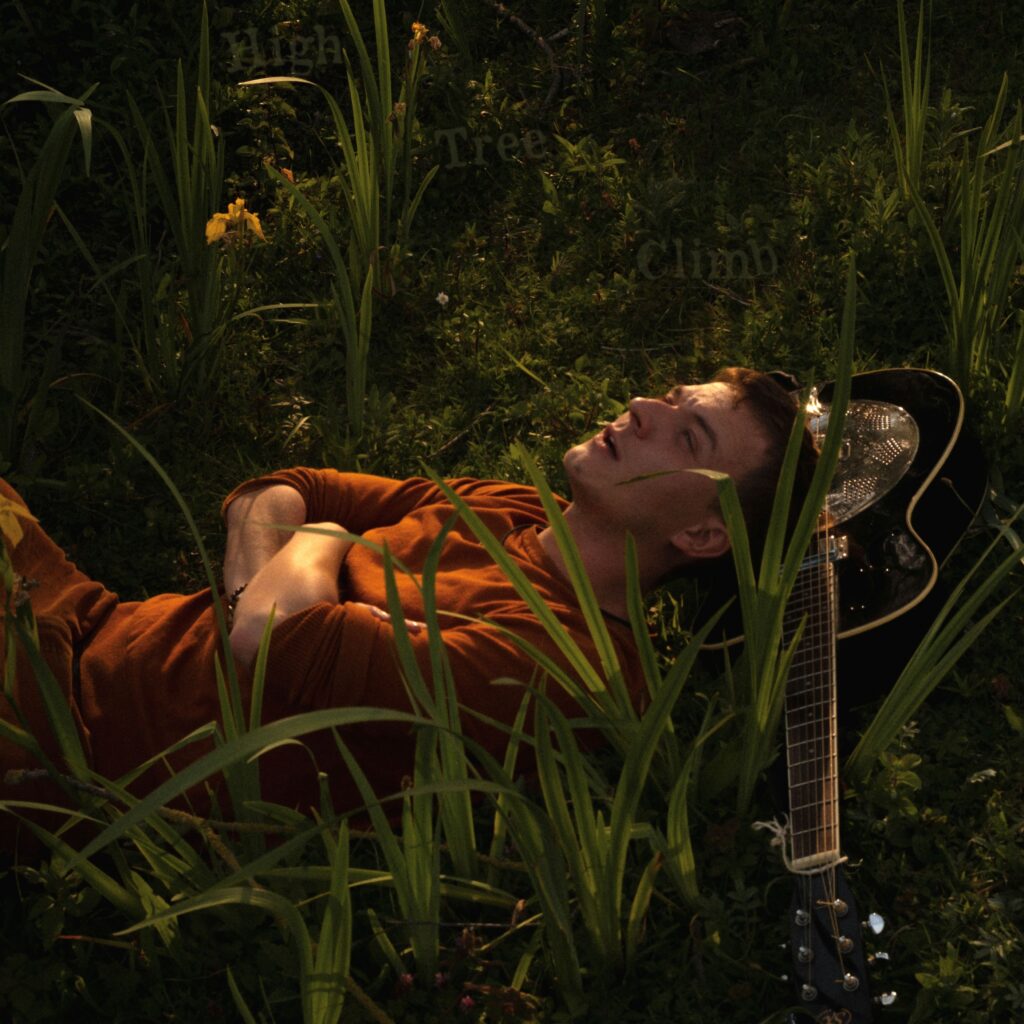
Tom Hartman In this interview, singer-songwriter Tom Hartman discusses the inspiration behind “High Tree Climb,” the influence of nature on his music, and the reflective themes that shape his artistic journey. 1. Congratulations on the release of “High Tree Climb.” What was the initial inspiration behind this song, and how did the idea first take shape? Thank you. This song was written from a subconscious line of thought that had been with me for around 16 years. The inspiration, to be honest, was a girl who wanted to date me, but I simply didn’t understand why. I felt that she was more grounded in the earthly world, while I was living in a dreamier place. That contrast found its way into the song. 2. The track blends acoustic guitar, harmonica, subtle synth textures, and field recordings of birds. How did you approach creating this organic soundscape, and what role does nature play in your songwriting process? Nature plays a big role in my songwriting process. There is a certain silence in nature that allows me to focus on the emotions within a story. For “High Tree Climb,” I wanted to create a soundscape where the acoustic elements and the sounds of birds could coexist with the more subtle, atmospheric synth textures. To me, nature creates a space where you can slow down and really listen to what you are feeling. 3. You’ve described the song as coming from an “old soul” perspective, rooted in gratitude and acceptance. What personal experiences or reflections helped shape that outlook in the lyrics and atmosphere of the track? There has always been this feeling inside me of, “I’ve been here already.” Almost a kind of sigh, as if this might be the last time I am wandering this Earth, if you believe in reincarnation, that is. I dont even know if I do, myself, but hey. This deep feeling found its way into both the lyrics and the atmosphere of the song. The listener is invited to join me in looking at life from a kind of “helicopter view,” seeing things from above and gaining a wider perspective. That idea is also reflected in the sound of the track, where the earthly sounds of nature meet a more transcendent synth atmosphere. 4. Rather than building toward a dramatic climax, “High Tree Climb” embraces stillness and contemplation. In a music landscape that often favors intensity and immediacy, what draws you to this quieter form of expression? The message of the song is a calm invitation to someone to join the singer in this perspective — to sit beside him and look at life from this wider view. For me, it is about a kind of spiritual acceptance of life. I think there is something powerful in allowing a song to simply breathe and exist without forcing it toward a dramatic climax. 5. Your live performances as a one-man-band are known for their energy, improvisation, and unpredictability. How do you translate a reflective and intimate song like “High Tree Climb” to the stage while maintaining its emotional essence? That’s a good question! There is indeed a more reflective nature to this song, while others can definitely be more expressive and energetic. However, I believe there is no outburst without coming down. The quiet moments are just as important as the explosive ones. I try to let the song breathe on stage and allow that reflective quality to remain, while still leaving room for the energy and unpredictability that are part of my live performances. 6. Following the positive reception of “I’ve Been Away” and with more releases planned throughout 2026, what can listeners expect from the next chapter of your musical journey, and how does “High Tree Climb” fit into that bigger picture? “High Tree Climb” is just the second single in this series of releases. There is more music coming throughout 2026, and each release is another part of the journey. The first release can be seen as an introduction of the artist, where this song can be seen as an invite for the listener to join the artist. More about that story in the next releases. Tom Hartman Official: TikTok, Instagram, Facebook | Linktree
Dan Higgins
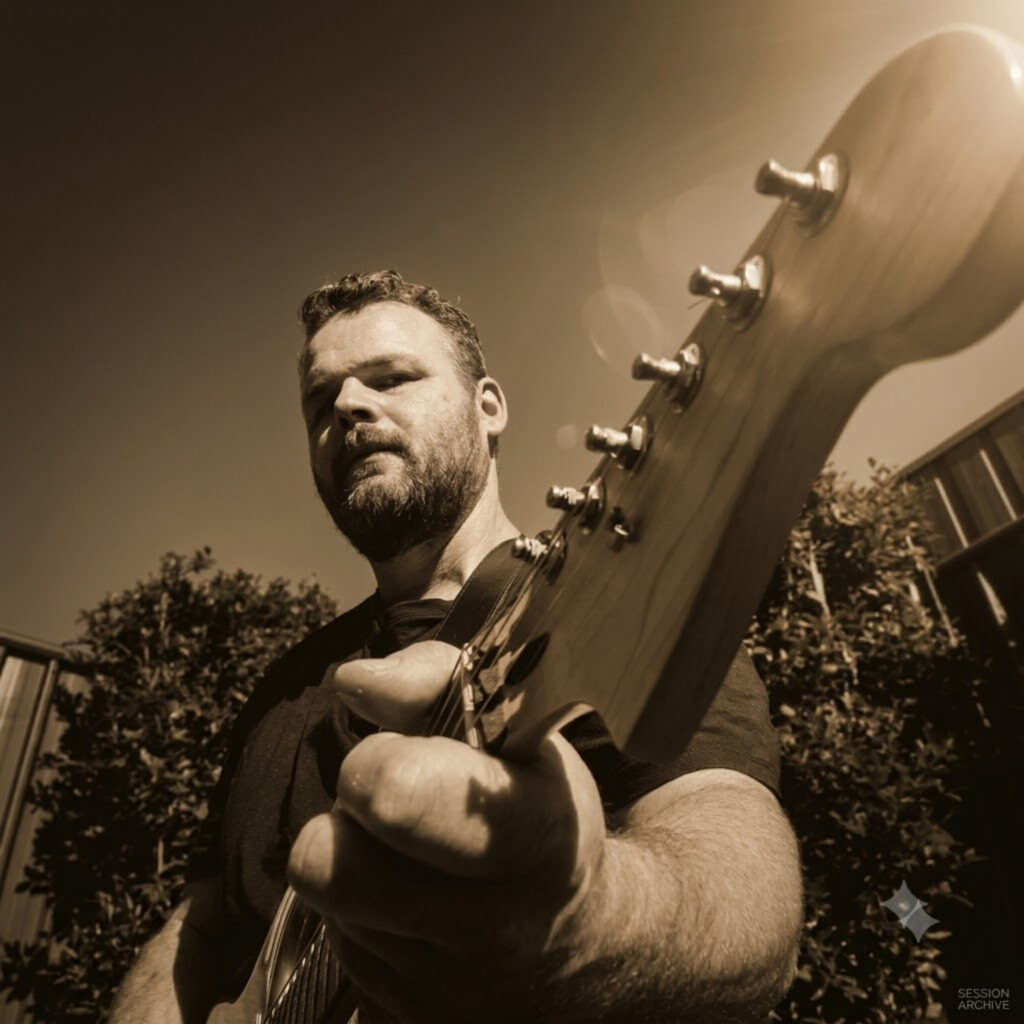
Dan Higgins Welsh-born and Adelaide-based musician Dan Higgins discusses his debut album Twenty Twenty Six, his songwriting journey, creative recording process, and the inspirations behind his heartfelt indie rock sound. 1. For readers discovering your music for the first time, can you introduce yourself and tell us about your journey from Monmouth, Wales, to Adelaide, Australia? Hi! I’m Dan, and I’m a songwriter and guitar player. I grew up in Monmouth, Wales – a picturesque market town on the Welsh border, with a huge amount of history! After I finished school, I moved to Australia. Spending my initial years in Sydney, I ended up moving around a bit after that, eventually settling in Adelaide in 2015. I met the woman that’s now my wife in the first few weeks of arriving in Adelaide, so we’ve set up our life together here ever since. 2. You started recording songs on a tape recorder and later a 4-track Portastudio. How did those early experiences influence the way you approach songwriting and recording today? I think the biggest thing I picked up from those early recording experiences was a willingness to experiment, and to find interesting ways to work around limitations in equipment. I remember when I first got the portastudio, going from recording on a tape recorder to being able to replay 4 tracks at once felt huge. 3. Your debut album Twenty Twenty Six arrives on August 1st. What inspired you to take the leap from releasing individual songs to creating a full-length album? Recording an album has always been a bit of a bucket list item for me, but up until recently, I felt like it was totally out of my grasp. In mid-2024, I felt compelled to get back into writing and recording. I set myself the challenge to write and record at least one new song a month. I ended up building a small catalogue of 13 songs (admittedly of varying quality), before taking a break to refresh myself. At the start of 2026, I decided I wanted to attempt something a bit bigger. Having proven to myself that I can write and record a handful of songs, the idea of making an album didn’t seem like such an impossibility anymore. 4. The lead single, “Commuting,” was the first song written specifically for the album. What is the story behind the track, and why did it feel like the right choice to introduce the record? This song was a fun one to write and record – It was all quite free flowing. I started with the rhythm guitar arpeggio/chorus. The lead guitar line was a one-take-wonder – I improvised it, and got lucky that it sounded half decent. It actually reminded me of my early recordings where I’d play a rhythm guitar line on the tape recorder, then play it back whilst improvising over the top of it. The bass line was one I was particularly proud of, it’s quite fun to play, and contrasts nicely with the rhythm guitar arpeggio. As for the lyrics – I originally didn’t have anything for them. I took a day off work, and gave myself one goal: write and record the vocals by the end of the day. I found that time constraint really helped me avoid getting overly analytical. 5. The song explores the idea of the “third space” between work and home. Why did that concept resonate with you, and what do you hope listeners take away from it? I realized when I started coming up with the lyrics for ‘Commuting’, that the portion of the day I spent sitting in my car was when I’d reflect on anything and everything that was going on in my life. Once I realized that, I thought it could potentially be an interesting topic, as I wondered how many other people felt exactly the same. 6. You challenged yourself to write and record at least one song every month. How did that discipline change your creativity and confidence as a songwriter? I found the self-imposed challenge really helped me to build up a body of work, and gave me a chance to develop my skills in both songwriting and music recording. It also helped me become a bit less self-conscious about my singing/songwriting/recording. I knew that I’d be able to learn from the inevitable mistakes I’d make during the process. It also forced me to actually finish tasks, as opposed to making constant endless changes to a single song that would never see the light of day. 7. Twenty Twenty Six moves between distortion-driven indie rock tracks and softer acoustic moments. How did you approach balancing those different sides of your musical personality? My main focus when I was trying to balance the tempo of the album, was to kinda follow the flow of a day. ‘Commuting’ starts like you’re waking up, and building up momentum for the challenges ahead. The harder driving tracks emulate hitting the ground running, then gradually calming down into some more mellow tracks as you wind down as the day ends. 8. Artists such as Green Day, Blink-182, Oasis, Feeder, Frank Turner, and Kate Rusby have all influenced you. Which elements from these artists have had the biggest impact on your sound? The big thing I found with this list of relatively unconnected bands/artists, is that they’re all really good songwriters. I don’t think you could describe any of them as virtuosos, but their ability to serve the songs they write is amazing to me. The way they write music that is simple, yet able to make a strong connection with their audience, is something I aspire to. 9. This project is entirely a one-man-band effort. What were the advantages and challenges of being responsible for every aspect of the album, from writing to mastering? Advantages: Logistically very straightforward, no one else to worry about, no arguments about creative differences, complete control over all aspects, 100% credit if everything goes well. Challenges: 100% responsibility for the
Ana April
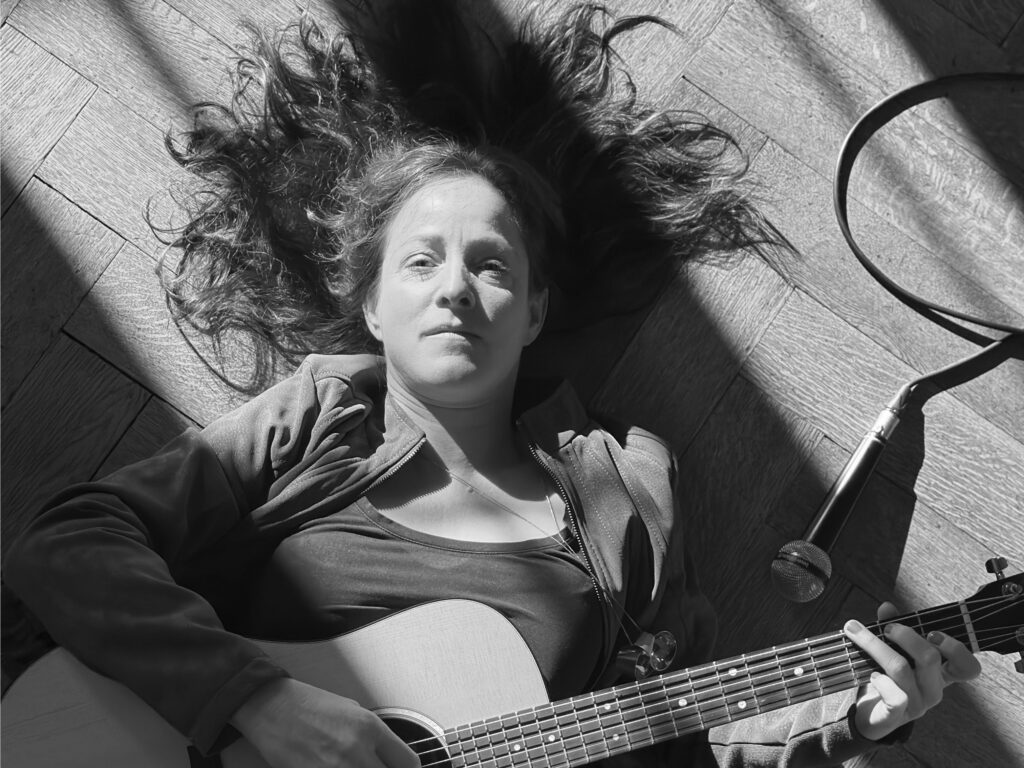
Ana April Blending thoughtful songwriting with subtle experimentation, Ana April continues to carve her own path through indie alt-pop. In this interview, she discusses the inspiration, creativity, and personal evolution behind her latest single, “Revolution.” 1. Your new single “Revolution” combines an accessible indie/alt-pop sound with a deeper message about personal transformation. What inspired you to explore this theme, and what does “revolution” mean to you on a personal level? I’m fascinated by beginnings – by the thought, the impulse, that can set a person in motion. And by the question of why some of these impulses grow into something significant, while others quietly fade away. For me, the song is less about grand political revolutions and more about the inner revolutions we experience every day: the moments when we challenge ourselves, shift our perspective, or choose a different path. Another idea woven into the lyrics is the way creative people become captivated by something that refuses to let go of them – an image, a sound, a thought, an obsession. We surrender to it, and perhaps for a brief moment, we mentally leave behind the world as we think we know it. 2. The song features subtle rhythmic shifts and an experimental arrangement that set it apart from conventional pop. How did you approach the songwriting and production process to create such a distinctive atmosphere? I wrote the song on the guitar without setting myself any rules or following a particular concept. I simply allowed whatever emerged at that moment to find its way into the music. At the time, I was playing in a string ensemble and practising a piece in 7/8 time – and I’m fairly sure that influenced the songwriting in one way or another. I also play a little viola, so different musical worlds often overlap naturally in my work. For the production, I wanted an element of playfulness and slight unpredictability that would resonate with the lyrics. In some ways, the song connects to one of my earlier productions, “Unarmed and Naked”. “Revolution” belongs to this ongoing thread of experimenting, exploring, and allowing unexpected ideas to emerge. 3. As both a musician and a scenographer, you work with sound and visual storytelling. How do these two creative worlds influence one another when you’re developing new music? Yes, exactly – dramaturgy, storytelling, and conceptual thinking are key elements of my daily work as a scenographer. One of the fascinating aspects of scenography is bringing together many small fragments – signs, symbols, objects – to create a whole. Individual elements often remain almost invisible until we begin to “read” them. Otherwise, they work on a more atmospheric level, shaping emotions and creating a particular mood. Over time, I’ve probably developed a certain professional deformation – sometimes I become a little tired of constantly analysing everything through the lens of dramaturgy. :o) That is why I treasure those moments in composing when I enter a state of flow and the analytical part of my mind quietly steps aside. 4. Your influences range from Janis Joplin and The Beatles to Kate Bush, Supertramp, and Pink Floyd. Which artists had the strongest impact on “Revolution,” and how do you balance inspiration with your own artistic identity? I’m not entirely sure where the influences behind “Revolution” come from. As I mentioned before, the music I happen to be immersed in at a given moment always finds its way into my work – and that can just as easily come from classical music as from pop or folk traditions. My songwriting has also been shaped by artists such as Suzanne Vega, whose work often combines storytelling with metaphor in a very subtle way. But when I write a song, I try not to think too much about influences at all. I simply try to be myself. And when that succeeds, I think that is one of the most beautiful aspects of the whole musical process. 5. Your family history is closely connected to music culture, from the San Francisco hippie era to connections with musicians such as Carlos Santana and Jay Lane. How has that unique background shaped your relationship with music and creativity? The family history probably influenced me most through my parents’ record collection, which filled our home while I was growing up. Music was always present – from rock and folk to classical music. My parents themselves were not musicians in the professional sense, although my father was involved in the music scene when he was younger, before I was born. The fact that my parents spent time in San Francisco during the hippie era certainly shaped their outlook on life. They have always been very open-minded people, curious and willing to think beyond conventional boundaries. They were fortunate enough to experience many different worlds and cultures, and they passed this openness on to us as children. And, by the way, my mother was Jay Lane’s babysitter. :o) I know him more through family visits and shared stories – we never actually made music together. 6. “Revolution” marks your sixth single release and reflects a continuing artistic evolution. Looking ahead, what direction do you see Ana April taking next, and can listeners expect a larger project in the near future? I’m currently producing several new songs and would also like to write more. It feels like an opportunity to sharpen my artistic profile and continue exploring where this musical journey wants to lead. At the same time, I’m rearranging my songs for live performances. I would like to perform them with a small ensemble and create a sound that is more reduced, raw, and intimate. And next spring, I’m heading to Canada, where I’ll be spending a few months. I’m curious to see how that experience – the landscapes, the people, and the change of perspective – will find its way into my music. Ana April | Atmospheric and Emotive Music