
Keesha Blair

Keesha Blair Keesha Blair invites listeners into a powerful journey of healing, self-acceptance, and inner peace with “Peaceful Power.” We spoke with her about the inspiration, message, and creative vision behind the song. 1. “Peaceful Power” centers on self-acceptance and embracing both light and dark within ourselves. What personal experiences inspired you to explore this theme in the song? “Peaceful Power” was inspired by my journey of learning to accept myself more fully. I realized there were parts of me I judged, hid, or viewed as imperfect, and those same parts were asking for love, understanding, and integration. I also noticed how often people criticize themselves, compare themselves, or measure themselves against standards they inherited before they had the chance to question them. Many of us are taught to chase perfection while also being told perfection is unattainable. That creates an internal divide. Comparison can make us believe we are too little, too much, right, wrong, good, or bad. Once we release the external standard, those labels lose power. We begin to see ourselves as unique beings instead of failed versions of someone else’s expectation. Releasing comparison also releases the need to compete. “Peaceful Power” is a reminder to see ourselves with more love, honesty, and acceptance. It reflects a power that is steady, grounded, and free from the inner battle created by self-criticism and external comparison. 2. The lyrics transform scars into “sacred art” and pain into wisdom. How has your own healing journey influenced your songwriting and creative process? My healing journey deeply shapes the way I write and the way I value myself and my life experiences. I learned that pain can become wisdom when I sit with it honestly and listen to what it is trying to teach me. Pain may feel heavy in the moment, but through reflection, growth, and integration, it can become meaningful. The idea of scars becoming “sacred art” feels closely connected to my creative process. A scar shows that something happened, and it also shows that healing happened. Self-love and self-acceptance changed the way I see those marks. Through songwriting, I can express how experiences that once felt painful, confusing, or shameful can later become sources of clarity, strength, and compassion. For me, music creates a space where healing can move at its own pace. That is why my songs often carry both emotional honesty and empowerment. 3. The song touches on ancestral connection and inner child healing, two deeply personal and spiritual subjects. Why was it important for you to include these elements in the story of “Peaceful Power”? It was important because healing reaches beyond the present version of ourselves. Healing can reach backward and forward. It touches the inner child, the younger self, family patterns, ancestral wounds, and the parts of us that learned survival before learning peace. Inner child healing is about returning with care to the parts of oneself that needed more safety, understanding, and support. Our ancestors’ experiences shaped the world we inherited. Their healing, survival, choices, and beliefs all connect to what we carry today. In the same way, we are the ancestors of the future. Our healing shapes what future generations inherit from us. I feel honored by the love, wisdom, and strength that came before me. Ancestral healing is a priceless inheritance that includes a roadmap to peace in the present. 4. Musically, the track blends contemporary R&B, soul, and healing-centered sounds. How did you approach creating an atmosphere that supports the song’s message of restoration and empowerment? I wanted the sound of “Peaceful Power” to feel warm, grounding, and emotionally restorative. The message is about self-acceptance and inner strength, so the music needed to support reflection while still carrying empowerment. The contemporary R&B and soul influences helped bring warmth and emotional depth, while the healing-centered atmosphere gave the song a calm and intentional feeling. I wanted to offer listeners space to breathe, reset, and reconnect with themselves. 5. Through Divine Purpose Music, you focus on themes of healing, truth, and self-discovery. How does “Peaceful Power” reflect the broader mission and vision behind your creative work? “Peaceful Power” was my first release, and it set the foundation for Divine Purpose Music. It reflects the heart of my creative work because it is rooted in healing, self-love, self-acceptance, and emotional grounding. My vision is to create music that helps people feel seen, supported, and empowered. This song speaks directly to that mission. It is a reminder for me and for listeners to embrace our wholeness with compassion. Through Divine Purpose Music, I want to continue creating songs that feel intentional, affirming, and emotionally honest. “Peaceful Power” is part of a larger body of work centered on reflection, healing, and restoration. 6. One of the song’s most powerful affirmations is, “We were always perfect, whole, complete.” What do you hope listeners take away from that message after hearing “Peaceful Power”? I hope listeners take away the reminder that their unique purpose has always been present. “We were always perfect, whole, complete” honors self-worth and affirms who we already are before outside projections or inherited standards tell us otherwise. It is also an invitation to question the standards we use to measure ourselves. Who decided what makes us right, wrong, good, or bad? We often look at babies and see beauty, purity, and perfection. Then, as those same babies grow, they are met with criticism, judgment, and expectations. What changed, and who decided they became insufficient? To me, perfect means we are perfectly designed for our unique human journey. Whole means we contain both light and shadow, strengths and weaknesses, held together in our full humanity. Complete means we already carry what we need to navigate our own life path. There is peaceful power in becoming your own compass while honoring the free will of others to choose for themselves. I want listeners to embrace the self-worth and self-acceptance that says, “We can heal, grow, or simply be, and we are perfect, whole, complete.”
Praveen Koval
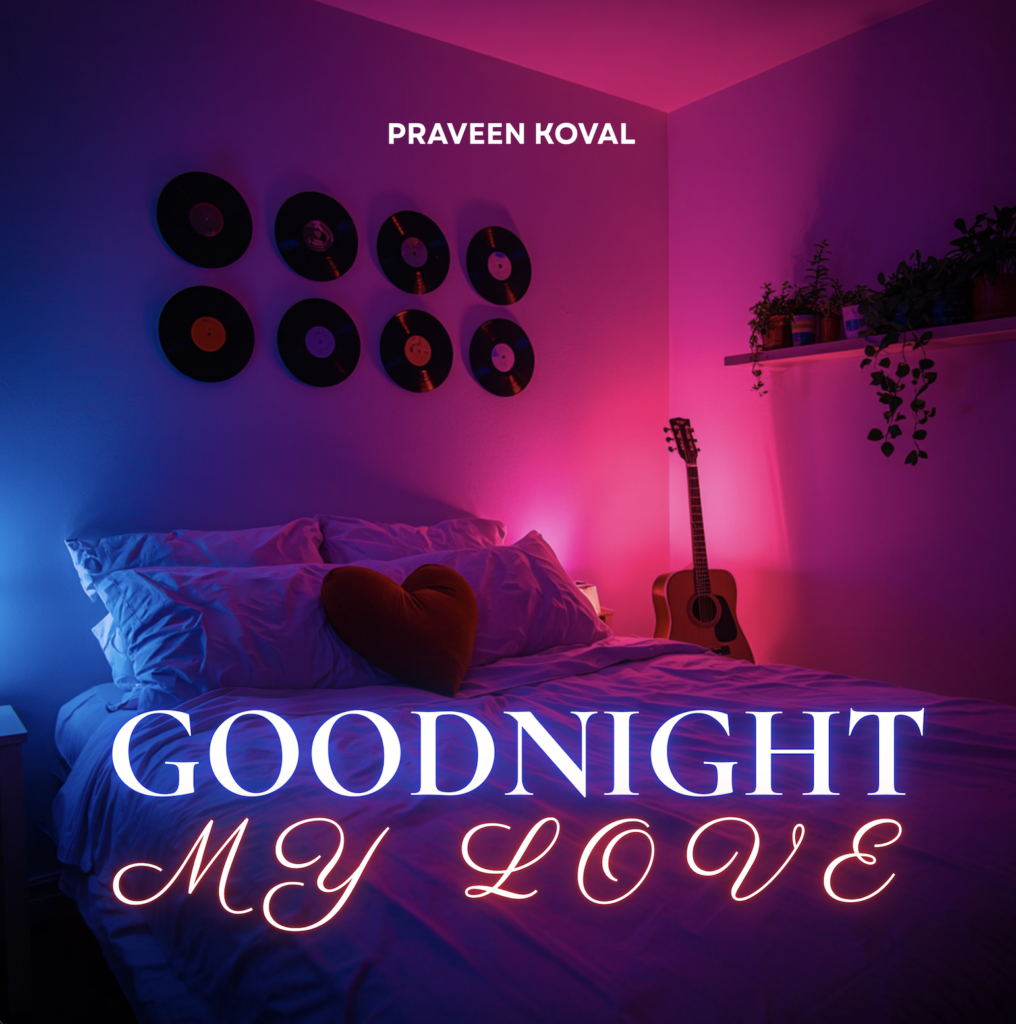
Praveen Koval In this interview, singer-songwriter Praveen Koval discusses the inspiration behind Goodnight My Love, a touching song about love, dreams, and connection, while sharing the creative journey that brought it to life. 1. “Goodnight My Love” was written as a birthday gift for your wife. What inspired you to turn such a personal moment into a song, and how did the idea first come to you? It began with a very simple thought: I wanted to give my wife something she could return to long after her birthday had passed. Music has always been one of the most personal ways I know to express what I feel, so writing her a song felt like the right way to tell her what she means to me. While I was thinking about what to write, I found myself wondering something I’d never really considered before. We spend nearly a third of our lives asleep, yet we rarely think about what happens to love during those hours. Does it simply pause until morning, or could dreams become another place where two people continue being together? That question stayed with me, and eventually it became the heart of the song. Although it started as something deeply personal, I realized the idea isn’t unique to us. Anyone who’s been deeply in love has probably wished for just a little more time with someone. If the song reminds listeners of someone they love, then it has become much bigger than the birthday gift that inspired it. 2. The song explores the fascinating concept that dreams can become another place to connect with someone you love. Why did this idea resonate so strongly with you? I’ve always been fascinated by the small moments we experience every day without really thinking about them. Saying “goodnight” is one of those moments. It’s something most of us do almost automatically, but behind those two words can be love, comfort, longing, hope, or simply the wish for one more moment together. The more I sat with that idea, the more I wondered whether sleep is really an ending or simply another part of the story. What if dreams become a place where two people continue being together until morning? That idea felt both imaginative and emotionally honest, which is exactly the kind of question I’m drawn to exploring through music. I don’t think songs always need to provide answers. Sometimes they’re simply an invitation to imagine a different possibility. I hope listeners bring their own experiences to Goodnight My Love, because everyone hears a story through the lens of their own life, and that’s what makes music so personal. 3. Your music often begins with a story. How did the narrative behind “Goodnight My Love” shape both the songwriting process and the final production? Once I understood the story, a lot of the creative decisions became surprisingly clear. I wasn’t trying to write a song about saying goodnight. I was trying to capture the feeling of wanting the night to continue because someone means that much to you. That became the guiding principle behind everything that followed. The lyrics needed to feel intimate rather than dramatic. The melody needed to feel comforting rather than melancholic. Even the production was shaped around creating a sense of warmth and gentle movement, almost as if reality and dreams were slowly blending into one another. I’ve learned that when the emotional truth is clear, you spend less time asking, “Does this sound good?” and more time asking, “Does this serve the story?” That question guided every stage of Goodnight My Love, from the first lyric to the final mix. 4. The music video expands the song’s themes through a looping dreamlike storyline. What was your vision for the visual side of the project, and how important was cinematic storytelling in bringing the song to life? I’ve always believed that some emotions are easier to feel than they are to explain. That’s what made creating a music video feel like a natural extension of the song. Rather than telling a straightforward story, I wanted the visuals to feel the way dreams often do: familiar, emotional, and gently repetitive, where the line between memory, imagination, and reality slowly begins to disappear. Once that idea became the heart of the song, the looping structure almost suggested itself. It felt like the visual equivalent of wanting one more moment before morning arrived. Looking back on my earlier music videos, I can see that each one taught me something different. With Nothing Lasts Forever, I was exploring how locations could amplify emotion. With Handprint, I became more interested in character and the inner journey. Goodnight My Love felt like the next step in that evolution, where I wanted every frame to quietly support the emotional experience rather than call attention to itself. I was also drawn to the quieter moments: a glance, a smile, a gentle kiss, a hand resting on someone’s cheek, brushing back a strand of hair, or simply sitting together in silence. Those are often the moments people remember most in real life because they’re the moments we rarely notice until they become memories. I wanted the video to celebrate that kind of everyday intimacy rather than rely on grand romantic gestures. To me, songs and music videos begin in exactly the same place, with a person and an emotion. Sometimes music says what words can’t. Sometimes visuals say what music can’t. When they work together, they don’t just tell the same story, they allow people to experience it in a deeper way. 5. Musically, the track blends pop, indie dance, and electronic influences while maintaining an intimate emotional core. How did you balance uplifting energy with such a heartfelt message? One thing I knew from the beginning was that I didn’t want this to feel like a sad love song. To me, Goodnight My Love is a hopeful song. It’s about wanting the night to last a little longer because you’re already looking forward
Christopher Hawley
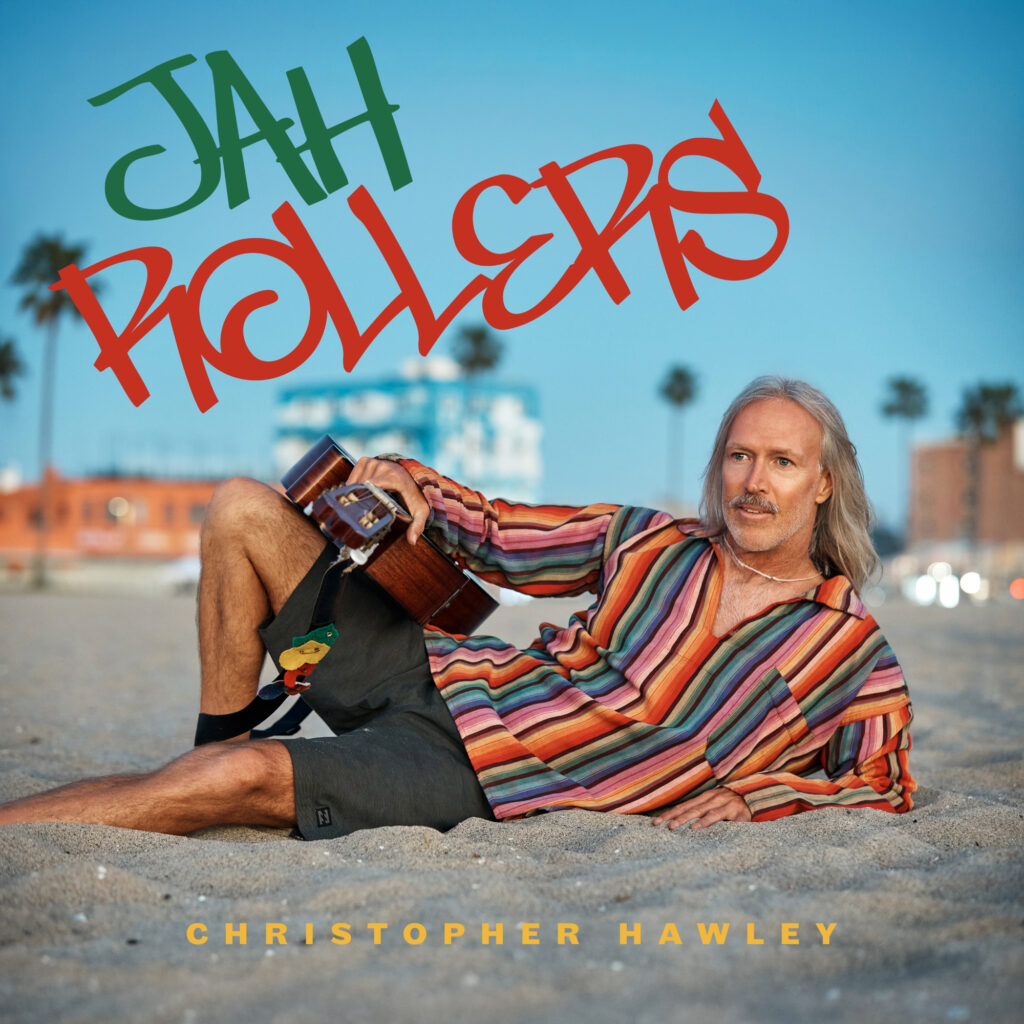
Christopher Hawley Singer-songwriter Christopher Hawley opens up about the inspiration behind Jah Rollers, his first fully reggae-focused release, reflecting on spirituality, travel, nature, healing, and a lifelong connection to reggae music. 1. Your upcoming EP Jah Rollers blends reggae, spirituality, surf culture, and personal experience. What inspired you to bring these different aspects of your life together in one project? It has taken me some time to arrive where I am now, and that is the biggest inspiration for bringing all of this together at this moment. I’ve reached a point in my life where I can speak more from personal experience than ever before. Time is the best teacher, and unfortunately, our culture mostly ignores that fact. We are obsessed with youth, so much so that we accept as normal what is mistakenly thought to be youth enhancing. Sometimes the best things come to those who wait. 2. Reggae has been part of your musical journey for many years, but Jah Rollers is your first release fully dedicated to the genre. What made this the right time to create an all-reggae EP? I’ve never put out an album with songs of only one genre. I love so many different types of music, and I’ve always been inspired to write in many different genres. I found myself with a backlog of unrecorded reggae songs. Some didn’t start off as reggae songs, but I decided to reggaefy them, and their meaning has come through to a greater degree through reggaefication. I mentioned to a musician friend that I was going to make a reggae album, and he said, “Well then you’ve got to have Santa Davis play drums.” Having a drummer who played with Bob Marley pretty much sealed the deal. He brought in George Hughes Jr., who is currently on tour with Ziggy Marley, to play keyboard and piano. I am already looking forward to making the next reggae album! 3. You’ve spoken about the influence of your childhood experiences in Haiti, as well as artists like Bob Marley and Peter Tosh. How have those early musical and cultural influences shaped your own approach to reggae music? I was just thinking about that last night as our band played a song called The More of You I Know at our show. I couldn’t help but smile, remembering that the lyrics of the chorus came to me in a dream at my grandparents’ house in Haiti. I had been jamming with Haitian musicians as a teenager, and they taught me some local rhythms. TMOYIK employs a syncopated compa beat from Haiti, and that was probably the closest thing to reggae that I first played. 4. The songs on Jah Rollers explore themes of optimism, healing, nature, and unity. Which track feels the most personal to you, and what story or message does it carry? My Mother’s Voice is the song that’s most personal, and the message I’d like to convey is that one can always choose to tune in to any specific feeling or vibration. You are always one breath away from healing. Each breath can be deeper than the last, oxygenating your blood, activating your mind and body, and truly loving yourself to a greater degree. We can choose to connect with the peace of Mother Nature, whether in a forest or an airport. We are part of Mother Nature! It’s a choice we have at every moment. Sometimes this is more challenging than at other times. The more you practice making this choice, the easier it will become. Soon you will have no choice but to find the beauty in everything. 5. The EP features legendary musicians such as Santa Davis and George Hughes Jr., both of whom have strong connections to reggae history. What was it like collaborating with them, and how did their contributions impact the final sound of the record? It was a true joy to have them in the studio. Both Santa and George were super kind, passionate, and of course, professional. Their contributions to the songs really enhance the authenticity and musicality. I love Santa‘s drum fill intros. It’s almost a call to listen and a clearing of space to allow the music to unfold. George’s organ and piano parts added so much color and melody, and we discussed our mutual love of the ocean. He has yet to take me up on my offer of a free Surf lesson for him and his son. 6. As a musician, surfer, yoga teacher, father, and traveler, you’ve experienced many different paths in life. What do you hope listeners take away from Jah Rollers and the message behind its songs? I hope to share courage and empowerment through this music. That’s what I’ve learned in my travels and forays down these different roads. I began all of these journeys except music and travel much later than most. Take that first step without fear, and you’ll be surprised and perhaps delighted by the path you find, cultivating gratitude, and thus an infinite multitude of more to be grateful for. Christopher Hawley | Home
Liulf Lucifer

Liulf Lucifer In this exclusive interview, Liulf Lucifer discusses THE RHYTHM OF THE BEAST (Act 2), a powerful album of transformation, resilience, and self-reclamation, blending cinematic sounds with deeply personal storytelling. 1. THE RHYTHM OF THE BEAST (Act 2) is described as a soundtrack of transformation and untouchable power. How does this album continue the story from your 2025 debut, and what personal evolution were you aiming to capture this time? …Act 2 is the reclamation. Where Act 1 was about the pain of being silenced and feeling invisible in my own city, Act 2 is about the transformation that happens when you stop trying to explain yourself to people who are committed to misunderstanding you. I wanted to capture the exact moment I stopped playing defense and started building my own empire. It’s the transition from being hunted to becoming the thing they fear. I stopped letting other people define my value, my name, or my narrative. If Act 1 was the bleeding, Act 2 is the scar turning into armor—showing that no matter how hard they tried to dim my light or ruin my professional reputation, the fire inside me was always untouchable. It’s a soundtrack of absolute self-reclamation. 2. The album blends Dark Pop, R&B, House, EDM, and electronic influences into a cinematic experience. How do you approach combining such diverse genres while maintaining a cohesive identity throughout the record? In order for it to reflect me as a person, I couldn’t just stick to one genre. Human emotions aren’t linear or one-dimensional. I might have days where I’m feeling introspective, heavy, and dark—which naturally channels into Dark Pop and moody R&B. But then there are moments where I feel completely untouchable, energized, and ready to take over, which is where the House, EDM, and electronic elements pull through. The cohesive thread throughout the entire record is my **vocal identity** and the **underlying cinematic tension**. No matter how fast the beat is or how heavy the bass drops, the raw, unfiltered honesty in the lyrics remains exactly the same. I treated the album like a movie score; each genre represents a different scene in the story. The transitions are deliberate, guiding the listener through the highs of a manic high-energy house track into the deep, dark lows of a reflective electronic ballad. It’s chaotic, yes, but it’s a controlled chaos that perfectly mirrors my mind. 3. Tracks like “Lucifer DeVil,” “TYRANT P2,” and “DEVIL ON THE LEFT” confront themes of betrayal, revenge, and inner demons. How much of these songs are drawn from real-life experiences, and how do you balance vulnerability with strength in your songwriting? “Every single line is drawn directly from real-life scars. There is no fiction here.” When you go through a professional and personal witch hunt, you don’t have to make up stories to write dark music. People who I once called friends did everything they could to tear down my name. So, when I write tracks like *”Lucifer DeVil”* or *”DEVIL ON THE LEFT,”* I am directly addressing that betrayal. If people were determined to paint me as the villain anyway, I decided to stop fighting it. I embraced the name they gave me, stepped into the role, and made it a masterpiece. Balancing vulnerability with strength in my songwriting comes down to a simple philosophy: * **Vulnerability** is admitting that the betrayal cut deep and that I felt the weight of being broken. * **Strength** is refusing to let that be the end of the story. I show my wounds in the verses so the listener knows the pain is real, but by the time the chorus hits, I’m standing on top of the ruins. You can’t have true power without first acknowledging what it felt like to be powerless. 4. The title track, “THE RHYTHM OF THE BEAST,” feels like the emotional and artistic centerpiece of the album. What does the “beast” symbolize for you, and why was this the perfect title for the project? For me, **the “beast” represents the survival instinct.** It is that primal, unstoppable force that wakes up inside you when you have been pushed to your absolute limit. When you’ve felt worthless, betrayed, and backed into a corner by people you cared about, you reach a point where you either crumble or change. The beast is the part of me that refused to crumble. It’s the side of me that doesn’t care about playing nice anymore, because kindness was taken for weakness for far too long. The “rhythm” is the heartbeat of that survival—the relentless drive to keep creating, keep investing in my legacy, and keep moving forward no matter who is trying to hold me back. This was the perfect title for the project because this album isn’t just a collection of songs. It is the literal heartbeat of my resurrection. 5. Throughout the album, there’s a strong emphasis on luxury aesthetics, power dynamics, and self-reclamation, particularly on tracks like “DOLLAR DADDIES TECHNIQUE” and “WHO DO THEY PAY TO SEE.” What message are you sending about success, influence, and personal worth? The message is incredibly clear: **Your worth is non-negotiable, and the ultimate revenge is absolute, unbothered success.** When people try to sabotage your reputation, they expect you to hide away, look defeated, and beg for acceptance. Tracks like *”WHO DO THEY PAY TO SEE”* are a direct reality check to everyone who doubted me. It’s a reminder of who is actually holding the power. * **Luxury** isn’t just about expensive things; it’s a state of mind. It’s the luxury of being completely self-funded, self-made, and answering to absolutely no one. * **Influence** isn’t about popularity contests; it’s about having a voice so strong that they can’t ignore you even when they try. I wanted these tracks to feel incredibly confident, almost arrogant, because after being forced to feel small for so long, I had to remind myself—and the world—exactly who I am. 6. The album concludes with “The Rhythm Of The Beast
Rusty Reid
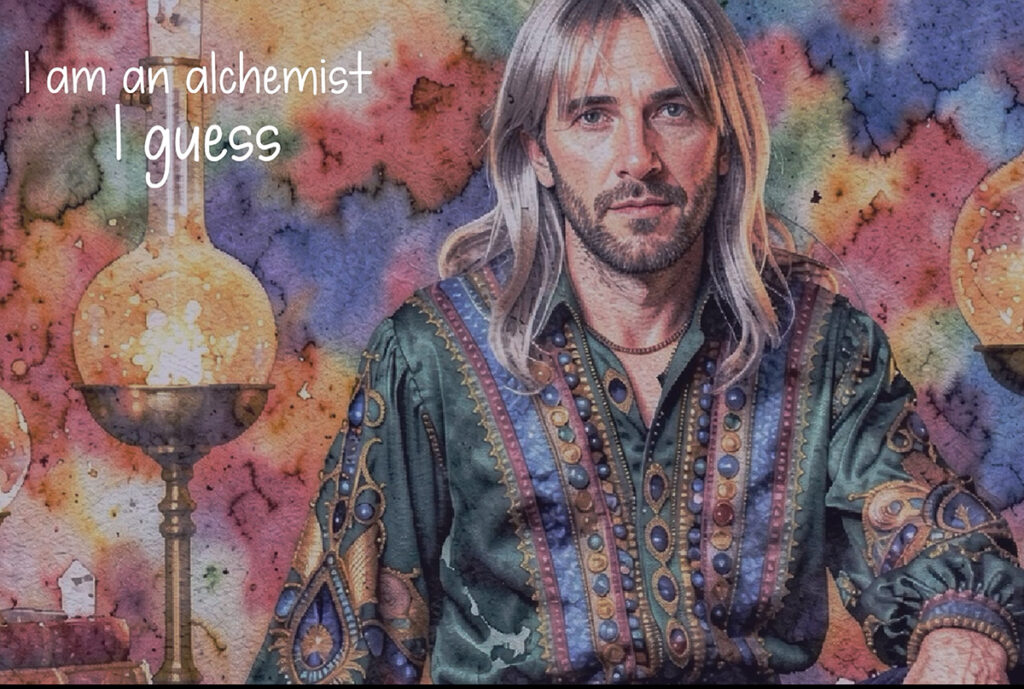
Rusty Reid Rusty Reid reflects on the inspiration behind Lone Stardust: Masterworks of Texas Songwriters, discussing the art of reimagining beloved songs, celebrating overlooked writers, and the creative path that continues to shape his music. 1. Lone Stardust: Masterworks of Texas Songwriters is a unique concept album that celebrates songwriters connected to Texas. What inspired you to dedicate an entire project to interpreting the work of fellow Texas-linked writers, and how did you choose the 19 songs featured on the album? Hello there, I appreciate the chance to chat. Yeah, the idea just came out of the blue after a buddy and I recorded a couple of songs from some of our favorite songwriters back in Houston. When those were complete, I thought, “Why not a whole album of songs by Texas songwriters?” Those first two recorded songs turn up as the first cuts on Lone Stardust. With these, a template was set with lesser known songwriters included on the album not just the usual “best Texas songwriters.” The other 17 songs selected were my long-time favorites or newer discoveries. My basic criteria was a song I could sing with sincerity and authenticity, that also featured a great theme, a great melody and lyrical gravitas. 2. The album balances well-known classics with lesser-known gems. What was your approach to introducing listeners to overlooked songwriters while also paying tribute to legendary names such as Buddy Holly, Roy Orbison, Townes Van Zandt, and Kacey Musgraves? There was no actual intention of going that way, that’s just how it happened to end up, and I’m pleased that it did. A big part of that ratio was that I’ve been around Texas songwriters a long time. I know where there are great songs squirreled away that few have heard. This was my opportunity to bring them to life and light again. 3. Some of the tracks stay close to the original arrangements, while others take bold creative detours. How do you decide when to honor a song’s original spirit and when to completely reimagine it? Yeah, the album is split nearly in half in arrangement style, as well. Again, not planned, just the way it worked out. Mostly I just went with my gut feelings about how things should go. If it was an arrangement like “I Can See Clearly Now” or “Only the Lonely,” which are so iconic and close to perfect as-is, I tended to want to follow it fairly closely, yet add my colors of personality. Both of those songs are faithful to the original, but have totally different guitar bits going, plus my vocal, of course. There are a few well-known songs on the album that everybody knows and loves, including me, but I’ve never really thought the arrangement was that great. Buddy Holly’s “True Love Ways” is one of those. To my ears, Buddy’s version is too schmaltzy with the strings. I decided to go the opposite way, strip it down to basically just vocal and three electric guitars dancing with each other. Another song that I don’t think has ever been presented correctly is Townes’ “Pancho and Lefty.” I wasn’t going to do this song because it’s too obvious, as perhaps the quintessential “Texas songwriter’s” song. But then I relented. I was going to have my Nashville crew do it with me, and knew we would just hit it out of the park, but they were out touring, so I decided to just do it myself, and I think this version works pretty well. 4. “Alchemist,” written by Zack Kibodeaux of Blue Water Highway, became the second single from the album. What was it about this song that immediately resonated with you, and why did you feel it deserved a place alongside works from more established Texas songwriters? Nearing the end of recording, I had a few spots left on the album and began scanning in earnest for newer songs from Texas songwriters that I had never heard before. I found a bunch to like, but two that I absolutely loved and had to have on Lone Stardust. One was “Day of the Dead,” written (but never recorded) by Keith Gattis. I found it off a Wade Bowen album. And the other was “Alchemist” from the Texas and Blue Water Highway. Two totally different songs, but both with all the components that I mentioned earlier. My version of “Day of the Dead” follows Wade’s pretty closely… again, why mess too much with perfection, but “Alchemist” wanders away from BWH’s version to some degree. 5. Your collaboration with Mumbai-based musician and producer Rohit Bhusan brought a distinctive atmosphere to “Alchemist.” How did working across continents influence the song’s final sound, and what does Rohit bring to your creative process that makes these collaborations so successful? Oh, Rohit basically takes over. He’s the heart and soul of the sound. I’m just noodling around on some guitars, and lending the vocals. It’s great. I encourage my players to make the song their own. I’ve played all the parts on a smattering of songs in my catalog, I think two on this album, but that’s not my preferred mode. I’d rather collaborate with others. Thankfully, modern technology allows such freedom and creativity in that regard. You can play with people on the other side of the world. And if you can, why not? Thank goodness for the WAV file. 6. This is already your fifth album, and your musical journey continues to evolve. Looking back at your catalog and now Lone Stardust, what have you learned about yourself as an artist, and where do you see your songwriting and recording adventures heading next? Well, it’s time to get back to new originals. The last two albums were look-backs to songs written long ago in Houston, and now this album of all cover songs. The next album, hopefully early next year, will be all originals… and sort of an extension of my album Head to Heart. It will be filled with philosophical
Anya Mia
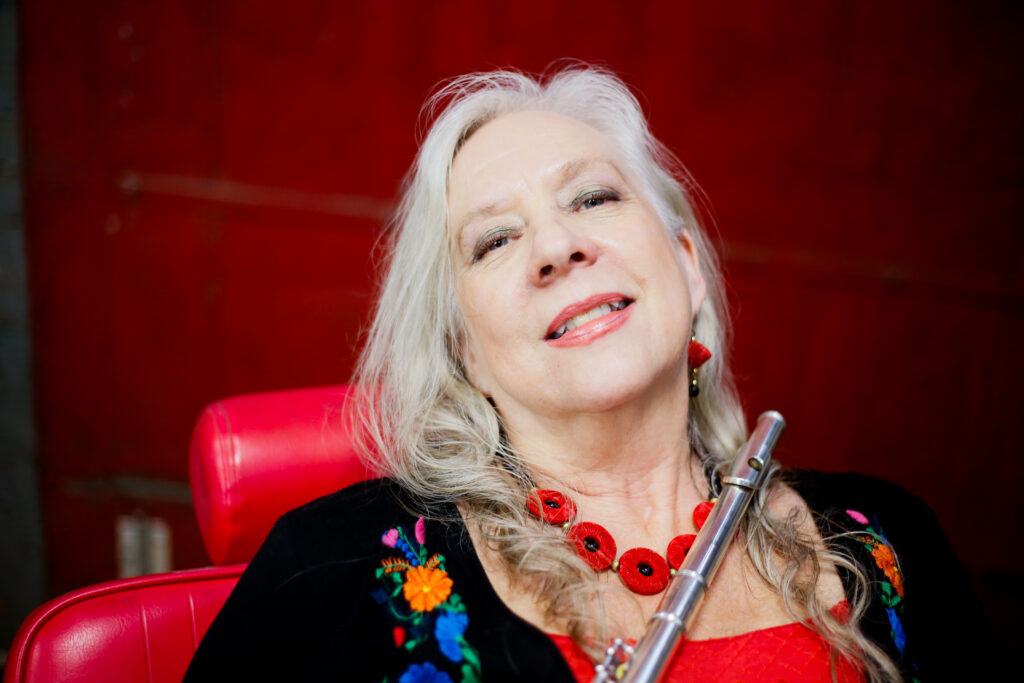
Anya Mia Blending timeless influences with heartfelt storytelling, Anya Mia returns with Cold + Blue, an EP that reflects decades of life, creativity, and rediscovered passion. We spoke with her about the music, inspiration, and her artistic journey. 1. Your latest EP Cold + Blue blends retro ballads, R&B influences, folk elements, and neoclassical touches. What inspired you to explore such a diverse range of sounds within a single release? All of those sounds were part of what I grew up with – the music we had playing in the house when I was a kid. My parents had a lot of the iconic Western classical music records (Beethoven, Bach…), and my older sister had a lot of stuff like the Beatles, and musicals like Hair and Jesus Christ Superstar. There was also the music I heard on the radio and on TV at the time, a lot of R&B-ish and also folk music. I think you can’t really help what kind of music comes out of you as a writer – it’s a mix of all that you were exposed to when you were young. So, I’ve always gone in a few different directions. This EP took a couple of years to put together, as well, and I had a bunch of material ready to go. I chose what I thought was the best of it, and that’s how it ended up so diverse. 2. The title track, “Cold + Blue,” tells the story of a cruel lover through piano and string arrangements. What emotions or personal experiences helped shape this song’s atmosphere and narrative? It’s the story of my first ex-husband, haha. When I write a song, I usually come up with the rhythm, the start of the melody, and then the first line of the song. When I thought of “cold and blue” the first thing that came to mind was his eyes. We were both 20 when we got married, so you can imagine – it was a disaster. But, I ended up chalking it up to a learning experience, and that’s where the more philosophical parts of it come from. When it comes to the music, I was influenced by those big, lush jazzy songs of the 50s and 60s – the one where you might see the vocalist singing on top of the grand piano. I always wanted to sing with a piano and string section, as well, so I bought the sounds of the BBC Symphony Orchestra and taught myself how to use midi. 3. “Corporate Jive” tackles the pressures of the modern rat race with an old-school R&B flavor. What message were you hoping listeners would take away from this track? It’s a song that speaks to anyone who’s had a crappy corporate job, and it’s really just meant to sympathize with that feeling – you slave away for the company, and in return, they couldn’t care less about you. It’s also about how a kind of group think develops in places like a corporate office, and you can end up where you feel very isolated from that group when you don’t fall in line. Ever had a job where, after you leave, you try to stay in touch with a former co-worker, or you even just say hello to them on the street, and all of a sudden they don’t know who you are? Corporations can be a strange place to be. 4. After stepping away from music for nearly three decades to pursue a career in arts journalism, what motivated you to return to songwriting and performing, and how has that journey influenced your creative outlook? I got involved with a choir. It was a public art project – we sang at a few major events in Toronto. I’d been convinced my whole life that I couldn’t sing, but when I heard myself in the midst of other voices, I thought, hey, maybe I’m not so bad. It took another five years or so of singing with jam groups – just friends who got together to play music – to develop the courage to become a real singer. That, and a few lessons didn’t help either. From there, I sang with a few bands and ensembles before I realized what I really wanted was to sing my own material. 5. Your musical background spans classical training, pop, funk, R&B, and live performance in various settings. How do these different experiences come together when you write and arrange new music? I started learning keyboards/piano back in the pandemic, and that has really helped to bring all of those influences together. I’ve learned to play those different styles (and I’m far from perfect yet!) and it comes down to building a kind of tool kit of techniques that I can bring out to use as needed for each song. The classical training really helps because it’s a foundation for knowing how to put the ideas I hear in my head to life in the real world. It’s probably the aspect that has helped the most. 6. Beyond performing, you’ve become an active supporter of the local songwriting community through songwriter circles and open mic events. How has connecting with fellow writers influenced your own artistic growth, and what’s next for Anya Mia? Hosting the open mic and songwriter circle has led to a bunch of valuable and productive connections. With the song Lost In The Water, for example, I met my co-writer at one of the songwriter events. He came and played the guitar part, and said he didn’t sing much, and didn’t have lyrics for it. I told him I heard a melody and lyrics to his music, and we started getting together to work on it. Two years or so later, the results are on the EP. Nowadays, I co-host an open mic with another writer/musician, and we’re talking about putting together a stage musical later this year or next year (it takes longer than you think to put
Adriana Spuria
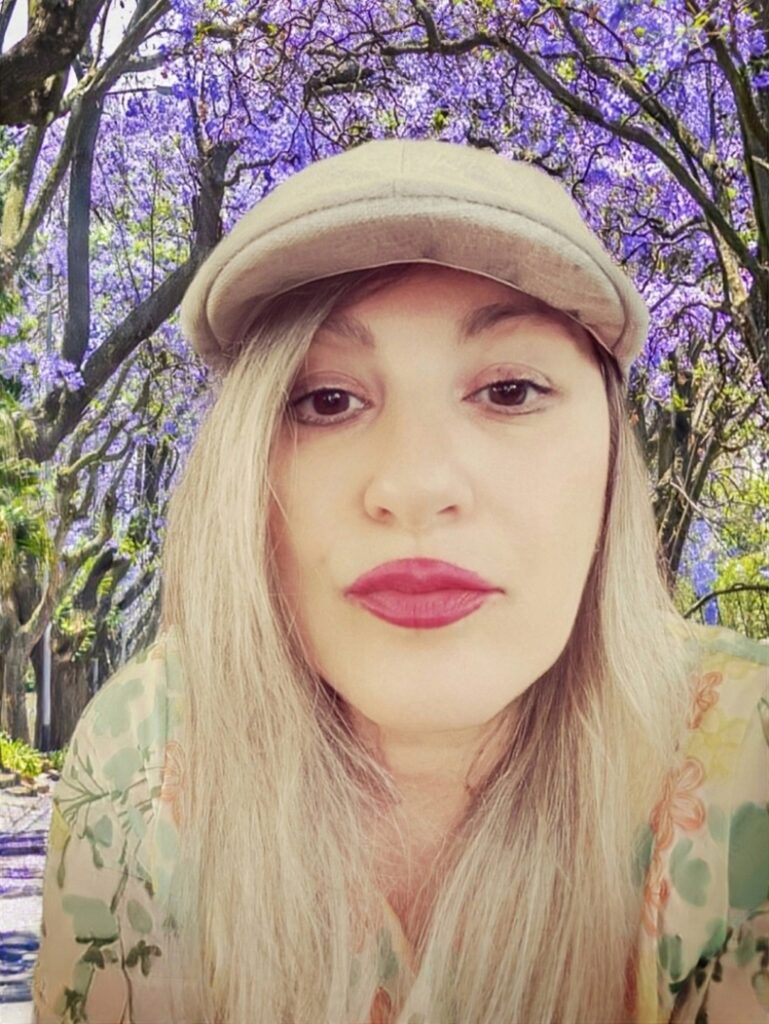
Adriana Spuria Italian singer-songwriter Adriana Spuria invites us into the artistic universe of Stendhal, a captivating single inspired by beauty, emotion, and the timeless connection between music, literature, and visual art. 1. Your new single Stendhal is filled with references to great artists such as Renoir, Cézanne, Monet, Rodin, Celan, and the Mona Lisa. What inspired you to weave these artistic and literary influences into the song, and what do they represent for you? I’ve always thought that music and visual arts speak the same emotional language, so I wanted to sing those names not as decoration but as images capable of evoking precise atmospheres. Renoir or Monet for me are about light and tactility, Cézanne is hidden structure, Rodin is sculpted eros and Celan is the shadow of memory: putting them together builds a sensory narrative that accompanies the feeling without overpowering it. In practice, each reference works like a color or a note: it helps the listener enter that world without explanations. 2. The title refers to the famous “Stendhal Syndrome,” the overwhelming emotional reaction to beauty. How did this concept influence the writing and emotional direction of the song? The Stendhal syndrome is the emotional key of the song: It tells the experience of total enchantment, that moment when beauty overwhelms words and remains pure. The line “Because your beauty doesn’t need anything said” is the heart of that gesture. The idea was to convey not so much an explanation of wonder, but its destabilizing and at the same time reassuring power. 3. Musically, Stendhal combines elegant arrangements with cinematic atmospheres, blending live instruments and modern programming. How did you and Gae Capitano approach the production to create this distinctive soundscape? I am the composer of the song; Gae Capitano is the author of the lyrics. He sent me the lyrics and i composed the harmony with the guitar and the piano and the melody by singing over the harmony and it. So, this was the emotional core: first the melody and the voice, then i and Gae built the arrangement as if painting a canvas, layering real and digital elements. Gae and I alternated sessions with acoustic instruments — strings, piano, treated guitars — and moments of programming to add texture, always leaving space for vocal breathing. The goal was to create a balance where the orchestral elegance supports the imagination of the lyrics without becoming overblown. 4. The chorus suggests that true beauty doesn’t need to be explained—it simply exists and captivates. What message or feeling do you hope listeners will take away from this song after hearing it for the first time? I hope listeners are left with a feeling of lucid wonder and a question: what is the beauty? When i sing “You are the transparent thread on which the universe hangs” i give my answer, beauty is not a matter of narcissism of, beauty deals with life, with the joy of harmony, all the universe turns around beauty, it ‘about equilibrium. So not a superficial matter of narcissism, it’s the wise and soft ability to let themselves be touched by beauty without immediately defining it. I want the listener to feel the urge to pause, to look longer, and maybe to return to those lines that don’t explain everything but spark something. Ultimately, the song is an invitation to stay inside the enchantment, even when it makes your head spin. 5. Throughout your career, you’ve explored many genres, from jazz, blues, and folk to pop, house, and dance, while always maintaining your identity as a songwriter. How have these diverse musical experiences shaped the artist you are today? I think it was a creative need of mine to explore. Above all, I’ve always been a listener who ranges from classical to rock, from fusion to nu-soul, from country to funk to pop; consequently, it felt natural to create and produce different musical worlds. 6. Looking beyond the release of Stendhal, what are your plans for the coming months? Can fans expect more new music, live performances, or perhaps another larger project in the near future? Of course my fans can expect new music, new live shows, and a new album very soon. In fact, there will be a surprise very soon — a new single in August — but I don’t want to say anything more… Adriana Spuria – Stendhal
Cheryl Craigie
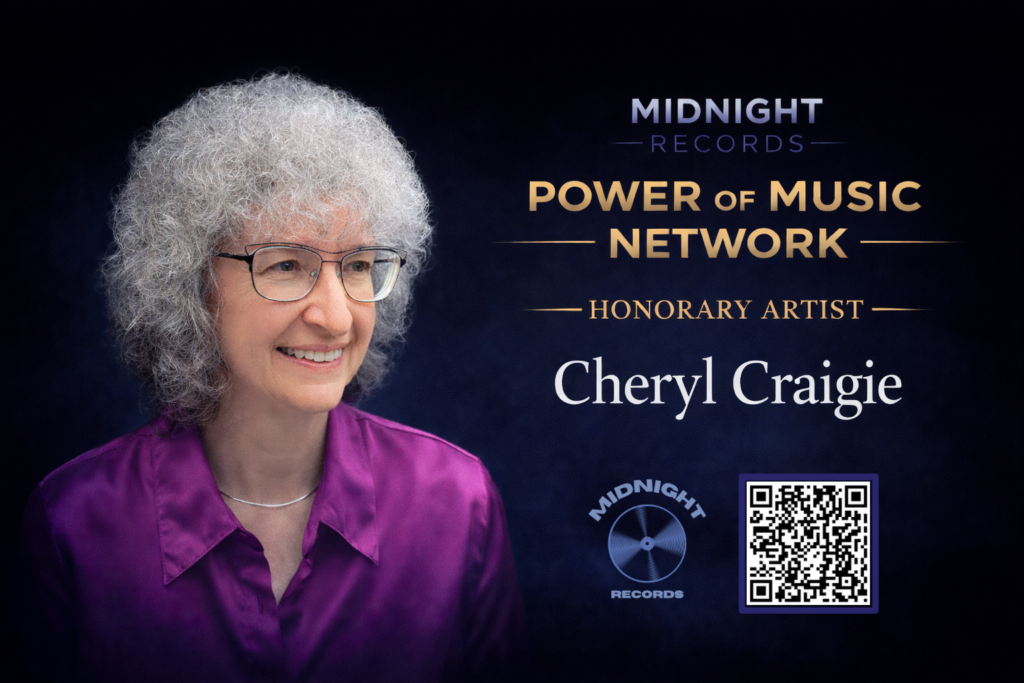
Cheryl Craigie Singer-songwriter Cheryl Craigie joins us to discuss her heartfelt rendition of Marvin Gaye’s timeless classic “What’s Going On,” exploring its enduring message, creative process, and the inspiration behind her evolving musical journey. 1. Marvin Gaye’s “What’s Going On” is one of the most iconic and meaningful songs ever written. What inspired you to choose this particular song for your ninth release, and why did you feel now was the right time to revisit its message? “What’s Going On” is an anti-war and social justice anthem which the world is still dealing with today. It’s one of those rare songs that remains just as relevant today as when it was first released. Its message of understanding, compassion, and concern for one another transcends generations. I wanted to record a version that honors Marvin Gaye’s masterpiece while sharing those sentiments in my own voice. My hope is that listeners will connect with the song’s message and find inspiration in its call for unity and kindness. 2. Your version stays true to the spirit of the original while offering your own artistic interpretation. How did you approach balancing respect for Marvin Gaye’s masterpiece with expressing the song in your own voice? Through my vocals I wanted to convey a call for empathy and human connection. I wanted the lyrics to take center stage, inviting listeners to reflect on the challenges facing society and the importance of coming together during difficult times. 3. The song’s themes of compassion, understanding, and unity remain remarkably relevant today. What aspects of the lyrics resonate most strongly with you personally, and what do you hope listeners take away from your rendition? I think we all need to be more compassionate. We are stronger together than apart. If we all listen and try to help to each other, we just might learn something that can make this world a better place. 4. You performed all of the vocals and instrumentation on this recording. What was the creative process like, and did taking on so many roles help you connect more deeply with the song’s message? This was probably one of the most challenging covers I’ve recorded. The more I worked on it, the more I realized this message needed to be heard again. I wanted to bring a fresh perspective to the song while preserving the emotion and meaning of the original. 5. Throughout your catalog, from originals like “Migraine,” “Soft Place to Fall,” and “Martini Morning” to your latest cover, meaningful storytelling seems to be a common thread. Why is it important for you to create music that encourages reflection and emotional connection? People around the world experience life through music. When they connect with what you’re singing about, it really resonates on a personal level. I hope my original compositions and covers alike bring people strength, hope and reflection in life’s challenges and triumphs. 6. With nine releases now behind you and a growing body of work spanning multiple genres, how has your journey as a singer-songwriter evolved, and what can fans look forward to from Cheryl Craigie in the future? My music does span multiple genres! I like to go where a song takes me. When I wrote the song “Migraine”, I felt old school rap was the genre to make everyone experience what a migraine actually feels like, but “Soft Place To Fall” had to be a soft pop ballad to evoke a deep level of caring and compassion. I’m excited for what’s ahead. If there’s one thing people can expect, it’s that I’ll continue to surprise them and keep them guessing about what’s coming next. Everyone can learn more about me and my inspirations at : Cheryl Craigie Music | Boston Indie Singer-Songwriter
Cas du Pree & Mike Harley
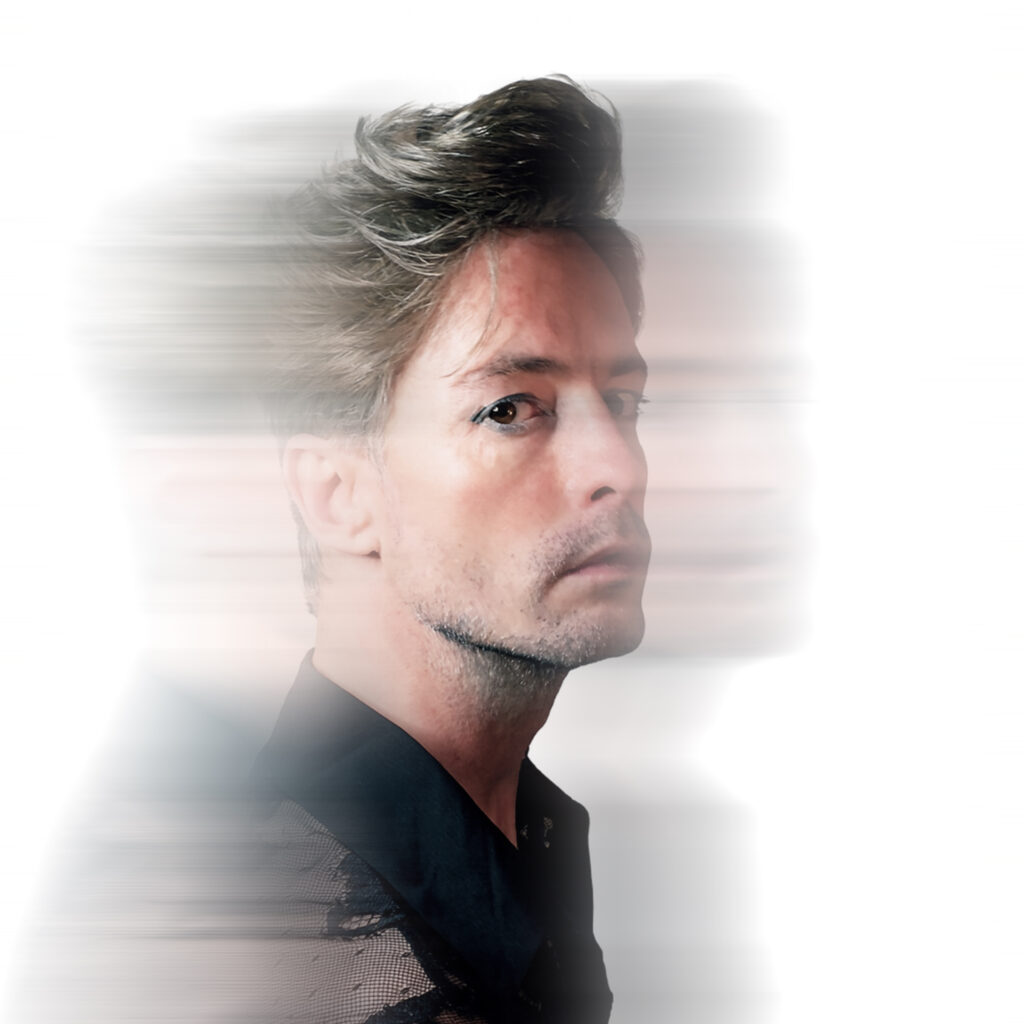
Cas du Pree & Mike Harley Dutch artist Cas du Pree and producer Mike Harley join forces on “Blank Page,” a vibrant dance-pop anthem inspired by creativity, collaboration, and fearless experimentation. In this interview, they discuss the song’s origins and their evolving partnership. 1.”Blank Page” explores the fear of running out of inspiration and creative ideas. How challenging was it to turn such a personal concern into a catchy, dance-pop track? Cas: To be honest It really wasn’t challenging at all! I contacted Mike with my lyrics and he had music lying around. As soon as I heard it, I knew they’d fit together and I already had a melody in my mind straight away. We adjusted the music here and there to fit my melody and our track was born! 2. Your collaboration with Mike Harley grew from mutual support on XRPRadio into a creative partnership at EastLondon Recordings. What was the moment when you both realized you had a special musical chemistry? Mike: The chemistry was instant the moment we stopped just championing each other’s music on XRPRadio and actually started swapping stems. For me, it was seeing how Cas’s incredible melodic instincts and polished pop vocals interacted with my production style. I tend to focus heavily on the architecture of a track—building that deep, driving house foundation and electronic grit. When I threw his vocals over what I was working on, everything just clicked effortlessly. We realized we were filling the gaps in each other’s sound perfectly, bridging the UK and Netherlands electronic scenes seamlessly. Signing with East London Recordings was the ultimate validation of that chemistry; it gave our partnership the perfect home to scale up. Cas: Ever since I heard the music of Mike on XRPRadio I knew I wanted this type of music in my radioshow. I build my show around that and kept pursuing them to work with me. 3 years later and we finally did it! Always go for what you want and never stop trying. 3. You’ve cited Dua Lipa’s dance era as an influence on this release. Which elements of her approach to songwriting and production inspired you most while creating “Blank Page”? Cas: I just love how she plays around with unusual breaks and builds. She doesn’t do a traditional pop structure and is not afraid to shake things up. This combined with her catchy rhytm changes and unforgettable melodies… Well, enough inspiration to go with 😉 4. This track was recorded in your new home studio in the Netherlands. How has having a dedicated creative space influenced your songwriting, recording process, and overall artistic direction? Cas: I have always had a dedicated space to record. But my new studio feels a bit dark with all the green and walnut paneling. That makes it cosy, warm, almost like a cocoon. A place that isn’t only in my home, but is part of my home and feels like it too. A studio to me should feel like that. 5. You mentioned that Mike loved the demo vocals before hearing the final versions. Can you tell us more about how the song evolved from that initial demo into the finished single we hear today? Mike: It’s true—I completely fell in love with the raw energy of those initial demo takes. Sometimes as a producer, you hear a scratch vocal and there’s an unpolished, authentic emotion in it that you know you’ll never perfectly replicate in a hyper-sanitized studio session. I told Cas straight away that we had to keep that core feeling. From there, the evolution of the track was about building a massive, cinematic electronic landscape around that raw hook. I focused on structuring the build-ups, dialing in the synth textures, and crafting a huge drop that paid off the tension of the verses. We took that intimate, initial demo spark and dressed it up in a premium, main-stage house outfit. Cas: I mean, the demo takes were fine. I didn’t feel they were as good as Mike did. I just wanted to send him some stems so he could work on building up the music further. If you want a track to be great, you have to rehearse. And the demo takes weren’t rehearsed yet. Obviously I heard him and took what he liked about the demo takes into my rehearsing process. That’s how we kept the essence of the demo takes with an even better punch! 6. “Blank Page” marks what you describe as a new era for Cas du Pree, combining polished pop melodies with your experimental instincts. What can listeners expect from the upcoming releases that have emerged from this collaboration? Cas: Well… Expect anything! I love experimenting but I feel like this is what I love to create. Danceable tracks with a personal lyric and feel. All I want is to be happy with what we created and if it happens to resonate with our fans… I have everything I could want from it. Cas du Pree Mike Harley Music Official: TikTok, Instagram, X, Facebook | Linktree
Wax Bird
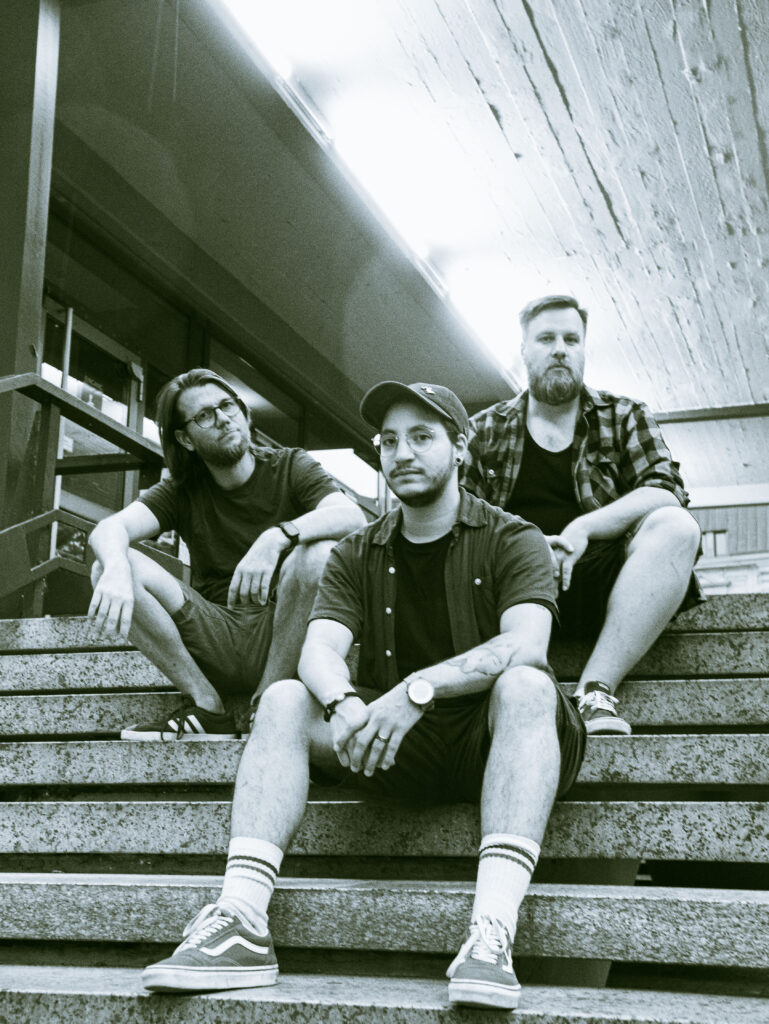
Wax Bird Wax Bird’s “Misery’s Valet” is a powerful and deeply personal exploration of trauma, survival, and healing. In this interview, the band discusses the song’s origins, emotional honesty, and transformative creative journey. 1. What inspired you to finally tell this story through music, and why was now the right time to share it? “Misery’s Valet” actually began years ago, long before my transition, in my solo project and in collaboration with artists like Mishkin Fitzgerald from BirdEatsBaby and others. Back then it existed in a very different form: more intimate, with piano, violin, and a fragile kind of space around it. I wrote the lyrics in about thirty minutes, and it was one of those moments where I didn’t really “compose” so much as let the trauma speak for itself. After years of distance, therapy, medication, rehabilitation, and a lot of hard work, it felt like the right time to bring the song back into the light. I wanted to introduce it to my band and let it become something more energetic and aggressive, without losing its emotional core. That transformation turned it into an experiment — and thankfully, one that worked. 2. How did you approach writing lyrics that were so vulnerable while still making them connect with a wider audience? For me, the key was never to make the lyrics overly literal. The song is full of metaphors, and nothing is just one thing; every image carries more than one layer. That gave me enough distance to write honestly about my personal experience without turning it into something closed off or too specific to my own biography. Because the lyrics came so quickly, there was no overthinking in the way. I just followed the emotion and trusted that if the feeling was real, people would recognize it. That’s usually how the most vulnerable songs end up becoming the most universal ones. 3. What does the line “Am I human after all?” mean to you, and why was it important to the song’s message? That line gets at one of the most painful parts of trauma: the feeling of being separated from yourself, as if your humanity has been damaged or questioned. For me, it reflects what severe trauma can do to a person. It’s a line about disconnection, but also about the strange need to ask the question at all. It says in a few words what can take a long time to explain. It became one of the emotional centers of the song, because it captures both the wound and the self-awareness that comes with surviving it. 4. How did the unique combination of tense alternative rock and trombone arrangements come together? That was really where the band version of the song found its own identity. The original solo arrangement lived in a more delicate world, but when we decided to reshape it, we wanted something that felt more physical, more urgent, and more confrontational. The trombones were actually the idea of our drummer Rouven, and they brought a completely new emotional color into the track. Our guitarist Markus also improvised every little solo very precisely, which gave the song a sharp, volatile edge. The whole thing became this collision of tension and release — raw emotion with an aggressive body. That contrast is what makes the song feel alive. 5. Was it important to avoid a traditional “happy ending” and instead show the reality of healing? I never wanted to pretend that survival is neat or that healing is a straight line. After years of therapy, rehabilitation, and work on myself, I no longer live with cPTSD, and I’m grateful for that. But trauma doesn’t disappear just because life becomes more stable. That’s why I wanted the song to hold onto the harder truth: you can heal and still be marked by what happened. You can be functional, even strong, and still carry echoes of the past. For me, that honesty is more powerful than giving the listener a false sense of closure. 6. Where does “Misery’s Valet” fit within Mood Swings & Middle Fingers, and what do you hope listeners take away from it? Within Mood Swings & Middle Fingers, it’s one of the most exposed and emotionally intense moments. It sits at the point where the record stops performing attitude and starts revealing the pain underneath it. In that sense, it gives context to the rest of the EP: it shows where the anger, volatility, and defiance are coming from. What I hope listeners take away is that trauma can be transformed without being erased. A song doesn’t have to offer a clean answer to be meaningful. Sometimes it’s enough to make something heavy audible, and to let people hear that they’re not alone in carrying contradictions. https://www.instagram.com/wax_bird_official/