
Massey’s Cross
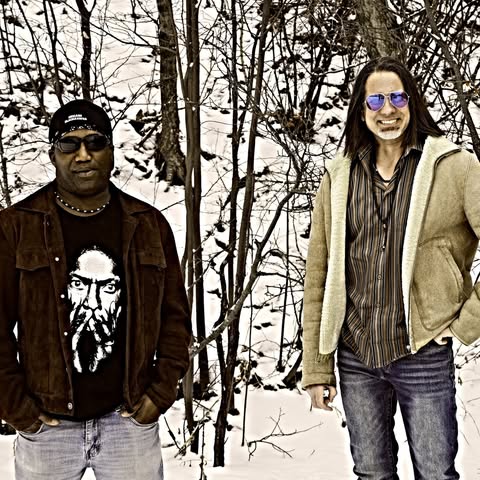
Massey’s Cross Massey’s Cross blend rock, indie, blues, and folk into a uniquely Canadian sound. In this interview, they reflect on their origins, influences, storytelling, and what listeners can expect from their evolving journey. 1. Massey’s Cross emerged in 2024 and quickly shaped a distinct sound blending rock, indie, blues, folk, and experimental elements. What sparked the creative chemistry between you, and how did the band’s identity form in those early days? Mark and Geoff have known each other for years, (since junior high school) and have always worked on various musical projects and collaborations over the years, though not exclusively. The duo was formed in 2024 to collaborate on what became an independent EP release entitled Pretty Tasha, which tells the story of an idealistic girl who meets a malcontent who draws her into a toxic and manipulative relationship only for her to exact her revenge. This concept EP came from having an abundance of time on our hands during COVID lockdowns and resulted in Massey’s Cross, which continues creating, albeit on a less dark path with the recent indie release “Memorial”. 2. Calgary’s cultural landscape and the nearby Rocky Mountains seem to play a big role in your inspiration. How does the environment around you influence your songwriting, mood, or overall approach to creating music? Calgary’s geography and surroundings are a truly unique place. Both being rare native Calgarians, Mark and Geoff lean into the surrounding natural beauty as inspiration while also leaning into promoting “Canadiana”. Winters are cold which allows for a lot of writing and recording when you are locked away from the bitter weather. 3. Your songs combine classic rock grit with modern textures. Which artists or musical eras have had the biggest impact on your sound, and how do you merge those influences while still keeping your signature identity? From the classic rock perspective, notable influences include the Rolling Stones, Led Zeppelin, Hendrix and Pink Floyd. Those archetypes are somewhat universal but we mix in more contemporary acts like The Foo Fighters, Radiohead and Marcus King as examples. Having strong historical appreciation for the blues influences of the archetypes while also looking through a more contemporary lens allows for a re-examination and re-presentation of familiar themes and styles to keep things fresh. 4. “Gospel of Luther,” from your upcoming album Memorial, hints at a powerful and emotionally charged musical direction. Can you share the story behind this track and how it fits into the themes of the new album? Memorial is less thematic than Pretty Tasha, as the predecessor. Memorial is not as narrative driven holistically, but Gospel of Luther certainly sits in the story-driven mold. It is really a re-examination of delta folk blues music with a fictional derivative story of a man who is faced with hypocrisy in the face of his wife’s impending death from illness. Similar to my earlier comment, GOL is really a modern take on historical musical styles and themes. It started as a “throw away” guitar progression which caught the ear of Mark and inspired a rapid collaboration on the lyrics. 5. Your social media presence has helped you build a dedicated following, giving listeners a window into your creative world. How important is that direct connection with fans, and how do you balance online engagement with staying focused on the music? Human interaction is more valuable than online likes and followers most certainly. To date, we have been focused on “building the brand” online. Stage 2 then becomes more intimate personal interaction. Balancing creativity with the perfunctory brand building activities is always a challenge as an Indie band as there are simply so many hats to wear. Being consistent and committed to both the online requisites and the music is key to maintaining balance. 6. As you continue carving your place in the Canadian music scene, what can fans expect next from Massey’s Cross in 2025 and beyond—whether it’s new releases, tours, collaborations, or creative surprises? We envision having another album release late summer to fall of 2026. Concurrently, we will be focusing entirely on live performance and promotion so the prospect our tours is real but as yet, ill-defined. Massey’s Cross EPK
Giuseppe Cucé
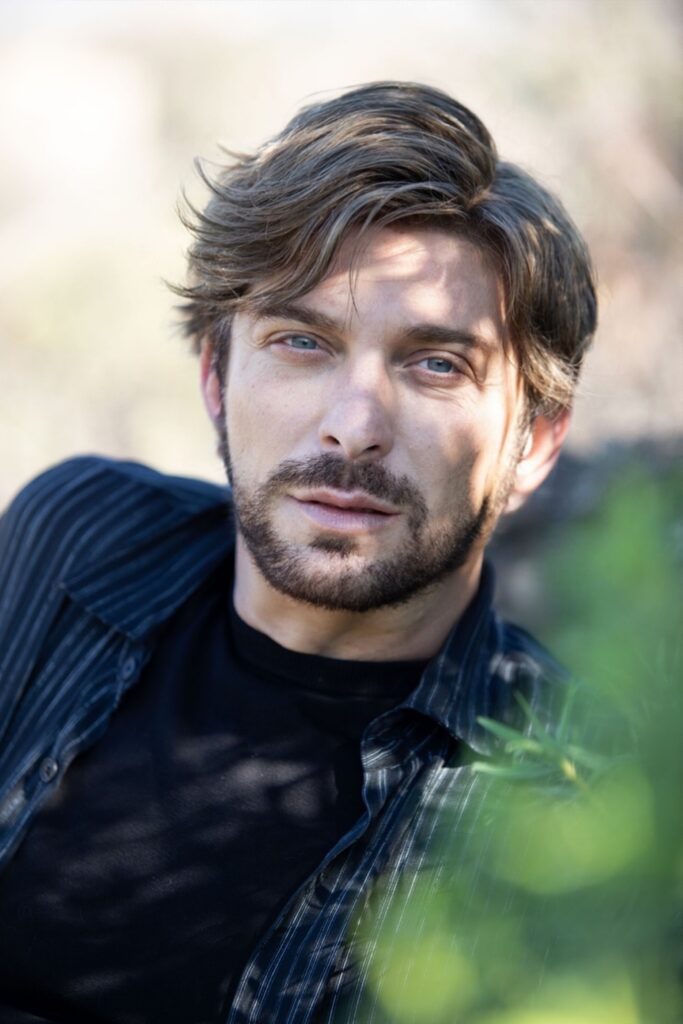
Giuseppe Cucé “21grammi” reveals the unseen emotional weight we all carry. In this interview, Giuseppe Cucé opens up about the album’s origins, creative process, influences, and the intimate vulnerability shaping his sound and upcoming tour. 1. “21grammi” explores the invisible emotional weight we all carry. What personal experiences or turning points made you realise this concept was the heart of your album?There wasn’t a single moment—it was an accumulation of small fractures.In recent years I understood that the most significant things in life often happen in silence: a look that lingers, a door that closes, a memory that resurfaces without permission. I realised that the human soul carries a weight made of desires, absences, regrets, and rebirths. Those “21 grams” became a metaphor for everything we cannot measure but deeply feel.The album was born from the need to give shape to that invisible heaviness and transform it into something that could breathe, vibrate, and, hopefully, heal. 2. The album blends poetic realism, intimate songwriting, and cinematic indie-pop elements. How did you find the balance between raw vulnerability and crafted production while maintaining the album’s emotional truth?The balance came from not forcing anything.I wrote the songs in their most fragile, unpolished form—just voice and piano or acoustic guitar. We protected that vulnerability like a sacred space. In the studio, we worked to enhance emotions rather than decorate them.If an arrangement didn’t serve the story, we removed it.If a slight imperfection in the voice was truthful, we kept it. The goal was simple: to let the songs feel alive, to let them breathe and tremble the way real emotions do. 3. You collaborated with an impressive team of musicians and creatives. How did their contributions shape the atmosphere, textures, and emotional depth of the record?Working with this team was like navigating different shades of the same emotion. Each musician brought something deeply personal:• the string players added a cinematic fragility,• the guitar and piano lines gave the songs their heartbeat,• the percussions created movement without ever overwhelming the intimacy. My producer, Riccardo Samperi, played a crucial role.He knows how to listen not only to the notes, but also to the silence between them.He helped me preserve the soul of every song while giving the album a cohesive, breathing soundscape. This record exists because we created a shared emotional language. 4. Your influences range from Battiato and Dalla to Bon Iver and James Blake. How do these inspirations appear in the album’s sound, and how did you ensure your own artistic identity remained central? I never wanted to imitate my influences—only to let them guide me like distant constellations.From Battiato I learned the courage of philosophical intimacy.From Dalla, the art of turning daily life into poetry.From Bon Iver and James Blake, the ability to mix raw humanity with modern textures. My identity remained central because every song was born from a personal need before becoming music.The emotions, the imagery, the stories—they all come from my life, my city, my memories.So even when the arrangements flirt with international sounds, the heart always remains unmistakably my own. 5. Recording at TRP Studios — a place tied to your roots — clearly shaped the album. How did the environment, analogue gear, and experimental recording techniques influence the final sound?TRP Studios is more than a studio for me—it’s a place where I grew up artistically.Its analogue warmth and the experimentation-oriented approach shaped the album’s identity. We used:• vintage microphones to capture the breath and intimacy of the voice,• tape saturation to give warmth and imperfection,• room acoustics to let instruments resonate naturally. The studio holds a unique energy: it’s suspended between tradition and experimentation.That duality became the sonic foundation of 21grammi. 6. With the upcoming 21Uniradio Tour 2025, you’re bringing these songs into intimate live settings. What do you hope young listeners and emerging artists will feel or take away from hearing “21grammi” performed acoustically?I hope they feel permission.Permission to be fragile, to be honest, to not have everything figured out. “21grammi” in an acoustic setting becomes even more exposed—there’s nowhere to hide.I hope young listeners see that vulnerability is not a weakness but a powerful creative force.And for emerging artists, I hope this tour shows that music doesn’t need spectacle to be meaningful: sometimes a voice, a guitar, and a true story are enough. Grazie mille Giuseppe Cucè – Sito Ufficiale
Fish-Head da Solista
Fish-Head da Solista In this interview, Sicilian artist Fish-Head da Solista opens up about “Lo spreco, il peccato, la perdita,” revealing the intimate emotions, experimental choices, and personal reflections that shaped this deeply vulnerable song. 1. “Lo spreco, il peccato, la perdita” is a deeply intimate song. What moment or personal experience first inspired you to translate this emotional journey into music?The song is about a tormented love relationship with a woman. I started writing it after one of our first dates, when I was excited and hopeful. Then things got worse, and the way the song narrative unfolds reflects this change. She suddenly became more and more distant, in contrast with the first weeks when she seemed totally affectionate. I tried to talk to her and to understand what it was that I’d done to spoil everything. Soon I understood that there was no point trying to get answers from her — my only option was trying and expressing my emotions in the song. 2. The lyrics are rich with sensory imagery—like “the unforgettable taste of your kisses by the sea.” How do you approach weaving such poetic details into your songwriting?I don’t feel 100% comfortable about putting these details in a song. I mean, this is actually and genuinely what I felt at that time, but I suspect people (if they’re listening to my song at all) don’t really want to know about these things, I mean, actual physical intimacy and stuff like that. But writing about these moments keeps you attached to them, helps keep the memory of these feelings fixed and bound to the lyrics. Songwriting is a cure against oblivion. 3. You’ve described the track as capturing both pain and hope. Which of these emotions was harder for you to express openly through your voice and production?Obviously it was more difficult to admit I still had some hope. Towards the end of the song I say “despite all this, I still want to make an effort, I already feel knackered and depressed, but I am not afraid of your fake indifference”. I mean, this was me ultimately admitting that I was totally lost for her, that I craved the chance of making an effort again to revive the relationship. I wrote and rewrote those lines a few times — at the beginning the lines were like “I want to be out of this asap” but at the end I chose to be honest about my feelings. 4. The song’s freeform structure breaks away from strict conventions. Why was it important for this piece to feel raw and unpolished, and how does that reflect your artistic identity? My background includes experimental/avant-garde music, electroacoustic composition, live electronics… compared to these genres, the structure of this particular song might even appear conventional — after all it’s based on an obvious verse+chorus+bridge structure that is repeated for three times… yet I tried to use dissonance and other effects in order to spice things up and enhance the feelings of despair, abandonment and bewilderment that are attached to the lyrics. And yes, I think this fully reflects my artistic identity, I’d say I’m quite happy with how this song sounds — obviously I need to acknowledge the great work of Arthur Miúda on the electric bass, it makes everything sound so much better. 5. As a Sicilian artist based abroad, how does distance—from your roots, your memories, or your cultural background—influence the way you write about loss and personal stories?I’d say distance influences this type of writing a lot. At some point the song kind of stops being about this romantic relationship and starts exploring things like death, memory, etc. I guess distance is also cultural — part of what the song is about is, at the end of the day, an insurmountable difference in terms of our cultural understanding of what a love relationship is and how it should be handled. And I’m aware I might sound intense and weird to people: after all I was just seeing someone for a while and things didn’t work out, and I should probably just stop making a fuss out of that, and so forth… but then that wouldn’t quite be the way I feel about things, and I take full responsibility for being a bit of a weirdo. 6. What do you hope listeners take away from this song when they confront their own experiences of heartbreak, regret, or healing?I don’t really know. I think it’d be great if this resonated with people’s feelings and experiences, but this is never what I try to achieve when I write a song. I want lyrics to tell a specific story, and this story is usually quite personal and there are often specific details that make it my story. This song is not about a universal, generic relationship, and is not necessarily about “transferrable” feelings and experiences. Fish-Head da Solista (@fish.head.da.solista) • Photos et vidéos Instagram
Brian Keefe

Brian Keefe Brian Keefe’s shift from band life to a deeply personal acoustic path has reshaped his creative identity. In this interview, he reflects on discipline, recovery, and rediscovering his true artistic voice. 1. Your musical journey spans rock, metal, acoustic projects, and now a deeply personal solo career. What has this shift from full bands to a solo acoustic identity taught you about your own voice as a songwriter? Having a band background where I’ve played with many other very talented musicians, I’ve found over those years that few of them have had the drive and work ethic that I seem to have. This isn’t good or bad; it just seems to be. However, it was always frustrating to me whenever I wanted to rehearse and tighten things up for upcoming shows just to find that people simply wouldn’t show up. No call. No text. Just no show. It showed me that, while some of us take this seriously, others are only in it for fun. Unfortunately, you never know this up front and only find out later. This would always cause a revolving door in band personnel, and I finally concluded it simply wasn’t worth the effort any longer. So, I decided to have a go of it as a solo acoustic artist (and as half of an acoustic duet). I played a lot of live gigs in all kinds of venues until I contracted COVID around the end of January 2021. This was the initial strain and I spent 65 days in the hospital with pneumonia. Early on, my left lung collapsed with a tension pneumothorax and that took a long time to heal. 30 days until I got a negative COVID test, but the other 35 days was waiting for the lung to heal. The last live gig I played prior to contracting COVID was at Ri Ra Irish Pub at the Mandalay Bay Casino in Las Vegas in December 2020. It was a great night and a LOT of fun. Ri Ra was one of my favorite places to perform. I think being sick that badly really made me more aware of my own mortality. Not that I’m afraid of that or anything. It just made me realize that I had all these songs I had written but never recorded. So, since then I’ve been working on getting them recorded. My first initial recordings took place over a 2-year period (2022-2023) and were, I think, kind of a feeling out of the Pro Tools DAW and its workings. I took 2024 and recorded only a handful of cover tunes, getting to know Pro Tools and the associated plugins a lot better. I started recording originals again this year by re-recording 8 of my previous songs and recording 2 new songs. Knowing more about the software, plugins, mixing and mastering now, I think, is helping me get better end results. It’s taken a while, but my final recordings are turning out considerably better. 2. You mentioned that the last three years have been almost entirely studio-focused after decades of live performance. How has embracing the recording and mixing process reshaped your creative workflow and the way you hear your own songs? The two could not be more different. When recording, processes are much more focused and methodical. When recording, every mistake is enhanced because when you play it, you don’t just notice it once, you hear it again and again. So, studio work is meticulous and time consuming. Especially when doing everything as real audio and actually playing the instruments. You can “punch” into recordings with a DAW bouncing multiple tracks and stitching them back together where needed. However, recording used to be an analog process and any mistake would require re-recording an entire track. So, while it’s not as difficult as it once was, it’s still harder than recording with Midi or AI. On the other hand, when playing live performances, it’s more in-the-moment. The performances don’t need to be perfect because you play straight through any mistakes. Half the time venues are filled with people vaguely paying attention or, in the case of bars/pubs/taverns, people are drinking and having a great time. You are the entertainment, and live performances are a one-time event. You play the show and then it’s over. Mistakes are quickly forgotten, if even noticed. Most people don’t care about mistakes made when playing live. It’s expected. Forgetting the lyrics, bumbling a chord or a few notes – no big deal. So long as everyone is enjoying themselves, the performance is worth every moment for both the performer(s) AND the audience. 3. You’re currently re-recording and re-releasing tracks from your first two albums. What motivated you to revisit this older material, and how different do these songs feel to you now compared to when you first wrote them? You would not believe how much a song can change from the time you wrote it until you settle on a final product. I’ll give you an example. My song, “Dancing with the Lightning”, was originally written in the key of B and patterned strongly after Ed Sheeran’s “Lego House”. However, once I settled on the final recording, it ended up in a different key altogether and sounding nothing at all like “Lego House”. I’ve changed a lot of things over the past few years. I now tune my guitars ½ step down (flat) from 432 (440 is standard pitch). I also use what I call a half capo on many songs. You use it typically on the 2nd fret and it covers only the A, D and G strings leaving the others open. The sound emulates the standard DADGAD tuning and produces beautiful, rich tones that would typically not be captured any other way. The biggest reason I’m re-recording and re-releasing many of these songs that I had already done is because, after learning my DAW better and becoming more familiar with my recording processes, I felt I could do a much
NURIA

NURIA Blending dreamy euphoria with heartfelt vulnerability, NURIA’s “I Know It’s You” reflects her journey through love, independence, and emotional truth. This interview explores the song’s spark, vision, and deeply personal artistry. 1. “I Know It’s You” blends dreamy euphoria with an intimate, romantic narrative. What moment or feeling first sparked the idea for this song, and how did you translate that emotion into music? Historically for me, I’ve written more introspective songs than romantic ones, so I had a lot of love in my heart waiting to be expressed. The conception of this song originated in the production. When I first discovered the lead synth line paired with the drums it ignited that excitement of being enthralled in someone’s aura allowing yourself to dive into full surrender. Memories flooded my mind and then the lyrics poured out of me. 2. You wrote, recorded, and produced the track entirely yourself under NURIA Records LLC. How does full creative independence shape the way you bring your artistic vision to life? It’s full artistic authority. No one can express how you feel better than yourself. Being proficient in all these different aspects of your craft not only ensures the creative vision, but allows the freedom to convey with precision when collaborating with others to bring what’s in your mind into reality. I feel very deeply and am quite sensitive, so I protect my art and freedom with ferocity, viewing this as a super power rather than a hindrance. At the beginning of my artist journey I sought outside of myself for guidance and approval, but then I discovered the only way is to go within and carve that path out for myself. My hope is through my endeavor I connect like minded souls who resonate. Although it’s not an easy path, it’s extremely rewarding. 3. The song highlights the power of vulnerability from a female perspective. What does embracing that vulnerability mean to you personally and artistically? To live your truth is to love yourself, both personally and artistically. As a women, we experience such a vast emotional landscape sensing everything around us. Sometimes life makes it seem it would be easier to shut down and ignore this nuanced existence. The world is a harsh place, but that should never hinder your expression, dim your light or block your heart. Love is the most important thing, whether platonic, romantic, familial, love for your passions, love for the world.. if you feel it, act on it. Life is too short not to live with a heart wide open. Loving less doesn’t protect you and hiding the depth of your emotions won’t bring you peace. Be you, it’s your right. 4. The visuals were shot in the midnight streets of Paris, capturing spontaneous moments of love. What drew you to this setting, and how do these short-form videos complement the mood of the song? It’s based on my life and all of the nights out with the one I love. Where even to and from is an adventure unto itself. I wanted to convey that by setting the the scenes walking freely through the streets late at night, in the car with the wind blowing my hair, and on the back of the scooter feeling that rush where anything is possible. 5. You have a background in singing, songwriting, and dance. How do these different artistic disciplines influence the way you approach production and storytelling in your music? It affects everything. Nothing is ever isolated; it always comes back to the whole. When writing lyrics, I imagine cuts to a new scene of a music video, when producing I feel how each beat is met with a movement of choreography, when finishing music I think about how it will be presented on stage. I day dream about all the forms a piece of art can be conveyed through different mediums. It’s all consuming. 6. Your promotional campaign centers around real, adventurous moments with someone special. What do you hope listeners feel—or remember from their own lives—when they experience “I Know It’s You”? I hope this song brings pride to deep feelers, to celebrate the purity of their love, to cherish their heart, whether it’s love for another or love for themselves, marking a moment in time in their life relating to a happy memory, or bringing new hope for what’s to come. NURIA | Instagram, TikTok | Linktree
Lexytron

Lexytron Blending gritty indie-sleaze energy with emotional honesty, Lexytron return with Something New—a genre-shifting album shaped by raw storytelling, fearless experimentation, and the creative chemistry between Lexy and Mike. 1. “Another Lover” brings a gritty indie-sleaze energy with raw emotion and chaos. What moment or feeling sparked the creation of this track, and how did it take shape sonically?‘Another Lover’ was written acoustically around some chords I was strumming and the lyrics just kind of enveloped it, so the tone of the song was less chaotic even if somewhat bleak and forlorn. It stayed that way until Mike got his hands on it and made it into this fun and frenetic rock beast! I remember going into our home studio and loving what he’d done, but it didn’t have an opening riff, so I made one up on keys which sounded like an Americana-esque riff once he played it out. He’s a great guitarist which shows with the QOTSA-inspired solo at the end. He reflected the lyrics so perfectly by making the second verse (about going to the edge of the Earth and back) sound like you had been catapulted suddenly into outer space! 2. Your new album Something New blends alternative pop-rock with darker electronic textures. How did your creative approach differ from your debut Something Blue?I feel this record – even though it goes in some different directions – is more sonically cohesive than the first record. The first album had more acoustic guitar, and this one uses samples for the first time and more synth. However, I think the heart behind both records is the same. I said that was an alternative girl’s guide to love, lust, and loneliness (the subjects we all want to talk about!) and this one explores those same themes, as well as others. On ‘New’, Mike had the benefit of Logic experience and played around in some different sub genres like trip-hop, synthwave, funk and disco. 3. You and Mike form a husband-and-wife creative team. How does your relationship influence the songwriting and production dynamic behind Lexytron?Generally speaking, the lyric writing is not related to our relationship with a couple of exceptions – there’s a song on the first album I wrote about him and there’s a song on the second album he wrote about me (‘Every Little Thing’). I’m an observer for some of my writing and at other times, an initial spark comes from my feelings, but the song then ends up being about something else! All but two of the songs on these albums are my babies, but Mike is the colourist with his guitar, bass and production prowess and without him, these songs would still exist in my scrapbook or as voice memos. ‘Disco Jenny’ on this album was our first true songwriting collaboration because Mike wrote the guitar riff and I wrote the words and melody around it, whereas we normally carry out our roles separately and then come together – a bit like Lennon and McCartney but with much less of a hit rate! 4. The spooky vintage Mickey Mouse video for “Another Lover” is striking and unusual. What drew you to that imagery, and how do you feel it amplifies the song’s mood? I had access to the world’s greatest animator thanks to its copyright term elapsing, so thank you Walt! I chose that particular clip to work with because Mickey enters into a haunted house, gets spooked by all sorts of nightmarish imagery, including dancing skeletons, and runs for his life at the end. You can say that in the song, the narrator is feeling defeated by love, so what did they go through to get to that point? I really feel the video and the song go hand in hand. I hope Walt would have liked seeing his creation mixed with a bit of punk rock and appreciated in a different medium! 5. The album has earned praise for its ambition, honesty, and genre-shifting sound. Was there a particular theme or message you wanted listeners to walk away with after hearing Something New? No particular theme or message was intended, other than maybe that humans are multifaceted and so I hope you find that throughout the lyrics and the musical shapeshifting. Hopefully some listeners enjoyed it and if they took away some meaning from the lyrics, which I would love, that’s all I could ask for. My goal was to create something that I thought was good and I decided to share that for the benefit of others, so we could have a dialogue about it. I hope a few people got that ‘Disco Jenny’ is a funky dance track too and let their limbs move rather than just using their minds! 6. With support from international outlets and radio, where do you see Lexytron heading next? Are there upcoming releases, shows, or creative directions you’re excited to explore? I’m not sure where we’re heading because whilst we have had some phenomenal support, Lexytron is still a very humble and DIY project. I self-fund my music, record at home with my husband, do my own PR and social media, so it’s a big undertaking given my busy personal life! I’m sure a lot of DIY/unsigned musicians relate! However, I felt reinvigorated by putting this album out and my little one told me, ‘Mum, I like your songs. Please make more’, so we have her blessing to go forth and create! I have a plan hatching for a new project, but it’s early days and all will be revealed in time – stay tuned! However, if this is all we ever do, I can seek comfort in following the lineage of Joy Division, The Stone Roses, The Travelling Wilburys, Amy Winehouse and The Long Blondes. Home | Lexytron
Ria Hanley

Ria Hanley With “Antonia,” Ria Hanley transforms a brief train encounter into a heartfelt story of connection. In this interview, she reflects on the moment that inspired the song, its emotion-led creation, and the influences that shaped its nostalgic yet modern sound. 1. “Antonia” is inspired by a real-life encounter with a woman you met on a train. Can you take us back to that moment — what was it about her presence or words that made you realize she needed to be immortalized in a song? I met Antonia on a train , happened to be seated next to her. I think I saw myself in her and she saw her younger years in my eyes. She was a woman with such lust for life and has lived her whole existence purely to live? Every moment encapsulating “life is for living”. 2. Your sound beautifully balances nostalgia and modernity. How do you find that equilibrium when writing and producing — what elements help you capture both timeless warmth and contemporary emotion? I think my world will always have some form of nostalgia, the old soul in me with forever see the world in that way? I love mixing warm acoustic guitars with more contemporary sounds. 3. You’ve mentioned that the recording process was built entirely around emotion and spontaneity. Can you describe a moment in the studio when the music took on a life of its own — something unexpected that shaped the final track? I spoke in the studio about meeting Antonia on the train and in the end we decided to make the intro all suited around the “setting the scene”. finding creative ways to incorporate the business of the train and how these encounters to feel meant to be. 4. “Antonia” feels deeply personal yet universally relatable. What do you hope listeners take away from the story — and how do you think it speaks to ideas of love, freedom, and self-discovery? I think there’s no wrong answers in terms of what listeners should take away from the story of ‘antonia’ and the lessons she taught me that day? Any lessons learnt from her story is something beautiful , shows the impact music can have on us. The art of human connection and how the smallest conversations with someone for a couple of hours on a train can alter their whole perspective. 5. You draw influence from artists like Stevie Nicks, Florence + The Machine, and HAIM. How did these inspirations manifest in “Antonia,” either musically or lyrically? I love artists that are honest with their lyrics and tell a story – that’s one thing my music will always promise. 6. You’ve supported artists like Declan McKenna, Sunny Sweeney, and Big Country recently. How have those live experiences shaped your growth as a performer, and how do you see “Antonia” fitting into your live shows moving forward? I played Antonia at all of the shows listed and it’s always gone down really well live. I think that’s how I knew it was one I needed to get recorded in the studio – it also meant i’d learnt ways of getting the song stronger – what worked and what didn’t. https://linktr.ee/riahanley
Kay Soul

Kay Soul Kay Soul reflects on the impact of Heavy Set, exploring its global resonance, bold sonic fusion, and deeply personal themes, while sharing how fan reactions and visuals have shaped the album’s ongoing journey. 1. Now that Heavy Set has been out for a few months, how has the audience’s reaction aligned with—or surprised—your initial expectations? The reactions have gone beyond my expectations. I always hope that listeners will connect with the music and that it will resonate with them in a meaningful way. With “Heavy Set”, I received so much positive feedback. It has allowed for listeners from all over the world, with different backgrounds, to connect on the shared themes in the music. It truly feels amazing knowing that this project was able to bring hope and healing into the lives of so many. 2. Your lead single In Between has resonated deeply with listeners. Looking back, what do you think makes this song connect so strongly with people? I think that it has a lot to do with the state of the world. So many people are feeling in between trying to stay afloat in a system that seems destined to tear them down. I believe that in between speaks to a shared human experience in wanting to believe for better even in the midst of struggle. In Between speaks to that raw emotion but also gives hope and inspiration. The feel of the song is energetic and that energy transcends to give you the motivation to keep going. 3. The album blends 90s R&B, gospel influences, and Hip-Hop elements. After hearing it fully produced and released, which sonic choices are you most proud of? I am most proud of my decision to take chances and marry all these elements in a way that is fully reflective of who I am and challenges mainstream expectations. The album feels progressive and daring and that means alot to me. It’s easy as an artist to get stuck in a formula of what works. However, growth comes from pushing the envelope and stepping outside your comfort zone. 4. Heavy Set explores themes of self-worth, societal pressure, and emotional resilience. Since releasing the album, have any songs taken on new meaning for you during live performances or fan interactions? That song would have to be “Earth Angel”. It immediately became a fan favorite. I think that so many people could relate to the message of the song and that feeling of loneliness as you navigate a purpose driven life path. I have had fans reach out to me personally to express their love for that song in particular. It feels like the song has grown into an anthem for anyone who has ever felt misunderstood, unheard, and unseen. Along those same lines is the song “Shell of Me”. I wasn’t sure that people would really catch the metaphor of that song but so many could relate to the deeper biblical message. 5. Your previous EP Heavy Love received acclaim for its emotional honesty. How do you feel Heavy Set marks your artistic evolution since that project? I think that Heavy Set is realy an extension of what I started in Heavy Love. The album is an expansion of emotional depth and raw honesty that bares its soul in a way that requires immense vulnerability. The songs go well beneath the surface and allow listeners to see my personal journey of growth in a way that solidifies me as a wise story teller. I believe that listeners know now more than ever that when they listen to Kay Soul, they have to come with an open heart and an open mind because there’s going to be something meaningful for them to take away to apply to their own life journey. It’s deeper than just making songs. It’s meaningful messages meant to heal the heart, mind, and soul. 6. The video for In Between premiered on July 4, 2025. What feedback have you received on the visual storytelling, and how has it contributed to the song’s overall impact? Many people were surprised by the upbeat nature of the song and seeing me dancing and putting my rap skills at the forefront, which I haven’t always done. I wanted the video to be colorful, eye-catching, and energetic. The video was meant to give off the vibe of celebrating the in between and the blessings that reside in that space. To date, it is my most watched music video. I think that people enjoyed seeing me in a fresh, new way which led to the song receiving a significant amount of radio play and media coverage. https://www.kaysoulmusic.com/
Fat Ju

Fat Ju Blending Panamanian roots with PG County grit, Fat Ju crafts a melodic yet hard-hitting trap identity. In this interview, he opens up about authenticity, culture, growth, and the global vision behind “Hot (Quente).” 1. You’re from PG County but have strong Panamanian roots — how do those two worlds collide in your music, especially on a track like “Hot (Quente)”? The two worlds collide in my music because my mom is from Panama and my dad is from Maryland, so that gives me a PG County Panamanian sound, like growing up in Maryland is like it’s not hard, but it’s not easy. 2. Your sound has been described as “melodic trap with unfiltered grit.” How did you find that balance between melody and raw street energy? Having a Panamanian mom, the culture is different than USA Typical Living, but with my dad being from Maryland, I was able to learn the ways of American street rap culture, and my mom used to listen to gospel, and we also went to church every Sunday, so that’s where my melody comes from. 3. “Hot (Quente)” feels like a global record — gritty yet international. What inspired you to bring Latin undertones into the DMV trap sound? It’s all in the way I was raised and what I’ve been through. I had to help my mom also at a young age, my dad died, so making money was the move… So, all you got is what you are. I just embraced what I am, just as the saying goes, sticking to the drawing board and my roots. 4. You’ve worked with 1111CR3W and collaborated with artists like Rarri. How has that network influenced your growth and direction as an artist? My network and influence have grown since working with Rarri. It gave me the courage and confidence to believe in myself when it comes to music because I’m released this song where Rarri and Fernando even enjoyed it and that was literally my first industry feature so I’m looking forward to getting plenty more and also happy that Fernando is my manager and he’s also keeping me up-to-date with industry connections and timeline to be in the right direction of and artist. 5. Your lyrics carry a sense of lived experience — nothing feels fabricated. How important is authenticity to your creative process and storytelling? Authenticity is important in my creative process. The storytelling is very important because I feel like when you make your view and you connect with the people, you don’t wanna connect all lies. I basically put my life and what I’ve been doing what I’m living and also my beliefs into my music and I feel like that’s the best way to express yourself if you don’t wanna lie in depression so if you wanna pick up the people and make sure that we all on the same level and we’re all connecting all along all safe level . 6. You’ve had momentum with records like “Homie” and now “Hot (Quente).” What’s next for Fat Ju — what should listeners expect as you continue to shape your lane? The listeners can expect more interviews like this. Also, podcasts, a new track, Red beam dropping soon, dropping a new track at a soccer championship game, and magazine cover, and an article. Also launching my new website and shows, make sure y’all come out. https://linktr.ee/jutcr12
Cas du Pree

Cas du Pree Cas du Pree opens up about growth, communication, and creative freedom in his upcoming album cycle, exploring vulnerability, genre-blending sounds, and a renewed joy in music-making throughout this new artistic chapter. 1. Your music beautifully balances vulnerability and strength. How has your personal journey of self-discovery shaped the emotional core of your new album cycle?Thank you! I feel like I had plenty of time to discover myself in the 38 years that I’m alive haha. We learn, we grow and so does my musical taste. My first album was quite serious and it was at a time where I had to learn everything in the music business. Looking back at it, I never really got to feel the fun of creating an album because of the pressure. This album I decided that I learned enough to be able to enjoy the process of creating the new album. Taking it as it comes! This album had some challenges on it’s own but I feel like I got the experience this time. Hugh Webber also helped shaping my stories into full songs and to get to the emotional core. My English is fine, but it’s still not my native language. Having such a talented British person to co-write with me is so valuable and I’m thankful for what we have achieved together. 2. Your upcoming album focuses on the theme of (mis)communication. What sparked your interest in exploring this concept, and how does it unfold across the songs? When we started writing this album back in 2023, I had some things I wanted to write about. I usually work and think in concepts so that’s the first thing I did. I have some ideas… What do they all have in common? That seemed to be (mis)communication. People always underestimate how important communication is. Especially when you’re texting. There’s no feeling involved. Just plain text. And then we didn’t even talk about spelling errors or autocorrect yet… Do you see where this is going? Every single song of this album will be about communication in one way or another!The album name is also a fun pun: Communicating As Strangers. What happens when you put the first letters of these words together? 3. You’re planning to release a new track every 5–6 weeks throughout 2026. How does this slow-unveiling approach influence the storytelling and listener experience? The listener experience will not be affected at all! I mean, these tracks all have one thing in common regarding the topic but they all stand tall on their own. They could potentially all be singles but I also want to bundle them as an album since that’s how we approached this concept. My team also advised me to not put out 2 or 3 singles and then the full album since a lot of the tracks will not get the attention they deserve. The songs are simply too great to get by unnoticed! So that’s why we release a few singles, EP’s and eventually the album. The album is the only one that will go to print as a CD and vinyl because that’s what I feel like it should be. 4. Your debut album Getting to Know Meintroduced your honest, heartfelt style. In what ways does the new material reflect your artistic growth since that release? It is still heartfelt on my new material. I just focused on having fun more. My debut album was also quite heavy on some topics. It wouldn’t feel right to stay in that corner. Especially when I want to find a band and play on festivals and such. Can you imagine going to a festival and listening to ballads about losing a loved one? That’s not a match if you ask me. People are there to have fun and that’s what I want to give to them! I am still honest though, and I will always be 😉 5. The first single—still unannounced publicly—marks the beginning of this new era. What can listeners expect from its sound and message, especially compared to your previous work? The first single “Man Of My Word” sounds a lot like the cross-over EP “Neon Nights” where I played around with different styles to find out what I really wanted to do. While my first album was quite indie-folk in some tracks, this track will be richer even. Think about a power pop ballad with rock influences! The rest of the album will match that but will be even dancier. I am really excited for this album! 6. You often blend indie pop, pop, and dance-pop with soulful touches. How do you approach crafting a genre-defying sound while keeping your signature emotional authenticity intact? I feel like having the same producer since my first album really helped with this. Arron Storey and I met back in 2020 when I only released one single without a plan. I think it helped since we have worked together for 5 years now. We grew together and we challenge eachother and he knows exactly what my voice can do or how it will sounds like in certain area’s. He isn’t always certain about choices that I made. In fact, there is one track on the album that he didn’t feel like could actually work. And you better believe it… It works in an absurd way. I love that! Trying things out together. So for the genre defying sound I really have Arron to thank. He’s the musical genius. http://www.casdupree.com/