
Vanessa Tottle

Vanessa Tottle Trip Hop singer, songwriter, and producer Vanessa Tottle opens up about her deeply personal track “Can I Go Now?”, sharing the grief, memories, and creative process that shaped its haunting beauty. 1. “Can I Go Now?” was written after the passing of your mother-in-law and described as a love note to your four children. What moment or emotion first pushed you to sit down and write this song? Ma passed on a Monday, my husband had travelled to be with family to help with arrangements. I had been told that her last words were can I go now? Or to that effect, and so when no one else was home I sat on the couch to take a moment and the words just came to me. I started to write them and after the funeral I shared this with my husband who in turn passed my phone around the table for them to read. That’s where the song sat for a year before I recorded the vocals, it was too much to deal with even after that year! 2. You chose to keep the tremble in your voice during the recording. How did embracing that rawness shape the track’s emotional impact and your own connection to it? With songwriting and singing it’s a great vehicle for the grief train and I was riding that train daily so for me to keep that rawness – it was easy! It was a good outlet for me, it was about a struggle with an illness that took Ma in 3 short brutal years – yet this track needed to be beautiful, a love letter. 3. The song references sand and uses vintage-style vocals with subtle reverb. How did you craft the sonic atmosphere to reflect June’s spirit and the story you wanted to tell? Waihi Beach is where all the family would congregate for years and she simply loved life at the beach, my daughter and all of the cousins have memories as well as her own children of being on the beach and Ma going in for a swim herself. The vintage style for me was about how I saw her – an English rose born in Wales and when I think back to the stories we would discuss over tea and Coronation Street, it just felt extremely fitting to have that element in the songs creative process. And who can say no to a subtle reverb? Can I Go Now? de Vanessa Tottle 4. Trip Hop isn’t always associated with deeply personal narratives. How do you balance intimate storytelling with the genre’s dreamy, atmospheric production? One of the many things I love about Trip Hop is its ability to let you be expressive – with the music, and lyrics. With it being a blend of different elements, R&B Regge, Electronica, Soul, Jazz – I find it easy to translate it into Trip Hop together with my strong vocals – I feel the music I create and I hold the lyrics to it and constantly check if this is staying the course, kinda like a Jedi knight I feel the genre flow through me, its a surreal euphoric feeling – does that sound weird ha! I also have other songs that are a little faster, different shape but they all fall under the Trip Hop genre. With every song I create there is a story, even with the instrumental tracks I produce for Radio Trip Hop Brazil – in my head there are full length videos playing – if only money was no object! 5. You’ll be performing “Can I Go Now?” live in Brisbane at the Stone Corner Hotel. What can listeners expect from hearing this song in a live, open-mic setting compared to the recorded version? They can expect a strong performance and from someone who has had to battle the grief journey since 2023. That emotion will certainly still be there as the anniversary of her passing will be the next day. Hopefully they can connect with me through my set and come for a chat afterwards – perhaps my journey can help someone else. 6. This is your final release of 2025. After such an emotionally significant project, what direction do you feel your music and creativity will take moving forward? I am staying the course on my musical journey. I am very proud of myself for staying in the Trip Hop genre even though not classed as mainstream. I have never been one to follow the pack so it’s fitting I have fallen into this genre. A few people including my sound engineer has said to me “you can tell this is your work, there are certain things you do with the production that is signature”. Those comments are unreal but I am so grateful to be seen as that – one of my aims is to be seen more, so thank you for allowing me to answer questions on your platform. I have my release plan locked till March 2027 with more songs to produce and write. My next single to be released is in February 2026 and I can’t wait to share that with everyone. Vanessa Tottle Music (@vanessa_t_music) • Photos et vidéos Instagram
Stray Planets
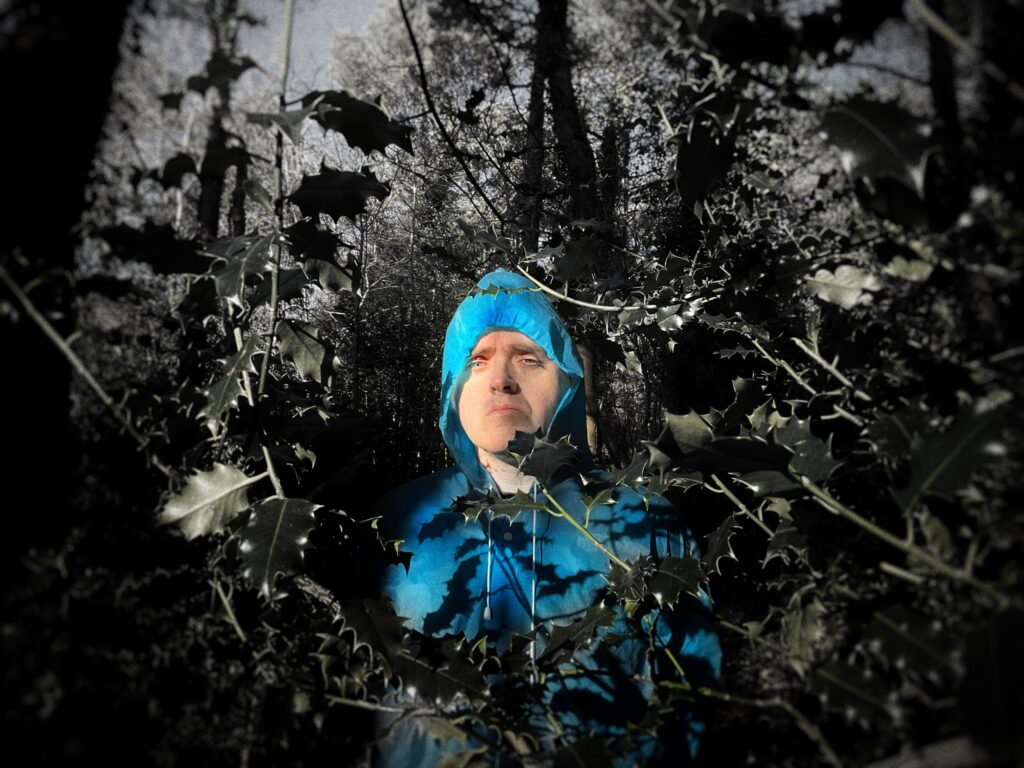
Stray Planets Stray Planets return with Are You Real, Cristobal Leedy?, an EP blending surreal humour, nostalgia, and digital-age unease. In this interview, they explore inspiration, collaboration, and the art of feeling unreal. 1. Your new EP Are You Real, Cristobal Leedy? feels like both a continuation and a reinvention of your earlier work. How did your creative process evolve between Messed Up and this new collection? I don’t think there was an evolution in my own creative process, maybe a slight evolution in the nature of my collaboration with Rian (in so far as we know each other better). ‘Artificial Love’, for instance, is based off a very early instrumental I recorded before I learned to write lyrics. ‘Hallucinations’ started as a melody/chord progression hummed/played into my phone drunk four years ago. Stuff often evolves in a non-linear, vague way, for me anyway. 2. The EP’s title track reflects on “the strange unreality of making art in the algorithmic age.” What inspired you to explore that tension between authenticity and artificiality so directly? That track was inspired by a YouTube comment from a probable bot called Cristobal Leedy that read, “Truly astonishing beat and music”. The idea of someone obsessing over whether a person who likes them is real or not, wishing they were, knowing they’re probably not, appeals to me. Probable bots often pop into my Instagram inbox telling me I’m great, likely trying to scam me, and on some level I think I’m happy to be scammed as long as they keep the compliments coming. It’s amusingly tragic also to contrast love from bots with the indifference of real people. My primary fanbase at the minute are TikTok dancers looking for paid collaborations, showering me with generic praise. Part of me wants to see what an “Hallucinations” TikTok dance would look like and a greater part of me wants to bring them all together and form a TikTok dancer supergroup. Alas, Instagram forbids me from responding, some kind of protective scam blocker thing I cannot override. Reminds of the time I got a telemarketing call about toothpaste where I effused about the aesthetic beauty of Aquafresh and in the end it was they who wanted to hang up. Also, Cristobal’s photo looks real so maybe he is real. I really hope he is… maybe… well maybe not now at this stage. Also, I always like the idea of giving pathos to non-living things. I anonymously wrote songs about pasta sauces once and found I could empathise with the crappy ones perpetually on special offer. 3. You’ve described Your Revolution as a song about AI’s inability to suffer — which is such a fascinating concept. How do technology and emotion intersect in your songwriting? Not sure how technology intersects with emotion — every song I write is based on some emotion though. I find they’re no good otherwise. That song suggests that the constant low level anxiety of being alive is a privilege/power we humans will always have over our would-be robot overlords. Not sure if that paints a bleak picture or not. 4.“Hallucinations,” featuring Dara Kiely of Gilla Band, has this vivid, technicolour energy. Can you tell us how that collaboration came about and what Dara brought to the track’s vision? I’ve known Dara a long time, first met him when he was a kid doing work experience in the now defunct Asylum Studios. He liked my early anonymous food-based material, initially not being aware it was me. Dara’s voice is great, sort of like a damaged crooner. In the studio, he has great instincts, and is very discerning, more so than me. I quite like the Care Bears movie soundtrack for instance (I wrote that in jest and am right now listening to said soundtrack assuming I liked it but it is in fact quite bland). 5. Your music often feels like it’s time-traveling — weaving elements from 60s psychedelia to futuristic synth textures. What eras or artists most influenced ‘Are You Real, Cristobal Leedy?’? Rian would mention some of MGMT’s recent work as a production reference, though I’m not sure how much of that came through in practice. He’s generally drawing on a vast palette. I think I was trying to write a post-modern surf song a la “Bros” by Panda Bear with “Your Revolution” which you can sort of hear in the verse melody maybe. The chorus melody is a bit Sonic 2-ish I think though. From a songwriting perspective, I’m generally drawing on lots of things unconsciously, and always I suppose indebted to my old faves from when I was starting out — Cole Porter, Burt Bacharach, Ennio Morricone, High Llamas and such. 6. You’ve said you make the kind of music your 19-year-old self would want to stumble upon. What do you hope today’s 19-year-olds feel or discover when they hear this EP for the first time? I just hope they like it. I genuinely don’t know if there are any 19-year-olds out there like 19-year-old me. I sort of hope not, for their sake. strayplanetsmusic | Instagram, Facebook | Linktree
Martyrs
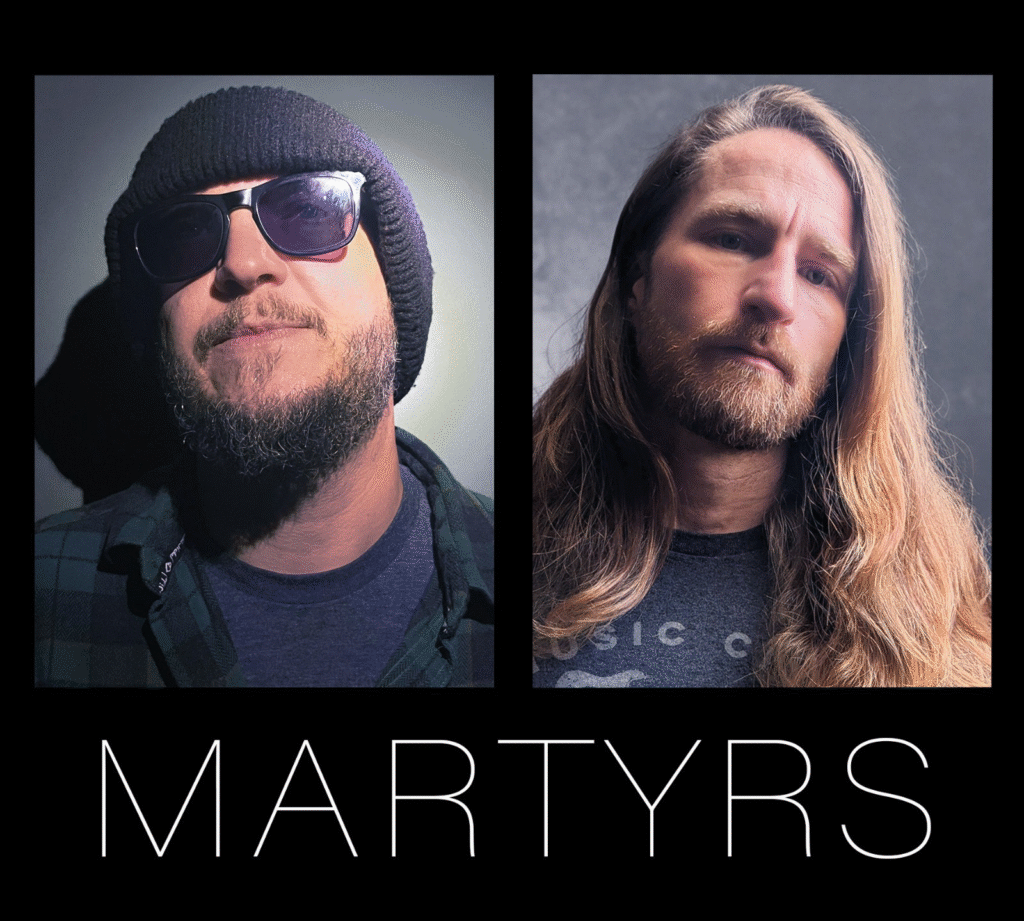
Martyrs Martyrs return with Halloween Dream, a haunting fusion of nostalgia, folklore, and DIY artistry. Michael Hall dives into the EP’s eerie inspirations, evolving sound, and the duo’s ambitious ten-release journey. 1. Your new EP, Halloween Dream, feels steeped in atmosphere — equal parts nostalgia, melancholy, and magic. What draws you to the autumnal and supernatural imagery that runs through these songs, and how does that connect to your broader creative identity as Martyrs?I think growing up in Wales, which is steeped in folklore and mysticism,was the seed of the obsession. Also, writers like Algernon Blackwood and MR James, then more modern authors like Susan Hill and Stephen King instilled a desire to make strange art, that has something more beneath the surface, something unexpected. There’s definitely a darker side to what we do, and that’s informed by the kinds of books and films we grew up with, the kinds of art I still enjoy now. Giallo movies, folk horror, gothic literature…I think there’s comfort to be found in the strange and eerie, and there’s a great deal of humanity to be found in a lot of horror writing – you look at how Stephen King or a filmmaker like John Carpenter can depict community and relationships in the face of terror and it’s quite beautiful. It’s not like we brand ourselves as a folk-horror band or anything, but elements of that are often found in what we do. Nostalgia seeps into everything I think, and we all have a different relationship with it. I think it features quite prominently for Jon and I simply because we grew up together and we share the same reference points both culturally and with regards our home town, Merthyr Tydfil. I think the melancholy element is just part of being Welsh to be honest. 2. You’ve recorded, mixed, produced, and even filmed everything yourselves — an impressive commitment to the DIY ethic. How does total creative control shape the final sound and feel of your music, and do you ever miss the outside perspective that comes with working in a studio or with a producer?It means we’ve no-one else to blame, which is unfortunate. I think the complete DIY approach is essential to the band. We wouldn’t be doing any of this without it. Neither of us had any interest in starting a band in the traditional sense, dealing with egos, losing endless money on shows no-one goes to, trying to make music to please other people etc. etc. So if you have no interest in doing things the traditional way, you have to do everything yourselves. I’ve always admired DIY scenes, and I’ve been lucky to be a part of them a few times in my life, making zines, putting on shows. I’m a strong believer in that ethic. We may not sound much like Minor Threat or but I certainly love them and have definitely learned from them and similar artists who take responsibility for their work and how it’s both conceived and released. The way we’re working though, if it has a downside, it’s that we’re doing all the work but we’re not really a part of a broader community, aside from conceptually or in terms of other artists we meet online who work in a similar way. We’re very much on an island. Artistically, we try to entertain one another, surprise one another, and that’s the only approval we need to move forward. I trust Jon’s instincts, I think he trusts mine, so we’re golden. Obviously there are benefits to working in a studio and working with an outside producer, but I think Jon’s production is phenomenal and we’re pretty stubborn about doing everything ourselves. It’s just not in our collective DNA to do it any other way. The way it ultimately shapes what we do is that we end up making very specific music that could only come from us, it’s got our personalities all over it, for better or worse. 3. You’ve mentioned that Delta Rain and October Kind mark a shift toward acoustic textures and more impressionistic writing. What sparked that evolution, and how do you balance this new warmth with the electronic and experimental edge you’re known for?Jon bought a new acoustic guitar. It was all downhill from there. We always want to try new things. We give ourselves room to try whatever we want – metal songs, ambient stuff, sound collage, disco…and doing something more traditional, more organic, that’s also experimental to us. Hearing the music Jon was putting together, I wasn’t moved to write the kinds of characters or narratives that usually populate our songs. I was inspired to say something personal, albeit in quite an oblique way. It became about conjuring atmosphere as a way to express emotions that are very hard to pin down in a literal sense. I think Jon is able to balance the organic and electronic very well, he’s able to keep an eye on both angles and that’s given us the opportunity to widen our sound. Halloween Dream EP de Martyrs 4. Your reimagining of The Man Don’t Give A Fuck is both reverent and radical. As lifelong fans of Super Furry Animals, how did you approach deconstructing such a cult classic without losing its original spirit — and what made this song feel relevant to reinterpret right now? I think it’s the right time for protest songs for so many reasons. The rise of fascism, the entropy of late stage capitalism, the kind of power the wealthy wield over the population…these are big topics, overwhelming. But because TMDGAF is a sort of multi-purpose protest song, it gathers all that in one place. You’re angry at everything, frustrated, so you want to lash out, and this was a good way to do it artistically. We’ve both loved Super Furry Animals since we were kids so it was a perfect choice for our first cover. Gruff Rhys from the band gave us a shout-out when we released
Daniel Alspach
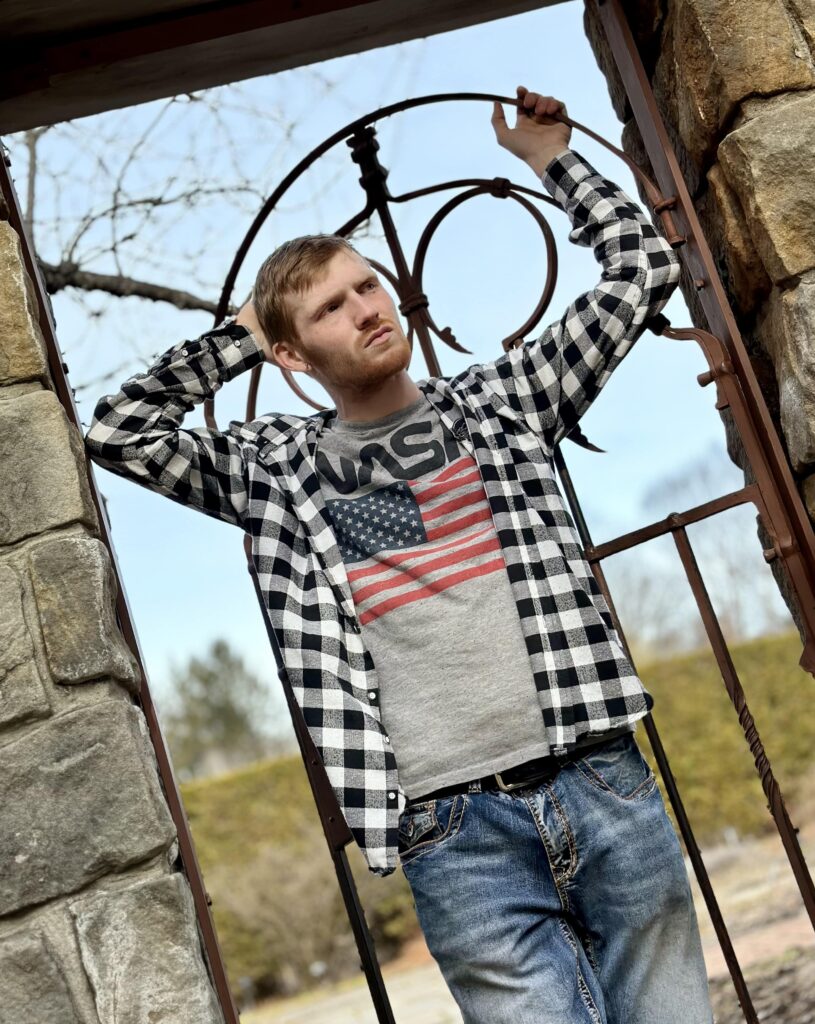
Daniel Alspach Daniel Alspach’s new single “I’ll Follow” opens a deeply personal chapter, blending heartfelt storytelling and intimate production. In this interview, he reflects on loss, memory, collaboration, and the journey shaping his upcoming EP. 1. “I’ll Follow” has been out for a couple of days now. How has it felt to finally share such a deeply personal track with the world, and what early reactions have stood out to you the most? It’s been out for a couple of days, but I’ve been waiting months to release it. It’s nerve-racking, but exciting at the same time. When I first had some friends and partners in music listen to it, they found it to be incredibly moving being about my grandpa. Inc. CVRNVTE brought on the instrumental and Diego Fernandes brought it to life from almost 5,000 miles away. I did more with this song than I’ve ever done before. 2. The song was inspired by your late grandfather, yet it resonates broadly with themes of family, friendship, and loyalty. When you listen back now, what emotions or memories come to mind first? I think back to the times when I was young. When everything was so easy, but you know you’re gonna keep those memories of loved ones with you until the end. 3. You collaborated with Greenlonely on production and with Diego Fernandes for mixing and mastering. How did these collaborations help shape the emotional impact and final sound of the track? It was actually Inc. CVRNVTE on the production. He delivered the kind of instrumental and sound I was looking for with this entire EP. Something that didn’t drown out my vocals, but still would sound great on an afternoon cruise. Diego brought the track to a whole new level and made it the kind of track you can bump in the car or cry to. Have a Happy Day is going to deliver a lot of surprises with the production. 4. As the first glimpse into your upcoming EP Have a Happy Day: Act 1, how do you feel “I’ll Follow” sets the tone for what listeners can expect in 2026? “I’ll Follow” is the beginning of a very personal musical journey I’m on and I feel like the rest of this EP and what is to come next really tells my story. I’ve been through heartbreak, grief, homelessness, and found a way to come out of the dark. This is just part of the journey. 5. You mentioned recording the vocals simply at home. How did this minimalistic and intimate setup influence your performance and connection to the song? I think by doing it at home I felt more connected to the song. No distractions, no producer telling me what to do; Just me, my microphone, and a small computer set-up. 6. Since “I’ll Follow” comes from such a personal space, did creating it teach you anything new about yourself or your artistic direction moving forward? I think I’m always gonna make music from the heart. About what I go through. I’ll Follow helped push the same vision I’ve always had and always will have. Daniel Alspach (@danielalspach1) • Photos et vidéos Instagram
Plastic Orchestra
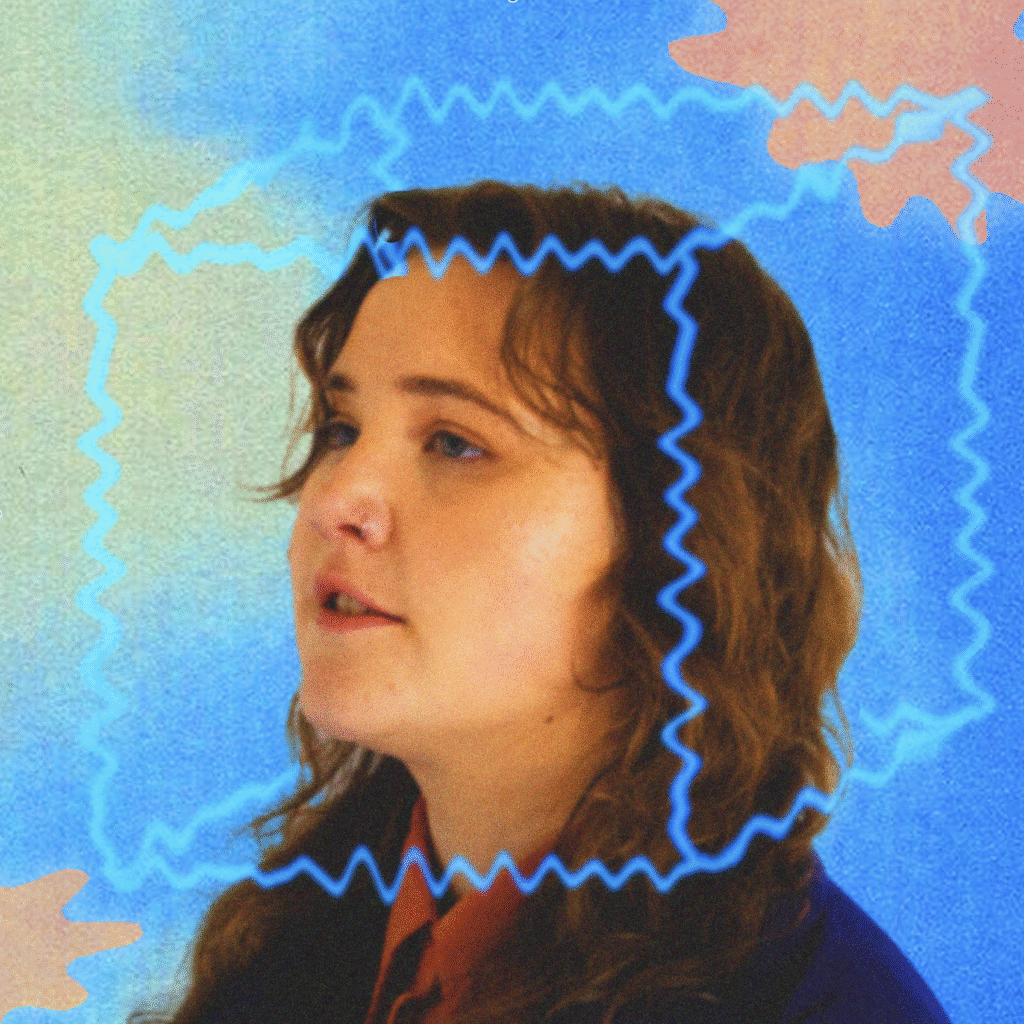
Plastic Orchestra Blending disco sparkle with surf-rock charm, Plastic Orchestra craft music that radiates pure joy. In this interview, they dive into their sound, studio adventures, and the playful creative energy behind “Foot In Mouth.” 1. “Foot In Mouth” has such an infectious blend of disco and modern surf-rock. How did you land on that particular sound, and what drew you to merge those two styles?I think personally they are the 2 most fun and kind of feel good genres for me. I really like the tones and almost hypnotic sound of surf guitars and how grooving songs in that vein can be, but also these are upbeat and fun songs and that incorporated that disco element I think. i think I was just writing for myself because this type of song is what I would put one when I’m working, on the move, hyping myself up for going out, and when I am trying to motivate myself to get the house in order… pretty versatile. 2. You mentioned that this project began after winning a competition that gave you a week in the studio. What was that week like — any memorable moments or unexpected turns during the recording process? Oh Grace and Palmer at nuthouse studios were so great! Memorable moments I would have to say was living back at my mum’s house for a week because it was way closer to the studio and driving with her work and the studio to ABBA was the best way to start the day.I think there are few people who would say a week off from work to hang with your best mates, making sometimes ridiculous noises, is not a very fun idea. Everyone who contributed to the EP came in with their game faces on, but everyone also contributed their own brand of fun to these tracks. 3. The track feels full of motion and freedom — it really captures that “joy of letting go.” Was there a specific experience or feeling that inspired the song’s theme and energy?When you absolutely stir the pot by accident or “cock it up” verbally, you can choose to think about it for ages and think “my god why did I say that”, or you can brush it off and when it pops into your mind you just kind of laugh and think “oh damn that was not the right choice.” And I think making a song that sounds so fun and light hearted reflects that second situation where you wipe it off and have a laugh about it. 4. The name Plastic Orchestra is intriguing — it suggests both playfulness and cohesion. What’s the story behind the band name, and how does it reflect your collective identity? Everyone within earshot of me for the last… 5 years maybe more, has heard me spitballing band names and never picking one until this name… nobody talks about how hard it is to pick a band name and stick to it, I was at some points probably insufferable.I picked Plastic Orchestra because I can’t see this band writing something super dark or serious, and it sounded like a great way to reflect the fun and interesting vibes I think we put out. “Orchestra” came from people listening to the demos and recording the songs often bringing up how big the files for the songs were, and how many layers of sounds we were putting on top of each other; it may only be a few people involved in the band but we recorded a lot of different instruments and sounds. 5. Collaboration seems central to your sound. How do you balance individual creativity with the group’s overall vision when writing or arranging songs?The projects I have worked before have always worked best when, at least at the start, 1 person writes the song and then everyone comes in and puts their spin on it. Because the first EP was on a strict schedule, it was pretty important we went in with something that was roughly 70% done so we had something to start with and a direction. But everyone who came into the studio brought so much to the songs. Clancy on the drums is a beat specialist, but somehow makes hitting things sound like its own melody. Pan and Astrid are both incredible vocalists in their own way, Ast at one point harmonised with herself with something like 8 different harmonies, and Pan spat some incredible runs and just amazing vibrato. Pat really knows his way around surf guitar and knew when a little noodle or a whammy bar would go a long way; and Mack brought in a whole music store’s worth of percussion into the studio, he is like a real-life version of the percussion loops library that comes with recording software, and just as pocket-perfect. 6. “Foot In Mouth” is the first glimpse into your upcoming EP. What can listeners expect from the rest of the record — will it follow the same disco-surf vibe, or are you exploring new directions?We really found our groove with this genre and we kept the fun going in every track. When Palmer and I were mixing and producing the songs, we both couldn’t stop bopping our heads and having a dance for the 3 ish days we were working. Each song has their stand out moments and strays from the last but its very much rooted in the same sound and the same themes of introverted reflection and not-so-fun topics lyrically, backed up by very infectious riffs and a constant groove, there isn’t a lot of down time but I kind of love that. @plastic_orchestra.music Lnk.Bio · link in bio
AdieVibes
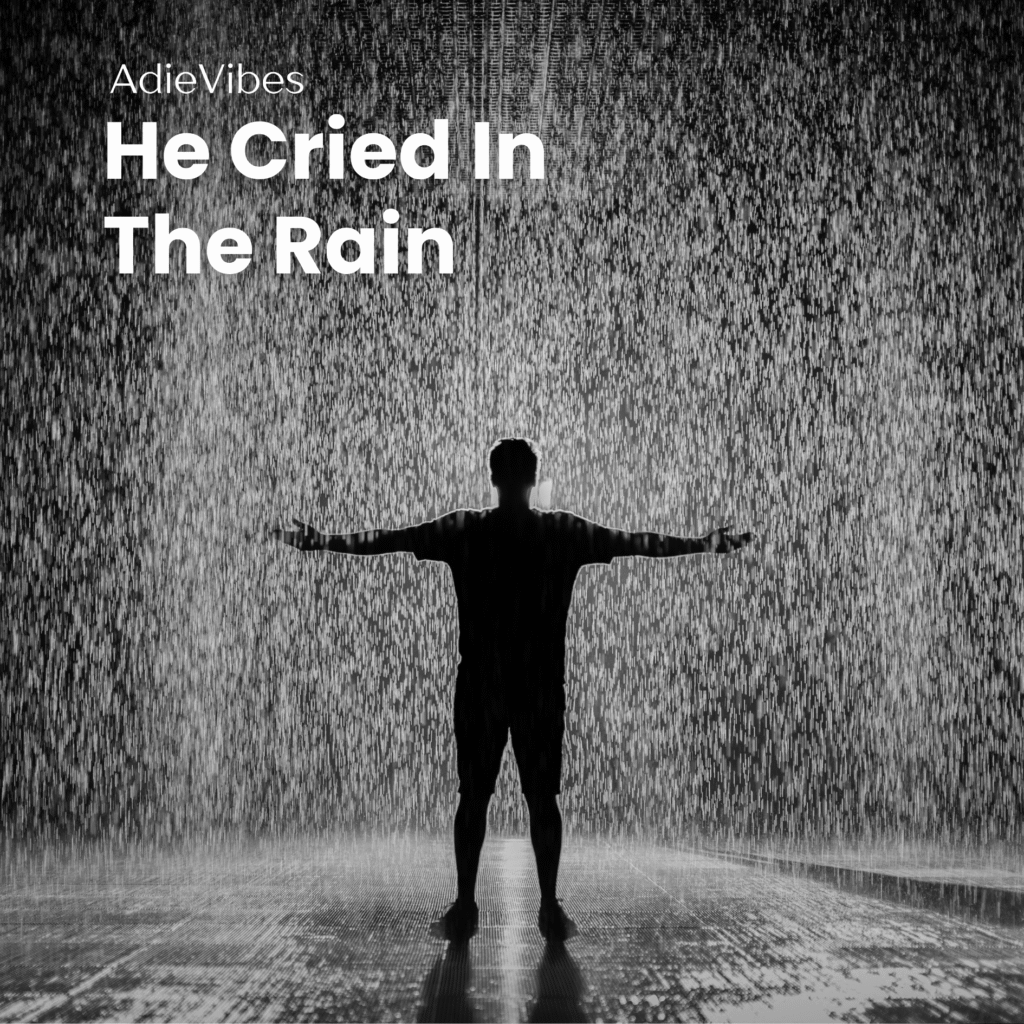
AdieVibes This interview with AdieVibes explores his listener-focused philosophy, the liberating role of AI in music, and how prioritizing emotional impact over tools is reshaping his creative identity and the future of sound. 1. Your philosophy states that “if the listener likes the music, the tools used are irrelevant.” When did this idea first crystallize for you, and how has it shaped your creative identity? The idea that “if the listener likes the music, the tools used are irrelevant” didn’t crystallize in a single moment, but emerged from a long-term frustration with the gatekeeping and obsession with gear in music production communities. I noticed that online discussions often focused more on the type of synthesizer, microphone, or mixing console used than on the quality of the melody or the emotional impact of the song.This philosophy solidified as I began experimenting with highly accessible, non-traditional, and AI-assisted tools. The realization was: I could create tracks that evoked the exact same feeling—joy, melancholy, energy—as tracks made with $10,000 worth of equipment, simply by focusing entirely on the emotional output. It has shaped my creative identity into one of radical pragmatism and listener-focus. My identity is tied to the vibe I deliver, not the method I employ. 2. Many artists see AI as a threat to traditional musicianship, but you position it as a democratizing force. What do you think is the most misunderstood aspect of AI in music today? The most misunderstood aspect of AI in music today is that it’s seen as a replacement for human creativity, rather than a powerful, new instrument.Many people fear AI will devalue “traditional musicianship.” However, I see it as a monumental democratizing force. It removes the barrier of needing years of instrumental training, expensive studios, or technical expertise to translate a musical idea in your head into a tangible, shareable track. It makes the act of creation purely about taste, curation, and vision.AI doesn’t compose the emotion; the human composer still curates the prompt, selects the best output, structures the song, and applies the final sonic polish—the essential “human touch” that defines the vibe. It allows someone with a great sense of melody but no piano skills to finally share their gift with the world. 3. Your approach invites listeners to focus purely on the vibe rather than the production method. How do you personally define a “good vibe” when creating a track? For me, a “good vibe” when creating a track is defined by three things:Immediacy and Effortlessness: The track must feel natural and flow without forced transitions. The listener shouldn’t have to work to enjoy it; it should just be.Emotional Clarity: The vibe must deliver a singular, unmistakable feeling—whether it’s relaxed, energetic, introspective, or celebratory. A good track clearly communicates its emotional intent.Transportive Quality: The best vibe is one that momentarily pulls the listener out of their current reality and places them squarely within the world of the music. It’s a sonic environment they want to live in for three minutes.If a track achieves that sense of relaxed, effortless flow and can immediately transport the listener, I know the vibe is right. 4. Do you ever feel pressured to disclose your creative tools or techniques, and how do you respond when people fixate on the technology instead of the music itself? Do I feel pressured? Not really. I’ve chosen to be deliberately transparent about my philosophy that the tools are irrelevant, which preempts a lot of the pressure.When people fixate on the technology, my response is simple: I shift the focus back to the listening experience.If someone asks, “What software did you use?” my internal response is always, “Did you like the bass line? Did the song make you feel like dancing?” I might respond by saying: “The technology I use is constantly changing, but what matters is that the feeling we captured is universal. Listen to the track again and tell me which part connected with you the most.” I aim to re-educate the listener to value the artistic result over the technical process. 5. As someone who challenges the idea of gatekeeping in music creation, what advice would you give to young or emerging artists who feel held back by limited resources? For young or emerging artists who feel held back by limited resources, my advice is direct and liberating:Your limitations are your greatest creative tool. Embrace the “Bad Art” phase and start sharing now.Abandon the Gatekeepers’ Lie: The idea that you need expensive gear or a degree to make “real” music is a lie perpetuated by those who benefit from exclusivity. You have a free DAW (like GarageBand or equivalent), an old phone, and now AI tools. That is enough.Focus on Taste, Not Technique: Your greatest resource is your unique taste—what you choose to keep, what you choose to throw away, and how you arrange the elements. Taste is the ultimate skill.Publish Ugly: Don’t wait until it’s “perfect.” Perfection is the enemy of progress. Release music that is 80% finished. The practice of putting your work out there, getting feedback, and moving on is more valuable than endless tweaking in isolation. 6. Looking ahead, how do you envision AI and accessible technology evolving the global music scene, and what role do you hope AdieVibes will play in that transformation? I envision AI and accessible technology completely shattering the traditional music industry model. The global scene will become incredibly diverse, fragmented, and personalized, with millions of micro-genres and creators catering directly to niche audiences. The power will shift entirely from major labels and expensive studios to the individual curator/artist with a strong online presence.I hope AdieVibes will play the role of an architect of this new era—not just by making music, but by serving as a living proof of concept. I want AdieVibes to be seen as the ultimate example of the post-production artist, showing that a relentless focus on delivering an authentic, high-quality vibe can connect globally, regardless of the tools used. My role is to normalize the use
Joe Sensible
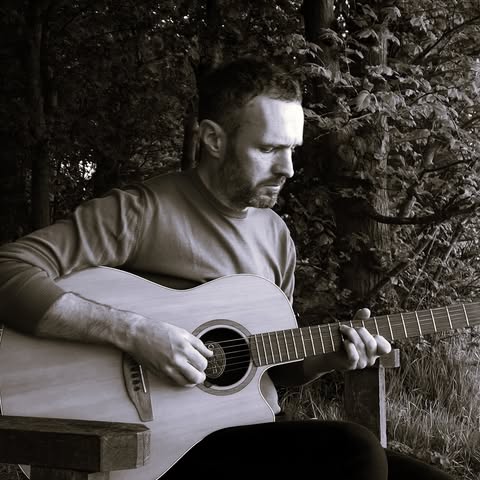
Joe Sensible This interview with Joe Sensible explores the inspirations, creative process, and authentic songwriting behind his new EP, revealing how he balances personal expression, mood, and individuality in today’s music landscape. 1. “Don’t Say Goodbye” explores the pivotal moment between holding on and letting go in a relationship. What personal experiences or reflections inspired this song, and how did you translate that emotion into sound? I think everyone finds themself in that position at some point. When I wrote Don’t Say Goodbye I was feeling very positive about holding on in the relationship I was in. To translate the emotion and positivity into sound, I added as much warmth to the mix as possible, especially with the acoustic guitar, vocals and cello. The uplifting piano took the longest time and I had to develop my skills to get the feel I wanted. I then layered on the retro soulful licks on the electric guitar to give the song a laid-back rock vibe. 2. Your new EP highlights a calmer, more introspective side of your music. What drew you to focus on this mood, and how does it fit within the broader narrative of your upcoming 2026 album? If you create anything meaningful then it inevitably reflects different aspects of your personality. I think that when you start to deliberately focus on specific moods, there is a risk that your music can lose meaning. When I’m writing, I try to let the mood of the song take shape by itself. I have a calm and introspective side as well as a more complex and darker side. Both sides make an appearance on the album. 3. You’re known for a distinctive vocal style and unique fingerstyle acoustic guitar. How did your approach to arrangement and production evolve on this EP compared to your earlier work? My first album was a set of ‘live’ recordings with just guitar and vocals. This E.P. has the same foundation but I wanted to do something much more musically immersive. The whole process taught me a great deal. I thought I had all my arrangements in place at the start of the project but I really didn’t give enough consideration to tone during the initial recording sessions. When it came to mixing I was continually revisiting issues in the arrangements that I had created during recording. In the future I will give pre-production a lot more time and respect. 4. You’ve described the album as a “time capsule” of songs from your twenties. What made this the right moment to release that era of your songwriting into the world? It eventually became apparent that there wasn’t a wrong moment to release the music. These songs are as much part of me as the music I write now. I think I had something worth saying and it is still worth saying now. 5. You’ve carved a voice in a music industry where authenticity often feels curated rather than genuine. How do you stay true to your own identity while navigating the pressure to fit into certain sounds or trends? A friend of mine once released an amazing piece of music and it was only streamed a few times. Nobody would add it playlists or give him airtime because it was different. He told me the biggest lesson to learn is that no-one cares. Ironically, I have found that liberating. In the modern music industry, almost no-one cares about your music so there is really no point in making music for anyone else. Making formulaic music is straightforward so lots of people are doing it every day. However, you’re not doing anything meaningful, you’re making almost no money and what’s the point if you haven’t stayed true to yourself anyway? I would rather be genuine so whenever a listener connects with my music it is a real connection and it really means something to me. 6. Your influences range from Nick Drake to The National. In what ways do these inspirations shape your songwriting, and how do you balance honoring those roots while avoiding sounding like anything else?” I don’t really have any clear roots. When I was learning guitar I listened to everything from heavy metal and blues to traditional folk music. I’ll never stop loving the artists that inspired me but I don’t feel obliged to emulate their work. I listen to a huge range of music but I have always been determined to do my own thing rather than sounding like anyone else. That is especially true of my songwriting. As soon as you start trying to copy someone else’s songwriting style, you start singing songs that sound like someone else wrote them. If I’m writing a new song and it starts to remind me of someone else, I try changing something. If the song still sounds like something else I put it aside and forget about it. Joe Sensible | Instagram, Facebook | Linktree
Smoke Spider
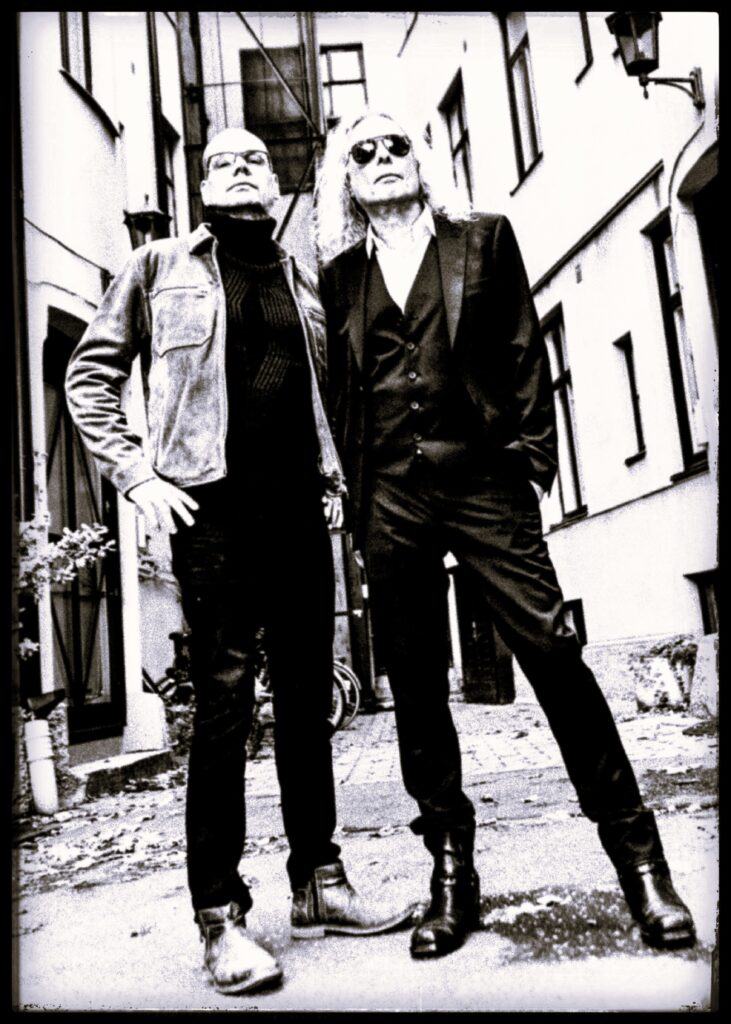
Smoke Spider Smoke Spider return with “Vengeance,” a fiery new single blending raw power and melodic punch. In this interview, the duo unpack their creative spark, driving energy, and what’s next for the project. 1. You’ve released a few singles since starting Smoke Spider in 2021, and now “Vengeance” arrives as your third one this year. What sparked the idea for this track — was there a particular moment or feeling that set it in motion? Göran Florström: Well, you know, what set it motion was, as always, that urge, that itch inside saying “let’s write a new song!”. It might sound stupid, but that’s the way it is, always chasing something new. And the topic, vengeance, is that forbidden desire we all feel once in a while, I guess.. At least I do.. Let’s drag that little monster out in the open. 2. The title “Vengeance” suggests something dark and intense. How do you balance that raw energy with Smoke Spider’s signature melodic groove? GF: Don’t know how really, but we do balance it, don’t we? That’s a good description of Smoke Spider you’ve got there, by the way.. Sometimes I feel like primitive man, and then I realize that I’ve got to dress the whole thing up in some kinda melodic suit.. We love a great melody.. Don’t get me started about how much Johan loves it. And the energy is like our trademark. 3. You’ve both got strong musical histories — Johan as producer and multi-instrumentalist, Göran with Marionet and Generous Maria. How does your experience in those other projects influence what happens in Smoke Spider? GF: I’ve been singing in different bands and projects for quite some time, you know, and I been utilizing different layers of my voice, depending on the context. So I just bring it all into the boiling pot that is Smoke Spider. With Johan I don’t know, he’s just extremely talented.. 4. There’s a real sense of motion in the way you describe the track — “the train of Vengeance is rolling all over you.” Was that energy something you chased deliberately in the production, or did it happen naturally? GF: As I talked about earlier, the energy thing is a must, whether it’s an uptempo song or a slower track. So yeah, we chase it, and it’s there naturally. Both. It’s like our thing. And when it comes to Vengeance I think the train metaphor is valid, you’re run over by wheels of steel. 5. Smoke Spider’s sound feels like it lives between rock grit and melodic sophistication. How would you describe your creative chemistry when writing and recording together? GF: It’s a busy world, so we work pretty fast. We met up in Johan’s studio, and I usually ask “do we have something new to work with?” and almost always Johan shows a thing or two, and I start trying out some vocals in pretend English. We put the parts together, and when we meet up the next week I’ve written some proper lyrics, and we record the vocals. By then Johan has recorded the basic tracks of the song and when the vocals is done he continues building the song, so to speak. We’re picky about the mix, so it’s allowed to take some time. Usually the creative process runs smoothly as whipped cream. 6. With “Vengeance” hitting all streaming platforms on October 9th, what’s next for Smoke Spider? Should fans expect more singles, maybe a full-length release, or even live shows in the near future? GF: Since the release of Vengeance we’ve started the recordings of the next single. Hopefully it’ll make it all the way, and if it does it’ll be out pretty soon.We released a full-length album in October 2024 called Voodoo Spell. Now we’ll stick to releasing singles in a splendid row for a while.Smoke Spider is a recording project, you know, and so far we just don’t do live shows. But who knows, that can change. In the meantime, check out Smoke Spider on a music platform of your choice! Smoke Spider (@smokespiderofficial) • Photos et vidéos Instagram
Rob Eberle
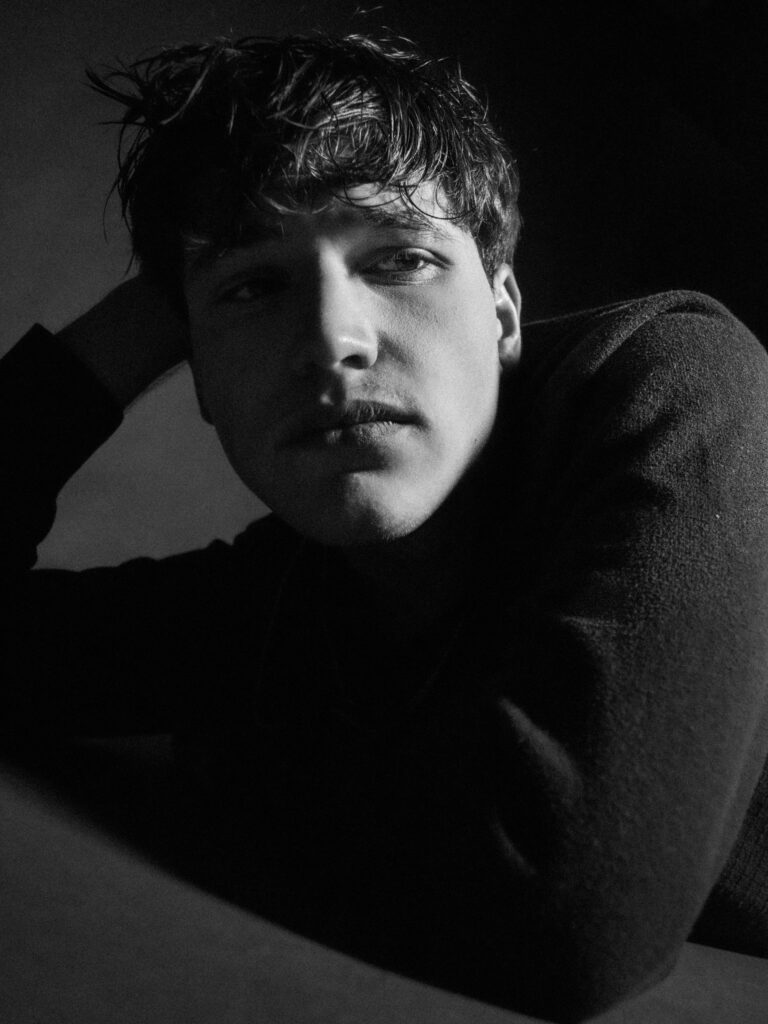
Rob Eberle Rob Eberle’s SIGNAL FADES blends raw emotion with cinematic alt-pop, tracing a powerful journey through love, distance, and self-discovery. In this interview, he reflects on vulnerability, growth, and crafting his debut’s narrative. 1. “SIGNAL FADES” feels deeply personal—almost like reading pages from a diary. What moment or realization first inspired you to turn this story of love, loss, and self-discovery into a full album rather than a few standalone singles? Honestly, it stopped feeling like a collection of moments and started feeling like one long story I needed to tell. Every time I tried to release just one song, another piece of the narrative showed up, another memory, another realization about who I was becoming through this relationship. It was the first time I felt like I wasn’t just writing about something, I was processing it in real time. Turning it into a full album gave me the space to show the full arc: the hope, the distance, the unraveling, and the clarity that followed. 2. The album uses powerful sonic symbolism—like the fading signal motif and synths that mimic static. How did you approach blending these production elements with your storytelling to capture the emotional arc of a long-distance relationship?Everything on this record had to feel intentional to me; like the production was echoing what my heart was doing. The static, the distortion, the signal cutting in and out…those weren’t just textures; they were metaphors for the miscommunication and the emotional lag that happens when you’re oceans away from someone you love. I spent a lot of time making sure the production didn’t just support the story, it was the story. The synths, the dropouts, the way some vocals feel close and others feel blurry…all of it mirrors that feeling of reaching for someone who’s slipping further away. 3. Many listeners describe SIGNAL FADES as a coming-of-age record. Looking back, what did making this album teach you about yourself—both as an artist and as a person transitioning into adulthood?It taught me that I can’t keep shrinking myself to protect other people. Making this album forced me to sit with emotions I’d usually bury and to be brutally honest about what the relationship brought out in me. As a person, I think I finally understood that growing up is messy, you don’t get an instruction manual. As an artist, it showed me that vulnerability is my superpower. The more honest I got, the more everything clicked: the sound, the visuals, the storytelling. It made me trust my instincts in a way I never had before. 4. You’ve mentioned being influenced by artists like FINNEAS, Billie Eilish, and Alexander 23. How did those influences shape your sound on SIGNAL FADES, and what do you feel makes your approach to alt-pop and rock distinct from theirs? I think their influence shows up in the way I treat production as an extension of the emotion, FINNEAS’ minimalism, Billie’s intimacy, Alexander 23’s conversational storytelling. They taught me that “clean” and “raw” can coexist. But what makes my sound distinct is the blend of darker alternative rock textures with really confessional pop writing. My songs feel like they’re meant to be read and heard at the same time. I think that’s where my version of alt-pop lives. 5. You’re about to bring SIGNAL FADES to life on your LOST SIGNAL LIVE Tour. How do you plan to translate such an emotionally intimate record into a live experience—especially for songs rooted in heartbreak and distance?The live show is going to be its own universe. I want people to feel like they’re stepping inside the album, static, glitches, blue tones, all of it. Some songs will stay stripped and vulnerable, the way they were written. Others are getting these big, cathartic live arrangements because heartbreak feels different when you’re surrounded by people who get it. I’m not trying to recreate the record; I’m trying to let the emotions breathe in a new way. The goal is for people to walk out feeling like they weren’t just watching me process something; they were processing their own story with me. 6. SIGNAL FADES closes one chapter but also signals a new beginning in your artistry. Where do you see your sound and storytelling heading next after this debut?I’m stepping into a phase where I’m less afraid to experiment and more willing to tell stories that aren’t just wrapped in heartbreak. SIGNAL FADES was me learning how to let go. What’s next is me figuring out who I am when I’m not holding onto anything or anyone. Sonically, I feel myself leaning into a mix of bigger, grittier alt-rock moments and softer, more cinematic songwriting. I want to explore growth, reclamation, the feeling of starting over on purpose. Whatever comes next will still be honest, it’ll just come from a version of me who isn’t fading anymore. Rob Eberle (@robeberle) • Photos et vidéos Instagram
Rejection Ratio
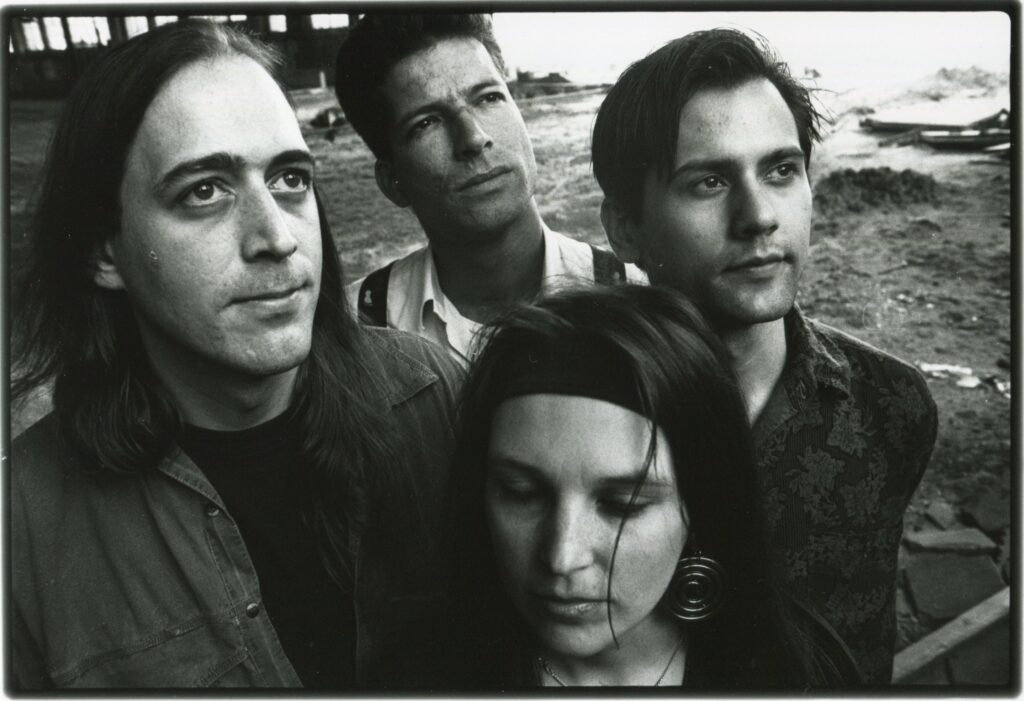
Rejection Ratio Rejection Ratio return after decades with a rediscovered time-capsule of live recordings, transformed into a newly released album that blends raw emotion, authenticity, and genre-defying creativity. In this interview, they reflect on the past, the healing that shaped their journey, and the resonance their music still carries today. 1. Your music was recorded live in a single take back in 1997. Listening to it again decades later, what struck you the most about those raw sessions when you revisited the DAT tape?It was like opening a time capsule. When we listened to it, we realized that it was so good we needed to release it as an album. We had to give it to the world instead of wasting it and leaving it behind. Somehow everything was leading us to do that. So much could have stopped the process, but it didn’t. It took a lot of work to find the right equipment and the right person to translate it from tape to computer while preserving the sound quality. But it was destined to happen. 2. The band went silent due to Nelly’s unexpected hearing issues. How did the journey of healing—and eventually discovering the real cause—shape the emotional tone of the album today?We wanted the sound of the album to capture exactly the emotions and musical drive we felt when playing together. That’s why nothing new was added or changed. For example, we wanted the vocals to sound as authentic as possible, so we did not allow any autotune or pitch correction. Through authenticity, we aimed to bring the album’s emotions and feel directly to our listeners. 3. Rejection Ratio blends rock, pop, new wave, and alternative without fitting into a clear category. How do you approach creating music that’s intentionally genre-defying yet still cohesive?We created our music mostly by jamming. But the basics of some songs were made at home by a single person. This combination of jamming and occasional personal redirection truly diversified the style. Ruud, Ton, and I (Nelly) always wrote the lyrics. I somehow knew which lyric I would have to sing with which tune. We all have a love for different types of music, so why fit into one category only? Blending music shows our love and compassion for all music. 4. “Love Is Like Heaven” is your first single from the newly released album. Since the song was written years ago, why does it feel even more relevant in today’s musical landscape? ‘’Love like Heaven” has a different beat and stands out so much, inviting you to dance and also to listen. The lyric tells about someone who uses people and discards them. It does seem to be happening more often. This trend is linked to broader social changes. I also think that expressive and emotional singing is needed again in today’s musical landscape because singing with your heart is important. I noticed that ’80s and ’90s music is popular again, and our single has that feel to it because it was recorded then, but it is also different. 5. The remastering process involved the same person who initially recorded the tracks in 1997. What was it like to collaborate again after all these years, and what did you aim to preserve versus enhance in the sound?We lost connection with Theo, who recorded and mixed the album. Somehow we found him again and reconnected. We got our friend back! It was like it had to happen. Theo just knew exactly how our music had to be mastered. He made the sound better but still preserved the sound of that time. I think no one could have done it better, also because of his love for the album, which you can somehow hear. 6. Your YouTube release has been gaining organic engagement without promo budgets or Spotify exposure. How important is authenticity and direct connection with listeners in this new phase of Rejection Ratio?Authenticity is very important to us, and connecting with the listeners is so important in this mad world. I would love to hear what they think. I think that making music is important to help everyone feel better and to connect with each other. If you read this, I dare you to check out our other videos on our YouTube channel: https://www.youtube.com/@rejectionratio and visit our website: https://rejectionratio.com/ . Leave your comments below our videos on YouTube. We would love to hear from you! Our full album Acceptance Quotum Resonance is available exclusively on iTunes and Amazon Music. Our second album will be out next year, so keep following us for updates. rejectionratio.com