
Sofia-Emiliana

Sofia-Emiliana Sofia-Emiliana explores inner conflict, betrayal, and resilience through Ashes & Shadows, a cinematic debut album built around interconnected tracks, emotional storytelling, and AI-assisted production. Looking ahead, the project promises a more powerful, uplifting sound with new musical dimensions. 1. Ashes & Shadows is your debut original album, shaped by themes of inner conflict, loss, betrayal, and the strength to move forward. What inspired you to bring these emotions together, and what personal message did you want listeners to take away from the album? These themes are closely connected to experiences many people face: inner conflict, loss, betrayal and the effort to move forward. I wanted Ashes & Shadows to trace an emotional journey from darkness and uncertainty toward confrontation, release and renewed strength. I hope listeners feel that pain can be faced, silence can be broken and, even after a difficult ending, something within us can still rise. 2. You write the lyrics, compose the music, and direct the artistic vision as Kyriakos Noves (STILSO), while Sofia-Emiliana represents the project’s vocal and artist identity. How did you develop this creative structure, and what does each identity bring to the music? Each identity grew from a different part of the same creative vision. As STILSO, I write the lyrics, compose the music and direct the artistic vision. KYNOV is where I shape the production and bring the recordings together. Sofia-Emiliana gives the project its face, voice and emotional presence. I wanted these identities to work like different colors in the same painting, each bringing something distinct while serving one shared artistic world. 3. The first three tracks feature deliberately connected introductions, creating a sense of continuity between different chapters of a larger story. Why was it important for you to approach Ashes & Shadows as a complete album experience rather than a collection of individual songs? I imagined the opening tracks as doors into the same world. Their connected introductions give the listener a first clue that the songs belong to a larger journey. As the album unfolds, each track reveals another part of its emotional landscape. I wanted someone to press play and feel carried through that journey from beginning to end, with the final moments leaving a different feeling from the one they started with. 4. Tracks like “Burn the Silence” and “Two Shadows” explore different emotional territories, from turning suppressed feelings into strength to confronting the distance between two people. What can you tell us about the stories behind these songs, and why are they particularly significant to the album? “Burn the Silence” begins at the point where silence can no longer protect you. It is about finding the courage to let out what has been buried and turning that pressure into strength. “Two Shadows” holds onto a quieter, more painful moment: two people are still under the same roof, yet something between them has already changed. I picture a woman outside a house in the rain, looking up at two silhouettes behind a curtain. Together, the songs trace a powerful shift—from finally speaking to recognizing what may already have been lost. 5. Generative AI plays a role in rendering the female vocals and assisting with certain aspects of production and arrangement, while the songwriting and creative decisions remain under your direction. As an independent musician, how do you approach this technology, and what do you think it makes possible for artists who lack access to traditional studio resources? I approach AI as part of a creative process that still begins with a human idea: a lyric, a melody, a feeling I want the song to carry. I use the technology to explore vocal and instrumental possibilities, but the first result is only a starting point. I listen, reject versions, make choices and keep refining until the music reflects the vision I had in mind. For independent artists, these tools can open doors that cost and access once kept closed. They make it possible to build a much bigger sound from a small, personal workspace. 6. You first picked up a classical guitar at around ten years old, and your passion for music has continued for decades. Now that Ashes & Shadows has introduced Sofia-Emiliana to the world, what are your ambitions for the project’s future, and how would you like its musical identity to evolve with your next releases? I first picked up a classical guitar when I was about ten, and music has stayed with me ever since. After playing in a local metal band in my teens and early twenties, I never lost the feeling that there was more music in me waiting to come out. With Alibi, that feeling is becoming something bigger. The songs are much more powerful and uplifting. Some build and rise until they lift you so high that you get goosebumps. This time, my own male voice will accompany Sofia-Emiliana’s, adding a new dimension to the sound. I want the next chapter to feel bigger, more intense and impossible to sit still through. Sofia-Emiliana | Spotify
Sheldon Mashugana
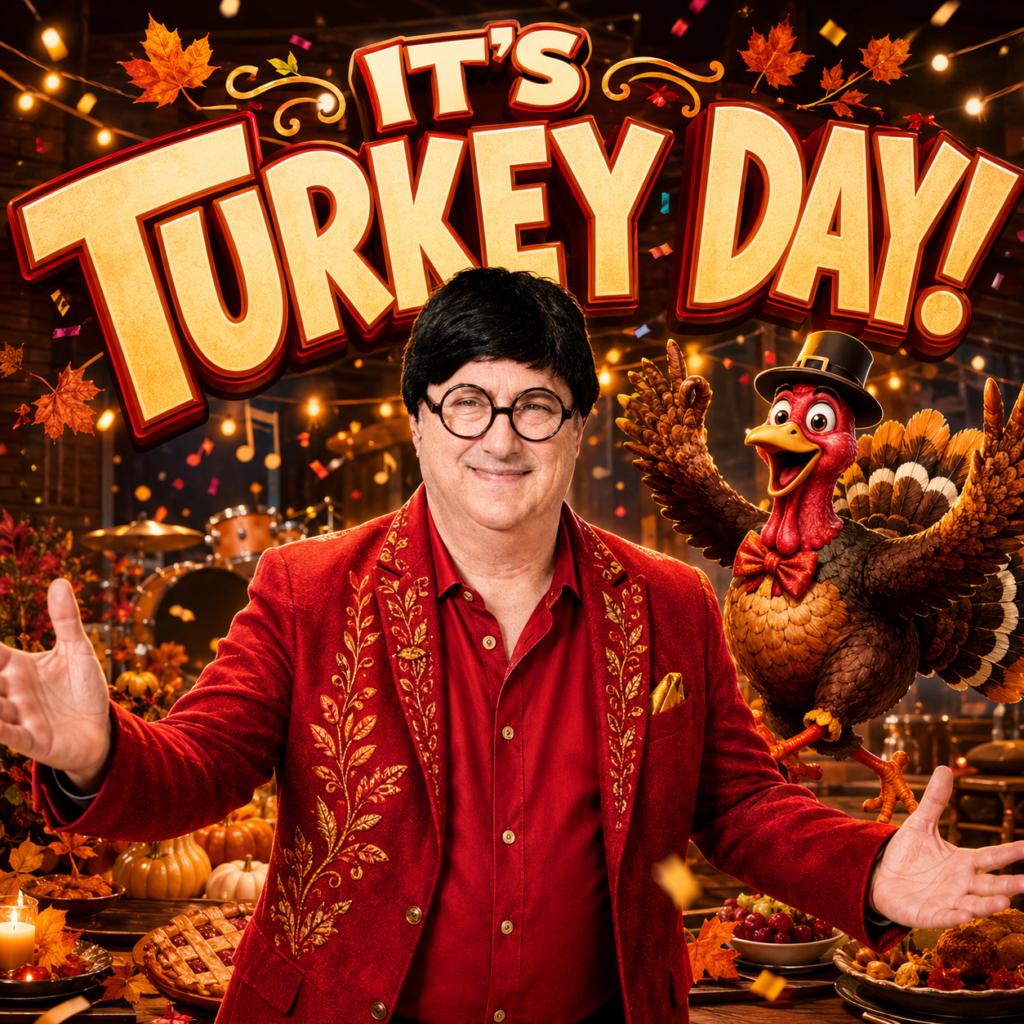
Sheldon Mashugana Sheldon Mashugana brings Thanksgiving to life with “It’s Turkey Day,” a hilarious comedy song featuring Crystal Carr, a turkey chase, Dallas Cowboys football, and plenty of outrageous humor. In this interview, Sheldon discusses the inspiration behind the track, his creative chemistry with Crystal, his growing catalogue of holiday songs, and his plans for future music and comedy adventures. 1. “It’s Turkey Day” celebrates Thanksgiving through a hilarious story involving a turkey chase, a Dallas Cowboys game, and plenty of fart jokes. What inspired you to write a song about Thanksgiving Day itself, and how did the idea for this particular adventure come together? Last year I was walking on Thanksgiving around the block and thought there was no real song about the actual day of Thanksgiving. So I wrote the song in 30 minutes in my head then I put it down on paper. My manager Chris Jones introduced me to Crystal Carr the singer, and she was delighted to work with me on the project. She helped me with the lyrics and with Justin Pierce and her computer, put together the music for it. 2. The track combines your comedic spoken-word performances with Crystal Carr’s upbeat melodic vocals. How did you and Crystal develop this combination of comedy and music, and what makes your creative chemistry work so well? We are both easy to work with and she loves Sheldon. So, it was easy to figure out how we can make it a funny song for Thanksgiving. I decided to add The Dallas Cowboy’s to it, since it’s Americas team and they always play on Thanksgiving. But ultimately, we eat a lot of food on Thanksgiving, thus the poot and toot. LOL. 3. You’ve described Sheldon Mashugana as a character who brings happiness and laughter to a world full of problems. How important is comedy to your musical identity, and do you see your songs as another way to give audiences the same feel-good experience as your comedy films? I never thought about singing a song with Sheldon. My wife Danette asked me to do it for Surfin Bird instead of doing it myself. So I experimented on other music and came up with Sheldon singing as another way to make people happy. My films will always be there and be funny to all. 4. “It’s Turkey Day” features doubled-up lyrics to create a distinctive sound, alongside your signature humorous interjections. What was the recording process like in Atlanta, followed by mixing at Justin Pierce Music in Dallas, and how did these techniques help bring the song’s personality to life? Recording was easy, we went to the recording studio and Crystal went first with the song and doubled up gobal gobal. Then I came after it, to record something goofy. I had no idea what I was going to do until I starting doing it. Then in Dallas Justin Pierce finished the song with edits. I originally had it with a lot of really goofy things sprinkled all over it, however I decided it was over kill. 5. With “Monster Mash” recently released and your version of “Jingle Bells” scheduled for November 1, you’re building a catalogue of holiday-themed comedy songs. What attracts you to holiday music as a source of inspiration, and can we expect Sheldon Mashugana to turn more celebrations into musical comedy adventures? I currently have 3 more songs for next year to do. I also have 3 movie scripts for Sheldon to shoot. But we do one thing at a time. 6. Beyond music, you’ve created 18 slapstick comedy films on YouTube and have upcoming television work in Santa Fe. How do you balance these different creative projects, and what would you most like audiences to discover about Sheldon Mashugana as your musical and entertainment career continues to grow? Well, I’m not getting any younger, so as we pace ourselves with Hollywood studios loving this character, the sky is limit on Sheldon and what he will be doing. I schedule my films and songs as I go. I’m not in a hurry to do them. I just mark them down and do them one at a time. This is for songs and films. I would like to do some of these songs live on a talk show, or doing it at Macy’s parade in New York on Thanksgiving or even at cowboy stadium. sheldonmashugana.com
My Glass World
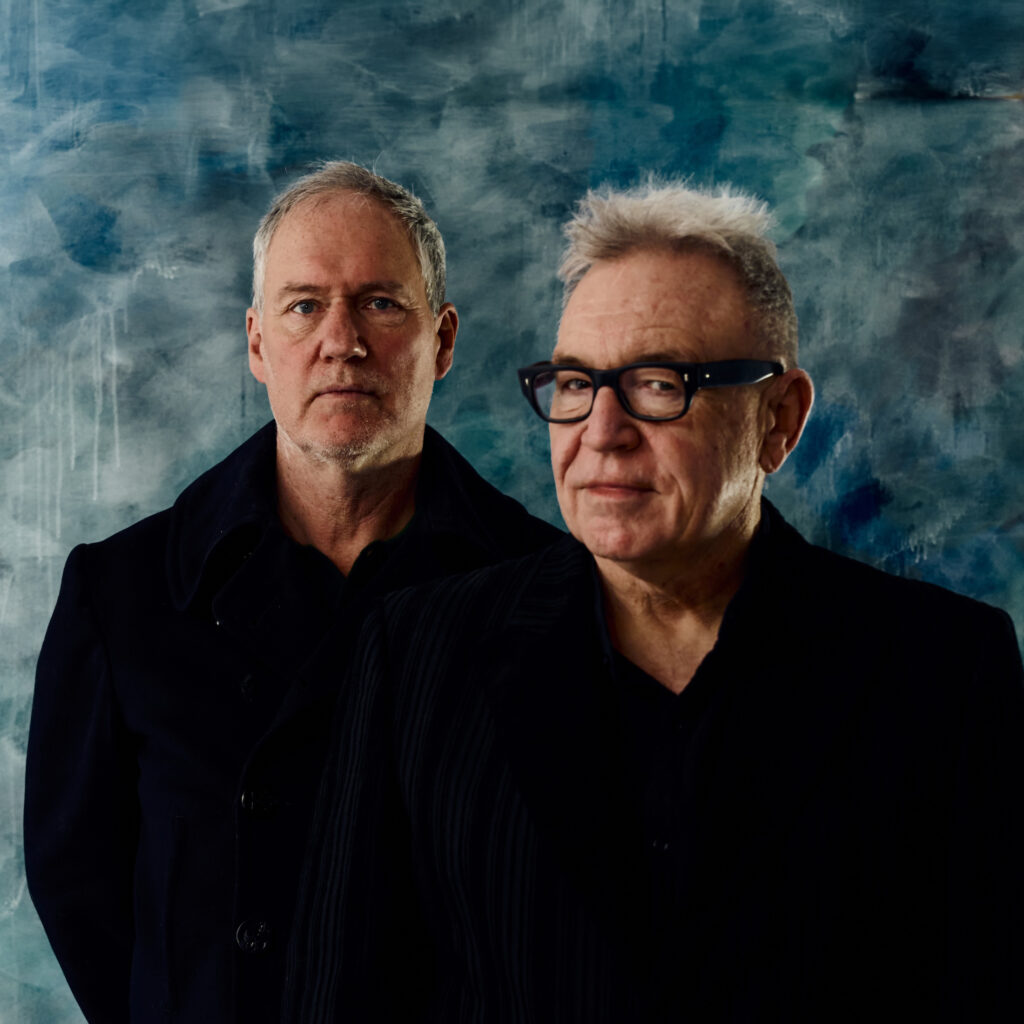
My Glass World In this interview, My Glass World’s Jamie Telford discusses “This Perfect Summer,” a deceptively sweet song confronting climate anxiety and environmental destruction, the creative contrast between melody and message, and the visual concept behind the single. He also reflects on the forthcoming eighth album, Extraordinary Renditions, exploring its more personal themes and the intuitive collaboration that continues to shape the band’s distinctive sound. 1. “This Perfect Summer” carries a deceptively idyllic title while exploring extreme heat, environmental destruction and climate anxiety. What inspired you to write the song, and how does its meaning feel different now compared with when it was originally written? I think there’s an obvious inspiration in the hot summer we have all just weathered and the international climate crisis. I was aware more of the potential for this rather than the reality which has just been brought home to me. When it was written it was based around what had happened around LA and in California and. Ow it seems relevant everywhere. 2. The lyrics paint striking images of dead birds, failed crops, disappearing water and burning landscapes. How did you approach turning such serious and complex environmental concerns into a song without losing its musical accessibility? A lyric is just a lyric after all, however I was trying to contrast the sweetness of the music with the acidity of the message. I think that was my overriding thought and it worked out suitably. I go for basic message first and then consider how that can be developed into a more nuanced message 3. The accompanying video by Simon Miles contrasts happy, everyday imagery with scenes of environmental devastation. How did you feel the visual concept complemented or expanded the message of the song? The visuals had to work with the lyric or it wouldn’t have worked at all so Simon had a strict message to evoke..I think he did that end though even having the control I’ve got you can’t fence everyone in and police their output or it becomes more of a chore and less of a creative delight for them. 4. My Glass World blends rock, pop, jazz and classical influences, often resisting easy categorization. When writing a song like “This Perfect Summer,” how do you balance the darker subject matter with the groove, atmosphere and melodic side of your music? Balance is a problem but it has to be accessible as well…so I refer to my earlier comments. Sometimes you just have got the groove and hope you can get the message over as well, although I have fallen foul of this approach before.. main th8ng is not to be bland musically or lyrically. It’s too easy and pointless. 5. “This Perfect Summer” is taken from your forthcoming eighth album, Extraordinary Renditions. What can you tell us about the album’s overall character, and what makes this collection of songs different from your previous work? I think it’s more poignant than some of the other albums and has more personal messages as part of the “normal” material whatever that means. Songs like The Other Side for example have a personal philosophical message contained within a normal song with a hook. 6. The album marks another collaboration between Jamie Telford and Sean Read, with the recording process moving between Scotland and London. What was the atmosphere like during these sessions, and what are you most excited for listeners to discover on Extraordinary Renditions? Well, we usually come together towards the end of the process. I usually work the material up into it’s finished outline then we add Sax/trumpet via Sean and backing vocals as necessary and mix….I think I discovered how seem less and easy it can be working with someone who knows how the music goes down without having myself or himself repeat themself to get a point across.. it can be a very intuitive process and it’s not always easy to find someone to do that with. Home | My Glass World
The Schisms
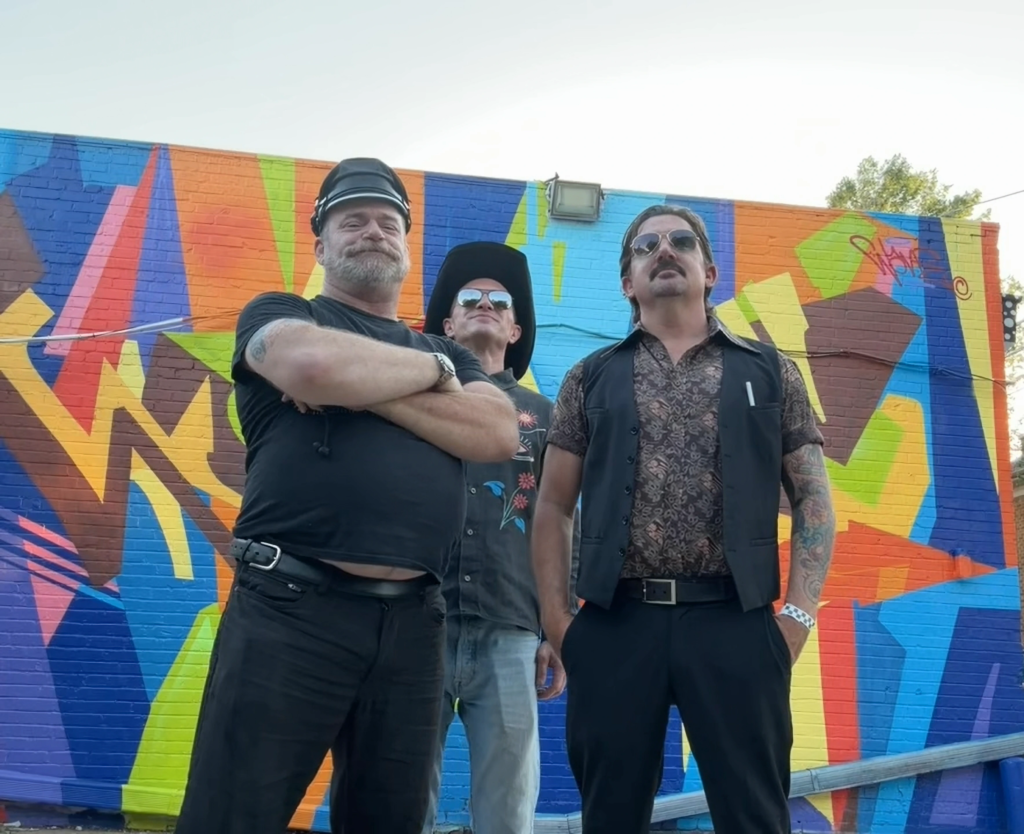
The Schisms In this interview, The Schisms explore the creative journey behind their EP Tejas, discussing its evolution from solitary songwriting in the Colorado mountains to collaborative studio sessions, their diverse musical influences, longstanding friendships, and the uplifting spirit that shapes their music. 1. “All the Good Things” was written as a plea to keep going during difficult times, and you described the finished song as “bruised and beaten, but with its head up high.” What did you want the music itself to communicate that the lyrics couldn’t? “All the Good Things” was written as a plea to keep going during difficult times, and you described the finished song as “bruised and beaten, but with its head up high.” What did you want the music itself to communicate that the lyrics couldn’t? – The music and lyrics to me are fused as one object, so I can’t separate their communication efforts. 2. You wrote part of Tejas alone in a one-bedroom cabin in the Colorado mountains, while other parts came together in the studio with Stuart Sikes. How did those two very different environments shape the songs and the overall emotional direction of the EP? You wrote part of Tejas alone in a one-bedroom cabin in the Colorado mountains, while other parts came together in the studio with Stuart Sikes. How did those two very different environments shape the songs and the overall emotional direction of the EP? – Most of the stuff I wrote in Colorado was just riffs and ideas. Aside from All The Good Things, it hadn’t crystallized yet. I think being snowed in for weeks made it difficult to formulate things. Once I got in the studio with Stuart, the structures, lyrics, and such started falling into place. 3. For the first time, you recorded every instrumental part yourself before bringing the material to Goose and Michael. What was it like handing those songs over to your bandmates, and how did their input change what you had originally imagined? For the first time, you recorded every instrumental part yourself before bringing the material to Goose and Michael. What was it like handing those songs over to your bandmates, and how did their input change what you had originally imagined? At first I thought, “Are they gonna like this?” because it’s very different from our earlier stuff. They loved all of songs though, so it gave me the confidence to keep moving forward. 4. The Schisms combine psych, goth, punk and early rock ’n’ roll, while also drawing inspiration from artists and worlds as different as David Lynch, Jodorowsky, Hall & Oates and Ace of Base. How do you decide which seemingly opposite influences belong together in a Schisms song? The Schisms combine psych, goth, punk and early rock ’n’ roll, while also drawing inspiration from artists and worlds as different as David Lynch, Jodorowsky, Hall & Oates and Ace of Base. How do you decide which seemingly opposite influences belong together in a Schisms song? I think the music ultimately decides for itself where to go. I plant the seed, water it, and pay attention to what it needs. 5. All three of you grew up in the same Texas town and knew each other for years, yet only came together as a band much later. What do you think made the timing right for The Schisms to finally happen, and how has that shared history influenced the band’s chemistry? All three of you grew up in the same Texas town and knew each other for years, yet only came together as a band much later. What do you think made the timing right for The Schisms to finally happen, and how has that shared history influenced the band’s chemistry? – It felt very comfortable because we have all known each other for a longtime. The universe just played the cards that way – Michael needed someone to watch his house for a month so I moved in. Goose didn’t have any music projects at the time, and he’s filled in with The Schisms before so it all just came together very smoothly. 6. The title Tejas reflects both your Texas roots and the friendship at the heart of the record. After moving away from some of the darkness of Moon toward something more uplifting and punchy, what do you hope listeners carry with them when they reach the end of the EP? The title Tejas reflects both your Texas roots and the friendship at the heart of the record. After moving away from some of the darkness of Moon toward something more uplifting and punchy, what do you hope listeners carry with them when they reach the end of the EP? – I hope they interpret the music any way they like, and take with them whatever they need. The Schisms – Post Punk from Austin, Tx
Milo Kobayashi
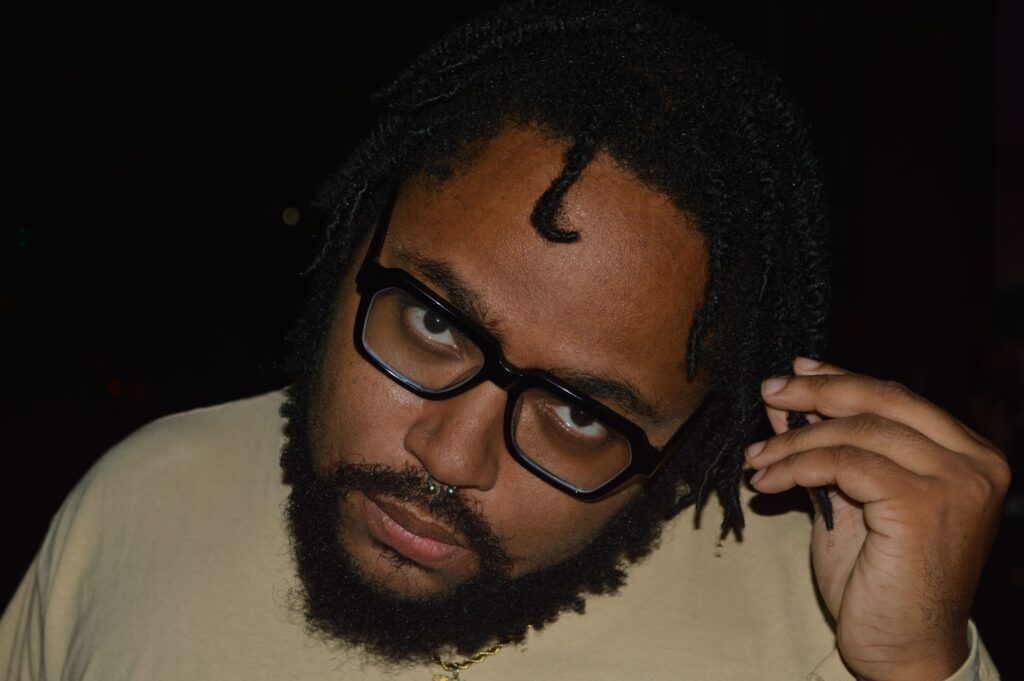
Milo Kobayashi Milo Kobayashi opens up about artistic evolution, embracing his multifaceted identity, and finding creative freedom through music. From personal transformation to ambitious festival dreams, he reflects on his journey toward becoming an unapologetically authentic artist and bringing his unique vision to bigger stages. 1. Your music blends hip-hop with your identity as a cosplayer, producer, comedian, content creator, and self-described blerd. How do these different sides of your personality influence your music, and how important is it for you to create a world that reflects your full identity rather than fitting into one category? It’s like different voices that speak to me, so I’m never fully living in just one singular world, ya know? It’s very important to have that part of me being multi-faceted because life is just as complex. I never been just into 1 thing, it’s always been me juggling multiple hats. Being black and different means, you’ll hear people tell you all your life how you can’t do something because they put you into a box and I’ve always been about proving those who doubt me wrong. It truly feels like I’m a kid again making stuff and showing it off to my mom, but this time I’m showing it off to her presence that I feel around me while everything else is kind of an afterthought. 2. You collaborated with Chef Zay from The Batch, who has been helping you develop your sound and sharpen your bars. You actually connected with him on Instagram six months before moving to Charlotte. How did that connection evolve into a creative partnership, and what has being part of the Batch brought to your artistic growth? I was looking for different mixing engineers in the area for recon before I moved to Charlotte because I wanted to hit the ground running. The area I grew up in had studios and talented people, but like I said in frog shiii~ it’s alot of crabs in the bucket mentality down there. Zay was cool to me from the jump, cold approaching him like that through instagram dms. Whenever tryouts for the batch happened, I just showed up and rapped and played my beats for everybody and completely thought “yeah I fumbled that, I’m so awkward and my beats are trash so i doubt i’ma hear from anybody again in this room besides watching parasocially online” and when Zay messaged me a week later offering me a spot on the team he saw that I reached out and it was like a “oh we been in contact already” kind of situation and said he wanted to help me get my bars up too because everyone in the group who are the main vocalists are fucking crazy on the mic. Everybody in that mf inspire me and they really dont understand how influential they are to me. They show me that you gotta come at these records from the soul, talk like you mean that shit, and don’t be afraid to voice your input and speak up if you’re not feeling something. And most importantly, DONT OVER THINK SHIT! 3. You describe this release as your personal Naruto-inspired Sage Arts arc, with life moving strangely since you started taking music seriously. What does this chapter represent in your personal journey, and how have your experiences entering bigger rooms and meeting new people changed your perspective on yourself and your ambitions? This chapter of my life is like a hard wake up? I’m not letting people or things get under my skin. I stop caring to explain myself to people who go out the way to misunderstand me. I don’t fight for one-sided friendships anymore. I’m standing up for myself and cutting off anything and anyone who can’t act right. Getting into spaces where I’m around internet personalities I’d watch passingly years ago and people and artists in the music industry used to be such an intense thing to me, but now It feels normal and like I belong now. It inspires me to work harder, and don’t let a no stop me from pursuing what I want in life. It made me set bigger goals and ambitions for myself that I feel like everyday people don’t really have nowadays. Everyone is fine with sitting in mediocrity until they eventually snap, and I just refuse to settle for a life I do not deserve. Shout out to Mia Goth in X. 4. You mentioned Rich Brian, Dev Lemons, and your friends in The Batch as important sources of inspiration. What do you admire most about their creativity, and how do you transform those influences into something distinctly your own without losing the individuality that defines your music? I met Brian at his show in Charlotte and getting to talk to him and fan out was crazy. Him and Dev lemon’s recent music videos and projects “Where is my head?” and “hunting what we already killed” really spoke to me to bare my soul on these songs and see what little weird creations come from it. I ended up buying a green screen because I wanted to do more visuals but without having to spend shitloads of money to make those ideas come to fruition. I play my songs and write down any visualizations that pop inside my head. The video teaser I did for crunchyroll months before the song was done was literally something that popped in my head while I was working on the song, and then I just layered more of what I was going for when I had the make the lyric video visualizer for it. It’s just added on top of already existing ideas really. 5. You called this your favorite body of work so far, explaining that, unlike your previous releases, you never seem to get tired of listening to it. You also highlighted “Bufo Spit” as a track that changed your life and “Frog shiii~” as one of your favorite songs to relax to. What
Sheldon Mashugana

Sheldon Mashugana Sheldon Mashugana brings a playful twist to a Halloween classic, blending nostalgia, humor, and his larger-than-life comedy persona. In this interview, he discusses reimagining “Monster Mash,” his creative partnership with Justin Pierce, and his mission to spread laughter through music, film, and television. 1. “Monster Mash” is a fun and nostalgic take on Bobby Pickett’s 1962 classic. What made you finally decide that this was the right song for Sheldon Mashugana, and what does the original mean to you personally? This song is something i grew up with and always enjoyed listening to it during halloween, I’m also a big Borus Karloff fan 2. Replacing “Monster Mash” with “Mashugana” in the chorus fits your character perfectly. How did you come up with that idea, and how important is humor when you approach music as Sheldon Mashugana? My mixer Justin pierce was saying to me right before i started recording the song that mash is close to mashugana why not use that.so I did. It’s also the characters last name. 3. You recorded the song at Justin Pierce Music studio in Dallas, working with Justin on the recording and mixing. What makes your creative partnership with Justin special, and how does he help bring your ideas to life? I do all my songs with Justin, he’s easy to work with and flexible and local to Dallas. 4. You mentioned that getting the pacing and vocal approach right was initially challenging, but eventually the song became surprisingly easy to perform. What was the key moment when everything clicked for you? I have been practicing it for some time before I decided to record it in studio. This song has never been done like that before and I knew it would be a hit. 5. Sheldon Mashugana has already appeared in 18 slapstick comedy films on youtube. How does making music complement your comedy work, and do you see Sheldon becoming a character who can move between films, music, television, and other forms of entertainment? I love playing with film, tv shows and music for Sheldon. Sheldon is fun to do and every film and song I have done has won me awards. Which means everyone likes this character. The key to all the singing is the multiple voices I use for it, they are all mine. All my music I use all kinds of voices, except my own. I am a real Rabbi and actually was on Love is Blind, only then in Hebrew do I use my real voice. 6. Your goal is to bring people a happier feeling during a time when many are dealing with stress and problems. With your upcoming television appearances in Santa Fe this October and November, what do you hope audiences will take away from the Sheldon Mashugana experience? My main goal is health, happiness, and laughter to all who see this character and or listen. sheldonmashugana.com
Music by Jeremy
Music by Jeremy Music by Jeremy explores personal experiences, social inequality, philosophical questions, enduring love, and self-discovery on Scenes from a Well Worn Path (Side Three), the third chapter of a 24-track autobiographical project blending thoughtful songwriting with innovative arrangements. 1. Scenes from a Well Worn Path (Side Three) is the third part of a 24-track autobiographical project. How has creating the album as a four-part journey influenced the way you approach songwriting and storytelling? As an autobiographical work, the approach has given me a framework to develop the songs within. The story is already there, so it’s been about finding the right words to tell it. The album existed in a draft format before any of it was released, so the four parts were more about giving the space and time to focus on a manageable six tracks at a time. 2. Side Three turns outward, exploring wider social and philosophical questions while still maintaining a personal perspective. What inspired this shift, and why is it important for you to present questions rather than straightforward answers? The shape of each Side was planned before all of the songs were written. It seemed right to give listeners an introduction and some background before looking further outwards. The reason presenting questions is important is that the world is filled with binary commentators and opinions, but I’ve spent a long time in this world and I have yet to find anything that actually works that way. The beauty of life is the complexity and nuance; I wanted to celebrate that. 3. “Economic Possibilities for our Grandchildren” draws on Keynes and Macbeth to explore ideas about abundance, inequality, and fate. What sparked the song, and how do you balance complex references with accessible songwriting? The spark was sheer anger. I came across Keynes’s 1930 essay recently and it really is worth reading. He mapped out a future where technology and productivity would solve the economic problem, gifting us leisure and abundance. I used to think the drift toward modern inequality and democratic feudalism was a tragic blunder, but reading Keynes makes you realize the abundance was always feasible; our systems simply chose to monetize and gatekeep it instead. In a song, you can’t deliver a lecture, so you lean on storytelling and metaphor to balance the weight of the ideas. I truly hope I made it accessible enough for the core message to hit home, because that conversation matters far more than a few Spotify streams. 4. “I Don’t Know” approaches love through the unusual idea of a failed mathematical proof. What attracted you to using mathematics and philosophical ideas to express something as emotional and personal as love? I’ve been married for a very long time, and I wanted to write a piece celebrating just how enduring and beautiful that partnership is. My starting point was the folly of the analytical mind, the instinct to calculate, solve, or rationalize a relationship, only to discover that love defies formal proof. In a three- or four-minute song space is at a premium so you need metaphors that do heavy lifting quickly. Mathematical logic was the perfect foil: it sets up this rigid framework only to show that genuine devotion lives completely outside of it. 5. Your songs begin with acoustic guitar, voice, and often a guide lyric before being developed through Ableton and AI-assisted arrangements. How has this recording process changed the way you experiment with arrangements, structure, and performance? The workflow came out of necessity because convening a full studio band wasn’t feasible, but it quickly became an incredible creative engine. The biggest advantage is velocity. The debate around AI in music is fierce right now, but from a writer’s perspective, it functions as a phenomenal prototyping lab. I can take an acoustic idea in Ableton and generate a fully realized sonic sketch very quickly. It means I can take an arrangement into the car or listen on headphones to see if a structure, groove, or lyric truly holds water before committing to it. Most tracks on this project went through rigorous iterations that simply wouldn’t have been practical or affordable in a conventional studio setup. While playing live with musicians is always a joy I look forward to, this hybrid setup gave me total autonomy to realize the vision for the record without compromise. 6. You describe yourself as someone who is aware of your own “frailties and contradictions.” Looking across Scenes from a Well Worn Path, what have you discovered about yourself through writing these songs, and where do you see the journey going next? It has genuinely been a journey of discovery for me and I’m grateful for the experience. The biggest part has been to reconcile with my younger self, but the autobiographical approach has meant exposing things I felt shame or embarrassment about, so people’s positive reactions to those moments have been genuinely moving. In making ‘Scenes’ I have learned an awful lot about songwriting both musically and lyrically, and I plan to continue with that journey. I have no shortage of ideas and there are musical styles I want to experiment with, so there will be new releases in 2027. But right now, I’m taking a rest and just enjoying this release. https://musicbyjeremy.com/
RADARFIELD
RADARFIELD RADARFIELD began in Berlin in 2010 as a Post-Punk and Alternative Rock band before evolving into Darkwave, Synthpop, and electronic music. With influences ranging from Depeche Mode to David Bowie, the project continues exploring atmospheric soundscapes, emotional storytelling, and cinematic visuals while embracing constant transformation. 1. RADARFIELD began in 2010 as a more traditional Post-Punk/Alternative Rock project before gradually evolving into Darkwave, Synthpop and electronic music. What were the key moments that pushed you away from the conventional band format and toward your current sound? RADARFIELD started in Berlin in late 2010 as a fairly traditional band. At the beginning, the lineup consisted of vocals and guitar, bass, keyboards and drums, and our music was much more rooted in Post-Punk and Alternative Rock. The first major change came in 2011, when our drummer left and we decided to replace the drums with a drum machine. That was actually an important turning point, because it opened the door to working much more freely with electronic rhythms and sounds. In the same year, our bassist also left the project. Instead of simply trying to recreate the original band setup with another traditional bass player, we started experimenting more seriously with electronics. That decision gradually changed the way we wrote and produced music. What happened afterwards was not really a conscious decision to suddenly become a Darkwave or Synthpop project. It was more of a natural evolution. As we experimented with synthesizers, programmed rhythms and electronic textures, the music became darker, more atmospheric and increasingly electronic. Elements of Synthpop, Darkwave, Synthwave, Electronica and eventually Drum & Bass began finding their way into the RADARFIELD sound. We have never wanted to be locked into one particular genre. For us, the sound is allowed to evolve as long as it remains atmospheric, emotional and recognizably RADARFIELD. In our more recent songs, we have started combining the synthesizers with electric guitar in a different way, creating a new layer within the RADARFIELD sound. Rather than choosing between electronic and organic elements, we are interested in seeing what happens when the two become part of the same sonic world. In that sense, RADARFIELD is still evolving. The direction may change, but the idea remains the same: to explore new sounds while keeping the atmosphere, emotion and identity that make RADARFIELD what it is. 2. Your music combines dark electronic textures, atmospheric songwriting and cinematic sound design. How do you approach creating that atmosphere, and what usually comes first for you—the emotion, the melody, the lyrics, or the electronic production? For us, there is no single formula for writing a RADARFIELD song. Sometimes an idea starts with a particular sound, a melody or a guitar part, but in many cases there is a strong idea or theme at the beginning. One thing we always try to achieve is that a new song should sound different from what we have done before. We don’t want to simply repeat a formula that worked on the previous track. With our most recent songs, the process has actually become quite clear. It often starts with a strong idea or theme. From there, Tom develops the lyrics, and then the words are adapted to the guitar and the musical phrasing. Once the basic vocal and guitar foundation is there, the drums and synthesizers are added, followed by additional guitar parts. This has been the approach behind our last five songs, although the process can still change depending on the song. Atmosphere is probably the most important element for us. Before thinking about genres or technical details, we want a song to create a certain feeling. We often start by building a sonic environment around the central idea and then see where it takes us. The electronic side of RADARFIELD gives us a lot of freedom in that process. Synthesizers can create the space around a song, while the guitar can add something more physical and organic. We like the tension between those two worlds, especially when they don’t sound completely polished or predictable. Sometimes a slightly rough or unusual sound has more character than something that is technically perfect. Lyrics are also very important to us. We don’t try to explain everything directly. We prefer leaving some space for the listener to interpret the song in their own way. The music, the lyrics, the voice, the guitars and the electronic elements should ultimately come together as one atmosphere. And perhaps that is the most important part of our creative process: every new song should feel like a step somewhere else. We want to surprise ourselves first — and hopefully surprise the listener as well. 3. Your influences include Depeche Mode, The Cure, New Order, Gary Numan, Joy Division and David Bowie. How have these artists shaped RADARFIELD, and how do you make sure their influence becomes inspiration rather than imitation? All of these artists, but also Bauhaus, have influenced RADARFIELD in different ways, but probably not in the sense that we consciously try to sound like any of them. What we take from them is more the freedom to create an atmosphere and to develop a recognizable identity. Depeche Mode showed us how powerful electronic sounds can become when they are combined with strong songwriting and emotion. The Cure and Joy Division influenced us through their atmosphere, their sense of space and their ability to turn darker emotions into memorable songs. New Order are an interesting example of how a band can move from Post-Punk into electronic music without losing its identity, which is something we can definitely relate to. Gary Numan has always been an inspiration for the use of vocals and the more futuristic side of electronic music, while David Bowie represents something slightly different for us: his strange and often unexpected lyrics, his distinctive way of singing, and the courage to change, experiment and reinvent yourself rather than staying inside one successful formula. But influences are only the starting point. We don’t want to reproduce the sound of
Patrick Doval
Patrick Doval Patrick Doval blends rock energy with imaginative storytelling, combining melodic songwriting, cinematic influences, and creative visuals to explore themes of love, dreams, and the extraordinary possibilities of the human imagination. 1. “Rocket To The Moon” tells a surreal story about building a rocket, traveling to the moon, and falling in love with a mysterious robot. What inspired this unusual story, and what does the journey represent for you personally? I’ve always been fascinated by the idea of chasing something that seems impossible, especially when it comes to love. I wanted to tell a story about someone who is so determined to find the love he has imagined that he literally builds a rocket and travels to the moon to find it. I liked the idea of taking a very human emotion and placing it in an unusual science-fiction world. The robot becomes an unexpected part of that journey, and I wanted the story to feel a little surreal, romantic, and mysterious. Definitely inspired by Maria in Metropolis. For me, the journey represents the lengths we’re willing to go to find something we believe is missing from our lives. Sometimes we create an entire picture in our minds of what happiness should look like, and reality doesn’t always follow that picture. I like leaving room for people to interpret the story in their own way. 2. The song explores searching for someone you’ve dreamed about since childhood and taking a chance on the impossible. How do these themes connect with your own experiences, dreams, or approach to songwriting? I think a lot of us grow up imagining what our lives will look like, who we’ll meet, and what we’ll eventually find. Those dreams can stay with us for years, even as life takes us in completely different directions. I’ve always been interested in that space between imagination and reality. As a songwriter, I like taking an emotion or an idea and building a story around it rather than explaining everything directly. Sometimes a surreal situation can communicate something very real about the human experience. I’ve also learned that pursuing a creative career means taking chances on things that might seem impossible at first. You have to believe in an idea before anyone else can see what you’re imagining. Whether it’s writing a song, making a music video, or pursuing an opportunity in film, there’s always an element of taking a leap of faith. That spirit is definitely part of Rocket To The Moon. 3. You collaborated with Pete Parada, formerly of The Offspring, on the track. How did Pete become involved, and what did his drumming bring to the sound and energy of “Rocket To The Moon”? I’ve had a good working relationship with Pete Parada since “Soulless Machine”. I love his drumming, and his contribution to Rocket To The Moon was really important to the track. Pete has an incredible background as a drummer, including his time with The Offspring, and he brings a great combination of power, precision, and musicality. I wanted the song to have that driving rock energy while still leaving room for the melodic and cinematic elements. The drums help give the track its momentum and bring the whole arrangement to life. Always grateful to have Pete play on my songs. One of the things I appreciate about working with talented musicians is that they bring their own personality to a song. You start with an idea in your head, but another musician can add a dimension that makes the finished recording feel bigger and more dynamic. Pete’s playing helped give the song that energy. 4. The music video takes the song even further into the world of science fiction, with the rocket, the moon, and the mysterious robot. How did you translate the story you had in your head into a visual experience? I approached the video almost like a miniature science-fiction film. I already had the story in my head, so the challenge was figuring out how to bring that world to life independently and make it feel cinematic without having a Hollywood production budget. I used green-screen footage, compositing, Photoshop-created imagery, and AI-assisted visual elements to build the different environments. I enjoy experimenting with technology because it allows an independent artist to explore ideas that might otherwise be difficult or expensive to produce. I also wanted the ending to leave the viewer with something unexpected. Without giving too much away, the journey doesn’t end quite the way you might expect, and there’s an underlying idea that we can’t always change certain things simply because we want to. For me, the video is an extension of the song rather than just an illustration of the lyrics. I wanted people to be able to watch it and feel as though they’re entering a strange little universe of its own. 5. You’ve created more than 25 music videos and describe yourself as a visual storyteller as well as a songwriter and recording artist. How important is the visual side of your work when you are creating a new song? It’s extremely important to me. I’ve always seen music and visual storytelling as closely connected. A song can create images in your mind, and a video can take those images and turn them into something tangible. When I’m writing, I often find myself imagining scenes, characters, colors, and entire environments around the music. Sometimes those ideas become the foundation for a music video, and other times the visual concept develops alongside the song. Having created more than 25 music videos, I’ve learned that visuals can open up another layer of meaning. You can tell a story through a character’s expression, a particular setting, or even a small detail that might not be obvious on the first viewing. I also enjoy the fact that I can experiment and learn new techniques with each project. I’m not interested in making the same video over and over again. I want every song to have its own identity
Sufia Giza
Sufia Giza Sufia Giza is an Indigenous author, historical researcher, and dub-poetess whose forthcoming roots reggae album, Echoes of Freedom, pays tribute to her Muskogee Creek and Gullah-Geechee ancestors. Blending poetry, reggae, and historical reflection, her work explores cultural identity, ancestral memory, resilience, and the healing power of storytelling. 1. Your forthcoming album, Echoes of Freedom, brings together your work as an Indigenous author, historical researcher, and dub-poetess. What inspired you to translate your exploration of ancestry, identity, and historical memory into a roots reggae album, and what do you hope listeners will take away from it? First, Echoes of Freedom is my lyrical homage to my ancestors, both Muskogee and Gullah-Geechee, for without their resilience and sacrifice, there would be no me/we. I’ve always been very connected to my Gullah-Geechee culture and picked up the language at a young age, when my grandmother, Pigeon, and my twin cousins came to California from South Carolina to live with us for a year. They did not speak English, so I picked up the Gullah language and became their translator. They inspire me, and this work is simply an extension of them. My prayer is that while people listen to and enjoy the smoothness of roots reggae rhythms, they will also hear the words and be encouraged to engage in further conversations. I want folks to think critically about the world we live in, look at the stories that made them who they are, and hold on to memories or feel free to make new, more meaningful ones. I grew up biculturally in the barrio, on the Eastside of Riverside. At the age of nine, I was learning a Spanish word a day from my best friend DeeDee’s mom, my Tia Paulina. Tia is the Spanish word for aunt. She also taught me how to make homemade tortillas and other aspects of the culture. After more than 50 years, I’m still friends with DeeDee. 2. The “Quantum Nonsense” video trailer premieres on Indigenous Peoples’ Day and explores the complex history of Black people in Indian Country. Why was it important for you to address this often-overlooked intersection of Indigenous and African American history, and how does the song challenge conventional historical narratives? Most of what I do in my art is translate what I’ve observed or experienced. I began charting our family’s genealogy in 1992, using names and family information my mother had gathered from her Aunt Addie. I drew a large family tree showing my great-grandfather Joseph McQueen, his wives, their children, and the generations that followed. That tree is still meaningful to our family; a cousin in Seattle recently asked me for a copy. In my book, I trace our heritage back eight generations, and my Muskogee (Hadjo) genealogy now goes back over 11 generations on Turtle Island. In 2017, I tested with 23andMe and then AncestryDNA. A paternal uncle and a maternal uncle also tested so I could compare family results. I then used GEDmatch to explore DNA matches, migration patterns, and ancient DNA comparisons. Those explorations helped guide my research into Beringia and Siberia. I discuss the ancient DNA comparisons on page 19 of my book, Moundbuilders of Ancient America: A Legacy Reclaimed. That part of my research is separate from the family genealogy I have been tracing for decades. In 2020, during the pandemic, I had an eye-opening and deeply humiliating experience in a Social Distance Powwow Facebook group. After sharing a prayer for elders and front-line workers, who were dying in very high numbers at the time, I was questioned about my ancestry and asked what qualified me to offer prayers. Despite sharing my family lineage going back over 11 generations—which I should never have been asked to do—the attacks continued. Then, when I asked who they belonged to, I was blocked from posting and banned from that group. Only one woman came to my defense and asked them to stop “dog mobbing” me, but it was too late. So I have experienced anti-Blackness in Indian Country. In this case, the oppressed became oppressors. I peel back the layers of history from my Red Stick Creek ancestors’ perspective. My research describes my ancestor, Talmuchees Hadjo, also known as Peter McQueen, as a traditionalist who resisted settler colonialism and the loss of Muskogee land and culture. In researching that history, I also explored Benjamin Hawkins’s role in the Americanization policies of the period. After the 1814 Battle of Tahopeka, known as Horseshoe Bend, Talmuchees fled to Florida, where he continued his resistance alongside the Seminoles. I discuss the battle on page 33 of my book and the displacement following the 1814 Treaty of Fort Jackson on page 115. The treaty took approximately 23 million acres of Creek land. In my family’s story, I understand that period as the beginning of our ancestors’ displacement—a history that preceded the later Indian Removal Act and the removals associated with the Trail of Tears. My genealogy and historical research have helped me connect with these ancestors and given me a voice to tell their story. 3. Your Muskogee Creek and Gullah-Geechee heritage plays a central role in your artistic identity. How have these two cultural traditions shaped your understanding of belonging, resistance, and storytelling, particularly in the context of your life between Charleston and Tobago? Despite being the only one in my family born in California, I’m the torchbearer of our Gullah-Geechee culture, so to speak. When I was nine, my grandmother chose me to learn how to make her buttermilk biscuits, which I still make to this day. In the early ’80s, at 19, I went down South on a Greyhound bus to a family reunion at our old homestead in Wassamassaw, South Carolina, a Native American Designated Community. Our McQueen family has owned the land since 1898. That’s when I started actively listening to the stories. In the ’90s, I began videotaping our visits and reunions. When I moved from Southern California to Columbia, South Carolina, in 2005,