
Sarah Pillow
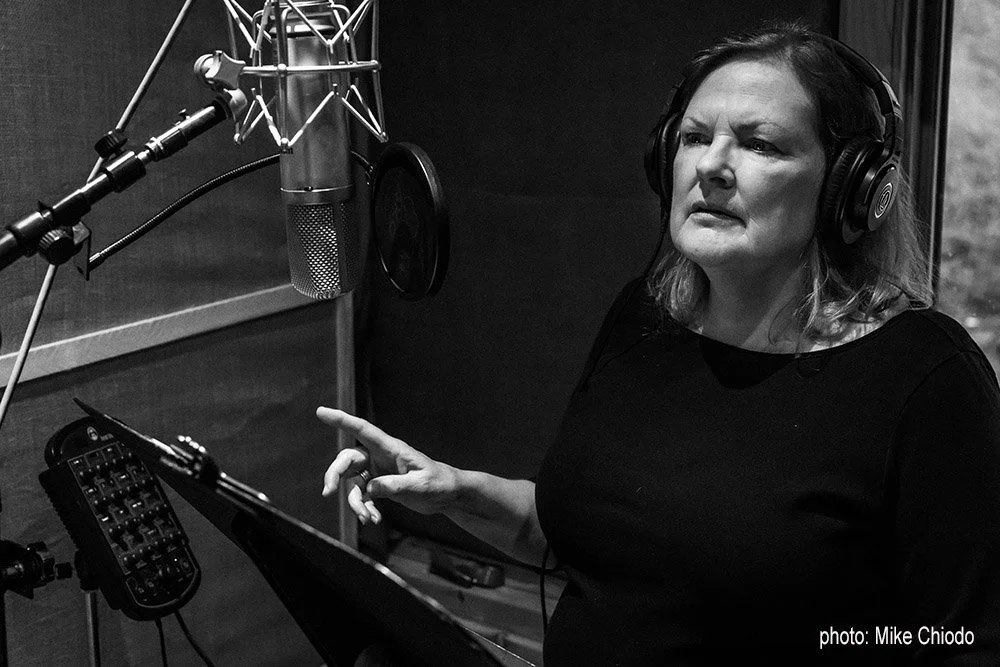
Sarah Pillow In this interview, Sarah Pillow explores Wanderer, her eclectic jazz album, discussing musical influences, creative collaborations, legendary composers, vocal improvisation, and the freedom to cross musical boundaries. 1. Your album Wanderer brings together compositions by artists as diverse as Charles Mingus, Dizzy Gillespie, Pat Metheny, and Sergio Mendes. What inspired you to explore such a wide-ranging repertoire, and how does the title Wanderer reflect your own musical journey? I started my career as a jazz singer, then went on to study classical and opera, which also exposed me to 20th c. classical repertoire (n.b. ‘Café’ is a lyrical tribute to Erik Satie and the Dadaist movement). In New York I was introduced to ‘early music’ – both medieval and renaissance repertoire. I started working with Marc Wagnon in the early 90s and was introduce to the world of progressive rock, singing on his album ‘An Afterthought’. Wanderer is definitely a reflection of my musical journey, and it made sense for me to do a bit of wandering and exploration within the many genres of jazz as well. 2. Your career has taken you through jazz, classical singing, opera, and early music, including your work with Galileo’s Daughters and Nuove Musiche. How have these different musical disciplines influenced your approach to jazz improvisation and vocal interpretation? There was a lot of improvisation happening in early Baroque repertoire. Musicians would take a composed melody and add a series of subdivisions within the notes to create a more interesting texture and color to their performance. This repertoire also was less tied to a ‘beat’ but to a ‘pulse’, and there is freedom within a pulse that you don’t have when following a strict beat. What we call opera today was created around that time as well, by a group of Florentine composers, poets and artists who wanted to bring back the art of Greek drama and declamatory speech, but set to music. That development became what we call a ‘recitative’ in opera – a reciting of sung text to move the story along. The text was always the most important aspect of early opera, not the sound of the voice, which you find in traditional opera singing. So I would say that coming from a jazz background made me more open to this way of interpretation of early music, and the concept of early opera and support of the text made me a better interpreter of jazz standards and the story in each song. 3. Your husband, vibraphonist Marc Wagnon, arranged the music for Wanderer and performs alongside an impressive ensemble featuring Donny McCaslin, Dave Kikoski, and Mike Clark. How did your creative collaboration with Marc shape the album’s sound, and what did these musicians bring to the recording process? I wanted to do a recording of standards, but my collaborations with Marc have never been typical. We both always want to make something fresh and new, exploring the boundaries and getting as close to the edge as possible. Our two crossover collaborations, ‘Nuove Music’ and ‘Remixes’ put together early music with jazz and progressive rock, and featured members of Brand X, Percy Jones and the late great John Goodsall. Marc’s original jazz compositions usually incorporate horns, so he took up the challenge in writing all the horn arrangements for Wanderer. Dave Kikoski played on Marc’s first album, ’Shadowlines’, and Marc collaborated with Mike Clark on the album ‘Conjunction’ that is also on Buckyball Records. I have known Donny McCaslin since we were teenagers studying jazz in Santa Cruz, CA. We wanted musicians on the record who would invest in making something eclectic yet approachable, and we are very lucky to know all these guys. 4. The album features three rarely performed vocal interpretations of Charles Mingus compositions: Duke Ellington’s Sound of Love, Eclipse, and Tonight at Noon. What attracts you to Mingus’s musical universe, and what challenges did you encounter when writing your own lyrics for Tonight at Noon? Charles Mingus is one of the most innovative and creative American composers in 20th-century music. We did three of his tunes on Wanderer simply because they are wonderful tunes. Mingus wrote his own lyrics to ‘Duke Ellington’s Sound of Love’ and ‘Eclipse’. Marc showed me ’Tonight at Noon’ and said, ‘we should do this one, too’. I was going to do it as a vocalese, but then I had a dream that I had a third eye….Marc thought I should incorporate it into the lyrics. And then I was further inspired after reading a quote that Sue Graham Mingus used in the prologue of her book, ’Tonight at Noon’: “Of course he knows he will be regarded as a madman from beginning to end, precisely because he is the exact opposite of a madman.” (Thomas Bernhard, The Lime Works) The babbling at the beginning, the mix of scat with text – Mingus wrote the tune as a reflection the midnight-to-dawn working life of a jazz musician, but I wanted to extend it into another universe. 5. Your interpretation of How High the Moon pays tribute to Ella Fitzgerald without attempting to imitate her, while A Night in Tunisia highlights your scat-singing abilities. How do you balance respect for jazz legends with the desire to establish your own distinctive voice when approaching such iconic compositions? When I started to learn to improvise, I was encouraged to memorize the solos of famous artists like Ella and Dizzy. It’s the same concept that visual artists use in copying the work of master artists in order to find their own voice. I must have listened to the album ‘Ella at the Montreux Jazz Festival’ several hundred times. She would just, you know…go off. Scatting, paraphrasing, playing with her trio like an instrumentalist, it was breathtaking. So anything I learned, I owe to the legends. The way I make myself distinctive is by drawing on my own life experiences and what I can bring to jazz from my training in other genres. 6. From winning
Korda Korder
Korda Korder In this interview, Kelly Munro, songwriter behind Korda Korder, discusses the band’s dream-pop influences, latest single “Edge Of The World,” upcoming debut album, and evolving musical journey. 1. Hailing from Bexhill in East Sussex, Korda Korder have grown from local favourites into one of the UK’s most promising alternative acts. How did your journey begin, and what experiences have shaped the band’s identity and sound? The band was put around my songs. I started writing for Korda Korder in the Summer of 2024. Previously I had a project called Kids Love Surf but I wanted to go more dreampop than that. One of the 1st songs was ‘What Have You Done’. That kick started everything off. 2. Your music blends shimmering guitars, expansive synth textures, and intimate melodies, drawing comparisons to artists like Beach House and Alvvays. What are your main musical influences, and how do you balance these inspirations with developing your own distinctive sound? I have long been a fan of The Beach Boys and New Order. I like to think some of my songs lean on those influences. But I am also a fan of Strymon guitar pedals and we all know what that leads to. 3. Your latest single, “Edge Of The World,” has received enthusiastic praise from influential figures across the UK music scene. What inspired the song, and what does its title mean to you? I guess its the story of someone feeling completely drained by life and the pressures of being seen or having to interact. Then choosing to retreat from society, physically or mentally walking out to the “edge of the world”. But there’s also a layer of hope there. 4. From Glastonbury to The Great Escape and SXSW in London and Austin, you’ve played some major stages in recent years. How have these experiences influenced your performances, and what has been your most memorable moment on the journey so far? We don’t do lods of live shows. The big shows have been great but I think the feedback for the songs is the best part. 5. You’ve been working on your long-awaited debut album over the past year. Can you tell us something about the creative process behind it, and how does the album expand on the sound and themes explored in “Edge Of The World”? At the moment I have kind of gone down the rabbit hole that is modding synths and looping delay and reverb pedals. That was not the case when the project started. I’m gonna have to pull back from the experimentation and concentrate on the actual writing of songs but There’s so much fun to be had with hardware these days. I probably need another 5 great songs for the LP. Right now there are no more great songs in the tank. But I’m working on it. 6. With growing recognition from BBC Radio 6 Music, Radio X, and international audiences, Korda Korder seem ready to take the next step. What are your ambitions for the band over the coming years, and what would you like listeners to discover about you through your music? Its all about the songs but that just takes time and it can’t be rushed. Also everytime we go out live its a different band so that’s also work that needs to be done. There are no long plans for Korda Korder. I just take it as it comes. I’m trying to concentrate on the music and not think about where it goes. https://www.instagram.com/kordakorder/
Giveton Gelin
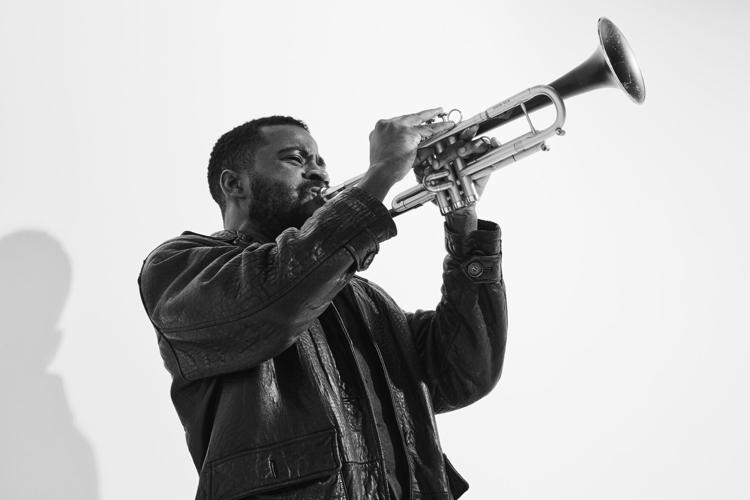
Giveton Gelin In this interview, Giveton Gelin explores the cultural roots, personal stories, and jazz influences behind Island Dreamer: III of III, celebrating Caribbean heritage, musical growth, and education. 1. Island Dreamer: III of III is a deeply personal project that connects your Bahamian upbringing, Haitian heritage, and musical journey. What inspired you to bring these different aspects of your identity together, and what does the title Island Dreamer ultimately represent to you? I think my life has been leading up to this moment. Time and time again, I reflect on my early experiences and understand why they needed to be a part of my journey. Leaning into my identity is the focus of Island Dreamer. This work presents who I am in a very candid way. Throughout my journey, I have spent countless hours in church playing piano for groups of people who are not necessarily impressed by harmonic sophistication, but rather by a strong melodic and rhythmic focus. My piano playing became the vehicle for many of the compositions that listeners experience on this album. I ventured from the melodies and rhythms of the church into the heritage of Bahamian Junkanoo, eventually discovering jazz in America. It’s a chronological story that paints a clear cultural picture of three distinct backgrounds: the Bahamas, Haiti, and America. 2. The album opens with Hurricane Dorian (A Moment of Silence), reflecting on one of the most devastating events in Bahamian history. How did you approach translating such a powerful collective experience into music, and what emotions did you hope listeners would take away from this composition? I wrote “Hurricane Dorian” while studying at Juilliard during that period. By the time I returned home, my friends had shared personal accounts of how their loved ones had been directly affected, whether through losing their homes, experiencing sudden and drastic changes in their living conditions, or losing their lives. The most vulnerable populations were among those living in the shantytowns of Abaco, The Bahamas. we mourn and honor them with this track. 3. Throughout your career, you’ve received guidance from jazz legends such as Roy Hargrove and Wynton Marsalis. Both are honored on this album through recordings of their voices. What are the most important lessons these mentors taught you, and how have those lessons influenced your development as a musician and composer? One of the first things I understood when meeting these trumpet giants at a young age was that their concerns were different from mine. They had already mastered the technical aspects of music to the point where their focus had shifted toward musicality and a sound conceptual approach to the music. At that young age, I wanted to know why they played a certain melodic line over a particular chord, for example. As I grew under this kind of guidance, I began to understand the importance of adopting the mindset of great players. It’s a nonverbal language, something you observe rather than hear explained. You see it in the way they walk onto the stage, the seriousness they bring to the music, their humility, and their constant desire to learn was the best thing for me to witness in person. This mindset in my opinion will always support personal growth in all facets including music. Wynton, in particular, advised me early on, when I was 14, to study Louis Armstrong’s Hot 5s and Hot 7s recordings and incorporate the vocal stylings of the singers I grew up listening to in church. Roy Hargrove was excited to tell me about Fats Navarro and his solo on “The Tadd Walk,” emphasizing how integral bebop is to the jazz lexicon. Roy was also a master of the room. He could influence the entire musical environment by playing just one note—or nothing at all. Valuing musicality was the greatest lesson I could have learned from Roy. To me, musicality is about the emotion and context we bring to music, something he understood on a very deep level. 4. One of the album’s most intimate moments is I Solemnly Swear to Live, featuring Jon Batiste on piano. What personal experiences inspired this composition, and how did collaborating with Jon help bring its emotional message to life? Jon Batiste was the perfect person I could’ve asked to interpret this piece for me, because his piano playing is likened to a vocalist. He is able to communicate depth on an instrument that is limited in its ability to express range like a vocalist can. This is the power of Jon’s gift—the ability to play one note and have it be felt. Piano players might refer to this as a “nice touch,” but the emotion behind what he was playing was so potent, yet he utilized restraint to capture the seriousness of the song. 5. Your music blends traditional jazz with Caribbean rhythms, gospel influences, and contemporary sounds. On Island Dreamer: III of III, you also reinterpret songs such as Rihanna’s Take a Bow and T.O.K.’s Footprints. How do you approach transforming music from different genres into your own jazz language while preserving its original spirit? We all know Rihanna’s hit “Take a Bow,” the goal was not to detract from the original but to add more tension. It’s the difference between enhancing a work and completely reimagining it. In this case, I wanted it to feel nostalgic but different enough to stand out. In connection with T.O.K.’s “Footprints,” I wanted to create an anthem-like feel in the melody. It’s such a beautiful song, and I simply wanted to add my own touch to it. Sometimes, you don’t need to add much to create the desired effect. I prefer making better musical decisions over adding complexity for complexity’s sake. I always want to go with the option that seems to take us in a clear musical direction. 6. Beyond your recording career, you’ve established the Island Dreamer Academy to support young musicians in the Bahamas. Looking toward the future, what kind of legacy do you hope to build through
David Borgo
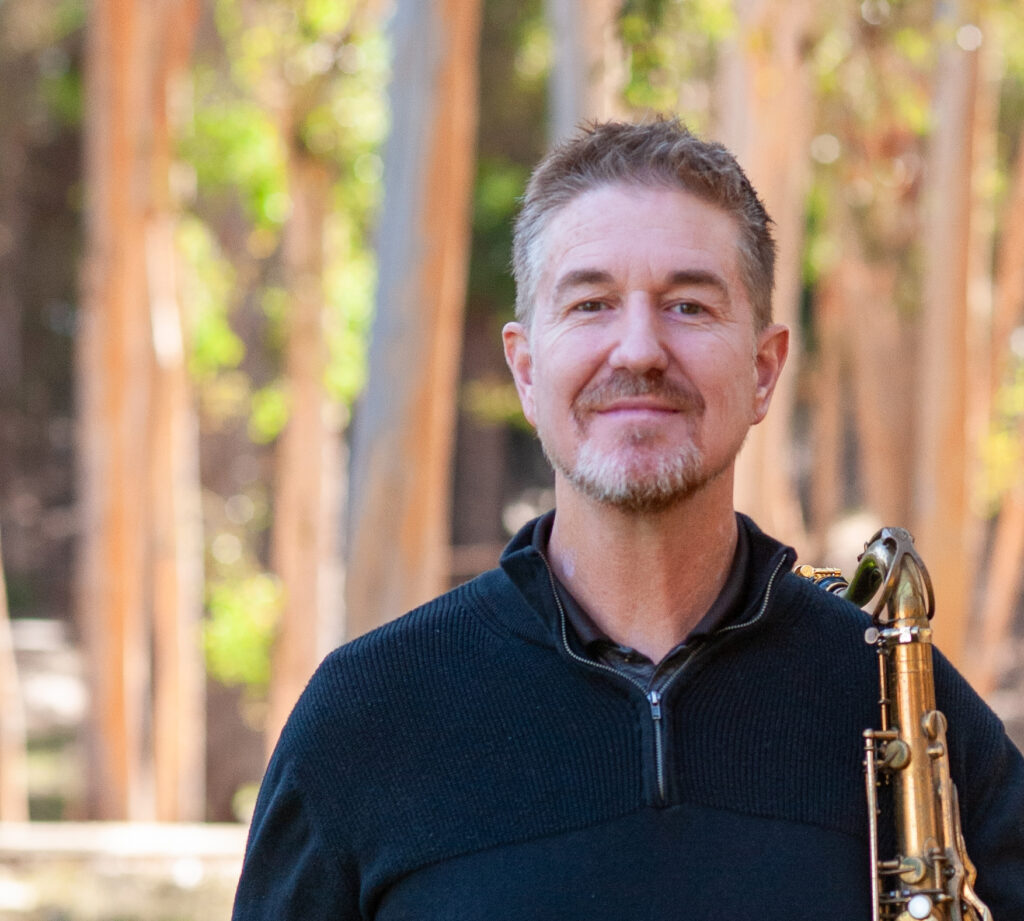
David Borgo In this interview, saxophonist and composer David Borgo explores Panta Rhei, blending jazz improvisation, Stoic philosophy, diverse musical traditions, and emotional storytelling into a creative journey celebrating change, spontaneity, and artistic discovery. 1. The title Panta Rhei, meaning “everything flows,” draws inspiration from the philosophy of Heraclitus and the idea that change is the only constant in life. What led you to explore this concept through music, and how does it reflect your personal approach to composition and improvisation? My first important epiphany about jazz music came when I was about 13 years old, as I was practicing out of the Omnibook, a collection of transcriptions of Charlie Parker’s saxophone playing assigned to me by my teacher. I would diligently read the notes on the page as if they were composed études. As I started to dive into Charlie Parker’s recordings, however, I was astonished that he could produce dramatically different yet equally compelling improvisations on the same tune, night after night, or take after take. I think a desire to be “in the musical moment” as much as possible when I’m playing stems from that epiphany. In a way this album brings together two of my passions: jazz music and Stoic philosophy. These two traditions are also among the most maligned or misunderstood, in my opinion. Jazz music foregrounds spontaneous creation and in-the-moment interactions, but many detractors assumed (often for racist reasons) that the music lacked discipline or skill, or that it relied purely on instinct and unbridled emotion. Stoicism, by contrast, is often misunderstood as “emotionlessness.” But Stoic philosophy is about virtue, happiness, right action, and internal motivation. The Stoics confronted perennial questions about the best way to live, about how to understand our place in the world, and about how to deal with the things we cannot change. Heraclitus was a pre-Socratic, but his enduring metaphor of the river that remains the same because the water keeps moving resonates with my views on jazz and improvisation. Change is what gives them their identity. I think of my compositions as musical “rivers” with an emergent identity that is inseparable from their ongoing interpretation. 2. For this album, you assembled a remarkable quartet featuring pianist Josh Nelson, bassist Luca Alemanno, and drummer Dan Schnelle. The recording places particular emphasis on dynamics, space, and musical interaction. How did you develop the chemistry within this ensemble, and how much freedom did you give the musicians to reshape your original compositions? I was very fortunate to record with these three world-class creative musicians. They are consummate artists with big ears and open minds! Knowing how much they always bring to the musical moment, I aimed for compositions that would engage and challenge them while leaving ample space for interpretation, exploration, and interaction. After Ralph Towner “joined the ancestors” earlier this year, I spent some time exploring his compositions, and his approach to harmony in particular. A few of my compositions owe a debt to this process, although I think any connections are more on an emotional than a technical plane. Over the years I’ve been inspired by the “ECM sound” that places a premium on listening and on musical dynamics and space, among other qualities. I was hoping to capture some of that ‘vibe’ on this album and the musicians brought to the session an incredible level of empathy and intensity of purpose. 3. Several compositions explore contrasting emotions and musical landscapes, from the melancholy opening of “Farewell” to the energetic intensity of “Dark Days,” which reflects the chaos of today’s world. How do personal emotions and contemporary events influence your writing, and what do you hope listeners will experience through these contrasting pieces? As a music academic, I’ve been exposed to lots of different analytical approaches to musical sound and creativity. However, the academy has tended to downplay the importance of emotions to musical understanding, and to human cognition more generally (despite the fact that most folks would rate emotion very high on a list of why they listen to music!). When I compose I sometimes begin with a certain music theoretical idea to explore, but I’ve never wanted my music to be abstract for the sake of abstraction. To me, emotions are paramount! I like to compose a variety of material for any given project, which tends to mean the music explores a wide range of emotions (because emotions are influenced by tempos, dynamics, harmonies, melodies, rhythms, and so much more!). I also find myself sitting down to compose music at particularly emotional times for me. “Farewell,” for example, was composed after my son and I had just spent several days in the mountains before he went off to college. I was grateful that we had the quality time together, but also sad to send him off. I was bidding him farewell, but also happy for him to ‘fare well’ and do good things in the world as an emerging adult, so the music captures, for me, these complex, even conflicting, emotions. Susanne Langer, an important music philosopher, described music as an “unconsummated symbol.” Music, for Langer, symbolizes the patterns and contours of emotional life—such as tension, release, growth, and decay—without pointing to a specific object or dictionary definition the way words do. And yet we are stuck with words when trying to describe music! (what Charles Seeger called the “linguocentric predicament”) 4. On “Málaga,” you introduce the gaita chuana, an instrument combining Western and Indigenous Colombian flute traditions, while “Longing” features the Irish low whistle. What attracts you to these instruments and their cultural backgrounds, and how do they expand your musical vocabulary beyond the saxophone? I first became interested in the field of ethnomusicology after hearing recordings of non-Western flutes, such as the Japanese shakuhachi, the Indian bansuri, the Middle Eastern ney, and the Native American flute, among others. There is something sacred about the sound of the breath, and the flute is surely one of the most ancient musical instruments, whether made of bone
MAZZARA
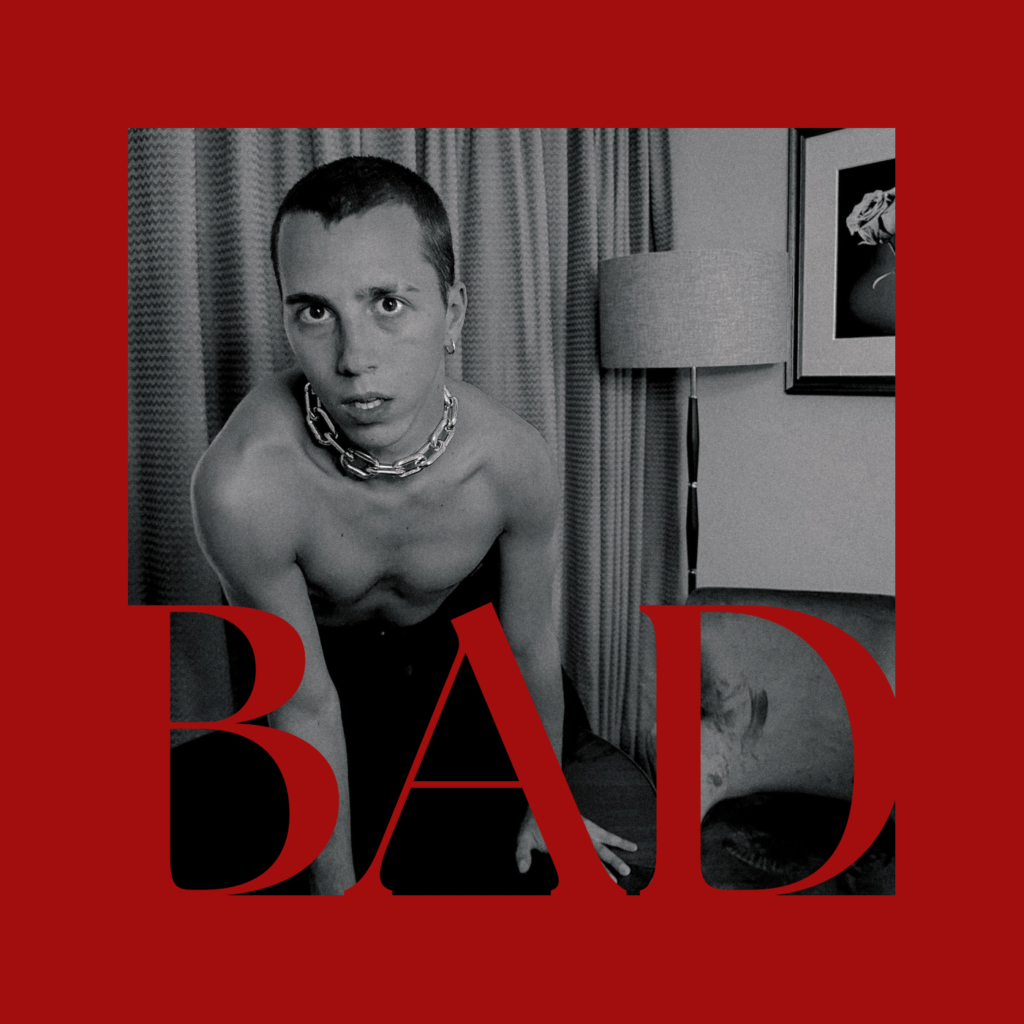
MAZZARA In this interview, MAZZARA discusses “BAD,” blending nostalgic pop influences, sensual experimentation, and queer self-liberation while embracing imperfection, creative freedom, and the power of authentic self-expression. 1. “BAD” was inspired by a spontaneous moment while you were getting ready for a date, with the melody coming to you in the shower and lyrics taking shape during your tube ride. How did this unexpected experience evolve into a complete song, and what made you feel it was a story worth telling? So, the song started in that moment, but the spark actually hit me a few days earlier after a flirt I had at my local community bath sauna, here in London. And you know when you catch a vibe with someone and suddenly, they’re all you can think about or fantasize about? Right, the song is basically a sexual fantasy but what makes it truly special to me is a deeper, almost subliminal layer, because you only notice it if you pay close attention. It’s in the whispers and the spoken bits and the breaths and how the production evolves. It’s an expression of releasing innocence to welcome pleasure. Which is a story that I think many queer people can relate to, or really anyone who grew up projecting an archetype of themselves that they thought other people wanted them to be (like the “goody-goody”). It’s about stepping out of who you thought you were supposed to be and reclaiming pleasure, cause pleasure is magic. 2. Your music draws inspiration from early 2000s pop icons like Britney Spears and Justin Timberlake, while incorporating Ariana Grande-inspired vocal layering and riffs. How do you balance these nostalgic influences with your own contemporary sound, and what elements of your musical identity do you most want listeners to recognize? That’s a really good question. I guess what truly connects my music to icons like Britney or Ariana is ultimately the underlying themes of pleasure and self-liberation and empowerment. That’s what’s it all about for me in the end. I feel like it’s almost inevitable for my sound to have a mixture of nostalgic and contemporary vibes. My music is an expression of myself, my visions, my story and having grown up between the early 2000s and 2010s, those influences are naturally in my DNA. But I’m not interested in my music just being a cheap copy of those artists. The influences will naturally be there, but it’ll be a mixture of my internal identity rather than an expression of theirs, if that makes sense. So what I hope listeners recognize in my music is, sure the harmonies and the riffs and the breaths, but ultimately a personal story of liberation. 3. You describe “BAD” as a song about shedding innocence and breaking free from the expectations others place on you, particularly in relation to queer experiences and sexuality. What does reclaiming desire and self-expression mean to you personally, and how did you translate these ideas into the song’s lyrics and atmosphere? For me personally, reclaiming desire and self-expression means giving myself permission to unlearn shame. And I think that anyone who grows up queer or just grows up under the pressure of having to fit a safe and agreeable archetype (like the goody-goody I mentioned earlier), you’re somewhat conditioned to sanitize your desires to keep others comfortable. So reclaiming that is about refusing to hide or ask for permission to own your authentic self. And desire is an aspect of it. And it’s never something to hide. So in BAD I kind of really wanted to express that internal shift tangibly in the atmosphere. Starting with the spoken bit in the intro, sounding almost angelical with the harmonies, and then letting go of it to welcome a more chaotic climax at the end. It’s in the whispers that add to the storytelling and the breaths and again that final climax where it feels like everything is happening at once. My intention was to utilize the vocal production and overall song development to track that journey of moving from a hidden, almost hesitant “I don’t know if i should want this” vibe, to instead taking up space without apology. 4. Working with producer Kevin Shoemaker gave you the freedom to experiment with whispered vocals, sensual breaths, falsetto runs, and even beatboxing. How did this collaborative relationship influence the final sound of “BAD,” and how important is it for you to feel completely free and understood in the studio? I adore working with Kevin. Not only is he an absolute talent, but he really makes sure that I feel comfortable and for me that’s very important to be in a space where my authenticity and sometimes extravagant ideas are welcomed. When you’re making music that deals with intimacy and desire and unlearning shame, you can’t be holding back. So for me that’s everything. He created an environment where there was zero judgement, was super open and chill and also he gets the vision. So I trusted him and felt comfortable taking those vulnerable risks. I guess not everybody would be willing to have you moan and aggressively breathe in your ears for hours. And I get that, but I’m very grateful for this collaboration. 5. Alongside your music career, you regularly perform cabaret and support East London’s independent venues and queer artistic community. How do these theatrical performances influence your approach to songwriting and stage presence, and what role do you believe independent creative spaces play in helping artists express their authentic selves? Cabaret is very much about self-expression and freedom, so it offers an amazing opportunity to explore how that feels. I love being on stage and especially the cabaret setting is so warm and welcoming. It’s about creating a connection with the audience, whether it be a joke or a flirt or a heartfelt moment. It’s a great room to be in when you want to make music that feels intimate and powerful. And I think those spaces definitely influence my attitude
Justin Pierce
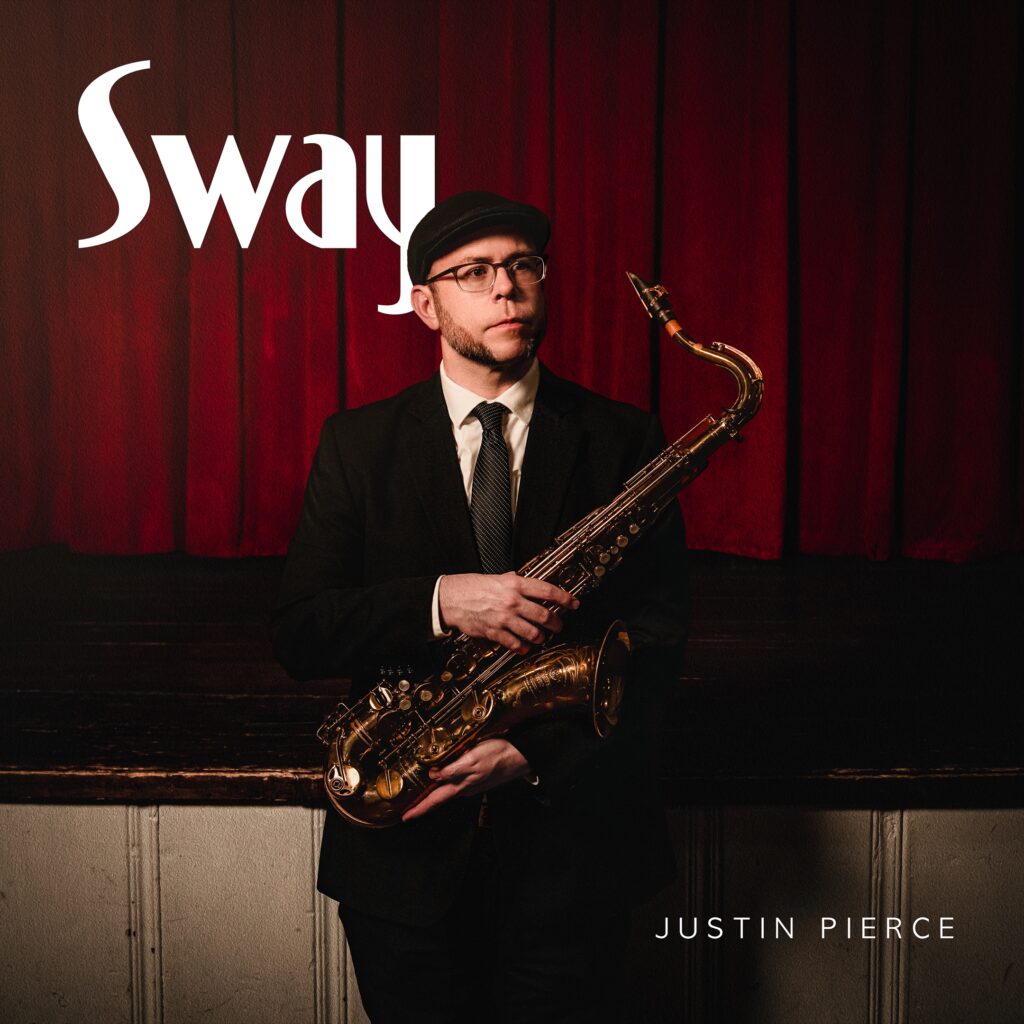
Justin Pierce In this interview, saxophonist Justin Pierce discusses his debut quintet album Sway, his musical partnership with wife Ashley, jazz influences, creative arrangements, and future recording ambitions. 1. Sway marks the debut recording of your quintet, yet you and your wife, vocalist Ashley Pierce, have been performing together for more than 20 years. What made this the right moment to finally capture your musical partnership on an album, and how does the recording reflect the chemistry you’ve developed over those two decades? Ashley and I met as music students at McNeese in Lake Charles, and we have been singing these songs together ever since: in supper clubs, at weddings, and at home with our five children. In 2024, while she was pregnant with our fifth, Ashley had a brain tumor removed. The surgery was a success, but it reminded us that time marches on. We wanted to share these songs with the world, with musician friends we have played with for a long time. Seven months pregnant, Ashley walked into a Dallas studio on May 5, 2025, and we recorded the album in one room. 2. Much of your musical journey has involved performing jazz standards for couples on the dance floor throughout the Dallas-Fort Worth area. How has that experience shaped your approach to swing, rhythm, and audience engagement, and how did you translate the energy of those live performances into Sway? Jazz was originally social music. It brought people together in their moments of celebration, in dance halls and hotel ballrooms across the country. I learned that from my friend Ed Dix, who grew up in Kansas City in the 1940s and ’50s and heard Charlie Parker live. Playing for couples on the dance floor keeps you honest: the tempo has to feel good in the body, the groove has to be steady, and you read the room every minute. We cut Sway live in one room so that feeling would come through. “The Jody Grind” is for Ed, who died in 2020. 3. The album features imaginative reinterpretations of familiar compositions, including a faster version of Miles Davis’ “All Blues,” a samba treatment of “Meglio Stasera,” and parade-inspired rhythms on “L-O-V-E.” How do you decide which elements of a classic jazz composition to preserve and which to reinvent? Jazz musicians have always used great compositions from popular music, classical music, and the American Songbook as canvases. We keep the harmonic framework and keep the melody recognizable, then bring our own cultural influences to it. Our years in Louisiana, playing lots of Mardi Gras balls, shaped that, and so do the second-line parades we play around Dallas-Fort Worth. That is where the parade feel on “All Blues” and “L-O-V-E” comes from. The Latin side, like the samba on “Meglio Stasera,” comes from a 2019 tour of Brazil. 4. Your rhythm section features pianist Sean Michael Giddings, bassist Young Heo, and drummer Matt Young, all connected to the University of North Texas’ celebrated One O’Clock Lab Band. What qualities made these musicians the ideal collaborators for Sway, and how did their individual musical personalities influence the arrangements? Sean, Young, Matt, and I were all at North Texas around the same time, so we have built real chemistry. They also share our experience of playing for very different audiences: Sean in church and country music, Young with the Dallas String Quartet, and Matt touring with a rock band and engineering records for a lot of people. I love the precision they bring. Because of that chemistry and their focus, we were able to put this whole album together in the studio in one day. 5. Your playing combines the swing and bebop traditions, while your musical background includes studying at the University of North Texas and performing with artists such as Arturo Sandoval, Randy Brecker, and Bob Mintzer. Which experiences have had the greatest influence on your identity as a saxophonist, and how do you balance technical sophistication with the warmth and accessibility of your sound? Rick Condit, my undergraduate mentor at McNeese, had a huge influence on me; he played with Stan Kenton. At the University of North Texas, being surrounded by so many jazz musicians was iron sharpening iron, alongside a world-class faculty: my mentor Brad Leali, who played with Harry Connick Jr. and the Count Basie Orchestra, and Steve Wiest, director of the One O’Clock Lab Band, who played with Maynard Ferguson and Doc Severinsen. They showed me what was possible in jazz. As for balance, I want audiences to hear the melody when I play, but I also want surprises, joy, and playfulness in it. 6. Sway moves naturally between joyful swing, romantic ballads, Latin rhythms, and soulful interpretations of songs such as “Just the Two of Us.” What do you hope listeners will take away from this collection, and what musical directions would you and Ashley like to explore together in future recordings? I hope listeners find a vibrant collection of music that stands the test of time, brings back great memories, and brings them joy to accompany the best moments of their lives. Next, we definitely want to make a holiday record, record with our children who are musicians, and make a Latin album. We would also love an album leaning further into our Louisiana roots, and maybe a 1920s-themed record. Dallas Jazz Band for Corporate Events & Weddings | JPM
Stephen Braude with Yamara Band

Stephen Braude with Yamara Band In this exclusive interview, we explore Big Dipper, the remarkable musical legacy of Stephen Braude, and how Yamara Band brought his visionary compositions to life through passion, collaboration, and dedication. 1. Big Dipper represents the culmination of a remarkable musical journey involving Stephen Braude, Yamara Band, and several collaborators across different countries. Looking back at the project’s beginnings, how did this creative partnership develop, and what made Stephen’s compositions so special to everyone involved? This partnership developed from a longtime friendship between Stephen and Buba, their similarities, and their deep passion for music. Stephen played piano all his life, beginning at the age of two, and developed a love for jazz and composing very early on. He also traveled throughout his life and made friends around the world. When I came into his life from Yugoslavia, so did my friends. One of my closest friends, Buba Stojanovic, from Belgrade, Serbia, became his best friend. Buba was a psychologist, but he also devoted his life to music, composing and playing guitar. They were remarkably similar in spirit: creative, joyful, curious, and always eager to explore new ideas. They loved discussing music and science. When Buba retired in 2020, he started arranging and producing Steve’s music. It was a wonderful collaboration and friendship among the three of us, even though Buba lived in Belgrade. When Buba unexpectedly passed away in 2024, his best friend, Misko Jovanovic, also from Belgrade, Serbia, continued collaborating with Steve on his compositions. Misko had been a composer and guitarist since his youth, and he brought his own musical sensibility to the project, giving Stephen’s compositions a new dimension while honoring their original spirit. When Stephen unexpectedly passed away in January 2026, they had completed 19 compositions altogether. I was always involved, helping especially with Misko, since he does not speak English. Interestingly, Stephen and Buba had met in person many times in Belgrade, but Stephen never met Misko or spoke with him. Their communication was entirely written. So, I would say that the story of Big Dipper began with friendship, a shared love of music, and a remarkable connection among three creative minds. We were all very attached to Steve’s compositions, especially Big Dipper. That piece was very dear to all of us, and I would say it laid the foundation for everything that followed. What made this collaboration so special was their love of and dedication to music, sounds, and melodies, as well as their willingness to let each other contribute their own personalities and artistic voices. Stephen Braude’s sheet music and piano performances, rooted in jazz, were transformed first by Buba’s arrangements and his love of J. S. Bach’s harmonies and ambient music, and then by Misko’s rock influences. It was a 40-year journey of changes and transformations. Finally, David Rodriguez joined the project. He not only mixed and produced the music but also transformed it further, paying special attention to instrumentation and sound. As a result of these changes, the music moves freely among contemporary jazz, fusion, tango, electronic sounds, cinematic textures, and more experimental passages. Yet despite this diversity, the compositions retain a distinctive identity. There is always something deeper beneath the surface: a sense of exploration, emotion, and unexpected discovery. 2. Stephen Braude was not only a gifted pianist and composer but also a respected philosopher whose intellectual curiosity extended into many different fields. How do you feel his philosophical background, personality, and unconventional way of thinking influenced the musical ideas and emotional character of Big Dipper? I think Stephen’s music reflected the way he lived his life: with an endlessly curious mind, a vivid imagination, and a deep fascination with the world and the universe around him. Stephen was a philosopher by profession and an award-winning 3D photographer, but he was also a free spirit who never accepted conventional boundaries without questioning them. He loved exploring unusual ideas, making unexpected connections, and looking at familiar things from a completely different perspective. I believe this way of thinking found a natural expression in his compositions. Big Dipper reflects that creative freedom. The compositions on the album do not follow predictable paths. They move through different moods, rhythms, and soundscapes, sometimes surprising us and sometimes creating moments of great intimacy and beauty. There is an adventurous quality to the music, but also a sense of mystery. Steve also had a playful side, a wonderful sense of humor, and a deep appreciation for the unexpected. At the same time, he was fascinated by the bigger questions of existence and the complexity of human experience. I hear both sides of him in this music: the joy of experimentation and the desire to explore something deeper. In that sense, Big Dipper is a very personal expression of who Stephen was. It carries his imagination, his individuality, and his courage to follow his own path and experience music as a journey. Although he is no longer here to continue that journey himself, his music allows us, if we listen, to experience his imaginative world and make our own discoveries within it. 3. Following the passing of both Stephen and arranger Ljubomir “Buba” Stojanović, completing the album became an especially meaningful responsibility. What were the greatest emotional and creative challenges of finishing their work, and how did you ensure that their original artistic vision remained at the heart of the record? The greatest challenge was understanding that we were no longer simply finishing an album. We were entrusted with completing something that Stephen, Buba, and Miško had invested years of creativity and musical imagination into. Following the passing of Stephen and Buba, that responsibility took on an entirely different emotional dimension. Gina brought me into the project to produce the album, complete what had been accomplished to that point, and bring it to a level where it could be released commercially. She gave me complete creative freedom, a “dream” but yet highly responsible. What I discovered was an extraordinary collection of music,
NOCTIS IMPERIUM
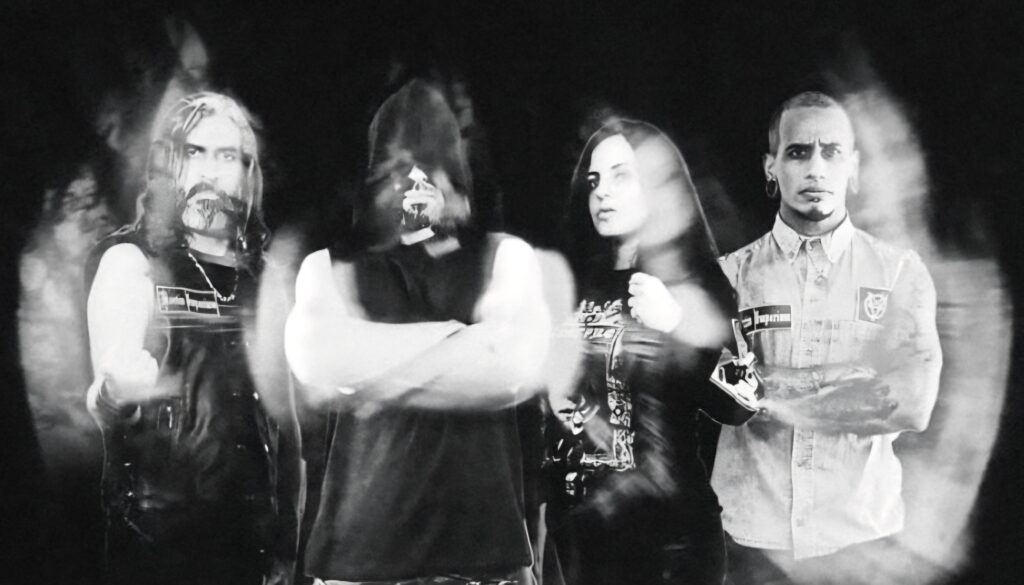
NOCTIS IMPERIUM Venezuelan black metal band NOCTIS IMPERIUM return with “I Am,” an epic, experimental journey featuring Nicholas Barker, blending spiritual themes, progressive elements, and musical solidarity in support of the legendary drummer. 1. Your upcoming single “I Am” takes listeners on a nearly nine-minute spiritual and semi-cosmic journey inspired by Thelemic philosophy. What inspired this concept, and how did you translate such complex spiritual themes into the song’s musical structure and lyrics? Isa: The seeds of ‘I am’ were first planted as a 3min instrumental demo that slowly developed into these almost 9 minutes of music. During that time we had stared to develop and expand our sound looking for new avenues to tell our stories. The lyrics came to me on february 6 of 2006 – I remember it clearly as it was the day after our former drummer’s birthday. I took the car to get wheel alignment and tire balancing, so while I waited for it I took my pen and notepad and wrote it down. I was still drunk from the day before, probably. The concept and the music reflect this necessity we were experiencing to break the mold of what could be done in black metal. Noctis Imperium’s main philosophy has always been to carve one’s own path against all obstacles and this lies at the core of this song. 2. Having legendary drummer Nicholas Barker involved in this recording is particularly exciting. How did this collaboration come about, and what did his distinctive drumming style bring to the composition? Isa: We had been looking for a drummer to record our album for a while when Nicholas made a note to the press that said he was available for session work – I’m pretty sure you can still find this if you google it. So to me it was one of those times when you feel like the universe is putting signs in your way. I was impulsive enough to contact him, showing him our music, not knowing what to expect and his reply was something like “I could see myself playing these types of songs”. So I told the rest of the band and we worked our asses off to make it happen. At the time there were almost no metal drummers with his experience and capabilities in Venezuela, most of them were still developing musicians. Our sound has always relied on very elaborate drumming and those newer compositions required a higher level that I don’t think we would’ve found otherwise, so having him for sure delivered. Especially in ‘I am’ which is very complex, him being a massive Rush fan, this track allows for a lot of that type of influence. 3. The track also features Hugo Fuguet on guitar and Alfredo Demey on saxophone, introducing some unexpected musical textures into your black metal sound. How did these collaborations develop, and what role do experimentation and unconventional instrumentation play in NOCTIS IMPERIUM’s artistic vision? Isa: This song belongs to a batch that was crafted under laws of experimentation – we were under a no rules policy. So having them participate in our project was only natural. Hugo has been a friend since around 2002 and although I met him as the guitar player for the biggest rock and pop artists in Venezuela, he had his long-haired metalhead past with the legendary Baphomet from Caracas. I really like his style of playing and having him take part in this epic song is more than an honor. The Alfredo collab came about after we got the idea to add wind instrumentation to the song, turning out that our bass player, Daniel Haddad, is cousins with the sax player of the band Mulato. We let them do their thing and the result was special. I could’ve never imagined that we’d ever work with musicians related to the biggest hits in Venezuelan music. 4. You’ve announced that all proceeds from “I Am” will support Nicholas Barker’s GoFundMe campaign as he awaits a kidney transplant. Having previously donated the proceeds from “Resistencia 666” to earthquake victims in La Guaira, how important is it for the band to use music as a means of solidarity and support? Isa: We wouldn’t be able to release new music featuring Nicholas and not try to help him somehow during the difficult situation he’s facing. Channeling our work to create awareness and get people involved is something new to us – the donations to the victims of the earthquake was the first time we’ve done something like this as the tragedy left unimaginable devastation. We just want to help spread awareness and bring attention to these matters, not expecting necessarily for people to buy our music, just donate directly if you can. Go straight to the source and get in touch with them to help in anyway. 5. “I Am” was recorded at Estudios La Cabaña, mixed by José “Matula” Goitia, and mastered by Alex Krull at Mastersound Studios. What were your main priorities during the production process, particularly when balancing black metal aggression with the song’s atmospheric and progressive elements? Isa: Having Nicholas be a part of the record was the biggest factor in determining the sound we got. He trusted us to get the best possible outcome and Matula has some of the best sounding records in the Venezuelan metal scene, so we never hesitated working with him. We didn’t get the typical sounding black metal record but that’s not what we were looking for really, particularly not for ‘I am’. The entire mix and the general production is really clean but undeniably big and powerful. There are still songs from the Barker sessions to be released and maybe we’ll go for a typical black metal approach – I think that would be good for people to hear his drumming in a more organic setting. However, we couldn’t be prouder of ‘I am’ as it stands. 6. As a Venezuelan black metal band working with internationally recognized musicians, how do
Reza Khan
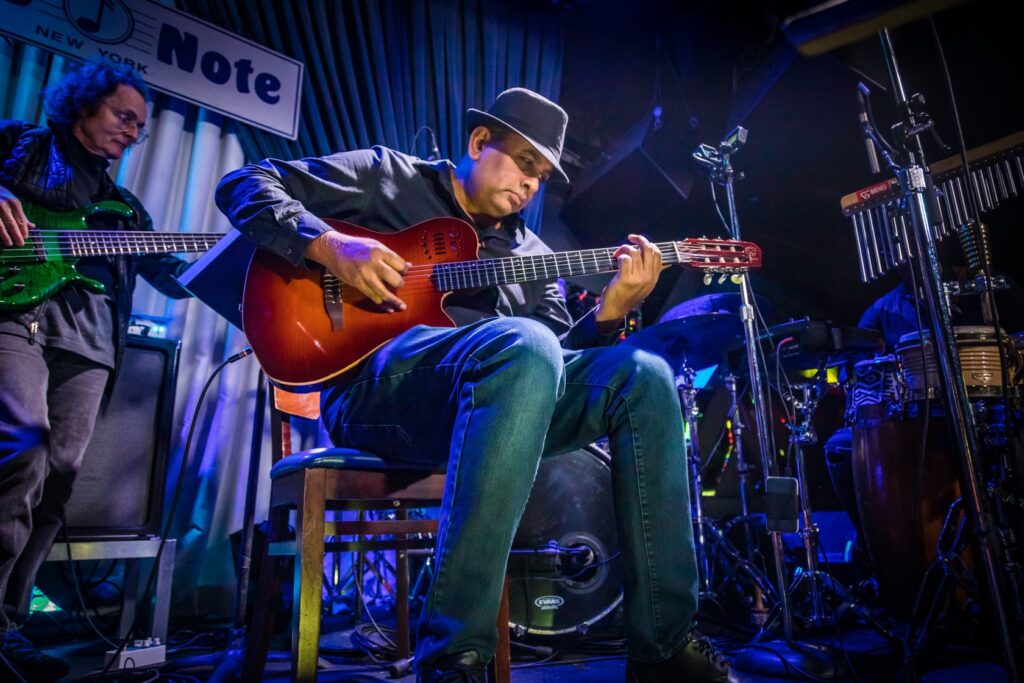
Reza Khan Reza Khan’s “Shadow Dancers” is a captivating musical journey through nocturnal landscapes, blending contemporary jazz, fusion, and South Asian influences. Inspired by family memories, vivid imagery, and the magic of nighttime, the album celebrates emotion, cultural heritage, and the limitless possibilities of instrumental storytelling. 1. Your new album, Shadow Dancers, explores the atmosphere of the night, not as something mysterious or frightening, but as a space filled with romance, tranquility, and creative energy. How did this concept develop, and how has your upbringing in Bangladesh influenced your personal connection with nighttime? The concept developed from my own relationship with nighttime. I have always found the night peaceful and inspiring. When the world becomes quieter, there is more room for reflection, imagination, and creativity. I wanted Shadow Dancers to capture that feeling—not darkness as something frightening, but as a beautiful space where emotions and ideas can unfold. Growing up in Bangladesh, I was surrounded by a culture in which the natural world, poetry, and music were deeply connected. The full moon, in particular, has a romantic and almost spiritual significance in South Asian culture. There is something magical about the way moonlight transforms an ordinary landscape into something extraordinary. Those memories have stayed with me. I wanted the album to take listeners on a nocturnal journey, moving through different moods and landscapes, from the first appearance of light in “Aurora” to the reflective atmosphere of “Still Standing.” Each composition tells a different story, but together they create a world that I hope listeners can enter and experience in their own way. 2. The album features an impressive lineup of musicians, including Jeff Kashiwa, Nathan East, Jimmy Haslip, Philippe Saisse, and Mauricio Zottarelli. How did you approach selecting the musicians for each composition, and how much freedom did you give them to contribute their own musical personalities? When I compose, I often begin imagining not only the sound of the instruments but also the musicians who might bring the music to life. Every musician has a distinctive voice, and I try to match that personality to the character of each composition. I am fortunate to work with musicians who bring extraordinary experience, creativity, and musical sensitivity to the studio. Jeff Kashiwa has a beautiful melodic sensibility, and his saxophone adds an expressive, almost vocal quality to the music. Mark Egan, Jimmy Haslip, and Nathan East each bring their own approach to groove, phrasing, and interaction. Philippe Saisse has a wonderful harmonic vocabulary, while Mauricio Zottarelli brings tremendous rhythmic imagination and energy. I generally establish the composition’s structure, harmony, melody, and overall direction, but I don’t want musicians to feel restricted by the written parts. I want them to make the music their own. Often, their interpretations bring out something I had not fully imagined when I wrote the piece. That is one of the greatest rewards of collaborating with exceptional musicians: the final recording becomes more than my original idea. It becomes a collective musical statement. 3. One of the album’s most personal compositions, Scarlet Sky, was inspired by love letters your father wrote to your mother while studying in London during the early 1960s. What inspired you to transform this family history into music, and how did you capture the emotions of distance, longing, and love through your arrangements? Scarlet Sky is one of the most personal compositions on the album. It was inspired by the poems my father wrote to my mother while he was studying in London in the early 1960s. He was far away from her, living through the gloomy, cloudy, and rainy London winter, while my mother was in Bangladesh, where the monsoon rains are such a powerful part of life and culture. In his poetry, I imagined the rain clouds becoming messengers of love. As the rain poured over London, my father longed for those clouds to travel across the distance and deliver his feelings to my mother in Bangladesh, where the monsoon rains would welcome them. That image touched me deeply. It captures loneliness, longing, passion, and the desire to be close to someone you love, even when separated by thousands of miles. Bringing my father’s poetry into the song was itself a very personal journey. My childhood friend, architect Nurur Rahman, helped me translate my father’s original Bengali lyrics into English. Translating poetry is never simply about finding equivalent words; you have to preserve the feeling, imagery, and cultural nuances of the original. Jazz vocalist and composer Olivia Foschi then worked with me to refine the English lyrics, adding and shaping words where needed so they would flow naturally with the melody and fit the musical phrasing. Both contributions were essential in helping my father’s words find a new life in the song. Musically, I wanted to capture both the melancholy of separation and the enduring warmth of love. The composition is a tribute to my parents’ relationship, but it is also about something universal: the way love finds its own language when two people cannot be together. For me, Scarlet Sky brings together three generations of creative expression—my father’s poetry, the care of the people who helped translate and adapt it, and my own musical interpretation. It is a reminder that sometimes a cloud carrying rain can become a more powerful messenger than words themselves. 4. Aurora was written with your daughter in mind, while Blue Lounge imagines a nightclub hidden deep inside a forest. These compositions suggest a strong visual dimension to your songwriting. When creating instrumental music, do you usually begin with a specific image or story, or does the music itself gradually reveal the narrative? Both approaches happen, but I often begin with an image, a feeling, or a scene. As a composer, I think visually as well as musically. Sometimes I can almost see the landscape or imagine the atmosphere before I have developed the melody. Other times, a musical idea emerges first, and its emotional character gradually reveals the story behind it. “Aurora” began with
RAMI
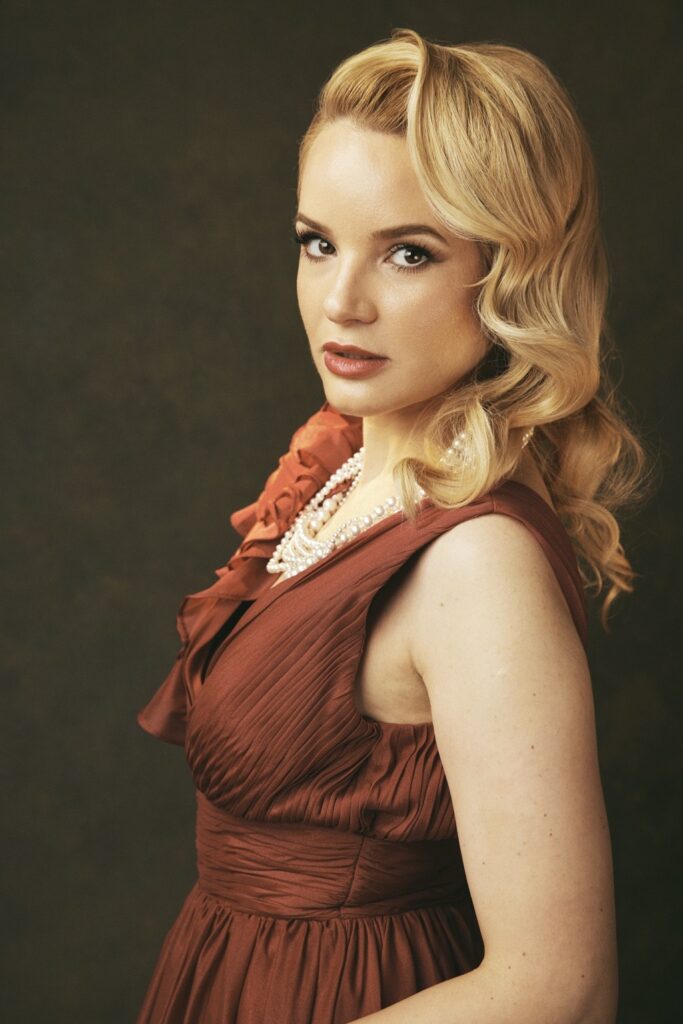
RAMI RAMI opens a new creative chapter with “Save Myself,” a cinematic pop single inspired by self-discovery, inner strength, and the realization that sometimes we must become our own heroes. Drawing on personal experiences and fairytale imagery, she transforms vulnerability into an empowering musical statement. 1. “Save Myself” was inspired by a period when you felt lost and were searching for someone or something to guide you. What did that experience teach you about yourself, and how did it eventually become the foundation for this song? When I started thinking about my next song, I knew I wanted to sing about something personal, something I had experienced myself. There was a time in my life when I felt completely lost, and I was waiting for someone or something to help me find my way. But eventually, I realized that the person I was waiting for was actually myself. I think, especially as women, we grow up with this romantic idea that someone will come along and save us. But life taught me that no matter what happens, you have to find that strength within yourself. That realization became the foundation of “Save Myself.” I wanted to create something emotional but also empowering, with a positive message. Because even when you feel completely lost, you already have the strength inside you to find your way back. 2. The image of being alone in a tower gives the song a fairytale-like quality while representing isolation and self-discovery. What drew you to this imagery, and how does it reflect the message you wanted to convey? The tower represents that feeling of being trapped or isolated, when you can’t see a way out. But it’s also a place of transformation, where you discover your own strength. I love the contrast between something so romantic and magical and such a powerful, realistic message. That’s exactly what I wanted “Save Myself” to represent. You have the strength to save yourself. You can be your own prince. 3. You began your professional music career in Hungary at 17, continued your musical journey in Milan, and are now based in Nashville. How have these different places and experiences shaped your artistic identity and the way you approach music today? I started my professional music career in Hungary when I was 17, and I was very fortunate to experience so many incredible things at a young age. I signed with Warner Music Hungary, appeared on television and radio, released music, and had opportunities that I’m still very grateful for. Later, I moved to Italy and studied music in Milan. Being surrounded by different cultures, languages, and musical influences opened my mind in so many ways. And now I’m in Nashville, Music City, which feels like exactly the right place for this chapter of my life. Every country has given me something different, both personally and artistically. I think moving to a new place also means rediscovering yourself in some way. I’m very proud of my past, but I’m also excited to be a newcomer again. I feel like all these experiences have helped me understand more clearly who I am as an artist and what kind of music I want to create. 4. “Save Myself” combines cinematic pop with emotional storytelling and a strong visual concept. When developing this new sound, how do you balance musical experimentation with the desire to create songs that feel personal and emotionally direct? Music has always been a part of my life. I love cinematic sounds because they allow you to create an entire world around a song, almost like you’re telling a story through a movie. I want people to feel something when they listen. For me, the cinematic elements make the emotions even stronger, but the story and the message always come first. 5. The single was written with GRAMMY-winning songwriters Jackie’s Boy and Quiet Girl and recorded at Nashville’s Blackbird Studio. What was the creative process like, and how did collaborating with these experienced professionals influence the final version of “Save Myself”? Working with Jackie’s Boy and Quiet Girl was such a wonderful experience. Jackie’s Boy and I had already been talking for months about the song. We spent the first day writing and creating the music. I shared my experiences, what I wanted to express, and how I imagined the song emotionally. That’s when “Save Myself” came to life. The following day, we recorded it at Blackbird Studio. What I loved most about the experience was how naturally everything came together. They understood exactly what I wanted to say and helped turn my vision into a song. Hearing the finished recording for the first time was a very special moment for me because something that had started as a personal feeling had suddenly become something real that I could share with the world. 6. You’ve described “Save Myself” as the beginning of a new creative chapter, with a music video based on your own original concept coming soon. What can you share about the visual world you’re creating for this song, and what would you like listeners to discover about RAMI in this new era? The music video is something I’m incredibly excited about because the original concept came from my own imagination. I actually came up with the idea while I was on a flight from Washington, D.C., to Nashville. Since the lyrics talk about being alone in a tower, I started imagining this entire fairytale world around the song. But I wanted to take the story much further. The video begins with a magical book opening, and we enter a world with a castle, a tower, and different scenes inspired by tarot cards. Each card represents different emotions, experiences, and stages of transformation. We filmed the video in LA, and it was directed by my dear friend Suzanna Kiss, who was also the director of photography. We worked with an incredibly talented team, including Bruce Jones, our Visual Effects Consultant, and Jason Howey, our VFX Supervisor,