
Dove rd
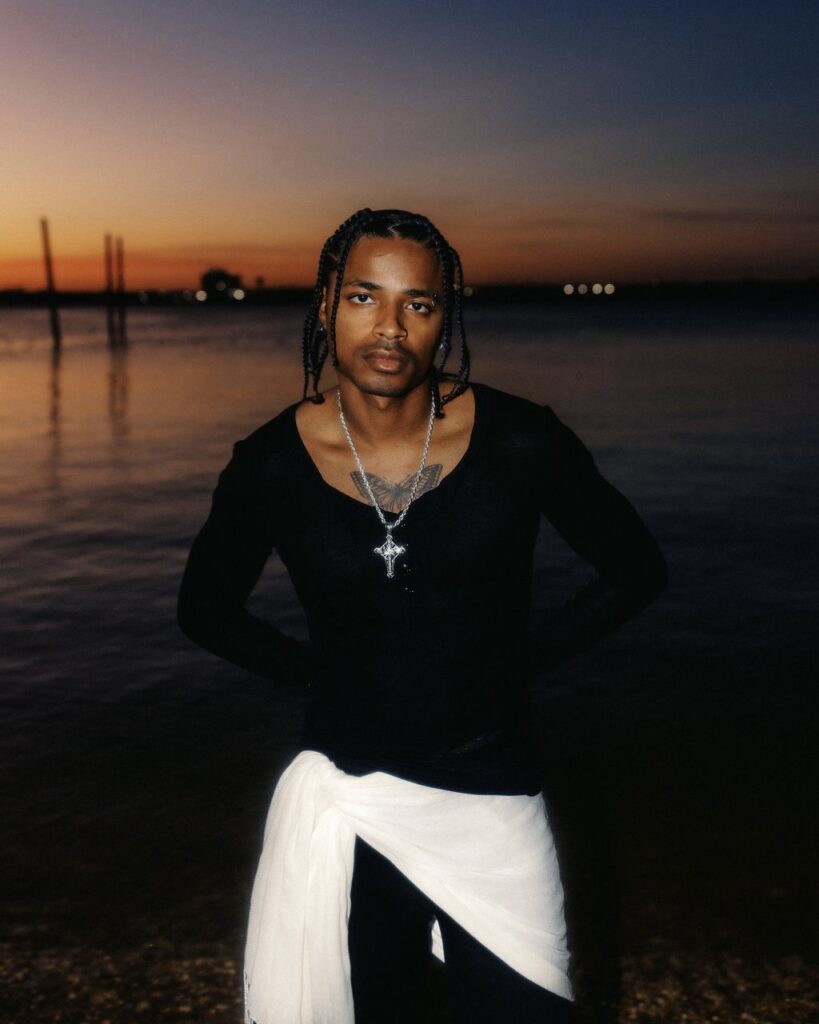
Dove rd In this interview, dove rd discusses the emotional journey behind “Fantasy,” his musical influences, personal transformation, and the fresh artistic chapter shaping his future. 1. Your latest single, “Fantasy,” started as an imaginary story before becoming deeply personal following the end of a relationship. How did that change in perspective influence the way you finished the song? It gave the song a personal meaning for me, and I think ultimately, it inspired me to finally sit down and finish it. When emotions are fresh and you’re in the moment, I feel like that’s one of the best times to write them down and get them out. Sometimes you don’t fully understand what you’re feeling until you put it into words, and songwriting gives me a way to do that. 2. Fantasy” blends acoustic guitar, punchy drums, layered vocals, and darker, atmospheric textures. What inspired this particular sound, and how involved were you in shaping the production? I originally wrote “Fantasy” on guitar back in 2024. I knew I wanted it to be a punchy, emotional song, but the sound really came together on the day of production. I worked on the track with my brother, Paxton Macbeth, and Alexander Valdez. All three of us were in the room together, and I feel like collectively, we just snapped. Alex really went crazy on the guitar, coming up with these incredible transitions that added so much character to the song. Paxton blended everything together perfectly. He’s an incredible producer who really understood what I wanted from the track. Ultimately, it took all three of us to find the right emotions and the right feel for “Fantasy.” I had a vision for how I wanted the song to make people feel, but bringing that vision to life was a collaborative process. I think that’s what made the final result so special. 3. Growing up singing in church, discovering Michael Jackson, and later exploring musical theatre gave you a diverse musical background. How have these early influences shaped your identity as an R&B/pop artist? They were all such a massive part of my identity as an artist. Music started for me in church, and even when I wasn’t at church, my Aunt Pam was teaching me and my siblings how to sing. Music was always around me growing up. Michael Jackson was a huge turning point for me. Listening to him was the first time I really fell in love with music. He showed me how powerful music and performance could be, and that had a huge impact on me. Musical theatre helped me keep sharpening my voice throughout high school. Football was my main focus at the time, but theatre gave me an outlet to continue developing as a vocalist and performer, even when music wasn’t necessarily my priority. Looking back, all of those experiences played a massive role in my journey. Church gave me my foundation, Michael inspired my love for music, and theatre helped me grow as a performer. I don’t think I could have one without the other, and they’ve all contributed to the artist I am today. 4. Your journey has taken you through college football, theology studies, pastoral work, and touring with Emblem3. What have these different experiences taught you about yourself, both personally and creatively? They’ve taught me that every season of life has value and contributes to your story, even when you don’t understand it in the moment. College football was a painful season for me because I broke my ankle early on. It was honestly one of the lowest points in my life. Studying theology helped me rebuild that strength through my faith in Christ. Interestingly, it was also during that time that I started making music again. My passion for it really began to come alive while I was studying theology. Touring with Emblem3 gave me a taste of something I had always wanted. It was fun, exciting, and exhilarating! But it also showed me that I still had a lot of work to do to become the complete artist I wanted to be. Looking back, those experiences taught me a lot about strength, perseverance, and consistency. Whether it’s in music or in life, you have to keep showing up, even when things don’t go the way you planned. Sometimes the seasons that challenge you the most end up teaching you the most about yourself. 5. The name dove rd carries a powerful meaning connected to peace, rebirth, and new beginnings. Why was it important for you to adopt a new artistic identity at this stage of your career? Identity is so important to me as an artist. Before dove rd, I went by sinceSYD. It was a fun chapter of my life, and the name paid homage to my time in Sydney, Australia, but if I’m being honest, I never felt fully connected to it. dove rd felt different. The moment I came up with the name, it felt almost spiritual. It’s the name of a street near my childhood home, and something about it just felt right when I adopted it. At this stage of my career, I wanted an identity that felt more personal and more aligned with the person I am and the artist I want to become. The name carries a deeper meaning for me, representing peace, rebirth, and new beginnings. It felt like an opportunity to start fresh and build something that truly reflects who I am. 6. With “Fantasy” marking the beginning of this new chapter, what can listeners expect from your upcoming music? Are there any plans for an EP, album, collaborations, or live performance? At the moment, I’m really focused on releasing singles and continuing to build this new chapter of dove rd. I do have an album concept in mind, though, and I’m hoping I’ll be able to bring that to life in 2027. I can’t say too much about it just yet, but I’m really excited about the idea. I’m
IL COLTELLO
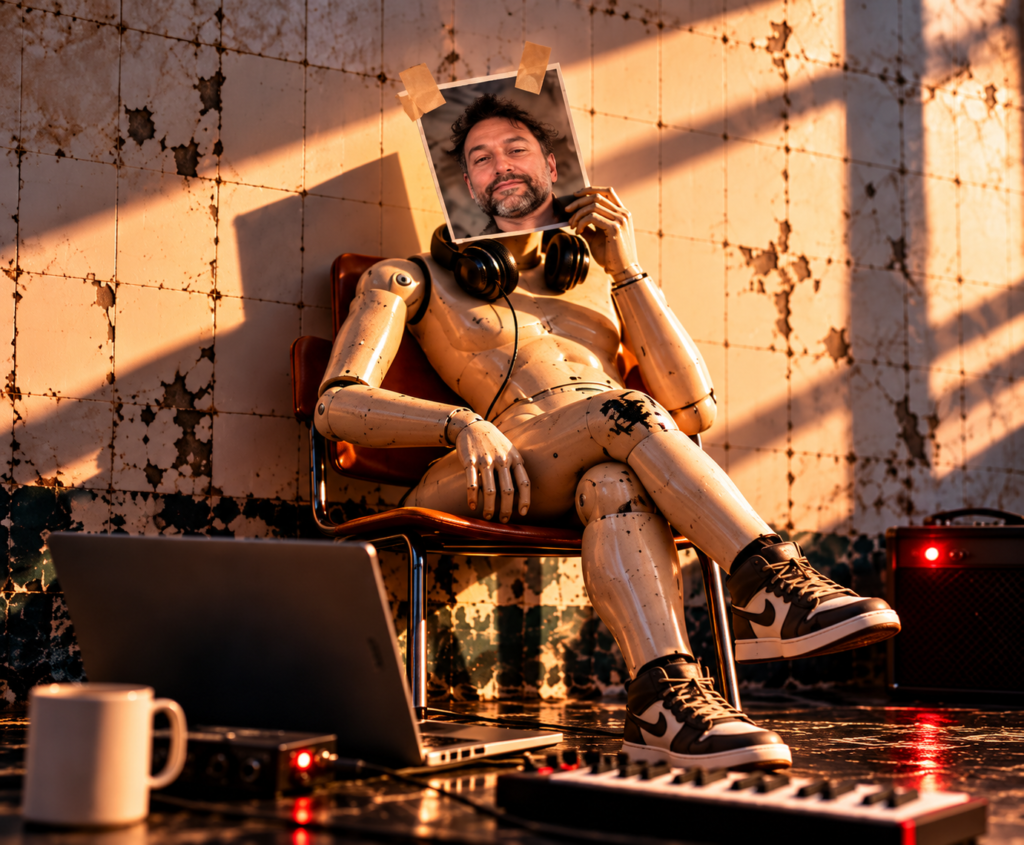
IL COLTELLO After a 25-year hiatus, Swedish electronic producer IL COLTELLO returns with “Let It Pass,” blending breakbeats, soulful vocals, vintage influences, and underground club energy into a fresh musical chapter. 1. After releasing music as Red Mode in 2001, you stepped away from production for 25 years before returning as IL COLTELLO. What inspired you to return to music, and how has your relationship with creating electronic music changed over the years? When the music stopped shortly after 2001, mainly because of work, family life and quite a few DJ gigs around Gothenburg, it left a real void in my life. Listening to other people’s music couldn’t quite fill it. I simply wasn’t finished! So I started listening to an incredible amount of music, which eventually led me to tutorials on synthesizer techniques, music theory, harmony and EQ. From there, I became increasingly interested in exploring VST instruments, plugins and the technical side of music production. After more than a decade away from making music, I eventually found myself walking past my old music computer again — and decided to fire it up. Alongside music theory and production techniques, sound design and understanding how sound actually works have become much bigger parts of my creative interests. 2. Your home kitchen was transformed into a recording studio during the pandemic, with a walk-in refrigerator serving as an unusual vocal booth. How did this unexpected setup influence your creative process, and what are some of the most memorable moments from those early sessions? With the staff laid off and no catering jobs coming in, there was suddenly plenty of space — and a lot of time alone to experiment. During a Kygo music production course, which involved quite a bit of recording vocal chops, vocal synth sounds and other elements, the walk-in fridge became my vocal booth. Not exactly ideal, but pretty cool! The kitchen worktops turned into synthesizer stations. It was a bit like Rocky Balboa training in the meat factory. Using that very same walk-in fridge setup, I actually won a remix competition and made it to the finals of an even bigger one, remixing Tiësto’s The Motto. 3. Your new single, “Let It Pass,” blends UK garage, breakbeat, soulful vocals, and electronic house. How did you develop the track’s sound, and what made these particular styles the right fit for its musical and emotional direction? In 2025, I started working with Tracklib, a platform that makes sampling easier, especially when digging into older recordings. Inspired by artists like The Prodigy, Fatboy Slim and Massive Attack, where sampling culture has always played such an important role, it felt like a natural starting point. But somehow, I wasn’t getting the results I wanted. In 2026, I eventually found the right musical direction without Tracklib, mainly through the Kontakt instrument libraries. But then I ran into another problem: the vocals. I tried working with Vocalfy, SoundBetter and Splice, but nothing quite worked out. The next step was AI, specifically Suno, which finally delivered the results I was looking for after what felt like an endless number of generations. Looking ahead, I want to dig even deeper into both modern synthesizer technology and the sounds of earlier decades, particularly the music of the 1960s and Northern Soul. The original concept I came up with in spring 2026 was quite simple: Imagine Fatboy Slim creating the soundtrack for a sequel to the film American Gangster. That idea remains a big part of the project’s identity, although there’s always room for a few surprises along the way. 4. The track explores the idea that not everything needs an answer and that sometimes we simply need to let things pass. What personal experiences or reflections inspired this message, and how did you translate it into the music? It’s about accepting that you don’t need an answer to absolutely everything. Sometimes it’s better to let certain things go and simply move forward. Hence the title, Let It Pass. 5. You cite artists such as The Chemical Brothers, Fatboy Slim, Daft Punk, and Massive Attack as influences. What have you learned from these artists, and how do you balance nostalgia for classic electronic music with your desire to create something fresh and contemporary? I think I’ve learned just about everything from these artists, especially how much you can achieve with a single sample. The way Daft Punk use sampling makes the possibilities feel endless. The entire 90s were shaped by bands creating completely new harmonies and sonic landscapes simply by combining, chopping and processing samples. It was a whole new way of making music. 6. With “Let It Pass” marking another chapter in your musical journey, what are your ambitions for IL COLTELLO? Can we expect more releases exploring this blend of underground club energy, vintage textures, and soulful melancholy in the near future? Let It Pass is the first chapter in IL COLTELLO’s new book. The entire first release, the EP, is a taste of what’s to come — breakbeats, Northern Soul, vocal effects and heavy bass. When I’m sitting behind the controls, surrounded by knobs, synthesizers and effects, I get the feeling that IL COLTELLO will move freely between club music, house, underground sounds, radio and pop. And honestly, the possibilities feel endless. This could turn into something really special. https://www.instagram.com/il_coltello_sverige/
Mike Power
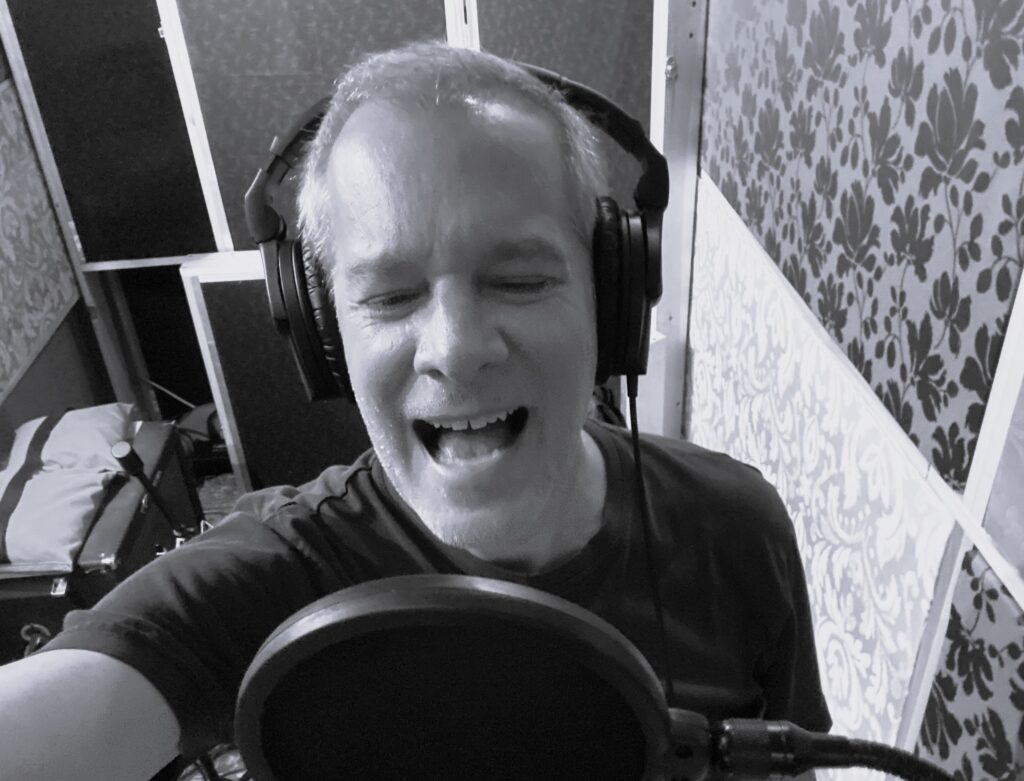
Mike Power In this interview, Mike Power, reflects on his underground roots, decades of musical evolution, and Changing of the Garden, an album exploring love, hope, and transformation. 1. You’ve been part of New York City’s underground music scene for many years, performing at legendary venues such as CBGB’s and Kenny’s Castaways. How did those early experiences shape you as a musician and songwriter? When I first started playing in bars and clubs of the city in the 1990s, New York was a magical place. It still is, but things have changed, as they always have to, and should. I also learned a lot from my bandmates in Late Model Humans during those years and those experiences come through in all of my playing and writing. 2. Your upcoming album, Changing of the Garden, begins with a song described as an explosion of love too powerful to remain a secret. What inspired this first single, and how does it introduce the album’s overall themes? The inspiration for “You Have To Know” is that burning desire that comes from romantic love, when it is not enough to have the feeling but to share it with the person you love. There is a vulnerability in telling someone you love them unlike anything else, leaving you totally exposed. The album’s overall theme is about the need we have for new and better ways of thinking about ourselves and each other. Love is always a good starting point. 3. New York has a rich musical history, particularly within its underground scene. How has the city influenced your songwriting, and what changes have you witnessed in its music culture throughout your career? When I first came to New York, I lived on Bleecker Street in Greenwich Village and there were still traces of the folk music movement of the 60s that was colliding with the explosion of punk and new wave of that time. All those influences burn their way into my songs. The biggest change in the music culture I’ve seen in my time in the city is that a lot of the creative energy I knew in the Village has gone across the bridge into Brooklyn. 4. After years of performing and creating music, how has your approach to songwriting evolved? Do you find yourself drawing inspiration from different experiences or perspectives today than you did earlier in your career? One of the greatest advantages of getting older is having a broader perspective. The breadth of my experiences gives me a lot more to draw from in my writing. As far as the music goes, it gets boring playing the same style, so I have enjoyed learning different techniques in writing, singing, and playing instruments. Malcolm Gladwell says it takes 10,000 hours to master a skill. If he’s right, I should be there by now. 5. The title Changing of the Garden suggests transformation, growth, and new beginnings. What does this title mean to you personally, and how does it connect with the stories or emotions explored throughout the album? We are living through anxious days, filled with anger and hate, and it makes me yearn for a world where hope and love can breathe free again. There once was a garden called Eden. That garden died a long time ago. But, as is the way with gardens, it released seeds into the air that are still floating around us today. In this unique moment, there is an opportunity to grow something new and better from the fertilizer all around us. We just need A Changing of the Garden. 6. With Changing of the Garden on the horizon, what are you most excited for listeners to discover about this new chapter of your musical journey, and what do you hope they take away from your songs? I am most excited for listeners to hear the variety of music on this album. There are a couple of songs that are just acoustic guitar, vocals, and strings, while others feature a full band with layers of vocals and instrumentation. There is also a variety of lyrical directions, from love songs to protest songs. I have never spent as much time writing, recording, and mixing these songs and hope listeners will all be able to find something on this album that connects with and inspires them. Mike Power
David Yamasaki
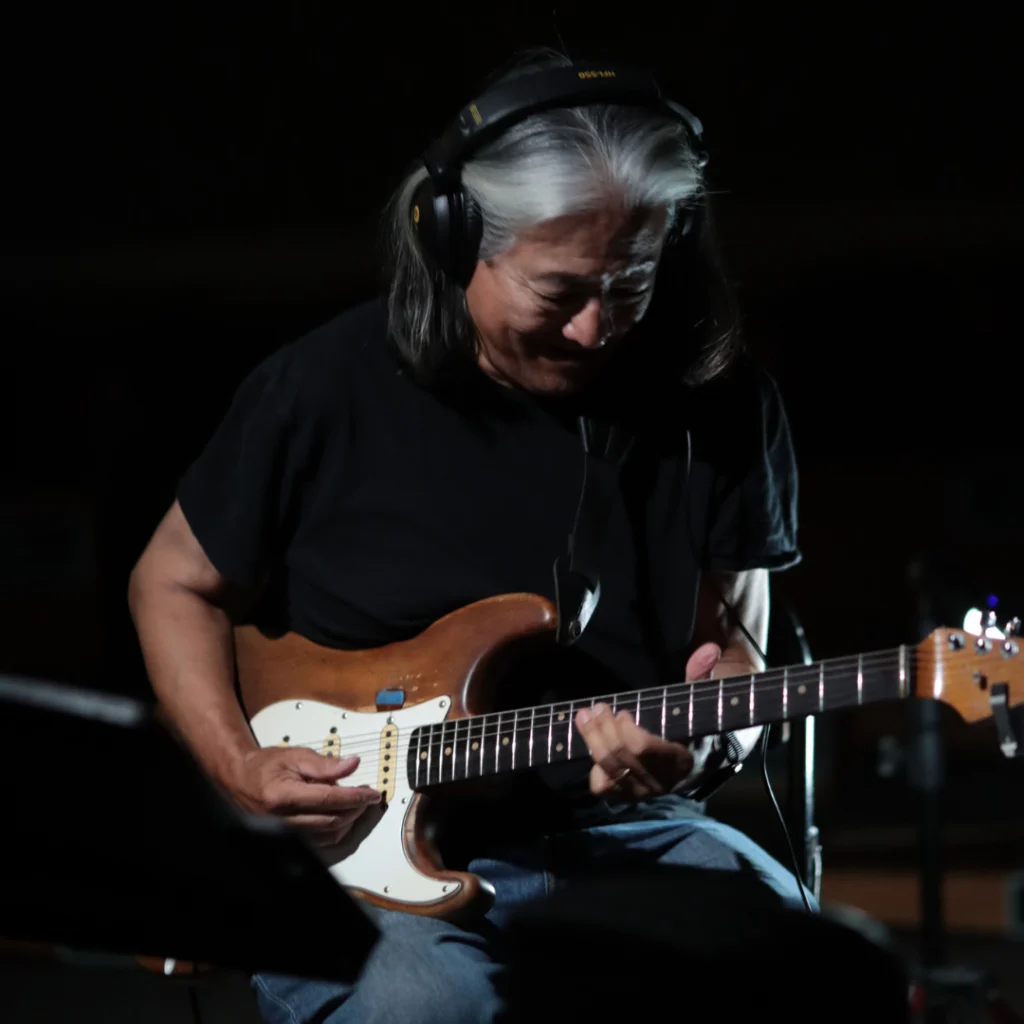
David Yamasaki In A Christmas Wish, Hawaiian guitarist David Yamasaki joins Robert Shinoda and Shoji Ledward to reimagine holiday classics through intimate acoustic arrangements, blending warmth, musical friendship, and heartfelt tributes. 1. Your new album, A Christmas Wish, offers a warm and intimate interpretation of beloved holiday classics through the interplay of three guitarists. What inspired you to create a Christmas album centered around acoustic guitar, and what did you hope to bring to these familiar compositions? Christmas in Hawaii doesn’t look like the Christmas cards — no snow, no fireplaces. It’s warm evenings, family, good food, people you love. I wanted a record that sounds like that: intimate and unhurried. And the guitar is my voice. Three guitars together can do everything — melody, harmony, rhythm — while staying personal and close. These are songs everyone knows, so I tried to play them honestly, without dressing them up too much. 2. You recorded the album in Honolulu alongside guitarists Robert Shinoda and Shoji Ledward. How did this collaboration come together, and how did each musician’s individual style contribute to the arrangements and overall atmosphere of the recording? Robert Shinoda and Shoji Ledward are both wonderful players, well known in the guitar world. We got together through organized jams I put together at the Musicians’ Union — just players getting in a room and playing. What I love about the trio is the conversation. With three guitars, nobody has to carry everything — the melody stays out front where it belongs, and the rest is listening and answering. Robert and Shoji each bring their own touch, and you can hear that give-and-take across the whole record. 3. The title track, composed by Aaron Aranita and featuring vocalist Rachel Gonzales, explores themes of absence, longing, hope, and peace. What drew you to this original composition, and why did you feel it was the right piece to open the album and give it its title? Aaron Aranita was a dear friend of mine who passed last November, and “A Christmas Wish” is his song. Recording it felt like the right way to honor him — and the song says everything the album is about: missing someone, but also hope and peace. Opening the record with it and naming the album after it just felt right. Rachel Gonzales sings it beautifully. Her voice has exactly the tenderness that song needs. 4. The tracklist moves between playful selections like “Frosty the Snowman,” reflective pieces such as “A Child Is Born,” and timeless melodies like “Silent Night” and “I’ll Be Home for Christmas.” How did you approach arranging these songs to preserve their emotional character while giving them a fresh musical identity? The melody is the boss. Everybody knows these songs, so if you lose the melody, you lose the listener. I kept every tune singable and let the harmony and rhythm do the coloring around it. “Frosty the Snowman” gets to be playful because the song is playful; “Silent Night” and “A Child Is Born” need room to breathe. The freshness really comes from the trio itself — three guitars in conversation is a texture people don’t expect from Christmas music, so even the most familiar melody lands a little differently. 5. Throughout your career, you’ve worked with remarkable artists including Tito Puente, Wayne Wallace, Sheila E., and the Pete Escovedo Orchestra. How have these diverse musical experiences influenced your approach to guitar playing, and which elements of that background can listeners hear in A Christmas Wish? Those years taught me about feel — how a groove breathes, how to lock in with percussion, when to play and when to leave space. Tito, Wayne, Sheila, the Escovedo family — that’s a deep school of rhythm. Even on a quiet guitar record, it’s there in the time feel, in the way the three of us move together. And Latin music carries so much warmth and joy — I think some of that spirit found its way into this album. 6. With A Christmas Wish arriving just ahead of the holiday season, what do you hope listeners will feel when they experience the album? And beyond this release, are there any new collaborations, recordings, or musical directions you’re particularly excited to explore? I hope it makes people feel warm — like they’re right there with the people they love. Christmas music is really about togetherness, and if this record becomes part of someone’s holiday, that’s everything to me. Beyond this, I’m looking forward to playing these tunes live this December, and I’m exploring a vinyl pressing of the album. The guitar community here in Hawaii is full of wonderful players, so there’s always something new brewing. David Yamasaki
Mark Cee
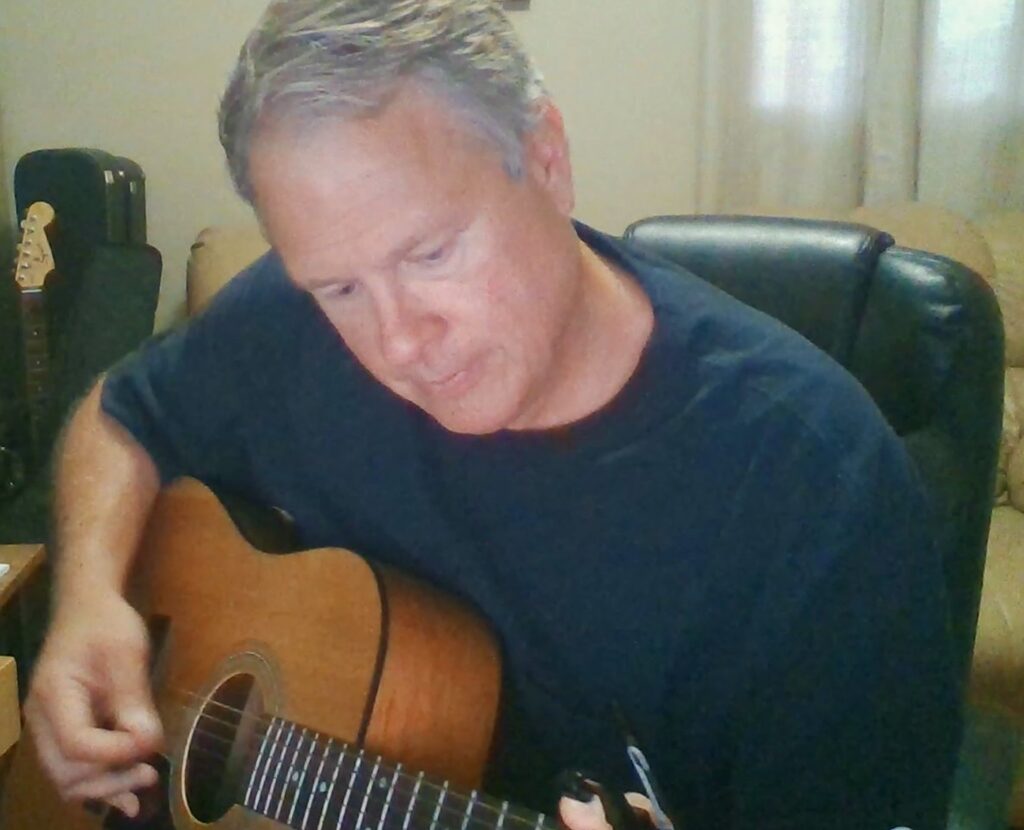
Mark Cee Longtime songwriter Mark Cee finally steps into the spotlight with It’s Me, Mark Cee, a heartfelt debut album exploring loss, loneliness, resilience, and hope through intimate, honest home recordings. 1. You spent roughly 30 years writing songs before beginning to release your music in earnest in 2026. What inspired you to finally share your songwriting with the world, and why did this feel like the right moment to begin this new chapter? I’ve been writing songs for forty years and have recorded in my spare time while working full time. After I retired from my IT career, I finally had the time, and the home recording tools had gotten good enough that I could make something that sounded like the songs in my head. I wanted to see what would happen if I stopped keeping them in a drawer. I think of it as an experiment more than a career move, and releasing the music has been a great one. 2. Your debut single, “How You Left Me Still,” explores grief and sudden loss through deeply personal storytelling. How did transforming such an emotional experience into a song help you process it, and what do you hope listeners take away from it? I enjoy the creation process more than anything else and making music is what that I enjoy is what it’s all about for me. The song How You Left Me Still came from the sudden passing of my father-in-law. I was with my mother-in-law and seeing her gave me the inspiration to write they lyrics for the song though I don’t expect listeners to take away anything specific. If someone who’s lost somebody feels a little less alone while the song plays, that’s enough.” 3. You record everything at home, embracing a studio-only approach that prioritizes human performances and emotional honesty over polish. How does working independently shape your creative process, and what do you feel can be captured in a home recording that might be lost in a more conventional studio environment? I like doing this as a hobby and this was a project I wanted to do after retirement. Working alone means no clock running and nobody to impress. If a take has a slightly cracked vocal or a guitar that breathes, I can keep it, because that’s where the feeling is. I don’t use AI in the process, and I want to hear a person in a room. A home recording can capture that closeness. A lot of the songs are about loss, and they feel truer when they sound like they were made in a quiet room late at night, which is how I made them. 4. Your influences include Traffic, Bon Iver, Tim Buckley, and The Beatles, while listeners have also drawn comparisons to Bob Dylan and Elliott Smith. How have these artists shaped your musical identity, and how do you balance your influences with developing a sound that is distinctly your own? For this record I would say Pink Floyd’s track “Fearless” Traffic’s eponymously named LP with the track, “Don’t Be Sad” influenced me. Though I don’t try to sound like anyone. I just write honestly, and what comes out is whatever thirty years of listening to those artists has left in me. Moreover I go for walks and listen to the rough tracks to see if something catches my ear and I can develop it further. Sometimes I work off of a chord progression and will fit that to lyrics that come to me, the process can take minutes or months. 5. Your debut album, It’s Me, Mark Cee, brings together nine tracks, including “Missed Connection” and “How You Left Me Still.” What connects these songs, and how did you approach sequencing the album to create a coherent listening experience? The thread through the nine tracks is dealing with loss and loneliness and then hope and resilience. I opened with ‘Wistful’ to set a dreamy upbeat instrumental tone of normal life, then moved into the heavy ‘How You Left Me Still,’ whose flute ending leads straight into ‘To Where Will You Go,’ since they’re sister songs, the latter was written by my brother Ed. Specifically, “How You Left Me Still’ as I mentioned is about the sudden passing of my father-in-law and the loss felt by the people left behind. When someone goes suddenly there’s no goodbye, so the song became a place for the conversation that never happened. Its sister song, ‘To Where Will You Go,’ is my brother’s lyrics and my melody and this turns to the other side of it, the person and their soul’s journey. ‘Waiting on Winter Still’ is another instrumental with a dreamy acoustic riff that sits at track four to cleanse the palate between the heavier songs. Then comes ‘Missed Connection’ and its reprise, and this is about the artwork and the conversation I would have with my dad if he could see me looking at the photo. Missed Connection Reprise was actually written first and about meeting someone random who made an impression and trying to reconnect with them. The redemption and hope comes with ‘I Will Touch the Sky’ before ‘Stranger Home’ and ‘Heading Back to Canada’ bring it to a close. I wanted it to feel like one sitting, with the mood rising and falling.” 6. Your music has already found an unexpected, organic following in Sydney, Australia, despite your independent, studio-only approach and the absence of live performances. How has the response to your releases compared with your expectations, and what would you like the next chapter of Mark Cee’s musical journey to look like? I expected almost no one to hear it, so any response at all is a gift, and I was surprised to see listeners in places like Sydney. I also don’t want to oversell it, because I did work with playlist curators to get the songs in front of people. What I love is hearing from listeners who connect with the songs as
Liz Cracchiolo
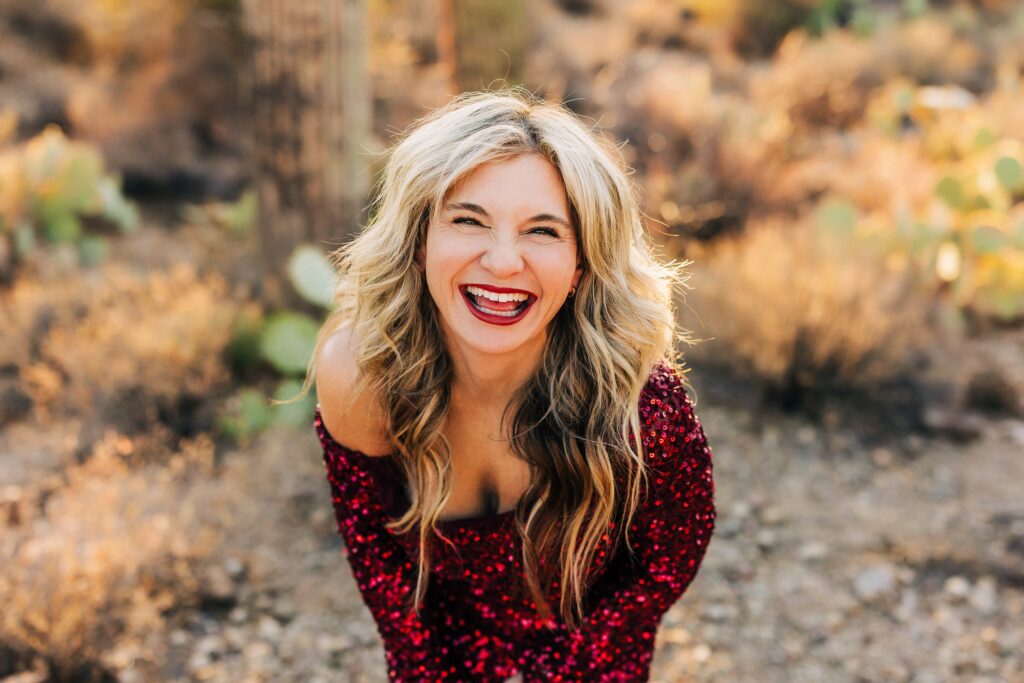
Liz Cracchiolo Jazz vocalist Liz Cracchiolo discusses her debut album I’m a Woman, blending jazz standards with unexpected pop and rock classics, celebrating spontaneity, artistic freedom, and the journey toward finding her authentic musical voice. 1. Your debut jazz album, I’m a Woman, marks an exciting new chapter in your musical journey. After building an impressive career in musical theatre and cabaret, what inspired you to dedicate yourself to jazz, and how have your experiences on stage shaped your identity as a jazz vocalist? I had always had a deep love and respect for jazz, and wanted to explore it as a musician. About 15 years ago a jazz producer and drummer I knew from my childhood came to see me in a show, and I asked him if I could play a gig with him sometime. Then I was HOOKED. I loved the freedom—the idea that a song could feel different every time, depending on the musicians, the audience, and what you were feeling that night. My theatre and cabaret background comes with me, especially in how I approach a lyric. Who am I talking to? What am I trying to say? I love a beautiful melody, but I want you to feel that I’m telling you something. 2. I’m a Woman brings together an eclectic selection of songs, ranging from jazz standards to unexpected pop and rock classics such as “Sweet Child O’ Mine,” “Mr. Brightside,” and “Tainted Love.” What guided your song selection, and how did you approach transforming these familiar compositions into something uniquely your own? The song selection for this record happened very organically. I’d lived with many of these songs for years, and each held a special place in my heart. The standards were favorites I regularly performed and loved to sing, while the pop songs were ones I’d already experimented with reimagining. I loved where those explorations had taken me, and this record felt like the natural place to bring them all together. My producers and I had developed some of those pop reimaginings for shows we’d created together in New York City over the years. We work really well together, and there’s a lot of trust and room to play. To shape the final arrangements, we spent hours on Zoom, playing through songs, trying different ideas, and seeing what excited us. It was such a fun, collaborative process, and I think you can hear that joy in the record. 3. Your interpretation of “Just a Girl” features playful vocal improvisations and an engaging musical dialogue with guitarist Hajime Yoshida. How important is spontaneity in your performances, and what does this particular arrangement reveal about your approach to musical expression? Spontaneity is a huge part of what drew me to jazz. I love having an arrangement as a starting point, but leaving room to listen and respond to the musicians around me. My theatre background taught me to tell a story, and jazz lets me discover new ways to tell it in the moment. That exchange with Hajime is such a fun example of the give-and-take I love. There’s a playfulness to it that feels very much like me. I care deeply about the music, but I also want room for humor, personality, and surprise. “Just a Girl” gives me a chance to explore all of that. 4. The album features an impressive group of musicians, including Benny Benack III, Russell Hall, Erica von Kleist, and Savannah Harris. How did these collaborations influence the album’s creative direction, and were there any particularly memorable moments during the recording process? Getting to make my debut album with musicians like Benny, Russell, Erica, and Savannah was extraordinary. They each have such a distinct musical personality, and that gives you so much to respond to as a singer. You can arrive with an idea of how a song should feel, but the people in the room help it become something fuller than you could have imagined on your own. And they were all so excited to help make my vision come to life. One of my favorite memories from recording was when Russell Hall and I recorded “Fever”. It was at the end of the day, and we were in separate booths and couldn’t see each other. Russell is such a brave and unique player, and what he was giving me in my headphones was MAGIC. And I just responded to it. It was amazing it one take. We did another take just for fun, but that is a perfect example of how listening is such an integral part of the creation. I could never sing “Fever” exactly that way again, because in that moment I was responding to Russell’s energy and musicality—every performance will be different, but that recording captures a connection between us that felt magical. That’s something I’ll always treasure about this record: it captures the relationships and musical exchanges, as well as the songs. 5. From the blues-inspired intensity of “Fever” to the bold energy of “I’m a Woman,” your performances explore different expressions of confidence, personality, and independence. What does the album’s title mean to you personally, and is there a broader message you hope listeners will take away from this collection of songs? For years, I loved performing, but I didn’t feel ready to make a record. I was still figuring out who I was musically and what I wanted to say. Miles Davis said, “It takes a long time to sound like yourself,” and that really resonates with me. I finally felt like I’d found myself as an artist, and I was ready to capture that. The beautiful thing is that we didn’t choose the songs to tell that story. It was only after we’d selected them that I saw the meaning in opening with “Just a Girl” and closing with “I’m a Woman.” That progression reflected my own journey in a way I hadn’t consciously planned. I’m still connected to the girl with those dreams, but now I
Gianfranco Pescetti
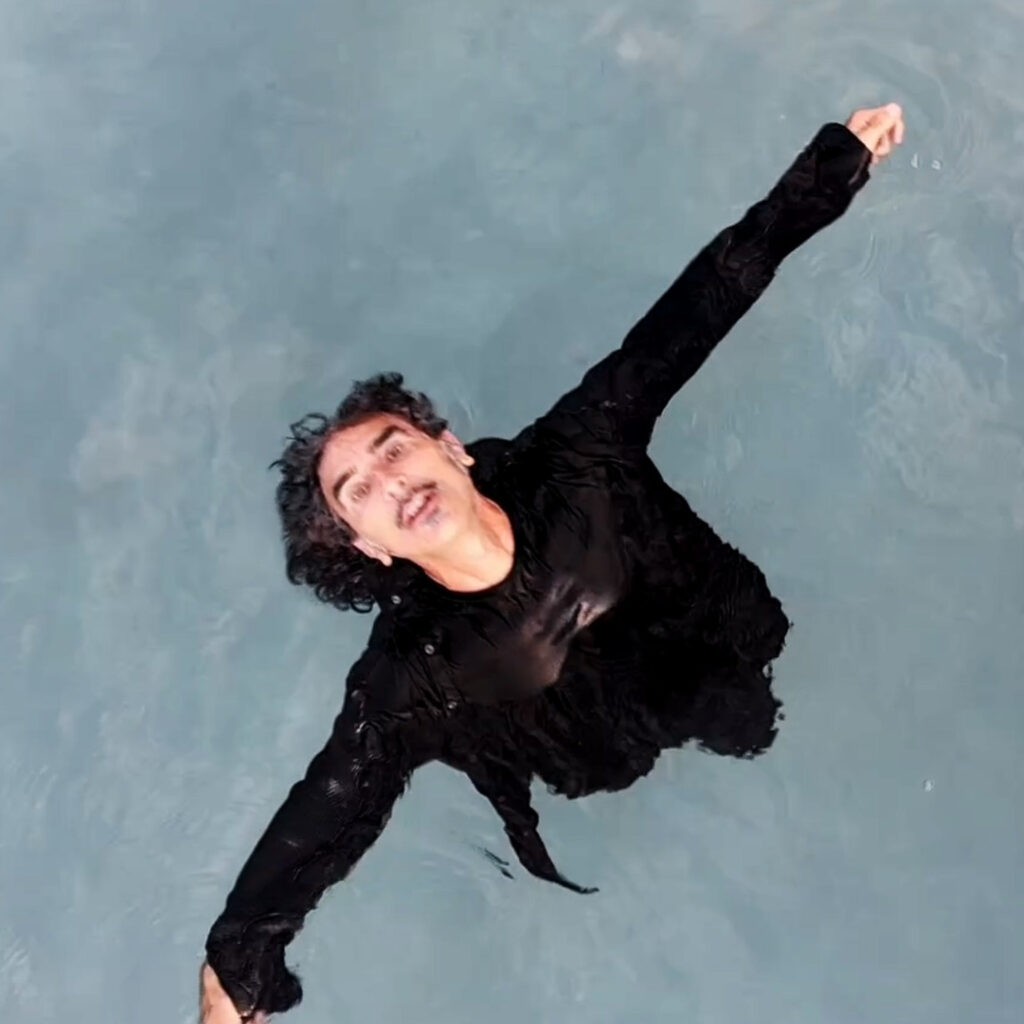
Gianfranco Pescetti In this interview, Gianfranco Pescetti discusses “Heidi,” a deeply personal tribute to friendship, loss, and gratitude, exploring his artistic journey and the memories behind his forthcoming album, this side of the door. 1. “Heidi” is a deeply personal song about gratitude, loss, and someone who believed in you before you fully believed in yourself. What was going through your mind when you first began writing the song in her memory? It actually took me five years after learning of Heidi’s passing to finally sit down and write the song. Since she’d moved to New York and I’d stayed behind in San Francisco, so much had happened in both our lives. I often imagined us getting together again, catching up on everything, and finally having the chance to tell her how grateful I was. She was that one friend who unconditionally made me feel that I had something valid to offer creatively. I’d always wanted to be able to put into words just how much that meant to me. But I never got to see her again. So when I finally decided to write “Heidi,” I wanted to write something to her, but also for her. My initial intention was to create something that could become part of her memory, something that would allow it not only to live on, but perhaps even to grow. Every time I hear the song, I think of her, and there’s comfort in that. 2. You met Heidi Vincent while playing in Borgia in San Francisco in the early 1990s. How did your friendship and her encouragement influence your development as a songwriter and musician? When I first met Heidi, I was going through a difficult transition. I’d been a professional ballet dancer for years, but I was losing my passion for it and wanted to pursue music full-time. It wasn’t an easy decision, especially since I’d been dancing practically my entire life. Heidi and I were playing together in Borgia, and I was bringing some of my songs to the band. She really liked them and kept encouraging me to write more. Our friendship extended well beyond music. We shared a love of art, architecture, and design, and I admired her enormously. She was such an extraordinary artist herself, so her opinion meant a lot to me. More than anything, she helped me trust my instincts and believe in my songwriting at a time when I was trying to find my way into a completely different life. 3. You recorded the bass part for “Heidi” using the 1977 Fender Precision Bass that Heidi gave you. What was it like to have that particular instrument in your hands while recording a song dedicated to her? I’ve been playing that bass for so many years, in different bands and on my two previous solo albums, that it’s become a part of me. I know its sound, its feel, how it feels on my body. But when I started working on “Heidi,” there was something quite special about realizing that the instrument she’d given me all those years ago was now being used to record a song I’d written for her. 4. Your musical journey has included professional ballet, songwriting, bass playing, production, and electronic music. How have these different experiences shaped the way you create music today? Time and living are the best teachers. Once you’ve lived enough life and can put a little distance between yourself and the lessons you’ve learned, let them marinate a bit, you start to realize just how deeply connected all forms of art really are. They inform each other, and in many ways they’re built on the same principles: rhythm, movement, balance, tension, space. Whether you’re interpreting or choreographing a dance, trying to express something through a song, or hunting for some spooky electronic textures, you’re dealing with many of the same ideas, just expressing them through different mediums. I think what I’m ultimately trying to do is create worlds for myself that I can inhabit, where anything is possible. That’s always been the attraction of making art for me. I don’t consciously draw on one discipline when I’m working in another. And in the end, music feels like the most powerful to me. 5. “Heidi” is the lead single from your forthcoming album this side of the door. What can listeners expect from the album, and how does it represent where you are creatively at this point in your career? When I set out to make this album, I knew “Heidi” was going to be the first song I wrote. It was a very conscious decision. I wanted it to set the emotional tone for the whole record, and in many ways it became the catalyst for everything that followed. The other thirteen songs gradually came together around themes of memory, love, loss, transformation, and the passage of time. I also knew from the beginning that I wanted to make a record that leaned heavily into my singer-songwriter side. Musically, this side of the door is probably the least electronic album to date. I still love electronic textures, and they’re very much part of the sound, but this time they’re subservient to the more traditional instrumentation. That’s simply how I was hearing things. I was fortunate to work with some wonderful musicians whose contributions took the record to a level I couldn’t have reached on my own. As for where I am creatively, I’ve reached a point where I feel less concerned about external approval and more interested in making exactly the music I want to make. 6. If Heidi could hear “Heidi” today, what would you hope she would take away from the song? That’s a difficult question. I’d hope she’d enjoy the music. And perhaps she’d be happy to know that, all these years later, she’s still very much a part of my creative life. Gianfranco Pescetti
Fella Cederbaum
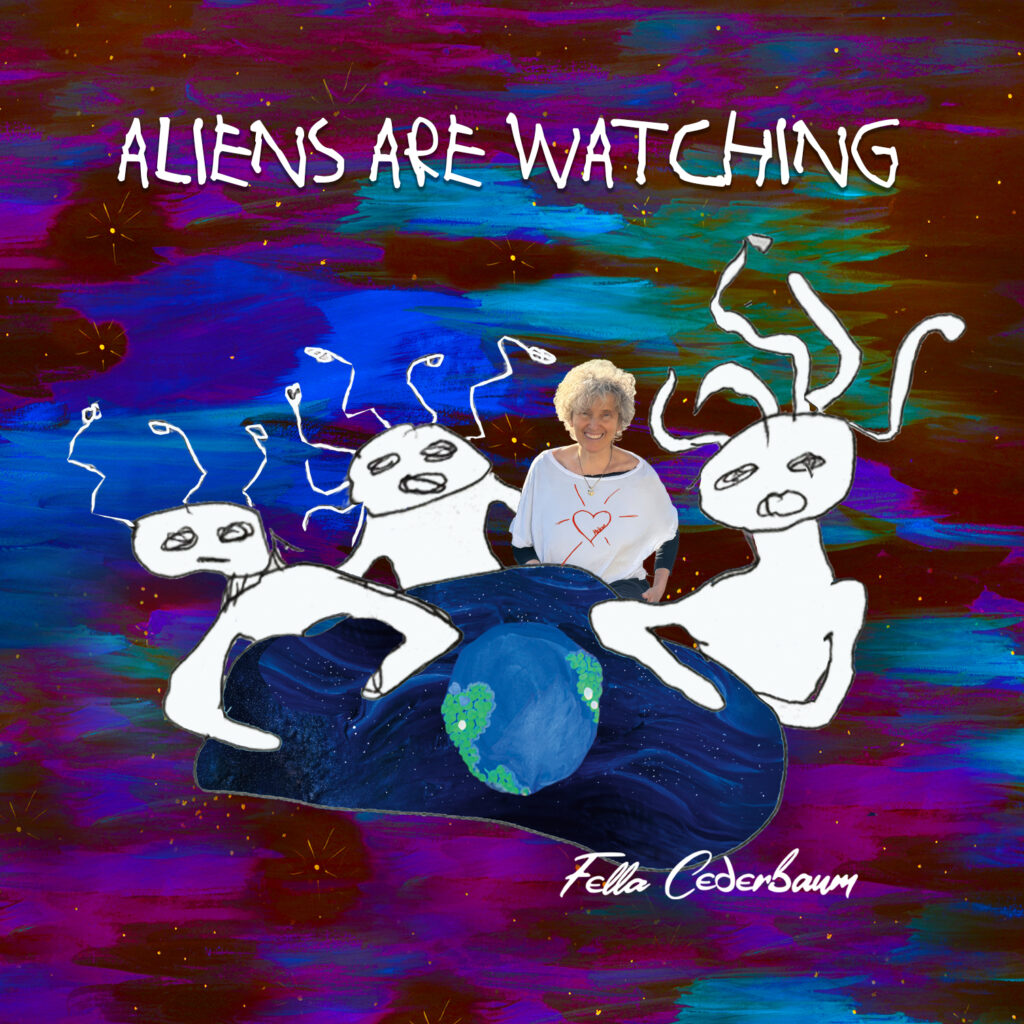
Fella Cederbaum In Aliens Are Watching, Fella Cederbaum blends poetry, music, and philosophical reflection to explore humanity through extraterrestrial eyes, inviting listeners to question existence, consciousness, compassion, and the search for truth. 1. The central concept of Aliens Are Watchinginvites us to imagine an extraterrestrial civilization observing humanity from an outsider’s perspective. What first inspired this unusual philosophical approach, and why did you feel that looking at ourselves through alien eyes could reveal something important about human nature? The origins of this approach reside, as do most of my poems, in a few basic core questions that I have pondered since I was quite young: questions about the veracity of God and the various claims to THE truth, yet all conflicting with each other. When we look at the history of humankind, it has always been steeped in blood and conflict, brought about by Individuals, groups or nations, welded to their dogmas and belief systems, in an attempt, to impose them on the rest of humanity. It seems to me that we are forgetting that we are – while I would still like to believe, precious – merely one species, inhabiting an infinitesimally small planet amid an unfathomably huge universe of unfathomably huge numbers of stars and galaxies. I think it might behoove us to take a look, not only at the bigger picture, but also from a completely different angle. 2. Your album addresses some of the most pressing challenges of our time, including war, division, technological change, fear, and the loss of human connection. How do you approach such complex subjects through poetry without allowing the message to overshadow the artistic experience? If you are saying that that is indeed what you find in my poems, it makes me rather happy. I have never written, in order to achieve any “artistic” goal in and of itself. If there is indeed a message, it emerges in the process of unpremeditated writing, trusting whatever wants to express itself, mostly with only minimal corrections. Very often a whiff of a message clarifies itself, once I read what I have written. More frequently I discover what might be the true message after the poem has been sitting around in the queue of my next book. Borrowing from a well-known proverb, one might say “meaning is in the ear of the beholder.” 3. Aliens Are Watchingcombines spoken-word poetry with your original musical compositions, creating an experience where words, sound, and emotion are closely connected. How does your creative process unfold when bringing these elements together, and does the music usually emerge from the poetry or develop independently? While the music, as well as the poems travel as though on their own, separate creative tracks. I marry them in different ways. Some poems sound instantly singable to me, almost as I write them. Sometimes a melody comes into my head and provokes new lyrics, or I listen to a piece of music with a specific poem in mind. In the final stage I obviously work on a combination as one integral whole. 4. You’ve described the creative process as something that unfolds almost independently, with words, questions, and music demanding to be expressed authentically. How do you recognize when an artistic idea is ready to take shape, and what role do intuition and spontaneity play in your work? Spontaneity lies at the root of everything I write. To my mind intuition is more psychological in nature, more goal oriented. Typically, I don’t sit down in order to write music or a poem, unless there is an urgent question, almost pushing me to write and investigate. Thinking of my ideas as being artistic is an utterly foreign concept. It has truly never occurred to me. There are probably endless things that could take shape, if given enough space. However, certain thoughts or questions appear to be more “pushy” and can suddenly stir a kind of excitation, an excitement in me. I make sure to respect them, write them down. Usually, I find them to have a kind of inner rhythm. That is what feels most authentic to me. 5. Your artistic career spans poetry, filmmaking, composition, painting, and literature, with your work receiving international recognition across several disciplines. How have these different forms of expression influenced one another, and what can a poetry album communicate that a book, painting, or film cannot? I did not choose poetry, it definitely chose me. In my wildest dreams it would not have occurred to me that I would end up writing poems of all things. In the process of writing them down, I discovered that they appear to be a highly distilled product of many years of pondering certain subject matters. I have discovered that poems tend to point or direct your gaze. It seems to me that honest, uncontrived expressions have their own merit and can communicate, each with its specific emphasis and via different mind filters. In my experience all authentic expressions originate from the same source and thereby fertilize each other . 6. Rather than offering simple answers, Aliens Are Watchingencourages listeners to question their assumptions about identity, compassion, consciousness, and the meaning of existence. If the album succeeds in changing just one thing about the way people see themselves or treat others, what would you hope that change might be? Unflinchingly keep looking and digging inside. The truth that lies inside you, underneath any airs and social posturing, is infinitely more beautiful and precious than even the most magnificent self-image we try to project into the world. If everyone kept doing this unflinchingly, it would be completely impossible to treat others in ways we don’t want to be treated ourselves. Why that is so, lies at the core of everything and will remain to be discovered by each and every one of us. Fella Cederbaum | MahnoDahno® & MahniDahni™
Vanessa Tottle
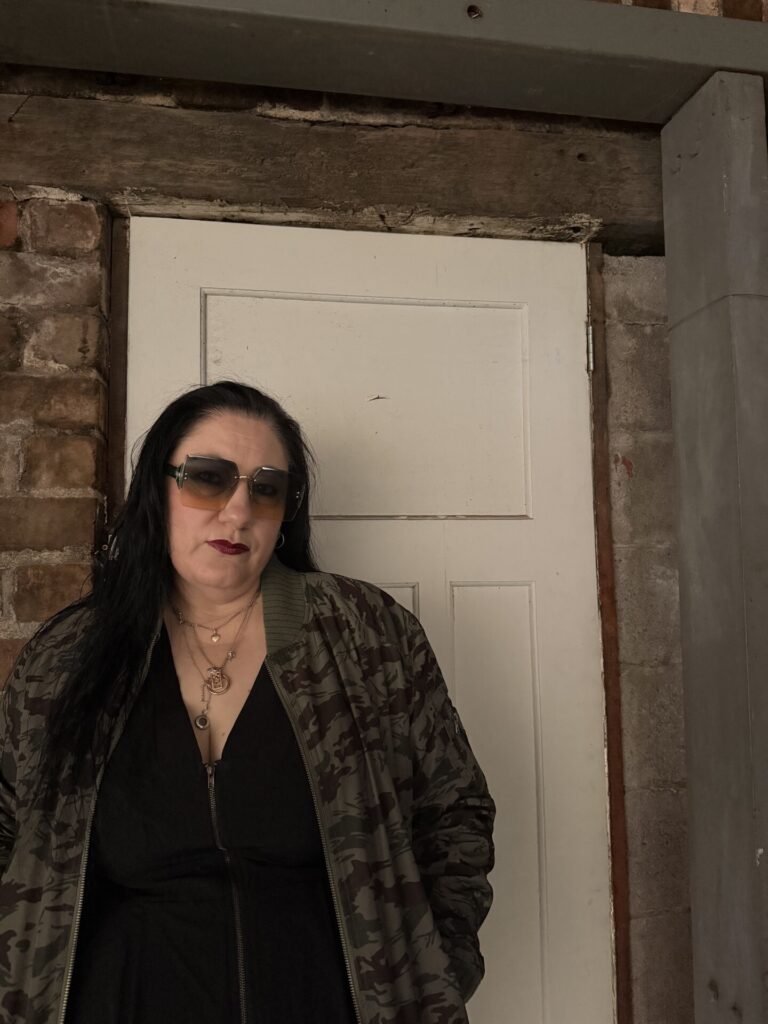
Vanessa Tottle In her third interview with The Interviewist, Vanessa Tottle discusses her powerful new single “Split Decision,” transforming heartbreak and betrayal into dark, atmospheric music driven by resilience, fierce determination, and self-belief. 1. Your new single, “Split Decision,” was born out of betrayal, heartbreak, and a powerful sense of resilience. Can you tell us about the personal experience that inspired the song and how you transformed those intense emotions into music? It was born from a lot of things that’s happened to me over the past year and a half – sometimes it just all bubbles up and as a song writer you feel it and all of a sudden the line “you will know my name” came into my head. I thought about all the “Split Decision” moments I’ve had to make recently and I just kept writing, the beat came through as heavy and dark – I’d just had new synth packs downloaded and I thought – let’s see and I finished writing and finished producing the song in one day! 2.“Split Decision” explores that crucial moment when you must choose between standing your ground and walking away. What does this dilemma mean to you personally, and what message do you hope listeners will take away from the song? Life really knocks us all from the to time and I hope that listeners will take from this song the strength it was written with. We are always overcome with what we find out from people, how they see us, not finding out what we are capable of, so show them the best way you know – let them hear you roar!! 3. The track combines the hypnotic atmosphere of 1990s trip-hop with modern darkwave elements, featuring brooding basslines and sharp, atmospheric synths. What drew you to this particular sonic direction, and which artists or musical influences helped shape its sound? It was the synth bass pull of being fierce – whilst remaining elegant – not loosing your cool but still holding your ground. A hint of Lady Gaga passion wasn’t too far from my mind! Grit and determination! 4. You wrote and produced “Split Decision” entirely at your home studio, June Baby Studios. Can you walk us through your creative process, from the initial idea to the finished recording, and explain how you approached the song’s powerful vocal performance? With this song I wrote first, music followed and I knew I needed to roar, but it wasn’t till I was in studio with Ben that I said to him I need to say “you will know my name” and I’m gonna blow the mic away! It was emotionally charged as normally I have space between singing the vocals, I’m able to sit with the song for a while but this was recorded 4 days after I had written and produced the music. Real live wire stuff – which is one of the lines in the song. 5. The single features striking cover photography by fellow artist VÏKAE, while Ben at Lonely Hawk Recording Studio handled the final mastering. How did these collaborations contribute to the overall identity of “Split Decision,” both visually and sonically? Vikae and I were on location at an unrelated photo shoot and the artwork I used for this single was one that she took, once we took a look at the photos, we saw a strong woman standing by a closed door – with the light coming through underneath. This shoot was weeks and weeks before the song was written so when I was thinking of artwork I recalled this series of photos and ironically realised Vikae had captured the song in those moments and it became the single cover! Ben, my sound engineer is always so good to me and allows me to run with my creative thoughts and emotions! Most of the time my songs are very emotionally charged – this was different as it was still raw. No time to simmer so he had great control processes for keeping me to tasks to harness what we needed. 6. We’ve had the pleasure of interviewing you twice before on The Interviewist, and it’s wonderful to welcome you back! As a fully independent artist managing your own creative journey, what have been the biggest lessons and challenges along the way, and what can listeners expect from Vanessa Tottle next? Yes, thank you for wanting to feature my music for a 3rd time, I’m so pleased to be back speaking with you. My biggest lesson which I’d like to pass onto whoever is reading this, is to DO IT, loud, all of it and do it for YOU! Your followers will come; your listeners are there. Patience! And what’s next for me? More music coming – one to be released in Nov, followed by an instrumental track in December and I’m planning some great shows for 2027 but you are just going to have to wait for those announcements! VANESSA TOTTLE
Jamie Davis
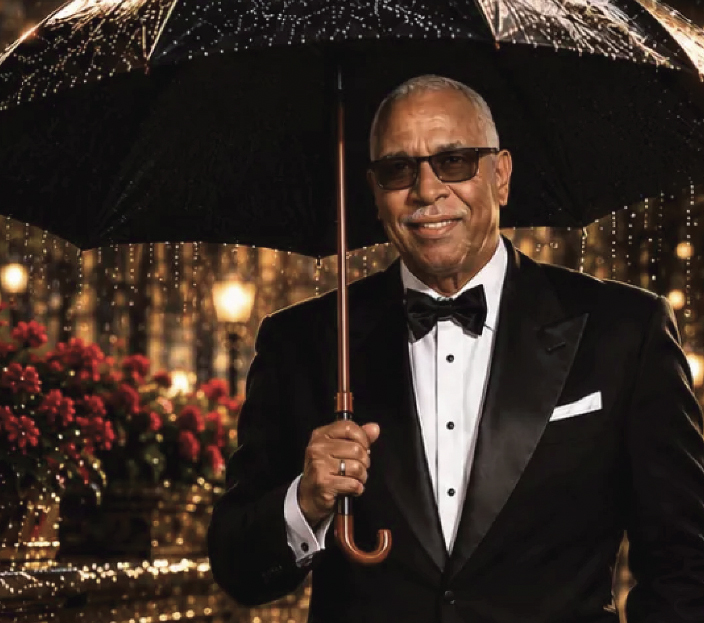
Jamie Davis In Steppin’ Out, Jamie Davis celebrates timeless jazz standards, reflecting on his Count Basie Orchestra legacy, rich baritone voice, and lifelong passion for emotional musical storytelling. 1. Your new album, Steppin’ Out, celebrates timeless jazz standards while bringing your own personality and interpretation to each song. What inspired you to revisit this repertoire at this stage of your career, and what does the album’s title represent to you personally? As a baritone with a deep love for romantic and traditional jazz, I chose the songs on this album because they allow me to express my innermost feelings and share them through music. The title, “Steppin’ Out” reflects my desire to remind listeners that even in the autumn of my life, I remain a vibrant musical force with a unique voice, a wealth of experience, and something special to offer the world. 2. Your years as the lead vocalist of the legendary Count Basie Orchestra played an important role in shaping your musical identity. Looking back on that experience, what were the most valuable lessons you learned about swing, phrasing, and connecting emotionally with an audience? My tenure with the legendary Count Basie Orchestra refined my stage presence and strengthened my ability to connect with and captivate large audiences. It also deepened my appreciation for the timeless artistry of diction, intonation, phrasing, projection, and breath control. Singing with a swinging big band while carrying forward the legacy of the masters who came before me was truly and uplifting and extraordinary experience. 3. Your interpretation of “Fragile” introduces listeners to Steppin’ Out and reveals a particularly sensitive side of your artistry. What drew you to this composition, and how did you approach making its message your own? Fragile” is a particularly moving song that touched me on a deeply personal level which compelled me to share my own interpretation of its message. We live in a world that feels increasingly fragile and fragmented, where scarcely a day passes without violence rearing its ugly head. At times, it seems as if the world is hanging on by a thread, reminding us just how precious and vulnerable we are today. 4. Throughout Steppin’ Out, you move between intimate ballads, soulful blues, and swinging bossa nova rhythms. How did you approach selecting and arranging the material to create a cohesive musical journey while allowing each song to retain its individual character? When selecting the material for “Steppin’ Out,” I wanted to reflect the diversity of jazz while choosing songs that resonated with me personally and allowed me to bring my own interpretation, moods, and experiences to the music. From intimate ballads to soulful blues to swing and bossa nova, each selection reflects a different facet of my musical personality while also paying homage to the great artist who have inspired me. And of course, the arrangements were crucial in creating a cohesive musical journey without sacrificing the individuality of each song. Ultimately, “Steppin’ Out” reflects my musical journey, my life experiences, and my love for jazz. 5. Your rich baritone voice has often drawn comparisons to legendary singers such as Joe Williams, Lou Rawls, and Arthur Prysock. How have these artists influenced your approach to vocal storytelling, and what do you believe makes a jazz interpretation truly personal rather than simply a faithful recreation of a classic? I am flattered to be compared to legendary singers such as Joe Wiliams, Lou Rawls and Arthur Prysock. However, my choice of songs is always guided by my personal connection to the story and its message. Emotion plays a vital role in my selections, as I want to convey the meaning of each song in a way that feels true and authentic to me. The melodic structure and rhythm provide the foundation for my interpretation and allows me to express my feelings and communicate my intentions through each performance, rather than simply a recreation of a classic. 6. Having performed internationally and collaborated with some of jazz’s most respected musicians, you’ve witnessed the genre evolve across generations. What do you hope younger listeners will discover through Steppin’ Out, and what continues to inspire you to explore new musical possibilities? Having performed internationally and worked with many of jazz’s finest musicians, I’ve definitely witnessed the genre evolve across generations. I believe jazz’s ability to bring warmth, joy, and happiness transcends age and hope younger listeners receive that as they embrace the versatility of “Steppin’ Out.” Personally, I continue to be inspired by music that touches my spirit and feel compelled to share it with the world. Jamie Davis