
Carmelo Alfano

Carmelo Alfano In this interview, Carmelo Alfano discusses “Is This You?”, his classical vocal training, unexpected industry twists, musical collaborations, and the resilience required to navigate a lifelong career. 1. “Is This You?” brings together Carmelo Alfano and Sundae Club in an eclectic blend of indie, alternative and electronic sounds. What inspired this collaboration, and how did the song first come together? Sundae Club had a piece of unfinished music, and I thought to myself, I can basically make this into a song. I asked Hamstall to give me a copy, and I wrote a song on top of the music. Then I arranged it with various vocal breaks, and they took it to the studio and put it all together. 2. Your musical journey began with your father’s love of opera and eventually took you to Modena, where you studied voice with the teacher of Luciano Pavarotti. How did that classical vocal training influence the way you approach your voice and songwriting today? In contemporary music, I only use about 50 to 60 percent of what I was taught, because you don’t need that kind of discipline and structure when you’re not singing lyric or operatic phrases. But one of the things I learned was discipline: in vocal tuition, vocal structure and vocal delivery, and also self-discipline, like preparing for a sport. If you turned up to a lesson unprepared, my teacher, Arrigo Pola, would send you home. He’d say your mind’s not on your work, and you’d travel the two hours back. He’d give you firm instructions like: don’t talk for a week, drink plenty of water, go for long walks. Remember, singing is a physical thing. You use your whole body. And you can’t put your voice away in a box in the corner of the room like a guitar. You carry it with you throughout your life. 3. You’ve described Sundae Club as part of a fascinating network of musical connections stretching back through your family and career. What makes your creative relationship with Hamstall and George Shilling special, and how did those shared musical histories shape “Is This You?” Hamstall was in my band back in the day, as my keyboard player. But he was so much more than that. Because he was also the local piano tuner, he knew everybody. He introduced me to musicians, producers and recording studios. In fact, one of the reasons I was in Abbey Road recording for three months was because of one of his connections, so he was extremely important to my career and my musical trajectory. Hamstall also brought George in to produce and mix the songs when I was recording. When I started Kookaii Booth and disbanded the band, Hamstall and George started Sundae Club. So we have plenty of history there. 4. More than 20 years ago, you were experimenting with live music streaming at a time when dial-up internet made the idea seem almost futuristic. How has your relationship with technology and the way music reaches audiences changed since then? I wasn’t too savvy when it came to the internet back when I was experimenting, but I was asked to do certain things. I used to play at the Kashmir Klub in Marylebone, and they were doing gigs with cameras on the walls so they could stream them, which was unheard of at the time. It was the invention of Tony Moore. One day they asked if I would do a gig with this new technology, because potentially we could have more viewers and more listeners. It was back in the day of dial-up. There’s a video of it, because Sky News decided it was newsworthy, so we had a camera crew there as well, interviewing us. It was an interesting time, but no one was doing this, so we didn’t put too much onus on it. However, I started to think that technology was going to play such a big part in the next 20 years, and we really needed to be involved. Streaming was also making music almost obsolete, because no one was paying for it. That was a real worry to me. Now we have the streaming services, which prove it. For each stream, I get less than a penny. That’s nothing. No artist is valued these days. But you have to go back to those early days of streaming to see where the rot started. 5. Your story includes an extraordinary moment when a demo you sent to Tom Jones in 1993 resurfaced ten years later after people had spent years trying to find you. What did that experience teach you about persistence and the unpredictable nature of the music industry? In those ten years between 1993 and 2003, I became much more cynical about the industry, but much more positive about my own abilities. You must understand, back in 1993 you sent demos on a tape. You’d put the title of the song on the tape and on the cover, write your contact details, and send it throughout the world. I did this, and I sent one to Tom Jones’s people in LA. I was waiting for an answer. Back when I was that young, if I did something like this, I was usually very sure I’d got the right product to the right artist. I was convinced, I was cocky, and I was very young. When I got no answer back, I was surprised, so I made a call. I believe it was the cleaner who picked up the phone and said everybody was away for the holidays and she’d leave a message. I never heard anything back, and I must say it knocked my confidence, which I had to build up over the next ten years. It was a slog. The music industry is not for everybody, because it doesn’t pay you back. It’s like a mistress who scorns you at the wrong moments. Then a call came on December the 30th, 2003, from Mark Woodward,
Stu Mendelson
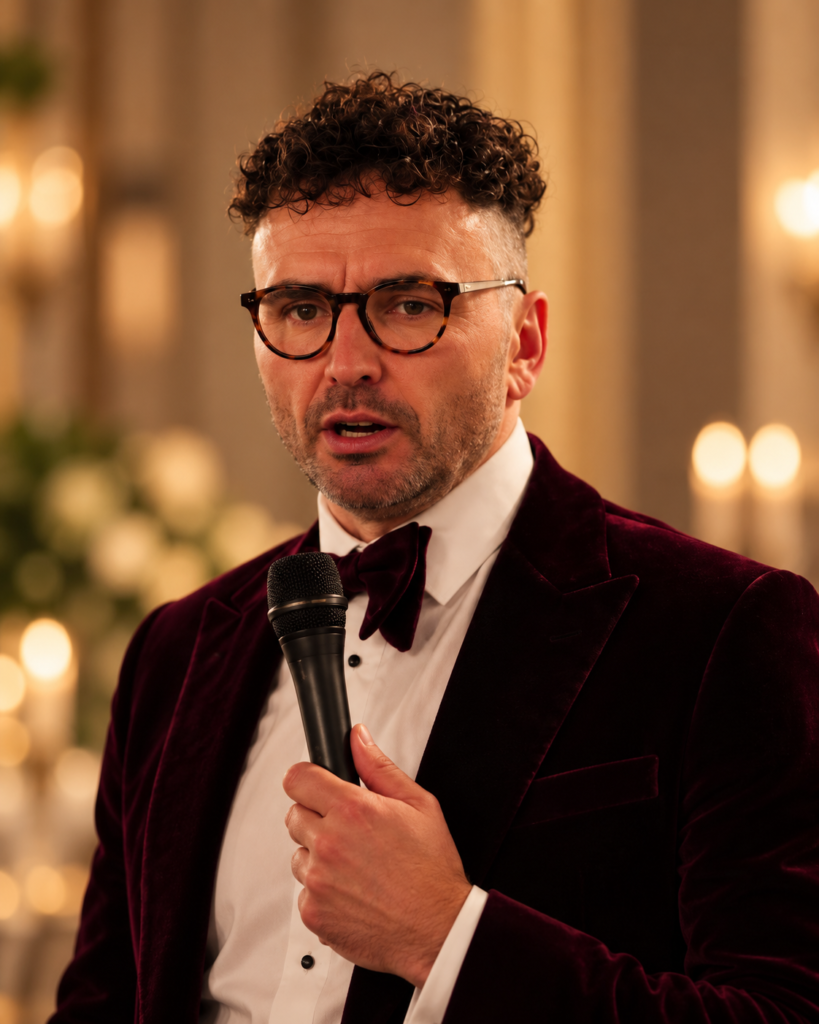
Stu Mendelson In this interview, Stu Mendelson discusses his upcoming single “We’re Still Here,” transforming military experiences into music, supporting veterans and their families, and uniting communities through creativity, recovery, and charity. 1. We’re Still Here carries a deeply personal message about the struggles veterans and their families continue to face long after military service ends. What inspired you to transform your own experiences into this particular song, and what do you hope listeners will take away from it? After last year’s experience of rewriting Do They Know It’s Christmas? into Do They Know It’s Muster Time?, I discovered just how much I enjoyed the writing and recording process. I started writing down my own experiences and feelings and turning them into lyrics. I found a creative side to myself that I didn’t really know existed, but more importantly, I found a way of telling my story. I know a lot of veterans have written books about their experiences in the military, but I’ve always struggled to find the words to explain mine. With songwriting, I found it easier. You can use metaphors, imagery and personification to express things that are sometimes incredibly difficult to put into words. Then you add music, and suddenly there’s another whole dimension to expressing those emotions. With We’re Still Here, I wanted to get across something I feel quite strongly about. Just because conflicts disappear from the front pages of newspapers doesn’t mean their consequences disappear with them. There are still veterans and their families living with the effects of those conflicts, sometimes decades later. I hope people listening to the song remember that. And for those who are struggling themselves, I hope it reminds them they’re not alone. 2. You wrote, composed, arranged, and independently funded the entire project, while also stepping outside your comfort zone to perform the lead vocals. What were the biggest creative and emotional challenges you faced during the recording process? Apart from the steep learning curve of music production, I’d say the biggest challenge was managing the whole project. I was determined to make sure the Military Wives Choirs singers and the veterans from Stevenage and Sunderland genuinely enjoyed the experience of being in a recording studio and creating something together. But at the same time, I was very conscious that we needed to come away with a finished recording we could actually use. Finding that balance between making it an enjoyable experience for everyone and getting the best possible result was something that really worried me. You also have to remember, I’m not a professional musician. I’ve been working on this song since January, constantly changing lyrics, changing the key, rearranging the structure and trying to get everything right. It’s been a real labor of love. The Military Wives Choirs singers were the final part we recorded and arguably one of the biggest elements of the entire song. That meant I had to wait until the end of September before I could finally hear everything come together. After nine months of working on something, hearing all those voices, the music and the arrangement finally come to life was an incredible experience. I genuinely think I was in tears within about ten seconds of hearing the finished version. It was the first time I could properly stand back, listen to what we’d created together and realize that all those months of hard work had actually paid off. 3. The single brings together veterans from The Muster Point and Veterans in Crisis Sunderland alongside singers from Military Wives Choirs. How did this remarkable collaboration come together, and what did having members of the Armed Forces community participate directly add to the song? From the beginning, I wanted this to involve the wider Armed Forces community and bring people together from different parts of the country. There’s often talk about a North–South divide in the UK, but that’s something you don’t really experience in the Armed Forces. When I was serving, I worked alongside people from the north, south, east and west of Britain, as well as places like Fiji and Nepal. Where you came from didn’t matter. We all wore the same uniform, did the same job and looked out for each other. I’ve had a good relationship with Ger Fowler, the founder of Veterans in Crisis Sunderland, for some time. He’s been supporting veterans a lot longer than I have, and he’s always been someone I can turn to for advice. Getting the veterans in Sunderland involved seemed like a natural choice, particularly as both our organizations have been chosen as mayoral charities in our respective towns and cities. It felt like another opportunity to strengthen that connection between the north and south. The singers from the Chicksands and Henlow Military Wives Choir are local to us, so approaching them felt equally natural. But I also wanted to recognise the families. I think when we talk about military service, the focus is often on the people who wear the uniform. But military service affects the whole family, and I don’t think that always gets the recognition it deserves. It’s not just about the difficult goodbyes or the worry about what might happen when someone deploys on operations. Family life doesn’t stop because someone has gone away. There are still children to raise, bills to pay, problems to solve and everyday struggles to deal with. Often, the person left at home has to face all of that single-handedly, and that takes an enormous amount of strength and courage. That’s why having Military Wives Choirs involved was so important. To me, we’re one Armed Forces community, whether you’re the person wearing the uniform or the person supporting them at home. Bringing those different voices together was about recognising that we’re all part of the same community, and that’s exactly what I wanted We’re Still Here to represent. 4. Your journey from serving as a Royal Engineer in Afghanistan to co-founding The Muster Point has involved extraordinary challenges and personal
Michele Bettencourt
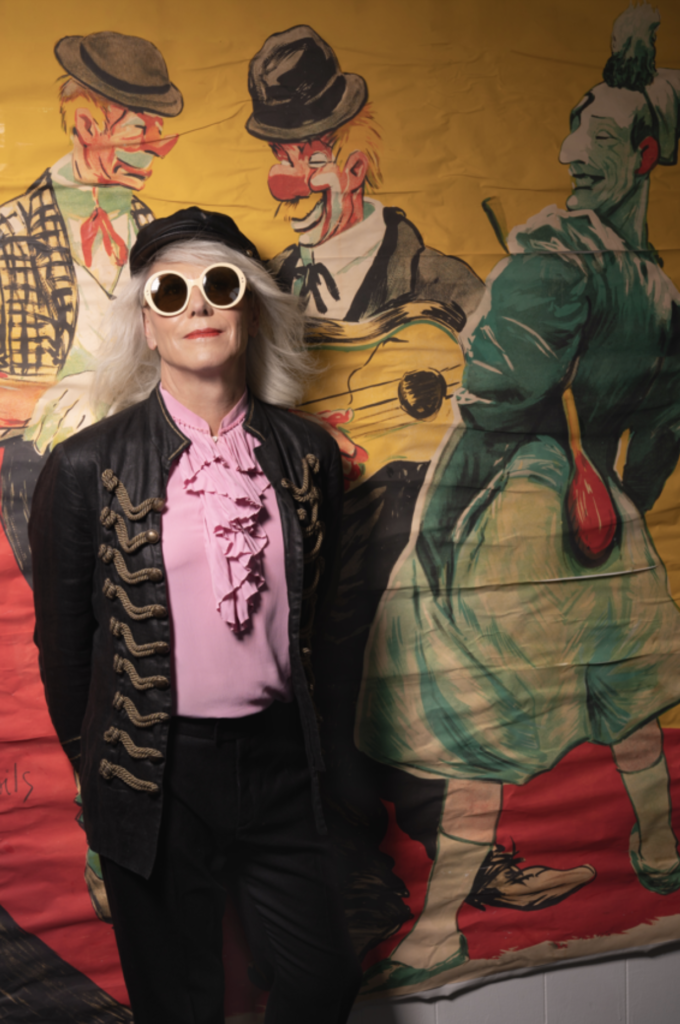
Michele Bettencourt Michele Bettencourt reflects on her journey from Silicon Valley to music, exploring social inequality, personal transformation, powerful collaborations, and using art to amplify marginalized voices. 1. Your journey has taken you from the executive offices of Silicon Valley to finding your own voice as a singer-songwriter. Looking back, how has that transformation influenced the stories you feel compelled to tell through music today? I was raised an only child in a lower middle class household in the 1960’s and saw how my parents struggled and saved and bought a house and lived on an income of $17,000 per year. Our life was blue collar. That experience was foundational. Forging my way through Silicon Valley was transformative in that things moved so quickly, and my career evolved in ways I could have never imagined. I met with Steve Jobs on two separate occasions. I was on private jets with billionaires and opened stock markets multiple times. I saw how money moved and how it was horded by those at the top. The juxtaposition of those two very different lives had a tremendous impact on me. It made the issue of income disparity and the inequities of tax policy crystal clear. Our songs Gilded Age, Jesus in a Red Hat, and Den of Thieves speak to these very issues. 2. Music surrounded you from an early age, with artists like Janis Joplin, Neil Young, and Crosby, Stills & Nash shaping your childhood. How have those early influences continued to inspire your songwriting and artistic identity? When we were writing the album Vampire Time, the question I kept asking myself was if Neil Young, and Crosby Stills and Nash, and Joni Mitchell and Joan Baez, and the like, were in their twenties now- what would they been writing? How would they be speaking their truth? The song “10,000 Flowers” is perhaps the closest we landed to emulating the smart story telling of the protest songs of the 1960’s. 3. Your documentary Beautiful Lie marked an important chapter in sharing your personal journey. What did the experience of making that film teach you about vulnerability, storytelling, and the power of being heard? We shot the film “Beautiful Lie” in 2017 through early 2018. Personally, I was an absolute mess and probably over-rotated by not holding a lot back. For the longest time, I was afraid that the raw and unfiltered version of me would be repulsive. I own the film outright and chose not to put the “Beautiful Lie” into distribution. Instead, I kept control of it and have shared it as an example of what a “a transition” looks like. I am often surprised at the response I get from parents and grandparents of transgender children who have thanked me “for the context” if gave them. The fact that I was as honest and vulnerable as I could be made all the difference. 4. Your album with Vampire Time brought together an extraordinary group of musicians, including Carmine Rojas, Steve Ferrone, and Mike Visceglia. What was the creative atmosphere like during those sessions, and what did those collaborations bring to your music? Every time I listen to the album, I am amazed at the quality of the musicianship and the production. For each of the songs, I showed up with lyrics and my thoughts on a melody. And then we’d get together as a band and work through the song. For example, with the song “Taking Out the Trash” I recorded a demo in my home studio. It started out with an audio loop of heavy boots marching through a city. I added audio clips of speeches from Hitler and Trump. And then the lyrics and basic melody came rather quickly. When recording at Flux Studio’s in New York City with Hendrik Hemlmer, Sari Greenberg, Everett Bradley, and Kerry Brown, we took a day and wrote and recorded the song together. I stayed in my lane with “strong opinions, loosely held.” Sari Greenberg had the brilliant idea of boot stomps in the studio- that we all did together. Kerry Brown had a drum set brought in and created the kick-snare beat that became the song’s backbone. Hendrik Hemler recorded the raw “slashing” guitar sound. Everett Bradley had smart vocal ideas that I followed and used. Each of us own an equal share of the song. It was a magical day. When we moved the recording to Studio City Sound, Carmine Rojas created a searing bass track while Russ McKinnon added to Kerry’s kick-snare beat. Everyone came to the table to made the song better. All the songs on the album have a similar collaboration story. 5. Your single “Gilded Age” reached number one on three charts. What does that achievement mean to you, particularly after everything you’ve experienced on the road to becoming the artist you are today? We wrote the album wanting the music to be evocative and impactful and only recorded what we loved. Several songs did not make the cut. Steve Ferrone played the drums on Gilded Age and told us afterwards that it would be a hit song, saying that he had the same feeling when recording “Ordinary World” with Duran Duran. This is heady stuff for someone who has such high regard for Tom Petty and the Heartbreakers. When Gilded Age hit #1 and stayed in that position for four weeks on the NRH Top 40 chart, it was clear validation that we did something noteworthy, that our loose rubric of “evocative and impactful” was on point. 6. You’re currently working on new music and co-producing a documentary addressing the dismissal of transgender military personnel. How do you see your music and filmmaking coming together as platforms for the stories and issues that matter most to you? In 2006 I founded a media company with Jerry Zucker (Airplane, The Naked Gun, Ghost, etc.) called National Banana. I was the founding CEO and Jerry was the founding Chief Creative Officer. We raised venture funding and I
Hellkern Warriors
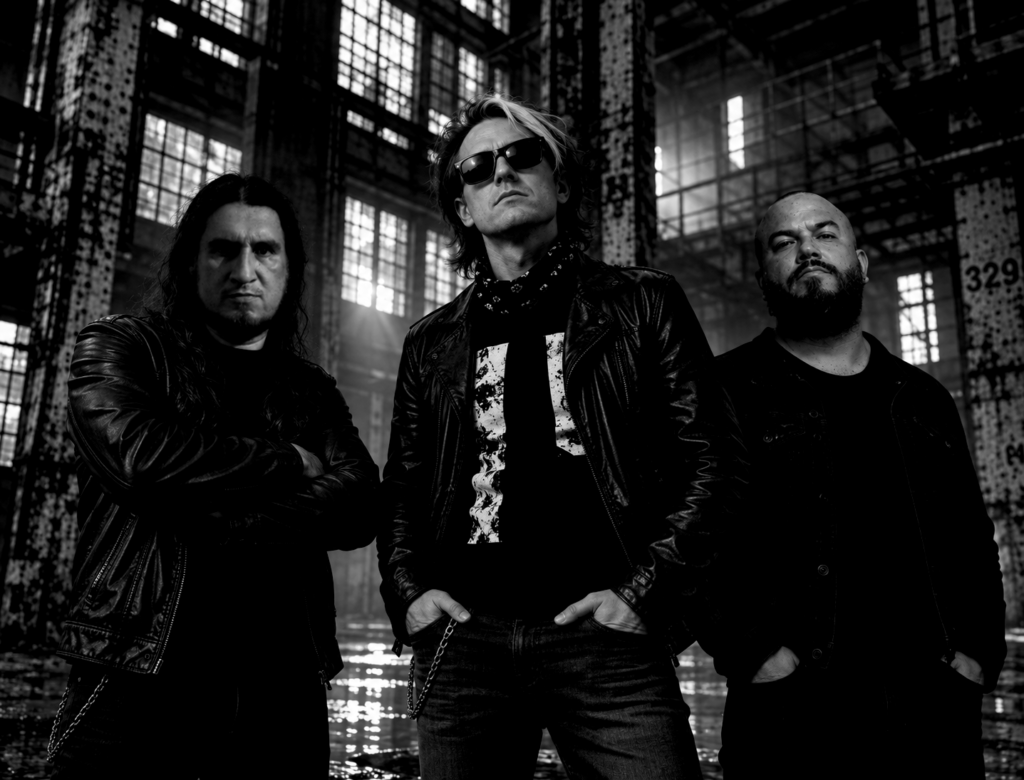
Hellkern Warriors Hellkern Warriors explore the dark sonic realms of Gothic Rock, Darkwave, and electronic music, discussing “Zone 329,” international collaborations, cinematic atmospheres, and their evolving musical universe. 1. “Zone 329” takes listeners into a hypnotic, nocturnal world where dark guitar textures, electronic pulses, and atmospheric synths merge. What inspired the concept of Zone 329, and how did you translate its mysterious atmosphere into music? “Zone 329” grew out of the idea of an underground club that exists somewhere between reality and another dimension. It is a place that comes alive between 3 AM and 9 AM — a world where time seems to lose its meaning and the outside world gradually fades away. What particularly fascinated me was the wordplay behind the title: 329 stands for “3 AM to 9 AM.” These two times became the starting point for a code of our own and, ultimately, the concept of Zone 329. The recurring chant, “Three! Two! Nine!”, functions like an access code, drawing the listener deeper and deeper into this mysterious world. For me, this time frame represents more than just a few hours on the clock. It describes a world in between, where the night has not quite ended and the morning has not fully begun. The boundaries between reality and imagination begin to blur. In this sense, “Zone 329” is also a metaphor for temporarily escaping everyday life — losing yourself in the rhythm, the lights, and the sound, and stepping into another world for a few hours. I wanted listeners to experience more than just a club track. I wanted them to feel as if they were entering another dimension. 2. The track evokes the hours between 3 AM and 9 AM, when reality seems to dissolve beneath the lights of an underground club. What does this particular setting represent to you, and how did you approach creating such a cinematic listening experience? These hours represent a strange transition between night and morning. At 3 AM, the world outside the club seems distant and almost unreal. Most people would normally be heading home at that time. By 9 AM, daylight returns, and the experience slowly draws to a close. I was fascinated by the idea of immersing the listener in this temporary world for longer than usual — a place where the ordinary rules seem to no longer apply. A special place, a special experience. We approached the track almost like a film scene. The accompanying music video on YouTube captures this idea quite well. The driving rhythm creates the movement of the club, while the synths and guitar textures shape its atmosphere. The spoken-style vocals in the verses give the song a mysterious, almost ritualistic quality and contribute to its hypnotic pulse. The arrangement also needed its own dramatic development. In the quieter bridge, the powerful drums recede while electronic sounds gradually build the tension. This moment gives the listener room to breathe before the driving rhythm returns, pulling them back into the intensity of the night and the club. 3. Your latest single features BloodyBite from Germany’s Radio Hazzard of Darkness, whose distinctive female vocals add another dimension to the song. How did this collaboration come about, and what did her voice bring to the track that you hadn’t imagined before? Hellkern Warriors had already been played several times by BloodyBite on Radio Hazzard of Darkness, so we were familiar with each other. At some point, she also sent me one of her own songs. When I heard her voice, I had the idea that adding female vocals could make “Zone 329” more interesting and give the track another dimension. I thought her voice would create an exciting contrast with the dark electronic sounds, the guitars, and my own spoken-style vocals. So I asked her whether she would be interested in contributing to “Zone 329.” Her vocal contribution adds something special to the atmosphere of the song. It expands its sonic world without changing its dark and hypnotic character. For me, much of the track’s appeal lies in the interplay between different vocal textures and the driving instrumental arrangement. This makes the world of “Zone 329” feel even more vivid and multifaceted. 4. With Mauricio Castro contributing synthesizers, drums, and production, Hellkern Warriors continue to develop their distinctive blend of Gothic Rock, Darkwave, and electronic music. How has his contribution influenced your sound, and what new possibilities has this collaboration opened up? When our former keyboard player, Dylan, decided to focus exclusively on his own projects, we had to look for a replacement. We tried various international platforms, but unfortunately, most of our efforts were unsuccessful. Mauricio initially offered to take over the synthesizers. However, he was already handling many responsibilities within the band, and I didn’t want to put even more on his shoulders. Eventually, he sat down at the synthesizers and immediately came up with a really cool sound. At that moment, I realized that he had an excellent feel for the music of Hellkern Warriors. Mauricio is not only our drummer and synthesizer player but also our producer. He understands how to combine the organic energy of the drums with the cooler, more mechanical sounds of the synthesizers. His versatility helps us develop our musical identity and explore new sonic possibilities. Another major advantage is that communication is now much more direct, and the collaboration works extremely well. Since we already work across international borders, sharing a common artistic vision is particularly important. With Mauricio, we have found someone who understands our music and has a genuine feel for where Hellkern Warriors can go next. 5. Your music has reached international audiences through radio airplay, music publications, and compilation appearances. How has this growing international recognition influenced your creative direction, and do you feel it has changed the way you approach your music as an independent project spanning Germany and Colombia? The international response has been very encouraging. Our music has received radio airplay in more than 14 countries, and
Goldie Luxe
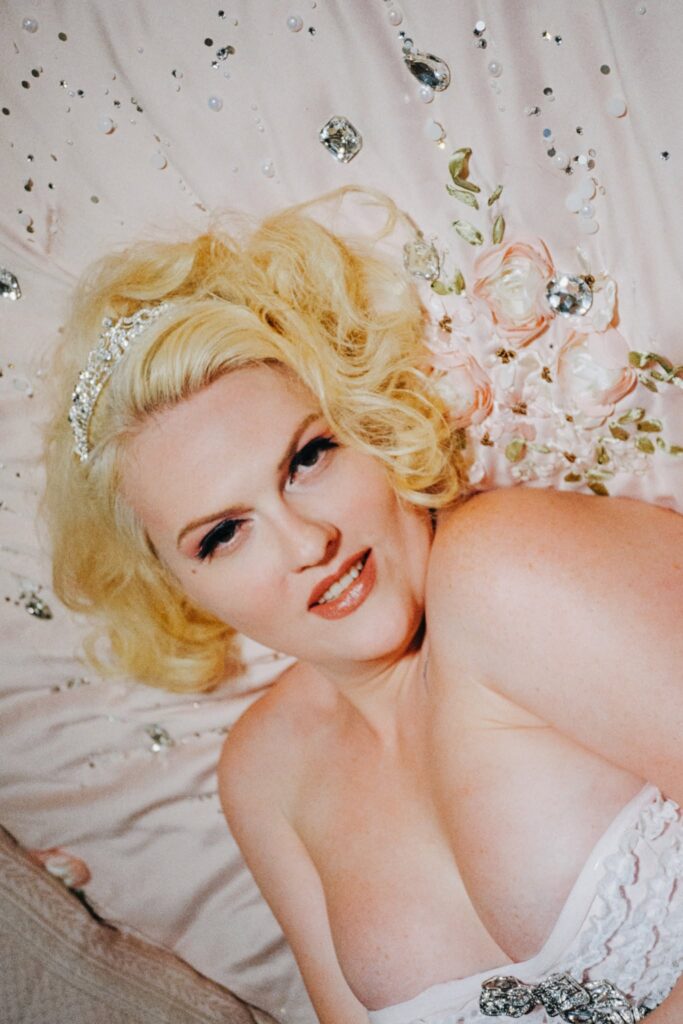
Goldie Luxe In this interview, Goldie Luxe discusses “Touch the Sky,” artistic self-discovery, burlesque, queer culture, and the empowering pop sounds shaping her upcoming second album, The Swan. 1. Your new single “Touch the Sky” was originally created for one of your burlesque performances. How did the song evolve from a stage routine into the empowering pop anthem we hear today? It was one of my first burlesque routines and I was quite nervous. I wrote the song almost as a mantra for myself. It was really meant to psych myself up, and say, “you’ve got this.” The song wasn’t really complete when I performed it the first few times. It had this big spot in the middle that was just an instrumental break. And I realized I needed to fill it and so that spoken word part was born. I ended up improving it in different ways each time I performed and I was really speaking directly to the audience in that moment. That’s when it shifted for me. I realized the song was more about empowering my audience more than empowering myself. It became less self-reflective, “you’ve got this” to “look I’m doing something scary that I’ve always wanted to try, don’t you want to do that too?” When I went back into the studio to record it. I reworked some of the lyrics and I tried turning that middle section into a sung bridge, but it just wasn’t as effective. So the theatrical spoken word section remained. 2. The story of the ugly duckling plays a central role in “Touch the Sky.” What does this transformation symbolize for you personally, and how does it reflect your journey as an artist? It’s funny it really all started thinking about swans in general. I was given the task of trying to embody an animal’s physicality by my burlesque coach and mentor Vixen DeVille. And I chose a swan. I just thought they were so elegant and have such mythos around them. And then from there it sort of rolled into me thinking about the story we all know so well. The outsider judged by the group they don’t fit in with, only to discover they’re so much more than what others thought. I resonated with it so strongly. Because at the end of the day it isn’t a story of transformation really. The ugly duckling was never a duck, it was cygnet, a swan. As an artist, I felt like I was constantly put into these boxes that just didn’t fit. I was too classically inclined. I liked too many differing genres. My voice was too masculine or too loud. I didn’t blend in. I fought all of it. And that push against those boxes really defined the early part of my career. My first album, The Debutante, was electronic genre anarchy in a lot of ways. And I think my greatest transformation is realizing I don’t need to push against others expectations, I just need to be myself and create the music that feels authentic to me. I’m sitting so much more comfortably in who I am as an artist and who I am as a person. 3. Your music brings together glamorous pop, electronic sounds, and theatrical elements. How have artists like Britney Spears and producers like Timbaland influenced your musical identity? I’m such a huge Britney fan. I grew up listing to her music. She was inescapable. Just a total pop tour-de-force. I loved those first 5 albums so much. They’re big, anthemic, and oh so catchy. I’ve been trying to be a student. What makes those hooks so irresistible? Look at the bridge of “Oops… I did it Again,” Is there anything more theatrical than those like 15 seconds. We have a clear sonic world showing she’s at a train station and this guy is giving her the diamond from Titanic. I mean it’s incredible. It’s kind of camp even. I mean what can you say? Genius. Lady Gaga is really the queen of theatricality though and she’s been a huge influence as well. I’m trying to learn from the pop juggernauts and what I listen to on repeat. They’re big, brash, and sparkly. Just like the music I’m making now. As for Timbaland what can be said? He’s a brilliant. I mean from all those incredible Missy collabs to the pop projects he did with Justin Timberlake. It’s so major. His use of samples is still so ground breaking even listing today. Like take “Pony” by Genuwine. The main beat had a skidding car in it. It’s incredible. The burp bass? It will have you in a chokehold in the first two bars! I’m a huge fan of Nelly Furtado’s album “Loose.” That really feels like peak Timbaland to me. He produced the majority of the tracks on the album. I just love how sexy those tracks are. “Do it”, “Maneater”, “Promiscuous”, “Say it Right” ? They’re all so good. Timbaland really shines when he weaves himself into the tracks. He really masters his layered percussive beat boxing that is sometimes doubled with synth drums and sometimes shines on its own. He is an instrument in his arsenal of production tools. Sometimes he’s making synth sound or his signature “eh, eh’” or rapping. Also there are these very theatrical world-building moments on this album that are these little interludes that are often in-studio back and forth between Timbaland and Furtado. It’s made a huge impact on me. World-building is so key to what I do. I’m really influenced by his out-of-the-box thinking, his unconventional sample choices, and his genre blending. He really created much of the sound of the 2000s and I just love that music. I grew up listening to it. It’s really been infused into my own music creation. Also, I’d be remiss not to give credit to Danja who produced or co-produced nearly all of Loose, and actually brings me back full circle to Britney. One of my favorite tracks
Elias Dream
Elias Dream Elias Dream blends pop, soft rock, and cinematic elements into heartfelt storytelling. In this interview, he discusses love, life experiences, Hammond organ, AI, and musical authenticity. 1. “Forever by Your Side” is built around themes of devotion, human connection, and emotional storytelling. What inspired the story behind the song, and what did you want listeners to feel when they reached the end of it? I think the older you get, the more you realize that love isn’t really about the big romantic moments. Those are wonderful, of course, but they’re not what keeps two people together. It’s the ordinary days. The difficult conversations. The times when things aren’t going well, but you still choose to stay. That’s really where “Forever by Your Side” came from. I’ve reached an age where I’ve seen quite a bit of life. I’ve made mistakes, I’ve hurt people, and there are things I wish I’d handled differently. I can’t change any of that. But I think those experiences have changed the way I look at love. When I wrote the song, I didn’t want to tell another perfect love story. I wanted to write about a promise that actually means something, even when life gets difficult. And if someone listens to it and thinks about the person who’s been there for them through everything, then I’ve achieved what I wanted. 2. Your music blends contemporary pop, soft rock, and cinematic elements rather than following a strictly defined genre. How do you decide which musical elements best serve the story you want to tell? I don’t really sit down and think, “Okay, today I’m going to write a pop song or a rock ballad.” Usually, I have a story in my head first. Sometimes it’s just a sentence or a situation that won’t leave me alone. Then I start thinking about how that story should sound. Some songs don’t need much. Just a piano, maybe a bit of Hammond organ, and a voice that sounds almost like someone talking to you. Other songs need to build slowly until everything comes together at the end. I actually like that contrast. Starting with something very simple and letting the music grow as the emotions become stronger. I also don’t mind mixing different styles. If a spoken passage tells the story better than singing, I’ll use it. If a guitar fits better than a piano, that’s fine too. I don’t think a song should have to fit into a particular box. 3. The Hammond organ is a particularly important part of “Forever by Your Side,” and you performed those parts yourself. What attracts you to the Hammond sound, and how does it contribute to the identity of Elias Dream? Oh, the Hammond! That’s a bit of a love story of its own. I started playing keyboards when I was young and even did a few small live performances back then. Music was always part of my life, although there were years when other things took priority. I’ve loved the sound of a Hammond organ for as long as I can remember. There’s something about it that I can’t quite explain. It can sound warm and gentle one moment, and then almost scream the next. And somehow, it never sounds cold or artificial to me. A while ago, I actually found an original Hammond organ in the classifieds and bought it for next to nothing. I couldn’t believe my luck. I still have it, but for my recordings I use a digital Hammond instrument. It’s simply much easier to work with when you’re producing music on a computer. What matters to me is that I can play those parts myself and put my own feeling into them. I think the Hammond has become part of the Elias Dream sound. Not because I planned it that way. I just love playing it. 4. You describe songwriting as storytelling first, with melodic vocals, atmospheric instrumentation, and sometimes spoken or rap-influenced passages. How do you approach the balance between lyrics, vocal delivery, and music when building a narrative? For me, the words have to mean something. I sometimes spend hours changing just one or two lines because they don’t sound like something a real person would actually say. And I really dislike lyrics that rhyme perfectly but don’t make any sense. I’ve written songs where a spoken passage feels much more powerful than a sung chorus. Sometimes a simple sentence, spoken almost quietly, can hit you harder than a whole orchestra. I try to imagine someone sitting across from me, telling me what happened to them. How would they speak? Where would they hesitate? Would they really use those words? That’s what I keep asking myself. The music should support that feeling, not get in the way of it. And sometimes that means taking instruments out instead of adding more. I think silence can be just as important as the notes you play. 5. Generative AI was used during the creation of some of the stems, but you then arranged, developed, performed, mixed, and mastered the track yourself. What was the creative process like, and how important was the hands-on work in shaping the final version? I don’t make a secret of using AI in my music. But I only use it when I genuinely feel it makes the music better. I was playing keyboards as a teenager, long before anyone was talking about artificial intelligence in music. And that love of making music myself has never gone away. Of course, today’s technology gives me possibilities I could only have dreamed of back then. But just because something is technically possible doesn’t mean it’s necessarily right for the song. I experiment a lot, throw ideas away, change arrangements, and play my Hammond parts myself. I also spend hours on mixing and mastering, sometimes fixing little things that probably nobody else would even notice. But I notice them, and if something bothers me, I have to go back and work on
Jay Putty

Jay Putty In this heartfelt interview, Jay Putty explores how friendship, heartbreak, grief, and lasting love shape identity, sharing deeply personal stories behind The People I Loved And Have Loved Me Back. 1. The People I Loved And Have Loved Me Back explores friendship, heartbreak, grief, obsession, and lasting love as different forms of connection. When did you realize these six songs belonged together as one project, and what did you want listeners to understand about the people who shape our lives? I was writing the song End With You at the time. And it just hit me. Once I saw it, I couldn’t unsee it. It’s actually seven songs now, because Lost In You fought its way onto the record. Every one of them is about someone who left fingerprints on who I became. They’re not villains, and it’s not one great love. It’s the whole cast: the friends who chose me first, the love that turned into obsession, the person I miss most in memory, the one whose actions finally told the truth, the person I’d want beside me at the end of the world, and the one I’m choosing, quietly, every single day. What I want people to understand is that none of us is self-made. We’re built out of the people who loved us and the people who didn’t know how. If you cry at epilogues, or “found family” is basically a personality trait, this album is that feeling told in parts. 2. “Wild Hearts” celebrates friendship and the feeling of being truly seen without having to change who you are. Was there a particular friendship or moment that inspired the song, and how has your understanding of belonging evolved over the years? Wild Hearts is for the friends who read every messy, unfinished draft of me and stayed anyway. For me that’s Rosewood, my friend group that’s more like family. I was the weird kid, constantly told I was too much. For a long time I thought I had to edit myself down to be loved, and to be the funniest or easiest person in the room just to keep people around. Belonging used to mean performing. Now I think everyone is a little weird, and all of us just want to be loved for it, not despite it. That’s what Wild Hearts is: the people who looked at the real, unedited version of me and chose it anyway. 3. On “Worship,” you explore the point where passion can become obsession and another person can almost become an ideal rather than a human being. What did writing that song teach you about the difference between deep love and losing yourself in someone? Worship is my unhinged, devotional, slightly-too-far love song. It’s the kind where wanting someone stops being cute and starts being a religion. You’d hand over your body, your mind, your whole self and call it an offering instead of a warning sign. Deep love sees the person, flaws and all, while worship only sees the version you built a shrine to. Love lets them be human. Worship needs them to stay perfect. 4. “Memory Lane” reflects on how ordinary moments can become precious only after they’re gone. Is there a particular memory, person, or moment from your own life that you found yourself returning to while writing the song? Memory Lane is about the moments you don’t know are precious until they’re gone: the last laugh, the last ordinary Tuesday, the last time you heard someone’s voice and didn’t think to save it. Life never gives you a chapter break before the ending. I used to FaceTime my dad, and he’d pick up in the middle of laughing at one of my mom’s jokes, like it was the first time he’d ever heard her be funny. I never thought to save those calls. Nostalgia hurts because it’s love with nowhere left to go, but there’s still beauty in visiting it. 5. Your previous project, The Compass, focused heavily on surviving profound loss and finding hope again, while this new project looks at the people who helped shape the person you became afterward. How do you feel your songwriting and your perspective on life have changed between those two projects? The Compass came out of survival. In 2022 I lost my dad and my friend Brendan, and I was battling a drinking problem because I had no way of processing my grief. I wrote Way Back Home in that place. Its chorus is about still searching for purpose, worn down to the bone, and finding my something out of the nothing. I felt like I had to live for them, and not mope in grief but find a way to carry them with me. As I kept writing, I started inching away from grief and death. That wasn’t because I was over it. I wanted to explore how those feelings changed the way I love, both romantically and platonically, and how I carry people’s memories. The Compass was me finding my way back. This record is me looking around at who was there when I got home. 6. The project ultimately asks, “Who made you who you are?” If you had to choose one person from your own life who left an especially lasting fingerprint on the artist and person you are today, who would it be—and what did they teach you? My dad, Robin. He walked into the bookstore where my mom worked, stopped dead in his tracks, and told her she was the most beautiful woman in the world. She said thanks, but she was engaged. Without missing a beat he said, “That’s okay, I can respect that. But you don’t know it yet, we’re meant to be together.” He came back every day that week looking for a “book.” Six months later they were married, and for almost 40 years he never treated her as anything less than the world he’d been waiting for. His advice to me was simple:
Usein Bekirov
Usein Bekirov In this interview, Usein Bekirov discusses Dedication, a deeply personal album honoring his father’s legacy through jazz, fusion, Crimean Tatar traditions, and the emotional journey of grief and gratitude. 1. “Dedication” was born from the loss of your father, Riza Bekirov, who was also your first musical influence. How did his memory shape the writing and emotional direction of this album? My father played an enormous role in my life and in the musician I became. He was the one who introduced me to music, and he shaped my relationship with it in many ways. After he passed away, I wanted to express things that are difficult to put into words. That is how “Dedication” came into being. My father was not only my first teacher, but also a renowned musician who left a significant mark on the history of Crimean Tatar music. He was one of the founders of Sato, one of the first ensembles to bring Crimean Tatar folk music together with jazz. So, while working on “Dedication”, I was thinking not only about our relationship and personal memories, but also about the musical legacy he left behind. In a way, this album gave me the opportunity to continue a conversation with my father—this time in my own language, through my own music. I did not set out to make an album about death. Rather, it was an attempt to preserve my connection with my father, with what he gave me, and with the memories that remain with me. Music became a way to process this loss and, at the same time, to thank him. Each composition reflects a particular state of mind, memory, or feeling, but at the heart of it all are love and gratitude. 2. Your music brings Crimean Tatar and Ukrainian musical traditions into dialogue with contemporary jazz, funk, fusion and classical influences. How do you approach balancing heritage with your desire to explore new musical territory? For me, this is a very personal story because it all began with my family. My father, Riza Bekirov, was one of the founders and members of the Sato ensemble. I grew up listening to this music, and I was probably absorbing ideas that would later become part of my own musical language without even realizing it at the time. So, turning to Crimean Tatar traditions is not simply an artistic choice for me. It is a connection to my roots, my father, and the history of my people. At the same time, I never wanted to limit myself to a single genre. I have been influenced by classical music, different schools of jazz, fusion, funk, and contemporary improvised music. I have always been interested in experimenting and searching for something new. I believe a true legacy should not simply be copied—it should be developed further. My father and the musicians of Sato took a very important step in their time by bringing different musical worlds together. That approach resonates with me. I also want to explore new forms and sounds while preserving my connection to our culture. It is important to me that all these influences become a natural part of my music, rather than just a collection of different elements. 3. Rather than simply incorporating folk elements into jazz, you allow your cultural heritage to influence the architecture of the compositions themselves. What does that approach mean to you as a Crimean Tatar and Ukrainian artist? For me, there is a big difference between using folk music as raw material and feeling it from within. Crimean Tatar music is part of my personal history, my childhood, and my family. I cannot see it simply as a collection of melodies or rhythms that can be added to a jazz composition. When I work with folk traditions, I want to understand what lies inside the music: how the melody develops, how the rhythm feels, and what emotions are carried by its phrasing. Sometimes these very qualities shape the entire composition—its development, harmony, the interaction between instruments, and the character of the improvisation. My father’s example is especially important to me here. He was one of the musicians who began exploring this path long before combining ethnic music and jazz became widespread. In Sato, Crimean Tatar folk music was not merely decoration for a jazz sound. It became the foundation for a new musical language. I would like to continue that line of exploration while speaking in my own voice. My musical identity was also shaped in Ukraine. I received my classical education there, and it is where I live and work. Crimean Tatar and Ukrainian cultures do not contradict one another for me; both are part of my life and inner world. I do not set out to combine these traditions deliberately. They already exist within me. What matters is finding a musical language through which I can express myself while remaining connected to my roots. If my music helps listeners discover Crimean Tatar culture, that is especially meaningful to me. 4. “Dedication” features an extraordinary international lineup, including Vinnie Colaiuta, Chris Dave, Hadrien Feraud, Keyon Harrold and Randy Jackson. What was it like bringing these musicians into such a personal and intimate project? It was important to me that every musician bring something of their own to the album. I did not want everyone simply to play the parts I had written. I wanted to hear how different personalities and musical approaches would bring my compositions to life. Working with musicians of this caliber is an extraordinary experience. Each has a distinct style, sound, and understanding of music. When musicians like these become part of the process, a composition begins to live in a new way. Sometimes the result is quite different from what you originally imagined, and that is precisely what makes collaboration so valuable. With “Dedication”, however, the experience also carried a deeply personal meaning. The album is dedicated to my father, so it was much more than a professional collaboration
Christian Finger
Christian Finger Christian Finger’s Zeit Zirkel explores grief, resilience, and the passage of time through emotionally rich compositions, expressive improvisation, and a remarkable jazz quintet, blending European influences with New York’s creative energy. 1. Your new album Zeit Zirkel explores the resilience of the human spirit in the face of death, grief, and loss. What personal experiences or reflections inspired this deeply emotional concept, and how did you translate those feelings into music? I have experienced several profound losses since childhood, the most recent being my mother’s passing three years ago (“Gentle Garden” is dedicated to her). When I compose, I try to connect with a part of myself that might be called the soul, an inner realm that changes over time, as well as with a field of all kinds of feelings. 2. The album features 13 original compositions that move between darkness, hope, and inner peace. How did you approach the creative process to ensure that these contrasting emotions formed a coherent musical journey? These compositions are the result of years of composing, revisiting, rewriting, and recording some of them for other projects. When the time came to make Zeit Zirkel and the concept became clear to me, I was able to choose from this collection of pieces. Because of the process I described above, the compositions have different styles, atmospheres and grooves, but they are all connected by the same thread. I also thought a lot about who would play certain parts and which musician would take a solo where. 3. You assembled an exceptional quintet featuring Ralph Alessi, Ben Monder, Vadim Neselovskyi, and Adam Armstrong. How did each musician’s individual personality influence the arrangements, improvisations, and overall direction of Zeit Zirkel? I’m pleased to hear that you think so highly of the quintet. It was very special to assemble this band, and I’m very grateful for the guys’ amazing contributions. When choosing them, I knew they would understand the music quickly and enhance it so much with their fantastic imagination and musicianship. The arrangements were pretty much set in stone, but I left the improvisational parts wide open for them to fly and just play. It’s amazing what happened, as you can hear on the album. Zeit Zirkel de Christian Finger 4. Tracks such as “Fifteen PM,” “Five Secrets I,” and “Gentle Garden” reveal very different musical atmospheres, from explosive energy to intimate reflection. How do you balance composition and spontaneous improvisation while allowing each piece to develop its own identity? Thanks for noticing. Those tracks do create very different atmospheres. They reflect different approaches to composition, as I’m influenced by a wide array of styles. For example, “Fifteen PM” grew out of experimenting with overlapping time signatures to create a powerful energy. “Five Secrets I” came from working with classical motifs and then giving them to Ralph, Ben, Vadim, and Adam to develop further, while “Gentle Garden” is a very intimate portrait of my mum. All these tracks are held together by a search for wisdom and inner peace.I try to give each piece a strong identity through the composition while leaving enough space for the musicians to make it their own. 5. Having grown up in Germany and spent more than two decades immersed in New York’s creative music scene, how have these different cultural and musical environments shaped your identity as both a drummer and a composer? I’m grateful to have been immersed in these two very different cultures, and this comes through in my drumming and writing. My European sensibility—with influences from ECM, classical music, and contemporary music—combined with my knowledge of the many facets of the American jazz tradition makes the music rich, diverse, and colorful. And then the music tells you which way to go: whether to mix things up or stay in one lane. 6. The album closes with two brief drum-centered pieces, “Time Flows For You” and “Time Flows For Us.” What significance do these compositions hold within the album’s broader exploration of time, and what do you ultimately hope listeners will take away from Zeit Zirkel? I wanted to play alone to create a contrast with the album’s very composition-driven pieces. I wanted to reflect spontaneously on what had just happened—the recording of 11 tracks in only four and a half hours—and simply rejoice and flow. When I listened back to the solos, I heard them as a goodbye to the listener, played on my instrument. On previous albums, I would solo more over the form of a piece or a vamp. This time, it’s just me, reflecting on the inner realm, the passage of time, and how it shapes our journey through life. Besides that, I was strongly influenced by Tony Williams and wanted to capture his flow. I hope listeners find something of themselves in the album, that it resonates with them emotionally, and that they enjoy listening to it. Christian Finger
Molland, Solem & Miller’s
Molland, Solem & Miller’s In this interview, Phil Solem and Jeff Miller discuss Molland, Solem & Miller’s heartfelt Chuck Berry tribute album, celebrating rock and roll’s legacy while honoring their late friend Joey Molland. 1. The idea for this Chuck Berry tribute began around 15 years ago, growing out of your friendship and musical chemistry in Minneapolis. Do you remember the moment when you realized this collaboration could become something special? Jeff Miller: From my first meeting with Joey, and years later meeting Phil when the two of them were asked to perform their hits as a duo at a music store party in Minneapolis, I could see the great chemistry between us. I recommended we take this combination out on the road as The Driftbenders, with myself as the opening act, booking agent, road manager, and driver! The friendship and vibe just grew from those days. We realized we had a lot in common, and the biggest connection for all three of us was Chuck Berry. This project became a labor of love that we wanted to accomplish together, not as a solo effort. Phil Solem: We weren’t particularly aware that Chuck’s centennial birthday was something to aim for. It was just a dream idea Joey had mentioned over the years. Turns out Joe and Jeff had been talking about it even longer, so when I came into the picture, it started getting more serious. Joey had asked me to produce something for him, and when we’d go out for strolls, he became more focused on the idea that this was what we should work on. What makes it special now is the birthday factor and the unfortunate fact that Joey isn’t with us anymore. So it became a kind of double tribute, as Jeff and I felt we had to bring this music to listeners’ attention. Thanks to Hygh Tension Records, we made that happen. 2. Chuck Berry’s influence on rock and roll is immeasurable. What is it about his songwriting, guitar playing, and musical personality that continues to inspire you, even after decades in the music industry? Phil Solem: What isn’t? He created the defining style of his generation, and fortunately, it’s timeless music that can be interpreted in almost every other style. His lyrics are poetic, maybe street poetry, but they have a depth that’s almost visual. Jeff Miller: All three of us grew up listening to and playing Chuck Berry. Sure, there were other influences, but most of those were influenced by Chuck anyway! I was personally fascinated by Chuck’s songwriting and the way he delivered his lyrics in that syncopated, rhythmic style that only he could pull off. It took all these years to get that right on this record. Joey was especially into Chuck’s guitar work and literally played some of the intros and solos note for note on this record. All three of us were still being inspired as we made the album. We’d played this music all our lives, and this was our chance to pay homage to a true rock and roll hero. 3. Your version of “Johnny B. Goode” features Joey Molland on lead vocals. What made this song the right choice for the first single, and how did you approach bringing your own identity to such an iconic rock and roll classic? Phil Solem: We left it to the record company to pick the singles. I think they made the right choice, as “Johnny” is probably the world’s most recognizable rock and roll song of all time. Joey sings it with passion, and he arranged it differently from the original. He wanted space between every phrase so the audience could absorb the lyrics. I think it helps tell the story at a pace where you can find yourself forming mental images of each line in the song. It’s a bit dreamier, to me. Jeff Miller: “Johnny B. Goode” was a song Joey had very much made his own. Badfinger used to play it as an encore, and Joey would always say that you have to have your own take on the song rather than just covering it in a standard fashion. Joey melded a bridge from another Chuck Berry song, “Bye Bye Johnny,” into “Johnny B. Goode,” masterfully connecting the two. I’m proud to say I’ve never heard anyone do this song the way Joey did on this record. We thought it would make a great single because it gives listeners a real flavor of what the entire album is about. 4. Joey Molland’s passing in 2025 gives this 12-song tribute album an especially personal significance. How does it feel to share these recordings with the world, knowing they preserve some of Joey’s final musical performances? Jeff Miller: It’s very gratifying knowing that we completed all 12 tracks together. We would have released the album almost two years ago, but with Joey’s passing, Phil and I were very sad and felt it wasn’t appropriate to release the record while we were mourning the loss of our dear friend and musical compatriot. We waited, and thanks to Hygh Tension Records, a newer record label in Minneapolis that knew we had this album finished and waiting for the right time, everything came together around Chuck’s 100th birthday. It gave us an opportunity to celebrate both Chuck and Joey with this record. All the tracks are great, but I happen to think Joey’s performances on “Let It Rock” and “Memphis” are outstanding. There’s also a bittersweet aspect to releasing this album. We had so much fun recording it, and we certainly would have loved to have Joey here to promote it and enjoy the release with us. Phil Solem: It’s an honor to share this stuff that we had so much fun making. We weren’t trying to be all “pro” about it. It was a labor-of-love kind of thing, and we really cut loose while tracking it. I hope that vibe comes through when people hear it. Joey has always