
Vella
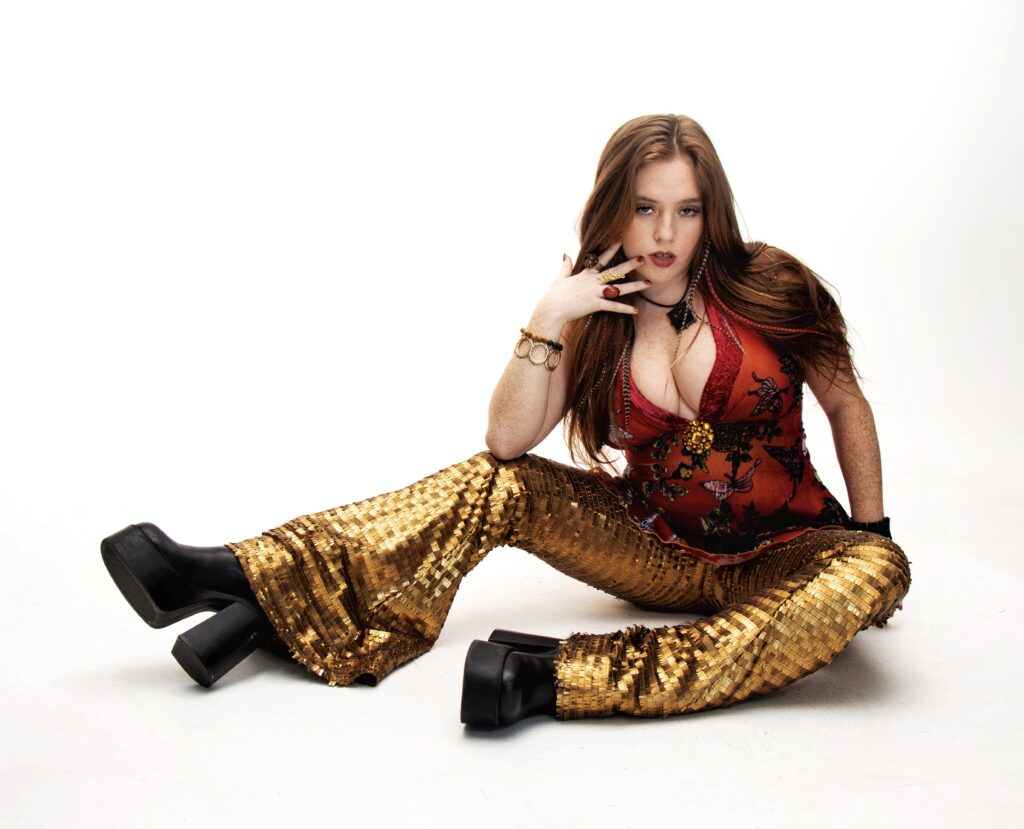
Vella Vella opens up about “Dance Without You,” a track born from heartbreak and self-growth, blending vulnerability and empowerment while marking an exciting new chapter in her evolving artistic journey. 1. “Dance Without You” feels like both a breakup anthem and a personal rebirth—can you take us back to the moment or realization that inspired the song? I was in a situationship with someone that didn’t appreciate my time, and I ended it even though I had such a fun time with this person. It’s a shame you have to make hard decisions like that but at the end of the day you have to keep your peace and dance your butt off while doing so!! 2. The track blends vulnerability with empowerment, especially in lines about emotional exhaustion—how did you balance telling a painful story while still making it feel uplifting? I feel like it’s second nature to me when I want to write something that is a mixture of vulnerability and empowerment because I go through those feelings every day, it comes natural to me to be vulnerable, real and empowering. So, writing songs about a situation that was hard to deal with really was a weight off my shoulders to talk about it. 3. You collaborated with major songwriters like Carl Ryden, Will Simms, and Sadie Rose Van—what did each of them bring to the creative process, and how did they help shape the final sound? We all work so well together!!! It’s like a breath of fresh air. We collab on everything. When it comes to the lyrics, to the melody, the track and how it’s supposed to feel. I feel like I get my best stuff when I collab with people that get my sound and just want to have a fun time writing a cool song. So that really helped with the making of this song. 4. The song interpolates Cassius’ “Feeling For You”—what drew you to that classic track, and how did you reimagine it to fit your own story? Gwen McRae!!! She is an icon and one of my inspirations vocally. I grew up with her music so when I found out Cassius did a version of her song I was like “I wanna give it a go!! But make it Vellified” the line “my feelings for you has always been real” really resonate what I was feeling in the situation I was in. It really puts you in the feeling where I was vulnerable and honest with this person about my feelings and putting all my cards on the table. 5. Your music often reflects themes of self-love and personal growth—how has your own journey influenced the message behind “Dance Without You”? Every day I’m growing mentally. So, it’s really nice to put out my personal diary on what I’m feeling in a situation that comes at me and talk about it with you all. It’s therapeutic to me so in a way my fans really help my growth into putting my feelings out there and hoping they relate to it as well! I’ve come a long way mentally and want to show you guys myself and who I am as a person! 6. With your growing global presence and upcoming performances, how do you see this single representing the next chapter of your artistic evolution? I just want this song to feel universal so that EVERYONE vibes to it. To really tell everyone that I’m here to stay doing what I love to do and make more music for me and to everyone out there that wants to have a listen 😉 Vella
Marcus Christ
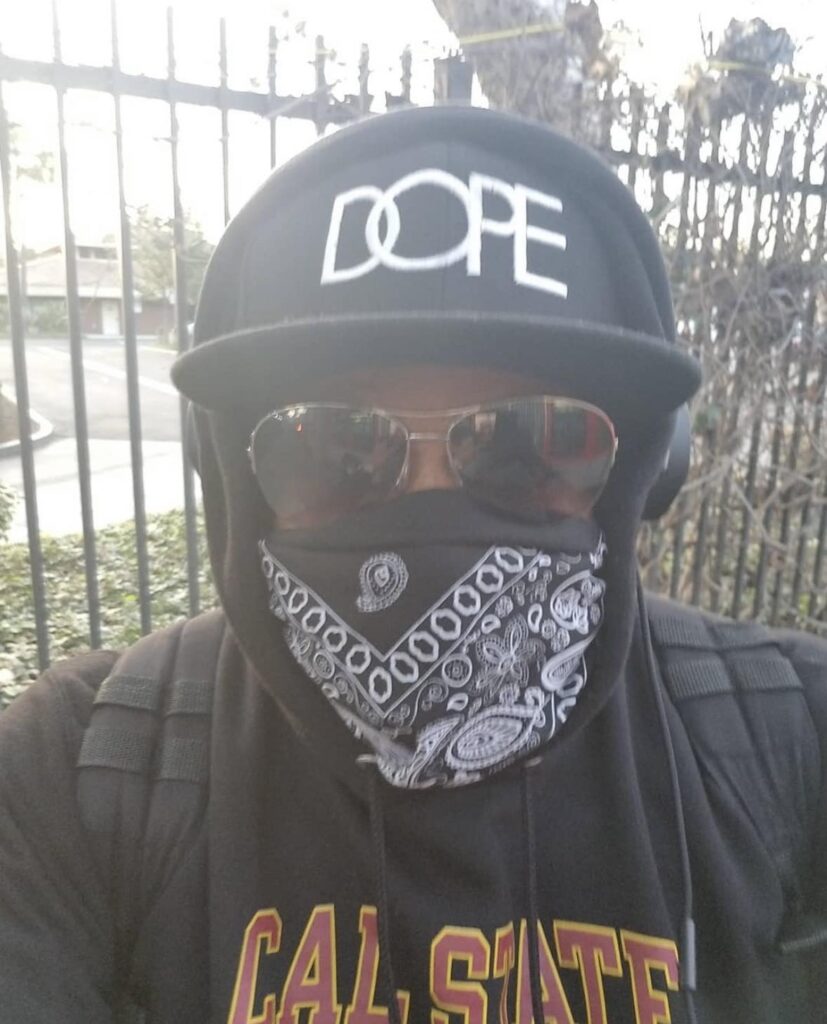
Marcus Christ In this interview, Marcus Christ opens up about his bold new single “Fuck What You Say,” exploring respect, ambition, creative growth, and the relentless drive shaping his evolving artistry. 1. Your new single “Fuck What You Say” highlights a strong philosophy about seeking respect over love—can you dive deeper into that mindset and how it reflects your personal journey as an artist?Sure! Starting off in my career I wanted to people to resonate with my message. Now these decades later I don’t care if they like my style, lyrics, production, or quality. I just want them to respect the message (If they can understand it). Some listeners of that song in particular, don’t understand the message. They hear love me like a stranger and lose comprehension of what I’m saying. All I’m saying in a nutshell is I’m tired of being Mr. Nice Guy. I’m turning up the volume a bit. Love is love. If you love humans, and the world we live in you, then should be able to love a stranger, gangsta, or baby Jesus in a manger too. 2. There are clear nods to Jay-Z in your lyrics—what does his influence mean to you, and how do you balance inspiration with carving out your own identity?I think Jay-Z has proven himself in the music industry as a person with many different hats. I respect that. That is something I can look up to or even strive to compete with. Aim high, miss high. If I imitate Jay I may fall short but I’ll still be A-tier. If I shoot for trying to out rap or perform Pookie on the corner I may end up next to him singing my should’ve, could’ve, and would’ve’s. As much as I admire and respect Jay-Z if he or anyone else ever came for me lyrically, I would have to put up a good fight. Jay definitely inspired some verses, but the song and album was inspired by personal situation. All I was doing in the song “Fuck What You Say” was saying that if Jay-Z is a legend my turn is coming up soon. 3. The track came out of an intense marathon session where you recorded 13 songs in just 6 hours—how did that high-pressure environment shape the energy and authenticity of this particular song?Well it was my first time working with Georgii at The Room Studios on Melrose. I had a lot of material and I was worried we wouldn’t be focused enough to record a majority of it. I set a strict schedule of 2 songs an hour and even with the short breaks and distractions we were able to meet that standard. I had to take off my rapper hat and put on my record company business owner hat. Then go back to being a rapper to churn out some hits. Georgii was really something special because he could mix as I recorded. So our 6 hour window felt like 3 or 4 hours because we were grinding. All my lyrics were written so it was just the matter of pulling off a believable delivery. We kept most of the tracks and the ones I didn’t like were re-recorded at Paramount Recording Studios in Hollywood the next day. I think this song was the 3rd or 4th song we recorded so I still had a lot of physical energy, but after the 6-hour session it seemed that Georgii and I were both ready to get outta there. I think the quick pace in the studio lends to my crafting my skills with the pen. 4. You’ve mentioned working with producer Morte Beatz and engineer Gerogii—how did these collaborations elevate your sound compared to your earlier, more DIY recordings? Georgii was able to mix the songs better than I could with my music program at home which used to be called Sony “Acid”. Also the studio provided A-tier equipment so you can hear an immediate difference. Morte Beatz has a unique and almost classical sound. When you have a powerful beat and mid to upper-level engineer it makes all the difference. I can’t blame my poor sales or quality of the songs on my cellphone mic or house made beats anymore. So not only did my sound improve, but I had to take more responsibility for my failures and successes. 5. Recording at The Room Studio in Hollywood marks a step forward in production quality—how important was this moment in your evolution from recording on a cellphone to a professional studio setting?Well most studios I go to are in garages or someone ls house. Going to an actual studio with my own space was comforting, but it was also a job. While it was a significant financial investment I feel it worth it to my fans and myself to see what a fully developed concept looks like done right. My older albums on my YouTube playlist like The Repsonce, The Get Back, and No Doubt were all recorded using Pro Tools but in a neighborhood or garage band setting. Even the Whittier California album was recorded in a garage, and when you go from garage to garage the quality can and most of the time does change based on the equipment and mix. Being in two professional studios gave me a chance to make the songs more uniformed after mastering. I personally feel that this new album “The American Pharaoh” will be my best work. Not only will it be the best because I went to a professional studio, but because I’ve tightened my pen skills and I’ve learned from all or most of my mistakes. 6. You’ve shared a unique vision for future performances, including the idea of hologram shows—how do you see innovation and creativity shaping the way audiences experience your music moving forward?Yea, the hologram show would be the best move I could make. I hate seeing groups from the 1950’s or 1960’s getting up barely able to walk, but be expected
Amy Vee
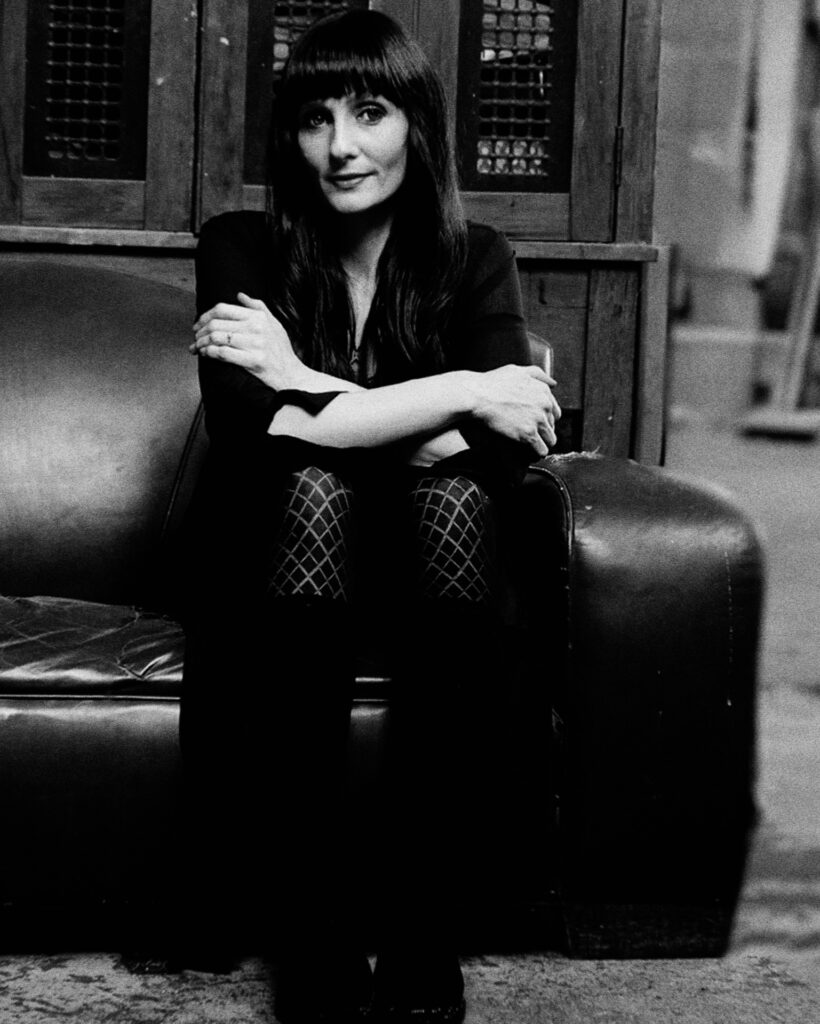
Amy Vee In this interview, Amy Vee opens up about the raw honesty behind “Better Still,” discussing instinctive songwriting, personal chaos, and the evolving balance between creativity, life, and emotion. 1. “Better Still” feels raw and unfiltered—what pushed you to fully embrace that stream-of-consciousness writing style for this track? Over time I’ve come to think of songwriting as essentially a search for truth. I always feel like I’m doing my best work when I follow my instincts and write from somewhere real and human. It means having to embrace my own flaws and failings, but I think that’s what I like most about it. That was definitely the case with this song… it spilled out onto the page in an unfiltered way and I decided I wasn’t going to edit it. The lyrics are almost exactly as I first scrawled them one night in the throes of physical and mental exhaustion. 2. You describe the song as a reflection of your “daily chaos”—how do you personally navigate balancing music, motherhood, and research? Honestly, often with great difficulty! But typically, just one day at a time. From the outside, it probably looks like I’ve got it together because my life is so full, but every day is completely different and sometimes I manage things really well and sometimes I want to collapse in a heap. I fully recognise my privilege … I get to work in areas I’m passionate about, and I have a beautiful family who love and support me. I know people in my cohort who’ve fallen away from music because it wasn’t sustainable (which is a systemic and cultural issue). I think I’ve just been delusional enough to keep going. But I honestly can’t imagine doing anything else. All of my roles are challenging, but I love them equally. 3. Compared to “Blood in the Water,” how does “Better Still” represent an evolution in your songwriting and sound? Even though they sound quite different, “Blood in the Water” and “Better Still” are, to me, sister songs. I recorded them around the same time and had them mastered together. Both are deeply confessional and deal with heavy themes from my own life that I believe share universal human experiences at their heart. “BITW” addresses the power and impact of secrecy and information gatekeeping, while “Better Still” reflects on prioritising others’ needs above your own and how that can cumulatively lead to an implosion. In terms of production, my co-producer and I have been leaning into the blend of earthy, acoustic sounds like guitars, piano, and other stringed instruments with cultivated rhythmic elements and orchestral samples to create a sort of cinematic feel, but also something that feels close, personal and raw. It was really important to me that these songs could be taken out on the road and played in various formats, but especially solo. So we keep things quite minimal and live-sounding. 4. You’ve performed the song live already—what kind of reactions have stood out most from audiences so far? I first played the song a few months ago while opening for Katie Noonan on a few of her regional tour dates. I distinctly remember an audience member approaching me afterward who said she really related to the song and recited some of the lyrics back to me. That’s when I knew it was resonating. The same thing continued to happen when I played it live so I knew I wanted to release it independently as a single. We recently played it for the first time as a band on the first night of my co-headline Australian tour with Anna Weatherup and it was really well received. Looking forward to giving it some more air throughout the year. 5. Your collaboration with Gareth Hudson has been long-standing—what makes this creative partnership work so well? I always like to work quite collaboratively in the studio. I usually come in with a vision for where the song or songs are headed. I’ll often work up demos at home and I usually have the songs fully constructed before I get to the studio. I’ve worked with many producers but what I love about Gareth’s approach is that he listens first, then creates. He’s always focused on creating something I feel fully connected with as the artist. While he is an absolute multi-instrumental and creative wizard, he never tries to put his own stamp on anything. I love his workspace too – he has some great instruments and tools at his disposal and he’s happy for me to tinker. I always feel at home there and able to engage fully with the work. 6. With a new album on the horizon, what themes or directions can fans expect from your upcoming release? I definitely feel like I’m entering a new chapter in both life and music-making. I want to make something that’s authentic and unfiltered. Music has always been about connection for me, and I just want to make something that reminds people of their own humanity. And I want it to be something that translates in a live environment because that’s where I think the real music fans will start congregating, away from the grip of AI. Amy Vee | Music
Emily Dimes

Emily Dimes An honest and introspective conversation with Emily Dimes, exploring identity, vulnerability, and growth, as she unpacks the emotions, influences, and creative vision behind her deeply personal debut EP STAYbilise. 1. Your debut EP STAYbilise explores feelings of uncertainty, identity, and emotional vulnerability. What personal experiences inspired the themes behind this project?These topics are questions that have been coming up a lot as I’ve been going through my 20s and figuring out who I am and why I want to give the world. Especially stepping out of school, where there was so much structure but so little freedom, I had a lot of thoughts on feeling confined and not being able to explore certain parts of myself. More than anything else, this EP is a very honest reflection on growing up and beginning to move past the pressure of who you feel the world wants you to be, and instead moving into an existence that I really want for myself. 2. The title track Stay captures the moment of inner conflict before making a life decision. What was going through your mind emotionally and creatively when writing this song?I was struggling with insecurity and a sense of feeling extremely lost, in a general overarching sense, for the first time in my life, so those opening verses came from a place of overwhelm. I actually stopped writing after the first half of the first chorus and came back to it later to finish it all off – maybe that’s why it starts soft and gets angrier as it goes on! I wanted Stay to convey that desperate feeling of wanting to have it all worked out but also recognising that life isn’t really that simple or straightforward. And sometimes people aren’t who you first think they are, and they don’t bring you what you truly need, and it’s better to find that out sooner rather than later. 3. Your music blends elements of pop, pop-rock, K-Pop, and power ballads. How did you approach combining these different styles to create your own sound?Honestly, piecing together the first song was the hardest part. After that, I felt I had a good benchmark of how these styles fit together and which elements of each to incorporate. Before that, I received some feedback that my taste was too eclectic and the reference tracks I’d found didn’t fit together. But I knew in my mind that it would work, and the most important thing was finding the right collaborators who could also understand and help achieve that vision.The first song we finished first was Till It Fades Away, which is an indie ballad but with a strong K-Pop influence in the production. Rather than the typical upbeat, fun feeling people may initially associate with the genre, the K-Pop influence shows more in the song’s structure, arrangement and layering. After Till It Fades Away started to connect with people and proved that the genre fusion could be done – in a way that felt subtle and natural – finishing the other tracks was about trying to show my different sides, making sure each song felt distinctive sonically while also fitting together cohesively.I really see this first project STAYbilise as a way of introducing myself to the world, who I am at my core, and the ballad influence is definitely strong here. As I keep releasing music, I’d like to keep showing my other sides and incorporate a more upbeat and outgoing feeling into my existing style, while keeping the lyrics thoughtful and introspective. I hope you’ll enjoy STAYbilise and also look forward to what I do next! Emily Dimes · STAYbilise 4. You first gained attention through K-Pop covers online. How did that experience shape your artistic identity and influence the direction of your original music? I think it made me realise that you could be both fun and gentle, both bright and melancholy at the same time. Taking some of the most classic, quirky K-Pop songs and making them into ballads, maybe also making them a bit darker, and seeing that people still connected with it on a different level, that was really cool for me. I’d had some feedback early on in my songwriting journey that my lyrics were too desolate for my age and how energetic and bright I seemed in person, so I had a lot of question marks around how to show myself in a way that felt genuine. It was very freeing to realise that both sides of me could be equally true and that I didn’t have to choose. That I could show both light and shade in the same song.K-Pop also made me a more inventive and thoughtful lyricist, with all the practice rearranging other people’s words into my own through translation.I also was inspired by the breadth of topics across K-Pop songs; once I started translating them, I found everything from commentaries on the social pressure of young people, to motivational messages on reaching for your dream and even rap verses about being too tired to get up. There’s so much variety and it helped me see there really aren’t any constraints when it comes to making music. Your only limit is your own mind and creativity. 5. Artists like Avril Lavigne, Demi Lovato, BTS, and Olivia Rodrigo have influenced your style. In what ways have their music or careers impacted your songwriting and performance approach?These artists have all had such impactful and long careers that I can only hope to replicate someday. I definitely take on some aspects of each of their styles in my own music – Avril Lavigne’s vocal flips and alternative energy, Demi Lovato’s power and vulnerability, BTS’s drumbeats and lyricism, Olivia Rodrigo’s edge and performance – but beside that, I’m so inspired by the way they approach the music industry. Their ongoing passion and creativity is so admirable to me and I love how over time, their styles may shift but at the core of what they do there’s always a
Komok
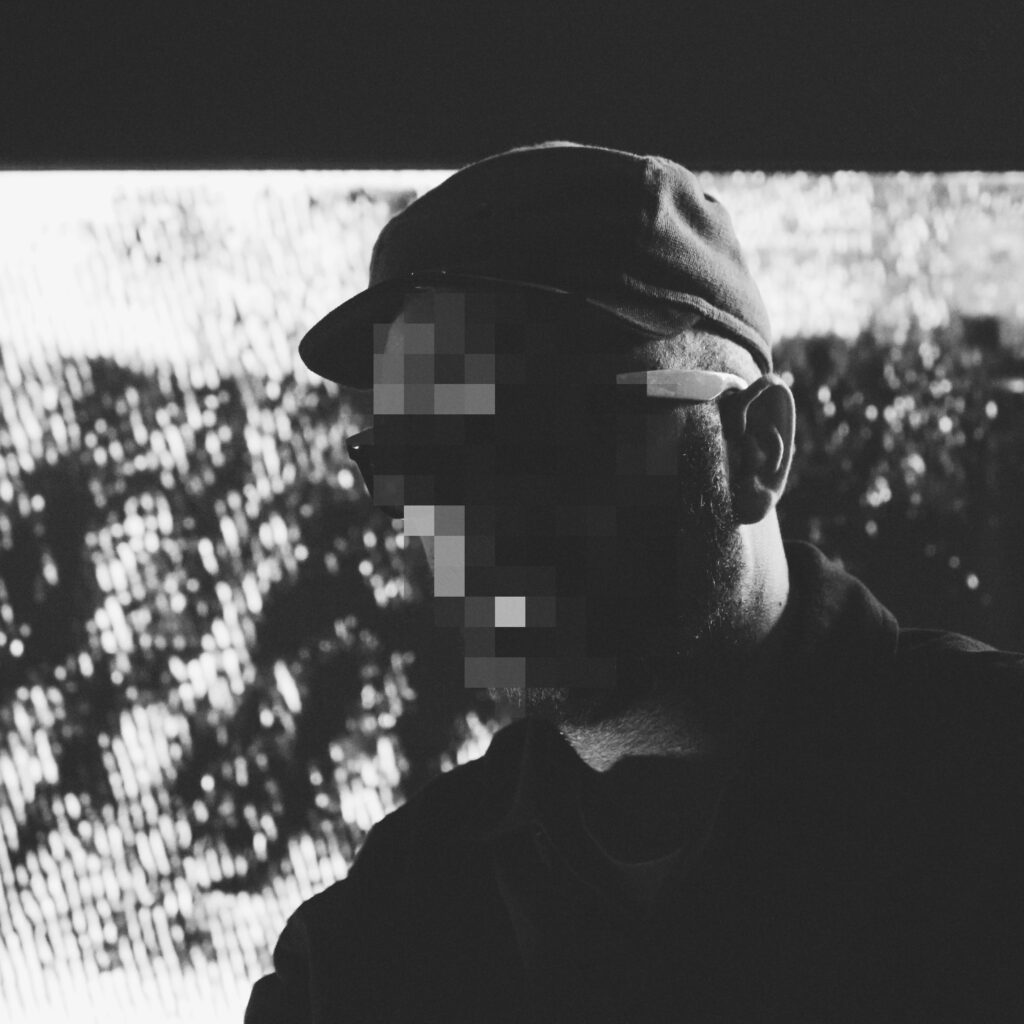
Komok Blending retro gaming nostalgia with futuristic electronic textures, Komok crafts immersive sonic journeys—this interview explores his vision, experimentation, and the evolving concept behind his project, Protopia. 1. Your latest track blends video game soundtracks, acid house, and psychedelic electronica—what inspired you to fuse these particular influences into one sonic identity?I think a lot of it goes back to growing up in the ’90s. I can still remember the music from 8-bit video games, often more vividly than the games themselves. They had this ability to be simple but still incredibly emotional and immersive.With Protopia, I wanted to reconnect with that feeling and translate it into something more contemporary—to strip things back and commit fully to an electronic language—exploring what I could express using only synths, machines, virtual instruments, and sound design to create something that moves, evolves, and tells a story.When it comes to genre, I don’t really think in terms of labels while I’m making music. That only comes later, when I have to tag it for the music platforms so people can discover it. It’s not a part of the process I enjoy, but it’s kind of unavoidable now—you end up trying to create something unique and new, only to then have to fit it into categories afterwards for the sake of accessibility, it’s kind of funny. 2. The track feels like a “cosmic journey” with a strong build and explosive synth solo. Do you approach composition with a narrative or visual concept in mind?When I write music, I often have a kind of vision in mind, but it’s never fully formed from the beginning—it’s more of a vague, subconscious feeling that develops alongside the track. As the music grows, so does that internal imagery, until it becomes something almost visual. That’s where the idea of “micro-films” comes in. I create visualizers that feel like short trailers—fragments of a larger story that isn’t fully explained. They’re meant to suggest a world, an atmosphere, or a narrative, but leave enough space for the listener to fill in the gaps. The whole album is built around this approach, where each track is essentially a glimpse into a possible—or alternate—world, shaped as much by feeling and atmosphere as by sound. 3. Protopia suggests a futuristic or idealized world—what does that concept mean to you, and how is it reflected across the album?The title Protopia reflects that concept of alternate world, or worlds. It came as a reaction to the world we live in now. I wasn’t interested in imagining a perfect utopia, because that always feels unreachable, and I didn’t want to lean into dystopia either, because in many ways it already feels like we’re experiencing that in real life. What interests me more is the idea of something in between—worlds that are evolving, unstable, still being shaped. Protopia is about progress rather than perfection, about the possibility of change. The word itself refers to “a society that improves gradually over time,” and that’s something I truly (want to) believe in. I see that potential in younger generations—often very young people—doing remarkable things, standing up for the planet, for human rights, sometimes even putting their own lives at risk to push things forward despite everything. That’s something I find incredibly powerful, and I think it’s something we should truly be in awe of—there’s something deeply human(e) about it.The album also draws from inspirations like Vaporwave and the broader Solarpunk movement, especially that idea of a future where technology, nature, and living beings can coexist in a more balanced and sustainable way. So even if these worlds feel a bit distant or speculative, they’re not completely out of reach, or not yet. 4. Your sound is described as bold and unpredictable. How do you balance experimentation with maintaining a cohesive listening experience? To be completely honest, I never approached music-making by thinking about an audience—it’s quite an inward process. I just focus on making something that feels right to me. I’ve spent a lot of time creating music to support other media, and I really enjoy it—it gives you more freedom to experiment, to push to the limit. But this felt different. This felt like something that could stand on its own, something I actually wanted to share as it is. And I think that’s where the cohesion comes from—no matter how varied or unpredictable the tracks might be, they all come from the same place and the same instinct. 5. There’s a nostalgic, almost retro-gaming feel in your music, yet it still sounds forward-thinking. How do you achieve that balance between past and future?It’s not something I consciously plan in advance. My process itself is quite instinctive, and—some might say—a bit chaotic… I tend to work on multiple tracks at the same time, adding things, taking them away, reshaping them until something clicks.The nostalgic side probably comes naturally from those early influences we talked about—the sounds that stayed with me over time. The forward-thinking aspect, on the other hand, comes from the unexpected: combining those influences in new ways, pushing them somewhere unfamiliar, and trying to push them somewhere new.It’s really about that balance between memory, what feels familiar, and experimentation—taking what was already there and reimagining it into something new, something interesting, something that I hope others will resonate with. 6. For listeners discovering your music for the first time, what kind of experience or emotion do you hope they take away from this track and the upcoming album?I think, more than anything, I’d love for people to really pause with it. To take the time to just lie down and listen—fully.It’s something we used to do more naturally, before streaming, when you’d buy a record, a CD, or a cassette and spend time with it, almost learning it by heart. That kind of focused, intentional listening feels a bit lost now, and it’s a precious experience that I really miss.So if there’s one thing I hope people take away, it’s that experience of being immersed—letting the music
Urban Hane
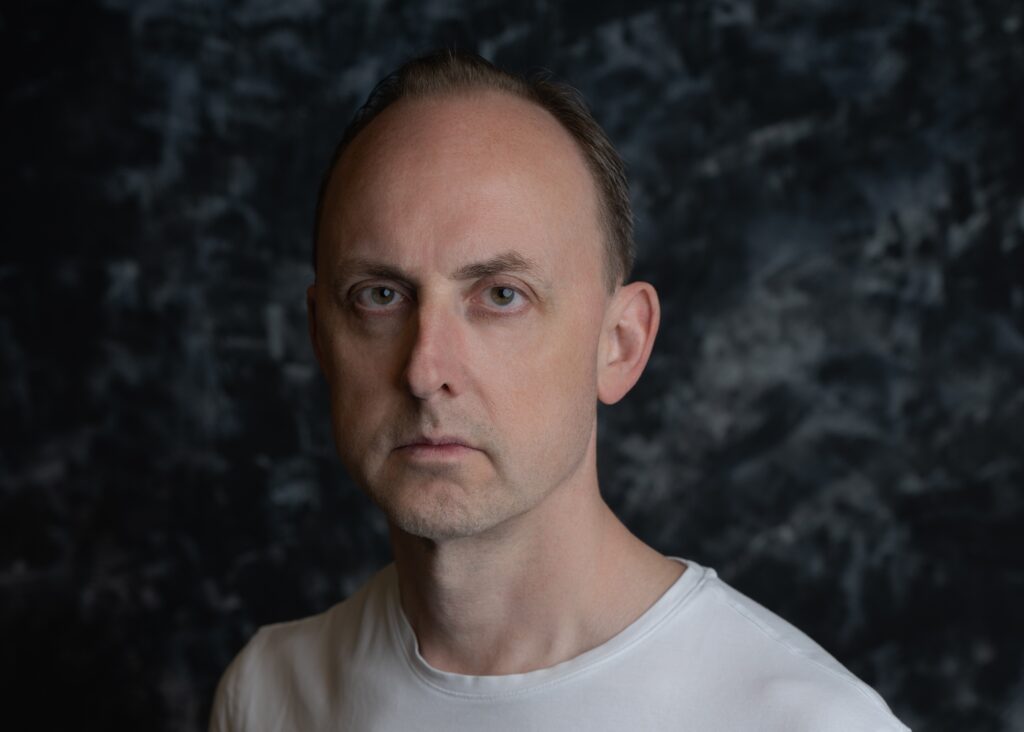
Urban Hane An intimate dive into Urban Hane’s En variant av himlen—exploring identity, isolation, and quiet emotional truths through minimalist, deeply personal songwriting shaped by introspection and rediscovery. 1. “En variant av himlen” feels like a deeply personal and introspective record. Can you tell us more about the emotional and mental space you were in while creating this album? The previous EP, I had done while still living in a family setting that I expected to last, we had small children etc, so I didn’t really reflect that much in the process, just recorded a few song ideas I’d been carrying for a while in the small chunks of time that life allowed, whereas this time around, and for the first time in like a decade, I started having some time to myself to think and I didn’t really recognize who I was anymore. I couldn’t tell if I did the things I did because I still enjoyed doing them or if it was because I just wanted to be a person who enjoyed such things. The best metaphor I have is that it felt as if a membrane had separated me both from myself but also from the rest of the world. I felt very disconnected and I am only slowly starting to regain those relationships. 2. You describe the project as a “private room” inside your head, both creatively and physically through your home production setup. How did working in this isolated, self-contained environment shape the sound and identity of the album?First of all, I hadn’t listened to much new music for a long long time so the sonic universe I was living in was very much the same as I had left it 15 years earlier. I don’t think any of the tracks I used for reference during production were later than from 2005 and most of them being much older favorites from the 70s and 80s, which of course shaped the production a lot. But like said earlier, I needed to reconnect with myself first, and for that I returned to what first drew me into ever making music in the first place. It may sound laced with nostalgia, but this is just where I was during the process. Also, compared to being in a band going into the studio like really rehearsed and prepared, most songs fell into place by just starting to record them and then just see what type of songs they turned out to be. 3. The album explores a world that is both romantic and cynical, where fleeting moments can carry lifelong significance. What draws you to these contrasts, and how do they influence your songwriting?When starting out, I always wanted to write about extraordinary things, extraordinary people, extraordinary places etc but with age and hopefully some gained perspective, I have noticed that the events from my past that I think about the most, both the things I regret almost to the point of panic and the things I am profoundly thankful for, they all felt quite mundane at the time. Some pointless lie I told at some point and that I am still ashamed of, some girl that may or may not have been into me too but I never acted, some ordinary night with friends I’d do anything to experience again. This is where romance really lives, no matter what the world is trying to tell us. Treat your everyday life with the respect it deserves. It’s all you got. 4. The track “Jag är inte blind (I’m not blind)” touches on painful realizations and personal complicity. Was it difficult to confront and translate such honesty into music, and what do you hope listeners take from it? The difficult part was rather on the personal side to accept that responsibility for how I was feeling at the time, in fact for how I had been feeling for many years. What someone actually put me through during a period in my life could only to some extent explain why moving on from it was so hard, whereas the fact that I allowed it for far too long explained it completely. And just for the record, I am not talking about abusive relationships here, no-one deserves that or to feel guilt that it happened to them. But regarding translation, as long as I know what it is that I feel, I have no problem writing about it, and I always assume that if I have felt it, many others have too. I think we are all much less unique then we like to tell ourselves. 5. Your music has been described as minimalist yet emotionally intense, with a distinctly Scandinavian atmosphere. How do you balance restraint and emotional depth in your production and vocal delivery?Well, it is a solo act, so musically it is already there limited to what I can do on my own, and I also try not to overproduce and always only to add elements that are needed for what I’m trying to say. Singing in my Swedish native tongue of course make it stand out a bit, but I think that as a person, I have never really been the large gestures kind of man, so even though I can enjoy other artists e.g screaming parts of the lyrics, I’ve never felt quite myself when trying it out. I think, at least in part, that is a cultural trait too that may contribute to that “Scandinavian” thing. 6. Having been part of bands like Disharmonikerna and POST before focusing on your solo work, how does Urban Hane allow you to express things that perhaps weren’t possible in a band setting?Although in both those bands we all shared some fundamental influences that of course resonate also in what I do solo, there are certain creative advantages not having to consider anyone else in the process and that you are not tied to any one band setting in terms of instrumentation and arrangement. Do I want a song
Angel Tarpov
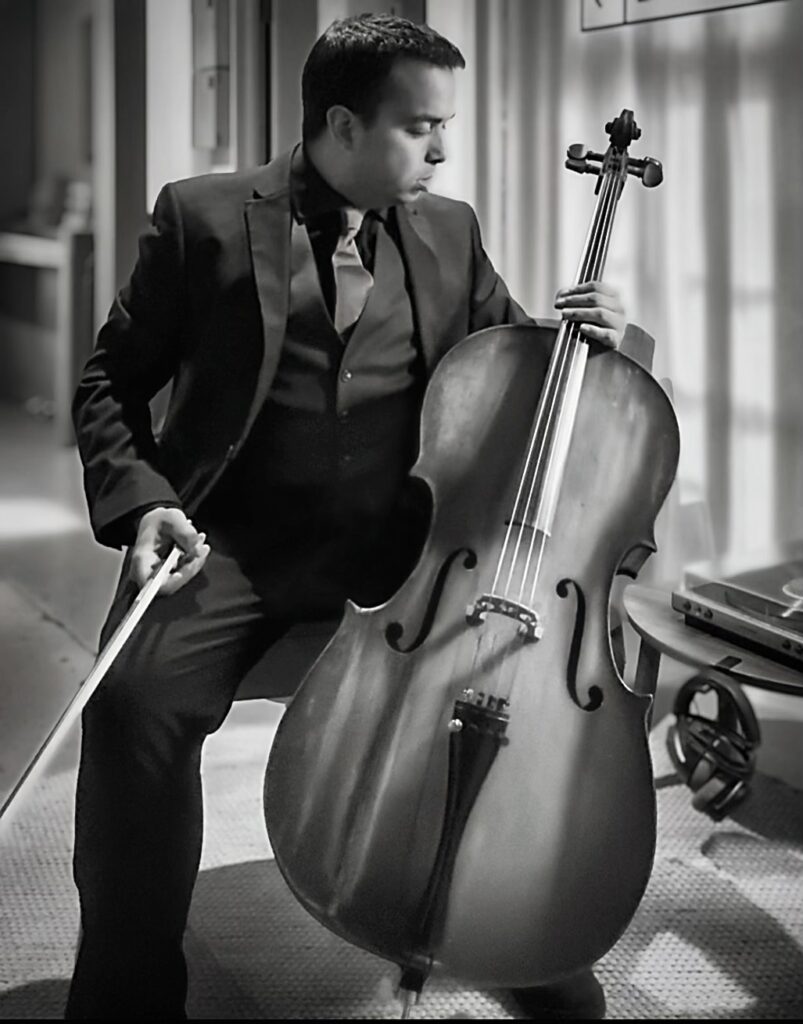
Angel Tarpov From Vienna’s streets to London’s studios, Angel Tarpov shares the journey behind “Incognito,” revealing raw emotion, artistic evolution, and the defining moment that shaped his identity as a composer. 1. Your journey from busking on the streets of Vienna to composing in London is incredibly evocative—how did those years shape the emotional core of “Incognito”? I believe music evolves just as people do. During my studies, and hustles in Vienna, I was finding my voice. It was a different era—before the TikTok attention span—where people actually stopped to listen. I went through lots of composing, lots of material that never got released. Lots of material that almost no one heard, and quite a few that got exposure. ‘Incognito’ was the defining moment of that journey. It was the point where I stopped playing others’ music and stood firmly as a composer, saying: ‘This is who I am now. 2. “Incognito” is described as a “sonic signature of survival.” Can you dive deeper into the personal experiences and relationships that influenced the track’s theme? Written and recorded in 2020—the year that changed everything—’Incognito’ was born from personal tribulations. I never expected my private struggles to mirror the global atmosphere so closely. The track ends like a door left slightly ajar; a crack of light to see what’s next. It was a moment of pure intuition that feels even more relevant today. 3. You chose a minimalist recording approach to preserve the raw cello texture—what challenges and advantages came with resisting over-production? Today, everything feels overproduced—like using overwhelming filters and Photoshop on a raw human face. I wanted to capture the ‘grit’ and the breathing of the cello. While nothing replaces the intimacy of a live performance, for those listening at home, I wanted the record to feel honest and unmasked. We have the tools to be perfect, but I chose to be real. 4. The track blends cinematic melancholy with modern classical tension. How do you approach balancing traditional composition techniques with a more contemporary, atmospheric sound? For me, the balance begins with a foundation in structural counterpoint and rigorous harmonic development. I’ve always been drawn to the logic of the Baroque and Classical eras—the way a single melodic motif can be transformed through imitation or how a clear, singing line can anchor even the most complex arrangement. I approach the ‘cinematic’ side not as a replacement for these techniques, but as a new way to ‘clothe’ them. While the core of a track might rely on diatonic clarity or thematic variation typical of traditional forms, I use modern atmospheric textures—experimenting with more provocative key changes, or extended cello techniques—to blur the edges. It’s about taking those timeless, tonal foundations and placing them in a sonic space that feels vast and unpredictable. By blending the precision of classical part-writing with the ‘weighted’ silence and industrial grit of contemporary production, I can create tension that feels both ancient and immediate. 5. Having spent a decade performing live, what inspired your current shift toward studio work and film scoring, and how does “Incognito” reflect this transition? It’s not so much a shift as it is an evolution. I still believe the cello is a ‘live’ instrument that needs to be felt up close to experience its raw emotion. However, composing has naturally drawn me into the more closed up atmosphere —a space for rebuilding and re-living a piece. I started cello at age 4, but when I began composing in my teens, my whole musical career approach changed for me. I knew then that this was my life’s dedication. 6. As you aim to establish yourself in the UK film and media scoring industry, what kind of visual projects or collaborations would best match your cello-driven, cinematic style? I am open to any project where the story is central. Whether it’s film scoring or collaborating with other visionaries, I see every well-written piece as its own journey. Being a composer is hard work—it’s a life on the edge—but delivering a piece of music that helps someone find a part of themselves is the ultimate fulfilment. The rest comes and goes; the music remains. Support ANgel Tarpov
ALLEY (the band)
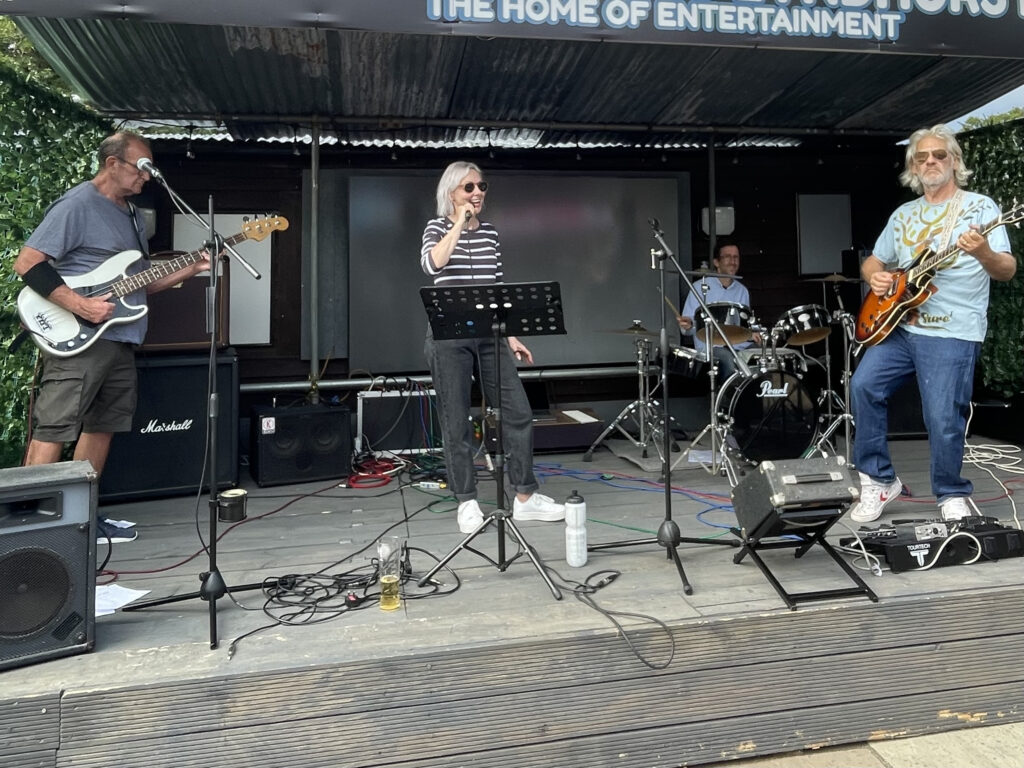
ALLEY (the band) ALLEY (the band) explore love, loss, and escapism on Telling Stories, blending intimate lyricism with cinematic soundscapes in a vulnerable debut that captures emotional contrasts and the beauty of unresolved moments. 1. Telling Stories explores a wide emotional spectrum, from love and loss to escapism—what inspired you to center the EP around these contrasting experiences?The inspiration really came from looking back at different moments that didn’t seem connected at the time, but all ended up feeling like chapters of the same story. Some songs came from very real, grounded experiences, relationships, goodbyes, that sense of holding onto something that’s slipping away. Others leaned more into escapism, almost like creating a world to hide in when reality felt a bit too heavy. 2. The lead single “Watching You Leave” captures a very raw moment of finality in a relationship. Can you tell us about the story or emotions behind this track?“Watching You Leave” came from that very specific moment where everything is already over, but only one party in the relationship accepts the finality of the decision. It’s not explosive or dramatic, it’s quiet… and that’s what makes it hit harder.The idea started with the image of literally watching someone walk away but feeling a sense of regaining your power after being made to feel so weak in the relationship dynamic. That mix of acceptance, helplessness and relief is the emotional core of the track. 3. Your sound blends indie, alternative pop, and rock influences. How have artists like Eliza McLamb, Becca Stevens, and Lucy Dacus shaped your musical identity?As a lyric based band, we are influenced by artists who share that passion. Eliza McLamb has this really intimate, almost conversational way of writing. Her songs feel like you’re reading someone’s journal, nothing is over-polished. It made it more comfortable leaning into quieter, more vulnerable moments in our own songwriting. With Lucy Dacus, there’s a weight and clarity to her writing that feels very grounded, she doesn’t overcomplicate things, but it still cuts deep. That balance of simplicity and emotional impact is something we’re always chasing. La La Land de ALLEY the band 4. Tracks like “La La Land” and “Daytime Drinking” seem to contrast fantasy with harsh reality—was that duality intentional when structuring the EP? Yeah, that contrast was very intentional. Those two tracks almost act like opposite sides of the same coin.“La La Land” leans into escapism, it’s that dreamy, slightly detached headspace where everything feels a bit more cinematic than it really is. It’s about choosing to see things the way you want them to be, even if you know it’s not entirely real. There’s a comfort in that, but also a kind of quiet denial underneath it.“Daytime Drinking,” on the other hand, pulls everything back into reality, but not in a clean or resolved way. It’s messy, a bit self-aware, and sits in that space where you know things aren’t right but you’re not quite ready to fix them. It’s less about escape and more about avoidance.Placing those songs within the EP was a way of showing how people move between those states. You don’t just live in fantasy or reality, you drift between them depending on what you can handle in the moment. Structurally, it helps the EP feel like a cycle rather than a straight line: you escape, you come back down, you try to cope, and sometimes you escape again. 5. The band’s origin story is quite unique and spontaneous. How has that initial connection influenced your chemistry and songwriting process today? That spontaneous start ended up setting the tone for everything that followed. Because there wasn’t this long, calculated build-up, the connection was very instinctive from the beginning, we were just reacting to each other in the moment rather than overthinking where it could go.That’s had a big impact on our chemistry. There’s a level of trust that came quite naturally, where no idea feels too rough or too personal to bring into the room. It means we can move quickly, follow gut instincts, and not get stuck trying to make everything “perfect” before it’s even had a chance to breathe.In terms of songwriting, it’s kept things very collaborative and open. A lot of our songs start from a small, almost throwaway idea, maybe a line, a melody, or even just a feeling and then grow organically because we feel free to push it in different directions. There’s less attachment to “this is my part” or “your part,” and more focus on what serves the song. 6. As this is your debut EP, what do you hope listeners take away from Telling Stories, and how does it represent who ALLEY the band is moving forward?I think more than anything, we want people to feel seen by it. Telling Stories isn’t trying to give answers or tie everything up neatly, it’s about sitting in those in-between moments where things are unresolved, complicated, or even contradictory. If someone hears a line or a feeling in one of the tracks and thinks, “yeah, that’s exactly it,” then it’s done what it’s supposed to do.As a debut, it’s a pretty honest snapshot of who we are right now. It leans into vulnerability, but it’s not afraid of contrast either, sonically or emotionally. That balance between intimacy and experimentation is something we definitely want to keep pushing forward.Going ahead, I think ALLEY the band will always sit in that space between raw storytelling and cinematic atmosphere. This EP kind of lays the foundation: honest lyrics, dynamic sound, and a willingness to explore uncomfortable emotions without dressing them up too much. It’s our statement of arrival, the beginning of our journey. ALLEY (the band) Home
ReeToxA
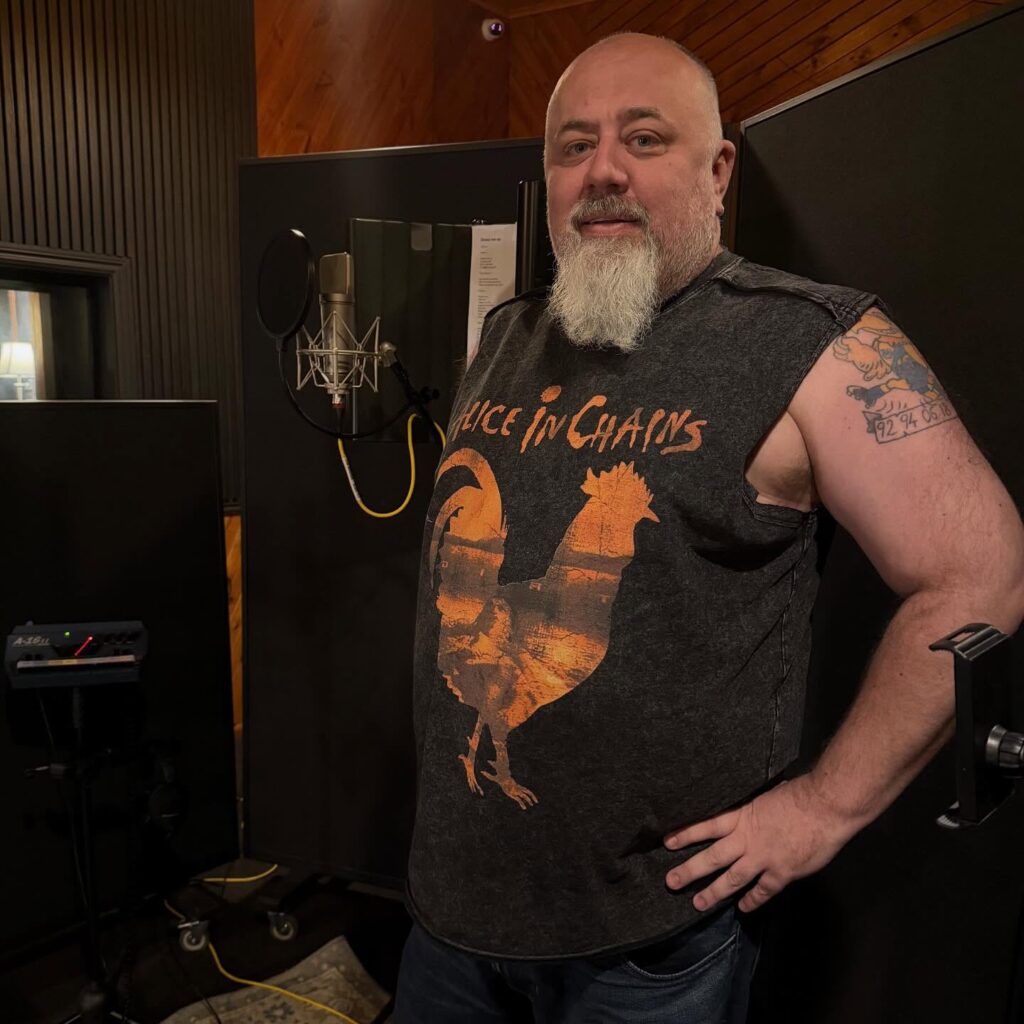
ReeToxA With “Thrift Shop Dress,” Reetoxa kicks off a vibrant new chapter, blending spontaneity, indie energy, and catchy songwriting into a bold introduction to an ambitious and diverse upcoming album. 1. “Thrift Shop Dress” is your latest single and the first glimpse into your upcoming album. What made this track the perfect introduction to the new era of Reetoxa? It was impossible to pick the first single, but thrift shop dress was the newest song and I thought it was catchy. 2. The song was inspired by a spontaneous moment—seeing someone across the street. Can you tell us more about how that instant turned into a full track so quickly? Well, I grew up and have lived on the south side of Melbourne most of my life. When I released the first album, I met A lot of north side girls so it was building for a while. As I was walking to band rehearsal in Brunswick I saw an impossibly cool girl outside a thrift shop smoking. The song just came hurtling through my subconscious. 3. There’s a sense of immediacy and energy in the way the song came together. Do you often rely on instinct when writing, or was this a unique experience? I write songs in many different ways but my favorite ones are the ones that just appear like magic. 4. Your upcoming album features 26 tracks, which is quite ambitious. How did you approach narrowing it down to “Thrift Shop Dress” as the lead single? I felt thrift shop dress had a good chance of getting on radio, everyone can relate to it. 5. You describe the track as a “fun rocker that explodes from the first note.” What elements were important in capturing that explosive, engaging sound? We wanted it to be Indi but driven. You can easily dance to it. It’s also fun to sing along. 6. What can fans expect from the rest of the album in terms of themes, sound, and overall direction compared to this first single? the album has great variations; there is something for everyone. reetoxa | Instagram, TikTok | Linktree
Jade Barbara
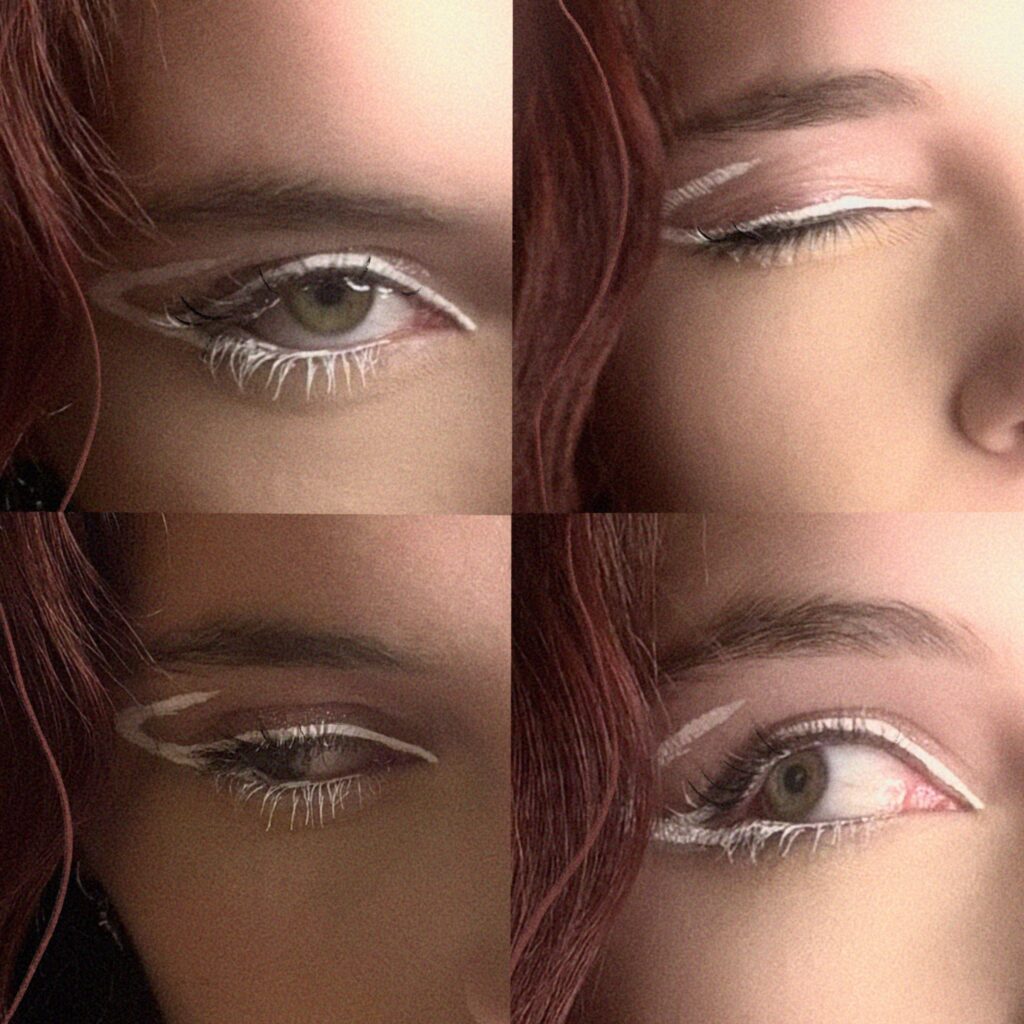
Jade Barbara With “breathe (a little),” Jade Barbara steps into her true artistic identity, blending raw emotion with vibrant dance-pop energy, marking a confident new chapter shaped by clarity, growth, and bold creative vision. 1. “breathe (a little)” feels like a defining moment for you. What makes this track feel like your true debut compared to your previous releases?My past music all felt like experimentation. It was like, I’d write a song, put it to an instrumental, maybe record some harmonies and off it went. ‘Breathe (a little)’ was the first time I leaned back and thought “what do I want this era to stand for and look like?”. It’s lead to me feeling a lot more confident and happier with my release now. 2. The song is inspired by a real-life situation about feeling stuck in a relationship. How did you translate that emotional tension into such an energetic, dance-pop sound?I wanted to embody a character of someone who was ranting about their partner mid night out, someone who’s taking her feelings light hearted and speaking without thinking. It’s like, “Just leave me alone for a second?”. 3. You mentioned refining your vocals over months using Logic Pro. How did working in a more professional production environment shape the final result?It’s crazy how long it took for me to realize, if you want a professional sound, you’ve got to use professional workspaces. It was exciting to learn and experiment in a new DAW for the first time, and work on aspects of a song I didn’t even realize were so beneficial. Jade Barbara · breathe (a little) 4. There are a strong Y2K and pop-rap influence in the track. Which artists or sounds inspired you while creating “breathe (a little)”? I leaned into a lot of incredible artists such as Britney Spears and Jamelia. My friends were surprised to find out that a lot of the adlibs were actually inspired by Michael Jackson too. I really wanted to try my own take on 90s nightclub radio. 5. With your background in dance and performance, how do you plan to bring this song to life on stage during your upcoming live shows in Sydney?There are a lot of good ideas in the making currently, which I cannot reveal yet. But I can say, I’m very excited to take the song to stages. 6. This single seems to mark the beginning of a new chapter for you. What can fans expect next from Jade Barbara in terms of music and artistic direction?Expect more polished music and sounds coming very soon. ‘Breathe (a little)’s contrasting aesthetic between polished visuals and textured sound feels very like me, so I’m excited to explore my identity. https://www.instagram.com/jadebalmagro