
Arn-Identified Flying Objects and Alien Friends

Arn-Identified Flying Objects and Alien Friends Blending dream-born melodies with shifting tones, Arn-Identified Flying Objects and Alien Friends craft “The Sparrow,” a haunting, introspective piece where surreal imagery and emotion merge into a deeply personal sonic journey. 1. “The Sparrow” has such a vivid, dreamlike origin—can you walk us through how that dream translated into the final composition? One morning I woke up with the melody for the chorus/hook ringing in my head along with words that, at that moment really didn’t make much sense: “I never left the temple where sorrow takes a breath”. I didn’t want to force the process but sat down by the piano to see what would happen. Part of the tune and lyrics grew organically, without me consciously interfering. Later in the process I of course had to organize it and give it a coherent musical structure of sorts. 2. The song moves through several tonal changes and mostly minor keys. How intentional was this in shaping the feeling of uncertainty and melancholia? This pattern was there from the beginning and I was careful to maintain it, even underscoring it: Thus the chorus starts with the chord and in the key of A-minor. But the next chord isn’t the expected F major but an F minor, which gives the tune an eerie feeling – and one of that uncertainty mentioned in the question., as this unconventional chord change also changes the key. This was not all intentional, but rather a result of me plunking aimlessly on the piano. The following key changes, in the verse (with the first chords going from D minor to B minor), were more calculated 3. The narrative twist—that the dying sparrow might represent the narrator—is powerful. What inspired this introspective storytelling approach? I’m not quite sure. The image of the dying sparrow came to me quite early in the process (but after the dreamlike words about the temple, that now ring in the chorus). When I was writing the third verse I thought I wanted to shift perspective from the narrator (me) to the sparrow, and I think I realized that I WAS that sparrow, as we all are in a way. 4. Elements like church bells and mellotron add a unique texture. How did you decide on these sounds, and what role do they play emotionally? I played around with different sounds – there’s also honky tonk piano, slightly out of tune, underscoring that strange dream-like atmosphere. The church bells, well, I was not sure about them. The connection to the lyrics was in a way to obvious. But in the end I decided to keep them! 5. How did Andreas Quincy Dahlbäck’s drumming contribute to keeping the track organic despite its atmospheric complexity? His vivid drums are absolutely necessary here. In my demoversion I used sampled and digital drums and the song simply didn’t come to life. It was as dead as the sparrow in the lyrics (in a bad way). I actually doubted that I would be able to finish the recording. Andreas’ drumming changed all that! 6. Featuring Stefan Petersson on the high-pitched “Fly, sparrow fly” lines is a striking choice—how did that collaboration come about, and what did he bring to the song? Stefan is great singer, and although he loves soul and root rock, he originally sang hard rock and metal. His voice has a really wide range. In the higher notes (we’re talking soprano here) he has a sharpness and a vocal projection that few singers have. I think it adds an extra edge these lines, preventing them from being to “sweet”. And it’s also nice to work with him – in spite of the “evil” tone in his singing he is a lovable guy! https://www.instagram.com/andalienfriends/
Connie Lansberg and Brad Rabuchin
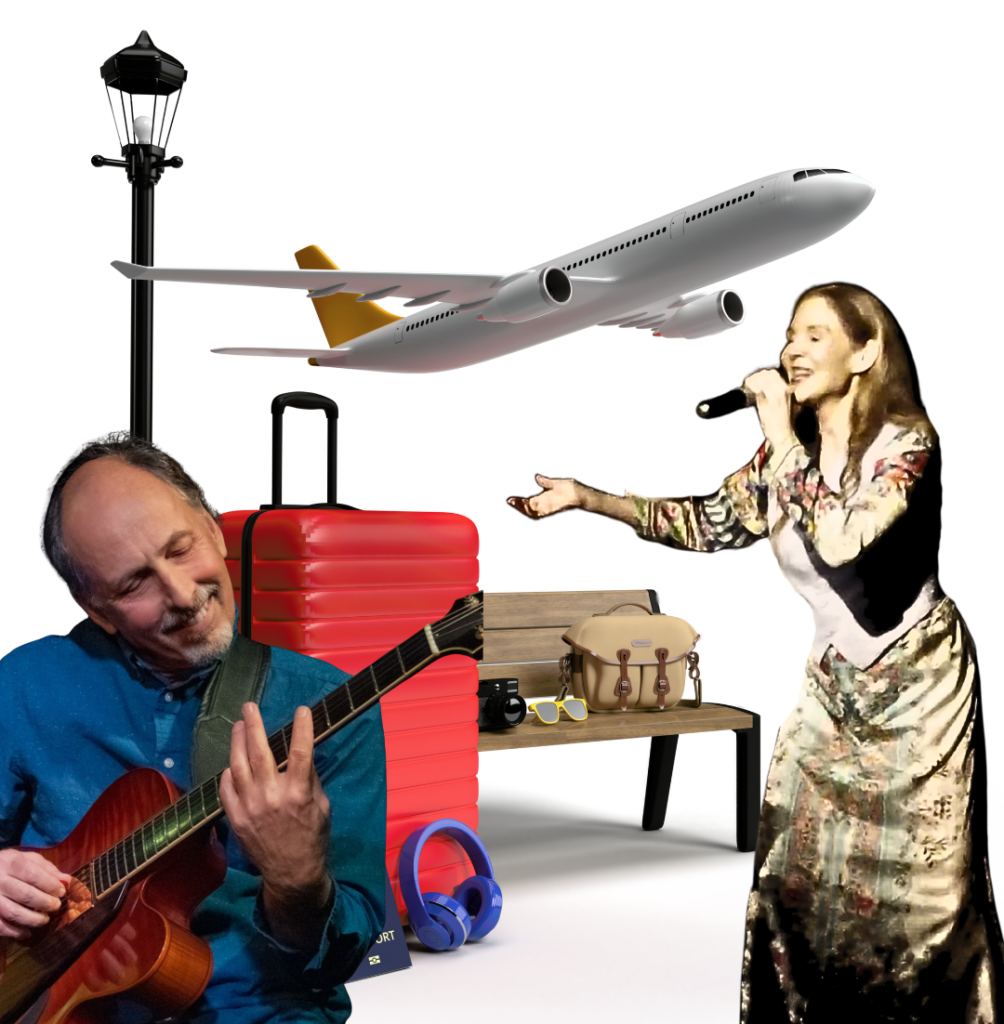
Connie Lansberg and Brad Rabuchin A deeply intimate collaboration born from instinct and trust, Aeroplane captures Connie Lansberg and Brad Rabuchin embracing spontaneity, minimalism, and emotional depth—crafting a raw, soulful dialogue between voice and guitar. 1. Aeroplane was recorded in just one day with no safety net. How did that intense, spontaneous setting shape the emotional and musical outcome of the album? Connie: The focus was intense. We gave ourselves a target of no more than 3 takes per song. We’re human, so there is limit to how long a guitarists finger and the singer’s voice can actually hold out. The rule is, when you go in the studio, go in with the best. 2. Your collaboration has a remarkable origin story, dating back to an unexpected performance of “Georgia on My Mind” linked to Ray Charles. Looking back, how does that moment feel now that you’ve created a full album together? Connie: It’s an example of how the universe is always playing the long game with me! I’ve learned to keep working no matter if I get an outcome or not because eventually, the outcome presents itself. 3. Connie, your songwriting drives seven of the eight tracks. What themes or personal experiences influenced songs like “Broken Doll” or “Everything Ends Up in the River”? Connie: Ok, get ready. I’m actually a powerful energy healer and my delivery for that healing is my voice AND the songs. I have two other original albums and every song is channelled to affect the emotional body of the listener. Each song carries a specific energy that works to clear your emotional body of forgotten trauma. My expertise is the emotional body and my book, Your Healing Is A SONG, gives people the ability to do deep healing just by listening. So, this is another reason I trust the long game. I’ve always known there was a purpose to every song I write, and the world had to catch up to this new, fun and easy healing. 4. Brad, you’ve worked with icons like Stevie Wonder and Willie Nelson. How did your past collaborations inform your approach to such a stripped-back, intimate duo setting? Brad: Working with great artists like Ray, Stevie, and Willie taught me the importance of listening, adapting, and supporting. They’re not necessarily waiting for you to figure it out over time, or usually even wanting to offer much of an explanation. You have to come up with something that’s good and works quickly, and the only way you can do that is by listening hard, trusting your instincts, and adapting your musical identity to someone who already has an iconic sound and vibe. Those situations taught me that when I approached playing in a duo with Connie, it was not enough just to “play the chords” but that we needed to trust our instincts and collectively create a vibe and musical personality for each tune. Drawing from both each tune separately and Connie’s and my musical personalities, so that we could come up with something that’s our own take on playing a set of tunes. Those great artists found ways to sustain playing music based on “their own take” over long careers. I think Connie and I tried to tap into that idea for this project. 5. The album includes one surprising pop cover. What drew you to reinterpret that particular song, and how did you make it fit into the sparse, jazz-driven atmosphere of Aeroplane? Connie: My recording of the Billie Eilish song What Was I Made For clears the stuck energy of Fanaticism, an energy that is causing much destruction to people and to this world. It’s a very high vibration song and I think is so fantastically written. 6. There’s a strong emphasis on space and simplicity throughout the record. In a music landscape often driven by heavy production, what does “less is more” mean to you creatively, and do you see yourselves exploring this approach further in future projects? Connie: I was in LA this past Dec/Jan and did another album with Brad. We also pulled in double bass and drums to explore a full band sound. Connie Lansberg | spiritual jazz music
Nadia Maria
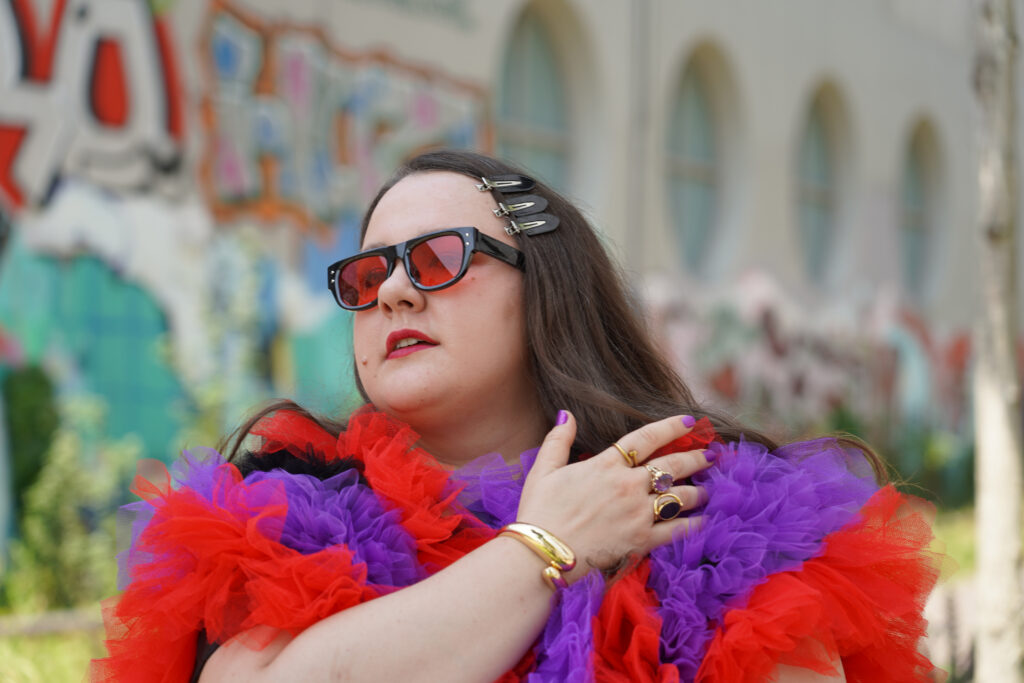
Nadia Maria Exploring self-love, growth, and artistic evolution, Nadia Maria opens up about the emotional journey behind “This Is A Solo And Not A Duet,” revealing resilience, creativity, and embracing imperfections. 1. Your EP “This Is A Solo And Not A Duet” centers around self-love and personal growth. Can you tell us about the emotional journey behind the project and what inspired its title?The title is a line from my song Beautiful Coward. I wrote it about a toxic attachment I had to a man, who’s opinion I valued more than anyone else’s, even my own. But he kept ghosting me and then sneaking back into my reality. Until one day, I understood that he was a coward and that I am amazing and worthy of the things I want in life. It was one of the greatest realisations that I’ve ever had! We all learn from these kinds of situations, because we find out how we react and we grow and get to know ourselves this way. That’s what builds real confidence and trust in yourself. At some point I came to the conclusion that my self-worth is determined by the relationship I have with myself and not by the opinions of others. The songs on “This Is A Solo And Not A Duet” are a collection of these moments, the journey to the love I now feel for myself. I just felt like the title truly encompassed all of it. 2. You mentioned that one of the songs was written ten years ago. How has your perspective evolved over time, and how did that influence the final version of the EP?Those ten years were basically my entire twenties, so a lot has happened 🙂I had just started writing songs and I was working with some people who didn’t unterstand what I wanted to express with my music. At the same time I was studying classical music, which is where I met my best friend OLO. We both didn’t really identify with the role of the “classical musician”, so we decided to ditch it for each other. It was crazy, because we had never worked with a DAW or anything like that and it took us a long time to get the hang of it. But we just knew that we could make the music we actually wanted to listen to. There was a lot of perfectionism in our minds that was holding us back from finishing and releasing tracks, because we could always hear things that should be “fixed”. So, the songs on the EP went though a lot of different versions.In 2024 I entered my song Upside Down into the Soundclinic contest of the Musikbüro Basel and won. Thanks to that, I had the opportunity to work with some amazing coaches, who taught me so much about the music industry. They were the ones, who helped me decide that it was time to put out an EP. Of course, we were still changing little things until the very last moment. But we’re incredibly happy with it and super ready for the next one 🙂 3. Your sound blends 2000s R&B, Soul, Disco, and electronic elements. How did you approach shaping this warm, nostalgic yet modern sonic identity with producer OLO?The foundation was built by the music that we were listening to growing up. Luckily, there was a lot of overlap. My first favourite song was Miss You Much by Janet Jackson and OLO’s favourite artist was always Michael Jackson. We both loved R&B and Pop and Hip Hop and Soul, so, naturally, that’s where we started when we first learned how to produce. OLO also really got into synths, with all the ways you can shape the sound and transform the trajectory of the song.We never sat down and tried to define where we would go sonically, we just had fun with it and picked and chose our favourite elements and combined them into our own thing.I think this also allows us to explore a lot of different styles, while always keeping our distinct sound, which is quite liberating and gets me really excited for all the music we have yet to create! 4. Having a background in opera and jazz, how have those early influences shaped your vocal style and songwriting in this more contemporary pop and neo-soul direction? First and foremost, I am really grateful for how much my education influenced my vocal technique. It gave me an incredible amount of flexibility to sing lots of different styles and really play with my voice. I always admired singers like Aretha Franklin, because she had this perfect balance of power and lightness in her voice. Thanks to my studies, I learned what to listen for and how to adapt. This analytical aspect also influenced my songwriting, because it made me pay attention to structure and harmony and how the sound of the lyrics actually influences the melody. Studying jazz also really helped with that, as I learned to improvise and see all the directions that a song can go. I’m really lucky that I could incorporate all these lessons into the sound that you can hear on the EP. 5. You’ve already achieved major milestones, from Switzerland’s Got Talent to the Eurovision national final. How have these experiences impacted your confidence and artistic vision today?It was absolutely amazing for me to experience what it’s like to be on such a big stage. There’s really no feeling in the world that could even come close! I just felt that I was meant to be there. During that time, I started writing a lot of songs – it was basically the first step towards the EP I released now. But after participating in those shows, I had signed some unfortunate contracts. I had no experience with this side of the music industry yet and it took me years to learn how to navigate it. It was a great lesson that I might not have learned without it.
By Million Wires
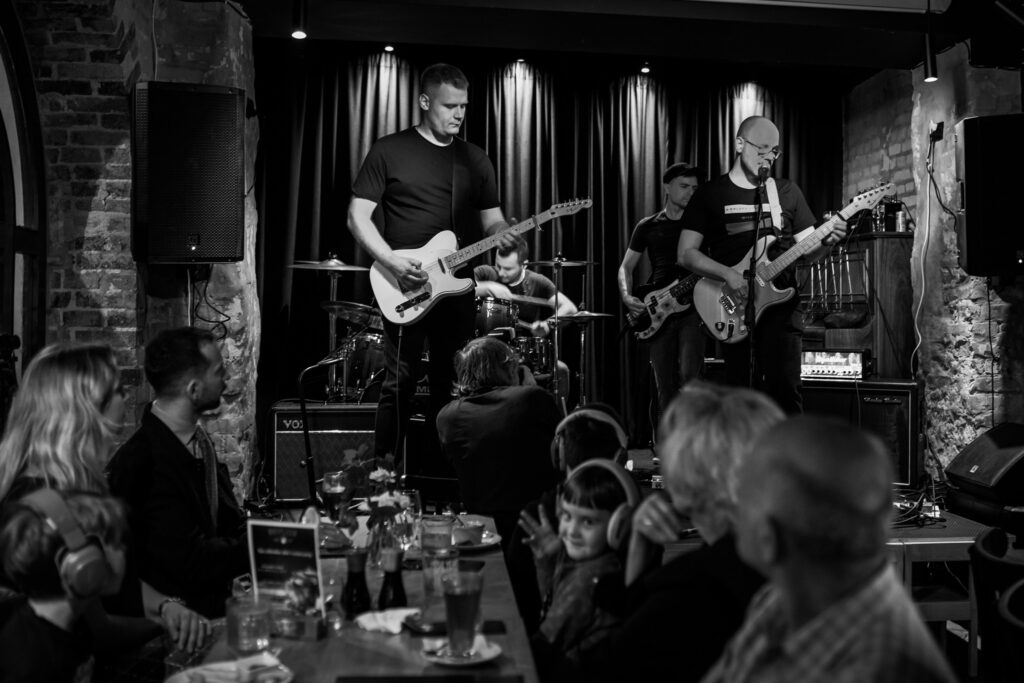
By Million Wires After fourteen years of silence, By Million Wires return with renewed purpose, unveiling Not Over—a deeply personal EP shaped by time, transformation, and the enduring spark of unfinished stories and creative resilience. 1. After fourteen years since Letters to the Absent, what inspired By Million Wires to finally return, and why did Not Over feel like the right moment to break the silence? Life happened, but music never truly left. For fourteen years, these sounds were humming in the background of my daily life. I realized that some stories simply don’t have an expiration date—they wait for the right emotional frequency to be told. Not Over felt like the perfect title and moment because it’s a statement of fact: the creative fire wasn’t extinguished, just dormant. Breaking the silence now feels like finishing a conversation that was interrupted mid-sentence over a decade ago. Creating music is also an escape from the daily grind and responsibilities; it’s a way to capture and release emotions. 2. The EP reflects a shift from dreamlike post-rock to a more direct alternative sound—what drove this evolution, and how natural did that transition feel for the band?Coming back after 14 years, we didn’t want to completely disconnect from our debut album’s spirit, but we felt a strong need for a more organic evolution. The ‘cleaner’ production of the past made way for a rawer, more direct sound.Our main goal was to capture the energy of a live rock quartet – the breathing, the tension, and the authentic vibe of four musicians playing together in one room. It’s less ‘polished’ and more ‘human’. However, our post-rock roots are still there – you can hear it especially in the outros, where the atmospheric, layer-by-layer build-up takes over before the final eruption. 3. Mirek, stepping into the role of frontman is a major change—how did taking over vocal duties reshape both the songwriting process and the emotional core of the music?Stepping into the frontman role was a significant evolution for me, though the seeds were sown long ago. Even before our debut album, I was already writing lyrics and vocal lines. In fact, a track like ‘I Know Better’ was written entirely by me—both the music and the lyrics—years ago. Ania even used to perform it during our live shows back then.However, making the full transition to lead vocals was a real challenge. I had to fundamentally change my approach to the guitar. I had to let go of focusing so much on complex effects and intricate parts. Instead, I had to learn how to ‘drive’ the song primarily with my voice and a solid chordal foundation. Interestingly, this shift opened up a lot of new space for Dawid to experiment and get more creative with his own guitar parts, which added a new dimension to our sound. 4. Not Over was recorded years ago but released now—what made you hold onto the material, and how do you feel its meaning has changed over time? The delay wasn’t a choice, but rather a result of the weight of reality to all of us. Every member of the band went through pivotal, life-changing moments during those years, and for a while, music simply had to take a backseat. However, this collection of songs never gave us any peace.Interestingly, listening to them now, they feel more relevant than ever. Themes of survival and persistence resonate differently when you’re older. What used to be a song about a moment is now a song about a lifetime of experiences.Interestingly, we feel that as a conceptual whole, this material has become even more relevant to our lives today than when it was first written. It matured along with us. 5. The focus track “I Know Better” stands out with its triple-meter rhythm and atmospheric textures—can you walk us through how that song came together creatively?Answer: To me, ‘I Know Better’ is one of our most special older tracks. It’s a song I personally feel most comfortable singing, so I was determined to include it on our upcoming release.The original arrangement was quite different from what you hear now. It was structured with the verse and chorus played in full at the beginning and end, sandwiching a middle section that heavily stripped back the dynamics. That version relied on long pauses and a slow, tense build-up of atmosphere. You can actually still find that early version on YouTube if you dig deep enough!For the EP, however, I wanted to give it a more ‘song-oriented’ character—something a bit more accessible and lighter to the ear, while still keeping its emotional weight. Who knows, maybe we’ll return to that more experimental structure in the future?Technically, the recording process was interesting because many of the atmospheric, layered guitar textures were actually tracked years ago in my home studio. When we got into the professional studio to finish the EP, those original takes were so spot-on that we simply imported them into the new sessions. It’s a perfect blend of past inspiration and present-day energy. 6. The EP touches on themes of survival, continuity, and unfinished stories—how do these ideas connect to your journey as a band and what comes next after this release?Answer: Our journey is the definition of an unfinished story. Coming back after 14 years is the ultimate act of survival in an industry that usually demands ‘new, new, new’ at every turn. For us, continuity means that the thread was never really broken; it just waited for the right moment to be pulled again.Since our debut, the entire music landscape has shifted—from the total dominance of streaming to the rise of AI-generated music. In this new world, we want to stay true to our original conception of music creation: human, raw, and atmospheric. This record was the perfect way to re-establish that identity.As for what’s next—we are already looking forward. There is a bunch of already written songs that just need some polishing before their release. ‘Not Over’ is the bridge.
Delta Fire
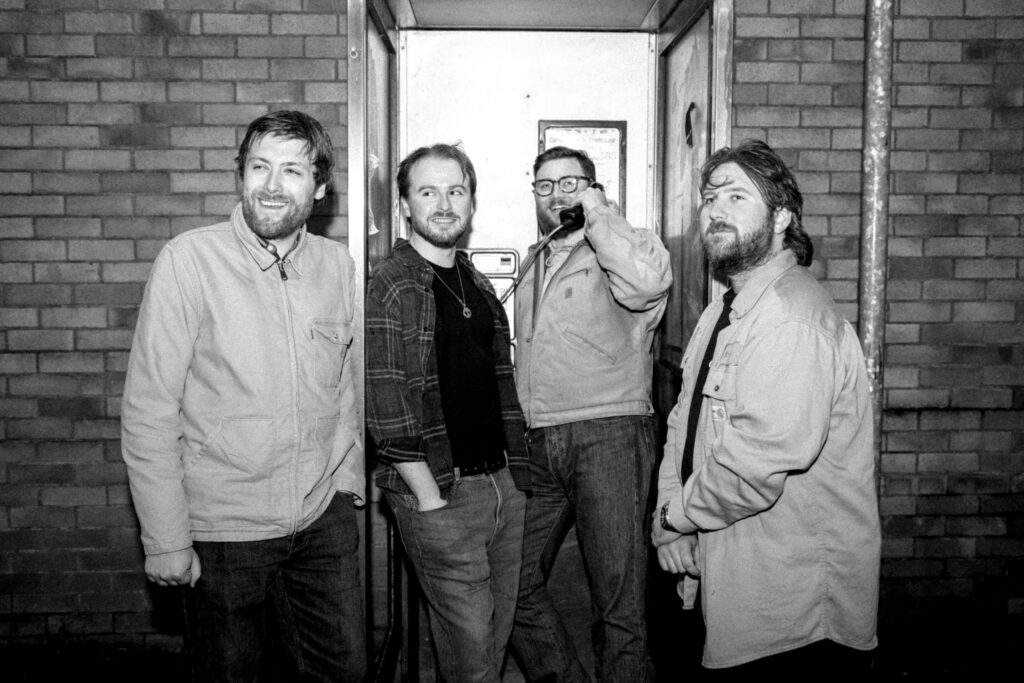
Delta Fire Blending diverse influences and shared passion, Delta Fire discuss their evolving chemistry, psychedelic inspirations, fantasy-driven storytelling, and ambitious plans as they carve a dynamic path toward their upcoming releases. 1. Delta Fire brings together musicians with different journeys—how did the chemistry between you evolve, and how has each member shaped your current sound?Liam is a fantastic guitar player he really shines in rhythm work as his musical knowledge is through the roof- immaculate tonal placements which really brings out the best in Kieron’s lead playing and gives each track a great lift and fresh perspective. Knox is a drumming masterclass – his absolute dedication to the craft means he’s always trying to push his drumming that little bit further each time. It’s Ginger baker all over with Peart/Bonham fills which really elevate tracks.Aidan , although a fantastic guitar player has a real ear for bass lines and his ability to navigate a fretboard is second to none. Often he will come up with a fresh bass line in studio or during a gig which breathes fresh air into tracks and has us doubting which version we prefer. 2. Your latest release blends atmospheric post-rock elements with classic psychedelic influences—how did bands like Caspian, Cream, and Jefferson Airplane inspire the direction of this track?Kieron would consider himself a massive clapton fan so coming up with guitar lines to suit this track was definitely up his street. He pulled influences from David Gilmour as we feel the track is quite alike to comfortably numb in its build up.Knox will forever be a 60s psychedelia fan and channeling Mitch Mitchell will always come naturally. 3. “Eyes Burn Gold” carries strong fantasy and RPG-inspired themes—what drew you to that world, and how does storytelling play a role in your songwriting?Although Liam wrote this track, we understood the route he was taking and matched the guitar parts to suit. We think it would be fair to say, as a band, we are all fans of fantasy settings. Whether that be the written work of JRR Tolkien or the worlds created by Todd Howard within the Elder Scrolls series.One of the first things we all bonded on, as a band, was our love of video games – specifically around the immersion into unknown worlds that are steeped in high-Fantasy. 4. You recorded again at Chem19 Studios with Derek O’Neil—what makes that studio and collaboration so essential to capturing your sound? Kieron had previously worked with Derek at Chem19 on past projects, so the trust was there.Derek is incredibly experienced, the catalogue of artists he’s worked with is as long as your arm. Chem19 is a brilliant studio with just a great vibe.When it came to selecting a studio, Derek plus Chem19 is a perfect combination.When it comes down to brass tacks – the Delta Fire sound on the tracks is as a direct consequence of working with Derek at Chem19 and moving forward there is no one better, AND no place better, to capture us at our best. 5. Compared to your debut single “Lady Danger,” this track highlights a different side of the band—was it a deliberate choice to showcase Liam’s vocals and expand your sonic range?Absolutely. When we first started playing, we knew that Lady danger was the obvious choice for a first single, it’s a punchy rock track but Eyes burn gold was always never far behind it.The talent in the band is near-brimming over the top. There isn’t just one songwriter we all throw our hat in the ring. On Eyes Burn Gold – it’s Liams baby and we wanted to show we arent just a one trick pony and that we can really put out diverse shows and in time Albums. 6. With upcoming shows and more studio time planned, how do you see Delta Fire evolving over the next year, both live and in the lead-up to your album?The music scene is always a hard thing to crack with venues closing, cost of living and the weight of individual responsibilities outside a band, it can be difficult. However we feel with Delta Fire its the beginning of something fresh , a chance to right a few wrongs and try a new sound.If we keep on the same trajectory i.e Write, rehearse, perform and release music on a continual basis the only limits are what we have on ourselves.It’s going to take time to establish those connections but with a “not taking no for answer attitude”, it won’t be long before we are serious contenders in our local scene.Moving forward – we have more music recorded, which we will release in time. we are constantly playing shows across our native Scotland and we are looking to have an album out early next year.We will continue to plug away and make the most of every opportunity we are given, the music won’t stop and neither will we. DELTA FIRE | Instagram, TikTok | Linktree
Milyam
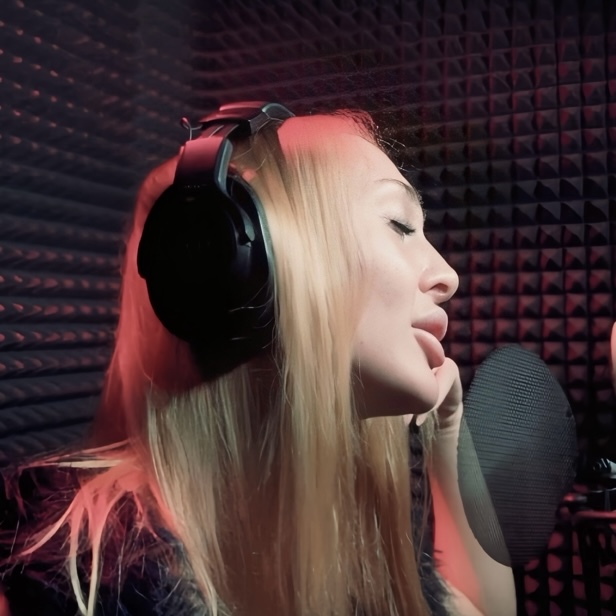
Milyam Exploring solitude, sensuality, and cinematic soundscapes, this interview with Milyam dives into the vision behind “Intimacy,” artistic independence, and her journey of turning emotion into immersive storytelling. 1. Your new single “Intimacy” is described as a cinematic and atmospheric experience. What was the emotional or conceptual starting point behind this track? Throughout my life, the sensual and spiritual realms have always played a vital role. I have always been a devoted reader, and now, through my music, I want to share the vivid imagery and the vast inner world of my soul with the audience. When I was writing “Intimacy,” I was going through a period of profound loneliness. I created this song with the hope that it would provide warmth and comfort to anyone in search of love and light. 2. Your sound blends R&B, soul, and refined electronic production with a strong “Old Money” minimalist aesthetic. How do you approach creating such a distinct and cohesive artistic atmosphere? I write my songs exactly as I feel they should resonate. I don’t let myself be confined by specific genres; instead, my goal is to immerse the listener in an atmosphere and a mood. I want them to step into an entirely different world for those few minutes of the track. To me, it is about telling a story that the listener walks through with me—much like a bedtime story for the soul. 3. Critics have highlighted your “sultry and captivating vocal identity.” How do you develop your vocal style to match the mood and storytelling of your music? For me, the vocals act as a lighthouse, guiding the listener through the soundscape. I strive for a sense of true “presence” in every record. My aim is to create a genuine bond of intimacy with each listener, so we can experience a specific moment together. I want my music to offer warmth in times of loneliness and support when it is needed most. It is less like a standard song and more like a private, personal conversation. My vocals are the foundation of the atmosphere upon which the music is built. 4. As the founder of MILYAM EMPIRE, you are building your own independent artistic ecosystem. What challenges and freedoms come with being both an artist and a label founder? It is certainly demanding to balance so many roles at once. It requires immense dedication, strength, and the resilience to keep moving forward even when doubt creeps in. However, the true heart of this empire is my mother. She is the pillar and the driving force behind everything we do. She handles the management, the promotion, the styling, and secures our interviews and press features. Beyond the business, she is my closest confidante and my greatest support on this musical journey. 5. Your work emphasizes the connection between music and visual storytelling. How important is imagery and cinematic presentation in shaping the full MILYAM experience? I experience life very deeply. I immerse myself in every event and every moment, constantly analyzing and reflecting. When I started songwriting, I realized that this “hypersensitivity” allows me to transform a single fleeting moment into a complete cinematic story and a whole new world. My songs help me navigate difficult times and preserve the most beautiful chapters of my life. 6. With “Intimacy” already resonating with a global audience, how do you envision the next phase of your artistic journey and the evolution of your sound? I believe there is no limit to perfection. As an emerging artist, my focus is on continuously developing my talents and refining my craft. Looking ahead, I am excited to release a new album and I dream of organizing a concert tour across the United States. https://www.instagram.com/iammilyam/
RISE
RISE RISE return with “Always,” a heartfelt anthem of resilience and friendship, exploring loss, renewal, and creative evolution while staying true to their signature sound and deeply rooted emotional authenticity. 1. Your new single Always carries a strong message about support and positivity—what inspired the theme behind this track, and how personal is it to the band?The track is deeply personal, as it really does come from the heart, having support during difficult times is genuinely empowering. We were friends first then a band, we are still friends now, so many years later. 2. The vocal performance from stayMellow really stands out on this release. How did this collaboration come together, and what did he bring to the emotional depth of the song?stayMellow (Sam) has worked with us for a couple of years following the untimely death of our original singer. The style of stayMellow’s delivery is uncanily similar to Steve’s (original singer) in terms of range and power. We did try some different approaches on the vocal takes in the studio, but we all agreed that the raw, edgy vocal worked best for this track. 3. Brian, the guitar work on Always is particularly detailed and expressive—can you walk us through your creative process when crafting your parts for this track?I tend to take the basic track and work at different ideas and sounds, we (Paul and I) will then bounce stems over to each other and develop out the ideas and concepts. This track was pretty spontaneous and the initial ideas were the ones taken through to the final mix. The solo was a mix of two ideas which I merged for the final track take. 4. You’ve mentioned that the “RISE sound” has been developed over many years—how would you define that sound today, and how has it evolved since your early days? Our style hasn’t really changed over the years. We accept that this may not work for everybody, but are trying to be honest to ourselves first and foremost and we write what we want to play. To some, we may be men out of time, but that’s OK with us. 5. Working again with producer Rob Whiteley, what makes this partnership so effective, and how does he help capture your energy in the studio?Rob is very much a man of detail, he is meticulous in his approach. He tries to get the best out of each of us; we also trust him, which is a key element for any producer working with a band. 6. With Always focusing on positivity in a darker world, do you see this track as a direction for future releases, or can fans expect different themes and sounds from RISE moving forward?We are working on a 5 track EP for later in the year (tracks are already complete.). The sound overall is still very much RISE. We do try to keep the positivity going, having said that, one of the tracks is a little darker, but it works for the song. A couple of the songs are a little more complex to play, but overall, we believe that fans and followers will like the fact that we have kept our style going. risemusic1986 | Instagram | Linktree
Ruut
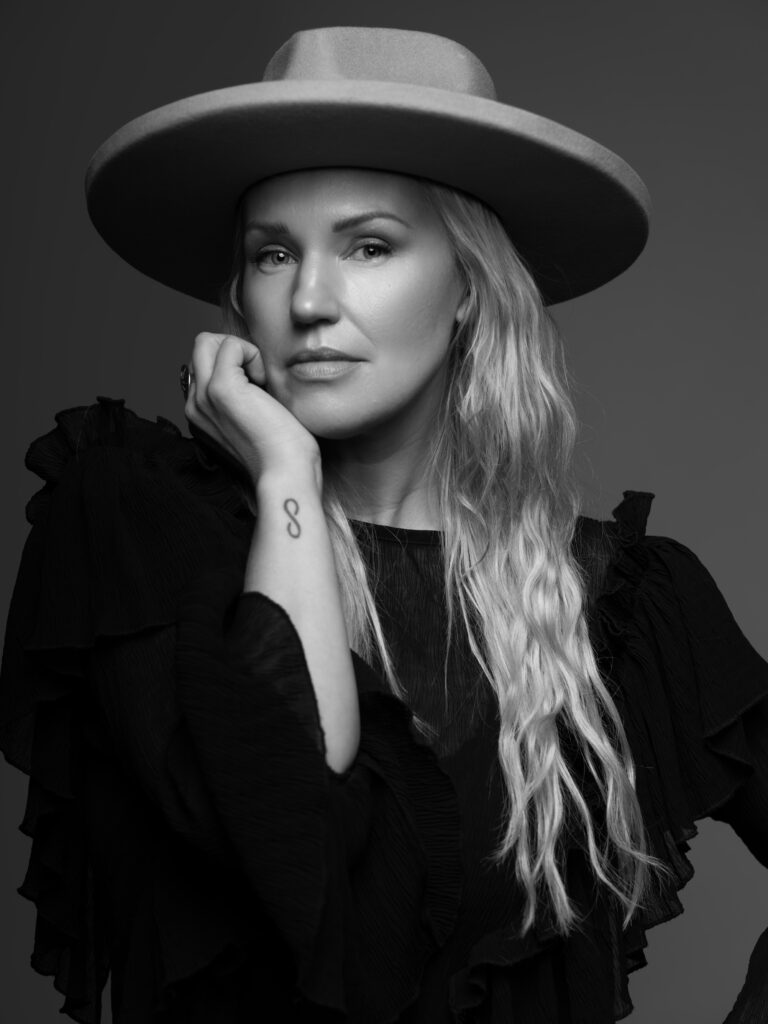
Ruut In this intimate interview, Ruut reflects on revisiting Steinway Sessions, exploring growth, identity, and resilience while embracing raw creativity, personal evolution, and the enduring belief in life’s beauty. 1. Steinway Sessions captures a very intimate period of your life—how did it feel revisiting and remastering these recordings so many years later, both emotionally and artistically? When I recorded these songs, I didn’t talk about them much. The session was almost a private party that I just happened to release as an album. It was such a contrast to other experiences I was having in the music industry at that time: working with producers whose focus was promotion, not art. In revisiting this album, I’ve felt so proud of young me for taking time to do something raw and honest, just for myself, kind of on the side. Just…pure art without an agenda. Stepping back to that time has been like drinking from the deepest well of inspiration. I clearly see now, that there is such a well, that it never runs out, and that it’s the only one I should be drinking from. 2. You’ve described these songs as reflecting a time of searching and growth. In what ways do you see your current self in those earlier recordings, and where do you feel you’ve changed the most? I hear a wisdom in the Steinway Sessions that a lot of my other younger music lacks. The themes I wrote about—love enduring fire, needing an anchor in my life, seizing second chances—are still so relevant to me now. I still love to sit at the piano and just sing, the way I did then. But I’ve also grown in my approach to recording. I love to explore space, creating vast sonic landscapes and layered experiences for my listeners. Still, at the core of everything I record, even now, there is that young piano-girl. All my songs could probably be stripped down to piano and vocals. So, she is always present. 3. Your journey—from Finland to Budapest to Baltimore, and from church stages to independent artistry—has been incredibly unique. How have these experiences shaped your musical identity and voice? My upbringing provided an interesting juxtaposition: we traveled through countries that had rich mythology and culture, not to appreciate all that, but rather, as missionaries. But even though I was there to proselytize, my subconscious absorbed all of it. Even after moving to the States, I returned to Europe on many missions trips. I remember buying a Kíla CD while in Ireland, when I was 16. My brain just soaked it up. It filled me with awe. It wasn’t “bad” music, so I was allowed to listen to it. But now, I see that I was drawn to its pagan, mystical mood. I’m starting to recognize that pattern, more and more. A human darkness broods in all expression, even in mine when I was being groomed to evangelize the world. What’s different now is I’m digging for that darkness. I’m allowing myself to explore what I missed. And it is rich, rich soil for my new music. 4. Signing with Meridian (ECR Music Group) marks a major milestone in your career. What made this partnership feel right for you at this stage, and how does it align with your long-term vision? The team at Meridian has not only understood my artistic journey to this point, but they believe (like I do) that it holds the key to making my best music. It’s refreshing to work with people who see you holistically, as artist and human, to dig out the musical gems that hide in the depths of your soul. My collaboration with them has brought clarity and because of this partnership, my vision not only feels refined but also achievable. I feel like we’re a bit of a small army together. It’s an empowering reality that I’m really grateful for. 5. The upcoming album Motherland suggests a deeply personal theme. Can you share what this record represents for you and how it differs from your previous work? This is so layered. I can’t wait to dive in deeply and really share about that album. For now, I’ll just say that I needed to go there. I needed to write that album and to tell myself, “Dive in, woman. Deeper, and deeper still. When you think you’ve reached the bottom, there’s more.” A time will come to share more about the journey of making Motherland. 6. “Life Is Beautiful” carries a powerful message about acceptance and perspective. How has your relationship with that idea evolved over time, especially through the highs and challenges of your career? I think I wrote that song to process what had happened to me. Quite plainly, I’d lost connections with people I loved because of my choice to leave a controlling religious environment. I was looking for beauty in life while feeling desperately alone. I believed that life would be beautiful, even though the odds felt against that. Now, looking back… I really honor that young woman who had such hope. I honor her courage. When I sing “Life is Beautiful” now, I sing it to her, as if to say, “You were right to believe it. Even without miracles. Even without having all the answers. No… especially then. In the unknowing. In the mess. Life is beautiful.” Ruut
Silent Frames
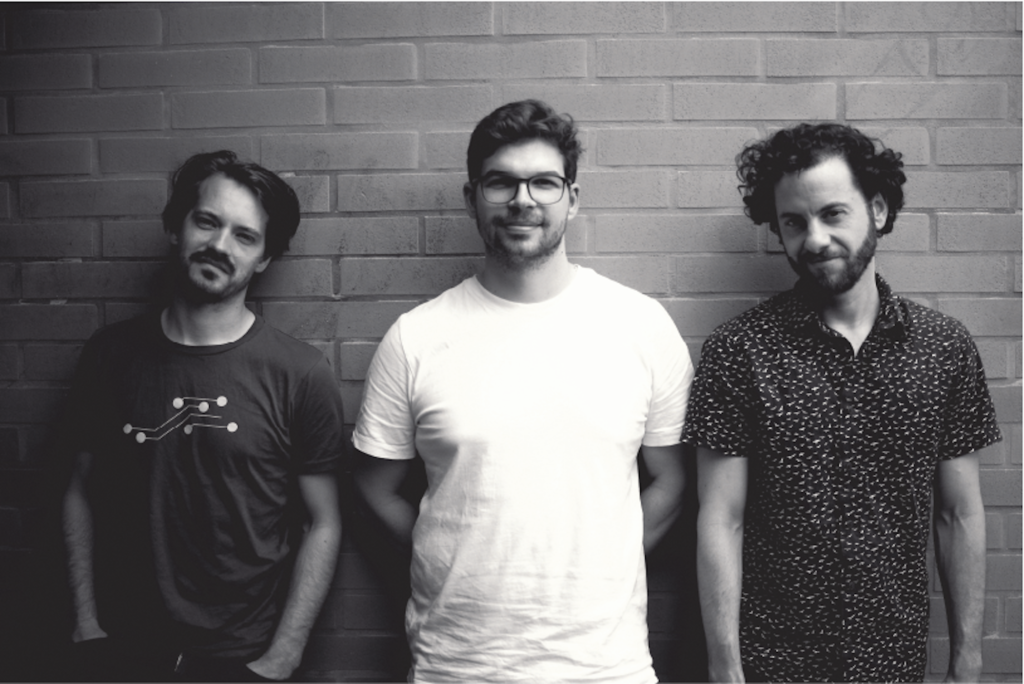
Silent Frames Emerging from Vienna’s vibrant scene, Silent Frames craft a compelling fusion of jazz and rock, capturing raw, live energy and introspective moments on their debut EP Sonntag. 1. How did the Sunday jam sessions evolve into your debut EP Sonntag? The jam sessions initially revolved around jazz standards as a way to find common ground. But quite naturally, they evolved into something more open, spaces where each of us felt comfortable bringing in ideas. Over time, those sessions became less about interpreting existing material and more about shaping our own sound, which ultimately led to the original compositions on Sonntag. 2. Your sound blends rock and jazz influences—how do you balance improvisation with structured composition? That’s a great question. What we really took from jazz wasn’t so much the emphasis on extended improvisation, but rather its harmonic language. Many ideas were born out of free improvisation, but they were always grounded in a harmonic framework first. That balance allowed us to keep a sense of freedom while still giving the music direction and identity. 3. What inspired the atmospheric contrasts and dynamic shifts heard throughout the EP? Our musical influences definitely played a role, but the EP is also a reflection of where we were in life at that time. Living in Vienna, going through different phases and seasons, emotionally and creatively, those contrasts naturally found their way into the music. The dynamics mirror that sense of movement and change. 4. Can you tell us about the decision to record the project live and keep the production minimal? We consciously chose a DIY, old-school approach. In a time where music is often heavily edited and polished, we wanted to preserve something more immediate and real. Recording live allowed us to capture the interaction between us, the imperfections, the energy, the human aspect of it. Especially now, when technology and AI are such dominant topics, there’s real value in something raw and honest. 5. How did artists like Julian Lage and Pat Metheny influence your approach to guitar work? They’re both masters of their instrument, especially in how they approach harmony and, even more importantly, melody. That had a strong influence on us. What stands out is their ability to create melodies that feel both sophisticated and deeply relatable. That’s something we always strive for, finding that balance between complexity and emotional connection. 6. What does Sonntag represent for Silent Frames as a band, and what comes next for you? Sonntag represents the culmination of a period of intense collaboration and dedication between the three of us. It was a way of capturing a specific moment in our lives and turning it into something tangible. In many ways, it also marked the closing of that chapter. Since then, the band has been on an indefinite hiatus, with each of us focusing on other projects, but the door is always open for what might come next. Silent Frames | Instagram | Linktree
Labrador
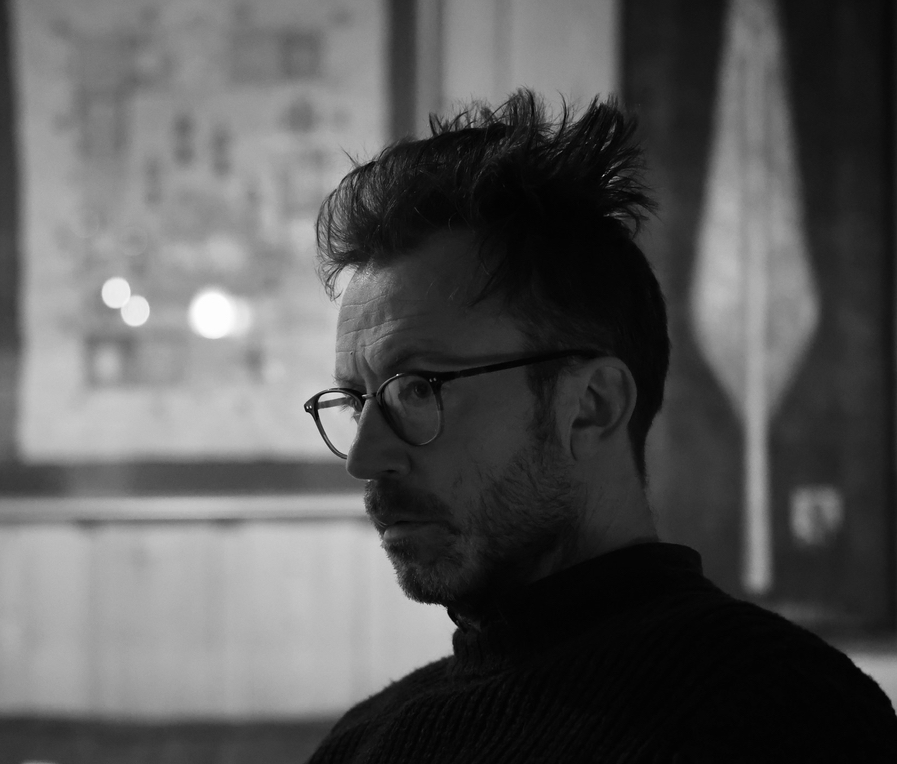
Labrador An intimate introduction to Labrador’s Paths, a deeply personal debut shaped by years of exploration, blending emotion, memory, and honesty into a reflective journey of sound and self-discovery. 1. Paths is described as a deeply personal and long-evolving project—can you tell us about the journey of finding a sound that truly felt like your own? It took years of stripping things away rather than adding more.I had to stop chasing what works and start trusting what feels honest. “Paths” comes from a lot of trial and error — learning what I’m drawn to when no one’s watching.The sound is just a reflection of that process. 2. The release explores the lasting traces of love, loss, and life experiences—was there a particular moment or event that became the emotional core of this project? There wasn’t one single moment.It comes from different people and events over time — things that leave marks without you noticing it right away.But around the release, something happened to my father that made everything land differently.It didn’t create the core, but it made it very clear. 3. You mention both visible and invisible “lines” we carry within us—how did you translate that concept into the music and sonic textures of Paths? I worked a lot with contrast.Some elements are very exposed and fragile, while others sit deeper — more something you feel than hear.The layers build and overlap, like experiences over time. 4. The blend of organic instrumentation with vintage analog synths creates a distinct atmosphere—how did you approach balancing these elements while keeping the emotion at the forefront? It comes from a tension in how I work.I love electronic music — space disco, cosmic disco — and especially old analog synths. The warmth and movement they bring is something I’m really drawn to.But as a songwriter, I never fully connected with those structures.I’m more of a verse/chorus person, shaped by playing in bands.So instead of choosing, I started combining them.Let the structure I naturally write in carry the emotion, and let the synth world live inside that. 5. You collaborated with vocalist Sonny Edwards and worked with Mike Schmid on mixing, mastering and keys—how did these collaborations shape the final identity of the release? They helped elevate the parts I couldn’t reach on my own.And that’s what music is about to me — finding ideas in collaboration that you don’t reach alone.Sonny brought a sensitivity to the vocal that really fits the song.Mike added keys and helped shape the track through a close collaboration, both technically and emotionally. 6. As your first solo release, what does Paths represent for you moving forward, and how do you see this project evolving in the future It’s a starting point, but also a line in the ground.It represents choosing honesty over strategy.Going forward, I just want to stay in that space and trust the process. Copy