
Exzenya

Exzenya A revealing conversation with Exzenya, diving into the raw emotions behind “The Fans Applauded,” where stage fright transforms into courage through vulnerability, storytelling, and the powerful connection between artist and audience. 1. “The Fans Applauded” captures a very vulnerable moment before stepping on stage. Can you tell us about the real-life experience or emotion that inspired this song? This song comes directly from my experience with severe stage fright. It’s not just nerves — it’s that full-body panic where you feel completely exposed, like you’re standing there and everything in you just shuts down. It’s that moment where you’re supposed to perform, and instead your mind goes blank, your heart is pounding, and all you can think is, “What if they don’t like me? What if they laugh at me?” There’s almost a “Carrie” feeling to it — like everyone is watching, and in your head it’s “they’re all going to laugh at you.” This is something very personal to me. I’ve never performed before, and the reason I haven’t is because of this exact fear. It’s something that held me back from starting to sing, record, and produce music. This song is really me confronting that moment and imagining what it would take to get through it. 2. The track beautifully transforms fear into courage through the audience’s reaction. How important is that connection between artist and fans in your personal journey? In this song, the courage doesn’t come from me at first — it comes from the audience. The turning point is realizing that the people in front of me aren’t there to tear me down… they’re there because they chose to be there. That shift changes everything. When they start singing along and applauding, it’s no longer just me standing there alone in that fear. It becomes something shared. They’re not watching me struggle — they’re helping carry me through it. And for me, that connection with fans isn’t separate from my journey — it is my journey. They’re everything. They’re the most important part of this. They keep me going. They make my heart happy. They fill me with joy through their encouragement. So in that moment, it’s not just about finding courage — it’s about realizing I’m not alone, and that there are people who genuinely want me to succeed. And that changes everything. 3. Your sound blends soft pop-rock with emotional storytelling. Who are your biggest musical influences, and how have they shaped your style? I’m drawn to artists who are able to be honest in their music — artists who don’t hold back and really let you feel what they’re going through. Artists like Sara Bareilles, Christina Perri, Kelly Clarkson, and P!nk have that ability to take something personal and make it feel universal. When you hear their music, it feels real — like you’re inside the moment with them. For me, I don’t just focus on one type of emotion. I write from the full human experience — the happy moments, the painful ones, the fun, the chaos, the “oops” moments… all of it. I’m really interested in what things feel like from the inside looking out, and also from the outside looking in. So when I write, it’s about capturing those moments as truthfully as possible, not just emotionally, but experientially — and then letting the music bring that to life. 4. Vocally, the song feels very expressive and intimate. How did you approach recording the performance to keep that raw emotion intact? I experience things very visually and emotionally — almost like a movie playing in my head. I see it, I hear it, and I feel it all at the same time. With this song, I pictured that exact moment — being on stage, completely frozen, full of fear, unable to perform or even move. That overwhelming stage fright where everything just stops. And then in my mind, the fans start singing my songs back to me. They’re carrying the lyrics, almost lifting me through the moment. And as they’re doing that, it gives me the strength to keep going. So when I recorded it, I wasn’t just singing — I was following that scene as it unfolded. As the fans start “singing” in that moment, that’s when I begin to find my voice again and start performing. That’s really how I brought the emotion into the vocal — by living that moment as it was happening in my mind. 5. Many listeners—not just performers—can relate to moments of self-doubt. What message do you hope people take away from “The Fans Applauded”? I think the biggest thing is realizing that the fear you feel doesn’t mean you’re not meant to be there. In those moments, it can feel like you’re completely alone — like everyone is watching, and you’re the only one feeling that panic. But that’s not always the reality. Sometimes, there are people around you who are actually there for you, supporting you, even if you don’t see it right away. For me, this song is about that shift — going from feeling completely frozen and alone, to realizing there are people who want you to succeed, who are rooting for you. And sometimes, it’s their belief in you that helps you find your way through. 6. With this release gaining attention, what’s next for you? Are you working on more music, collaborations, or possibly a larger project? I’m continuing to release more music, and each song explores a different part of the human experience — not just one emotion or one perspective, but the full range of what people go through. This release is part of my first album, Story of My Life, which is a 12-song project. The Fans Applauded completes 8 out of the 12 songs, and I’m currently working on the ninth. My goal is to have the full album completed within the next couple of months. At the same time, I’ve already begun releasing music from my second album, Bar
Cheri Lyn

Cheri Lyn In this interview, Cheri Lyn discusses “Selfmade Woman,” a bold anthem of independence, sharing her journey, creative vision, and determination to challenge norms while empowering women to embrace their identity. 1. Your new single “Selfmade Woman” carries a strong message about independence and identity. What personal experiences inspired you to write this empowering song? The experience behind the song is basically building my life as an independent woman and artist. I have two careers: in music and in entrepreneurship. I’ve always loved developing all of my talents. As creative as I am, I also love being intellectual. I realized that the industry often doesn’t appreciate women who think for themselves, and society still tends to disrespect independent women. I wrote this song to empower women to live their lives the way they want and not play small. We are still often expected to be quiet, but those times are over. We are equal. I want women to be proud of who they are, what they’ve achieved, and to know they can become whoever they want to be. 2. In your story, you often faced the question: artist or career woman? How did those expectations shape both your music and your personal journey? When I first entered the music industry in London, one of my tutors told me to leave my “business bitch” off the stage. At the same time, in business, I was often seen as just the artist. I worked my way up without sacrificing any part of myself. Music has always been my heart and passion, but I’ve also always been intellectually driven. Combining both has helped me stand out in both worlds. Now I am an independent artist who is business-savvy and manages herself, and at the same time a creative business woman who thinks outside the box. Embracing all of your talents is the key. Don’t let anyone tell you that you have to choose. 3. Musically, “Selfmade Woman” blends 70s-inspired soul with modern pop elements. What drew you to this particular sound for delivering such a powerful message? The 70s were a revolutionary time for women, with a strong feminist movement fighting for equal rights. Many incredible female artists shaped the music industry during that time — Joni Mitchell, Tina Turner, Stevie Nicks, Donna Summer. I thought: why not bring back the spirit of those powerful women and reclaim our feminine power? The sound of Selfmade Woman is a dedication to that era — inspired by powerful women in pop, rock and soul. 4. You wrote and co-produced the track yourself. How important is creative control for you when shaping a song that reflects such a personal statement? I’m very involved in production. I love experimenting with sounds and creating something new. But what really works well is co-creation. My producer and I know each other very well, and that allows us to become more and more creative together. We enjoy breaking rules, mixing genres and using unexpected sound elements. For Selfmade Woman, we combined soulful 70s-inspired pop with heavy 808s and a lot of female harmonies. We also experimented with many effects to shape the final sound. 5. The song celebrates ambition and encourages women to embrace their achievements without apology. What kind of impact do you hope “Selfmade Woman” will have on listeners? I want people to have fun with this song — but also, in those moments when they feel like playing small, I want them to put on their crown and remember who they are. It’s an anthem for women to fully embrace their capabilities and be proud of themselves. 6. With this release setting such a confident tone, what can fans expect next from you musically and creatively in the near future? I’m currently working on my second album, Business Bitch. It will explore the many prejudices women face in business and success. There’s still this strange reality: women often have to work ten times harder to get recognition, and once they become successful, they are judged ten times more than men. With this album, I want to challenge those narratives and set new standards for women. Cheri Lyn | Instagram, Facebook | Linktree
Indolore

Indolore In this heartfelt interview, Indolore reflects on the deeply personal song “Terry,” sharing stories of friendship, inspiration, and the emotional bond behind this sincere musical tribute. 1. “Terry” feels like a deeply personal musical letter. When did you first feel the need to write this song, and how did it take shape in the studio?This song came to me late at night, sitting on my kitchen floor. As the guitar chords flowed from my fingers, I thought about Terry Reid, his voice, and the strong friendship we had built over time since we first met fifteen years earlier. I felt it was time to express my admiration and affection for him in a song. 2. Your connection with Terry Reid began back in 2008 and evolved into collaborations, live performances, and lasting friendship. Looking back, what was the most decisive moment in that journey for you as an artist?There were several. The first was discovering him by chance in a documentary called ‘Glastonbury Fayre’, where you see him roaring on stage during one of the very first editions of this famous festival. It was a shock. The second was when we met in the studio in Paris a year later. I had written several songs for him. The microphones were turned on and his voice blew everything away. In real life this time. Second shock. And finally, I could mention a third very memorable moment, when we found ourselves backstage at a concert we had given together in London. Exhausted and slightly drunk, I asked him the secret of rock ‘n’ roll. He thought for a moment and revealed it to me… 3. The song was recorded live in the studio with close friends who also shared a bond with Terry. Why was it important for you to capture it that way, rather than build it layer by layer?Oh yeah! I wanted the message to be as authentic as possible. I wanted only my friends who also knew Terry Reid well to take part in the recording, in the hope of capturing their emotions along with mine. That’s why the live studio format was the obvious choice, despite the risks involved. I wanted ‘Terry’ to be born out of a freshness, an indelible sincerity. I’m very happy that we managed to do that, musically, but also visually. 4. You mention that Terry’s health suddenly deteriorated as you were finishing the track. How did that reality influence the emotion and urgency behind completing and sending the song to him? This song expresses my admiration and gratitude for Terry. It was recorded before his health suddenly deteriorated. It was not intended to be a tribute. I wrote it as a letter to a friend who is very much present, whom we are eager to see again. As soon as I heard that he was unwell, I sent him the rough mix of ‘Terry’ to tell him everything I wanted to say, especially that I wanted to work with him again, talk to him about the future, that I wanted to believe in it, and I did believe in it. So did he. 5. Terry Reid has been praised by legends like Aretha Franklin and Graham Nash. Beyond the iconic voice and career, what did Terry teach you personally about music and about life?Terry Reid was loved and admired by the greats, but also by the many anonymous people whose lives were deeply touched by his music. Aretha Franklin was spot on when she said in 1968 (Terry was only 17 at the time!): “There are only three things happening in England right now: The Beatles, The Rolling Stones, and Terry Reid”. Graham Nash was a very close friend of Terry and produced one of his major albums, ‘Seed of Memory’, which I urge you to listen to. Terry taught me not to let myself be overwhelmed by outside noise, to stay true to my own instincts, and to see my projects through to the end, regardless of the response. Imagine my emotion when I recently received, via Annette (Terry’s wife), this incredibly touching message from Graham Nash himself (about my track ‘Terry’): “What a wonderful song in tribute of my dear friend Terry Reid.” 6. “Terry” is the first single from your upcoming EP La Vie Side B. How does this tribute fit within the wider emotional landscape of the new project, and what do you hope listeners will carry with them after hearing it?I now realize that this EP, ‘La Vie Side B’, which follows ‘La Vie Face A’ (my previous EP sung in French), is an expression of my deep gratitude to several people who are part of my extended family. In ‘La Vie Side B’ (to be released in the spring), I mention Terry Reid, but also my beloved grandmother, my own adolescence full of buried dreams, as well as legendary characters and places that I would have loved to have known in their heyday. I hope to reawaken listeners’ forgotten passions when they hear this new music. I would like them to rediscover their Side B, just as I rediscovered mine. Indolore // Singer – Songwriter // Indie music // French artist // Je Rêve D’é and more
Daphne Parker Powell

Daphne Parker Powell Exploring identity, cultural shifts, and authenticity, this interview with Daphne Parker Powell dives into The Death of Cool, its inspirations, collaborations, and the emotional depth shaping its sound. 1. Your new album The Death of Cool explores themes of cultural rebellion, shifting social norms, and the way counterculture eventually becomes mainstream. What inspired the concept behind the album? We live in this wild time, the first generation to be able to communicate and engage with the rest of the world instantly, with social consciousness moving faster than it ever has. It’s all more global and simultaneously more niche. You can find just about any variation on just about anything you’re interested in and connect with other people who share that interest. The problem with a lot of that is how disconnected we end up feeling, how overwhelmed, and how difficult it is to parse what is toxic, fake, or dangerous from what is authentic and loving. And how easy it is to hide behind, to not find your own real self in the flurry of it all. 2. The record was produced by Jimbo Mathus and engineered and mixed by Mike Napolitano. What was it like collaborating with such experienced figures, and how did they shape the final sound of the album? I was a ‘90s teen and the Swing Revival was a huge deal to me. The Squirrel Nut Zippers held a special place in my heart from their first albums. The idea that people could take these old forms and make them so fiery, fun & dancey, in such a down-home way that also felt so polished and perfect was a dream aesthetic. We went with Mike Napolitano for dozens of reasons, starting with how great he is at that exact kind of polish on deep, unusual music forms. Several of Mike’s albums are on my desert island top 10 and when we started to work together, it all clicked so naturally. Working in his and Ani’s studio, surrounded by those instruments was a kind of special as well. Some of the first songs I learned on guitar were Ani’s. Jimbo is a riot to work with, he never rushes, but somehow we managed to get all ten songs tracked but for overdubs in just three days. Not long days either. He doesn’t use a click track, wants everything to be a live as possible. Which was exactly what I’d been hoping to do with these songs. He has so much fun in the studio, and everyone was in high five mode the whole time. 3. The album features musicians connected to the legendary Preservation Hall as well as members of Squirrel Nut Zippers. How did these collaborations influence the musical atmosphere of the record? I probably watched The Mask in movie theaters 8 times and I adored the Royal Crown Revue, told myself that was the kind of band I wanted to work with some day. Fast forward to moving to New Orleans, where the musicians I connected with automatically understood the kind of music I was writing. Some of those were the Zippers and I work with them every chance I get. The mix of technical proficiency and fun is powerful in that group and even when tackling material as dark as some of the songs on this album, we ended up making something incredibly joyful as well. When I first moved to New Orleans, my neighbor told me to go down to Dos Jefes, a little cigar bar on Tchoupitoulas Street, to see a fella by the name of Tom Hook. Said he often has guests sit in on his nights there. So I went down and he was playing with Wendell Brunious. I’ve never been shy, so I put my hat in the ring right away and ended up singing Gershwin with Wendell and Waits with Tom. That friendship grew over time and I got to know Caroline and through my work in Arts Education, I had a chance to work with a bunch of the folks at Preservation Hall. Wendell and Tom came out to play my album release show for The Starter Wife and I knew I wanted him and Caroline on the next project, so I made the invitation and they said they’d be delighted. Caroline’s clarinet on “Scorched Earth & the Flood” might be my favorite sound on the entire record. Wendell said she stayed up into the wee hours of the morning the night before working on it because she really wanted it to be just right. And it was, though I’m sorry it meant he didn’t get much sleep. 4. Sonically, the album blends horn arrangements, upright bass, deep-south electric guitars, and what you describe as “swampy torch folk.” How did you approach creating this distinctive sound palette? I put a lot of my trust in Maestro Jimbo on that one. My live band played on the album and we had been test driving some of the songs out in the Quarter and on Frenchmen Street and pulling in some other horn players from around town. One of Jimbo’s other projects, Creatures of the Southern Wild, came to play at Les Bon Temps Rouler not long before we started working on this album and I heard Kirk Bowie Russell play for the first time. He blew me away, and Jimbo made me promise I was only borrowing him for the session. But that fella ripped his solo on the Death of Cool in ONE TAKE. Like he was possessed. Once the right people were in the room, I knew we couldn’t fail. 5. Several track titles—such as “No Taste for Nostalgia,” “Zeal of the Converted,” and “Object Impermanence”—suggest philosophical or reflective themes. How do your lyrics connect personal experiences with broader cultural observations? My last three albums have been deeply reflective, I think that’s been the arc for me these last years. Growing up with a lot of trauma, violent relationships, and battling cancer several times
New Nobility

New Nobility New Nobility shares the heartfelt vision behind One Child One Smile, blending global sounds with a message of hope, unity, and kindness, setting the stage for their uplifting upcoming album. 1. What inspired you to focus on children’s struggles around the world in this release? One Child One Smile came from a simple but powerful idea, that every child, no matter where they’re born, deserves joy, safety, and hope. We’re constantly seeing stories of hardship around the world, especially affecting kids, and it just stayed with us. This song was our way of turning that awareness into something positive, something that reminds people that even small acts of kindness can make a real difference in a child’s life. 2. The track blends World, Afrobeat, and Pop influences. How did you approach combining these styles? We wanted the music to reflect the global nature of the message. Afrobeat brings that uplifting rhythm and movement, World elements add cultural depth, and Pop makes it accessible and memorable. It was about finding that balance, keeping it soulful and rhythmic, but still delivering a melody that connects instantly. The groove carries the emotion just as much as the lyrics do. 3. How does One Child One Smile set the tone for the album Let’s Make a Better World? This track really is the heart of the album. Let’s Make a Better World is all about hope, unity, and action, and One Child One Smile captures that perfectly. It’s not just about highlighting problems, it’s about offering a vision of what we can do together. The rest of the album builds on that, with different stories and perspectives, but always coming back to that core message of making things better. 4. What message do you hope listeners take with them? That they matter more than they think. You don’t have to change the whole world overnight, sometimes it’s as simple as showing kindness, offering support, or just being present for someone. If the song inspires even one person to make a small positive change, then it’s done its job. 5. How important is music in bringing people together and inspiring change? Music is one of the few things that truly crosses borders, languages, and cultures. It connects people emotionally before anything else. In a divided world, that’s incredibly powerful. A song can start conversations, shift perspectives, and remind people of what we all share. That’s why we believe music isn’t just entertainment, it’s a tool for unity and change. 6. What’s next for New Nobility? We’re really excited about what’s coming. The album Let’s Make a Better World explores a range of themes, hope, resilience, love, and community. Fans can expect more uplifting songs, strong melodies, and meaningful messages. We’re also looking at visual content and live, style experiences to bring these songs to life in a bigger way. This is just the beginning of the journey. New Nobility Band – Music for a Better World
Riley Finch
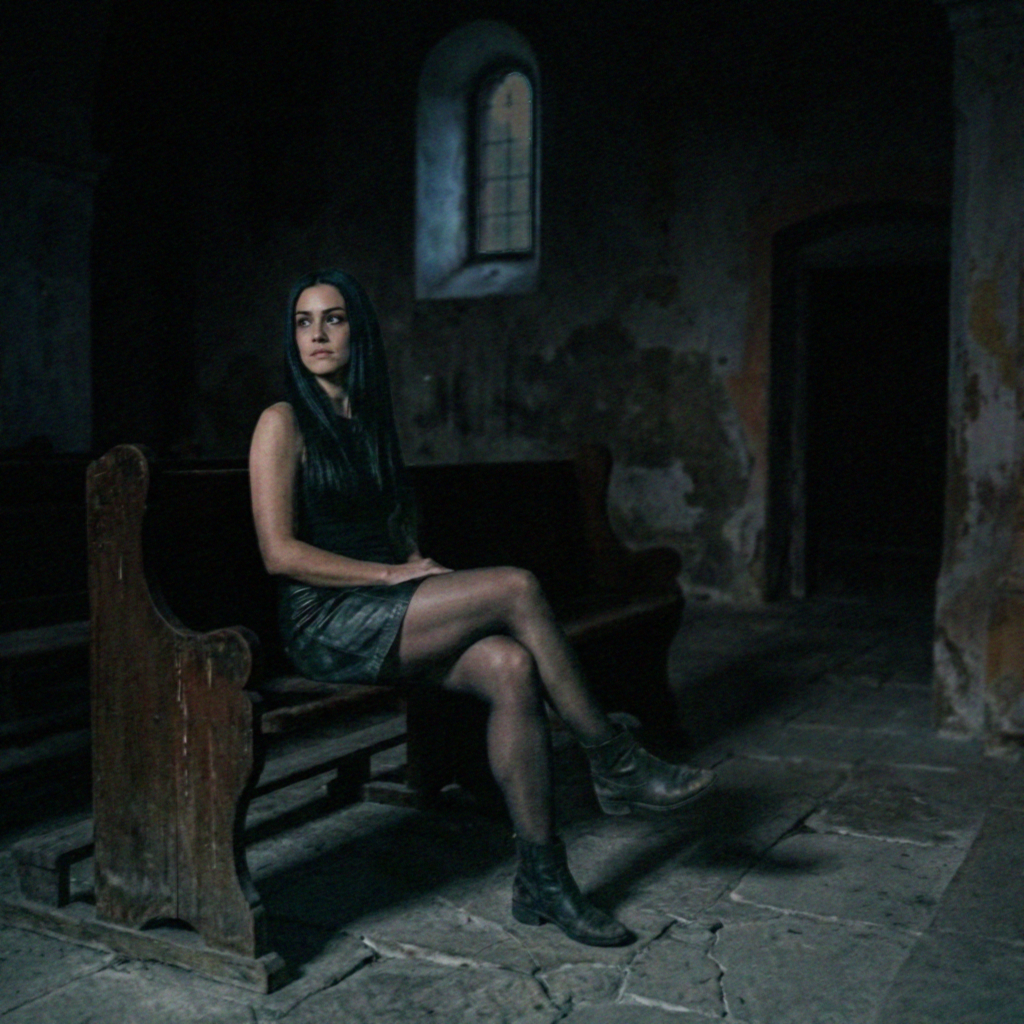
Riley Finch Riley Finch opens up about raw emotion, betrayal, and self-discovery behind Only When You Come, revealing the unfiltered songwriting, confronting truths, and sonic choices that shape this personal debut album. 1. Only When You Come is such a raw and emotionally intense debut—what pushed you to tell this story so directly and without holding anything back?I don’t know if it felt like a choice at the time. It was more that I didn’t really have another way to write it.A lot of those songs came out while things were still happening or right after, so there wasn’t much distance between what I was feeling and what ended up in the lyrics. I think if I had waited, maybe it would’ve been more filtered or easier to shape into something “cleaner,” but that didn’t feel honest to where I was at.I also think I spent a long time before that trying to say things in a way that felt more acceptable or easier for other people to hear. And it never really landed the way I wanted it to. It sounded right, but it didn’t feel right.So when I started writing these songs, I kind of stopped trying to manage how it would come across. Not in a reckless way, just… I wasn’t softening it anymore.I didn’t really think about whether it was too much or too direct while I was doing it. That came later. At the time, it just felt like the only version of the story I could actually stand behind. 2. The album explores themes of loyalty and betrayal in a very personal way. Was there a specific moment or realization that became the emotional starting point for the record?I don’t think it was one big moment. It was more like something that kept repeating until I couldn’t ignore it anymore.I think the realization was more about seeing the difference between what someone says and what they actually do, especially over time. You can explain a lot away in the moment, or tell yourself it’s just a bad day or a misunderstanding. But when it starts to feel consistent, it’s harder to keep giving it the benefit of the doubt.That’s probably where a lot of the album comes from. Not just the feeling of being hurt, but that shift where you start to see things more clearly than you maybe wanted to.It wasn’t dramatic when it happened. If anything, it was quieter than I expected. Just realizing that something I thought was solid… wasn’t, at least not in the way I believed it was. 3. Tracks like Did You Even Flinch? and Last Fucking Mistake carry a strong sense of confrontation and anger. How did you channel those emotions into your songwriting and performance?I think those songs sound more explosive than they actually felt while I was writing them.A lot of the anger wasn’t loud at the time. It was more controlled, or pushed down, or sitting there without really having anywhere to go. So when I finally wrote it out, it comes across sharper because it’s not filtered, but it’s also not exaggerated.I wasn’t trying to make them sound aggressive. I was just trying to say things I hadn’t said when I probably should have.With Did You Even Flinch? especially, a lot of that comes from looking back at something and realizing how one-sided it felt in ways I didn’t fully process in the moment. And Last Fucking Mistake is a little more direct, but even that isn’t as impulsive as it sounds. It’s more like reaching a point where you’re done questioning it.I think the way I approach it is just… don’t dress it up. If it’s uncomfortable or blunt, it probably means it’s closer to what I actually meant. 4. Your sound blends alternative rock, grunge, and industrial textures. How did you shape this sonic identity to match the emotional weight of the album? I don’t think I ever sat down and tried to define what the sound was supposed to be. It was more about whether something felt like it matched what I was trying to say.A lot of the time, if something sounded too clean or too polished, it just didn’t sit right with the lyrics. It felt disconnected from what the songs were actually about. So I kept leaning toward things that had a little more weight or tension in them, even if they weren’t perfect.The alternative, grunge, and some of the more industrial elements are also just what I’ve always been drawn to. That’s the kind of music I go back to when something actually hits me, so I think that naturally shapes how I hear things when I’m working on my own songs.There’s something about those sounds that doesn’t try to smooth everything over. They leave space for things to feel a little rough or uncomfortable, which felt more honest for this record.And with some of the colder or more distant textures, that was more about certain moments needing to feel a little detached underneath everything else. Even the quieter parts didn’t feel like they should be soft, just… held back.I think it all just came down to not forcing anything into a style. If it supported the feeling, it stayed. If it didn’t, it didn’t matter how good it sounded on its own. 5. On My Own Undoing and My Own Flame, there’s a shift toward self-reflection and independence. How important was it for you to include that personal growth in the narrative?It was really important, because without that, it would’ve felt incomplete.I don’t think I could’ve been honest about that situation without also being honest about my part in it. Some things were one-sided, yeah. But I was still there. I stayed. I let certain things keep happening longer than they probably should have.I don’t see myself as someone who was just a victim in it. That never felt true to me. At the same time, that doesn’t mean nothing happened either. It’s just…
Callie Joy Porter

Callie Joy Porter Blending ambient darkness with cinematic rock, Callie Joy Porter unveils the deeply personal world behind “9”—a powerful exploration of resilience, rebirth, empowerment, and confronting hidden truths through music. 1. Your album “9” blends soft ambient dark music with cinematic and alternative rock elements. How did you develop this unique sonic identity, and what emotions were you hoping listeners would feel throughout the record?Due to my mystical development and my knowledge in mythology, I tried to infuse the energy of resilience and learning more than guilt-tripping and disserving in my songs. Some of them help in acquiring the feelings they give the audience. Everyone, no matter biological gender, can take away from the experiences, the stories in this album have a lot to do with what most people have a tendency to hide in shadows, over fear of others judging them over their life experiences. With this album, I’m trying to infuse energy, acknowledgement, sensuality and strength. Empowerment. Of course, dedicated to women, but everyone who has ever been diminished or guilted into feeling small can take the energy of release and empowerment, the returning to the core, and the experience of rebirth from the album. 2. The concept of the album is built around “what if” scenarios, especially the idea of January birthdays being overlooked or misunderstood. What inspired you to explore this theme, and how personal is this story for you?It is enormously personal, because I named this album after the most energetically tied to me. I was born in January 9th, and because of having working parents, and working summers myself, I’m from Chile, it’s a highly touristic season, it’s summer then, my family has always worked Summers, so I worked tourism for over 15 years, sometimes I still come back, besides everything I do on my daily life. Whenever I don’t want to forget something, I give it that number. When it came time, and I realized who I am, it was also a January 9th. 3. Songs like “Hero” and “Just Rise” focus strongly on resilience and self-empowerment. How important is it for you to include messages of strength and self-worth in your songwriting?It’s very important, because I hope kids, from 25 and lower, can listen to empowering songs and think they can still be that person for themselves or someone else. I went through a lot in my 40 years on this earth. Most of it was caused because of my impostor syndrome, the fact that I posponed things I wanted for myself, the binds that broke me, ended up being my version of rock bottom and when I thought I wouldn’t blind, my music returned to me, my will for my music, acting, performing in all ways, returned to me. I realized one of the gods I believe in, the one that is the reason for my second album’s track, Liminal Goddess, Hekate, was once more giving me the choice to either stay the same or move on. Make the move. And this time I made it. I just hope some of my music gives younger generations, the will to go for their dreams sooner. Earlier than I did. 4. Tracks such as “Sweet Darling” and “Stellan” carry a dark, femme-fatale atmosphere. What draws you to this aesthetic, and how does it help you express the stories behind these songs? I teach mythology, tarot and I read tarot cards, as I’ve said before, I’ve been reading tarot cards since I was 9, so I’ve been literally called a femme fatale, or told that ‘I did something’ to someone when they wanted me but they were with someone else. People, men and even some lesbians, were blaming me over their feelings for me. I don’t consider me a femme fatale, I’m too filterless to be one. I speak my mind and I’m opinionated and to me, relationships are important. So, if someone, anyone, lies to someone about me, which has happened as well, those songs are one – if you want me, you need to be single and not be a creep, no matter how hot you are – that’s mostly Stellan. And well, Sweet Darling is the typical one that I gave a shout out because they were going to hell on the first line. Why? because most of the ones who have gone on me or my friends in my time when I used to go out more, well, were supposed to be committed in one way or another or people who went to their religious temple or church many times … But they lied a lot. Faked a lot. And many younger women believe men. I’m trying to warn them. And no, it doesn’t matter how much people think it’s the woman’s fault. In the song the femme fatale was literally saying that she wasn’t going for him. 5. The number 9 plays a symbolic role in the album, representing closure and rebirth. How did this symbolism shape the structure and narrative arc of the record?It’s a death and rebirth album, because it was released on my birthday. I left 39-year-old me behind, and I’ve been shedding, and new music will be coming in about 3 months, another couple of EPs or Singles, and an album by the end of this semester should be expected, something tells me you will know when all of that will happen earlier. But yes, I’m working on some Singles in Spanish, and some more in English, I’m picking up some instruments that I want to try my hand at. I’m recharging the dream. I’m choosing which thing comes when and where and if they pass me, because I’m very much a perfectionist when it comes to what comes through 6. Your music blends fantasy, reality, and themes of empowerment for women. What do you hope listeners—especially women who relate to these experiences—take away after hearing the album?All my albums have a thing, I make it with intentions. Depending on the song, and
Carmen Rose Davidson

Carmen Rose Davidson Blending genres and raw emotion, Carmen Rose Davidson opens up about her multicultural roots, powerful influences, and the deeply personal story behind “Make Sure” and her debut album Sincerely Yours. 1. Your music blends Country, Jazz Fusion, Blues, Funk, and Ethereal soul — how did you develop such a unique and genre-crossing sound?I think it was inevitable really. I grew up in Ealing, West London — one of the most ethnically diverse boroughs in the UK — with mixed South Asian and Christian roots. My ears were soaking up a whole world of sound from the very beginning. Gospel, Arabic maqams, 80s rock, country, Vivaldi — all before breakfast! That cultural collision became the heartbeat of my sound. I love the fusion of genres and wanted every sound that has ever inspired me to have a seat at the table. So when you listen, it sounds like the hustle and bustle of the musical heart of London — because that’s exactly where Make Sure was first born. 2. “Make Sure” is deeply personal, born from experiences of betrayal and mistreatment. What was the emotional process like turning that pain into such a powerful and empowering song?Honestly, it poured out of me. I discovered a former lover had been cheating on me via social media and my heart just sank. I sat down with Dolly Parton playing in the background — because if anyone understands that kind of betrayal, it’s Dolly — and the words just streamed out of my hands and the tears out of my eyes. The song also draws on a broader landscape of past relationships where I experienced abuse and mistreatment. Writing has always been how I process pain. It’s like my heart speaks before my head catches up. The empowerment in the song wasn’t something I set out to create — it came naturally from choosing to turn that pain into something that might help someone else. 3. You describe the track as a “woman-to-woman plea” rather than a political statement. What message do you hope listeners, especially women, take away from it?I hope they feel seen. Not judged, not lectured — just held. Sometimes we all need reminding of our worth, and this song is for every woman who has ever forgotten hers — including me. I actually want the song to reach anyone who feels mistreated in any kind of relationship — the message of knowing your worth belongs to everyone. I’m not standing above anyone with this song. I’ve been there too. I know what it’s like when your nervous system normalises something that isn’t right, when you mistake control for strength or mistreatment for passion. I just wanted to reach out a hand and say — you are worth more. You always were. 4. Your vocal style has been compared to artists like Beth Hart, Joss Stone, Aretha Franklin, and Lana Del Rey. How have these influences shaped your voice and artistic expression? Those are extraordinary women and I’m deeply honoured by those comparisons. What connects them all for me is that they sing from somewhere real — there’s nothing performative about their pain or their joy. Beth Hart and Joss Stone have this volcanic, uninhibited quality that I’ve always been drawn to. Aretha is the foundation of everything — that Motown soul, that authority, that grace. And Lana brings a dark cinematic atmosphere that I connect with deeply. I’ve never consciously tried to sound like any of them — but I think when you grow up absorbing music that genuinely moves you, it lives in your voice whether you intend it to or not. 5. The release of “Make Sure” coincides with the cultural conversation sparked by Inside the Manosphere. Did that timing influence how you view the song’s impact or relevance today?Watching that documentary was a profound moment for me. Seeing some of those women — the pain behind their eyes, the body language that told a different story to the words they were saying — I felt compelled to respond. I’ll be honest, I’m impulsive by nature and I felt it immediately. Not from a place of judgement or moral superiority, but from deep compassion. I understand that everyone navigates their relationships in their own way — but sometimes you just need someone to hold up a mirror with love. Make Sure was written long before the documentary existed, but sometimes a song finds its moment. The fact that it landed the same week as Louis Theroux’s film feels less like coincidence and more like the song knew where it needed to go. I really hope it reaches the people who need to hear it. 6. Your debut album Sincerely Yours is now out — what does this project represent for you personally, and what can listeners expect from the rest of the record?Sincerely Yours has been ten years in the making — and I mean that literally. These songs have been living inside me, growing with me, sometimes waiting for me to be brave enough to release them. Grieving the loss of a young musician reminded me that we don’t get unlimited time to share what matters. So here I am, finally putting my heart on display. The album is a sonic diary — a mixture of originals and reimagined covers that explore mental health, trauma, addiction, faith, toxic love, and the long road to healing. It’s the beautiful and the broken parts of what it means to be human. I write real music for real feelings, and Sincerely Yours is the most vulnerable thing I’ve ever done. Carmen Rose Davidson
Haifa Melliti

Haifa Melliti A deeply introspective artist, Haifa Melliti invites us into a serene world where piano, intuition, and spirituality intertwine, shaping Mélodie de la Déesse into a meditative journey of silence and soul. 1. Your album “Mélodie de la Déesse” is deeply inspired by meditation and inner silence. Can you tell us how these spiritual practices influence your creative process at the piano? My creative process is born in silence before it becomes sound. Meditation allows me to empty myself from the noise of the world and return to a space of pure presence. In that stillness, I don’t “compose” in the traditional sense I listen.The piano becomes a channel, a sacred space where something greater than me can flow. Each note arises like a breath, guided by intuition and inner peace. It is not about control, but surrender. This is where the music of Mélodie de la Déesse is born in a dialogue between silence and the soul. 2. The music on this album was born from intuitive improvisation. What does that moment of improvisation feel like for you, and how do you know when a melody is complete?Improvisation feels like entering a timeless space, where the mind dissolves and only sensation remains. It is a state of deep connection almost like a prayer, or a trance of presence.I don’t decide when a melody is complete. I feel it. There is a moment when the energy settles, when the breath of the piece naturally comes to rest. It’s as if the melody tells me: “I have said what needed to be said.”Completion is not technical it is vibrational. 3. The concept of the sacred feminine plays an important role in your work. What does this idea represent to you personally and artistically?The sacred feminine is the essence of creation itself. It is softness and strength, intuition and power, silence and expression.Personally, it is a path of remembrance reconnecting with the inner wisdom, the body, the heart, and the unseen. Artistically, it manifests as a presence that flows through my paintings and my music. It is the voice of the invisible becoming visible.Through Mélodie de la Déesse, I honor this energy as a living force a vibration that heals, awakens, and reconnects us to our divine nature. 4. You are both a pianist and a painter. How do these two artistic worlds interact, and do your visual creations influence the emotions or imagery in your music? For me, painting and music are two expressions of the same inner language.When I paint, I hear melodies. When I play, I see colors and symbols. The two worlds are constantly in dialogue. My paintings the Déesses, the symbols, the light often become emotional landscapes that later translate into sound.Each note carries a color, each canvas holds a rhythm. Together, they create a complete sensory universe where emotion, vibration, and imagery become one. 5. The atmosphere of “Mélodie de la Déesse” feels very calming and reflective. What kind of emotional journey do you hope listeners experience when they hear the album?I hope listeners feel a return to themselves.In a world that moves so fast, this album is an invitation to slow down, to breathe, to reconnect with inner peace. I wish for each person to feel held, soothed, and gently guided inward.It is not only music it is a space. A sanctuary where emotions can soften, where the heart can open, and where silence becomes a source of comfort and strength. 6. Looking ahead, do you see yourself continuing to blend music, visual art, and spirituality in future projects, and are there new directions you would like to explore?Yes, absolutely. For me, these three dimensions music, visual art, and spirituality are inseparable.I feel called to create immersive experiences where sound, color, and space merge together. I imagine exhibitions where my paintings are surrounded by live piano, where visitors can step into a living, breathing universe of the sacred feminine.I am also open to collaborations with dancers, poets, and creators from different cultures expanding this vision into something collective and universal.At the same time, I remain deeply connected to the intimacy of my process. No matter how much it expands, it will always begin in silence… and return to it. Haifa Melliti – artiste – peintre
Elina Filice

Elina Filice After two years away, Elina Filice returns with “These Days,” a heartfelt, nostalgic anthem exploring long-distance love, emotional storytelling, and a bold new creative chapter. 1. After nearly two years away from releasing new music, how did it feel to return with “These Days,” and what made this song the right one to mark your comeback?It was definitely an accidental hiatus! The last two years have been full of love, adventure, travel, developing Drop Rocket, writing, recording and producing – just no releases! I did want a ‘comeback track’ to mark a new era of upcoming music. I felt that “These Days” was the right track for the job! It’s heartfelt and nostalgic, but upbeat and (I hope!) a song you’ll want to scream-sing in the car. It also describes a long-distance relationship, which I think a lot of people will be able to relate to. 2. “These Days” explores the emotional reality of long-distance relationships. Can you tell us more about the personal experiences or moments that inspired the lyrics?I wrote this song in my head while driving to and from another city, a few years ago when I was in a long-distance relationship. It describes the feeling of always running out of time, and yearning for a future where you’ll have all the time in the world. I wanted to capture that unresolved feeling of leaving your heart in another place and always being on the run, never truly here nor there. There’s this push and pull and waves of uncertainty that you ride when in an LDR. But also a hope that you have to hold in your heart to make it through the hard times. 3. The song builds from sparse, emotional verses into a powerful, anthemic chorus. How did you approach the songwriting and production to create that emotional rise?I wanted the verses to describe quick vignettes, memories, and moments in time: movement, longing, loneliness. I tend to lean into strong storytelling in my music so that people can immerse themself in and see themself in the song. I wanted the hook to feel like an arrival: full of hope in the future, and reassuring a loved one that everything will be ok. In terms of production, we kept the verses pretty sparse and then added a ton of layers and texture into the hook to convey those emotions. 4. Your music often blends different influences, including indie-pop, blues, and spoken word. How do these elements shape your artistic identity?I definitely have a hard time committing to a genre! I feel very influenced by the world around me – what I’m listening to, how I’m feeling, what I’m experiencing. My music and what I have to say has never felt like something I can put in a box. I like the freedom to pursue any idea or influence. If you listen to my discography, you’ll hear everything from folk to rap to rock to house. They say this makes me hard to market. I think it keeps things fun. Though varied, you’ll definitely hear strings of ‘me’ throughout my discog. 5. You’ve been a strong advocate for queer visibility through your work. How important is it for you to use your platform and music to support and represent the queer community?It’s incredibly important to me. Music is a powerful tool for the queer community to take up space and pursue greater visibility by telling our stories. Stories of solidarity and heartache, but also hope and love. For a long time I was scared to use female pronouns in my music. At some point I realized that I had a responsibility, to myself and my community, to tell these stories honestly. Because this is my life and my friends’ life, and our lives and stories matter. 6. Beyond being a musician, you’re also the founder of Drop Rocket. How has building a platform for independent artists influenced the way you approach your own career and releases?Being the founder of a music release platform definitely puts the pressure on for my own releases! I use Drop Rocket for all of my own releases, and I try to take my own advice. Though I’ve been releasing music for years, built a whole platform around it, and help other artists through it, it still really is no easy feat. Honestly every time I release music it gives me greater respect for independent artistry. It’s a huge amount of work and we really do have the world on our shoulders. It makes me want to develop an even better product for all of the hardworking artists out there! elinafilice | Instagram, TikTok | Linktree