
Claudia Balla

Claudia Balla Hungarian singer-songwriter Claudia Balla crafts dreamy, melancholic songs that feel like three-minute films. In this interview, she discusses emotional songwriting, classical influences, musical exploration, and balancing music with her career as a psychiatrist. 1. Your music has been described as a dreamy, melancholic journey through powerful emotions. When you write a song, do you usually begin with a specific feeling, a story, or a musical idea?When I write a song, most of the time I begin with a feeling and a phrase that becomes a melody, and the song slowly unfolds by itself. 2. You once described your songs as “movies told in three minutes.” How do you approach storytelling in such a short format while still creating vivid emotional landscapes for listeners?I try to capture the key elements of the story and the essential emotions to best describe it. Setting the stage, introducing the characters, establishing the conflict, developing it, and arriving at a moment of catharsis. 3. Your upbringing was deeply rooted in classical music with composers like Bach, Mozart, and Tchaikovsky. How do those early influences continue to shape the way you compose and arrange your modern folk-pop songs?I suppose I have an old-school, somewhat predictable and measured approach to songwriting – that each song follows a certain structure, has a destination, a musical arc, a concept etc. I rarely experiment with more out-of-the-box formats or solutions – maybe I should be more innovative and risk taking in the future. 4. Artists such as Joni Mitchell, Bob Dylan, Nina Simone, and Billy Joel have also influenced your musical journey. What elements from these legendary songwriters resonate the most with your own creative style? The storytelling, the musicality, the desire for excellence in songwriting, and the poetic, yet relatable lyrics. The songs in question are not complicated on a structural level; they are accessible for a wider audience, efficient in communicating emotions, despite having a clear, intricate, relevant, and meaningful message. 5. You’ve experimented with many styles—from pop-rock and electronic to classical crossover—and even collaborated with members of the Hungarian National Radio Choir. How important is musical exploration to your artistic identity?I love the freedom of experimenting with different genres and the idea of not being limited to a particular way of expressing ourselves. I like to discover and to try new sounds and styles. It’s like dyeing your hair a different color from time to time. 6. Beyond music, you work as a practicing psychiatrist. Do your experiences listening to people’s stories and emotions in that field ever influence the themes or empathy found in your songwriting?My work certainly has an influence on my music, and my professional experiences probably impact my songwriting. However, I don’t think I’ve ever written a song about a specific case I’ve witnessed. I almost always express my own feelings, even if it’s concerning something that hasn’t actually happened to me – I don’t wish to misinterpret or misuse something that doesn’t belong to me. Claudia Balla | let’s see where this goes
Peter Renwood & Crazy Wild Horses

Peter Renwood & Crazy Wild Horses Croatian songwriter Peter Renwood pays heartfelt tribute to legendary outlaw country icon Kris Kristofferson with “Goodbye Kris,” a cross-continental collaboration honoring timeless songwriting, analog tradition, and the enduring spirit of classic country. 1. What inspired you to write this song, and what does Kristofferson’s legacy mean to you personally and musically?As I wrote in the song itself, Kris Kristofferson was much more than just a singer and musician. He was an actor, a highly educated Rhodes Scholar, an athlete, and a true Renaissance man. Yet, despite all those achievements, he remained incredibly humble—leaving behind a stable, promising career just to become a janitor in a Nashville recording studio, all so he could be close to the music. That kind of devotion is rare.Musically, I’ve been listening to the legends of country music since I was a kid, especially The Highwaymen and all of their individual members. Kristofferson’s brilliance, his simplicity, and his clear vision of what he wanted to say have always inspired me. When he passed away in 2024, I wrote the lyrics for this tribute almost immediately. But I didn’t have the right opportunity or the right musicians to bring it to life, so the song waited in a drawer for almost two years. Now, at the end of 2025, the stars aligned. With the support of these top-tier session musicians, my vision for this song has finally been realized, and it’s finally seeing the light of day. 2. The track brings together musicians from different parts of the world, bridging Croatia and Nashville. How did this international collaboration come together, and what did each contributor bring to the emotional tone of the song?The vision for the musicians playing on ‘Goodbye Kris’ was entirely guided by Kris’s life and the things he loved during his musical and film career.The choice of the singer was very logical to me. Both as an actor and as a person, Kris loved Mexico and Mexican culture. He was practically born on the border in Texas, and through his films like Pat Garrett & Billy the Kid, which was shot in Mexico, he lived that culture. Joe Romero had that emotion, that soul, and he brought that melancholic color to the vocal that perfectly expressed the sorrow of losing such a legend.For the rest of the musicians, I was looking for the absolute best people to bring this project to life. As an independent, amateur country enthusiast from Croatia, I couldn’t let a tribute to such a legend be recorded poorly. So, I spent a lot of time finding the right guys. I found our drummer Esteban Rotunno from Argentina, and the legendary Nashville pedal steel player John Heinrich. I also hired the very talented multi-instrumentalist Dante Sesin, who played bass and did an excellent job producing and mixing the track.Finally, to make sure the song retained that authentic Outlaw sound from before the 2000s, I reached out to Andrija Tokić, a top-tier expert in analog sound. I’m incredibly proud that ‘Goodbye Kris’ has that traditional Nashville seal—with John on the steel guitar and Andrija on the analog master. They did an amazing job, and I hope people will listen to it and love it.” 3. The recording features the pedal steel work of Nashville veteran John Heinrich and the powerful vocals of Joe Romero. What made them the right choices to help bring “Goodbye Kris” to life?As for Joe Romero, his selection felt incredibly natural for this song. Kris Kristofferson was practically born on the Texas border, and through his life and films like Pat Garrett & Billy the Kid, he was deeply connected to Mexico and its culture. Joe is from Mexico, and he sings with that genuine emotion, grit, and soul—what they call ‘corazón’. His melancholic voice was exactly what I needed to convey the sorrow of this tribute.When it comes to John Heinrich, he doesn’t need much introduction; he is a living legend of the Nashville scene who played with Ronnie Milsap and many other giants. Since I’m an independent artist from Croatia, I just reached out to him online, sent the demo, and asked if he’d be willing to play. To my surprise and honor, he liked the song and agreed. ‘Goodbye Kris’ is actually the third song we’ve worked on together—he played his signature pedal steel on two of them, and dobro on one. Having someone with his pedigree repeatedly play on my songs is the ultimate confirmation that this project is on the right track. 4. The song was mastered using vintage analog gear by Andrija Tokić at Bomb Shelter Studio. Why was it important for you to keep the production raw and traditional rather than polished and modern? I am a traditionalist at heart. I grew up listening to the absolute giants of country music—Willie Nelson, Johnny Cash, Waylon Jennings, and of course, Kris Kristofferson. I wanted the production itself to be an homage to those legends. To me, that raw, unpolished, 70s-style analog production does something very important: it puts the story and the lyrics right in the foreground. It brings us back to the very core of what country music is supposed to be—three chords and the truth.Today, mainstream country is heavily computerized, polished to the absolute maximum, and blended with pop. I’m not saying that’s a bad thing for the evolution of the genre, but as someone who loves Outlaw Country, I want to stay true to the original path. I strongly believe there is still an audience out there that craves that real, analog warmth.To achieve that, I knew the mastering had to be done in Nashville, by people who naturally understand how this music should sound. Everything just clicked when I found Bomb Shelter Studio. As it turns out, the stars aligned perfectly—the owner and analog wizard, Andrija Tokić, actually has Croatian roots! We connected very quickly. Having a professional of his caliber master this song gives me a massive confidence boost, because
Julia Sound

Julia Sound On midlife, Julia Sound blends introspection, collaboration, and atmospheric electronics to explore hope, frustration, and creative freedom. In this interview, she reflects on inspiration, collaboration, and staying authentic in a changing music landscape. 1. Your new album midlife explores themes ranging from introspection to frustration with the current state of the world. What emotions or experiences most strongly shaped the songwriting for this record? Bringing in different featured vocalists to co-write from their perspective is an interesting process. I think approaching a record this way surfaces common themes of things on people’s minds – the zeitgeist undoubtedly has an influence. Some of the most common themes are a sense of trying to provide shelter and comfort in the face of troubling times, as well as a sense of hope that things can get better. And that’s laced with a healthy dose of venting, because we can’t just sit and idly hope – we need to also speak up in any way we can, and a little rage now and then is what’s needed in times like these. 2. The album blends mellow synth pads, chill beats, and atmospheric sound design. How did you approach crafting the sonic mood of midlife compared to your previous releases? I approached all my albums similarly – sitting with a blank slate, exploring sounds, playing with ideas, getting in a flow state. I think what’s different about this album is I allowed myself more time to really sit with the songs – let them inform me what the best next steps would be. I worked on this over the course of about 18 months, but just chipping away rather than any major push. There were no time pressures to finish and release which was liberating.. 3. Several tracks feature collaborators like Dolly De Guerre, Yo Megasonic, Keely Halward, and Kinnie Starr. How did these collaborations influence the character and energy of the songs? I think all the collaborators played a huge part in each of the songs. Part of the process is me writing the track and in my head imaging what it needs from a vocalist to bring it to the next level. When I reach out to a vocalist and share the early versions, I have this strange mix of an idea of exactly what I want to hear, combined with no expectations – leaving the process very open to interpretation. I am always blown away at how my collaborators go above and beyond and bring a track to the next level. I play off that energy when I’m finishing sculpting the songs. 4. Songs like “One Love,” “Shelter,” and “Finally I’m Free” bring a slightly higher tempo and a nostalgic feel. What inspired this shift in pace and style for this album? I have played a few live shows, and have a lot of material to draw from with my previous three albums. Much of that though has been slower and mid tempo and I wanted some new material that amped up the energy for certain shows. That’s the main reason! The 90’s rave and trip hop era was an influential time in my life – being a GenX Brit – so I think that nostalgic nod to the 90’s just comes naturally. 5. You’ve worked extensively across music, film, television, and video games. How do these different creative worlds influence the way you compose and produce your own music? Film, TV and particularly Games are these very complex pieces of entertainment, which take a lot of people – huge teams – working together to figure out all the pieces of the puzzle. I absolutely love that, but by their very nature of being larger and more complex, as well as usually bound by NDAs, you can work for years on a project before it seeing the light of day. What I love about creating music is that the stakes are lower and I have control over what’s worked on, and when! I adore Game Audio Direction for many reasons, but there are phases when that job can often mean focusing less on the intricate creative process and more on the directorial and managerial tasks – all still creative but less “in the weeds”. Creating music as Julia Sound gives me a creative “in the weeds” outlet, low stakes, and also means I can release content more frequently and on my own terms. 6. In a time when AI and content-driven culture are rapidly changing the music industry, what does staying authentic as an artist mean to you as you continue creating beyond midlife? At the root of it, there’s something in the creative process – the craft of starting with a blank slate and solving the challenges of how to build a song – that I love. Typing prompts into an app just doesn’t exercise the brain and the creative yearnings in any way. It’s boring. It doesn’t appeal to me at all. Sure, you might get quick results, but I’d rather the music I’m working on come from me, and that includes all my limitations.. Because I don’t care about chasing followers, likes, spins etc that also relieves the pressure. Creating music for the process itself – the art, the therapy, the collaboration – is something that for me, only humans can do. The music industry has always been obsessed with youth – “if you’re past 25, you’re too old” kind of mentality. What’s liberating about reaching midlife is that you realize none of that actually matters. One of my regular collaborators, Dolly, said to me recently “you’re just getting started!” which resonated. I hope to be an old old lady playing with synths, patches and bleeps and bloops, to the very end 🙂 https://www.facebook.com/JuliaSoundMusic/
Joseph Turner & The Dudes of Hazard

Joseph Turner & The Dudes of Hazard In this interview, Joseph Turner & The Dudes of Hazard discuss the inspiration behind “A New Moon,” exploring themes of transition, quiet hope, collaboration, and the personal landscapes that shape their reflective indie-folk sound. 1. “A New Moon” feels like a journey from uncertainty to quiet hope. Can you take us back to the moment the song was born and what you were personally navigating at that time? When I wrote “A New Moon”, I was in a period of transition. The kind where some doors have clearly closed, but the new ones haven’t quite opened yet. I was trying to make sense of endings and beginnings at the same time, which can leave a person standing in a bit of emotional fog. That’s where the song came from. It started as a reflection, almost like a conversation with myself about uncertainty and the strange hope that hides inside it. I’ve always felt that the moments when you don’t know what comes next can be the most honest ones. You’re stripped of plans and expectations, and all you can really do is listen to what life is telling you. So “A New Moon” became a way to sit with that feeling. Not to solve it, but to acknowledge it. Sometimes the best thing you can do is accept the darkness for a moment and trust that something new is slowly beginning on the other side of it. 2. The moon’s phases mirror the emotional arc of the track — light, shadow, and return. Was that symbolism present from the beginning, or did it reveal itself as the song developed? The symbolism of the moon actually revealed itself along the way. When I started writing the song, I wasn’t consciously thinking about lunar cycles or anything like that. I was simply trying to capture that feeling of standing between darkness and possibility. But as the song developed, the metaphor of the new moon started to make perfect sense. A new moon is interesting because it represents a moment when the moon is technically there, but you can’t really see it yet. It’s basically a reset in the sky. That idea felt very close to what I was experiencing at the time. Life tends to move in cycles like that. You have periods of light where everything feels clear, and then moments where things fade into shadow for a while. But the return is always part of the cycle too. In that way, “A New Moon” became a reflection on the idea that the same moment in life can look like a goodbye from one side and a hello from the other. 3. Your sound blends indie folk intimacy with subtle pop hooks and traces of your rock background. How do you balance softness and strength in your songwriting without losing emotional honesty? I think that balance comes from letting the song decide what it needs. I grew up loving a lot of different kinds of music, from rock records that had real punch to quieter folk songs that felt like someone was telling you a story late at night. Those influences naturally find their way into my writing. With Joseph Turner & The Dudes of Hazard, the goal is always to keep the emotional core of the song intact. I usually write and compose the songs first with just an acoustic guitar and my voice. Once that foundation feels honest and strong, I start building the arrangements around it. Sometimes that means keeping things intimate, and other times a melody asks to open up a bit more, where subtle pop hooks or a touch of rock energy can lift the song without losing its sincerity. For me, songwriting is about staying close to the feeling that sparked the song in the first place. As long as that feeling stays at the center, you can move between softness and strength without losing the truth of the story. 4. The Dudes of Hazard are described as a rotating group of collaborators. How does that fluid dynamic influence the creative process, both in the studio and on stage? The Dudes of Hazard are really a group of friends and musicians who come together whenever a song calls for it. That flexibility has been one of the most enjoyable parts of making this record. Every musician brings a different personality and musical instinct to the table, and that keeps things fresh. Some songs were recorded in very focused one-on-one sessions, while others turned into larger group moments where everyone added their own color to the arrangement. Those sessions had a great energy. There’s something special about watching a song evolve when different people start contributing ideas. On stage it works in a similar way. Depending on the show, different Dudes might step in to back me up, which gives the live performances their own character each time. It keeps things organic and reminds me that music is, at its heart, a shared experience. 5. As the first glimpse into a 13-track album, “A New Moon” sets a reflective and vulnerable tone. What can listeners expect from the rest of the record — will it explore similar emotional landscapes or venture into new territories? The album definitely lives in that reflective space, but it explores a range of moments that come from real life. These songs were written over a period where I was thinking a lot about the things that shape us as people. Some tracks look at the freedom and perspective that come from traveling, while others deal with heavier themes like loss, fear, and the lessons that come with growing older. In many ways the record is a collection of personal stories about navigating the school of life, if you want to call it that. What ties everything together is honesty. Each song comes from a real place, whether it’s a moment of doubt or a sense of wonder about the world. If “A New
50mething

50mething This interview explores the music and message of 50mething, an independent artist who transforms powerful social and political events into songs, discussing inspiration, creative process, influences, and storytelling. 1. Your new release was inspired by the overturning of Roe v. Wade, a deeply emotional and political event. What made you decide to respond to this moment through music, and what message did you hope listeners would take from the song? I have covered social and political events in my music extensively. It seemed like the right thing to do from the very moment that first line came into my head. I suppose in writing the song, I was trying to show support and understanding to a demographic which has been constantly mistreated throughout history. The message would be why and how can this still be happening? It was released alongside SILENCE, a track dedicated to Sarah Everard who was murdered in the UK. Also, JUST BECAUSE, addressing the lack of education for women and girls in some parts of the world. 2. The opening line, “when I bleed, I know I’m safe,” is striking and powerful. Can you tell us about the writing process behind the lyrics and how you approached telling this story? From a male perspective it is difficult to mentally envisage all of the aspects of female sexual health. All the processes that occur or can happen. The first verse was written to encapsulate the relief of finding out there was no pregnancy. Whether the deed was or wasn’t consensual which is often the case. Following that, the possible failure of after the event medication and resounding advise from mother. The build up to the chorus uses the title of the track. An image of stone age man dragging a woman by the hair and then brought up to date with the emancipation era. Later in the song I touch on the feeling of loss and helplessness as clinics are closed down. As there is no where to go. Except backstreets. 3. You work as an independent artist and collaborate with professionals like Sefi Carmel and Daniela Rivera for mixing and mastering. How did these collaborations come about, and how did they help shape the final sound of the release? So starting out, I learnt from scratch, guitar work, keyboards, vocals, lyrics etc. To expect to add mixing and mastering at a proficient level was a tall order. After searching online I stumbled across the SOUNDBETTER platform which offers the services of professionals covering different aspects of music. At that stage the mix would have definitely needed a tidy up so the professional input has been invaluable. Now my mixes are a lot closer to the finished product. 4. You mentioned having a wide range of musical influences that blend into your own sound. Which artists or genres have most shaped your approach to songwriting and production? Prince and Stevie Wonder would be my standout influences. But classical, gypsy jazz, big band, swing to name but a few are in there too. The lyrics are very important. They have to make sense and have context. 5. Much of your music is recorded in your home studio with a DIY setup. What do you enjoy about the independence of recording at home, and how does that environment affect your creativity? All my music is recorded in a home set up. It’s good to have on tap and not have to go somewhere else. Sometimes I can leave recording for weeks and tracks often get left unfinished for some time to percolate. Waiting for that something! I don’t find sitting over the same song until its finished helps. Leave it and come back later. 6. Your music often focuses on storytelling and keeping important social issues in the public conversation. Looking back on your life experiences and artistic journey so far, what keeps you motivated to continue creating and speaking out through music? Current events are always around us. Even more so now. When something happens and it strikes a chord, I will almost certainly start a project. The devastation in Gaza, my fathers’ dementia diagnosis, death and loss. All things that could or will affect us at any time. When a news worthy situation emerges, people protest and riot and it can get out of hand. With music, it can soften the blow but still have weight. A track releasing soon about the death of George Floyd has a very light touch with almost a sense of resignation. If we could only learn to take a breath. Think before we react. Not shoot first and ask questions later. We would probably be nicer people. 50mething | political independent music
Night Wolf & Lois Powell

Night Wolf & Lois Powell Blending cinematic soundscapes with emotional storytelling, the latest collaboration between Lois and Night Wolf unfolds through their new single “Unstoppable,” a track exploring resilience, vulnerability, and the evolving chemistry behind their creative partnership. 1. “Unstoppable” is your third collaboration together. How has your creative chemistry evolved since your first project, and what feels different about this release?L.P: More confidence, I think stronger vocals in a way. I believe at this point Night Wolf has upgraded his studio quite a lot. We knew the drill a lot more. Friendly with his dog, cups of tea are given. Straight into the process this time. N.W: We have definitely been able to get to know how each works when creating music together. The first two songs we made I had wrote lyrics to and had already got ideas either half created or laid out already before Lois sang on them, this song was allowing Lois to fully open up on her own and find her own pattern to this song, we created this song from the ground up in an afternoon at my home studio and had the finished song the next day or so, it just flowed and was enjoyable to put together and build with. Lois was allowed more free reign on this project that some of the restrictions I had to place on her during the recording of my lyrics as It was an idea in my head I was trying to get out through Lois where as Unstoppable is truly me following Lois’s lead and creating the song around her vibe that day and lyrics. We have grown to know each other’s styles by this time and this will continue to improve as we work together in the future. 2. The track opens with a distorted acoustic guitar before unfolding into a cinematic trip-hop and alt-pop atmosphere. How did you shape that balance between grit and elegance in the production?L.P: My voice leans more towards elegance than grit I think, yet the subjects and emotions I talk about might be more gritty. NightWolf has this cool kind of style, I’m not sure how it was merged, but it works. N.W: I had heard this guitar riff through an idea Lois had sent me via voicenote, and instantly fell in love with an idea that came into my head when heard it so I already kind of had an idea of which direction I would want to take that alone, we then built the track together with each time we pushed further we would then mould around each other and progress the idea until we had a song structure, it just felt right to keep this a chilled vibe with a slightly darker undertone that is not going too far and has some light in tunnel. Lois’s voice works really well with this style of music and I enjoy creating it. 3. The lyrics feel resilient, but they’re filtered through what you’ve described as a “broken lens.” Lois, what inspired that emotional perspective, and how did you channel vulnerability without losing strength?L.P: This perspective was inspired by real life events. Feeling positive yet accepting broken truths. For channeling the music I was just saying what I feel, it feels good to express in song. I wouldn’t even describe this as vulnerable. This is so empowering compared to my other work. That I would find it most exposing/ vulnerable to share this thrilled side to myself. Since making the song I’ve definitely embraced this side of myself more and believe to have become more positive? 4. Night Wolf, your background in building story-driven soundscapes for major platforms like Netflix, Channel 4, Sky, MLB, and NFL gives the track a strong sync-ready feel. Did you approach “Unstoppable” with a visual narrative in mind from the beginning? N.W: I do not try and make music that will fit anything in particular, when creating music I do of course have in the back of mind that it could be used in something but do not allow that to dictate the creation process or genre, it really is all just about feeling , how the song is making me feel, the lyrics , how I felt before I even started making music all influence what I end up creating. Lois has a way of telling a story through her lyrics so I also of course took a lot of influence from the way it was feeling at the time we were recording. I do feel however that these songs we have worked on together would fit really well in some kind of James Bond film or such as the like. It certainly would be great to see our music together used in some visual projects that take the tracks to another level with visual story telling. We are also aiming to create our own music videos for each of our songs so keep your eyes peeled for that in the near future. If you would like to explore my back catalog and other collaborations then please vist my website – www.nightwolfuk.com 5. The arrangement grows patiently before delivering an almost pop-ballad lift at the end, with soaring strings and a vocal climax. Why was it important to save that emotional release for the closing moments?L.P: I suppose it could be an arrival to what’s been waiting at the beginning of the song. Spring. The climax being the simple message of how to carry yourself through all the seasons. The waiting and the enjoying! Just keep breathing. N.W: The song just naturally flowed this way whilst we were creating it together, each take we would push a little further to go louder , push harder , until we reached a climax and this came across on the recording, it just felt right to have that peak towards the end as the answer to the question that had been asked over and over before. It feels like a realisation moment, like
Antoin Gibson

Antoin Gibson Antoin Gibson discusses the creative vision behind Venom-laced Tears, exploring burnout, transformation, and dark-pop soundscapes while revealing how symbolism, science, and cinematic production shape a powerful new chapter. 1. Your new single Venom-laced Tears arrives after the raw vulnerability of Dead End. What inspired this shift from stripped-down emotional exposure to a more controlled and cinematic dark-pop sound? Dead End was written during the extreme end of burnout—it was a raw snapshot of an emotional experience that is completely unsustainable. When you hit that level of exhaustion, you either let it consume you, or you rebuild yourself. Venom-laced Tears represents the latter. It is the shift from being a passive victim of burnout to taking active, controlled ownership of your boundaries. The cinematic, dark-pop sound reflects that newfound control—it’s about taking tears that have outlived their emotional purpose and weaponizing them into something sharp. 2. The track explores the idea of collapse becoming a moment of recalibration rather than defeat. Can you tell us more about the emotional or personal experiences that influenced this theme? It comes down to recognizing when a coping mechanism has become toxic. I used my pharmacology background to explore this idea. In the track, I talk about ‘Shedding Skin Deep’ and how ‘Tear Drops of Venom Cleanse the Disease by Disintegrating you’. When the emotional release of crying no longer helps, those tears become toxic to your own system. Recalibration happens the moment you recognize that toxicity, treat it like venom, and use it to burn away the unstable state of being so you can actually heal. 3. Symbolism such as serpents, forbidden fruit, and ritualised transformation appears in the conceptual framing of the single. How do these images connect with the story you wanted to tell through Venom-laced Tears? Growing up in Belfast and attending a Catholic school, stories of the Garden of Eden and the serpent were hardwired into my brain as the ultimate symbols of temptation. But I also studied Pharmacology at Imperial College in London. I actually wrote a university paper on the evolutionary biology of snakes, looking at how shedding their skin and losing their limbs was a necessary evolutionary advantage, not a divine curse. In the track, the serpent represents painful but necessary biological evolution. You have to let a past version of yourself die—shed the ‘dead skin’ of your people-pleasing habits—just to survive. 4. Sonically, the song balances atmospheric production with restrained dynamics and your haunting vocal delivery. How did you approach the production process to create that tension between seduction and confrontation? The tension relies heavily on contrast. To capture that ‘serpentine’ feel, I actually weaponized something most pop producers try to hide: sibilance. I intentionally pushed the harsh ‘S’ and ‘Sh’ frequencies in the vocal mix so it physically hisses in your ear, mimicking a snake in your periphery. I also used spatial audio to make the synths slither from the left ear to the right, wrapping around the listener. Coming from a classical violin background, I love taking beautiful, organic sounds and mutating them with heavy distortion until they feel toxic. The seduction is in that organic familiarity, but the confrontation hits with the unrelenting sub-bass, designed to mimic the suffocating physical weight of burnout. 5. As the founder of Circum-Sŏnus, you often emphasize cinematic sound design and conceptual world-building. How does Venom-laced Tears fit into the larger artistic vision you are developing with this project? The label actually started as a joke. I scored on the extreme end of ‘outside-the-box’ thinking on a psychometric test, which was visually represented as a circle. I combined that with a pair of ‘Sonus’ speakers I owned, which coincidentally translates to ‘surrounding sound’ in Latin. That concept of ‘surrounding sound’ drives everything I do. When I write a track, I do it in one 10-15 minute sitting, seeing the entire finalized visual and atmospheric world simultaneously. I even use a specific producer tag—’Circum-Sŏnus Surrounds…’—which I sound-design for each track to act as an audio threshold, signaling to the listener that they are stepping out of reality and into this specific universe. 6. With this release marking another step in your evolving dark-pop aesthetic, what can listeners expect next from Antoin Gibson in terms of future music or conceptual projects? Venom-laced Tears is a crucial pivot point. It was intentionally released at the start of Spring to represent a cyclical rebirth. Right now, it exists as a bridge between the era of rebuilding myself from the ground up, and serving as the biting starting point for the massive plans I have mapped out for 2026. Listeners can expect the Circum-Sŏnus universe to keep expanding, with deeper narratives, heavier contrasts, and a lot more world-building. Antoin Gibson | Circum-Sonus Records
Chelle
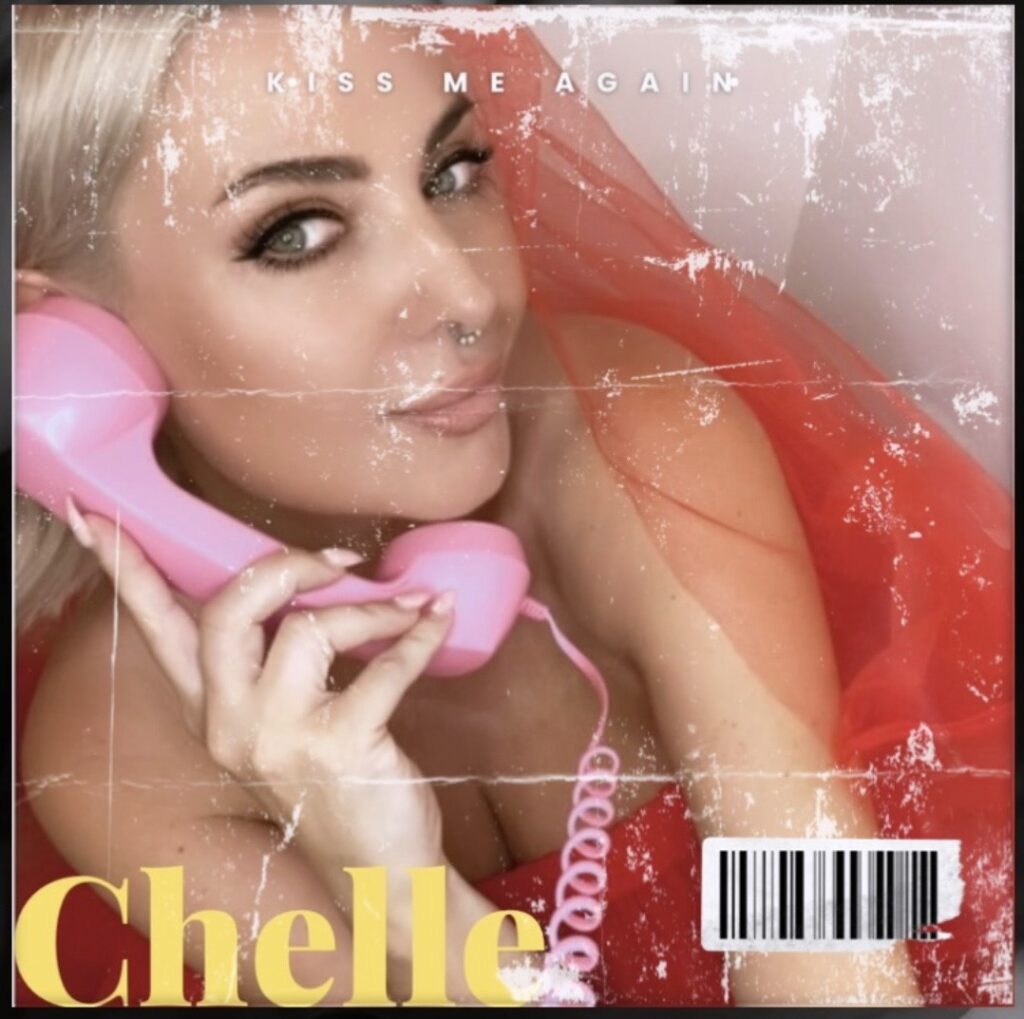
Chelle Dublin’s rising pop voice Chelle blends Motown soul with sleek synth-pop energy. In this interview, she discusses her influences, early acclaim, new single “Ain’t Lovin’ You,” and the next chapter of her evolving sound. 1. You’re emerging from the vibrant music scene of Dublin with a sound that blends Motown soul and modern synth-pop. How did growing up there shape your musical identity? Dublin has this incredible, gritty authenticity that stays with you. Growing up here, you’re surrounded by storytelling—whether it’s a busker on Grafton Street or a session in a packed pub. I’ve always been drawn to the emotional honesty of Motown, but I love the neon, high-energy pulse of modern synth-pop. Dublin shaped me by teaching me that no matter how much “gloss” or synth you put on a track, the soul and the story have to be real. 2. Your debut single Kiss Me Again received strong praise and even an “Excellent” rating from Music Review World. What was your reaction to that early recognition? Honestly? I was floored. When Music Review World gave “Kiss Me Again” an “Excellent” rating, it felt like a massive exhale. I’m particularly proud that they highlighted the vocals. I try to stay “in the pocket”—keeping things laid back and polished, but never too perfect. I like leaving the vocal cracks in; those little moments of vulnerability are where the authenticity lives. 3. Critics have compared your vocal tone to a mix of Gwen Stefani and Debbie Harry of Blondie. How do you feel about those comparisons, and which artists have influenced your voice the most? Being mentioned in the same breath as Gwen Stefani and Debbie Harry is the ultimate compliment. They are the queens of blending “cool” with “power.”• Debbie Harry taught me about that effortless, chic delivery.• Gwen Stefani inspired me to embrace a bit of playfulness and edge.My own voice is a bit of a magpie—I’ve taken bits from the powerhouse soul singers of the 60s and mixed them with that 80s New Wave attitude. 4. Your new single Ain’t Lovin’ You is described as a defiant anthem of independence. What message did you want listeners to take away from this track? I wanted this track to be the song you scream-sing in the car after a breakup. It’s not a sad “lost love” song; it’s a celebration of reclamation. The message is simple: Your worth isn’t defined by who you’re with. It’s a defiant anthem for anyone who has finally decided to put themselves first. The response from the UK music press has been amazing, and seeing it resonate there has been such a highlight—it confirms that this message of independence is universal. 5. The club remix of Kiss Me Again by DJ Umut Baycu added a new dimension to the song. How important are remixes and collaborations in expanding your sound? Working with DJ Umut Baycu on the club remix of “Kiss Me Again” was a revelation. He is an incredible Turkish DJ with a huge following, and collaborating with him was such a seamless process. Collaborations are essential because they force you out of your comfort zone and introduce your voice to subcultures you might never have reached otherwise. I love how a remix can take a song from a personal headspace and turn it into a shared experience on a dance floor, all while keeping that slight reggae, chill vibe that feels so natural to me. 6. As you begin reaching audiences beyond Ireland, what are your goals for the next stage of your career, and what can fans expect from Chelle in the near future?Right now, the focus is entirely on the release of “Ain’t Lovin’ You.” I’m excited to see how it continues to grow as it reaches audiences beyond Ireland. I’ve actually just finished writing a new song called “Trouble”—it’s still in the early stages, and I haven’t even laid down my vocals yet, but the energy of the track is already so exciting. People can expect me to keep leaning into that pop-soul fusion and delivering music that feels honest, raw, and authentically me. https://www.instagram.com/chellekersh
L.O.U. & Big O

L.O.U. & Big O In this interview, L.O.U. & Big O discuss their new single “Rain Before Sunshine,” the powerful collaborations behind it, and the deeper themes shaping their upcoming 2026 album The Mystery of Mr. Y.N.M.A.S.. 1. “Rain Before Sunshine” brings together an incredible lineup—Frannie EL, Fashawn, Dray Taylor, Kria McKenzie, and Decksterror. How did this collaboration come about, and what was it like uniting all these voices on one track? I’ve already worked with Frannie El and Kria McKenzie in the past. I found Frannie El back in 2018 for a song that Big O and myself created called “Isolated”. We’ve been rocking with him ever since. First time rocking out with Kria is off of the “JOCAAM” album. I’ve worked with Decksterror also from P Rawbs “Time & Space album. We did the record “For The Gods”. It was definitely a pleasure working with Fashawn and Dray Taylor for the first time. Together we all created something magical and I have no problem working with any of them in the future. 2. This is the second single from your upcoming collaborative album The Mystery of Mr. Y.N.M.A.S.. How does “Rain Before Sunshine” represent the spirit or direction of the full project arriving in 2026? Every record in the album is based off of the lifestyle of this character. Childhood trauma to the things that you deal with as an adult. Every person that considers themselves a good person while experiencing the trials and tribulations throughout life will definitely find themselves in this character. 3. The title itself suggests contrast and hope. What message were you hoping to send about hardship and perseverance through this record? I think the title is pretty self-explanatory. In life, some kind of way there will you will always experience some rain before the sun comes out. It also depends on whatever transpired in your life that you choose to view as sunshine after you were hit by the rain. I’m not focused on what the world needs. 4. Feel-good hip-hop with substance can be rare in today’s landscape. Why do you think the world needs more music like this right now? I’m not concerned with the rest of the world, Only myself and this the type of music I enjoy making. I’m following my purpose in life and creating this kind of music for myself along with the people that like to listen to helps me fulfill that purpose. 5. The track speaks to the struggles that come with chasing purpose in life. How personal is this theme for you and the featured artists? I can’t speak on how personal this record is for the other artists other than what Fashawn and Dray Taylor said in their verses. What they displayed in their verses is possibly them expressing how personal the record is for them. As for myself it’s personal just like every other record on the album. Everything I speak is 100 percent truth and I put that in everything I put out. 6. With “Rain Before Sunshine” now available on Spotify and Bandcamp, what do you hope listeners take away after hearing it for the first time? The listeners enjoying the music itself is fine enough for me. Every listener will have their own interpretation on what they got from the music. https://www.instagram.com/loufromqueenz/ bigrodamous – Listen on YouTube, Spotify, Apple Music – Linktree
SOLVIK

SOLVIK This interview explores SOLVIK’s atmospheric single “Between Tides,” diving into fleeting human connections, cinematic soundscapes, Nordic-inspired aesthetics, and the project’s unique focus on mood, anonymity, and emotional landscapes. 1. “Between Tides” captures a fleeting yet deeply intense connection between two people. What drew you to explore this fragile space between arrival and disappearance rather than telling a concrete story?“Between Tides” actually began with a very concrete moment. It was inspired by an encounter last fall – a connection that felt intense, almost suspended in time, and yet carried the quiet awareness that it might not last.But instead of telling that story directly, we chose to focus on the emotional state it created. The fragile awareness of presence and impermanence existing at the same time. For SOLVIK, the emotional climate is more important than the narrative detail. The personal experience becomes a starting point, but the song moves beyond it and opens into something more universal. 2. The production unfolds slowly, with restrained dynamics and a cinematic atmosphere. How did you approach translating that emotional “in-between” state into sound and arrangement?The process often begins visually for me. Before there is a melody or a lyric, there are images and colors. With “Between Tides” it was a muted palette – grey blue water, diffused light, wind moving across an open landscape. Those images created an emotional temperature.From there, a melodic fragment slowly emerged. The melody carries the color of the image, and only afterwards does language begin to form around it. The text is almost a response to the atmosphere rather than the starting point.In the production we tried to protect that initial visual feeling. The restrained dynamics, the spacious guitars, the minimal beats – all of it serves to preserve that sense of suspended movement. The arrangement unfolds slowly, like a landscape revealing itself in shifting light. 3. Nature imagery – tides, shifting light, wind – plays a central role in SOLVIK’s artistic identity. How does the Austro-Scandinavian sensibility influence the sonic and emotional landscape of this project?SOLVIK is rooted in an Austro-Scandinavian dialogue. There is a certain clarity and calmness in Nordic aesthetics that deeply resonates with the project. Space, light, seasons, and landscape are not decorative elements but emotional frameworks.The Scandinavian influence can be felt in the restraint, the transparency of the production, and the acceptance of melancholy as something quiet and dignified. At the same time, there is a Central European songwriting tradition underneath it – a sensitivity to melody and lyrical intimacy. The meeting of those two sensibilities shapes the project’s atmosphere. 4. SOLVIK focuses on presence rather than personality, even avoiding traditional artist imagery. What motivated this decision to step back from visibility and foreground atmosphere instead?In a time where visibility is often louder than substance, stepping back feels almost radical. SOLVIK is conceived as an artistic space rather than a persona. The focus is on mood, texture, and emotional landscapes, not on biography.By avoiding traditional artist imagery, the project becomes less about who is speaking and more about what is being felt. It invites listeners into an environment rather than presenting them with a figure to follow. The anonymity creates room for immersion. 5. You collaborate with different vocalists while maintaining a clear artistic authorship. How do you preserve continuity across releases while allowing each collaborator to bring something unique?The continuity lies in the framework. The harmonic language, the pacing, the production aesthetic – these elements form the core of SOLVIK. Within that framework, different voices can inhabit the space.Each vocalist brings a different shade of emotion, a different texture. Rather than blending them into a uniform identity, we allow those nuances to exist. The project remains coherent because the atmosphere and compositional approach stay consistent. 6. As the opening single, “Between Tides” sets the tone for what’s to come. What can listeners expect from future SOLVIK releases – will the project continue exploring fleeting emotional states, or are there new tides ahead?“Between Tides” opens the door into a world shaped by subtle shifts and quiet intensity. Future releases will continue exploring transitional states – moments of longing, distance, light, memory.At the same time, the emotional spectrum will widen. There will be warmer tones, perhaps slightly more organic textures, maybe even glimpses of hope breaking through the mist. But the core will remain the same: music that moves like water – patient, reflective, and shaped by unseen currents. SOLVIK | Instagram, TikTok | Linktree