
Flight 409
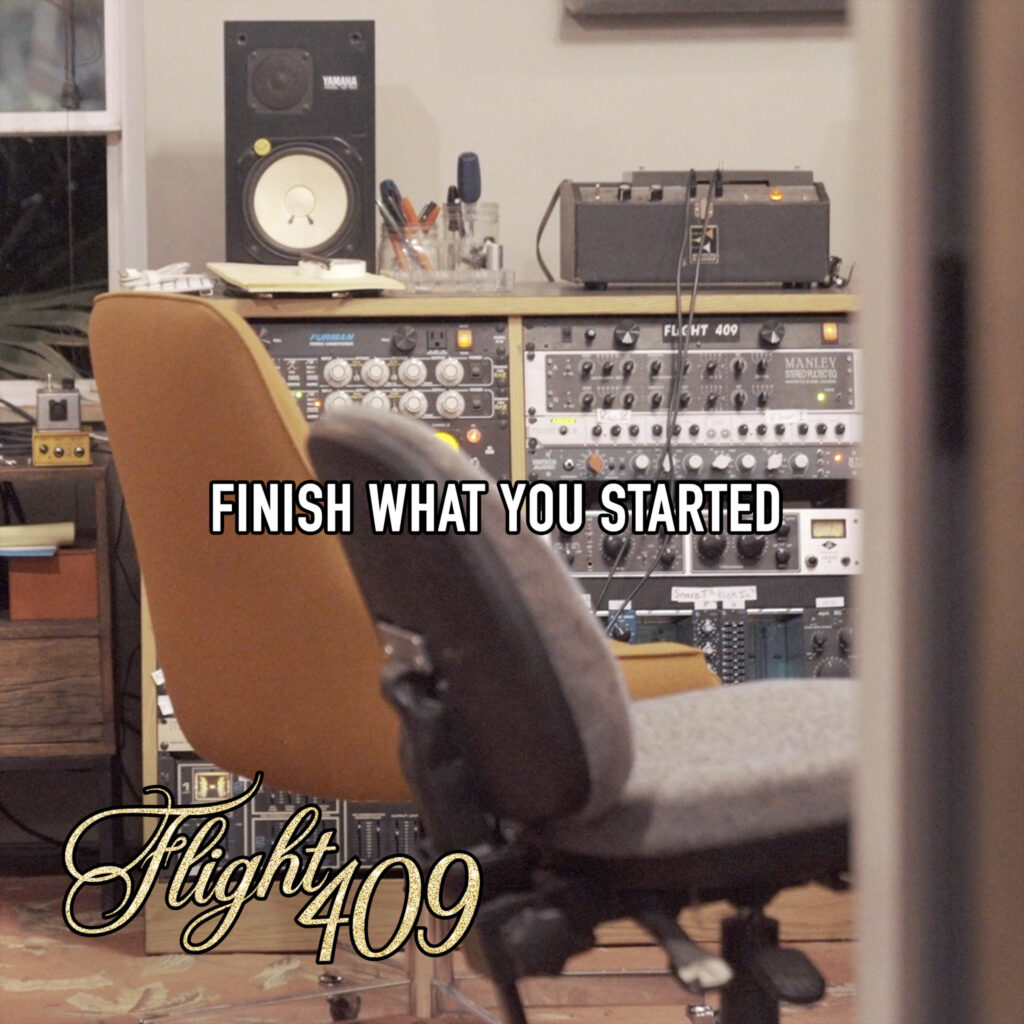
Flight 409 Flight 409 return after fifteen years, reigniting old chemistry and reconnecting with a loyal community. In this interview, they reflect on their past, creative rebirth, and what their long-awaited new chapter holds. 1. “Finish What You Started” marks your first release since 2009. What moment or conversation sparked the decision to finally reunite and return to the studio after all these years? In all honesty we have all thought about reuniting for a while but the logistics have never worked out in our favor. But the chemistry has always been there. We were informed our catalog was removed from Spotify and Apple Music. As we worked on restoring our prior material back onto streaming services we decided to write a new song. So we got into the room together and worked on new material. 2. The new single blends classic Flight 409 nostalgia with a refreshed energy. When you began writing again, what elements of your early sound did you intentionally revisit, and what new influences shaped this comeback? We are all scattered throughout the country now, so writing again was a bit different than how it was 15+ years ago. Each person has their own sound and style and as we shared ideas back and forth, our “Flight 409” sound began to take shape again. It wasn’t intentional, but there’s something special about how that familiar sound shows up in our new single, “Finish What You Started.” After getting back into the room together it was apparent the chemistry never left. 3. You’ve described the song as coming from a place of growing up, letting go of ego, and reconnecting as friends. How did your dynamic shift once you were all back in the same room, creating music again? We all agreed, the second we were back in our studio again, it felt like we were transported back in time. It was surreal in a way, like time never passed. In that studio, we were the same dumb kids we were when we first started writing together. 4. Flight 409 built a huge, loyal community through DIY touring and the Myspace-era scene. What does it feel like reconnecting with fans who’ve been waiting fifteen years — many of whom grew up alongside your music? Reconnecting with our fans has honestly felt effortless, because the moment we dropped the new song, their support came rushing back in full force. We have so much respect for this community who have adopted us as one of their own. Seeing all the familiar faces who have stuck with us throughout these years has been incredibly humbling. It’s hard to imagine something we worked on as teenagers can still resonate and have an impact today. 5. Looking back on your early years — Taste of Chaos, Warped Tour, and touring with bands like Eyes Set to Kill — what memories or lessons hit the hardest while making this new chapter a reality? Those years were incredible, and it’s easy to romanticize them because they were so chaotic and fun. But with some distance, we can see the things we’d probably do differently if we got a redo. For starters, we would’ve taken more time to just enjoy being around each other instead of always stressing about the next big move. We were constantly looking ahead and didn’t always live in the moment. Still, the memories are priceless. We laugh now about how we somehow survived touring with no money, no real plan, and absolutely no clue, but those are the stories that shaped us. 6. You’ve confirmed more new music for 2026. What can listeners expect from this next phase of Flight 409? Are you leaning deeper into nostalgia, exploring new territory, or a bit of both? We’re knee-deep in new ideas right now and honestly open to everything. Some songs tap into nostalgic vibes, some push into territory we never would’ve tried back in the day, and some sit right in the middle. We’ve all kept playing and evolving as musicians, and we’ve all grown individually over the years, and it naturally shows up in the writing. It feels like a continuation of where we left off. We’re excited about these songs, and we know the people who’ve stuck with us will be just as into the new material as we are. (@flight409sucks) • Photos et vidéos Instagram
SVMMI
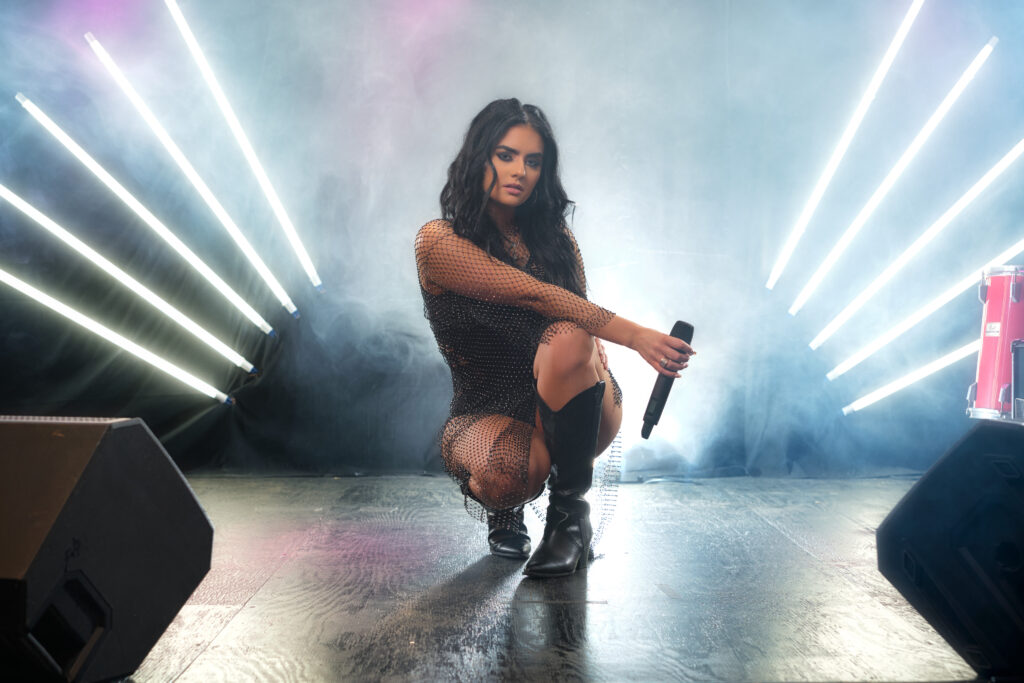
SVMMI Blending cinematic pop with heartfelt vulnerability, SVMMI’s Almost Forever unpacks a love story defined by timing, emotion, and longing. In this interview, she reflects on inspiration, identity, and the raw truth behind the EP. 1. “Almost Forever” feels incredibly personal and cinematic at the same time. Can you share what inspired the concept behind the EP and what story you wanted to tell through its three tracks?The inspiration behind this EP comes from a story where two people love each other deeply but can’t be together because of where they are in their own lives. I wanted to express the emotions of knowing you can’t be together but still wanting to imagine having a future and always wondering what could’ve been. 2. You’ve experimented with so many genres—from pop to EDM and dance—but this project leans deeply into emotion and storytelling. What drew you back to this more vulnerable, stripped-down sound?I have always love stripped down vulnerable songs with meaningful lyrics. During my journey I have explored with different genres but my heart always pulled me back to this kind of music. It’s where I feel I can truly express what I’m feeling and tell a story. 3. Your song “More for You,” written for your mother during her battle with breast cancer, marked a turning point in your artistry. How did that experience shape the way you approached writing and recording this EP?My song “More For You” will always be my most meaningful song. It was written during such a difficult time but being able to create this song for my mom and anyone else that can relate to it meant everything to me. I saw the impact this type of music had and that’s what gave me the confidence to write this EP and share this story. 4. Each track on Almost Forever—“I Knew,” “What If?,” and “Almost Forever”—represents a stage in a love story that never quite found its ending. Which song was the most emotionally challenging for you to create, and why? The initial concept for the EP came from the first song “I Knew.” That song was probably the most emotionally challenging because I was creating a song expressing a love so deep but heartbreaking at the same time. There are so many raw and real emotions that went on to tell a story with “What If?” and “Almost Forever.” 5. Your music beautifully bridges cinematic pop and heartfelt country, two genres that rarely meet so seamlessly. How do you approach blending those sounds while staying true to your artistic identity?When writing my songs I always make sure to stay true to my heart and who I am as an artist. Blending pop with country feels natural to me because they both have given me the ability to express so much through my songs in different ways but ultimately come together to tell a story. 6. Now that Almost Forever is out in the world, what do you hope listeners take away from it—and what’s next for SVMMI as you continue to evolve as an artist?This EP holds a special place in my heart. Sometimes people can love each other so deeply but meet at the wrong time. Sometimes love just isn’t enough. I hope that this EP can help others that are going through an emotional time in their relationship. I want to continue creating pop country music that is real and tells a story. I want to always help and inspire other people that may be going through the same thing. Samantha Murciano (@svmmiofficial) • Photos et vidéos Instagram
Toma
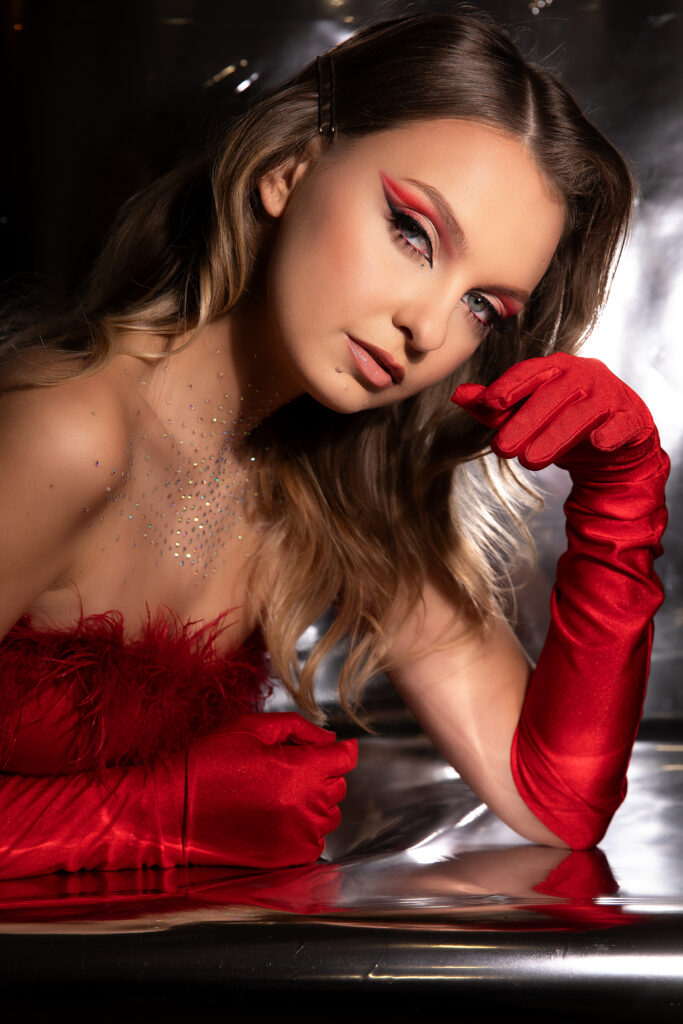
Toma In this interview, Toma opens up about the emotional depths behind her debut “Vienišas,” exploring toxic love, atmospheric soundscapes, and the honest storytelling that shapes her evolving artistic identity. 1. “Vienišas” tells a dark, emotionally complex story about toxic love. What drew you to this narrative, and how did you translate those psychological themes into the song’s sound and atmosphere?I would lie if I said that it was inspired by movies or books, as dark as it is, it’s truly my life experience. I went through a relationship that slowly stripped away parts of who I was, and for a long time I didn’t even realise how deeply it was affecting me.When I started writing “Vienišas”, I wanted the sound itself to feel like that emotional descent — that soft beginning that would give a naive hope, the tension, the confusion, the bridge moment that is the sound of the deep pain. That’s why the song has this melancholic, alternative rock atmosphere. Heavy guitar textures mirror the psychological weight, and my vocal performance is intentionally spaced out, almost blended in some moments, that’s how thoughts inside were back then, cloudy, hazy, not clear.For me, it wasn’t just about telling a story; it was about capturing the emotional truth of it. The song is my way of processing what happened and turning something painful into something meaningful. 2. Your music blends alternative pop/rock with cinematic depth. How do you approach building these immersive soundscapes, and what elements are essential for creating your signature melancholic tone?I would have to correct you here – the “cinematic” part comes from the music video, not the song itself. And that vision existed long before the track was even written. From the very beginning, both Stephen and I imagined the same abandoned house; we could picture it almost identically in our minds before I even discovered it in real life.I just knew it had to be this way. I wanted something high-quality, artistic, and meaningful, something with emotional depth and lasting value. People who have followed me for years know that whenever I’m past that forest road leading to my hometown, I always have to capture it. I want others to see it through my eyes, to feel how magical and special it is to me.This time, I finally got to preserve that feeling in a permanent way. It’s there now – my home, my memories, my story woven into the visuals of this debut.For me, melancholy in music isn’t something I try to “add” — it’s something that naturally comes out. I always start with emotion first. If I don’t feel something deeply, I can’t create anything meaningful.Usually the melancholic tone comes from three things:the chords, which I tend to choose darker or bittersweet;the guitar textures, because I love when they feel slightly rough, nostalgic, or emotional;and the vocals, which I intentionally keep spaced out or a little blended. 3. You’ve performed in both Lithuania and London for over a decade. How have these two music environments shaped your artistic identity and influenced your debut release?There’s a whole story behind this, but I’ll try to fit it into one answer. I grew up listening to Miley Cyrus – she was my icon from a very young age, and pop music culture shaped me more than anything. That’s also the music I performed for many years in Lithuania. Later I studied jazz vocal; I only connected to small parts of it at the time, and honestly, the course was very intense and I was very young. I think I simply wasn’t ready to appreciate it fully yet.When life brought me to London, everything about music suddenly became more complex. I met musicians from so many different backgrounds and cultures. We performed together, experimented, mixed genres, and even wrote music together – I still remember the Portuguese song we wrote and recorded. That period shaped me a lot. It was a difficult time in my life, but making music with those people genuinely kept me sane. It expanded my taste and made me understand music as something deeper, heavier, more meaningful.To be honest, the writing session for “Vienišas” originally started with a more superficial pop sound. But I drifted away from it immediately. I had a story to tell, and that story needed weight. It had to sound like “Vienišas.” 4. Your background spans genres like soul, blues, jazz, and indie rock. How do these influences inform the way you write and perform emotionally driven songs? Each genre I’ve touched taught me something different about emotion.Soul showed me how to sing with honesty.Blues taught me how to let pain live in the melody.Jazz trained me to be expressive, flexible, not afraid of unexpected choices.And indie rock brings the rawness and atmospheric tension that defines my current sound.When I write now, all these influences blend naturally. I don’t think in genres anymore – I think in feelings, and I choose whatever sound helps express that emotion the best. 5. The music video for “Vienišas” adds a visual layer to the story. What message or feeling did you want viewers to take away from the cinematic portrayal of this relationship?Going through all of this still feels like an emotional rollercoaster. It tells the story of a young, naive heart caught in a cruel, toxic relationship with someone struggling with psychological issues. Through an artistic, cinematic music video, the narrative of an unhappy love story hidden behind the lyrics is revealed, showing how another person’s inner darkness can irreversibly affect your own psychological state and identity.And yesterday I found the most beautiful comment under the music video – a woman said that my song and the visuals instantly reminded her of a book she once read, and that if the book had a soundtrack, it would be “Vienišas.” You know the saying that a person who reads lives a thousand lifetimes, so I hope they can relive that story, in a way. 6. Your mission is to create
Midnight Sky
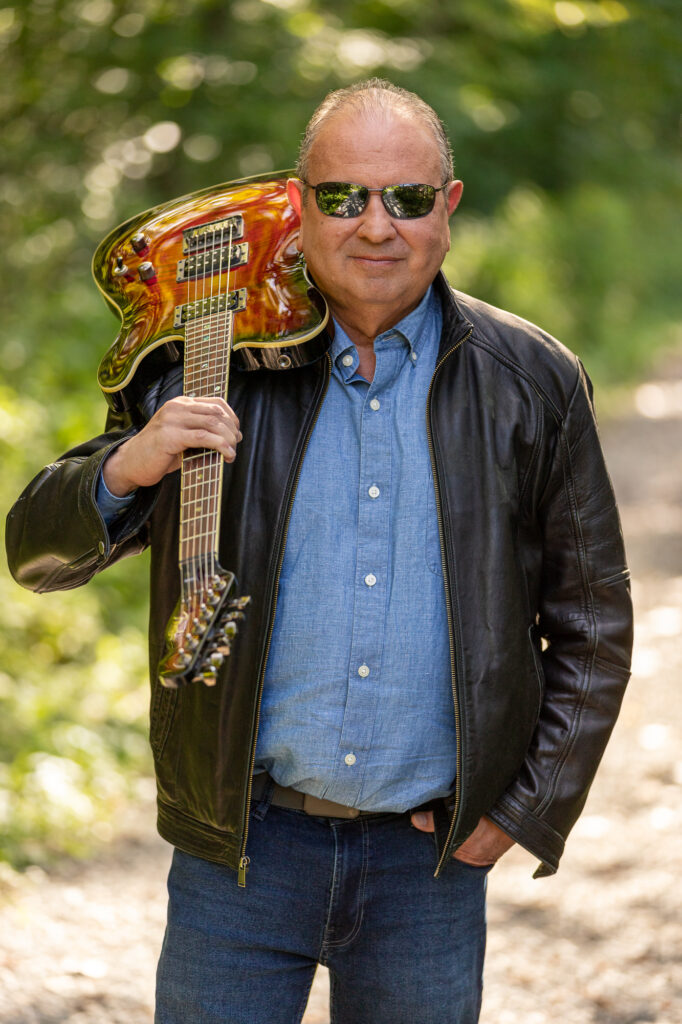
Midnight Sky In this interview with Midnight Sky, we explore the inspiration behind “Dark Stretch of Road,” uncovering the song’s emotional roots, its metaphorical weight, and its place within the album Just Before Dawn. 1. Can you take us back to that long night drive that inspired “Dark Stretch of Road”? What was going through your mind, and how did that experience shape the emotions behind the lyrics? I had been working on a song for over ten years called “Mystery Road,” about a trucker who is killed when his truck runs off the road and is condemned to drive up and down the roads of America for eternity. Despite the content, musically it’s an upbeat rockabilly song. While I was slogging through that one, I thought about a similar theme but much darker (which was consistent with my mood at the time). It took me about an hour to write “Dark Stretch.” And a few days later I finished “Mystery Road.” 2. When you were writing the song, did you see it more as a literal story of being on the road, or as a metaphor for life’s uncertain paths? The song is definitely metaphorical. I was thinking about how quickly a life can spiral into chaos and hopelessness. Here’s this truck driver leaving St. Paul, Minnesota, which he’s probably done hundreds of times, and suddenly, he’s lost, both geographically and spiritually, and he’s got no map, his phone isn’t working, there aren’t any road signs, and all the buildings are dark. Despite the darkness of the lyrics, it’s been one of my most popular songs. Says something about the human condition! 3. What creative vision guided the making of Just Before Dawn, and how does “Dark Stretch of Road” fit into the larger story of the album? Much of this is covered above. “Just Before Dawn” suggests, I think, a sense of hopefulness: It’s dark now, but it will be light soon. “Dark Stretch” is saying “don’t be so sure.” 4. How do you balance classic Americana influences with modern storytelling and production to create a sound that feels both timeless and current? I didn’t know I was doing that until you mentioned it! But seriously, I have a great co-producer, Chad Burton. When I’m writing songs like “Dark Stretch,” I consider whether this sounds like a song that could have been written 100 years ago. I struggled with the mention of a cell phone in “Dark Stretch,” because it corrupted the timelessness of the song. Ultimately, though, I didn’t want a critic to say: Why didn’t he just call somebody? 5. The song speaks to perseverance and faith through uncertain times. In what ways do you think “Dark Stretch of Road” reflects where you and your listeners are in today’s world? We are in a very pessimistic place right now as a society. But I think I wrote “Dark Stretch” in the mid aughts, so maybe things haven’t changed as much as they seem. What matters, I think, is that the album is balanced by some very optimistic, upbeat pieces. What I didn’t want to create was a 50-minute dirge. 6. With “A Few Good Years (Remix)” reaching Billboard’s Top 50 and earning critical praise, how has that success influenced your approach to songwriting and connecting with audiences going forward? Not at all. I’m thrilled that “A Few Good Years” has done well, but I’m not going to concentrate on that style of song just because one did well. I could write ten more songs about what’s really important in life and the virtues of optimism, and they could all be stinkers. Like most songwriters, I think, I write the best song I can, and then I roll the dice. Home – Midnight Sky Music
Helladdict
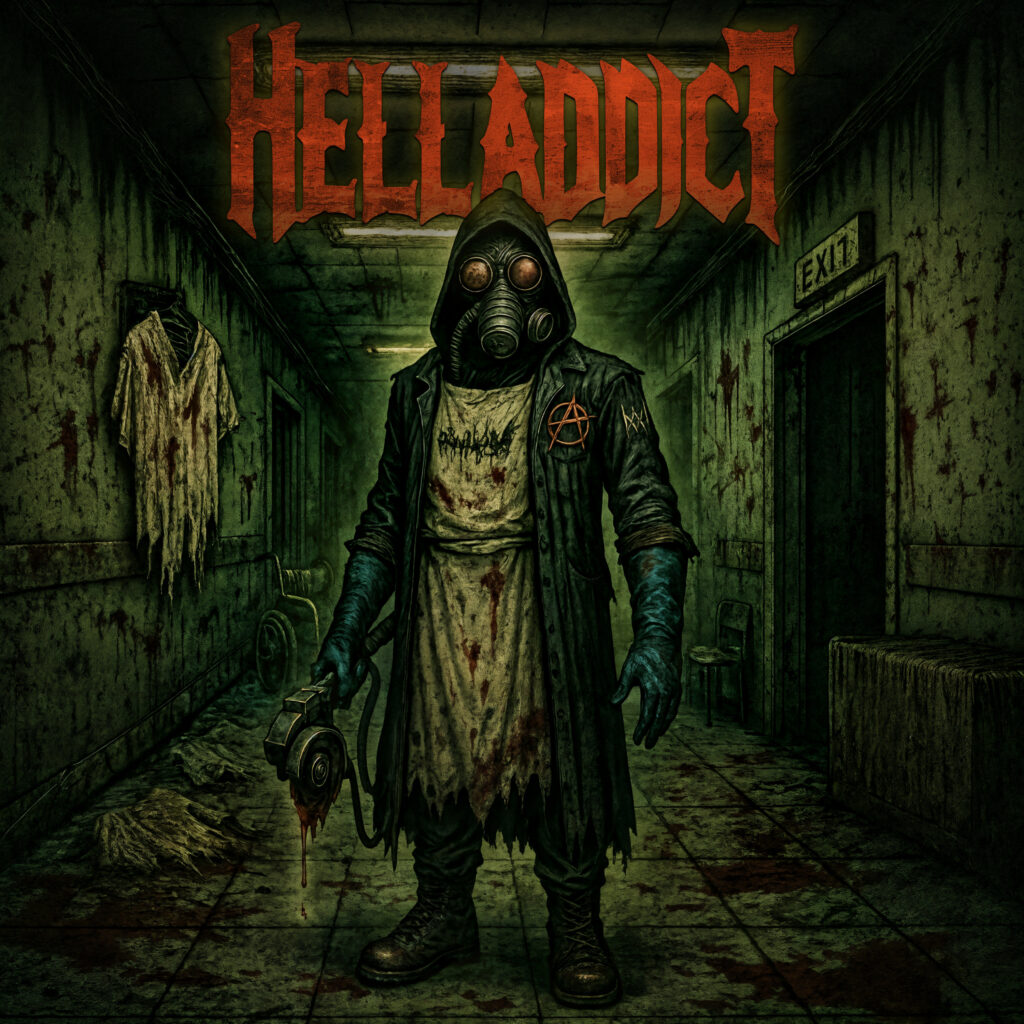
Helladdict Helladdict channels the raw energy of 80s–90s metal and punk, turning rage into art. From La Florida’s streets to their upcoming album, they fight conformity with riffs, fury, and rebellion. 1. Your musical proposal seeks to revive the powerful sounds of 80s and 90s metal. What inspired you to recall those decades and bring that style to today’s scene? We were inspired by the rawness and honesty of those decades. 80s and 90s metal wasn’t about pleasing anyone, it was about hitting hard, being a cry of resistance. Today we feel the scene needs to recover that visceral energy, that sense that music is a weapon and not decoration. It’s not about nostalgia; it’s about bringing back a spirit that still lives in us and deserves to resonate now. 2. In your biography you mention influences ranging from Iron Maiden and Metallica to Misfits and La Polla Records. How do you balance the spirit of heavy/thrash metal with the raw energy of punk and punk rock in your sound? For us it’s not about mixing styles like ingredients in a recipe, but letting them coexist in their purest form. Heavy and thrash give us the structure: sharp riffs, cutting solos, and a rhythm section that hits like a hammer. Punk and punk rock bring the urgency, the rawness, the direct rage. What we do is keep the discipline of metal while embracing the irreverent attitude of punk, creating a sound that doesn’t ask for permission and delivers both technique and visceral energy. 3. Helladdict was born in La Florida and its surroundings. How has the local scene influenced your development as a band and helped forge your identity? La Florida and its surroundings gave us the rawness we needed. We didn’t grow up in a place where music was a luxury, but where every riff was an outlet and every rehearsal a battle against routine. The local scene taught us resilience, to play with whatever we had, and to scream louder to be heard. That street energy became part of our identity: we are children of an environment that gives nothing away, and that’s why our music doesn’t ask for permission. 4. Your self-titled EP has received excellent reviews from both critics and listeners. What lessons did you learn from that recording and release process that you are now applying to your next album? The EP taught us that rage needs form to arrive intact. We learned that recording isn’t just capturing rehearsal energy, but sharpening it so every riff and scream hits with precision. We also realized that the release doesn’t end in the studio: you have to take care of production, promotion, and connection with people. For the next album we’re applying that discipline more clearly: we want each track to be a direct hit, sharper, more brutal, with the message delivered without concessions. 5. You describe your lyrics as a call to rebellion and discontent with the established order. What themes or messages do you seek to convey through your songs? Our lyrics are a scream against apathy and blind obedience. We denounce manipulation, the hypocrisy of power, and the routine that kills identity. We want every song to be a reminder not to accept what’s imposed, that rage can turn into strength, and that authenticity is the only real form of resistance. Our messages are clear: question, break chains, and never bow your head. 6. You are currently working on a new album expected to be released this year. What can you share about its sound and how it represents your evolution as a band? This new album reflects our maturity as a band, but without losing the rage that defines us. The sound is sharper, more direct, with production that enhances brutality without softening it. We’ve learned to channel energy better: heavier riffs, more incisive drums, and lyrics that cut even deeper. It represents our evolution because we’re not repeating formulas, we’re taking our identity to a rawer, more conscious level. It’s Helladdict’s natural step: growing without taming the fury. helladdicts • Photos et vidéos Instagram
Andy Smith & Emily E. Finke
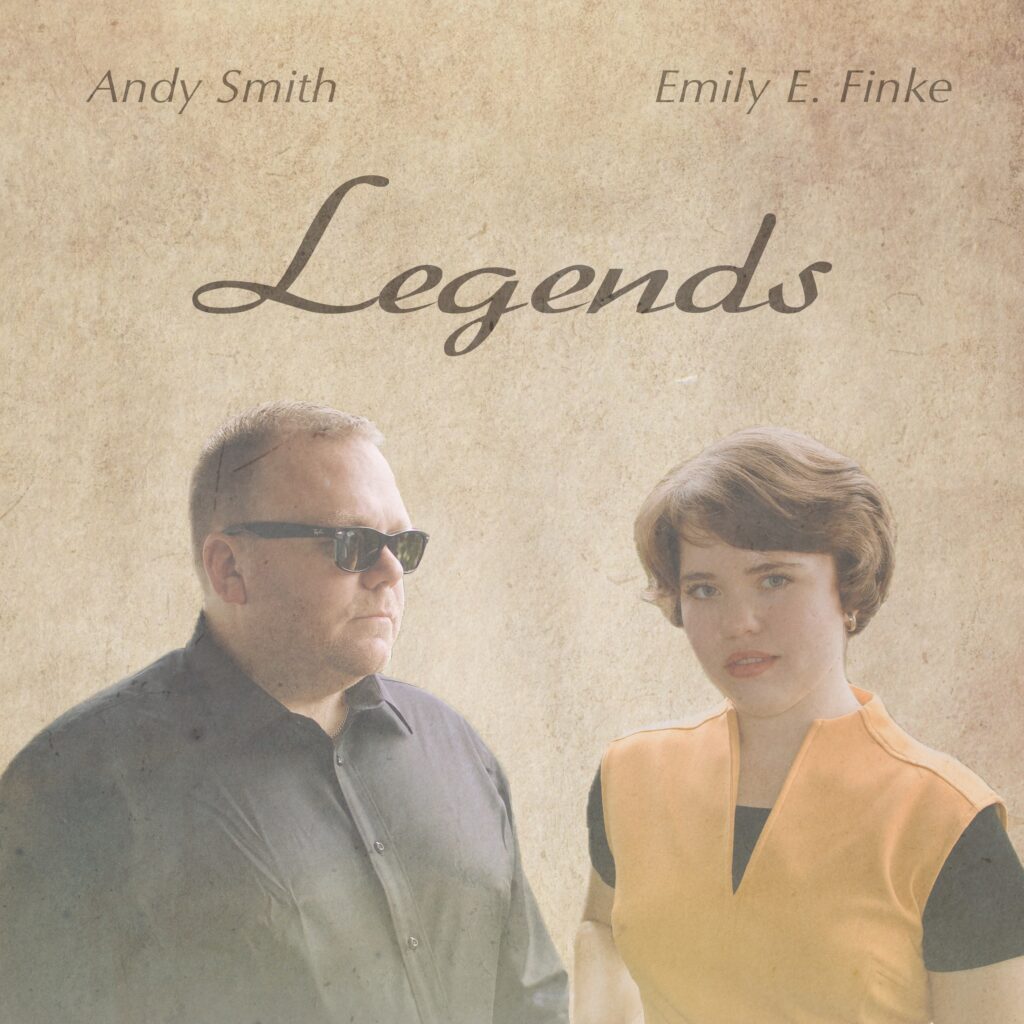
Andy Smith & Emily E. Finke ‘Legends’ was born from a global collaboration, blending distinct styles across continents. In this interview, Emily and Andy share their creative process, remote challenges, and the chemistry that made the song come alive.” 1. “Legends” was written across 10,000 miles. What was the very first spark—musical or emotional—that convinced you both this collaboration needed to happen? Andy : As soon as we started speaking. We had a few emails going back and forth and then agreed for a video call. It was then that I knew we were on the same page and that we needed to create this song. I had already heard Emily’s voice and I also knew I wanted to work with her then. Emily :The spark for me happened when Andy sent me the first demo of the song played on the acoustic guitar. In the beginning of collaborations, I try to keep an open mind – creatively speaking – so as to be objective in the process and open to the other person’s vision. While I knew it was possible to blend our styles, I was unsure exactly what that would look (or sound) like and how far we could take the project. Up until this point, we seemed to be in accord on the lyrics and general style, but when I first heard Andy’s instrumentation, I knew we were in complete synchronization and on our way to creating something incredibly special. 2. Working remotely across three continents must have brought unique challenges. What part of the long-distance process surprised you the most—either creatively or technically? Andy: It was a lot easier than I thought it would be. All the ideas and our vision were shared either by email or discussed in a video/phone call. We both produced the song, but it was engineered by myself. But any prominent changes were disucssed first and also when I did anything during recording or production, I would send a copy of where we were at. I think the final mix was version 16! Emily: I had never created such a big project almost entirely remotely, and the biggest surprise to me in the process was how simple it really was. It had challenges that are different to in-person collaborations such as dealing with a 13.5 hour time difference, but I was amazed at how much we were able to accomplish remotely. Perhaps that just speaks to how well we worked together with patience, clear communication, and a shared vision. 3. You mentioned blending two very distinct musical styles. Can you describe a moment in the songwriting or production when you felt those styles finally “clicked” into something new? Andy: There wasn’t really a moment like that. We were on the same page the whole way through and very open and hinest with eachother, which made the whole process very seamless and less complicated. Emily: I didn’t really have a moment like that, a feeling of something “finally clicking,” but perhaps that is because I don’t tend to stick to one style in general. I think, as I mentioned before, our constant communication through every step of the process helped to create a clear vision that slowly built and morphed into what became the sound of “Legends.” 4. Your vocals were recorded together in Atlanta during the ISSA Awards. How did meeting in person influence the song after months of remote creation? Andy: It was amazing! The song sounded good with the vocals done remotely but there was something missing and it’s hard as a producer also to convey your vision by email. Being together for the vocals meant we could talk about it, try it out and discuss. But again, we were so n’sync with each other that the vocals that made it on to the record were the second take. We warmed up and then went for it and that is what you hear. Best decision we made as it really comes across in the song, the togtherness and chemistry. Emily: Recording the vocals together took the song from being a well-made piece of art to becoming a living, breathing creation. As much as the song could have been made 100% remotely and been a great song, nothing could replace the experience, emotion, and creative harmony that we captured in the room together when we recorded the vocals in person. 5. The lyrics explore time, myth, and distance. How much of that theme reflects your own experiences as artists navigating global collaboration and personal storytelling? Emily: These different lyrical ideas of distance, time, myths, storytelling, etc. were like puzzle pieces waiting to be put together. The story of our meeting and creation process across a vast space was a prominent idea from the first conversation we had about the project. I had not intended that meaning in the lyrics when I first penned portions of them before meeting Andy, but he interpreted that meaning in them, and it ended up being the glue that brought all the pieces together to create a cohesive picture. 6. Now that “Legends” is out and receiving praise, do you see this partnership continuing? Are there future songs or creative ideas already brewing between you? Andy: 100% will collaborate with Emily again! I thoroughly enjoyed the whole process and we have become good friends. When are schedules allign, we will do something together again. She is uber talented and it will definitely be my pleasure. Emily: It would be an incredible honor to create more music with Andy. There is so much more that we feel we could explore between our different musical interests and styles. We are both busy with solo projects at the moment, but we have already thrown out some ideas for future projects, so I know it will happen at some point soon. Andy Smith Music Legends | Emily E. Finke
Athena Maria
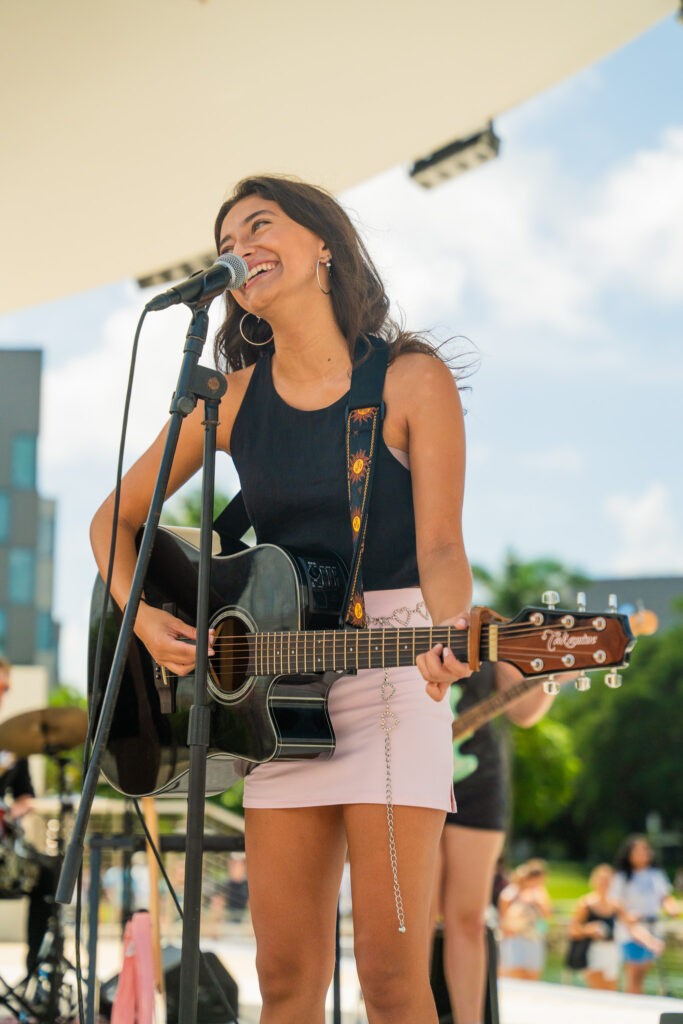
Athena Maria This interview explores Athena Maria’s journey from childhood songwriting to breakthrough moments, theatre influence, teaching, and future ambitions—revealing how passion, vulnerability, and creativity continue to shape her evolving musical path. 1. You’ve been singing and writing music since childhood, but was there a specific moment when you realized music was more than a hobby and could become your true path? I realized music could really be a career path for me after I saw how my art connected with people. Being able to see people’s emotional connection to my music and lyrics were really what sealed the deal for me; I’ve always wanted to make a difference, and being able to do so with music seemed like the best dream to come true. I’ve been chasing that dream ever since. 2. Your songwriting draws from very personal experiences as well as eclectic influences—from Harry Styles to French fusion jazz. How do you balance vulnerability with creativity when shaping a new song? I love this question! When I make music, I always try to use my current music taste to inspire the creative and sonic direction of the song, and I use my personal experiences to dictate the lyrical direction of the song. I’ve started to notice a pattern in my songwriting: there is a period of time shortly after I get into a new niche that I start writing prolifically – I pump out 2-3 fully fledged songs every week. After a bit, it slows down a little bit more until I get a new spark of creativity. Usually by the end of a few months, I have a really nice set of songs that balance emotional depth with musically unique elements. 3. “Lemon Juice” became a breakthrough moment for you, especially with the live performances. What did that song teach you about your artistic identity and connection with your audience? Before I debuted “Lemon Juice” live for the first time, I was actually building some resentment toward singing it live. I had rehearsed it so many times that it didn’t excite me anymore, and I kept beating myself up about not sounding exactly how I do in the recording. I was in a lesson with my voice teacher, Ian Holljes, when he told me that I needed to let go of what I thought I was supposed to sound like and remember why I loved the song so much. Once I did that, singing it wasn’t about me anymore. It was fully about immersing myself into having fun and connecting with the audience. That’s what makes that song so special to me now: seeing the audience have fun with it. 4. You originally dreamed of Broadway before fully embracing songwriting. How has your musical theatre background influenced your stage presence and the way you tell stories in your music? Being a theatre kid has opened up my connection with my voice and body so much. A lot of people don’t realize how important physical connection to the body is when it comes to singing. I don’t mean just proper singing technique, I mean being fully aware and intentional with every move you make when performing. Theatre has really helped me open up more in terms of that. Without my musical theatre training, I don’t think I would love being on stage as much as I do. 5. Beyond being an artist, you run Lovergirl Music Group and teach multiple music programs. How do these entrepreneurial and teaching roles shape your growth as a musician and as a person? Being a teacher is one of the most rewarding experiences because of how much it forces you to grow, adapt, and learn. Teaching both big classes and individual private lessons has shown me the importance of collaboration – the best way to learn is to make sure the student knows you are on the same team. In terms of running Lovergirl Music Group, being an entrepreneur takes a lot of patience, responsibility, and grit – something I take with me in my everyday life. 6. As you approach graduation from the Frost School of Music, what are the next steps you’re most excited about—both musically and professionally—and how do you envision balancing all the different passions in your career? To be completely honest, the future is a really daunting thought to me. I plan on moving out of Miami and getting my masters degree, but beyond that I really want to be as open as possible to any possibilities. There are so many things about music that excite me, so I feel like I could really adapt to whatever opportunity life throws my way. If it were up to me, I would focus on my artist career before I start teaching full-time, but I truly am open to anything. In terms of balancing it all, I think my deep love for all these different passions will always keep me connected to each creative pursuit, whether or not it’s my main focus at the time. Athena Pacanins – Lovergirl Records | Athena Music
Lana Crow
Lana Crow Lana Crow’s “Orwellian Times” confronts manipulation, outrage culture, and digital confusion. In this interview, she explores truth, vulnerability, and the creative vision shaping her bold, genre-blending new single. 1. “Orwellian Times” tackles themes of conformity, outrage culture, and digital chaos. What moment or realization first sparked the idea for this song? I was raised in a post-Soviet society. Year after year after the Soviet collapse, the lies that had propped up the empire unravelled—and the sheer scale of the deception and brutality was staggering. What I now consider an advantage is that, when I went to university, Kazakhstan was in the process of finding its own cultural and moral identity. As a result, no particular ideology was forced upon me. Yet those who had been indoctrinated by Soviet higher education remained completely immune to any exposure of the regime’s lies. Nothing could convince them that the Soviet Union had been a deeply flawed and oppressive system. Truth simply didn’t matter. That experience taught me something important: we tend to believe only what we want to believe. Very few people are genuinely interested in the truth; most care only about how it makes them feel about themselves. This human tendency is being exploited on a massive scale today. When I moved to the West many years ago, I was initially heartened by the greater transparency in the media. Over time, however, I watched that transparency slowly erode. For me, the moment it became unmistakable how Soviet-like parts of the West had become was the media onslaught against Israel following Hamas’s terrorist attack on October 7, 2023. Two things struck me as utterly surreal: Ukraine was forgotten overnight. Conflicts with far higher death tolls and suffering — Yemen, Sudan, Syria, Nigeria — were barely mentioned at all, except by a few isolated outlets. Hamas had taken roughly 250 hostages, so the power to end the war had always rested in Hamas’s hands—yet Israel was expected to abandon its own citizens and stop fighting. This absurdity prompted me to try and find out what is being pushed on popular social media these days and what is currently being taught in English-speaking universities, and I discovered some deeply disturbing things (which I won’t detail here). My only advice is this: if you truly want to understand a country or a conflict, don’t rely on books or media. Go live in the place that moves you, learn the language, and find out what actually drives people to act the way they do. Sadly, much of the Western world has been manipulated into believing that being loudly pro-Palestinian makes them virtuous. In reality, the dominant strain of that movement is not “pro” anything — it is anti, fueled by hatred. The street protests did not shorten the war; if anything, they prolonged it by playing into the hands of those who started it. I can almost understand those who have been bombarded with anti-Israel propaganda from every direction. Few of us do real research before forming strong opinions, especially when jumping on the popular bandwagon makes us look morally superior. Most non-Arabic-speaking protesters have no idea that the chant “Free Palestine” actually says “From the water to the water, Palestine is Arab, all land is Arab” in Arabic. They also don’t realise that Palestine would have no problem with Israel if Israel shared Palestine’s religious faith. The sad thing is that certain ideologies have become part of many people’s identity, and identities adopted in youth are hard to shake. When an ideology convinces you that it is virtuous to hate, the future looks bleak for all of us. In short, what sparked the idea of the song was how easily we are manipulated today — how effortlessly we can be made to feel righteous and good while actually being driven by some of our darkest emotions, and how easy it is to divide us. 2. Your lyrics blend irony with emotional vulnerability. How did you find the balance between calling out societal behavior and keeping the message personal and relatable? Because I am just one of many, I know how easy it is to get trapped in a narrative we’re being fed. We are all guilty of bias, and we’re all shaped by whatever pops up on our screens. I often catch myself judging something—or someone—based on a report or a comment, only to find out later that I was wrong. There’s simply too much noise around us. I think the best way to stay grounded right now is to avoid letting foreign conflicts take over our personal space. We can’t help projecting our own values and perceptions onto others, and some cultures are so vastly different that only people with real, personal insight into the daily life of that culture would know what they are dealing with. Some conflicts are just not ours to judge. And it’s a strength, not a weakness, to admit when you got something wrong. The world is changing very fast at the moment and it is ok to make mistakes. 3. The track mixes punchy guitars with cinematic synths, creating a powerful pop-rock atmosphere. What was your sonic vision going into the studio for this single? I asked the producer, George Harris, to create a sound that would land somewhere between Taylor Swift’s “Actually Romantic” (I loved the guitar there) and my own “Don’t Look Up.” He’s a clever guy and a talented artist in his own right—he releases music as Brando Walker on Spotify—and I think when he heard the demo, he immediately sensed that the track needed that eerie atmosphere the synths could bring. And he absolutely nailed it. It was the first time a producer has delivered the perfect track for me on the very first attempt. 4. You’ve said this song is like holding up a mirror to listeners. What do you hope people feel or confront within themselves after hearing “Orwellian Times”? I wish people would stop chasing movements that give them a cheap
Raffy L’z
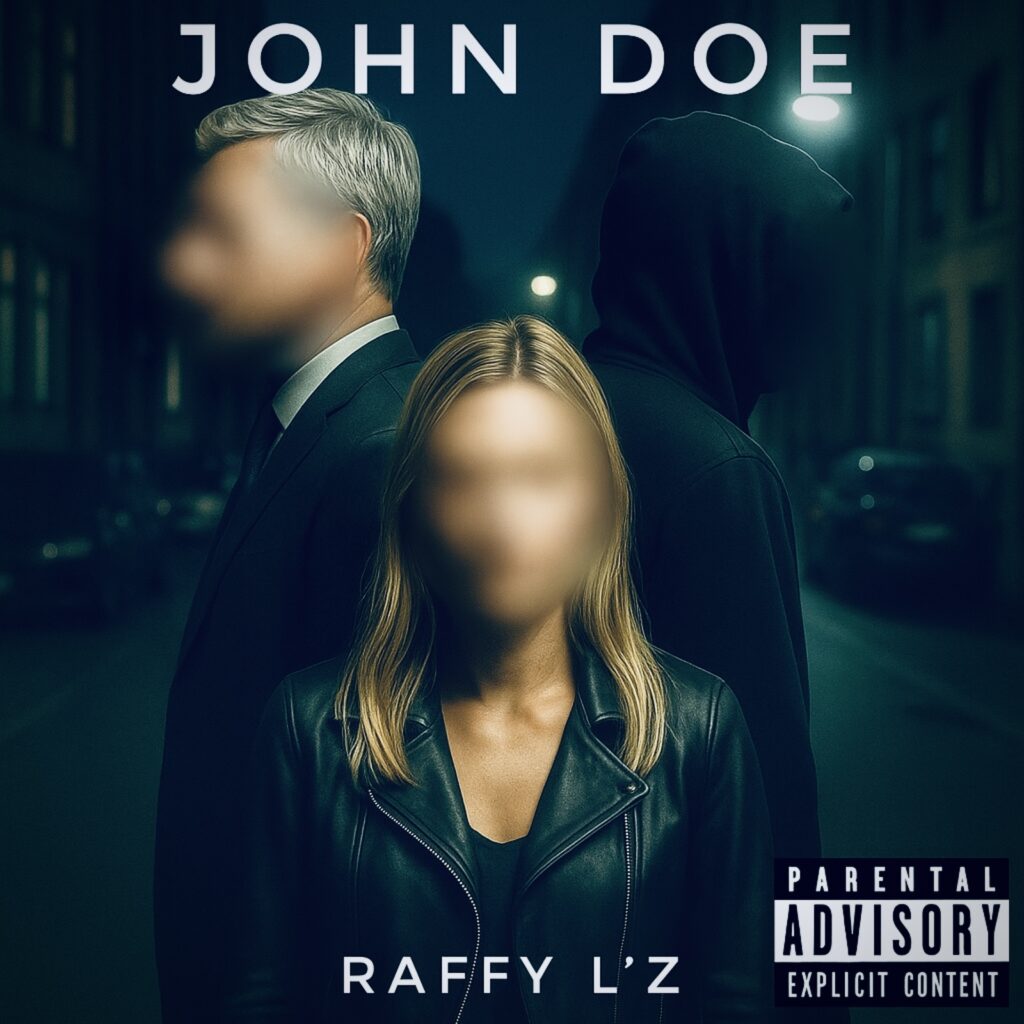
Raffy L’z Raffy L’z returns with raw honesty in “John Doe,” confronting addiction from both sides. In this interview, he reflects on growth, responsibility, and the lived experiences shaping his bold new voice. 1. Your new track takes on addiction from two opposing perspectives — the addict and the dealer. What inspired you to approach the story from both sides, and how did you balance honesty with responsibility while writing it?I’ve personally seen both sides, first hand. It’s something I grew up around.I wanted to tell the story from both sides because that’s the reality I came from. I’ve seen the addict’s world up close, and I’ve also lived the other side of it — the side people don’t usually talk about without sugarcoating or sensationalising it. Writing ‘John Doe’ wasn’t about glamorising anything; it was about showing the cycle for what it really is: two people trapped in different versions of the same struggle. I balanced honesty with responsibility by focusing on the emotions and consequences more than the lifestyle. It’s a reminder that everyone in that situation is fighting something, and that’s what I wanted the song to capture. 2. You’ve been creating since the MySpace and pirate-radio days as Mr L.KiD. How has the journey from that era to now shaped the tone, confidence, and maturity in your storytelling?Coming up in the MySpace and pirate-radio days as Mr L.KiD gave me a foundation you can’t really manufacture. Back then it was raw — no strategy, no marketing, no second takes. You either had something to say or you got swallowed by the noise. I was just a kid finding his voice, running off pure instinct and energy.The years between then and now forced me to grow in ways music alone couldn’t. Life happened — the mistakes, the lessons, the consequences, the rebuilding. All of that stripped away my ego and left the honesty. So when I write today, the tone is different: it’s more focused, more intentional, more truthful. I’m not trying to impress anyone — I’m trying to tell the story properly.The confidence you hear now doesn’t come from bravado; it comes from surviving everything that shaped me. And the maturity in my storytelling is just me finally having the life experience to really mean the things I’m saying, instead of just trying to sound like I do. 3. After stepping away to build your life and family, you’ve returned with a noticeably sharper, more grounded voice. What personal changes or experiences most influenced this new version of Raffy L’z?Stepping away from music forced me to grow up. I went through things that most artists don’t talk about — rebuilding my life from scratch, becoming a dad, taking care of my responsibilities, and learning what actually holds value. When you’ve lived real life outside the studio, it sharpens you. You stop trying to impress people and you start telling the truth. That’s why this new version of me sounds more focused and grounded: I’m writing from a place of experience now, not ego. Everything I’ve been through — the losses, the lessons, the small and big wins — it stripped away all the noise and left me with a clearer voice and a much deeper purpose. 4. The production is dark, stripped-back, and almost cinematic. When building this track, how did you decide on the raw drum-kit approach and heavy bass to convey the emotional weight behind the subject? For John Doe, I knew the story itself was heavy enough — addiction, power, survival — so the production didn’t need to be dressed up. I wanted it to feel raw and uncomfortable, almost like you’re sitting in the room with both characters. That’s why I went for a bare drum-kit feel and a heavy, dragging bassline. The space in the beat lets every word hit harder, and the bass gives it that sinking-stomach feeling that comes with the realities I’m talking about. The whole point was to strip away any gloss and let the truth of the story do the talking. The production had to feel like where I came from — cold, minimal, and honest. 5. You describe this record as a statement rather than a trend-chasing track. What message or understanding do you hope listeners walk away with after hearing it?At the core of this, I want people to walk away with a sense of reality, not glamour. Whether you’re the one buying or the one selling, drugs pull you into a world that looks tempting from the outside but destroys you from the inside. I’m not trying to preach — I’m showing both sides exactly how they feel: the addict desperate for relief, and the dealer trapped in a role that eats away at you long-term. If someone hears this track and it makes them pause, even for a second, before getting mixed up in that life — then the message landed. That’s all I really want: for people to understand the cost. 6. Your music often comes from real life — pressure, reflection, and lived experience. How do you navigate the line between protecting your privacy and telling the truth with the kind of clarity and emotion that defines your sound?I don’t need to overshare for the story to hit. I paint around the edges — the feeling of being in too deep, the choices that change your life, the weight that stays with you. As long as the emotion is real, the message lands without me exposing every chapter of my past. That balance keeps the music honest, but keeps my private life protected. Chris or L’z. It Depends. (@redefinethismess) • Photos et vidéos Instagram
Riffindots

Riffindots This interview dives into Riffindots’ volcanic new single “Everytime,” exploring its nostalgic roots, experimental recording process, cross-continental influences, and the vivid visual world shaping the upcoming Latitude Bera experience. 1. “Everytime” is described as a ‘magma-laden roller coaster.’ How did you translate that volcanic energy into the music, and what inspired that extreme imagery? I wrote this song a long time ago and the song is actually about a longing to live in the haze of old film. That haze. That pale, scratched texture. If you look at old Kodachrome pictures, you assume that the air, old kitchens and backyards looked just like that. I think the word for this is “Anemoia”. I did grow up in the 70’s, and of course every day didn’t look like that, but in the collective memory, somehow it does. The techtonic volcanic nature of the song was simply the vehicle for this idea. Is there a parallel between the two? Well volcanos spew out from a place of origin. Nostalgia is a desire to return to it. 2. Your recording process in the Basque Country involves a unique pneumatic tube system for song sculpting. Can you walk us through how that unusual workflow shapes the final sound? I wrote a lot of music on my iPad while I was living there, but the songs needed polishing. By sheer happenstance, I met Lole, a sound engineer who happened to be my neighbor. That was 2019. I would send him my piles of spaghetti, and with the patience of someone trying to teach Betty Boop to fly a B52 Bomber, he’d clean them up. He’d add piano and keys and some drum tracks using his keyboards. We still work together, even though he’s 3000 miles away. I send him files from this side of the Atlantic. He’s very loyal, patient and very invested in the production of my songs. We have also enlisted an incredibly talented drummer who’s played on a number of my songs in the past couple of years. 3. The song features raucous guitars, steady bass, and a shrill synthesizer solo reminiscent of classic rock. How do you balance your stoner/acid rock influences with your own experimental touch? I grew up listening to a lot of Classic Rock and a lot of experimental, Prog, New Wave, Post Punk. The stranger the music, the better. It has all been stored in my own nervous system and it will bubble up in one ways, whether consciously or sub consciously. 4. You’ve lived both in Maine and France—how have these different environments influenced your songwriting and artistic vision for Latitude Bera? I like this question. Although the Basque Country was completely foreign to me, there were familiar-seeming mountain lines, horizons, angles of the sun, positioning of the ocean, shadows. I saw these in Maine when I was a kid. Because it was both familiar AND foreign, there was a strange feeling to want them to somehow align. I did feel lonely and out of sorts over there at times. Maybe there was comfort in looking over at the mountains of Spain and thinking that they looked like the horizon I saw in Portland, Maine. 5. You describe yourself as a musician, artist, and foreign language teacher. How do your other passions feed into your music, and do they intersect in unexpected ways? I teach adults, and being a naturally curious person, I like learning about people and learning styles and their fascination for learning languages. I too learned French (and Basque-not so successfully!) as an adult. It’s easier when you’re a kid, of course. But I remember when French really took hold, I noticed some weird unintelligible staticky frequencies of French that started to make their way into my subconscious. Something shifted, and I started to understand it. Also, the brain anticipates what it is supposed to do next when you start speaking. It feels a lot like when a song ends on an album, and your brain jumps ahead in anticipation of the next song. 6. Fans can expect visual mayhem alongside your music. How important is the visual element to the Riffindots experience, and do you plan any surprises to accompany Latitude Bera? This do like to make short, I guess you would call them “visualisers”. 15-30 second slivers of what strikes me to make after a couple cups of coffee. It might be a time lapse of my photchromic lenses changing back to normal after being outside- with my music playing. It may be an animated short of all my western shirts slivering up and down my long hallway. It may be my dogs running fast leaving lysergic visual trails behind them (with the help of certain camera effects). I have dabbled in AI, but I’m trying to use alternative means because I don’t want things to look too AI-y. brittapejicmusicartdogs