
Harlow Reign
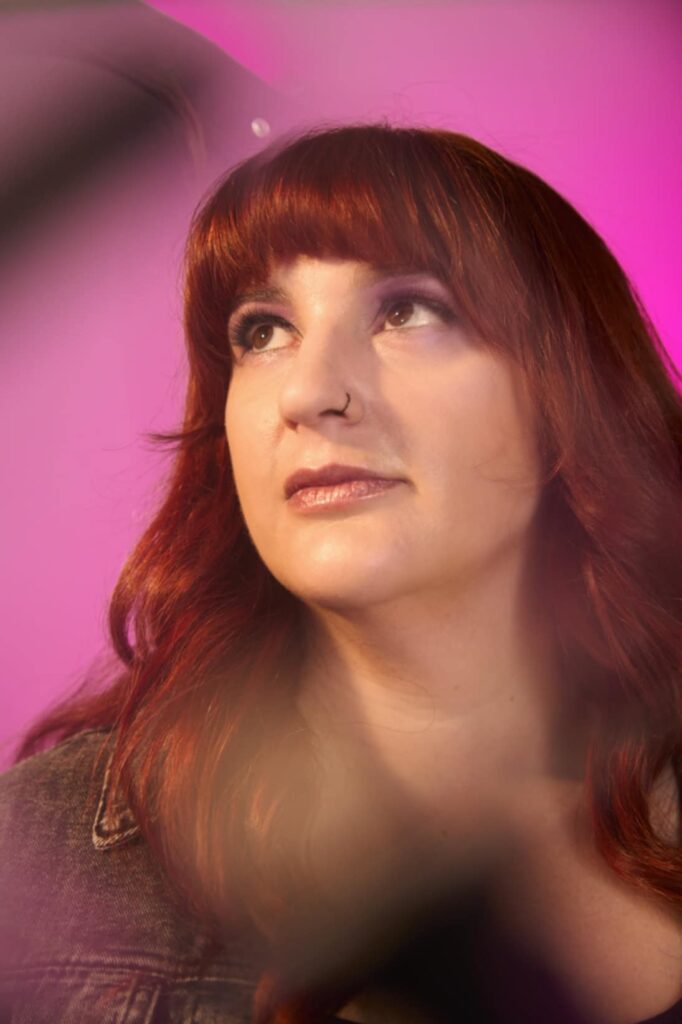
Harlow Reign Harlow Reign opens up about “Take Me Away,” discussing mental health struggles, personal storytelling, creative collaboration, mentoring artists, and the hope and light she aims to share through raw, anthemic rock. 1. “Take Me Away” touches on themes of isolation and inner struggles. Can you share what inspired you to write this song and what it means to you personally?Take me Away is a song very close to my heart. It is about my own struggles with mental health issues and the desire to be free from the dark thoughts that can often consume me. I also know many people struggle with the same and hoping this song will bring them hope that there is light on the other side 2. The lyrics evoke vivid imagery of being trapped and seeking light. How do you approach turning such intense emotions into music that resonates with listeners?All my songs are based on my very own personal experiences. I have lived them. I see my songwriting as storytelling. I want people to know whatever life journey they are on, they are not alone. 3. You co-wrote and co-produced the track with Sam Panetta. How did your collaboration shape the sound and emotional depth of the song?Sam and I had an amazing connection from day 1 of meeting. We often find we are musically in sync and the writing and production of the song really just flows naturally. Sam is an amazing producer with an incredible list of music industry knowledge and I have complete trust in him to create something magical with the lyrics. 4. Many describe your music as both raw and anthemic. How do you balance vulnerability with the power needed to create a rock ballad like this? My biggest musical influence is Evanescence. Their words and stories are so powerful and I draw inspiration from this when writing my own songs. I love Amy Lee’s raw emotion and ability to tell a story through song, but also creating a cinematic atmosphere through the music. 5. Beyond your own music, you mentor emerging artists. How has supporting other musicians influenced your own songwriting and perspective?I work with other artists specialising in other genres on music from indie, folk to hard rock and roll. It helps me by expanding my music knowledge. I personally love listening to rock and metal so it is good to experience other genres and see how they could be implemented into the creative process. I also love seeing other artists achieve their goals and succeed. Every artist has their own story to tell and these stories deserve to be heard! 6. Finally, what do you hope listeners take away from “Take Me Away,” especially those who may relate to the feelings of being trapped or lost?No one is alone in their journey, even though it may feel like it. We need to tap into the light within, whatever makes that spark, and follow it. Through the darkness, there is always light. https://www.instagram.com/harlowreignmusic
Riley Finch
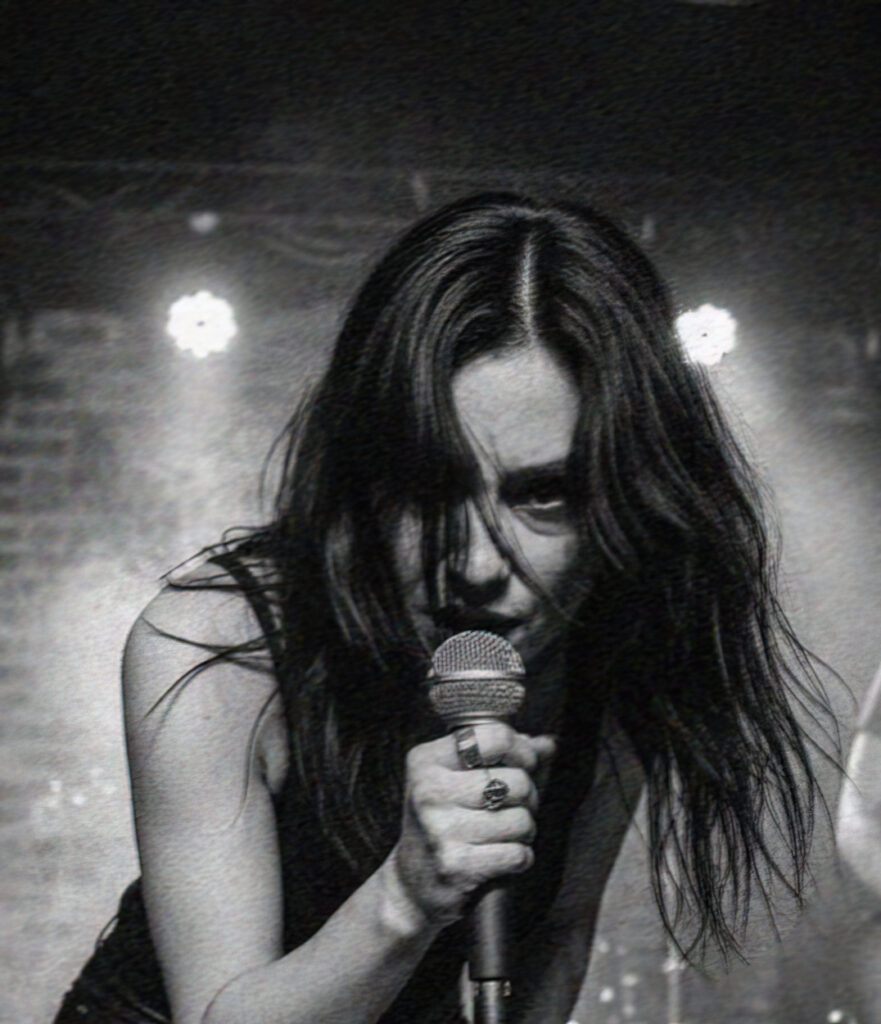
Riley Finch In this interview, Riley Finch unpacks the emotional core of “Did You Even Flinch?”, confronting abandonment, silence, and unresolved endings with stark honesty, vulnerability, and the quiet strength of simply enduring. 1. “Did You Even Flinch?” feels very direct and emotionally exposed. What made you decide to confront abandonment so plainly rather than hiding behind metaphor?I didn’t hide behind metaphor because this wasn’t abstract for me. Abandonment like that doesn’t feel poetic, it feels blunt, confusing, and unfinished. When someone disappears instead of speaking, they’re making a choice not to explain, not to close the door, not to acknowledge what you gave. That silence tells you everything without actually saying anything. I’ve spent a lot of my life being the person people lean on when they’re breaking, and then watching them vanish once they feel steady again. No reason. No goodbye. Just absence. At some point, I realized that pretending it didn’t hurt was a kind of self-erasure. I wrote the song the way the experience felt, stripped down, unanswered, and exposed. Saying it plainly was my way of pushing back against the idea that I wasn’t worth the time it would’ve taken to say something. I was worth it. I still am. 2. The song sits in unresolved space instead of offering closure or empowerment. Why was it important for you to let that discomfort remain?A lot of things in life don’t resolve themselves. There isn’t always a conversation, or an apology, or a clean ending that makes sense of everything. Sometimes the truth is just that something ends and you’re left holding it alone. That felt more honest to me than trying to force a moment of closure that never existed. I think there is empowerment in that, even if it doesn’t look like the kind we like to package and celebrate. Life isn’t usually neat or uplifting in the ways we pretend it is. Most people walk around carrying unfinished things, even if they don’t talk about them. Letting the discomfort stay felt closer to how those experiences actually live inside you. The situation that inspired this song was never resolved, so I couldn’t write it any other way. I had to learn how to live with that lack of answers. I still carry it, and I still struggle with it at times, but it doesn’t get to control my life. I’m still here. I’m still moving forward. And sometimes that’s the real form of strength. 3. You’ve described the track as a slow-burn rather than an immediate release. How did that pacing reflect the emotions you were processing while writing it?I was writing it while I was still inside the situation, not after everything had settled. There was a lot of confusion at first, and a lot of anger, and none of it came in a clean, dramatic moment. Abandonment usually feels like it happens out of nowhere, but when you really look back, it’s rarely sudden. It’s something that builds. It starts with small shifts you don’t want to notice. Calls that stop happening. Messages that come later, or not at all. A change in how you’re spoken to. One thing on its own doesn’t mean much, but they stack up quietly over time. You don’t really see it until the moment it finally hits, and then it feels overwhelming. After the initial anger passed, I started replaying everything from the beginning and realizing how long it had been unfolding. The pacing of the song reflects that. It moves slowly because that’s how the understanding came to me, piece by piece, after the fact. It’s actually calmer than I felt at the time, but that calm came from looking back and seeing the pattern instead of just reacting to the impact. 4. This song lived unfinished for a long time before being released. What finally pushed you to let it exist outside of yourself? For a long time, I wasn’t trying to finish it or share it. It existed as something I needed to get through, not something meant to be heard. Leaving it unfinished felt safer because it stayed private and unresolved, just like the situation itself. What changed wasn’t closure. It was realizing that keeping it to myself wasn’t protecting me anymore. The song had already done what it needed to do for me, and holding onto it past that point started to feel like another way of staying stuck. Letting it exist outside of myself wasn’t about moving on or turning a page. It was about acknowledging that the experience was real and that it mattered, even without answers. Once I accepted that it didn’t need to be complete to be honest, I was able to let it go. 5. Vocally, the performance stays restrained before opening up. How intentional was that balance between control and release?It wasn’t intentional in a psychological or strategic way. I wasn’t sitting there thinking about control versus release or how it might land with someone listening. I was just following the flow of the song as it was coming out of me. I knew I wanted the emotion to feel real and balanced, but a lot of the restraint came naturally from where I was emotionally at the time. I was still holding a lot in. I was trying to stay composed, even while everything underneath was unsettled. I was also lucky to have friends in the room who knew what they were doing. They helped guide where things should stay pulled back and where the song could open up more for the sake of the music. So in that sense, it became intentional through collaboration, not because I was aiming for a specific effect. I’d probably have to ask them how intentional it felt on their end. 6. For listeners who may relate to loyalty, silence, and unanswered questions, what do you hope they take with them after hearing the song?I hope they leave knowing that what they’re feeling is real, and
Changxiao
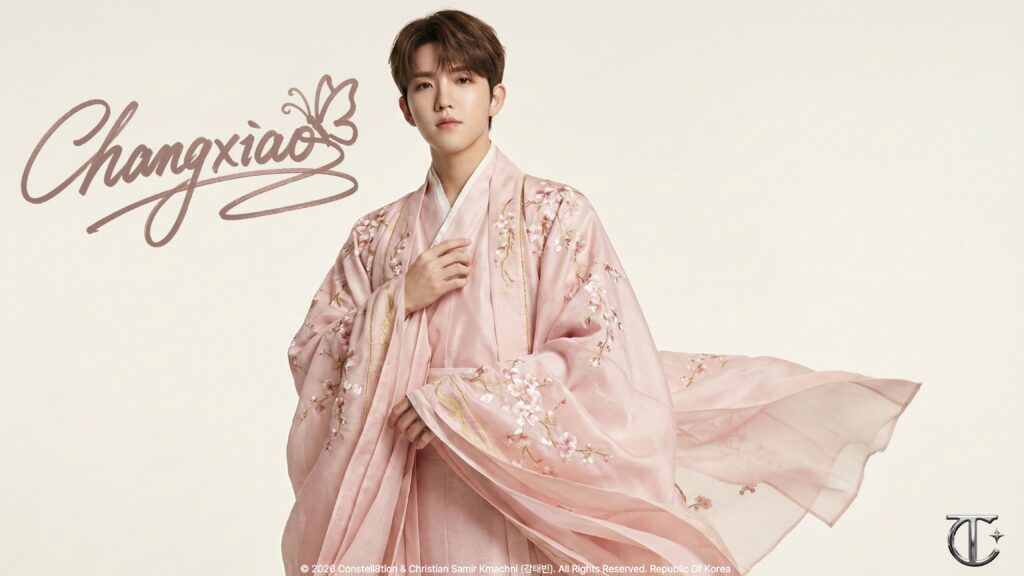
Changxiao In this interview, Changxiao opens up about grief, silence, and irreversible loss, revealing the emotional core of “If I Could Turn Back Time” and the vulnerability behind its haunting sound. 1. “If I Could Turn Back Time” feels incredibly intimate and heavy. What was the emotional starting point for you when approaching this song, both vocally and mentally? The starting point was the silence after a goodbye. Usually, when we record pop music, we are trying to fill the room with energy. But for this track, I had to empty myself first. Mentally, I went back to a specific memory of sitting in a room that used to be loud with laughter, but was now completely quiet. That specific heaviness where the air itself feels thick with absence was where I needed to live. Vocally, I wasn’t trying to ‘sing’ the notes; I was trying to whisper them into that empty space. I wanted the listener to hear the fatigue in my voice, the exhaustion of someone who has spent too many nights bargaining with a memory that won’t answer back. 2. The music video transforms what many fans first heard as a breakup song into a story about mortality and irreversible loss. When did that narrative click for you, and how did it change the way you performed the song on camera? It clicked when I realized the difference between ‘missing someone’ and ‘mourning someone.’ In a breakup, there is still anger, there is still a possibility of seeing them again. But in mortality, there is only a terrifying stillness. That changed everything on camera. If it were just a breakup, I would have acted with passion or frustration. But because it was about irreversible loss, I had to perform with fragility. I stopped trying to look ‘heartbroken’ and started trying to look ‘haunted.’ I imagined that if I sang loud enough, I could reach across the divide… but knowing, deep down, that the wall between us is permanent. That realization took the anger out of my eyes and left only the grief. 3. You’re known for your mastery of traditional instruments like the Guqin and Guzheng, yet this track is built around a solitary piano. What did stripping the arrangement down to its bare bones allow you to express that a fuller production might not have? I have always felt that the piano is the truest vessel for tragedy. It is percussive yet melodic; it sounds like a heartbeat that is slowing down. For me, the piano represents my own hopelessness; it is the naked sound of the tragedy living inside my chest, cold and isolated. But I couldn’t stay in that coldness forever. I needed the orchestra to be the counterpoint. If the piano is me standing alone in the dark, crying out… then the orchestra is the comforting embrace that finally wraps around me. It is the warm arms of a memory, holding me up when my own legs are too weak to stand. The song is a conversation between my solitude and the comfort I am desperate to feel again. 4. Your vocal performance moves from fragile restraint to a powerful emotional release. How conscious were you of shaping your voice to mirror the stages of grief portrayed in the video? The restraint in the beginning… that is the sound of holding your breath. It is the ‘Denial.’ You are tiptoeing around the memories because you are afraid that if you make a sound, the reality will crash down on top of you. I sang those verses like I was trying to keep a candle from blowing out in a storm, careful, terrified, and quiet. But the release at the end… that is the ‘Bargaining.’ It is the moment you stop whispering and start begging. I wanted that climax to feel violent, not beautiful. It had to sound like something tearing inside the chest. It wasn’t about hitting the high note; it was about throwing my entire soul against a door that I knew would never open again. It is the sound of a heart finally accepting that no matter how loud it screams, the past is not coming back. 5. This release marks a very different chapter in the Year Of Constell8tion campaign. How does stepping into a solo, cinematic spotlight reshape your identity within Constell8tion as a whole? In the group, I am usually the ‘Anchor’ the steady hand that keeps everyone else grounded. I am the one who smiles and tells the members, ‘Everything will be okay. But this solo peels back that smile. It reveals that my calmness is not just a personality trait it is a survival mechanism. I am calm because I have learned how to carry heavy things without shaking. Stepping into this spotlight changes how people see me; I am no longer just the ‘peaceful’ member. I am admitting that the quietest person in the room is often the one screaming the loudest on the inside. For the first time, I am putting down the weight I usually carry for the team and saying, ‘Look, I am broken too.’ It shifts my identity from being the ‘Protector’ to being the ‘Survivor. 6. The song asks an impossible question—what would you give to change the past. What do you hope listeners sit with after the final piano note fades and the screen goes black? I hope they sit in silence. Because that silence is the only answer we get. No matter how beautifully we sing, or how loud the orchestra swells to comfort us… eventually, the music stops. The screen goes black. We cannot go back. I want that silence to be a wake-up call. I want listeners to look at the ‘boring’ moments in their lives: a quiet breakfast, a walk home, a sleepy conversation and realize that these are miracles. We spend so much time chasing the big moments that we forget the small ones are the first to fade. If this song makes
Prience (Prince) Moore
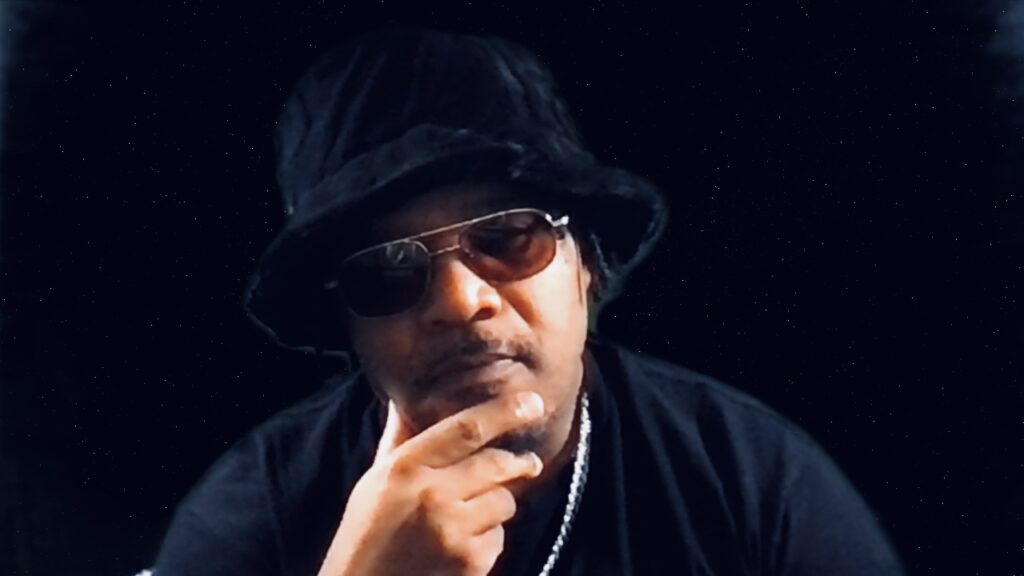
Prience (Prince) Moore Seattle-based artist Prience (Prince) Moore opens up about vulnerability, lyric-first creation, and real-life inspiration behind “What Would You Do,” a song born from raw conversation, emotional conflict, and transformative storytelling truthfully. 1. “What Would You Do” was inspired by a deeply personal conversation with a lifelong friend. Can you take us back to that moment and explain how it transformed into a song?As the conversation proceeded, the emotions in her mannerisms made my imagination peak. I thought this could be a song. I acquired her permission and it can out naturally. 2. The track explores relationships and the idea that love doesn’t always unfold the way we hope. Why do you think this theme resonates so strongly with people today?It’s a thin line between ones on self-interest and the interest of someone extremely close to you. I believe no matter what decision is made, the decision maker will be hurt emotionally. 3. You’ve said you fell in love with this song purely through the lyrics, even before any beat or melody existed. How did focusing on words first change your creative process?This was the quickest song I ever wrote. The words flowed as if the conversation was never-ending. Depending on my knowledge of the subject, I can write a song anywhere from 30 minutes to a day. I wrote this in less than 5. I put myself in her shoes and imagined how I’d feel in that situation…and it began. 4. Recording at Michael Miller Productions at Unlimitedtalents, how did the studio environment help shape the emotional honesty of the final track? The lyrics are complete when I go see Mike. His contribution is far greater than words on a page. He takes my lyrics and matches them perfectly to music. Others have tried but none have mastered it to my complete satisfaction. I’ve written emotional songs (Hard to Write, I Should’ve Let You Go etc.) but “What Would You Do” has a level of frustration because a decision that seems so simple to make is actually the most complicated decision you may ever make. 5. When the friend who inspired the song heard the lyrics and was moved to tears, what did that moment mean to you as a songwriter and storyteller?It meant that I captured her pain to the point of revelation. She told me that after listening to the song she knew what she had to do. It became a simple decision to make. The simplicity of it all hahahaha. 6. You’ve described a shift in your philosophy—from beat-driven music to lyric-centered creation. How does this approach define who Prience Moore is as an artist moving forward?I think if you’re creating a Rap or Hip-Hop song for people to groove too then the beat is what draws me in first. But I’ve always been lyric dominant in my Genre. My songs are emotional and meant to create a reaction and an understanding. One of my favorite songs is “What If”. I wrote it just from listening to my kids ask that never ended question “What If”. My next song will probably be called “Are We There yet” , hahaha. https://www.instagram.com/breeze0968/
Vincent J. Rigney
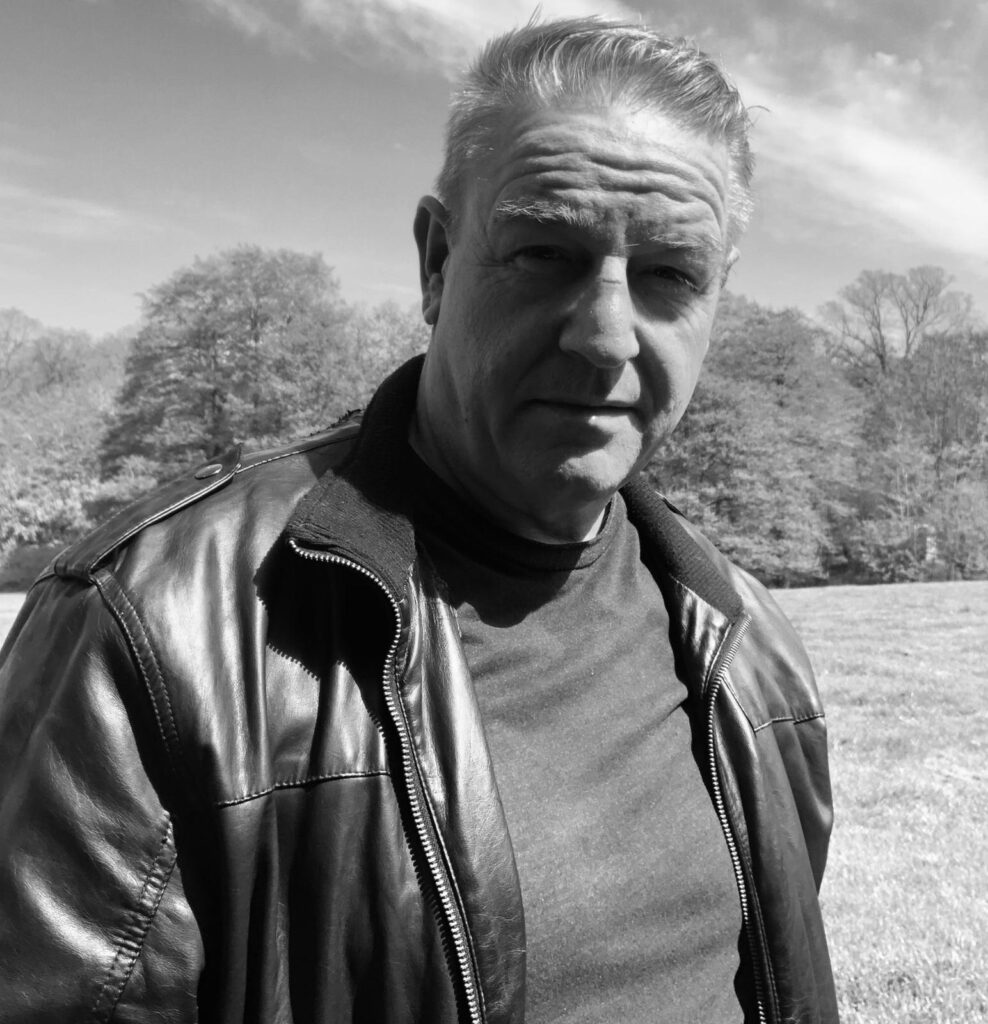
Vincent J. Rigney Vincent J. Rigney reflects on love, faith, and time in this interview, unpacking the personal story behind “Tidal Wave of Love” and the gentle power shaping its sound and spirit. 1. Your new single “Tidal Wave of Love” paints a very vivid and emotional portrait. Who is the woman behind the song, and what made her story essential for you to tell now? The woman behind “Tidal Wave of Love” is my wife, Deborah. We first knew each other as teenagers—I was a year above her at school—and we shared an early connection through our faith, including a pilgrimage we went on when we were about 13 or 14. Life then took us in different directions, and it wasn’t until twenty years later that we reconnected. We’ve now been together for over 22 years. Telling this story now felt important because it reflects a love shaped by time, patience, and belief—something universal and worth celebrating. 2. You describe this figure as gentle, healing, and almost divine. How do you translate such tenderness into sound without losing its intimacy? Even though the lyrics are full of energy and movement—images of heat, speed, and light—the music itself stays warm and open. I focused on space and restraint, letting the vocal lead and allowing the song to breathe. Her presence in my life has always been calming and grounding, so the sound needed to reflect that sense of reassurance rather than intensity 3. The title suggests something powerful yet beautiful. What does the phrase “Tidal Wave of Love” personally mean to you as a songwriter? To me, a tidal wave is something that builds slowly and arrives with certainty. It’s powerful, but it’s also cleansing and transformative. That mirrors my experience of love—something that didn’t rush, but when it finally arrived, it changed everything while still bringing peace. 4. The track was recorded in your hometown of Corby, Northamptonshire. How did working locally and collaborating with UK artists shape the atmosphere and spirit of the song? Recording the song in my hometown brought a real sense of grounding and honesty to the process. Corby is where my roots are, where my values were shaped. Working with UK artists who share that understanding helped the song stay authentic and emotionally true, rather than overly polished. 5. Looking back at the recording process, was there a particular moment—musical or emotional—where you felt the song truly came to life? There was a moment when the chorus finally settled and everything else fell into place. Hearing “with her tidal wave of love” lift the track emotionally was when I knew the song was doing what it needed to do—capturing excitement and calm in the same breath. 6. With “Tidal Wave of Love” arriving on February 27th, 2026, what do you hope listeners feel or take with them after hearing it for the first time? I hope listeners feel uplifted and reassured. That love doesn’t always follow a straight line, but when it’s real, it endures. Wherever people are in the world, I hope the song leaves them with a sense of warmth, hope, and quiet optimism. Vincent J. Rigney | Official Website
Serij d’Artosis
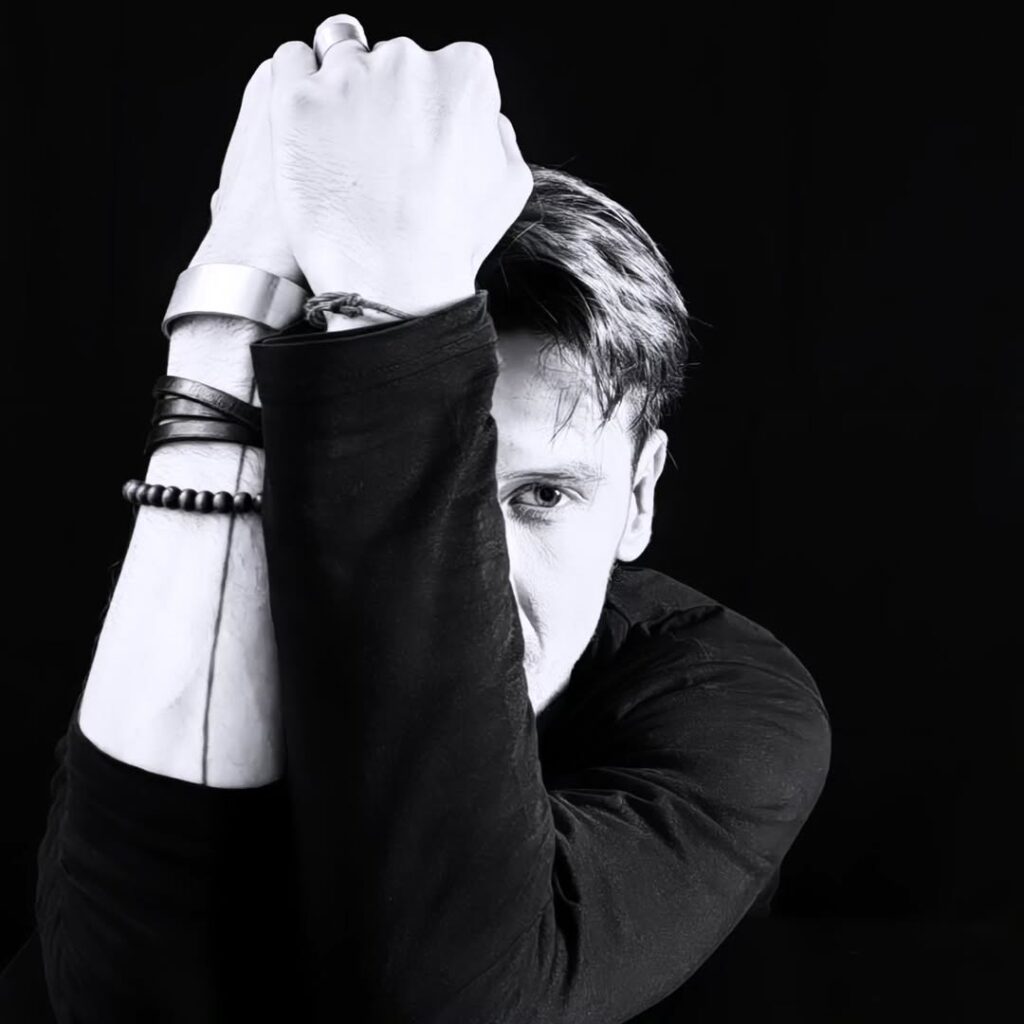
Serij d’Artosis Dream-born neoclassical composer Serij d’Artosis opens up about translating fragile emotions into sound, working in solitude, and shaping Vestiges de Rêves as a cinematic journey through memory, space, and introspection. 1. Rêve1: Vent Fragile feels deeply introspective and dream-driven. How do your dreams usually translate into musical ideas, and do they guide the structure or emotions first? Rêve 1: Vent Fragile” is a track from my upcoming EP, all of the compositions of which were inspired by my dreams. Dreams are the starting point for this album—they don’t impose a structure, but they carry a very distinct emotional charge. I then try to translate these emotions into sound: timbre, tempo, tension, and space. The structure of the music comes later, in the process of consciously organizing these impressions. Dreams are fragile and ambiguous—exactly how I want the emotions in these compositions to be. 2. You handle the entire creative process alone, from composition to production. How does working independently shape your artistic freedom—and your challenges? I begin my entire creative process by composing at the piano — it’s definitely the most enjoyable and natural stage of making my music. At that point everything is still very intuitive and emotionally pure. Later comes the moment of recording the piano, which means playing around with microphones and searching for a sound that really “clicks” with my ear. Once the recording is in the computer, the next stage begins: working with plugins, sound layers, and composing using a MIDI keyboard. This part of the process can be very painstaking and requires quite a lot of knowledge to extract exactly the sound I’m looking for from a specific plugin-instrument. On the one hand, this gives me enormous comfort and freedom — I decide on every detail, even the smallest one. Today’s plugins and extensive sound libraries offer incredible possibilities and allow me to realize very personal sonic visions. On the other hand, I miss working with real musicians and the energy that emerges from playing together. Today, this is one of my dreams: to be able to play with real musicians. 3. Neoclassical minimalism plays a key role in your sound. What elements from artists like Ludovico Einaudi or Yann Tiersen resonate most with you, and where do you feel you diverge from them? Neo-classical minimalism feels very close to me, and Ludovico Einaudi and Yann Tiersen have played a huge role in that. I’ll start by saying that it was Ludovico Einaudi’s compositions that motivated me to begin learning the piano five years ago. What moves me most in his music is the sense of vast space — both in the structure of his pieces and in the interpretive freedom they offer the listener. This openness creates room to breathe and allows emotions to resonate without haste. Yann Tiersen, on the other hand, fascinates me as a multi-instrumentalist. I’m always in awe of the moment when he steps away from the piano, reaches for the violin, and shortly afterward for the accordion. This natural ease in moving between instruments gives his music a unique sense of narrative and character. As for the differences, I feel that as a creator I more often and more consciously explore emotions and atmospheres that are commonly considered “unpleasant” — such as sadness, grief, inner conflict, or loneliness. Although these are heavy emotions, in my view they remain deeply important and worthy of attention. It is often within them that the greatest honesty and truth are found, which I try to translate into sound. 4. The EP Vestiges de Rêves suggests fragments of memory and subconscious imagery. What unifying thread connects the pieces across the EP? The entire album is a kind of record of dreams, captured in a form reminiscent of film music. This element is what binds all the pieces together and gives them a shared context, allowing them to form a single, self-contained whole. I treat a dream as a journey — full of images, emotions, and unexpected turns — which in itself becomes a story and a narrative. It was very important to me that this musical record of dreams be presented precisely in the form of movie music: narrative, evocative, and guiding the listener through successive scenes, even if they are not fully defined or entirely unambiguous. 5. Recording between Frankfurt am Main and Paris adds a geographical duality. Did these locations influence the mood or texture of the music in any way? Recording between Frankfurt am Main and Paris had a meaning for me that was more subtle than literal, but it definitely influenced the mood of the music. Frankfurt is associated in my mind with greater austerity, order, and focus — it was easier for me there to work on structure, detail, and the silence between sounds. Paris, brought more softness, melancholy, and a certain poetic quality that naturally seeped into the sound. This geographical duality is therefore not directly audible in specific motifs, but is present rather in the texture and emotional balance of the pieces. I think the tension between these two places helped me maintain a balance between coolness and intimacy, which works well with the overall dreamlike character of the material. 6. You’ve said, “It wasn’t me who found the music. The music found me.” Looking back at this release, what did the music reveal to you about yourself as an artist? I don’t come from a musical family — my mother is a geologist and my father is a carpenter. There was never any music in our home. And yet, at the age of 33, when I first sat down at the piano, and two years later began composing my own pieces, I discovered something remarkable: that I can express emotions, experiences, and values not only through words, but also through sound. If someone had told me ten years ago that I would be composing music and playing the piano, I probably wouldn’t have believed them. Back then, I didn’t know that there
SIVA
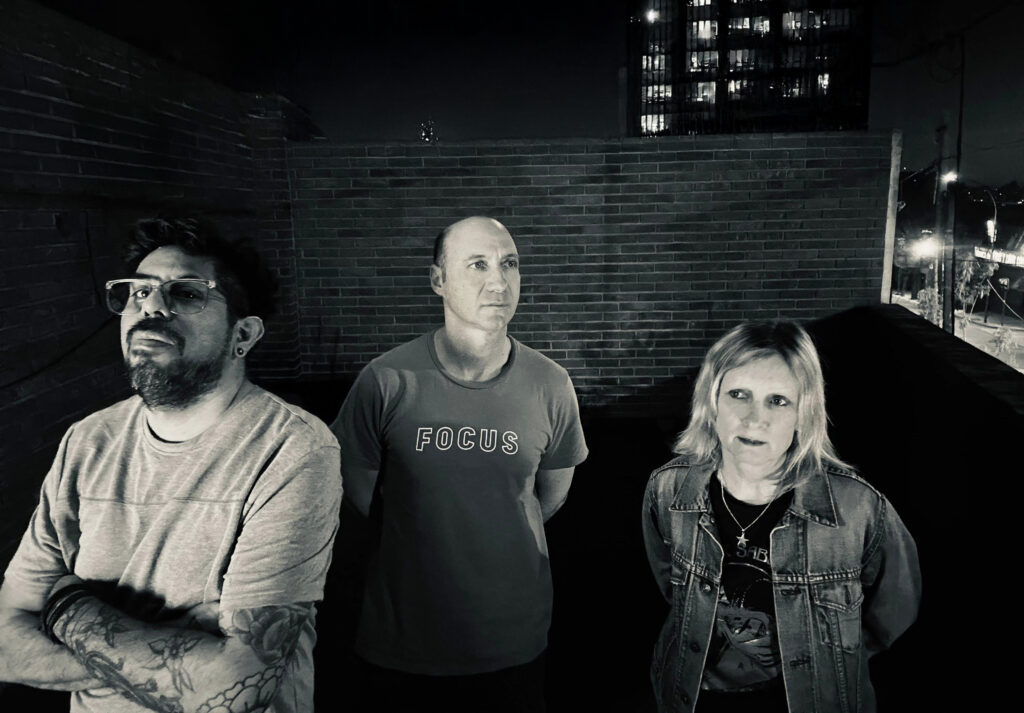
SIVA Blending urgency, melody, and raw energy, SIVA reflect on modern overload, collaboration, and live intensity, unpacking the ideas and influences behind their latest EP, Alerta. 1. “Alerta” tackles themes like modern life in emergency mode and AI overuse. What inspired you to put those ideas at the center of this EP? I think we currently live in a constant state of urgency, always alert and waiting for the next thing to resolve that´s thrown our way by any given circumstances. Be it your phone blowing up with work stuff, or family issues, or things you planned that didn’t go as you expected, it´s hard to have a minute to breathe and find a better way to cope. Also, the song tackles a little bit on the current overwhelming invasion of AI in everyday life, which even if it´s practical for certain things, we didn’t really need something that somehow makes people more lazy and not having a mind of their own. These are times where you have to stay focused and in touch with real things, adn surround yourself with people you connect with to keep you grounded, It’s so easy to get carried away on trends. As artists, it’s our job to try and keep having true inspiration and communicating emotion through music and words. 2. The title track features Aye Rojo and Seba Martínez. How did those collaborations shape the identity of the Córdoba indie rock sound in “Alerta”? We believe that always having musicians who truly identify with the project and add their own imprint enriches the proposal. That’s why both Sebastián and Aye adapted naturally to what each song required, bringing all of their professionalism and musical authenticity to the EP. 3. You self-produced and recorded ALERTA at Maya Studio. What were the biggest creative advantages and challenges of producing the EP yourselves? We have been very fortunate to be able to work at Maya Studio in Córdoba for years. Kari (singer) works as a producer there, so we can sortta call it a second home to the band. We´ve had time to hone the song structures and play around with sounds and layers everytime we record. We self-produced the Alerta EP, and had the chance to work again with a chilean mix engineer Oscar Rai Lama, who has been mixing most of our releases since 2022. He understands the vision we have for our sound even working remotely, so 3 of the songs were mixed/mastered by him at Los Lobos Records in Chile, The last song “No es el fin” was mixed and mastered by José Matiak at Maya Studio, and was a different process since we were able to work alongside at the studio, he did a great job and is a long time band collaborator. 4. “No es el fin” blends punk drive with melodic influences from Smashing Pumpkins and Nada Surf. How do you balance aggression and melody when writing SIVA songs? That song was very special since it came from a clean guitar riff that maybe seemed too pop for us, but then we turned it into a full song and we really enjoy playing it live, it also seems to connect with people on an emotional level. The song closes with a great melodic solo by Sebastian Martinez who features on the track. Yeah, it definitely borrows from Nada Surf or Death Cab for Cutie single-string cleaner riffs, and then adds Billy Corgan´s emotional octave melodic guitar lines, it kind of sneaked in there, we are fans of a lot of alternative music from the 90s onwards and somehow you end up channeling those influences without even thinking. This song will prpbably open doors to different sounds or intention fro Siva on future music. 5. Your 2025 live session at Romaphonic Estudio included an expanded lineup. How did performing in that iconic studio change the way you approach your music live? From the moment we learned about the studio’s capabilities and everything that could be done at Romaphonic Studios—not only a live session, but also the possibility of a larger production in the future—we immediately felt we were in a place where everything flowed naturally. Playing together as if we were performing live in front of an audience happened in an atmosphere of comfort and relaxation, allowing the music to express itself on its own while we simply enjoyed the moment. 6. From festivals like Cosquín Rock to opening for Marky Ramone, your live presence is a key part of SIVA. What do you want audiences to feel when they hear these new EP tracks on stage? Siva is a band that has always been defined by high energy on stage. We’re musicians who genuinely enjoy being up there, and each of us brings our own imprint while trying to connect with the audience. We’re aware that this connection has a lot to do with our attitude and with what we choose to express and propose in that moment—so the audience doesn’t just appreciate the performance, but also connects with the songs and feels musically identified with them. sivarawk | Instagram, Facebook, TikTok | Linktree
Alexis Lace
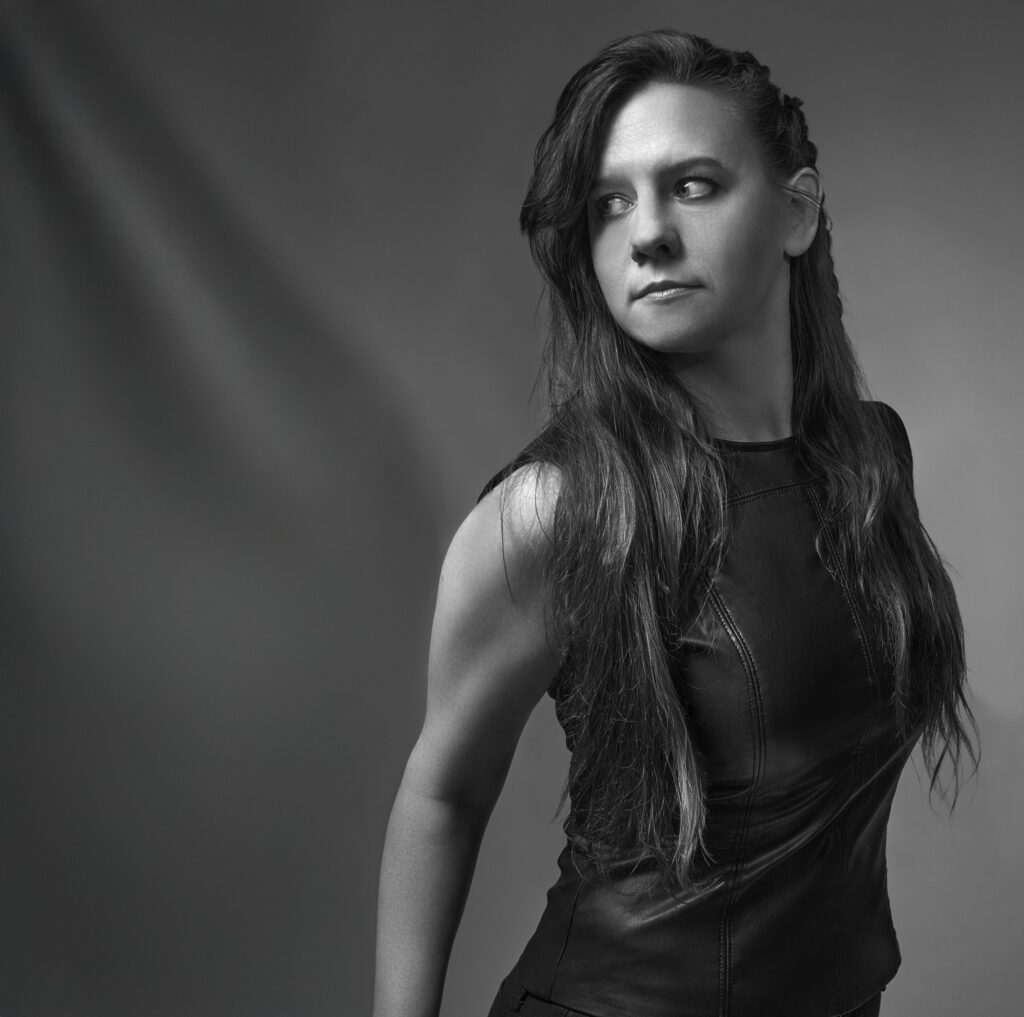
Alexis Lace Alexis Lace channels unapologetic honesty on Silver, using “Stork” to confront childfree choice, feminism, and autonomy—delivered with restrained production, full creative control, and lived experience shaped by defiant clarity alone. 1. “Stork” is one of the most serious and controversial tracks on Silver. What pushed you to address the topic of choosing a childfree life so directly in your music? I always speak my truth, especially through my music. I decided I wouldn’t be having any children when I was 11, because it just isn’t my thing, but recently I have seen a lot of men leaving comments on social media telling women they will be lonely, etc, and women trying to tell us life isn’t complete without them. Turns out I have a pretty rich life and I already feel complete, thank you very much. But yes, this semi sudden surge in judgemental, sometimes aggressive, comments, coupled with the fact my whole life I have had people telling me I’d change my mind as if they knew me better than I know myself, has made me feel like it was time for me to sing my truth for the whole world to see. Honestly, we are not hurting anyone by making this choice so keep your opinion to yourselves! 2. You wrote, produced, recorded, mixed, and mastered the track entirely on your own. How did having full creative control shape the sound and emotional weight of “Stork”? To be honest, I write, record, produce and mix all my tracks, so this one didn’t feel any different, if we’re going to address the technical side of things. I feel like having full creative control of my work is very important, because I have the freedom of communicating my thoughts exactly the way I want to. I am often very uncompromising when it comes to my art. 3. The song touches on feminist themes and societal double standards around parenthood. How have your personal experiences influenced the message behind this release? I have had my share of men telling me they wanted kids, which is fine, really, but when they actually expect women who do not have the same longing for parenthood to change their mind, sometimes aggressively, it really irks me. It bothers me A LOT, because, they’re not the ones who are going to be incapacitated for 9 months, their body isn’t going to change, and they won’t have to go through the traumatic event that is childbirth, so it is so easy for them to say! I do firmly believe if men were the ones getting pregnant, seahorse style, the world population would be a lot lower! 4. Musically, “Stork” relies on subtlety rather than heavy layers. Why was restraint and clarity important for conveying the song’s message? I didn’t feel like writing another cliche. We already have a lot of female rage tracks around at the moment, which is fine, I enjoy them, but I didn’t feel like I had to shout to be heard. I’ve shouted a lot of things before and no one listened. I may as well “hide” the message in an otherwise chill track. 5. As part of the album Silver, where do you see “Stork” fitting within the wider narrative of the record? My songs are always very personal, but for this album I decided to touch on a lot of serious issues, such as “old days” sexism in “5 Am”, parental estrangement in “Goodbye”, and work place burnout in “Burn This Place”, which I wrote about my old job from 9 years ago. There are plenty of other very serious subjects on “Silver”, so I could go on. But I wanted to convey the messages with a laid back attitude, as I’d just had a good year, so I think they all quite fit in well together in that respect. 6. You’ve mentioned plans to bring this album to the stage later this year. What can audiences expect from a live performance of “Stork,” and how do you hope listeners connect with it in a live setting? I have not had much time at all to focus on performing live sadly, but I do plan on doing it! These audiences will probably have never heard the song before, so I hope they pay attention to the lyrics, as it can be so easy to get distracted in a live setting, and I hope that they connect with it! I have actually practiced singing it live at the studio and it did come out a lot more angsty than on the record! Alexis Lace
Kate Kristine
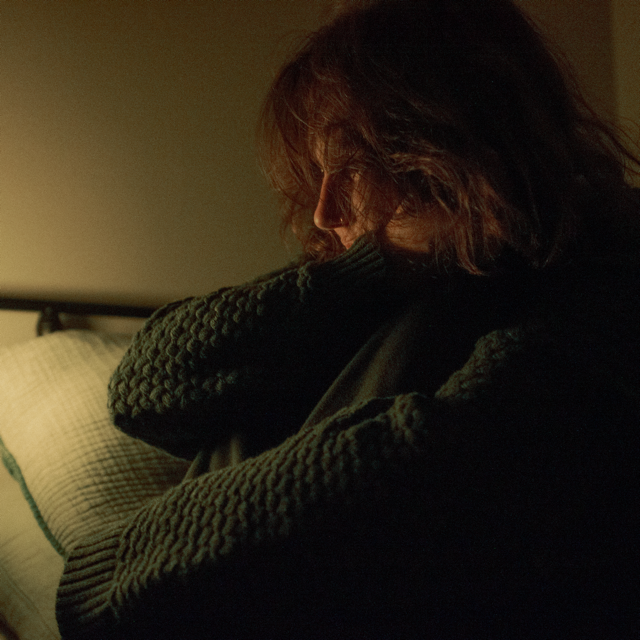
Kate Kristine Kate Kristine reflects on “stranger i can’t tell,” unpacking grief for someone still alive, lyrical paradoxes, sonic growth, TikTok resonance, and a creative turning point shaping her evolving indie-folk-pop identity. 1. “stranger i can’t tell” centers on grieving someone who’s still alive — a feeling many people struggle to articulate. When did you realize this song needed to exist, and how difficult was it to put that kind of unresolved grief into words? When “stranger i can’t tell” was written, I was navigating my first serious breakup after being with someone for nearly two years. I was processing emotions I had never experienced before, and music became the only space where I felt able to confront and understand my grief. There is something uniquely painful about grieving someone who is still alive, because the loss is not defined by absence, but by sudden inaccessibility. A person who once knew every version of you becomes unreachable almost overnight. Writing this song allowed me to feel close to someone I had lost while searching for a sense of closure that I never received when the relationship ended. The process required complete emotional honesty. I felt stripped bare while writing it, but that vulnerability was essential in capturing the complexity of that grief. 2. The line “you’re a stranger I can’t tell, but oh, I know you well” captures a powerful emotional paradox. Did that lyric arrive early in the writing process, or did the song slowly build toward it? Although it has been over a year since I wrote the song, I remember that this lyric emerged earlyin the process. A few nights after the breakup, I went driving and found myself passing places that held some of our most intimate memories. I think I was subconsciously searching for closure by revisiting spaces that once felt meaningful, hoping that proximity to memory might bring clarity or reconciliation. Instead, I was confronted with the reality that he was no longer accessible to me in any real way. That realization became central to the song. Breakups often create a strange emotional paradox where someone who once knew every part of you becomes someone you no longer truly know. The line “you’re a stranger I can’t tell, but oh, I know you well” captures that contradiction. It reflects the tension between familiarity and distance, between intimacy and estrangement. That lyric became the emotional anchor of the song, and everything else grew around that idea of reaching for closure while simultaneously grieving a relationship that had fundamentally changed. 3. This track moves beyond traditional breakup narratives and focuses on imagined closure and emotional aftermath. Was there a conscious decision to avoid resolution, or did the song naturally settle into that ambiguity? I always approach the production process with an open mind, knowing that lyrics and structure often evolve as the song takes shape. In this case, I think there was a part of me that was consciously aware of ending the song without clear emotional resolution, because unresolved grief is exactly what the song is about. There was a lot of intention behind ending on the line “but babe, you saw me naked,” because of the ambiguity and emotional weight it carries. My wonderful producer, Gianni Branciforte, immediately connected with that ending and suggested repeating the line twice more in the outro. I became really attached to that idea, because by the end of the song, the narrator has gone through the same emotional cycle again and again. They search for closure to the point where they are completely stripped bare, having exposed every vulnerability in the process. The song reflects how someone can internalize a breakup and almost dismantle themselves emotionally in an attempt to understand it. I wanted to highlight that sometimes relationships end without answers, and not every story resolves neatly. I also loved that the final line acts as a direct segue into my previous release, “friday afternoon,” which centers on vulnerability and intimacy in a much more literal way. While some of these choices were intentional, the song also truly found itself during the production process, and I could not be more grateful to Gianni for helping bring that emotional story to life. 4. Sonically, “stranger i can’t tell” feels warmer and more expansive than some of your earlier work, while still remaining intimate. How did you approach balancing indie-folk vulnerability with indie-pop accessibility on this release? Indie folk and indie pop have always been two of my biggest influences, and much of my songwriting is shaped by elements from both genres. With “stranger i can’t tell,” Gianni and I did not work from a specific production reference. Instead, we focused on creating something that felt emotionally honest and sonically fresh. For a long time, I struggled with feeling like I needed to define myself within a single genre, which created a lot of uncertainty around my musical identity. Allowing different influences to coexist has felt far more natural. I would describe the song as a lo-fi folk track that sits somewhere between artists like Lizzy McAlpine and the 1975. Blending genres in this way was incredibly freeing and creatively fulfilling. Many of the sounds and textures present in this song reflect a direction I plan to explore further in my future work. 5. The song gained significant traction on TikTok ahead of its official release. How did it feel to see listeners connect so strongly with such a quiet, emotionally specific piece before it was fully out in the world? Seeing the song gain traction on TikTok was honestly one of the most surreal experiences I have ever had. While writing and creating it, I never expected it to reach the number of people that it did. What makes the situation even more surprising is how casually the song came together. Gianni and I laid out the stems in about half an hour on a random Tuesday night around three in the morning, without any expectations of
Vanessa Tottle
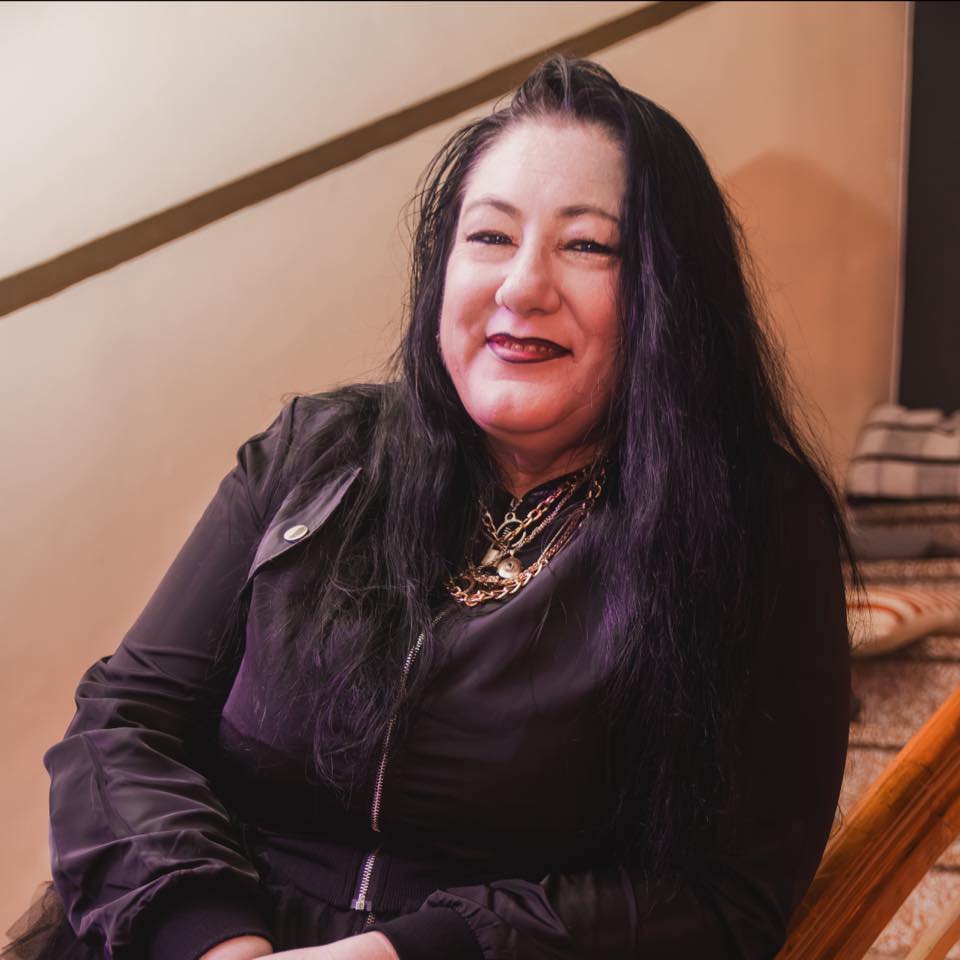
Vanessa Tottle In this interview, Vanessa Tottle opens up about Tattoo For You, a raw meditation on grief, memory, and healing, tracing how loss became music, permanence, and connection for listeners everywhere. 1. “Tattoo For You” explores grief and lasting emotional imprints. Can you take us back to the moment this song began — what sparked the first line or idea? I wrote this after getting my mother in laws name tattooed on me, May 2024. As I sat there, I just felt grief had taken its toll on me, feeling of wanting to be closer, trying to get the tattoo on my arm but as close to my heart as I could – the rest of the lyrics quickly came to me. I was literally spilling my raw emotion onto paper. It hurt to see it on paper, like seeing blood spilled on the floor. 2. You describe the song as deeply personal and vulnerable. Was there anything about writing or recording this track that felt especially challenging or cathartic for you? Half way through In the song I start to speak, spoken word with a tremble, voice shaky, breathing heavy – that was hard to record and I did it in one take so it had the authenticity – I needed it to be real, it was real and to the point my sound engineer said – you ok? It was a heavy session – unleashing the feeling when I got the tattoo. 3. The title suggests permanence — something etched into the soul. What does the idea of a “tattoo” represent for you in the context of love and loss? A tattoo for me is an unspoken tribute to your loved one, where words can’t find you – art and music can. 4. Many people carry grief quietly, without words. What do you hope listeners who are navigating their own loss will feel or take away from this song? Grief takes someone to places sometimes you can’t come back from. I hope that through my journey someone will reach out and say “ I need to talk” we suffer so much with grief in silence, society expects us to mourn and move on as the world doesn’t wait for pause but we need to give ourselves permission to grieve, feel and move on as it were when we are able. Most of us including me learn to adapt to a new normal. What is normal? I’m still navigating but my music helps and this one does too. I feel so free. 5. Musically and emotionally, how does “Tattoo For You” reflect where you are right now as an artist compared to your previous releases? This one is similar to some releases having deep meaning but mostly I have talked of past hurt. This is raw 2023 hurt and the worst kind of loss. For me it’s a recent realness about it. From my timeline of song writing I shouldn’t be singing about this loss for a few more years but what I’ve learnt is that you can’t bottle things up, you have to unleash to heal so here we are! 6. You invite listeners to connect and even reach out if the song stirs emotions. How important is that sense of shared kōrero and community in your music journey moving forward? I think it’s hugely important. I want to be able to help others directly or indirectly with my song and sharing stories of past loved ones where we have connections by way of art on skin is a universal talking point. I want to be able to put a song out and it not only mean something to me but to the listener. VANESSA TOTTLE