
Cory M. Coons
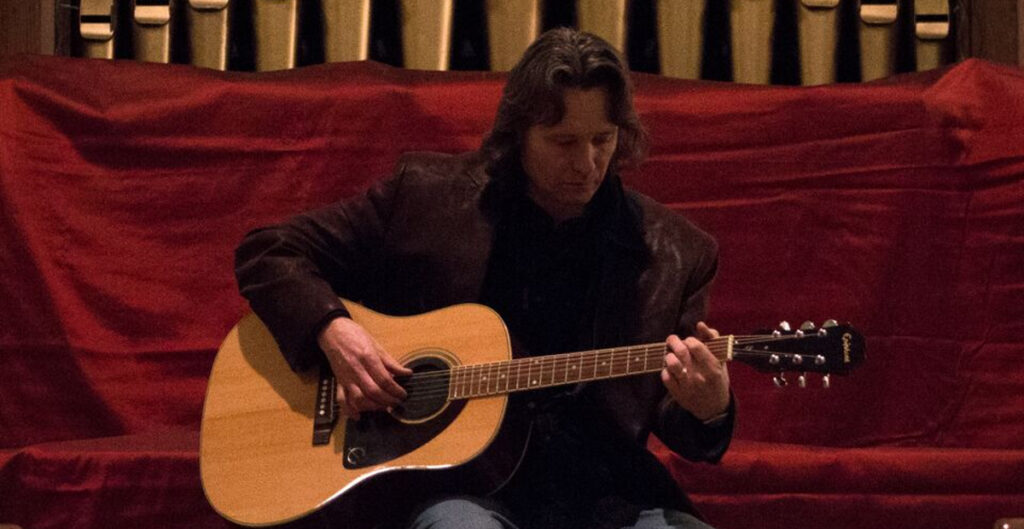
Cory M. Coons Singer-songwriter Cory M. Coons returns to his roots on The Sun Sessions, embracing vintage analog recording, timeless rock ’n’ roll influences, and heartfelt storytelling while reflecting on two decades of artistic growth. 1. Returning to Sun Studio is iconic — what was it like recording The Sun Sessions in the birthplace of rock ‘n’ roll, and how did that environment influence your performance?Hello! And thank you for this opportunity!Recording at the legendary Sun Studio was an absolutely amazing experience… The vibe was so totally cool, and of course completely “retro”, which I absolutely loved!I have always been a big fan of classic 50’s rock n’ roll, and just the way things were done back in the day, with the vintage style of recording, and techniques… So honest and unforgiving at times… You can almost feel the ghosts of the legendary performers who once dawned that studio floor, like Elvis, Cash and Perkins along with the iconic producer, Sam Philips. Perhaps that crept through in some form as well, with the vibe of that session… ? 😉 I totally wanted a vintage feel, with “live” takes, and minimal punch-ins. “Crumbs ’24” was done completely in one take, and live-off-the-floor! 2. “Crumbs ’24” marks the 20th anniversary of your original single. What inspired you to revisit the song, and how did recording it live in one take change its emotional impact?I wanted to do something different, special and unique with this 20th anniversary version of the song… Stripping it back to its bare bones, and just letting the song speak for itself the way it was originally written on my acoustic guitar, (the same one I used on this session, was the guitar I wrote the song on at home in Ontario so many years ago). 🙂 I have been performing this song live onstge for over 20 years, sometimes solo acoustic, and sometimes in a full band atmosphere. So recording it “live” in one take seemed like just a natural thing to do. Just minimalistic, raw, and truthful to it’s story in the most basic form! 3. Your new single, “Memphis Whiskey Blues,” channels the soulful spirit of Beale Street. Can you walk us through the story behind the lyrics and how you captured that smoky, bluesy atmosphere in the studio?So this song is actually a bit of a re-imagining of an old demo I had previously, called “Mountain Station Blues”. Which was originally about the town of Mountain, Ontario, not far from where I am from here in Eastern Ontario… But I had this thought, that since I was going to be recording in Memphis at Sun, that this would be such a cool way to re-invent the song with a new little blues and Americana twist, into something that really captured the spirit and vibe of Memphis, Sun Studio and Beale Street back in the day, and perhaps it might lend a conversation with ghosts of past who have frequented this iconic music scene. Just more like a continuation of what’s been done, and trying to stay as true to that as I could. 🙂 The EP blends Americana, blues, and roots-rock while including a spirited Elvis medley. How do you approach balancing homage to musical influences with your own unique sound?I think it all just mashes and marinates itself into my own “CMC Sound” as I like to call it! Everyone draws on their own music influences and stylings that are derived from someone and somewhere in the past. So, I think as an artist and songwriter I just try to build on what feels right for me, and be as honest and true to myself and my inspirations, and just try to continue resonate with fans of my music, both in the past and currently. 5. Recording live-off-the-floor with vintage mics and reel-to-reel tape is a bold choice in today’s digital age. What drew you to this analog approach, and what do you feel it brings to the listener’s experience?I just love that sound and style of recording! Bold, honest and unfiltered! No auto-tune or over polished production, just raw authenticity. There’s too much gloss and overproduction I find these days in some new music, and the true art of recording really gets lost, along with the soul of the music gets left behind I feel. This is what real music was supposed to be, mostly live takes, and a very earthy sound… There’s nothing like recording to tape. And the way they stay true to the vintage sound at Sun, with the slap-back echo type of thing on the vocals, is just such a cool thing! 6. Looking at your career from “Crumbs” in 2004 to The Sun Sessions in 2025, how has your songwriting and perspective as an artist evolved over the past two decades?I think as an artist and songwriter, we are always evolving in some way… I have learned a lot over the years from recording with different producers and engineers, and in different studios all over North America, from Ontario to Los Angeles & San Francisco, to Vancouver WA, and now Nashville & Memphis!I think my perspective still remains relatively the same, in that I always try to stay true to myself as an artist and songwriter, and hope that my music and message will truly resonate with my listeners and fans!I thank you so much for this interview opportunity once again!Cheers~CMC… http://www.corymcoons.com/
DownTown Mystic
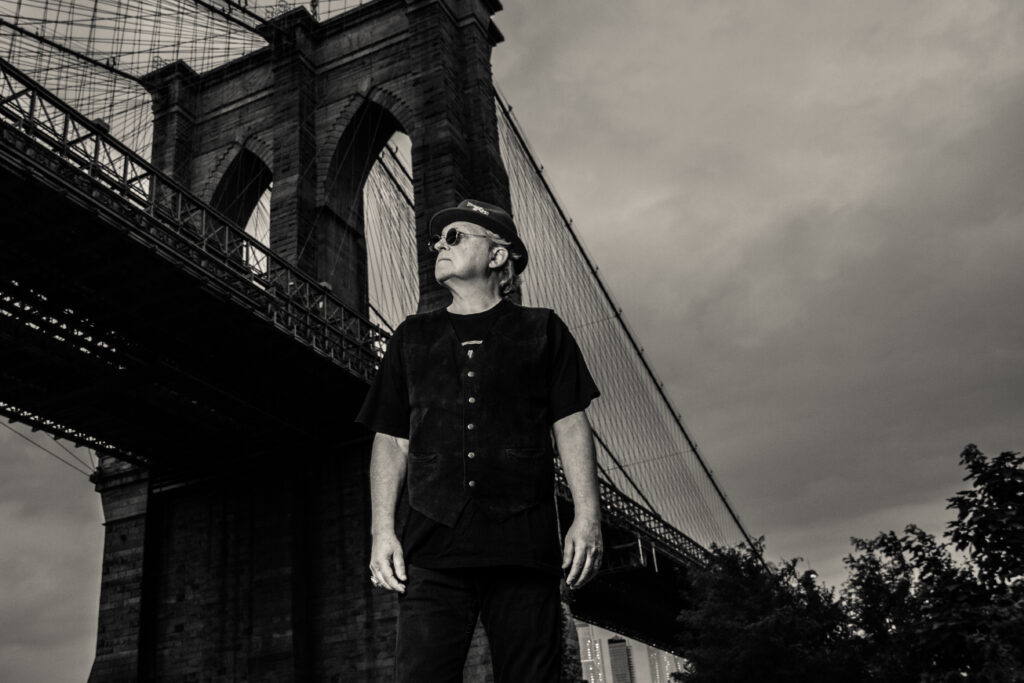
DownTown Mystic DownTown Mystic returns with Mystic Highway, a high-energy rock journey shaped by top-tier musicians, bold AI creativity, and timeless authenticity. In this interview, he reflects on collaborations, sync success, and future projects. Your new EP Mystic Highway brings together some incredible musicians, including Steve Holley, Paul Page, and Jeff Levine. How did this particular lineup shape the sound and energy of the record? The musicians on the DownTown Mystic project are an integral part of it in every way. They all contribute to the sound and energy you can hear and feel on this record. The songs are mostly up-tempo and that makes them very demanding to play. The musicians get put through their paces on these tracks. They all push themselves to deliver top performances and it shows. “Somebody’s Always Doin’ Something 2 Somebody” marks your first AI-created music video. What inspired you to take this technological leap, and how did the creative process differ from your previous videos? Technically, this is the first AI video created for DTM by Richard Lewinsohn, but it’s not my first AI video. Richard also did the new “Read The Signs” video for Mystic Highway. I now have 5 AI videos in all, and I started making them because AI is the latest technology available. I have so many lyric videos using stock footage that I wanted to see what AI could do. You can always see something different with AI, even after many viewings. The musicians Guitars are a defining element of the DownTown Mystic sound. What roles did Lance Doss, Bruce Engler, and Justin “JJ” Jordan play in bringing the different emotional textures of Mystic Highway to life? The guitar players you named are all exceptional. I usually play all the guitars on most songs, but every now and then I have the opportunity to work with some great players like Lance, Bruce and JJ. I was looking to hear something different from these players on the Mystic Highway tracks. Lance is from Alabama and brings some of that southern grit to the tracks he plays on. He plays with great “feel” and you can hear it on “Modern Ways”. I’m on one side of the speakers and he’s on the other side and he sticks out just by the way he plays. Of the 3, I’ve worked with Bruce Engler the most. He’s been a big part of DTM since the start. We co-wrote “One More Chance” on The Wish album and we co-wrote “Read The Signs on Mystic Highway. I co-produced Bruce’s “One More Chance” album and played on it, so we’re very familiar with each other’s styles. He’s a great artist in his own right, so playing with him is a good time in the studio. Plus, he has a great voice, so having him sing on some of the tracks is a bonus. JJ is a very talented musician. He plays a few instruments, which makes him handy to have around. He plays a killer mandolin on “Some Day”, which is the big production piece on Mystic Highway. When he came to the session I had him try to put a dobro on the track. He spent a couple of hours playing the dobro but couldn’t come up with anything that stuck, so we moved on. 10 hours later, JJ’s packing up and he apologizes for not being able to get the dobro part earlier. I said it was my fault because I was the one who wanted to put a dobro on the track and it didn’t work. JJ mentions the idea that hit him when he first heard the song and plays me a bit of it. I immediately told him to reset up his gear because we’re recording his idea, which are these guitar swells that are made by hitting a note and then raising the volume on the guitar with the palm of the hand. The way JJ plays them sounds like a pedal steel guitar. It’s a very intricate guitar technique and JJ cuts the track in like 1 take and totally makes “Some Day” happen. 2025 has been a strong year for sync placements, with your music featured in films like Everything’s Going to Be Great and Sovereign. How has sync success influenced your creative direction or the visibility of DownTown Mystic? It hasn’t influenced the creative direction at all because syncs are so subjective. It all depends on the director and the vibe he’s looking for in a scene. That’s not something you can plan for. I’ve had songs picked by the music supervisor that got cut by the director. It happened on an episode of Stranger Things. Ouch! lol Looking ahead to 2026, you’re preparing the On E Street Remix project featuring Max Weinberg and Garry Tallent. What can fans expect from this release, and how do these collaborations connect to the core identity of DTM? I’ve remixed the tracks we recorded together and added some new things to the mixes. I think the overall sound has improved. This collaboration is a crucial one to the core identity of DTM because of the credibility that these 2 great musicians provide. I created the project to allow me to play with top-notch musicians. I wanted to make credibility in the music a priority. The project is all about the music and the musicians who play it. Therefore, the credibility of the musicians is paramount. I know how musicians will look at this project. When you’re throwing out names like Bruce Springsteen, Paul McCartney, Elton John and Ian Hunter, to just name a few of the artists all these guys have played with, I want to live up to those kinds of standards. If I can’t reach that level then it’s not worth it to me, and one of the ways to get to that level, is playing with guys who play on that level. I want the listener to have an experience they can’t get everywhere. I’m
Tender Moon
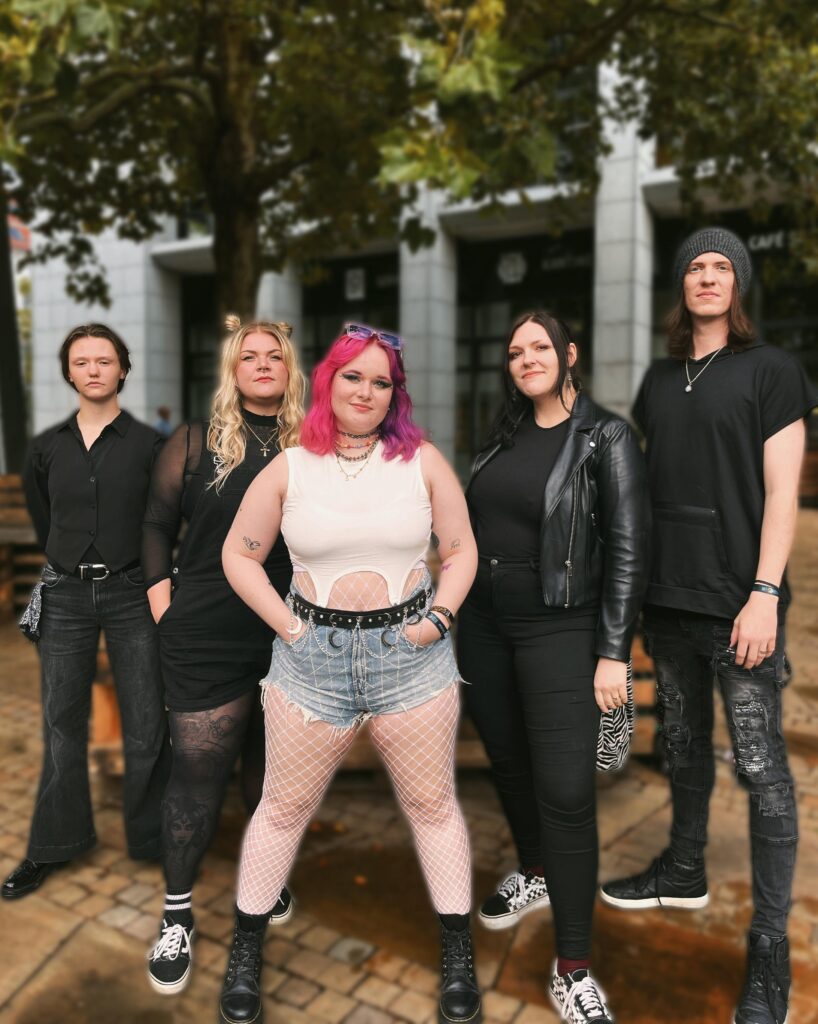
Tender Moon Tender Moon’s “Hologram Hideout” blends nebula-soaked dreams, raw emotion, and neon-lit nostalgia. In this interview, the band explores their safe-space sound, personal battles, and the cinematic world behind their debut album. 1. Your debut album, “Hologram Hideout,” introduces what you call “Nebula Rock.” Can you tell us how that term came about and what it means to you sonically and emotionally?We wanted to create a new term because we wanted to feel free in the description of our sound. With Nebula Rock we try to combine the dreamy and adventurous space-like feeling, brought to life by the Synthie- and atmosphere sounds, with the energetic and pushing rock style. Nebula Rock is an invitation to build your own story inside the diffuse glitter of stars and dreams. 2. There’s a fascinating contrast in your music — cold neon lights meet warm heartbeats, electronic pulses meet raw guitars. How do you find the balance between those opposites when you’re writing or producing songs?The balance comes from within. It is a mindset and a “without darkness there is no light” kind of thing. In our band we have many different influences and experiences. The combination of all leads us through those cold neon lights you mentioned and brings the warm heartbeat to life. Metaphorically. It is important to stay authentic and remember your raw emotions. Love and pain, hope and despair, belief and doubt. If you do that, the balance comes naturally. 3. The album touches deeply on themes like escapism, mental health, and FLINTA perspectives. How do your personal experiences shape the emotional core of “Hologram Hideout”?We have to battle with depression, panic attacks and anxiety disorders. The songs help us to channel those emotions. The music builds an individual safe space for us that brings us courage and security. We want to share this safe space with the world. Our idea is that every person can build its own safe space within Hologram Hideout.Especially for me (Tony), as part of the queer community, it is a personal concern to be loud and strong and give people a voice through our music. Your sound draws inspiration from artists like The Sounds and Metric, but it still feels unmistakably your own. What influences — musical or otherwise — helped shape Tender Moon’s identity?The biggest influence might be a certain feeling. The mix of 2000s nostalgia and the will to move on. This is the core of Tender Moon and it is shaped by all the individual influences, styles and likings within the band. As we said, our music should feel like a safe space. A place where you can be whoever you want to be without the need to explain yourself to anybody all the time. It’s a bit like your own room as a teenager where you started your journey to identify yourself and your style. This room is long gone but you can create it in your mind and go back there without losing the motivation to go on. You can build your own Hologram Hideout. 5. There’s a cinematic, almost futuristic quality to your music — like driving through a neon-lit city at 2 a.m. If “Hologram Hideout” were a film, what would it look or feel like?Interesting question. We already told you about the 2000s nostalgia. But there is also this kind of 80s vibe. For example, in our song “Rollerblade Disco Life”. I think a movie would play in a dystopian future, full of crazy science, beautiful creative ideas but also social injustice and troubles. A world where a lot is masked with bright lights and big sounds. But in those big future neon light cities there are groups of rebels and dreamers that don’t want to go down in a cold and fake plastic world. So they try to live their own lives with Hologram Hideout as a Soundtrack. The movie would be a combination of Back to the Future from the 80s, Ghost in the Shell from 1995, a bit of Buffy the Vampire Slayer and some Wes Anderson in it. Something that would be really cool to watch. 6. As a band creating from Leipzig’s indie scene, how has your local environment influenced your sound or creative process? And what do you hope listeners take away when they step into your “hideout”? Leipzig is vibrant and colorful. It has a rich alternative scene and is one of the few big cities in the east of Germany where big concerts and festivals take place. But of course, not everything is great over here and social or political difficulties have an influence on our thinking and songwriting too.We hope that anyone just feels secure and well. Hologram Hideout is an offer to build your own safe space. We want you to remember that there is always a way. There will always be lights that guide you. Even if they seem cold at first. You are not alone and if you want you can take a ride with us through the metaphorically Neon-City that feels overwhelming most of the time. Our Album is the soundtrack to a journey you can create by yourself. https://linktr.ee/tendermoon.music
Andrew Mill
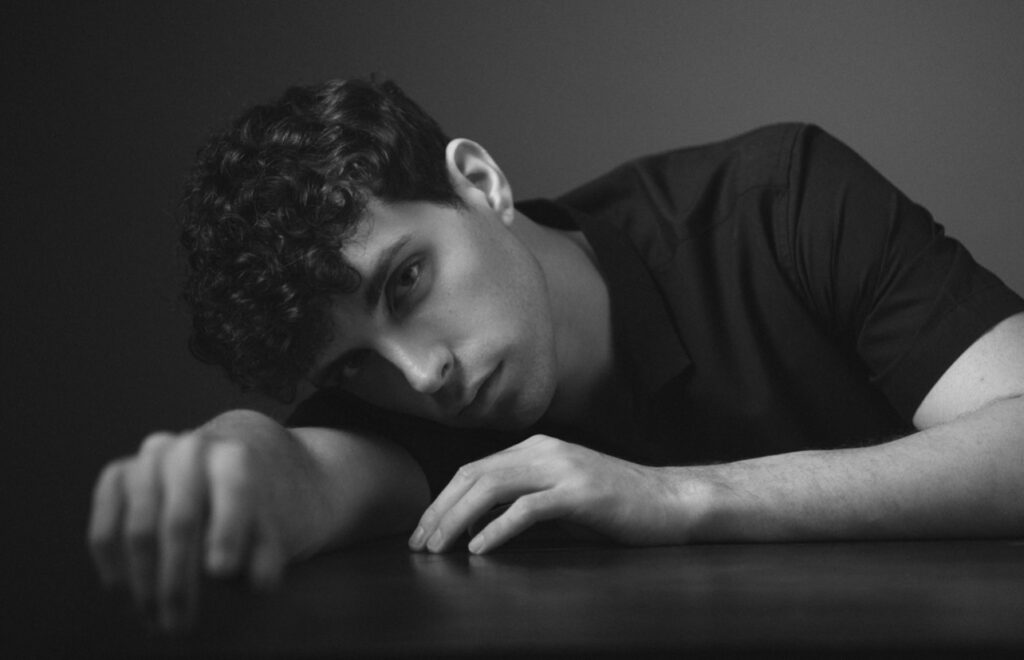
Andrew Mill In this heartfelt interview, Andrew Mill opens up about the emotions behind ‘Our World,’ his creative journey, studio debut, and the personal growth that continues to shape his emerging artistic identity. “Our World” captures a deeply personal story about a friendship turning into something more. How challenging was it for you to translate those emotions into lyrics? Yes, ‘Our World’ tells the story of a friendship that slowly turns into something deeper. It’s a kind of love that can’t really exist in the ‘real world,’ so it lives in this parallel world where being together is actually possible. Honestly, when I write about something that really moves me, the words just come naturally. It’s not that hard for me to put my emotions into lyrics. Writing songs is like therapy for me; if something hurts, I write, and I instantly feel better. Music really is pure magic. You worked with producers Denny Darko, Elliot, and Stefano Lori on this track. How did their creative input help shape the final sound of “Our World”? All three of them are truly talented. Denny Darko and Elliot produced the track for ‘Our World,’ while Stefano handled the recording, mixing, and mastering. Without them, the song obviously couldn’t have existed. I really enjoy working with people I respect artistically, who understand what I want to express. I hope to collaborate with them on many more of my future projects! You’ve mentioned influences like Conan Gray, Gracie Abrams, and Olivia Rodrigo. In what ways do you see their storytelling style reflected in your own songwriting approach? Yes! They are definitely my biggest inspirations. What I love about them is that they use their music to tell a story, to express what they feel, and to put into words emotions that couldn’t be explained in any other way. I think this new generation of artists has so much to say, and they do it really well! I wish them even bigger careers, and I hope I get the chance to meet them one day! This release marks your first studio recording experience. How did stepping into a professional studio for the first time impact your confidence and artistic vision? At first, I was really nervous; I thought I would mess up over and over and that it would take forever to record the song. But as soon as I started, I felt completely at ease, I took a deep breath, and I sang. It’s what I love most in the world, and it went perfectly. In just over an hour, we had everything we needed. That’s when I really realized I want to do this for the rest of my life. “Our World” balances melancholy with moments of beauty and nostalgia. What do you hope listeners will take away from this emotional contrast? Great observation, that’s exactly what I wanted to convey! I’d like listeners to feel ‘nostalgically happy,’ haha. The song is basically sad as it’s about an impossible love, but it also focuses a lot on the beautiful moments l, even if they were few. In the end, life is like that; not everything goes the way we want, but instead of always focusing on the negative, sometimes it’s worth remembering the good times and smiling. I hope ‘Our World’ can convey all of this. I want it to feel like a “home” where all these tender memories can be kept. You mentioned that becoming a singer-songwriter is also a way of proving something to those who doubted you. How has this journey shaped your sense of identity as an artist so far? Exactly! I haven’t always felt the support of the people around me, and even if I do what I do for myself and for those who want to listen to what I have to say, I always hope that the people who doubted me might change their minds and start appreciating me. That would be such a great added value to my art! All of this, of course, constantly motivates me to give my best and to write songs of ever higher quality. https://www.instagram.com/andreamillucci
OGGY
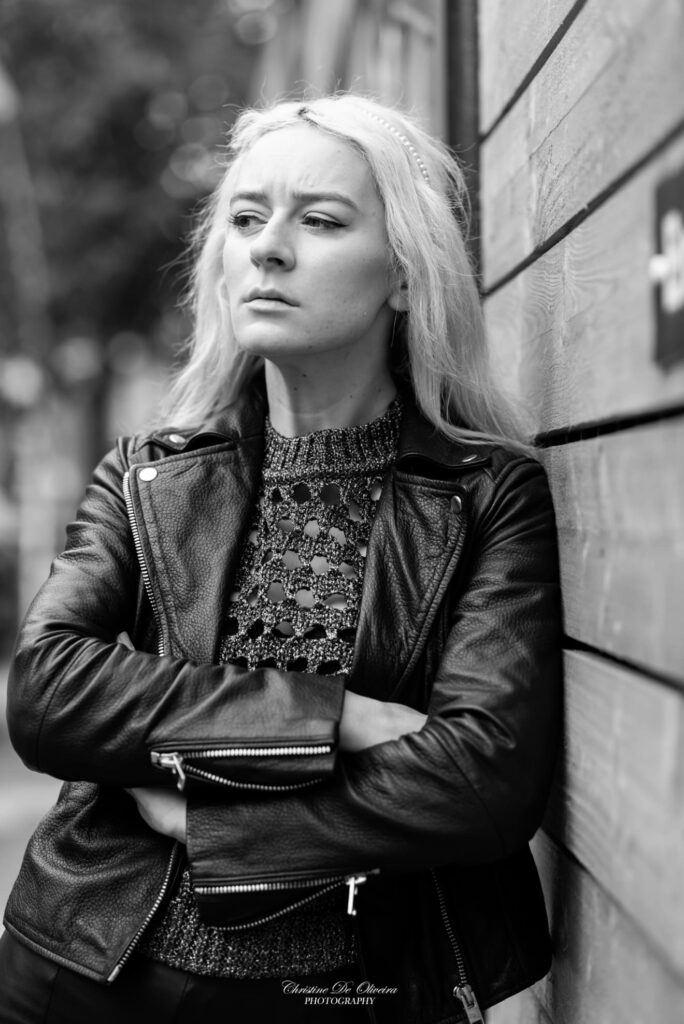
OGGY OGGY opens up about her evolution from early singles to her upcoming 2026 EP, reflecting on training, songwriting breakthroughs, live performance growth, and the balance between creativity and the modern music industry. You released your debut single Morning After Love in 2021, and since then you’ve shared a few more tracks that blend indie, pop, and rock influences. How has your sound evolved since that first release, and what have you learned about yourself as an artist along the way? Since releasing Morning After Love in 2021, I have grown so much both creatively and personally. I have always been drawn to pop and rock because that is the music I grew up with, so beginning my journey in that style felt completely natural. But releasing my own songs taught me a lot about what truly suits my voice and what connects with listeners. I discovered that a cleaner pop sound brings out something special in my vocals, and at the same time my fans connected deeply with Shut, which is a very emotional piano ballad that is quite different from my usual work. That experience opened my eyes. As I move forward, I am excited to explore a wider variety of genres, blending the music that inspires me with what my audience loves. I feel like I am constantly evolving, and it is a journey I want to share with everyone who listens to my music. You’ve trained extensively — from private vocal lessons to studying at Point Blank Music School in London and Los Angeles, and completing your MMus in Music Performance at Kingston University. How have these experiences shaped your creative process and confidence as a performer? I have been on this path from a very young age, and I always knew music was more than a passion. It was my purpose. So pursuing vocal training, studying in London and Los Angeles at Point Blank, and completing my MMus at Kingston University all felt like natural steps. The beautiful thing about music is that there is always something new to learn. With new sounds, technologies, and trends emerging all the time, staying curious is essential. These courses also introduced me to so many inspiring musicians and gave me opportunities to collaborate, learn, and build a creative network. And of course, all this training has made me a more confident performer. Knowledge gives me a sense of grounding. When I step on stage, I know I can fully trust my craft. You’ve mentioned that songwriting became a turning point for you, especially after your course with Aidan Martin. Can you tell us more about what that moment of discovering your own songwriting voice felt like? Before studying with Aidan Martin, I did not see myself as a songwriter. I loved music, but I believed I was mainly a vocalist. That course changed everything for me. It felt like discovering a new creative doorway that had always been there. I went from singing covers to realizing that the melodies that kept popping into my head could actually become real songs. Now my voice memos are full of ideas. I must have hundreds saved, and I am sure there are some real gems in there. I am incredibly grateful to Aidan for helping me find my songwriting voice and giving me the encouragement to start releasing original music. It was a turning point in my journey. Performing live seems to be a big part of your artistic growth — from the Mustache Bar showcase to open mics around London. What have been some of the most memorable moments from those live performances? Performing live has been one of the most important parts of my growth as an artist. Those early open mics around London shaped me in ways I will always appreciate. Every night I met incredibly talented musicians, and some of them later became collaborators. There is something so honest and exciting about open mic nights. You never know who you will hear or what unexpected moment will inspire you. Every time I stepped on those small stages, I left feeling energized and reminded of how much I love performing. Those moments truly helped define who I am today. The music industry today demands a lot of self-promotion and networking, especially for independent artists. How do you balance the creative side of music with the business side — social media, promotion, and connecting with your audience? No one really prepares you for how demanding the marketing side of music is. Writing and releasing a song is only the beginning. The real work starts once the song is out in the world. It requires time, creativity, strategy, and often a lot of patience. But when you see people discovering your music and connecting with it, all the effort becomes incredibly rewarding. I am still learning to balance the creative and business sides, but I have learned to appreciate both. They are equally important in building a real, lasting career as an independent artist. You’ve hinted at a new EP coming soon, inspired by current trends in the music scene. Can you share a bit about what listeners can expect from this project — both sonically and thematically? Yes, my first EP is coming in 2026 and I am genuinely excited for people to hear it. I want this project to combine what my audience enjoys with what I feel compelled to express. It will include four tracks, each carrying its own emotion, its own sound, and its own message. It is like four different chapters of a story that all fit together. I have been inspired by some of the current trends in music, but I am shaping them into something that feels true to who I am. I cannot wait to share more. This is only the beginning. Artist | OGGY
Jodymoon
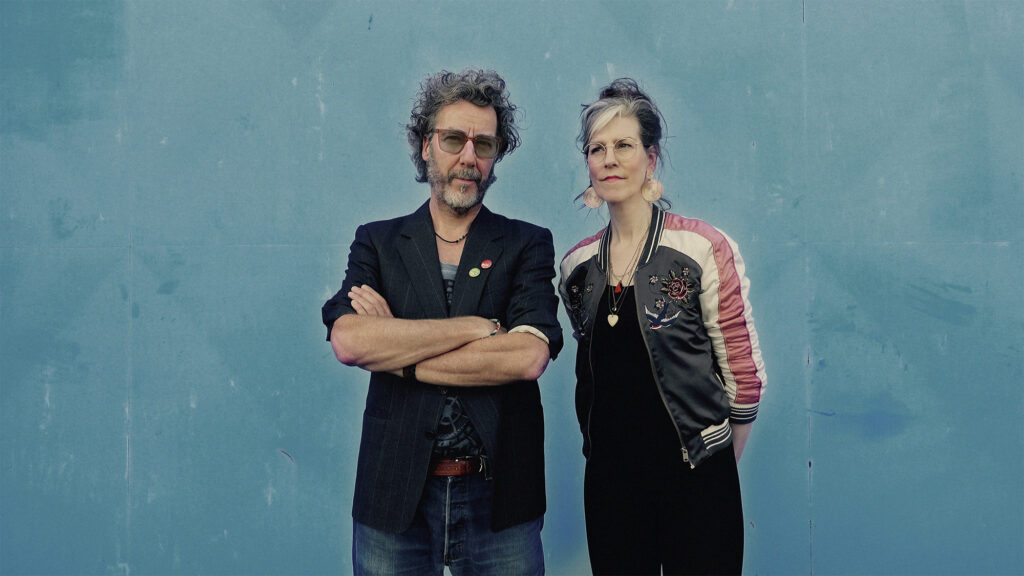
Jodymoon With The Machine, Jodymoon steps into a bold new sonic chapter. In this interview, the duo explores their shift toward electronic elements and the album’s reflections on technology, humanity, and change. “The Machine” marks a clear evolution in your sound. What inspired you to move from your acoustic singer-songwriter roots to incorporating electronic elements like the drum machine? After the duo-tour we did for our previous album ‘Firestone’ we were thinking’ it would be nice again to have a drummer and bass player for the next project. So we started to write songs with this in mind and used Johan’s old drum machine to lay down some drum grooves. But as time went by we fell in love with these and kept the drum machine parts. The album title and theme touch on technology, AI, and the growing dominance of “the machine” in our lives. What personal experiences or observations sparked this reflection? Well it’s hard to miss isn’t it? It’s all around, we all use the technology and it develops in a mind-boggling speed. The scariest thing to us is that not so long from now you won’t be able to tell if a video for example of a politician is real or fake. And of course in music there is a lot of AI generated stuff coming. You’ve mentioned that “The Machine” also represents a return to melody and repetition, giving your pop-folk sound an urban twist. How did that influence your songwriting process? We started building songs around rhythm rather than chords — letting a beat or a repetitive synth pattern guide the melody. Folk songs usually start with storytelling; these ones started with motion. Once the rhythm was in place, the lyrics and harmonies flowed differently — simpler, more cyclical, like mantras. It taught us that repetition can be emotional too, not just mechanical. It’s that blend we were chasing — the city’s pulse meeting the forest’s heartbeat. There’s a strong contrast in the album between technology’s cold precision and the warmth of humanity and nature. How did you balance those two worlds musically and lyrically? Technology is not necessarily cold; we like to think we blended it in a way it works really well with our voices and instruments. Your live performances are known for their intimacy and passion. How do you translate this new, more rhythm-driven material to the stage—especially in a theater setting? Mainly by not overdoing it live. We control the loops and beats, they shoulnd’t control us. An album is a different medium than a live performance. We like it when you hear an artist improvise and move freely in the songs. So that’s what we try do do. Some songs already developped a bit different in the live set because it felt better that way in that situation. After this creative reinvention, what do you hope listeners take away from “The Machine”? Do you see it as a warning, a celebration, or perhaps a call to reconnect with our human side? All three of the above of course! https://www.instagram.com/jodymoonjodymoon/
Yeija
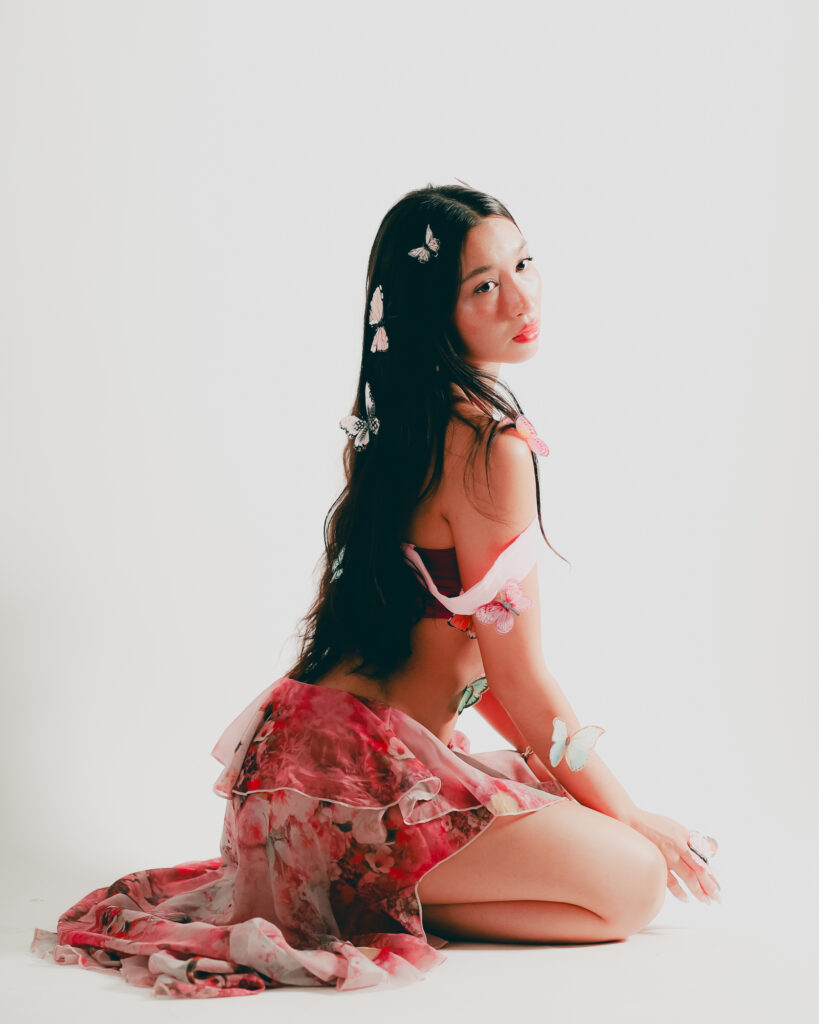
Yeija “Chasing Devils” captures Yeija’s bold, empowering energy — a pop anthem born from spontaneity and self-expression. We spoke with her about inspiration, creative freedom, and dancing through chaos. “Chasing Devils” has such a high-energy, empowering vibe. You’ve mentioned it was written during a burst of energy at the gym — can you tell us more about that moment and how it shaped the song’s sound and message? I got the beat sent to me while I was at the gym and as soon as I heard it, I couldn’t focus on working out anymore. I was literally walking around in the gym, recording ideas into my phone and writing lyrics down. It just matched my mood in that moment and ideas started coming really naturally. Eventually I ended up going home, without finishing my workout cause I had the urge to keep writing. This track marks your first fully pop single. What inspired you to make that shift toward a more pop-driven sound, and how does it differ from your previous work? I just like doing different genres. It wasn’t a “decision” I made one day. It just depends on the mood. But I enjoy writing fun, catchy pop songs too and there’s definitely more like that coming. 3. You’ve cited Dua Lipa and Katy Perry as inspirations. What is it about their style or energy that resonates with you, and how did you channel that influence into “Chasing Devils”? I grew up listening to a lot of pop. When I was younger I listened to a lot of Pop, I also had all of Katy Perry’s CDs, so it definitely influenced my writing. Now I mainly listen to R&B but it’s nice when music is fun and not too serious all the time. The lyrics explore the tension between thrill and danger in love — that push-and-pull dynamic. How do you personally connect with that theme, and what do you hope listeners take away from it? That story is basically my own. Wanting someone who isn’t good for you but still being attached. I’ve been there. I hope people feel understood, but I also just want it to feel empowering and fun like you can dance through it instead of feeling stuck in it. “Chasing Devils” is also part of your upcoming DEVIL’S ROOM EP. Can you give us a hint about how this single fits into the larger story or mood of the EP? This song is one of the more fun and empowering moments on the EP. A lot of the other tracks go deeper and more emotional, but Chasing Devils sits in that space where you’re still in it and you haven’t fully let go yet, but you’re owning it. It’s more like dancing through the chaos. Being half-Japanese, UK-born, and now based in Germany, you bring a really unique cultural mix to your artistry. How have those different backgrounds influenced your music and creative identity? I don’t really think about it in a direct musical way, but it’s just part of who I am. All of that shaped me and how I see the world. https://www.instagram.com/yeijamusic
Riccardo Pietri
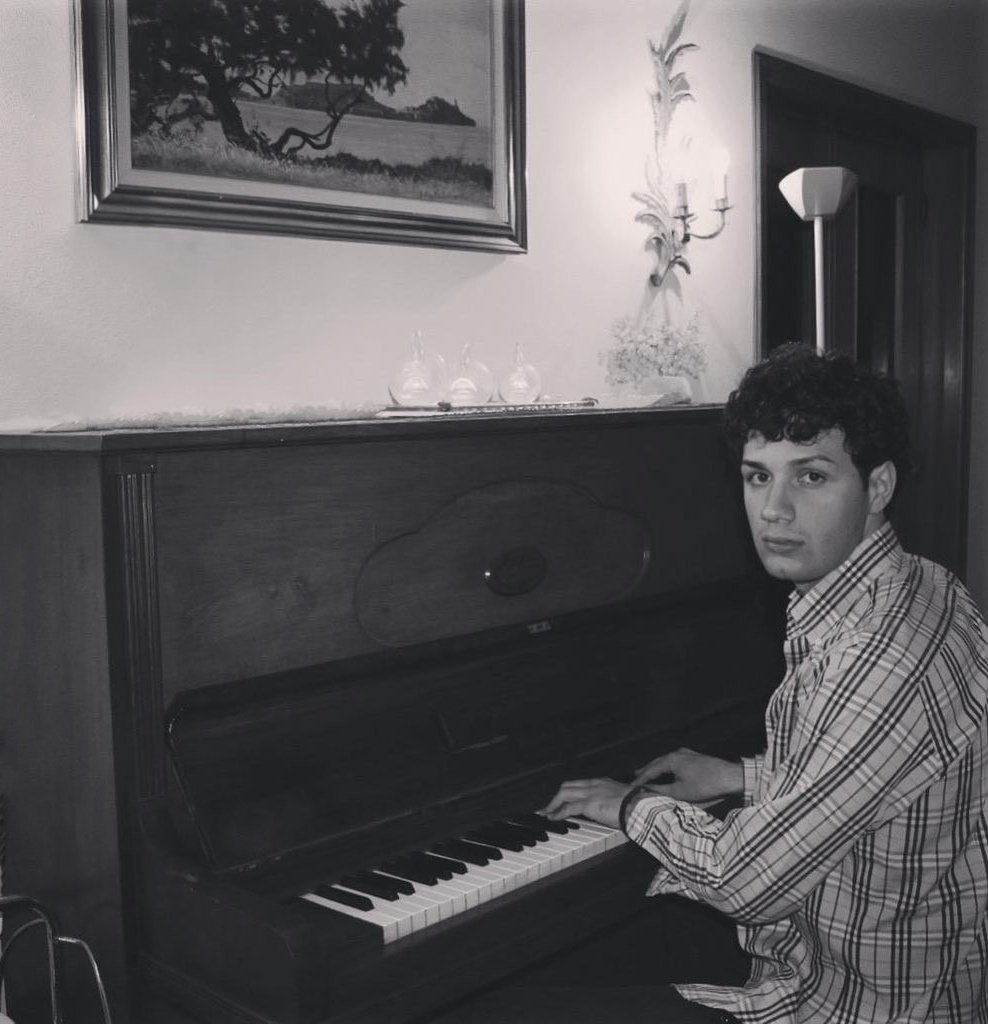
Riccardo Pietri After a two-year pause since Joyful, Riccardo Pietri returns with Pas de Danse—a reflective yet forward-looking piece blending movement, emotion, and renewal. Here, he shares insights behind this new chapter. After a two-year break since “Joyful,” what inspired you to get back into the studio and create again? What brought me back was the desire to share something new with people. Music remains one of the most beautiful ways to communicate, and reading the messages from those who’ve connected with my work reminded me why I started creating in the first phase of my life. You’ve mentioned Gibran Alcocer as an influence for this track. How did his work or philosophy shape Pas de Danse? I think Gibran is one of the most talented young artists in the neo-classical scene. His pieces like “Idea 10“ reinterpret traditional waltzes in a very contemporary way. What inspires me most about him is how he communicates emotion so clearly through simplicity. That sensibility definitely influenced the mood and tone of Pas de Danse. The title evokes movement and grace. How does the idea of dance translate into the music—both sonically and emotionally? Dance, to me, is one of the purest forms of artistic expression. Music and dance complete each other, one gives rhythm, the other gives shape. I imagined this track as a scene of movement and emotion, where each note almost takes a step of its own. It’s delicate but full of energy beneath the surface. You’ve said this single marks a new chapter in your musical journey. What feels different this time compared to your earlier work? This track feels like the beginning of a new chapter, a moment of transition. My earlier works had a more introspective tone, while Pas de Danse opens up new space for experimentation, both in sound and emotion. It’s still me, but with a different perspective. The piano has always been the heart of my compositions, but with Pas de Danse I wanted to explore a different structure, something closer to a waltz, more fluid and unpredictable than my usual style. It felt like the right time to experiment again. Can you share a personal moment or feeling that found its way into this track—something listeners might not immediately pick up on? Most of my songs come from quiet, solitary days, when the piano becomes my closest ally. Pas de Danse was born in one of those moments. It carries that sense of stillness and reflection that slowly turns into movement, a personal reminder that creativity always returns, even after silence. Looking ahead to 2026, what’s next for you? How does this single set the tone for what’s coming? 2026 will be a year of new sounds and ideas. Pas de Danse represents a point of transition, a bridge toward something more cinematic and immersive, where piano and visual imagination can coexist. I’m excited to see how that vision will evolve in the next phase of my project. https://www.instagram.com/riccardopietri/
Ratfink!
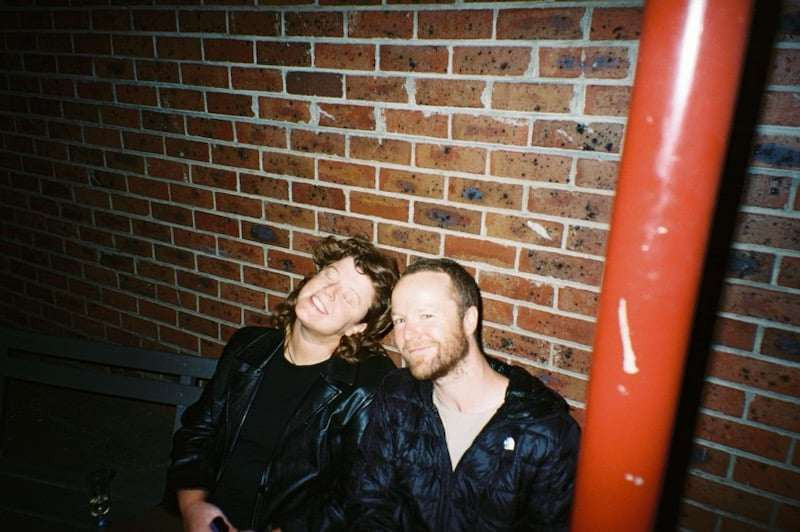
Ratfink! Melbourne’s own Ratfink! returns with When U Were Mine — a fuzzed-out surf-rock confession born from creekside revelations, heartbreak, and raw, reverb-soaked nostalgia. We caught up to talk chaos, catharsis, and plastic dreams. “Plastic Bits” has that classic Ratfink! punch but with a sunny surf-pop edge — what inspired the sound and direction of this track? I’ve always been a sucker for those early 2010s surf rock groups – Best Coast, the Drums and Surfer Blood before they got weird – you know, a bit of reverb on everything but still sounding real. Like it’s gotta be tight before you slap all that reverb on it. I’m lucky cause I got a killer female vocalist backing me up. Throws a whole different shade of light. You’ve said the song was written after an afternoon by the Merri — can you tell us more about that moment and how it turned into a song about pollution and plastic? I don’t know I dropped acid by this waterway we have – Merri Creek, which snakes its way through Melbourne’s inner north and has the gall to dictate how we do urban planning. Anyway once it hit, all the plastic bottles and bags bobbing up and down in the water became kinda surreal, like a Dali painting. It struck me that even though I am in one of the most ‘liveable’ cities in the world, we can’t even keep one of our most important waterways clean – one that I’m sure was kept immaculate under traditional custodianship. There used to be a pretty big rubbish dump where I sat dreaming up the song. It’s now a community farm. There’s a raw, nostalgic energy to your music. How does When U Were Mine build on or differ from your earlier releases? I think it sounds nostalgic because the way I want a guitar and bass to sound is how it should sound. Turned up to eleven and cutting through so all the freaks can hear you at the back at some random festival in 1969. The album is different to my earlier stuff (I used a lot of field recordings from rainforests along Australia’s east coast on my first record), this time it’s just me playing live. Of course, my partner in crime Liv takes it to another level with the harmonies. The title When U Were Mine suggests something personal or reflective — is there a story behind the album name? Haha there is – but I won’t be sharing it here lest the girl in question read this some day! In a weird way I just needed to put this album out to move on from a certain period of my life, the kind of breakup that takes a year to recover. Things are better now, thankfully. Ratfink! has always balanced chaos and melody — how do you keep that live-wire energy alive in the studio? You gotta be on the right stuff, and you gotta mean it. There’s no science to chaos. With the new record dropping next month, what can fans expect from your live shows — any surprises or new twists in the setlist? Haha we’ve only done three shows. The only surprise will be if we can make through a whole set without me playing a song in the wrong key. But I do a mean twist every now and then. https://www.instagram.com/ratfinkmusic
Neeve Rose
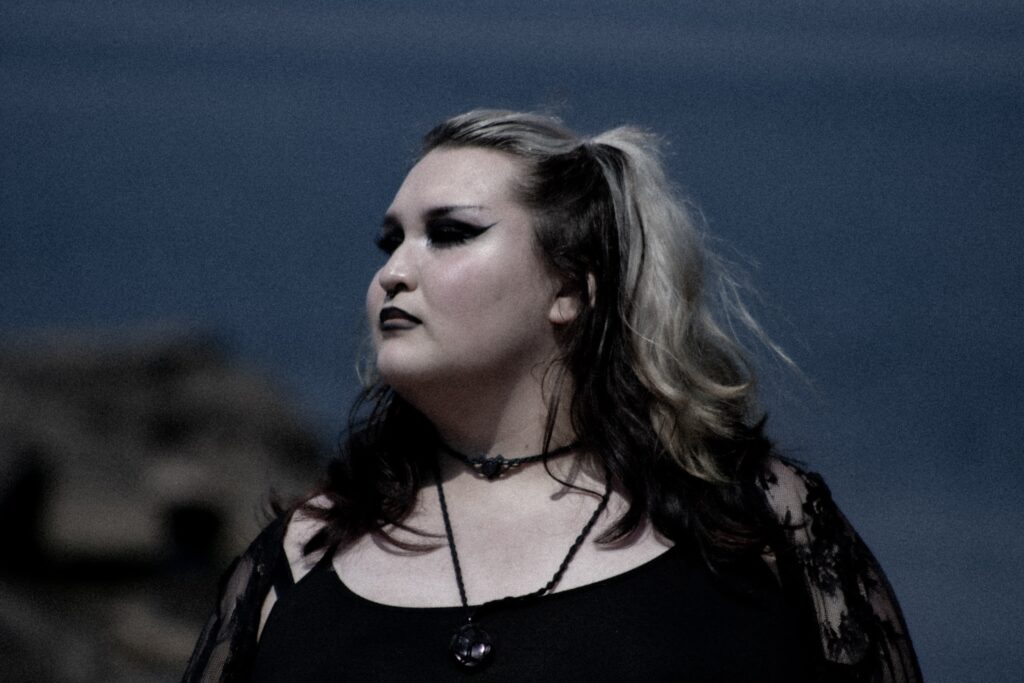
Neeve Rose Rising artist Neeve Rose steps into a bold new era with “Hatchet”—a dark, seductive concept track that channels empowerment, confidence, and creative evolution through haunting sound and fierce storytelling. “Hatchet” is your first concept track and a bold step in your artistry. What inspired you to take this creative leap and explore a more confident, seductive sound? I have always been so empowered and moved by music, and I have a love for dark and spooky horror themes. A lot of my tracks explore more of a sad side of my story, but I wanted a track people could listen to and feel power and confidence pulsing through them. You’ve mentioned drawing inspiration from artists like Ashnikko and Snow Wife. What about their music or energy resonated with you most during the creation of “Hatchet”? Ashnikko and Snow Wife have this captivating energy thats unmatched. I feel like the feeling they invoke through their music is MAGICAL. I wanted to invite my audience to that same feeling, and have my own dark and creative twist on the vibe. The track was brought to life by a talented team you met online — Sean Guidry, Sam Hitchcock, and Daniel Alan Grace. How did that virtual collaboration shape the final sound of “Hatchet”? Sean, Sam, Daniel and I were talking about our music one night, and Sean mentioned that he had some instrumentals laying around that he needed vocals for. I mentioned that I might be able to do something for a track, and he sent me a few tracks along with the “Hatchet” instrumental. Instantly I fell in love with the eerie, seductive feel of the beat, and recorded some vocal ideas. Sam added some rhythmic ear candy elements, and Daniel mixed and mastered the track. You’ve said you really had to “get in character” for this track. Can you tell us more about that process — how you embodied the persona behind “Hatchet”? To get in character, I had Ashnikko’s “Stupid” music video playing in my head with the audio of Snow Wife’s “American Horror Show” playing alongside it. I felt on top of the world, and that really helped with the vocal delivery and writing process. The official music video is set to release on November 14th, 2025. What can fans expect from the visuals — and how does it expand on the world you’ve built through the song? The official music video is an independent project I created. The visuals are dark, and in your face. It really makes you dive deeper into that feeling of dominance. If I had to describe it in two words, they would be “sexy slasher.” Looking ahead, how do you see “Hatchet” influencing the direction of your future music? Does this mark a new era for Neeve Rose? I definitely see “Hatchet” shaping some of my new sounds. I experiment a lot with genre-bending, but there will be more like this for sure. I tell stories, and hope to inspire others through music, but it tends to be on the sadder side. This is just a new, fresh way to do so. Official Website for Singer/Songwriter & Producer Neeve Rose