
Daniel Alspach
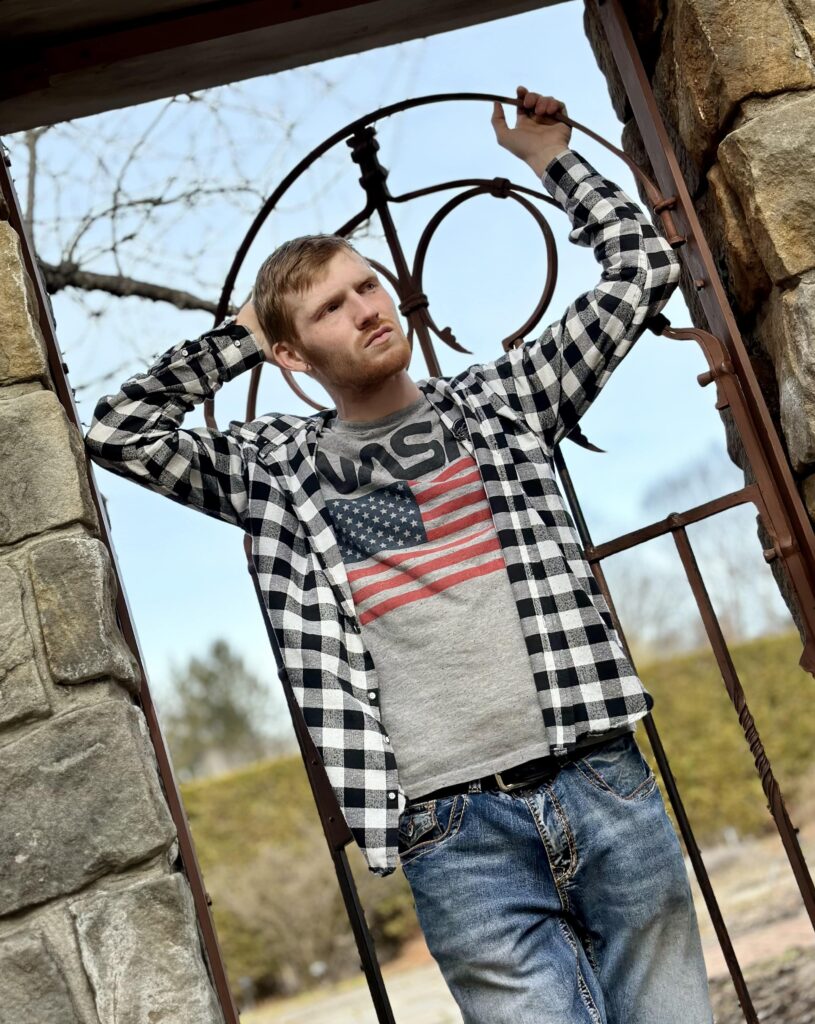
Daniel Alspach Daniel Alspach’s new single “I’ll Follow” opens a deeply personal chapter, blending heartfelt storytelling and intimate production. In this interview, he reflects on loss, memory, collaboration, and the journey shaping his upcoming EP. “I’ll Follow” has been out for a couple of days now. How has it felt to finally share such a deeply personal track with the world, and what early reactions have stood out to you the most? It’s been out for a couple of days, but I’ve been waiting months to release it. It’s nerve-racking, but exciting at the same time. When I first had some friends and partners in music listen to it, they found it to be incredibly moving being about my grandpa. Inc. CVRNVTE brought on the instrumental and Diego Fernandes brought it to life from almost 5,000 miles away. I did more with this song than I’ve ever done before. The song was inspired by your late grandfather, yet it resonates broadly with themes of family, friendship, and loyalty. When you listen back now, what emotions or memories come to mind first? I think back to the times when I was young. When everything was so easy, but you know you’re gonna keep those memories of loved ones with you until the end. You collaborated with Greenlonely on production and with Diego Fernandes for mixing and mastering. How did these collaborations help shape the emotional impact and final sound of the track? It was actually Inc. CVRNVTE on the production. He delivered the kind of instrumental and sound I was looking for with this entire EP. Something that didn’t drown out my vocals, but still would sound great on an afternoon cruise. Diego brought the track to a whole new level and made it the kind of track you can bump in the car or cry to. Have a Happy Day is going to deliver a lot of surprises with the production. As the first glimpse into your upcoming EP Have a Happy Day: Act 1, how do you feel “I’ll Follow” sets the tone for what listeners can expect in 2026? “I’ll Follow” is the beginning of a very personal musical journey I’m on and I feel like the rest of this EP and what is to come next really tells my story. I’ve been through heartbreak, grief, homelessness, and found a way to come out of the dark. This is just part of the journey. You mentioned recording the vocals simply at home. How did this minimalistic and intimate setup influence your performance and connection to the song? I think by doing it at home I felt more connected to the song. No distractions, no producer telling me what to do; Just me, my microphone, and a small computer set-up. Since “I’ll Follow” comes from such a personal space, did creating it teach you anything new about yourself or your artistic direction moving forward? I think I’m always gonna make music from the heart. About what I go through. I’ll Follow helped push the same vision I’ve always had and always will have. Daniel Alspach (@danielalspach1) • Photos et vidéos Instagram
Plastic Orchestra

Plastic Orchestra Blending disco sparkle with surf-rock charm, Plastic Orchestra craft music that radiates pure joy. In this interview, they dive into their sound, studio adventures, and the playful creative energy behind “Foot In Mouth.” 1. “Foot In Mouth” has such an infectious blend of disco and modern surf-rock. How did you land on that particular sound, and what drew you to merge those two styles?I think personally they are the 2 most fun and kind of feel good genres for me. I really like the tones and almost hypnotic sound of surf guitars and how grooving songs in that vein can be, but also these are upbeat and fun songs and that incorporated that disco element I think. i think I was just writing for myself because this type of song is what I would put one when I’m working, on the move, hyping myself up for going out, and when I am trying to motivate myself to get the house in order… pretty versatile. 2. You mentioned that this project began after winning a competition that gave you a week in the studio. What was that week like — any memorable moments or unexpected turns during the recording process? Oh Grace and Palmer at nuthouse studios were so great! Memorable moments I would have to say was living back at my mum’s house for a week because it was way closer to the studio and driving with her work and the studio to ABBA was the best way to start the day.I think there are few people who would say a week off from work to hang with your best mates, making sometimes ridiculous noises, is not a very fun idea. Everyone who contributed to the EP came in with their game faces on, but everyone also contributed their own brand of fun to these tracks. 3. The track feels full of motion and freedom — it really captures that “joy of letting go.” Was there a specific experience or feeling that inspired the song’s theme and energy?When you absolutely stir the pot by accident or “cock it up” verbally, you can choose to think about it for ages and think “my god why did I say that”, or you can brush it off and when it pops into your mind you just kind of laugh and think “oh damn that was not the right choice.” And I think making a song that sounds so fun and light hearted reflects that second situation where you wipe it off and have a laugh about it. 4. The name Plastic Orchestra is intriguing — it suggests both playfulness and cohesion. What’s the story behind the band name, and how does it reflect your collective identity? Everyone within earshot of me for the last… 5 years maybe more, has heard me spitballing band names and never picking one until this name… nobody talks about how hard it is to pick a band name and stick to it, I was at some points probably insufferable.I picked Plastic Orchestra because I can’t see this band writing something super dark or serious, and it sounded like a great way to reflect the fun and interesting vibes I think we put out. “Orchestra” came from people listening to the demos and recording the songs often bringing up how big the files for the songs were, and how many layers of sounds we were putting on top of each other; it may only be a few people involved in the band but we recorded a lot of different instruments and sounds. 5. Collaboration seems central to your sound. How do you balance individual creativity with the group’s overall vision when writing or arranging songs?The projects I have worked before have always worked best when, at least at the start, 1 person writes the song and then everyone comes in and puts their spin on it. Because the first EP was on a strict schedule, it was pretty important we went in with something that was roughly 70% done so we had something to start with and a direction. But everyone who came into the studio brought so much to the songs. Clancy on the drums is a beat specialist, but somehow makes hitting things sound like its own melody. Pan and Astrid are both incredible vocalists in their own way, Ast at one point harmonised with herself with something like 8 different harmonies, and Pan spat some incredible runs and just amazing vibrato. Pat really knows his way around surf guitar and knew when a little noodle or a whammy bar would go a long way; and Mack brought in a whole music store’s worth of percussion into the studio, he is like a real-life version of the percussion loops library that comes with recording software, and just as pocket-perfect. 6. “Foot In Mouth” is the first glimpse into your upcoming EP. What can listeners expect from the rest of the record — will it follow the same disco-surf vibe, or are you exploring new directions?We really found our groove with this genre and we kept the fun going in every track. When Palmer and I were mixing and producing the songs, we both couldn’t stop bopping our heads and having a dance for the 3 ish days we were working. Each song has their stand out moments and strays from the last but its very much rooted in the same sound and the same themes of introverted reflection and not-so-fun topics lyrically, backed up by very infectious riffs and a constant groove, there isn’t a lot of down time but I kind of love that. @plastic_orchestra.music Lnk.Bio · link in bio
AdieVibes
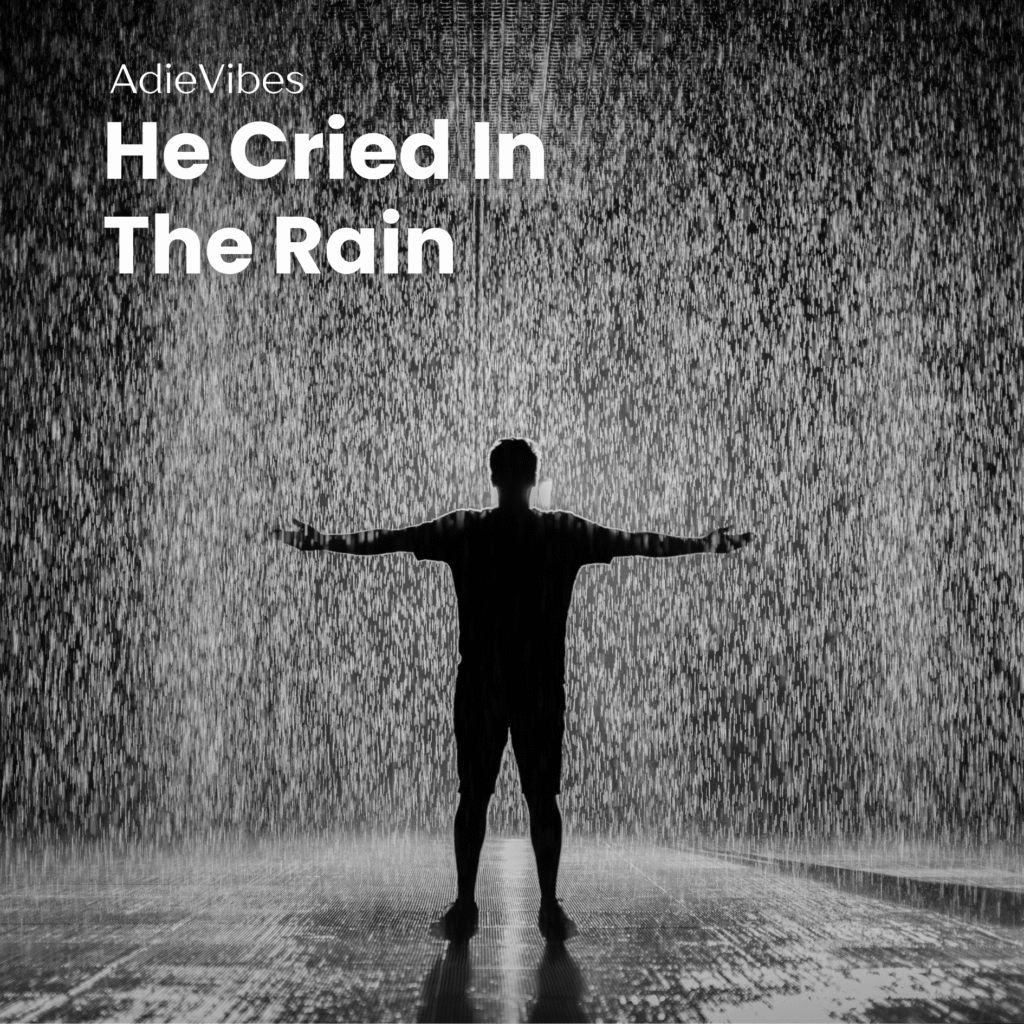
AdieVibes This interview with AdieVibes explores his listener-focused philosophy, the liberating role of AI in music, and how prioritizing emotional impact over tools is reshaping his creative identity and the future of sound. Your philosophy states that “if the listener likes the music, the tools used are irrelevant.” When did this idea first crystallize for you, and how has it shaped your creative identity? The idea that “if the listener likes the music, the tools used are irrelevant” didn’t crystallize in a single moment, but emerged from a long-term frustration with the gatekeeping and obsession with gear in music production communities. I noticed that online discussions often focused more on the type of synthesizer, microphone, or mixing console used than on the quality of the melody or the emotional impact of the song.This philosophy solidified as I began experimenting with highly accessible, non-traditional, and AI-assisted tools. The realization was: I could create tracks that evoked the exact same feeling—joy, melancholy, energy—as tracks made with $10,000 worth of equipment, simply by focusing entirely on the emotional output. It has shaped my creative identity into one of radical pragmatism and listener-focus. My identity is tied to the vibe I deliver, not the method I employ. Many artists see AI as a threat to traditional musicianship, but you position it as a democratizing force. What do you think is the most misunderstood aspect of AI in music today? The most misunderstood aspect of AI in music today is that it’s seen as a replacement for human creativity, rather than a powerful, new instrument.Many people fear AI will devalue “traditional musicianship.” However, I see it as a monumental democratizing force. It removes the barrier of needing years of instrumental training, expensive studios, or technical expertise to translate a musical idea in your head into a tangible, shareable track. It makes the act of creation purely about taste, curation, and vision.AI doesn’t compose the emotion; the human composer still curates the prompt, selects the best output, structures the song, and applies the final sonic polish—the essential “human touch” that defines the vibe. It allows someone with a great sense of melody but no piano skills to finally share their gift with the world. Your approach invites listeners to focus purely on the vibe rather than the production method. How do you personally define a “good vibe” when creating a track? For me, a “good vibe” when creating a track is defined by three things:Immediacy and Effortlessness: The track must feel natural and flow without forced transitions. The listener shouldn’t have to work to enjoy it; it should just be.Emotional Clarity: The vibe must deliver a singular, unmistakable feeling—whether it’s relaxed, energetic, introspective, or celebratory. A good track clearly communicates its emotional intent.Transportive Quality: The best vibe is one that momentarily pulls the listener out of their current reality and places them squarely within the world of the music. It’s a sonic environment they want to live in for three minutes.If a track achieves that sense of relaxed, effortless flow and can immediately transport the listener, I know the vibe is right. Do you ever feel pressured to disclose your creative tools or techniques, and how do you respond when people fixate on the technology instead of the music itself? Do I feel pressured? Not really. I’ve chosen to be deliberately transparent about my philosophy that the tools are irrelevant, which preempts a lot of the pressure.When people fixate on the technology, my response is simple: I shift the focus back to the listening experience.If someone asks, “What software did you use?” my internal response is always, “Did you like the bass line? Did the song make you feel like dancing?” I might respond by saying: “The technology I use is constantly changing, but what matters is that the feeling we captured is universal. Listen to the track again and tell me which part connected with you the most.” I aim to re-educate the listener to value the artistic result over the technical process. As someone who challenges the idea of gatekeeping in music creation, what advice would you give to young or emerging artists who feel held back by limited resources? For young or emerging artists who feel held back by limited resources, my advice is direct and liberating:Your limitations are your greatest creative tool. Embrace the “Bad Art” phase and start sharing now.Abandon the Gatekeepers’ Lie: The idea that you need expensive gear or a degree to make “real” music is a lie perpetuated by those who benefit from exclusivity. You have a free DAW (like GarageBand or equivalent), an old phone, and now AI tools. That is enough.Focus on Taste, Not Technique: Your greatest resource is your unique taste—what you choose to keep, what you choose to throw away, and how you arrange the elements. Taste is the ultimate skill.Publish Ugly: Don’t wait until it’s “perfect.” Perfection is the enemy of progress. Release music that is 80% finished. The practice of putting your work out there, getting feedback, and moving on is more valuable than endless tweaking in isolation. Looking ahead, how do you envision AI and accessible technology evolving the global music scene, and what role do you hope AdieVibes will play in that transformation? I envision AI and accessible technology completely shattering the traditional music industry model. The global scene will become incredibly diverse, fragmented, and personalized, with millions of micro-genres and creators catering directly to niche audiences. The power will shift entirely from major labels and expensive studios to the individual curator/artist with a strong online presence.I hope AdieVibes will play the role of an architect of this new era—not just by making music, but by serving as a living proof of concept. I want AdieVibes to be seen as the ultimate example of the post-production artist, showing that a relentless focus on delivering an authentic, high-quality vibe can connect globally, regardless of the tools used. My role is to normalize the use of accessible technology and keep the
Joe Sensible
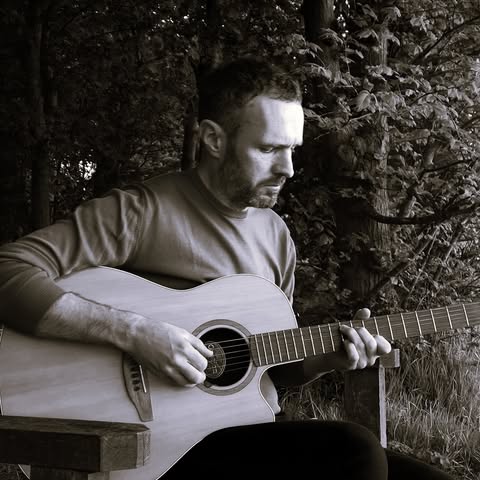
Joe Sensible This interview with Joe Sensible explores the inspirations, creative process, and authentic songwriting behind his new EP, revealing how he balances personal expression, mood, and individuality in today’s music landscape. “Don’t Say Goodbye” explores the pivotal moment between holding on and letting go in a relationship. What personal experiences or reflections inspired this song, and how did you translate that emotion into sound? I think everyone finds themself in that position at some point. When I wrote Don’t Say Goodbye I was feeling very positive about holding on in the relationship I was in. To translate the emotion and positivity into sound, I added as much warmth to the mix as possible, especially with the acoustic guitar, vocals and cello. The uplifting piano took the longest time and I had to develop my skills to get the feel I wanted. I then layered on the retro soulful licks on the electric guitar to give the song a laid-back rock vibe. Your new EP highlights a calmer, more introspective side of your music. What drew you to focus on this mood, and how does it fit within the broader narrative of your upcoming 2026 album? If you create anything meaningful then it inevitably reflects different aspects of your personality. I think that when you start to deliberately focus on specific moods, there is a risk that your music can lose meaning. When I’m writing, I try to let the mood of the song take shape by itself. I have a calm and introspective side as well as a more complex and darker side. Both sides make an appearance on the album. You’re known for a distinctive vocal style and unique fingerstyle acoustic guitar. How did your approach to arrangement and production evolve on this EP compared to your earlier work? My first album was a set of ‘live’ recordings with just guitar and vocals. This E.P. has the same foundation but I wanted to do something much more musically immersive. The whole process taught me a great deal. I thought I had all my arrangements in place at the start of the project but I really didn’t give enough consideration to tone during the initial recording sessions. When it came to mixing I was continually revisiting issues in the arrangements that I had created during recording. In the future I will give pre-production a lot more time and respect. You’ve described the album as a “time capsule” of songs from your twenties. What made this the right moment to release that era of your songwriting into the world? It eventually became apparent that there wasn’t a wrong moment to release the music. These songs are as much part of me as the music I write now. I think I had something worth saying and it is still worth saying now. You’ve carved a voice in a music industry where authenticity often feels curated rather than genuine. How do you stay true to your own identity while navigating the pressure to fit into certain sounds or trends? A friend of mine once released an amazing piece of music and it was only streamed a few times. Nobody would add it playlists or give him airtime because it was different. He told me the biggest lesson to learn is that no-one cares. Ironically, I have found that liberating. In the modern music industry, almost no-one cares about your music so there is really no point in making music for anyone else. Making formulaic music is straightforward so lots of people are doing it every day. However, you’re not doing anything meaningful, you’re making almost no money and what’s the point if you haven’t stayed true to yourself anyway? I would rather be genuine so whenever a listener connects with my music it is a real connection and it really means something to me. Your influences range from Nick Drake to The National. In what ways do these inspirations shape your songwriting, and how do you balance honoring those roots while avoiding sounding like anything else?” I don’t really have any clear roots. When I was learning guitar I listened to everything from heavy metal and blues to traditional folk music. I’ll never stop loving the artists that inspired me but I don’t feel obliged to emulate their work. I listen to a huge range of music but I have always been determined to do my own thing rather than sounding like anyone else. That is especially true of my songwriting. As soon as you start trying to copy someone else’s songwriting style, you start singing songs that sound like someone else wrote them. If I’m writing a new song and it starts to remind me of someone else, I try changing something. If the song still sounds like something else I put it aside and forget about it. Joe Sensible | Instagram, Facebook | Linktree
Smoke Spider
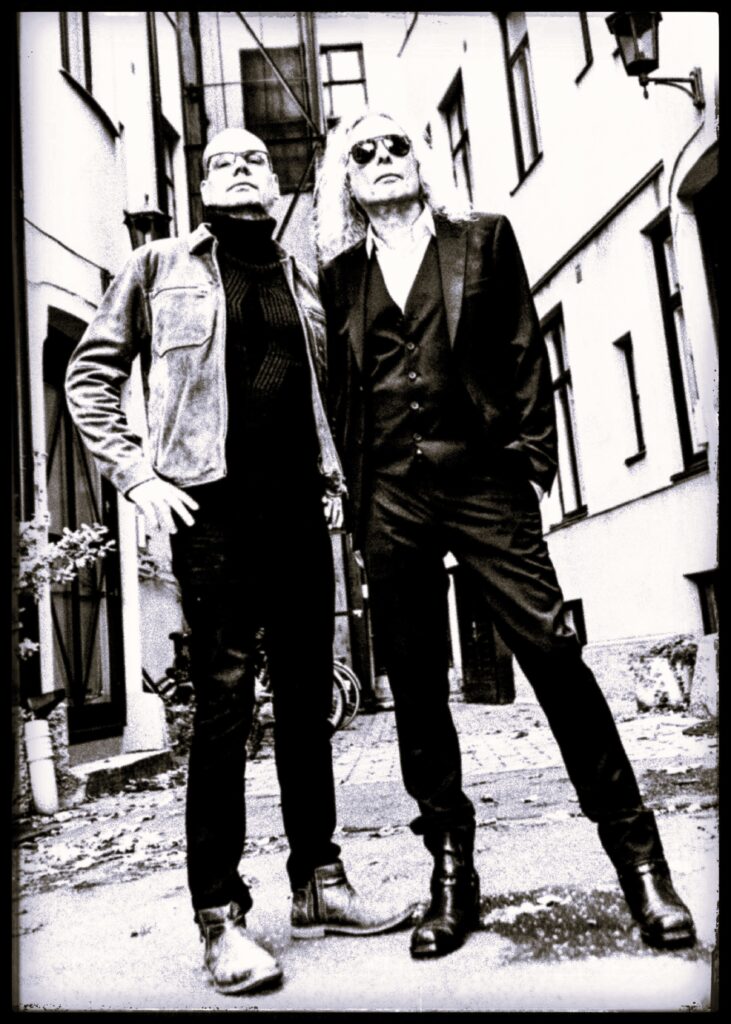
Smoke Spider Smoke Spider return with “Vengeance,” a fiery new single blending raw power and melodic punch. In this interview, the duo unpack their creative spark, driving energy, and what’s next for the project. You’ve released a few singles since starting Smoke Spider in 2021, and now “Vengeance” arrives as your third one this year. What sparked the idea for this track — was there a particular moment or feeling that set it in motion? Göran Florström: Well, you know, what set it motion was, as always, that urge, that itch inside saying “let’s write a new song!”. It might sound stupid, but that’s the way it is, always chasing something new. And the topic, vengeance, is that forbidden desire we all feel once in a while, I guess.. At least I do.. Let’s drag that little monster out in the open. The title “Vengeance” suggests something dark and intense. How do you balance that raw energy with Smoke Spider’s signature melodic groove? GF: Don’t know how really, but we do balance it, don’t we? That’s a good description of Smoke Spider you’ve got there, by the way.. Sometimes I feel like primitive man, and then I realize that I’ve got to dress the whole thing up in some kinda melodic suit.. We love a great melody.. Don’t get me started about how much Johan loves it. And the energy is like our trademark. You’ve both got strong musical histories — Johan as producer and multi-instrumentalist, Göran with Marionet and Generous Maria. How does your experience in those other projects influence what happens in Smoke Spider? GF: I’ve been singing in different bands and projects for quite some time, you know, and I been utilizing different layers of my voice, depending on the context. So I just bring it all into the boiling pot that is Smoke Spider. With Johan I don’t know, he’s just extremely talented.. There’s a real sense of motion in the way you describe the track — “the train of Vengeance is rolling all over you.” Was that energy something you chased deliberately in the production, or did it happen naturally?GF: As I talked about earlier, the energy thing is a must, whether it’s an uptempo song or a slower track. So yeah, we chase it, and it’s there naturally. Both. It’s like our thing. And when it comes to Vengeance I think the train metaphor is valid, you’re run over by wheels of steel. Smoke Spider’s sound feels like it lives between rock grit and melodic sophistication. How would you describe your creative chemistry when writing and recording together?GF: It’s a busy world, so we work pretty fast. We met up in Johan’s studio, and I usually ask “do we have something new to work with?” and almost always Johan shows a thing or two, and I start trying out some vocals in pretend English. We put the parts together, and when we meet up the next week I’ve written some proper lyrics, and we record the vocals. By then Johan has recorded the basic tracks of the song and when the vocals is done he continues building the song, so to speak. We’re picky about the mix, so it’s allowed to take some time. Usually the creative process runs smoothly as whipped cream. With “Vengeance” hitting all streaming platforms on October 9th, what’s next for Smoke Spider? Should fans expect more singles, maybe a full-length release, or even live shows in the near future?GF: Since the release of Vengeance we’ve started the recordings of the next single. Hopefully it’ll make it all the way, and if it does it’ll be out pretty soon.We released a full-length album in October 2024 called Voodoo Spell. Now we’ll stick to releasing singles in a splendid row for a while.Smoke Spider is a recording project, you know, and so far we just don’t do live shows. But who knows, that can change. In the meantime, check out Smoke Spider on a music platform of your choice! Smoke Spider (@smokespiderofficial) • Photos et vidéos Instagram
Rob Eberle
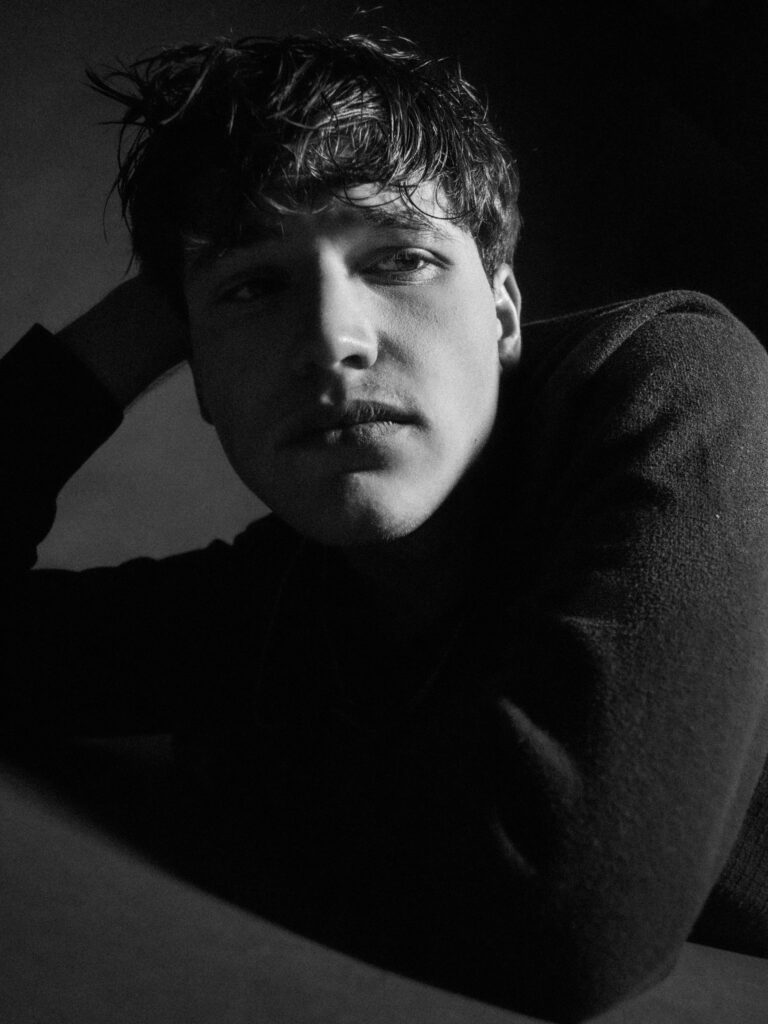
Rob Eberle Rob Eberle’s SIGNAL FADES blends raw emotion with cinematic alt-pop, tracing a powerful journey through love, distance, and self-discovery. In this interview, he reflects on vulnerability, growth, and crafting his debut’s narrative. “SIGNAL FADES” feels deeply personal—almost like reading pages from a diary. What moment or realization first inspired you to turn this story of love, loss, and self-discovery into a full album rather than a few standalone singles?Honestly, it stopped feeling like a collection of moments and started feeling like one long story I needed to tell. Every time I tried to release just one song, another piece of the narrative showed up, another memory, another realization about who I was becoming through this relationship. It was the first time I felt like I wasn’t just writing about something, I was processing it in real time. Turning it into a full album gave me the space to show the full arc: the hope, the distance, the unraveling, and the clarity that followed. 2. The album uses powerful sonic symbolism—like the fading signal motif and synths that mimic static. How did you approach blending these production elements with your storytelling to capture the emotional arc of a long-distance relationship?Everything on this record had to feel intentional to me; like the production was echoing what my heart was doing. The static, the distortion, the signal cutting in and out…those weren’t just textures; they were metaphors for the miscommunication and the emotional lag that happens when you’re oceans away from someone you love. I spent a lot of time making sure the production didn’t just support the story, it was the story. The synths, the dropouts, the way some vocals feel close and others feel blurry…all of it mirrors that feeling of reaching for someone who’s slipping further away. 3. Many listeners describe SIGNAL FADES as a coming-of-age record. Looking back, what did making this album teach you about yourself—both as an artist and as a person transitioning into adulthood?It taught me that I can’t keep shrinking myself to protect other people. Making this album forced me to sit with emotions I’d usually bury and to be brutally honest about what the relationship brought out in me. As a person, I think I finally understood that growing up is messy, you don’t get an instruction manual. As an artist, it showed me that vulnerability is my superpower. The more honest I got, the more everything clicked: the sound, the visuals, the storytelling. It made me trust my instincts in a way I never had before. You’ve mentioned being influenced by artists like FINNEAS, Billie Eilish, and Alexander 23. How did those influences shape your sound on SIGNAL FADES, and what do you feel makes your approach to alt-pop and rock distinct from theirs?I think their influence shows up in the way I treat production as an extension of the emotion, FINNEAS’ minimalism, Billie’s intimacy, Alexander 23’s conversational storytelling. They taught me that “clean” and “raw” can coexist. But what makes my sound distinct is the blend of darker alternative rock textures with really confessional pop writing. My songs feel like they’re meant to be read and heard at the same time. I think that’s where my version of alt-pop lives. 5. You’re about to bring SIGNAL FADES to life on your LOST SIGNAL LIVE Tour. How do you plan to translate such an emotionally intimate record into a live experience—especially for songs rooted in heartbreak and distance?The live show is going to be its own universe. I want people to feel like they’re stepping inside the album, static, glitches, blue tones, all of it. Some songs will stay stripped and vulnerable, the way they were written. Others are getting these big, cathartic live arrangements because heartbreak feels different when you’re surrounded by people who get it. I’m not trying to recreate the record; I’m trying to let the emotions breathe in a new way. The goal is for people to walk out feeling like they weren’t just watching me process something; they were processing their own story with me. 6. SIGNAL FADES closes one chapter but also signals a new beginning in your artistry. Where do you see your sound and storytelling heading next after this debut?I’m stepping into a phase where I’m less afraid to experiment and more willing to tell stories that aren’t just wrapped in heartbreak. SIGNAL FADES was me learning how to let go. What’s next is me figuring out who I am when I’m not holding onto anything or anyone. Sonically, I feel myself leaning into a mix of bigger, grittier alt-rock moments and softer, more cinematic songwriting. I want to explore growth, reclamation, the feeling of starting over on purpose. Whatever comes next will still be honest, it’ll just come from a version of me who isn’t fading anymore. Rob Eberle (@robeberle) • Photos et vidéos Instagram
Rejection Ratio
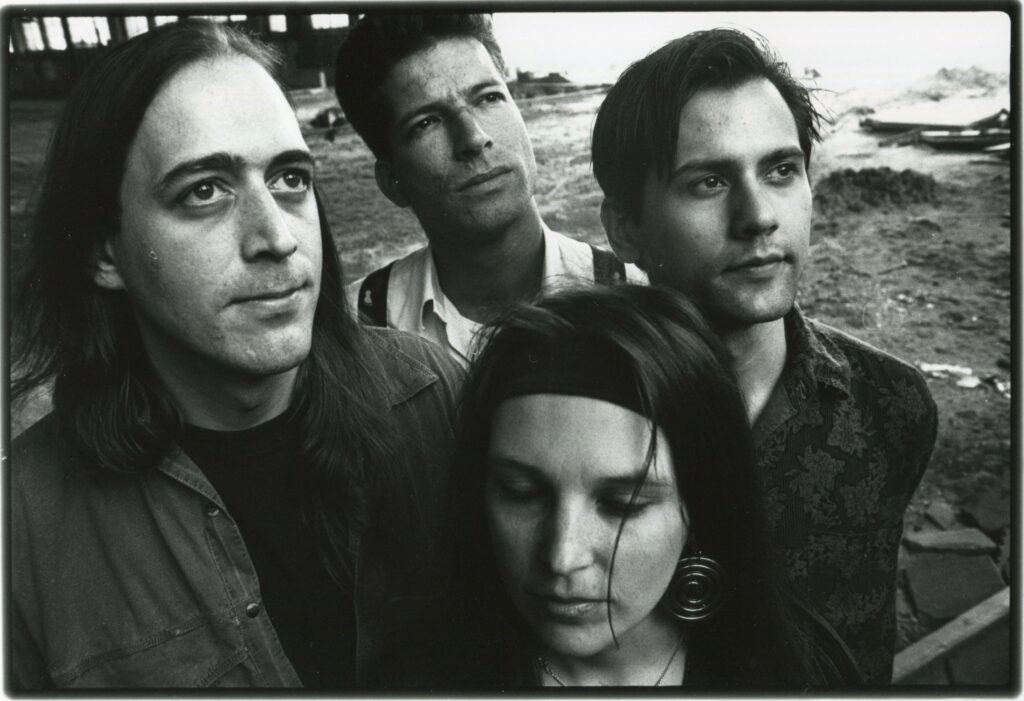
Rejection Ratio Rejection Ratio return after decades with a rediscovered time-capsule of live recordings, transformed into a newly released album that blends raw emotion, authenticity, and genre-defying creativity. In this interview, they reflect on the past, the healing that shaped their journey, and the resonance their music still carries today. 1. Your music was recorded live in a single take back in 1997. Listening to it again decades later, what struck you the most about those raw sessions when you revisited the DAT tape?It was like opening a time capsule. When we listened to it, we realized that it was so good we needed to release it as an album. We had to give it to the world instead of wasting it and leaving it behind. Somehow everything was leading us to do that. So much could have stopped the process, but it didn’t. It took a lot of work to find the right equipment and the right person to translate it from tape to computer while preserving the sound quality. But it was destined to happen. 2. The band went silent due to Nelly’s unexpected hearing issues. How did the journey of healing—and eventually discovering the real cause—shape the emotional tone of the album today?We wanted the sound of the album to capture exactly the emotions and musical drive we felt when playing together. That’s why nothing new was added or changed. For example, we wanted the vocals to sound as authentic as possible, so we did not allow any autotune or pitch correction. Through authenticity, we aimed to bring the album’s emotions and feel directly to our listeners. 3. Rejection Ratio blends rock, pop, new wave, and alternative without fitting into a clear category. How do you approach creating music that’s intentionally genre-defying yet still cohesive?We created our music mostly by jamming. But the basics of some songs were made at home by a single person. This combination of jamming and occasional personal redirection truly diversified the style. Ruud, Ton, and I (Nelly) always wrote the lyrics. I somehow knew which lyric I would have to sing with which tune. We all have a love for different types of music, so why fit into one category only? Blending music shows our love and compassion for all music. “Love Is Like Heaven” is your first single from the newly released album. Since the song was written years ago, why does it feel even more relevant in today’s musical landscape?‘’Love like Heaven” has a different beat and stands out so much, inviting you to dance and also to listen. The lyric tells about someone who uses people and discards them. It does seem to be happening more often. This trend is linked to broader social changes. I also think that expressive and emotional singing is needed again in today’s musical landscape because singing with your heart is important. I noticed that ’80s and ’90s music is popular again, and our single has that feel to it because it was recorded then, but it is also different. 5. The remastering process involved the same person who initially recorded the tracks in 1997. What was it like to collaborate again after all these years, and what did you aim to preserve versus enhance in the sound?We lost connection with Theo, who recorded and mixed the album. Somehow we found him again and reconnected. We got our friend back! It was like it had to happen. Theo just knew exactly how our music had to be mastered. He made the sound better but still preserved the sound of that time. I think no one could have done it better, also because of his love for the album, which you can somehow hear. 6. Your YouTube release has been gaining organic engagement without promo budgets or Spotify exposure. How important is authenticity and direct connection with listeners in this new phase of Rejection Ratio?Authenticity is very important to us, and connecting with the listeners is so important in this mad world. I would love to hear what they think. I think that making music is important to help everyone feel better and to connect with each other. If you read this, I dare you to check out our other videos on our YouTube channel: https://www.youtube.com/@rejectionratio and visit our website: https://rejectionratio.com/ . Leave your comments below our videos on YouTube. We would love to hear from you! Our full album Acceptance Quotum Resonance is available exclusively on iTunes and Amazon Music. Our second album will be out next year, so keep following us for updates. rejectionratio.com
Massey’s Cross
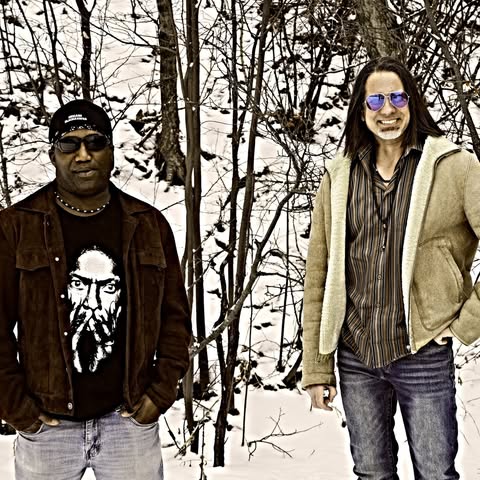
Massey’s Cross Massey’s Cross blend rock, indie, blues, and folk into a uniquely Canadian sound. In this interview, they reflect on their origins, influences, storytelling, and what listeners can expect from their evolving journey. Massey’s Cross emerged in 2024 and quickly shaped a distinct sound blending rock, indie, blues, folk, and experimental elements. What sparked the creative chemistry between you, and how did the band’s identity form in those early days? Mark and Geoff have known each other for years, (since junior high school) and have always worked on various musical projects and collaborations over the years, though not exclusively. The duo was formed in 2024 to collaborate on what became an independent EP release entitled Pretty Tasha, which tells the story of an idealistic girl who meets a malcontent who draws her into a toxic and manipulative relationship only for her to exact her revenge. This concept EP came from having an abundance of time on our hands during COVID lockdowns and resulted in Massey’s Cross, which continues creating, albeit on a less dark path with the recent indie release “Memorial”. Calgary’s cultural landscape and the nearby Rocky Mountains seem to play a big role in your inspiration. How does the environment around you influence your songwriting, mood, or overall approach to creating music? Calgary’s geography and surroundings are a truly unique place. Both being rare native Calgarians, Mark and Geoff lean into the surrounding natural beauty as inspiration while also leaning into promoting “Canadiana”. Winters are cold which allows for a lot of writing and recording when you are locked away from the bitter weather. Your songs combine classic rock grit with modern textures. Which artists or musical eras have had the biggest impact on your sound, and how do you merge those influences while still keeping your signature identity? From the classic rock perspective, notable influences include the Rolling Stones, Led Zeppelin, Hendrix and Pink Floyd. Those archetypes are somewhat universal but we mix in more contemporary acts like The Foo Fighters, Radiohead and Marcus King as examples. Having strong historical appreciation for the blues influences of the archetypes while also looking through a more contemporary lens allows for a re-examination and re-presentation of familiar themes and styles to keep things fresh. “Gospel of Luther,” from your upcoming album Memorial, hints at a powerful and emotionally charged musical direction. Can you share the story behind this track and how it fits into the themes of the new album? Memorial is less thematic than Pretty Tasha, as the predecessor. Memorial is not as narrative driven holistically, but Gospel of Luther certainly sits in the story-driven mold. It is really a re-examination of delta folk blues music with a fictional derivative story of a man who is faced with hypocrisy in the face of his wife’s impending death from illness. Similar to my earlier comment, GOL is really a modern take on historical musical styles and themes. It started as a “throw away” guitar progression which caught the ear of Mark and inspired a rapid collaboration on the lyrics. Your social media presence has helped you build a dedicated following, giving listeners a window into your creative world. How important is that direct connection with fans, and how do you balance online engagement with staying focused on the music? Human interaction is more valuable than online likes and followers most certainly. To date, we have been focused on “building the brand” online. Stage 2 then becomes more intimate personal interaction. Balancing creativity with the perfunctory brand building activities is always a challenge as an Indie band as there are simply so many hats to wear. Being consistent and committed to both the online requisites and the music is key to maintaining balance. As you continue carving your place in the Canadian music scene, what can fans expect next from Massey’s Cross in 2025 and beyond—whether it’s new releases, tours, collaborations, or creative surprises? We envision having another album release late summer to fall of 2026. Concurrently, we will be focusing entirely on live performance and promotion so the prospect our tours is real but as yet, ill-defined. Massey’s Cross EPK
Giuseppe Cucé
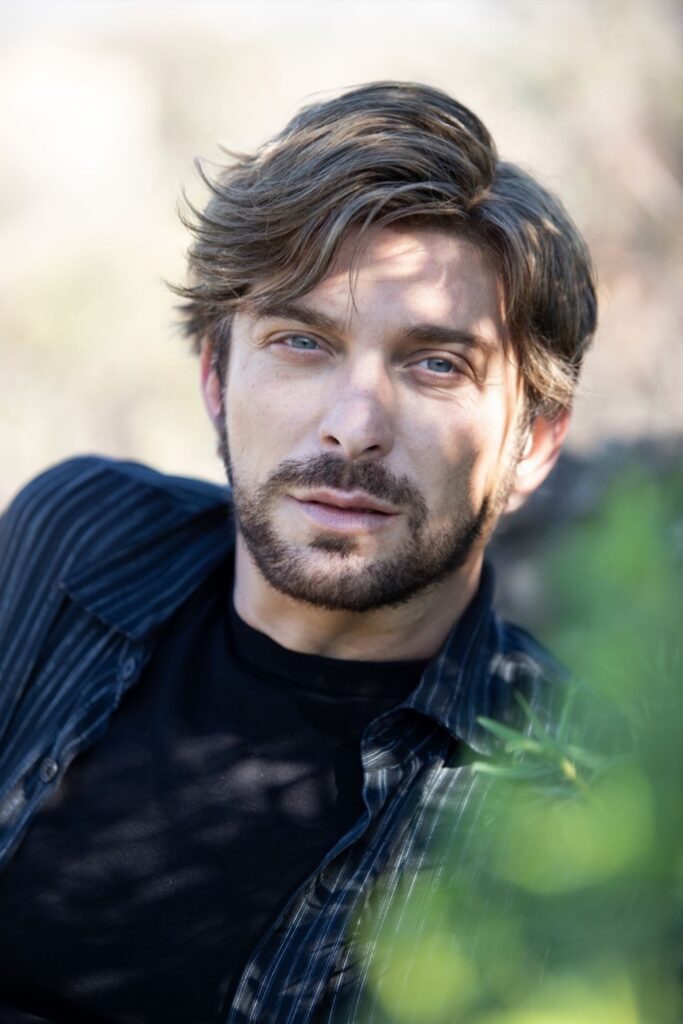
Giuseppe Cucé “21grammi” reveals the unseen emotional weight we all carry. In this interview, Giuseppe Cucé opens up about the album’s origins, creative process, influences, and the intimate vulnerability shaping his sound and upcoming tour. 1. “21grammi” explores the invisible emotional weight we all carry. What personal experiences or turning points made you realise this concept was the heart of your album?There wasn’t a single moment—it was an accumulation of small fractures.In recent years I understood that the most significant things in life often happen in silence: a look that lingers, a door that closes, a memory that resurfaces without permission. I realised that the human soul carries a weight made of desires, absences, regrets, and rebirths. Those “21 grams” became a metaphor for everything we cannot measure but deeply feel.The album was born from the need to give shape to that invisible heaviness and transform it into something that could breathe, vibrate, and, hopefully, heal. 2. The album blends poetic realism, intimate songwriting, and cinematic indie-pop elements. How did you find the balance between raw vulnerability and crafted production while maintaining the album’s emotional truth?The balance came from not forcing anything.I wrote the songs in their most fragile, unpolished form—just voice and piano or acoustic guitar. We protected that vulnerability like a sacred space. In the studio, we worked to enhance emotions rather than decorate them.If an arrangement didn’t serve the story, we removed it.If a slight imperfection in the voice was truthful, we kept it. The goal was simple: to let the songs feel alive, to let them breathe and tremble the way real emotions do. 3. You collaborated with an impressive team of musicians and creatives. How did their contributions shape the atmosphere, textures, and emotional depth of the record?Working with this team was like navigating different shades of the same emotion. Each musician brought something deeply personal:• the string players added a cinematic fragility,• the guitar and piano lines gave the songs their heartbeat,• the percussions created movement without ever overwhelming the intimacy. My producer, Riccardo Samperi, played a crucial role.He knows how to listen not only to the notes, but also to the silence between them.He helped me preserve the soul of every song while giving the album a cohesive, breathing soundscape. This record exists because we created a shared emotional language. Your influences range from Battiato and Dalla to Bon Iver and James Blake. How do these inspirations appear in the album’s sound, and how did you ensure your own artistic identity remained central?I never wanted to imitate my influences—only to let them guide me like distant constellations.From Battiato I learned the courage of philosophical intimacy.From Dalla, the art of turning daily life into poetry.From Bon Iver and James Blake, the ability to mix raw humanity with modern textures. My identity remained central because every song was born from a personal need before becoming music.The emotions, the imagery, the stories—they all come from my life, my city, my memories.So even when the arrangements flirt with international sounds, the heart always remains unmistakably my own. 5. Recording at TRP Studios — a place tied to your roots — clearly shaped the album. How did the environment, analogue gear, and experimental recording techniques influence the final sound?TRP Studios is more than a studio for me—it’s a place where I grew up artistically.Its analogue warmth and the experimentation-oriented approach shaped the album’s identity. We used:• vintage microphones to capture the breath and intimacy of the voice,• tape saturation to give warmth and imperfection,• room acoustics to let instruments resonate naturally. The studio holds a unique energy: it’s suspended between tradition and experimentation.That duality became the sonic foundation of 21grammi. 6. With the upcoming 21Uniradio Tour 2025, you’re bringing these songs into intimate live settings. What do you hope young listeners and emerging artists will feel or take away from hearing “21grammi” performed acoustically?I hope they feel permission.Permission to be fragile, to be honest, to not have everything figured out. “21grammi” in an acoustic setting becomes even more exposed—there’s nowhere to hide.I hope young listeners see that vulnerability is not a weakness but a powerful creative force.And for emerging artists, I hope this tour shows that music doesn’t need spectacle to be meaningful: sometimes a voice, a guitar, and a true story are enough. Grazie mille Giuseppe Cucè – Sito Ufficiale
Fish-Head da Solista
Fish-Head da Solista In this interview, Sicilian artist Fish-Head da Solista opens up about “Lo spreco, il peccato, la perdita,” revealing the intimate emotions, experimental choices, and personal reflections that shaped this deeply vulnerable song. 1. “Lo spreco, il peccato, la perdita” is a deeply intimate song. What moment or personal experience first inspired you to translate this emotional journey into music?The song is about a tormented love relationship with a woman. I started writing it after one of our first dates, when I was excited and hopeful. Then things got worse, and the way the song narrative unfolds reflects this change. She suddenly became more and more distant, in contrast with the first weeks when she seemed totally affectionate. I tried to talk to her and to understand what it was that I’d done to spoil everything. Soon I understood that there was no point trying to get answers from her — my only option was trying and expressing my emotions in the song. 2. The lyrics are rich with sensory imagery—like “the unforgettable taste of your kisses by the sea.” How do you approach weaving such poetic details into your songwriting?I don’t feel 100% comfortable about putting these details in a song. I mean, this is actually and genuinely what I felt at that time, but I suspect people (if they’re listening to my song at all) don’t really want to know about these things, I mean, actual physical intimacy and stuff like that. But writing about these moments keeps you attached to them, helps keep the memory of these feelings fixed and bound to the lyrics. Songwriting is a cure against oblivion. 3. You’ve described the track as capturing both pain and hope. Which of these emotions was harder for you to express openly through your voice and production?Obviously it was more difficult to admit I still had some hope. Towards the end of the song I say “despite all this, I still want to make an effort, I already feel knackered and depressed, but I am not afraid of your fake indifference”. I mean, this was me ultimately admitting that I was totally lost for her, that I craved the chance of making an effort again to revive the relationship. I wrote and rewrote those lines a few times — at the beginning the lines were like “I want to be out of this asap” but at the end I chose to be honest about my feelings. The song’s freeform structure breaks away from strict conventions. Why was it important for this piece to feel raw and unpolished, and how does that reflect your artistic identity?My background includes experimental/avant-garde music, electroacoustic composition, live electronics… compared to these genres, the structure of this particular song might even appear conventional — after all it’s based on an obvious verse+chorus+bridge structure that is repeated for three times… yet I tried to use dissonance and other effects in order to spice things up and enhance the feelings of despair, abandonment and bewilderment that are attached to the lyrics. And yes, I think this fully reflects my artistic identity, I’d say I’m quite happy with how this song sounds — obviously I need to acknowledge the great work of Arthur Miúda on the electric bass, it makes everything sound so much better. 5. As a Sicilian artist based abroad, how does distance—from your roots, your memories, or your cultural background—influence the way you write about loss and personal stories?I’d say distance influences this type of writing a lot. At some point the song kind of stops being about this romantic relationship and starts exploring things like death, memory, etc. I guess distance is also cultural — part of what the song is about is, at the end of the day, an insurmountable difference in terms of our cultural understanding of what a love relationship is and how it should be handled. And I’m aware I might sound intense and weird to people: after all I was just seeing someone for a while and things didn’t work out, and I should probably just stop making a fuss out of that, and so forth… but then that wouldn’t quite be the way I feel about things, and I take full responsibility for being a bit of a weirdo. 6. What do you hope listeners take away from this song when they confront their own experiences of heartbreak, regret, or healing?I don’t really know. I think it’d be great if this resonated with people’s feelings and experiences, but this is never what I try to achieve when I write a song. I want lyrics to tell a specific story, and this story is usually quite personal and there are often specific details that make it my story. This song is not about a universal, generic relationship, and is not necessarily about “transferrable” feelings and experiences. Fish-Head da Solista (@fish.head.da.solista) • Photos et vidéos Instagram