
EGGER
EGGER Exploring digital unease and sonic experimentation, EGGER’s debut track “Strange Behaviour” probes the tension between humanity and technology. We discuss the inspirations, atmospheres, and evolving concepts shaping this intriguing new project. 1. “Strange Behaviour” dives into the unsettling relationship between humans and technology. What specific moment or observation first sparked the idea for this track?The initial spark came from a mundane moment: an automatic system that suddenly reacted differently than expected, displaying a strange, almost human stubbornness. This small discrepancy between machine and everyday life left behind a sense of unease that I wanted to explore musically — not as a technophobia, but as an observation of a creeping feeling of alienation. 2. The song blends analogue synth textures with modern experimental elements. How did you approach balancing the retro influences of Kraftwerk or John Foxx with a contemporary sound?I deliberately worked with analogue layers because they bring a tangible warmth and imperfection. At the same time, I overlaid modern textures and unconventional edits so that the references remain audible but never linger nostalgically. The aim was to create a dialogue: the aesthetics of the pioneers meet contemporary breaks. 3. The track raises questions rather than offering answers about our increasingly unpredictable digital systems. What emotions did you want listeners to feel as they move through this sonic space?I wanted to create a feeling of anxiety and, at the same time, a strange fascination. Listeners should feel observed and attracted at the same time — an ambivalence between curiosity and unease that echoes in their minds without providing any easy answers. 4. Much of your sound design leans into dystopian and hypnotic atmospheres. Can you walk us through your process for building the pulsating sequences and darker soundscapes? I start with a pulsating sequence as a skeleton, then work in layers: modulated filters, irregular LFOs, tape artefacts and targeted resonances. Darker spaces are created by sub-bass drones and slow, backward-moving textures; small, random disturbances give the whole thing a hypnotic, slightly paranoid feel. 5. “Strange Behaviour” suggests a growing unease with technology’s evolution. In your view, are we heading toward something transformative, dangerous, or simply unknown?I see neither utopia nor dystopia, but rather a field full of ambivalence. Technology is transformative and opens up possibilities, but it also brings new uncertainties. The decisive factor will be how consciously we shape these tools and how we deal with the side effects. 6. As your debut release under EGGER, what can listeners expect next from the project? Will future tracks continue exploring digital anxiety or branch into other conceptual territories?As a debut, this is just the beginning. There will be more pieces that explore the theme of digital unrest in greater depth, but also excursions into other concepts — intimate, organic soundscapes and experimental collaborations. Expect a continuation in tonality and attitude, but with surprising changes of direction. 🐺EGGER🐺 (@egger.music) • Photos et vidéos Instagram
Vitto
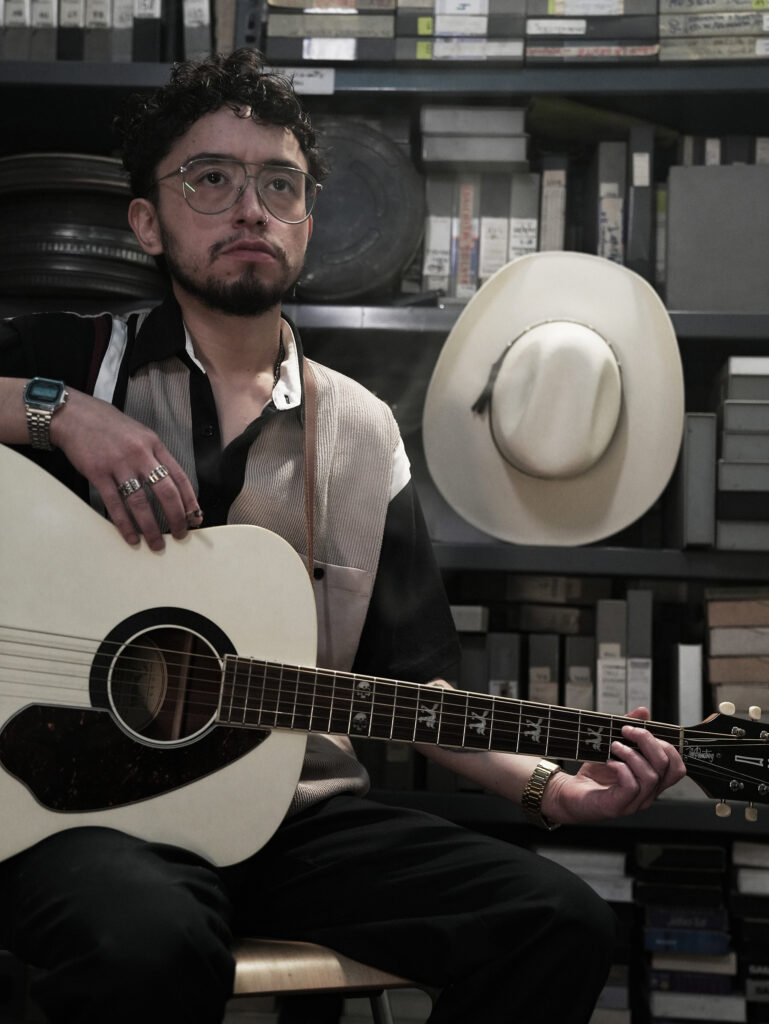
Vitto Chilean artist VITTO unveils his raw, one-shot debut EP, blending Country, Folk, and Blues with vulnerable storytelling. In this interview, he reflects on identity, loss, healing, and the creative vision behind his work. 1. Your EP “VITTO” blends Country, Folk, and Blues through a uniquely Chilean lens. What first drew you to these traditionally American genres, and how did you adapt them to reflect your own cultural identity? I discovered Johnny Cash’s music very early, around 12 and became obsessed with his music but also with his unique personality and values. For me what’s beautiful about country music specifically is the songwriting, and how can you tell stories through melodies. And about my own cultural identity, I would boldly say that I’ve never felt attached to Chilean culture, so my music style and lifestyle has always been molded by the musicians and artists that I admire. 2. The EP was recorded entirely in a raw, one-shot format with no edits. What personal or artistic truth were you hoping to capture through this vulnerable approach? It was a decision we took with my producers due to the vulnerability of the songs and that I wanted it to sound very 60’s almost like it was recorded live. Since I came up to them with the songs completely finished (lyrics, music and even arrangements) for the producers that was something so new to them so the way they wanted to contribute it could be strictly with this kind of ideas, like doing and recording everything in one-shot format. 3. The songs explore a duality between love and grief. What role did emotional transformation and healing play in shaping these tracks? I was experiencing the biggest grief in my life, going from being at your highest emotionally, being in love real love for the first time to suddenly death taking away that love from you. Writing these songs for me was incredibly therapeutic, I didn’t really know how to express what I was feeling in words but with music it came out so smoothly, I wrote the songs in the exact EP order and all of them were written in less than 20 min each. 4. You composed, performed, and recorded every instrument yourself. How does full creative control influence the emotional weight and authenticity of your music? I think it made sense for me to doing everything on my own, conceptually speaking with the record. It was my own weight being lifted by myself, if we want to put it into a metaphore. Artistically talking not going to lie I do enjoy doing everything and being in control, so at least for this debut release I knew it has to be done like that. 5. You’re also recognized internationally for your work in film, poetry, and creative direction. How do these different artistic disciplines feed into the visual and narrative identity of “VITTO,” especially the cinematic music video for “Song For Her”? When I think about VITTO and the record for me it always comes visually paired with cinematographic images, art and all. I’m a huge film enthusiastic since I was little, I adore cinema very much and I would to work and be involved more in that field, so it did make total sense for me that the music video was directed by Forch, who is a Chilean filmmaker I admire a lot and also one of my closest friends. When I make music or even when I listen to it for it always has to come with a visual concept, with something more concrete, so the music video of “Song For Her” was inspired in all of these feelings and the whole story behind the record.6. As a transgender artist gaining visibility within Latin American folk, what message or feeling do you hope listeners — both in Chile and abroad — take away from this debut? I think is very important for me as a trans person to be visible for the LGBTQ+ youth. But also I don’t want to be recognize for being transgender, that’s just a part of who I am, for me VITTO as you said is a record of duality of love and grief, which is something any can relate to, as human beings we do all experience situations that tear us up in a way. I do hope people worldwide beyond Chile give my music a chance and like I said, for me is much more predominant that the industry and the public can recognize me for my music, my songwriting, my session musician work more than just “being a trans guy”. vittoibarra | Instagram, TikTok | Linktree
Callie Joy Porter
Callie Joy Porter Callie Joy Porter’s “Darkness & Soul” unravels hidden emotions and inner battles with haunting honesty. In this interview, she shares the personal experiences and introspective truths that shaped the album’s creation. 1. “Darkness & Soul” explores deep emotional territories and the hidden parts of the human psyche. What personal experience or turning point first inspired you to create this album?I’ve been years involved with people who needed different sorts of guidance. I have seen and felt how people broke in front of me since I was 9 years old, because I’ve been a tarot card reader since I was that young. One thing that was a repeated common denominator, and triggered my need to help others was how people were willing to give up on themselves, so easily, giving away all their power to someone or something else, trying to people please and I could relate, it came a time when I noticed, I also did that. And I said enough is enough, so I hope someone else listening to my album will get that Aha moment that got me out of my comfort zone enough to realize that I can follow my own path. 2. The album blends dark indie, cinematic pop, ethereal and ambient elements. How did you approach shaping the soundscape to match the intensity and intimacy of the themes?My music is so intimately connected to me and my belief and my experiences that I simply listen to my heart, disconnect my head and combined with everything I’ve lived as a woman, as a single mom, as a human being, it simply flows through me. My music is easily comparable to a stream that unleashes out of me. Like untethered flames, so to speak. 3. You speak about impostor syndrome and the conflict between darkness and the soul. How did working on this project change your relationship with vulnerability and self-perception?This project is more a release than a shift. It’s everything I wanted, everything I feared, and everything I dreamed of having and saying “what if” a lot. It helped me to let go of the impostor syndrome, though sometimes it still creeps its head because apparently my brain thinks it’s funny to test me at times, but… I am free. And this is my release.. And the one that’s coming next, it’s my renewal. Yes, I am already working on a second album that releases on the 11th of December. 4. Each track carries distinct emotional weight. Could you choose one song from the album that was the hardest to write and explain why? Claim to Know You it’s the hardest, because… it involved to talk me into writing it. Not writing it, publishing it, sending it out into the world. I repeatedly listened to it and it simply hit a sensible point for some reason. 5. Your music is described as haunting, raw, and mystical, echoing artists like Florence + The Machine and Grimes. What influences—musical or otherwise—played the biggest role in shaping this record?The biggest role is the lack of filter I have and the NEED I had to send out a message. Minorities and women are mostly seen as people who have not enough voices? I’m both. I was hungry for music that would showcase all the fear of the dark, all the struggling, all the ‘I cannot do that’ that is involved in the process of not finding yourself, but of owning up to who you truly are. Because THAT is the hardest thing we can all do. 6. The album emphasizes that we all share these hidden inner layers, not just the performer. What do you hope listeners feel or confront when they experience “Darkness & Soul” from start to finish?Their own echos. We are all layered, like you said it perfectly. We all share aspects, both emotionally, spiritually, socially, whether we know it or not. Most of that is hidden in the darkness we don’t want to show anyone else. I’m showing mine. I hope mine, lights up the parts that need to be shown for those who listen. I’m grateful for even those parts inside me. If you don’t face that within, it shows it outside. And I know it hurts, and it’s lonely, and it’s tiring. But we all deserve to be able to live a full life. Not just pieces of one. I can only hope people are able to go within and follow their dreams after it. callieplopez (@cjporterofficial) • Photos et vidéos Instagram
Flight 409
Flight 409 Flight 409 return after fifteen years, reigniting old chemistry and reconnecting with a loyal community. In this interview, they reflect on their past, creative rebirth, and what their long-awaited new chapter holds. 1. “Finish What You Started” marks your first release since 2009. What moment or conversation sparked the decision to finally reunite and return to the studio after all these years? In all honesty we have all thought about reuniting for a while but the logistics have never worked out in our favor. But the chemistry has always been there. We were informed our catalog was removed from Spotify and Apple Music. As we worked on restoring our prior material back onto streaming services we decided to write a new song. So we got into the room together and worked on new material. 2. The new single blends classic Flight 409 nostalgia with a refreshed energy. When you began writing again, what elements of your early sound did you intentionally revisit, and what new influences shaped this comeback? We are all scattered throughout the country now, so writing again was a bit different than how it was 15+ years ago. Each person has their own sound and style and as we shared ideas back and forth, our “Flight 409” sound began to take shape again. It wasn’t intentional, but there’s something special about how that familiar sound shows up in our new single, “Finish What You Started.” After getting back into the room together it was apparent the chemistry never left. 3. You’ve described the song as coming from a place of growing up, letting go of ego, and reconnecting as friends. How did your dynamic shift once you were all back in the same room, creating music again? We all agreed, the second we were back in our studio again, it felt like we were transported back in time. It was surreal in a way, like time never passed. In that studio, we were the same dumb kids we were when we first started writing together. 4. Flight 409 built a huge, loyal community through DIY touring and the Myspace-era scene. What does it feel like reconnecting with fans who’ve been waiting fifteen years — many of whom grew up alongside your music? Reconnecting with our fans has honestly felt effortless, because the moment we dropped the new song, their support came rushing back in full force. We have so much respect for this community who have adopted us as one of their own. Seeing all the familiar faces who have stuck with us throughout these years has been incredibly humbling. It’s hard to imagine something we worked on as teenagers can still resonate and have an impact today. 5. Looking back on your early years — Taste of Chaos, Warped Tour, and touring with bands like Eyes Set to Kill — what memories or lessons hit the hardest while making this new chapter a reality? Those years were incredible, and it’s easy to romanticize them because they were so chaotic and fun. But with some distance, we can see the things we’d probably do differently if we got a redo. For starters, we would’ve taken more time to just enjoy being around each other instead of always stressing about the next big move. We were constantly looking ahead and didn’t always live in the moment. Still, the memories are priceless. We laugh now about how we somehow survived touring with no money, no real plan, and absolutely no clue, but those are the stories that shaped us. 6. You’ve confirmed more new music for 2026. What can listeners expect from this next phase of Flight 409? Are you leaning deeper into nostalgia, exploring new territory, or a bit of both? We’re knee-deep in new ideas right now and honestly open to everything. Some songs tap into nostalgic vibes, some push into territory we never would’ve tried back in the day, and some sit right in the middle. We’ve all kept playing and evolving as musicians, and we’ve all grown individually over the years, and it naturally shows up in the writing. It feels like a continuation of where we left off. We’re excited about these songs, and we know the people who’ve stuck with us will be just as into the new material as we are. (@flight409sucks) • Photos et vidéos Instagram
SVMMI
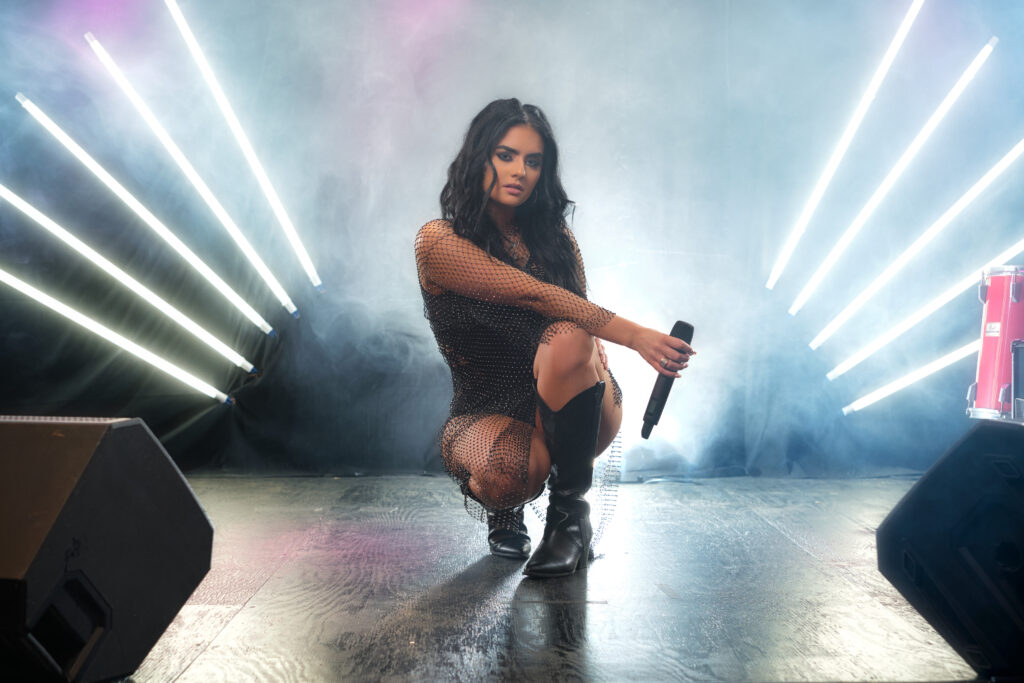
SVMMI Blending cinematic pop with heartfelt vulnerability, SVMMI’s Almost Forever unpacks a love story defined by timing, emotion, and longing. In this interview, she reflects on inspiration, identity, and the raw truth behind the EP. 1. “Almost Forever” feels incredibly personal and cinematic at the same time. Can you share what inspired the concept behind the EP and what story you wanted to tell through its three tracks?The inspiration behind this EP comes from a story where two people love each other deeply but can’t be together because of where they are in their own lives. I wanted to express the emotions of knowing you can’t be together but still wanting to imagine having a future and always wondering what could’ve been. 2. You’ve experimented with so many genres—from pop to EDM and dance—but this project leans deeply into emotion and storytelling. What drew you back to this more vulnerable, stripped-down sound?I have always love stripped down vulnerable songs with meaningful lyrics. During my journey I have explored with different genres but my heart always pulled me back to this kind of music. It’s where I feel I can truly express what I’m feeling and tell a story. 3. Your song “More for You,” written for your mother during her battle with breast cancer, marked a turning point in your artistry. How did that experience shape the way you approached writing and recording this EP?My song “More For You” will always be my most meaningful song. It was written during such a difficult time but being able to create this song for my mom and anyone else that can relate to it meant everything to me. I saw the impact this type of music had and that’s what gave me the confidence to write this EP and share this story. 4. Each track on Almost Forever—“I Knew,” “What If?,” and “Almost Forever”—represents a stage in a love story that never quite found its ending. Which song was the most emotionally challenging for you to create, and why? The initial concept for the EP came from the first song “I Knew.” That song was probably the most emotionally challenging because I was creating a song expressing a love so deep but heartbreaking at the same time. There are so many raw and real emotions that went on to tell a story with “What If?” and “Almost Forever.” 5. Your music beautifully bridges cinematic pop and heartfelt country, two genres that rarely meet so seamlessly. How do you approach blending those sounds while staying true to your artistic identity?When writing my songs I always make sure to stay true to my heart and who I am as an artist. Blending pop with country feels natural to me because they both have given me the ability to express so much through my songs in different ways but ultimately come together to tell a story. 6. Now that Almost Forever is out in the world, what do you hope listeners take away from it—and what’s next for SVMMI as you continue to evolve as an artist?This EP holds a special place in my heart. Sometimes people can love each other so deeply but meet at the wrong time. Sometimes love just isn’t enough. I hope that this EP can help others that are going through an emotional time in their relationship. I want to continue creating pop country music that is real and tells a story. I want to always help and inspire other people that may be going through the same thing. Samantha Murciano (@svmmiofficial) • Photos et vidéos Instagram
Toma
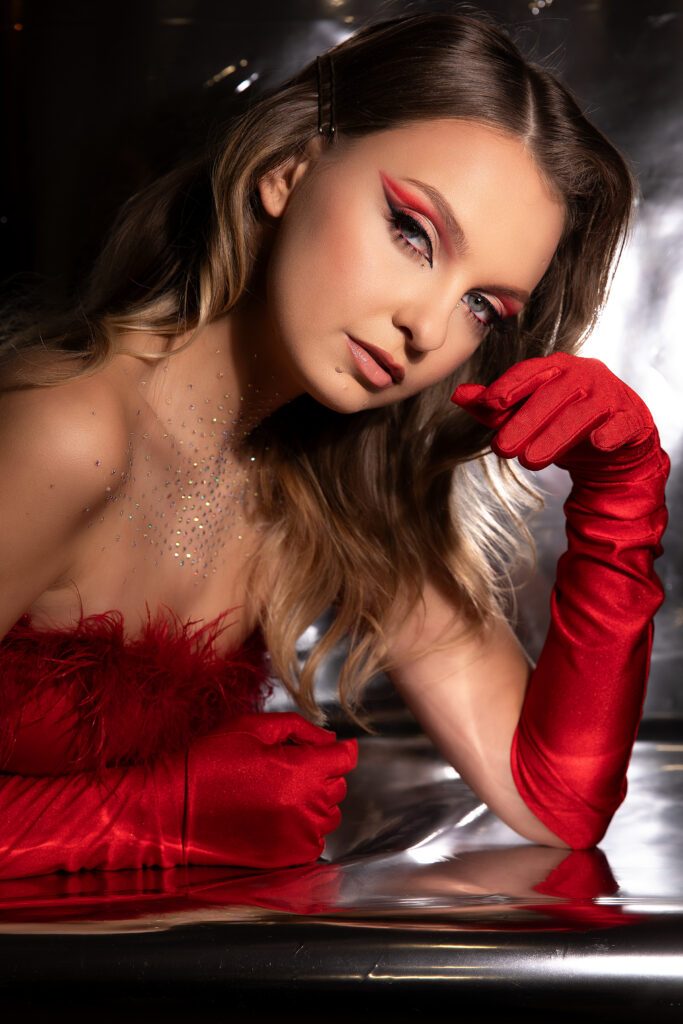
Toma In this interview, Toma opens up about the emotional depths behind her debut “Vienišas,” exploring toxic love, atmospheric soundscapes, and the honest storytelling that shapes her evolving artistic identity. 1. “Vienišas” tells a dark, emotionally complex story about toxic love. What drew you to this narrative, and how did you translate those psychological themes into the song’s sound and atmosphere?I would lie if I said that it was inspired by movies or books, as dark as it is, it’s truly my life experience. I went through a relationship that slowly stripped away parts of who I was, and for a long time I didn’t even realise how deeply it was affecting me.When I started writing “Vienišas”, I wanted the sound itself to feel like that emotional descent — that soft beginning that would give a naive hope, the tension, the confusion, the bridge moment that is the sound of the deep pain. That’s why the song has this melancholic, alternative rock atmosphere. Heavy guitar textures mirror the psychological weight, and my vocal performance is intentionally spaced out, almost blended in some moments, that’s how thoughts inside were back then, cloudy, hazy, not clear.For me, it wasn’t just about telling a story; it was about capturing the emotional truth of it. The song is my way of processing what happened and turning something painful into something meaningful. 2. Your music blends alternative pop/rock with cinematic depth. How do you approach building these immersive soundscapes, and what elements are essential for creating your signature melancholic tone?I would have to correct you here – the “cinematic” part comes from the music video, not the song itself. And that vision existed long before the track was even written. From the very beginning, both Stephen and I imagined the same abandoned house; we could picture it almost identically in our minds before I even discovered it in real life.I just knew it had to be this way. I wanted something high-quality, artistic, and meaningful, something with emotional depth and lasting value. People who have followed me for years know that whenever I’m past that forest road leading to my hometown, I always have to capture it. I want others to see it through my eyes, to feel how magical and special it is to me.This time, I finally got to preserve that feeling in a permanent way. It’s there now – my home, my memories, my story woven into the visuals of this debut.For me, melancholy in music isn’t something I try to “add” — it’s something that naturally comes out. I always start with emotion first. If I don’t feel something deeply, I can’t create anything meaningful.Usually the melancholic tone comes from three things:the chords, which I tend to choose darker or bittersweet;the guitar textures, because I love when they feel slightly rough, nostalgic, or emotional;and the vocals, which I intentionally keep spaced out or a little blended. 3. You’ve performed in both Lithuania and London for over a decade. How have these two music environments shaped your artistic identity and influenced your debut release?There’s a whole story behind this, but I’ll try to fit it into one answer. I grew up listening to Miley Cyrus – she was my icon from a very young age, and pop music culture shaped me more than anything. That’s also the music I performed for many years in Lithuania. Later I studied jazz vocal; I only connected to small parts of it at the time, and honestly, the course was very intense and I was very young. I think I simply wasn’t ready to appreciate it fully yet.When life brought me to London, everything about music suddenly became more complex. I met musicians from so many different backgrounds and cultures. We performed together, experimented, mixed genres, and even wrote music together – I still remember the Portuguese song we wrote and recorded. That period shaped me a lot. It was a difficult time in my life, but making music with those people genuinely kept me sane. It expanded my taste and made me understand music as something deeper, heavier, more meaningful.To be honest, the writing session for “Vienišas” originally started with a more superficial pop sound. But I drifted away from it immediately. I had a story to tell, and that story needed weight. It had to sound like “Vienišas.” 4. Your background spans genres like soul, blues, jazz, and indie rock. How do these influences inform the way you write and perform emotionally driven songs? Each genre I’ve touched taught me something different about emotion.Soul showed me how to sing with honesty.Blues taught me how to let pain live in the melody.Jazz trained me to be expressive, flexible, not afraid of unexpected choices.And indie rock brings the rawness and atmospheric tension that defines my current sound.When I write now, all these influences blend naturally. I don’t think in genres anymore – I think in feelings, and I choose whatever sound helps express that emotion the best. 5. The music video for “Vienišas” adds a visual layer to the story. What message or feeling did you want viewers to take away from the cinematic portrayal of this relationship?Going through all of this still feels like an emotional rollercoaster. It tells the story of a young, naive heart caught in a cruel, toxic relationship with someone struggling with psychological issues. Through an artistic, cinematic music video, the narrative of an unhappy love story hidden behind the lyrics is revealed, showing how another person’s inner darkness can irreversibly affect your own psychological state and identity.And yesterday I found the most beautiful comment under the music video – a woman said that my song and the visuals instantly reminded her of a book she once read, and that if the book had a soundtrack, it would be “Vienišas.” You know the saying that a person who reads lives a thousand lifetimes, so I hope they can relive that story, in a way. 6. Your mission is to create
Midnight Sky
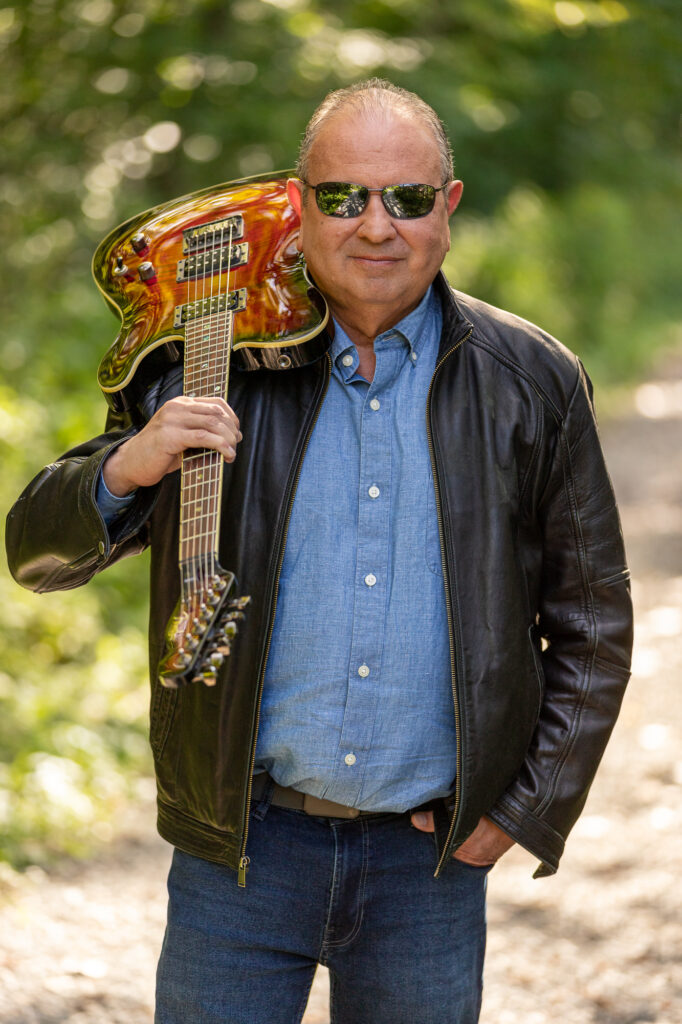
Midnight Sky In this interview with Midnight Sky, we explore the inspiration behind “Dark Stretch of Road,” uncovering the song’s emotional roots, its metaphorical weight, and its place within the album Just Before Dawn. 1. Can you take us back to that long night drive that inspired “Dark Stretch of Road”? What was going through your mind, and how did that experience shape the emotions behind the lyrics? I had been working on a song for over ten years called “Mystery Road,” about a trucker who is killed when his truck runs off the road and is condemned to drive up and down the roads of America for eternity. Despite the content, musically it’s an upbeat rockabilly song. While I was slogging through that one, I thought about a similar theme but much darker (which was consistent with my mood at the time). It took me about an hour to write “Dark Stretch.” And a few days later I finished “Mystery Road.” 2. When you were writing the song, did you see it more as a literal story of being on the road, or as a metaphor for life’s uncertain paths? The song is definitely metaphorical. I was thinking about how quickly a life can spiral into chaos and hopelessness. Here’s this truck driver leaving St. Paul, Minnesota, which he’s probably done hundreds of times, and suddenly, he’s lost, both geographically and spiritually, and he’s got no map, his phone isn’t working, there aren’t any road signs, and all the buildings are dark. Despite the darkness of the lyrics, it’s been one of my most popular songs. Says something about the human condition! 3. What creative vision guided the making of Just Before Dawn, and how does “Dark Stretch of Road” fit into the larger story of the album? Much of this is covered above. “Just Before Dawn” suggests, I think, a sense of hopefulness: It’s dark now, but it will be light soon. “Dark Stretch” is saying “don’t be so sure.” 4. How do you balance classic Americana influences with modern storytelling and production to create a sound that feels both timeless and current? I didn’t know I was doing that until you mentioned it! But seriously, I have a great co-producer, Chad Burton. When I’m writing songs like “Dark Stretch,” I consider whether this sounds like a song that could have been written 100 years ago. I struggled with the mention of a cell phone in “Dark Stretch,” because it corrupted the timelessness of the song. Ultimately, though, I didn’t want a critic to say: Why didn’t he just call somebody? 5. The song speaks to perseverance and faith through uncertain times. In what ways do you think “Dark Stretch of Road” reflects where you and your listeners are in today’s world? We are in a very pessimistic place right now as a society. But I think I wrote “Dark Stretch” in the mid aughts, so maybe things haven’t changed as much as they seem. What matters, I think, is that the album is balanced by some very optimistic, upbeat pieces. What I didn’t want to create was a 50-minute dirge. 6. With “A Few Good Years (Remix)” reaching Billboard’s Top 50 and earning critical praise, how has that success influenced your approach to songwriting and connecting with audiences going forward? Not at all. I’m thrilled that “A Few Good Years” has done well, but I’m not going to concentrate on that style of song just because one did well. I could write ten more songs about what’s really important in life and the virtues of optimism, and they could all be stinkers. Like most songwriters, I think, I write the best song I can, and then I roll the dice. Home – Midnight Sky Music
Helladdict
Helladdict Helladdict channels the raw energy of 80s–90s metal and punk, turning rage into art. From La Florida’s streets to their upcoming album, they fight conformity with riffs, fury, and rebellion. 1. Your musical proposal seeks to revive the powerful sounds of 80s and 90s metal. What inspired you to recall those decades and bring that style to today’s scene? We were inspired by the rawness and honesty of those decades. 80s and 90s metal wasn’t about pleasing anyone, it was about hitting hard, being a cry of resistance. Today we feel the scene needs to recover that visceral energy, that sense that music is a weapon and not decoration. It’s not about nostalgia; it’s about bringing back a spirit that still lives in us and deserves to resonate now. 2. In your biography you mention influences ranging from Iron Maiden and Metallica to Misfits and La Polla Records. How do you balance the spirit of heavy/thrash metal with the raw energy of punk and punk rock in your sound? For us it’s not about mixing styles like ingredients in a recipe, but letting them coexist in their purest form. Heavy and thrash give us the structure: sharp riffs, cutting solos, and a rhythm section that hits like a hammer. Punk and punk rock bring the urgency, the rawness, the direct rage. What we do is keep the discipline of metal while embracing the irreverent attitude of punk, creating a sound that doesn’t ask for permission and delivers both technique and visceral energy. 3. Helladdict was born in La Florida and its surroundings. How has the local scene influenced your development as a band and helped forge your identity? La Florida and its surroundings gave us the rawness we needed. We didn’t grow up in a place where music was a luxury, but where every riff was an outlet and every rehearsal a battle against routine. The local scene taught us resilience, to play with whatever we had, and to scream louder to be heard. That street energy became part of our identity: we are children of an environment that gives nothing away, and that’s why our music doesn’t ask for permission. 4. Your self-titled EP has received excellent reviews from both critics and listeners. What lessons did you learn from that recording and release process that you are now applying to your next album? The EP taught us that rage needs form to arrive intact. We learned that recording isn’t just capturing rehearsal energy, but sharpening it so every riff and scream hits with precision. We also realized that the release doesn’t end in the studio: you have to take care of production, promotion, and connection with people. For the next album we’re applying that discipline more clearly: we want each track to be a direct hit, sharper, more brutal, with the message delivered without concessions. 5. You describe your lyrics as a call to rebellion and discontent with the established order. What themes or messages do you seek to convey through your songs? Our lyrics are a scream against apathy and blind obedience. We denounce manipulation, the hypocrisy of power, and the routine that kills identity. We want every song to be a reminder not to accept what’s imposed, that rage can turn into strength, and that authenticity is the only real form of resistance. Our messages are clear: question, break chains, and never bow your head. 6. You are currently working on a new album expected to be released this year. What can you share about its sound and how it represents your evolution as a band? This new album reflects our maturity as a band, but without losing the rage that defines us. The sound is sharper, more direct, with production that enhances brutality without softening it. We’ve learned to channel energy better: heavier riffs, more incisive drums, and lyrics that cut even deeper. It represents our evolution because we’re not repeating formulas, we’re taking our identity to a rawer, more conscious level. It’s Helladdict’s natural step: growing without taming the fury. helladdicts • Photos et vidéos Instagram
Andy Smith & Emily E. Finke
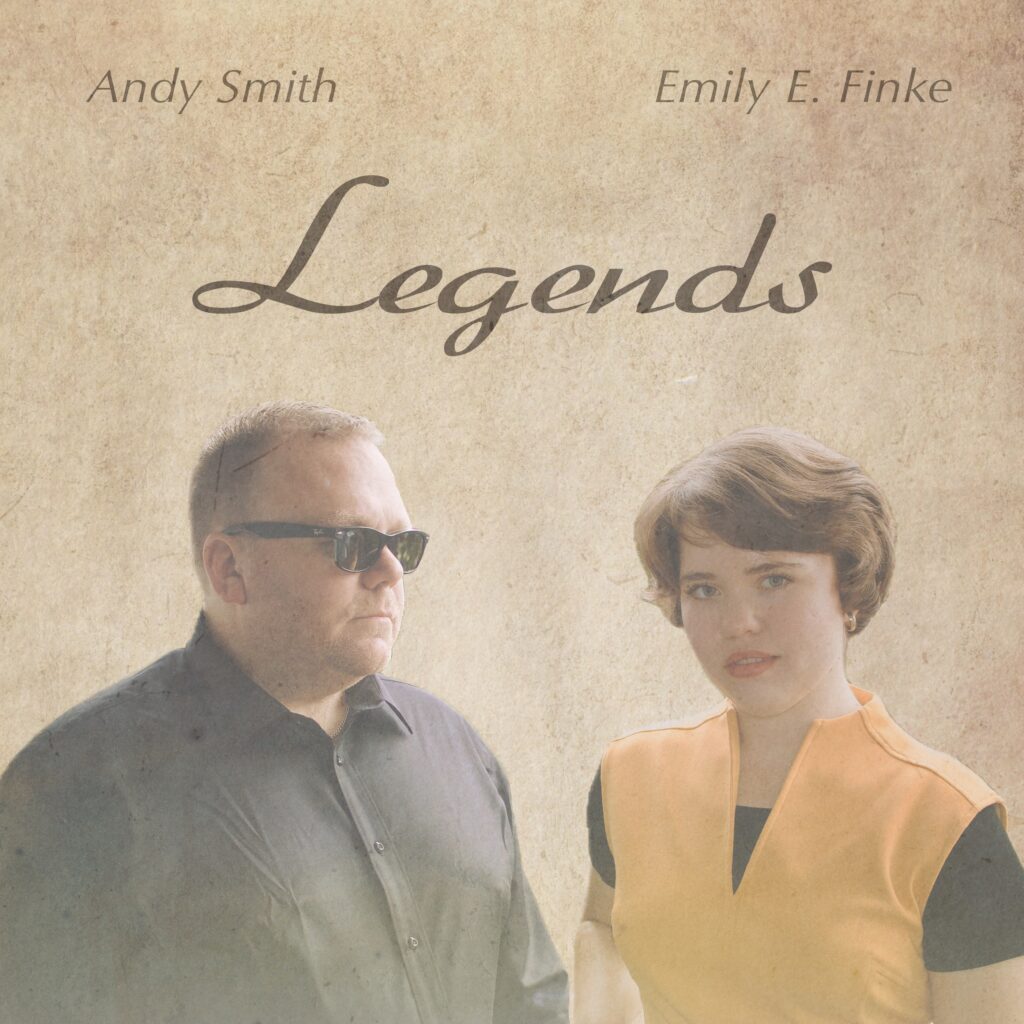
Andy Smith & Emily E. Finke ‘Legends’ was born from a global collaboration, blending distinct styles across continents. In this interview, Emily and Andy share their creative process, remote challenges, and the chemistry that made the song come alive.” 1. “Legends” was written across 10,000 miles. What was the very first spark—musical or emotional—that convinced you both this collaboration needed to happen? Andy : As soon as we started speaking. We had a few emails going back and forth and then agreed for a video call. It was then that I knew we were on the same page and that we needed to create this song. I had already heard Emily’s voice and I also knew I wanted to work with her then. Emily :The spark for me happened when Andy sent me the first demo of the song played on the acoustic guitar. In the beginning of collaborations, I try to keep an open mind – creatively speaking – so as to be objective in the process and open to the other person’s vision. While I knew it was possible to blend our styles, I was unsure exactly what that would look (or sound) like and how far we could take the project. Up until this point, we seemed to be in accord on the lyrics and general style, but when I first heard Andy’s instrumentation, I knew we were in complete synchronization and on our way to creating something incredibly special. 2. Working remotely across three continents must have brought unique challenges. What part of the long-distance process surprised you the most—either creatively or technically? Andy: It was a lot easier than I thought it would be. All the ideas and our vision were shared either by email or discussed in a video/phone call. We both produced the song, but it was engineered by myself. But any prominent changes were disucssed first and also when I did anything during recording or production, I would send a copy of where we were at. I think the final mix was version 16! Emily: I had never created such a big project almost entirely remotely, and the biggest surprise to me in the process was how simple it really was. It had challenges that are different to in-person collaborations such as dealing with a 13.5 hour time difference, but I was amazed at how much we were able to accomplish remotely. Perhaps that just speaks to how well we worked together with patience, clear communication, and a shared vision. 3. You mentioned blending two very distinct musical styles. Can you describe a moment in the songwriting or production when you felt those styles finally “clicked” into something new? Andy: There wasn’t really a moment like that. We were on the same page the whole way through and very open and hinest with eachother, which made the whole process very seamless and less complicated. Emily: I didn’t really have a moment like that, a feeling of something “finally clicking,” but perhaps that is because I don’t tend to stick to one style in general. I think, as I mentioned before, our constant communication through every step of the process helped to create a clear vision that slowly built and morphed into what became the sound of “Legends.” 4. Your vocals were recorded together in Atlanta during the ISSA Awards. How did meeting in person influence the song after months of remote creation? Andy: It was amazing! The song sounded good with the vocals done remotely but there was something missing and it’s hard as a producer also to convey your vision by email. Being together for the vocals meant we could talk about it, try it out and discuss. But again, we were so n’sync with each other that the vocals that made it on to the record were the second take. We warmed up and then went for it and that is what you hear. Best decision we made as it really comes across in the song, the togtherness and chemistry. Emily: Recording the vocals together took the song from being a well-made piece of art to becoming a living, breathing creation. As much as the song could have been made 100% remotely and been a great song, nothing could replace the experience, emotion, and creative harmony that we captured in the room together when we recorded the vocals in person. 5. The lyrics explore time, myth, and distance. How much of that theme reflects your own experiences as artists navigating global collaboration and personal storytelling? Emily: These different lyrical ideas of distance, time, myths, storytelling, etc. were like puzzle pieces waiting to be put together. The story of our meeting and creation process across a vast space was a prominent idea from the first conversation we had about the project. I had not intended that meaning in the lyrics when I first penned portions of them before meeting Andy, but he interpreted that meaning in them, and it ended up being the glue that brought all the pieces together to create a cohesive picture. 6. Now that “Legends” is out and receiving praise, do you see this partnership continuing? Are there future songs or creative ideas already brewing between you? Andy: 100% will collaborate with Emily again! I thoroughly enjoyed the whole process and we have become good friends. When are schedules allign, we will do something together again. She is uber talented and it will definitely be my pleasure. Emily: It would be an incredible honor to create more music with Andy. There is so much more that we feel we could explore between our different musical interests and styles. We are both busy with solo projects at the moment, but we have already thrown out some ideas for future projects, so I know it will happen at some point soon. Andy Smith Music Legends | Emily E. Finke
Athena Maria
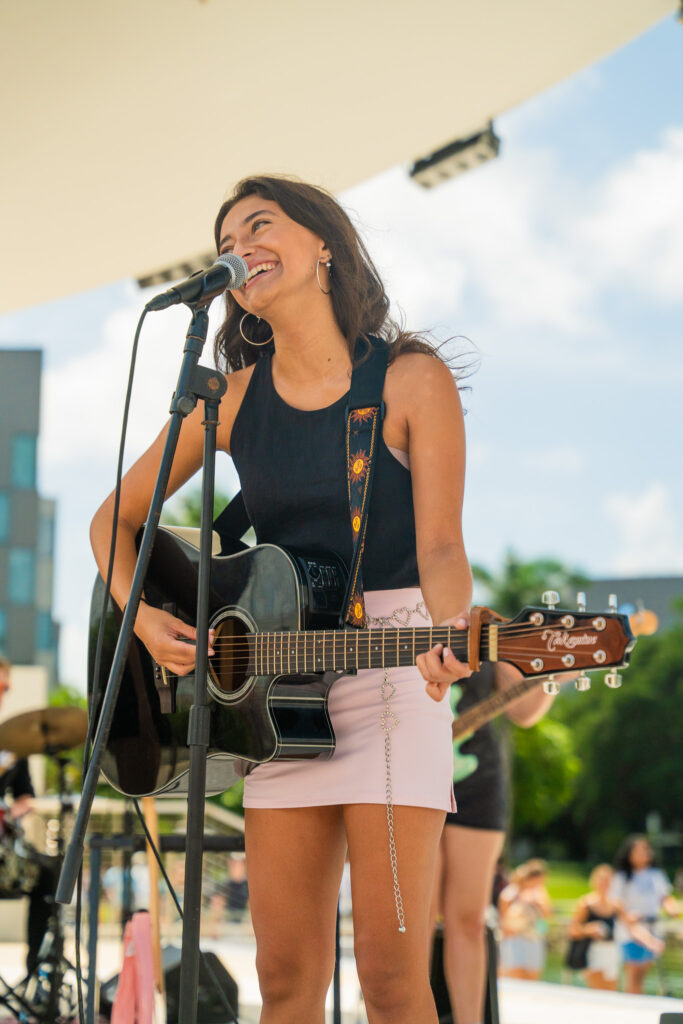
Athena Maria This interview explores Athena Maria’s journey from childhood songwriting to breakthrough moments, theatre influence, teaching, and future ambitions—revealing how passion, vulnerability, and creativity continue to shape her evolving musical path. 1. You’ve been singing and writing music since childhood, but was there a specific moment when you realized music was more than a hobby and could become your true path? I realized music could really be a career path for me after I saw how my art connected with people. Being able to see people’s emotional connection to my music and lyrics were really what sealed the deal for me; I’ve always wanted to make a difference, and being able to do so with music seemed like the best dream to come true. I’ve been chasing that dream ever since. 2. Your songwriting draws from very personal experiences as well as eclectic influences—from Harry Styles to French fusion jazz. How do you balance vulnerability with creativity when shaping a new song? I love this question! When I make music, I always try to use my current music taste to inspire the creative and sonic direction of the song, and I use my personal experiences to dictate the lyrical direction of the song. I’ve started to notice a pattern in my songwriting: there is a period of time shortly after I get into a new niche that I start writing prolifically – I pump out 2-3 fully fledged songs every week. After a bit, it slows down a little bit more until I get a new spark of creativity. Usually by the end of a few months, I have a really nice set of songs that balance emotional depth with musically unique elements. 3. “Lemon Juice” became a breakthrough moment for you, especially with the live performances. What did that song teach you about your artistic identity and connection with your audience? Before I debuted “Lemon Juice” live for the first time, I was actually building some resentment toward singing it live. I had rehearsed it so many times that it didn’t excite me anymore, and I kept beating myself up about not sounding exactly how I do in the recording. I was in a lesson with my voice teacher, Ian Holljes, when he told me that I needed to let go of what I thought I was supposed to sound like and remember why I loved the song so much. Once I did that, singing it wasn’t about me anymore. It was fully about immersing myself into having fun and connecting with the audience. That’s what makes that song so special to me now: seeing the audience have fun with it. 4. You originally dreamed of Broadway before fully embracing songwriting. How has your musical theatre background influenced your stage presence and the way you tell stories in your music? Being a theatre kid has opened up my connection with my voice and body so much. A lot of people don’t realize how important physical connection to the body is when it comes to singing. I don’t mean just proper singing technique, I mean being fully aware and intentional with every move you make when performing. Theatre has really helped me open up more in terms of that. Without my musical theatre training, I don’t think I would love being on stage as much as I do. 5. Beyond being an artist, you run Lovergirl Music Group and teach multiple music programs. How do these entrepreneurial and teaching roles shape your growth as a musician and as a person? Being a teacher is one of the most rewarding experiences because of how much it forces you to grow, adapt, and learn. Teaching both big classes and individual private lessons has shown me the importance of collaboration – the best way to learn is to make sure the student knows you are on the same team. In terms of running Lovergirl Music Group, being an entrepreneur takes a lot of patience, responsibility, and grit – something I take with me in my everyday life. 6. As you approach graduation from the Frost School of Music, what are the next steps you’re most excited about—both musically and professionally—and how do you envision balancing all the different passions in your career? To be completely honest, the future is a really daunting thought to me. I plan on moving out of Miami and getting my masters degree, but beyond that I really want to be as open as possible to any possibilities. There are so many things about music that excite me, so I feel like I could really adapt to whatever opportunity life throws my way. If it were up to me, I would focus on my artist career before I start teaching full-time, but I truly am open to anything. In terms of balancing it all, I think my deep love for all these different passions will always keep me connected to each creative pursuit, whether or not it’s my main focus at the time. Athena Pacanins – Lovergirl Records | Athena Music