
Shake My Days
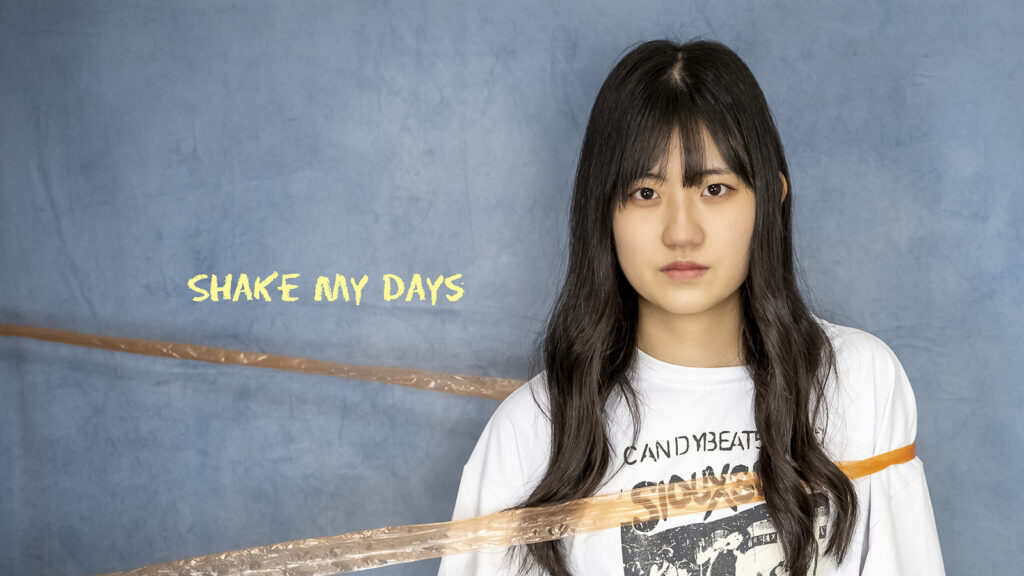
Shake My Days Kyoto indie-pop duo Shake My Days discuss the inspiration behind their heartfelt new single “Someday, Be Mine,” exploring first love, musical influences, songwriting, and their growing connection with listeners worldwide. 1. “Someday, Be Mine” focuses on first love and its mix of excitement and insecurity. What specific moment or feeling sparked the idea for the song? Also, how did the idea evolve during the writing process?I started writing the song after realizing how strongly I felt about an actor I admired on television. It was a feeling directed toward someone far away and unattainable, and writing the song became a way of sorting through those emotions and understanding them better. As I continued working on it, the song naturally grew into a story about wanting someone to stay just a little longer.(Mitsuki) 2. The track has a brighter, more immediate energy compared to some of your more nostalgic or cinematic releases. Was that shift intentional?We’ve always had some bright and upbeat songs on our albums, but this one was special because it was the first song Mitsuki wrote entirely on her own. What fascinated me was how naturally it combined youthful charm and optimism with a subtle bluesy feeling underneath. I felt that unique balance deserved to be highlighted as a single.(Showky Saezawa) 3. This song blends Japanese indie-pop sensibilities with classic guitar-pop influences. Which artists, bands, or musical eras had the biggest influence on its sound?I usually listen to simple Japanese bands from my own generation, especially three-piece rock bands. While writing the song, I wanted to express the feeling of an unreachable crush, but I was careful not to make the melody sound too sad.(Mitsuki) Mitsuki originally imagined the song with a slightly more alternative-rock feel. When arranging it, I felt the song suited a brighter and more energetic approach, so I added guitar parts inspired by the Rolling Stones during their energetic late-1970s and early-1980s period.(Showky Saezawa) 4. The lyrics express a very simple but universal desire—to keep someone close just a little longer. Why do you think that feeling resonates across cultures and generations? No matter where we live or what language we speak, most people have experienced wanting a special moment to last a little longer. I think emotions like love, longing, and hope are shared by everyone, regardless of culture, age, or gender. That’s why simple feelings can often connect people the most deeply.(Mitsuki) 5. As a Kyoto-based indie duo, how does Kyoto influence your songwriting, creativity, and overall artistic identity?Honestly, I’ve never really thought about Kyoto that way! (laughs) For me, it’s simply the city where I grew up and spent my school years.(Mitsuki) When it comes to Mitsuki’s songwriting, I don’t think there’s a strong sense of “Kyoto” yet. Since it’s the place she’s always known, it’s probably just part of her everyday life. Maybe after experiencing more cities and countries in the future, she’ll begin to recognize what Kyoto has given her artistically.(Showky Saezawa) 6. Your music has begun reaching international audiences through blogs and listeners around the world. How do you feel about connecting with people globally, and what are your hopes for the future after “Someday, Be Mine”?I’m very happy that so many people are listening to our music. It’s especially exciting when listeners enjoy the songs even if they don’t understand the Japanese lyrics. It reminds me that music can communicate emotions beyond language.As for the future, my dream is actually very simple. I want to keep singing, keep discovering music made by other people, and continue living a life surrounded by music every day.(Mitsuki) Mitsuki has always been a very natural and unpretentious person. She’s never been driven by fame or ambition. What makes her special is her genuine sensitivity to music, art, and everyday emotions. I hope we can continue nurturing that creativity and sharing it with more people around the world.(Showky Saezawa) Shake My Days – official website
OpCritical

OpCritical This interview with OpCritical delves into the ideas behind their thought-provoking single “Not My America,” exploring its message, songwriting approach, visual storytelling, and reflections on today’s social and political landscape. 1. “Not My America” carries a strong message—what inspired you to write this song? America today is not the America I grew up in. Now the lessons we were taught at school, at home, and in church are now rejected by those in the Republican Party led by Donald Trump. We wanted to point that out since so many people appear to be numb to the cruelty and divisions. 2. The lyrics use repetition in a powerful way—how did that idea develop during the writing process? Yes, anaphora is a powerful literary device that is not used often these days, but we have it in several songs. It is important because the repetition is what stays with the listener. And here, we contrast what we learned as children with the opposite of what we are seeing leaders and followers of one party doing. 3. The track balances emotion and critique—how do you approach blending music with social commentary? We have written many songs about the current state of the world, and the main thing we want to do is to get people’s attention so they get off the couch and do something to protect themselves and their future. Freedom takes work to protect it, but too many people are sleepwalking into disaster. We are all very seasoned musicians and know what works. 4. The video has a retro, high-action concept—what was the vision behind its direction? Yes, the Road Rash meme was intentional because it feels like the current president is careening all over the place, and we are all holding on for dear life. Cruelty, it seems, is intentional so we wanted to portray that in the video. 5. What kind of reaction or reflection do you hope listeners take away from this release? Two reactions: People love the song and the video. However, YouTube has throttled its exposure by refusing to promote it with ads or playlists. So it is hovering around 100K views while our other videos are around a million. When we asked why YouTube throttled it, we were told that it has a Trump air freshener hanging from the rearview mirror. Wow. 6. Will this single shape the direction of your upcoming music or future projects? We have written dozens of songs about the current dangerous state of the USA and the world. They are all unique in their own way, as you will see. We want to release a new song/video every two or three weeks this year, and our amazing team is going full bore. Home – Opcritical Music
Lancaster Rayne
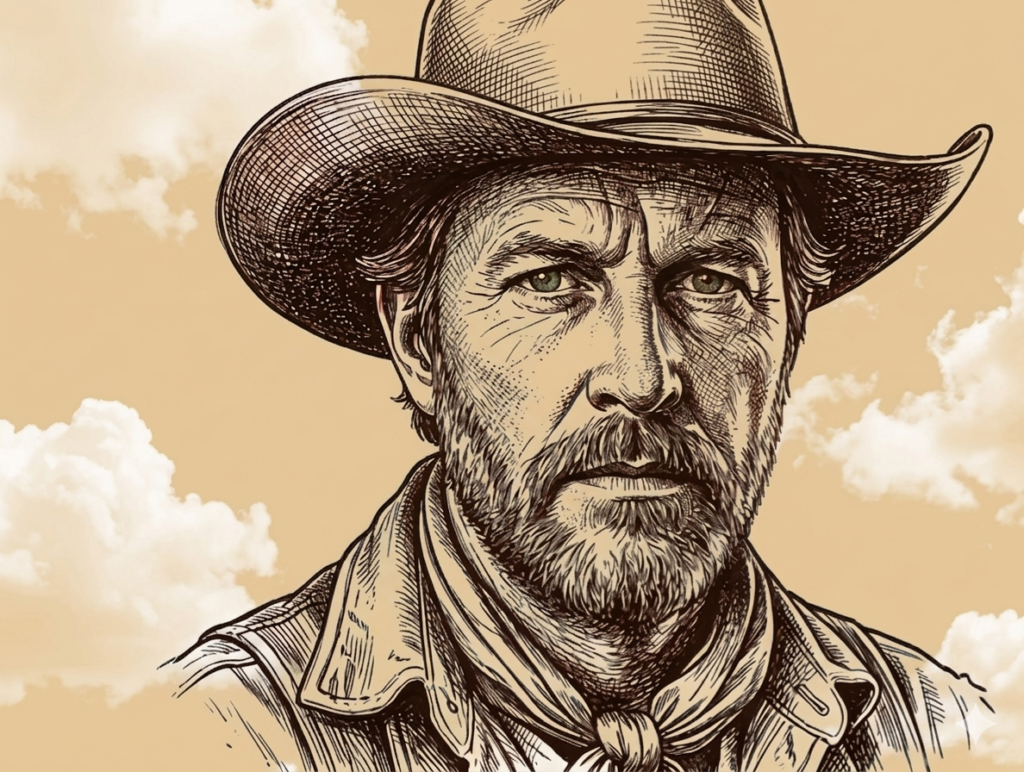
Lancaster Rayne In this interview, Lancaster Rayne discusses the inspiration behind “Little Country Boy,” the importance of human-made music, his Texas roots, and crafting a powerful country sound built on authentic storytelling. 1. “Little Country Boy” marks a shift toward a more anthemic, mainstream sound—what inspired this change in direction?Honestly, I don’t look at it as a conscious pivot toward the mainstream. It was simply a matter of letting the song become what it needed to be. Growing up in Texas and recently making the move out to Albuquerque, I found myself looking back at my childhood with a much wider lens. That broad, nostalgic reminiscence naturally brought some big, heavy emotions with it, and those feelings demanded a matching canvas.Instead of a simple Modern Bakersfield approach, I felt Little Country Boy required a grander atmosphere to couch that bittersweet aura. The lyrics lay out the story, but the larger-than-life arrangement, the twin-guitar grit, and the sheer scale of the production are what communicate the weight of that memory. As a songwriter/producer, it’s all about creating an uncompromised, connection with the listener—sometimes you need a big, powerful wall of sound to fully transfer that emotional depth. 2. Why was it important for you to keep the track fully human-performed in today’s digitally driven country scene?Look, I’m not blind to the numbers; people are streaming AI music, and plenty of listeners don’t mind a synthetic product as long as the songs are good. But there’s a big diff between generating content and creating art. Every AI model on the market exists only because it was trained on the creativity of actual human beings. That’s why machine-generated music always sounds like an imitation of the big names—it can mimic a style brilliantly, but it’s completely incapable of inventing a brand-new lane.Music definitely has a mathematical architecture, and yes, computers process math way better than I do. But music isn’t supposed to be an equations problem. I’m completely aligned with how a guy like Shooter Jennings approaches production. He talked about how much more valuable “finger-fouls” and wild, unpolished takes feel now in an age of total sonic conformity. When I’m tracking in my home studio, if I screw up a little sometimes I leave it in just to make sure people don’t think it’s AI. Those little human artifacts are the fingerprints on the glass; they prove a person was actually in the room.If generative tracks continue to dominate the commercial streaming landscape, the system is eventually going to hit a wall where the models are forced to learn from other models—turning into a self-consuming, infinite feedback loop of a copy of a copy. I look at it the same way as when photography emerged. There was a widespread panic that traditional painting would be rendered completely obsolete because anyone could suddenly capture a flawless image with the press of a button. But human nature doesn’t work that way. A century later, a hand-painted Renoir hasn’t lost an ounce of its prestige or value. Real, home-grown craftsmanship will always find the people who are actively searching for a genuine human connection. 3. Is “Little Country Boy” drawn from your personal story, or were you aiming for a more universal narrative?In a way, both. The lyrics are from my childhood growing up in Texas but I knew there’d be other people out there who could relate as well. And, in that way, it becomes more universal if you can really reach an audience and they pick up on what you’re putting down. I also think if you can tell a good enough story, people can climb into that pickup truck and take a ride with you. 4. How did you balance building a large, stadium-ready sound while staying true to traditional country-western roots? I guess it comes down to the essence of what you’re producing and whether the song is a crank it to eleven or a chill out background level. Little Country Boy could be a softer song. Someone could perform it live, solo with just their acoustic and I think it still works. But, I had the opportunity to create something broad and majestic with it and really bring my vision for it to life. So, I did.Country music these days has so many different facets, country pop, alt-country, Americana-roots, Bluegrass, even country rap and on and on. I think the mass appeal, storytelling element is really what defines the country genre. I don’t see other musical forms depending so much on the storytelling element as does the broader Country family of music. That means: the emotional connection or communication is really what’s at the core. As a songwriter, I kind of subliminally, I think, ask myself “Who am I talking to?”. Who will hear this song and say, “Yeah, been there.”? If I can connect to someone then it doesn’t really matter, to me, whether its deep-core roots or arena country pop. If the listener is feeling it then that’s what matters. 5. How have your experiences in Texas and Albuquerque shaped your musical identity and sound?I grew up in Texas riding around with my parents playing country music on the car radio. I don’t remember a time when I wasn’t hearing country music. When I began songwriting I found that I sort of had the country music melody and structure vocabulary already in my head. It was an echo that I could draw on pretty easily. And Texas is a country song. I mean, living there was like living in a three-chord theme park. Country music was all around you and then you looked out the window and there’s the world they’re singing about. You look at the famous rockers out of Texas and they all have that twang too. Henley, Steve Miller, ZZ Top, Stevie Ray: you can’t escape the Texas in their music and songwriting. 6. Does this single signal a long-term evolution toward a broader mainstream style, or is it just one step in your
Where We Sleep

Where We Sleep In this interview, we speak with Where We Sleep about The Arsonist, a deeply personal album exploring change, vulnerability, frustration, and resilience through a compelling blend of dark electronica, post-punk, and alternative rock. 1. The Arsonist is described as a deeply personal record centered on growth, vulnerability, and transformation. What were the key experiences or emotions that inspired the album, and how did they shape its narrative? The album has been in the works for some time. I’m not the most prolific writer. So, it has encompassed various relationships (of different types) and experiences. It covers a rootlessness and a restlessness that I have felt for almost all of my life and a drive to change and keep moving. And, in the last few years certainly, there is a backdrop of a darkening and divided world, where we just don’t seem to understand each other. Progress, in so many contexts, seems to have halted and that’s frustrating. People cling to what they know, rather than embracing inevitable change and point their anger in the wrong direction. The Arsonist is an identity that I’ve felt brewing inside of me, born of that frustration, that as I feel in my personal life, we maybe need to burn everything down and start again. (Figuratively, of course – I am not advocating for violence). Though, this is obviously impossible at this point. 2. After your work with BLiNDNESS, you created Where We Sleep as a new artistic outlet. What did this project allow you to express that felt different from your previous musical endeavors? Partly, it meant that I could embrace my inner control freak. I can have complete creative control. Which can be exhausting sometimes. But also, it meant that I’m not restrained by genre, instrumentation or anything else. I can experiment as much as I like and do things in my own time. 3. The album blends dark electronica, post-punk textures, alternative rock, and pop sensibilities into a distinctive sound. How do you approach balancing these influences while maintaining a cohesive identity for Where We Sleep? Honestly, I’m very much led by what I’m feeling. But a lot of the sound and general energy of songs will be a culmination, not just of what I’m listening to or going through at the time, but of the influences throughout my whole life. I don’t know how much conscious thought I put into staying within the confines of a specific sound. 4. You performed, recorded, and produced the entire album yourself before bringing in Guy Fixsen for mixing and mastering. What were the biggest creative challenges and rewards of taking on so many roles during the recording process? I do a lot as I go. Writing and producing is the fun part where you can really be creative. But, it’s exhausting doing everything. I’m slowly coming to the realisation that I can’t do everything at once – there is a point where you have to accept that you need to focus on one thing at a time. So, when I’m recording, that’s really what I’m focusing on and that part can be frustrating. (I’m sure I’m not the only musician who gets everything right until I press the record button and suddenly I can’t sing or play.) And it’s the same with practicing to play live, which is mostly what I’ve been focusing on this year, which hasn’t left as much time as I’d like for writing. 5. Songs such as “Broken Bones,” “Outside,” and “Changes” explore themes of heartbreak, connection, accountability, and self-discovery. Is there a particular track on the album that feels especially meaningful to you, and why? This is a really hard question because all of my songs are really personal. So, it’s really difficult to choose one. I think I will probably go with Broken Bones. It is a dark song that came out of a dark place but somehow I think there is strength in the vulnerability. 6. Your music often explores the darker corners of consciousness while still carrying a sense of resilience and catharsis. What do you hope listeners take away from The Arsonist after experiencing it from beginning to end? I hope that people don’t only hear the darkness. There is light in there too. But also, anger, sadness, frustration, all of those emotions are still part of the process. And I hope that people hear the inspiration to move forward and leave behind what isn’t working for them. But mostly, people always find different interpretations of songs – depending on their experiences, where they are now, what mood they’re in and I hope that this can be the soundtrack to something for them – a day, a train trip, a night with headphones on, an experience, whatever it is. Where We Sleep Official: Instagram, Facebook | Linktree
The White Whisper
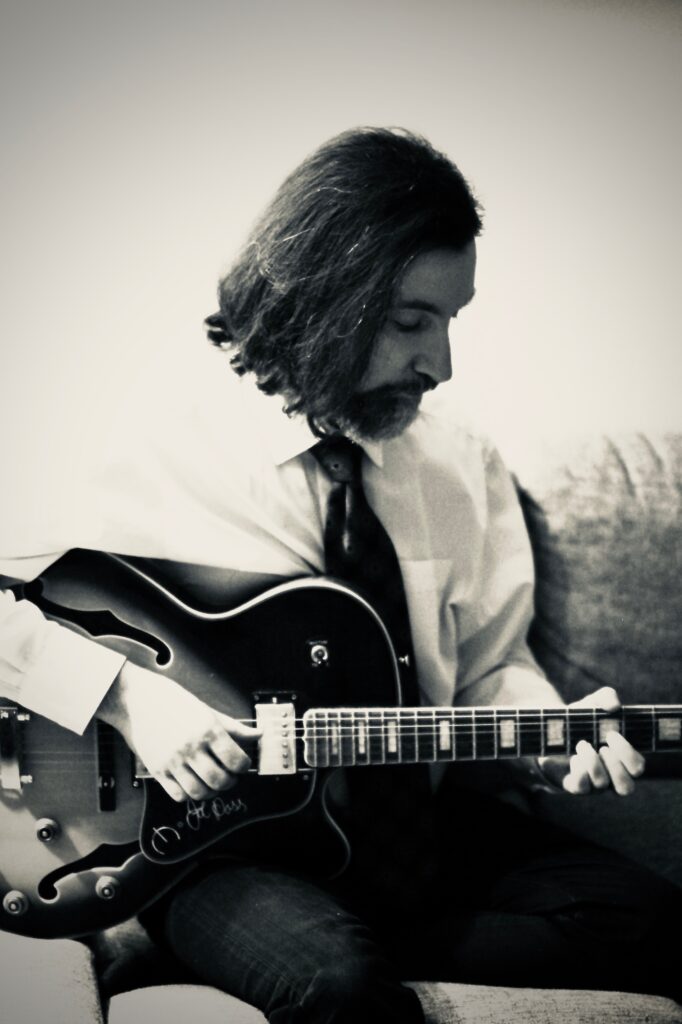
The White Whisper Italian composer and producer The White Whisper invites us into the atmospheric world of African Lullaby and Lunar Dances, discussing emotional dance music, African influences, artistic freedom, and the future of soulful musical exploration. 1. “African Lullaby” combines cinematic textures, melancholic atmospheres, and a driving drum’n’bass rhythm. How did the idea for this track emerge, and what emotions were you hoping to evoke in listeners? The idea for African Lullaby came quite spontaneously. I was intrigued by the polyrhythmic grooves and by some other elements of traditional African music from West Africa when I was studying Ethnomusicology in my 20s during my college years, and I always wanted to integrate some aspects of that beautiful, soulful, rhythmically complex approach to music into my musical production. I thought that a song with these types of characteristics, mixed with cinematic ambient pads, would fit well in an album dedicated to “emotional dance”, and so, basically, when all the other songs of the album were already ready, one night I got the idea of a gentle, melancholic, lullaby-like melody played on African marimbas and mallets, and from there the whole song developed quite quickly and naturally. My interest in African music has also been reawakened by the excellent Afro-beats productions that have become quite popular in the last few years (artists like Tyla, Libianca, Ayra Starr, Tems). I have the feeling that we will get a lot of very interesting new music from Africa in the next years. 2. You describe the song as being influenced by both Steve Reich’s hypnotic minimalism and Giorgio Moroder’s electronic innovations. How did these seemingly different inspirations come together during the creative process? Steve Reich is the father of musical minimalism (short, minimal melodies intercrossing with each other and repeated many times), and Giorgio Moroder popularized this concept by bringing it to disco music in the 70s through the use of arpeggiators and sequencers. The way I layered the minimal melodies of marimbas and mallets in the song is influenced by the approach of these two innovators. 3. The album Lunar Dances explores the concept of bringing emotional depth and even darker feelings onto the dance floor. Why do you think dance music is such a powerful medium for expressing complex emotions? Well, dancing is the most natural thing human beings do to express their emotions since the beginning of time. Dances were used during sacred ceremonies by shamans, during celebrations and festivities, or to express sexual desires and attract partners during social gatherings. It might sound a bit cheap to say that, but dance really comes from the rhythm of our heart and our breathing. So, it’s a powerful natural human thing. And I think that modern dance music could become more conscious of this potential and have more room for many more emotions and feelings than what we usually find in it nowadays. 4. The White Whisper moves freely between genres such as ambient, goth, drum’n’bass, art pop, and ethno-house. How do you maintain a coherent artistic identity while constantly exploring new musical landscapes? I believe that music is music and can wear many different scents and clothes. Nobody wears the same clothes all the time, do they? So, why should a musician always play only one type of music? It would be a lack of imagination and fun…The artist’s identity remains consistent anyway in the way a musician “wears” and combines different musical clothes. Some musicians might choose more provocative outfits (in different styles), others more romantic ones, but the fabrics and colors of each of them can vary. 5. Artists like Dead Can Dance, Massive Attack, Brian Eno, and Ryuichi Sakamoto have all influenced your work. What lessons have you taken from these artists that continue to shape The White Whisper’s musical philosophy today? They were all free thinkers, curious, adventurous people who used music to explore new emotional territories. I don’t think they ever thought that commercial success was a priority. So, they were very brave and inspiring in that sense.Nowadays, it is almost impossible to make money with music anyway, so sacrificing our musical creative explorations in favor of commercial success doesn’t make any sense.I think that in the future more and more musicians will be inspired by this free, almost spiritual approach to composition, because it will also distinguish us from the predictable, monochromatic, boring productions made by AI. 6. In an industry often driven by commercial trends, you emphasize creative freedom, imagination, and meaningful artistic expression. What motivates you to keep pursuing this path, and what can listeners expect from the future of The White Whisper? As I said, I don’t think it makes any sense for a musician to prioritize commercial success nowadays. Nobody really makes money with Spotify (except the Spotify owners), so prioritizing the pleasure of natural artistic exploration should be the obvious choice for any musician, in my opinion. Human music will become more and more a conscious therapeutic practice in the future, in the sense that it will be used as a form of conscious emotional therapy, perhaps also in a sort of spiritual way, while so-called commercial music will probably be made only by AI.So, the future of The White Whisper will once again be the therapeutic exploration of human needs and emotions through music and sound. You will find us playing at events of Sound Journeys, Sound Healing, and Ecstatic Dance. Those are the places where AI can’t do much; only people with a soul can make or listen to music that has the soul as a starting point and as a destination. Maybe see you in some of these event? THE WHITE WHISPER
The Subtheory

The Subtheory The Subtheory returns with “Things That Caught My Attention,” a powerful spoken-word protest piece blending urgency, frustration, and hope. In this interview, they discuss modern manipulation, information overload, artistic authenticity, and resistance through music. 1. Things That Caught My Attention” is described as a spoken word protest piece born from frustration with modern life. What specific events, observations, or experiences sparked the creation of this track?It’s not one specific event but rather a sense that we’ve been sleepwalking into this for some time. I feel like we aren’t in control of our lives anymore and they are being shaped, manipulated from the sidelines by powerful people with agendas. We have the illusion of choice and freedom but it’s just that an illusion. The same way that ants in an ant farm feel like they are in control of their world, yet they are trapped and observed. 2. The song tackles themes such as media overload, inequality, distraction, and manipulation. How did you decide which issues to focus on, and was there a central message you wanted listeners to take away?It was really important for me to not only list the things that concern or disturb me but to also offer some sort of light at the end of the tunnel. We only live this way because we are in the dark about what’s happening to us. We ultimately have the power and strength if we unite and put away our false differences. I remain hopeful that we can do this. It just starts with a conscious choice from all of us. 3. Musically, the single blends punk urgency, hip hop rhythms, and trip hop atmospheres. What drew you to this combination of styles, and how does it help convey the song’s emotional intensity?It’s a bit of a departure as normally our music is much more downtempo, haunting even. This track was the product of frustration and anger at what is happening so it sort of spilled out naturally. The intensity was born from that frustration and the words and music just flowed out of me. It felt like I needed to say something whilst I still had a voice to use so the urgency is absolutely genuine and from the heart. The sentiments had been bubbling around in my head for a while, so it was actually a bit of a release to get them out. 4. The spoken word delivery feels raw, direct, and deeply personal. How important was it for you to prioritize authenticity over a more traditional vocal approach on this release? As I said it was something that had been swirling inside for a while, it’s literally me just opening myself up and venting. It was recorded fairly quickly in more or less one take as I wanted it to not be too polished or performative. In a world of post truth, it felt like it had to be absolutely one hundred percent authentic. It’s all we have that’s ours now, our voices and thoughts. 5. Andy described the track as sounding like “the inside of someone’s head after scrolling through the world for too long.” How do you personally navigate the constant flow of information while maintaining your own perspective and creativity?It’s so hard, we are literally bombarded on all sides by propaganda of one sort or another and we’ve become so conditioned to it that we don’t even notice anymore. Our opinions are shaped by powerful and seductive forces so it can feel like us vs the world, when actually we should know that it’s the world vs them instead. We just need to collectively get to that point. I feel like I’m preaching but at this point I don’t really care, it’s about making a change, doing what I can, in the only way I know how. 6. “Things That Caught My Attention” feels both like a protest and a call for awareness. As The Subtheory moves forward, do you see this single as the beginning of a broader artistic statement or a snapshot of the current moment?I think it represents both really, our first album dealt with much more personal issues, it was as authentic and from the heart but on a much more intimate level. I think we’re progressing to address the wider picture now and we will continue to speak on things that concern or affect us. At least I hope so, and hopefully we’ll also make records to make people dance too. A drop of blood (Featuring Asher Dust)
Alexy Trip
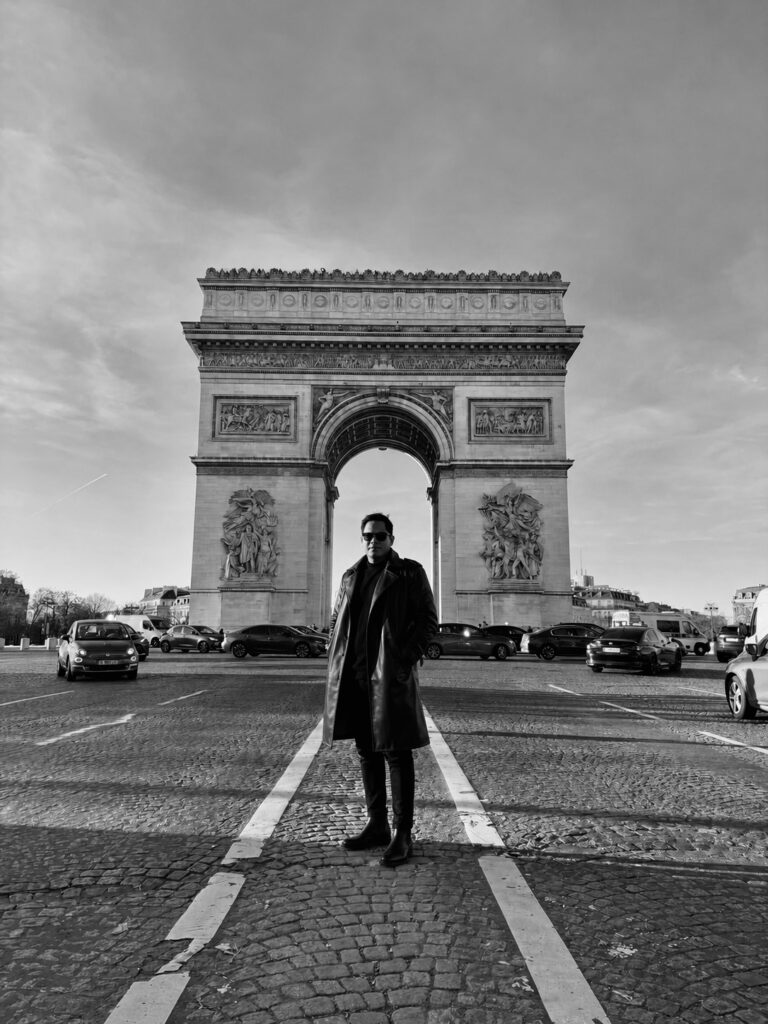
Alexy Trip Alexy Trip blends darkwave atmospheres, synth-driven nostalgia, and deep introspection on SINS LIES AND DEVOTION. In this interview, he discusses the album’s inspirations, themes, influences, and artistic evolution. 1. SINS LIES AND DEVOTION blends Darkwave, Synthpop, New Wave, and Post-Punk influences into a cohesive sonic journey. What was the original vision behind the album, and how did you shape its dark retro-futuristic atmosphere? When I started releasing singles in 2023, I still didn’t have a completely defined vision for where I wanted to take the project. I knew that at some point I wanted to create an album, and I had several demos and recordings that I had made over the years. I decided to revisit them, develop them further, and turn them into something bigger. Many of those songs eventually became part of SINS LIES AND DEVOTION.Throughout the process, I allowed the ideas to evolve naturally. There was a pivotal moment in 2024 during a trip to Wrocław, Poland. I remember standing in front of Wrocław Cathedral and feeling that everything I had been working on was finally finding a clear identity. The architecture, the atmosphere, and the feeling of standing before a structure that had endured through centuries deeply inspired me.From that moment on, both the visual and sonic concepts began to take shape. The dark, melancholic, and retro-futuristic aesthetic that defines the album emerged from a combination of personal introspection, nostalgia, and a fascination with the monumental and the transcendent. 2. The album relies heavily on analog synthesizers, melancholic melodies, and cinematic textures. What attracts you to these sounds, and how important was it for you to capture the spirit of the 1980s while still creating something contemporary? What can I say? I love synthesizers.Since childhood, I’ve been fascinated by certain sounds and melodies that made me feel something I couldn’t quite explain. Back then, I didn’t know where those sounds came from or how they were created. It wasn’t until my teenage years that I had my first real encounter with synthesizers and discovered an entirely new world to explore.The 1980s have always been a huge source of inspiration for me. It’s a decade I never had the chance to experience firsthand, but I grew up surrounded by its music. I listened to artists like Depeche Mode, Erasure, Pet Shop Boys, and Kraftwerk, but I was also influenced by bands such as Emperor, Dimmu Borgir, and Tristania, whose ability to create dark and immersive atmospheres left a lasting impression on me.I believe my sound is born from that combination. On one hand, there’s a deep admiration for the melodic and electronic sensibilities of the 1980s; on the other, there’s an attraction to the emotional intensity and atmospheric depth I found in darker genres. My goal has never been to recreate the past, but rather to capture its essence and reinterpret it through a contemporary perspective. 3. The title SINS LIES AND DEVOTION suggests a strong emotional and narrative connection between its themes. What personal experiences, observations, or ideas inspired these concepts, and how do they unfold throughout the record? The title of the album refers to three deeply human aspects of our existence: our contradictions, the masks we wear to hide ourselves, and our need to devote ourselves to something greater than ourselves.Throughout my life, I’ve carefully observed human relationships and the conflicts that emerge from them. Heartbreak, betrayal, obsession, deception, or even complete devotion to a person, an idea, or a belief can profoundly transform someone.Although the album is rooted in personal experiences and reflections, it also explores these themes from a broader perspective. There is a psychological dimension to it, but also a historical and theological one. In many ways, SINS LIES AND DEVOTION is a reflection on how human beings confront guilt, truth, desire, and the search for meaning. 4. Two of the album’s standout tracks are “SINS” and “LIES.” Could you tell us more about the stories and emotions behind these songs, and what makes them representative of the album as a whole? SINS is a song that I imagine as the opening of a dark ceremony. It’s like walking through the doors of a cathedral and witnessing a ritual where everyone wears masks while the scent of incense fills the air. At the center stands a person burdened by guilt, judged for thinking differently or for feeling something they believe is forbidden. The song explores the weight of our choices and the internal struggle between desire and judgment.LIES, in contrast, represents awakening. It tells the story of someone beginning to see the truth behind a toxic relationship or situation. It captures the frustration of wanting to keep believing in someone who has already caused pain, while slowly watching that person fade away and become nothing more than a memory.I believe these two songs embody the essence of the album because they contain many of its central themes: guilt, loss, truth, transformation, and melancholy. They also clearly reflect the sonic identity of the record through dark atmospheres, intense emotions, and a constant sense of mystery. 5. Your music has already found support from independent radio stations and curators across Germany, Poland, France, and Canada. How does it feel to see listeners from different countries connecting with your music, and have any reactions particularly surprised you? It’s something that genuinely means a lot to me. When you work as an independent artist, you often spend countless hours, months, and even years creating music without knowing how far it will travel. That’s why discovering that people from different countries connect with the emotions, atmospheres, and stories I try to convey is such a special experience.Beyond numbers or reach, what I truly value is the human connection that can emerge through a song. Knowing that someone in Germany, Poland, France, or Canada can find something of themselves within my music is one of the greatest rewards an artist can receive.If there is one thing that has particularly surprised me, it has been
Sheena-Rae
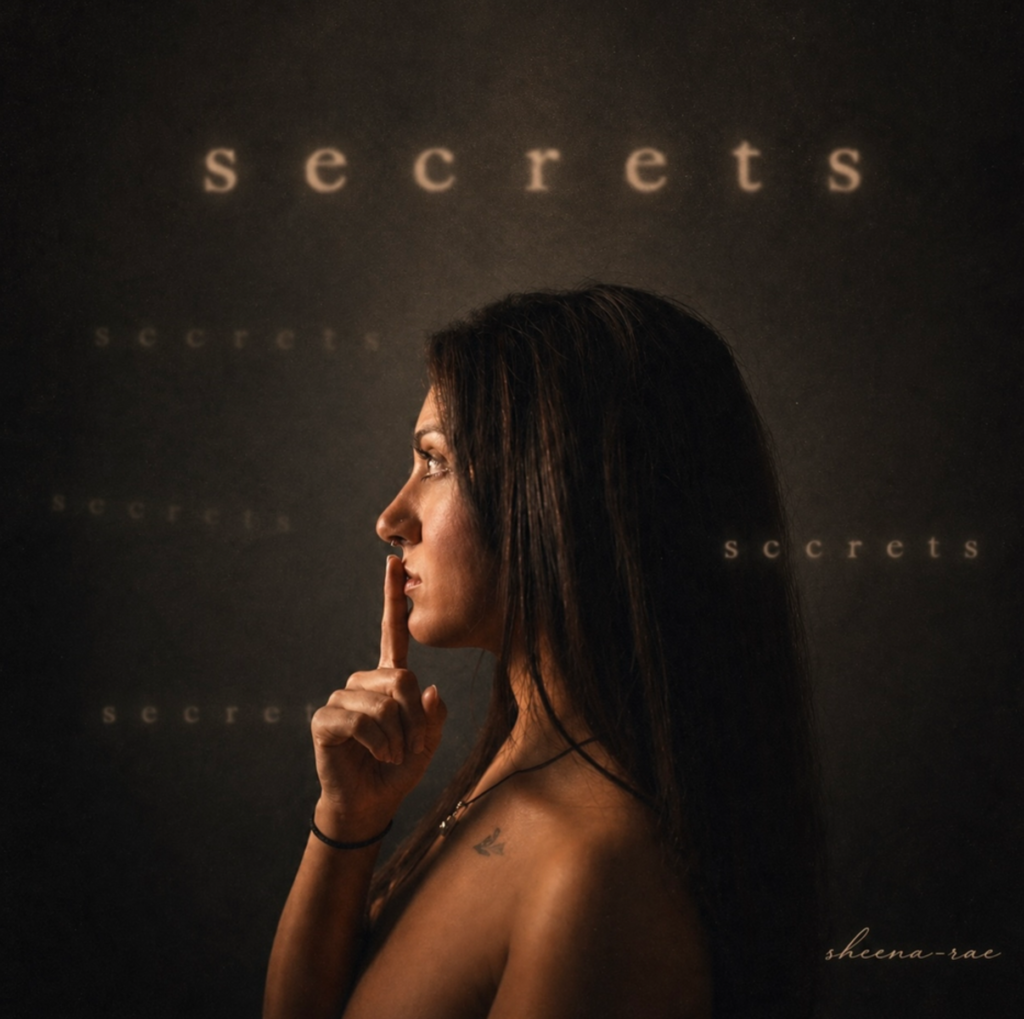
Sheena-Rae Sheena-Rae opens up about the inspiration behind her haunting new single SECRETS, discussing rumours, creative independence, layered vocal production, and how personal experiences shaped one of her most atmospheric releases to date. 1.”SECRETS” explores the paranoia and uncertainty that come with rumours and hidden conversations. What inspired you to write about this particular experience, and was it drawn from personal events? Yes, the song was inspired by personal experiences. It was a time I found myself in a situation where assumptions and rumours were spread about me when I was no longer there to defend myself, and it was strange to hear heightened versions of events that didn’t happen like how things were spread. It made me think how quickly people fill in gaps when they don’t know the full story, yet so easy to do in a tight circle. This inspired me to write SECRETS, which in general isn’t about one specific incident. It’s about that feeling of losing control of your own narrative and wondering what’s been said when you’re not in the room. I think most people can relate to that in some way. 2. The song makes creative use of whispered vocals to recreate the feeling of people talking behind your back. How did you develop this idea, and what effect were you hoping it would have on listeners? The idea with the whispered vocals came once I had recorded all the vocals. I wanted listeners to feel like they were inside the story rather than just hearing it. When rumours are spread, it can feel like there are conversations happening all around you that you aren’t a part of, so the whispers was a way of recreating that atmosphere. I hoped it would make the song feel more immersive and unsettling, while still being catchy and melodic. 3. Your music combines dark pop atmospheres with trap influences. What attracts you to this style, and how do you balance emotional storytelling with modern production elements? The producer I worked with on this song sent me this instrumental first. I’ve always been drawn to music that feels cinematic and emotional but still has an edge. Dark pop gives a lot of space to tell stories, while trap inspired production adds energy and tension. From this production, this immediately made me think about rumours being spread behind your back and hidden conversations; I was going through my experience at the same time also. The atmosphere of the track naturally inspired the concept. Once I had the idea, I focused on matching the lyrics and melodies to the mood of the production, so the storytelling and the music felt connected. 4. You recorded and layered all of the vocals yourself from your home studio setup. What was the most challenging part of creating the vocal arrangements for “SECRETS,” and how important is creative independence to your artistic identity? The biggest challenge was making all the layers feel intentional rather than crowded. There are lots of harmonies, ad libs and whispered textures throughout the song, so it took time to find the right balance. Yet recording harmonies and ad libs is one of my favourite things to do when making music. Creative independence is really important to me because it allows me to experiment and trust my instincts and ideas already in my brain. Being able to record at home means I can follow ideas and inspiration as soon as it pops into my head and build songs exactly how I imagine them. 5. The production by KALYXBEATS plays a major role in shaping the song’s haunting mood. What was it about the instrumental that immediately connected with you, and how did the collaboration develop from there? What immediately stood out to me was the atmosphere, eery but very modern. The instrumental felt mysterious and slightly tense, which matched the emotion I wanted to explore in the lyrics. There is also a small melodic motif that repeats itself throughout the track which caught my attention. As soon as I heard it, I could already imagine the story taking shape. From there, I built the song around that mood, adding vocal layers and textures which enhanced the feeling of paranoia running throughout SECRETS. 6. You’ve been building your presence through showcases and open mic performances across London, with a headline show planned for later this year. How have live performances influenced your growth as an artist, and what can fans expect from your upcoming shows? Performing live has definitely helped me grow in confidence and become more comfortable sharing my music with new audiences. Every open mic and showcase is different, and I enjoy the challenge of connecting a room of people who may be listening to my music for the first time. It’s also pushed me to develop as a performer and trust myself more on stage. For my upcoming shows, people can expect honest storytelling, strong vocal and a mix of emotional and empowering upbeat songs. I’m excited to perform SECRETS live. Additionally, I am working with some talented musicians to do some live gigs soon including covers as well as originals. Sheena-Rae
Ad Vanderveen
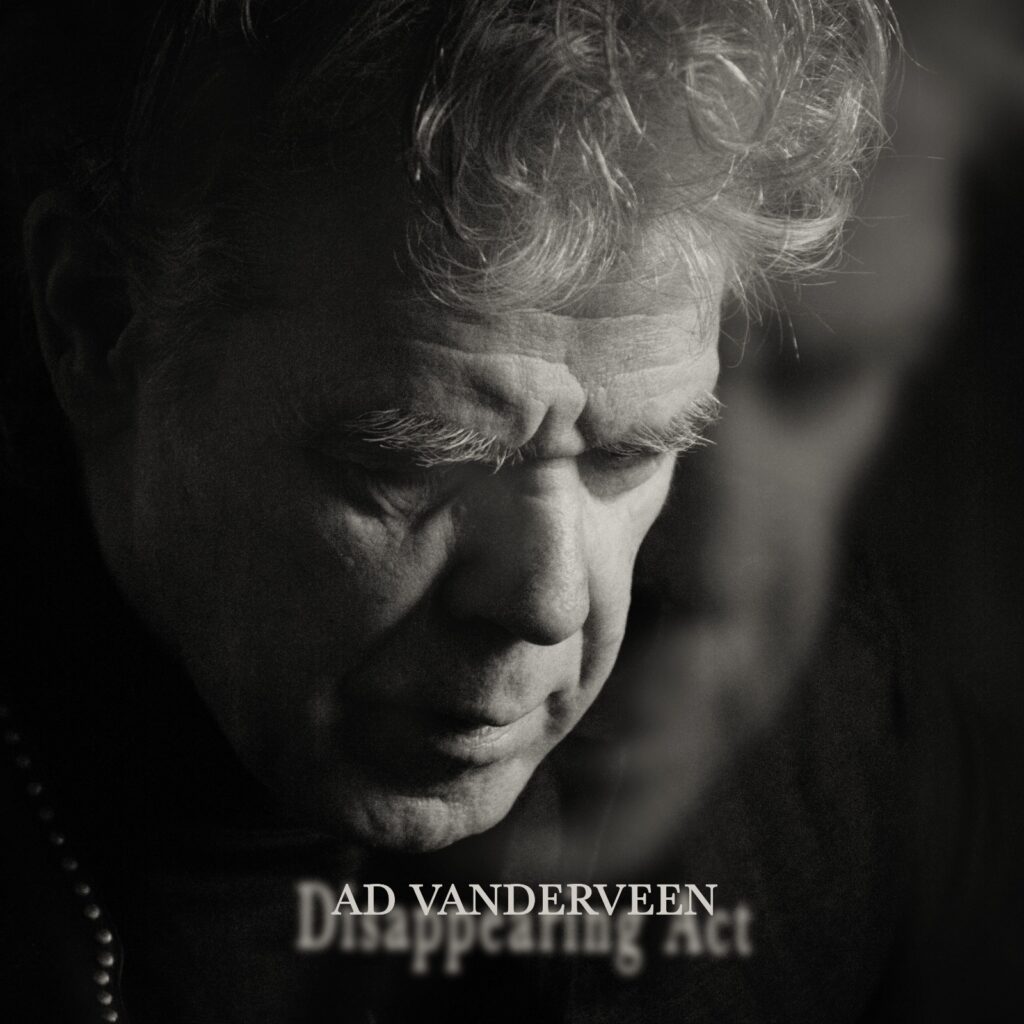
Ad Vanderveen On Disappearing Act, acclaimed singer-songwriter Ad Vanderveen reflects on creativity, aging, and resilience. In this interview, he discusses songwriting, collaborations, and the inspiration behind his deeply personal new album. 1. Disappearing Act explores themes of reflection, acceptance, and perseverance. At this stage of your career, what inspired you to create an album that looks both inward and backward while still moving forward? It’s where my life is, I follow the songs and how they come, there’s no preconceived idea or concept. Afterwards you can see a kind of theme or common thread. 2. The title track includes the line, “Still this disappearing act is failing gloriously.” What does that phrase mean to you personally, and why did it feel like the perfect title for the album? Well, turning 70 and after all these years and albums you wonder when it’s the last. Despite the regular steady output, I don’t take what I do for granted and I’m well aware there comes a time to wrap it up. I guess I’m at a stage where I’m getting ready for that, rehearsing sort of. Also, I’m celebrating that I’m still here and creativity is alive so I’m not disappearing yet. 3. You describe songwriting as something that “just seems to happen,” even leading to improvisational pieces during the recording sessions. How do you recognize when a spontaneous idea is worth developing into a finished song? Interesting question. It’s a feeling, there’s no hard and fast rule but you know when something matters to you. A song comes from thin air and when it carries something that’s significant to you, you want to remember it and make it presentable. Sometimes it’s ready at birth, or almost, and other times it takes more time to complete it. I had a session planned with piano player Rene Kaay and thought I’d get something ready to improvise and have fun with. So, I had some lyrics and two chords just to play with, first on my own and later with the ensemble. We hit the record button and it developed into a song on the spot (If Words Were Notes). There was another one that was improvised on the spot as well, lyrics and all, but the album didn’t need any more slow pieces. 4. The album features a rich acoustic-based sound with contributions from a talented group of musicians, including a reunion with The Cotton Brothers. How did these collaborations shape the atmosphere and character of Disappearing Act? For me a song first has to stand on its own two feet – that is, voice and the instrument it’s made on, which is acoustic guitar on this album. Then it’s a matter of what I hear in my head or who happens to be around to be added to the arrangement. I heard violin for this album and my long-time friend and violinist Jim Morrison was not available. So I started looking and reaching out to people and one morning in the market square of my hometown I heard this glorious fiddle sound. It was Moniek de Leeuw playing and improvising her lovely blend of folk music and I immediately invited her to a session. The Cotton Brothers is another story, they were my first band and we had a reunion after 45 years. I had the song ‘Fun Funerals and Sad Saturday Nights’ ready and – us being a country influenced band – it was obvious we should do this track. 5. Many of the songs seem to embrace contradictions—retreat and engagement, gratitude and longing, simplicity and depth. Were there any particular tracks where these contrasts became especially meaningful to you? I’m not really aware of that during the creative process, those are things you recognize afterwards, there’s no conscious effort or intention to do that. But in general I like contradictions, they put a perspective on things and can make it more layered and interesting. 6. After decades of releasing music and building a loyal audience, what do you hope listeners take away from Disappearing Act, and what continues to motivate you to keep creating and sharing new songs? I have no idea or hope of what listeners will take away from it. Everybody creates their own thing according to where their mind and development is. If people can relate that’s nice but it’s actually their individual experience they relate to, not mine. What keeps me motivated? Good question and I don’t know the answer. It’s like one of those early computer games where the landscape pops up in front of you as you go along. You just keep on going and see what presents itself. With this album I was reluctant to start the process of making a record. There had been silence for about a year and it felt good and peaceful. Then songs started coming but still I didn’t make a move, like trying to resist it. Then song # 6 came and kicked me in gear to start recording. Then it feels good to work on something only you know about in your own world and build it, eventually with the involvement and help of some great people. Then it’s time to release it and let it go; it’s a lot like having a child. Then it has a life of its own in the world and sometimes you hear back from them and think ‘did that come from me?’. Ad Vanderveen
The Theos Variant
The Theos Variant Fresh from their 2025 OGIMA Band of the Year victory, The Theos Variant discusses the inspiration behind “Into Ours,” the journey toward Tales from Ataraxia, and the band’s evolving future. 1. Congratulations on being named the 2025 OGIMA Band of the Year. How has this recognition impacted The Theos Variant, and did it influence your approach while creating “Into Ours”? After learning we had been named the 2025 OGIMA Band of the Year, we took a step back and re-evaluated what we wanted Tales from Ataraxia to be. At the time, there were two songs on the album that we ultimately removed and replaced with “Into Ours” and another track called “Dark Anomaly.” Interestingly, both songs were written within a couple of months of each other, and adding them was a relatively last-minute decision. Looking back, it was absolutely the right choice. We’re incredibly proud of how the album came together, and we believe it’s a collection of songs that listeners will genuinely connect with and enjoy. 2. “Into Ours” explores themes of connection, identity, and the tension between isolation and belonging. What inspired these themes, and how do they reflect your personal or artistic experiences? At its core, “Into Ours” is a love song—not just about strengthening a relationship with another person, but also about personal growth and self-discovery. Whether you’re 21 or 81, if you’ve experienced love and continue to nurture it, you understand that connection, identity, belonging, and even moments of isolation are all part of an evolving relationship. Those themes naturally found their way into the song because they’re universal experiences that many people can relate to. 3. The song is described as atmospheric and cinematic while maintaining a strong rock foundation. How do you balance emotional storytelling with creating a powerful musical experience? Sometimes the pieces of the puzzle simply fall into place. “Into Ours” wasn’t a song we had been sitting on for years—it came together quickly and very naturally. When the music and the message both come from a genuine place, balancing emotional storytelling with a powerful musical experience becomes much easier. In many ways, the song wrote itself because everything aligned so naturally. 4. As a preview of Tales from Ataraxia, what role does “Into Ours” play within the album’s larger narrative, and what can listeners expect from the journey the record takes them on? As a whole, Tales from Ataraxia is a journey through life. The album explores themes of love, self-worth, healing, loss, and ultimately what it means to grow through different stages of life. We believe most listeners will find something within these songs that resonates with their own experiences. More than anything, we hope the album becomes a companion—something people can return to as they continue their own personal journeys and evolution. 5. Your previous single “Starfall” achieved international success, reaching #1 on This Is Only Rock Radio in Spain. Did that global response shape your expectations or creative direction for your new material? Seeing “Starfall” reach #1 on This Is Only Rock Radio in Spain was an incredible and unexpected moment for us. That said, Tales from Ataraxia had already been completed by the time “Starfall” achieved that success, so it didn’t directly influence the creative direction of this album. Looking ahead, though, we’ll certainly pay attention to what resonates with listeners. As we begin writing future material, we’ll evaluate what elements connected most strongly and consider how those lessons can help shape the next chapter of our music. 6. The Theos Variant has earned recognition from organizations such as the Intercontinental Music Awards and Radio Wigwam Awards. Looking ahead, what are your goals for the release of Tales from Ataraxia and the next chapter of the band’s evolution? One unique aspect of The Theos Variant is that our ability to perform live is somewhat limited. Dan has ongoing commitments in the world of opera, so we’re always exploring new ways to reach audiences beyond traditional touring. Recognition from organizations like the Intercontinental Music Awards, Radio Wigwam Awards, and OGIMA helps expand our reach and introduce our music to new listeners around the world. Our primary goal with Tales from Ataraxia is simple: to connect with as many people as possible. If those connections lead to new opportunities—whether that’s live performances, collaborations, or reaching entirely new audiences—then we’ll consider that a success. The Theos Variant