
Sophia Mengrosso
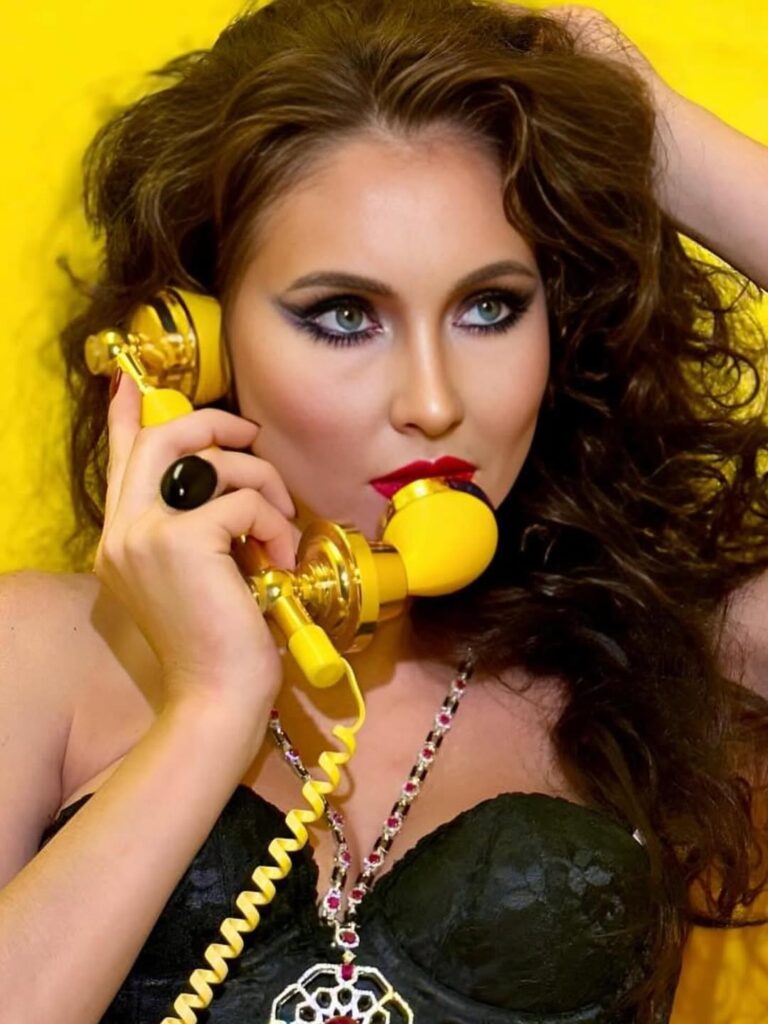
Sophia Mengrosso Opera-trained Sophia Mengrosso opens up about Unforgiven, tracing her leap into rock and metal, confronting trauma through music, honoring influences, and transforming vulnerability into strength, connection, and empowerment worldwide listeners. 1. You’re classically trained in opera, yet Unforgiven lives firmly in rock and metal. What was the turning point where you knew this heavier world was where your true voice belonged? The turning point for me was when I heard Metallica, Nightwish and Evanescence for the first time! I loved the sound of heavy instruments! And instantly fell in love with these bands. After that ca,e other bands that I loved. Less heavy or more, but they all had in common one thing that I was attracted to. It was the power of the message that they put out in the world. So, for me it was not only the sound, but more of empowering myself and getting out of the box with standards that I had to love in and follow. I remember listening nonstop to Evanescence! 2. Unforgiven is deeply introspective and emotionally raw. Was there a particular song on the album that was hardest for you to write or record, and why? Demonizer was the hardest, because I exposed myself to my old wounds I tried to bury for so long. But writing and releasing this song helped me to deal with that trauma and I was finally released emotionally and physically, because all of our traumas show up in the physical world one way or another. My goal with Demonizer was not only dealing with my own issues but also, and most importantly helping others to deal with the same stuff. I want to bring awareness of domestic violence, and I want to support people who went through this. You are not alone in it. You are not alone in your journey of healing. Do not bury your fears and emotions, it is ok to feel rage, leaving through your rage is healing. 3. You speak openly about vulnerability and the fear of being misunderstood. How did turning personal trauma into music help you reclaim strength rather than relive pain? I learned to focus on my strength, and I look at my pain today very differently than years ago. This process for me took time. And it is ok. This made me who I am today. I reclaim my strength through being open to the world and every person who I meet in this journey. And everyone who listened to my music and we never met. By not hiding and closing in my dark state of mind, but instead finding light in my darkness. I accept every lesson life has given to me, and I take it with pride. I always want to move forward stronger each day. Music transmutes every negative episode into strength. And a lot of times it is not obvious at first, and might take years, but this is the direction. And not only music, any other form of art is designed to do that. The world without artists would be so empty. 4. Bands like Evanescence and Nightwish are often cited as influences. How did you work to honor those inspirations while still carving out a sound that feels uniquely yours? I love my inspirations! But I do not copy them! I take my feeling that they helped me to create and the visions that they gave me! So feelings and emotions. I go back in time to remember and bring up what feelings I had when I listened to those amazing artists, and how they helped me to change my life. 5. The album encourages listeners to speak up instead of burying their feelings. What kind of conversations or reactions from fans have meant the most to you since the release? People reached out to me with similar stories and we talked for hours on the phone and we continue to keep in touch through emails and texts! I love meeting people in person too and have that deep emotional connection to support each other. Once you start feeling comfortable to open up it is a huge release for the soul! 6. Now that Unforgiven is getting renewed attention, how do you see this album fitting into your future work, and what can we expect next from Sophia Mengrosso? Next bI want to focus on defining my Identity and encourage my listeners to do it! Do not let anyone else define you. Since I worked through my past and now I can focus on becoming a stronger woman and kick ass! My advice to everyone is Glow up and Kick Ass! Sophia Mengrosso – Listen on YouTube, Spotify, Apple Music – Linktree
Blind Man’s Daughter

Blind Man’s Daughter Blending vulnerability and movement, Ashley Wolfe of Blind Man’s Daughter discusses turning heartbreak into empowerment, genre-spanning influences, and how “All I Need” marks a pivotal step toward self-directed momentum forward. 1. “All I Need” feels both deeply personal and incredibly danceable. What was the emotional spark behind this song, and how did you channel that mix of empowerment and vulnerability into the sound?I wrote it after a really painful letdown, when something I believed in didn’t happen, and I had to face it. The lyrics hold the hurt, but the beat is me choosing to get up and keep going. It’s vulnerable in the story, but powerful in the movement. 2. You’ve described “All I Need” as taking back your power through rhythm and motion. Can you share a moment during the songwriting or production process when you felt that transformation happening in real time?Yes. The second the groove fully clicked, the song stopped feeling sad and started feeling strong. I remember hearing the chorus land and thinking, okay, this is me moving forward now. My vocal delivery changed right there with it. 3. Your background spans everything from progressive metal to cinematic pop.How did your evolution as a multi-genre artist influence the textures and production choices on this track?I’m used to building big emotional “payoffs,” like I did in rock and metal, but I also love pop’s space and shine. So I made “All I Need” hit hard rhythmically, while still feeling airy and cinematic around the edges. 4. There’s a clear Latin-inspired energy running through “All I Need.” What drew you to blend those rhythmic elements with your signature pop and electronic sound? Latin rhythms feel alive, they make you move even when you’re in your feelings. That’s exactly what I wanted: a song that turns pain into motion. It just fit the message. 5. You write, perform, produce, and mix all your music yourself, that’s rare. What’s the most rewarding (and most challenging) part of having total creative control over your songs?The best part is I get to make the exact song I hear in my head, no compromises. The hardest part is I have to make every call myself, and sometimes it’s tough to know when to stop and say, “It’s done.” 6. You have an upcoming full-length concept album, Architect of Devotion, on the horizon. How does “All I Need” fit into the larger story or emotional arc you’re building toward that release?It’s a turning point in the story. It’s the moment where I stop waiting, stop giving my power away, and choose myself. It’s the sound of me taking control and moving forward. BMD – Blind Mans Daughter Blind Man’s Daughter | Instagram, Facebook, TikTok | Linktree
Elvira Kalnik

Elvira Kalnik This interview explores the magic behind “I Met You on Christmas,” diving into Elvira Kalnik’s creative journey, her uplifting holiday themes, and the artistic evolution shaping her newest release, “Happy New Year.” 1. “I Met You on Christmas” is described as a story of miracles, destiny, and holiday magic. What inspired you originally to write this song, and what made you decide to re-release it now? Thank you for the question. It is a beautiful fairytale happy end story that every girl dreams about. I think that many can relate to it. There’s a part in the lyrics: “Make a wish and believe it…”. To me, Christmas and the new year holiday season carry magical vibes that make all wishes come true. I would also like to mention my new song “Happy New Year” that I just wrote recently and expect to be released on December 23d, “Happy New Year” carries a similar theme: “Make a wish and see it coming true”. 2. Your first self-produced music video for the song marked a turning point in your artistic evolution. Looking back, what did creating that video teach you about your creative capabilities and future direction? I learned that everything is possible if you put your mind and soul into it. I really enjoyed the process even though it wasn’t easy at all. Then, I learned more and more with every creative project. Some of my songs and videos received awards and recognition among film and music contests and festivals. The creative field is infinite. It makes you learn something new constantly. 3. The track blends electronic pop with theatrical and emotional storytelling—your signature style. How do you approach balancing these elements to create something that feels both futuristic and heartfelt? Thank you so much for this question! It somehow comes naturally and also based on my versatile background of learning musical and acting skills. I always felt that there’s more than just a genre or a style. I don’t feel like staying in a box labeled by a particular genre. There’s always more to explore and experiment with. It’s like honeymaster dressing: contains bitter, sweet, salty and sour tastes, but still, it tastes good. Someone just looked out of the box and decided to experiment with tastes and create something versatile and balanced. 4. The holiday theme of manifested wishes and finding love resonates with many listeners. What message do you hope your audience carries with them after hearing the re-release this season? I have the same message for both releases: “I Met You On Christmas” and my recent release “Happy New Year”. Look at the bright side! Drop all the doubts and truly believe on the level of knowing that wishes will be granted, and they will! The holiday season creates beautiful vibes and makes people to open up and share their kindness and love as I wrote in the song “Happy New Year”. 5. You’ve had an impressive year, including performing “Dreams Come True” at the United Nations Humanitarian Gala and earning a Presidential Award. How have these milestones influenced your creative mindset and the way you approach new projects? I’m very grateful for the recognition and for being invited to perform at the United Nations Humanitarian Gala by the Institute of Public Policy and Diplomacy Research and the founder Dr. Andrise Bass, who is a very kind, positive and highly intelligent human being that work very hard to create peace in this world along with other selfless peacemakers. I believe that everything is possible when you truly follow your heart, which is the way paved by our Creator. That’s the only right way to go. 6. Your work spans music, video production, fashion, performance, and more. As a multi-dimensional artist, how does each of these disciplines contribute to the world you build around your songs—particularly one as cinematic as “I Met You on Christmas”? I view it as one piece without separating. If your mind is all about creativity, you’ll be creative in everything including preparing and serving food. It’s just a matter of time learning different skills like playing instruments, singing, dancing, design, visual arts, filming, photography and the list goes on. I just follow my heart and get inspired easily just like I got inspired by the holiday vibes that made me write the song “Happy New Year” a week ago, record it in a few days and send it to distribution yesterday. It’s a last minute release. I didn’t plan on it. It feels like the song has written itself. Probably it’s meant to be. I’m grateful to Mick Morrison, a very talented and skilled mixing and mastering engineer who added his magic into the song and did everything possible to prepare it for release on time. The song comes out on December 23d and will be available on all major platforms. However, I want people to listen to the song already as it brings childhood warm happy vibes. The song is available for listening and free download on the following platforms: Bandcamp https://elvirakalnik.bandcamp.com/track/happy-new-year Soundcloud https://on.soundcloud.com/JFDIM5gBjsC9UwUPo9 Website: https://www.elvirakalnik.com
Lemon
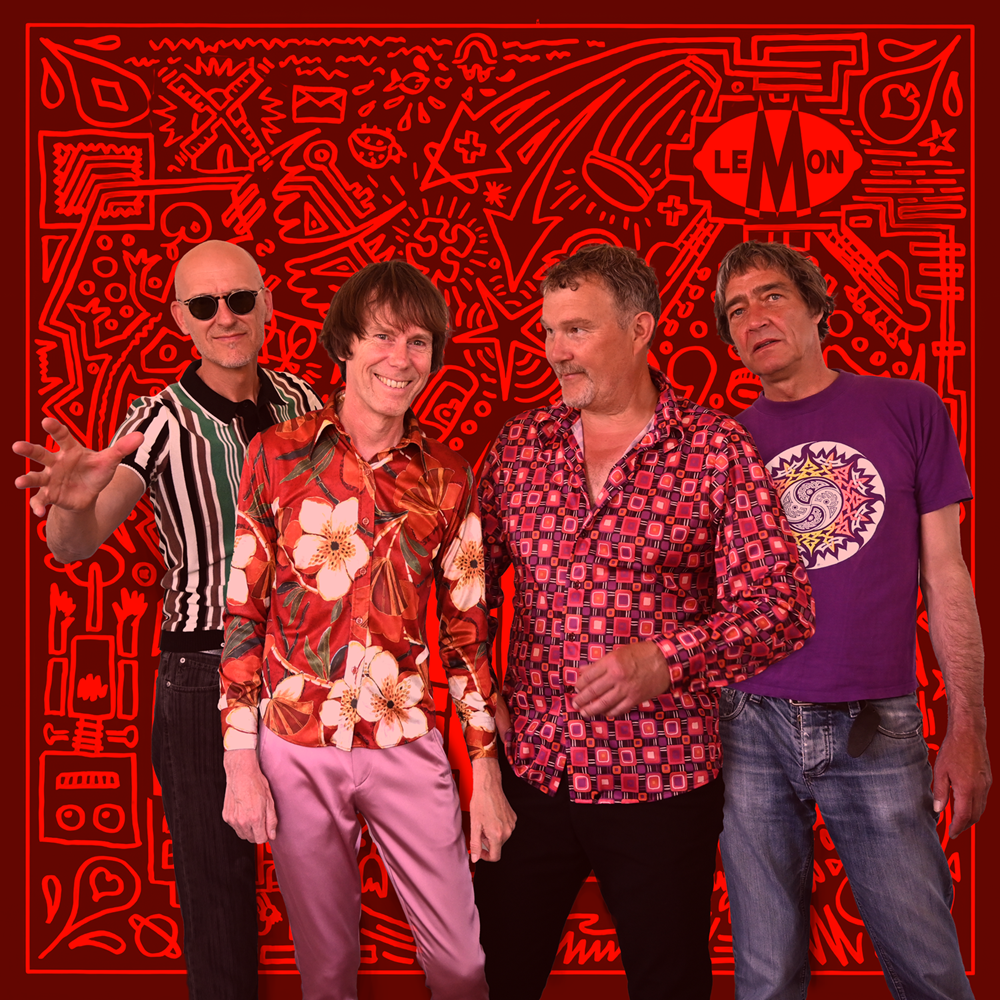
Lemon Lemon close their ambitious #lemon12 series with “Love Thing,” a heavier, psychedelic twist on their signature Nedchester groove. We dive into its creation, the year-long challenge, and the emotion behind it. 1. “Love Thing” closes your #lemon12 project with a surprising twist—psychedelic, heavy, and definitely not a Christmas song. What drove you to end the series with this unexpected sonic shift? We’re definitely not the Christmas-song type of band, and there has often been a psychedelic touch to our music. Check out “Shiiine On” and “Gimme Something True”, both featuring Cath Coffey from Stereo MC’s, for example! Music blogs have attached many different labels to our sound — from Soul Rock, Neo-Madchester, and Shoegaze Dance Pop to “Delightful fumes of indie funk and euphoric melodies infuse mesmerising psychedelia reminiscent of Talking Heads.” So yes, “Love Thing” is one of our most psychedelic tracks yet, but it’s not a big stretch for us. 2. This track is described as one of your most psychedelic yet still rooted in your Nedchester groove. How did you balance those heavier elements with your signature sound? First of all, keep the percussion and groovy drum patterns in. The Nedchester blood runs through our veins, so even if we explore a heavier direction, that sound will always be there. 3. Unlike some of your socially reflective songs, “Love Thing” focuses on the overwhelming intensity of love. What inspired you to explore such a raw and powerful emotional space this time? Our songs simply reflect life — life with worries about the current state of our world and planet, with loss and grief, with love, with letting yourself go, and so on. There’s no fixed agenda for our releases; what comes out at a certain stage is what comes out. “Love Thing” is me (Ralf) digging into that feeling of being overwhelmed by love — and taking it a step further, to the point where it even gets a bit creepy. 4. You’ve released a new single every month in 2025—an ambitious challenge. Looking back, how has the #lemon12 journey shaped you creatively and personally as a band? The #lemon12 project is definitely a one-time thing — phew, what a challenge it was! “Love Thing” was finished just in time for the December release. It proved that we’re one of the tightest bands and one of the closest groups of friends. And it also showed that we can stray a bit, and the result still sounds like us. 5. Music press responses to the earlier #lemon12 singles have been incredibly positive. Did that momentum influence the direction or pressure you felt while crafting “Love Thing”? It was a bit intimidating. On the other hand, since we’d already collected so many great reviews, we felt we’d made our mark — and that it wouldn’t hurt us too much if the twelfth one didn’t land quite as well as some of the previous releases. So the pressure wasn’t too high. 6. You’ve built a strong reputation for energetic live shows, including performances with icons like Primal Scream and The Charlatans. How do you imagine “Love Thing” translating to the stage, especially with its heavier, psychedelic edge? Actually, last week we played “Love Thing” live for the first time at a show in Germany. The crowd’s response was great, though some of the other tracks are bigger bangers when it comes to dancing. But hey, our songs are about life — and that’s life: sometimes you dance, sometimes you don’t! Cheers, Ralf – Lemon www.lemon.amsterdam
ARGYRO

ARGYRO In this interview, ARGYRO opens up about the renewed release of “Lifeline,” the creative process behind her music and visuals, and how a transformative year is guiding her artistic evolution. 1. “Lifeline” was originally part of your album Glitterati, yet you chose to release it as a standalone single with a new music video. What made this the right moment to spotlight this particular song?“Lifeline” has always been one of those songs that quietly taps you on the shoulder. It’s about reconnection, humanity, and noticing how divided the world has become. Right now felt like the perfect moment to let it step out on its own. If there was ever a time to put a little unity back into the conversation – or at least nudge people toward it – it’s now. 2. The track carries strong themes of unity, compassion, and human connection. What inspired you to write “Lifeline,” and how do those themes reflect your personal experiences or your philosophy as an artist?It feels like everyone is living in their own silo these days – little bubbles, little factions, each with their own storyline playing on repeat. With “Lifeline,” I wanted to shake that up a bit. Not in a preachy way, just in a ‘hey, maybe let’s look up and notice each other again’ kind of way. As an artist, I’m always trying to remind myself and everyone listening that perspective is a powerful thing. 3. You’re known for handling nearly every part of the instrumentation yourself. How does that shape the emotional tone of “Lifeline”?Playing all the instruments lets me translate the melodies in my head without any detours. It’s like directing the entire cast myself – I get to shape every sound, every rhythm, every texture. That control allows me to be more honest emotionally. Instead of explaining what I want to another musician and hoping we land in the same place, I can just… build it. It’s a very direct line from imagination to music. 4. The music video expands the message of the song visually with a bold narrative. Can you walk us through the concept and what you wanted the imagery to communicate? We wanted the video to feel like a look inside the process, but also inside the mind. So we mixed studio performance with these moments in nature and isolation. My director, Elgin Cahill, had this idea of dropping me into the elements to show introspection – me versus the wilderness, basically. Hopefully that contrast adds another layer to what the song is saying. 5. Your 2025 has been huge – Glitterati is climbing, and your acting career is taking off with Christmas Cards on Amazon Prime. How has balancing music and acting influenced your creativity this year?Honestly, they feed each other. Our film is all about community and connection, which are the exact themes I dove into on Glitterati. Acting and music are just two different tools for expression. One uses a camera; one uses a mic – but they both want the same thing: to make people feel something. 6. With Glitterati still gaining traction and new projects ahead, where do you see your next artistic chapter heading? Any collaborations or releases you’re excited about?I was just cast as Bureau Chief Mark Taylor in the upcoming thriller ‘White Sycamore’, so it looks like the acting universe isn’t done with me yet. And on the music side, I’m already sketching ideas for the next project – my notebooks are getting suspiciously full again. I’ll probably start recording in 2026. In short: I plan on staying busy and staying curious. Argyro Official (@argyroofficial) • Photos et vidéos Instagram
Robert Ross
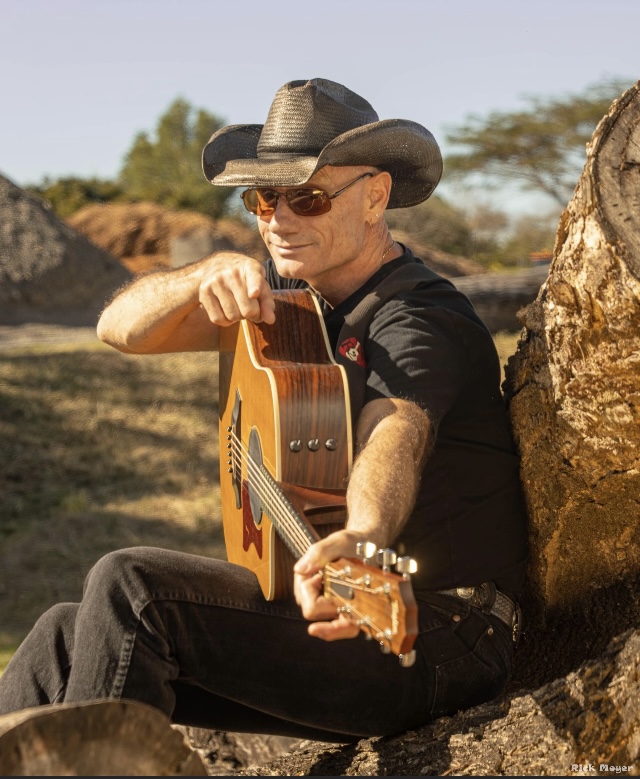
Robert Ross Robert Ross brings a lively, country-meets-rock spark to the season with “Rockin’ Christmas.” In this interview, he reflects on joyful memories, creative confidence, and crafting a modern holiday anthem. 1. What inspired the more vibrant, party-ready direction for “Rockin’ Christmas”?I’ve always loved Christmas songs that feel alive — the kind that make you want to turn the volume up, sing along, and actually move. A lot of holiday music leans heavily into the quiet, reflective side, which I love too, but I wanted to capture the energy of a house full of love, laughter in the air, and music playing a little louder than it probably should. Blending country with a touch of rock ’n’ roll just felt honest to who I am and how I experience the holidays — full of joy, connection, and a whole lot of fun. 2. Were any of the lyrical scenes drawn from your own holiday memories?Absolutely. Christmas for me has always been about being present with the people you love, whether that’s sitting around the house late into the night, sharing stories, or sneaking in a quiet moment together. The song is really a collection of those feelings and snapshots that make December special. 3. What did you want “Rockin’ Christmas” to bring that feels fresh and uniquely “Robert Ross”?I wanted it to feel familiar but not predictable. There’s no shortage of great Christmas classics, so my goal wasn’t to compete with them — it was to add something that feels modern, energetic, and authentic to me as an artist. I think what makes it uniquely “Robert Ross” is that it stays true to my country roots while letting my personality come through — upbeat, a little edgy, romantic, and built for people who want to celebrate the season, not just reflect on it. 4. How did the Tulsa King placement influence your momentum and creative mindset? That placement was a huge moment for me. It was incredibly validating to hear my music paired with a major show like Tulsa King, and it confirmed that the songs I’m making are connecting beyond traditional lanes. Creatively, it gave me a lot of confidence — not to change what I do, but to lean into it even more. Heading into a release like “Rockin’ Christmas,” it reminded me to stay fearless, trust my instincts, and keep pushing forward with music that feels true to who I am. Which is exactly what will be the focus going into 2027. 5. How did you balance country charm and rock swagger in the production?It really came down to finding the right groove. We kept the foundation rooted in country storytelling and feel, then layered in rock elements that add punch and energy. Guitars(electric and steel) were a big part of that — letting them drive the rhythm while still keeping things melodic and warm. The drums, the tempo, and the overall performance were all about creating that festive, foot-tapping feel without losing the heart of the song. 6. What do you hope “Rockin’ Christmas” brings to listeners this season?I hope it brings joy and love — plain and simple. I want it to be the song people throw on when friends show up, when the kitchen’s full, when they’re driving around looking at Christmas lights, or if you just want to grab hold of the one you love and just dance. If it puts a smile on someone’s face, gets them singing along, makes them want to dance or helps create a great memory during the holidays, then it’s done its job. At the end of the day, the message is about love, togetherness, and enjoying the moment — because that’s what we’re taught and truly know. Christmas is all about love and sharing that love with one another. God so loved us he gave us his only son, through whom we know the true meaning of love. Robert Ross Music | Country music
Casey McQuillen
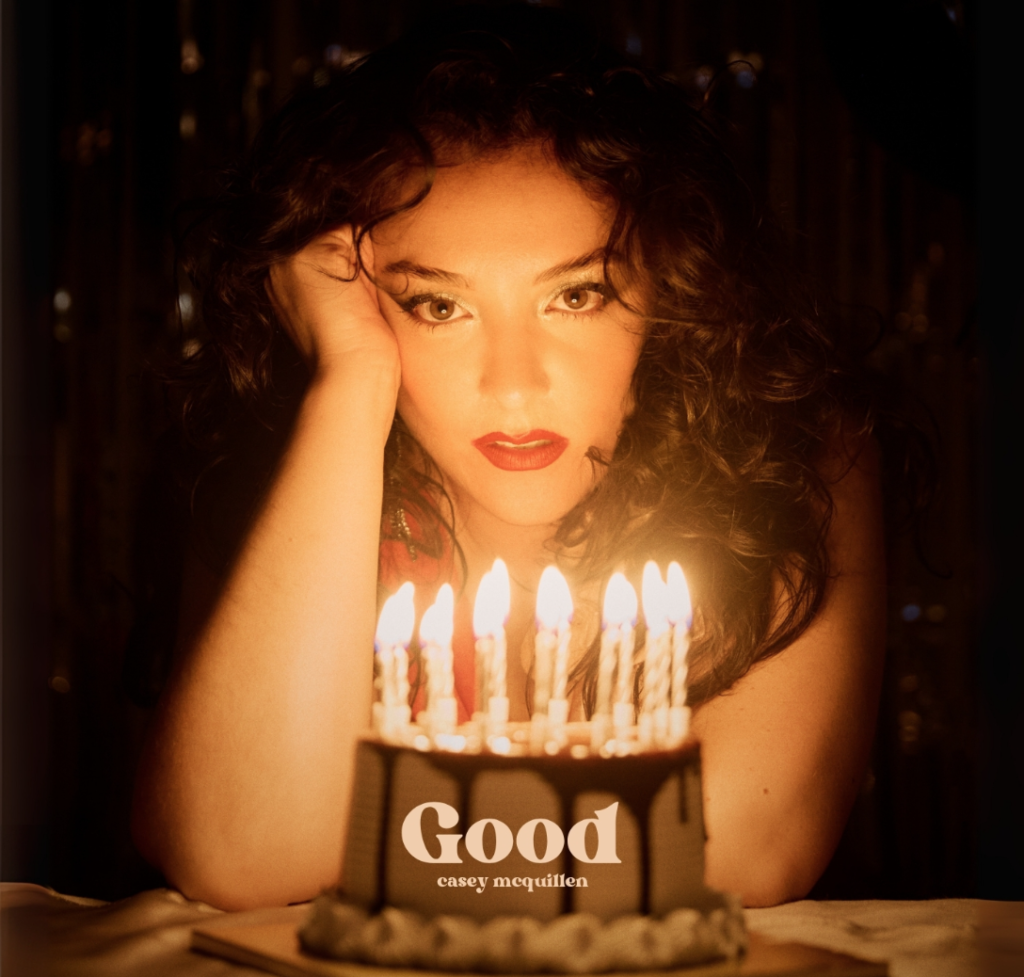
Casey McQuillen In this interview, Casey McQuillen opens up about her new single “Good,” sharing honest reflections on insecurity, self-worth, and the empowering message behind her advocacy and the You Matter Tour. 1. Your new single “Good” is such a heartfelt exploration of self-doubt and not fitting in. What inspired you to write this song, and why did you feel now was the right time to release it?“Good” came from all those moments when I felt like I was surrounded by people but still wondered if anyone truly saw me. That fear of throwing a birthday party and worrying no one will show up felt like the perfect image of what insecurity can look like. I released it now because I finally feel strong and ready to hold those feelings with love instead of shame and I want people to feel seen when they hear it! 2. The song paints a vivid picture of feeling unseen like the fear of throwing a birthday party no one comes to. Was this based on a personal experience and how have those emotions evolved for you over time?Yes that birthday party image is rooted in how I felt growing up. There were many times when I felt like I was visible on the outside but unseen on the inside. As I have gotten older I have not stopped having those feelings sometimes but I have learned to carry them differently. Through music and connection with fans I have come to realize that so many of us share those insecurities. Over time I have transformed that pain into something honest and real and not something to hide. 3. You have built such a strong connection between your music and your advocacy work. How does “Good” tie into the message behind your upcoming You Matter Tour and your collaboration with Ditch The Label?“Good” is really the emotional anthem of everything I believe the You Matter Tour represents. It speaks to self worth acceptance and the belief that you matter even in the moments when you feel completely invisible. Partnering with Ditch The Label takes that message even further by turning the song into a meaningful movement focused on real change. The song reflects exactly what we talk about on the tour. You deserve to be seen and heard. Releasing “Good” now makes that message feel stronger than ever because your voice your feelings and your story truly matter. 4. Touring across Europe with artists like Anastacia and Loreen must have been incredible. How have those experiences shaped your confidence and artistry as you move into this next phase of your career? Touring across Europe with Anastacia and Loreen was absolutely wild. Every night I stood on huge stages and looked out at crowds of thousands. It forced me to face my insecurities and rise above them. Those shows proved to me that even songs written from quiet personal moments can connect in powerful ways with so many people. The experience made me braver and more certain of who I am as an artist. It strengthened my voice not only musically but emotionally and gave me the confidence to share something as vulnerable as “Good.” 5. You’ve spoken openly about body image, mental health, and bullying. What advice would you give to young people struggling to feel “good enough” — especially those you’ll be meeting on the You Matter Tour?If I could speak to every young person out there feeling “not good enough,” I’d tell them this: you matter. Your worth is not measured by how many people show up for you; it’s measured by how true you are to yourself. It’s okay to be scared. It’s okay to feel invisible sometimes. But those feelings don’t define you. What defines you is that you keep going. I want you to know that you’re seen, even if it doesn’t feel like it yet. I’ll be carrying that message with me on the You Matter Tour, because no one should have to walk that path alone. 6. You’ve achieved so much already — from performing to hundreds of thousands across Europe to partnering with a global youth charity. Looking ahead, what’s next for you after the release of “Good” and the You Matter Tour?After “Good” and the You Matter Tour I’m hungry for more growth as a songwriter, an advocate, and a person. I plan to keep writing, digging deeper into emotional honesty, creating songs that reflect not just my journey but the journey of anyone who’s ever felt lost or unseen. I want to build a stronger community around my music and advocacy, reach more people, maybe expand the tour to new places, and create spaces where people feel heard and valued. This is just the beginning — I have big dreams! https://listentocasey.com/
EGGER
EGGER Exploring digital unease and sonic experimentation, EGGER’s debut track “Strange Behaviour” probes the tension between humanity and technology. We discuss the inspirations, atmospheres, and evolving concepts shaping this intriguing new project. 1. “Strange Behaviour” dives into the unsettling relationship between humans and technology. What specific moment or observation first sparked the idea for this track?The initial spark came from a mundane moment: an automatic system that suddenly reacted differently than expected, displaying a strange, almost human stubbornness. This small discrepancy between machine and everyday life left behind a sense of unease that I wanted to explore musically — not as a technophobia, but as an observation of a creeping feeling of alienation. 2. The song blends analogue synth textures with modern experimental elements. How did you approach balancing the retro influences of Kraftwerk or John Foxx with a contemporary sound?I deliberately worked with analogue layers because they bring a tangible warmth and imperfection. At the same time, I overlaid modern textures and unconventional edits so that the references remain audible but never linger nostalgically. The aim was to create a dialogue: the aesthetics of the pioneers meet contemporary breaks. 3. The track raises questions rather than offering answers about our increasingly unpredictable digital systems. What emotions did you want listeners to feel as they move through this sonic space?I wanted to create a feeling of anxiety and, at the same time, a strange fascination. Listeners should feel observed and attracted at the same time — an ambivalence between curiosity and unease that echoes in their minds without providing any easy answers. 4. Much of your sound design leans into dystopian and hypnotic atmospheres. Can you walk us through your process for building the pulsating sequences and darker soundscapes? I start with a pulsating sequence as a skeleton, then work in layers: modulated filters, irregular LFOs, tape artefacts and targeted resonances. Darker spaces are created by sub-bass drones and slow, backward-moving textures; small, random disturbances give the whole thing a hypnotic, slightly paranoid feel. 5. “Strange Behaviour” suggests a growing unease with technology’s evolution. In your view, are we heading toward something transformative, dangerous, or simply unknown?I see neither utopia nor dystopia, but rather a field full of ambivalence. Technology is transformative and opens up possibilities, but it also brings new uncertainties. The decisive factor will be how consciously we shape these tools and how we deal with the side effects. 6. As your debut release under EGGER, what can listeners expect next from the project? Will future tracks continue exploring digital anxiety or branch into other conceptual territories?As a debut, this is just the beginning. There will be more pieces that explore the theme of digital unrest in greater depth, but also excursions into other concepts — intimate, organic soundscapes and experimental collaborations. Expect a continuation in tonality and attitude, but with surprising changes of direction. 🐺EGGER🐺 (@egger.music) • Photos et vidéos Instagram
Vitto
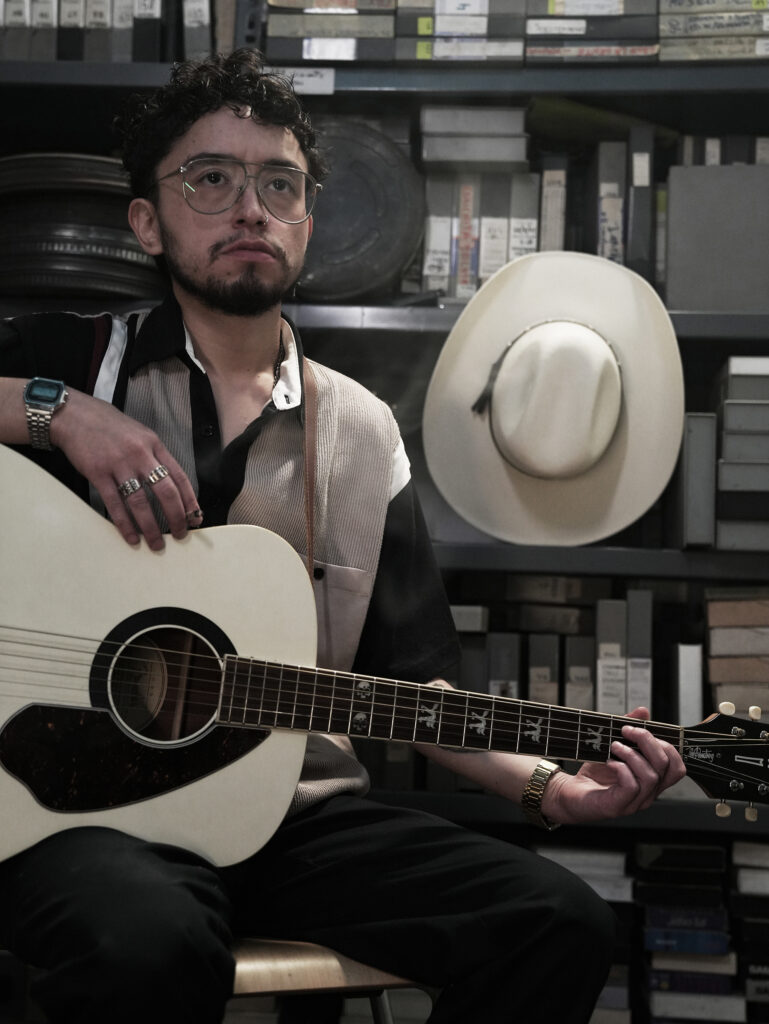
Vitto Chilean artist VITTO unveils his raw, one-shot debut EP, blending Country, Folk, and Blues with vulnerable storytelling. In this interview, he reflects on identity, loss, healing, and the creative vision behind his work. 1. Your EP “VITTO” blends Country, Folk, and Blues through a uniquely Chilean lens. What first drew you to these traditionally American genres, and how did you adapt them to reflect your own cultural identity? I discovered Johnny Cash’s music very early, around 12 and became obsessed with his music but also with his unique personality and values. For me what’s beautiful about country music specifically is the songwriting, and how can you tell stories through melodies. And about my own cultural identity, I would boldly say that I’ve never felt attached to Chilean culture, so my music style and lifestyle has always been molded by the musicians and artists that I admire. 2. The EP was recorded entirely in a raw, one-shot format with no edits. What personal or artistic truth were you hoping to capture through this vulnerable approach? It was a decision we took with my producers due to the vulnerability of the songs and that I wanted it to sound very 60’s almost like it was recorded live. Since I came up to them with the songs completely finished (lyrics, music and even arrangements) for the producers that was something so new to them so the way they wanted to contribute it could be strictly with this kind of ideas, like doing and recording everything in one-shot format. 3. The songs explore a duality between love and grief. What role did emotional transformation and healing play in shaping these tracks? I was experiencing the biggest grief in my life, going from being at your highest emotionally, being in love real love for the first time to suddenly death taking away that love from you. Writing these songs for me was incredibly therapeutic, I didn’t really know how to express what I was feeling in words but with music it came out so smoothly, I wrote the songs in the exact EP order and all of them were written in less than 20 min each. 4. You composed, performed, and recorded every instrument yourself. How does full creative control influence the emotional weight and authenticity of your music? I think it made sense for me to doing everything on my own, conceptually speaking with the record. It was my own weight being lifted by myself, if we want to put it into a metaphore. Artistically talking not going to lie I do enjoy doing everything and being in control, so at least for this debut release I knew it has to be done like that. 5. You’re also recognized internationally for your work in film, poetry, and creative direction. How do these different artistic disciplines feed into the visual and narrative identity of “VITTO,” especially the cinematic music video for “Song For Her”? When I think about VITTO and the record for me it always comes visually paired with cinematographic images, art and all. I’m a huge film enthusiastic since I was little, I adore cinema very much and I would to work and be involved more in that field, so it did make total sense for me that the music video was directed by Forch, who is a Chilean filmmaker I admire a lot and also one of my closest friends. When I make music or even when I listen to it for it always has to come with a visual concept, with something more concrete, so the music video of “Song For Her” was inspired in all of these feelings and the whole story behind the record.6. As a transgender artist gaining visibility within Latin American folk, what message or feeling do you hope listeners — both in Chile and abroad — take away from this debut? I think is very important for me as a trans person to be visible for the LGBTQ+ youth. But also I don’t want to be recognize for being transgender, that’s just a part of who I am, for me VITTO as you said is a record of duality of love and grief, which is something any can relate to, as human beings we do all experience situations that tear us up in a way. I do hope people worldwide beyond Chile give my music a chance and like I said, for me is much more predominant that the industry and the public can recognize me for my music, my songwriting, my session musician work more than just “being a trans guy”. vittoibarra | Instagram, TikTok | Linktree
Callie Joy Porter
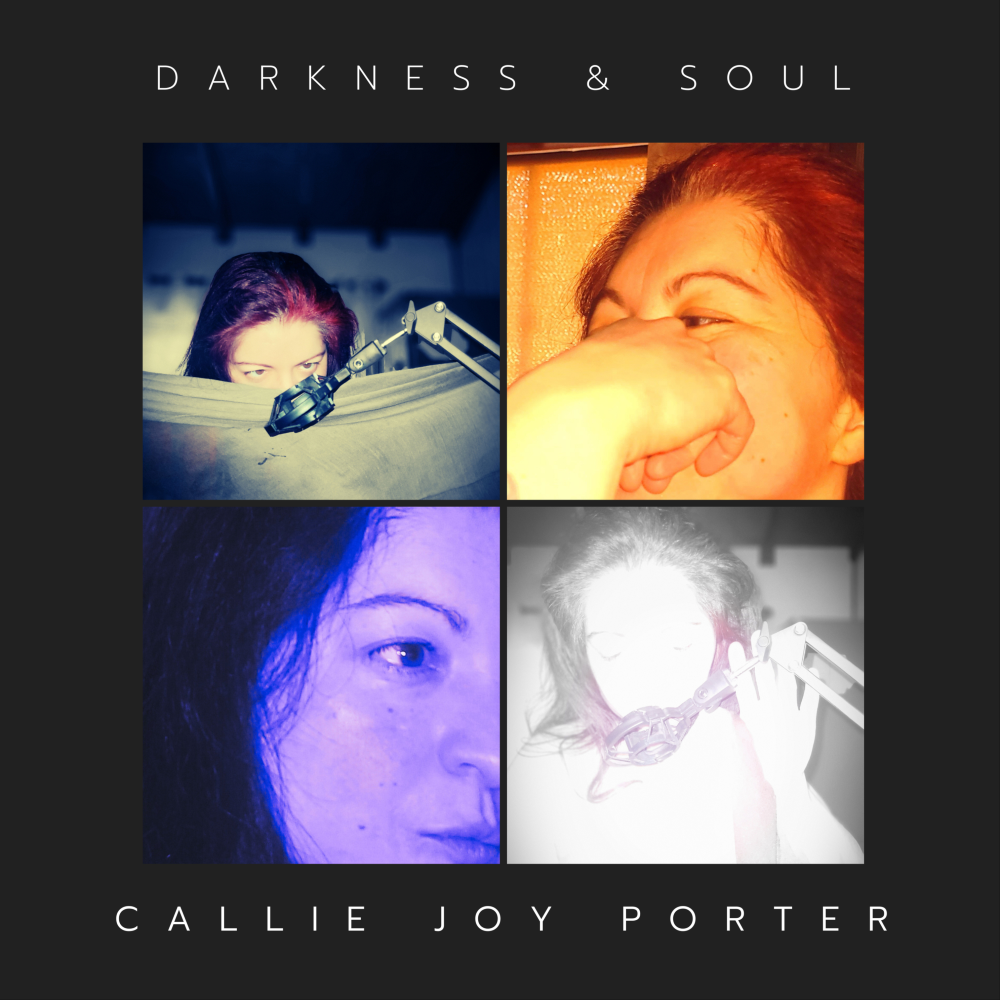
Callie Joy Porter Callie Joy Porter’s “Darkness & Soul” unravels hidden emotions and inner battles with haunting honesty. In this interview, she shares the personal experiences and introspective truths that shaped the album’s creation. 1. “Darkness & Soul” explores deep emotional territories and the hidden parts of the human psyche. What personal experience or turning point first inspired you to create this album?I’ve been years involved with people who needed different sorts of guidance. I have seen and felt how people broke in front of me since I was 9 years old, because I’ve been a tarot card reader since I was that young. One thing that was a repeated common denominator, and triggered my need to help others was how people were willing to give up on themselves, so easily, giving away all their power to someone or something else, trying to people please and I could relate, it came a time when I noticed, I also did that. And I said enough is enough, so I hope someone else listening to my album will get that Aha moment that got me out of my comfort zone enough to realize that I can follow my own path. 2. The album blends dark indie, cinematic pop, ethereal and ambient elements. How did you approach shaping the soundscape to match the intensity and intimacy of the themes?My music is so intimately connected to me and my belief and my experiences that I simply listen to my heart, disconnect my head and combined with everything I’ve lived as a woman, as a single mom, as a human being, it simply flows through me. My music is easily comparable to a stream that unleashes out of me. Like untethered flames, so to speak. 3. You speak about impostor syndrome and the conflict between darkness and the soul. How did working on this project change your relationship with vulnerability and self-perception?This project is more a release than a shift. It’s everything I wanted, everything I feared, and everything I dreamed of having and saying “what if” a lot. It helped me to let go of the impostor syndrome, though sometimes it still creeps its head because apparently my brain thinks it’s funny to test me at times, but… I am free. And this is my release.. And the one that’s coming next, it’s my renewal. Yes, I am already working on a second album that releases on the 11th of December. 4. Each track carries distinct emotional weight. Could you choose one song from the album that was the hardest to write and explain why? Claim to Know You it’s the hardest, because… it involved to talk me into writing it. Not writing it, publishing it, sending it out into the world. I repeatedly listened to it and it simply hit a sensible point for some reason. 5. Your music is described as haunting, raw, and mystical, echoing artists like Florence + The Machine and Grimes. What influences—musical or otherwise—played the biggest role in shaping this record?The biggest role is the lack of filter I have and the NEED I had to send out a message. Minorities and women are mostly seen as people who have not enough voices? I’m both. I was hungry for music that would showcase all the fear of the dark, all the struggling, all the ‘I cannot do that’ that is involved in the process of not finding yourself, but of owning up to who you truly are. Because THAT is the hardest thing we can all do. 6. The album emphasizes that we all share these hidden inner layers, not just the performer. What do you hope listeners feel or confront when they experience “Darkness & Soul” from start to finish?Their own echos. We are all layered, like you said it perfectly. We all share aspects, both emotionally, spiritually, socially, whether we know it or not. Most of that is hidden in the darkness we don’t want to show anyone else. I’m showing mine. I hope mine, lights up the parts that need to be shown for those who listen. I’m grateful for even those parts inside me. If you don’t face that within, it shows it outside. And I know it hurts, and it’s lonely, and it’s tiring. But we all deserve to be able to live a full life. Not just pieces of one. I can only hope people are able to go within and follow their dreams after it. callieplopez (@cjporterofficial) • Photos et vidéos Instagram