
Minnie

Minnie With bold honesty and sharp ambition, Minnie introduces her world—balancing hustle, self-belief, and money-driven reality—marking the start of a confident new journey. 1. Your cover single “Money” tackles financial pressure in a very direct, relatable way. What made you choose this song as your debut statement to the world? I picked this song for my debut because at this point in my life I was starting to buckle down on what I wanted to do with my life. It was either be a RN or Rap.So I’m doing both. I’m like at this point I need money to the left and money to the right. Lol. 2. You write all your own lyrics. Can you walk us through your creative process when you’re turning personal experiences into rap verses? I write my own lyrics. I write about what Im about, what I see and how I feel about it,and inform people how to get through it. It’s always something or a situation you can relate to. You will be able to say I feel like that, or I want to do that, I have been there, or that’s something I would have said. 3. You’ve mentioned being self-inspired while also drawing motivation from Nicki Minaj. What specific lessons or moments from her career shaped the way you approach your own journey? She has made a nice impact on my journey. I feel like it’s her enduring spirit, like I’m still here,taking care of business being a Barbie -doing what I love to do. That makes me feel empowered like yea I’m still here too doing what I have to do.Im also reassured that I have what it takes to do what I put my mind to. It was also great to play the instrument again after many years without doing so. 4. You recorded 10 tracks in one booth session at Zoom Studios. What was the atmosphere like, and how did working with your engineer influence your confidence as a new artist? The atmosphere was fierceness and revolution,thrill of competition.Lol my blood was warming up with excitement that this could be a big break. Cross my T’s and dot my I’s. Having an engineer made me feel like this is serious,like it was the real deal. No more doubting and guessing that I had a gift that could get me far. 5. You described your upcoming album as a fall/winter takeover that starts mellow before your full energy hits. How do you want listeners to feel when they hear your music for the first time? When people hear my music for the first time I want to hear the point I’m making and the picture I paint. I also want rap along,like a lyrical jam, like oh snap that’s jam. I hope my listeners enjoy the song, just hearing it makes me happy, and like yea money to the left money to the right,I need a lot of that right now. Lol 6. Breaking into the industry can be tough without live shows yet. What kind of stage or moment are you manifesting for yourself in 2026 that would truly mark “a Minnie takeover”? I feel like I’m ready to perform my single and just be a breath of fresh air, and a new face with a new voice. In 2026 I would love to perform my single and really set the tone for my journey,and keep a high energy type of vibe.A bossy, classic one of a kind type of vibe.
The Red Lite District
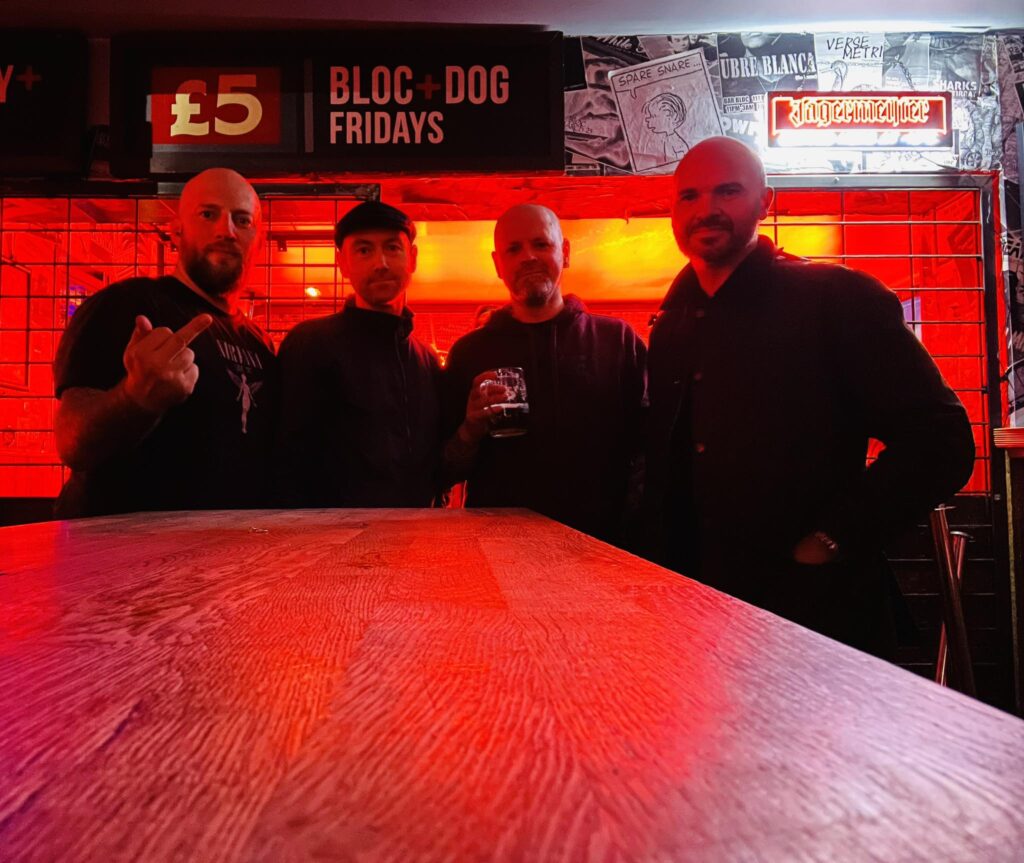
The Red Lite District After eight EPs, Life Won’t Wait reignites The Red Lite District’s punk-grunge spark, fueled by new drummer Vitali’s explosive energy and a raw, instinctive return to the band’s rebellious roots. 1. After eight EPs, Life Won’t Wait marks a clear return to your punk and grunge roots. Was this a conscious decision to reconnect with your origins, or did the songs naturally pull you back to that raw sound?the songs naturally came to that raw sound. We all love punk music and we were intuitively missing the energy. Our other songs and last few EP’s are quite melodic. They are almost post-punk and we love them. But with our new drummer Vitali arriving, a lot more energy was injected into the music as a consequence of how he plays the drums so in one way it was thanks to Vitali joining and in another way it was because we were all intuitively seeking more energy from each other. 2. With Vitali Siliuk joining as your new drummer, the energy feels revitalized and sharper. How did Vitali’s arrival influence the writing and recording process of this EP, and what did he bring to the band creatively?Yeah, Vitali arriving added a lot of energy into our own music. Vitali is ann excellent drummer. He’s also an excellent musician and has great ideas and contributes those ideas to our songs, so he added a new perspective and gave everyone a new view on things. He also brought an extremely large amount of energy through his playing. That energy is evident in all the tracks on our new EP, none more so than the tracks Brute and We Are All Working Class Now. You should give those tracks a lesson if you like punk music they are the epitome of punk music. Even our slower track, Living In Slow Motion is brimming with energy. 3. “You Were Never in Love” is described as the unfiltered offspring of Nirvana and The Stooges, carrying a relentless nihilistic punch. What emotions or moments inspired this track, and how do you approach writing lyrics that balance chaos, melody, and meaning?There are a lot of emotions in this song some are positive and some are negative. The chorus reflects this through the black and white imitate. Although the loss of something or the change in a life can seem miserable, sad or depressing it isn’t always the case. Sometimes things change because they naturally have to, and the song really was dealing with that philosophy. I wanted a driving rocking song, with some abstract images forming the lyrics. But I wanted a simple message: You Were Never In Love does exactly that. It’s full of energy and despite itself it never gets emotional or miserable, instead it’s kick arse from start to end! 4. “Brute” blends high-speed punk with historical poetic tragedy, referencing the notes of a murdered Polish poet from WWII. What draws you to merging personal or political storytelling with abstract artistic influences like this? It’s actually a poet from Belarus, not Poland. The lyrics are reinterpretation of the poem. The lyrics also contain the abstract style we tend to apply to our songs abstract lyrics. I like abstract lyrics because it creates a wider meaning in my opinion. Being explicit – although sometimes useful – provides a far narrower accessibility to tracks. I love a song that I can interpret anyway I like. And that’s how our lyrics take the abstract approach. 5. Andy Miller’s production at Gargleblast Studios gives the EP both thunder and atmosphere. How important is the producer’s role in shaping The Red Lite District sound, and how did Andy help translate your vision for Life Won’t Wait?Andy’s role is extremely important. He is an excellent producer and has worked with us for just under 10 years so he knows exactly what we want and how we want things to sound. He understands our personality’s. He understands the band dynamics and he also understands the music we are influenced by. Having said all that, Andy isn’t afraid to bring his own opinions to the recording process. He can offer a different view to ours. He can often bring a post-punk style that we quite like. He’s also very happy to explore sounds and options. We love working with Andy. 6. Your final single “We Are All Working Class Now” plays with political satire and oi-punk spirit. Do you see humor as a weapon in punk music today? And what message do you want listeners to take from this EP as a whole?Yes, punk music in our opinion is the only type of music that isn’t afraid to tell it like it is. Punk music has always been about challenging convention, challenging thoughts, challenging politics, challenging society. That’s what it is and it should never stop, whether it’s used in a humorous way or whether it’s used in a serious way or any other way for that matter, punk music and punk lyrics are vital. The message we’d like people to take away from the EP as a whole is one of opportunity and chance to change either their own life or positively change the lives of others. As the title suggests: life won’t wait. TheRedLiteDistrict (@theredlitedistrict) • Photos et vidéos Instagram
Gianfranco GFN
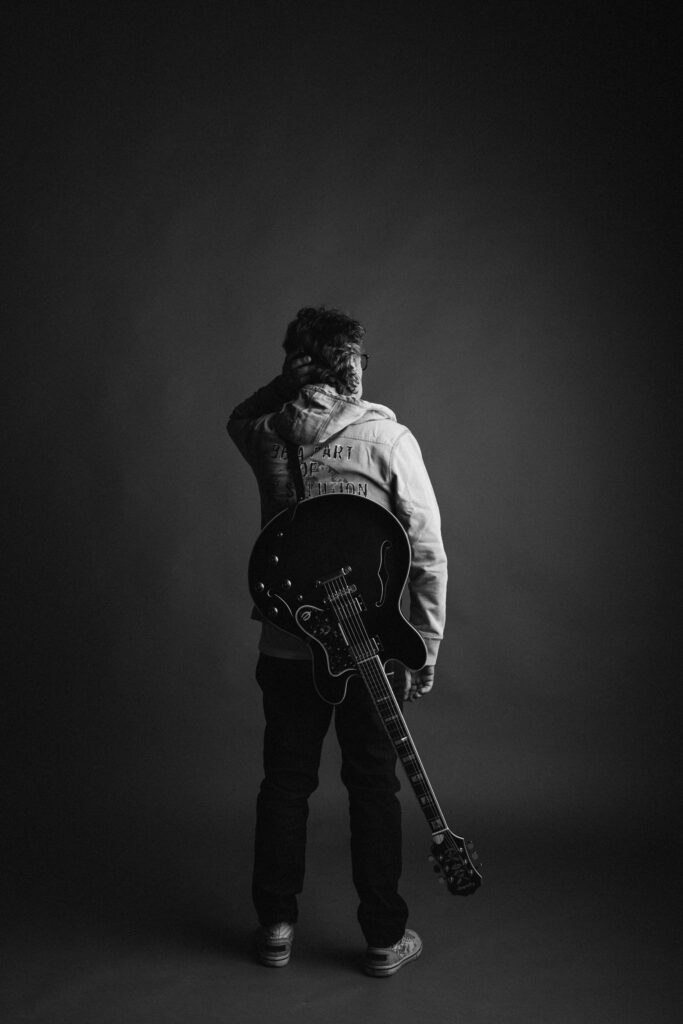
Gianfranco GFN Gianfranco GFN is a genre-bending artist merging soul, funk, blues, pop and acid jazz. His album GIOMANÈ is a global, organic musical exchange built on groove, instinct and real human chemistry. 1. GIOMANÈ was recorded in Switzerland and Côte d’Ivoire with 15 musicians using 100% organic instruments. How did this international and live approach shape the soul of the album? GIOMANÈ was born above all from a true exchange between musicians from different countries. These connections grew through shared experiences, both in the studio and on stage, where a genuine human and musical bond developed. I chose these musicians precisely because of the natural chemistry that emerged between us. Each session became a dialogue — a back and forth of ideas, cultures and sensitivities. This amalgamation shaped the soul of the album: a living, sincere music driven by listening, respect and the joy of playing together, without artifice, using only organic instruments and a lot of shared experience. 2. The GIAZZ! universe blends soul, funk, pop, blues and acid jazz. When you compose, do you start with the groove, the emotion, or a story you want to tell? Most of the time, everything starts with the groove. The groove is the heartbeat — the movement that connects to the body before reaching the emotion. From there, the atmosphere and the emotion naturally follow, and sometimes a story reveals itself along the way. But nothing is fixed: some compositions are born from a feeling, a color, or even a single chord. GIAZZ! is exactly this balance between instinct, emotion and freedom. 3. “Sing The Song” launched the journey in 2022. Looking back, did that single already contain the DNA of what GIOMANÈ would become? Yes, absolutely. Sing The Song already carried the idea of sharing, freedom and musical celebration that defines GIOMANÈ. It was an invitation to sing, to play, and to come together around the groove. Looking back, I see it as a gateway into this universe — positive, organic music with no stylistic boundaries, deeply human at its core. 4. With several collaborators writing the lyrics for the album, how do you maintain a coherent voice while welcoming so many creative colors? The coherence comes from the music and the intention behind it. Even if the words come from different writers, the sonic universe, the grooves and the emotional direction remain the same. I always work closely with the lyricists to ensure that each text resonates with the GIAZZ! DNA: sincerity, warmth and groove. The differences then become a strength rather than a dispersion. 5. The album title was born spontaneously, without a specific meaning. How important are instinct and improvisation in your creative process? Instinct is central to my creative process. GIOMANÈ was born without intellectual reflection — it simply felt right. I like to let things happen naturally, without over-controlling them. Improvisation — whether in notes, words or even titles — helps preserve a sense of truth and freshness. Very often, it’s in these spontaneous moments that the music becomes the most honest. 6. GIOMANÈ will soon be performed live on a new tour. What can audiences expect from the live energy of GFN & The Mystery Band? They can expect a very vibrant, generous and groove-driven experience. On stage, the songs take on another dimension — more space, more improvisation, and more interaction between the musicians and with the audience. GFN & The Mystery Band is a collective energy, a real musical communion where groove, soul and the joy of playing are at the center. Every concert is unique. 96gfn
Sadistic Impalement
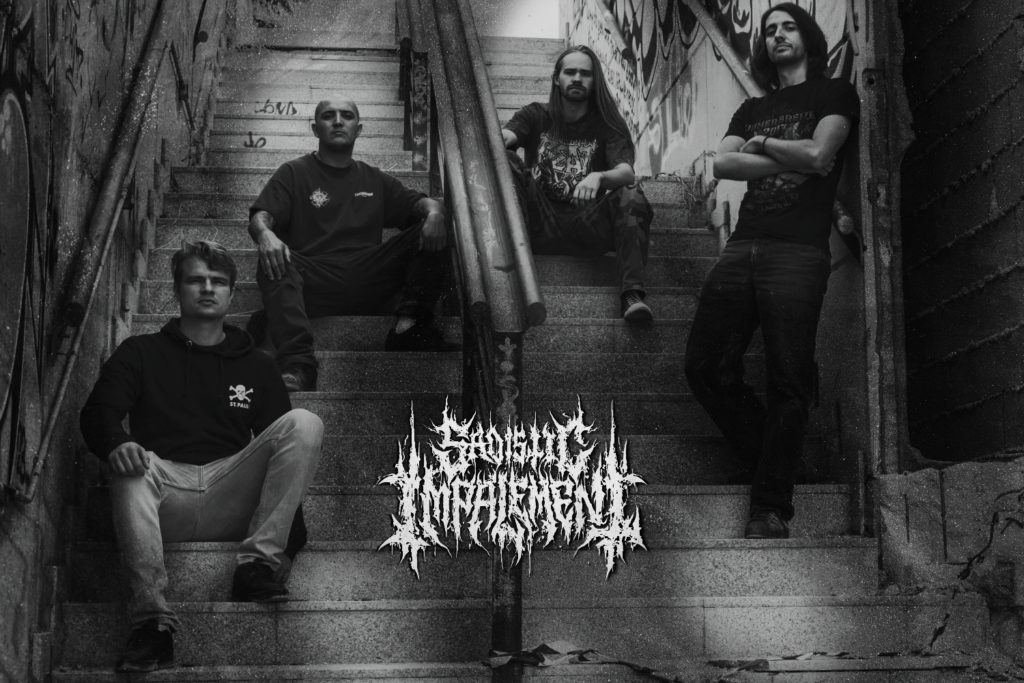
Sadistic Impalement Formed in 2022, Sadistic Impalement blends 90s death metal roots with modern brutality. From Nuremberg’s underground to global stages, they craft relentless, unique music while maintaining creative control through self-production. 1. The band formed in late 2022 and solidified its full line-up in 2023. What was the moment you realized the chemistry was right and Sadistic Impalement had truly become a band, not just a project?At first, when it was just Theo and Ezekiel in the band, there was still that feeling of a garage project, since we did everything digitally for the most part. When the second guitarist and Leon joined the band as bassist, we already felt like a band, since Ezekiel, our vocalist and producer, played drums in our rehearsals, allowing us to experience what it was like to be a band in the rehearsal room from the very beginning. 2. Your sound blends old-school death metal foundations with new-school brutality. Which era influences each of you the most, and how do you balance nostalgia with innovation when writing?Well, in terms of influences, you could say that we have certain points of reference, which are, of course, the great death metal bands of the 90s, such as Suffocation, Dying Fetus, Deicide, Six Feet Under, Cannibal Corpse, Napalm Death, Death, among others.But in addition to that, each of the members has different influences and adds a different touch due to their experience and musical knowledge, which gives the composition a more flavorful dynamic. 3. Screams Of The Abyss is described as 8 tracks of uncompromising brutality with no clean vocals or filler. How do you keep songs distinct while maintaining such a cohesive, relentless atmosphere?A large part of keeping the songs distinct from one another is the drums, because the drums are super important for changing up the feel of a song. We try not to rely on just blasting our way through the whole song, instead we think about how we can keep the drums interesting and creative without sacrificing any of the aggression. Another important thing is our songwriting process. We write our best music when it’s the whole band sitting in a room together, all contributing ideas and suggestions. And because we all listen to a wide variety of music, it just happens naturally that our songs all sound unique while still sounding like “us”. 4. Ezekiel handles vocals and music production. How does producing your own material shape the band’s identity, and what challenges come with staying objective when it’s your own art? Well, this is a huge challenge for me, because as you say, maintaining objectivity while also being part of the project being produced is very exhausting.But my situation may be even worse, because in addition to being the vocalist, former drummer, and producer of Sadistic Impalement, I am also the reason the band is part of the Sounds From Hell Records family, since I am the founder.I think I have a slightly greater influence on the band, perhaps because of what I said earlier and because I am the oldest in the band and therefore the one with the most musical experience.I think the most difficult task in this regard has been to direct everyone’s efforts towards achieving our common goal without leaving anyone behind or making anyone feel excluded. That is the most difficult task, I think, and the biggest challenge.In terms of production, it’s clear that my musical influence has a huge impact when it comes to composing, recording, and mixing our music. So far, the results have been as expected, and we will continue working to surprise our audience every time they see us perform. 5. You’re signed to Sounds From Hell Records and operating under Sounds From Hell Records. What has been the biggest advantage of working within a metal-focused label, especially in terms of creative freedom?The biggest advantage is definitely that we’ve been able to focus most of our energy into crafting the best music we can without worrying too much about the business side of things. The label takes care of our digital releases, our practice space, and most of the other aspects of being in a band that don’t involve playing our instruments. So we’re pretty lucky to have that kind of support helping us along right from the beginning of the band. 6. The metal scene in Nuremberg has its own underground energy. How has your local scene influenced Sadistic Impalement, and what do you hope your music brings to death metal fans worldwide?It’s been really helpful that most of the metal bands in Nuremberg know each other, or at least know of each other, and for the most part everyone is super stoked to play shows and just build connections with the other bands in the scene. We’ve been lucky enough to play lots of shows in the relatively short time we’ve been together as a band so far, and also to play with lots of different bands. The main thing we hope to bring to death metal fans all over the world is our unique style of death metal. It’s pretty clear where our influences lie, but since we try to incorporate so many different elements, there isn’t a band out there that sounds exactly like us, and we’re pretty proud of that fact. Sadistic Impalement (@sadistic.impalement) • Photos et vidéos Instagram
TiLT 360
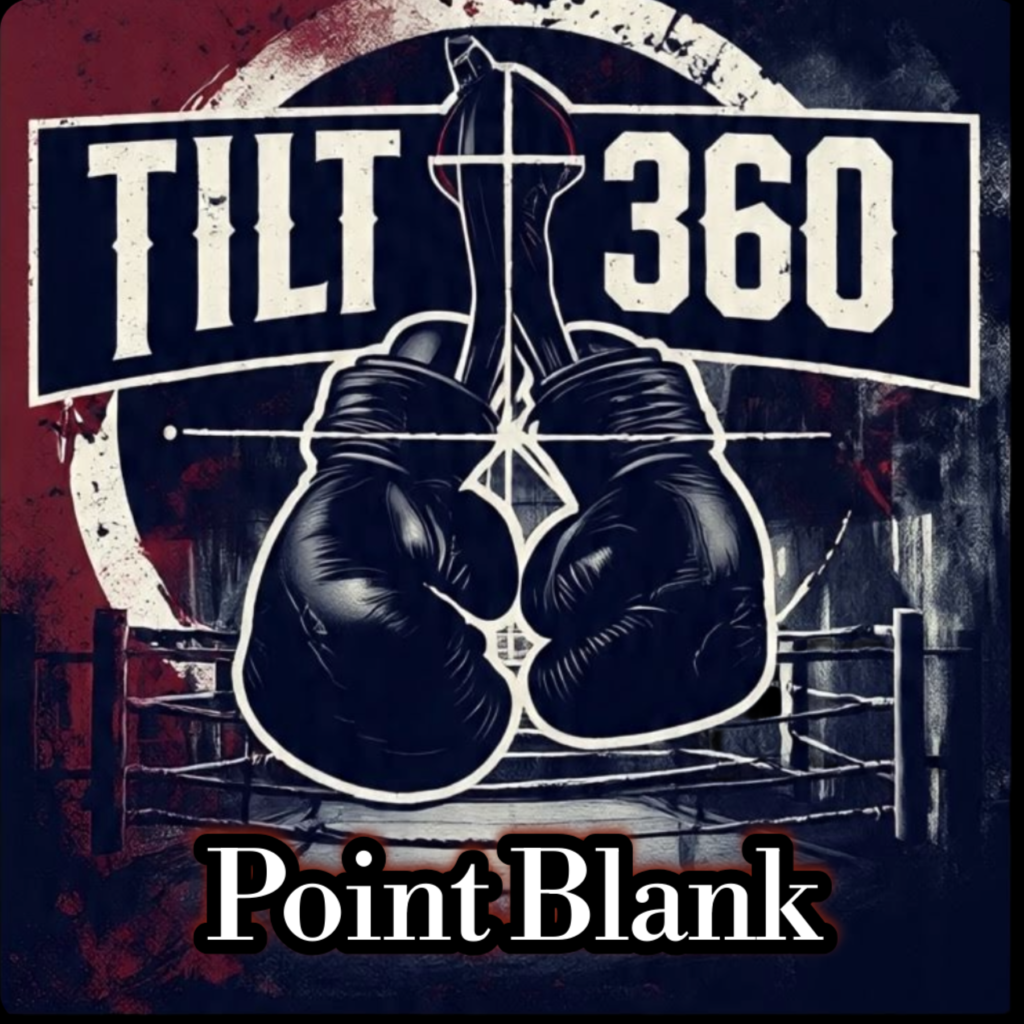
TiLT 360 TiLT 360 returns after 15 years with renewed purpose, blending remastered classics and reimagined alt-metal/grunge grit. In 2025, their EP It Grows and new single Point Blank prove that real lyrics and raw energy never fade. 1. TiLT 360 had a strong run from 1999 to 2010 and built a loyal following. What motivated the band to reactivate the project after all these years and release new material in 2025? Actually what did that was me saying these distributors and all this internet activity, I linked up with distro kid and I saw that our songs can be spun and made royalties out of them so I just uploaded our catalog that we had over all those years these songs are old but they’re still hitting hard I did a little remastering of them some of them are just mix it as is 20 years ago and these tracks are getting a lot of reviews and reactions that I never thought was going to happen. We were torn and planned or in different era we didn’t have this luxury of a tool so I figured what the hell it’s just sitting around mines will distribute it. And from that point on started talking to the band again I always kept in touch with him in fact me and my bass player from tilt started another kind of act acoustic alternative rap Blues type project that we played around for 5 years with called ‘Dempsey’. We’ve talked about a reunion show and writing new material though since 2. Your new EP It Grows revisits and reworks tracks from the Day 11 era. What made you want to return to those songs, and how do the new versions reflect who you are today as musicians and as people? Well like I said we had the album out in 2008 but with this new distributing platforms and all these distributors out there it’s easy to link up and get your songs put on every major streaming platform and to get noticed and downloaded and you can make royalties easier than ever now if I just sitting at home and uploading your songs. Granted you’re not making much you still got to get out there and hustle so if you can have the hustle of when we was coming up and what we had to do and combine it with the technology today there’s no reason independent artist can’t hold It Down get noticed have leverage when they get a record deal to come to them and pretty much make their own brand themselves. The day 11 songs the album was just really really good I just didn’t get as much exposure as it should have. So that’s what I’ve tested by sending it out there I’ve had it reviewed on submit hub and I’ve sent it you know the curators and sites like this one and people want to write about it they want to interview US, they want to hear the boxing song Point Blank they see that we were featured in the former middleweight champion of the world Kelly Pavlik knockout real on YouTube that’s because I boxed with them he’s from Youngstown like we are and I box with them when I was growing up and then I went to the military and he kept going and he became middleweight champ so we had talked he loves our band and we did a little cross market thing and it’s great to hear our song always knocking people out!! 3. Billy, your lyrics often draw from deeply personal battles, including addiction. How do you approach turning those experiences into art, and how does the band support the emotional process behind that writing? It was always an outlet for me sort of like therapy I was not always in addiction when I was writing but when I did get sucked deeper and deeper in it it was my cry for help it was what I had to scream about and the darkness, into right about music is kind of kept me going but it also kept me going the other way too already having shows booked and you know you’re cotton addiction and you just can’t stop, my band is always been writing music but we always clicked it’s been many years so Ellen Jay came in the band he just had songs written that just fit exactly where we were at we started playing and then you know my addiction took over years down the road you know that’s one of the reasons why we kept breaking up or we took time off and then after that about 2010 we had that run with the album and then I had a child and people kind of just went through separate ways we had to go do some life things I mean after 11 years of playing you think you had your shot and kind of burned out so we all kept in touch though cuz we’ve been together so long. Especially Me, Drew and Heather. Since 1999 and going…. 4. Each member brings a distinct energy, from Heather’s commanding drumming to Jason’s haunting riffs and Drew’s pulsing bass lines. How has the band’s chemistry evolved since the early 2000s? Well we evolved by just getting better, when we started you know we’ve had three different guitar players over the years which changes your sound as they write songs most of the time the music I would write some things but I didn’t plan sing, Drew wrote many songs but every time we had a change of guitarist it would change the sound a little bit. When we started we were around the new metal rap rock era late 99 and that’s what we were sounded like cuz I really never sang I just wrapped scream start a band had a yell about it and then as we got better and tighter and practice we started to find our
Steve Bradshaw

Steve Bradshaw At 75, Steve Bradshaw returns after 15 years away, reignited by a family wedding and guided by lifelong collaborators. Your Name Is Love blends Beatles-shaped roots with hard-earned wisdom and renewed creative purpose. 1. After stepping away from music for 15 years, what sparked your return to songwriting and recording this album? My eldest son, Josh, married Maggie Amini in Texas in December 2024. Maggie’s a well-respected singer songwriter and recording artist. One morning before the wedding I woke up with a song for them and made the effort to write it down. They asked me to sing it at the wedding and it was well received. Billy Smiley, Maggie’s producer was there and he suggested recording the song. I suggested that Maggie might like to! After I returned to London, I started going through some of my stuff to see if she liked any of it and eventually it was proposed that it would be my album, not hers. 2. You’ve mentioned The Beatles as your main influence. How did growing up near Liverpool shape the sound and emotional core of Your Name Is Love? I attended secondary school from 1962 to 69 in Birkenhead, just across the river from Liverpool, so Beatle music was the backdrop to my growing up. We were all proud of their achievements, being local lads, and many of us started playing and singing too. My first attempt at songwriting came after listening to ‘Let It Be’. People have always said there’s a Beatlish feel to my songs. It wasn’t deliberate but I used their songbooks to learn guitar, so it must have rubbed off. When I met Bob Smart and started writing with him, I soon found out that he also was a fan. 3. Working with long-time co-writer Bob Smart and producer Billy Smiley brought decades of history into the studio. How did those relationships guide the creative decisions on the album? Bob and I know each other well and spent many hours working on songs in the 70s. When I returned from Texas I naturally spoke to him about the experience as it takes another songwriter to fully understand. We spoke of the possibility of unearthing old treasures or even trying out some new ideas. It had been a lifelong dream to achieve some form of recognition as writers. Billy Smiley took it one step further, saying that the songs would sound best if I sang them. As a lifelong writer, performer and producer, Billy’s depth of understanding regarding arrangements and musical possibilities added greatly to the project. 4. The recording process was clearly a family-driven experience. In what ways did having your sons and Maggie Amini involved impact the energy and authenticity of the music? The boys were a great help. They are all music lovers and have grown up with a singing, performing Dad. There was a lot of humour involved and when Billy suggested they contribute, and then brought out unexpected talent from them, that was very pleasing. They were in awe of the musicianship of the session men, we all were. Maggie is a complete professional. Her vocals are exceptional and Billy was extremely discerning in his choice of harmonies and in deciding which songs suited which voice. All suggestions were carefully considered and Maggie’s Dad, Michael, himself an accomplished musician, brought another level of expertise and encouragement. 5. Tracks like “Fool for Love” and “Jesus Is” carry deep personal timelines—from 70s demoes to a wedding song that relaunched your musical journey. How do these songs represent the past and present of Steve Bradshaw? ‘Fool For Love’ harks back to a time of endless optimism and abundant energy. My vocal range was greater but my lyrics were rather vague! I tweaked the lyric for the album, partly because the recording we had was rather muddy and the words werent clear, but the energy of the song was still there and the musicians, especially Mike Payne on guitar, picked up on it. ‘Jesus Is’ comes after over 40 years of engaging in worship music and learning to appreciate the calmer side of life. The lyric is specific and heartfelt. If there’s wisdom in it, it’s been learned through many ups and downs. ‘Fool For Love is a young man’s song, ‘Jesus Is’ reflects a certain maturity. 6. At 75, you’ve embraced the idea that it’s never too late to create. What message do you hope listeners and curators take away from Your Name Is Love? I hope the album entertains. There’s a spread of musical styles, so hopefully that will broaden the appeal. Lyrically, it’s pretty plain speaking. For those who agree with the sentiments, I hope it provides encouragement. For the undecided, I hope it provokes a desire to investigate further. Home | My Site 1
Jasmin Ahrent
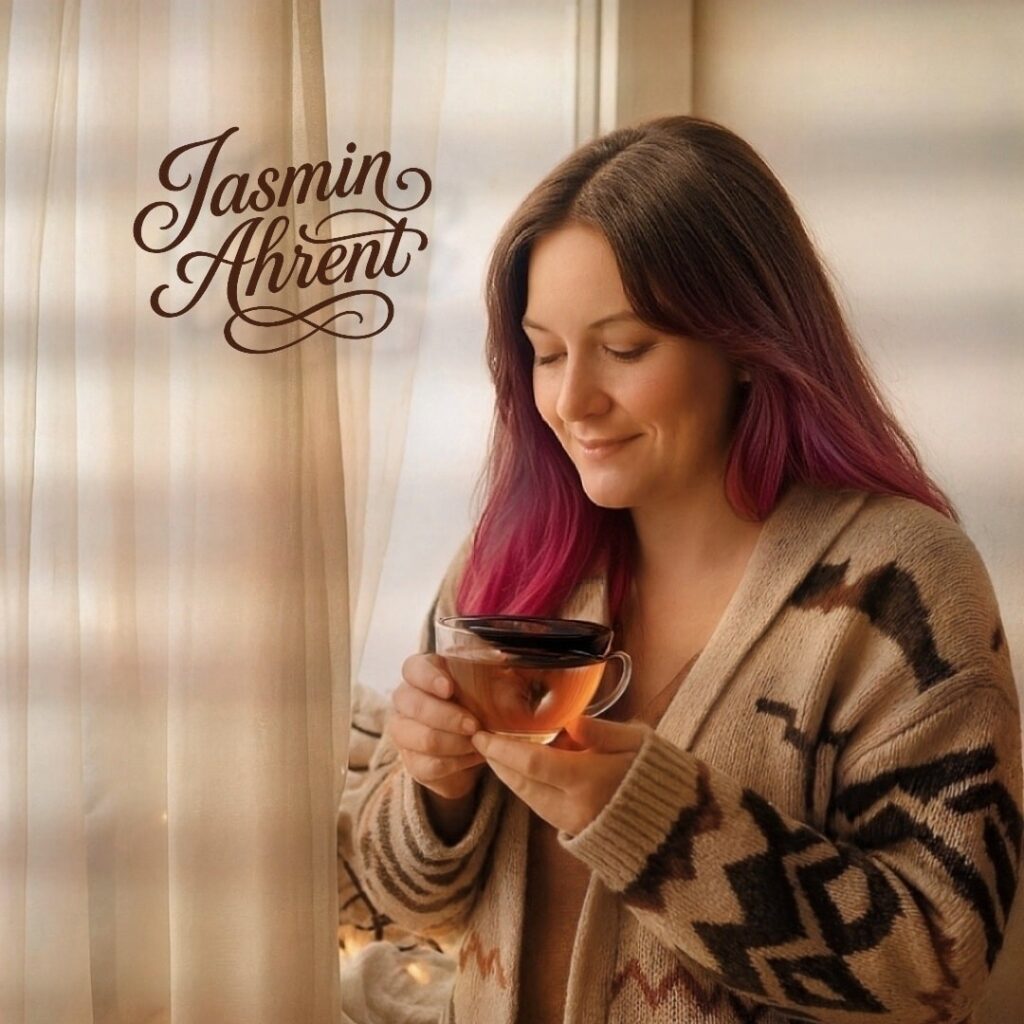
Jasmin Ahrent This interview with Jasmin Ahrent explores the quiet emotional core of “Little Wonders,” touching on minimalism, burnout, collaboration, and a piano-led creative chapter rooted in honesty and intimacy. 1. “Little Wonders” feels intimate and reflective. What inspired you to build the song around such minimal elements like piano and vocals? I built Little Wonders around piano and vocals because the song honestly doesn’t need more. When you’re burned out, everything can feel too loud — even things that are usually comforting. I wanted the track to feel quiet and close, like it’s sitting with you instead of trying to impress you. Piano and voice leave no hiding place, which is exactly why it works here. You can hear the small things: pauses, breath, little changes in dynamics, lines that feel almost spoken. That’s the emotional language of the song. The piano holds the structure, but it doesn’t tell you what to feel. It just supports the story. And the minimal setup gives the listener space to bring their own experience into it, without being pushed by production choices. 2. How did your collaboration with Selin shape the emotional direction of the track? Selin really helped shape the emotional direction because her voice sits naturally in that “quiet honest” space. I didn’t want the track to feel dramatic or over-sung — it’s more like: “I’m tired, I’m overwhelmed, but I’m still here.” Selin’s delivery made that believable. Warm, soft, not forced. That also influenced the whole approach: keep it intimate, don’t overproduce it, don’t turn it into a show. And to be honest, when someone else sings your words, you immediately hear what works and what doesn’t. You notice which lines sound true and which ones would feel too polished or too “written.” Her performance pushed the song more towards sincerity and simplicity, and that’s exactly what I wanted for this track. 3. Your influences range from Birdy to Daughter and Lewis Capaldi. How did you blend those inspirations while keeping your own sonic identity? I love all of them, but in a pretty practical way. Birdy is a big influence because her piano songs feel intimate without trying too hard. Daughter is great at restraint — not filling every second, letting things breathe, letting mood do the work. And with Lewis Capaldi, I really respect how direct he is emotionally. He doesn’t hide behind clever wording. For Little Wonders, I basically took those ingredients and asked: what serves the story best? So instead of stacking production layers, I focused on clarity: simple arrangement, emotional honesty, and letting the listener hear the “human” part. My sound is usually somewhere in that balance: minimal but not empty, emotional but not theatrical, and always story-first. 4. The song speaks to burnout and finding beauty in small moments. What message do you most hope listeners connect with? I hope people feel understood. Burnout can mess with your self-worth in a really nasty way — you start thinking you’re lazy or failing, when you’re actually just exhausted and overloaded. Little Wonders is my reminder that small moments still matter, even if they look ridiculous from the outside. Sometimes it’s not a big life change that helps you survive a week — it’s one calm minute, one tiny routine, one warm drink, one good thought, one moment where you notice “okay, I’m still here.” The song isn’t trying to say “everything will be fine.” It’s more like: you don’t need to solve your whole life today. Day by day counts. And if all you can do is hold onto one small good thing, that’s not weak — that’s real. 5. You embraced imperfection in the recording process. How did that choice influence the atmosphere of the final mix? Yeah, the imperfection was definitely intentional. If you polish a song like this too much, it can lose that “real moment” feeling and start sounding distant. I didn’t want it to feel like something that’s been edited until it’s safe and perfect. So we kept human stuff: breathing, small timing shifts, little edges. Those details are the difference between “nice production” and something that actually feels honest. Same with the mix: I didn’t want huge effects or a big cinematic sound. The track is meant to stay close. Like you can almost hear the room. That kind of intimacy fits the theme, because burnout isn’t loud. It’s quiet, repetitive, and heavy — and a close mix makes that emotional weight feel more believable. 6. “Little Wonders” is part of a series of piano-driven releases. What can we expect from your next creative chapter? This is part of a piano-driven chapter for me because I like how honest that format is. There’s nowhere to hide — in a good way. You can’t distract from weak writing with big production, and you can’t fake the emotion. The next releases will stay in that direction: stripped back, emotional, story-first. But they’ll explore different shades of the same world: resilience, longing, quiet hope, maybe also the anger or numbness that sometimes comes with burnout. I want these songs to feel connected, like chapters that belong together. Each track stands on its own, but together they build a bigger picture — not of “perfect healing,” but of real life: the messy, slow, human version of getting through things. Jasmin Ahrent
Madeline Rosene

Madeline Rosene Unfiltered and genre-bending, “Love and Algorhythms” blends satire, grief, and glitching intimacy. We spoke with Madeline Rosene about humor, handmade art, digital grief, and being known beyond the algorithm. 1. “Love and Algorhythms” walks a fine line between satire and emotional vulnerability. How do you balance humor and sincerity when writing about something as personal as intimacy in the digital age?I try not to take life too seriously in general so using some kind of humor in my songs comes very naturally. But this is a subject I feel very strongly about and I do take seriously. The song is sort of a lament- a mournful ode to human connection and “real life” experiences. I think finding a balance between humor and sincerity is not something I search for consciously. But I do think people are more likely to listen to a message that’s not obnoxiously serious and straightforward. I guess sometimes it’s best to use humor to make a point because ultimately it’s easier for everyone to digest and it’s more memorable. 2. The song mixes acoustic elements with 8-bit, synth, and electric textures. What inspired this blend of organic and digital sounds, and how did Patrick Windsor help shape that vision?Patrick Windsor did help shape that vision. I came to him with some ideas from other songs. I think I gave him “Running” by No Doubt as an example, “A.M. 180” by Grandaddy, and “Crush” by Tessa Violet.I mentioned that I wanted 8 bit in the song because it’s supposed to feel a little abrasive- like technology invading the track, like it has sort of aggressively invaded all of our lives. I wanted to mix mechanical (programmed drums) with the non-mechanical (acoustic guitar)…if that makes sense. I love what Patrick did with the beginning. Unfortunately my dog doesn’t and every time the song comes on, he barks. 3. You described the track as exploring the grief of being known by an algorithm. Has releasing this song changed your own relationship with social media or technology?Yes, it’s a bummer. I wish I could say that this track has made me change and improve my social media habits or my time spent online, but my relationship with technology is still not very healthy in my opinion. I will say that writing the song happened very organically- these lyrics just poured out of me in I think one night. I was wondering if anyone had thought about algorithms like this before…have other people thought about how an algorithm can know someone better than you know that? What does it mean to know someone? What does it mean to know? Can technology “know”? 4. The claymation video is a bold statement against AI-generated art. Why was it important to express this message through such a slow, handmade medium? My brother, Jack Hubbell, who created the music video is a very patient person. He’s deeply artistic, sensitive,and thoughtful. I wanted to showcase his talents with this song because, idealistically, I want to believe that real artists (IYKYK), human beings like Jack, who exude creativity with every new thought and every decision will always be needed and wanted to: 1. Create the originality, the voice and vision, that technology profits from.2. Add meaning through art to a world that can sometimes feel devoid of meaning.3. Be the life behind the art. When someone interesting creates something, the result is much more compelling. When someone creates something in an interesting way, the result is much more compelling. 5. Your music often dives into existential themes. Do you see “Love and Algorhythms” as a continuation of that journey or the start of a new chapter?If I’m not making people listen to something that makes them feel an emotion, I at least want to try to make them think about something in a way that maybe they haven’t before. I’ll probably always write about philosophical themes. Philosophy is probably the second most romantic thing to write about- after love anyway. I have several songs coming out in 2026 that I think lean more into questions of existence and meaning but I’m always trying to make them a little whimsical in some way…because life and songs deserve a little whimsy, ya know? 6. What do you hope listeners feel or reflect on after hearing the song and watching the video, especially in a world where attention is constantly pulled in different directions?I hope that people unplug for a second, kiss and hug their loved ones, look into each others’ eyes, tell secrets, go for walks, and you know, stop and smell the flowers or whatever. I hope that the people who say, “AI is just another tool to make music” really think about what that means…because if you have any foresight at all and if you understand that the masses and creators of AI generally value quantity, speed, and convenience over lived human experiences, human connection, and original narrative- then you know it won’t always be “just a tool”. It will become a replacement for those things and we will be further and further separated from each other because of it. You’re not helping yourself or anyone else by believing differently. Madeline Rosene (@madelinerosene) • Photos et vidéos Instagram
Tim Eveleigh
Tim Eveleigh Tim Eveleigh builds this LP around reassurance—an antidote to uncertainty, financial anxiety, and fragile mental health. Through fearless studio experiments and deep collaboration, the record feels like both a message and a lifeline. 1. This LP centers around the idea of “reassurance.” Why did that theme feel urgent to you now, and how does it guide your writing even beyond this album? I try to have the word ‘reassurance’ in the front of my mind whenever I am writing or recording. I think we could all do with some reassurance right now! I am particularly concerned with my own – and other peoples’ – mental health and I think that reassurance is a big part of solving potential problems that it can create. In particular I think reassurance can help with worries about financial issues – I think it is easy to underestimate how much they are affecting oneself. 2. You worked closely with producer and multi-instrumentalist Andy Thornton, longtime collaborator Tim Eveleigh, and vocalist Maria Levesley. How did those relationships begin, and in what ways did their contributions shape the identity of the record? I’ve been a fan of Andy Thornton for years. It was both difficult to believe and simultaneously an absolute pleasure to work with him to complete this (and other) recordings.I *am* Tim Eveleigh so I’ve been collaborating with myself for the whole of my life!Maria is a friend and extraordinary talented singer and it was a very easy decision to ask her to help to make this record better than it (hopefully already) was. 3. You’ve mentioned a growing confidence in the studio. How did that evolution influence the sound of this album compared to your earlier work, and what does that confidence unlock creatively for you? I have been worried about both my singing voice and my ideas about what arrangements might or might not work in the recording studio for years but more recently have become significantly more confident about both of these aspects of recording. This means that I feel free to experiment and also that I have a greater belief that I can arrange instruments so that they accurately reflect what I can hear in my imagination. 4. Tracks like “Surfeit” and “Enough” explore new territory—spoken-word textures, choirs, horns, and unexpected arrangements. What stories or moments pushed you toward those experiments, and what do these songs reveal about you that past releases didn’t? I hope that the songs will reveal more about me personally – how I think about and see the world. The horn arrangements (and performances) during “Trespass” and “Flooded” are by the ridiculously talented Sam Gee. I am extremely fortunate to know Sam and to have his help. The spoken word sections of “Enough” seemed to come naturally to me and I still enjoy listening to the song myself so I hope that this means that it is also enjoyable for others. The choir section towards the end of “Rage In The Darkness” is an idea that I have had in my head for sometime (although I am aware that it is not entirely original) and also offered the opportunity to include more people in the recording process – something that I always enjoy. 5. The album was recorded “rhythm-up” at Churchgate Heights, Andy’s personal studio. How does starting with cajon change your approach to building a song, and what kind of atmosphere or freedom did that space give you? I think that ‘rhythm-up’ recording (this wasn’t strictly that – but it was close) means that the starting point is an almost empty page. I hope that this increases the space for additional instruments and vocals to fit into a song and encourages me to include only what is necessary for the song to feel complete. 6. The press reaction has already delivered lines like “his new LP is a wonder.” When you hear something like “his new LP is a wonder,” or even the bold claim “this new LP is a wonder,” what does it mean to you personally after this journey, and how do you hope listeners will feel when they press play? I am overwhelmed by this type of response and overjoyed that someone believes this enough to publish it in a public place. It definitely helps me to believe that the time that it has taken to put these recordings together has been worthwhile. I hope that listeners will feel free to respond in whatever way they would like to and feel no pressure the have any particular response. They might like it – they might not – and either is OK. Tim Eveleigh
I, Captain
I, Captain I, Captain return with their third full-length album, a lo-fi homage to 70’s analog grit. We dig into their evolving process, vinyl-soaked identity, sonic craft, and the drive to keep rock raw, eclectic, and unmistakably theirs. 1. This is I, Captain’s third full-length album, built entirely on new material. How did your creative process evolve compared to your previous releases? The creative process evolved through the writing and shaping of the compositions. A lot of the songs were written and recorded in pieces at different times. The ideas can just pop up as you go and that’s what happened with this album. 2. The album’s concept leans into a sound “pulled off a dusty shelf,” inspired by the ashes of 70’s vinyl. What drew you to that nostalgic, analog identity for this record? I guess it’s always been the I, Captain approach. Lo-fi style with old elements of rock. I lean into it all the time in that respect. I like the idea of the sound being identifiable, which I try to do with the images as well. Something to stick in your head and remember. 3. Listeners are promised an eclectic and unique alternative-rock experience. How did you balance experimentation with the core rock elements of I, Captain? I’d have to say that using a variety of influence and style helps shape and balance all of that. I use words like eclectic and unique only because I’m trying to do that with the project. So much has been done that allows people to find similarities in everything which makes things feel less unique or eclectic however, it’s all those things to me so I will describe it as such. I’m sure it will get compared to something or someone which is all good in my opinion because things can be similar but not the same. 4. The press release describes this album as the “next step” in your musical journey—especially in production and composition. What were the biggest sonic risks you took in the studio this time? I used different recording techniques and equipment mainly. I redesigned my studio which made things easier. I tried some different filters etc. Every single recording I do is a “next step” I suppose. Just getting better at the craft or at least I think I am. So I feel no real risk was taken. 5. The inspiration is described as continuing the I, Captain journey. What keeps you motivated to push this project forward album after album? Just a love for playing and writing music. Simple as that. Motivation comes naturally when you love something. 6. With the album currently on Bandcamp and a full streaming release planned for January 1, 2026, how important is platform accessibility in connecting your music to both longtime fans and new listeners? I try to make it available as many places as possible. Obviously, streaming services are a big help. I try to connect with different outlets to help promote which can go either way when it comes to results. I’m always happy just to have it out there. I personally love finding new music and hopefully I, Captain can be found by people looking for themselves. This album is a fun one and I think those who discover it will like it a lot. I, Captain Pete Rogers (@icaptainmusic) • Photos et vidéos Instagram