
Jaime’s Tone
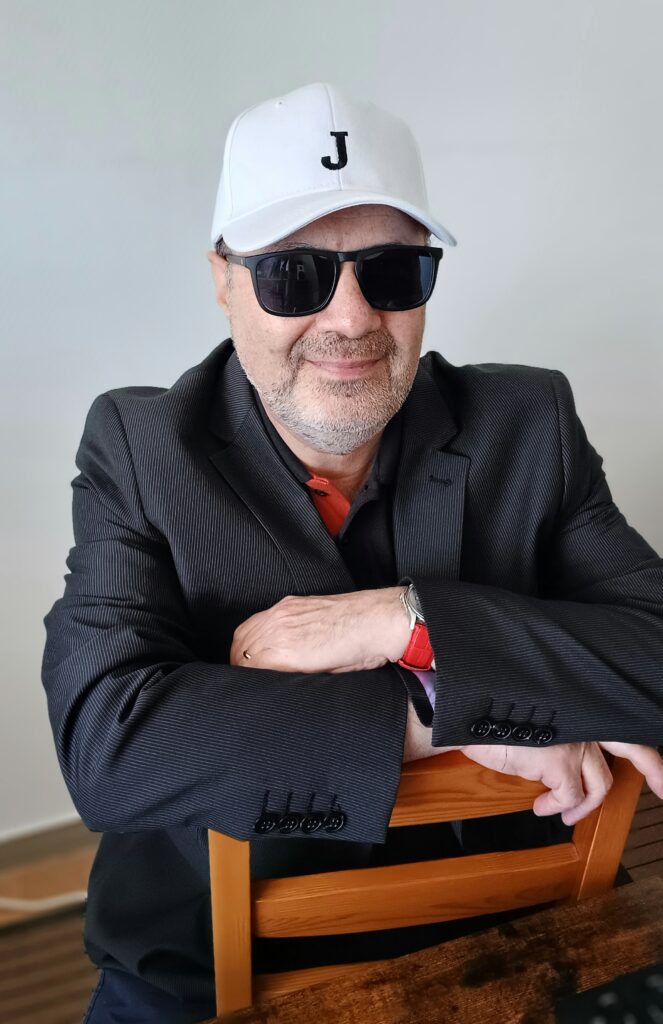
Jaime’s Tone We spoke with Jaime’s Tone about the debut EP A New Life, its split-release concept, progressive rock leanings, hands-on production, and the personal reflections driving this focused new chapter forward. 1. “A New Life” marks your first-ever 3-song EP release. What inspired you to split your upcoming project into two separate EPs instead of releasing singles or a full record at once? Many artists now consider that albums and EPs are better suited to well-known artists and prefer to issue singles more often. I have decided to pursue a more original approach, and split my next EP in two separate releases: a first one with three songs, and then another EP with four songs. Considering the type of music that I write, I believe that it makes more sense than releasing singles one by one. 2. You mention leaning a bit closer toward progressive rock on this EP while still keeping pop-rock and hard-rock elements. What drove this shift in sound, and how do you feel it represents your artistic evolution? My music has always been a mix between progressive rock, hard rock and pop-rock. In my “Best Of” that was released at the beginning of 2025, I took the approach of editing some of the songs to shorten them and make them more “radio-ready”. This time, I wanted my songs to sound more like what I like to listen to, hence the closer proximity to progressive rock. 3. This is also your first time handling production, mixing, and mastering yourself. What motivated you to take full control of the technical side, and what were the biggest challenges or discoveries during the process? Although I am very grateful to the mixing and mastering engineers who worked on my previous releases, especially Etienne Pelosoff who mixed and mastered my two latest albums. Since the inception of Jaime’s Tone in 2019, I had always been hesitant to move towards mixing and mastering, but this time I really wanted the titles to sound as close as possible to what I had in mind when I put them together. When I listen to the result, I am glad I did make this move and take these steps into my own hands. 4. The lyrics on this EP explore themes related to everyday life. Can you talk about the personal experiences or reflections that shaped songs like “A New Life” and “Today and Tomorrow”? Most of my lyrics are a mix of personal experience and imagination. I have encountered several people who are “workaholic”, and I always find this quite difficult to comprehend. I think it is like an addiction, and I wanted to expose this issue in a song, which became “A New Life”. “Today and Tomorrow” is more about life in general and things we encounter during our lifetime. 5. The EP includes an instrumental track, “Celebration.” What role does this piece play in the overall narrative or emotional journey of the EP? I am first and foremost a musician. Time to time, when I have a nice piece of music that stands for itself and does not need lyrics, I keep it as an instrumental. I Believe that it has a more joyous echo than the two other songs, and balances nicely the EP. 6. A music video accompanies the single “A New Life.” How does the visual component complement the song, and what message or atmosphere were you hoping to capture through the video? I wanted with the video to show images that were closely related to the theme of the song. I think that it does exactly that, translating the words into images. I also hope to reach an audience that is more into videos and less into music. Jaime’s Tone
Whiskey General
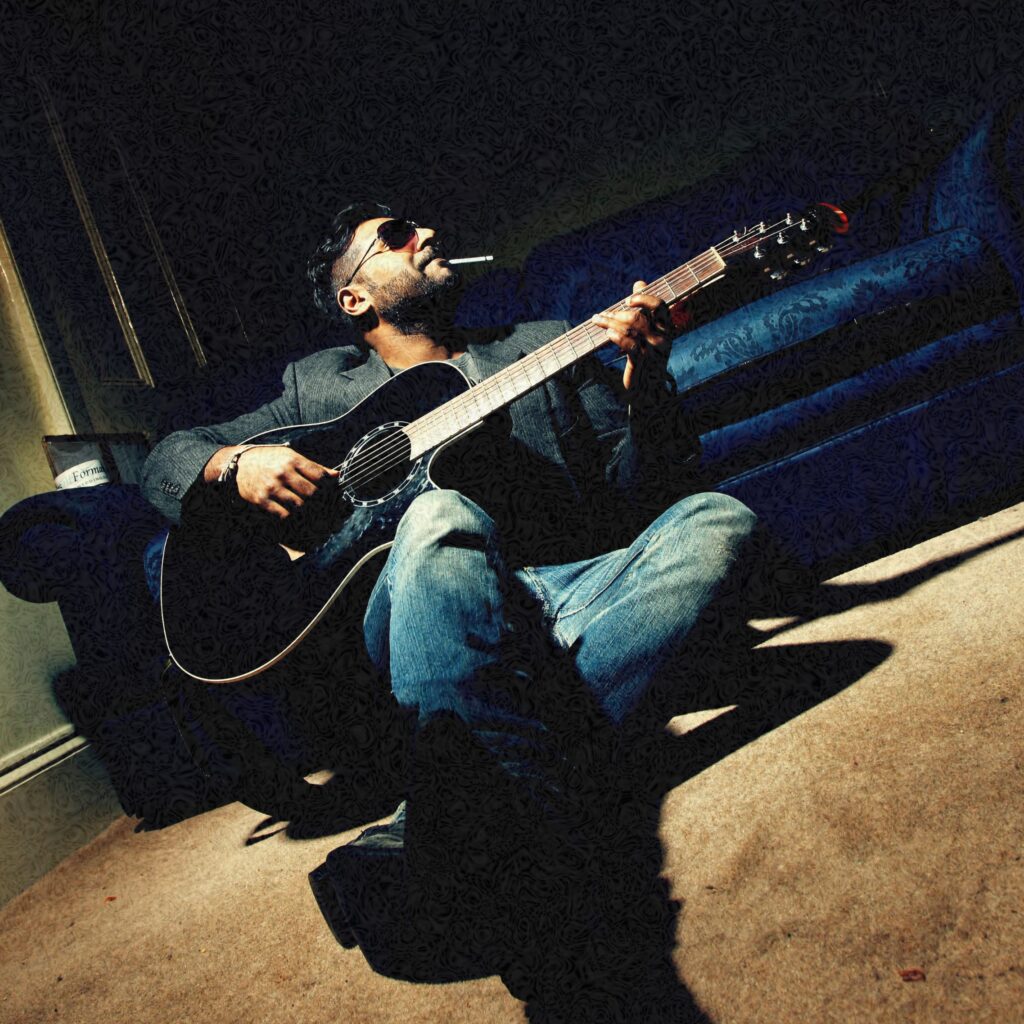
Whiskey General Rooted in instinct, honesty, and lived experience, this interview explores Whiskey General’s Mooreish—its emotional core, collaborations, personal loss, and why it feels like a defining closing chapter. 1. Mooreish feels confident without being flashy, very grounded in instinct and lived experience. When you were writing and producing the album, how conscious were you of stripping things back to what truly mattered emotionally? It really depended on the song and who I was writing with. As the producer, I actually love the paraphernalia that comes with a track. In fact, my co songwriters often joke that I over produce rather than under produce.What kept me grounded was always the lyrics and the message. The lyrics act like an anchor for me. No matter how far a song wandered, if the words felt honest and necessary, I knew I was on the right path. If the production started pulling focus away from the meaning, that’s when I’d strip things back. That, and imagining both Rich and Jack rolling their eyes, when I sent the production demos to them.But it wasn’t about minimalism. It was about instinct. Mooreish comes from lived experience, and the production had to respect that rather than dress it up. In a time when AI in music is becoming more common, grounding songs in real words and real human experience matters even more to me. 2. The album opens with the raw urgency of “The Beast” and moves into the politically charged “Love Like a River,” featuring the Zamar Gospel Choir. How did those collaborations and themes shape the album’s early momentum? The Beast was initially written with Jack Evans, a long term collaborator who also plays guitar across most of the album. We’ve worked together for a long time, toured together, and even lived together in London, so that collaboration is almost instinctive. We’d already played The Beast live before it was recorded, at a time when everything felt urgent and unresolved, which naturally fed into the energy of the track. The finale is a nod to Kate Bush if you’ve heard it carefully.Love Like a River was co written with Rich Merit, the bassist for Whiskey General. Writing with Rich is a slower process. He takes time, questions decisions, and looks at songs from every angle. That approach suited the subject that LLAR was about.The Zamar Gospel Choir from South Africa came later. I wanted the song to end with something that felt collective and human rather than confrontational. Given the political noise, global tension, and constant division we’re all living with, that sense of shared voice felt important. Once the right people were involved, the song finally made sense. 3. “Lions” has a rallying, almost anthemic energy, enhanced by the Ukrainian brass section. What drew you to that sound, and what did you want the track to communicate beyond its immediate impact? I wanted Lions to feel like a sports anthem for the underdog. David vs Goliath, Rocky Balboa vs Apollo Creed etc.Using a Ukrainian brass section felt instinctively right. Brass carries pride and resilience without aggression, and in a world shaped by war, power plays, and people being pushed to the margins, that felt meaningful without needing explanation.Structurally, it’s a simple song. Two chords and that’s it. That simplicity leaves space for people to place their own struggles into it, whether that’s personal, political, or economic. I think that’s why it’s connected with listeners and found its way onto so many playlists. Get messages from people who say that they’ve used the song during their Gym sessions to a chap who said he played it when doing his chemo!! 4. Tracks like “Wind Up Toy Car” and “Wildfire” introduce a more reflective, nostalgic side to the record. How important was it for you to balance power with vulnerability across the album? That balance was important. Wildfire is deeply personal and speaks directly to experiences that shaped me. Wind Up Toy Car is almost an extension of that story, like the emotional aftermath.Between the two, Wind Up Toy Car carries more weight musically, but it’s still rooted in vulnerability. It also features what I genuinely think is one of the best guitar solos you’ve probably never heard, played by Jack Evans.Power on its own means very little without vulnerability. 5. “In Memoriam” and even the album title Mooreish carry a deep personal connection to Bob Moore. How did honoring his memory influence the emotional arc and meaning of the record? Bob Moore worked more closely with Rich than with me as they knew each other for a longer time. But even in the short time I knew him, he left a real impact. I play his guitar and still use his Hot Rod Deluxe amp, so his presence is physically part of the record now and moving forward.Bob, like Rich, taught me a lot about nuance in songwriting. Not just what to play, but what to leave out. Scattering his ashes over the Thames was incredibly emotional for us, and that sense of loss shaped the album.It felt important to honor patience and craft at a time when everything feels rushed, disposable, and driven by algorithms rather than care. 6. With Mooreish being the last full-length Whiskey General album for a while, and future plans shifting toward standalone singles, how do you see this record standing within the band’s broader journey and legacy? This album took a huge toll on me. Producing, mixing, writing, organising, releasing. It’s a mammoth effort, especially as an independent artist. It affects your relationships, your work life, and your mental space far more than people realise. Mooreish was released on 4 July 2025, but I’m only doing interviews and promotion now because I genuinely needed time to recover. I also lost my dog last October, which made stepping back into creative life harder than I expected.Normally, albums have highs and fillers. With Mooreish, every song took real care to finish. There were no shortcuts. That level of attention
Franxie
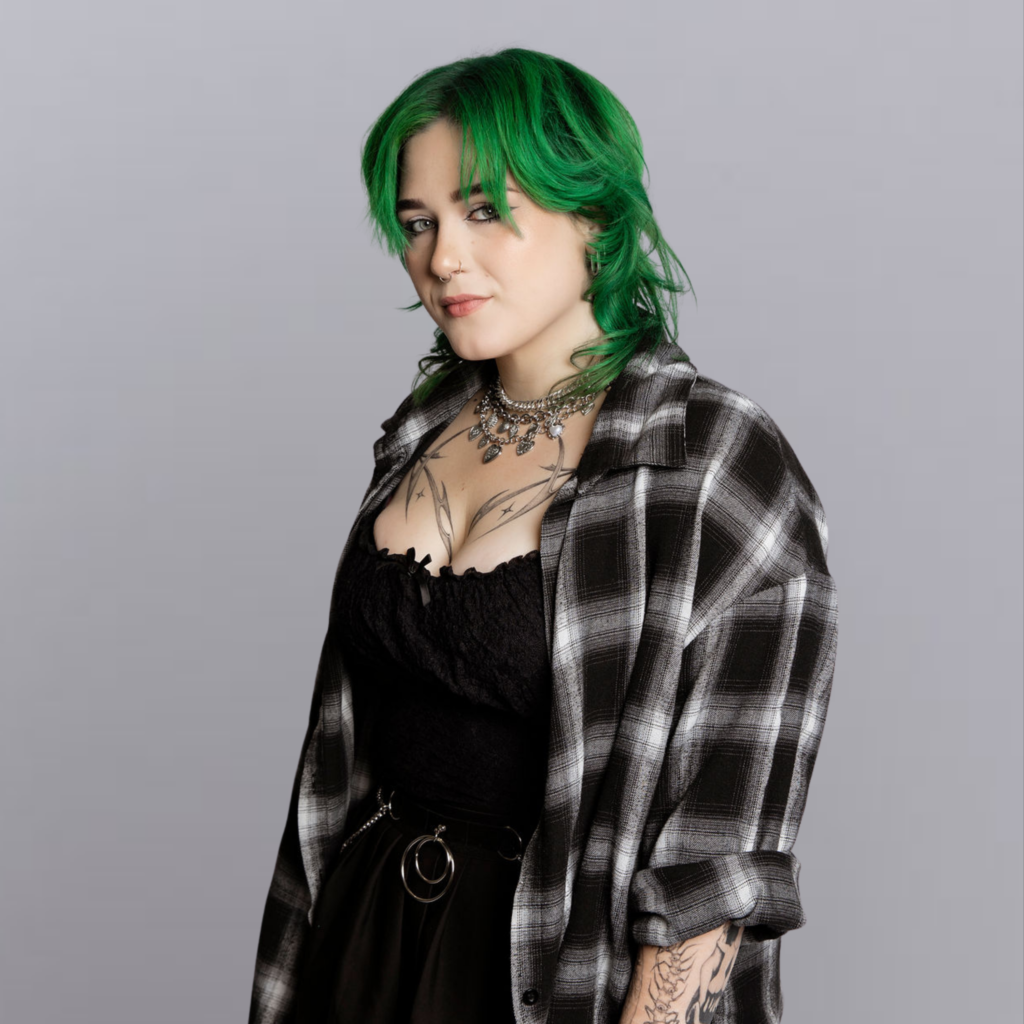
Franxie In this interview, Franxie opens up about “Nobody’s Home,” discussing dissociation, emotional shutdown, minimalist production, and songwriting as self-recognition, tracing a quieter, inward chapter toward an independently built EP journey. 1. “Nobody’s Home” deals with dissociation rather than a traditional narrative like heartbreak. What made you want to explore emotional shutdown as the core of this song?There wasn’t any intentional exploration when I wrote it. I wasn’t trying to explain anything or frame it a certain way, I was just trying to find words for what I was feeling, or what I wasn’t feeling. Writing the song helped me recognise that shutdown as a coping mechanism rather than something I was being overwhelmed by. 2. The line “the lights are on, blinds are drawn, nobody’s home” feels central to the track. Can you talk about how that lyric came together?That line came together instinctively. I kept picturing a house that looks lived in from the outside but feels empty inside. It was a simple image that captured that internal distance. The blinds being drawn adds a sense of control and self-protection, rather than letting everything fall apart. 3. Compared to your debut single Fucking Around, this release feels quieter and more inward-looking. How do you see these two songs connecting within the same body of work?I wrote the two songs about a year apart, but I see them as connected moments rather than separate ideas. Fucking Around is more outward and restless, while “Nobody’s Home” turns inward. They sit in the same emotional space but respond to it differently, which is something I’ve carried through my writing and into how I perform them live. 4. The song relies on gentle acoustic textures and very restrained vocals. How intentional was that minimal approach in reflecting the theme? The minimal approach came out of a lot of trial and error. I actually struggled with the mix and experimented a lot with recording, production, and instrumentation, constantly making small tweaks and trying different ideas. I’m not a strong guitarist and I rely on a few familiar patterns, but this song never felt like the guitar should be the centre. I wanted the music to move in a way that feels like listening inward rather than outward. I love songs that leave space for interpretation, where listeners can place themselves inside the lyrics. Even for me, I love this song but I also kind of zone out listening to it, just vibing, and that felt true to the emotional state. Dissociation isn’t loud, it’s empty, and I didn’t want the production to interrupt that. 5. You’ve mentioned that shutting down was a coping mechanism rather than an ending. Did writing “Nobody’s Home” change the way you understand that emotional state?It definitely opened up my awareness of it. There’s an irony in being a songwriter who writes about feelings while also struggling to identify them in real time. When a song pours out of me, I usually have an “oh shit” moment where I realise, that’s how I feel. Writing this one helped me take control of my own narrative and do what I needed to do for myself. 6. As an independent, self-produced artist releasing music at your own pace, what are you hoping listeners take away from “Nobody’s Home” as you continue building toward an EP in 2026? I hope the song can sit with people in quiet moments, especially late at night when you’re alone. I never expected this song to actually be released, so there’s something really nice about letting it go. Releasing music independently has allowed me to put myself out there more honestly, and I’ll keep sharing what I’m working on as it comes together. franxiemusic | Instagram, Facebook, TikTok | Linktree
Lisa Gizara
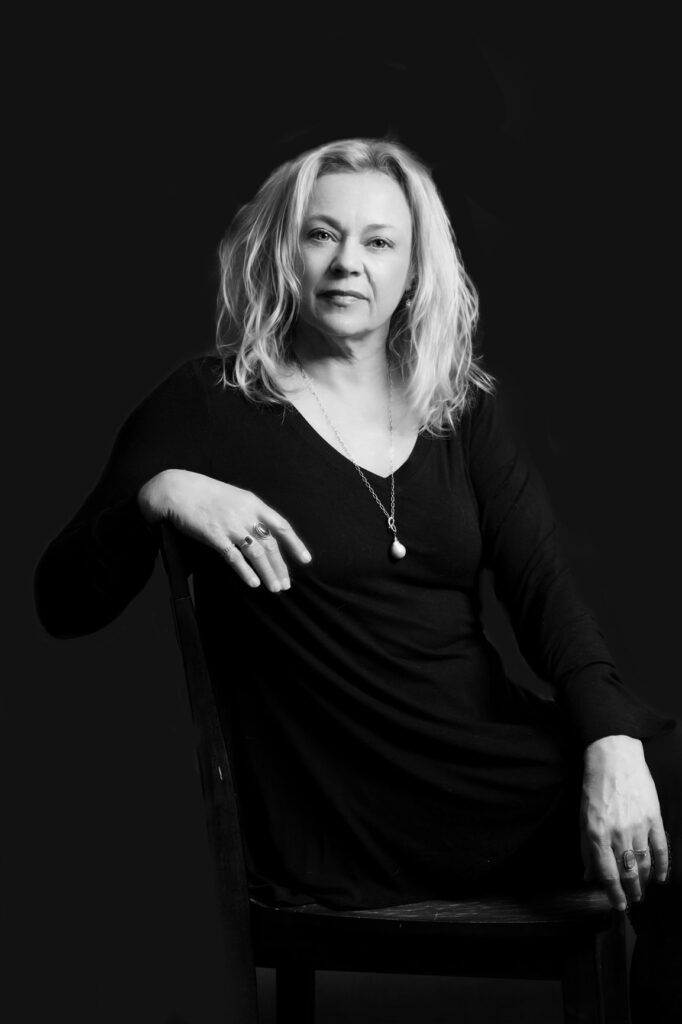
Lisa Gizara Lisa Gizara’s art blends explosive abstract paintings with haunting black-and-white photography. Guided by intuition, emotion, and persistence, her work invites viewers into meditative, mysterious landscapes of chaos and serenity alike. 1. Your work spans both explosive abstract paintings and mysterious black-and-white photography. How do you decide which medium to use for a particular idea or emotion? Painting is a deeply emotional experience for me. It brings me the greatest joy, and yet, at the same time, it can be profoundlyexhausting. When the intensity becomes too much, and I need to step away, I reach for my camera. Photography offers me another way to create—one that is quieter, less emotionally charged, yet still deeply fulfilling. There is great satisfaction in making a beautiful photograph while being able to maintain quieter way of creating beauty. 2. Many of your photographs use infrared film to reveal hidden aspects of landscapes. What draws you to this invisible spectrum, and how does it influence your creative process? Working with infrared cameras and films is truly a mysterious visual treasure hunt. When I come upon a scene that calls to me, after I shoot it, I never know how it will reveal itself. The image only emerges later, back in the studio, as I work with it. This uncertainty mirrors my painting practice, especially in abstraction. Abstract painting is unpredictable and intuitive—it feels as though something moves through me rather than coming from me. Similarly, when I see a scene that takes my breath away, I have to stop, pause, and try to capture it. 3. Your artwork has appeared on sets of major TV shows and in the private collections of actors like Jennifer Lawrence and Bruce Dern. How has working with Hollywood impacted your artistic vision or approach? After getting my fine arts degree, I moved to Los Angeles from a small town in Massachusetts. I worked as an on-set still photographer for television and film sets, eventually moving into public relations and event photography. The diverse and fascinating Hollywood industry supported my art practice and opened up an exciting, creative, and very satisfying way for me to make a living, all the while allowing me to build my own personal body of artwork. 4. Abstract expressionism and romantic realism both seem to inspire your paintings. How do you balance chaos and serenity within a single piece? For me, the act of painting is a constant push and pull. Often, the painting leads, and I blindly follow. It often becomes a dance— incorporating my raw, expressive, and unpredictable painterly gestures. Followed by moments of quiet refinement, in an ongoing effort to make sense of the creative chaos. Sometimes the painting opens itself willingly; other times it resists, challenging me until the very end. 5. Reflecting on your journey, what were some of the biggest challenges you faced as an artist, and how did you overcome them? My greatest challenge has always been time—protecting it, honoring it, and trusting the journey. I always chose part-time work so I could paint, even though it meant living with financial uncertainty. For much of my younger life, I flew by the seat of my pants, guided more by the necessity to create than by the security of money. In doing so, I carved out the space to build a 35-year archive of paintings, drawings, and photographs. All of my work has been made through persistence, trust, and an unwavering need to create. 6. For viewers new to your work, what is the experience or feeling you hope people take away when they see a Gizara painting or photograph? I hope people who see my work will feel the passion that lives within each piece. I pray it invites them to slow down, to breathe, and to enter a quiet, meditative space. If my work offers my viewers a moment of calm reflection, then I am very grateful. HOME – GizaraArts.com
Giuseppe Cucè
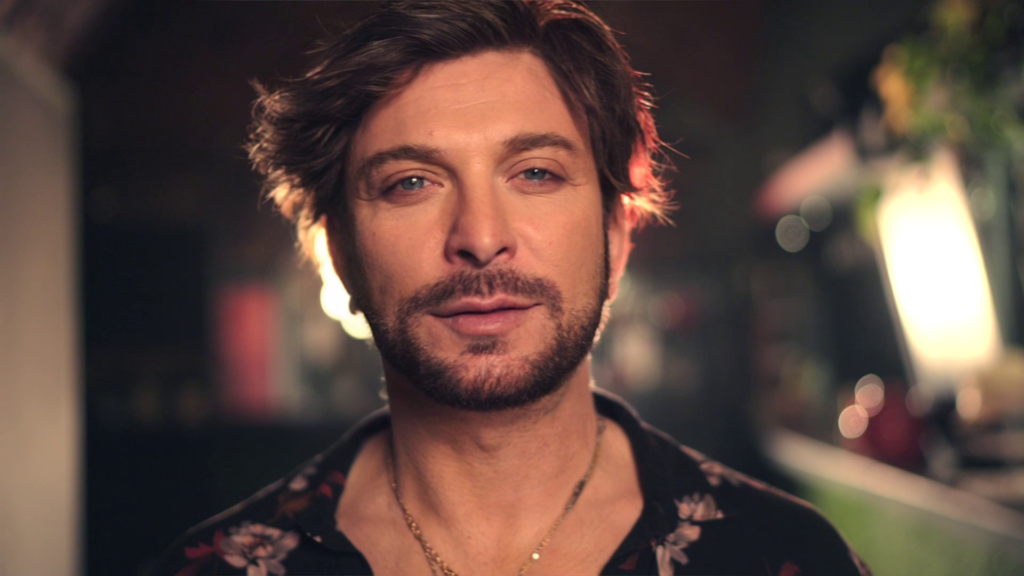
Giuseppe Cucè In this interview, Giuseppe Cucè explores translating his music into Spanish, blending cinematic indie pop with Italian and Latin roots, and creating intimate, timeless songs that prioritize emotion and authenticity over trends. 1. El mundo es verdadero adapts your Italian song È tutto così vero into Spanish. What drew you to this new language and how did it reshape the song emotionally? The song already carried a strong physical and emotional pulse, and at some point, Spanish felt like a natural extension of that energy. I wasn’t interested in a literal translation, but in allowing the song to breathe in a new emotional landscape. Spanish reshaped the song by making it more instinctive, more exposed. Certain emotions—desire, truth, vulnerability—seem to move differently in that language, and the song followed that movement organically. 2. Your music blends cinematic indie pop with Latin influences and Italian songwriting roots. How do these elements come together in your creative process? They come together through emotion rather than calculation. Italian songwriting gives me a strong narrative and poetic foundation, cinema influences the way I build atmosphere and dynamics, while Latin elements bring rhythm and physicality. I don’t layer these elements consciously—they merge naturally as long as I stay connected to the emotional core of the song. When the emotion is honest, the languages speak to each other without conflict. 3. The single explores invisible emotional weight—memory, loss, and transformation. How personal was this story, and was it challenging to make it universal? The story is very personal, but I believe intimacy is what allows universality to exist. The challenge wasn’t protecting myself—it was trusting that by being specific and sincere, others would recognize their own experiences in it. Memory, loss, and transformation are silent weights we all carry. I didn’t want to explain them, only to let them exist inside the song. 4. You emphasize authenticity over trends in this release. Why was that especially important for you at this stage of your artistic journey? At this point in my journey, I’m more interested in permanence than immediacy. Trends pass quickly, but truth remains. I feel a responsibility toward my own voice and toward listeners who seek something real rather than something efficient. This song needed time, space, and imperfection—qualities that can’t be rushed or formatted. 5. The track invites slow, reflective listening rather than instant impact. How do you hope listeners emotionally connect with it? I hope listeners allow the song to accompany them rather than impress them. It’s meant to be listened to in quiet moments, when defenses are lower. If the song manages to slow someone down, to make them feel less alone with their thoughts, then the connection has already happened. 6. Presenting this song live and on radio showcases adds another dimension. How does performing El mundo es verdadero change or deepen its meaning for you? Performing the song transforms it from a private confession into a shared space. On stage or on radio, I feel the song no longer belongs to me—it becomes a meeting point between different lives and stories. Each performance adds new layers of meaning, reminding me that a song is never finished; it continues to evolve through the people who listen to it. Giuseppe Cucè | Instagram, Facebook, TikTok | Linktree
Eyrin
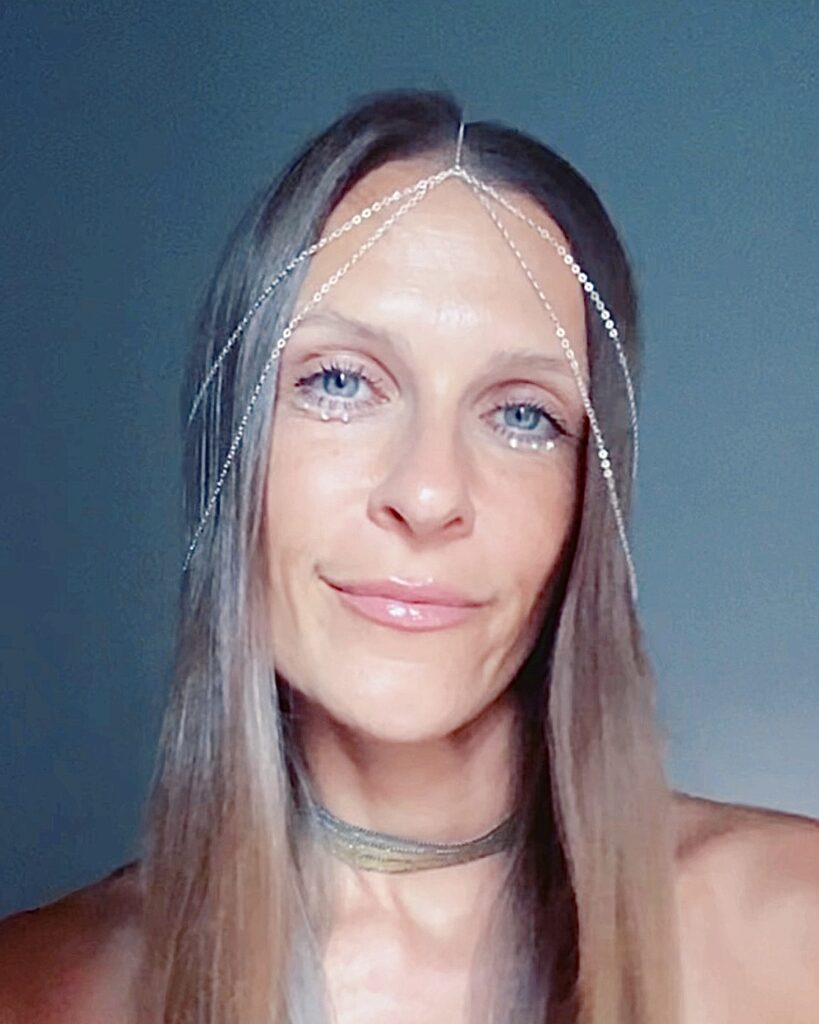
Eyrin With Wings Out Loud, Eyrin opens a magical art-pop universe, blending dreamy psychedelia, fantasy language, and personal transformation while exploring identity, freedom, and self-discovery beyond borders. 1. “Wings Out Loud” blends pop grooves with dreamy psychedelic textures and metaphorical lyrics. What was the emotional starting point of this song, and how did the fantasy language help you express it? I wanted magic, for myself, for others. A little fairy tale with a magic spell that unlocks our superpowers. I don’t do (so far) complex structures and it usually comes out light and catchy. But I also tend to think and talk in metaphors, I love all sorts of symbolism, spiritual and metaphysical concepts, fantasy, and it shapes my inner world. So when it comes to music – it is transmitted into those magical textures, distortions, reverbs and strange stories. Eyrish (the fantasy language) came out naturally, I am so used to new languages, I am fluent in 3 and pick up others wherever I live, so I tend to blend them in my speech and create new words. New words that unite us, we all should speak eyrish! 2. The track speaks about identity, rules, and finding your own truth. How much of this story comes from your personal experiences of living between cultures and borders? When you belong nowhere and everywhere at the same time it hits you even stronger: how easy it is to lose your own identity under all the layers of rules, traditions and patterns that you may absorb and project. But when you belong to yourself, you live your best self and your best outcomes in any place with any people. If you feel like an alien – listen inwards, create your true self piece by piece and show it. l’ve been there too, it is a hard transformation from a larva into a butterfly, but it is vital. Once you have you, you will fall in love with you, I promise. 3. You often use intuitive, almost playful songwriting—sometimes writing on trams or motorcycle rides. How does movement and spontaneity influence your creativity? I guess it bores me first, takes me inwards and then it flows – the melody appears in my head, the lyrics come along, I write down and record voice memos, laugh with myself of all sorts of wordplay that I come up with, and cant wait to get to my piano for the chords and a demo. So my songs are born in my head first. I often hear all the instruments that I imagine, even though I don’t play them. 4. Your music avoids rigid genre boundaries, mixing art pop, psychedelic rock, and orchestral elements. How do you decide when a song feels “complete” without genre rules guiding you? I am driven by telling a story, like a mini-movie. And all I imagine – from a distortion to a sound effect – all in, I don’t care what genre it is. I just started and I am learning on the go about the best ways to execute it, but I definitely stick to this approach as this is how it naturally flows for me. Then it hard to find my audience because people tend to tag and classify. But if I exist there will be others like me, who look for the vibe, the story, the meaning, and not just a genre in a playlist. 5. You design your own artwork and visuals, and Wings Out Loud features butterflies and bright colors. How important is the visual side in completing the message of your music? I love all sorts of art that transmit concepts and ideas, and this project embraces all of my passions and skills in music, poetry, dancing, multimedia design, as well as all sides of spirituality, metaphysics, fantasy and even comedy that make me who I am. That is why I love doing it all myself as an extension of my storytelling process and self-expression, though it makes it slower to release and promote. “Wings Out Loud” is all about transformation, thus butterfly wings as a symbol were always on my mind. The song’s joyful mood infects with positivity, lightness and spark, and I had no choice but soak the cover artwork in some juicy colors and launch a butterfly swarm in video snippets. Full music video will be released as well and it will follow the same look and feel. 6. With no commercial pressure guiding your work, what do you hope listeners take away from “Wings Out Loud” and the upcoming LP on a deeper, personal level? It is crazy exciting to do literally whatever I want in my music project. But I realized I was so unused to this freedom after all the years of parents, teachers, jobs, governments telling me what to do. I had to take my time to grasp to my inner intuitive reference for every decision I had to make instead of looking for approvals or a “common sense”. All I want is to have my soul going orgasmic frequencies every time I write or compose or perform or illustrate, and all I know that it will not happen driven commercially or conditioned by others. I want to nurture my creativity power, protect my wings and spread them out loud, and I truly wish this for everybody else. Obviously, I will expose my music and I would love to make living of it, but I don’t look for fame. I look for being heard, felt and comprehended to the point of healing each other. That would be my wildest dream come true, connecting with my tribe on a soul level. Eyrin | singer-songwriter | Linktree
Richard Green
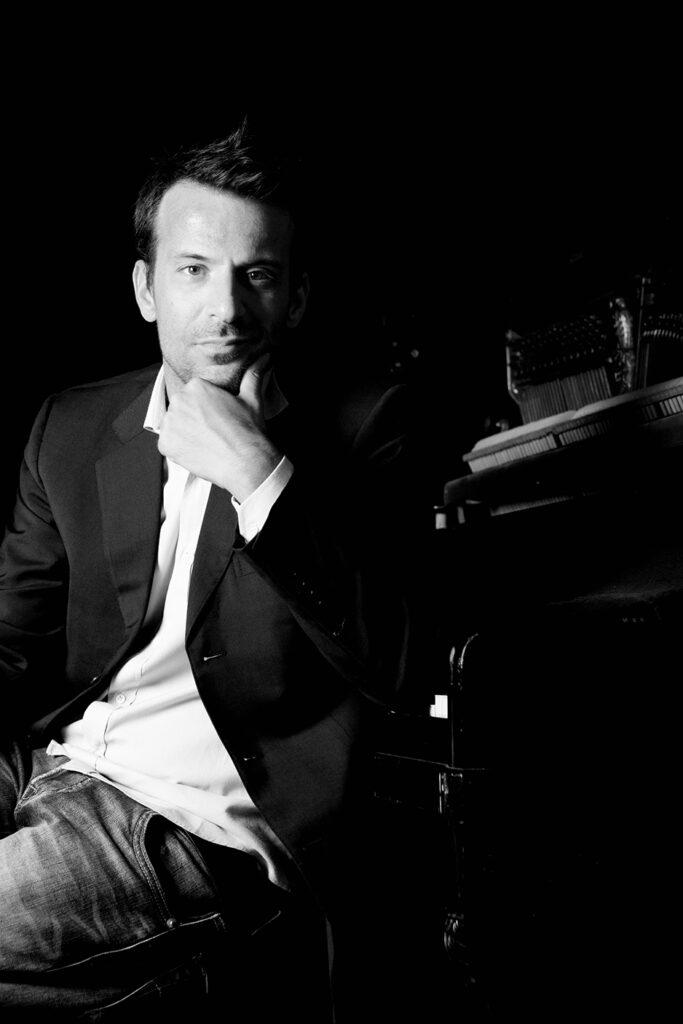
Richard Green Blending blues, jazz, and classical sensibilities, this interview with Richard Green explores the creative journey behind “Just Different,” reflecting on genre fusion, personal growth, and the artistic vision shaping his evolving musical path. 1. “Just Different” mixes blues, jazz, and classical textures in a bold way. When shaping this track, did you consciously challenge traditional genre boundaries, or did the fusion happen organically during composition? Sincerely speaking, I had in mind something blues…i mean, before begin to compose it I wanted something classical combines with bluesy stuff already, this is why the intro has some blues vibes. But, on the other hand, adding some jazz vibes as well in some specific section happened organically, and it’s something that happen in all my tracks…. most of them begin with an idea in my mind but during the composition process I add something transforming or improving the starting idea. 2. The song touches on adolescence, insecurity, and the realization that being different isn’t something negative. What part of your personal journey allowed you to tell this story with both honesty and optimism? Well, I wanted to talk about that cause it’s connected to periods of my life during my personal growth and I believe it’s happened to many, not only me…it’s a part of the process to became adult, maybe others live different situations, but we are all humans at the end, not the same but not totally different too and I believe that stuff like love, sadness, insecurity, feeling different to the others, some more and some less, all of us face kind of situations during as we grow up. This is why i wanted to talk about insecurity and feeling different but, talking about this 15 years later, like if i m talking to the young me, I would say that it could be tuff sometimes but it’s natural and part of the process to became adult….and above all, once adult, we will look back to those periods from very different point of view… 3. You began this trilogy project during the pandemic, collaborating with Irene Veneziano and the Archimia Strings Quartet. How did working with musicians from such strong classical backgrounds influence the emotional depth and experimental direction of this release? Sincerely, it influences but mainly in the performance, i like to remind again the talent of them, especially Irene, one of the best pianist I’ve never see in my life so far, so I’m grateful cause their performances from both, Irene and Archimia, have been seriously good, the music was not easy at all…but in term of music, all was composed by me, every single notes, in my home studio….they did not influences the music, but this project was impossible to make real without their incredible music talents. 4. You composed the music in London but recorded in Italy at Studio Elfo in Piacenza. Did the contrast between those two environments shape the final atmosphere of the track in any unexpected way? Honestly, I do not think so…but it’s even true that concluding the work to Studio Elfo permit me to mix all the music with the owner of the place, that he is seriously a super talented sound engineer that worked as engineer for some national and very important music talent show, indeed international and national musicians have been to studio Elfo to record their music.as Greg Lake (King Crimson) did many time,(sadly he passed away few years ago) indeed he was a very good friends of that sound engineer. I’m grateful and very lucky to have completed the work in that music studio with the help of a very talented and important sound engineer that surely did an amazing job during the record and the mix/master. 5. Although “Just Different” was released in 2022, you chose to promote it again after completing the full trilogy in 2025. Looking back now, how do you feel your artistic identity has evolved since writing this song 4 years ago? This is could be a bit strange but it was my plan from the begin. The initial idea was composing only music The initial idea was to spend 1-2 years solely composing music, creating as much music as possible as practice and also as a way to improve myself…. In 2021, I had created 200 musical ideas, a pre-established plan to push my creativity to the max and improve myself as a composer. Then, of all the ideas, I would have mastered and sold only the best ones, 15-20… I don’t mind not releasing all my compositions, this is very important to me, one of the reasons why I compose, besides wanting to connect with other people like me… I also compose and create music for myself, it makes my soul feel good…Anyway, I released this project in 2022, with everything already planned for the whole year… Honestly, the trilogy should have ended in December 2023, but I had serious personal problems that put me on hold for a whole year… so that’s another reason why the project ended after three years. Three years in which I continued to compose, since, as I said, it makes me feel good, especially in difficult times. I can say that, four years on, I feel I have improved a lot as a musician and I am much more aware of my musical abilities. 6. You’ve mentioned having 3 new releases planned for 2026 across different musical worlds. Without revealing too much, can you share what listeners might discover about you next—emotionally, sonically, or conceptually? I can tell already that this year will be pretty different and not into classical music…. One of my main characteristics is be able to manage and compose in different music styles…. this year is going to be more about electronic music and a project where I play guitar too, a collection of beats fusion/funky/electro-hip-hop….in term of concept, there is always a short story behind a song but this time each project is separate….by the way,
Stevie Lee Woods
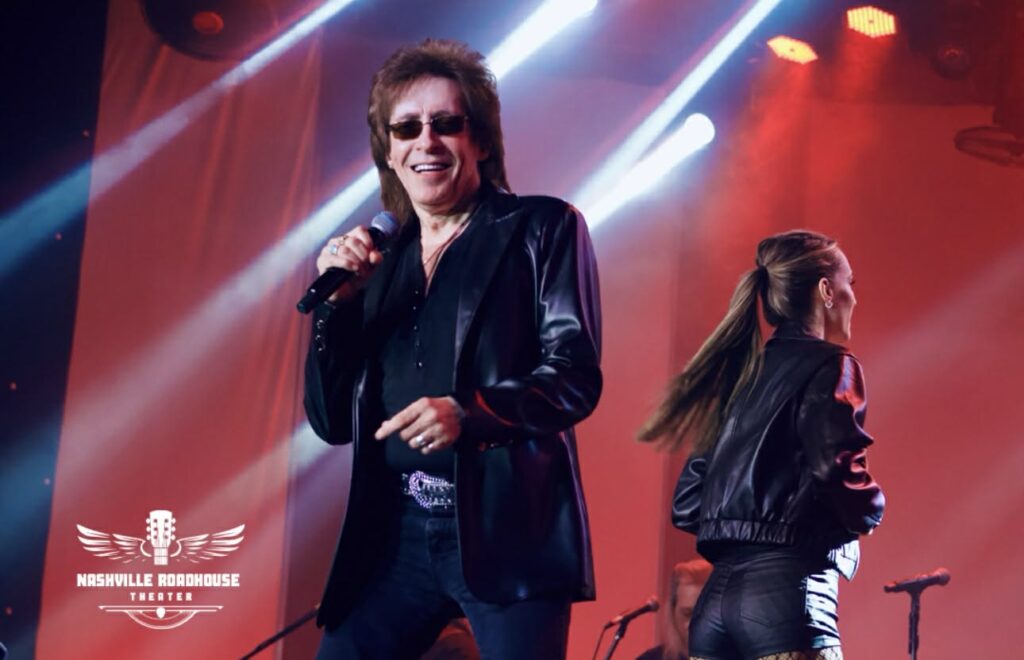
Stevie Lee Woods Stevie Lee Woods opens up about the heartfelt single “Don’t Let Heartache Turn to Heartbreak,” discussing personal storytelling, legendary collaborations, and how this song sets the tone for an ambitious, genre-spanning new chapter. 1. “Don’t Let Heartache Turn to Heartbreak” is the first taste of your upcoming album. Why was this song the right choice to introduce this new chapter of your music? I think this was the right track because it shows the depth in the arrangement, the songwriting and life experience. It shows how the music has matured and is a true to life record. 2. The single explores the fragile space between conflict and reconciliation in a relationship. What drew you to this story, and how personal is it for you? is true to life. we all have experienced loss, heartache and what if moments. and so this record both in writing and recording draws from personal places for me and for all. 3. You worked alongside your Nashville Roadhouse Live Band and legendary producers Stuart Epps and Chris Omartian. How did their influence shape the sound and emotional depth of this track? Stuart Epps and Chris Omartian, are amazing. Their insight and direction were so generously received. Very humbled they are on the project. My Band, the NRL Band are just well-rounded talented guys that give all they can to make every performance memorable and lasting. 4. The song hints at the stylistic range of the upcoming album, spanning Contemporary Country, Country Gospel, and Country Rock. How do you balance such diversity while keeping your artistic identity intact? I think it is my identity. I have been performing in all of the mentioned genres throughout my career and wanted to share them with everyone. I think this record comes from a place of sharing. 5. Recording at Mansion Studios in Branson, a space tied to so many iconic artists, is no small feat. How did that environment impact the recording process and the final result? The mansion is iconic and brings a lot to the table. It allows you to move your visions forward and to draw from the nostalgia and felt presence of the persons who have recorded before me. 6. With the single being considered for a major motion picture and more releases on the way, what can fans expect next from Stevie Lee Woods in 2026—both musically and on stage? Well, I want the fans to enjoy the range of music styles, depths and paths we are bringing in 2026. Both on the recorded records and the live High Energy shows. Get ready for a Great 2026 and we hope to see and meet everyone that comes to the shows. The Nashville Roadhouse Theater
Frank Walden
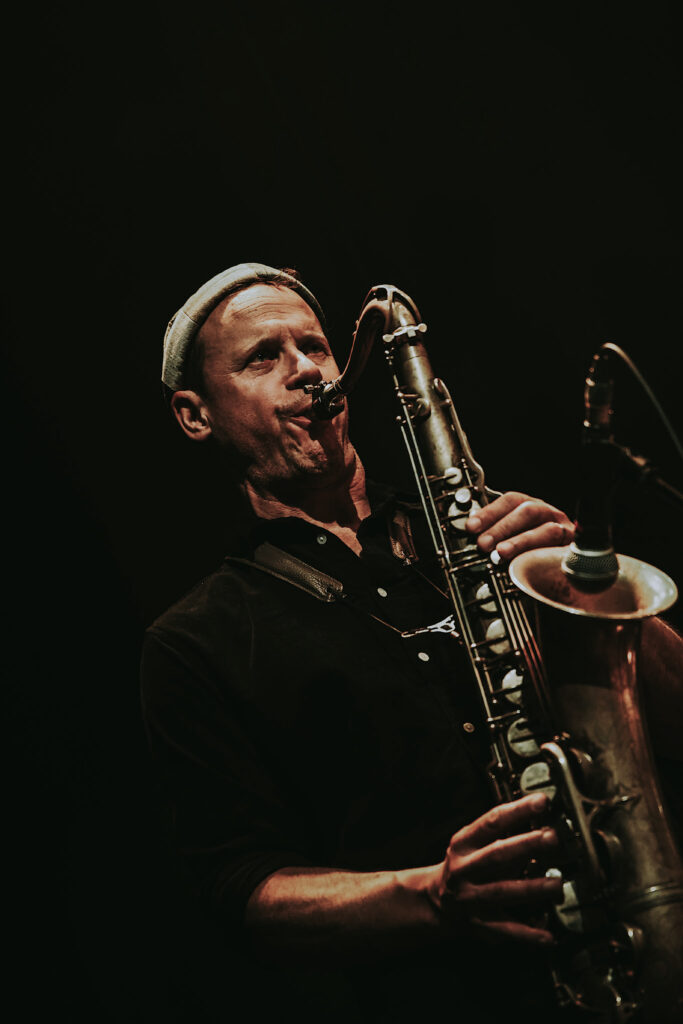
Frank Walden Frank Walden reflects on legacy and rediscovery with his debut solo album Objets Trouvés, shaped by years alongside iconic artists, personal growth, and a desire to leave something lasting for his children. 1. After years of touring with iconic artists, what finally made this the right moment to release your debut solo album Objets Trouvés? A couple of months before the birth of my son in 2018, it suddenly struck me that if I wanted to make a record of my own, I’d better crack on and do it before life changed for ever, and the time and energy to do it would be radically curtailed! I pushed hard to make it happen, but couldn’t quite find a date to get the musicians I wanted into the studio in the time available. Seven years later, my two kids were starting to explore my record collection one afternoon, pulling vinyl out of sleeves and putting it on the turntable, and it hit me that after all these years in music, it’d be nice if there were a record cover with my name and face on for my kids to listen to! 2. Just Friends reimagines an Amy Winehouse song as an instrumental jazz piece. What drew you to this particular track as your first single? I always liked the chord sequence of ‘Just Friends’ when we used to play it with Amy, and the special quality of rapturous delirium of the song, the tender resignation of the lyric. It kept coming to mind when I thought of material for the album. 3. You worked closely with Amy from Back to Black until the end of her life. How did that experience shape you musically and emotionally as an artist? I remember first getting the call to join her band. I went out and bought myself a copy of Back to Black, which had just come out. I put it on the CD player when I got home and within the first eight bars I thought, ’This is something special.’ Amy was younger than me, but I learnt a lot from her about musical integrity – and personal integrity. If anything it was personal integrity that brought her down. She was just never going to accommodate the bullshit that the industry swamped her with, and the only alternative she found was self-sabotage. I also made some very close friends in the band, and it’s been very special to tour again with those guys these past couple of years (as ’The Amy Winehouse Band’) and see audiences of teenage kids who were barely born when she died, and who know every lyric, every vocal inflection. Amy’s music continues to communicate to new generations. 4. In translating a vocal song so closely tied to Amy’s voice into a sax-led instrumental, how did you approach preserving its soul while making it your own? Good question! It took me a while to find a way of keeping the song’s essence (I hope) while getting away from the psychedelic reggae of the original. It was listening closely to Amy’s vocal that offered me a way out – it’s so sinuous, so push-and-pull. She actually phrases consistently in triplets – which gave me the idea to go for the loose, swinging 12/8 feel characteristic of Elvin Jones, John Coltrane’s drummer. 5. The album title Objets Trouvés suggests found objects and rediscovered meaning. How does this concept reflect your journey and the music on the record? Another great question! Making a debut album – ahem – a little later in life led to me conceiving of it as a kind of reflection on my musical journey so far. There is only one original on the record; the rest of the song choices consist of music that’s been a part of my career or my life somehow. It’s an eclectic bunch of songs, many of which were not ‘jazz’ originally. ‘Objets Trouvés’ is an art world term (besides its literal meaning of lost-and-found) referring to real-world objects incorporated into a work of art. It seemed an apt – if just possibly a little pretentious – title! The album cover is a collage of my face made up of hundreds of photos I’ve taken over the years on the road. 6. Having spent years supporting other artists on stage, how does stepping into the spotlight as a solo artist change your perspective on performance and storytelling? One thing I would say is that over the years of being a sideman you absorb a lot – consciously and unconsciously – from bandleaders and artists you have worked for. And one benefit of age is that you feel that much less self-conscious. You have half an idea of where you stand, and what you have to give – in a way that earlier in your career, with the insecurities of youth, you perhaps wouldn’t. Frank Walden
Minnie
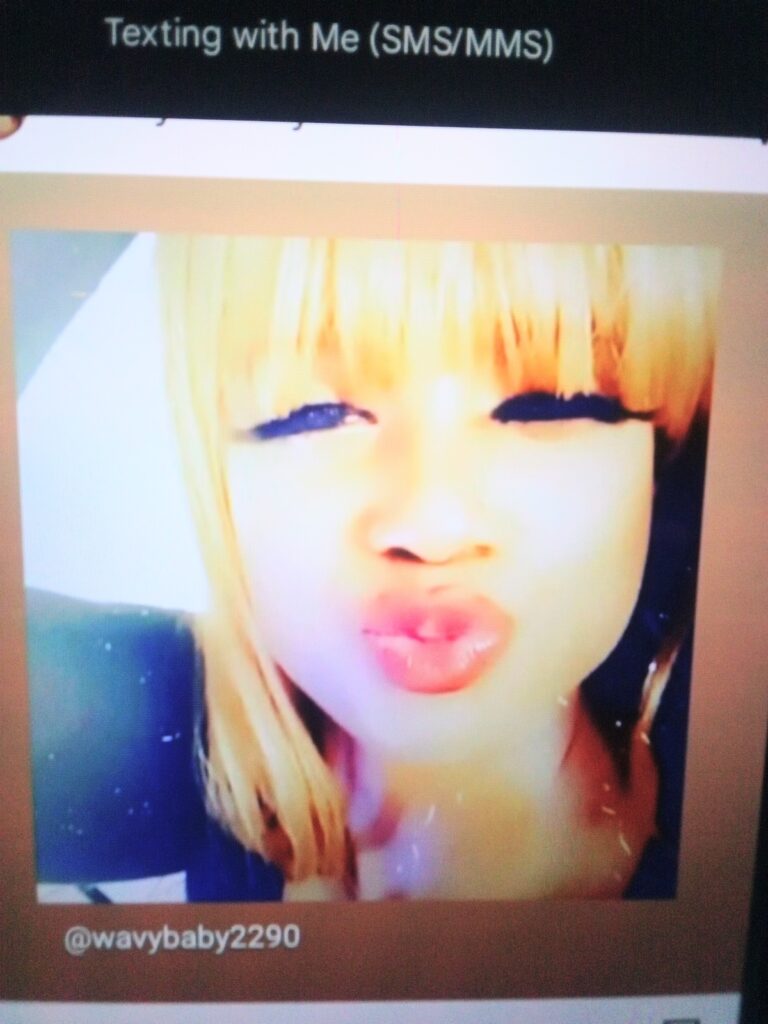
Minnie With bold honesty and sharp ambition, Minnie introduces her world—balancing hustle, self-belief, and money-driven reality—marking the start of a confident new journey. 1. Your cover single “Money” tackles financial pressure in a very direct, relatable way. What made you choose this song as your debut statement to the world? I picked this song for my debut because at this point in my life I was starting to buckle down on what I wanted to do with my life. It was either be a RN or Rap.So I’m doing both. I’m like at this point I need money to the left and money to the right. Lol. 2. You write all your own lyrics. Can you walk us through your creative process when you’re turning personal experiences into rap verses? I write my own lyrics. I write about what Im about, what I see and how I feel about it,and inform people how to get through it. It’s always something or a situation you can relate to. You will be able to say I feel like that, or I want to do that, I have been there, or that’s something I would have said. 3. You’ve mentioned being self-inspired while also drawing motivation from Nicki Minaj. What specific lessons or moments from her career shaped the way you approach your own journey? She has made a nice impact on my journey. I feel like it’s her enduring spirit, like I’m still here,taking care of business being a Barbie -doing what I love to do. That makes me feel empowered like yea I’m still here too doing what I have to do.Im also reassured that I have what it takes to do what I put my mind to. It was also great to play the instrument again after many years without doing so. 4. You recorded 10 tracks in one booth session at Zoom Studios. What was the atmosphere like, and how did working with your engineer influence your confidence as a new artist? The atmosphere was fierceness and revolution,thrill of competition.Lol my blood was warming up with excitement that this could be a big break. Cross my T’s and dot my I’s. Having an engineer made me feel like this is serious,like it was the real deal. No more doubting and guessing that I had a gift that could get me far. 5. You described your upcoming album as a fall/winter takeover that starts mellow before your full energy hits. How do you want listeners to feel when they hear your music for the first time? When people hear my music for the first time I want to hear the point I’m making and the picture I paint. I also want rap along,like a lyrical jam, like oh snap that’s jam. I hope my listeners enjoy the song, just hearing it makes me happy, and like yea money to the left money to the right,I need a lot of that right now. Lol 6. Breaking into the industry can be tough without live shows yet. What kind of stage or moment are you manifesting for yourself in 2026 that would truly mark “a Minnie takeover”? I feel like I’m ready to perform my single and just be a breath of fresh air, and a new face with a new voice. In 2026 I would love to perform my single and really set the tone for my journey,and keep a high energy type of vibe.A bossy, classic one of a kind type of vibe.