
Taylor Janney Rovin
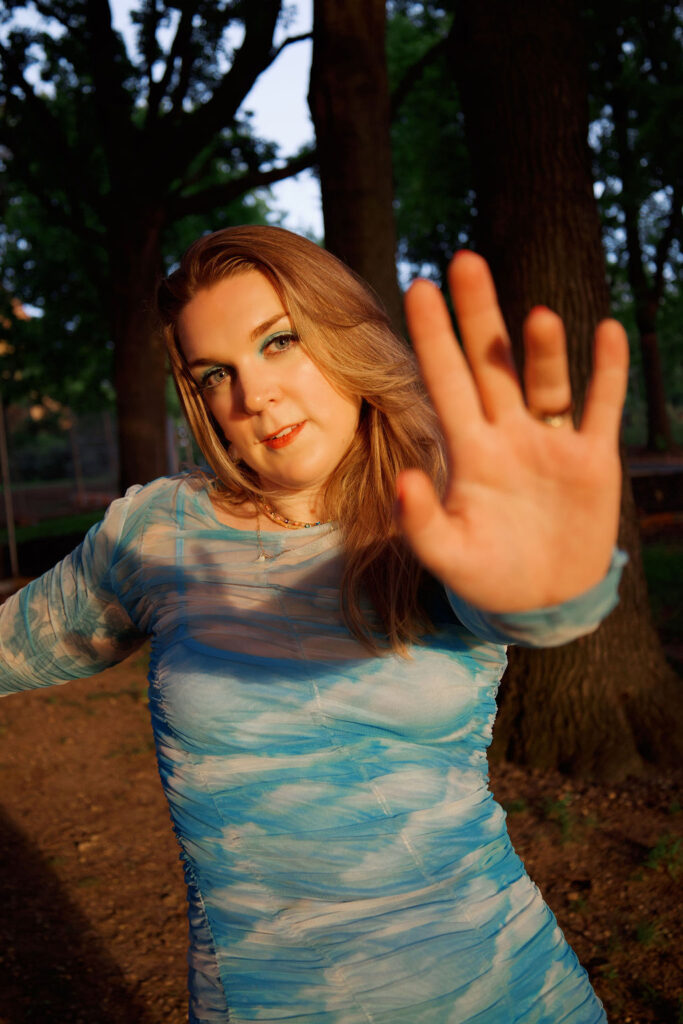
Taylor Janney Rovin After nearly a decade away from music, singer-songwriter Taylor Janney Rovin returns with renewed confidence and creativity. We discussed her comeback single “Sweet Talkin’,” musical inspirations, and artistic rebirth. 1. “Sweet Talkin’” marks your second single after a long hiatus from music. How did it feel stepping back into the studio after nearly a decade away from singing? It is so lovely to be finding my confidence and reengaging my creativity in my 30s, as I’m finally giving myself the freedom to just have FUN while making music! Having attended a competitive, conservatory style college program, I became overwhelmed by what other people defined as “success.” I didn’t feel as though I “fit” into the boxes many of my professors would try to squeeze me into, and I never seemed to have the same opportunities to shine as my peers. When I moved to New York after graduation, utterly broke and facing the harsh realities of adulthood, I had to focus first on survival. Working as a middle school teacher, I at times thought putting a pause on my dreams made me a “failure.” Now that I’ve had a decade to “grow up,” I realize that the journey isn’t linear – my unique life experiences have collectively gotten me here, and I am appreciative of the opportunity I now have to invest in myself as an artist. I’m learning to enjoy the process rather than try and force any particular pathway or product. 2. You’ve mentioned that “Sweet Talkin’” was inspired by the music of the late ’90s and early 2000s. What drew you to revisit that era, and how did you blend that nostalgia with a modern sound? At this stage of my development, I’m looking back on the last times I felt JOY when singing. As a kid, I had no fear of judgement, no inhibition. Once I got to the collegiate level, there was so much pressure, I became riddled with anxiety around my voice and performance. But when I was little, I’d belt along to every song on the radio, convinced I’d be the 6th Spice Girl. I racked up the family phone bill voting for Kelly Clarkson on American Idol, saw The Chicks and Shania Twain as my first concerts – strong female vocalists of this era really shaped the way I heard and appreciated music. Now that I’m giving myself time and space to reconnect with my voice, I can’t help but look back towards the artists who really taught me to sing. With that being said, I am ultimately my own person, so while I draw inspiration from the past, I’m bringing my own flair to create my own formula. 3. The song captures that irresistible pull of someone’s charm — even when you know better. Was this written from a specific personal experience, or more as a reflection of a broader theme in your life? “Sweet Talkin’” was definitely inspired by a specific someone, though truthfully it could apply to several of my exes. I’m happily married these days, but I had the worst taste in men in my 20s. Despite a handful of heartbreaks, I still managed to have some fun. Gives me a lot to write about at least! 4. You worked with Douglas Widick at Suite Tea Studios in Brooklyn to bring this track to life. What was that collaboration like, and how did the track evolve from your original idea to the final version we hear today? Douglas is such a creative musician, producer, and comedian – talk about making music FUN! I’m just learning guitar, so seeing what began as three chords and a voice memo evolve into a full track was really cool to witness. He helped bring out that funky, early-aughts energy in a way I never could have imagined just strumming solo in my apartment. When I play this alone on acoustic, it might as well be a country song! 5. Overcoming a vocal injury and returning to music is a deeply personal journey. How has that experience shaped the way you approach your artistry and performance now? There was a time in my life I thought I may never sing again. Now, each time I do, it feels like a blessing. I’ve learned to appreciate my voice as the unique gift that it is and have stopped trying to sound like everybody else. Pushing, straining, and reaching for notes far outside of my range was what hurt me – embracing the warmth, soul, and richness that I do bring to the table allows me much greater ease (both vocally and spiritually)! 6. Looking ahead, what can listeners expect next from you — any upcoming releases or performances that continue this chapter of rediscovery and growth? I’m currently recording my next single, which is a neo-soul / rodeo themed tune. My biggest goal at the moment is to play more live shows here in NYC – be sure to give me a follow (@taylorjanneyrovin on Instagram) so you can come sing along at my next performance! More Info: https://www.taylorjanneyrovin.com/
Amelina

Amelina In this lively chat, Amelina reveals the rebellious spirit behind ‘A New Year’s Wish,’ blending pop-rock energy, nostalgic influences, and empowering messages to make this holiday season truly unforgettable. “A New Year’s Wish” isn’t your typical holiday song — it’s got this powerful pop-rock edge.What inspired you to take a more anthemic, rebellious approach to a season usually filled with soft carols and cozy vibes? The idea came from one little joke: “Dear Santa, I’ve been a good girl all year, please grant me my deepest wish – I want to be bad!”I wanted to show that being a good, obedient girl carries a certain rebelliousness within. The New Year is a great opportunity to change something in your life. To become less awkward, to allow yourself to do what you want, not what’s expected of you. If this becomes a teenage anthem of readiness for something new – that would be great! 2. You’ve described the song as “like fireworks — it starts quiet, then bursts into color.”Can you walk us through how that idea shaped the song’s sound and emotional journey? Yes, it’s built on the contrast between the “calm girl” carefully writing a letter to Santa Claus, openly expressing her emotions and childish joy in the run-up to Christmas, and the same “rebellious girl” saying, “Now I want a real holiday!” 3. The track carries the spirit of early Avril Lavigne with a modern twist.Who were your biggest musical or emotional influences when creating this song, and how did you blend nostalgia with your own voice? The funniest (or most embarrassing?) thing is that I used to be told I looked like Hannah Montana (not Miley Cyrus, but Hannah) and Avril Lavigne—and I discovered their music later, after “Step by Step,” “Roblox Realms,” and “A New Year’s Wish.” I listen to a ton of stuff. I love Cher, Sia, Shakira, and rock. I think it’s important that we’re a pretty musical family, and my father wrote songs, sang, and played in a rock band back in his student days… When melodic rock and a girl’s voice come together, it probably works out pretty well, right? Lyrically, “A New Year’s Wish” feels empowering — a kind of reset anthem for dreamers and rebels. What message do you hope listeners take with them as they step into the new year? “Don’t be afraid of yourself! Don’t hold yourself back! A free person doing what brings them joy is capable of so much!” Do things not because you have to, but because you want to! 5. The production has this bright, cinematic energy — almost like a movie moment.What was the recording process like? Any memorable moments in the studio that brought the song to life? It’s funny you even asked that. We started working on this song around March 2025. I wanted to put as much emotion into it as possible. My theater classes help me with that, of course. And my vocal coach. Yes, I know my English isn’t perfect there anyway (after all, “nobody’s perfect,” right? 🙂 ), but I’m trying. And I came to the studio (it’s a small home studio) in the summer already fully prepared. That’s why we managed to record the song very quickly. Really quickly. We only had an hour and a half that day, and we managed to record four songs. I have some videos from the recording process. These photos, by the way, were taken right then in the studio. The studio is so small that videos can only be made in profile.6. The holidays can be both magical and reflective.How do you personally connect to this season, and how does that emotional mix show up in “A New Year’s Wish”? You know, I’ve been living in Mediterranean countries since 2022 (first Turkey, then Spain since 2023). This will be my fourth New Year without snow. I really dream of being in a snowy fairy tale again! More Info: https://www.amelina.me/
Bastien Pons
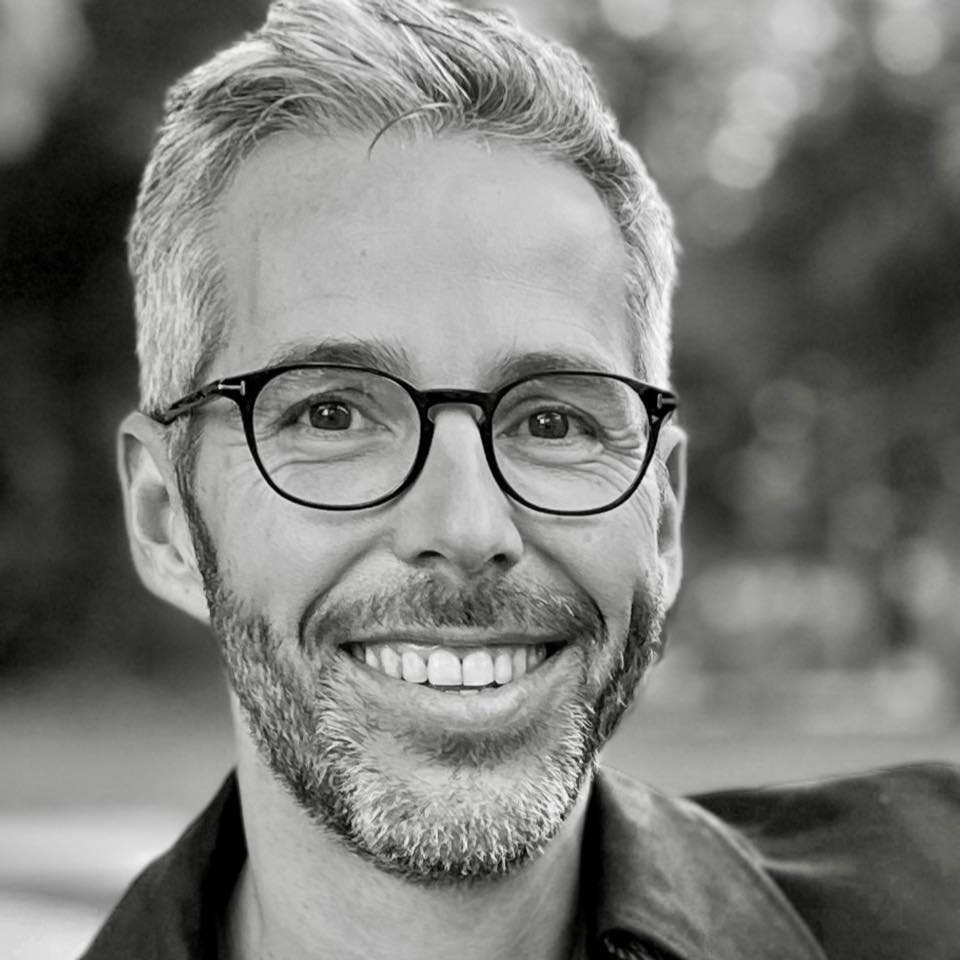
Bastien Pons Blurring the lines between sound and image, Bastien Pons transforms listening into spatial experience. With Blinded, he builds sonic architecture from silence, texture, and emotion — like slow-moving black-and-white photographs. Sound & photography — how do they influence each other? For me, sound and photography share the same raw material: texture, contrast, and silence. In photography, I work in black and white — stripping away distractions, focusing on grain, shadow, and absence. In sound, I do the same. Blinded is not just composed, it’s framed. Each piece is like a photograph that moves very slowly, where silence works as the negative space, and noise becomes the grain. Blinded feels like an installation, not a traditional album. What was your vision? I didn’t want to make a collection of songs; I wanted to build a space. From the beginning, the idea was to create something immersive, closer to an installation you step into. Each track is less a “song” than a room — a sonic architecture where you can wander, sit still, or even get lost. Translating heavy themes like Babi Yar or Charlotte into sound without words When I work with historical or tragic themes, I avoid literal storytelling. Instead, I focus on atmosphere, rhythm, and the physical weight of sound. For Babi Yar, I wanted the music to feel oppressive, almost suffocating. For Charlotte, the sounds of protests and human voices are not background — they are the story itself, raw and unpolished. It’s about letting reality seep through the composition rather than narrating it. Silence and texture as compositional tools Silence is not the absence of sound; it’s a presence. Sometimes it carries more tension than any drone or note. I treat silence like an instrument, deciding where it breathes, where it cuts, where it forces the listener to confront themselves. Texture then becomes the counterpart — the way a photograph might let the grain dominate the image. Together, they shape the emotional gravity of the piece. Influences: Lustmord, Coil, Swans… and beyond I listen to absolutely every style of music — from classical to musique concrète, from the most experimental jazz to electronic. Lustmord taught me about vastness — how sound can become an environment. Coil showed me the power of ambiguity and transformation. Swans revealed how repetition and sheer weight can break you open emotionally. But I’m just as inspired by The Residents, by darker industrial pioneers like SPK, by the surreal collages of Nurse With Wound, or the intensity of 2kilos & More. These artists all expand the idea of what sound can do. I don’t try to replicate them — instead, I filter these lessons through my own practice, closer to photography and concrete sound, to shape something personal, fragile, and direct. What do you hope listeners take away? I don’t want listeners to “consume” Blinded as background music. I hope they inhabit it — like entering a dark room where your senses adapt slowly. Maybe they’ll feel unease, maybe calm, maybe both at once. The best outcome for me is if the album slows someone down, forcing them to sit with sound, silence, and themselves in a way they don’t usually do. More Info: Bastien Pons
Max Marginal
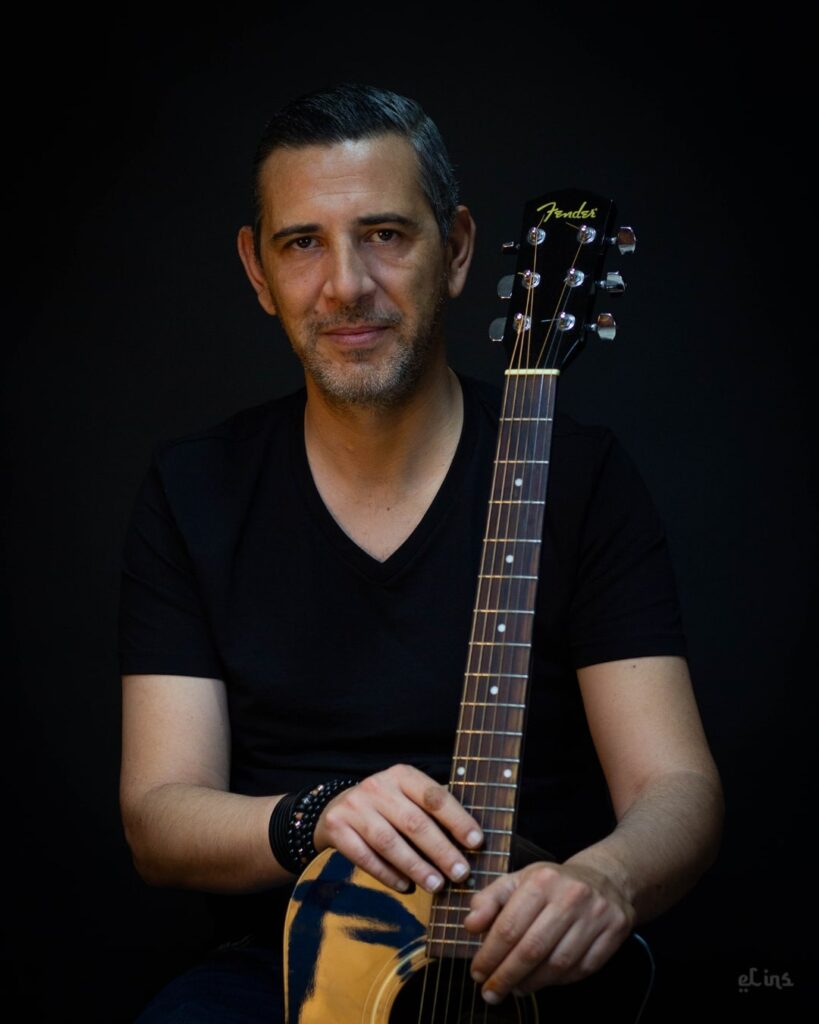
Max Marginal Algerian artist Max Marginal reflects on belonging and time in Home Ain’t on the Map, blending cinematic folk-rock with introspection, solitude, and the golden light of his homeland. Your new work, “Home Ain’t on the Map,” carries a deep sense of displacement and introspection. How do you personally define the idea of “home” today, both as an artist and as an individual? For me, “home” isn’t a physical place anymore. It’s more like a feeling that lives in time or maybe between times. I think I lost my sense of home when I realized that some places and eras stay behind us forever. This song came from that rupture, that awareness that we keep moving forward even when we don’t know where we belong. You’ve transitioned from technical death metal to a more cinematic, introspective folk-rock sound. What did this shift allow you to express that your earlier style couldn’t? Metal taught me structure and intensity, but I needed more emotion more silence, more space. My current sound allows me to express vulnerability, melancholy, and reflection in a way that distortion and speed never could. It’s about letting emotions breathe instead of fighting them. Your music often feels like a journey through solitude and time. Do you see your compositions as a form of self-exploration or as stories meant to resonate universally with listeners? I think it’s both. I write to understand myself first, but I believe every listener finds their own reflection in those spaces. If someone listens and feels a part of their own story in it, then it becomes universal without even trying. Being an Algerian artist creating such atmospheric and emotion-driven music, how do your roots and surroundings influence the textures and moods you build in your songs? Algeria has a very particular light soft, golden, and endless. The landscapes, the horizon, the contrast between silence and life all of that shapes the way I write. Even if my music sounds Western, the warmth and colors of where I come from always find their way in. When crafting instrumental or minimalist pieces, how do you decide what emotions or stories each guitar tone should carry? I listen more than I play. Each tone has its own emotion hidden in it. Sometimes I just follow where the sound wants to go a single note can carry more meaning than words if you let it speak. You mentioned new collaborations and instrumental projects ahead—can you give us a glimpse into what sonic or emotional directions you’re planning to explore next? I’m currently working on my next EP, which will explore solitude, time, and the idea of rebirth. It’s more atmospheric but still grounded in storytelling. Each track will be like a fragment of memory fragile but alive. More Info: Max Marginal (@max.marginal) • Photos et vidéos Instagram
Marla Moya
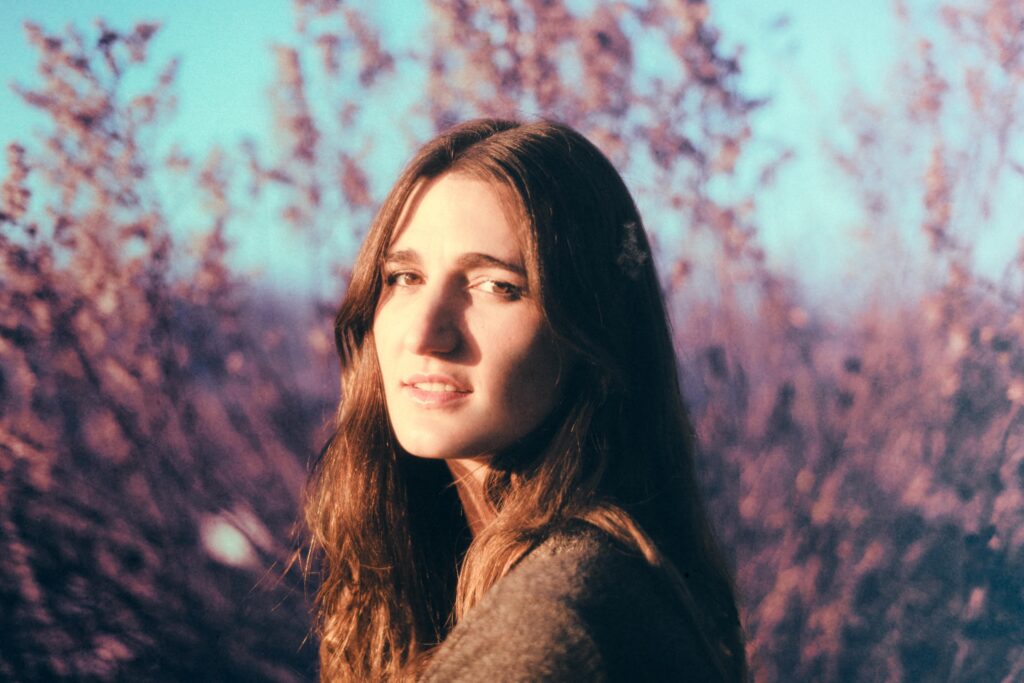
Marla Moya Berlin-based artist Marla Moya unveils “Shedding Skin”, a fearless anthem of renewal and courage. Blending soft rock, psychedelic pop, and raw emotion, she transforms fear into strength and self-discovery. Marla, “Shedding Skin” is your second single and a preview of your upcoming debut album. How does this song represent where you are right now, both musically and personally? “Shedding Skin” was written weeks after I made the most drastic choice in my life. I had left my duo and relationship of seven years and moved to Berlin within days after having spent most of those years in Canada. Suddenly, I found myself starting over at 27 — feeling like I had nothing, including a huge lack of self-confidence. But I felt deep down, this relationship with all its surrounding circumstances was no longer fulfilling and there was happiness to be found back home in Germany! The song reflects that duality: fear and hope coexisting. Musically, it still carries my most natural approach — being open and vulnerable. However, as I now stand independently on my own two feet, I want to carry that strength to the outside and transmit confidence in moving forward. The title itself, “Shedding Skin,” evokes transformation and renewal. Can you share how this theme emerged and what it meant to you while writing the song? I remember sitting in a friend’s apartment on this really dark winter night, in between temporary places to stay. The first two weeks in Berlin I spent rather isolated, digesting the choice I made and acknowledging the feeling of emptiness – until I decided to turn my days around, grow a thick skin and introduce myself in the city, the folk scene and my new dream job. The words came to me as I played the chords rather than looking for them. It was one of those songs that immediately felt like it’s in its place. I even immediately liked it myself, a very rare thing to happen. Mixed feelings of discomfort, liberation of letting go of an old life, and stepping into something new, even when it feels raw and uncertain. The upbeat energy of the song hides a lot of fear, but it also celebrates courage — the kind you find when you have no choice but to move forward. You’ve described the track as a bridge between soft rock, psychedelic pop, and singer-songwriter styles. How do you balance these influences while keeping your sound authentic and cohesive? For me, authenticity always starts with the song itself — with a guitar and a voice. The root of my songs will probably always identify best under singer-songwriter. However, I didn’t want to be the gal with the guitar and a suitcase full of sad songs anymore. Quite the opposite really, I’ve always wanted to have a band and create sound as a union, rather than having all the attention on me. The padding piano throughout the song musically underlines that driving force that was cooking up in me when I wrote it. That probably steers the song towards pop, though that genius riff on the hammond organ Robert Francis came up with drags it into something complexed than that, psychedelic in a way of bending the initially expected.I’m not a great guitar player, far from that. A big part in my writing is stumbling over chords and not knowing what they are and whether they’d fit in the key or not. What does that matter though, when to me it sounds right. My love for soft rock finally found a place in my new found sound. You mention that the song was born out of a process of healing and self-expression. What role does songwriting play for you in processing fear, pain, or change? Songwriting has always been my way of understanding myself better. I’m one to throw myself at life to avoid reflecting my feelings. Songwriting forces me to face my thoughts and eventually expressing them, not only as I sing them out loud, but shifting from my room to the outside world, as I notice myself getting over the heaviness they had when they were written. In moments of fear or loss I reach to grab the guitar more than ever. Playing gives me shelter, allows me to feel. Sometimes, a melody to hold onto when everything else feels unstable is quite the saving grace. With “Shedding Skin,” singing about my fear of change actually turned into a form of empowerment. Every time I played it, I felt stronger, like I was rehearsing my own courage. Listeners have compared your sound to artists like Stevie Nicks and Weyes Blood. Are there particular eras, artists, or sounds that deeply shaped your creative identity? That’s a huge compliment — I love both of them. In 2014 I actually got to open for Weyes Blood in my hometown. She performed herself with a looping station. While the room seemed to have a hard time understanding what they were hearing and seeing, I felt like I was her mermaid pal and we’re two best friends swimming through the darkest of oceans. Very ethereal, dreamy and – different. She also shifted away from that into a very upbeat sound, speaking about heavy things in a casual lightness that makes her emotions approachable for anyone. She’s been a big influence, not gonna lie! I’ve always been drawn to artists who manage to be ethereal yet grounded — Aldous Harding, Angel Olsen, Jessica Pratt, … However, the music I listen to most was written between the 50’s and 70’s. Everything from Sam Cooke to Neil Young, Floyd & Beatles. With “Shedding Skin” available on all streaming platforms and physical formats soon, what do you hope listeners take away from the experience when they hear this song for the first time? First of all, I hope it makes them want to sing and dance. I hope it encourages people to make the change they’ve been fearing to do, allowing themselves, to express their
Adna Melan
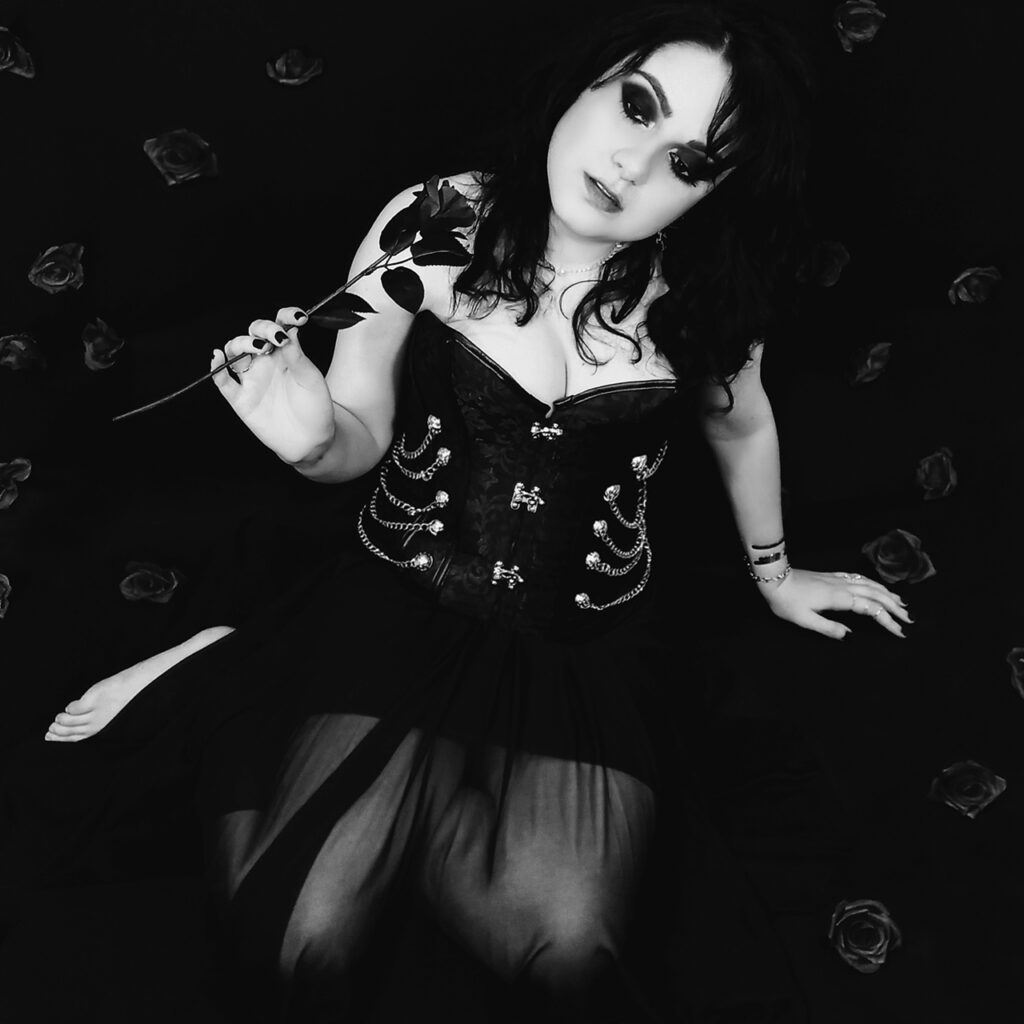
Adna Melan Adna Melan opens up about “Lie”, a haunting and deeply personal song that transforms pain, vulnerability, and self-reflection into a powerful journey of healing, artistic truth, and emotional rebirth. “Lie”feels deeply introspective, almost like a confession wrapped in melody. What personal emotions or experiences inspired the creation of this song? I think it’s intriguing that the lyrics of “Lie” came to my mind, and at that time, I hadn’t stopped to think about it or even noticed all those feelings. Some time after I wrote “Lie”, I had a deep relapse into depression, but it felt like something had started to change inside me. The lyrics talk about internal struggles and awful feelings like angst and blame, but it expresses a longing for release from all of these feelings, overcoming, healing. I’d say it was the beginning of realizing I didn’t want to convince myself I had to accept it all anymore, questioning things. And when I relapsed, I couldn’t avoid all these bad feelings, and I ended up facing my most serious suicide attempt. However, I consider this positive recognition essential back then, something that is related to a huge change in my life. Your music often balances vulnerability and strength. How do you find that equilibrium when transforming pain or inner conflict into art? For me, it’s very important to create something true, so I’m very open in sharing vulnerability through my music, and the strength comes with it. Knowing yourself and how you’re feeling, and believing that you’re capable of overcoming it all, besides finding a way of turning a bad experience into something meaningful that maybe can resonate with other people is something really powerful. You’ve been a semifinalist twice in the International Songwriting Contest — how did that recognition shape your confidence and evolution as a songwriter? It’s always good to get some recognition of this kind, but I think it’s really important to always try to evolve our abilities. A lot of confidence comes with experience. The more you practice, the better you get. 4. In “Lie”, the production feels cinematic and immersive. How involved were you in shaping the song’s sound and atmosphere during the recording and production process? I was very involved from the beginning. I wrote the lyrics first, and a couple of months later I had some ideas for the harmony, then I started thinking about how I wanted the song to sound: the atmosphere in the beginning, the guitar emerging and disappearing when the vocals start on the pre-chorus, the backing vocals, etc. I started composing on the piano, and later on the guitar. Then I recorded a demo at home and sent it to my producer, who improved my arrangement and created other instrumental parts. From there, we worked together to finalize the track, shaping all the details and building the final version. You also direct and design your own visuals — from Melancholiato Lie. How does photography and visual storytelling influence the way you present your music? Visuals are a strong way to convey a message. I think it’s an important part. It complements the song and the story behind it. I really enjoy the creative process and bringing ideas to life, and I think it’s a way to build a unique identity as an artist as well. Your eBook Roses and Melancholyexplores turning tragedy into poetry. Do you see “Lie”as a continuation of that same philosophy — and how do writing and music intertwine in your creative healing process? Yes, I’d say it’s the philosophy behind everything I do: turning tragedy into some kind of art. Music and writing are very cathartic for me, they offer a way of trying to find some meaning in bad things that happen in life. Writing is a great way of processing feelings, achieving self-knowledge. After I found out about that, I never stopped writing, and I think turning it into music is something very powerful as well, a therapy. I mean, both creating and listening to other artists’ music. It’s about finding hope and strength to go on. More Info: Singer-songwiter | Adna Melan
Alex Kate

Alex Kate Through her haunting new single “Maybe God is Everywhere,” Alex Kate explores faith, duality, and empathy amid global conflict, blending emotional honesty with cinematic soundscapes that invite deep reflection. 1. Alex, “Maybe God is Everywhere” feels deeply personal and globally relevant at the same time. Can you tell us how your experiences in the US and Israel shaped the emotional core of this song? My time in both the US before the elections and then on October 7th 2023 in Israel definitely influenced the emotional core of the song. So much pain in the world is caused in the name of God and it is devastating. I also recognise that I have friends on both sides of the political fence and need to be open to different perspectives. Too much is also caused by the polarisation of people- I think it is one of our modern day travestis. It’s about grappling with duality and finding common ground, even when it feels impossible. Nuance needs to be the new normal. 2. The line “How did holy turn into hatred?” captures a universal feeling of disillusionment. Was there a particular moment or image that sparked that lyric for you?It wasn’t one specific moment, but rather an accumulation of observing how deeply held beliefs can be twisted and used to justify conflict. It’s a question that’s been on my mind for a long time. 3. You worked with producer Mitch Parks in Nashville — how did his approach influence the sound and atmosphere of the song?Mitch has a great way of capturing raw emotion. He really understood the dynamic I was going for, balancing the heavier themes with a sense of vulnerability. He helped create that atmosphere perfectly. He is a very well accomplished musician- played with Ed Sheeran and now on a world tour with Callum Scott- I am very honoured to have him as a co writer and my producer. The track carries both despair and a fragile sense of hope. How did you balance those emotions musically and lyrically?That balance was key. Lyrically, it’s about acknowledging the darkness but not letting it consume you. Musically, we used dynamics and instrumentation to reflect that push and pull between despair and hope. 5. Many listeners have compared your sound to Kate Bush. How do you feel about that comparison, and who are the artists that most inspire your songwriting today?I’m flattered by the comparison to Kate Bush; she’s an incredible artist. I draw inspiration from so many places – artists like Florence + The Machine, Hozier, and even some older folk influences. It’s about finding authenticity in the songwriting. 6. With “Maybe God is Everywhere” confronting such powerful themes, what do you hope listeners take away after hearing it — reflection, comfort, or perhaps a challenge to think differently?I hope it encourages reflection and perhaps a bit of empathy. If it makes someone think differently or feel a little less alone in their struggles, then I’ve achieved what I set out to do. More Info: alex kate | Instagram, Facebook, TikTok | Linktree
Matt Saxon
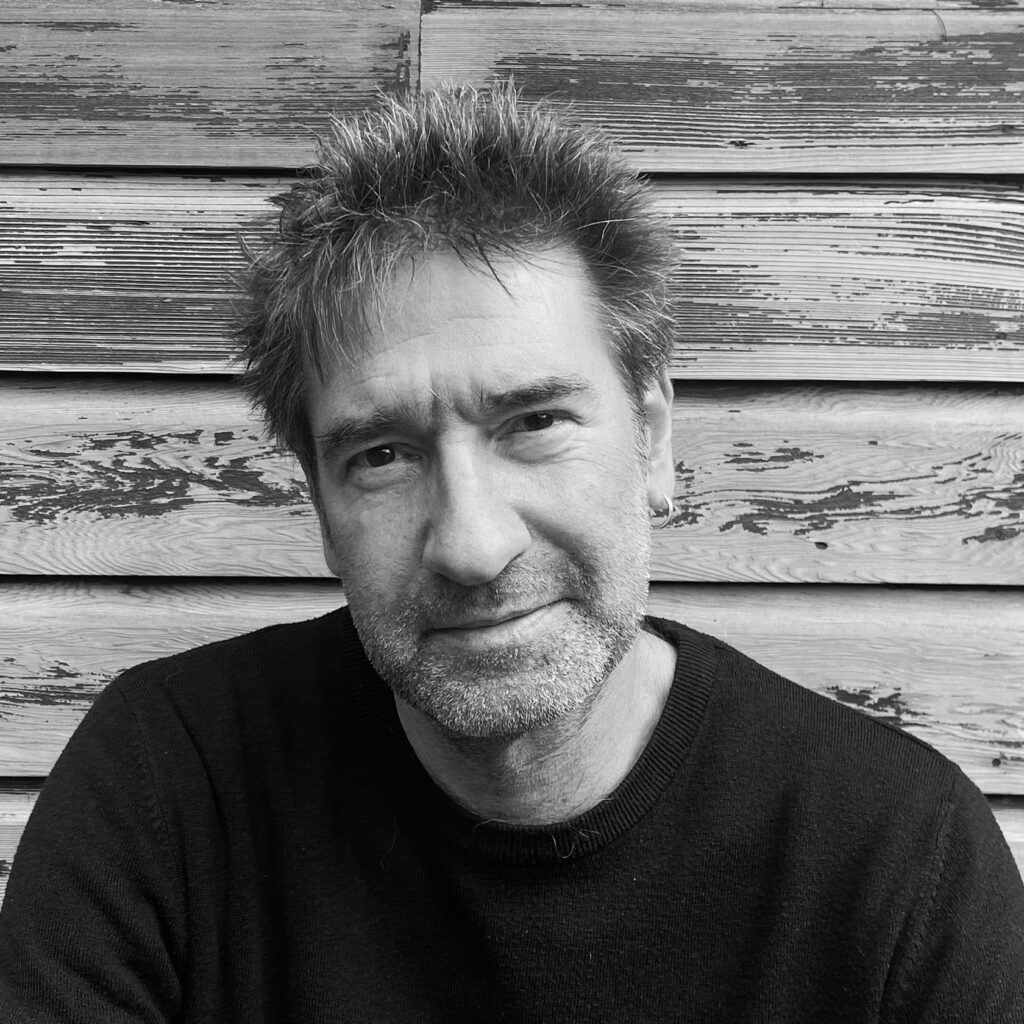
Matt Saxon With his new single “Rough Patch,” Matt Saxton crafts a heartfelt reflection on love’s challenges and resilience. Blending folk, rock, and warmth, the track finds beauty in perseverance and hope. 1. Matt, the cover art for “Rough Patch” shows you sanding your house during lockdown — a powerful metaphor for the song’s theme. Can you tell us how that imagery connects to the emotional core of the track? The emotional core of the song is about smoothing out and getting through a rough patch in a relationship. Smoothing out the rough patches on my house felt like a nice and unique metaphor and cover photo, for the song. 2. The song explores how a couple survives difficult times in their relationship. Was this inspired by personal experience or by stories you’ve observed around you?Personal experience! 3. Your music blends folk, rock, and electronic influences with an uplifting yet melancholic tone. How did you approach balancing those moods and textures on “Rough Patch”?I wanted the song to have a classic rock / folk feel (acoustic and electric guitar, drums, bass, piano, organ) and not let the production get in the way of the song’s simple message.I think the saxophone solo before the last chorus helps lift up the song.I am a big fan of David Bowie and I really like the way he uses saxophone in some of his songs.It was also great to play the instrument again after many years without doing so. 4. Your previous single “Feel It Again” received praise for its intimacy and lyrical depth. How does “Rough Patch” continue or evolve that emotional journey? Feel it Again is about falling back in love in a long-term relationship, so it is really the next chapter after Rough Patch. Though both songs ultimately are about pushing through and carrying on and therefore optimistic in their message and meaning. 5. As a multi-instrumentalist and producer, what was the creative process like for this single? Did you handle most of the instrumentation yourself, or collaborate with others? I recorded the demo at home using Garage band but recorded the single at The Animal Farm studios in London with the brothers Ville and Mat Leppanen. They are brilliant musicians who get my music completely.Here are the credits for the song: Matt Saxton – Vocals, backing vocals, acoustic guitar, piano, keyboards, saxophoneVille Leppanen – Electric guitarMat Leppanen – Drums, bass guitar, backing vocalsMixed by Mat LeppanenProduced by Mat LeppanenMastered by Hafod 6. “Rough Patch” speaks to perseverance and hope in love. What message do you hope listeners take away when they hear it, especially after the challenges of recent years?You have actually summed up the message in the song very well, “perseverance and hope in love”. Home – Matt Saxton Music
Poste 942
Poste 942 French rockers Poste 942 return with #chaleurhumaine, a vibrant and heartfelt album celebrating reconnection, creative renewal, and the enduring power of friendship, language, and true human warmth. #chaleurhumaine feels like a celebration of reconnection and creative renewal. How does this album mark a new chapter for Poste 942, especially with the arrival of Cecilia and Julien? During the lockdown period, we parted ways with our singer. We continued to play without him, with Bruno and Ludo, once a week. We then had about twenty more or less finished demos.11 For over 10 years, I’ve been receiving “alerts” in my email about drummers and singers, the two positions that change most frequently within POSTE 942. I came across Virginie’s ad. She met us and joined the band, choosing several of our existing tracks. She wrote all the lyrics and created all the melodies for #humanheath. The arrival of Cécilia and Julien lasted a little over a month. Julien’s return to work and family life was more important than playing with us, and since he was in a relationship with Cécilia, they both left us! We still have two finished tracks that will be on our next album! We’re looking for a new drummer and a new singer! NOTICE! The decision to sing entirely in French gives the record a very personal and poetic touch. What do you feel French brings to rock music that English sometimes can’t capture? The lyrics! Obviously, French songs are harder to sing and make them sound good! A good French song must necessarily “say something” whereas in English you can just go YEAH! YEAH! for a minute if you want, nobody cares! French listeners want to hear something that makes sense, hence the success of Rap, Spoken Words (SLAM), Audiobooks or President MACRON in France! The French like to be told great stories, even if they are not true! Your sound blends grunge, stoner, and classic rock energy, yet this album feels more introspective and mature. What inspired this evolution in tone and production? Of course, the line-up change! We go from a singer who sings loudly in English to a woman who sings in French in a completely different way… Poste 942’s music adapts to this because we remain open to all suggestions, as long as they sound good! For the production, we haven’t changed anything, it’s still at Bruno’s studio in Marseille! We have all the equipment you need on site! The title #chaleurhumaine(“human warmth”) feels especially meaningful after the isolation of recent years. What does that concept represent for you as artists and as people? After this crazy period of confinement, we all wanted freedom. Making music once a week was a real escape for us and pure pleasure! We all gained weight because we sometimes spent more time at the table than in rehearsal, it was really a special time… Confinement will have brought us even closer, that’s the power of human warmth! It is there to unite us and to last over time. You recently paid tribute to Kyuss with your version of “Demon Cleaner” for Spaceship Landing: A Tribute to Kyuss.How did you approach honoring such an iconic band while keeping the distinct Poste 942 identity alive in your version? Earlier this year, we participated in a tribute compilation to the band MINDFUNK for the French label BITUME PROD. We had already adapted the song ZOOTIEHEAD in our own way! The French lyrics, the use of lap-steel, a new riff… For DEMON CLEANER, we also slowed down the tempo, invited Cyril from the Marseille band Ornithorak to sing (https://ornithorak.bandcamp.com/album/ornithorak-ep), and added an incredible and very soaring solo! And I played lap-steel again because I love doing that. Little scoop: Witching Buzz must have liked our cover because they invited us to do it again for a tribute compilation to Ozzy Osbourne! We’re currently working on NO MORE TEARS, a very complex and powerful track played by the already excellent Zakk Wylde!!! We hope they’ll like our version! We’re still preparing surprises for this track! After 15 years of music, evolution, and perseverance, what keeps Poste 942 inspired and motivated today—and what can fans expect from the next phase of your journey? I’ve been playing guitar since I was 15, and I’m 48 now. I’ve been playing in a band since high school. And when I didn’t have a band, I always had a guitar handy! You’re never alone with a guitar! I like to get together with my friends at least once a week to play together; it’s part of my balance! Poste 942 is about fifteen years old, but I’ve been in other bands before… I’ve been married for almost 25 years, I have three kids, and a job, so I really need to get together with my friends and turn up my amp at least once a week to avoid losing my cool!!! Whether it’s to play, have a nice meal, shoot a music video, go to the movies, celebrate a birthday, or go to a concert! In one year of digital distribution of our latest album, we earned 8 euros! In our case, I don’t know if we can call it “fans,” haha. I’m stopping streaming. It’s not for bands like us, and I don’t want to participate in this vast scam! I know every one of our fans! Haha, they’re friends and family, above all! We’re happy and proud to offer them our latest CD when we see each other! Our next project is already underway; I still want to make music, and as long as my friends do too, why stop? We might have found a new drummer, we’re still looking for a singer, we’ll see! In the meantime, we’re working in the studio on new demos or covers, and, well, it sounds pretty good!!! https://zik.band/Poste942/
ReeToxa
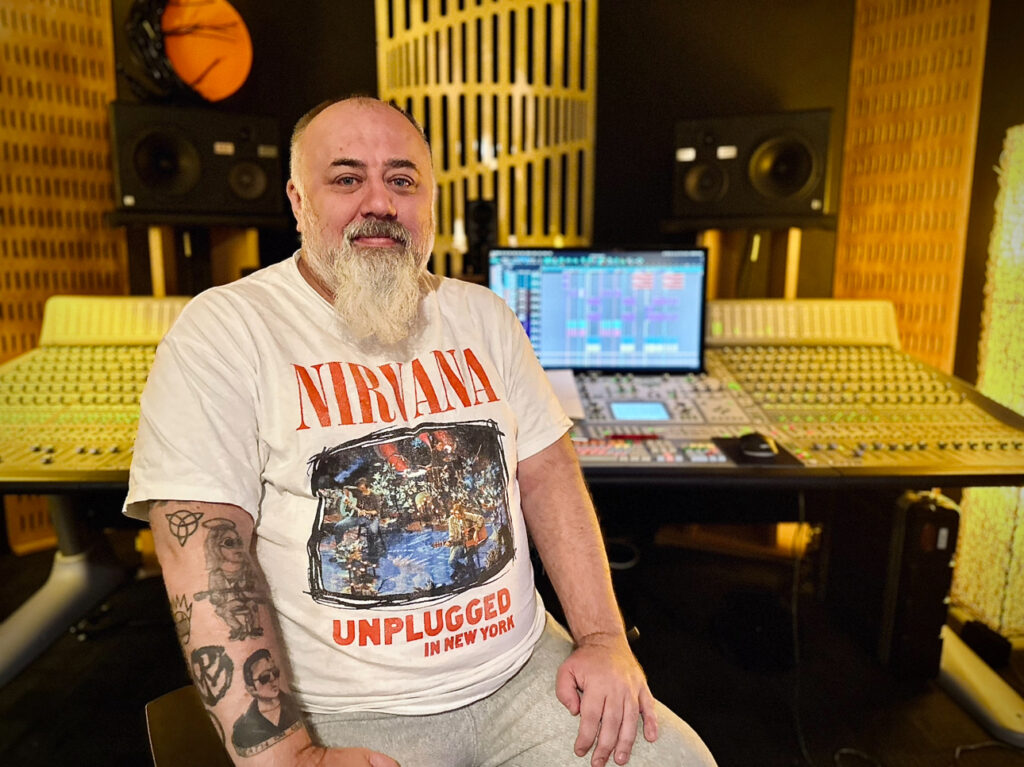
ReeToxa Emerging from Melbourne’s alt-rock scene, ReeToxA turns pain into purpose. In this interview, Jason reflects on loss, resilience, and the healing power of music that fuels Pines Salad. Jason, ReeToxA was born out of a deeply personal journey — from your early days in Frankston to finding healing through music. Can you share how those experiences shaped your artistic voice and storytelling? The only way I know how to express myself is through writing songs and poetry. I feel like I’m going to explode if i don’t write an idea down. Although I have done a lot in my life song writ g is the one constant that’s always there for me. The song “Bobbie”seems to hold a special place in your heart as the emotional core of this project. What was the writing process like for that track, and how did it influence the rest of Pines Salad? Unfortunately, in 2017 I went to jail for six months, and in my second week my sister informed me mum (Bobbie) was very sick. They had a multi faith center at the minimum security correctional center I was in and I joined meditation / praying class to help mum spiritually as I could not help. The chorus was a meditation I came up with to meditate and unfortunately mum passed away and the orating did not work. A few months passed and I got in a terrible fight with a relative over the phone, and the song came poring out. I would sing it all day so I did not forget the melody. Your debut album Pines Saladhas such a raw, self-aware energy — from its title to the themes running through it. What message or emotion do you hope listeners take away after hearing it? Well, I hope if people need to have a good sing, dance, cry or get out their emotions they can put the album on and feel better! Most of all I hope they come to our shows and dig the new Records coming. I am here for the long hall. You’ve collaborated with some incredible talents like Simon Moro, Joe Carra, and a stellar band lineup. How did those collaborations elevate the sound and direction of the record? Funny you should ask as Simon Moro is sitting right next to me now! He believes everyone collaborated together to get my vision out. I’ll never be able to thank everyone enough and I hope it helps them as much as it’s helped me in the long run. ReeToxA blends grunge-era grit with modern alt-pop honesty — a mix not often heard. Which artists or moments in your life helped you find that sonic balance? I loved the great 90’s lyric writers like Elliott smith and Kurt Cobain! Speak the truth and make it rhyme as John Lennon used to say. You’ve mentioned that you’re currently back in the studio. Can you tell us more about what you’re working on now and how this new chapter is shaping up for ReeToxA? I am currently half way through recoding my second album with all the same people involved. It’s a 26-track double album that I believe is my best work. I can’t wait for you to hear it and tour both albums next year. https://linktr.ee/reetoxa