
Avyne
Avyne Blending dream pop and shoegaze textures with introspective lyricism, Avyne invites listeners into a deeply personal world. In this interview, she discusses dissociation, creativity, and the intimate process behind “Can’t Tell What’s Real.” 1. Your track “Can’t Tell What’s Real” explores themes of dissociation and perception. How do you personally connect with these ideas, and what emotions were you hoping listeners would feel when hearing it? I think this song is my attempt at expressing a specific state of dissociation I sometimes find myself in. It’s this ‘in between’ state that I can never quite put into words. It’s just there. My creative process is more so just letting things unravel themselves. I don’t actively look for a specific emotion, I like when people make up their own perspectives and tie them into personal life experiences. Everyone looks at life & art in such different ways, so I believe it would be unfair for me to have expectations when it comes to what someone feels while listening to my music. 2. You mentioned being influenced by dream pop and shoegaze acts like Chromatics and Slowdive. What about their sound or creative approach resonates most with you, and how did you reinterpret those influences in your own way? I’ve always resonated with a more bittersweet approach to music and music-making, maybe it’s just what I grew up listening to. I love the specific dreamy & distorted guitar sounds and I’m always down to incorporate those into whatever I do. And I love reverb. 3. The song was produced and recorded in your bedroom. How did that intimate setting shape the energy or mood of the final track? My music is extremely personal to me. Although my work environment paints the same picture, I think the intimate nature of it all ultimately comes down to how comfortable I feel in a space. I probably experienced and analyzed every single emotion I can think of inside my bedroom. I see it as a weird multifaceted isolated place, and that made it easy for me to experiment musically. Avyne · Can’t Tell What’s Real You described the production as “spacey, grand and polished.” Can you share any specific production or mixing techniques you used to achieve that immersive atmosphere? I wanted everything to sound as wide as possible. Lots of panning, vocal layering & modulation wherever possible. Still, every choice was pretty intentional. 5. Your music draws from various art forms — cinema, photography, and fashion. How do these visual or stylistic influences find their way into your songwriting or sound design process? I’ve always been really passionate about imagery & storytelling. My way of translating that into sound is paying attention to the colors, shapes, movements and stories that cross my mind while creating. Most of the time I’m looking to find the intention or message behind these thoughts and then shift it into music. Whether it’s the lyrics, sound design or both, undertones of what I’m passionate about or what I love are always present throughout what I do. 6. You’ve said your creative process gives you a strong sense of purpose. How has making music like “Can’t Tell What’s Real” helped you grow personally or artistically? Every song or project I work on is a chance to find out more about myself, my craft and life in general. Making this track specifically gave me a sense of direction of what I want my music to be and do. Every day I stay deconstructing ideas of what a creative process ’should be’, and getting to the root of them. I’d rather focus on what feels authentic to me instead. I find that purposeful. https://www.instagram.com/avyne._/
Chellcy Reitsma
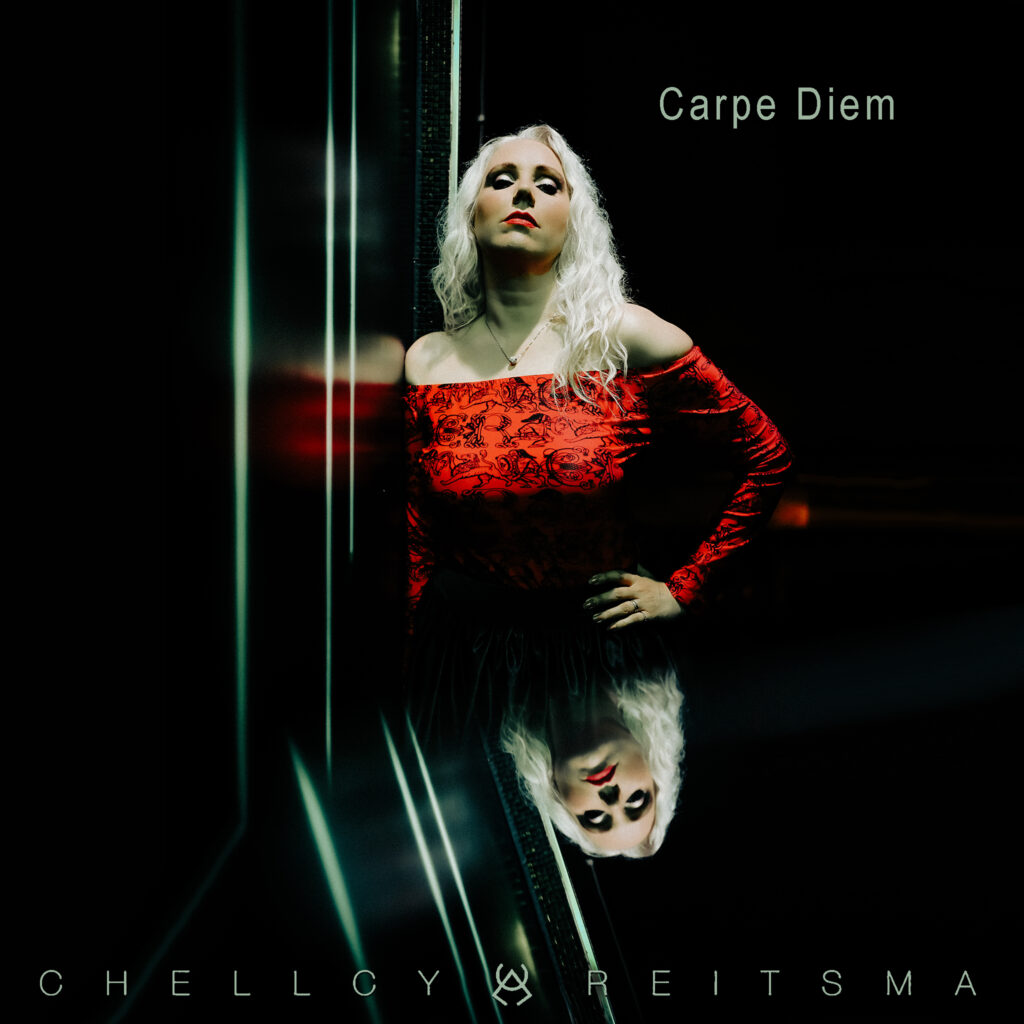
Chellcy Reitsma Blending blues, alt-rock, rockabilly, and Americana with a cinematic edge, Chellcy Reitsma channels authenticity, emotion, and spirituality through her music and visual art, revealing the soul’s depth in every creation. 1. Your sound blends Blues, Alt-Rock, Rockabilly, and Americana with a film noir edge — a truly unique mix. How did this distinctive “retro yet modern” style evolve, and what musical or personal influences shaped it?They are all my favourite styles that I have always listened to since I was a kid. I guess they just come out naturally since they are so much a part of who I am. I love retro styles. My favorite artists and influences are all very retro yet contemporary as well. For example, my top favourite artists at the moment are Asaf Avidan, Beth Hart, LP, Kovacs, and Barns Courtney. 2. Your project, “Desolate Days,” merges your visual art with your music through stop-motion animation. What inspired you to combine these mediums, and how did the creative process differ from your usual songwriting or painting practices?Desolate Days from 2020, was written and created during covid as part of the InnovAIR artist in residency at Valletta Cultural Agency. I wanted to create something about the isolation experience, how so many people taught themselves new skills to help get them through isolation. So, I taught myself how to do a crude stop-motion animation using only my mobile, 3 peices of drawing paper and charcoal and white chalk. It was a fun challenge and I created over 800 drawings on 3 peices of paper for the video, photographing every mark with my mobile and compiling it in the Stopmotion App. 3. You describe your mission as creating art that’s “authentic, honest, and deeply personal.” Can you share a specific moment or song where you felt that mission come to life most powerfully?I think my song ‘Fleshbot Prison’ was the first time I really acomplished all three in a very powerful way. My spiritual beliefs, my physical struggles from my injuries, my physical and emotional pain, my anger, my depression, my hope, my dreams, my feelings about all of it past, present and future; it all came out and culminated in that one song and was expessed so deeply, so completely, so effectively and so personally. It was the first time I felt I had really accomplished my mission as an artist in the most honest and authentic way; that I had literally, fully bared my naked soul in a song. 4. As a Grammy voting member and a full-time multidisciplinary artist, how do you balance the technical side of the industry with the deeply emotional and spiritual side of your creative work?I compartmentalise them and focus on one thing and one step at a time. When I’m creating and getting inspired and writing I am solely focused on that for weeks or months and pour myself into it. Then the business and industry stuff happens later, separate, like a different personality is taking care of business. The creative part has to be held sacred, honoured, and respected as such. Business is buisness and can be done anytime in any frame of mind more or less. 5. You’ve spoken about art’s ability to “quantify soul” and change our reality through universal consciousness. How do you see that philosophy reflected in today’s music and art scene — and do you think audiences are becoming more receptive to that kind of depth?There is a huge movement, a shift, in art, music, and societal beliefs towards this universal consciousness.I think audiences and artists are getting sick of the commercial, mass produced shallow stuff and they are looking for real, raw, emotional depth that is our shared human experience that connects us all. You can see it in the rise of the independent artists. Take for example, Asaf Avidan, Patti Smith, Beth Hart, Nick Cave and Kovacs; thier concerts and tours sell out, audiences go for the experience, the introspection thier music and concerts and public speaking evoke, they attend not for just entertainment but for reflection, connection, introspection, expansion. These artists have almost cult like followings because thier concerts are spiritual experiences, authentic undefineable-genre-less music that inspires, they are story-tellers, and tell deeply personal, raw, honest stories with thier music and poetry. They bring people to tears and connect us all through a shared human experience, fragility, vulnerability and resilience and they receive 2, 3, even 4 standing ovations for doing so in every concert because people are moved by and respect thier message as artists and the connectivity one experiences in thier concerts, like going to the best church ever. 6. Looking ahead, what new directions or projects are you most excited to explore — musically, visually, or poetically — in the coming year?I’m really excited about my next project releasing end 2026 and beginning 2027, my new EP titled ‘Home’. It’s a collection of country-rock songs I wrote while on tour in Tennessee and recorded them in Nashville. It was my first time recording as a live full band. The music director is the guitar and harmonica master Pat Bergeson, who just finished touring with Peter Frampton. I’m honoured to have him playing on the tracks and to have him as the band director for this upcoming project. Some of my goals for 2026 are to do more collaborations, I’m working on writing my 3rd full album, and I would love to play at more festivals abroad outside of Malta. Regarding my visual art, I’ve been returning to painting after a long break from the canvas in favour of film and sculpture installations. But now I’m feeling the need to get back to my roots both in art and music so painting and themes of home and love are prevailing in my music, poetry and art. http://chellcyreitsma.com
Paul Louis Villani
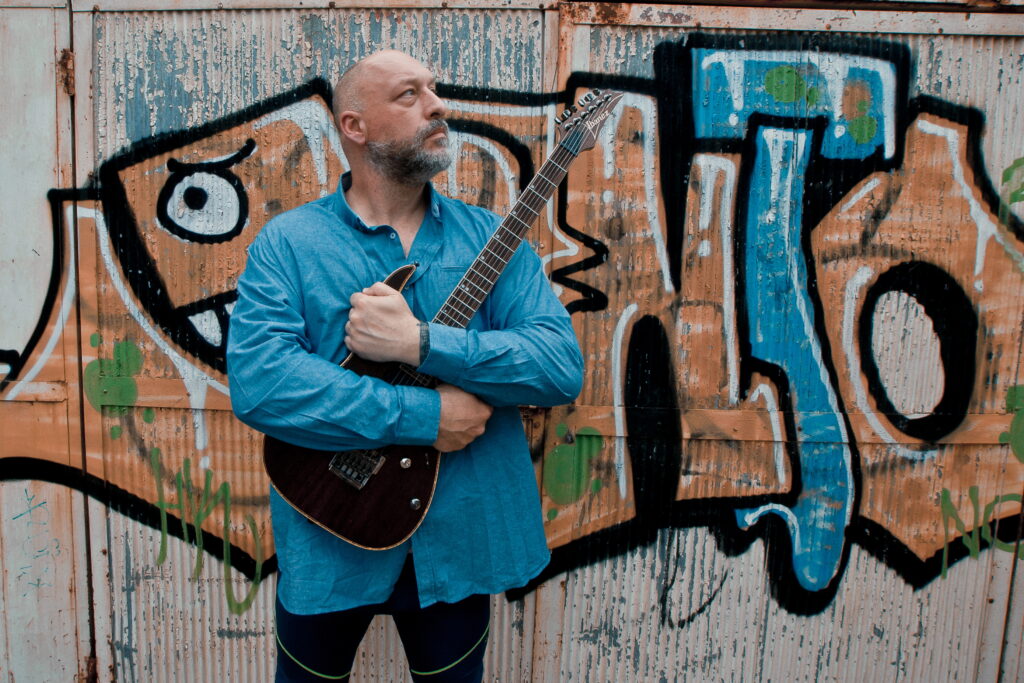
Paul Louis Villani Paul Louis Villani’s “Sweat Drips” is a wild fusion of groove, grit, and humor — a chaotic yet soulful ride where brass, bass, and raw human freedom collide in pure, unfiltered creative energy. 1. “Sweat Drips” feels like it was born in chaos — brass, bass, mischief, and heat all colliding. What was the moment you knew this track had the right kind of unhinged energy?The moment I wrote the opening riff, laid it down and added brass over the top, I knew I was “cooking with gas”!! LOL! It just had a vibe, a groove. I used to collect all sorts of magazines back in the 90’s, some music mags had ZIP Disks attached preloaded with 15 or 20 royalty free samples, the drum track comes from there! 2. You mentioned Sly Stone and Richard Pryor as inspirations — both artists who thrived on imperfection and freedom. What does “being imperfect” mean in your creative process today?Imperfect, for me, is two things. The first, regarding my music, means not over producing nor copying what others have done in regard to production or mastering. I love hearing feedback like “Oh you should’ve rolled the mids in by 1%” or “The kick drum sits behind the music”. At my age I understand the right of humans to have an opinion, I also have a right to request you shove that opinion where it belongs.Secondly, to be imperfect means to be human. I’m happy to exist in the space where I can comfortably exclaim that I don’t know everything but I am happy to be working my way towards finding out the truth of all things, not just blindly taking the word of other imperfects. 3. The title “Sweat Drips” alone is raw and visceral. What’s the deeper message behind it — is it just about the groove, or is there something more human you’re sweating out here?Groove is important! It doesn’t matter about the genre but the music must have a “listenability”, a weird unseen magnetic force that makes you listen to the track over and over. The humanism I’m sweating out in the track is a yearning for true freedom, and I say that fully acknowledging that I have no idea what that is nor the path to take to get there. 4. You’ve described your upcoming EP, Fully Unchained Creativity, Kinetically Overriding Fossilized Frameworks, as a genre-crusher. How do you decide when a sound belongs — or when it’s time to tear down another wall?Hmmm tough question! This might sound over simplified, but I don’t plan on writing a genre. I just pick my instrument (either pen & paper, iPhone Notes, Guitar, Bass Guitar, Korg N5 Synthesizer, Logic X and samples) and write/create. Whatever comes out is what needs to be exposed at that moment in time, I don’t know why and it’s never forced. Lyrics can be a sticking point sometimes. I have binders full of lyrics that I commenced in the late 80’s that I sometimes go back to a steal a verse or a chorus. Most of the time if lyrics don’t flow when I’m writing I usually stop and don’t come back to them, what I mean is I write an entire song structure of lyrics in 10-15 minutes or a leave them and most likely don’t come back to them until I’m sitting somewhere thinking “Hey, haven’t I written something that sounds like…”! 5. There’s a lot of humour in your work — a grin behind the groove. Do you think laughter and funk come from the same creative place?Sure, why not. It’s nice to hear you say that because I’ve often been criticized for writing “too dark”, “too deep”, “too philosophical” and yes, I’m comfortable in those spaces but there’s nothing wrong about having some cheek or humour in the flow. I mean, it takes most human beings 10 seconds to work out that “Sweat Drips” was written apart us humans most basic and primal function. That function should be something that makes us smile and giggle, even just a little! 6. If someone puts on “Sweat Drips” for the first time — what do you want their body or brain to do in the first 30 seconds?The first time listen, especially when the first line of the lyrics hits, should be a quick WTF moment! LOL! Then the groove should take over and hopefully and very naturally, the head start bobbing, hips start swinging and smiles become extremely infectious https://www.instagram.com/paul_louis_villani
Neodym

Neodym Polish artist Neodym turns the illusion of social media into dancefloor truth with INSTA — a vibrant, ironic, and emotional reflection on image, identity, and connection ahead of the upcoming album Neo-Dance. What inspired you to turn the theme of social media illusion into a club track rather than a slower, more reflective song? I wanted to show the contradiction itself — we dance to the beat while hiding our insecurities behind filters and curated feeds. Club music is where we perform confidence, where we “shine,” so making INSTA sound fun and energetic felt honest. The contrast between the heavy message and the dancefloor energy is what gives the track its meaning. It’s a mirror — we’re celebrating and critiquing at the same time. The visuals and lyrics mention luxury symbols — white Mercedes, gold rings, botox, perfect bodies. Are these purely ironic, or do you see beauty and truth hidden in those curated images too? There is definitely irony in those symbols, but they’re not meaningless. Luxury and beauty can be empowering, and people use them to express identity — that’s real. The problem is when those symbols replace authenticity. INSTA plays with both sides: the sparkle is attractive, but when you look closer, there’s also emptiness and longing. I think the truth is somewhere in between. You performed “INSTA” live at the Launch Dallas Festival with incredible energy. How did the audience’s reaction there influence how you now see the song — both musically and conceptually? The crowd in Dallas reacted instantly to the hook and the rhythm — it was very instinctive. Most of the audience didn’t speak Polish, yet the beat alone made them dance and have fun with zero hesitation. That moment showed me how music can cross language and cultural barriers without needing explanation. After that performance, I began to see INSTA less as a critique and more as a shared experience. We’re all part of this digital performance, and we’re all trying to connect through it — sometimes the rhythm expresses what words can’t. You’ve described Instagram as “a stage where everyone wants to look perfect.” Do you ever feel caught in that same pressure as an artist yourself, balancing authenticity and image? Absolutely. I think any artist who says they don’t feel it is lying. Social media invites us to create a polished version of ourselves, but music demands honesty. I try to stay aware of when I’m performing an image, and when I’m showing something real. The key for me is to let the music lead, not the algorithm. The production blends EDM, pop, and deep house — very club-ready, yet thoughtful. Can you tell us a bit about working with Sven Kuhlmann and how your sound evolved during the creation of “INSTA” and your upcoming album Neo-Dance? Working with Sven is effortless — we understand each other musically without having to over-explain. He’s an amazing producer who is usually rooted in classic house, so creating these tracks with me allows him to expand his sound and explore new emotional layers. For INSTA, we even added live saxophone, which brought warmth and a human pulse to the electronic structure. Our collaboration is about balance: atmosphere and groove, storytelling and movement. That shared approach is shaping the entire Neo-Dance album — it’s dance music that breathes. Looking ahead to Neo-Dance (Summer 2026), what themes or emotions should listeners expect — will you continue exploring the tension between reality and illusion, or is something new coming next? Neo-Dance explores that tension, yes, but it also moves toward liberation from it. There are tracks about desire, loneliness, power, connection — not just questioning the illusion, but learning how to live with it and still feel alive. The album is about movement, both physical and emotional. It’s dance music with a human heart. https://www.instagram.com/patrycja.neodym/
Pistol TMW
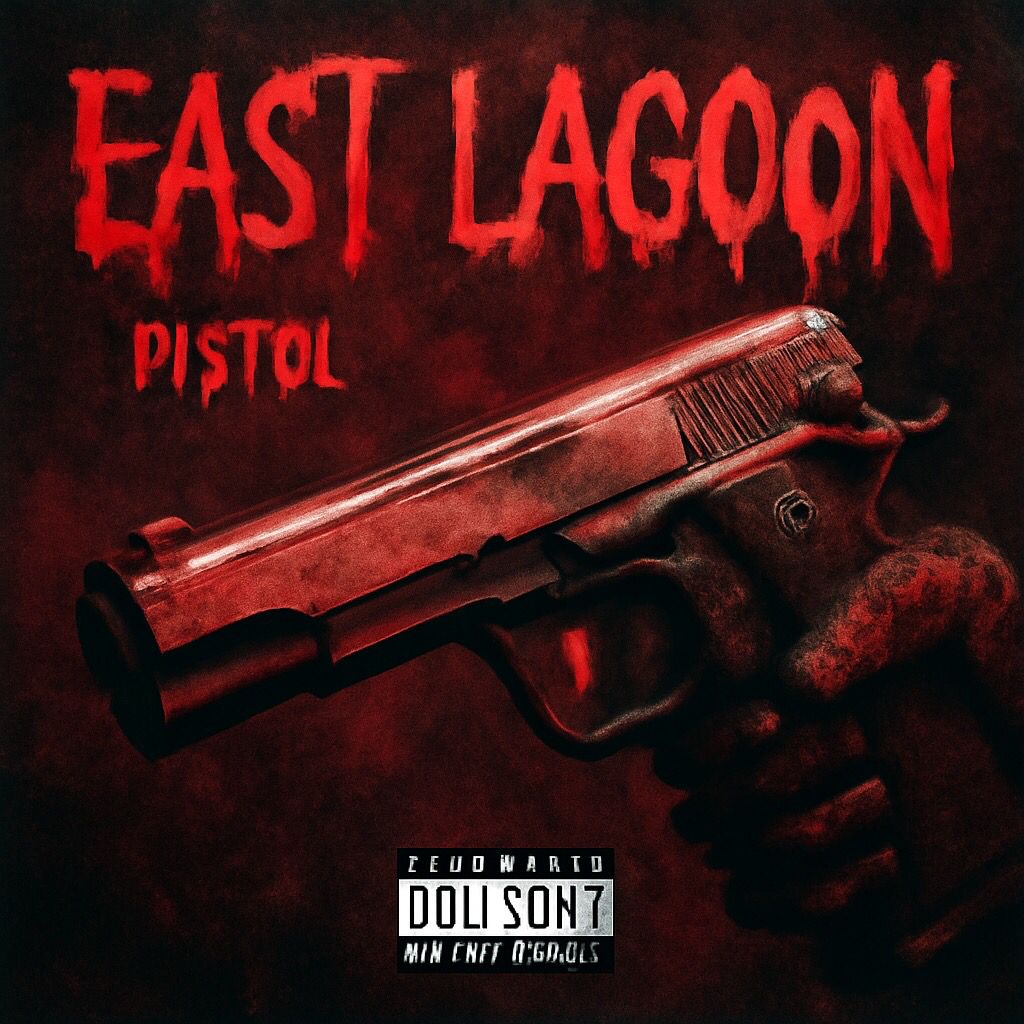
Pistol TMW Emerging from the grind of East Lagoon, Nigerian artist Pistol TMW channels raw emotion and street-born rhythm into his latest track. In this interview, he unpacks “East Lagoon”—his sound, struggle, and sonic evolution. What’s this tune mean to you – how does it tie into where you’ve been and who you’re becoming in your music path? “East Lagoon” changed things for me. Not simply another track – but proof I’m set to unleash my fire on a wider scale. This one holds my drive, every uphill fight, plus the truth that rising happens even if no one sees you coming. To me, it’s what change sounds like – shifting from my roots to my path ahead, as Pistol TMW, Nigeria’s sonic force. 2. You mentioned this tune means a lot – not just to you but to East Lagoon too. So how’d your hometown shape the vibe and tale of this track? East Lagoon built me – its vibe, its chaos, its grind, the local lingo, how you gotta stay sharp each day. That’s what lives in the rhythm and my tone. The music holds that gritty Ghana-meets-Nigeria street blend, Lagos energy crashing into Accra right here. My goal? Let folks sense the pulse of the block – our speech, our hopes, how we step. 3. Your sound mixes AfroPop with a fresh twist – you once mentioned it’s so different it might need its own category. So, how’d you explain the distinct feel behind “East Lagoon”? My vibe goes by Street Energy – think AfroPop fused with Pidgin rap, layered over real, uncut life noise. Not polished, just honest – kind of spiritual yet fierce, gritty but lyrical. “East Lagoon” swings hard, though it still reaches deep inside you. I’m pushing a fresh wave from the ground up, blending Afro drill with rap vibes and ancient African chant tones. You talk about kickin’ off with Rap Fame, then landing on big spots like Spotify and Apple Music – how’s that shift feel for you as a solo artist? It’s about moving forward while showing what’s possible. I began using only my phone and my voice – no fancy studio, no cash flow, nothing except trust in myself. Spotting my name today on Spotify or Apple Music proves the hustle wasn’t imaginary. That signal hits home for creators like me: starting doesn’t require approval – just belief, steady effort, plus a solid direction. Each new platform I land on? Feels like smashing through another barrier. 5. You’ve called the track “aggressive melodies mixed with pidgin rap” – what vibe should folks get while listening? What’s the takeaway? I want that fearless vibe to hit hard. “East Lagoon” speaks to those who’ve faced mockery, uncertainty, or being overlooked. It’s a proof your words carry weight – especially when nobody notices your spark just yet. Sharp rhythms echo that personal battle, the clash between hesitation and purpose. Once they listen, I hope they stand tall, owning every part of their grind. 6. What’s coming up for Pistol TMW after “East Lagoon”? Are music videos on the way, gigs in the works, or perhaps a full album around the corner? Yeah, for sure. The “East Lagoon” clip? That’s one piece of the bigger picture – I’m aiming to capture the raw vibe of the streets that sparked it. Then comes the next step: shaping a project that matches this fresh sound – the whole Street Energy Pack thing. Not just tracks, more like a mindset, a look, a way of moving. I’m getting ready to hit the stage real soon, hooking up with people who actually get the feeling. This here? Just the start – Pistol TMW’s about to power up completely. https://x.com/pistoltmw
Ashia Ackov
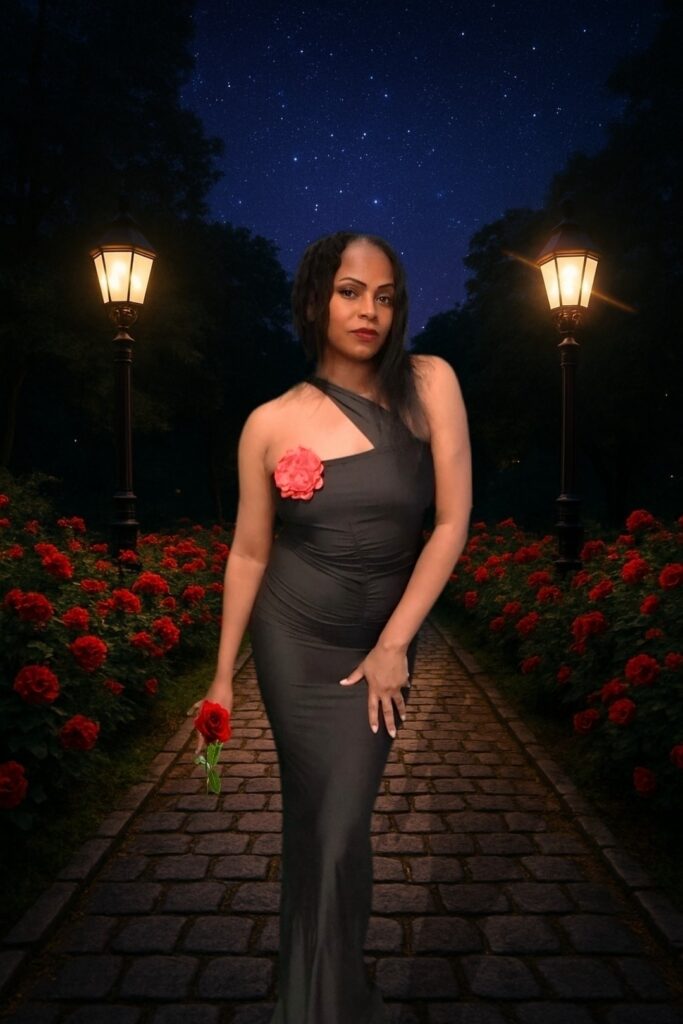
Ashia Ackov Ashia Ackov’s new single “Bound by Love” captures the timeless warmth of a lasting romance. Blending tender jazz melodies with heartfelt storytelling, she reflects on devotion, distance, and enduring passion. “Bound by Love” is a beautifully intimate jazz single — can you tell us how the idea for this song first came to life? I have been married 20 years. It’s very rare my husband and I are apart, but when he is away for a few weeks visiting family in Europe, Our bond remains intact. You’ve mentioned that the track was inspired by a long-distance romance. How did being apart from your husband shape the emotions and tone of the song? To be together so long and still be in love is rare. We still have a lot of passion and tenderness between us; it’s like that first date magic spark never died. When he is away, we spend time on video chat no matter the time zone difference, lol. Jazz often thrives on chemistry and dialogue between instruments and voices. How did you approach creating that duet-like dynamic to represent your connection with him? Let me just say, I love his thick accent. hahaha, I am a sucker for accents like Jamie Lee Curtis in “A Fish Called Wanda”. So, my duet had to represent him in that way. Another aspect I considered was the passion in Our voices. You have to hear that longing and genuine need for each other. There’s a sensual, date-night atmosphere in the song — what elements in the arrangement or performance help evoke that mood? When we are together, we try to have a “Date Night” every weekend. It doesn’t matter if we are just staying home and watching 80s movies & Cuddling… just keeping each other covered in love is what makes our relationship work. Many listeners find comfort in love songs that feel real and personal. What message or feeling do you hope people take away from “Bound by Love”? I want this song to bring couples together in more ways than one. (wink wink) Time changes people. Looks change, circumstances can change your outlook and plans, so the most important thing to consider is each other. Always consider your partners wants, needs, and desires. Also, I speak a lot of my husband, write songs about us, but it is important to keep your relationship private from outside influences. People who have been married happily for several years will know exactly what I mean by this. Looking ahead, how does this single fit into your broader musical journey? Should we expect more stories of love, distance, and connection in your upcoming work? I am certainly sticking with the Jazz Genre, I will always stick with Love/Romance, and I plan more Duets and collabs next year God willing. Maybe even a few intimate live performances in Europe. https://www.eapy.io/en/slides/view/ashiaackov
Molly May O’Leary
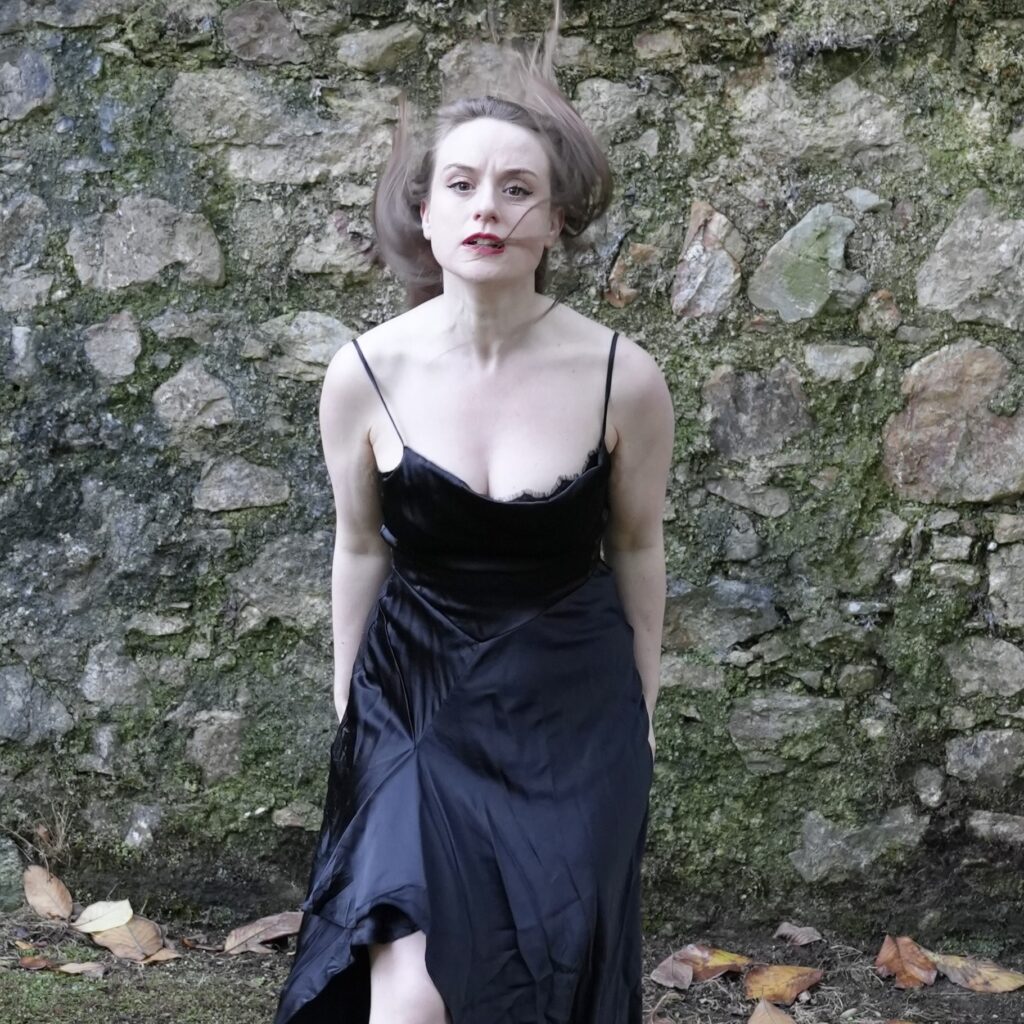
Molly May O’Leary Molly May O’Leary discusses ‘Ghost,’ revealing how her diverse musical background, collaborations, and intellectual curiosity shape a haunting blend of folk, electronic, and classical sounds reflecting grief and isolation. 1. “Ghost” is described as a fusion of folk, electronic, and classical influences. How did you approach blending these genres to reflect the themes of grief and isolation in the song?I think it partially developed naturally from my background and what I listen to. I used to play cello as a child. This background influences my taste, and also sometimes seems to be what I’m longing for, maybe to return to in a certain sense. That electronic string motif came first and the rest developed from there. 2. The lyric ‘I am trying to see but sometimes I only find me’ captures a sense of distorted perception. Can you talk about the personal or artistic experiences that inspired this line?Yeah. It kind of captures that confusion that comes with deep isolation, a sort of para-personal longing when you’re craving intimacy- for me it was a mixture of heartbreak, unrequited love and grief in a certain sense. 3. Your musical journey spans sean-nós, choir singing, and experimental projects. How have these diverse backgrounds shaped the sound and emotional depth of your work today?Massively I think. In terms of the singing, the classical and Sean-nós stuff really informs my sound. In terms of that experimental album Lambent Flame, that was really when I learned how to be an artist, how to play and be free with sound. 4. Many of your projects, like your 2021 concept album, have combined research, literature, and music. How important is intellectual or philosophical exploration in your creative process?Yes, it’s quite important. It’s just the way I think. I was actually writing an essay around the time I wrote Ghost and that’s what inspired the lines “I am trying to see but sometimes I only find me”. It was about grasping for something beyond language, beyond the mind, and never knowing if you really get there.5. You’ve collaborated with artists like Liam Ó Maonlaí and Blue Niall. How do collaborations influence your writing and musical expression, particularly when exploring themes as intimate as grief?Collaboration is huge for me, I love it. I actually find it can be a beautiful way to explore intimate themes, although this was a solo track. As it allows these parts of ourselves which feel so tender to be held in music with others. They become shared but in a safe way. It’s very beautiful and cathartic. 6. “Ghost” was released on Halloween, a date traditionally associated with spirits and the unseen. Was this timing intentional, and how do you see the connection between music, ritual, and emotional experience?Yes it totally was! Yes, music is similar to ritual in the sense that it allows us to express and honour things in a certain setting beyond daily life- giving truth and allowing for the unseen maybe, or spirits https://www.instagram.com/mollymayinsta
Big O
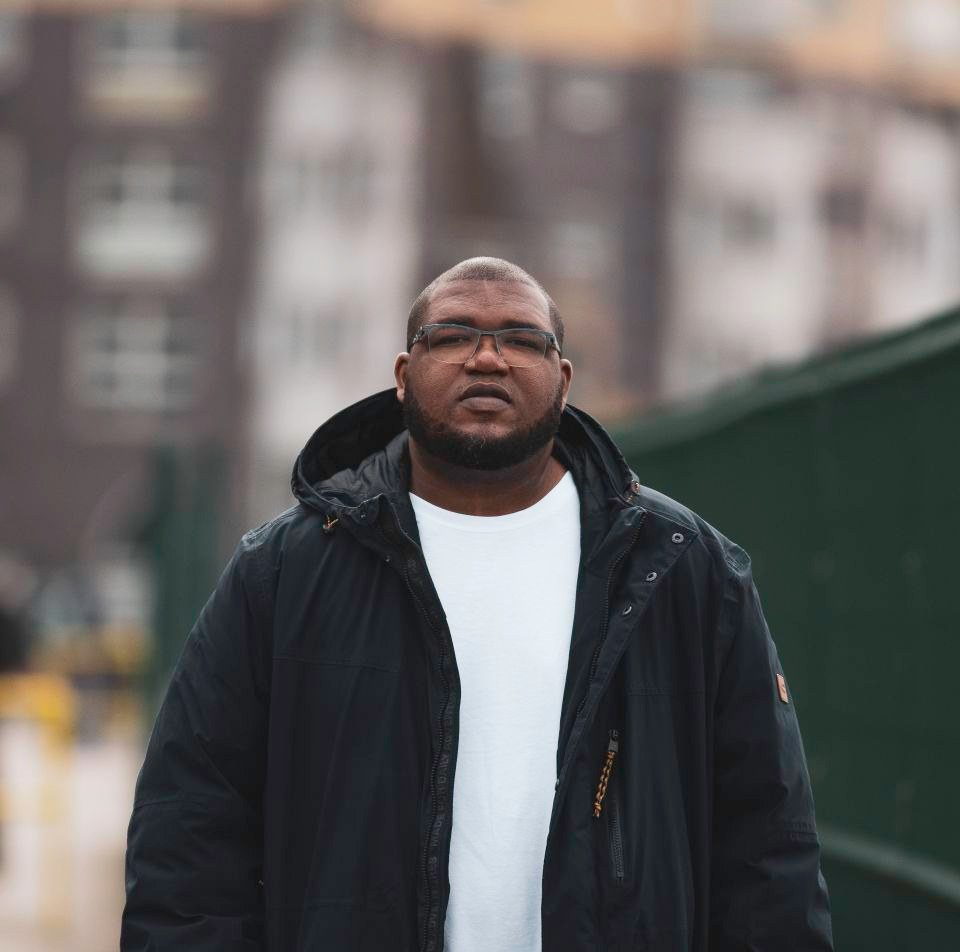
Big O Artist Big O’s new single, “Sounds of Broken Pieces,” marks a bold chapter — an experimental instrumental hip hop track crafted from inventive sound design, unique textures, and a fearless pursuit of originality. Your new single “Sounds of Broken Pieces” is an instrumental hip hop track. Can you tell us how this piece came to life and what sparked the initial idea? This piece came together from my desire to try something different. “Sounds of Broken Pieces” relies heavily on sound design, synths, and originality. These elements that really push me outside my usual creative comfort zone. You mentioned wanting to make something “original and out of the ordinary.” What steps did you take in the production or composition process to achieve that uniqueness? For this track in particular, I experimented by using broken pieces of glass and buttons inside a bucket, sampling those sounds to create unique background textures. Across the entire album, my focus was on exploring different subgenres and sonic textures through sound design. As an instrumental artist, how do you express emotion and narrative without lyrics? What feelings or imagery do you hope listeners experience while hearing this track? For me, the music I create acts as a soundtrack to my inner thoughts, distant memories, and imagination. When I make music, it’s primarily for myself, a personal journey, but when others connect with it and find something they love, that’s when it feels complete. How does “Sounds of Broken Pieces” differ from your previous work, both sonically and creatively? As I mentioned earlier, this song thrives on its originality and experimental approach. There’s nothing like it in my discography. The title itself is quite evocative — “Sounds of Broken Pieces.” Does it represent something personal, or is it more of a conceptual artistic choice? The title “Sounds of Broken Pieces” came naturally. Once I finished the track and listened back, that’s exactly what it sounded like to me. Looking ahead, do you see this single as a new direction for your music, or more as a one-off experiment in pushing your sound’s boundaries? This track marks a new direction and a new era for me, not just sonically but creatively. With this album, I made a vow to challenge myself and step into unfamiliar territory and I truly feel like I’ve achieved that. https://linktr.ee/bigrodamous
RedLight
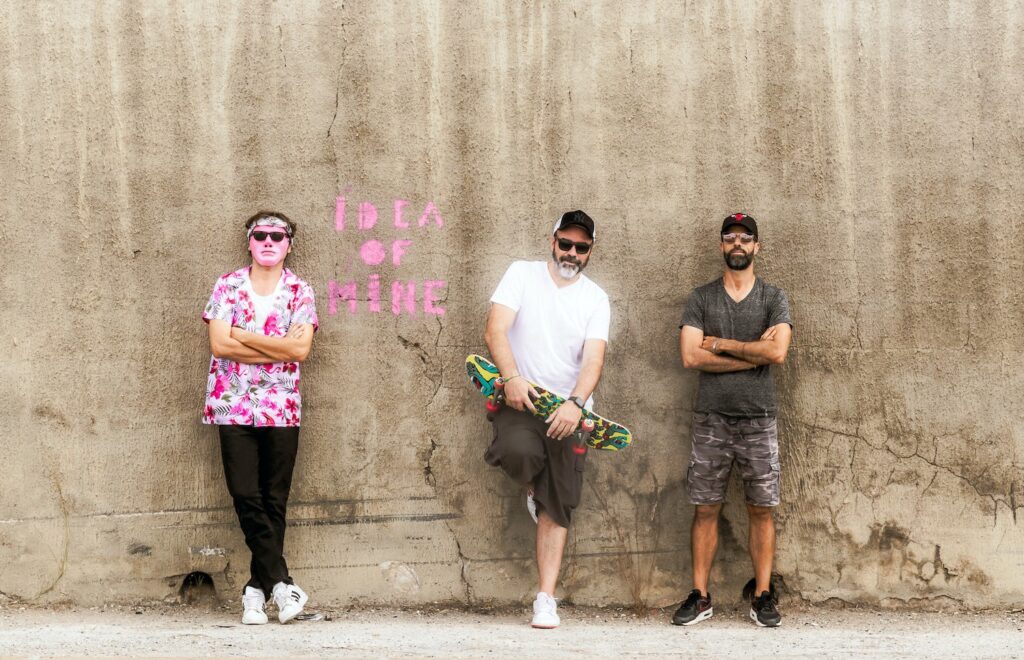
RedLight After nearly two decades of blending grunge, punk, and electronic chaos, Marseille’s RedLight return with HomeWorks — a raw, self-produced album capturing freedom, emotion, and their unmistakable sonic identity. RedLight has been around since 2007, blending influences from Pearl Jam to The Prodigy. How did these different styles come together to shape your signature sound? From the start, we never wanted to fit into one box. Each of us came with different backgrounds — some grunge, some electronic, some punk — and instead of choosing one path, we just let it all collide. We spent years just listening — obsessively — to everything we could get our hands on: blues, hip hop, new wave, indie, grunge, metal… all of it. Those years shaped our ears and our instincts. When we started writing together, all those sounds naturally blended into something that felt honest and alive. That tension between raw guitars and synthetic textures became our signature. The energy of Pearl Jam meets the chaos of The Prodigy — it’s emotional, but it also hits you in the gut. Your new album “HomeWorks” was recorded and mixed entirely in your home studio by Dapé. How did the DIY approach influence the final sound and energy of the record? Recording HomeWorks at home changed everything. There was no clock ticking, no pressure to sound “radio-ready.” It gave us freedom — to make mistakes, to experiment, to push each sound until it felt alive. We love to start by working on lots of demos, exploring ideas without limits, and then taking the time to choose the ones that truly fit together — the ones that create a sense of unity across the album. Over the years, Dapé’s work on recording and mixing has sharpened a lot; his experience now gives us even more freedom to focus on emotion and atmosphere rather than technical constraints. He knows how to capture our energy without polishing it too much — keeping that raw edge that makes HomeWorks feel real and human. Looking back at your first album “Crash System Control,” how would you say your music and message have evolved over the years? Crash System Control was kind of an accident — it came out of nowhere. We were just messing around with a few songs and demos at home, experimenting with early computer-based recording. We got caught up in the process and decided to take it all the way, putting together ten tracks that were completely different from one another — all DIY, all home studio. The common thread was the voice, which tied everything together. Since then, we’ve kept exploring across styles depending on the time and the mood of each period. For the new album, we wanted ten songs carried by melody and guitar — something cohesive, direct, and easy to bring to the stage. Marseille has a vibrant and diverse music scene. How does your hometown inspire or influence RedLight’s creative identity? Marseille is chaos and beauty side by side — that’s exactly what we sound like. The city’s mix of cultures, languages, and energy seeps into everything we do. There’s no pretending here; people feel things deeply and say it straight. That honesty, that grit, is in our DNA. “HomeWorks” will be released on March 14, 2025. What themes or stories can listeners expect from this album? HomeWorks is about connection — with ourselves, with others, with the spaces we live in. It’s about isolation and rediscovery. Each track explores a different facet of what “home” means: sometimes comfort, sometimes prison, sometimes rebirth. The album touches on many themes — the passing of time, nostalgia, how love and relationships evolve over the years, but also darker subjects like schizophrenia and inner duality. Musically, it moves between darkness and light, between strength and fragility — like finding your way through static, searching for a signal that feels true. 6. You’re offering the album for free on Bandcamp — that’s a bold move in today’s music landscape. What does this say about your connection with your fans and your view of music distribution today? For us, music was never about money — it’s about impact. The industry changes, but the connection stays the same. Releasing HomeWorks for free is our way of saying “thank you” to the people who’ve been with us since day one, and an open invitation to new listeners. All of our discography is available for free download on Bandcamp, and we also have a few CDs for those who still like to hold something physical. The idea is simple: there should be no barriers to listening to what we create. If our music resonates, that’s the real reward. Freedom and sharing — that’s what keeps it real. More Info: https://www.facebook.com/OfficialRedLight
Shadow Person
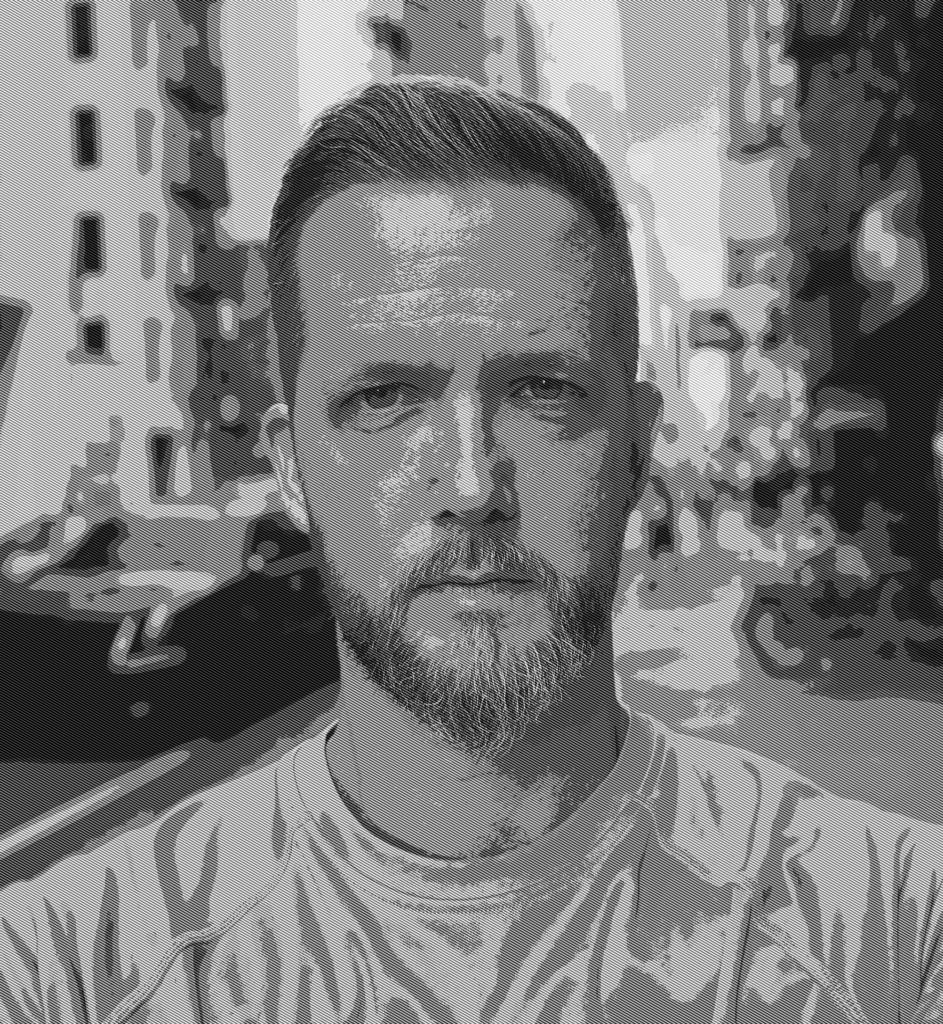
Shadow Person Shadow Person dives deep into the psyche — blending humor, honesty, and introspection. In this interview, the artist unpacks Chronic Disappointment, exploring identity, creativity, and the shadows that shape their sound. 1. Shadow Person is such a fascinating concept — part alter-ego, part mirror of the subconscious. What originally inspired you to create this persona, and how does it allow you to express something different from your past musical projects?I earned my bachelor’s degree in psychology, and I did a lot of Jungian studies during that time in college. So, the concepts of the shadow self and individuation have always fascinated me. I’m also married to a therapist, and she consistently challenges me to look inward and confront some of the hidden and shadow elements of myself that may have been holding me back in my life. A lot of that process has gone into this persona, as well as into many of the themes in the songs that I write. 2. Your latest album, Chronic Disappointment, feels layered with social commentary and introspection. What personal or cultural moments pushed you toward the themes explored in this record?Some introspection led me to realize that as I grow older, I have a lot of unfinished business. You can hear that in some of my songs, including “Actual Bruh” on this album, in which I deliver a message to my brother about how the way showed up in the world, and in our relationship, impacted me. These are deep issues that he and I would probably never discuss in real life since we don’t really have a relationship, but it really helped me to get them out, to verbalize them, and to bring them out with such a deep and dark sound in the song, because that’s the way they make me feel. 3. You’ve mentioned the influence of artists like Cake, Grandaddy, and Slint — all known for their distinct sonic identities. How did their sounds or philosophies find their way into your creative process on this album?Not only do I love the music that these bands have created, but the production styles were also fascinating to me. I really strive to make it so that you can hear each and every drum, each and every instrument, and each and every component that goes into a song individually. I also like how that clarity is often decorated with futurism, especially when it comes to granddaddy, where you have a guy singing with a piano, but there are all sorts of fantastic sounds going on in the background. I like to let some of that come through in my music as well. And with Cake, they also have that awesome production style I strive for, but they’re often tongue-in-cheek with their lyrics. You can often interpret their words or lines in multiple ways, and I think that influences a lot of how I write my songs. The songs “I Swear It’s Not Cake” and “Canned Laughter” both use humor and storytelling to touch on deeper truths. Can you walk us through how those tracks came together and what they represent to you?I Swear It’s Not Cake is based on the TV show Is It Cake? It uses that show as a platform for commentary on reality television and the fakeness that a lot of our current media and culture are focused on. You could point this at any reality TV show out there and it would apply, from Love Island to The Bachelor to any of the Real Housewife shows. It’s fascinating to me that people get so caught up in these reality TV shows that are scripted and crafted with complete fakeness behind them, but we all know that it’s fake, yet we choose to ignore it. It’s kind of like pro wrestling. I guess pro wrestling was the original reality TV show in a way. Not only that, but it also kind of sounds like the band Cake on purpose, with that vibra-slap sound and some of the guitar lines I put in there. Trying to make the listener think about whether or not the title refers to the TV show, the band, or something else. The song Canned Laughter was inspired by a line from Bob Dylan’s song, A Hard Rain Is Gonna Fall: “I heard the sound of a clown who was crying in the alley.” That line always seemed really rich to me, as the whole song does, really, but I decided to write a song about that clown, and that’s what this is. It’s the clown who got fired because he wasn’t funny anymore. 5. Recording at Hawk’s Nest Studio in Asheville must have been meaningful, especially since you handled all the instrumentation and production yourself. What did working solo in that environment teach you about your own artistry?For many years, I was in bands and recorded with them in various studios and in various settings with other people doing a lot of the production. But I’ve always had a notion in my head that there was a way I wanted to hear it come out, and I never really had that opportunity. Now, with Shadow Person, I have been able to focus on what I hear in my head, and making that exact thing come out. It may sound a little selfish or egotistical, but music, to me, is much more satisfying to make and put out there when I am able to take the time and have it sound the way I hear it in my head, exactly. Not that I don’t like making music with other people, because I absolutely do, rather, I can now focus on *my* music instead of someone else’s. I’ve had to do a lot of learning about production techniques and mixing and recording techniques and various microphones and whatnot, but it’s been fun and challenging. And it’s still an ever-evolving process, but it’s finally getting to the point where I feel like I have some