
John Smyths
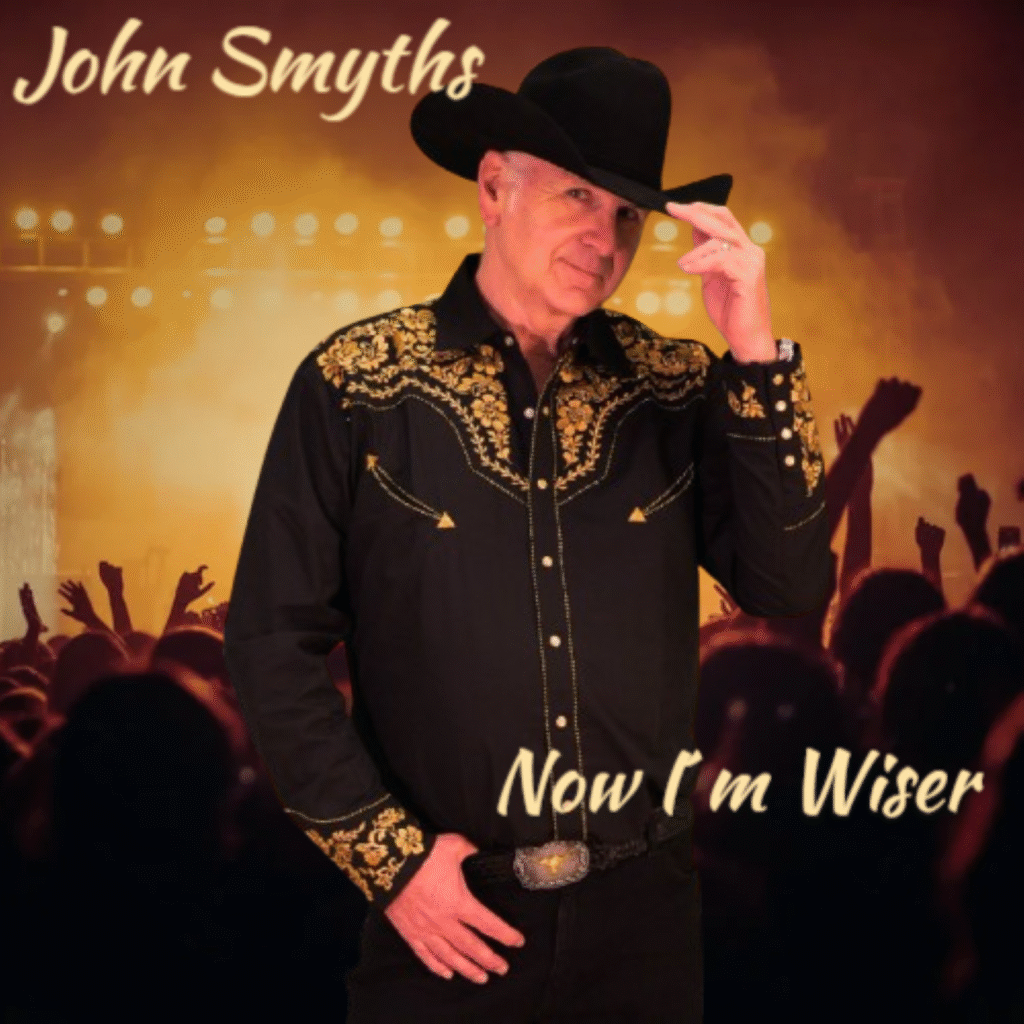
John Smyths From rock-inspired beginnings to heartfelt country storytelling, John Smyths has carved his own sound shaped by legends from KISS to Johnny Cash. In this interview, he shares his journey, influences, and what’s next. You grew up surrounded by music through your family, but you mentioned it wasn’t the kind of music you liked at first. What were those early influences, and how did they shape your later love for country and rock? Well, when I was 13, KISS was on television and was amazed by it. The sound, the show, the make-up, that´s what I want too. But, hey, I was just a kid and was also watching Rawhide, Bonanza, Gunsmoke, Once upon a time in the West, The good, the bad and the ugly, and more. These series, movies, had always some kind of music that drew me into the world of country. And as time passes by, in my youth, it was (of course) KISS, but I discovered more like Iron Maiden, AC/DC, Judas Priest, W.A.S.P, Motley Crüe, Van Halen and so on. On the other hand, it was also the sound of Morricone, Charlie Rich, Kenny Rogers, Johnny Cash, Willie Nelson…… You started out in the old-school rock scene, inspired by bands like Kiss and AC/DC, but later transitioned into country music. What drew you to that shift in style, and how do you blend those two worlds in your sound today? There was a time where I discovered the Kentucky Headhunters and started listening to them. From there on I started listening to Alan Jackson, George Strait, Blackberry Smoke and more. Then I joined a band named Uncaged, a band that just started and we wanted to play Country Rock, so we came with songs of band with Country Rock or solo artist, that make country rock. For “Now I´m Wiser” I wanted a song that rocks, but still has a message in it, about life. And like the song, life goes by quickly. You’ve performed across Germany, Belgium, and the Netherlands — how does the country music scene differ in those places, and how have audiences responded to your performances? Those countries have all a great country scene. The response depends on the stage. If you´re at a festival or in a pub, the difference is about storytelling or Linedance music. There is no big difference between those countries. I had some great shows, but also a couple of shows where you feel like being left alone. A little example, what happened to me this year. I was performing in a pub in Wolfhagen, Germany. It should be organized by the pub-owner. It turned out to be a birthday party from the guy who booked me and let the boss pay 😊. What made it even wors, was the fact that they turned on the TV to watch a football game. But in the end, I´ve got some new fans, who were really listening and that´s what counts. You’re nominated for several awards at the Red Carpet Show International, including “Country Voice of the Year” and “Songwriter of the Year.” What do these nominations mean to you at this point in your career? They mean a lot for me and for artists in general. We, as an artist, are always looking for conformation and recognition when it comes to the songs we´re singing. In fact, I´ve been rewarded in that show for my song “Lovin ‘you makes me a better Man”, which was a cover from a Hal Ketchum song. As someone who records both covers and original material, how do you approach songwriting? Do your own life experiences find their way into your lyrics? Yes, they do. Now I´m Wiser, for example, is such a song. I wrote this from the heart, with the experience that I´ve gained over the years. The song is the story of my life, but I think that a lot of people out there can say “Hey, this sounds like my life too” With more performances and big events ahead in 2025, what can fans expect next from John Smyths — any new recordings, collaborations, or musical directions on the horizon? In fact, for 2026, I´ll be recording 3 songs, text is ready, so is the melody, all we need to do, is the recording of it. And I´ll be also recording 3 duets with 3 amazing ladies. And these projects will be going in all directions from up-tempo to ballads. But it will always be country music. https://www.bestcountry.eu/
Allegra

Allegra “Red” marks a bold new era for Allegra — fearless, sensual, and unapologetically authentic. In this interview, she opens up about empowerment, creative freedom, and embracing every version of herself. 1. “Red” feels like a real artistic evolution for you — mature, hypnotic, and emotionally charged. How does this single represent where you are right now, both musically and personally?“Red” is all about stepping into my power. It’s bold and confident, everything I’m feeling right now. I stopped holding back and started trusting myself more, both in music and in life. It’s me owning my space, unapologetically. 2. The visualiser for “Red” is bold and captivating — from the contrast of light and dark to your choreography. What story or emotion were you hoping to express visually with this project?I wanted the visuals to feel as intense and powerful as the song. The light and dark contrast show that mix of confidence and vulnerability. Every movement had purpose, it’s about taking control and saying, “I’m the one leading this now.” 3. Your new EP explores a wide range of emotions and sounds, from the intimacy of “Love Me A Little” to the shadowy allure of “Ash.” What ties these tracks together thematically — is there a central message or feeling you want listeners to take away?The EP is all about self-assurance and finding confidence in who you are. Each song shows a different side of that, from strength to softness. It’s about choosing yourself, setting boundaries, and celebrating every version of you. You’ve worked with some huge names like Tiësto and ALOK, yet this new era feels distinctly you. How has taking creative control influenced the sound and confidence we’re hearing in “Red” and beyond?Working with artists like Tiësto and ALOK taught me about sound, about energy, about the power of collaboration. But this era was about coming home to my own voice. I wanted full creative control. It allowed me to be fearless and to trust my instincts. “Red” sounds like me, fully and completely, and that’s the most freeing feeling ever. 5. Your previous EP “Unsent Love Letters Vol. 1” was deeply personal and confessional. How did moving from heartbreak and reflection to the empowerment and sensuality of “Red” shift your mindset as a songwriter?Unsent Love Letters was me processing heartbreak. Red is me stepping into confidence. It’s playful, powerful, and a bit cheeky too. I stopped writing from pain and started writing from strength. That shift made the whole process feel fearless. 6. You’ve achieved remarkable chart success and built a strong fan base across both pop and dance music scenes. What’s next for you after this EP — and how do you see your sound evolving in the next chapter of your career?There’s so much more to come. I’ve been experimenting with new sounds, new songwriters, producers and just letting myself explore freely. This EP opened a new chapter for me, the next one will be even braver, bigger, and full of surprises. https://www.allegraofficial.co.uk/
Wild Horse
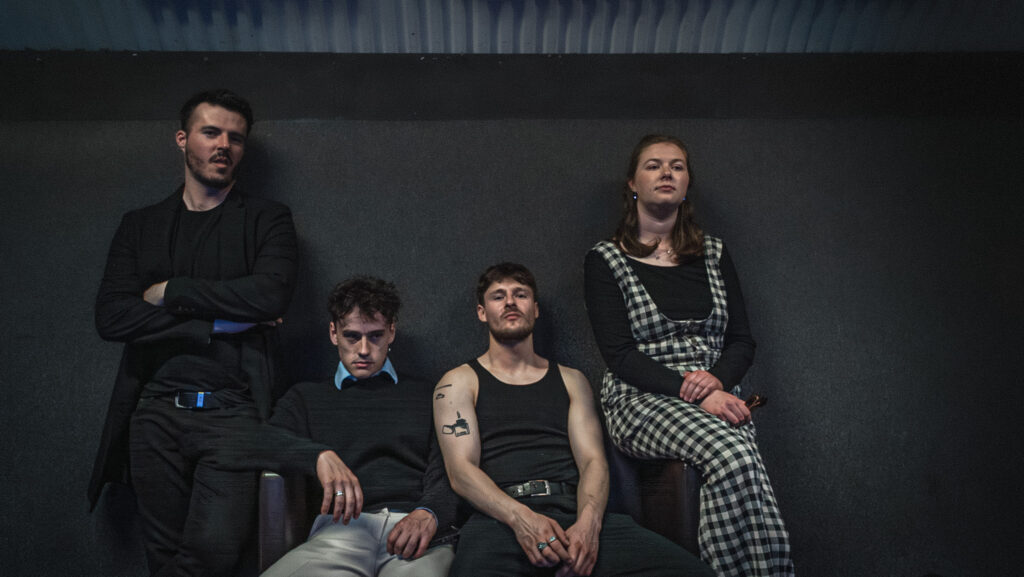
Wild Horse Wild Horse return with their electrifying new single “Magpies” — a fan-favourite finally given a studio release. The band discuss its raw themes, creative evolution, and what’s next for 2026. “Magpies” has been a live fan-favourite for a while — what made now the right time to finally give it a proper studio release? We’ve been playing “magpies” live since 2022. We did notice how it quickly became popular with our fans at our shows so it did start to become a fairly regular inclusion in our set lists. For whatever reason we didn’t feel it was the right time to release it. I’m not particularly sure why, but we all felt we should hold it back. Maybe it’s one of those tracks which we thought sounds better live and would struggle to translate in the studio. However, when we were looking to record some new songs around May of this year, we decided we wanted to move our sound a little bit back towards are routes as a band playing together in a room, rather than a super polished studio recording. We found a producer who we felt could deliver that for us the best, so we felt “magpies” would perfectly fit this production style so we felt we had to include it this time. The song explores themes of trust and betrayal — pretty raw emotions. Can you tell us about the story or inspiration behind it? As a band, we’ve had our fare share of dealing with sharks in the music industry. It’s the Wild West. Lots of people are trying to con you or sell you on a dream so we’ve learnt to not be so trusting. This song is an ode to that. Wild Horse’s sound has always mixed indie-pop with funk, hip-hop, and classic rock swagger. How does “Magpies” fit into — or push — that sonic identity? I think “Magpies” definitely fits into the rockier element of our sound. It was written over three years ago and captures a moment in time of how we were feeling when it was written. Musically, it’s definitely got a swagger to it. But it’s also a bitter “fuck you” to people who have tried to screw us. I think that comes across in the lyrics and in the music. Jade joined the band in 2024 — how has her addition on keys and violin shaped the creative chemistry or the sound of this track? Jade’s addition has been brilliant. Her role is to essentially fatten up the bands sound. We got to a point where we felt we couldn’t go anywhere new creatively as a three piece. The tracks we were coming out with in the studio were becoming harder and harder to perform live. With Jade the band definitely feels more complete now. She also has a great energy which rubs off on the rest of us. Your live energy is something fans constantly rave about. How do you translate that same intensity into the studio without losing the spark? To me, a sign of a good band (and a good song) is one that is able to be their best both on stage and in the studio. Part of that is understanding that live shows and studio recordings are not the same thing. I’ve always found it quite boring for a band to go on stage and just play their tracks as a perfect replica to their studio recordings. I think if people are coming to see your shows you should give them something a bit different and exciting. It’s impermanence not to lose that spark in the studio, and the way to get around that is really understanding what the track needs. Some tracks need a much more polished production, whereas others (like “Magpies”) need to be a lot more rough and ready. The magic of a song like “magpies” is that it feels like you’re in the room with the band when you’re listening to it. With “Magpies” closing out another big year for Wild Horse, what can fans expect next — a new EP, tour, or something unexpected on the horizon? We hope that we can make 2026 the year we start to see music becoming our full-time careers. There’s a lot of new music planned, including another collaboration, & of course we will be back out on the road after our longest ever break. Lots more to come… https://wildhorse-rockband.com/
Echomatica
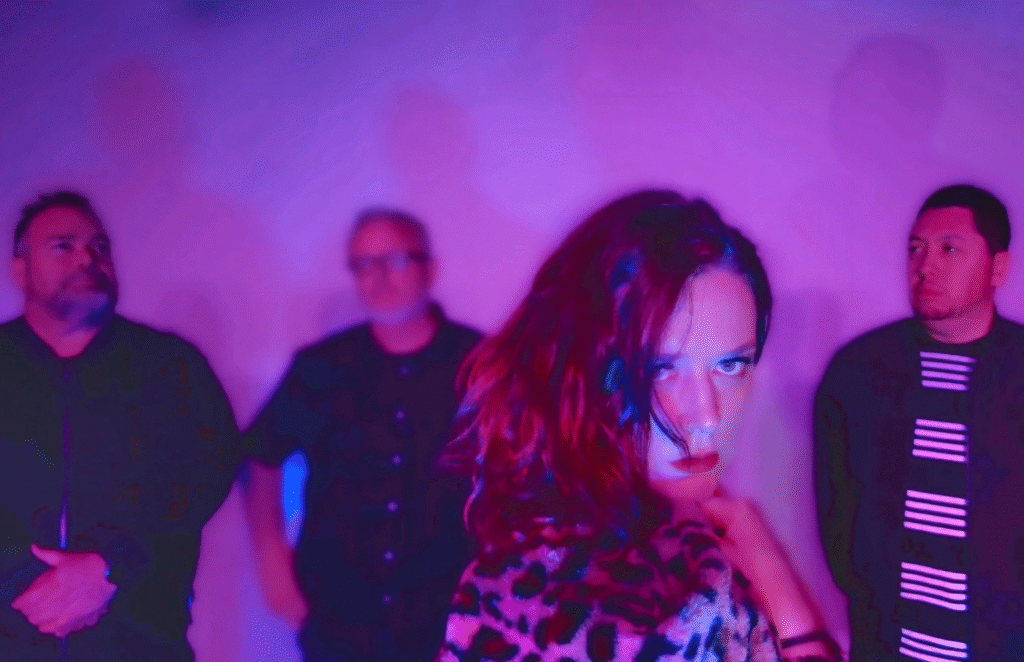
Echomatica Echomatica’s debut album is a lush, analogue-crafted journey through emotion and atmosphere — blending alt-rock, dream pop, and trip hop into something both nostalgic and new. In this interview, the band reflects on recording live to tape, rediscovering vulnerability through voice, and finding beauty in imperfection. Your debut album was recorded live to tape at Earwig Studios, which is a bold choice in today’s digital world. What drew you to that analogue process, and how did it shape the final sound of the record? It was a deliberate choice. I think it came from wanting to work within the constraints of performing the music live to capture the feel of the songs as we play them. There was also a sense of romanticism for classic albums we love. There’s definitely a vibe and an energy – perhaps with a little imperfection here and there – that you hear on so many albums made on tape that have stood the test of time, with a warmth and depth that’s often commented on. We didn’t realise, though, it would be so hard to find a way of recording that way, but then we talked to Darren from Earwig studios in Auckland – he has this treasure trove of vintage gear and really knows his stuff, so that was a game-changer for us. He totally got it right away, and actually gave us some discipline in the studio – if we got it wrong, there was no talk of overdubs. The challenge was to get it right first time lol. Charlie, you’ve mentioned relearning how to sing after COVID, which led to a breathier, more vulnerable vocal tone. How did that personal transformation influence the emotional landscape of the album? I think it’s really about tone. Maybe it lent an intimacy, and approaching the songs slightly differently – what seemed like a problem turned out to serve the songs in a way, even if it made it more challenging in some respects. Echomatica’s sound blends alt-rock, dream pop, trip hop, and shoegaze — an ambitious mix. How do you balance these influences to create something cohesive and distinctly your own? Yes, the sound we’ve arrived at does have a bit of a retro mix-tape vibe, we feel. The actual sound grew from some fundamentals we wanted to play with. The wash of the guitars, and also the electronica elements. Our guitarist and programmer AJ is a drummer, and his input on the indietronica side was a conscious decision to try something different – harking back to some of the bands he was influenced by in Manchester, UK, and a little bit of those great trip-hop giants like Massive Attack. AJ described the record as “part homage” to the great songwriters you admire. Were there any specific songs or artists that served as creative touchstones while writing this album? We all brought maybe slightly different elements, but we’re all music obsessives. For example, Charlie has some blues and even jazz influences, whereas Scott and Matt bring strong kiwi music scene DNA. AJ brought a touch of Mancunian groove and atmosphere, whereas Matt also likes to bust out a little more distortion now and then. Where our influences converged most would probably be bands like New Order, M83, and a lot of post-punk, but also some shoegaze elements. We’ve heard a lot of comprisons to 90’s indie bands, which we think is super cool! Scott, you talked about those moments of “frisson” — those spine-tingling musical chills. Was there a particular track or recording moment during the sessions where you felt that spark most intensely? Probably the track ‘What Is This”. There’s something about the tension in the verse and the way it resolves into a lovely chord progression for the chorus. The use of ebow adds the dramatic tension, and Charlie’s vocals somehow manage to be melancholic and uplifting simultaneously. I ended up re-writing the bassline on the third take as I wasn’t feeling it – in the end, I thought less and ‘felt’ the song more – that’s the take on the album. “Pretending We’re Human” closes the album with a sense of emotional crescendo and fragility. What message or feeling do you hope listeners carry with them after that final note fades? I think it maybe was a reflection of current times, particularly on where technology is heading with the advent of AI in what is such a polarised world. Message? Well, it is quite intense, but the final chord actually takes a random left-turn and introduces a major chord. Maybe it ends with a hint of optimism. Our music often seems to tend towards emotional depth and elements of melacholia, but we’re actually not miserable by nature! If our music explores anything, it’s the pleasure and joy you can find in the bittersweet, which is where we often seem to end up, musically speaking. https://linktr.ee/echomatica
ABBIGAIL
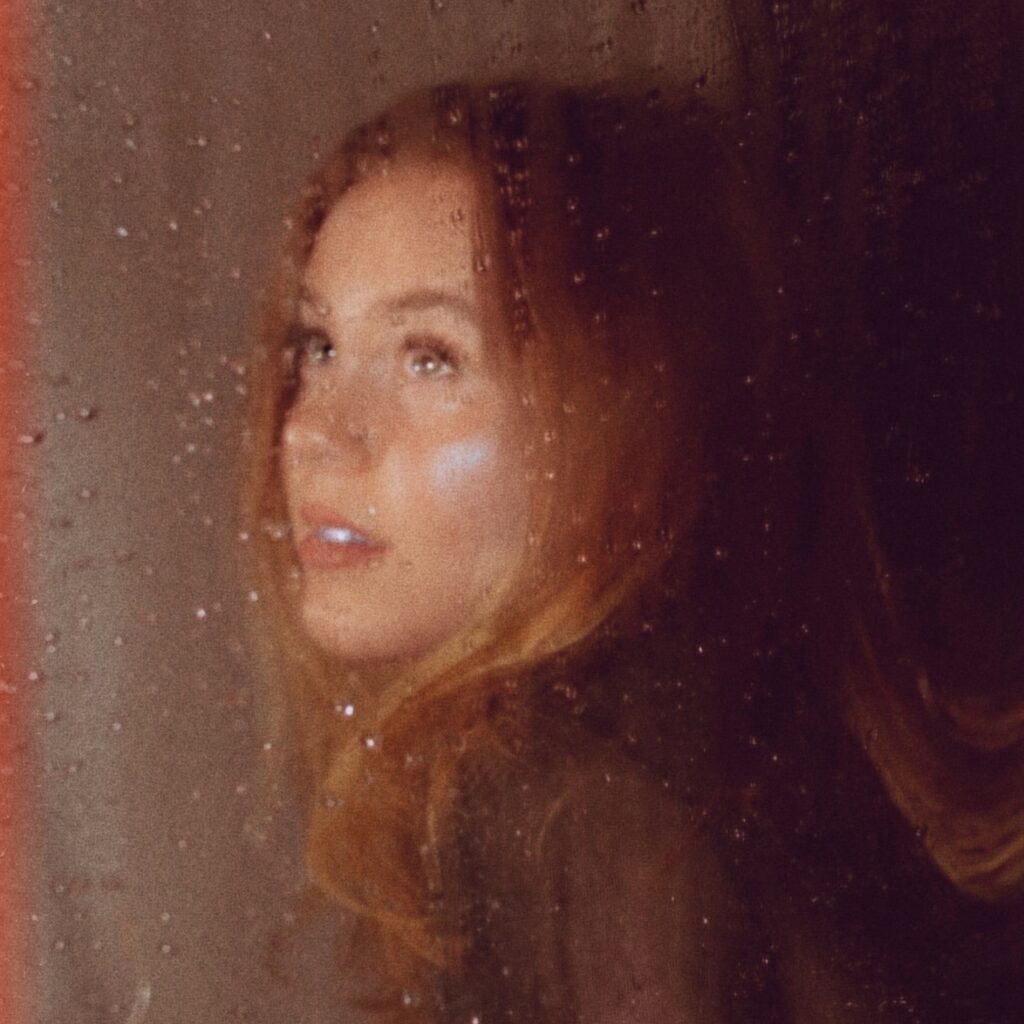
ABBIGAIL In this heartfelt interview, ABBIGAIL opens up about the story behind “Relationship Killer”, turning pain into art, balancing vulnerability with storytelling, and redefining success through growth, honesty, and creative courage. “Relationship Killer” feels deeply personal — what moment or realization sparked the creation of this song, and how did writing it help you process that experience? I wrote Relationship Killer around the idea of personifying betrayal, and the moment when trust fractures. It’s such a brutal and deeply human experience, and I wanted to give words to that pain. Writing it became a way for me to untangle how betrayal not only changes how you see the other person, but also how you see yourself. Your songwriting blends raw vulnerability with cinematic storytelling. How do you strike the balance between personal confession and universal connection in your lyrics? For me, it usually starts with something honest. Something that I’ve felt, or things I’ve observed in the world. But once I get that first spark, I start zooming out. I think the magic happens when you write specific details that still feel relatable. I try to write the truth from my world in a way that lets people see their own reflection in it. I want my songs to feel like reading someone’s journal, but realizing it could’ve been yours. You’ve challenged yourself to land a publishing deal in 365 days — that’s such a bold and inspiring mission. What have you learned about yourself and the music industry through this journey so far? This challenge has pushed me outside my comfort zone in the best way. It’s demanded growth from me as a writer, an artist, and as a person. I’ve learned to choose consistency over perfection, and that it matters to show up for your art even when you don’t feel “ready.” I’ve also realized how much of the industry runs on relationships and persistence, not just talent. Personally, I’m learning to believe in myself, to pursue what I love, and to go for it! Listeners have compared your sound to artists like Lizzy McAlpine, Gracie Abrams, and Phoebe Bridgers, yet you’ve carved out a voice that’s distinctly your own. How would you describe your artistic identity in your own words? Lyrically, it’s diary-entry storytelling with a little bit of bite. I’ve always been obsessed with good storytellers, and I think that’s is reflected in my music. I love writing songs that sound delicate but lyrically, cut deep. Sonically, I like to blend soft indie textures with pop-influenced melodies. Heartbreak often fuels creativity, but it can also be emotionally draining. How do you take care of your mental and emotional health while writing about such personal themes? It’s definitely a balance. When I’m writing about something heavy, I make sure to step away and live real life too. I “come up for air” by going on walks, getting a latte at my favorite coffee shop, or cooking a familiar meal. Writing can be cathartic, but it can also re-open old wounds, so I try to treat it like a release rather than a spiral. Looking ahead, once the 365 days are up, what would “success” look like for you — both in terms of your career goals and your evolution as an artist? Of course, landing a publishing deal would be incredible, but beyond that, success for me means being able to make music full-time and knowing my songs are connecting with people. I want to build a body of work that feels honest and helps others feel seen in their own stories. This year is about chasing the dream and betting on my art, but mostly it’s about believing that my voice matters. Every day I’m choosing to show up and say “I have something to share with the world”. https://www.instagram.com/heyitsabbigail
Minni Verse
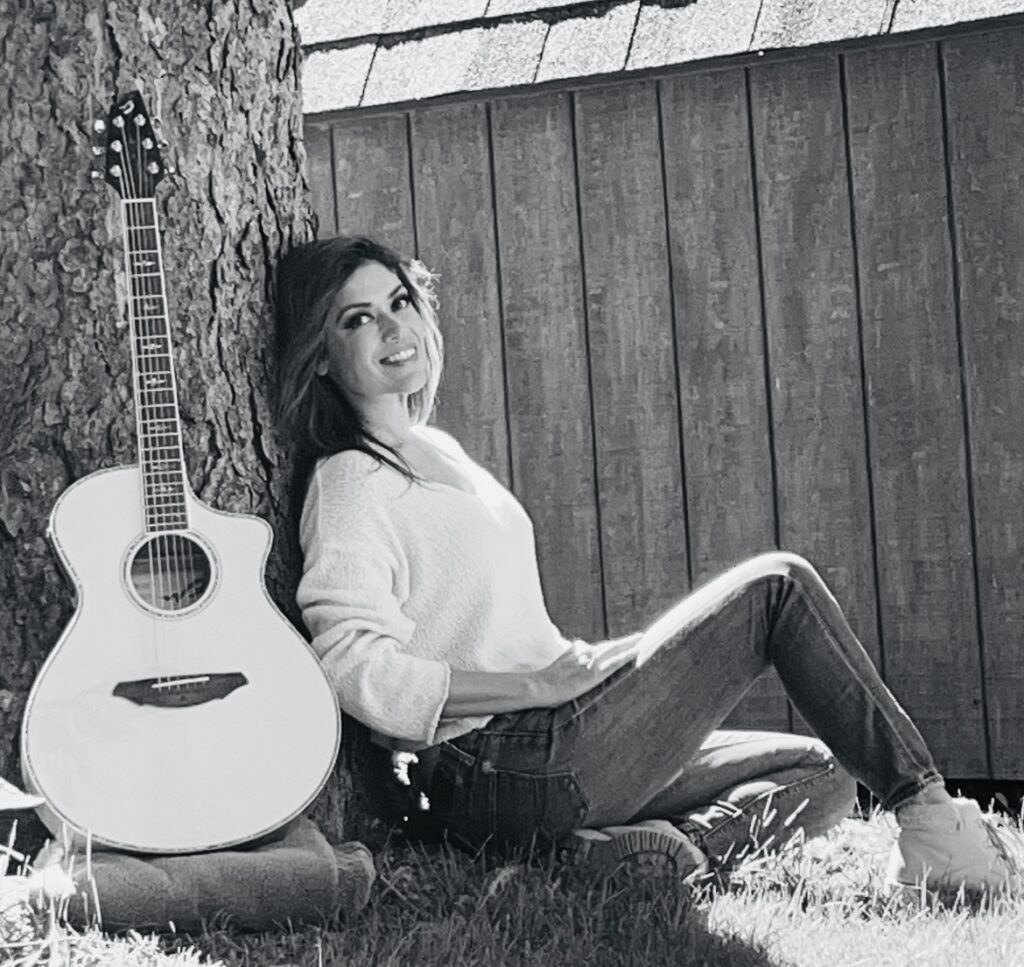
Minni Verse Blending yacht rock smoothness with classic and modern country storytelling, Minni Verse unveils “Love That Breathes” — a heartfelt exploration of unrequited love, emotional honesty, and the beauty of vulnerability in song. Your music blends yacht rock, classic country, and modern country sounds. What drew you to this unique combination, and how did it influence the creation of “Love That Breathes”? I was raised in a household that appreciated varying types of music. Yacht rock and classic country both were a part of my musical foundation. Yacht rock has what I call “effortless power” –it makes you close your eyes and lean your head back while listening. Classic country has a whole story-telling style of its own. Modern country, to me, is rooted in country but with a splash of a differing genre (depending on the artist/writer). When I started writing “Love That Breathes”, I wanted to capture the classic country feel of raw emotion, rooted in the story-teller style. The more I played it on my guitar and listened back to my rough recordings, the more it took shape. I started hearing a sad slide guitar, a fat bass line that you could not only hear but feel, brushes on the drums, then building drums and strings at the bridge. The strings get me every time. As a songwriter, I wonder how many of the details are even noticed but when I hear it back, I can’t help but close my eyes and take it in. “Love That Breathes” tells the story from the viewpoint of someone unable to reciprocate love. Why did you choose to explore the perspective of the “cold” side in an unrequited love story, and what emotions did you hope listeners would connect with? I felt that the story of unrequited love was always told from the heart that fell in love and not from the person who didn’t feel it in return. Historically, songs paint a picture of someone expressing undying love to someone who doesn’t deserve it or is cold-hearted. But that’s not always the truth. It’s unfair to say that the one who can’t fall in love is wrong or cold. I believe there is strength, honesty, and even pain in expressing that there is no love felt in return. It is a lot harder than has been given credit and it was time for the heart of the other person to be expressed. You incorporated brushes on drums, strings at the bridge, and classic slide guitar in this track. How did you decide which musical elements would best convey the song’s bittersweet and melancholic mood? As I briefly touched on earlier, the more I played LTB on guitar & listened back, the more I could mentally create a path to the heartbreak story. I felt that a typical drum pattern just wouldn’t be soft enough to begin telling the story as gently as I wanted to portray it. So I opted for brushes, which I love in this song. I didn’t initially plan on using strings for LTB. I had tinkered with the idea of incorporating strings for a couple of songs in the past but it hadn’t felt as perfect as this time. I knew I wanted the bridge to be something bigger—but not necessarily a BOOM—more of a fullness, a larger and heavier sadness to match the words of not understanding why the love can’t be returned when everything else appears to be a perfect fit. You’ve mentioned that your songs come from real-life experiences. Can you share a personal moment or feeling that inspired “Love That Breathes” and how it shaped the lyrics? Although the song contains one storyline, the feelings contained in the story are pulled from times when love has been expressed and I just couldn’t feel it in return. For instance, outside of the puppy love era, within an adult relationship, I was told how deeply someone loved me. He expressed it and exemplified it. It was beautiful…and I couldn’t understand why I felt nothing in return. I was honest and it hurt both of us, obviously in different ways. There was a depth of love that I just couldn’t get to with him. It was amazing, beautiful, to receive…and yet, painful to be loved like that when I knew I couldn’t return it. I wondered if it was something I was doing wrong but, as I got older, I realized that it just wasn’t meant to happen with that person. With performances scheduled for Salt Lake City and Milwaukee in 2026, what can fans expect from your live shows, and how do you translate the emotion of your recordings into a live experience? Dates are still being added to the 2026 calendar — so if you’ve got a venue in mind, let me know! I’ll be touring as an acoustic duo with Jeff Lawrence — a phenomenal guitarist and musician. We’ll be performing my originals and a few covers along the way. I asked Jeff if he’d be willing to hit the road with me to connect with all the amazing people who’ve supported this journey so far. Luckily, he agreed — which is wild, considering he’s such an incredible player. Honestly, performing with Jeff feels like sneaking into a masterclass I didn’t pay for… I just hope no one calls security. We’re really looking forward to sharing these songs live. So if we’re playing near you, come hang out, sing along, and be part of the story with us. Looking back on this release and your journey as an artist, what has been the most challenging or rewarding part of expressing your vulnerability through music? The most challenging part so far has been releasing that first song. It might not sound like a huge leap, but as a songwriter, putting your first piece of work out there feels a bit like a mama bird nudging her first baby out of the nest to see if it can fly. It’s equal
The One Named Jasmine
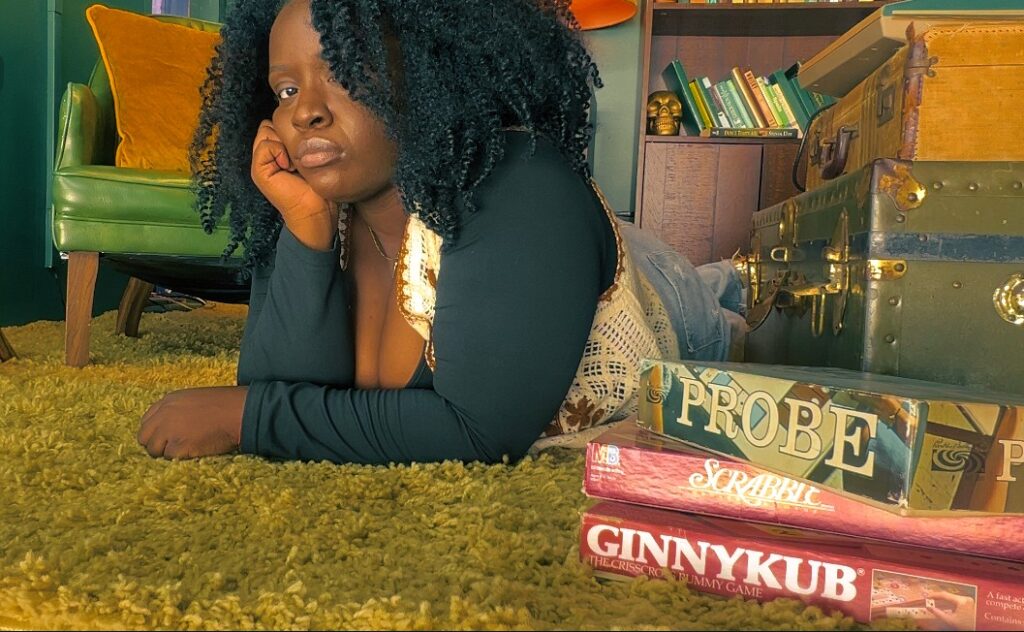
The One Named Jasmine In “Everything Is Not What It Seems,” The One Named Jasmine unravels hidden truths and reclaims her story. Through cinematic soundscapes and fearless honesty, she transforms pain into power, reflection, and rebirth. 1. The title of your EP, “Everything Is Not What It Seems,” suggests a theme of hidden truths and duality. What inspired that concept, and how does it reflect your own journey of self-discovery?For the majority of my life I’ve felt that everyone else has put a mask on me to frame me in a way that’s either comfortable for them to digest or frame me in a way that’s fits the narrative they want to spread about me. People never got to know me because someone was always rushing and fighting to get ahead of me and my story with false information. They never wanted me to be seen. They wanted to crush me and dim my light. I’m no longer asking for permission to be seen and I’ll never let anyone take my power. I’m ripping the masks off, clearing out the fog and stepping into reality as a confident fully realized woman. The target you placed on me is really the mirror reflecting your own personhood. I am allowed to grow and exist whether you like it or not. 2. You’ve described this project as “a collection of truths I uncovered when I stopped pretending things were okay.” Can you tell us about a particular moment or song that marked that emotional turning point for you?I won’t share too much as it’s deeply personal and maintaining my safety is my highest priority, however, I will say that therapy has helped me see myself in ways I didn’t know were possible. It helped me to see myself and distinguish between what I can control and what other people are doing to have control of me. The cycles I went through were bigger than me and my understanding of them. 3. Your sound fuses R&B, alternative, and indie influences in a way that feels both cinematic and deeply personal. How did you approach production and songwriting to balance vulnerability with boldness?Whenever I approach music I have a goal and intention in mind. It doesn’t matter what the beat sounds like, how I connect with it is what’s important—that’s how I ended up blending genres. I knew that I wanted this EP to be a snapshot of what happens during the healing journey, so out of all the songs I recorded, I selected the ones that I felt were the most authentic for this project but kept the theme of resiliency. Tracks like “Burn It All Down” and “Champion” bookend the project with resilience and empowerment, while songs like “I’m Back With My Ex” explore emotional grey areas. How did you decide on the narrative arc of the EP?One of the intentions that I set for this EP is to spend time in the grey areas. People prefer things that are black and white and easy to categorize. Real life doesn’t always fit nicely into those categories so I wanted this EP to touch on topics and scenarios that aren’t as clean cut. Spending time in the grey is how we grow and learn more about ourselves. I wanted my music to foster growth and encourage people to interrogate the parts of themselves that they would rather keep hidden. 5. You’ve been performing since a young age — even taking the stage at Carnegie Hall as a teen. How has your evolution as an artist shaped the confidence and honesty we hear on this project?When I was younger I approached music as a chore, whereas now I approach music as a transformative art form. The older I get and the more life experiences that I have I realize that media is powerful enough to create real change in people’s lives. Where I once sang out of ignorance, I now sing from a place of experience. 6. If listeners could walk away from this EP with one feeling or realization, what would you want that to be?I want listeners to feel like they can do and be whoever they want. https://theonenamedjasmine.com/
B.Shop
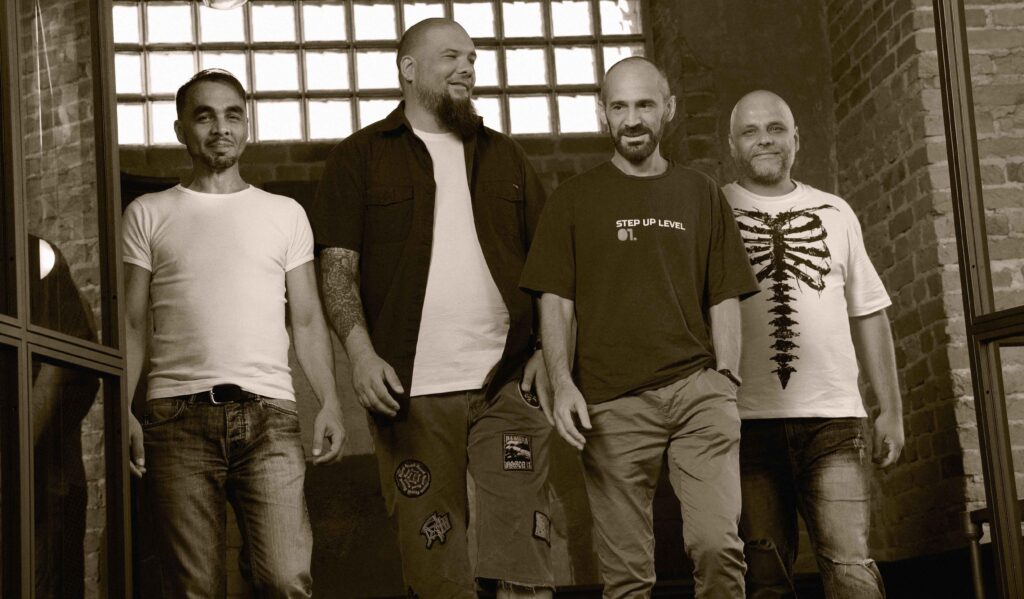
B.Shop After three decades of silence, punk veterans B.Shop return with “Smiling.” In this candid interview, they discuss rediscovering their bond, recording in 2025, and the joy of making noise again. After three decades, B.Shop is back with “Smiling.” What motivated you to reunite and start recording again after such a long time? A bit of free time, a kick from the producer, and one fan who’s been whining for thirty years — somehow, the stars aligned. Destiny, we guess.Music’s still the best gig of our lives, so why not team up again?We’re like brothers, and we’ve got a bunch of songs just waiting to be polished, dressed up, ready to be released into the big wide world. 2. Punk has evolved in many directions over the past 30 years. How does “Smiling” reflect both your original sound and your new approach to the genre?Not really. It’s just a song that was born that way.Maybe back then it reflected our young, hormone-fueled ambitions — but that was ages ago.Now it’s simply one of our favorite tracks to play. We still enjoy it every time.We just gave it a little facelift to make it sound a bit more up-to-date. 3. You’ve described this release as “reinventing the punk.” What does that mean to you in 2025, and how do you think your fans will respond?We put “reinventing the punk” because it was just a required field on the press-release form. Honestly? Short and sweet: we have no idea, and we couldn’t care less. Every damn generation “reinvents” something in music—we’re not gonna stand in their way. For us, it’s just pure fun—getting the band back together, jamming, and making music we love. Can you tell us about the creative process behind “Smiling”? How did it feel to step back into the studio together after so many years?Recording now is a whole different beast compared to 30 years ago, when we were wrestling with a multitrack tape like a couple of cavemen. Honestly, we’re loving how much simpler it is now—less tape to untangle, more time to actually make music… and a lot fewer chances to accidentally erase everything. Although, we guess we still feel a pang for the old days, when you had to crush every part in one fucking take, like you were on stage. 5. The single is available on major streaming platforms like Spotify, Apple Music, and SoundCloud — do you plan to bring this reunion to the stage as well?Yes, we’re definitely planning to get back on stage.For now, we’re focusing on building up a proper set — the kind of material we’ll actually enjoy playing live.We’ll probably start with a few local shows to warm up, and then aim for something bigger.In about a year and a half, we’re planning a tour across Latin America — that’s where most of our fans are these days. 6. Looking ahead, is “Smiling” just a one-time reunion, or can fans expect more music — maybe even an album — from B.Shop in the near future?We never really broke up completely; it’s just that there were other things – personal and shared projects, responsibilities. Now everything but music is handled. No health left, kids are grown, the dames got worse. New songs are coming, no worries. Tons of time!At the time of this interview, “Smiling” is far from our only track. We’ve already shared four singles and one music video, and we’re definitely thinking about putting together a full album soon. For all the latest updates, check out our official site: https://bshop.band
El Cachivache
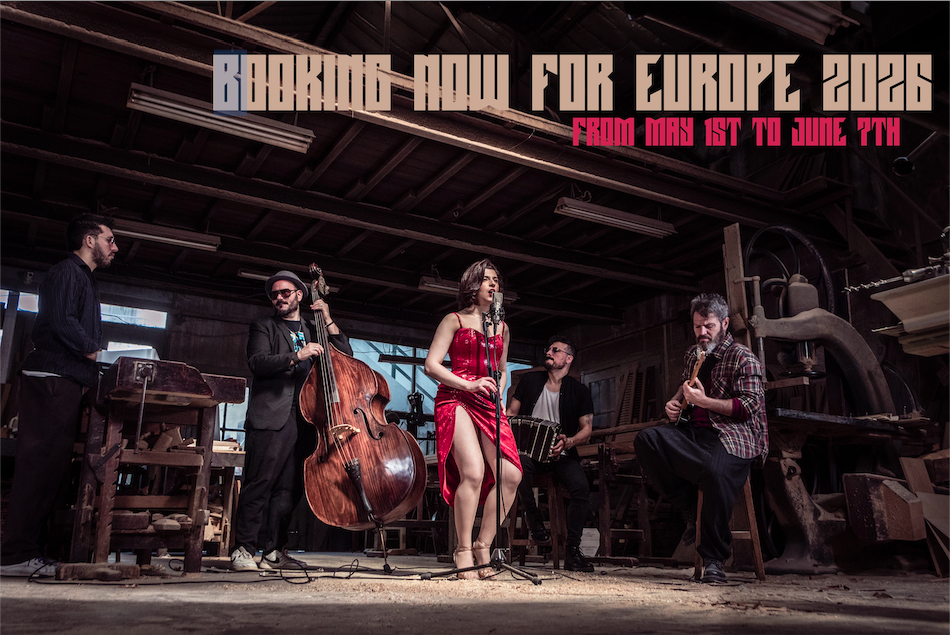
El Cachivache Blending rebellion with tradition, El Cachivache reinvents tango through humor, energy, and raw emotion. In this interview, the band reflects on their “tango punk” spirit, new album, and ever-evolving journey. Your music has been described as “Tango Punk” — a blend of tradition, rebellion, and raw energy. How did this sound come to life, and what does it mean to you to reinterpret tango in such an unconventional way? The term tango punk actually came from the audience, not from us. For us, this way of playing is something natural. Tango coexists with our other influences: rock, punk, heavy metal, but also jazz, bossa nova, and many different musical and cultural backgrounds that shaped who we are. Our approach is about freedom — not treating tango as something fixed or untouchable. We let it mix, evolve, get influenced, expand. People started calling it tango punk, and we actually like that label, because it describes the attitude behind the music rather than a strict genre. 2. Your new album, “Justo a Tempo,” leans back toward traditional tango. What inspired that direction after years of genre-blending experiments? Is it a return to your roots or another playful twist? Our latest album, just released, is called “Dance Me to the End of Noise.” It features 11 tracks: four original compositions, five reinterpretations of classic tangos, and a version of Leonard Cohen’s “Dance Me to the End of Love.” The title plays with that idea of love and noise, which really captures the essence of what we do. We’re very happy with this new release and with the response it’s been getting both within the tango community and from new audiences as well. 3. You’re known for mixing humor and theatricality into your live shows — the “modern buffoons” of tango. How do you balance that sense of fun with the deep emotional weight that tango usually carries? That’s a great question. Maybe because of its dramatic nature, tango can sometimes turn into a bit of a caricature of itself. We do feel the drama — we live it with depth and passion — but we also believe that music should be enjoyable, playful, and surprising. It’s live music, it’s a show, it’s energy — there’s humor there too. And of course, not all tango is dramatic. Tango also has joy, festive milongas, dance rhythms, and space for our own compositions, where different colors and emotions appear. In the end, I think it reflects that well-known phrase: “tango is a sad feeling that you dance to.” And we like to live exactly in that balance between deep emotion and the joy of playing. El Cachivache has become a symbol of the “new tango scene” in Buenos Aires. How do local audiences react compared to international ones? Does the meaning of tango change depending on where you play? The audience in Buenos Aires is different from the audience in New York or Tokyo. Each city has its own way of listening, feeling, and responding to music. In Buenos Aires, tango is part of everyday life — part of personal and collective identity. So people listen with a lot of emotion and a very intimate connection. In New York, the reaction is more about curiosity and openness — there’s a strong interest in discovering something new. And in Tokyo, what always impresses us is the attention. People listen with deep focus, as if every detail matters. It’s a quieter connection, but just as powerful. Experiencing these differences is enriching for us, because it reminds us that music is never the same — it changes with the people who receive it. 5. You’re about to hit the road again — Europe in May and Asia in October 2025. What can audiences expect from these upcoming tours? Any surprises or collaborations in store? Yes, in 2026 we have our usual European tour in May, as we do every year. And we have also received a proposal from Japan, so we’re currently organizing a tour in Asia for October. I wouldn’t call them surprises, but definitely important new developments for us. The biggest one is the incorporation of Janina Druta on bandoneón, who will be joining us on these upcoming tours. And for the Asia tour we’ll also be collaborating with the violinist Keiko Cadby, so that tour will be in sextet format, which we’re very excited about. We haven’t toured Asia since 2019, so returning after several years is also a meaningful step. Going back to Japan — to that audience and that connection — is always a real pleasure for us. 6. From underground milongas in Palermo to WOMEX stages and the Putumayo catalogue — that’s quite a journey. Looking back, what’s been the most defining moment for El Cachivache so far, and where do you want this wild ride to go next? Yes — it’s been 15 years, 15 albums, and over 30 tours across four continents. It’s been a long road. We’re very grateful for everything we’ve experienced: the 50 countries we’ve played in, our participation in WOMEX, the Putumayo release, and the reception of our music in so many different places. And of course, for this new album, which really reflects who we are today. But at the same time, we believe that the most important moment is always the present. And what comes next. We’ve just released a new album, and in January we’ll be releasing another one, which we recorded in the United States. So we’re happy, appreciative of the journey so far, but always looking forward. The project is alive — growing, transforming. And that’s what keeps us going. EL CACHIVACHE ORKESTA de Tango
Weekend Vikings
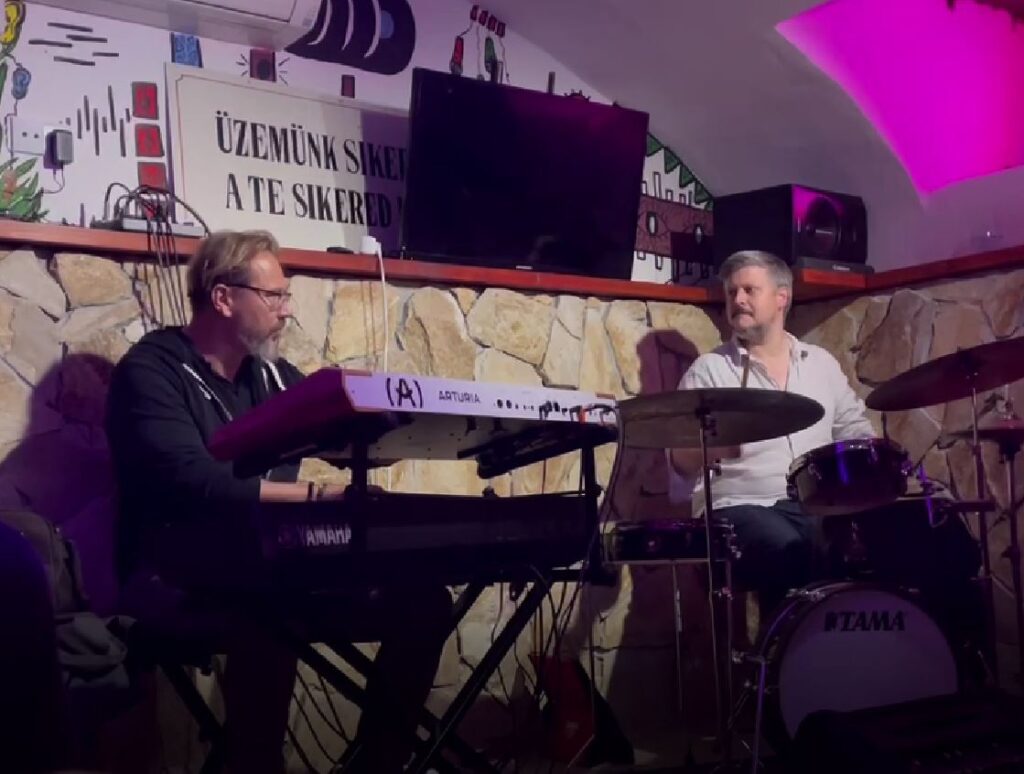
Weekend Vikings Budapest-based duo Weekend Vikings blend jazz, prog rock, and cinematic soundscapes with bold imagination. In this interview, they discuss their Viking spirit, creative process, and reinventing Twin Peaks through music. 1. Weekend Vikings is quite an evocative name! How did you come up with it, and does it reflect something about your music or creative approach? We chose the name because we believe there’s a bit of a Viking spirit in everyone — that longing for adventure, for endless sea voyages, and for a life that’s free and honest. But here we are, in 21st-century Budapest, and we mostly get to live that out on weekends, in the rehearsal room. We do our jobs, take care of our families, and then on Saturday we sit down with our instruments — and the world is ours! And the best part? In music, we don’t have to chop anyone’s head off — that’s one thing about the Viking era we’re happy to leave behind. 🙂 2. Your sound blends jazz, modern genres, and progressive rock — a rare combination. How do you balance improvisation with structure when composing and performing? Luckily, we share a very similar taste in music. We both love the big musical territories you mentioned — that’s our common ground, our roots. The songs are always born out of improvisation, from free jam sessions. Of course, we argue about proportions: I’m Gábor, the pianist, so naturally I’d throw in way more improvised parts — but Viktor, our drummer, has a good head on his shoulders and always brings me back down to earth. Thanks to that, we end up with compositions that are both expressive and quite compact. 3. Your new release, “Pin Tweaks,” reimagines the world of Twin Peaks in a truly original way. What inspired you to reinterpret such an iconic theme, and how did you approach transforming its familiar soundscape? What fascinates us about Twin Peaks is not only its music but also its entire atmosphere — that magical blend of eeriness and calm, just like life itself sometimes. It’s an iconic film and soundtrack for both of us. The theme Falling is mesmerizing, but most covers tend to stay very close to the original mood. We decided to take a deep breath and completely reimagine it — change the rhythm, shift the key, deconstruct and rebuild its sections. We added some wild synth textures and even slipped in some psychedelic elements, like a repetitive harmony reminiscent of a phone ringing. We felt it was a worthy tribute to Lynch and Badalamenti’s fantastic creation. There’s a strong cinematic and atmospheric quality in your music — especially in tracks like “Pin Tweaks” and “Suspended Summer.” Do visuals or stories play a role in your creative process? Absolutely. The music from great cult films has always been a huge influence for both of us — think of the first Blade Runner or the Dune movies. They’re incredibly inspiring because the visuals and the music together create such a powerful impact; the message really comes through as a whole. Right now, we’re actually working on shooting short clips in our studio, to visually translate the vibe of our songs more directly. 5. You mentioned you’re currently compiling your previous singles into a debut album. What can listeners expect from this record, both musically and emotionally? We’re putting together a very eclectic album from our previously released tracks and some new material. The musical freedom we set as our goal is right there in these songs — each one tells its own story, its own little world, pulling listeners into different atmospheres and narratives. 6. As a duo from Budapest now seeking international label partners, what’s your vision for the future of Weekend Vikings — collaborations, touring, or new musical directions? Our big dream is to play at major festivals, to share our music with audiences who are open to this kind of sound, and to meet amazing musicians — even our idols — to learn from them and hang out after the shows. We’re always up for traveling; after all, we’re a duo, and for now all our gear still fits in the back of my trusty Astra wagon. https://linktr.ee/weekendvikings