
New Nobility
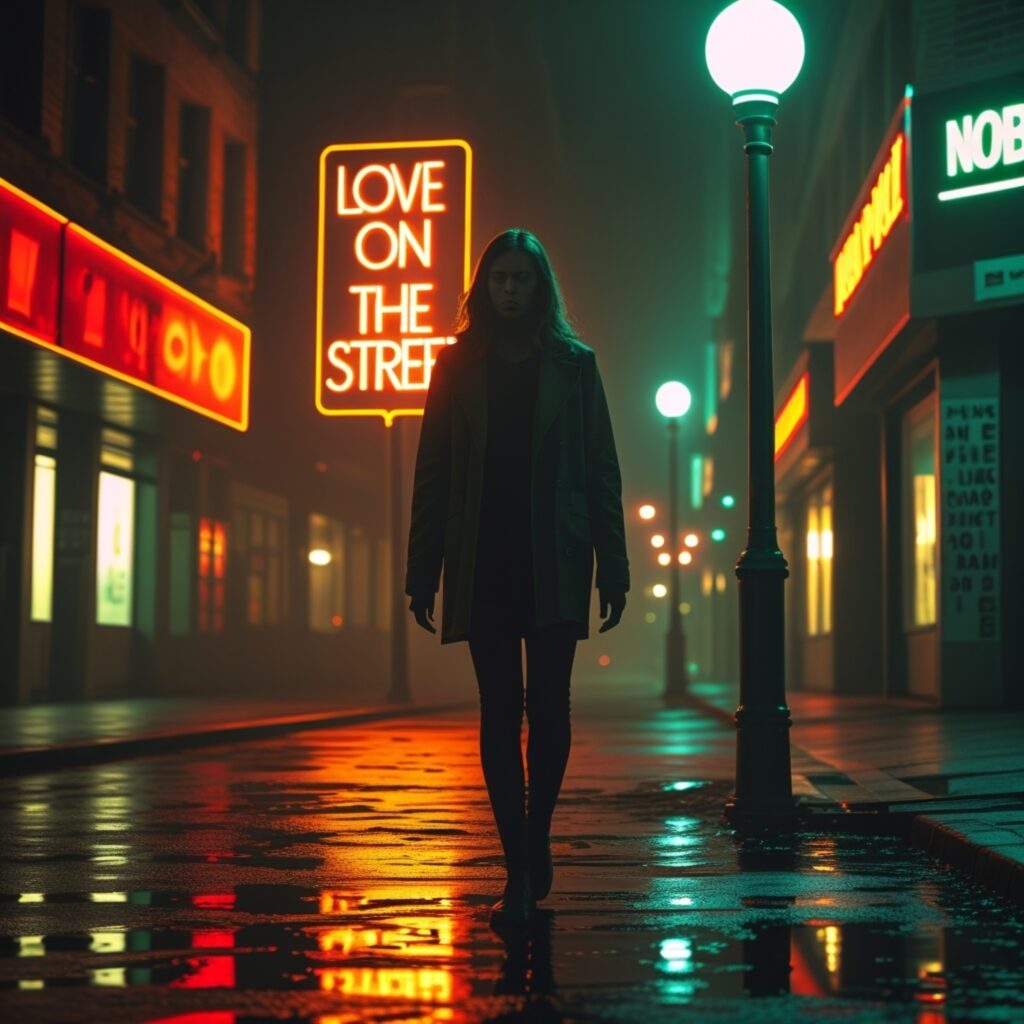
New Nobility New Nobility’s Lone Wolf and Sead Trnka discuss their song ‘Love on the Street,’ highlighting its message of compassion, global collaboration, and reggae’s power to raise awareness on poverty and trafficking. Love on the Street is described as an anti-poverty and human trafficking awareness song. What message do you most hope listeners take away from it? We want listeners to understand that love isn’t just a feeling it’s an action. Love on the Street calls people to see those who are too often invisible the homeless, the vulnerable, the exploited. The message is simple but powerful change begins with compassion, and we all have a role to play in restoring dignity to others. Your band is known for promoting justice and world peace through music. How do you see reggae as a tool for spreading that message in today’s world? Reggae has always been more than a genre it’s a global heartbeat of unity, truth, and resistance. Its rhythm connects people across borders and cultures, and its roots in social justice make it a natural vehicle for raising awareness. In today’s world, where division and inequality still run deep, reggae remains a voice of conscience that reminds us of we’re all part of one human family. The collaboration between artists from Germany, Australia, and Bosnia is quite unique. How did that international connection shape the song’s sound and spirit? That mix of cultures brought a real depth and energy to the project. Everyone brought their own story and influence from European production finesse to Australian storytelling and Balkan soul. The result was a fusion that transcended borders, reflecting the global nature of the issues we’re singing about. It made the song feel like a united front musicians from different parts of the world standing together for humanity. What emotions or experiences inspired you most during the creation of Love on the Street? The inspiration came from seeing both the pain and resilience of people living on society’s margins. There’s heartbreak in knowing how many lives is touched by poverty and trafficking, but there’s also strength and courage in those who survive it. That contrast, sorrow and hope, guided every note and lyric we wrote. The song highlights life on the streets but also carries a message of hope. How did you balance the realism of hardship with the optimism for change? We wanted to be truthful about the suffering but not leave people in despair. The verses paint the raw, unfiltered reality, while the chorus opens the door to hope a reminder that love can transform even the darkest corners. The instrumentation and harmonies also help strike that balance, moving from sober tones to uplifting melodies that mirror the journey from struggle to light. Looking ahead, how do you hope Love on the Street will contribute to conversations or actions against poverty and human trafficking? We hope it sparks empathy first because empathy leads to action. If the song moves even one person to get involved, volunteer, or simply look differently at someone on the street, then it’s done its job. Music has the power to open hearts and start conversations where words alone might fail, and “Love on the Street” is our way of adding that voice to the global fight for justice and human dignity. https://www.facebook.com/sead.trnka.2025
Mazmere
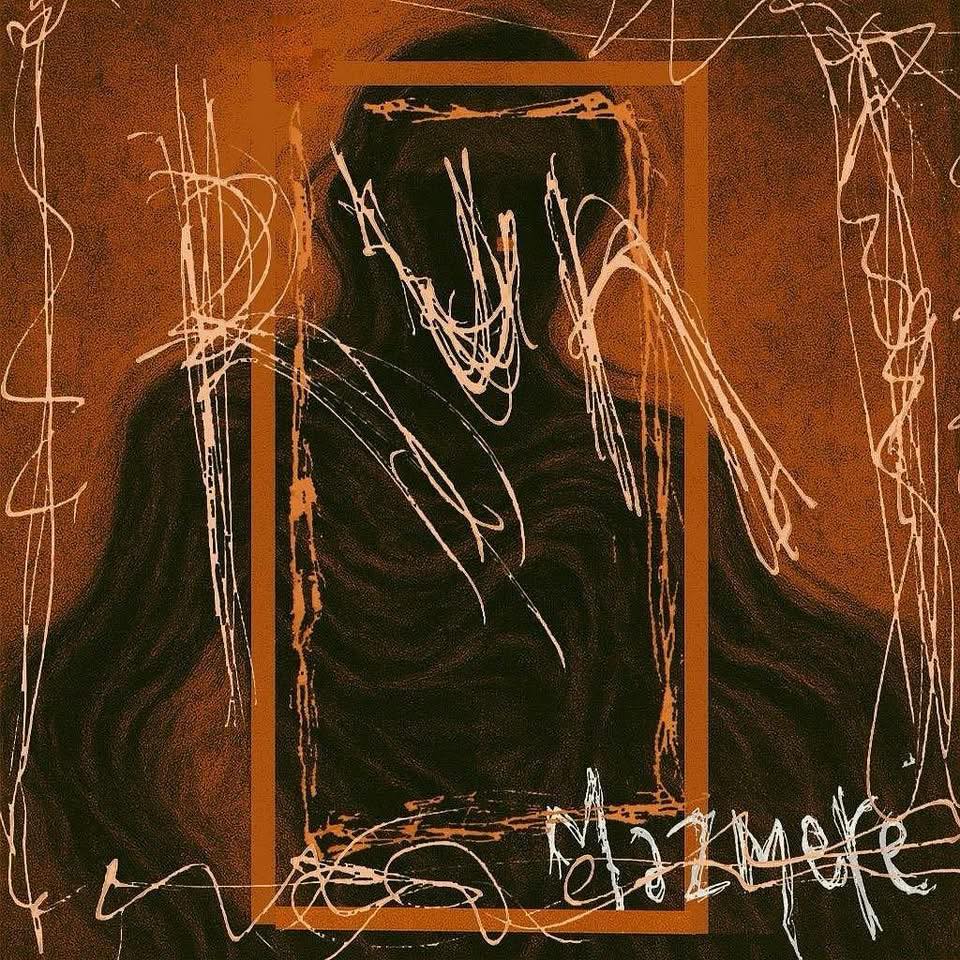
Mazmere Jake Sinetos, lead singer and songwriter for Mazmere, discusses the raw evolution of their sound, the emotional intensity behind new single “Run,” and the creative process shaping their forthcoming album. “Run” feels like both a sonic and emotional shift for Mazmere. What sparked this change in direction — was it something deliberate, or did it emerge naturally during the writing process? “Run” is how Mazmere was always supposed to sound. You can hear traces of it on the debut album, MBJDEBNRBM, especially in the song “Mannequins,” but that record was made with a band that didn’t quite share my vision. They were all incredible musicians, but that’s never been the point of my music. It’s meant to be messy, jagged, and burnt. MBJDEBNRBM ended up sounding much more polished than I intended. Run, and the album it will appear on, are going to be far more raw, noisy, and emotional. So yes, to answer your question, it was deliberate, and it came from me leaving that band and embracing a more solo approach to find the sound I actually want. The track blends electronic pulse with raw human emotion — that push and pull between synthetic and organic sounds. How did you approach finding that balance in production? It’s mostly organic sounds, just torn up versions of organic sounds. That’s always been how I’ve done things. It started as a mostly solo concept, so I was working within my own limitations until I decided to bring in Amyas Varcoe, H.A. Eugene, and Ian Evans to help with the sound. They’re all people I’ve played with before, Amyas and H.A. from my old San Francisco band Anderson Congress, and Ian from an earlier version of Mazmere, and currently in the live band version. I knew I could trust them. I was struggling with the production for a while; the sound I wanted was there, but it felt too muddy. H.A. Eugene ended up producing it, and it sounds incredible. He’s also producing the rest of the album. There’s a real sense of tension and movement in “Run” — almost like it’s trying to escape itself. What does “running” mean to you in the context of this song? That’s a hard one to answer. My songs are always open to interpretation by the listener, and I write them that way on purpose. I want people to think or feel whatever they want while they’re listening. I also don’t really have the same kind of thought process as most people. When I feel something, I see it in images and hear it in sounds, so I try to recreate those images and sounds in the music I make or write. I guess the song is about struggling with how that impacts decision-making, and learning how to choose the longer, harder option instead of immediate gratification. And maybe it’s also a little about running away from the world as it is right now. You’ve described “Run” as part of a broader evolution in your sound, and it will also appear on your forthcoming album. How does this single connect to the larger story you’re telling with the new record? This record isn’t going to be radio friendly. It’s dark and difficult to listen to, and most of the songs are noise pieces. “Run” and the next single, “David,” are among the few that might be a little easier on the ears, although “David” is a deeply sad and unsettling song about my cousin who died a couple of years ago. It was very hard to write about. As I mentioned before, I usually write in a cryptic way, so creating something that open and emotional has been a real experience. I guess the evolution is that Mazmere is finally what I always wanted it to be. It’s not about being cool or selling records. It’s about putting the art I make out into the world and letting the world decide what to do with it. The collaboration with Amyas Varcoe and the Business 80 remix both bring different energies to the release. How did those partnerships shape or reframe the track for you? Like I said, I’ve been playing with both of them for years, so it wasn’t a new collaboration at all. I knew I could trust them, and I knew they had the skills needed to get the track done properly. H.A. Eugene is one half of Business 80, and as I mentioned, he’s producing the new album. He also played bass in Anderson Congress. Amyas has always had great instinct for what to play. He adds his own touch without ever showing off, which makes him the perfect collaborator. Working with both of them definitely helped shape the sound. Mazmere’s work often resists tidy resolution — it lingers in that space between chaos and clarity. What draws you to that unresolved feeling, and what do you hope listeners take from it?’ I don’t really understand the idea of a tidy resolution. How can anything ever be resolved when everything is still moving, still twitching under the surface? Making art is the only way I’ve found to get close to it, to scrape at the edges of my own chaos and maybe make sense of it for a second before it slips away again. The thoughts and feelings circle back, sometimes vicious, sometimes just noise. So I try to find a kind of comfort in that chaos, in the not knowing. Maybe someone else can find comfort there too, in the mess and the unfinished parts. Or maybe they won’t see it that way at all, which might actually be even better. https://www.facebook.com/Mazmere/
Wavy Trees
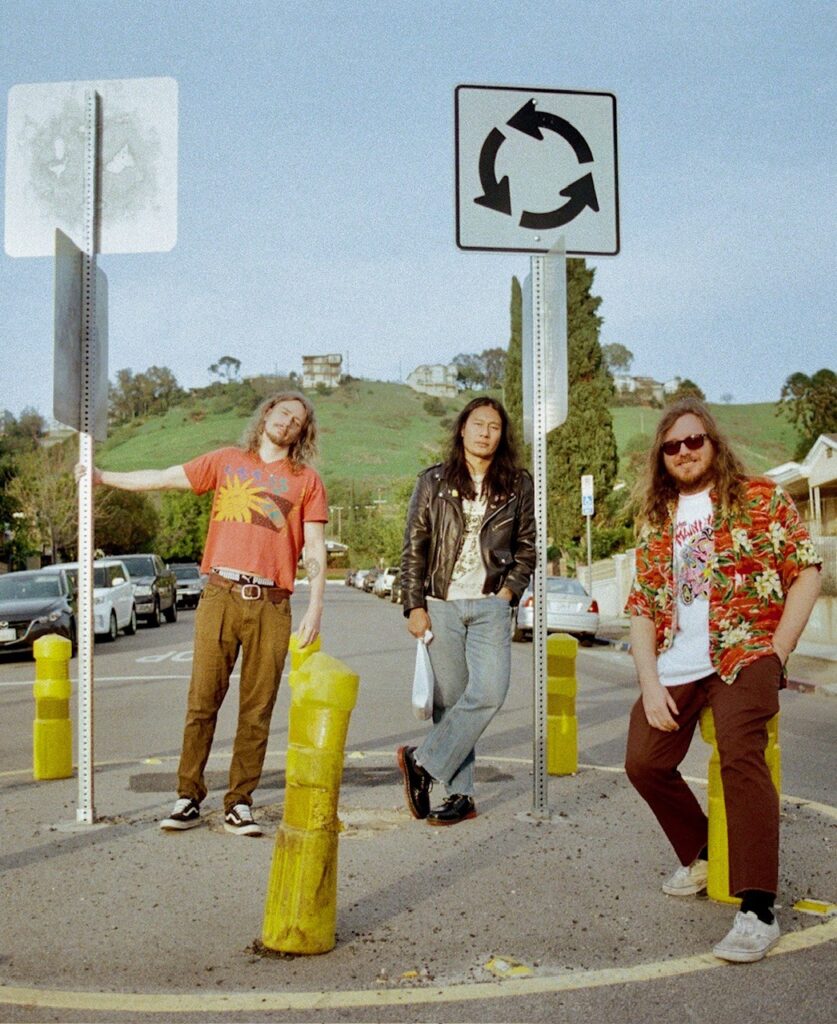
Wavy Trees Los Angeles surf-rockers Wavy Trees bring their signature blend of nostalgia and good vibes to their latest single, “Growing Up.” In this interview, they discuss inspiration, creativity, and what’s next. “Growing Up”has a warm, nostalgic energy that blends surf rock and reggae so naturally. What inspired the song’s theme and sound? The song came together really naturally and fast for us. The theme was inspired by seeing that nobody has the time to hang like the good old days when you are younger. My uncle used to drill it into me all the time that growing up is really hard so enjoy your youth! He used to paint houses. So I kind of made a song for the younger generation to attach too. The music video, directed by Sean Barrett, captures a really fun and laid-back vibe. How involved were you in shaping the visual concept, and what was filming like? We had a completely different idea for the music video actually and Sean had a new vision and then just ran with it! We love how Sean’s brain works he’s a genius and the music video came out great! Wavy Trees formed in 2019 and has already shared stages with acts like Bikini Trill. How has your live experience influenced your songwriting and chemistry as a band? Hitting the road is our favourite part of being in a band so it definitely builds a lot of chemistry and inspires new songs! Also the fans are so solid it makes you want to keep going for them! Your music often mixes upbeat grooves with reflective lyrics. What message or emotion do you hope listeners take away from “Growing Up”? To enjoy your youth!! But also the message of the song is that in the end no matter where your life takes you, the real goal is to find yourself. Surf rock and reggae are genres with deep roots and strong identities. How do you make these influences your own while keeping your sound fresh and modern? Whatever comes out of us is what comes out and that’s kinda as deep as it is haha. Our motto is “Don’t try, just let it happen”. Looking ahead, what’s next for Wavy Trees? Can fans expect more singles, an EP, or maybe a tour in the near future? More singles incoming! We covered a few songs. https://www.instagram.com/wavytreees/
Sean MacLeod

Sean MacLeod Blending heartfelt storytelling with classic pop and experimental sounds, Sean MacLeod reflects on loss, inspiration, and creative evolution — from the moving “Beautiful Star” to his upcoming projects New Start and We Don’t See. “Beautiful Star” has such a rich blend of classic pop, 70s prog influences, and layered harmonies. Can you tell us about the creative process behind the song — how it came together musically and lyrically? The song was born out of quite a tragic incident. My friend and his partner’s new born baby died shortly after being born. When I heard the news, I sat at the piano and the song just fell out of me. The lyric in the chorus “We don’t even know your name but we’re glad you came” came fully formed with the chords and the melody. Over a short time the rest of the lyrics came together and I just started to rehearse it with a group of musicians and each of them added their part. When I went to record it the musicians laid down their parts and the producer, Robsonic, decided to layer harmonies over it, including the female vocal, which personally I think really makes the song sound unique. So, in effect I had very little to do with the recording and the overall sound of the track. Even the chords, melody and the initial lyric had really little to do with me. I was given those by Muses. I just provided the finished lyric really. It does have a kind of 70s prog rock feel or at least a kind of early 70s Bowie feel and I think that’s to do with the chordal structure which is a little bit more elaborate than the usual pop song. I am a big fan of Bowie’s first records- Space Oddity to Hunky Dory, so I’m sure that influence found its way into the song. Your music often weaves together accessible pop melodies with deeper philosophical and spiritual ideas. How do you strike that balance between the profound and the relatable in your songwriting? I don’t find it particularly difficult since I have been my whole life immersed in pop music and quite a long-time reading philosophy and religious works. My degree was in Philosophy and English literature. I don’t know if it always works. I just like singing about more involved subjects and probably Bowie’s work in that regard is an influence as too are the mid Beatles’ period like Strawberry Fields Forever. Having started with Cisco and worked with producer Paul Barrett, what lessons from those early days have stayed with you throughout your solo career? I can’t really think of anything specific that stayed with me. Mostly, I learned how to write songs and how to arrange them for a four/five-piece band. We had five very talented songwriters in Cisco and we really learned from each other. Probably the thing I learned most was to trust your initial idea because if that excites you and you put a lot of attention in to finishing it usually means it’s a song that has some value. When the rest of the instruments are added they usually enhance the song a greatly. It was really valuable having a group of like-minded musicians around me to hear the transformation that takes place with a basic song once the other instruments are added to it. It was also interesting to see how the song could sound after the production process, which is something that working with Paul and other producers made me aware of. A song can sound totally different once it goes into the studio. Paul was a very talented producer and he produced some really good sounding records for Cisco but sometimes, I felt, that they didn’t really sound like Cisco as they sounded when they played live, so to speak. Your influences span from The Beatles and The Beach Boys to Motown, folk, and even avant-garde styles. How do these diverse inspirations shape your sound today? I still love all that 60s music, the approach to song writing, the melodies and the arrangements. I suppose it’s the beginning of what is expected to day from a song. I was so immersed in that style of music that it’s hard for me to get away from its influence. In the last few years, I really feel I want to do things that are very different to this more traditional approach. I recorded an album over the last two years called We Don’t See That We Don’t See and that was an attempt for me to explore something very different to what I would normally do. I explored a lot of different tuning systems and tried to delve into a lot more Avant Garde music, composers like Harry Partch and Terry Riley. However, at the end of the day I realised it just sound like the Beatles when they ventured into Indian music and psychedelia – so there’s no real getting away from them. You have two new projects coming in 2025 — New Start and We Don’t See What That We Don’t See. Could you share what listeners can expect from each, and how they differ creatively? Well I suppose I’ve already spoken about We Don’t See, New Start is a new album although while it has some recently recorded material it has quite a few songs that I hadn’t released. One particular song called “I’ve Seen You Around” was part of the We Don’t See project. It was recorded using an alternative tuning called Pythagorean tuning in which the individual tones are much more pure than standard tuning. It’s rather a complicated subject, tuning systems and I don’t want to bore your readers with the ins and outs of it all, but the tuning is rather different sounding- it feels lighter and more open than standard tuning. I also used a lyre ( a kind of small harp) to compose the piece on. Lyres are easy
Kayla Ramos
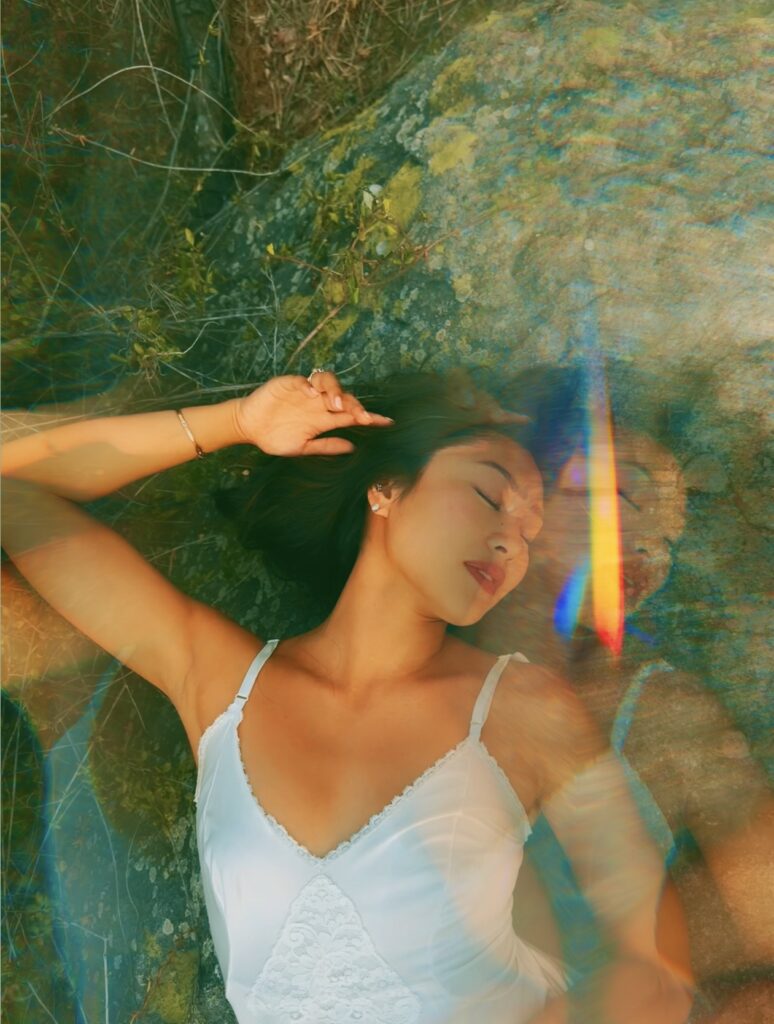
Kayla Ramos “Hard to Say Goodbye” marks a powerful new chapter for Kayla Ramos — a cinematic, soul-stirring reflection on change, loss, and self-discovery, blending poetic storytelling with raw emotion and timeless sound. “Hard to Say Goodbye” feels both cinematic and deeply personal. What inspired you to write this song, and was there a specific moment or experience that sparked it? I was moving from my hometown of San Jose, California to Southern California to pursue music fully. In the days leading-up to my move I was feeling this sour ache, with ghosts of past lives and the guilt of leaving. Months prior I had ended a 4-year-long relationship, my parents had split, and my beloved dog Ginger had passed. I quit my part-time job and said goodbye to my high school friends. It was strange because it was all I ever wanted and still I felt like I was bad… For leaving. I wasn’t. But I needed to release the grief, and the chorus came-out. The production is beautifully layered — from the lush piano to your powerful yet intimate vocals. How did your collaboration with Grammy-nominated producer Dante Lattanzi influence the sound and emotion of the track? I think that Dante and I have deep individual connections with our own souls, and because of that we’re able to work together and see each other between lines. He can capture the essence of that. He knows what is needed for the radio and brings years of industry experience and musical knowledge, and I can bring my heart- my poetry, my melodies, and taste. Humanity and Divinity. Together it’s something truly special and I’m so grateful he took a chance on me. The song explores that delicate space between pain and growth when something meaningful ends. How do you personally navigate that emotional balance in your songwriting? Wow, this heals me and I love this question, thank you. I think there’s no performing here, I speak and live from my heart, and I make my best work when I don’t think or internalize the world but instead let my heart guide me. I feel when I’m painting. I just try to capture my life’s pictures and feelings in words, and sounds. If I feel something, I say something and I don’t hold back. Life is too short and catharsis occurs when you give the full truth. It’s not about how it looks but how it feels, and I hope people feel it, too. Your music blends elements of contemporary pop and soul with cinematic textures. How did you develop this sound, and what draws you to this particular style of storytelling? I grew-up with an iPod of both contemporary and classical music, I think I owe it my life. I internalized a lot of Taylor Swift, Lana Del Rey, and 2000s sounds with a plethora of other genres and oldies too. I loved Shakespeare and studying philosophy in high school. I’ve always had a poetic heart, and I feel in pictures and sounds- so the music sounds that way. I need to paint the full picture. I was always drawn to the classics from music to movies, philosophy, and fashion. “Hard to Say Goodbye” feels like a milestone in your artistic journey. How does this song represent your growth as an artist, both vocally and creatively? It represents my growth as an artist because I’m finally letting go of the guilt and codependence in my life and in art. Everything and everyone, I tried to please is going out the window (as much as I can help it anyway). It was so hard to let go of everything and everyone I once loved and tried to please, but my heart always knows the answer. It’s not about performing but about sharing my heart. And when I’m in my heart I sing better, I write better, because I feel everything I feel without denying myself and hold nothing back. As artists and humans, it’s the best thing we could do. For listeners discovering your music through this single, what message or feeling do you hope they take away after hearing “Hard to Say Goodbye”? Everything good in life comes with a price, don’t cut your limbs off to pay. Nothing is free. Especially for young women and men, I want you to know that nothing is worth your truth and sense of self. Your heart is your essence and gift to the world. Don’t say goodbye to yourself to keep anything or anyone else. Be yourself. Kayla Ramos | Instagram, Facebook, TikTok | Linktree
Zoe Yovéla
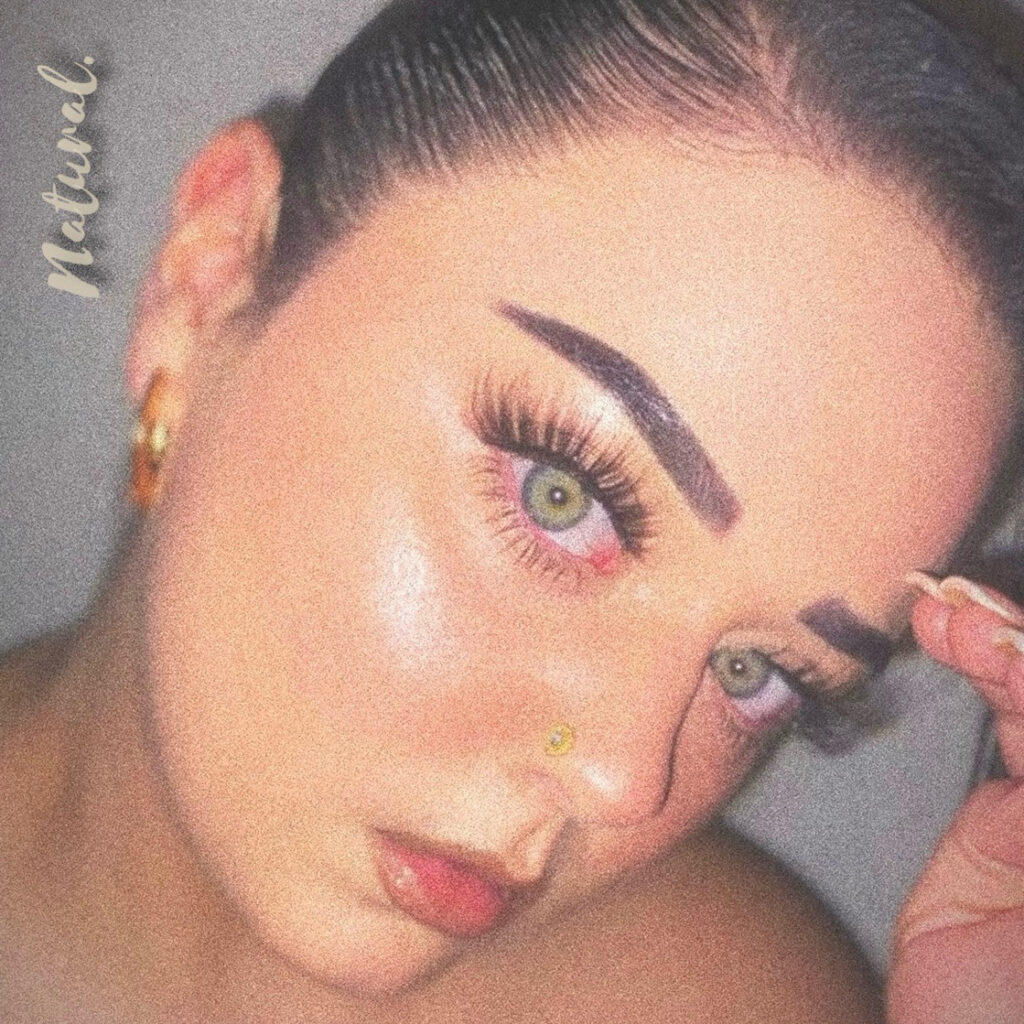
Zoe Yovéla Singer-songwriter Zoe Yovéla returns with her soulful new single “Natural,” her first release since 2021. In this interview, she reflects on motherhood, self-growth, creative balance, and finding joy through music. “Natural” marks your first release since 2021 — how does this single reflect your growth and evolution as both an artist and a mother? Motherhood has shaped me in ways beyond words. Having a tiny humans’ life in your hands is an unfathomable blessing, but it is life changing, in every sense of the term. It has made time more precious, valuable, and given me depth I never had before, depth that I will hopefully continue to apply to music. Transparency and relatability for people maybe. Hopefully a sense of comfort and joy for others. It is HARD, even more so as a single mother, but it is worth it and has only added to the love and wisdom I want to sing about. 2. You’ve mentioned artists like Mary J. Blige, Cleo Sol, and Jill Scott as inspirations. How do their influences come through in “Natural,” and how did you make the sound your own? When I started writing ‘Natural’ with my good friend Josh Wray in 2021/22, I knew I wanted it to be a funky, light hearted bop. In the 90’s Mary had some major releases like ‘All Night Long’ and ‘Real Love’ – I wanted to bring back a sense of ‘Old School R&B love’ to a song. The world is heavy enough so I wanted to bring something joyful and sweet, always keeping that Neo-Soul, electro-funk personality with the instrumentation. 3. The world’s been through a lot in recent years, and you’ve said this song offers a kind of escape. What message or feeling do you hope listeners take away from “Natural”? Not all men are trash… hahaha, I’m kidding – I just hope it makes them feel warm and fuzzy, and groovy to be honest. There’s a time to be deep and a time to be free-spirited. You recorded this track between your home studio and Joshua Leon Wray’s setup. How did that DIY, collaborative process shape the final sound? Oh gosh, Natural was stuck in the archive for ages because ‘life’ haha. I became a mum and lost myself for a while, but I’ve regained my power and found a new sense of self alongside mummy hood and music. There were lots of ‘WeTransfer’ links between Josh and I, lots of editing and time spent on production on Josh’s behalf which I’m so grateful for, and of course I always love the touch of male backing vocals as it sounds *chefs kiss*.5. The story behind the lost and later retrieved recording is fascinating. Did that experience change your emotional connection to the song in any way? It kind of did you know…in a way, if it wasn’t retrievable, I’d have disconnected from it and started from scratch. I guess because we were able to get it back, I felt more of a push to get it out. Crazy! God is real! 6. Balancing motherhood and music is no easy task. What advice would you give to other parents or creatives trying to pursue their art while raising a family? Everyone’s circumstances are different. Especially as parents. I’d say we just have to find a good balance between parenthood and passion and roll with it. Don’t burn out but don’t doubt yourself. Don’t compare where you are to where someone else is. Don’t be afraid to take up space and show up for yourself. Give yourself grace! (note to self, lol). https://www.instagram.com/zoe.yovela
Debra Can

Debra Can “Calm Down” captures the essence of love, trust, and emotional vulnerability through heartfelt storytelling. In this exclusive interview, Debra Can shares the inspiration, creative process, and Lagos influence behind her soulful single. “Calm Down” feels deeply personal and emotional. Can you share how your relationship inspired the lyrics and message behind the song? The song “Calm Down” was inspired by a close friend’s relationship, which has to do with trust issues, by telling the partner to calm down and focus on the relationship rather than overthinking and stressing about things . The song is like a form of assurance to the partner. You mentioned collaborating with a songwriter friend during the creative process. What was that collaboration like, and how did it shape the final sound of the track? Collaborating with a songwriter friend during the creative process of the song “Calm Down” was fun and highly creative; this made the final sound of the track very satisfying. The song was recorded in Lagos, Nigeria — a city known for its vibrant music scene. How did the atmosphere or culture of Lagos influence the recording process and the overall vibe of “Calm Down”? The atmosphere of Lagos influenced the recording process of “calm down” by the happenings around us, day-to-day activities, and the personal experience of a close friend. Trust, patience, and love seem to be strong themes in this single. What message do you hope listeners take away from the song when they hear it for the first time? The message listeners take away from the song “ calm down “ is majorly assurance of their love to their partners, expressions of their heart desires, and trusting each other completely. Every recording process has its challenges and memorable moments. Was there a specific moment during the making of “Calm Down” that stood out to you emotionally or creatively? The specific moment during the recording of “calm down “was when my co-writer broke down and said to me that the song brought back sad memories of his Ex-Girlfriend. As an artist growing within Nigeria’s music landscape, how do you see “Calm Down” fitting into your journey — and what can fans expect next from Debra Can after this release? I see “calm down” fitting into my journey because it’s a romantic and catchy song that has to do with love, and we all know love is very essential to us humans.Debra Can is dropping a single before the end of this year, 2025.I collaborated with a popular Nigerian artist on this one. https://www.instagram.com/debracanmusic
Julia Kate
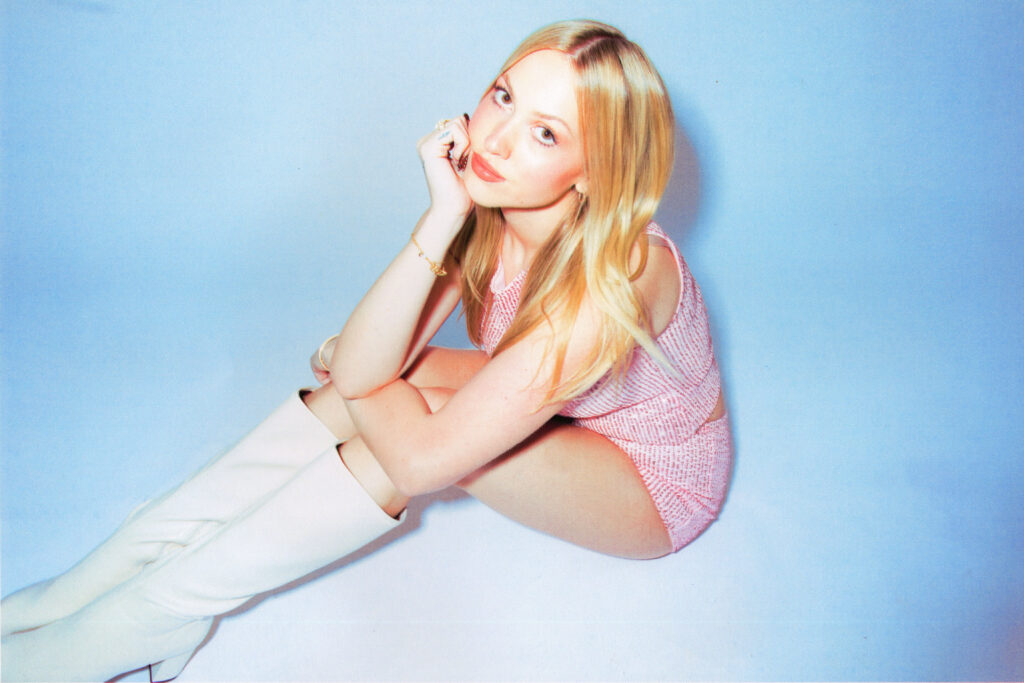
Julia Kate “Be Nice Princess” by Julia Kate explores the tension between kindness and self-empowerment. In this interview, Julia shares how humor, honesty, and growth shaped her sound, vision, and voice. “Be nice princess” feels both playful and deeply personal. What inspired you to explore the idea of “niceness” — and how did that phrase become such a powerful anchor for the song?The song actually started as kind of a joke. My co-writer, Nick Rosen, and I were stuck on searching for new ideas until we started scrolling through Instagram, and saw this meme that just said, “be nice princess.” It made us laugh, but it also hit this nerve for me personally. What does it actually mean to always be the “nice” girl? The phrase became this perfect mix of humor and truth, which is basically what the song is about. Trying to be kind and a good person without letting people walk all over you. You’ve described the song as a reflection on friendship and boundaries. Was there a specific moment or experience that made you realize you wanted to write about outgrowing certain relationships?I think everyone reaches a point where you realize some friendships aren’t growing with you and that’s always hard to come to grips with. “Be nice princess” isn’t about one specific person, but more about that feeling of realizing you’ve changed and not everyone’s meant to come with you. There’s grief in that realization, but also freedom. The song blends catchy pop energy with emotional honesty. How do you find that balance between being vulnerable and still keeping things fun and light?I don’t think it has to be one or the other. I love when songs sound fun but still hit you in the chest when you really listen to it closely. For me, writing is therapy, but production is play. Nick and I leaned into that. If a lyric felt heavy, we wrapped it in something sparkly. It’s like, dancing and crying at the same time. The music video reimagines Alice in Wonderland in such a whimsical, self-aware way. What drew you to that concept, and what was it like bringing that pastel dreamworld to life with your sister and friends?I’ve always loved Alice in Wonderland. My dad has some photos of me when I was Alice for Halloween when I was like 6 or 7. In fact, my dad and I came up with the Alice in Wonderland concept for the video, but I have to credit the director, Jennifer Montgomery, for flushing it out. Jennifer and her husband, Andrew Davis, who was the DP, came up with all the weird, colorful and a little unhinged look and feel for the video, which felt right for this song. In it, I play Alice, and my sister Ella and some of our friends are the other characters, so it was chaotic in the best way. It wasn’t about recreating the story of Alice but using it as a way to show how it feels when the world tells you to stay small and smile. It’s fun, but also honest. Your previous single “angel” was more meditative and spiritual, while “be nice princess” has this cheeky, confident edge. What connects these two songs for you emotionally or creatively?They’re kind of like opposite sides of the same coin. “angel” is about loss and hope. I had just lost my one-year-old cat unexpectedly this summer and it brought up a lot of emotions. His passing also brought up memories of the unfortunate deaths of three friends who passed away very young. They were very dear to me, and they all influenced me creatively, so the song became my therapy for coping with the premature death of loved ones. If you look at the song art, all those little images are representative of these individual friends, and my cat, who all passed away too early. “be nice princess” is about being alive and messy and figuring out your boundaries. Yet, both are about growth, just in totally different ways. You’ve mentioned that “be nice princess” felt freeing to make. As you look ahead to 2026 and more releases, how do you hope your music continues to evolve — both sonically and personally?I want to keep being honest, even when it’s uncomfortable. I’m still figuring out my sound, but I think every song brings me closer and I definitely see a lot of growth in my more recent releases. I don’t think my earlier music is cringey or anything like that, and I love that my friends still request I play some of the earlier songs when I perform live, but I want to keep making music that feels human and relatable. My next release will be a song called “truce,” which is about body image. Who can’t identify with body image issues, right? So, my goal is to create relatable music that might be a little sad, a little funny, and a little hopeful. https://www.juliakatemusic.com/
Naomi Neva
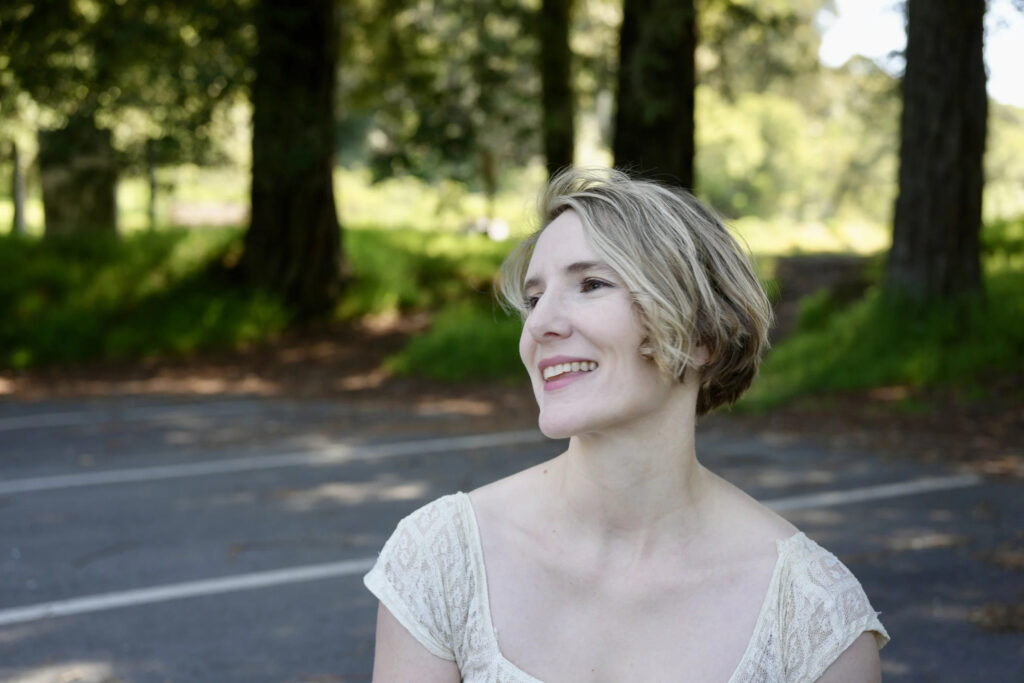
Naomi Neva Naomi Neva’s latest single “This Is Over” turns heartbreak and frustration into raw, emotional power. In this interview, Naomi opens up about writing mid-flight, embracing vulnerability, creative collaboration, and rediscovering herself through music. Naomi, “This Is Over” feels both deeply personal and universally relatable. Can you tell us more about the emotional space you were in when writing the song mid-flight? That was such a terrible moment. I’d been in Berlin visiting my best friend Ernestine (who I wrote another song about!) and before I left I’d sent a really vulnerable message to someone I used to be close to. A week later they hadn’t responded at all, which is kind of normal for them, and I was so angry about that and frustrated, and then my flight got canceled and I got rebooked into a middle seat between two people who were traveling together, who never spoke to me, just passed snacks back and forth over me while I cried and wrote this song. The couple with the snacks don’t This track marks your first collaboration with a producer. What was it like working with Kimberley Shires and an all-female team at Hear Me Roar Studio? It was such a great experience! I had some reservations about working with a producer, because I have such a specific vision for what I want each song to sound like, and because I have trouble telling people when I don’t like what they’ve done, but Kimberley was amazing and it was so fun working with her. She understood what I was going for from the very beginning. I felt like we had a shared vision for the song all along, and she had great ideas for how bring out the emotions I wanted and tie it all together. I love how the song turned out, and the process of making it together, of having someone to bounce ideas off of and celebrate with when something sounded right, was so fun. You mentioned that “This Is Over” is partly a lie since you’re still friends with the people who inspired it. How do those complicated emotions influence your songwriting process? Yeah, the title of the song is “this is over” and at the end of the chorus I shout “this is over this is over this is over this is over” but actually neither of the relationships that inspired the song are really over, we still get together for awkward lunches from time to time and I don’t know why I do that. It’s never satisfying. It just makes me kind of sad that we don’t have the connection we used to have. I think it’s usually a bad sign if I want to repeat a line in a song more than once in a row. It probably means I’m trying to convince myself. The song channels both heartbreak and empowerment through its gritty, distorted sound. How did you approach balancing vulnerability with strength in your performance? I don’t really think of it as a balance, I think there is a particular kind of strength in vulnerability, in being honest with yourself about your emotions, and that’s what I was looking for in the song. Even though the narrator of the song is not being honest with themself (there is no such thing as a phone that can’t start a conversation! Stop making wild excuses for someone who just isn’t trying), writing that way forced me to be honest with myself about how I was excusing the behavior of people in my own life. As someone whose music blends elements of indie rock and punk, who are some artists that have shaped your sound and storytelling style? In high school I was briefly in a band that played Green Day and Ramones covers, and I still love those big fuzzy guitar tones. Ani DiFranco has always been a big influence. Actually, I think there’s a common thread between a lot of the different genres of music I like, in that a lot of it comes from the interplay between love and anger, and the feeling that things aren’t right but maybe we could fix them. This song is more focused on interpersonal relationships, but a lot of the songs I’ve been writing lately have been more about supporting each other in an imperfect world. You began releasing music after becoming a mother — a powerful act of reclaiming identity. How has motherhood influenced your creative journey and your perspective as an artist? I always wrote songs as a way of processing my own life, but I never felt the need to share them until I was on maternity leave after my daughter was born. I hadn’t talked to anyone in two days, and I felt so disconnected from who I was before she was born, and from anyone outside my immediate circle. But I picked up a guitar during nap time and played some songs, and I felt like myself again. Recording songs was a project I could work on flexibly around a baby’s unpredictable schedule, and making something of my own gave me a sense of purpose. I’m not sure I knew why I was releasing the songs in the beginning, but it has turned out to be such a wonderful way to connect with people. It’s really special to put out a song about something that was challenging in my own life and to hear from other people who have been through the same thing or are in the middle of it right now, and to realize that something that felt so isolating and uniquely terrible in the moment is really just part of the human experience. https://www.naomineva.com/
Prem Byrne
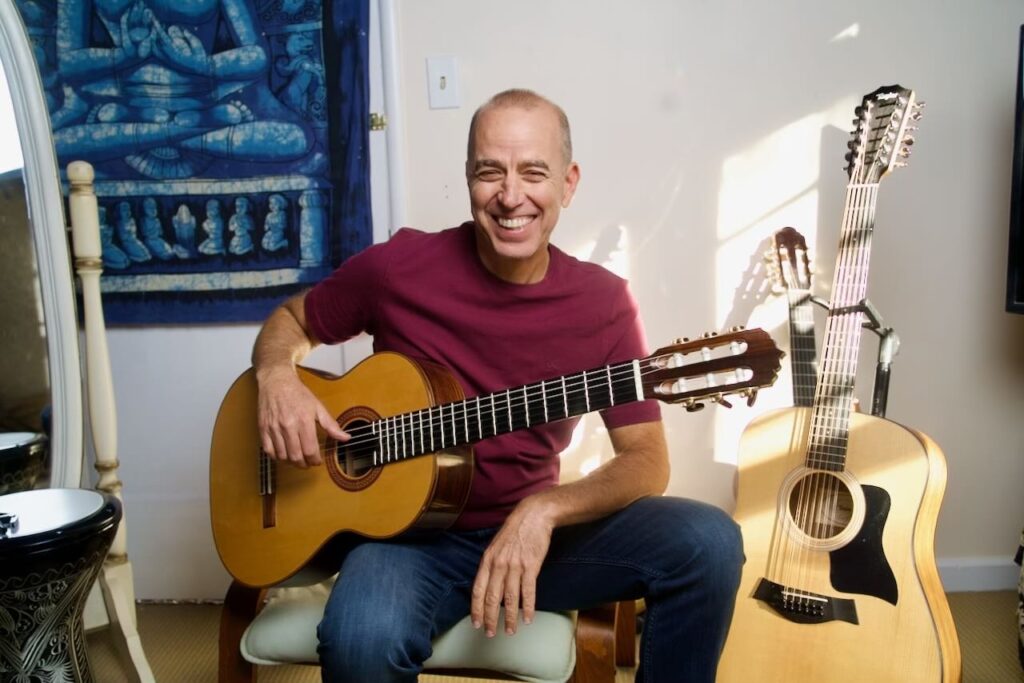
Prem Byrne In this interview, Prem Byrne discusses his new single Why I Don’t Go to the Movies Anymore—a heartfelt, cinematic reflection on love, disillusionment, and learning to embrace real relationships beyond Hollywood’s romantic fantasies. 1. Your new single, Why I Don’t Go to the Movies Anymore, is described as a love song but also a commentary on ideas of romance. Can you tell us more about the message behind it?When I wrote the song, I had arrived at a place in life where my ideas about romantic relationships were crumbling. I have always loved movies and for most of my life, Hollywood’s version of romantic relationships is what I assumed mine should look like. What I started realising is that movies like to focus on the honeymoon phase. It’s a great phase, full of passion and excitement and freshness, but there are at least 4 other phases (sometimes known as: 2) power struggle, 3) stability, 4) commitment, and 5) co-creation). I kept coming up against phase 2 and not knowing what to do, giving up, and looking for someone else, only to be left with the same problems when the honeymoon phase was fading. The reality was that relationships didn’t make all my problems go away, and I needed to be willing to be committed during hard times. 2. You mentioned that this song was inspired by realizing the difference between real relationships and the romantic ideals portrayed in pop culture. How did that personal insight shape the writing process?The truth is that I was still very naive about it all while writing the song, (and I still am). So I asked people who had gone further in their relationships about what the ingredients to a lasting relationship were—someone said, “well, there’s a give and take.” I was writing the chorus from an honest place of not really knowing much about relationships, so I was able to write these 2 lines:“I’m learning what love isThere’s a take and there’s a give” I thought about what a lot of movies were doing and saw that the characters were usually young, that the message is that once two people get together, they go off into the sunset and all is well, and that helped me write the verses. 3. The sound of this track is said to evoke classic Hollywood. Was that intentional, and how did you achieve that unique vibe?The producer I worked with on this, Adam Rossi, had the idea to find some sounds, strings that reminded us of classic Hollywood. We put them at the beginning and end of the song and that affected the whole track, at least to my ears. It was a great idea. Compared to your previous work, you mentioned this song has a new kind of sound and a more positive, fun take on love. How was it different creating this track versus your past songs?Adam did interesting things with my background vocals, things I wouldn’t normally do, and while the song does still feel related to the singles I’ve been releasing this last year, there’s definitely a different flavour going on. Also the chord progression is a little more involved than what I normally do. But the biggest difference I think is just the attitude of the song, which the music video really shows—because I’m smiling in the video! All the other themes in my songs so far are pretty serious stuff, and this was lighter, more playful. For listeners who find the song on Spotify, Apple Music, or other platforms, what do you hope they take away after hearing it?It would be great if this found its way to young people, particularly anyone who is like I was when I was young. I so much wanted to be close to a woman, and had no clue how to go about it, and I looked to movies to teach me. But that created these unrealistic standards, and ideas that weren’t helpful. I overlooked the importance of friendship. The music video I made for this song really helps drive the point home and I hope people see that as well. Because there are so many of us who long for connection, and I think healthy relationships can be so huge for personal development. I’ve heard an expression that goes something like, “Alone we can go faster, together we can go further. Finally, the title is intriguing—Why I Don’t Go to the Movies Anymore. What’s the story behind the title, and how does it connect to the song’s theme?Ah, yes. In case anyone didn’t know, it’s incredibly difficult for a singer/songwriter to break through and be noticed these days, and so we look for any edge. A title that grabs people’s eyes is one of the ways we try to get an edge. When I look at that title, something inside me wants to know, “why? Why doesn’t he go to the movies anymore?” The meaning inside the title and song is that I’m in a real relationship, that’s more meaningful than anything Hollywood ever showed me, and that’s why I don’t go to the movies anymore. The truth is, despite the song’s title, I still do go to the movies! https://prembyrne.com/