
Anna Weatherup
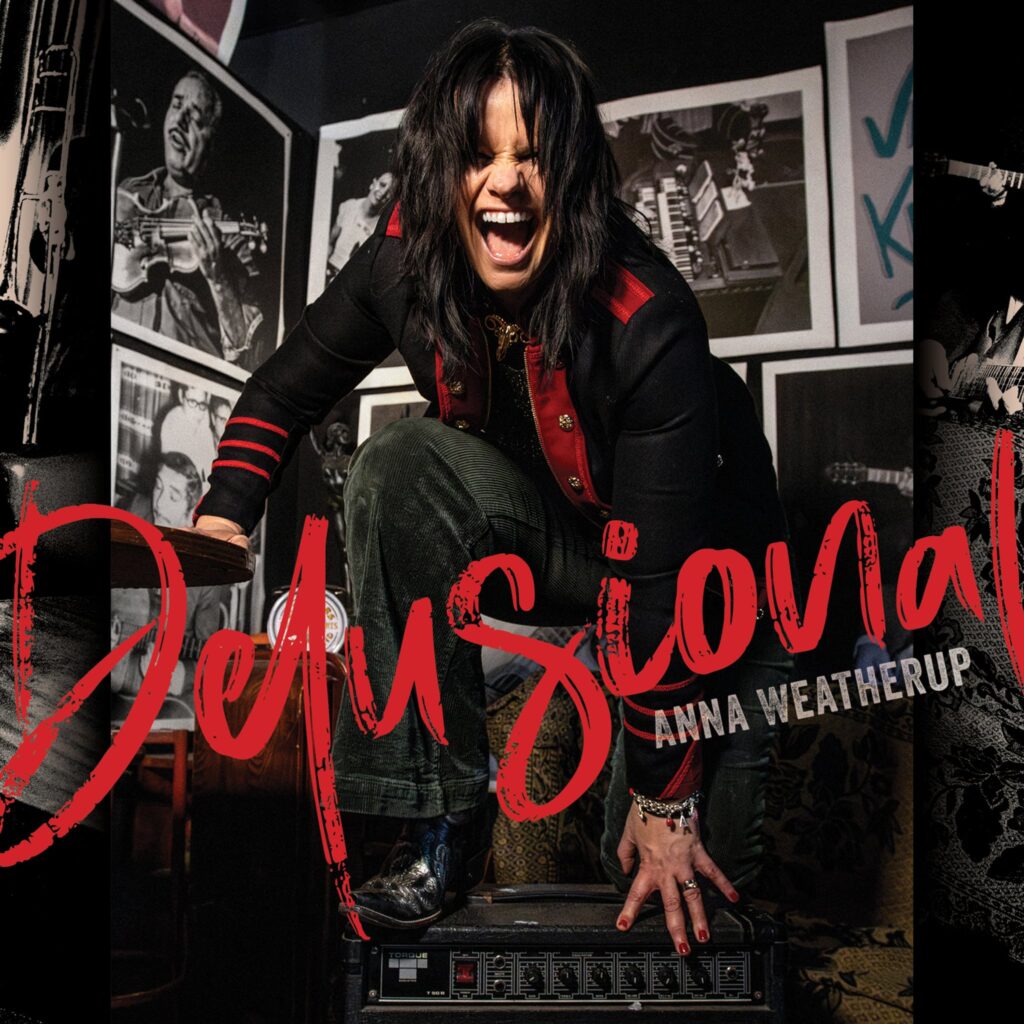
Anna Weatherup On Delusional, Anna Weatherup confronts her past with clarity and courage, revisiting formative moments from The Voice Australia to reclaim her voice through independence, reflection, and fearless artistic evolution. 1. Delusional feels like both a reflection and a reckoning, with songs written across different chapters of your life. How did it feel revisiting material that dates back to your time on The Voice Australia and bringing it into conversation with who you are today? It is definitely reflection but more so a reckoning. It’s nice to have a little more experience and wisdom now looking back to those days. Life is a journey and it feels great to look back and see how far I have come. 2. You made the bold decision to release Delusional exclusively on vinyl, CD, and Bandcamp months before it arrives on streaming platforms. What inspired you to prioritise that immersive, tangible listening experience in an era dominated by instant access? I wanted my listeners to once again experience that feeling of purposefully going out to get an album they want to hear and physically put it on a player and listen. I feel it connects the listener deeper to the music and artist than streaming. I love streaming too but I wanted the first listens to be ones of intention and purposeful. 3. The single “Let Them Sing” revisits your experience on national television and features artists including Sophie Phillis, Michelle Farrugia, Jenna Dearness-Dark, Goldheist, and Brookie Jillett. What did it mean to transform that complex chapter into a collaborative act of solidarity? It was like a full circle moment to collaborate with artists from my year on The Voice who experienced similar things to me and sing a song together. I personally felt so unheard back then so this was a cathartic exercise for me. 4. “Yes Ma’am Courage Is Grand” carries a defiant, almost anthem-like energy with its alt-country and 1960s Hammond organ textures. Was there a specific moment in your life that sparked that turning point from silence to strength? Age has so many benefits and one of them is becoming stronger within yourself. I have always been afraid to speak up but the older and more comfortable I become the easier it gets!! 5. The title track “Delusional” speaks about navigating difficult personalities and industry setbacks. How did you channel those challenges into empowerment rather than disillusionment? Whenever I go through tough life moment I tend to put pencil to paper and write about it. Not always as its happening as that can be tricky but there always comes a time I am ready to talk about it and purge. It has saved my life many times! 6. After the deeply personal journey of Crossing the Sea and now the fearless exploration of Delusional, what does artistic independence mean to you at this stage of your evolution? I am loving being an independent in 2026. There are so many ways to organically grow your audience and reach people. I get to follow my gut instincts and really connect! Don’t get me wrong, having a team behind me would be amazing but for now I am at it alone and having fun! Anna Weatherup
SERAh
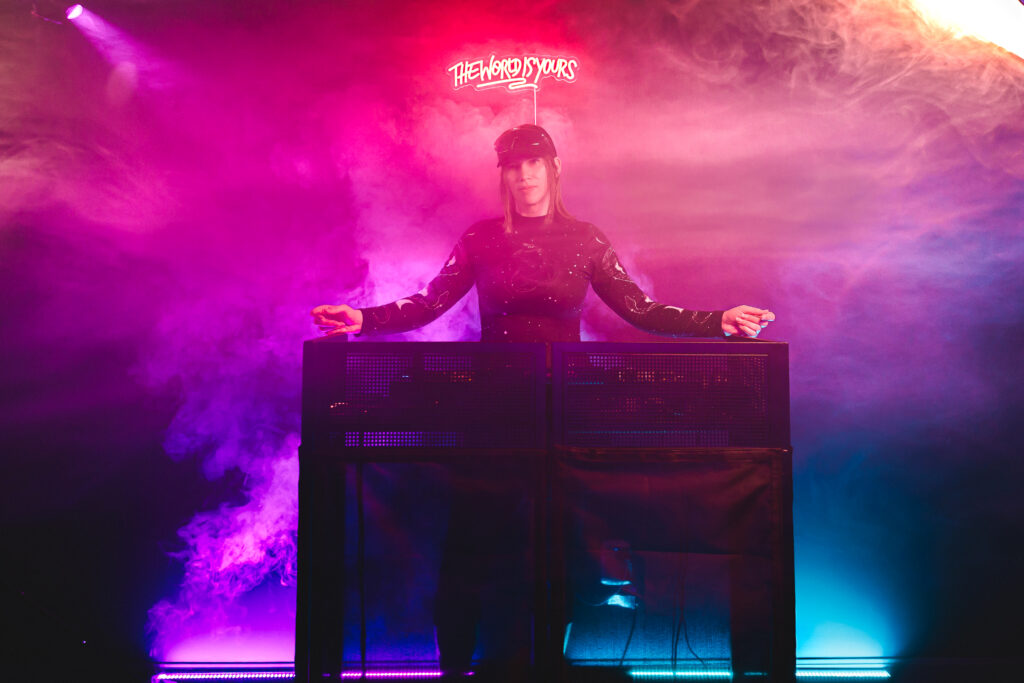
SERAh In this interview, SERAh opens up about exploring toxic attachment, inner conflict, and emotional vulnerability, revealing how tension, contrast, and collaboration shape a track that transforms discomfort into empowerment. 1. What inspired you to dive into this vulnerable emotional space? All of my music explores the darker side of the human experience. This song specifically is about being in a toxic relationship and feeling stuck, logically knowing the other person is bad for you, but emotionally not wanting to leave. 2. How did you translate that internal conflict into the lyrics and production? Lyrically, I kept it intimate and restrained. Almost like late-night thoughts you are not proud of but still honest to yourself about. Production-wise, I left space in the verses so the tension could breathe. I did not want it to feel overly dramatic. The first drop has a call and response to it that I feel points to the inner conflict, whereas the second drop has a euphoric—almost triumphant vibe, as if the individual the song is about has made the choice to escape the vicious cycle they were in. 3. The contrast between fragile verses and powerful drop feels intentional. Walk us through that. It was intentional. The verses represent vulnerability and hesitation, while the drop represents the weight of the emotion underneath it. A lot of unhealthy relationships feel calm on the surface but overwhelming internally, and I wanted the structure to reflect that. The drop is not celebrating the situation, but rather expressing how consuming the feeling actually is. 4. Why is it important for you to highlight emotional discomfort and vulnerability? Because experiencing discomfort is part of what makes us human. A lot of music in my space leans toward surface-level emotions, which there is nothing wrong with that, but I think there is strength in confronting darker themes that are more nuanced. When you allow yourself to feel these complex emotions instead of avoiding them (toxic positivity), they lose some of their power over you. My music is not about staying in darkness, but instead about transforming it into something powerful and beautiful. 5. How did the collaboration with Odxttx come together? We connected through a mutual friend and are now in a collective together called PULSR. Listening to his music I know collaborating with him on a song was the move. 6. When listeners experience this live, what do you hope it sparks? My goal with all of my music is for people to recognize themselves in it, and relate on an emotional level. That moment when the music expands and you feel it in your chest. Sometimes realizing you are in denial is the first step toward change. If the song can create even a small shift like that for someone, that means everything to me. serah – KIFFIX Links
Radical Man
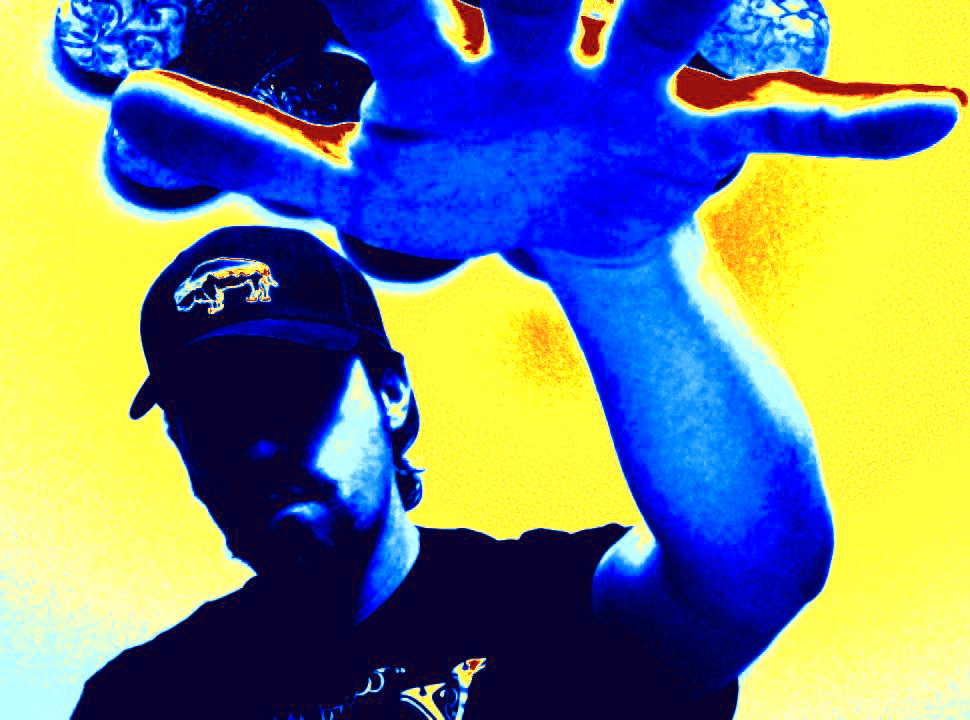
Radical Man In this interview, Radical Man unpacks the architectural precision and controlled chaos behind “Power Systems,” exploring rhythm as design, tension as momentum, and the balance between experimentation and accessibility. 1. “Power Systems” feels architecturally precise yet constantly on the verge of collapse. How did you approach building that rigid rhythmic framework, and at what point did you decide to let it destabilize? The initial framework was built with arpeggiators. Additional rhythmic and melodic lines were drawn in and were later broken up with automated subtraction. The first and second sections were contrasted by their instrumentation and melodic parts and for the middle breakdown, it felt like it was time for a left turn to a third section that could simulate a destructive moment where the first two sections might collide. 2. Your project is rooted in the tension between structure and chaos. Do you begin with strict rules for each composition, or does the friction emerge naturally as you experiment? There aren’t typically any self-imposed rules, sometimes I’ll get inspiration for a particular approach to begin with but for the most part I am following instincts as the track develops. 3. Instead of a traditional drop, “Power Systems” leans into repetition and controlled mutation. What draws you to evolution over climax in your arrangements? That seemed like the direction this particular song wanted to go. I wasn’t out to chase anything traditional, it was more of a process of seeing what direction things wanted to go and then framing it up at the end. bureaucracy records · Night Whip 4. There are clear echoes of IDM and leftfield traditions, reminiscent of artists like Clark, Daniel Avery, or even Radiohead’s Kid A era. How have these influences shaped your sonic language without defining it? I think that kind of electronic music has a lot of possibilities for exploration. I appreciate when the sounds and composition are more on the strange and psychedelic side of things but I also enjoy straight up pop. I think those artists walk an interesting line of being experimental while still being accessible. 5. You describe rhythm as architecture rather than genre. Can you expand on that idea? What does it mean to “design” a track structurally instead of stylistically? To neatly fit in a genre box there is typically a well defined rhythmic structure that already exists. I have taken to building tracks by experimenting with different approaches to rhythm and letting the genre its leaning towards emerge as things get put together. 6. Each Radical Man release explores a different configuration of controlled friction. Where does “Power Systems” sit within your broader artistic trajectory, and what new forms of tension are you interested in exploring next? I’d say that’s true of many of the tracks but not all of them as a rule. This track has a more quantized energy to it compared to the others as it was more programmed and the other songs are more performed with instruments and controllers. Though the end of Power Systems does have live recorded acoustic drums and slide guitar, it was mostly done on the grid with arpeggiators and programming. The tracks coming down the road probably have a more organic and performed sound to them, though I’m sure that some more rigid elements will emerge here and there. I guess as far as tension goes the convergence of making sounds that are weird yet accessible is a good zone to shoot for. https://www.instagram.com/_radical_man
Heddy Edwards
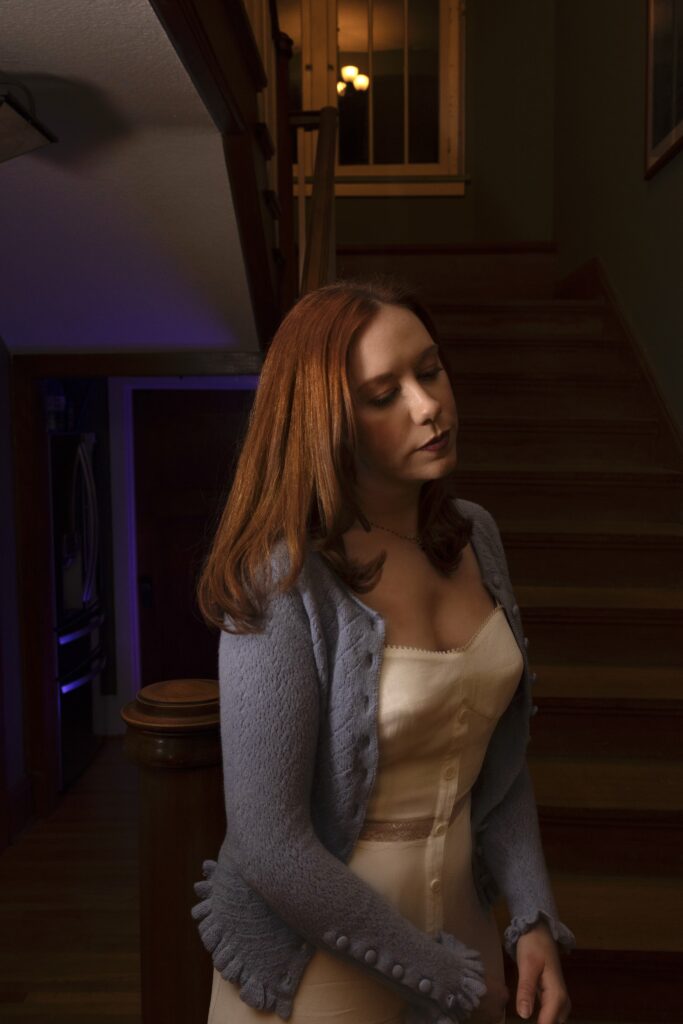
Heddy Edwards In this interview, Heddy Edwards reflects on grief, gratitude, and creative rebirth, revealing how “Cinematic Vision” became the emotional anchor of her debut EP and personal philosophy. 1. “Cinematic Vision” carries the powerful refrain, “the other side of hell is a heaven so delicate.” Can you take us back to the exact moment that line came to you, and why it became the emotional core of the EP? In 2024, my family and I were losing a loved one to terminal cancer. Aside from knowing we’d lose them, it was extremely hard to watch everyone I love have to know grief so intimately, too. During that time, my husband and I took our dogs, packed up the car, and went to help care for them for the last six weeks of their life. One stormy day, I was feeling particularly down, and my husband and I went to stop for gas. As he got out of the car, I sat there quietly listening to the rain fall. Suddenly, I was overcome with immense appreciation and gratitude for life and ordinary moments, enough that it moved me to tears—and I opened my notes app and wrote down a short poem that read “on the other side of hell / is a heaven so delicate / you put gas in the truck as / I watch the rail fall.” I closed out of it and didn’t think much of it until about six months later, after we had unfortunately lost our loved one. I was playing chords that felt reflective yet grounded, and looked through my notes app for anything I’d written down, and it struck me as being the missing piece for the chorus. It was then I realized it was the ‘thesis statement’ of the album. I knew instantly that it summed up everything I was trying to say on the rest of the album, and would hope to share with anyone going through a hard time. 2. You worked closely with Alan Day (Four Year Strong) and Jay Maas on this release. What did Alan bring to the production and instrumentation that helped translate such a personal song into a full, living arrangement?Alan is amazing. He is a vocalist and guitarist in a band called Four Year Strong, and I’ve been honored to get to work with him on five songs now—a previous song of mine called “black tunnel,” and the other four songs on my upcoming EP. He has a lexical knowledge of all genres of music, and because I have similar wide listening habits, I believe we were able to intuit each other’s ideas quickly, even from our first session together. And I don’t say this lightly, but I think he is a musical genius. He can pick up any instrument and improvise and it sounds incredible. He played every instrument on this song and the whole record—guitar, bass, keyboards, drums, you name it. Before I worked with him, I was producing myself with mostly samples and synth keys, and he singlehandedly helped me to bring more of an organic, rock-edged sound to my songs like I’d been wanting to. And that’s exactly what he did here, especially with the pre-chorus guitar riff he came up with, which added such an Americana flair to the song and transformed it into the slightly twangy roadtrip anthem I was hoping it could be. Not to mention his mixing, and Jay’s wonderful mastering, give such a nostalgic feel to the music. 3. The song draws from 90s and early-2000s pop-rock and alternative influences like Sheryl Crow, Aimee Mann, The Cardigans, and The Goo Goo Dolls. How do those influences show up in your songwriting and sonic choices on this track? I think this song, “Cinematic vision,” is one of the more classic or nostalgic-sounding songs I’ve written. The chords I was playing reminded me of the period of time where Sheryl Crow was producing Stevie Nicks’ music in the late 90s and early 00s—including for the soundtrack of one of my favorite films, called Practical Magic. I could tell as I was writing it that the song had a certain pop-rock grit to it, tinged with a bit of Americana. And the melody that came to me felt like it wanted to be my own take on a 90s soft rock radio track, which I have a fondness for, as a 90s kid. I love the electric guitar tone on Sheryl Crow’s “If It Makes You Happy,” and so many songs from The Cardigans’ Long Gone Before Daylight album, especially “You’re the Storm,” that lean more alternative rock or even slightly country-sounding. I also replayed Aimee Mann’s album Lost In Space to a pulp last summer, around the time I recorded my album. So these were all part of the references I gave Alan before our session. Then, for the softer parts like the verses, I wanted them to emit a similar energy to the Goo Goo Dolls in songs like “Name.” I was obsessed with the Goo Goo Dolls in high school, and I love how their songs always feel wistful, warm, and intimate. 4. Grief plays a central role in the story behind this release, but so does gratitude and light. How did writing this song help you process those emotions, and did it change the way you view ordinary moments in life? It absolutely did change the way I view ordinary moments. I am someone who has a plethora of mental health issues—I’ve been diagnosed with OCD, anxiety, and major depression. For a long time, it was difficult for me to feel joy even during life’s most exciting highs or doing the things I love most. When you’re unable to feel happiness during your favorite things, mundane days don’t seem to stand a chance. I have, frequently in the past, stayed up incredibly late to avoid starting another day, and then when it arrived the next morning, immediately tried to go back to sleep so it
Veronica Largiu
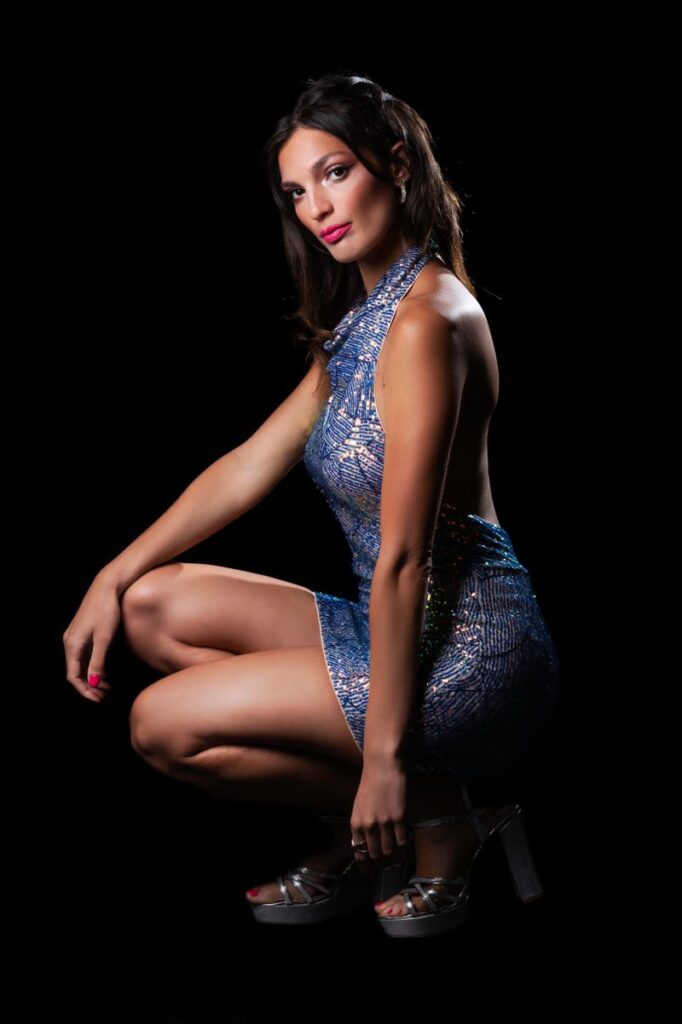
Veronica Largiu From Sardinia to London, Veronica Largiu shares her inspiring journey of resilience, artistic exploration, and self-discovery—culminating in Survival Instinct, a powerful anthem of strength, perseverance, and unwavering self-belief. 1. You discovered your connection to music at a very young age in Sardinia.Looking back, what were the defining moments in your early years that convinced you music was not just a passion, but your life’s calling? I’ve always known I wanted to be a singer since I can remember. I was always extremely drawn by music in such a magnetic way, I couldn’t escape it. Growing up, singing has always been my way to express myself. I was probably around 8 when I started writing songs in made up languages and forced my younger brother to perform them with me. I would spend hours learning songs in all genres and styles and always push myself to be better at it. I never had a plan B for my life career, music was always the one. 2. Moving to London at nineteen was a bold step. How did that decision shape you both personally and artistically, and what challenges did you face while building your career far from home? At the time I didn’t have the financial support to be able to live in London, so I was studying at university full time and working full time to be able to support myself. It’s been extremely tough. I didn’t have the luxury of having days off or treating myself much, but I think that was what made me who I am today. I learnt that life is hard and you have to work hard to reach your goals. Survival Instinct is about this as well. Carrying on even when things are tough and making something amazing out of nothing. 3. You’ve studied at prestigious institutions like the Institute of Contemporary Music Performance and Berklee College of Music in Valencia, while also collaborating with artists such as Perico Sambeat and Nona Hendryx. How did the balance between formal education and real-world experience influence your artistic identity? Being part of such amazing institutions opened many doors for me and helped network with some of the best musicians in the world. There is a lot you can learn at a music university that can be applied to real life work, but the connections you create are the most valuable thing you can take from it. 4. Your career spans jazz, EDM, musical theatre, tribute projects like Dua Fever, and even performing on luxury cruise lines. How do you maintain authenticity while navigating so many different styles and performance environments? I don’t see spacing between genres as something that takes out authenticity from an artist. Learning about so many different styles made me grow so much as a musician. Every single style has extremely interesting tools I can use to create more music. I think the industry wants us to fit in a box and label ourselves as one single thing, but I love to be able to be more than that. Take Lady Gaga as an example of it. She performed so many different styles throughout her career but she keeps being herself. Exploring with music is part of being a creative artist. 5. Your earlier singles received support from BBC Radio. What did that recognition mean to you at that stage of your career, and how did it impact your confidence moving forward? I was very scared to release music at the time. Having that recognition made me feel like I was on the right path and I had to do more of it. It definitely gave me a boost of confidence to believe in my writing more than I did at the time. 6. Your new single Survival Instinct is deeply personal and rooted in resilience. When you were writing it during a difficult period in June 2025, what inner realization helped transform struggle into strength, and what message do you hope listeners take from it? Writing Survival Instinct was a necessity to me. The song just came out naturally and the words were flowing out of my mouth. It’s something I had to say for a long time and I couldn’t let out. I realized I am one of the strongest people I know, and I always overcame everything. I always found a way to shine even in the darkest times. I’ve always found a way to turn every negative into a positive. I want people to know that we have so much strength inside of us and infinite possibilities to make our life amazing. I want people to know there is always hope and to never ever ever give up. Veronica Largiu | Instagram, TikTok | Linktree
9 o’clock Nasty
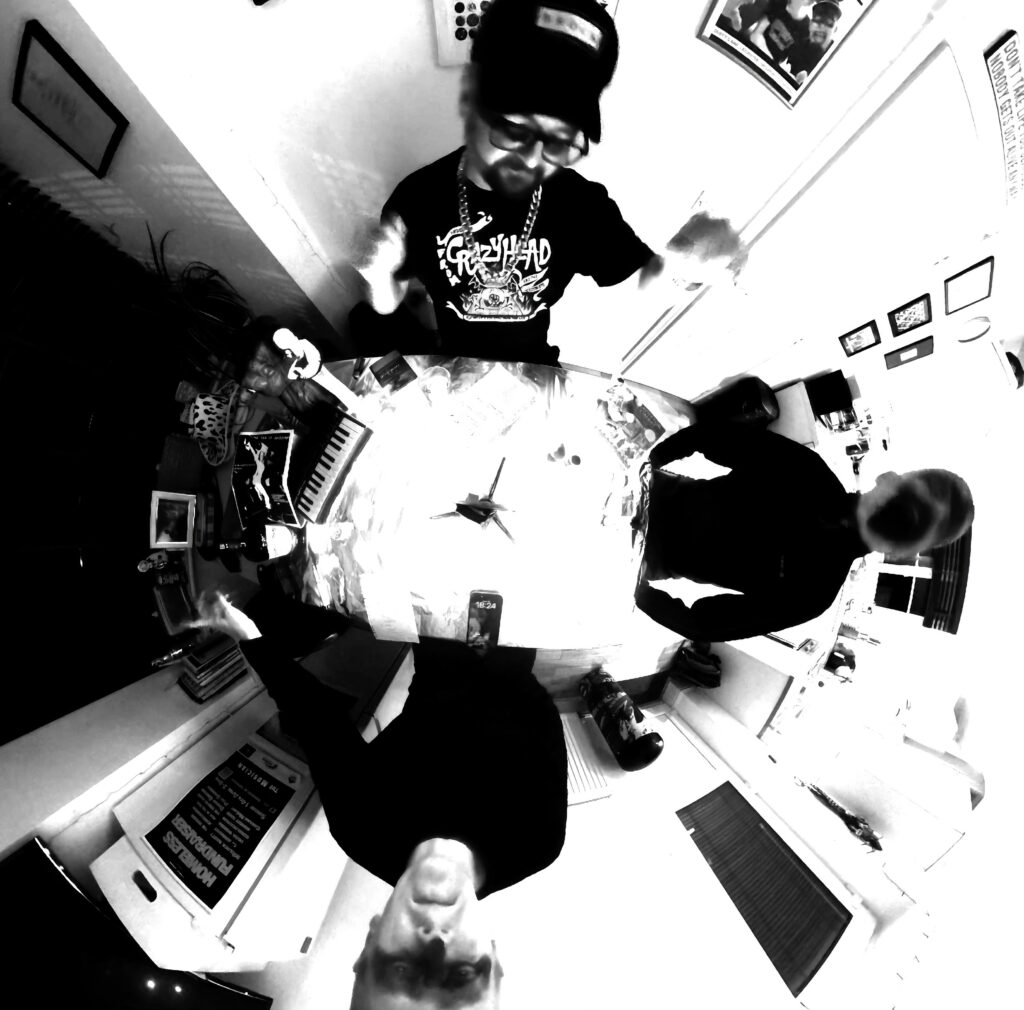
9 o’clock Nasty In this interview, 9 o’clock Nasty dive into the emotional core of “BEAST,” unpacking regret, vulnerability, creative tension, and how Chaos channels both intimacy and bite into their evolving, genre-blurring sound. 1. “BEAST” feels more melodic and reflective than some of your previous material—was there a specific moment or experience that inspired this more intimate and regret-driven direction? It’s rare for one of our songs to come from a single place or event. We collaborate and argue over songs and we don’t tend to explain a lyric but instead layer new parts around how we each interpret what the other wrote.Beast has got a bit of a breakup song in it on a superficial level but it also draws on that pull between desperately wanting to be part of something and belong against the need to retain a sense of being a unique individual.There certainly is a theme of regret. Of the fog clearing and leaving you with that moment of clarity when you think “how did I allow myself to get here?” 2. The song explores love, betrayal, and the risks we take when we drop our guard. How do those themes connect to where you are as a band right now?Beast is about those themes on a personal level. About life that is up close and personal and lived within the minute.Those same things run through the rest of our material but just on a bigger scale. A lot of the album is about a loss of faith in politics and the media.Except for We Got The Yip, the song that closes the album. That’s about dancing until your feet bleed. But obviously in the context of love, betrayal and the loss of personal autonomy. 3. You describe BEAST as revealing “a different side” of 9 o’clock Nasty—yet the acid still rises when the drums kick in. How do you balance vulnerability with that signature bite?I think we’re seeking to do the opposite of that. The best music doesn’t worry about balance.You express what you’ve got to without fear or holding back. Balance is what you seek when you try to please everyone. That isn’t possible.When the drums land you get to your feet and feel it. Emotional intensity and vulnerability can take you to some dark places. Or maybe that’s just us… 4. As the eighth track from your upcoming LP Chaos, how does BEAST fit into the larger emotional and sonic journey of the album? It stands out quite a bit lyrically but musically it slots right in, but it wasn’t always like that.We’ve gradually refined our approach to writing and recording and as we get more confident we try new things. Beast started as pure vocals on top of a wicked drum loop. The first demo was pretty much a poem and beats We got really stuck on how to finish it and gave up on it more than once. We probably have as many songs for the album that we parked and didn’t complete as ones we took through to the end.For Beast, Pete found that piano line and remixed the whole song on his own one night and he found the tune that was trapped inside all the noise.That’s the great thing about working as a team who can all write and play and record. We can collaborate, but equally we can just sneak away on our own and come back with a surprise.We like to think of the album as a whole very much like a live show. You need an opener and a big closer and then there is the song two thirds through that has more space to breathe before you lunge for that emotional; peak at the end.Beast is that key song before the final act. 5. From By All Means Necessary to This Is Crowland, your sound has constantly evolved. In what ways does Chaos push your genre-defying identity even further?We began as a garage band. Simple bass, guitar and drum kit recording on analogue tape. We had this really clear idea. We were listening to a lot of 60s stuff through lockdown and wanted to try to recreate that. But once you get to work on a song, it doesn’t always take you where you expected it to. Our job is to follow it and take it to the right place, not hold it back.Gradually over the records we’ve rediscovered a lot of things we love about hip hop and electronica and gone more in that direction. We don’t defy genres, we love them. Too much. We just don’t want to settle on a single one if it isn’t right for the song. The song always comes first. Right now we’ve come full circle and have started new recordings that are very guitar driven because that fits the music that’s in our heads. 6. Leicester has always been part of your story. How does your hometown continue to shape the attitude, energy, and satire that define 9 o’clock Nasty today?A love/hate relationship with our home does shape what we do, but we set out from day 1 not to be a “Leicester band.” We have all been very much part of the local scene in other acts over the years but with 9 o’clock Nasty we wanted to reach people from all over and not limit ourselves. Our biggest audiences are in countries like the United States and Brazil.But of course you can’t escape Leicester. It has its own gravity. It has a unique sensibility and some really cool people to bounce ideas off. There are so many things going on and musical oddities that we can’t help taking inspiration from what we see and hear. 9 o’clock nasty
Patti Zlaket
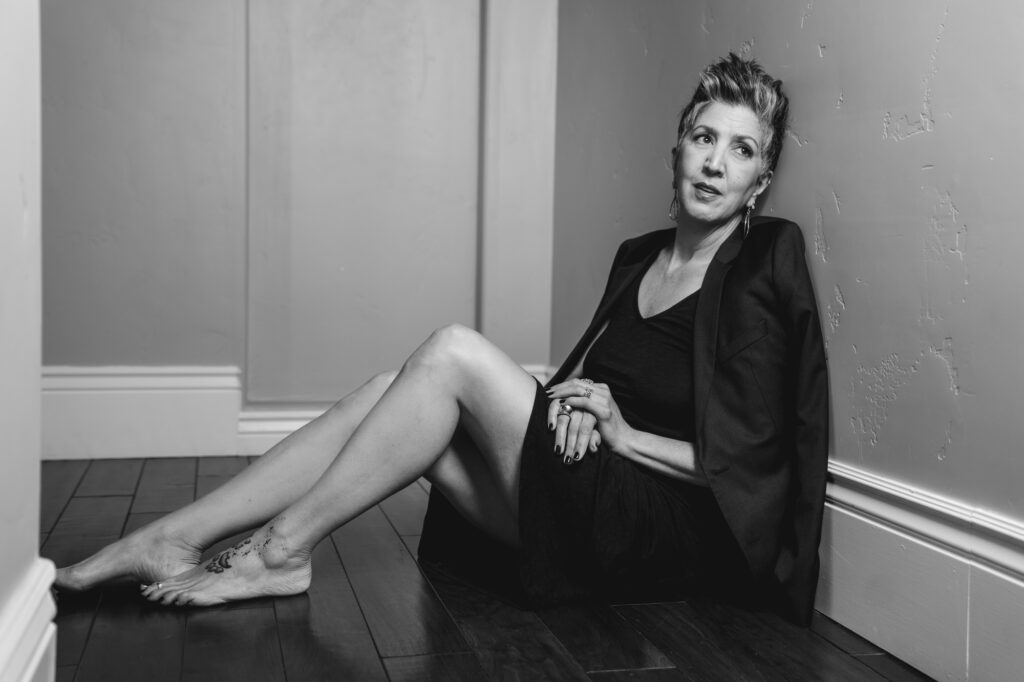
Patti Zlaket Following a long creative pause, Patti Zlaket returns re-energized with Dance Again, reflecting on iconic collaborations, renewed inspiration, and a heartfelt commitment to music, storytelling, and second chances. 1. 2025 has marked an extraordinary resurgence for you, from the deluxe reissues with Meridian (ECR Music Group) to the release of Dance Again. Does this moment feel like a comeback, or something entirely different? I never really left my life in music, but I certainly took a long pause. I was still performing, but I wasn’t writing and had not been in the studio for many years. I’d say the past year has been more than a comeback – it’s a re-tuned and re-energized next chapter. And it’s been better than I could have ever imagined. 2. “Second Chance At Love” was produced by Tariqh Akoni and features the legendary Lee Sklar. What was it like collaborating with such iconic musicians, and how did their presence shape the emotional depth of the track? I still pinch myself daily. Working with such masterful musicians, including Herman Matthews (of Tower of Power, Tom Jones, and Steve Wonder fame), who played on my very first album years ago, has been a musical fantasy really! And these people make me better. In every way. Every time I am in the same room with them, my craft is elevated. 3. You’ve shared that watching the documentary Immediate Family sparked the creative fire behind this new record. Can you take us back to that moment and explain how it ultimately led to recording Dance Again? One Sunday afternoon in April . . . my partner was traveling and I decided to sink into the couch and watch the documentary I’d heard so much about. By the end, my entire body was buzzing, my mind was racing, and every light inside of my soul felt turned ON. It was more than just a great cinematic experience – learning about these musical geniuses whose work shaped my musical life – it was a wake-up call. The film didn’t just show me who these players were, it reminded me of who I am as an artist. I was so inspired, I reached out to legendary bassist, Leland Sklar, with an online message to let him know how much I loved the film and to thank him for the music. Never in a million years did I think he’d respond, but he did. And so began a dialogue, a working relationship and friendship with him that continues to this day. He is such a big part of this new chapter. The stars lined up for me this time around, and so much of it started with that film and my decision to just take a chance! 4. “Second Chance At Love” is written from a dog’s perspective and shines a light on the global crisis facing animal shelters. What inspired you to tell the story this way, and what conversations do you hope the song will start? Volunteering at my local animal shelter and various dog rescues over the years has been heartbreaking and inspiring at the same time. Dogs are pure love. They trust and try even when they have no reason to keep going. That resilience and hopefulness is what made me want to tell their story, but from their perspective. My hope is that people will be “one of the helpers,” however and wherever they can be, that they will support local animal shelters/rescues, and of course that they “Adopt, Don’t Shop!” Adopting pets from shelters or rescues rather than buying from pet stores or puppy mills saves lives and combats inhumane breeding. 5. Your journey spans theatre studies at USC, touring internationally, becoming a sought-after jingle singer, and even earning a law degree. How have these diverse chapters of your life enriched your songwriting today? It’s been a fun ride! I have always said, life is big. You can do more than one thing and be more than one thing. Every path I’ve taken has added to my experience as an artist, but more importantly, as a human being. And that makes for rich songwriting. 6. You’ve said that stepping back into music feels like coming home. As you prepare to release Dance Again, what does this new chapter reveal about who Patti Zlaket is right now—both as an artist and as a person? I feel like the timing of all of this, the new album, signing with the label, reuniting with fantastic musicians from my past, all of the incredible live performances over the last year, it was all supposed to happen this way. I think that’s what I’m realizing more than anything. This is all as it should be. When I started making music, I didn’t know as much about who I was orwhat I wanted. At his time in my life, I’m so tuned in to who I am as a person and as an artist. And I care a lot less about things like rejection or success in the traditional sense. I believe in my art and I love to connect with the people who are moved by it. I can’t wait for this new record to be released, because I think it makes that statement very clearly. Patti Zlaket – ECR Music Group
Paul Louis Villani
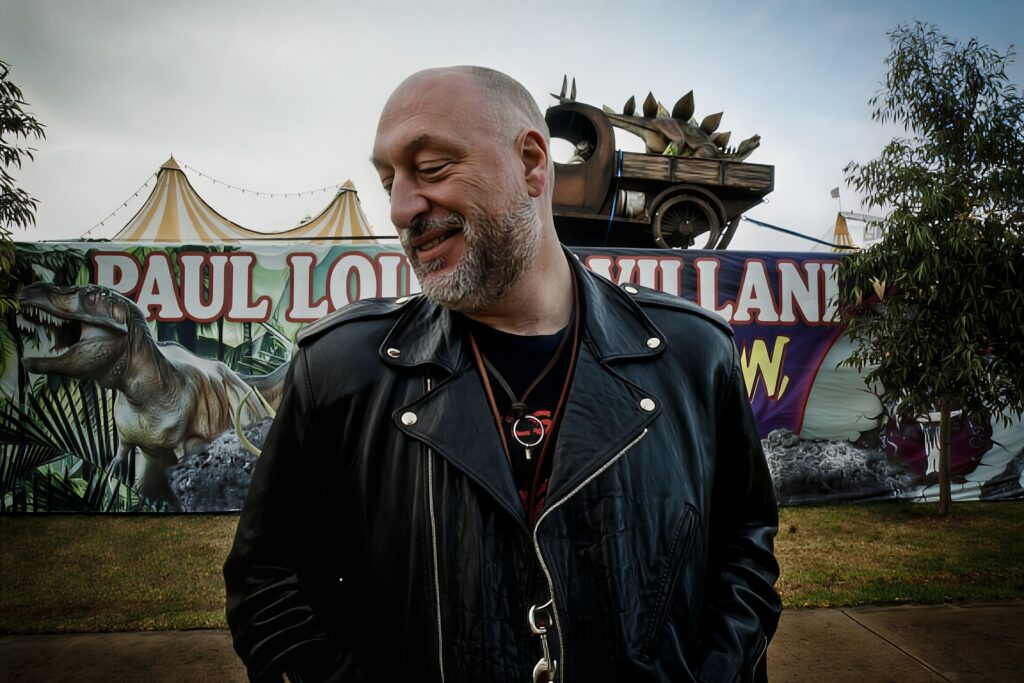
Paul Louis Villani In this candid conversation, Paul Louis Villani unpacks the provocation behind “There’s Not Enough Black in Your Images,” exploring conformity, identity, creative isolation, and the personal convictions fueling his uncompromising artistic vision. 1. “There’s Not Enough Black in Your Images” is a striking and provocative title. What does it represent for you, and what conversation are you hoping to spark with this release?Conformity. What is it? Is it relevant? Is it required? Inclusion and diversity being forced upon society. Is it a good or bad thing? I don’t have the answers, nor do I wish to pretend that I know how to “fix” it, but I do know that promoting and enforcing systemic societal weakness by downgrading man’s true reasons for existence and purpose is potentially dangerous and could have massive negative consequences. 2. The lyrics read like a manifesto—exploring power, conformity, strength, and disillusionment. Was there a specific moment or experience that pushed you to turn these frustrations into music?Yes, but I’m not going into it. Nearly every song I’ve written is about an experience, a person, a group of people of an emotional or physical yearning that’s personal and real. This experience was just detrimental to my mental well-being… currently, in the landscape where I’m attempting to survive, being an old, straight Caucasian male seems to put me in a negative position before I even step out into the playing field. 3. You’ve mentioned that life experience is your only true contributor. How do personal struggles and professional pressures shape the themes and tone of your songwriting?I may have covered this off in my last response. Simply, I don’t write unless inspired to do so. I can’t. I’m also of the belief that if song lyrics take anymore than 15 minutes to write then I won’t write them. 4. You recorded this track in your personal studio in Melbourne, handling all instruments except percussion and using AI tools for vocal processing. How does this solitary, tech-driven workflow enhance your creative freedom? It’s the best creative production process ever (for me)!! LOL! Humans are usually pack animals and thrive with others involvement, opinion and input. I was once that person, I tried hard to continue to be that person, and now I am not. (Some) Humans are untrustworthy, time wasters, happy with imperfection and not willing to equal the contribution of others around them… NO THANKS! 5. You’ve stepped away from live performances and prefer to work independently. What does isolation give you artistically that collaboration or performing no longer does?I do miss live performance. I recently wrote a song called The Introverted Extrovert that sums me up quite well. Understand this, for a person like me who grew up believing his entire existence was meant to be as a member of a band and playing live 5 nights a week and touring the world… to completely step away from that, I must’ve had serious reasons why… I have literally walked away from myself to ensure that 1) I survive and continue to create and 2) those that I love most, have an opportunity in life to succeed. Really, if the Academy ever require a resume for an award for a human who is just acting out his life and doing a brilliant job at it… I’m right here! Going back to your question, working alone saves my brain and soul from the unpredictability of another human being. I write, when I’m ready to write, I record when I’m ready to record, I mix and produce my music without opinion and external judgement… absolute bliss. 6. The song challenges societal expectations and questions who holds power in today’s world. After listeners hear this track, what do you ultimately want them to reflect on—or confront—within themselves?It’s important that I get this out there… humans are allowed to be different, just don’t shove your differences down my throat and force me to chant to your mantra. I’m happy to allow people to live in peace and happiness and not hurt innocent people, please leave me alone and allow me to live the same way. https://www.instagram.com/paul_louis_villani
Alva Lys
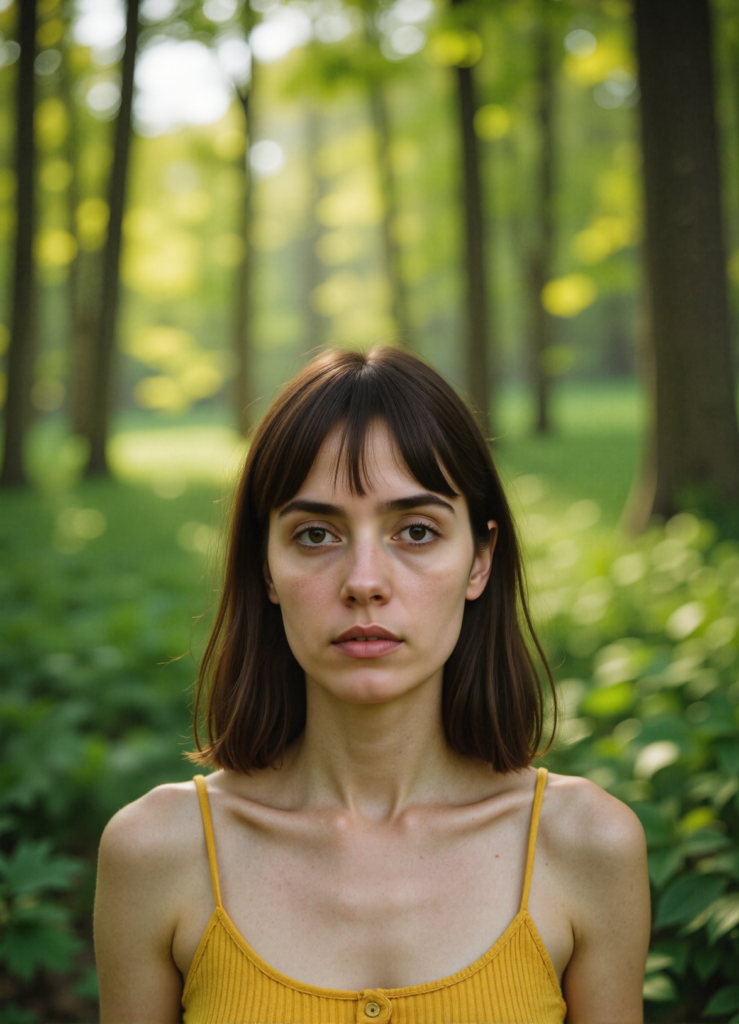
Alva Lys In this intimate conversation, Alva Lys reflects on the emotional restraint behind “Let Me Fall,” discussing vulnerability, minimalism, and the quiet tension between surrender, honesty, and artistic evolution and growth. 1. “Let Me Fall” feels very restrained yet emotionally open. At what point did you realize this song needed to live in that quiet, in-between space rather than build toward a big resolution? I think I realized quite early that the song should remain in that quiet, suspended space. Whenever we tried to imagine a bigger resolution or a more dramatic lift, it felt dishonest. The emotional truth of the song lives in the tension of not knowing, in that fragile in-between. It is about staying with a feeling rather than escaping it. The restraint became the resolution. 2. The lyrics frame surrender not as weakness, but as a conscious and almost devotional act — “the prayer of a reckless heart.” How do you personally define that kind of recklessness? For me, that kind of recklessness is not impulsive chaos. It is the courage to step into uncertainty without guarantees. “The prayer of a reckless heart” describes a moment where you consciously choose vulnerability, even if it might hurt. It is reckless because it refuses self-protection, but devotional because it is rooted in honesty and intention. 3. Storms, fire, and free fall appear as recurring images in the song. Were these metaphors present from the beginning, or did they emerge naturally as you wrote and refined the lyrics? Some of the imagery, especially the idea of falling, was there from the beginning. Storms and fire emerged more intuitively as I refined the lyrics. They felt like natural extensions of the emotional landscape. I often write visually, and these elements tend to surface when I try to give shape to inner states. They were less planned metaphors and more emotional instincts. 4. Musically, the track relies on reduction, atmosphere, and subtle tension rather than dramatic climaxes. What does minimalism give you emotionally that a fuller or more explosive arrangement wouldn’t? Minimalism creates space for breath and for nuance. When arrangements are reduced, every small shift carries more weight. Emotion becomes more intimate. A fuller production might have added drama, but it would also have softened the vulnerability. The quiet tension allows listeners to lean in, to project their own experiences into the gaps. That intimacy is very important to me. 5. “Let Me Fall” is described as being about the space between holding on and letting go. Do you see this song as capturing a specific moment in your life, or is it more of a recurring emotional state? It reflects both a specific moment and a recurring emotional pattern. There have been times in my life where I stood exactly in that space between holding on and letting go. But it is also a state I recognize again and again. Growth often happens in that suspension. The song captures that threshold rather than a single event. 6. With this release on Collisions and Murmurs, how do you feel this song represents where you are now as an artist — and does it hint at the emotional direction of what’s coming next? Releasing this song on Collisions and Murmurs feels very aligned with where I am artistically. It represents a move toward more clarity, more reduction, and more emotional precision. I feel less interested in proving anything and more interested in creating honest atmospheres. In that sense, “Let Me Fall” does hint at what is coming next. The direction remains intimate, cinematic, and emotionally unguarded. alvalys | Instagram, Facebook | Linktree
Kat Madleine
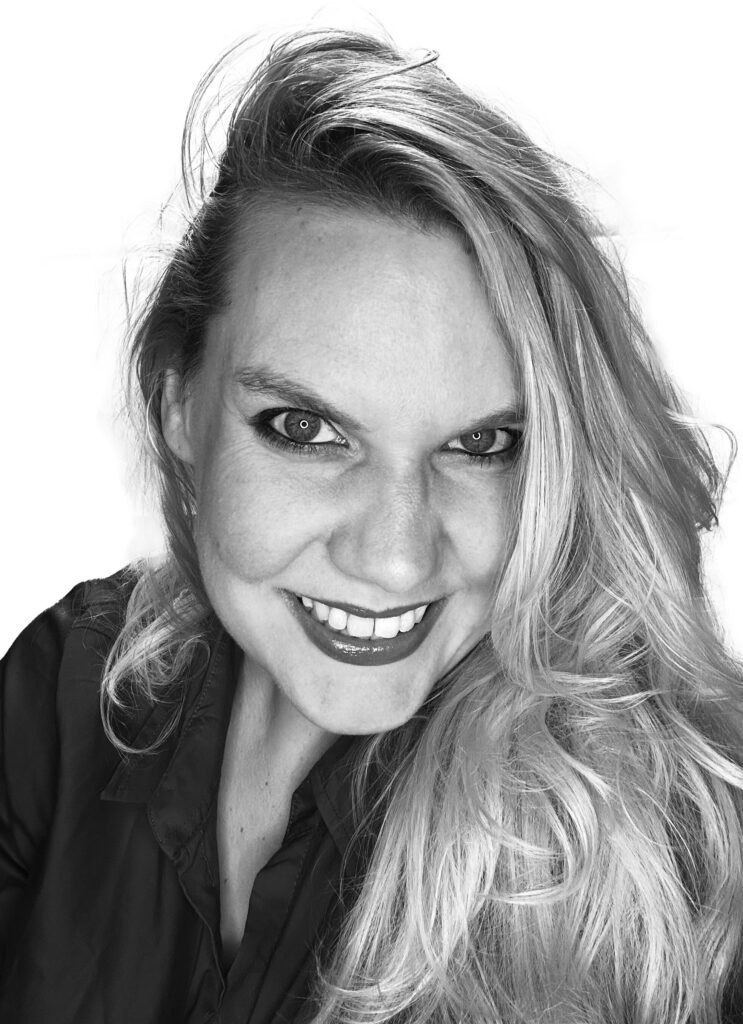
Kat Madleine Blending 90s Power-Pop nostalgia with heartfelt storytelling, Kat Madleine opens up about lifelong friendship, “Vocal Kinship,” and the organic emotion driving her single “I’ll Be Right There”. 1. “I’ll Be Right There” celebrates what you call “Vocal Kinship.” How did the idea of lifelong friendship shape the emotional core of this song? Vocal Kinship is all about deep, spiritual connection. I wrote this song for a friend I’ve known for over 24 years. It’s incredible how fast time flies. We went through some difficult periods where our paths diverged and we lost contact, but she always remained in my heart because our shared history was so profound. When we finally reconnected, it felt like not a single day had passed. That’s the essence of the song: it’s never too late for a second chance. Now, when she faces hard times, I want her to hear this song and know: no matter what, I will be right there. 2. You describe the track as a high-end 90s Power-Pop revival. What drew you to the sonic spirit of artists like Bryan Adams and Celine Dion, and how did you reinterpret that sound for 2026? That sound is part of my DNA; it comes from within. I grew up with these brilliant artists, and their music is the soundtrack to my most cherished childhood memories—I even remember singing their hits on school breaks! For 2026, I’ve reinterpreted that spirit by combining that nostalgic, handmade warmth with modern production clarity. It’s about taking the ‘epic’ feel of the 90s—the big choruses and real guitars—and making them feel fresh and urgent for today’s listeners. 3. As a musicologist and producer based in Southern Germany, how does your academic and technical background influence the way you construct melody, arrangement, and vocal performance? My background allows me to analyze why certain songs touch us so deeply. When I construct a melody, I look for that specific ’90s DNA’—the intervals and harmonies that trigger emotion. As a producer, I don’t just layer sounds; I create a dialogue between the instruments. My academic side ensures the structure is solid, while my producer side makes sure the ‘breathing’ and the vocal performance remain raw and authentic. It’s a balance of brain and heart. Kat Madleine · I’ll be right there 4. The production highlights authentic, hand-played instrumentation and raw vocal power. Why was it important for you to bring back this organic 90s aesthetic in today’s digital music landscape? In a world dominated by ultra-digital, often ‘perfect’ AI-generated sounds, I felt a longing for something tangible. Hand-played instruments have ‘errors’ and soul—they live. Bringing back this organic aesthetic is my way of preserving human connection in music. I want people to hear the fingers on the strings and the real power in a voice that hasn’t been polished into a robot. It’s about ‘Vocal Kinship’ between the artist and the listener. 5. Releasing the song on February 14th adds a symbolic layer. Is “I’ll Be Right There” meant solely as a friendship anthem, or does it also speak to broader forms of love and loyalty? While it started as a tribute to a lifelong friendship, the song definitely speaks to a broader form of loyalty. Releasing it on Valentine’s Day is a statement: Love isn’t just about romantic butterflies; it’s about the person who stays when things get loud or difficult. It’s a celebration of ‘The Soul’s Match’—whether that’s a partner, a sibling, or a friend who has been your anchor for 24 years. 6. With this single launching your 90s revival vision, what can listeners and industry curators expect from you next on this international journey? This is just the beginning of the journey. Curators can expect a consistent revival of high-end Power-Pop. I’m already working on two acoustic versions, including my next song ‚If you knew what I knew,’ which stays true to this nostalgic yet modern path. With international radio spotlights and features rolling in, my goal is to build a bridge between the 90s heritage and the future of handmade music. The ‘Kinship’ is growing! Thank you for your questions! It was fun answering them and I really appreciate the deep dive of the questions! Kat Madleine – Official Website