
Moon and Aries
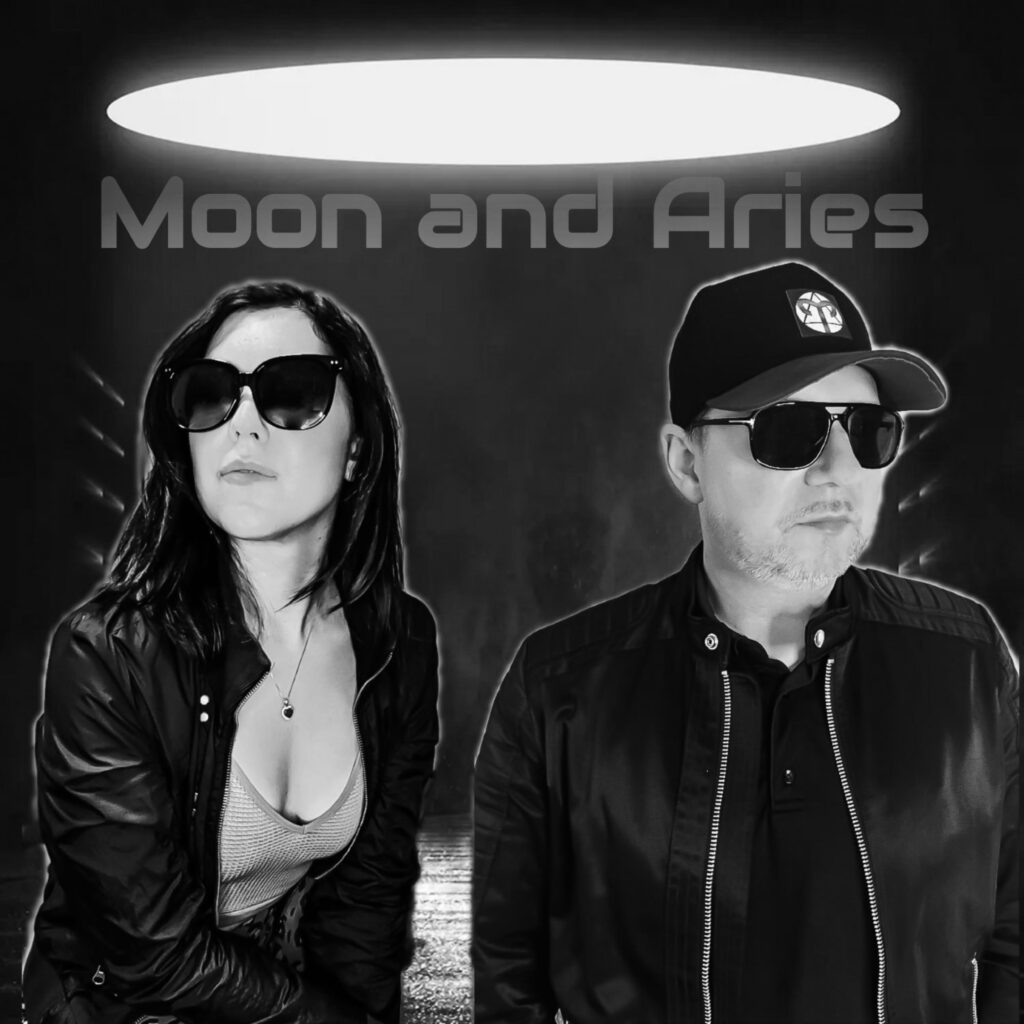
Moon and Aries Moon and Aries discuss the inspiration behind “High Noon,” a cinematic and soulful single that explores artistic growth, collaboration, creative trust, and the evolving journey of their unique cross-continental partnership. 1. “High Noon” feels both cinematic and deeply personal. What was the initial spark that inspired the song, and how did its themes of transformation and truth develop during the writing process? Hello, thanks so much for having me (Jordana Moon) here with you today to talk about High Noon. And this track had been floating around our consciousness for about 3 years before it came to fruition. Tom composed it back in 2024 – when the title was Hiding Space. Tom and I would always talk about how much we are guarded as artists and how much we have had to adjust to become more visible. It’s not a comfort zone for either of us. Then over the last 2 years, we’ve settled into ourselves more as artists, we understand what lane our music is in, where we thrive and where our path is going. We still protect our mission as artists, but we our energy is now more open and allowing. This is the core of the song High Noon – which took me 3 years to get the words right. I didn’t attempt to write the lyrics when Tom sent the instrumental in 2024 ha-ha I needed to wait and sit on it. We wrote many other songs in the meantime before this one found its truth. 2. The track blends trip-hop rhythms, atmospheric electronics, soulful vocals, saxophone, and guitar. How did you approach balancing these diverse elements to create the unique soundscape of “High Noon”? We have an amazing mixing engineer – Chris Kung and an amazing master engineer- Francois Rocheleau. They’ve been with us since the beginning – 2020. So, they know how we like to sound – as if we are all on stage. But we are also artists who don’t compete for the spotlight. We all work together as a team. As the lyricist, I kept the storyline tight and minimal, leaving room for the instruments to enhance the story too. We each have shining moments that fill the song together. No one needs to be the star; we just want to make a good song. 3. Guest musicians Peter J. Mitchell and Hanna Marchand bring distinctive textures to the song. What did they contribute to the creative process, and how did their performances shape the result? They all created the instrumental first, before I came in to write and sing. So, the atmosphere and tone were set. Which is the way I love to write. I love getting inside the Universe they create and piecing the storyline together with words. I love that challenge as a writer/ singer – to receive an instrumental file that could be a hit on its own and somehow take it to another level. Hanna and Peter are both geniuses at what they do. Tom and I fully trust them, and its always sheer brilliance. 4. You describe “High Noon” as a bridge between the upcoming Prairie Souls EP and the broader Electronic Cinematic Soul universe. How does this song connect those two musical worlds? It’s the balance between organic instrumentation and soul, mixed with exciting electronic sonic waves. We might sway to one side for a bit – depending on the story we need to tell. Tom and I go through seasons and eras of what music we are being the most inspired by. It’s just brilliant for us to have options and these incredible musicians to reach out to if our song calls for their energy. 5. As a duo working across continents between Canada and Germany, how has your creative partnership evolved over the past six years, and what advantages does this international collaboration bring to your music? Of course, Tom and I are always working towards meeting and being live in a studio together with Hanna and Peter, but working at a distance feels very normal at this point. We all have the same vision. Tom and I know each other so well at this point, it sometimes feels like he’s next door. And honestly, I’m just so thankful and grateful for our connection and how many songs we’ve made and how much we both love and enjoy our music. Near … far … as long as we are making music, we are more than good. 6. With the Prairie Souls EP and the forthcoming World Lounge Tour album on the horizon, what can listeners expect from the next chapter of the Moon and Aries journey? We are working towards getting in the studio together with the help of Canada Council of Arts funding. That is our biggest goal as far as making music. A World Lounge Tour? Yes please. Hopefully that’s in the cards for us. Thanks so much for having me here to talk about High Noon and Moon and Aries. Hopefully we will be back soon! Jordana Moon. Moon and Aries | Electronic Cinematic Soul | Official Website
Night’s Bright Colors
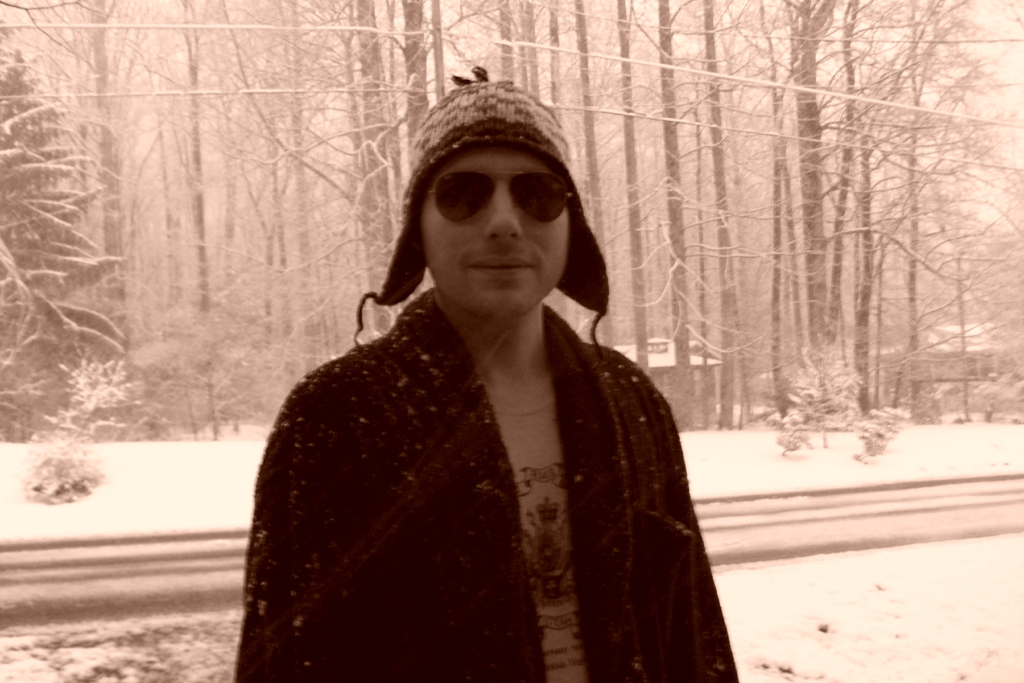
Night’s Bright Colors Nowherehouse sees Night’s Bright Colors expanding its distinctive sound through layered melodies, intricate arrangements, and cinematic textures. The album explores childhood memories, nostalgia, and identity across twelve diverse yet deeply connected songs. 1. Nowherehouse is your third collaboration together. How has your creative partnership evolved since your self-titled album in 2023, and what did you want to achieve differently on this release? Originially, I was just going to record a couple of songs with Kevin in his studio for a potential London based label that had shown some interest in my home recordings. After working with him, I was absolutely amazed and thrilled with what he brought to the project that I had been more or less working on for 20+ years, both in terms of production and musical contribution. Soon after hearing that, I decided I wanted to redo as much of my back catalogue as possible in this new setting, as well as the more recent material I had been writing. Nowherehouse is a continution and expansion on this idea. The first album was a collection inteneded as a reintroduction with this new sonic palette. The second album “Lanterna Magica” was intended to be more of a cohesive almost concept album about life from birth to death, and this one is a collection of memories, concentraining on childhood and what goes into forming an identity. 2. The album blends Night’s Bright Colors’ melodic indie-pop sensibilities with Fashion Bath’s more experimental and atmospheric approach. How do you balance those two musical identities when writing and arranging songs? I think we share a lot of common musical touchstones which makes arrangement fairly easy for the most part. Also, in addition to being an amazing engineer, Kevin is just such an intuitive musician that it is extremely rare that I won’t like one of his suggestions. 3. Many tracks feature unexpected shifts, false endings, and unconventional structures. What draws you to breaking away from traditional songwriting formats, and how does that influence the listener’s experience? I love concept albums and musical theater and have always been drawn to the idea of interludes, outros, little musical snippets that connect songs to either create unity, continuity, or unpredictability. I used that more on this album to reflect the fragmentary nature of memory and how a perspective can shift over time, always recreating the past. 4. Themes of nostalgia, childhood memories, and reflection seem to run throughout the album. Were there any personal experiences or specific memories that inspired the songs on Nowherehouse? Definitely. My grandfather was a professor of music and choir conductor. That’s actually him singing at the beginning of “Summer’s Place”, from an old recording in the 1940s. The cover photo is a view looking out his window from the 70s. A lot of the songs are very specific, “Adrift Against The Lines” is my first memory of being on the ocean, no land in sight for example. Others are just general impressions and combinations, suggestions. 5. Songs like “Midsummer Minuet,” “Our Sky,” and “Afterglow” each explore very different sonic landscapes while still feeling connected. How did you create a sense of unity across such a stylistically diverse collection of songs? They may sound different but it’s hard for me to see much of a difference. I have an ambient side project called Isolation Studies that musically is very different from Night’s Bright Colors but I feel like it all comes from the same place, whatever it is in us that seeks connection and expression of experience. 6. Critics have described your sound as a portal to the 1990s indie music movement, drawing comparisons to bands like Built to Spill and The Pixies. How do those influences resonate with you, and how do you ensure the music remains distinctly your own? I think I’m drawn more to the independent mindset of the 90s and the democratization of music that technology has allowed than a specific music style or sound. With the advent of home recording, suddenly anyone could participate in the medium and it has only gotten more so. Every one has creativity in them and music should be created, expressed, and shared by anyone who feels the need, I definitely believe that. Night’s Bright Colors | Indie Pop Band from Asheville, NC
Hupo
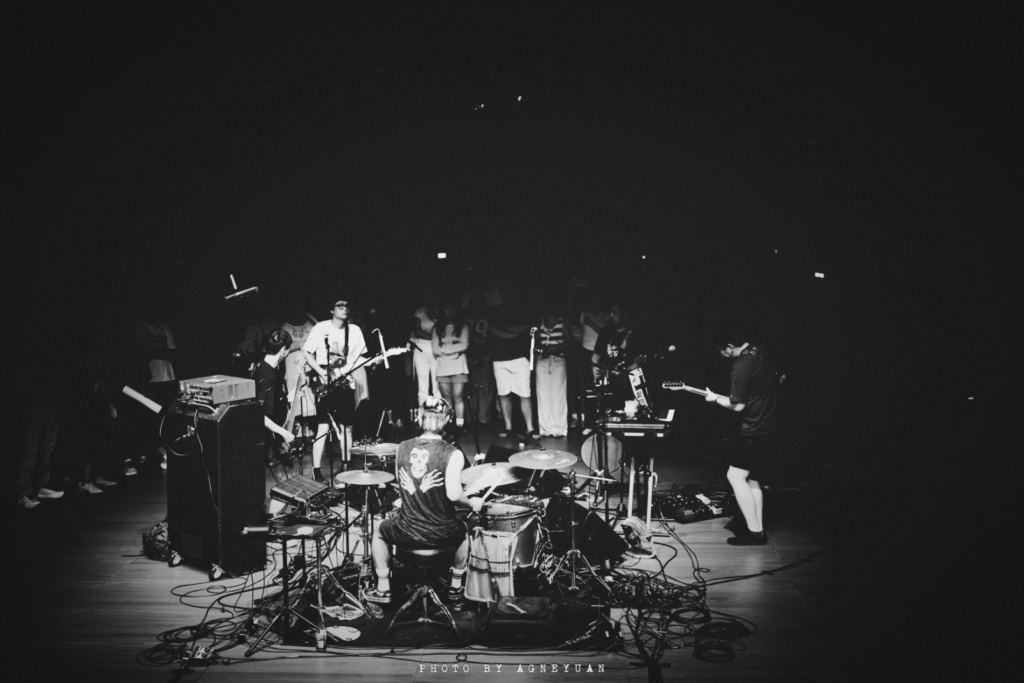
Hupo Hupo returns with A Few Sparks, an ambitious album that expands the band’s sonic horizons. In this interview, they discuss artistic reinvention, regional inspiration, and the creative journey behind their most adventurous release yet. 1. A Few Sparks represents a significant departure from the cinematic post-rock sound many listeners associate with Hupo. What motivated the band to completely rethink its creative process and embrace new influences such as krautrock, psychedelia, and ambient music? As an instrumental band, we’ve never wanted Hupo to be defined by a single genre—whether that’s post-rock or anything else. Music has always been about exploration rather than fitting into a category. Over the years, each member has developed different musical tastes and experiences. Krautrock, psychedelia, ambient music, traditional sounds, experimental rock—these are all part of what inspires us as listeners. Instead of limiting ourselves to one language, we wanted to bring those influences together naturally and let them become part of Hupo’s own voice. Ultimately, we just wanted to make the kind of music that excites us and makes us happy. 2. The album was developed over two years and inspired by the landscapes and cultural heritage of Northwest China. How did your connection to the region shape the atmosphere and storytelling found throughout the record? It’s difficult for any artist to separate themselves from the place where they grew up. As a band from Xi’an, the history, landscapes, and cultural memory of Northwest China naturally find their way into our music. Rather than treating those elements as concepts, they simply exist within us. We enjoy expressing that connection through our music, and we’re always happy if listeners—even those from completely different cultures—can find their own emotional connection to those landscapes and stories. 3. Several tracks feature traditional instruments and folk-inspired textures alongside modern rock elements. How important was it for you to blend local musical traditions with your evolving sound? We never decide to use a traditional instrument simply because it’s traditional. Guitar, bass, and drums remain the core of Hupo’s sound. Whenever another instrument appears, it’s because we believe that particular sound belongs to that specific piece. We’re constantly experimenting to discover what best serves the music. For example, the main melody of A Thousand Hills is played on the zhongruan, a traditional Chinese lute. Its warm, rounded tone felt perfectly suited to the vast landscapes of Northwest China and to the spirit of the ancient heroes that inspired the composition. The instrument wasn’t added as decoration—it became part of the song’s emotional identity. 4. Producer Yan Shuai described the album as a process of “tearing down the familiar and starting again.” Were there any moments during the recording and writing sessions when you questioned this bold artistic direction? At the very beginning, yes. There were moments when we wondered whether abandoning our previous sound was the right decision. But those doubts disappeared quickly. We realized that repeating ourselves no longer brought us any joy. After more than fifteen years together, we also came to appreciate that the spirit of rock music has always been about curiosity, experimentation, and moving forward. Exploring new possibilities felt less like taking a risk and more like doing exactly what the band was supposed to do. 5. Since its release, A Few Sparks has received strong editorial support from Apple Music and positive reactions from listeners. How have longtime fans responded to the album’s more exploratory and groove-driven approach? We’re genuinely grateful for the support from Apple Music, and for opportunities like this interview. As creators, we always hope our work can generate conversations, whether they come from music journalists or listeners. The change in Hupo’s sound hasn’t been universally accepted. After one show, a longtime fan even came up to us and said, rather angrily, “Give me the old Hupo back.” At the same time, we’ve also received many encouraging responses from listeners who appreciate that we’re willing to challenge ourselves instead of repeating the past. Those reactions give us confidence to keep evolving—to find an even stronger balance between technique, atmosphere, and emotional expression in our future music. 6. You are currently touring China in support of the album and have mentioned that new compositions are already taking shape. Has the creative journey of A Few Sparks opened the door to an entirely new chapter for Hupo, and what can fans expect in the future? On this tour, we’re performing not only the entire A Few Sparks album but also three brand-new songs that didn’t make it onto the record. They’re already pointing in another direction, so audiences are getting a glimpse of what comes next. We’ll continue releasing new music, and we’re always eager to hear people’s thoughts and feedback. Outside Hupo, our members are also working on individual projects. Our producer and guitarist Yan Shuai has just released a new album with his instrumental project Salty Mountain, which will soon begin a China tour, joined by our drummer Li Guanyu. Meanwhile, Hupo will continue performing at festivals and venues across China after this album tour. Most importantly, we’d love to take our music beyond China. Playing in more countries has always been one of our biggest hopes, and we look forward to sharing these songs with audiences wherever they may be. 琥珀 – 器乐摇滚乐队琥珀官方网站
Baïki
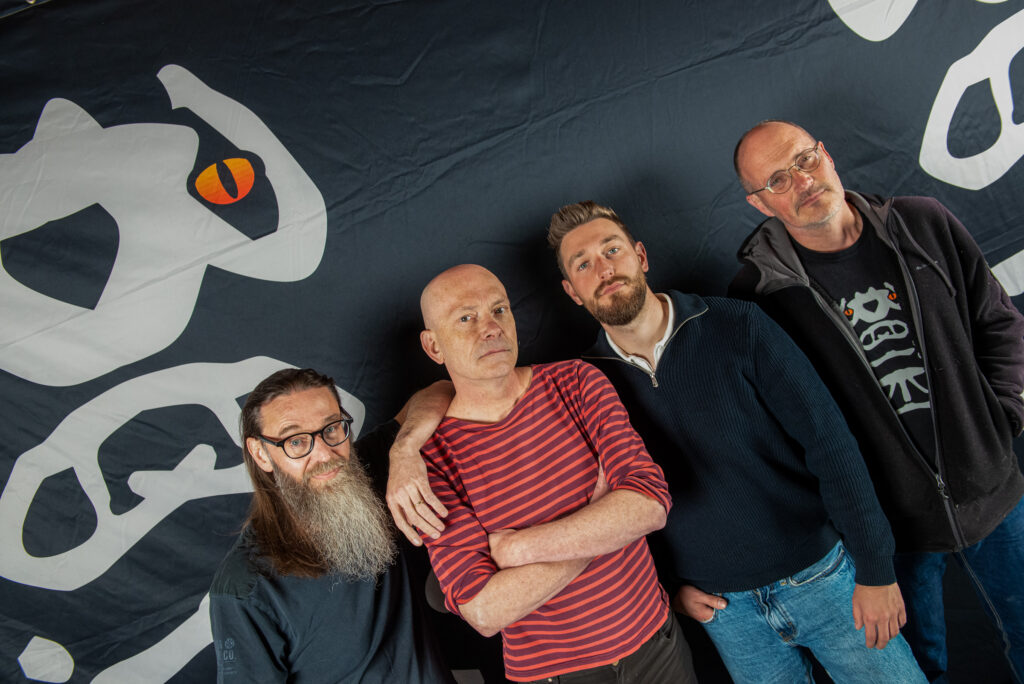
Baïki Baïki explores humanity’s contradictions in KosmoX, a thought-provoking release that blends science fiction and satire to examine conflict, morality, technological progress, and the future of our species. 1.”KosmoX” uses science fiction as a vehicle for social commentary. What inspired you to explore humanity’s need for a “common enemy” through the lens of alien colonization? “KosmoX” is a metaphor for humanity since the dawn of time. If there is one thing that (almost) all societies throughout history have in common, it is that conflicts are always settled with axes, guns, swords or missiles. But there is something worse and even more depressing: conflicts seem to be inherent in human nature. Since time immemorial, humankind seems incapable of defining itself in terms of non-conflict. Peace between two peoples only exists because there was war before… “KosmoX” explores this utter nonsense. Since humankind is condemned to hate in order to exist, finding a common enemy for all humans would bring peace to Earth. And what common enemy would be more convenient than aliens – preferably repulsive ones? 2. The song raises important questions about whether technological progress has outpaced our moral development. How do you see this imbalance reflected in today’s society, and why was it important to address it in this release? It’s clear that humankind has shown great ingenuity ever since it first appeared on Earth, to adapt its environment and make life easier. We have never stopped inventing, exploring the world around us and pushing the boundaries of our knowledge. And the result is plain to see. There is simply no comparison between the lives of our ancestors and the comforts of our modern society. Yet, whilst the technological man is now preparing to conquer space, the moral man has not changed. Current events show us that matters are still settled in the same way and with the same cruelty throughout the ages, always to the benefit of the powerful and always to the expense of the weakest… 3. The lyrics are both satirical and unsettling, presenting conquest and exploitation with a deliberately ironic tone. How did you approach balancing humor and criticism while writing the song? The message of this song is so heavy and distressing that the only way to talk about it is through humour. This humour highlights the absurdity of the world we live in, but it also creates a distance between the harshness of the topic and the way it is expressed. 4. The music video portrays a scientist casually explaining the colonization of another planet while atrocities unfold in the background. What message were you hoping viewers would take away from this contrast between cheerful presentation and dark reality? I remember the Gulf War and the shocking way in which the events were presented to us on television. Scale models of military vehicles, small flags. A sort of giant, completely dehumanised game of chess played out on television. It was all too easy to forget that, behind it all, people were dying under the bombs… 5. Phil, you performed all 30 Earthling characters in the video. What was the biggest challenge of bringing so many different personalities to life, and what do these characters symbolize collectively? Collectively, they symbolise the human being. That’s why it was important to play all the roles. We wanted to show that, ultimately, in the eyes of an alien, we’re all the same. The biggest challenge was for Yves, the director. It was he who had to incorporate all the characters into this imaginary world he had created. 6. Despite its futuristic setting, KosmoX feels very much rooted in present-day concerns about war, consumerism, inequality, and environmental destruction. Do you see the song as a warning, a satire, or perhaps a reflection of where humanity already finds itself today? Yes, indeed. That is the bitter reality of what humanity is. A technological genius trapped in the body of a monster of immorality. If humankind does not change – and I doubt it will ever manage to do so – it will never meet any extraterrestrials. What alien would want to make contact with a race so backward that it is constantly tearing itself apart, so foolish that it contaminates, destroys and pollutes its own living space, and so arrogant that every conquest must inevitably end with the planting of a flag? Instead of solving problems on Earth, most powerful figures believe it’s better to start all over again somewhere else. ‘KosmoX’ (freely inspired by the SpaceX project, as you may have guessed) is an ironic representation of futurological theories designed to ensure the survival of the human race. And it ends badly, of course… Baïki, rock and tales
Blac Narc
Blac Narc Blac Narc returns with Simon What, a fierce critique of industry control and social inequality. In this interview, he discusses independence, AI, creativity, and the rebellious spirit behind System Failure. 1. “Simon What” is described as a direct critique of music industry exploitation. What specific experiences or observations inspired the message behind the track, and why did you feel now was the right time to release it? The track ‘Simon What’ comes from years of watching artists pour their souls into their craft, only to be exploited by gatekeepers who have never written a song or held a mic. The name ‘Simon’ represents that ultimate middleman the suit who controls the playlists, sanitizes the culture, and decides what the world gets to hear. It’s a literal form of mind control, which is the exact subject of my next release. But the industry equation is changing. For independent creators historically locked out by their postcodes or lack of budgets, AI now provides the tools to bypass the old guard and build a new infrastructure without asking for permission. Releasing this now is driven by both personal tragedy and systemic reality. I’ve lost my dad, my mum, two brothers, and recently my sister. That kind of profound loss strips away the illusions. You realize that struggles like poverty and homelessness are policy driven. People fight so hard to escape the system that by the time they get out, their health is ruined they glitch, collapse and die. At the same time, we are in the middle of a cultural shift. Post pandemic, independent artists have realized this game isn’t based on merit. ‘Simon What’ is for anyone who ever got played and stayed quiet. I’m not staying quiet any more. This is the second release from the System Failure EP, because the system has entirely failed us. I have a BA in Media Arts with Sound and Music Recording, and a MSc in Organizational and Community Development. If highly qualified people with degrees and Masters are struggling to find work and stability, what hope does the youth have? It’s time to build something new. 2. Your music combines vintage production tools, analogue textures, modern AI technology, and handwritten lyrics. How do you balance these different elements while maintaining the raw, authentic energy that defines Blac Narc? You can make music with any equipment. People obsess over the gear, but history from Springsteen’s Nebraska to the early Beatles’ four track recordings proves that limitation is what forces honesty and experimentation. The gear doesn’t make the record; the human does. My setup is a deliberate collision of hardware like my Behringer BCF2000 and Akai keyboard, software, and AI driven stems. People often ask how I balance vintage textures with modern AI, and the honest answer is: I don’t try to make them sit perfectly together. I want them to clash. That friction is exactly where the energy lives. The Analogue Grit: Vintage hardware provides an unpredictable, organic warmth. It’s the dirt under the fingernails that grounds the sound in something physical and real. The AI Glitch: AI is the cold, calculated, futuristic element—it represents the ‘System Failure’ itself. It stretches sonic boundaries, but it needs that analogue grit to fight against; without it, the music becomes sterile. You can actually experience this friction at brighthalogen.com, where I’ve built a live Simon What synthesizer and soundscape. It turns the production process into a game, go and play with it. The Human Glue: My lyrics capture real time frustration. I write on the move using Rhymer’s Block, turning life’s front-line struggles into raw vocals before they have a chance to cool down and become ‘safe.’ No matter how advanced the production gets, the soul of the track must come from a visceral place. It has to be flawed, aggressive, and deeply human. An algorithm can’t rhyme ‘bunions and onions,’ and it certainly can’t shout out my three daughters, or Vince, or Becky an incredible, supportive woman who changed my life. These are the things that ground the work. Vintage synths and modern algorithms are just different generations of machines meant to amplify the human experience, not replace it. The authenticity of Blac Narc is simply the sound of a human heartbeat trying to survive inside a failing digital system. I am the human in the loop. 3. You have called yourself the “MC Champion” and positioned “Simon What” as part of a rebellion against industry gatekeepers. What does that title mean to you, and what kind of change would you like to see in today’s music landscape? Calling myself the ‘MC Champion’ isn’t about ego or a trophy it’s about calling out reality. An MC is supposed to be the direct line between the beat and the streets: the mouthpiece for unfiltered truth. It’s about addressing the reality of hidden poverty and challenging the way wealth is distributed. Society focuses too much on divisive labels, ignoring the only question that matters: Are you a good person? You can meet a thousand good people who have no impact, but it only takes one bad actor to ruin a life. I walked away from the mic years ago because I refused to play the industry’s toxic games, but I never lost the craft; I survived the gauntlet. Stepping back into the ring on my own terms means I’m championing the art of the MC against a corporate machine designed to mass produce obedience. ‘MC Terminator’ was the declaration. ‘Simon What’ is the evidence. ‘Mind Control’ is the act of breaking out of the matrix. The System Failure EP is the verdict. As for the change I want to see? A complete system failure of the old models. Dismantle the Parasitic Architecture: There are talented people in this industry, but they are often controlled like drones while executives live in luxury off the scraps left for the artists. The middlemen need to be stripped of their power. Zero Distance to Fans: I want an ecosystem where
Sean MacLeod
Sean MacLeod Sean MacLeod takes listeners on a fascinating journey between the ancient and the modern with I’ve Seen You Around, the first single from his upcoming experimental album We Don’t See that We Don’t See. In this interview, he discusses alternative tunings, the lyre, and the creative discoveries behind his unique musical vision. 1. “I’ve Seen You Around” blends indie pop with the ancient sound of the lyre. What inspired you to combine such a historic instrument with modern computer technology? I was researching alternative tuning systems as part of a PhD thesis I was working on. While I am not a lyre player and while I’m fairly ignorant of the techniques and approach to playing the lyre I found them much more adaptable to different tunings. I wrote quite a number of pieces on the lyre but the lyre is a very soft instrument which requires a great amount of stillness and quiet to listen to it. I think this is very interesting in that it really makes you have to sit and listen but in terms of fitting such an instrument into the business and noise of modern life I mixed the lyre with modern synthesizers. 2. The song is tuned using the Pythagorean tuning system, which is rarely heard in contemporary music. What drew you to this ancient tuning method, and how did it influence the final sound of the track? Tuning to the Pythagorean system means the 5th note of the scale remains pure which is something bands like the Velvet Underground had also experimented with. These pure tones mean there is no discordant between the notes as you get with modern music. The notes blend into each other with no internal tension. The pure tones create what feels like a more undisturbed sound like a very calm lake or something. The one thing with this tuning is that it is limited as only certain tones work well together and they can also start to feel a little boring to the modern listener. 3. The track has a remarkably serene and unique atmosphere. Was creating that sense of calm and purity a specific goal from the beginning? The serene quality was not intentional from the beginning but just a result of using this tuning. 4. “I’ve Seen You Around” is the first glimpse into your upcoming album “We Don’t See that We Don’t See”. How does this single represent the broader themes and musical direction of the record? I think ‘I’ve Seen You Around’ doesn’t really give much of an indication of the album because it’s still very close to my usual pop song approach which is why I chose it as a single release. Most of the rest of the album is much more experimental and much more ‘out if tune’ in regards to what modern ears hear as being ‘in tune’. 5. Experimental music often challenges both the artist and the listener. What were some of the biggest creative discoveries or challenges you encountered while making this album? I didn’t plan to make an album as such I was just experimenting with the tuning as part of a PhD thesis but when I had all these pieces I thought I would make an album out of them. As regards the challenges it was 3xtremely challenging working within alternative tuning systems. Firstly, the notes I was used to and expecting are no longer available to me. The second thing is I needed internalize the new tones which I am still trying to do. It’s a lot like learning a new language. In face with a lot of these pieces, I just experimented blindly with sounds and just kept sound combinations that felt interesting to me. Another issue is getting other musicians to play with you as they are usually completely list and also not really sure why I would do something like this, understandably. 6. As listeners prepare for the release of “We Don’t See that We Don’t See” in August 2026, what do you hope they take away from *I’ve Seen You Around* and the album as a whole?” I think the collection of songs is still in the vein of the pop song format but I think the listener will feel there is something slightly different or unusual about them which might bring some sense of newness to the sound. I think it might be a little like listening to an album of Beatles songs consisting of their more experimental music like Harrison’s Indian influenced pieces or ‘Tomorrow Never Knows’ or listening to Nirvana when Kurt decides to play all the wrong notes. It’s just a pop album with a difference and that difference is the alternative tunings. seantmacleod Official Music – Listen to songs on YouTube, Spotify | Check for Videos on Linktree
Pocket Lint
Pocket Lint Pocket Lint’s Wunderkammer is a fascinating sonic cabinet of curiosities, blending history, art, and personal storytelling. We spoke with Mark Heffernan about inspiration, creativity, and the album’s imaginative world. 1. The concept of *Wunderkammer* or a Cabinet of Curiosities is central to the album. What inspired you to build an entire record around this idea, and how did it shape your songwriting process? I think there were a couple of central reasons. One was that I have always been interested in them. We are lucky in East London that we have ‘The Viktor Wynd Museum of Curiosities, Fine Art & Natural History’ a modern day Wunderkammer in a building that used to be a call centre, a serious upgrade for culture in the area. But I think as someone who studied History, I find the idea of a Wunderkammer as opposed to a museum to be such an interesting thing. There is no great claim to importance and as such it becomes a brilliant mirror or portrait of the curator. It became clear early on in this album that that is what I was building and that is one of the reasons I sought out a co-producer for the album as I knew I was going to be painting a self portrait in sound. 2. You describe Pocket Lint as a way of “painting in sound.” How do you approach translating images, objects, and emotions into musical compositions? There are a few different ways I do this. Firstly, I will have an idea of the atmosphere I want the song to have and that will begin to dictate sound palette and the types of instruments I will lean towards. V little of my music is written outside of the studio. I don’t strum a guitar and write a song, sound selections and experiments are the starting point for most. The album opener From an Ancient Land, I wanted an arid, desert feel, akin to the feeling I get from Ozymandias by Shelley and so the guitars were made to create that, with quite a dry brittle sort of sound and it obviously will influence the choice of scales and chords I will use. The simple synth Taiko drums again are part of it and I used three different pitched feedbacks that were played live to create that murky hazy feel. I wanted it to feel like the beginning of a strange journey. 3. Each song on the album represents an exhibit within your personal collection of curiosities. Could you tell us about one particular object or story that became especially meaningful during the creation of the record? I suppose the obvious one to go for here is Clockwork Boy as it is very autobiographical. This song is connected to fulfilling others’ expectations of you and how there can be a real cognitive dissonance between the real you and the public face and the struggles of getting older and still trying to fulfil a certain expectation of yourself. That need to push yourself on, but the internal questioning of why and whether that is what you really want. I think we all have that at various points and so for me, I am the Clockwork Boy, but I suspect a lot of people will find something of themselves in the song. It was deliberately written to be a big glam rock ballad in the vein of Bowie or Steve Harley as for many of my older friends, that is who they see me as. A glammed up, made up dandy, prancing through clubs with a drink in each hand and to an extent, that is still how I see myself, but inevitably, the reality is something different. 4. Your music blends synths, guitars, vintage drum machines, found sounds, and vocals. How do these diverse elements help create the atmosphere and narrative world of Pocket Lint? I think in a sense, firstly, I am incredibly lucky to have access to all of these instruments that I have collected and so that is a key part of my sound. I love working with real hardware but appreciate how fortunate I am to be able to do so. I have never been someone who only wanted the most famous synths or guitars, I have always loved Eno’s line on ‘making the rubbish gear you have part of your unique sound’ and I think that those quirks is a key part of Pocket Lint. I love found sounds for the same reason, they are linked to a place or an event, so Butterfly Collection has field recordings made on my phone of the noises of the insects early morning in Tuscany. I love to use things like that that are intensely personal and unique as part of my process and again, learning a new synth or drum machine is often a key part of a song. The learning as a means of creation maxim. 5. You mentioned being influenced by Romantic poets such as Shelley and Coleridge while writing the album’s opening piece. In what ways did literature and poetry influence the mood and storytelling throughout the album? I have always been someone who needed input to create output and when I was younger that was probably more based on novels. With Pocket Lint it has been more about images and so a lot has come from art or film, but poems too create images, often not a full narrative and I think by selecting and curating a micro gallery of scenes for yourself, you can begin to create a mood that you can use to write the music. So for me, all of the arts are things that I can draw from to create music and lyrics. My last album was a piece of sophisticated modern age pop, inspired by the Bauhaus and the Jet Age. For this, I wanted a much darker, weirder more opium fuelled feeling and so it was natural that I reached for the romantics to help
Patti Zlaket
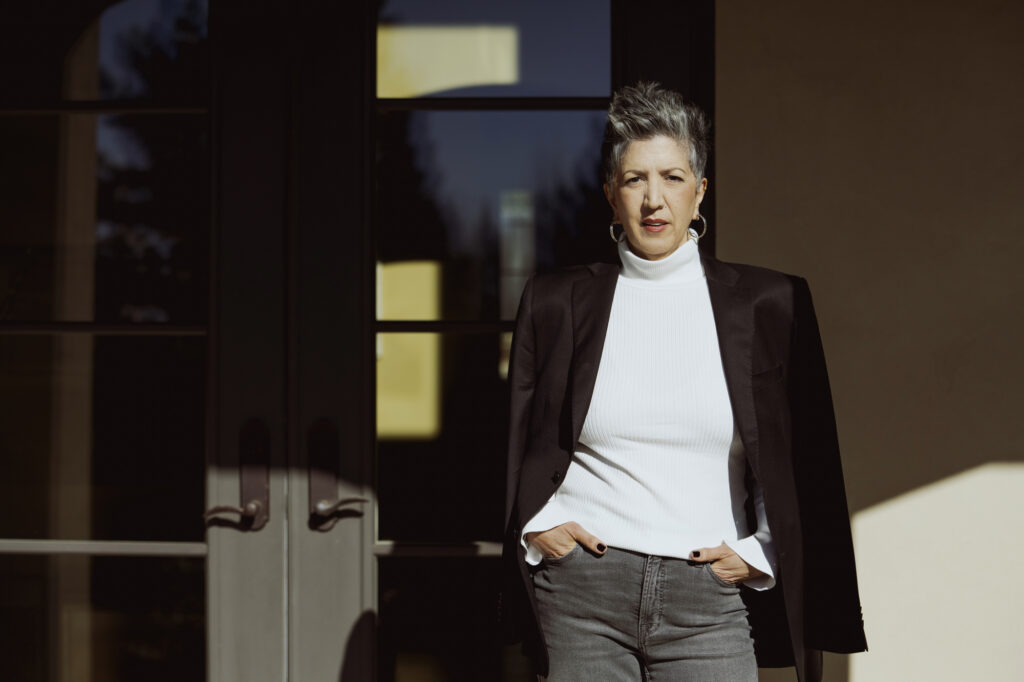
Patti Zlaket Patti Zlaket’s Dance Again marks a triumphant return after two decades away from recording. In this interview, she discusses rediscovering her artistic voice, collaborating with legendary musicians, and proving that dreams have no expiration date. 1. After a two-decade break from recording, Dance Again marks a remarkable return. What inspired you to step back into the studio, and how did the experience compare to making music earlier in your career? I was inspired by the documentary film, Immediate Family. That music and those special players who are featured in the film, reminded me of who I am as a musical artist. The time felt right to step back into my life as a singer, songwriter, and working musician. 2. Lee Sklar played an important role in encouraging this album to happen. How did that initial connection develop, and what was it like collaborating with someone whose work has been part of the soundtrack of your life? After seeing the film, I reached out to Lee, and amazingly, he responded! That was the start of my journey to a brand-new album and everything that has followed. It still feels surreal to be working with so many indisputably top tier musicians, and I know they have brought the very best out of me as an artist. 3. The album was produced by Tariqh Akoni and features an impressive lineup of musicians. How did these collaborations influence the sound and creative direction of Dance Again? Working with players who are this good is really a joy, because they bring so much to the table on their own. The best part of collaborating with Tariqh is that as a producer, he knows how to create space for everyone to do their thing. And that’s when the magic really happens. 4. Several singles from the album have already connected with both longtime fans and new listeners. Were there any songs on Dance Again that felt especially personal or challenging to write and record? The song “Dance Again” is the most personal one for me, and it’s my favorite track on the album. There are times when I tell the story to an audience of how all of this came to be, and by the time I’m ready to start singing the song, I am on the verge of tears. I feel like I’m living my dream. It’s a wonderful thing. 5. Your journey has taken you from Tucson to Los Angeles, Nashville, and beyond, while also balancing careers in music, commercial singing, and law. How have those diverse experiences shaped the artist you are today? Every road I’ve taken and choice I’ve made has enhanced my life as an artist, and more importantly, as a human being. I don’t regret a single turn I’ve taken, because they’ve all led me here. I think life is big, and you can do more and be more than one thing. I have done that, and it’s made my life and my art more interesting. 6. You’ve said, “There is no deadline on dreams.” As Dance Again introduces your music to a new generation of listeners, what message would you like people to take away from both the album and your story? The fleeting nature of time can trick us into thinking that it’s too late to take chances and try new things. I don’t believe that. I’m accomplishing more now with my music than I ever thought possible. And if I had simply stopped believing I could get here because I’m too old, or it’s too late, or whatever the reason may be, I’d be missing out on the most thrilling time of my life. It’s never too late to make a dream come true. Period. pattizlaketofficial Official: Instagram, Facebook, Threads | Linktree Patti Zlaket – ECR Music Group
OpCritical

OpCritical OpCritical returns with Liar Liar, a fierce punk-rock anthem challenging oligarchic power and social inequality. In this interview, the band discusses activism, creativity, democracy, and music’s role in change. 1. “Liar Liar” delivers a powerful critique of oligarchs and their influence on society. What inspired you to tackle this topic, and why did you feel now was the right time to release this song? Many entrepreneurs start with good intentions, but then the money and power corrupt them, and they forget about the people whom they exploited. There are many examples in modern society. The rich keep getting richer, and the rest of us suffer. We have oligarchs running countries all over the world, and the people are oppressed. So, we wrote Liar Liart to focus attention on this. Citizens need to understand that they have the power to change this inequality. 2. The song combines energetic punk-rock intensity with a strong political message. How do you approach balancing activism and entertainment in your music without losing the impact of either? We are professional musicians with our fingers on the anxieties of society. We understand in this day of sensory overload that to break through, we need to have good material with a fresh sound, and great, creative visuals. This is what motivates us. Many people, since COVID, have been in a psychological holding pattern of paralysis and depression. We want to restore hope and happiness, but first, we have to change the unfair advantage of oligarchs. 3. The music video uses LEGO characters to symbolize both power structures and their fragility. What inspired that creative choice, and what message were you hoping viewers would take away from those visual metaphors? The use of LEGOS was intentional for several reasons: first, LEGOS can be easily built, but they can also easily be torn down because they are made of plastic and have no glue. This is what we want to portray — oligarchs build castles made of sand, but people can wash them away. Second, LEGOS allowed us to quickly create powerful visuals that stick with the viewers. 4. One of the song’s most memorable lines is, “Liar Liar world’s on fire.” Can you talk about the meaning behind this refrain and how it reflects the themes of the track? When we were kids, and a person lied, we would all sing, “Liar Liar, pants on fire” to call him or her out. This was very effective and usually stopped the person from doing it again. In our song, the world is literally and figuratively on fire with unjust wars in Ukraine and Iran, and the dismantling of constitutional safeguards in America and abroad. So these words are powerful and create a lasting impression on the listener. 5. OpCritical emphasizes peaceful protest and civic action as solutions to the problems highlighted in your music. What role do you believe artists can play in encouraging positive social and political engagement? We do not believe in violence except in cases of defense. But we are huge believers in political action, protests, and other forms of peaceful, persuasive engagement. We want to bring back the power that music played in the 1960s, which helped end the Vietnam War and paved the way for the Civil Rights Movement. Too many artists now are afraid or content, despite society’s powerful thirst for music to rally them. 6. “Liar Liar” is part of a broader series of releases addressing plutocracy, kleptocracy, and other societal challenges. What can listeners expect from OpCritical’s upcoming music, and what conversations do you hope to inspire through your work? We have recorded several dozen songs about the state of America and even other parts of the world. We are planning to release a new one every week or two for the rest of the year. No artist on earth has ever attempted such an ambitious and audacious project, yet the times and the dangers require it. We hope to motivate people to get off the couch to protect this precious experiment we call democracy. Humanity must progress, yet we have seen regression recently. We want to usher in a new Age of Enlightenment where the goal of governments is the happiness of the people, and where art, music, and creativity play a very leading role. OpCritical We RockThe World – Opcritical Music
Sebastian Rydgren

Sebastian Rydgren Sebastian Rydgren opens up about heartbreak, personal growth, and the emotional journey behind Night Hours and his upcoming EP Midnight Confessions Pt. 1 in this candid interview. 1. “Night hours” explores the pain of being deceived by someone you love while still holding on to hopes for a future together. What inspired you to tell this story, and how personal is the song to your own experiences? ‘Night hours’ describes a situation where I thought I had the perfect relationship, and then suddenly everything turned into a personal disappointment. The song is about the time it took to accept that there would never be an “us” again and the emotions that came with that realization. Even though that process has been difficult at times, I’ve never lost my belief in love. In that sense, the song is very personal. It reflects both the heartbreak and the continued belief in love. 2. This single continues the more personal and modern direction heard in songs like “how i wanna die” and “Talk To Me.” How has your songwriting evolved emotionally and creatively over the past year? I’m constantly trying to elevate my songwriting and find new sources of inspiration. Over the past year, I’ve also started writing for other artists, which has really expanded my creative perspective. It’s pushed me to explore different styles, emotions, and stories that I might not have considered before. At the same time, I feel like I’ve started to find my own sound. Combining those new influences with a clearer sense of who I am as an artist has naturally led to the music I create today. 3. The themes of love, longing, and heartbreak seem to connect several of your recent releases. Do these songs form a larger narrative that will be revealed on the upcoming EP? Yes, absolutely. My most recent releases are all part of a larger story that comes together on my upcoming EP, Midnight Confessions Pt. 1, which will be released on June 26. Each song represents a different chapter of the same emotional journey. While they can stand on their own, the full EP gives the listeners a deeper understanding of the story and the personal experiences behind the music. 4. You first gained national recognition through Swedish Idol 2022. Looking back, how did that experience shape your confidence as an artist and influence the music you’re creating today? I would say that Swedish Idol gave me a lot more confidence in my ability to perform on stage. Being able to step in front of such a large audience week after week taught me to trust myself as a performer and become more comfortable expressing myself through music. However, the biggest impact has been the people I’ve met because of Swedish Idol. The collaborations I’ve had with producers and songwriters since then have helped me elevate both my sound and my songwriting step by step. I’ve also had the opportunity to meet and learn from many artists who have shared valuable advice and insights about the music industry, which has helped me navigate it and grow as an artist. Overall, Idol opened a lot of doors for me, not just professionally, but creatively as well and those experiences continue to influence the music I’m making today. 5. Having worked under previous monikers such as NORR and San Sebastian, what does the name Sebastian Rydgren allow you to express that feels different from your earlier projects? Over the past year, I’ve been focused on releasing music that reflects who I am and staying true to myself as both an artist and a person. Because of that, using my real name felt like the natural next step. Releasing music as Sebastian Rydgren allows me to be more honest and personal in my songwriting. It feels more authentic, and it gives me the freedom to share my experiences 6. With five singles now released from the upcoming EP, what can listeners expect from the full project, and what do you hope they take away after hearing it from start to finish? Even though many of the songs explore themes of heartbreak, I still wanted the music to feel confident and hopeful. I wanted the project to reflect the personal growth that can come from rejection and difficult experiences. I hope listeners leave ‘Midnight Confessions Pt. 1’ with the feeling that even when things don’t go the way you hoped they would, it’s never wrong to dream big and pursue the life you want. I also hope it reminds people that it’s okay to take risks and follow what might seem like crazy ideas, because you never know where those choices will lead or what you’ll learn about yourself along the way. Sebastian Rydgren – night hours