
Callie Joy Porter
Callie Joy Porter Callie Joy Porter breaks her silence with Black & Fvck, a dark indie–cinematic pop manifesto on impostor syndrome, owning the shadows, and closing one era before rebirth. 1. “Black & Fvck” explores darkness, temptation, and self-discovery. What emotional or personal moment made you realize this album had to exist now? Thank you for this question, honestly, it came from the need to prove that black isn’t evil. People equate the color black or darkness with something they must hide, and the truth is darkness and black are part of life. We all have moments when we aren’t bright in color, and some people never do. Black to me, is like that experience you want to live but people would judge you if you follow through with it? Then again, I am singing. To me, this was the equation of the same. My impostor syndrome repeatedly said, you’re going to be 40 soon, what are you doing, showing songs you’ve had and never showed to the world now? I had some of them, not all of them. They didn’t let me do anything besides creating them and they were specific when it came to everything. No, this needs to sound this way, no this is better than this other tone, it was … interesting to say the list. 2. Your sound blends cinematic pop and ethereal darkness. How did you approach building that mystical atmosphere across the 8 tracks? To be fair, I have a rule, if I listen to it repeatedly, and at first it doesn’t convince me, I play with the music again. I’ve changed, at the last minute, perfectly good songs.. Fvck for example, was absolutely remade like 3 hours before I sent it because I kept feeling this impostor syndrome telling me “are you sure you want it this way and not with your original idea?” – You see, most people fear their impostor syndrome, mine… started out putting every single fear in line for me, and when it noticed I don’t do well with people – anyone, even shadows from within like it is..telling me what to do? I’m too old for that. It began to give me second guessing in something that would work in my favor. Eventually, I listen to every song, again and then I choose which one sounds like what and I choose the ones I love the sound, and those I love the lyrics but change my mind on, usually means they had to be changed somehow. 3. Songs like “Liminal Goddess,” “Belladonna,” and “Phoenix” feel symbolic. How do you use imagery and metaphors to tell your story? Liminal Goddess is a dedication to Hekate, so yes, it’s absolutely symbolic. But also is devotional for me, though Belladonna and Phoenix are not dedications.. They were built from the perspective of societal norms towards women. Belladonna is basically ‘what if the not so typical femme fatale were to speak to the world about what happens to her? And Phoenix is something that hits home much deeper. Phoenix is a song of self-awareness, so using metaphors was the easiest way to get the point across. Basically, one says ‘we are all beautiful and those who are obsessed with you, don’t necessarily need to love you or care for you or even know you to be all on your case, so be like Elsa, let it go. It’s not your responsibility to fit into anybody’s idea of you. And when it comes to Phoenix, it’s a reminder too. We are all exceptional in our own ways, and we are the only obstacles we have for ourselves. The only constant in life is change, the sooner we realize that, the easier our lives will become. 4. This album closes the era you began in 2024 with “Bye” and “I Decide.” What did you learn about yourself during this chapter, both as an artist and a person? I learned that the impostor syndrome, the inner critique, the bullying, all the suffering people go through only can stop you if you let them. It took me many months to face my fears to be able to send out the albums I’m sending out. I mean, to be fair, I am going to be sending out one on January 9th, for my birthday. And another on January 24th that is ABSOLUTELY FAN SERVICE. Because as a roleplayer, which is one of my hobbies, I have been in the supernatural family forever, from the beginning. I absolutely based some of my characters from my books of the Abyss and the Spark on my favorites and I think a thank you is in order, mostly because to me, it’s been 20 years being those guys. I have 5 accounts, and those accounts are the ones I’m doing the fan service to. All 5 based on a certain squirrel from that show. They are not him, but .. yeah I think I owe him a thank you. 5. You dedicate this era to all women. What message do you hope young listeners take from your journey of owning the dark and evolving through truth? It’s never too late to do what you love, Keep your nose clean, your chin up, stay out of people’s messes, own your own life, or someone else will instead. Learn the difference from being a good friend to a people pleaser, I was a people pleaser for a long time, it came down to me not doing things because others mirrored their lack of enthusiasm onto me, so, no. Do things smartly, intelligently, keep your head on at all times. My journey is a cautionary tale and it shows in my songs. It’s what I’ve lived, what I’ve seen women go through. It’s never okay to let everyone else eat their cake, when you want pie. Everyone, even those you love, only see as far as their own existence goes, the world, the biggest minds in it, the best people in it are
Grey & Purple Songbook

Grey & Purple Songbook Grey & Purple Songbook is a text-driven music project from Oslo blending storytelling and melody. Their new single “Over the Blue Sky” reflects themes of morning calm, gratitude, and universal serenity. 1. “Over the Blue Sky” captures a peaceful, almost cinematic morning feeling. What moment or emotion first sparked the idea for this song? The motivation for writing the text/song to “Over the Blue Sky” is my personal experience starting an early morning at a mountain cabin, looking out on the snow covered landscape outside with clear blue sky and a bright sun shining. That gives a rewarding and intense feeling of gratitude and joy. This feeling easily facilitates a serene moment of reflection. 2. Your project begins with storytelling through text before music is created. How does that approach shape the final sound and message? Both creators behind the artist name Grey and Purple Songbook are socially engaged persons and important social and human issues are important to us. We therefore decided early on that we wanted melodies with lyrics about topics that are important to us, and that we believe have a resonance with our listeners. The text is a very central and important part of the creation- process. We hope it results in melodies with a message and that the songs give “food” both for the mind as well as for the heart. And that the songs have an impact also after the song has been played. 3. Many listeners find comfort in songs about simple everyday moments. Why do you think morning serenity is such a universal theme?That is not an easy question to answer, but I think many of us looks at the mornng hours as the start of something, hopefully nice and good. It gives many of us a serene moment during the day where we get the opportunity to feel a little bit of our own thoughts and feelings. That is very nice to be able to do, once in a while. 4. What do you hope listeners personally take away or reflect on when hearing this track for the first time? I hope the song will both give a nice feeling emotionally both through a text that invites to reflection on the value of small things in life, things that we in a hectic daily life do not get the time to reflect over. And a tune that invites to a “sing along-feeling” or contributing to a good feeling. 5. What makes “Over the Blue Sky” stand out in the Grey & Purple Songbook catalog and why is it significant for the project? The song “Over the Blue Sky” is a song that stands out in the collection as a text and tune that has a spesific focus on the morning hours, with serenity, no stress and the possibility to reflect on things that we maybe otherwise do not have so much time to reflect over. The song is unique in it’s own, but is also part of a greater project giving voice to music/songs with a “message”. 6. After this release, how do you envision the next chapter of Grey & Purple Songbook evolving creatively?It is of course difficult to predict the future, but both of us that stands behind this project, The Grey and Purple Songbook, has the vision of continue to create and produce texts and music that convey a message we think is important. At the same time, we are aware that text and music are closely connected. We are therefore very concerned that the music supports the text. We hope the texts and the music from The Grey and Purple Songbook will reach many listeners world-wide, because we love writing and creating music that the listeners like and enjoy. For us, as I think for many, many others, music is life. Thank you for the opportunity to tell a little about the vision behind the project Grey and Purple Songbook, and the creative process behind creating the texts and the music.
Lana Crow

Lana Crow Lana Crow crafts heartfelt indie-pop with raw honesty. In this interview, she reveals the personal story behind Laugh With You, exploring resilience, self-acceptance, ego, vulnerability, and the inner power that shapes our reality. 1. “Laugh With You” carries a strong message of resilience and self-acceptance. What personal experiences or emotions first inspired you to write this song? The lyrics, “I don’t care if you judge me, I don’t care if you laugh — if you want, I’ll laugh with you,” came to me after a night out with friends. This was shortly after I started releasing music. All of my friends were surprised to learn that I was writing music, and some were impressed. One of them, however, made a couple of remarks that, let’s just say, weren’t meant to be supportive. My emotional response was, “I really don’t care what you have to say, and it’s a shame that you feel my writing music makes you any less talented.” And that’s how the song was born. The resilience and self-acceptance in “Laugh With You” come directly from my own life. I grew up in an environment where any hint of self-love would get you labeled a selfish brat, so for a long time, liking myself felt almost wrong. It shaped me in ways I didn’t fully understand back then. I was vaguely aware something was off — I’d feel jealous of people who seemed at ease with themselves and others, and I carried this quiet sense of being less than most people. It took a painful event a couple of years ago for me to really see how deep it went. Instead of falling into victimhood, I chose to see it as a message I needed to hear. It wasn’t easy, but over time I got the answers I was looking for and turned the experience into something that helped rather than cripple me. While my upbringing was chaotic, it did have an upside. I was born into a culture vastly different from the Western one, and when I moved to the West, I experienced a kind of culture shock — but in a good way. I continued to be exposed to different cultures because I mixed with other foreigners from all over the world, while also making an effort to assimilate wherever I was. That rollercoaster widened my perspective, and I feel it gave me an insight into other cultures that not everyone has. It helps me see things that aren’t always obvious to others. I’m grateful for that awareness — it was costly to gain, but I appreciate having it. 2. The line “If you want, I’ll laugh with you” feels both defiant and unifying. What does laughing through hardship mean to you on a deeper level? I think it’s important that we don’t take ourselves too seriously; it makes life a lot easier. Some of us are more sensitive than others, and there’s nothing wrong with being sensitive—I’m still a very sensitive person myself. However, challenging your ego every time it rears its ugly head can be an acquired skill—and a very useful one. When you can laugh at yourself, you rise above the unhealthy noise of judgment around you. You become more grounded, more open, and honestly, easier to be around. When you accept your own imperfections and failures, other people’s negative reactions lose their power over you—you understand where they’re coming from, and you’re no longer shaken by it. In the last chorus, I intentionally switch roles in the so-called “dialogue.” Lines like “Please don’t care if they judge you, I’ll be there, I’ll stick with you” are written as how I imagine God would speak to us, if we could hear that voice clearly. I often bring this kind of presence into the bridges of my songs. To me, God isn’t a distant figure, but an immense intelligence we’re all part of. We’re co-creators living in this earthly realm, and the chaos we see around us is largely a reflection of our inner world. God cannot force us into choices that are better for us; we have to make those choices ourselves, and it’s harder than it seems because it takes a certain level of self-awareness. The song is a reminder that we carry far more responsibility—and far more power—in shaping this world than we tend to realize. 3. Your music often addresses judgment, comparison, and inner strength. How do you personally navigate these pressures as an artist and as a person? I do wish judgment and comparison weren’t as celebrated as they are. We’re born into a world where competitiveness is encouraged as a motivator, but often all it really does is breed jealousy and a sense of self-deficiency. Every single one of us is talented in our own way, yet not all of us get the chance to find out what that talent is because we often aspire to be someone else. I’m still learning how to navigate the pressures we all face these days, and I think it’s an ongoing process—especially as the world keeps changing so fast and throwing new challenges at us. What really helps, however, is viewing every painful experience as a message pointing to the inner issues you need to address. When you approach every setback with that mindset, you still get hurt, but the pain loses its power over you. 4. Sonically, the track blends indie pop warmth with emotional intensity. How did you approach shaping the sound to support the song’s message? When I work with a producer—who I always hire online—I send them my demo along with a reference track, and they help shape the final sound based on those. I have to admit, my demos are pretty flat. I’m not a strong pianist, and playing and singing at the same time is a big challenge for me. I do try to put as much emotion as I can into my voice, but sometimes it gets lost because I’m so focused on hitting the
Lisa Jo
Lisa Jo Lisa Jo opens up about transforming real-life trauma into “Lord of the Night,” her perfectionist process, self-produced sound, and the unstoppable creative force balancing inner chaos with a calm, presence. 1. “Lord of the Night” is rooted in real events. How did transforming a true story into lyrics shape the emotional intensity of the track? Lord of the Night was the first rap song I ever wrote. And yes, it was based on true events that occured one evening in my life in late 2017 in a club in Clifton Park, New York during the darkest point in my life. I had just walked away from my brand new home I built with my own hands out of what was left from my paycheck each week that took about 2 years because I needed to end my marriage of over 30 years. During the wake/funeral service for my sister evidence was handed to me that my husband and best friend had been covering an affair for months. This new information layered on top of the pain and anguish only a week or so before of finding my sister deceased on her bathroom floor with an empty heroin needle still stuck in a vein of her left wrist brought my lifelong pain and rage (see my life story in The Hands That Held Me @ a.co/d/i0lAAw5 for further explanation) to a level that could no longer be contained. I knew if I didn’t leave I could have made an entirely different decision that would have resulted in having to adjust to prison life. So as I sat in the club that night and bullets shattered the pieceful aura, the glass of wine in my hand was struck by a stray bullet and shattered with it and a second later a total stranger forced me to the floor and covered my body with his to protect me. When the bullets stopped and the shooter exited the club screams and cries filled my ears from everyone around me, yet there I was, so very calm because at that point I didn’t care if I had survived it or not and the level of chaos outside of my body that night still could not begin to compete with the chaos that had been roaring continuously inside my body. With that said… I do not feel the reality of those events had any effect on the resulting intensity of the my song, but rather it moreso reflected a lifetime of feeling something similar to a tazmanian devel on steroids with loaded weapons going off at full throttle inside my soul and mind, but having had a lifetime of practice to master a smooth, calm, confident exterior that still easily portrayed to those around me how serious and how dangerous I had (or have) the ability to be as a result of a lifetime of abuse, severe trauma, loss and betrayal had created in me. I hope that paints an accurate and clear picture that answers that question fully and honestly. 2. You recreated the song multiple times before finding the final version. What were you listening for that told you, “this is the one”? I had created The Lord of the Night several times before I was satisfied that the sounds heard from the song accurately reflected the cold, dangerous ticking time bomb inside me while still reflecting the calm, confident, emotionless exterior that I possess and live by that makes me who I am. Best example or analogy I can give is… If my buddy took someone’s life in a fit of rage, his nerves and conscience eould destroy him, whereas if I did the same, I could calmly go home, eat spaghetti dinner, turn on the tv and sleep soundly without giving it another thought. I do not wish to give the impression that I am heartless, rather it is because my heart is huge and soft and damaged that I am this way. The battle is real. The music combined with the lyrics “drop you in front of your ma then I’ll make your lady squeal” and “I don’t owe you nothin but the bullet in your back” perfectly portray the point I was trying to make. 3. You handle both lyric writing and beat creation yourself. How does producing your own beats influence your flow and storytelling as a rapper? Sadly, the answer to this question I believe I already gave within my response to #1 and #2. My lyrics do not influence my beat, nor vice versa… Rather they are 2 parts to one tool with the goal of simultaneously conveying both my interior and my exterior… I guess, now that you ask and I analyze it… I believe I am using my lyrics to express my internal frame of mind while using the beat to convey my smooth yet still very much dangerous exterior, if that makes sense. 4. Your influences span classic 90s gangsta rap and modern hip-hop voices. How do you balance nostalgia with a contemporary sound? This one is easier to explain… Every part of who I am can only be expressed by 90s gangsta style rap, while I still have an ear and respect for what is current in the sounds of music. 5. With over 30 songs created in just three months, what drives your creative momentum, and how do you avoid burning out creatively? Also an easier one to answer… I will never burnout because what drives my creative momentum is the spilling over bubbles of pain and rage seeping from the seems of my body that have been needing and desperately seeking a constructive, non-deadly outlet for about a hslf century now. I really don’t have to write my songs, I just have to peal the lyrics from the inner linings of my soul that have been already written without my permission. Honestly it feels like there is likely hundreds of songs taking up space inside me and necrotizing
Sabrina Nejmah

Sabrina Nejmah In this interview, Sabrina Nejmah reflects on writing “Don’t You Worry,” blending trust, growth, family collaboration, and sci-fi symbolism while stepping confidently toward independence and future releases in music career. 1. “Don’t You Worry” explores trust and confidence during uncertain times. What personal feelings or experiences inspired you to write about this theme?I spent a school year in down under. To go there was a great adventure for me. “Don’t You Worry” describes very well the feelings and thoughts that finally allowed me to take this decision. I did not regret it. 2. The song is set on a spaceship while reflecting a couple’s everyday relationship dynamics. How did you come up with this sci-fi setting, and what does it symbolize for you?When I wake up in the morning being the first one awake in the house, I enjoy the undisturbed silence and start thinking about basically everything that matters. These moments help me to work on my worries and to grasp optimism. Especially that I know I have the support of my family and my friends make me believe that things will be fine. This feeling of confidence, trust and reassurance is what the song is about. When I focus on my inner feelings it kind of feels like on starship isolated from everything. The starship symbolizes the spot where I am close to my beloved ones. 3. Compared to your first release, how do you feel you’ve grown as a songwriter and vocalist on this second track?This song was another team effort with my father Norman Astor. Meanwhile I am working on my own songs. Like this I’ve been growing a lot. As vocalist I took lots of benefits from the coaching I had from my producer Markus Nowin Rummel. 4. You often collaborate closely with your father when writing music. What does that creative process look like, and how does it shape your songs? When we come together in our home studio we usually start jamming around some ideas that my father or I bring up. This is lots of fun. We develop this to a certain point then we work separately on it and when we meet again we see a new song being created. It is a magic moment and so exciting. 5. Being raised between Moroccan and German cultures, do you feel this background influences your music or the stories you want to tell?My musical background is pop and rock with english and french lyrics and jazz. The major influence I had from being Moroccan and German is that I learned very early that there is not only one culture. 6. As you move toward future releases, what direction would you like your music to take, and what can listeners expect next from you as 2025 comes to an end?This is my second song. As I wrote it together with my father, it exhibits our common signature style. There are two more songs to come from us both to be released in 2026. I am working on my own song ideas, that will be the next step in my evolution. Sabrina Nejmah
Made of Sand
Made of Sand Made of Sand delve into atmosphere and release, discussing the emotional spark, collaborative craft, and international production behind “Scream at the Moon,” while hinting at future releases and their chapter. 1. “Scream at the Moon” blends downtempo, synth-pop, and trip-hop into a deeply atmospheric piece. What emotional core or moment first sparked the idea for this song? The sense that sometimes life can really get you down so how can you get it into perspective. 2. The track explores the feeling of being overwhelmed and needing a cathartic release. How did you approach capturing that intensity while still keeping the song intimate and cinematic? Great question. By ensuring the emotional impact of the lyrics and vocals aren’t overwhelmed by the arrangement; that there’s space to breathe. 3. Aaron’s vocals bring a haunting, ethereal quality to the track. How does her Lithuanian folk background influence the band’s overall sound and identity? Aaon brings such a different mood and intensity to her vocal compared to a lot of singers out there; you can hear some Lithaunian folk traits and other east European inflections. 4. Matthew and Dan have impressive musical histories, from collaborations with Grammy-winning artists to crafting electronic music and visual art. How do your diverse creative backgrounds shape the way you write together? We work very collaboratively; Dan creates the soundscapes over which I play some guitar plus I write the lyrics and most of the melodies. 5. Production took place between Rome and London, including work with Mauro Campana. How did this international collaboration influence the texture and atmosphere of the final mix? Though Dan and I are both English, as you can tell we like working with people who bring a different European dimension to our tracks. Mauro brings a very distinctItalian-influenced dance vibe. 6. With “Scream at the Moon” marking such a powerful return, what can listeners expect next from Made of Sand as you move toward future releases and a new creative chapter? We’d like to put on a launch happening next year to coincide with the debut album we are working on right now. In the meantime, in the New Year an extended version of our first single Come Find Me will be dropping.Thank you, Matthew Made of Sand – Band/Music
Andy Smith
Andy Smith In this interview, Andy Smith discusses resilience, creative control, and personal upheaval, revealing how adversity, defiance, and self-belief shaped “How Do We Keep Moving On” into a dark rock statement of survival. 1. “How Do We Keep Moving On” feels like a battle cry for resilience. What personal or emotional experiences inspired the message behind this song? After I moved from the UK to Australia and started my new job, the manager who brought me over initially went over the plan. As time went on, over a period of three years, this did exactly formulate as was explained. Long story short, he was a narcissistic bully who felt threatened by me and tried everything in his power to come between everyone I had met, in work and out of work, and even my own family! Had to keep going and be strong even though it was a low point, after moving 10,000 miles across the world. 2. The track channels strong ’80s dark rock energy while still sounding modern. Which artists or eras most influenced the atmosphere and sound you were aiming for? With the guitars I was aiming for the raw slightly echo dark bass tone, similar to New Order/Neil Young/Talking Heads with a punky vibe with the drums. Probably 90’s Britpop with the drums with the 80’s guitars. 3. There’s a strong sense of defiance and perseverance throughout the song. How important is it for you to create music that feels empowering rather than purely introspective? Great question. I don’t think of it like that when I am writing. It really is how it comes out and if I’m on that track during the process, then I will steer it that way. But I have the idea or moment in my life as to what i’m going to say and then it becomes a song. Once I have the song, in demo format, I then edit around how I want it to sound and then occasionally change some lyrics. But usually it’s written in one go and then the production gives it that feel! I produce and record myself so I have that creative control to make it sound like I wish and can change things as I see fit. 4. The driving rhythms and haunting guitar work play a huge role in the song’s impact. How did the songwriting and arrangement evolve during the creative process? Not much really. The demo, just an acoustic guitar, has the verses just like the record and the choruses were always going to be big! There are a lot of tracks for the chorus to give it that sound, but I didn’t want to go over board with distortion or overdrive, just wanted the wall of sound, rather than completely overdriven/distorted. But it was always the plan to separate the two from the beginning. Using the wah in the breaks with the pounding drums was something I tried in production and I’m really happy how that came out. 5. You describe this release as more than music—it’s a movement. What do you hope listeners take with them after hearing this track? That anything is possible! However bad a day you are having, whatever goes wrong, the plan gets changed or you get bad news, get up, dust yourself down, move on and don’t let the bastards get you down or see whatever has happened has affected you! Keep your head held high as every single one of us has a spot and purpose in this life! The dark clouds always move on and that light will shine on you again! STAND TALL ALWAYS! 6. Looking ahead, does “How Do We Keep Moving On” represent the direction of your future releases, or is this song a unique chapter in your artistic journey? It definitely is a statement to myself with my musical journey. As an independent artist, there is not much adulation, so it’s always a battle to keep going. But for me, it’s getting the music I enjoy writing, recording and producing out there. If one person enjoys it or even takes something from it, wow, great! With the direction of my next releases, I’ll keep doing the same thing. My previous release was really different, and my next releases will be different again. I like to challenge myself with different styles and genres and keep surprising people with what I create. The meaning of this track will always be there and I may hang a print of these lyrics on the wall in my studio as I reminder, when things get tough again! Andy Smith Music
Cherie D’Avino
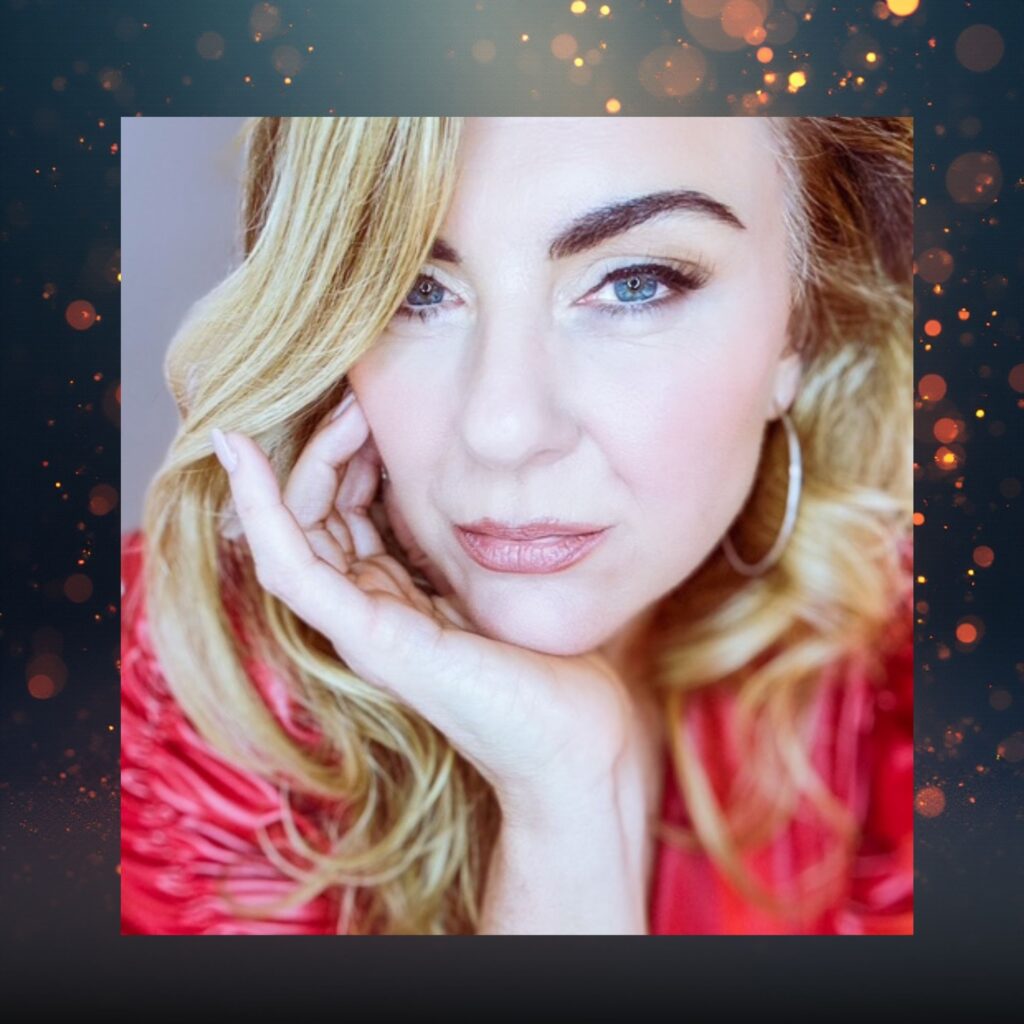
Cherie D’Avino This interview with Cherie D’Avino explores the emotion behind “Christmas Lights,” touching on home, family, soulful influences, and collaboration, revealing how nostalgia and togetherness shape her cinematic holiday sound journey. 1. Cherie, “Christmas Lights” feels incredibly cinematic and emotional — can you tell us what inspired the song and what it represents for you personally?Earlier this year, one of my goals for 2025 was to write a Christmas song. I spent time listening to emotionally charged festive releases, particularly those that had become iconic through sync moments like the John Lewis adverts. That led me to reflect on what Christmas truly means to me.Growing up, Christmas always meant going home — either to Italy or back to the North East of England in County Durham. Home was where my family was, and the magic lived in those moments: the excitement of childhood, seeing the lights go up on the tree, the first snowflake falling, and that deep feeling of togetherness.Now, seeing Christmas through the eyes of my two boys, aged 9 and 10, that nostalgia feels even stronger. Christmas Lights is really about finding your way home — emotionally as much as physically — and holding onto that sense of wonder and belonging. 2. You’ve described this track as a blend of soul, gospel, and pop — how did you approach balancing those genres to create that rich, heartfelt sound?The blend came very instinctively. I never really sit down thinking in terms of genre — I always follow emotion and storytelling first.We listened to songs that inspired the mood, including Dance With My Father by Luther Vandross and Golden Slumbers by Jennifer Hudson, which have that warmth and emotional depth that sits beautifully between soul, gospel, and pop. The Dunwells are incredible with harmonies, and together we naturally found the balance — keeping the sound warm, honest, and heartfelt rather than over-produced. 3. The Dunwells are known for their powerful harmonies and emotional songwriting. How did the collaboration come about, and what was it like working with them in the studio?I’d been following The Dunwells for a long time. I first met them through another singer-songwriter, Hayley McKay, who I sang backing vocals for. I went to one of their shows and was immediately drawn to their voices and songwriting.I sent them some of my music so they could hear my sound, and we booked studio time in Leeds. When I mentioned wanting to write a Christmas song, they were immediately on board.I came in with the bones of a poem, and within minutes we were shaping the song together. They’re warm, inspiring, and incredibly wholesome to work with — and that feeling of home they bring really fed into the heart of the song. 4. The song’s theme of “finding home” feels especially resonant around the holidays. Was there a particular memory or experience that influenced that message? There are a few very vivid memories that shaped the song. One is my nana’s small Christmas tree in the North East, sitting in the window with snow falling outside — I can still picture it clearly.Another is being in my nonna’s kitchen in Rome on Christmas Eve, with the whole family together, sharing food and exchanging what we call a pensiero — a thoughtful gift.Those memories of togetherness, belonging, and remembering loved ones who are no longer with us really influenced the song. Christmas is a time when we come together, remember the people we love, and find our way home in every sense. 5. Your sound has been compared to powerhouse voices like Kelly Clarkson and Leona Lewis. Who are some of your biggest vocal or artistic inspirations, especially when it comes to festive music?I’m honestly blown away to be compared to powerhouse voices like Kelly Clarkson and Leona Lewis — I have so much respect for them as artists.My biggest vocal and artistic inspirations have always been Whitney Houston, Mariah Carey, Stevie Wonder, and George Benson. I’m drawn to voices that carry real emotion and storytelling.When it comes to festive music, Mariah Carey’s Christmas work is iconic — especially songs like Oh Holy Night and Silent Night. There’s such reverence, warmth, and vocal honesty in those performances, and that’s something I really aspire to bring into my own music. 6. “Christmas Lights” releases on December 5th — what do you hope listeners feel when they hear it for the first time, and how do you plan to celebrate the launch?I hope listeners are transported back to a moment in time — remembering what Christmas felt like when it was about wonder, connection, and the people we love.I want the song to feel like a journey, gently guiding people back to that sense of home. And when the gospel-style crescendo hits at the end, it’s that release — a moment of light, hope, and joy.I celebrated the release in a very simple but meaningful way — with a call to The Dunwells, where we put a plan in place for 2026, which felt incredibly exciting. I also spent the day with my two boys, and my mum listening as the song was played on national radio stations, which they were so proud and excited about. That moment meant everything to me. cheriedavino | Twitter, Instagram, Facebook | Linktree
Giel Baggen

Giel Baggen In this interview, Giel Baggen reflects on Echoes In The Hall, discussing elderly care, silence, self-production, and the belief that music can honor overlooked lives through subtle, honest storytelling sound. 1. “Echoes In The Hall” explores elderly care, a topic rarely addressed in music. What first moved you to turn this subject into a song? The spark came from silence, actually. Visiting places where time feels slower, where voices fade into hallways, I realized how many stories are left unheard. Elderly care is full of emotion, memory, loss, and love — yet it’s rarely translated into music. That realization stayed with me, and “Echoes In The Hall” became a way to give those quiet moments a voice. 2. You often say “Music Is More Than Just Music.” How did this philosophy guide the lyrics and emotional tone of this release? For me, music has always been a carrier of meaning, not just sound. That belief shaped everything about this song — from the restrained lyrics to the fragile atmosphere. I didn’t want to dramatize the subject, but to respect it. The emotional tone is intentionally subtle, because sometimes the strongest emotions live between the lines. 3. The song was 100% self-recorded. What challenges and freedoms came with handling every part of the production yourself? Doing everything myself was both confronting and liberating. The challenge was obvious: no safety net, no external confirmation, just me and the process. But the freedom outweighed that. I could follow instinct instead of trends, emotion instead of perfection. Every imperfection in the track is honest — and that honesty was essential for this song. 4. Your storytelling style leaves space for listeners to find their own meaning. How do you balance personal intention with open interpretation? I start with a very personal core, but I deliberately avoid explaining everything. I believe listeners connect deeper when they can place their own experiences into a song. My role is to open a door, not to tell them what they should feel once they walk through it. 5. Performing at Pop On Top Valkenburg 2025, how do you expect this song to translate in a live setting compared to the studio version? Because the song hasn’t been performed live yet, I see it almost as an open space rather than a fixed arrangement. The studio version is intimate and controlled, but live it will likely become more raw and vulnerable. I imagine stripping it back even further — letting silence, breathing, and small imperfections play a role. When it eventually reaches the stage, I don’t want it to feel like a recreation of the recording, but like the song is being experienced for the first time, together with the audience. 6. With “Echoes In The Hall” marking a meaningful comeback, what do you hope listeners take with them after hearing this song for the first time? I hope listeners leave with a sense of awareness. Not sadness, but recognition. Recognition of time, of people we sometimes forget, and of emotions we don’t always name. If the song lingers — even quietly — then it has done what it was meant to do. GIEL BAGGEN | Instagram, Facebook | Linktree
Hachè Costa
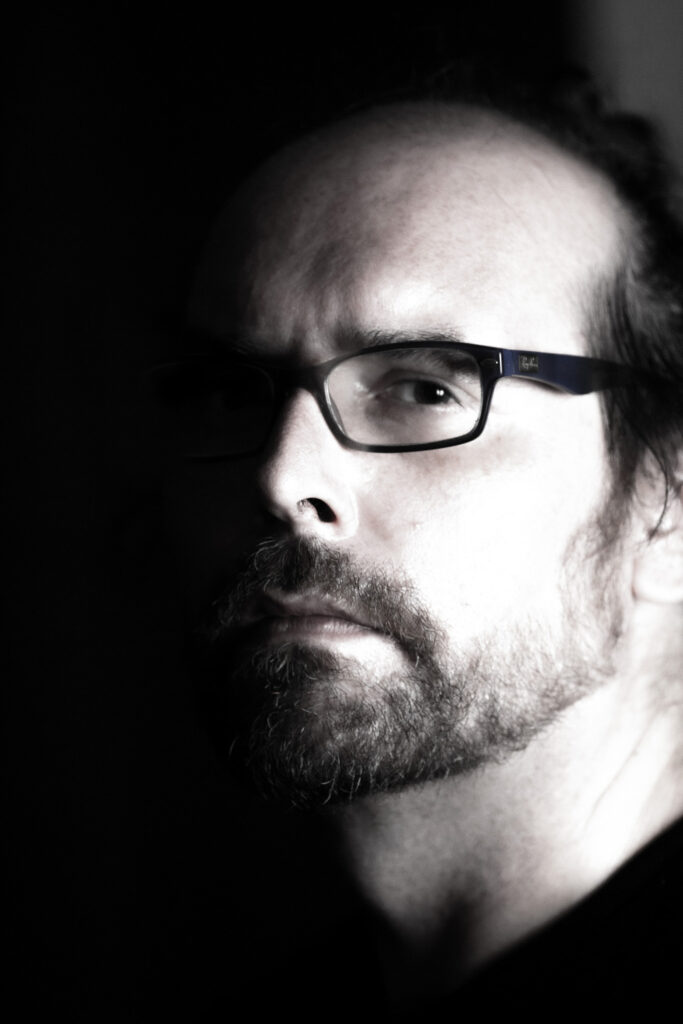
Hachè Costa In this interview, Hachè Costa reflects on Memoria del Océano, blending minimalism, folk memory and electronics to confront political noise, environmental loss, and human goodness through beauty, responsibility, and love. 1. “Memoria del Océano” blends minimalistic piano, electronics, and Spanish folk traditions. What sparked the idea of uniting these distinct worlds to talk about environmental damage and collective memory? Using folk music to invoke collective memory is a fairly transparent idea, since folk music is precisely the sounding part of people’s memories: to me, bringing back all those songs about seas, rivers and animals, seemed to be a remarkably poetic and accessible way of doing this. And precisely because folk music and the people who created it have always had their eyes on nature, it seemed to me that it was an effective way to draw attention to memory, to the need to exercise it and recall those aspects that we seem to be losing: the love of life, of nature, and for other human beings. It is a call to the listener: ‘Remember who you are, because what you are is something beautiful, don’t lose it!’ As for unifying these musical genres, I believe there is a type of minimal that has always been linked to folk music and even electronic one. It is not the New-York-Counterpoint of Steve Reich, of course, but think about Mike Oldfield: when music seeks to be primarily emotional, it avoids rational construction and remains still. 2. You use historical voices of dictators, including more contemporary political references, as symbols of chaos and danger. How did you approach integrating such charged material into a musical narrative without overshadowing the emotional core of the work? I wanted to show the chaos, the danger… and, above all, the excess, the excess that any human being can reach if not firmly restrained. And those restraints are always society, and the common goodness, which usually prevails over madness. We find ourselves in a historical moment in which it is urgent to remember that what has always united us is the love for other human beings, not hatred, racism, xenophobia or sexism. However, from my point of view, harmful ideas must be fought by showing beautiful things that act as a counterbalance, and that is why I believe that introducing the voices of dictators confronted with the beauty of music enhances that beauty: this good in the face of that evil. That is why I believe the emotional aspect of the work is not lost, but rather enhanced by this antithesis. Many people have said to me after a concert: ‘I loved it, but Hitler’s voice prevented me from hearing the music properly and it bothered me!’ That is what it is all about: remembering that Hitler, Mussolini or Franco are annoying things that prevent you from enjoying beauty. 3. Instead of focusing solely on the destruction of the oceans, you highlight beauty, tradition and the possibility of reconnection. Why is this hopeful perspective so important for you in this project? In this regard, I completely agree with the philosopher and psychoanalyst Slavoj Žižek when he says that we must accept that damage to the environment is unstoppable and that the realistic goal is to study what is the maximum damage the world will tolerate. That is why we must speak positively: what are we going to do? We must avoid the NOES and work on the YESES, and this perspective requires reconnection: this river is no longer as big as it used to be because it is drying up; what can I do to stop damaging it so much? Why is this river so important? And, above all, the simplest question: Do I like this river? Fight for the world you love, and spend your time being happy instead of theorising about ideas of hatred, resentment and denial. 4. Your work spans film scoring, reorchestration (like “Changin’ Vivaldi”), and contemporary art collaborations. How did your past experiences shape the sound and concept of “L’Atlantique” and the wider album? Probably the work that has most influenced this one is the reorchestration of Vivaldi that we performed at the EDP Theatre in Madrid, since both works share the idea of degrading beautiful music to draw attention to the need to preserve it. However, all my contemporary music, in general, has always sought to highlight social issues such as sexual abuse (like in the opera “The Hand”), or the need to protect the individual self through the excesses of political discourse (as in the work “Tribute to Jacques Lacan: Surrealism 100 Years”), so I suppose its influence must also have been significant. With regard to my film music, I think it has influenced the overall structure, which is profoundly narrative. 5. The single was mastered at Abbey Road Studios and the orchestral version premiered in Portugal. How have these international collaborations influenced the identity and reception of the project so far? The premiere of ‘L ́Atlantique’ in Portugal was absolutely decisive, as the expectation of presenting the work under the baton of the great maestro Filipe Cunha, conducting the Orquestra Filarmonica de Braga, carried more weight than many other aspects, primarily due to the language. Starting the project with the beautiful and lyrical Portuguese language in mind made the starting point even more emotional, and this was complemented by the role of the orchestra conductor, a charming person with an amazing musicality. Similarly, the two sopranos involved in the project, Liliana Nogueira and Regina Freire, heightened the most emotional aspects with their wonderful voices, which added enormous emotional depth to it. Imagine what the premiere meant, considering that nearly 900 people gave a standing ovation at the end of the work, something extraordinary for a premiere of contemporary music… Now that’s emotion! And, of course, having worked as a bridge between London, Madrid, Torrejón de Ardoz and Braga in the early stages of the project has given ‘Memoria del Océano’ an international character. In general, I must say