
CRUZA
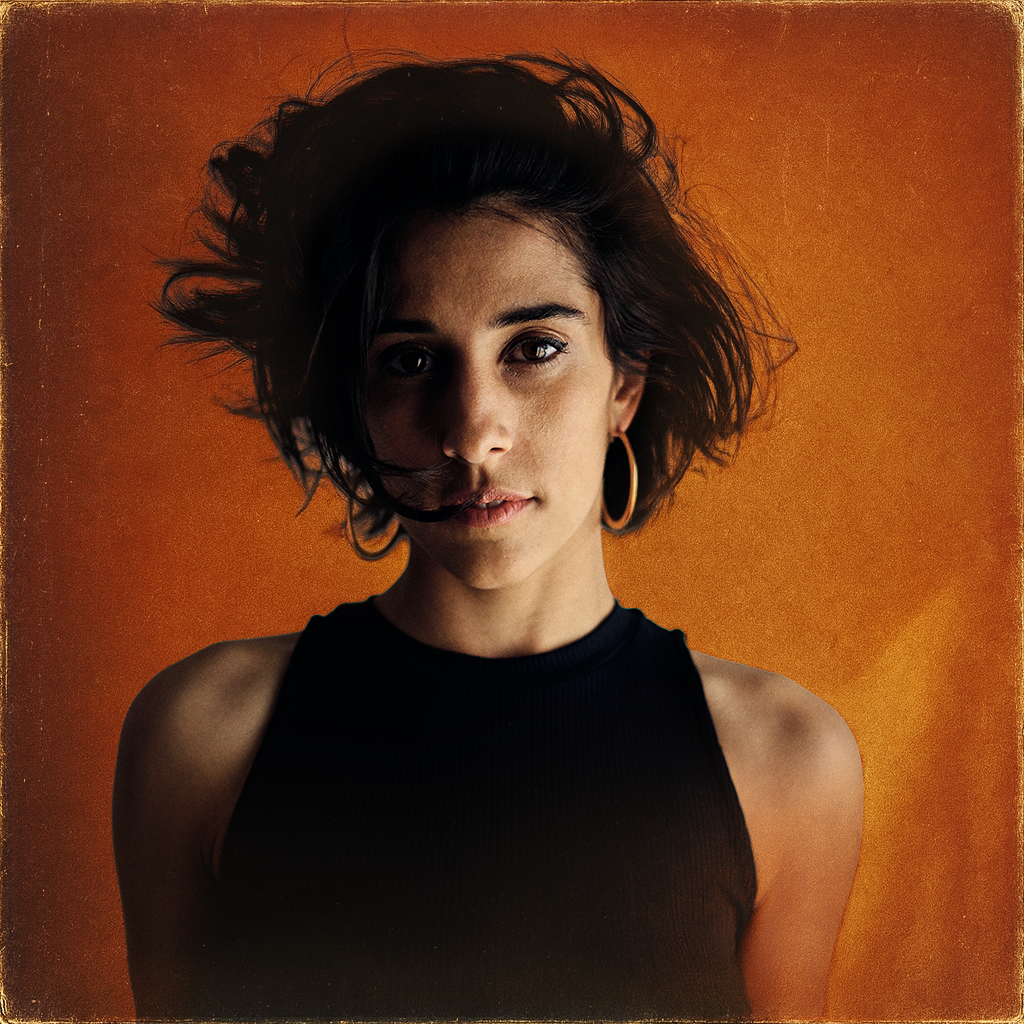
CRUZA Emerging from Montevideo, Lucía Molina unveils CRUZA, a project where vintage jazz soul meets modern R&B, blending Dark Academia aesthetics with raw emotion, heritage, and cinematic storytelling. 1. “.38” feels cinematic, sensual, and deeply atmospheric. What was the emotional or visual starting point that sparked this debut single? The emotional starting point that sparked my debut and led me into the studio was a bond I was beginning to create with someone who was not being truthful. That experience became the foundation of the first song. 2. CRUZA blends old-world jazz grit with modern R&B polish. How did you approach balancing those vintage influences with a contemporary sound without losing authenticity? I always approach music with my heart and soul. I am a very intuitive person, and that is how I maintain my authenticity while still embracing and enjoying vintage influences.3. Your “Dark Academia” aesthetic is central to the project’s identity. How do fashion, visual art, and cinema shape the sonic universe of CRUZA? Fashion, visual art, and cinema are central to Cruza’s aesthetic. However, they are ultimately a reflection of who I am as a human being. They are simply additional ways of expressing myself. 4. Listeners might hear echoes of icons like Etta James and Erykah Badu in your vocal presence. How have these influences informed your storytelling and vocal delivery? I love old music—the kind that makes you understand you are not alone in this world. The singer-songwriters who could reach you from thousands of miles away have influenced me since childhood. I believe those early influences have undoubtedly shaped my vocal delivery. 5. As an artist emerging from Montevideo with European-Spanish lineage, how does your cultural background shape the emotional depth and identity of CRUZA’s music? The emotional depth and sense of identity in my music are deeply shaped by my background. My mother was born in Galicia, and that heritage naturally emerges when I improvise—folklore and flamenco blend with blues. I do not like to overthink when I create; I prefer to feel. In everyone’s roots, there is both pain and joy. That duality is why my voice can feel both uncomfortable and pleasurable at the same time. 6. With Spanish-language artistry reaching new global milestones, where do you see CRUZA positioning itself within the evolving Latin and international independent music scene?I hope Cruza finds its place within the Latin independent music scene and, most importantly, in the hearts and ears of those who need to be reminded they are not alone. It will evolve as it is meant to. I will continue creating music, and I will be releasing another single in March. franklingotham | Instagram, Facebook, TikTok | Linktree
The New Citizen Kane
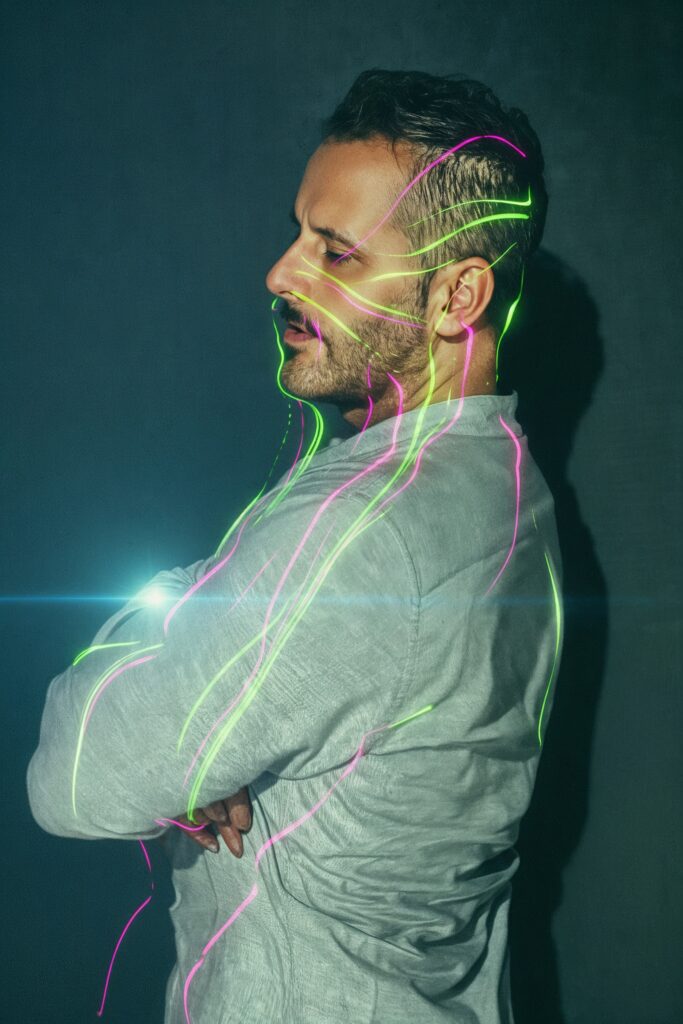
The New Citizen Kane In this interview, The New Citizen Kane reflects on “As Within, So Without,” exploring love as refuge and illusion, emotional duality, instinctive songwriting, and how inner healing shapes the album’s broader perspective. 1. “As Within, So Without” explores the idea of hiding inside love as a form of escape. Was there a specific personal experience that sparked this emotional duality? Yeah, I wrote this song reflecting on a relationship I was in 13years ago. we both came into the relationship a bit broken from previous experiences, and it was a high intensity relationship. And looking back now I understand the intensity & volatility of it much better than I did at the time… the foundation for a strong, healthy relationship wasn’t there because we hadn’t taken the time to heal ourselves before coming together. So it was exhilarating, love felt like a refuge, but one that was built on quick sand. 2. The song feels both cosmic and intimate, with imagery of imploding stars and shattered fears. How do you balance such expansive symbolism with deeply personal storytelling? I try to write from an honest place, singing about feelings as they are, not idealized but humanly flawed, full of contrasts. And sometimes falling in love, and falling out of love feels so great and unexplainable that only that kind of magnitude really captures the essence of those feelings, for better and for worse. 3. You describe the relationship dynamic as building “everything on quicksand.” At what point did you realize this theme needed to be central to the track? I can’t say there’s a conscious moment I choose a theme, when I write it’s instinctive, the words come before any realization or reasoning. That comes later when I’m building the track list & running order of the album, but the writing? That’s almost like a subconscious action. 4. The re-worked version leans into synthwave with touches of electronica and trip-hop. What inspired this sonic shift, and how does it reshape the emotional impact of the song? As Within, So Without is my favourite song from Peychedelika pt.1, and probably one of my top 5 songs I’ve ever written. The album version is gentle, mystical, reflective. I feel like reworking a single released after the album comes out is always a good idea in general, to give people something new while still promoting the album, but as a single leaning harder into the push-pull dynamic through also felt more compelling in this case, sonically replicating the emotion that was lived through rather than reflected upon 13 years later. 5. The addition of a French verse changes the texture and mood. What motivated that creative decision, and what does the French language bring to the narrative? French has such a suave, mystical and seductive sonority to it, especially when sung. I felt it added to the duality being explored lyrically. 6. As this release continues the journey of Psychedelika Pt. 1, how does “As Within, So Without” reflect the broader emotional or philosophical arc of the album? At its core, Psychedelika is about perspective. How the mind bends, how love evolves, how the night hides as much as it reveals. Every track is a different lens — some playful, some devastating all rooted in a refusal to look away from life’s contradictions. As Within, So Without is about the illusion of love, and lovers, as healing or safe spaces, it’s a reminder that healing only comes from within, and love can only blossom once we’ve healed & loved ourselves first. Kane Luke (@thenewcitizenkane) • Photos et vidéos Instagram
Jai
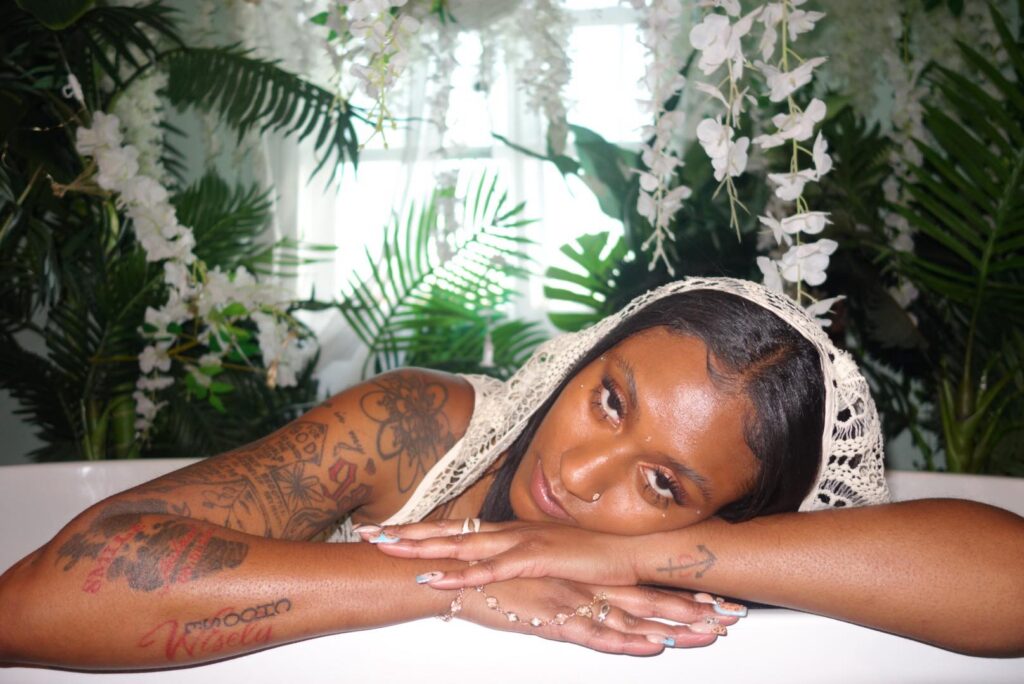
Jai In this interview, Jai opens up about the deeply personal journey behind “five eleMEnts,” exploring healing, vulnerability, and the balance of mental, emotional, physical, financial, and spiritual growth. 1. “five eleMEnts” is deeply personal. At what moment did you realize this story needed to be told through music? I realized this story needed to be told through music when I was searching for a song to connect to while I was experiencing these hardships. 2. The song centers on balancing mental, emotional, physical, financial, and spiritual elements—how did exploring these areas change your perspective on life and healing? Exploring these areas opened my eyes to the importance of focussing on myself and the inner work that needed to be accomplished in order for me to heal and move forward in life. 3. You’ve described this release as your testimony. What was the most challenging part of allowing yourself to be that vulnerable with listeners? Honestly, there wasn’t a challenge to me being vulnerable with listeners because music is my therapy and I believe that even if telling my story encourages one person to do the inner work to heal as well, that’s a job well done. 4. With no specific musical influences behind the track, how did trusting your own life experiences shape the sound and message of the single? I began writing five eleMEnts in poem form and from there I searched for a beat that matched the poem perfectly.5. You studied each of the five elements during the writing process—did one element stand out as the hardest to confront or express musically?The hardest element to express was the spiritual aspect because there are so many different interpretations on the “higher power” that I didn’t’t want to offend anyone with my truth and what I believe in, only to encourage the listeners to believe and deepen their relationship with said “higher power”. Dear Lovely’s, | Instagram, Facebook, TikTok | Linktree
Garrett Anthony Rice
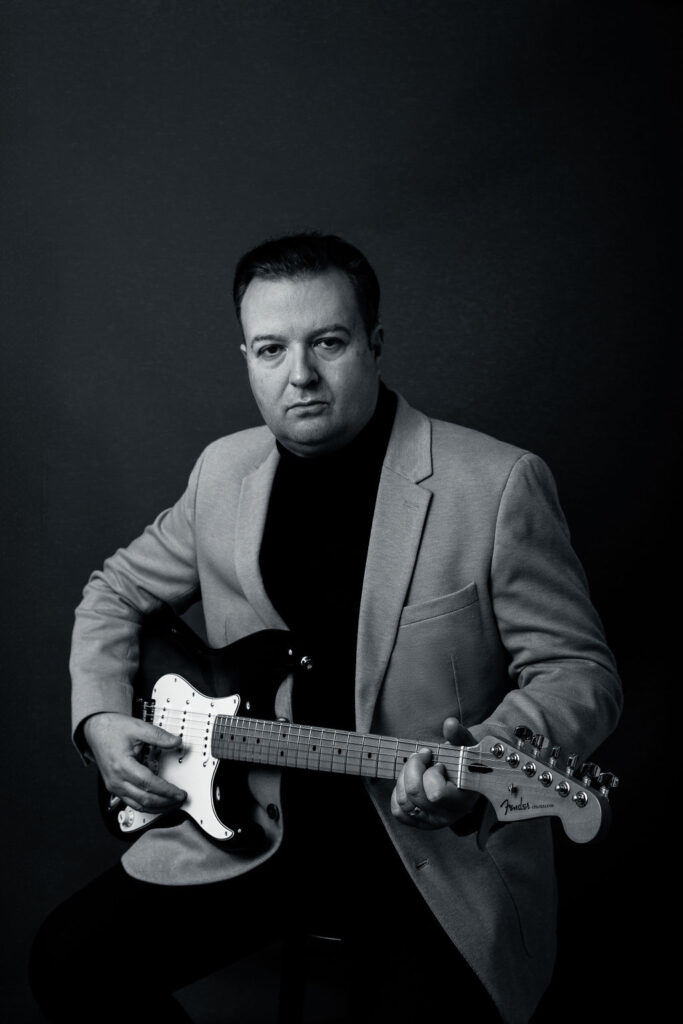
Garrett Anthony Rice Emerging from shadowy chords and psychological tension, Garrett Anthony Rice crafts “The Prisoner” as a dark, Bowie-inspired journey through shifting perspectives, atmosphere, and mystery, blending experimentation with emotional intensity. 1. “The Prisoner” is a striking and unsettling title. What first inspired the concept behind this song, and how did the narrative begin to take shape? The very first Guitar chords in the verse came first and they were dark and moody. An artistic quirk that I have is that I cannot read or write music so apart from the standard chords, I make up my own through a process of experimentation and additions or subtraction from the shape of a normal chord. The intro to the chorus sort of wrote itself and I wanted something powerful yet lighter for the chorus which I hopefully got right. 2. The track follows a dark psychological arc — from captor to captive, from confession to denial. What drew you to explore this kind of twisted perspective in your songwriting? I think Bowie said that 80% of artists don’t know what they are creating until the creative process is nearly complete. Most of my songs on this record and my new triple album “AMERICANNA Vol.1” have a theme running through the song however, because the first two chords I came up with were so dark, there had to be a brooding and shady theme. The new record has a song called “Downstream” which again is about a repeat killer. 3. You’ve cited David Bowie and Joy Division as key influences. In what ways did their artistry shape the mood and storytelling of “The Prisoner,” particularly the Bowie-esque tone reminiscent of “Ashes to Ashes”? I have always been drawn to Bowie since I was 3 or 4 years old because my Dad was a huge fan and used to hometape songs from the radio so I would listen to Bowie songs from a blank tape jumping between the eras that he created in, from Hunky Dory to Let’s Dance. Joy Division came from somewhere else in the universe, like Kraftwerk, Gary Numan, Bowie’s Low all related in time and space. 4. You worked alongside producer Chris Potter and an impressive lineup of musicians including Geoff Dugmore, Adam Philips, Chris Webb, and Tim Wills. How did their individual contributions help bring the song’s dark atmosphere to life? Chris Potter is one of the most distinctive atmospheric producers there’s ever been (The Verve’s Urban Hymns, for example) so I knew creating a sense of foreboding in the song was not going to be a problem and then you have the other geniuses all contributing their parts with undulating electric guitar by Adam Phillips, a perfect rhythm section and Tim Wills contributing effects and Tim was a huge contributor to the record generally taking on some songs voluntarily and enhancing them expertly. 5. The single was recorded between Kore Studios in London and Chris Potter’s home studio in Bournemouth. How did these recording environments influence the final sound and emotional intensity of the track? As per above, the dye was cast when I wrote the demo and explained to Chris what I wanted from the track. I tend to write everything (Lyrics and arrangements) out and we can change that if necessary during the recording process and I will send an iPhone home demo of the song on acoustic guitar to Chris to give it structure and we then strategise on a zoom call what we are going to do, the mood we are looking for and the musicians to use and their parts etc. The locations did not influence the mood that much but did give us a quiet space to experiment. 6. “The Prisoner” moves from darkness to light and back again. What do you hope listeners take away from this emotional journey when the single releases on February 23rd, 2026? I’d like to introduce a touch of mystery to songwriting which nowadays seems to be formulaic and give the listener something to think about. If you listen to the ending, I sing as a background vocal “Do you remember a guy that’s been?” A subtle nod to Bowies “Ashes to Ashes”. He is the primary reason I am a songwriter/performer in the first place and I can’t wait to tour this track and my two albums to date on the UK and Europe this year! Garrett Anthony Rice | Instagram, Facebook, TikTok | Linktree
BSP

BSP In this interview, BSP explores how synesthesia, ocean horizons, and collaboration with FREQUENCY33 shaped “Mirror” into an immersive, multisensory experience bridging introspection, sound healing, and visual performance between London and Madeira. 1. As a synesthete who translates sound into color, how did your unique perception shape the creation of MIRROR? When you were composing and performing this track, what colors, textures, or visual landscapes emerged, and how did they influence the emotional intensity of the song? I feel incredibly lucky because I can see the ocean from my house in Madeira. When Noah (FREQUENCY33) and I were composing Mirror, that’s what I was looking at most of the time. The sea, the horizon, that deep, cold blue that changes every hour. That colour stayed with me while we were writing. I kept seeing this dense, almost metallic blue, like water before a storm, calm but carrying something underneath. The production naturally followed that image. We left space because visually it felt open, reflective, and suspended. When I write, I follow what I see. The atmosphere appears first, then the emotional tone grows around it. With Mirror, the colour guided everything. 2. MIRROR feels deeply introspective, almost like standing at the edge of a life-changing decision. What personal experiences or inner reflections inspired this narrative of fear, truth, and vulnerability? It came from that very specific moment when you already know what you need to do, but you’re secretly hoping for a louder sign so you don’t have to take responsibility for it. I grew up near water, and standing on a pier has always felt symbolic to me. You’re stable, but you’re also facing depth. The water starts sounding like your thoughts. The waves repeat things you’ve been avoiding. When I wrote Mirror, I was sitting inside that feeling. The quiet realisation before anything changes on the outside. That space felt powerful enough on its own. 3. Your performances—whether in underground clubs or at institutions like the Tate Modern and the Venice Biennale—are known for their immersive, multisensory nature. How does MIRROR translate into your “canvas orchestra” live format? Live, it becomes physical. When I perform it with my canvases, the tension of the song translates into slower, more deliberate gestures. The colours are darker, more layered. The audience can see the build-up before they hear it fully. My “canvas orchestra” is about making sound visible. With Mirror, the repetition at the end almost feels like carving. Each touch activates sound, and visually, you see the persistence of the thought. It turns the internal dialogue into something shared. Mirror de BSP 4. BSP and FREQUENCY33 merge synesthetic art with sound healing. How did your collaboration evolve creatively, and how did his background in energy work influence the atmosphere of this track? I found Noah at a moment when I knew I needed someone who genuinely wanted to work with me inside Ableton. It’s the software I use live, so it matters that whoever I collaborate with understands how my set is built from the inside. He posted something in a WhatsApp group, I replied, we met once, and it just clicked. From there, things moved quickly. At one point, we were writing almost one track per day, which was slightly mad and very inspiring. We influenced each other constantly. I’d send him songs I love, and he’d bring his favourite atmospheres and textures. There was never a sense of pushing an idea through. We both adjusted, listened, and reshaped things. It felt balanced. Working with FREQUENCY33 feels very calm. There’s no rush in the process. We leave space. His background in energy work shaped the atmosphere of the track quite deeply. We paid attention to how certain frequencies sit in the body, how tones linger after they fade. We were drawn to that suspended feeling. A held breath that stays with you. 5. After spending time in London and now being based in Madeira, Portugal, how have these environments shaped your artistic identity and the emotional tone of your recent releases? London gave me an edge. It’s fast, loud, and slightly chaotic. You have to claim your space there. Madeira changes your rhythm without asking permission. There’s horizon, silence, distance. You slow down. Mirror carries both energies. There’s tension in it, but there’s also openness. Living between places reshapes the way you listen. Borders feel softer when you move between them often. 6. Released via HITMINT MUSIC, MIRROR is your second collaboration together. What does this partnership represent for your artistic journey, and what can audiences expect next from this evolving sonic and visual universe? HITMINT gives me freedom while offering guidance, and that balance is rare. There’s encouragement, trust and respect at the core of the relationship. Pamela Pagano (Music Executive) is constantly moving. Pitching for sync, coordinating promotion, looking ahead. She works relentlessly, and you can feel that she genuinely believes in the artists she works with. For most artists, that level of support feels like a dream. This partnership feels like shared growth. I’m really looking forward to the next phase of our journey together and seeing where building this world side by side will take us. There will be an EP coming out soon, but I can’t reveal too much yet! BSP world: Synesthesia, Immersive Performances, Abstract Art, Art Workshop | BSP world . Feel the colours, Hear the sounds
Exzenya

Exzenya Blending psychology, lived experience, and fearless reinvention, Exzenya opens up about patterns, power, and starting over at 56—crafting emotionally immersive music that proves growth, artistry, and evolution have no expiration date. 1.Your music blends pop, R&B, soul, and behavioral psychology into something deeply narrative and emotionally immersive. How does your academic background in psychology and conflict resolution shape the way you write about love, identity, and emotional cycles? My academic background didn’t teach me how to write songs — it taught me how to observe behavioral patterns. Behavior occurs for a reason. We don’t just “fall” into things randomly. We respond to reinforcement, to attachment styles, to unmet needs, to conditioning. Sometimes we repeat cycles. Sometimes we learn from them. Sometimes it looks like we haven’t learned at all — but repeating something doesn’t necessarily mean there wasn’t growth. Often it just means we didn’t yet understand how to recognize the signs and signals early enough. We repeat things when we don’t fully understand them. Sometimes we’re blind to the pattern until we’re already knee-deep in it. Examining those patterns helps us understand why we do what we do — and how to change it. So when I write about love, I’m not just writing about romance — I’m writing about reinforcement cycles, intermittent reward, power dynamics, identity shifts. That’s why songs like Intermittent Love or Regulator of My Dopamine exist. They’re emotional, but they’re also structured around real psychological frameworks. I’m not writing chaos. I’m writing patterns — and patterns are universal. 2. At 56, you’re redefining what a debut artist looks like — as a grandmother, global entrepreneur, and independent creative force. What mindset shifts were necessary to step fully into music without waiting for permission? At 56, this isn’t some fearless reinvention story. It’s scary. I still need validation. I still question things. When there’s negativity, I have to work to separate personal opinion from the bigger picture — from the people who do connect with the music. That’s growth for me. It’s not the absence of fear. It’s learning how to navigate it. Music isn’t rebellion for me. It’s not a midlife crisis. It’s my soul. It’s what I’ve always longed to do — especially the writing. Writing helps me understand myself. And one thing I’ve realized at this age is that if I feel something deeply, I’m not alone in it. If I think something, dream something, fantasize about something — someone else does too. We’re more universal than we think. The hard part is the risk. I’m closing down a business I’ve run for 20 years. I’m walking away from a lucrative income that I don’t fully know how I’ll replace. That’s not romantic. That’s terrifying. At 56, you’re supposed to be thinking about retirement. Instead, I’m starting over. And starting over at this age isn’t easy. There’s more at stake. More people depending on you. If you fall, it’s harder to rebuild because time isn’t as forgiving as it was when you were younger. So debuting now is both frightening and rewarding. It’s a leap of faith — not blind faith, because there are real conversations happening and real momentum building — but still a leap. I believe in myself. But belief doesn’t remove fear. It just makes you more aware of the risks at stake and provides the motivation to move anyway. 3. Your two album concepts — Story of My Life and Bar Scenes and Rumors — feel emotionally distinct yet thematically connected. What inspired you to explore both vulnerable resilience and sharp nightlife satire at the same time? Story of My Life and Bar Scenes & Rumors are two sides of the same human experience. Story of My Life lives on the inside. It explores love and lust, vulnerability, emotional and even physical captivity, attachment and detachment, psychological entanglement, trauma, stress, fear, resilience, motivation — all of it woven together. It’s about how we get pulled into cycles, how we break out of them, and how messy growth actually is. Bar Scenes & Rumors lives on the outside. It looks at what happens when those internal emotions spill into public behavior — nightlife, ego, satire, spectacle, the humor and the mistakes when too much alcohol is involved, when the party goes wrong, when someone goes wrong. It explores the devastating or embarrassing moments that can happen when things spiral — whether that’s the party, the person, or the pain underneath it all. But it’s not just about partying. It’s also about the afterparty — drinking alone because your heart is broken, trying to drown out something you don’t want to feel. It moves through all those cycles, because that’s real life. Both albums are about the ups, the downs, the ugly parts, the absurdities, the fun, the funny, the painful. They’re reflections of how human beings actually behave. And ultimately, it’s universal. We’ve all made mistakes. We’ve all had moments we wish we could rewrite. The goal isn’t to shame those moments — it’s to understand them, learn from them, and sometimes even laugh at the absurdity of being human. 4. You’ve publicly committed to 100% human-created music, with no AI or Auto-Tune involved. In an era increasingly shaped by digital tools, why was it important for you to take such a definitive stance? I’m not anti-technology. I use technology every day. AI has a place in research, administration, problem-solving — it’s a powerful tool. In music, DAWs, MIDI, loops, and standard studio editing are all normal parts of production. They’re still human-directed. They don’t replace the artist — they support the process. Where I draw the line is at replacing the human voice or the human pen. For me, the lyrics have to come from the human mind. The vocals have to come from a real throat. That matters to me. It honestly boggles my mind how far voice-altering technology can go now. There are also times when vocal effects are used artistically — tone, texture, height,
Calid
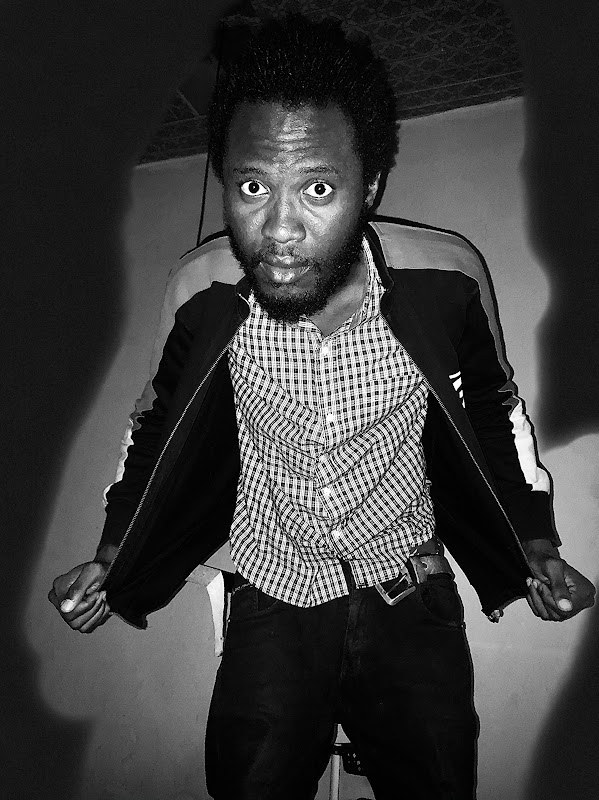
Calid Rooted in the vibrant rhythms of Lagos, Calid blends Afrobeats, pop, and soul into a fresh, globally minded sound. In this interview, he opens up about growth, influence, and ambition. 1. You’re known for blending pop, soul, funk, R&B, rap, and Afrobeats into a sound that feels both familiar and fresh. How did growing up in Lagos shape this musical fusion? Absolutely! Each morning I awaken to the rich, vibrant sounds of fuji and religious music filling the air, creating an atmosphere that inspires my creativity and sets the tone for my day. This melodic backdrop has not only enhanced my artistic expression but also instilled a profound sense of purpose in my work. As I sing each note, I feel deeply connected to the voices of the legendary pioneers who came before me like fela, Wizkid and Psquare to mention a few, whose innovative contributions have paved the way for artists like myself. Their spirit resonates in my music, fueling my passion and guiding my journey as I strive to honor their legacy through my own unique artistry. 2. Your music often balances love, heartbreak, and ambition. Do these themes come from personal experience, or are they stories you observe around you? Being at the start of my career, it is only right for everyone to know Calid’s story, sound, identity and motivation. And I believe that every element you find in my song from the words to the language and even the instrumentation is clearly things I observed as a kid, a youth then an individual who loves music. I personally hasn’t experienced heartbreak except from movies and tv shows. 3. New Chapters feels like a very personal project, touching on growth, challenges, and confidence in the music game. What chapter of your life were you in while creating this album? This EP is a powerful reflection of my life experiences and the vibrant places that have shaped me. Moving to the Lagos was a pivotal step away from the neighbourhood I grew up in and it opened my eyes to the incredible sounds of my homeland. Initially, I felt a bit shy and questioned whether my style of music would resonate with the people here. However, the overwhelming love for tracks like ‘Framed’ inspired me to fully embrace my role as a cultural bridge between Nigeria and the world, starting with the US. With trendsetters like Burna Boy, Wizkid who has a huge impact in releasing music for global audiences and recognition, I wanted same recognition for New Chapters, so that fans and listeners can clearly understand my style and the story I tend to pass across. 4. Songs like Calling and No Stressing carry uplifting, motivational energy. How important is it for you to inspire listeners while still keeping the music dance-ready? On 9 August 2024, weeks before I made ‘No Stressing’, I was listening to UK Afro fusion songs by some of the acts in the afrobeats scene like Kojo funds, Mostack, Yxng Bane and I got the idea of making a love song on an amapiano and afrobeats fusion beat. NO STRESSING came through with a very catchy beat that had a hook on it saying “I do” and I literally wrote my lyrics in the next hour. I recorded the song on FL Studio where we finished up the song. All on the same day. It is a vital step in my music to keep the listener engaged with inspiring lyrics while fusing it with solid amapiano afrobeats, which keeps the dance floor opened. 5. You’re very active online and known for using memes and interactive content to connect with fans. How do you see social media shaping the relationship between artists and their audience today? Social media allows artists to connect directly with their fans in real-time, creating a sense of intimacy and personal engagement. Instead of relying solely on traditional media or interviews, artists can now share their day-to-day life, behind-the-scenes moments, and personal stories with their audience. This authenticity helps build a loyal fanbase. For example, an artist could post rehearsal videos, snippets of new music, or casual interactions with fans to make them feel like part of the journey. Fans appreciate knowing the person behind the art, and social media is the perfect platform for that kind of transparency. 6. With singles, an EP, and a full album already out, what can fans expect next from Calid—are you entering a new sound, a new chapter, or something even bigger? There’s lots of exciting features currently in the works right now! What I’ll say is listen to the EP for now, and 2026 will be a great year. Definitely, the release of my studio album will bring me greater attention. Agor Victor (@calidofficial) • Photos et vidéos Instagram
Darrian Gerard

Darrian Gerard In this interview, Darrian Gerard opens up about the vulnerability behind “GOING THROUGH IT,” discussing self-doubt, creative independence, raw iPhone recordings, and transforming emotional chaos into an intimate, cathartic anthem. 1. “GOING THROUGH IT” lives in an emotional in-between—hope, doubt, vulnerability all overlapping. What moment or feeling first sparked this song for you? The feeling of doubt and nit-picking every little thing that was happening during that time in my life is what sparked this song for me. I didn’t even mean to start writing a song, but whenever I start to feel vulnerable or emotional, lyrics just start pouring out of me. So I opened up my notes app and started writing down lines about how I was feeling in that moment, then all of sudden I had my guitar in my hand and an entire song was written in one afternoon. 2. You wrote, recorded, played every instrument, and produced the track yourself. How does total creative control shape the way you tell emotional stories in your music?It’s honestly my favourite thing in the world. Yeah, sometimes it’s difficult and I want a second opinion on things, or for someone to come in and just make it sound amazing, but the results and feeling of accomplishment when you do everything yourself and finish it… it’s unlike any other feeling. Like yeah, I did that!! Just me!! Sometimes I think it probably hinders me a bit, but at the end of the day I get to say it’s MY music and my ideas and my thoughts getting translated into a song. My music is the most important thing to me, and I feel like I get to be the most real and most myself when I do it all. 3. The demo was created with just an acoustic guitar, your phone, and a laptop. How did that stripped-down environment influence the honesty and intimacy of the final song?When I wrote and recorded the initial demo of this song I was actually at my sister’s house without any of my producing gear. I just had my acoustic guitar, my iPhone, and my laptop. I was in an extremely emotionally vulnerable state and sometimes when I get like that I know I just have to create. It kind of all feels like a blur to be honest, I wrote the song so quickly and then knew I needed to translate it into a production so I just got right to it in my sister’s living room. By being alone and without all my production tools, I feel like it allowed me to just spill my guts and write about exactly how I was feeling. 4. You chose to keep the iPhone voice memo vocals in the finished production. What did that raw texture capture that a traditional studio take couldn’t? I just honestly loved how raw my voice sounded on my iPhone voice memo. I knew I had to keep it in there. I tried re-creating it when I actually recorded the song but it just didn’t sound as raw and real as the voice memo clip. By keeping that in there, I feel like it leaves a little piece of me in the song and just exactly how emotionally exhausted and vulnerable I was in that moment. It’s a super special piece of the song for me. 5. Lyrically, the song explores longing for clarity and realizing you might be more invested than the situation allows. Was this song more cathartic or confronting for you as a writer?I’d say a little bit of both. I tend to write about things before they’re over – maybe it’s a coping mechanism for me. When I finished writing it I went straight into the production. I remember dancing around thinking “Wow! What a tune!” and then like, reality sets in about how I’m actually feeling and why I wrote this song. It was like metaphorically the lights dimmed, my smile faded, the world slowed, the dancing stopped and I was like “wow… what a tune…” hahah. 6. With GOING THROUGH IT being highlighted at the Women In Music event in Toronto, how do you hope audiences connect with this song when they hear it live?Soooo many people go through heartbreak and hardships and just difficult times in their life and I feel like GOING THROUGH IT really captures feeling like a fool for thinking something is going to work out when you were so sure it was going to at some point. I hope the people in the crowd who might be hearing it for the first time can relate to it in a way that also helps them push through the emotional fog they may be in just like writing it did for me. Darrian Gerard
Michellar
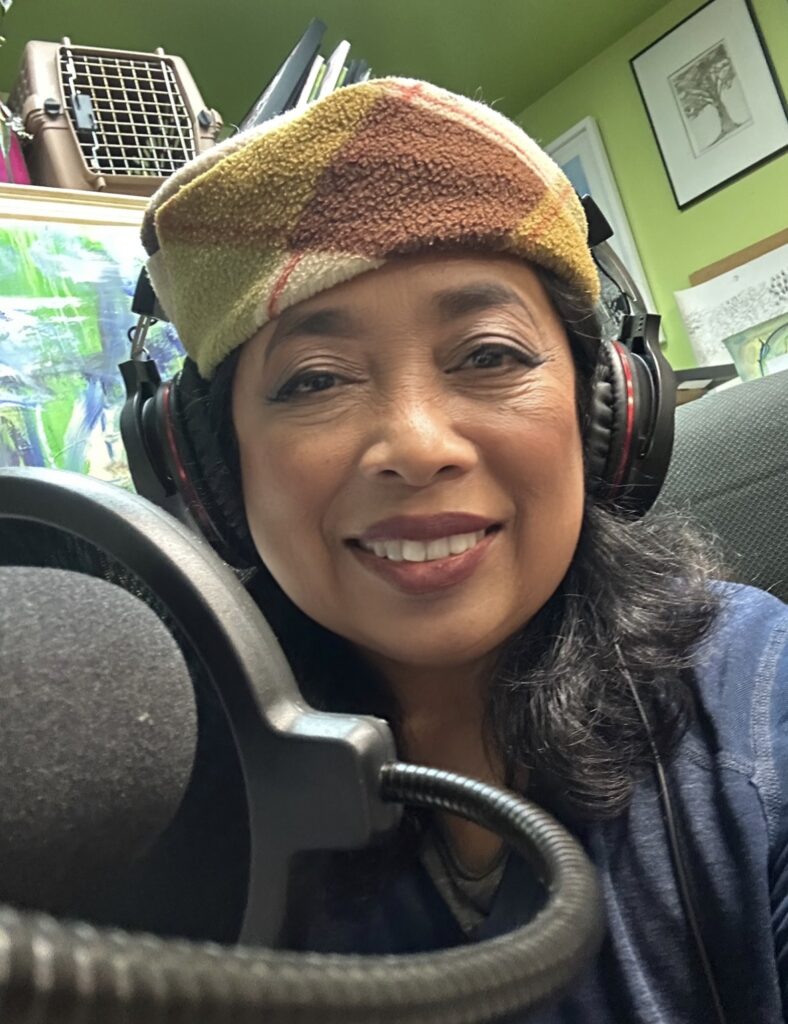
Michellar In this interview, Michellar opens up about the raw acoustic remix of “LOVE PEACE WAR,” the Ukraine war’s influence, 1960s inspirations, Homegrown, and music’s enduring power to heal and unite. 1. LOVE PEACE WAR – acoustic remix carries a very raw emotional weight. What made you choose an acoustic, stripped-back approach to express such a heavy subject? I wanted to express the message in a deeper way that will resonate with the audience. Stripping back the production lends that expression in a more impactful way. 2. The song was inspired by the early days of the Ukraine War. How did witnessing those events shape your songwriting and emotional mindset during the creation of this track? Witnessing those early days of the Ukraine war made me pause and reflect on humanity’s abilities to cause so much pain just for greed. And that at the same time we have the abilities to make that pain heal through kindness and hope that love can bring.Reflecting on the notion that we have the power to make the world a better place with Love and so many times … we fail because we hate and get greedy . Indifference also plays a big part in the way we show up in times of turmoil and distress. But with Hope within us… we find a way to cope and redeem ourselves. These polarities in humanity make our lives complicated just like in LOVE, PEACE and WAR. 3. You’ve cited Bob Dylan and the spirit of 1960s music as key influences. What draws you to that era, and how do you reinterpret its message for today’s world? The 60’s was a time where changes in society were shaped by war. The resistance and movement then is similar to what we are experiencing in today’s worlds.I wanted to remind people that we can do the same today … to reflect on the lives affected by such wars and learn to hope and heal from the turmoil if only we spread LOVE so that we can create Peace in ourselves and our lives. 4. This release serves as the opening chapter of your upcoming EP Homegrown. How does this song set the tone for the rest of the project? The tone is raw and upfront in this release. The EP Homegrown will also be acoustically driven , raw in tone and will cary different messages about the world we live in. 5. Working closely with producer Robi Bean seems central to this recording. How did that in-studio collaboration influence the final vocal delivery and pacing of the song? We both felt that the message of this song is central to the vocal delivery and pacing of this song. Although it is stripped back… finding the balance to sing the lyrics and melody in a way that the listeners can be engaged in a such a heavy subject , is what Robi expressed to me when I recorded the vocals. There was a lot of collaboration going on in the studio as to The way the song was sung. He had a vision and I followed every step of it . 6. Your music often explores the balance between love, peace, and conflict. As an artist, what role do you believe music can play in preserving hope during turbulent times? As an artist, I hope to be someone who canWrite and express complex emotions and realities we face in today’s world. We have a lot happening that is hard to understand and I hope to bring some clarity to those thoughts and emotions through my songwriting.Music unites people in ways more powerfully than any other art form. Music can heal and make us reflect on the ways we live our lives. I hope to be a conduit that carries those stories that need telling through music .. in hopes that people can remember how love and make peace is so important in our lives. Michellar | michelle bond music
Mogipbob
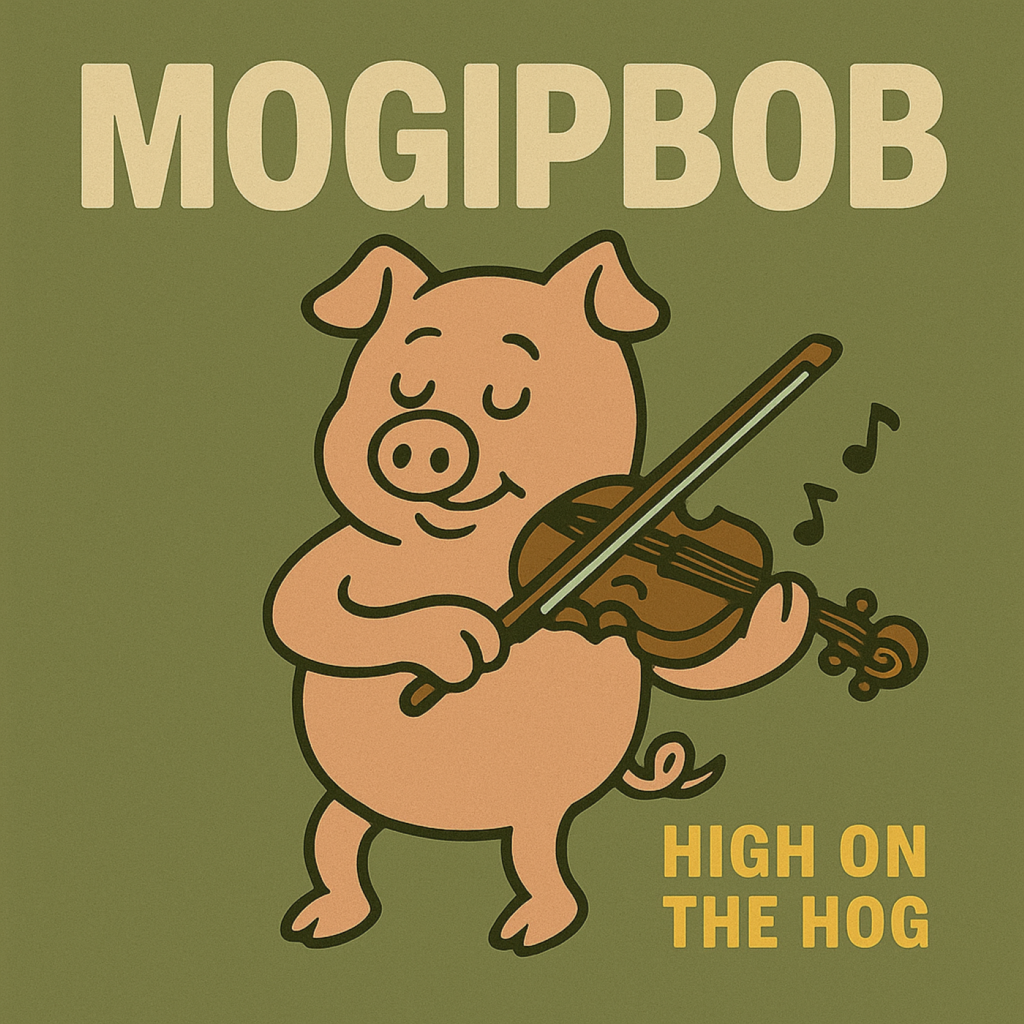
Mogipbob On High on the Hog, Mogipbob turns Alberta’s everyday routines into humorous stories, blending folk, country, and retro grooves while inviting listeners to slow down and notice life’s quiet details. 1. High on the Hog feels very lived-in, like snapshots of work, routine, and small-town moments. How much of this album comes directly from your own daily life in Alberta, and how do you decide which moments are “song-worthy”? A lot of it comes straight from everyday life in Alberta. I am drawn to ordinary moments that feel real and familiar. A quick conversation, a routine job, or something small that lingers longer than expected. Those are usually the moments that become songs. If something makes me pause and think “that’s a story,” it is probably song worthy. I like capturing life as it is lived, not just the highlight reel. 2. The record blends folk and country storytelling with hints of 70s pop and funk. Were those influences intentional from the start, or did they naturally creep in as the songs took shape? The storytelling side was intentional from the beginning, but the mix of folk, country, and those 70s pop and funk flavors happened pretty naturally. I grew up around a wide range of music, so when I started shaping these songs, different influences just showed up where they fit. Some songs wanted a warm, simple feel. Others needed a bit more groove. I mostly followed what felt right for the story. 3. Humor plays a big role on the album, even when the themes turn reflective. What does humor allow you to say in your songwriting that straight seriousness might not? Humor makes things more human. Life can be reflective and serious, but it is also awkward and funny at the same time. Humor lets you talk about real experiences without sounding heavy handed. It opens the door for people to connect with the message in a more natural way. Sometimes a small smile helps a line land a little deeper. High on the Hog de Mogipbob 4. You wrote all the songs yourself but used AI tools for the music and vocals. How did that process change the way you approached melody, structure, or experimentation compared to working with traditional musicians? Using AI tools changed the process in a good way. It gave me the freedom to experiment with melody and structure without worrying about time, budget, or logistics. More importantly, it is allowing my stories to be heard. The songwriting still starts with the same ideas and emotions, but the tools help bring those ideas to life in a way that might not have been possible otherwise. 5. There’s a strong conversational voice running through the album, almost like you’re talking directly to the listener. Do you picture a specific audience when you write, or are these songs mainly conversations with yourself? The conversational tone is pretty natural for me because that is how the songs begin. It often feels like I am talking something through out loud. I am not picturing a specific audience so much as imagining someone sitting nearby and listening. The songs are personal, but they are meant to feel shared. 6. High on the Hog doesn’t feel rushed or trend-chasing—it invites listeners to slow down. What do you hope people take away from the album after sitting with it from start to finish? I hope people finish the album feeling like they spent time somewhere real. It is meant to be taken in at a steady pace rather than rushed. If someone walks away noticing the small details in their own life a little more, that would mean a lot to me. The album is really about slowing down and appreciating the ordinary moments that make up most of life. Mogipbob