
Fish-Head da Solista
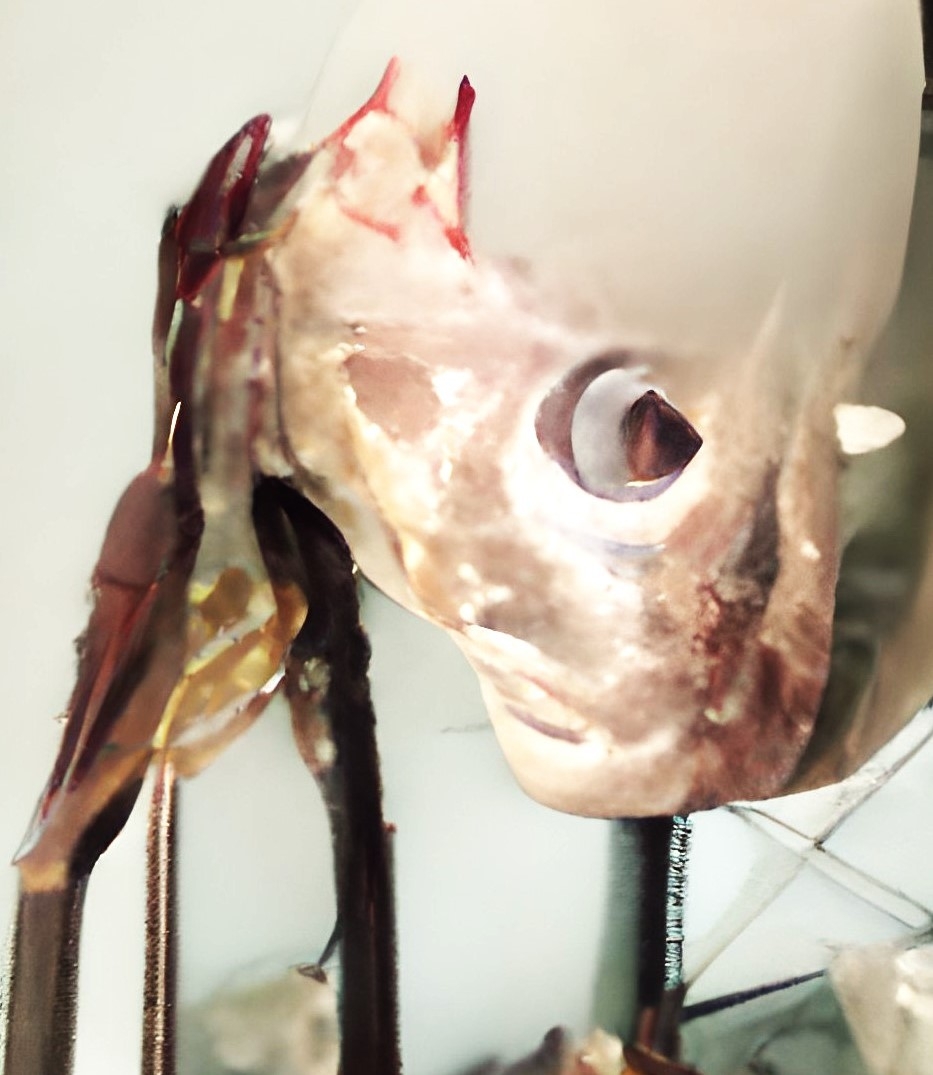
In this interview, Sicilian artist Fish-Head da Solista opens up about “Lo spreco, il peccato, la perdita,” revealing the intimate emotions, experimental choices, and personal reflections that shaped this deeply vulnerable song.
1. “Lo spreco, il peccato, la perdita” is a deeply intimate song. What moment or personal experience first inspired you to translate this emotional journey into music?
The song is about a tormented love relationship with a woman. I started writing it after one of our first dates, when I was excited and hopeful. Then things got worse, and the way the song narrative unfolds reflects this change. She suddenly became more and more distant, in contrast with the first weeks when she seemed totally affectionate. I tried to talk to her and to understand what it was that I’d done to spoil everything. Soon I understood that there was no point trying to get answers from her — my only option was trying and expressing my emotions in the song.
2. The lyrics are rich with sensory imagery—like “the unforgettable taste of your kisses by the sea.” How do you approach weaving such poetic details into your songwriting?
I don’t feel 100% comfortable about putting these details in a song. I mean, this is actually and genuinely what I felt at that time, but I suspect people (if they’re listening to my song at all) don’t really want to know about these things, I mean, actual physical intimacy and stuff like that. But writing about these moments keeps you attached to them, helps keep the memory of these feelings fixed and bound to the lyrics. Songwriting is a cure against oblivion.
3. You’ve described the track as capturing both pain and hope. Which of these emotions was harder for you to express openly through your voice and production?
Obviously it was more difficult to admit I still had some hope. Towards the end of the song I say “despite all this, I still want to make an effort, I already feel knackered and depressed, but I am not afraid of your fake indifference”. I mean, this was me ultimately admitting that I was totally lost for her, that I craved the chance of making an effort again to revive the relationship. I wrote and rewrote those lines a few times — at the beginning the lines were like “I want to be out of this asap” but at the end I chose to be honest about my feelings.
4. The song’s freeform structure breaks away from strict conventions. Why was it important for this piece to feel raw and unpolished, and how does that reflect your artistic identity?
My background includes experimental/avant-garde music, electroacoustic composition, live electronics… compared to these genres, the structure of this particular song might even appear conventional — after all it’s based on an obvious verse+chorus+bridge structure that is repeated for three times… yet I tried to use dissonance and other effects in order to spice things up and enhance the feelings of despair, abandonment and bewilderment that are attached to the lyrics. And yes, I think this fully reflects my artistic identity, I’d say I’m quite happy with how this song sounds — obviously I need to acknowledge the great work of Arthur Miúda on the electric bass, it makes everything sound so much better.
5. As a Sicilian artist based abroad, how does distance—from your roots, your memories, or your cultural background—influence the way you write about loss and personal stories?
I’d say distance influences this type of writing a lot. At some point the song kind of stops being about this romantic relationship and starts exploring things like death, memory, etc. I guess distance is also cultural — part of what the song is about is, at the end of the day, an insurmountable difference in terms of our cultural understanding of what a love relationship is and how it should be handled. And I’m aware I might sound intense and weird to people: after all I was just seeing someone for a while and things didn’t work out, and I should probably just stop making a fuss out of that, and so forth… but then that wouldn’t quite be the way I feel about things, and I take full responsibility for being a bit of a weirdo.
6. What do you hope listeners take away from this song when they confront their own experiences of heartbreak, regret, or healing?
I don’t really know. I think it’d be great if this resonated with people’s feelings and experiences, but this is never what I try to achieve when I write a song. I want lyrics to tell a specific story, and this story is usually quite personal and there are often specific details that make it my story. This song is not about a universal, generic relationship, and is not necessarily about “transferrable” feelings and experiences.
Fish-Head da Solista (@fish.head.da.solista) • Photos et vidéos Instagram