
Joe Nilson
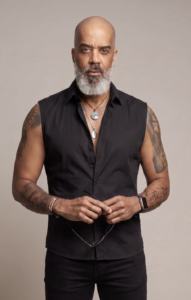
Dominican songwriter Joe Nilson discusses his musical journey, emotional storytelling, AI-assisted music, and latest salsa single “Quién Será?”, exploring love, heartbreak, authenticity, and creative freedom.
1. Hello Joe, and welcome to The Interviewist! Can you tell us a little about yourself, your musical background, and what first inspired you to become a singer?
I’m a Dominican songwriter based in New York City, and I’ve been writing songs for more than 30 years. For most of that time, my compositions remained unheard. My dream was that one day an artist would listen to one of my songs, connect with its story, and want to record it. I never originally imagined myself becoming the singer of my own music.
That began to change when I discovered that AI music tools could help bring my compositions to life. I could provide a recording of myself singing a song and use technology to develop a musical version of it. But I also realized that some listeners were reluctant to give a song a chance simply because AI had been involved. In some cases, people dismissed the music before listening to the lyrics, even though the stories and emotions behind them were my own.
That experience encouraged me to record my songs with my own voice. I didn’t set out to become a singer for the sake of being in the spotlight. I wanted my lyrics to be heard, and singing them myself became another way to make that possible.
2. You were born in the Dominican Republic and are now based in New York City. How have these two places influenced your musical identity and the way you approach your music?
My Dominican roots are an essential part of who I am, both personally and musically. Growing up in the Dominican Republic surrounded me with Caribbean rhythms, melodies, and traditions that continue to influence my songwriting today. Whether I’m creating salsa, bachata, merengue, or exploring a completely different genre, there’s almost always something in my music that connects me to where I come from.
New York City, on the other hand, has broadened my musical perspective. Living in such a culturally diverse city has exposed me to different sounds, languages, and artistic expressions. That influence has encouraged me to experiment beyond traditional Latin genres, sometimes even combining Spanish and English within the same composition.
I don’t see these two influences as competing with each other. Quite the opposite. The Dominican Republic gave me my musical roots, while New York has shown me how many different directions those roots can grow.
For me, musical identity isn’t about limiting yourself to one rhythm or style. It’s about remaining true to who you are while allowing yourself the freedom to explore, evolve, and create without borders.
3. Your latest single, “Quién Será?”, explores the romantic side of salsa. What inspired you to write this song, and is there a personal story behind it?
Almost all of my songs have a personal story behind them, whether it’s something I’ve experienced myself or something that has touched me through the experiences of people close to me.
“Quién Será?” was inspired by a conversation with one of my best friends. For a long time, he had been reluctant to get involved in a romantic relationship, always offering reasons that, to me, sounded more like excuses than genuine explanations.
But one night, after a few drinks – or as we Dominicans would say, con un jumo – he finally opened up and told me the real reason behind his reluctance.
Despite everything he had been saying, his heart still belonged to someone from his past, someone who had hurt him deeply.
That conversation stayed with me. It made me think about how difficult it can be to open your heart to someone new when your feelings are still tied to a person who caused you pain.
And that’s how “Quién Será?” was born: from a real conversation, an unexpected confession, and the realization that sometimes the greatest obstacle to finding new love is a heart that hasn’t completely let go of the past.
4. The song combines emotional vocals with the infectious rhythms of traditional salsa romántica. How did you approach the recording process, and what kind of atmosphere were you hoping to create?
One of the comments I received from a music curator was that my vocal performance lacked some of the power traditionally associated with salsa. I respect that opinion, but I see my role as an artist a little differently.
I don’t consider myself a great singer. I’m a songwriter who can sing and stay in tune, and what matters most to me is being able to communicate the emotions behind my lyrics.
During the recording of “Quién Será?”, we had to do several takes because there were moments when I felt I wasn’t conveying exactly what I wanted the listener to feel. It wasn’t necessarily about hitting a note better or singing with more power. It was about finding the right emotional expression.
I wanted the song to have the rhythm and warmth of romantic salsa, but without sacrificing the intimacy of the story. For me, not every emotion needs to be expressed with a powerful voice. Sometimes a softer, more restrained interpretation can communicate much more.
My goal isn’t for people to listen to my music and think, “What an incredible singer.” What I truly hope is that they listen to the lyrics, connect with the story, and feel something.
At the end of the day, I would rather be remembered as a songwriter who made someone feel an emotion than as a singer who simply impressed them with his voice.
5. Salsa romántica has a rich history and has produced many legendary artists. Which singers or musicians have influenced you the most, and what have you learned from them?
Ironically, I’m not particularly a big fan of salsa, even though I’ve written and recorded a romantic salsa song. But when I listen to music, I don’t pay as much attention to the genre or rhythm as I do to the story and emotions behind the lyrics.
There are two artists I particularly admire, each for a different reason.
The first is Rubén Blades, because of the substance and storytelling in his lyrics. I admire his ability to turn a song into something much more than entertainment, giving listeners a story that makes them think, reflect, or connect with the experiences of others.
The second is Marc Anthony, because of the way he interprets his songs. When I listen to him, I genuinely feel as though he’s living every word he’s singing. There’s an emotional intensity in his performances that goes beyond vocal technique.
I think those two qualities represent what I value most in music: meaningful lyrics and an interpretation that makes the listener believe in the emotions being expressed.
As a songwriter who is now singing his own compositions, those are the qualities I hope to bring to my music, regardless of the genre.
6. Your previous release, “Cuando despiertes con él,” also explored romantic themes. How would you compare that song with “Quién Será?”, and what do you feel has changed in your music between these two releases?
One of the most interesting things about releasing “Cuando despiertes con él” was discovering how differently listeners interpreted its message.
Many reviewers heard it as a song about hope and the possibility of a lost love returning. I found that interpretation interesting because my intention as the songwriter was quite different.
To me, the song is about closure. It’s about recognizing that someone may eventually realize what they lost, but by then the opportunity to return has already passed.
“Quién Será?”, on the other hand, genuinely explores hope and emotional healing.
I believe that’s one of the beautiful things about music: a listener can find a meaning in a song that differs from the songwriter’s original intention. As a songwriter, I also want each song to tell its own story rather than repeat the same idea in different words.
As for my artistic evolution, I don’t feel that my music has changed significantly between these releases. What has changed is my confidence. I entered the studio for my first single feeling insecure, but when I recorded “Quién Será?”, I felt more comfortable and had a clearer understanding of the emotions I wanted to communicate.
7. Your music moves between salsa, bachata, and romantic ballads. What attracts you to these different styles, and how do you decide which musical direction best suits a particular song?
I don’t usually limit a composition to one musical genre. With a few exceptions, I like to experiment with almost every rhythm that comes to mind, whether it’s salsa, bachata, a romantic ballad, or something completely different.
You might assume that a ballad would be the most natural choice for a love song because of its ability to convey emotion. But I’ve discovered that the same lyrics can take on a completely different emotional character depending on the musical arrangement.
What ultimately determines my choice isn’t the genre itself, or even how commercially appealing the song might be. It’s how I feel when I’m singing it.
When I’m rehearsing a song in a particular style and suddenly get goosebumps, that’s usually the moment I know I’ve found the right direction.
It doesn’t matter to me if that rhythm is less popular or less commercially viable. If the music makes me genuinely feel the emotions behind my own lyrics, that’s the version I want to record.
For me, the right musical arrangement isn’t necessarily the one that sounds the most impressive. It’s the one that allows me to connect most deeply with the story I’m telling.
8. Your press release emphasizes sincerity and emotional expression over technical perfection. What does authenticity mean to you as a singer, and how do you make sure your listeners can genuinely feel the emotions behind your performances?
I don’t believe it’s possible to guarantee that listeners will feel the emotions I’m trying to convey. We all react differently to music, words, and emotional experiences. A song that deeply moves one person might not have the same effect on someone else, and I completely understand that.
What I can do is make sure that the words coming out of my mouth carry genuine emotion. When I sing, I try to connect with the meaning of every phrase rather than simply deliver a technically correct vocal performance.
For me, authenticity as a singer means bringing something personal to every song I interpret. It means allowing my own personality, sensitivity, and limitations to become part of the performance.
I have no interest in trying to sound like another singer simply because that artist is popular or successful. Nor do I believe in forcing myself to reach notes outside my natural vocal range just to impress an audience.
I would rather sing a simple phrase in a way that feels honest and personal than attempt an impressive vocal performance that doesn’t reflect who I am.
Ultimately, I can’t control what someone else will feel when listening to my music. But I can control the sincerity with which I deliver it. And for me, that’s where authenticity begins.
9. New York has a vibrant Latin music scene with artists from many different backgrounds. What has your experience been like as a Dominican musician building a career there, and what challenges have you faced along the way?
My journey as an independent artist has come with several challenges, and I would say three stand out in particular.
The first has been the rejection of music produced with artificial intelligence. As I’ve mentioned before, I never originally intended to become a singer. My goal was to introduce people to my compositions, not necessarily to my voice.
AI gave me the opportunity to bring songs I had written over many years to life, but I soon discovered that some people were unwilling to listen simply because AI had been involved in the production.
Sometimes, the technology seemed to matter more to them than the lyrics or the story behind the song.
The second challenge is something many independent artists experience: trying to build a musical career without having someone to guide you through the industry.
I’ve had to learn a great deal on my own, researching information, listening to podcasts about the music business, and gradually understanding how things work. There are so many aspects beyond writing and recording a song, and navigating them without professional guidance can be overwhelming.
The third challenge, which is closely connected to the second, is reaching the right audience.
Creating music is one thing, but finding listeners who genuinely connect with your style, your language, and the stories you want to tell is another challenge entirely.
Being based in New York offers the possibility of reaching a culturally diverse audience, but that doesn’t automatically make it easier to find the people who will appreciate your music.
I’m still learning, making mistakes, and discovering what works. But every step teaches me something, and I believe that being an independent artist also means having the patience and determination to keep moving forward, even when you have to figure things out for yourself.
10. With streaming platforms and social media playing such an important role in today’s music industry, how do you approach promoting your music and connecting with listeners, especially those discovering your songs for the first time?
To introduce my music to new audiences, I use promotional platforms such as Musosoup, Artymind, and Groover, along with social media, primarily Instagram, Facebook, and TikTok. I also share my work through my two channels, Joe Nilson Oficial and NL Latin Music.
However, I believe there’s an important difference between promoting music and genuinely connecting with an audience.
Promotion helps people discover that your music exists. Connection is something that happens afterward, and it’s much more personal.
My approach to building that connection is to offer a diverse musical proposal rather than limiting myself to a single genre. I want listeners to discover different rhythms and styles while still recognizing something consistent in my work: original compositions that explore human emotions and situations we can all relate to.
Whether I’m writing about love, heartbreak, healing, or personal experiences, my intention is to tell stories that listeners might recognize as part of their own lives.
I understand that not every song will appeal to everyone, especially when an artist moves between different musical styles. But I would rather remain faithful to my creative instincts than restrict myself to one genre simply because it might be easier to market.
Ultimately, my goal isn’t just to attract listeners to one particular song. It’s to give them a reason to become interested in the stories I have yet to tell.
11. Looking ahead, are you currently working on more singles, a full-length album, or perhaps some live performances? What can your fans expect from Joe Nilson in the coming months?
I currently have enough original material to release one album, perhaps even two. However, I prefer to grow gradually as an artist rather than release everything at once. With the support of music publications like yours, I hope to reach a wider audience that can discover and connect with my work.
My plan is to continue writing and, whenever possible, release one new single each month. I’d also love to share an exclusive preview of my upcoming plans with The Interviewist. My tentative release schedule is:
December 2026: “No negocio mi paz” – acoustic ballad.
January 2027: “Amor prohibido” – romantic bachata.
February 2027: “El Niño y Yo” – salsa.
March 2027: “Y si se nos muere el amor” – acoustic ballad.
These dates are not set in stone and may change depending on how things develop. The musical arrangements for all four songs are already prepared, and they’re ready to be taken into the recording studio. Meanwhile, I’m working on the arrangements for future releases.
As for live performances, that’s not something I’ve seriously considered yet. I’d rather allow my artistic journey to develop naturally and see where it takes me.
For now, my priority is to keep creating, recording, and introducing my music to new listeners.
12. Finally, what message would you like to share with everyone who has supported your musical journey so far, and what would you say to someone about to listen to “Quién Será?” for the very first time?
My message is simply one of gratitude.
I want to sincerely thank everyone who has taken the time to listen to my music, share it with others, and offer feedback, whether positive or negative.
I appreciate both, because every opinion gives me an opportunity to learn, reflect, and continue growing as an artist.
And to someone who is about to listen to “Quién Será?” for the first time, I would say something very simple:
Close your eyes and do what I often do when I listen to music. Create a movie in your mind using the words and phrases of the song. Imagine the characters, their emotions, and the story unfolding as the music plays.
I believe that if you allow yourself to experience the song that way, you’ll understand its essence, even if you’ve never personally been through a situation like the one it describes.
Because sometimes, you don’t have to live a story to be able to feel it.