MAZZARA
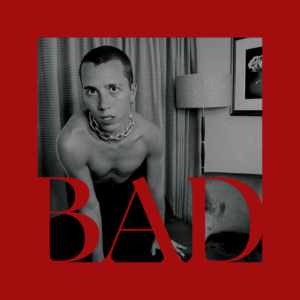
In this interview, MAZZARA discusses “BAD,” blending nostalgic pop influences, sensual experimentation, and queer self-liberation while embracing imperfection, creative freedom, and the power of authentic self-expression.
1. “BAD” was inspired by a spontaneous moment while you were getting ready for a date, with the melody coming to you in the shower and lyrics taking shape during your tube ride. How did this unexpected experience evolve into a complete song, and what made you feel it was a story worth telling?
So, the song started in that moment, but the spark actually hit me a few days earlier after a flirt I had at my local community bath sauna, here in London. And you know when you catch a vibe with someone and suddenly, they’re all you can think about or fantasize about? Right, the song is basically a sexual fantasy but what makes it truly special to me is a deeper, almost subliminal layer, because you only notice it if you pay close attention. It’s in the whispers and the spoken bits and the breaths and how the production evolves. It’s an expression of releasing innocence to welcome pleasure. Which is a story that I think many queer people can relate to, or really anyone who grew up projecting an archetype of themselves that they thought other people wanted them to be (like the “goody-goody”). It’s about stepping out of who you thought you were supposed to be and reclaiming pleasure, cause pleasure is magic.
2. Your music draws inspiration from early 2000s pop icons like Britney Spears and Justin Timberlake, while incorporating Ariana Grande-inspired vocal layering and riffs. How do you balance these nostalgic influences with your own contemporary sound, and what elements of your musical identity do you most want listeners to recognize?
That’s a really good question. I guess what truly connects my music to icons like Britney or Ariana is ultimately the underlying themes of pleasure and self-liberation and empowerment. That’s what’s it all about for me in the end. I feel like it’s almost inevitable for my sound to have a mixture of nostalgic and contemporary vibes. My music is an expression of myself, my visions, my story and having grown up between the early 2000s and 2010s, those influences are naturally in my DNA. But I’m not interested in my music just being a cheap copy of those artists. The influences will naturally be there, but it’ll be a mixture of my internal identity rather than an expression of theirs, if that makes sense. So what I hope listeners recognize in my music is, sure the harmonies and the riffs and the breaths, but ultimately a personal story of liberation.
3. You describe “BAD” as a song about shedding innocence and breaking free from the expectations others place on you, particularly in relation to queer experiences and sexuality. What does reclaiming desire and self-expression mean to you personally, and how did you translate these ideas into the song’s lyrics and atmosphere?
For me personally, reclaiming desire and self-expression means giving myself permission to unlearn shame. And I think that anyone who grows up queer or just grows up under the pressure of having to fit a safe and agreeable archetype (like the goody-goody I mentioned earlier), you’re somewhat conditioned to sanitize your desires to keep others comfortable. So reclaiming that is about refusing to hide or ask for permission to own your authentic self. And desire is an aspect of it. And it’s never something to hide. So in BAD I kind of really wanted to express that internal shift tangibly in the atmosphere. Starting with the spoken bit in the intro, sounding almost angelical with the harmonies, and then letting go of it to welcome a more chaotic climax at the end. It’s in the whispers that add to the storytelling and the breaths and again that final climax where it feels like everything is happening at once. My intention was to utilize the vocal production and overall song development to track that journey of moving from a hidden, almost hesitant “I don’t know if i should want this” vibe, to instead taking up space without apology.
4. Working with producer Kevin Shoemaker gave you the freedom to experiment with whispered vocals, sensual breaths, falsetto runs, and even beatboxing. How did this collaborative relationship influence the final sound of “BAD,” and how important is it for you to feel completely free and understood in the studio?
I adore working with Kevin. Not only is he an absolute talent, but he really makes sure that I feel comfortable and for me that’s very important to be in a space where my authenticity and sometimes extravagant ideas are welcomed. When you’re making music that deals with intimacy and desire and unlearning shame, you can’t be holding back. So for me that’s everything. He created an environment where there was zero judgement, was super open and chill and also he gets the vision. So I trusted him and felt comfortable taking those vulnerable risks. I guess not everybody would be willing to have you moan and aggressively breathe in your ears for hours. And I get that, but I’m very grateful for this collaboration.
5. Alongside your music career, you regularly perform cabaret and support East London’s independent venues and queer artistic community. How do these theatrical performances influence your approach to songwriting and stage presence, and what role do you believe independent creative spaces play in helping artists express their authentic selves?
Cabaret is very much about self-expression and freedom, so it offers an amazing opportunity to explore how that feels. I love being on stage and especially the cabaret setting is so warm and welcoming. It’s about creating a connection with the audience, whether it be a joke or a flirt or a heartfelt moment. It’s a great room to be in when you want to make music that feels intimate and powerful. And I think those spaces definitely influence my attitude on stage by giving me permission to do whatever I want, be it a choreo or a funny bit or a crazy outfit. It also directly influences my songwriting cause I always write feeling like I’m on stage, it’s almost a visualization practice. But in terms of the impact of independent creative spaces, like I said, I think they are vital incubators for raw authenticity. They give artists, and especially queer artists, the safety to take risks and experiment and express things in a way that maybe others spaces might try to sanitize. Without those venues, so many of us may not necessarily find the freedom or confidence to show up as our full authentic selves.
6. You’ve said that you’re no longer aiming for 100% perfection, but have found your current sweet spot somewhere between 70% and 80%, embracing the mistakes and imperfections along the way. How has this philosophy changed your relationship with your music and your artistic ambitions, and what would you like to explore or achieve next as MAZZARA?
Screw perfection. I’m done with that sh*t. It never gets you anywhere, it keeps you stuck. I obviously want the things that I do to sound good but when something is overly polished, you remove the human of it. And especially in an era where there is so much AI-generated content, it almost feels like a revolution to keep things at a low perfection level. I want my music to sound good, but if I keep chasing 100%, I would be moving from a place of lack and I wouldn’t be releasing music. Giving myself that 70-80%, keeps me satisfied and committed and humble. Now, what’s next for MAZZARA? Hopefully a lot more music. The more I do it, the more I want to do it, and the more I connect to a sense of purpose. I want music to be a space for me to empower people, to make people connect to their desires and to liberate all of us from our own mental slavery. Definitely stay tuned!