
TaniA Kyllikki
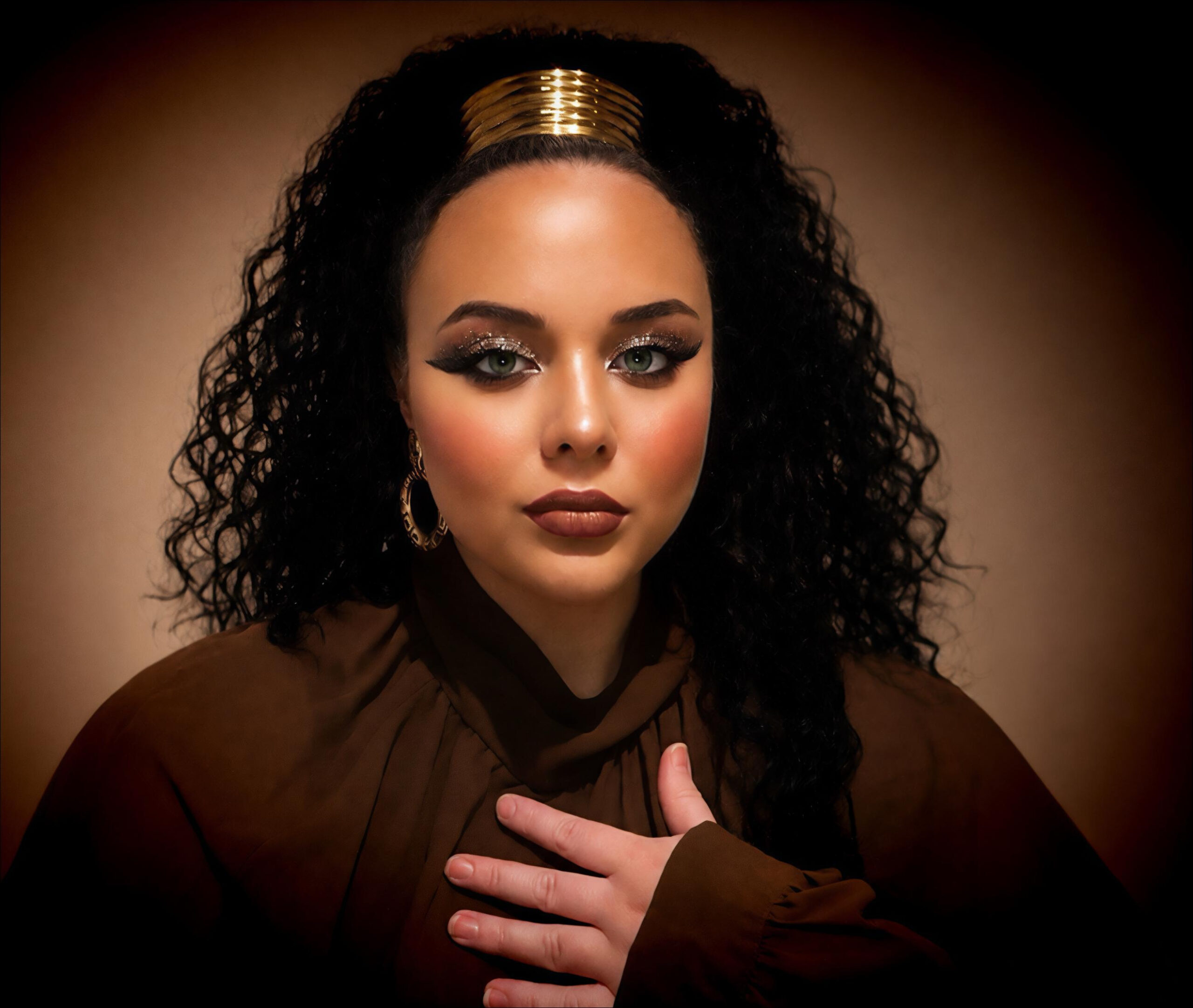
TaniA Kyllikki opens up about “HUMAN,” creative freedom, resilience, genre-bending music, and the deeply personal journey behind her forthcoming album FREE-SPIRITED.
1. “HUMAN” began with a Facebook post about the hostility and division you were witnessing online, which unexpectedly turned into a song. What was happening emotionally for you in that moment, and what made you realize those words needed to become music?
As a deeply sensitive person, I absorb the energy of the world around me, sometimes to a fault. That day, looking at social media, the weight of the hostility and division online felt heavy on my chest. It felt like we were collective miles apart, treating each other like text on a screen instead of living, breathing souls with feelings. My Facebook post was just a raw, unfiltered cry from my heart, asking why we’ve become so quick to judge and so slow to love.
When I read the words back, I realized they were already vibrating with a rhythm. Standard text can be read with a cold or defensive tone, but music? Music bypasses the ego entirely. I knew it had to be a song because when you wrap a message in a melody, it speaks directly to the soul. I wanted to channel that heavy energy I was feeling and transform it into something beautiful and healing that could pull people back together.
2. You and Rynellton created “HUMAN” in your bedroom, combining your gospel-soul vocal approach and five-octave range with his techno-house production. What was the creative conversation between you like when you first proposed such an unconventional combination, and when did you both realize it was actually working?
My husband Rynellton (Garry D. Hairston) and I have this beautiful, unspoken musical language, but when the idea came up to merge my organic, gospel-soul vocal arrangements with his sharp, electronic techno-house production, it definitely sparked a fascinating conversation! It wasn’t about trying to be clever or gimmicky; it was about emotion. I told him, “I want this song to move people physically, like a heartbeat on a dancefloor, but I need the vocals to feel like a warm, comforting hug.
The magic happened right there in our bedroom studio. When Rynellton, dropped those driving electronic beats and we began layering my vocal harmonies over them, something incredible happened. The coldness you sometimes associate with electronic music completely melted away. My soulful delivery gave the track a living, breathing pulse, and his production gave my voice a massive canvas to soar across. We just looked at each other and knew, we had captured a beautiful paradox, a new hybrid where two entirely different worlds became one.
3. The chorus asks, “What does it mean to be human? How can we live in harmony?” rather than giving the listener a direct answer. Why was it important to you to ask questions instead of turning the song into a straightforward statement or message?
I think the last thing the world needs right now is another voice pointing a finger or acting like they have all the answers. The moment you make a definitive statement, you inadvertently create an “us versus them” dynamic. I didn’t want to preach; I wanted to connect us all globally in nothing but pure love and understanding of each other.
By asking questions like, “What does it mean to be human?”, I’m inviting people from all walks of life to sit beside me in reflection. I want them to look into their own hearts and find their own answers. It’s an invitation to remember our shared vulnerability. When we ask questions together, we open up a dialogue rooted in empathy, and that is where true healing and harmony actually begin.
4. Your music has never stayed inside one genre, moving through soul, pop, R&B, hip-hop, funk and electronic sounds. What attracts you to crossing musical boundaries, and do you see genre as something artists should respect, or something they should feel free to completely ignore?
Human emotions don’t live in a single box, so I’ve never understood why music should. My sensitivity means I experience life in vast, shifting colors, some days feel like a quiet, vulnerable R&B, Soul ballad, or a stunning classical piece, and other days I demand the fierce, triumphant energy of pop, funk, or electronic house. Crossing boundaries isn’t a conscious choice for me; it’s just me being authentic to whatever energy I am processing at the time. Then releasing that energy back into the world.
I’ve stayed true to myself as an artist since day one and that won’t ever change. I think genres have beautiful, rich histories that we should appreciate, but they shouldn’t become cages for an artist either. Music is the language of the soul, and the soul doesn’t have borders. Artists should feel entirely free to step outside those lines. When we ignore traditional labels, we give ourselves permission to be fully human and fully honest.
5. Your independent creative journey has required extraordinary determination, including adapting your recording process around circumstances that make conventional studio work difficult. How has creating music under those conditions changed the way you approach your voice, songwriting and creativity?
It’s a deeply humbling experience that has completely stripped away my ego and taught me the true meaning of resilience. When you are dealing with chronic health flare-ups, you simply don’t have the luxury of waiting for the “perfect” day or a pristine, high-tech studio environment. There are times I’ve had to track vocals from a place of intense physical weakness, right from my bed.
So many individuals around the world suffer daily with chronic illnesses, and I know firsthand how heavily that takes a toll on a person’s mental and physical health. It is so easy to start feeling hopeless and defeated. My deepest hope and prayer for them is that when they see me pushing through my own health battles, they realise that they, too, can find a way to still live their dreams.
Paradoxically, those physical limitations have been incredibly freeing. They forced me to stop chasing clinical perfection and instead chase pure, unfiltered truth. I don’t use my five-octave range to show off technique; I use it to channel raw survival, pain, and hope. Each note is much like life itself, a journey of deep emotions. It has made my songwriting completely transparent. Creativity has always been my saving grace; it’s how I heal myself, and in turn, how I try to send out love and strength to everyone else fighting their own silent battles. I thank God every single day for the beautiful gift of music.
6. “HUMAN” leads into your forthcoming album FREE-SPIRITED, due in 2027. After everything that has shaped this chapter of your life, what do you feel FREE-SPIRITED says about who TaniA Kyllikki is today—and what can listeners expect from the musical world you are building next?
FREE-SPIRITED is an expressive album that has challenged me to unravel so many deeper layers of myself, both as a singer and as a songwriter. It is also my absolute love letter to survival. After everything I’ve been through with my health and navigating life as an independent artist, this album is a definitive declaration that my spirit remains completely unbroken. It represents exactly who I am today: a woman who has embraced her sensitivity, stayed true to authenticity as a superpower, broken free from fear, and decided to live and create entirely on her own terms.
Listeners can expect a musical world that is brave, cinematic, and deeply emotional. We are breaking down all boundaries by blending massive, soulful heights with modern, unexpected electronic landscapes. It’s a journey that takes you through the deepest valleys of vulnerability but ultimately leaves you standing tall in high-energy empowerment. More than anything, I want this next musical chapter to be a safe haven for my listeners, a place where they can feel deeply understood, uplifted, and reminded of their own inner strength.