
Marla Moya
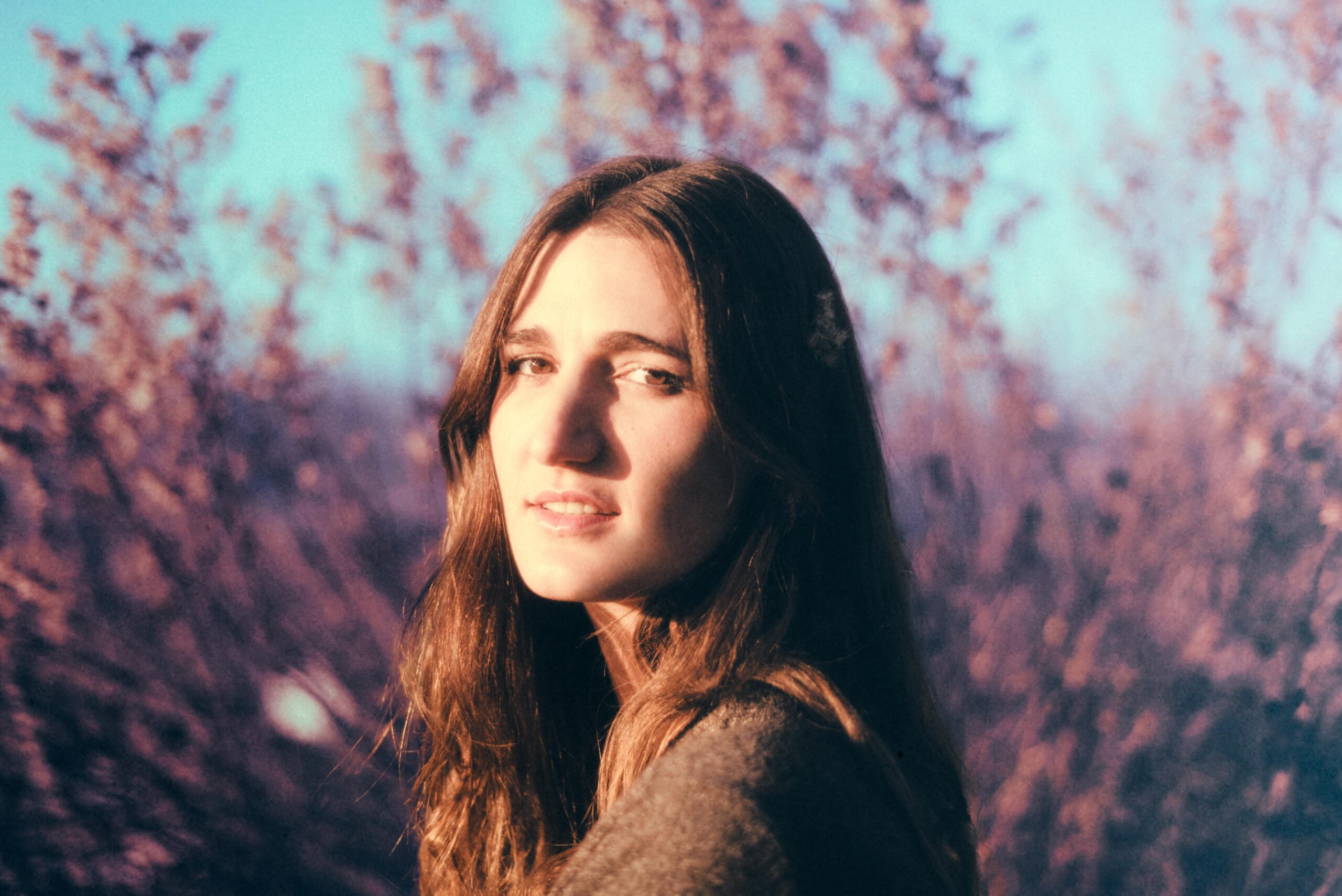
Berlin-based artist Marla Moya unveils “Shedding Skin”, a fearless anthem of renewal and courage. Blending soft rock, psychedelic pop, and raw emotion, she transforms fear into strength and self-discovery.
1. Marla, “Shedding Skin” is your second single and a preview of your upcoming debut album. How does this song represent where you are right now, both musically and personally?
“Shedding Skin” was written weeks after I made the most drastic choice in my life. I had left my duo and relationship of seven years and moved to Berlin within days after having spent most of those years in Canada. Suddenly, I found myself starting over at 27 — feeling like I had nothing, including a huge lack of self-confidence. But I felt deep down, this relationship with all its surrounding circumstances was no longer fulfilling and there was happiness to be found back home in Germany! The song reflects that duality: fear and hope coexisting. Musically, it still carries my most natural approach — being open and vulnerable. However, as I now stand independently on my own two feet, I want to carry that strength to the outside and transmit confidence in moving forward.
2. The title itself, “Shedding Skin,” evokes transformation and renewal. Can you share how this theme emerged and what it meant to you while writing the song?
I remember sitting in a friend’s apartment on this really dark winter night, in between temporary places to stay. The first two weeks in Berlin I spent rather isolated, digesting the choice I made and acknowledging the feeling of emptiness – until I decided to turn my days around, grow a thick skin and introduce myself in the city, the folk scene and my new dream job. The words came to me as I played the chords rather than looking for them. It was one of those songs that immediately felt like it’s in its place. I even immediately liked it myself, a very rare thing to happen. Mixed feelings of discomfort, liberation of letting go of an old life, and stepping into something new, even when it feels raw and uncertain. The upbeat energy of the song hides a lot of fear, but it also celebrates courage — the kind you find when you have no choice but to move forward.
3. You’ve described the track as a bridge between soft rock, psychedelic pop, and singer-songwriter styles. How do you balance these influences while keeping your sound authentic and cohesive?
For me, authenticity always starts with the song itself — with a guitar and a voice. The root of my songs will probably always identify best under singer-songwriter. However, I didn’t want to be the gal with the guitar and a suitcase full of sad songs anymore. Quite the opposite really, I’ve always wanted to have a band and create sound as a union, rather than having all the attention on me. The padding piano throughout the song musically underlines that driving force that was cooking up in me when I wrote it. That probably steers the song towards pop, though that genius riff on the hammond organ Robert Francis came up with drags it into something complexed than that, psychedelic in a way of bending the initially expected.
I’m not a great guitar player, far from that. A big part in my writing is stumbling over chords and not knowing what they are and whether they’d fit in the key or not. What does that matter though, when to me it sounds right. My love for soft rock finally found a place in my new found sound.
4. You mention that the song was born out of a process of healing and self-expression. What role does songwriting play for you in processing fear, pain, or change?
Songwriting has always been my way of understanding myself better. I’m one to throw myself at life to avoid reflecting my feelings. Songwriting forces me to face my thoughts and eventually expressing them, not only as I sing them out loud, but shifting from my room to the outside world, as I notice myself getting over the heaviness they had when they were written. In moments of fear or loss I reach to grab the guitar more than ever. Playing gives me shelter, allows me to feel. Sometimes, a melody to hold onto when everything else feels unstable is quite the saving grace. With “Shedding Skin,” singing about my fear of change actually turned into a form of empowerment. Every time I played it, I felt stronger, like I was rehearsing my own courage.
5. Listeners have compared your sound to artists like Stevie Nicks and Weyes Blood. Are there particular eras, artists, or sounds that deeply shaped your creative identity?
That’s a huge compliment — I love both of them. In 2014 I actually got to open for Weyes Blood in my hometown. She performed herself with a looping station. While the room seemed to have a hard time understanding what they were hearing and seeing, I felt like I was her mermaid pal and we’re two best friends swimming through the darkest of oceans. Very ethereal, dreamy and – different. She also shifted away from that into a very upbeat sound, speaking about heavy things in a casual lightness that makes her emotions approachable for anyone. She’s been a big influence, not gonna lie! I’ve always been drawn to artists who manage to be ethereal yet grounded — Aldous Harding, Angel Olsen, Jessica Pratt, … However, the music I listen to most was written between the 50’s and 70’s. Everything from Sam Cooke to Neil Young, Floyd & Beatles.
6. With “Shedding Skin” available on all streaming platforms and physical formats soon, what do you hope listeners take away from the experience when they hear this song for the first time?
First of all, I hope it makes them want to sing and dance. I hope it encourages people to make the change they’ve been fearing to do, allowing themselves, to express their fears about it. We all know, we’ll have to go through moments where we have to let go of something safe in order to grow, and through that find satisfaction with one self, but it takes work, strength and patience. I truly hope people will love it as much as I do. The production of this tune is one of my favorites on this album. It gives me such joy to think, that I was equally terrified when asking my favorite musician to produce this record and now hearing the result of what I considered impossible being an unforgettable thing of a shared past now.
More Info: Marla Moya | Instagram, Facebook | Linktree