
Melany Thompson
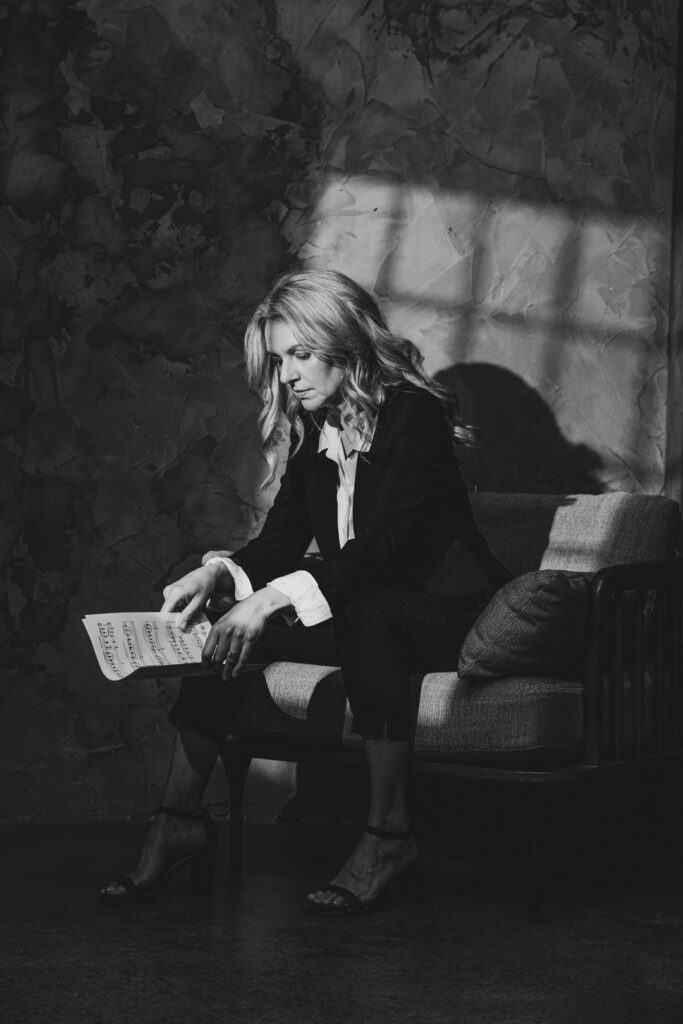
Exploring emotion, memory, and artistic growth, this interview with Melany Thompson reveals how intuition, experience, and her album Mood Blue shape her hauntingly beautiful piano compositions.
1. Your music is often described as “hauntingly beautiful.” How do you approach translating such deep emotion into your piano compositions, and where does that emotional spark usually come from?
The spark usually comes from personal moments—memories, relationships, or even just a feeling I can’t quite articulate in words. The piano becomes a way of processing those things. I don’t tend to overthink it at the start; I’ll improvise and follow whatever feels honest in the moment. It’s only later that I shape it into something more structured, but I try to protect that initial emotional instinct.
2. Having been classically trained from a young age, how has your relationship with the piano evolved over time, both technically and personally?
When I was younger, it was very much about technique, discipline, and getting things “right.” That training gave me a really strong foundation, but over time my relationship with the piano has become much more personal and intuitive.
Now it feels like something I’m returning to in a different way. It’s a space where I can think, reflect, and create without too much pressure. Technically, I may have let go of some of the structured discipline from my early training, but in its place I’ve gained a greater sense of freedom to develop my own patterns and style.
3. Your upcoming album Mood Blue explores different shades of the color blue. What inspired this concept, and how did you translate those emotions into sound?
The idea came from thinking about how we associate “blue” with sadness, but also with something much bigger—like the ocean or the sky. There’s a depth and beauty in it that isn’t just about melancholy.
Each track was developed from an emotion, a memory or a feeling – some tracks lean more into that intimate, reflective space, others feel a little jazzy or more melodic. It’s really about creating a place where the listener can sit with those emotions and interpret them in their own way.
4. You’ve also composed for screen, including work recognized at the APRA Screen Music Awards. How does your creative process differ when writing for film and television compared to your solo releases?
Writing for screen is very different. You’re responding to a brief, a narrative, and often very specific emotional cues. The music’s role is to support what’s already there—enhancing the story without drawing too much attention to itself, and there are often tight deadlines which creates it’s own kind of pressure.
My solo work is much more internal with less structure. I can take more time, follow an idea wherever it leads, and allow the piece to evolve organically. That said, I can often procrastinate for a long time with my solo work where as the tight deadlines for screen music force me to write and create quickly. And I do like a deadline. So I love both sides.
5. Mood Blue was recorded at Electric Avenue Studios with Phil Punch and later developed further in your home studio. How did this combination of environments shape the final sound of the album?
Recording at Electric Avenue Studios gave the album its core sound—the piano there has such a beautiful depth and character, and working with Phil meant we could really capture those performances in an honest, unedited way. The tracks were recorded in single takes, so they are very real and authentic performances, they aren’t perfect.
Bringing everything back into my home studio allowed me to sit with the music and experiment with some subtle ambient layers just in some of the tracks. I felt this gave a little more depth and interest to the overall album.
6. With over 14 million streams and growing recognition worldwide, how do you stay grounded creatively while continuing to evolve your sound and artistic identity?
That’s something I’m still figuring out, to be honest. I think imposter syndrome is very real—no matter how many streams or milestones there are, there’s still that voice that questions whether you’re really where you’re meant to be. It’s been such a learning curve since I started releasing music about seven years ago, and I’m still navigating how to balance it all—raising two beautiful kids and making sure they remain my priority. I feel incredibly lucky to have a supportive husband, and I really value the time I do get to spend on this creative passion.