Anatomy of the Heads
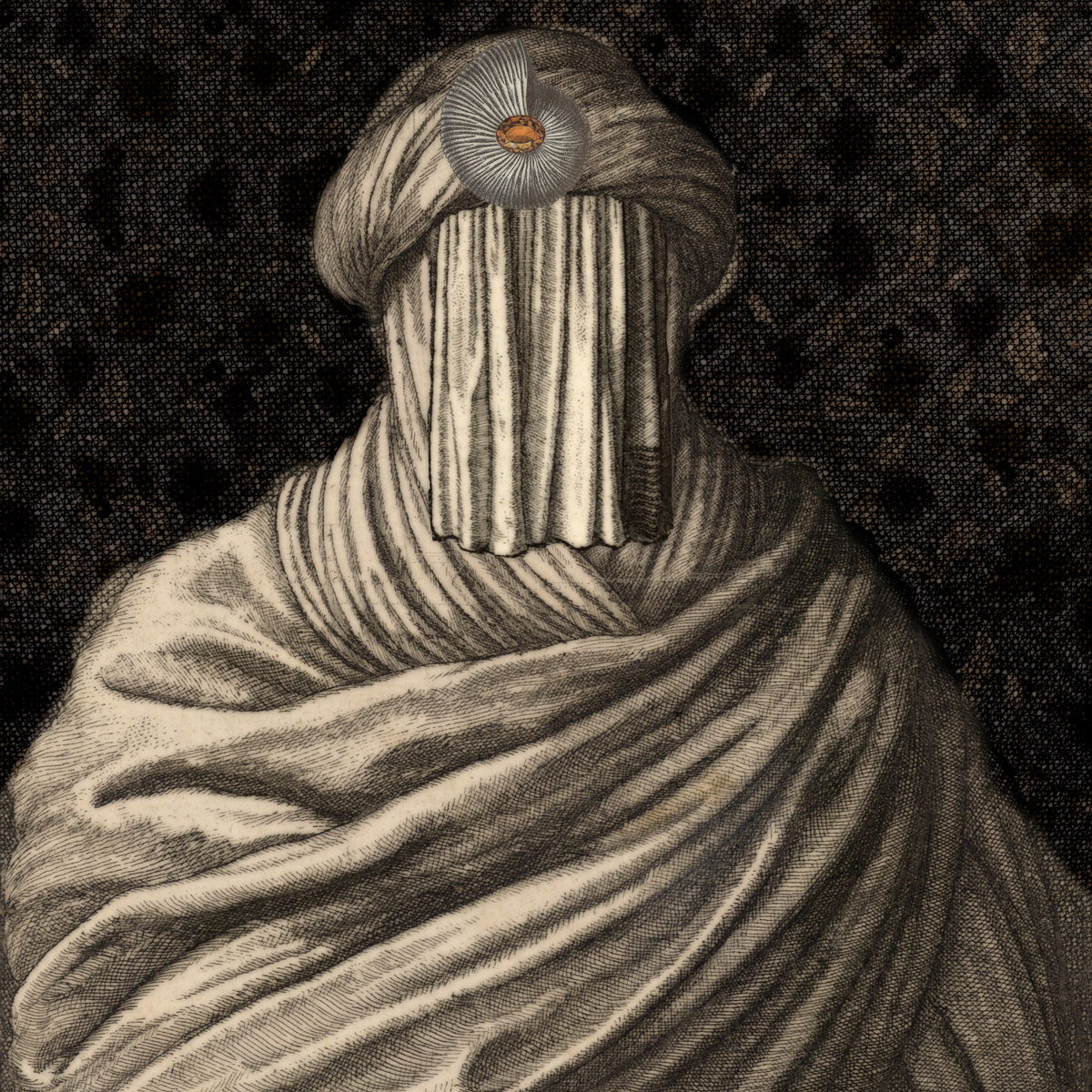
Diving into eerie atmospheres and genre-defying ambition, Anatomy of the Heads unravel their bold “vampiric ambient” shift, blending dark humor, experimental soundscapes, and cryptic storytelling into a haunting, unpredictable artistic evolution.
1. Unholy Spirits Light Divine feels like a descent into a completely different sonic crypt compared to your earlier works. What drew you toward this “vampiric ambient” direction, and how natural did that transition feel for you as a band?
To say it was a “natural transition” would be a bold-faced lie. It actually triggered a minor civil war within the band. When I first floated the idea, the guys assumed we were talking about a cute three-minute intro or a transition piece—you know, a little sprinkle of “vampire dungeon synth” to set the mood before getting back to the real work.
When I broke the news that I actually needed thirty minutes of that, morale didn’t just drop; it plummeted. There was a lot of hand-wringing about it being a “throwaway release” that would permanently tarnish our allegedly glorious reputation. They essentially looked at me like I’d lost my mind and was dragging them into a creative grave.
But then, the team actually got to work. We spent an obsessive amount of time on the recording and mastering, which, let’s be honest, does all the heavy lifting here. We absolutely nailed the sound. It sounds exactly like the perfect soundtrack for sitting in a lonely, candlelit library while the gothic castle around you slowly burns to the ground.
Once they heard the finished result, the skepticism miraculously evaporated. They stopped calling it a throwaway and started acting like they’d been on board the whole time. Now, it’s become a legitimate fan favorite. It turns out that if you make the crypt luxurious enough, people—and even grumpy bandmates—actually enjoy being buried in it.
2. Your project seems to reject the idea of being tied to a single genre, instead embracing a kind of “exotica without borders.” Do you see this freedom as your greatest strength, or has it ever created tension within your identity as artists?
Well, all genre tags eventually become oppressive. You only have to look at the metal scene to see the carnage: half those bands clearly despise playing metal, but they’re locked into the brand. The result? Albums that sound like a tired sigh recorded in a basement.
We knew this from the start, so we took a page out of the pop star playbook—and yes, this is me actually praising pop artists. They have the ultimate freedom; they can pivot from country to synth-pop to a spoken-word fever dream, slap their personality on the track, and call it a day. We wanted to build Anatomy of the Heads on that same principle.
Our strategy is basically “early-onset disappointment management.” We condition our casual listeners from the jump: just because you enjoyed one release doesn’t mean you won’t hate the next one.
Of course, if you’re the type of person who is capable of connecting with a truly charming and magnetic personality like mine, then you’ll find you like all of our releases regardless of the genre. If you don’t? Well, that’s clearly a “you” problem, isn’t it?
3. The concept of Southeast Asian vampires invading the mythos of Dracula is both strange and fascinating. How important is storytelling and lore in shaping your music, and do you start with narrative or sound first?
The truth is, the lore and the sound develop in a sort of symbioticaly. It’s never a clean “story first” or “sound first” situation—it’s circles within circles within circles. I’ll have a visual scene in my head or a fragment of music, and then I spend my time forcing them to tolerate each other until they finally match. It’s like painting: you make a mess, realize some of the “mistakes” actually look intentional, and then paint over the rest until something vaguely awesome emerges.
The goal isn’t to hand the listener a Wikipedia summary of the plot. I want you to feel that prickle on the back of your neck—that sense that the artwork, the track titles, and the music are all whispering to each other behind your back. I want the listener to think, “There’s something going on here, and I wish I had the time to go full Scooby-Doo and investigate it all.” Mystery is the point. I’m not here to explain the meaning in excruciating detail; I’m here to lure you into the woods.
Our second album, A Banishment of Bloodshed and Superstition, is currently the gold standard for that “vibe over explanation” approach. However, with Unholy Spirits Light Divine, we’ve actually tried something new for the people who lack the patience for detective work. If you head over to our YouTube, you’ll find videos where we actually delve into the philosophy behind the album and shed a little light. Consider it an experiment in clarity before we retreat back into the shadows.
4. This release leans heavily into minimalism, stripping things down to skeletal arrangements and eerie atmospheres. Was this creative limitation liberating or challenging, especially compared to your more layered past work?
Oh, absolutely. It’s a massive departure from our usual “everything-and-the-kitchen-sink” approach. Normally, if a song feels thin, I just throw a bucket of noise at it and call it avant-garde. But here? There was nowhere to hide. You actually have to commit to a handful of tools and make them work, rather than relying on a Mr. Bungle-style genre pivot every four seconds to keep things interesting.
To be honest, it was a total grind. It’s significantly harder to make a skeletal arrangement feel haunting rather than just… empty. It was rewarding in a masochistic sort of way, but let’s be clear: this isn’t an “everyday” headspace. You have to be in a very specific, probably quite miserable, mood to inhabit that kind of restraint.
While I’m sure we’ll circle back into musical emaciation eventually, I’ve had my fill for now. The next time you hear from us, I’ll likely be back to burying the melody under fifty layers of unnecessary complexity.
5. You’ve put a strong emphasis on physical elements—cassettes, zines, and merchandise—to accompany the music. In an era dominated by digital consumption, what does the physical experience add to Anatomy of the Heads universe?
Look, digital is the bread and butter—and let’s face it, I’m eating the bread too. Aside from my Danzig records, which I’ll obviously be buried with, I’ve basically liquidated my entire physical collection. But here’s the cold, hard truth: 90% of digital distribution yields exactly zero rewards for a band like ours. We are a niche act for a niche audience that doesn’t spend its time curated by a Spotify algorithm. Our fans are on Bandcamp and 4Chan hunting for something tangible to fill the gaping void in their souls.
The physical experience isn’t just about the music; it’s about the silent smugness of owning something real. Our audience appreciates physical objects because it allows them to showcase the fact that they are, quite simply, better than the average digital listener. It’s about status, aesthetics, and a bit of hoarding.
Because of that, we’re moving way beyond the standard “slap a logo on a Gildan tee” approach. Starting in May 2026, things are going to get significantly more ridiculous—we’re talking custom Anatomy of the Heads prayer rugs, because if you’re going to suffer for art, you might as well have a soft place to kneel.
And for the completionists who already have everything: keep your eyes peeled. We’re currently finalizing a supply chain to re-release our entire catalog on a brand-new format. Is it practical? No. Will it be great? Absolutely. Get your shelves ready; your digital cloud storage could never.
6. You’ve described the project almost as a “public diary” rather than a traditional band. With that mindset, where do you see Anatomy of the Heads heading next—deeper into darkness, or toward yet another unexpected transformation?
Since I’ve already turned my social circle into an unpaid labor force, the next step for Anatomy of the Heads is naturally to weaponize nostalgia. For example: My mother insists on getting older, and while most people would buy a nice photo album, I’ve decided to preserve a piece of her by recording her voice and including her handwriting into album art. So, prepare yourselves for an onslaught of calligraphy. It’s sentimental, it’s high-effort, and it’s going to make the liner notes look like a 14th-century monk’s fever dream.
Recently, I’ve been really into war history, Giallo slashers, and the more creative end of medieval theology. I don’t exactly know where all of this leads, but there will be guns, giants and zombies (primarily the drink, not the thing).