
Ruut
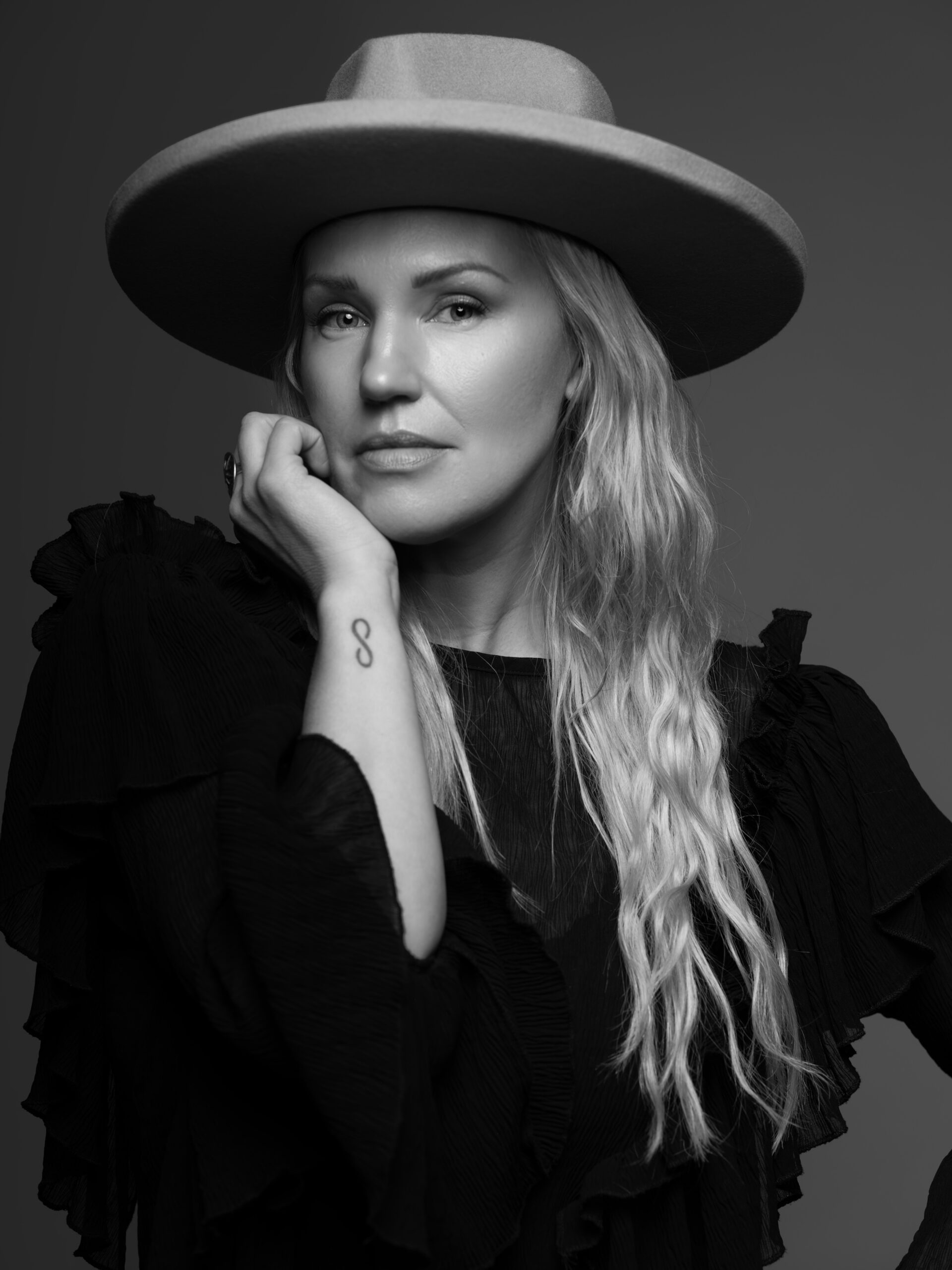
In this intimate interview, Ruut reflects on revisiting Steinway Sessions, exploring growth, identity, and resilience while embracing raw creativity, personal evolution, and the enduring belief in life’s beauty.
1. Steinway Sessions captures a very intimate period of your life—how did it feel revisiting and remastering these recordings so many years later, both emotionally and artistically?
When I recorded these songs, I didn’t talk about them much. The session was almost a private party that I just happened to release as an album. It was such a contrast to other experiences I was having in the music industry at that time: working with producers whose focus was promotion, not art. In revisiting this album, I’ve felt so proud of young me for taking time to do something raw and honest, just for myself, kind of on the side. Just…pure art without an agenda. Stepping back to that time has been like drinking from the deepest well of inspiration. I clearly see now, that there is such a well, that it never runs out, and that it’s the only one I should be drinking from.
2. You’ve described these songs as reflecting a time of searching and growth. In what ways do you see your current self in those earlier recordings, and where do you feel you’ve changed the most?
I hear a wisdom in the Steinway Sessions that a lot of my other younger music lacks. The themes I wrote about—love enduring fire, needing an anchor in my life, seizing second chances—are still so relevant to me now. I still love to sit at the piano and just sing, the way I did then. But I’ve also grown in my approach to recording. I love to explore space, creating vast sonic landscapes and layered experiences for my listeners. Still, at the core of everything I record, even now, there is that young piano-girl. All my songs could probably be stripped down to piano and vocals. So, she is always present.
3. Your journey—from Finland to Budapest to Baltimore, and from church stages to independent artistry—has been incredibly unique. How have these experiences shaped your musical identity and voice?
My upbringing provided an interesting juxtaposition: we traveled through countries that had rich mythology and culture, not to appreciate all that, but rather, as missionaries. But even though I was there to proselytize, my subconscious absorbed all of it. Even after moving to the States, I returned to Europe on many missions trips. I remember buying a Kíla CD while in Ireland, when I was 16. My brain just soaked it up. It filled me with awe. It wasn’t “bad” music, so I was allowed to listen to it. But now, I see that I was drawn to its pagan, mystical mood.
I’m starting to recognize that pattern, more and more. A human darkness broods in all expression, even in mine when I was being groomed to evangelize the world. What’s different now is I’m digging for that darkness. I’m allowing myself to explore what I missed. And it is rich, rich soil for my new music.
4. Signing with Meridian (ECR Music Group) marks a major milestone in your career. What made this partnership feel right for you at this stage, and how does it align with your long-term vision?
The team at Meridian has not only understood my artistic journey to this point, but they believe (like I do) that it holds the key to making my best music. It’s refreshing to work with people who see you holistically, as artist and human, to dig out the musical gems that hide in the depths of your soul. My collaboration with them has brought clarity and because of this partnership, my vision not only feels refined but also achievable. I feel like we’re a bit of a small army together. It’s an empowering reality that I’m really grateful for.
5. The upcoming album Motherland suggests a deeply personal theme. Can you share what this record represents for you and how it differs from your previous work? This is so layered. I can’t wait to dive in deeply and really share about that album. For now, I’ll just say that I needed to go there. I needed to write that album and to tell myself, “Dive in, woman. Deeper, and deeper still. When you think you’ve reached the bottom, there’s more.” A time will come to share more about the journey of making Motherland.
6. “Life Is Beautiful” carries a powerful message about acceptance and perspective. How has your relationship with that idea evolved over time, especially through the highs and challenges of your career?
I think I wrote that song to process what had happened to me. Quite plainly, I’d lost connections with people I loved because of my choice to leave a controlling religious environment. I was looking for beauty in life while feeling desperately alone. I believed that life would be beautiful, even though the odds felt against that. Now, looking back… I really honor that young woman who had such hope. I honor her courage. When I sing “Life is Beautiful” now, I sing it to her, as if to say, “You were right to believe it. Even without miracles. Even without having all the answers. No… especially then. In the unknowing. In the mess. Life is beautiful.”