
Emily Dimes
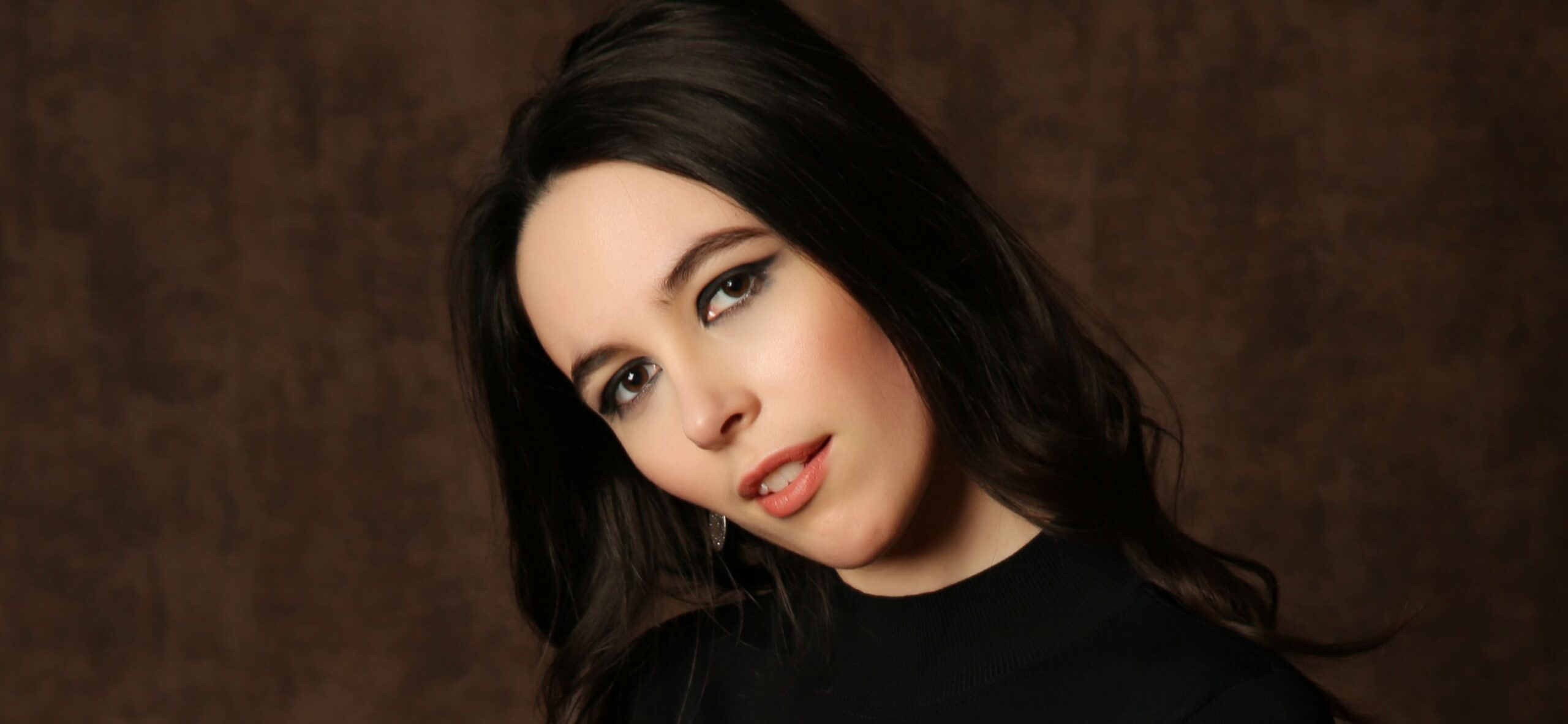
An honest and introspective conversation with Emily Dimes, exploring identity, vulnerability, and growth, as she unpacks the emotions, influences, and creative vision behind her deeply personal debut EP STAYbilise.
1. Your debut EP STAYbilise explores feelings of uncertainty, identity, and emotional vulnerability. What personal experiences inspired the themes behind this project?
These topics are questions that have been coming up a lot as I’ve been going through my 20s and figuring out who I am and why I want to give the world. Especially stepping out of school, where there was so much structure but so little freedom, I had a lot of thoughts on feeling confined and not being able to explore certain parts of myself. More than anything else, this EP is a very honest reflection on growing up and beginning to move past the pressure of who you feel the world wants you to be, and instead moving into an existence that I really want for myself.
2. The title track Stay captures the moment of inner conflict before making a life decision. What was going through your mind emotionally and creatively when writing this song?
I was struggling with insecurity and a sense of feeling extremely lost, in a general overarching sense, for the first time in my life, so those opening verses came from a place of overwhelm. I actually stopped writing after the first half of the first chorus and came back to it later to finish it all off – maybe that’s why it starts soft and gets angrier as it goes on! I wanted Stay to convey that desperate feeling of wanting to have it all worked out but also recognising that life isn’t really that simple or straightforward. And sometimes people aren’t who you first think they are, and they don’t bring you what you truly need, and it’s better to find that out sooner rather than later.
3. Your music blends elements of pop, pop-rock, K-Pop, and power ballads. How did you approach combining these different styles to create your own sound?
Honestly, piecing together the first song was the hardest part. After that, I felt I had a good benchmark of how these styles fit together and which elements of each to incorporate. Before that, I received some feedback that my taste was too eclectic and the reference tracks I’d found didn’t fit together. But I knew in my mind that it would work, and the most important thing was finding the right collaborators who could also understand and help achieve that vision.
The first song we finished first was Till It Fades Away, which is an indie ballad but with a strong K-Pop influence in the production. Rather than the typical upbeat, fun feeling people may initially associate with the genre, the K-Pop influence shows more in the song’s structure, arrangement and layering. After Till It Fades Away started to connect with people and proved that the genre fusion could be done – in a way that felt subtle and natural – finishing the other tracks was about trying to show my different sides, making sure each song felt distinctive sonically while also fitting together cohesively.
I really see this first project STAYbilise as a way of introducing myself to the world, who I am at my core, and the ballad influence is definitely strong here. As I keep releasing music, I’d like to keep showing my other sides and incorporate a more upbeat and outgoing feeling into my existing style, while keeping the lyrics thoughtful and introspective. I hope you’ll enjoy STAYbilise and also look forward to what I do next!
4. You first gained attention through K-Pop covers online. How did that experience shape your artistic identity and influence the direction of your original music?
I think it made me realise that you could be both fun and gentle, both bright and melancholy at the same time. Taking some of the most classic, quirky K-Pop songs and making them into ballads, maybe also making them a bit darker, and seeing that people still connected with it on a different level, that was really cool for me. I’d had some feedback early on in my songwriting journey that my lyrics were too desolate for my age and how energetic and bright I seemed in person, so I had a lot of question marks around how to show myself in a way that felt genuine. It was very freeing to realise that both sides of me could be equally true and that I didn’t have to choose. That I could show both light and shade in the same song.
K-Pop also made me a more inventive and thoughtful lyricist, with all the practice rearranging other people’s words into my own through translation.
I also was inspired by the breadth of topics across K-Pop songs; once I started translating them, I found everything from commentaries on the social pressure of young people, to motivational messages on reaching for your dream and even rap verses about being too tired to get up. There’s so much variety and it helped me see there really aren’t any constraints when it comes to making music. Your only limit is your own mind and creativity.
5. Artists like Avril Lavigne, Demi Lovato, BTS, and Olivia Rodrigo have influenced your style. In what ways have their music or careers impacted your songwriting and performance approach?
These artists have all had such impactful and long careers that I can only hope to replicate someday. I definitely take on some aspects of each of their styles in my own music – Avril Lavigne’s vocal flips and alternative energy, Demi Lovato’s power and vulnerability, BTS’s drumbeats and lyricism, Olivia Rodrigo’s edge and performance – but beside that, I’m so inspired by the way they approach the music industry. Their ongoing passion and creativity is so admirable to me and I love how over time, their styles may shift but at the core of what they do there’s always a unique message only they could deliver. I think that’s what separates a great artist from an amazing one, and I hope I can learn a lot from them and have a similar impact in the future.
6. Your songs touch on mental health, relationships, and the struggle to find your true self. What message do you hope listeners take away after hearing STAYbilise?
I hope people find a safe space in STAYbilise. Honestly, I don’t have the answers and I’m not necessarily the best person to turn to for advice. But I hope when people listen, they feel heard, seen, and like somebody is there to sit with them through every difficult moment. Whatever you’re going through, I hope you never feel alone.