
Riley Finch
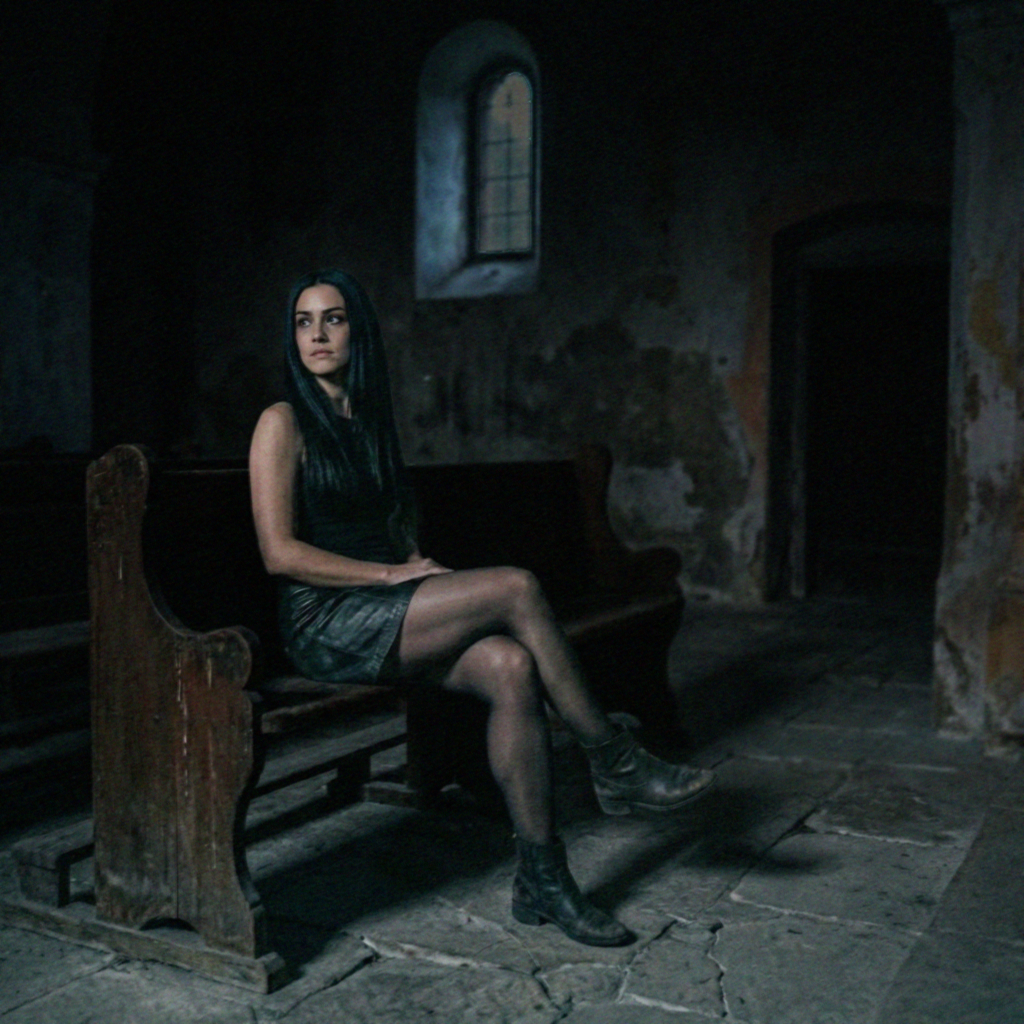
Riley Finch opens up about raw emotion, betrayal, and self-discovery behind Only When You Come, revealing the unfiltered songwriting, confronting truths, and sonic choices that shape this personal debut album.
1. Only When You Come is such a raw and emotionally intense debut—what pushed you to tell this story so directly and without holding anything back?
I don’t know if it felt like a choice at the time. It was more that I didn’t really have another way to write it.
A lot of those songs came out while things were still happening or right after, so there wasn’t much distance between what I was feeling and what ended up in the lyrics. I think if I had waited, maybe it would’ve been more filtered or easier to shape into something “cleaner,” but that didn’t feel honest to where I was at.
I also think I spent a long time before that trying to say things in a way that felt more acceptable or easier for other people to hear. And it never really landed the way I wanted it to. It sounded right, but it didn’t feel right.
So when I started writing these songs, I kind of stopped trying to manage how it would come across. Not in a reckless way, just… I wasn’t softening it anymore.
I didn’t really think about whether it was too much or too direct while I was doing it. That came later. At the time, it just felt like the only version of the story I could actually stand behind.
2. The album explores themes of loyalty and betrayal in a very personal way. Was there a specific moment or realization that became the emotional starting point for the record?
I don’t think it was one big moment. It was more like something that kept repeating until I couldn’t ignore it anymore.
I think the realization was more about seeing the difference between what someone says and what they actually do, especially over time. You can explain a lot away in the moment, or tell yourself it’s just a bad day or a misunderstanding. But when it starts to feel consistent, it’s harder to keep giving it the benefit of the doubt.
That’s probably where a lot of the album comes from. Not just the feeling of being hurt, but that shift where you start to see things more clearly than you maybe wanted to.
It wasn’t dramatic when it happened. If anything, it was quieter than I expected. Just realizing that something I thought was solid… wasn’t, at least not in the way I believed it was.
3. Tracks like Did You Even Flinch? and Last Fucking Mistake carry a strong sense of confrontation and anger. How did you channel those emotions into your songwriting and performance?
I think those songs sound more explosive than they actually felt while I was writing them.
A lot of the anger wasn’t loud at the time. It was more controlled, or pushed down, or sitting there without really having anywhere to go. So when I finally wrote it out, it comes across sharper because it’s not filtered, but it’s also not exaggerated.
I wasn’t trying to make them sound aggressive. I was just trying to say things I hadn’t said when I probably should have.
With Did You Even Flinch? especially, a lot of that comes from looking back at something and realizing how one-sided it felt in ways I didn’t fully process in the moment. And Last Fucking Mistake is a little more direct, but even that isn’t as impulsive as it sounds. It’s more like reaching a point where you’re done questioning it.
I think the way I approach it is just… don’t dress it up. If it’s uncomfortable or blunt, it probably means it’s closer to what I actually meant.
4. Your sound blends alternative rock, grunge, and industrial textures. How did you shape this sonic identity to match the emotional weight of the album?
I don’t think I ever sat down and tried to define what the sound was supposed to be. It was more about whether something felt like it matched what I was trying to say.
A lot of the time, if something sounded too clean or too polished, it just didn’t sit right with the lyrics. It felt disconnected from what the songs were actually about. So I kept leaning toward things that had a little more weight or tension in them, even if they weren’t perfect.
The alternative, grunge, and some of the more industrial elements are also just what I’ve always been drawn to. That’s the kind of music I go back to when something actually hits me, so I think that naturally shapes how I hear things when I’m working on my own songs.
There’s something about those sounds that doesn’t try to smooth everything over. They leave space for things to feel a little rough or uncomfortable, which felt more honest for this record.
And with some of the colder or more distant textures, that was more about certain moments needing to feel a little detached underneath everything else. Even the quieter parts didn’t feel like they should be soft, just… held back.
I think it all just came down to not forcing anything into a style. If it supported the feeling, it stayed. If it didn’t, it didn’t matter how good it sounded on its own.
5. On My Own Undoing and My Own Flame, there’s a shift toward self-reflection and independence. How important was it for you to include that personal growth in the narrative?
It was really important, because without that, it would’ve felt incomplete.
I don’t think I could’ve been honest about that situation without also being honest about my part in it. Some things were one-sided, yeah. But I was still there. I stayed. I let certain things keep happening longer than they probably should have.
I don’t see myself as someone who was just a victim in it. That never felt true to me. At the same time, that doesn’t mean nothing happened either. It’s just… both things can exist.
I think those songs came from realizing that I had to take responsibility for the choices I made, even if I didn’t fully understand why I was making them at the time. And part of that was seeing how much of my sense of worth had gotten tied into someone else.
So the shift into something more independent wasn’t really about proving anything. It was more about stepping back and asking why I was still in something that wasn’t working, and actually listening to the answer.
It’s not a clean process. I don’t think it ever is. But it felt important to show that part too, not just the hurt, but what comes after you start to see it differently.
6. Ending the album with a cover of You Oughta Know is a powerful choice. What does that song mean to you, and why did you feel it was the right way to close this chapter?
That song always felt a little too honest in a way that stuck with me. Not just the anger, but how specific it is. It doesn’t try to soften anything or make it easier to listen to. It just says it the way it is.
I think I’ve always had a lot of respect for that, because it’s not easy to do without it feeling forced or overdone. It never felt like that to me. It just felt real.
By the time I got to the end of the album, it didn’t feel right to close it with something that tried to wrap everything up neatly. That wasn’t where I was at. So ending it with You Oughta Know felt more honest than trying to write some kind of resolution.
It’s not there to outdo it or reinterpret it in some big way. If anything, it’s more like acknowledging something that already existed and still holds up in a way that feels just as direct now.
It kind of closes the record by not really closing it at all. Just leaving things where they actually were instead of pretending they were resolved.