Paul Louis Villani
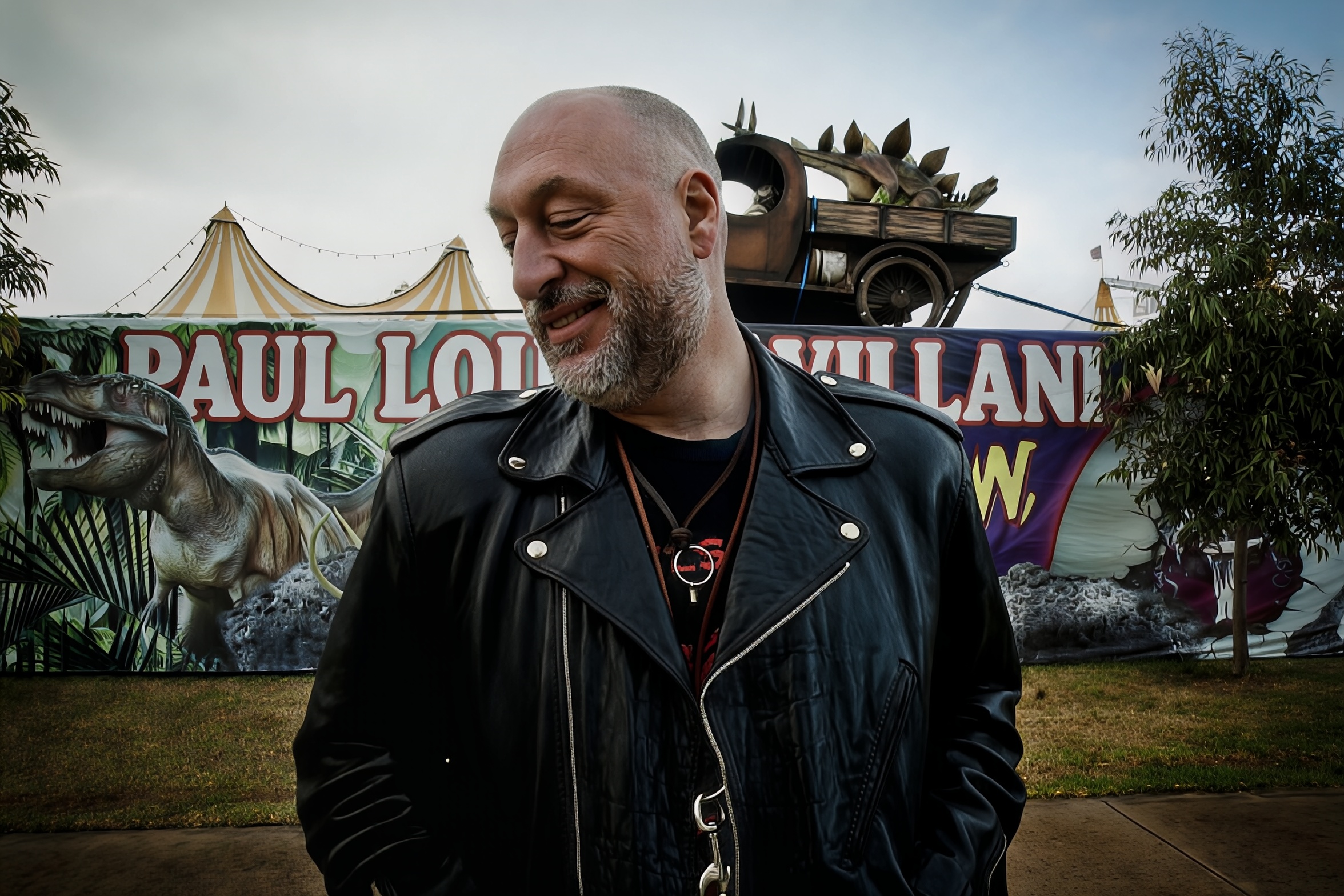
In this candid conversation, Paul Louis Villani unpacks the provocation behind “There’s Not Enough Black in Your Images,” exploring conformity, identity, creative isolation, and the personal convictions fueling his uncompromising artistic vision.
1. “There’s Not Enough Black in Your Images” is a striking and provocative title. What does it represent for you, and what conversation are you hoping to spark with this release?
Conformity. What is it? Is it relevant? Is it required? Inclusion and diversity being forced upon society. Is it a good or bad thing? I don’t have the answers, nor do I wish to pretend that I know how to “fix” it, but I do know that promoting and enforcing systemic societal weakness by downgrading man’s true reasons for existence and purpose is potentially dangerous and could have massive negative consequences.
2. The lyrics read like a manifesto—exploring power, conformity, strength, and disillusionment. Was there a specific moment or experience that pushed you to turn these frustrations into music?
Yes, but I’m not going into it. Nearly every song I’ve written is about an experience, a person, a group of people of an emotional or physical yearning that’s personal and real. This experience was just detrimental to my mental well-being… currently, in the landscape where I’m attempting to survive, being an old, straight Caucasian male seems to put me in a negative position before I even step out into the playing field.
3. You’ve mentioned that life experience is your only true contributor. How do personal struggles and professional pressures shape the themes and tone of your songwriting?
I may have covered this off in my last response. Simply, I don’t write unless inspired to do so. I can’t. I’m also of the belief that if song lyrics take anymore than 15 minutes to write then I won’t write them.
4. You recorded this track in your personal studio in Melbourne, handling all instruments except percussion and using AI tools for vocal processing. How does this solitary, tech-driven workflow enhance your creative freedom?
It’s the best creative production process ever (for me)!! LOL! Humans are usually pack animals and thrive with others involvement, opinion and input. I was once that person, I tried hard to continue to be that person, and now I am not. (Some) Humans are untrustworthy, time wasters, happy with imperfection and not willing to equal the contribution of others around them… NO THANKS!
5. You’ve stepped away from live performances and prefer to work independently. What does isolation give you artistically that collaboration or performing no longer does?
I do miss live performance. I recently wrote a song called The Introverted Extrovert that sums me up quite well. Understand this, for a person like me who grew up believing his entire existence was meant to be as a member of a band and playing live 5 nights a week and touring the world… to completely step away from that, I must’ve had serious reasons why… I have literally walked away from myself to ensure that 1) I survive and continue to create and 2) those that I love most, have an opportunity in life to succeed. Really, if the Academy ever require a resume for an award for a human who is just acting out his life and doing a brilliant job at it… I’m right here! Going back to your question, working alone saves my brain and soul from the unpredictability of another human being. I write, when I’m ready to write, I record when I’m ready to record, I mix and produce my music without opinion and external judgement… absolute bliss.
6. The song challenges societal expectations and questions who holds power in today’s world. After listeners hear this track, what do you ultimately want them to reflect on—or confront—within themselves?
It’s important that I get this out there… humans are allowed to be different, just don’t shove your differences down my throat and force me to chant to your mantra. I’m happy to allow people to live in peace and happiness and not hurt innocent people, please leave me alone and allow me to live the same way.